Anthropology is the scientific study of human beings across their full biological, cultural, and historical range. It examines humans as evolving organisms, as creators of symbolic and material worlds, and as members of communities that organize life, meaning, and adaptation in diverse environments. Unlike neighboring disciplines that isolate particular dimensions of human behavior—social structure, psychological processes, linguistic systems, markets, or governance—Anthropology develops a holistic account of humanity by integrating evolutionary evidence, kinship and domestic organization, cultural practice, material culture, and long-term ethnographic immersion. It does not analyze religion, language, or institutions as independent bodies of knowledge; those domains are addressed elsewhere in your system. Anthropology instead investigates how human groups enact these systems through practice: how they build relationships, perform rituals, adapt to landscapes, transmit knowledge, and inscribe their lives in symbolic and material forms.
The table that follows presents the internal analytic structure of the discipline. Each field represents a dimension of human existence that Anthropology alone is designed to study, without overlapping the domains of Sociology, Psychology, Economics, Political Science, Geography, Linguistics, or THEOS → Religion. Taken together, these fields constitute the operational framework of Anthropology—a coherent set of approaches for understanding what humans are, how they live, and how their worlds are constructed, sustained, and transformed across time and space.




| Branch Name | Focus | Examples |
|---|---|---|
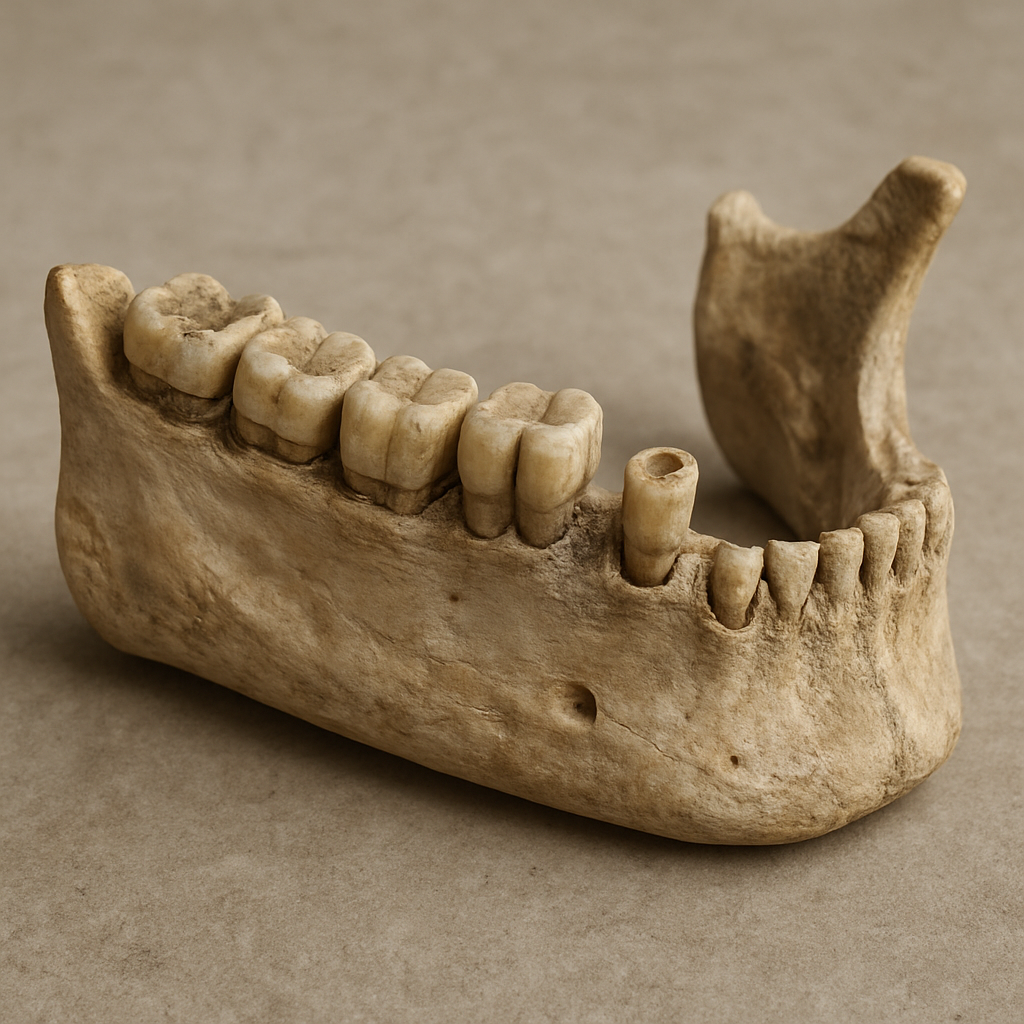
| Human Evolutionary Anthropology | Human origins, hominin evolution, primate comparison, and biological variation shaped by ecological and cultural pressures. | Fossil lineages, skeletal analysis, paleoanthropology, primatology, human variation, biocultural adaptation. |
| Kinship, Descent & Domestic Organization | Systems of relatedness, marriage, inheritance, and residence that structure social life in human communities. | Lineage/clan systems, marriage exchange, household structure, descent rules, kinship diagrams, residential patterns. |
| Ritual, Cultural Practice & Symbolic Systems | Patterned actions, performances, and symbolic classifications through which human groups create and enact cultural meaning. | Rites of passage, festivals, narrative traditions, taboo systems, totemic classifications, worldview models as cultural constructs. |
| Religion (Adjacent Theological Domain) | Doctrines, metaphysical claims, and sacred narratives belonging to theological inquiry rather than anthropological analysis. Included here only to distinguish theological content from anthropological study of ritual practice. | Theology, sacred texts, revelation, divine beings, metaphysical cosmologies. (See THEOS → Religion.) |
| Subsistence Systems, Environment & Human Adaptation | Human strategies for acquiring resources, organizing labor, and adapting to ecological conditions. | Foraging, pastoralism, horticulture, agriculture, mobility patterns, seasonal rounds, cultural ecology. |
| Material Culture, Technology & Archaeological Interpretation | Human artifacts, technologies, built environments, and the inferential methods used to reconstruct past societies. | Toolmaking, pottery, architecture, settlement patterns, stratigraphy, archaeometry, spatial analysis. |
| Ethnographic Method & Comparative Analysis | Long-term fieldwork, cultural interpretation, and systematic comparison of human societies. | Participant-observation, thick description, emic/etic analysis, life histories, multi-sited fieldwork, comparative cultural studies. |
Together, these domains form the working architecture of Anthropology. They outline the full scope of what the discipline can explain: how humans emerged, how they organize their most intimate and enduring relationships, how they construct and perform cultural meaning, how they sustain themselves in varied environments, how their material traces record the passage of societies, and how ethnographic practice produces knowledge grounded in lived experience. Nothing in this structure extends into the territories of the other social sciences, and nothing essential to Anthropology lies outside it. This is the complete analytic map of the field—the framework through which anthropologists interpret human life across time, space, and cultural possibility.




Anthropology forms an integrated framework for understanding human life across biological, social, cultural, and material dimensions. Human Evolution establishes the species-level foundations; Kinship and Domestic Organization explain how communities reproduce and structure relationships; Ritual and Cultural Practice show how meaning is enacted and transmitted; Subsistence and Adaptation anchor these processes in ecological settings; Material Culture preserves their long-term traces; and Ethnographic Method produces the empirical and comparative grounding for anthropological interpretation. Religion appears adjacent to this structure as a distinct intellectual domain—addressed in the THEOS map—intersecting Anthropology only through its observable cultural practices, not through theological content or metaphysical claims.
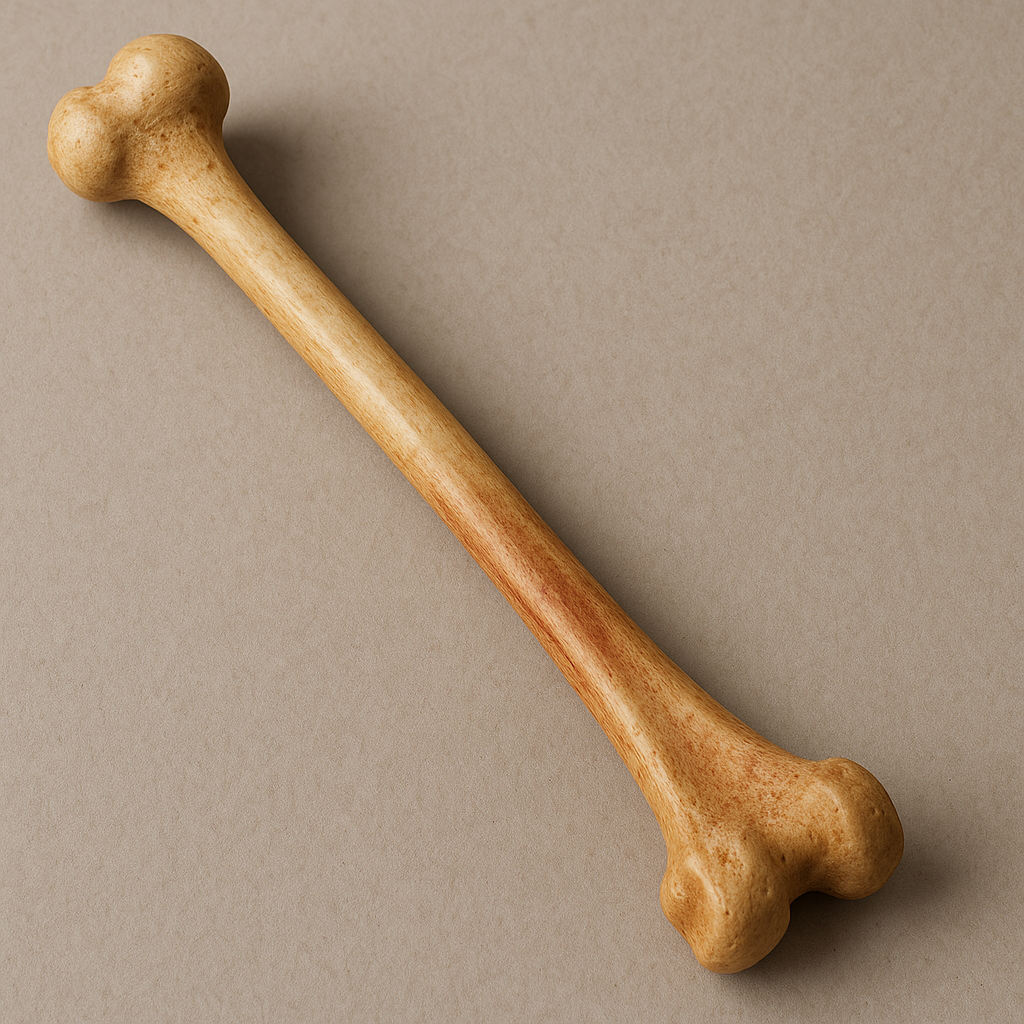
1. Human Evolutionary Anthropology → the biological foundation
Human Evolution reveals the deep-time pathways through which Homo sapiens emerged and diversified.
It informs:
- kinship (biological relatedness),
- adaptation models,
- archaeological interpretation.
Human Evolution provides the species-level substrate for all other anthropological analysis.
2. Kinship, Descent & Domestic Organization → the relational foundation
Kinship systems structure the organization of households, lineages, alliances, and obligations.
They guide:
- marriage rules,
- residence patterns,
- alliance formation,
- transmission of social identity.
Kinship shapes the social architecture within which ritual, labor, and material life unfold.
3. Ritual, Cultural Practice & Symbolic Systems → the expressive foundation
Ritual and symbolic action express the meanings communities generate and enact.
They govern:
- rites of passage,
- status transitions,
- moral and symbolic boundaries,
- shared narratives and worldviews.
They connect to:
- kinship (life-cycle rituals),
- adaptation (seasonal/ subsistence-linked practices),
- archaeology (ritual deposits, iconography).
Ritual is where cultural meaning becomes visible in behavior.
4. Religion (Adjacent Theological Domain) → outside Anthropology’s scope
Religion occupies a conceptual position adjacent to Anthropology.
Anthropology studies only the human practices associated with religion—ritual action, narrative transmission, symbolic expression—while theological content, metaphysical truth-claims, and sacred cosmologies belong to THEOS → Religion, a separate map.
Its relevance here is comparative: it clarifies that ritual is an anthropological phenomenon, while belief systems and doctrines are not.
5. Subsistence Systems, Environment & Human Adaptation → the ecological foundation
Subsistence strategies determine how communities secure resources, mobilize labor, and adapt to specific environments.
They influence:
- household structure,
- seasonal cycles,
- mobility patterns,
- technological requirements.
Subsistence grounds social and ritual life in ecological reality.
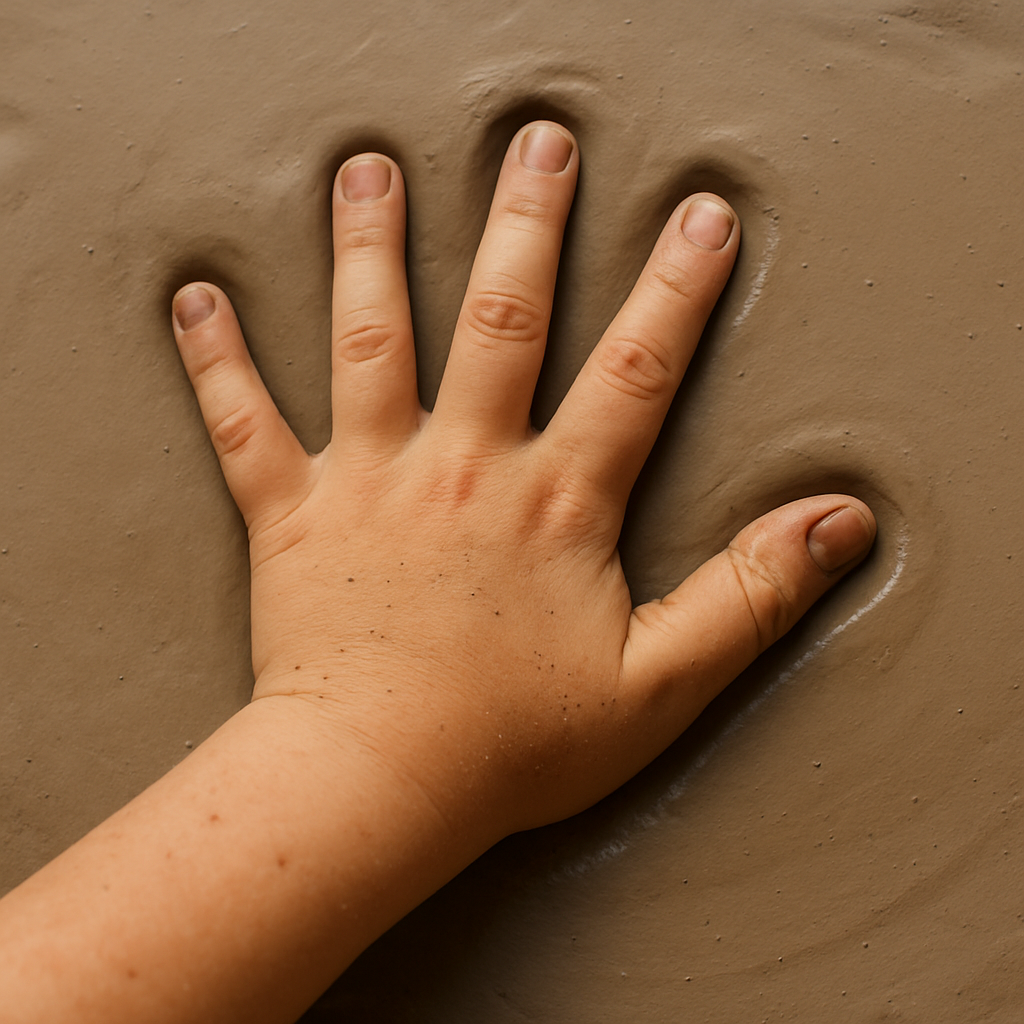
6. Material Culture, Technology & Archaeological Interpretation → the historical foundation
Material culture records the actions, values, and adaptations of human groups.
It captures:
- domestic organization,
- subsistence strategies,
- ritual activity,
- technological change.
Archaeology reconstructs long-term cultural patterns by interpreting these durable traces.
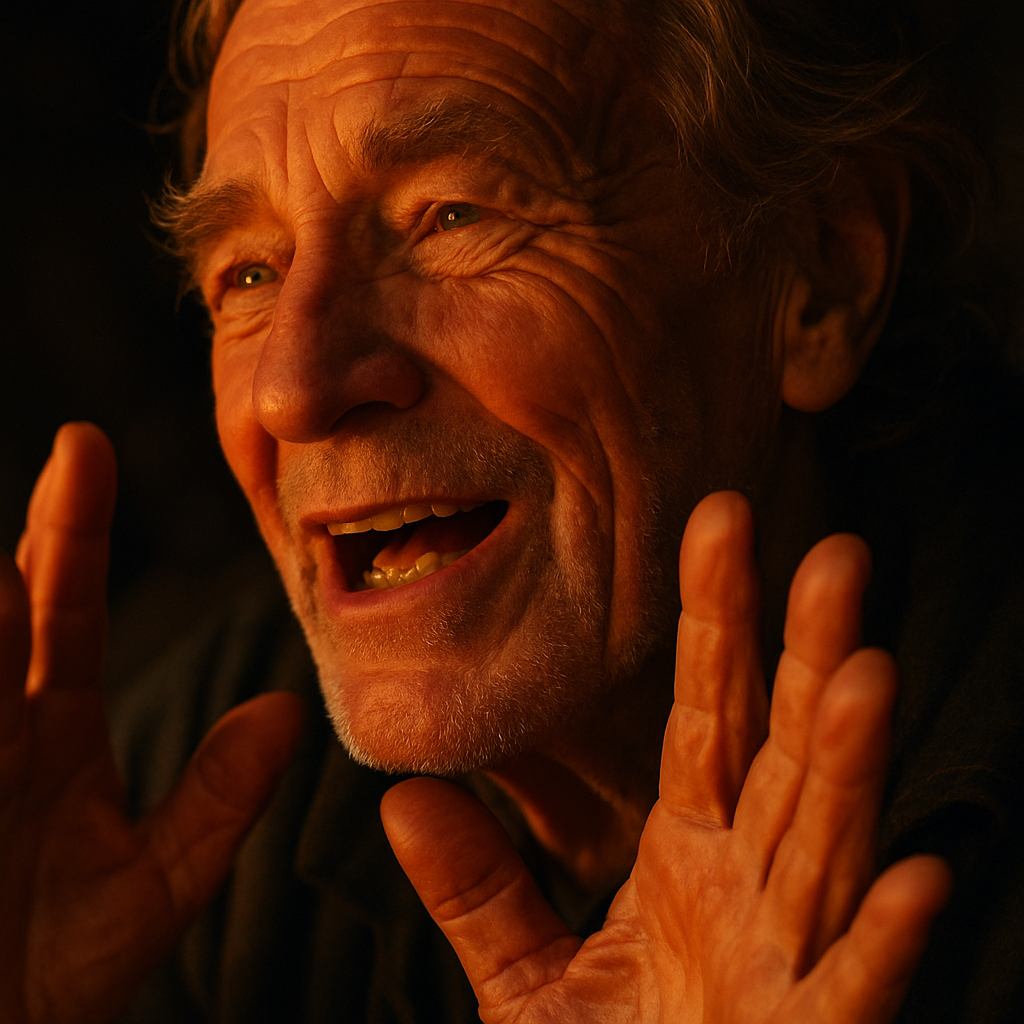
7. Ethnographic Method & Comparative Analysis → the integrative foundation
Ethnography ties Anthropology together by producing the firsthand evidence required for cultural interpretation.
It enables:
- analysis of kinship systems,
- understanding of ritual and practice,
- modeling of subsistence and adaptation,
- analogical inference in archaeology.
Ethnography is the methodological core through which the other fields become intelligible.

The Structure in One Chain
Human Evolution establishes the biological conditions of humanity.
Kinship organizes those humans into enduring social forms.
Ritual gives those forms cultural expression.
Religion sits alongside these processes as a theological domain, intersecting Anthropology only through observable practice.
Subsistence situates human life within ecological constraints.
Material Culture preserves its traces across time.
Ethnography binds these dimensions into coherent anthropological knowledge.
Together, these fields form the full analytic architecture of Anthropology within the Social Sciences, while Religion is treated in its proper domain on the THEOS map.