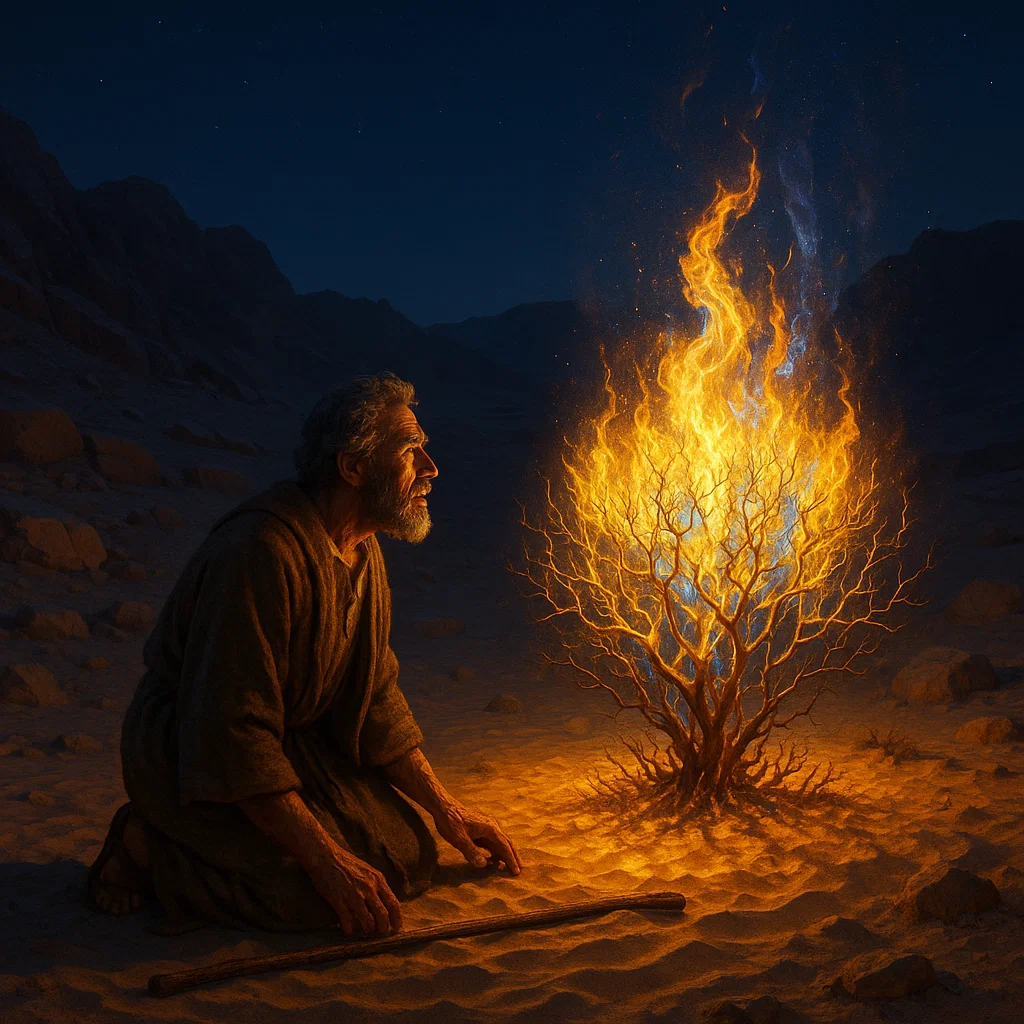
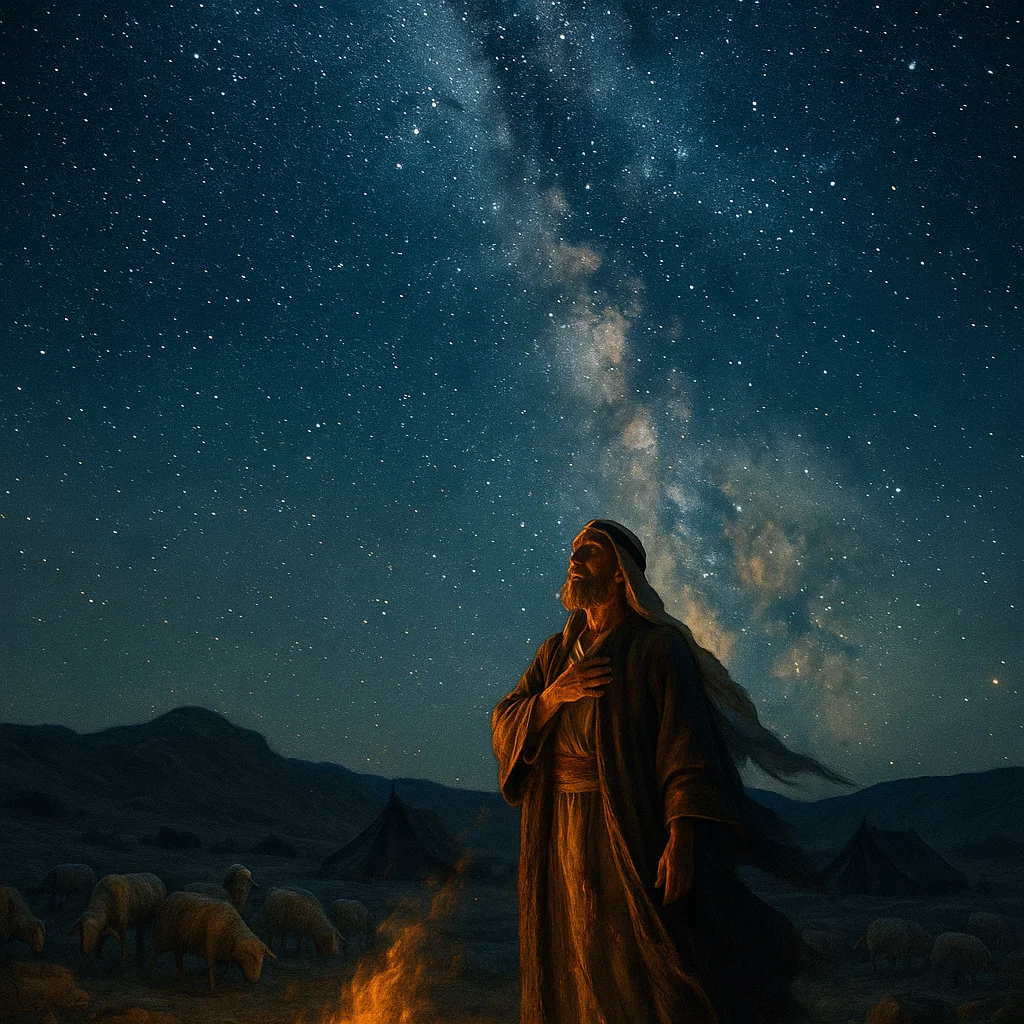
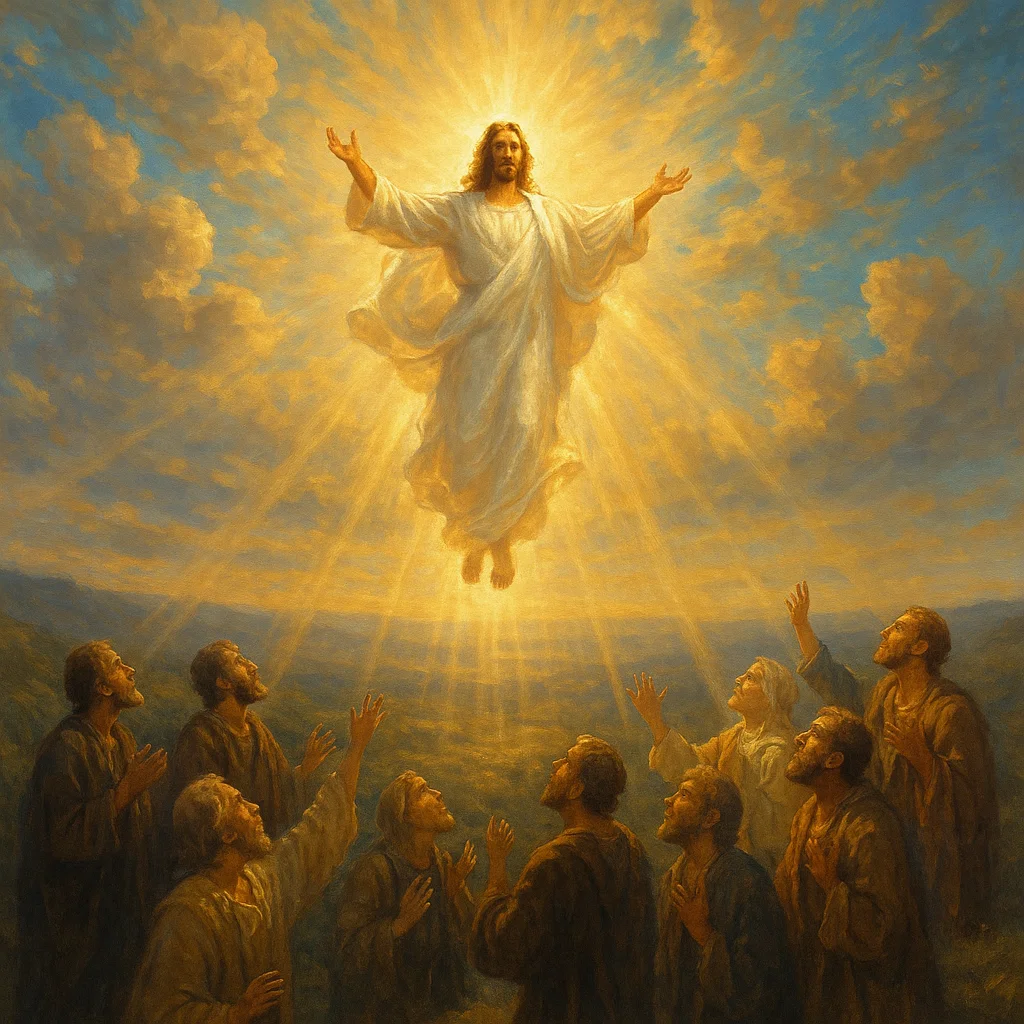
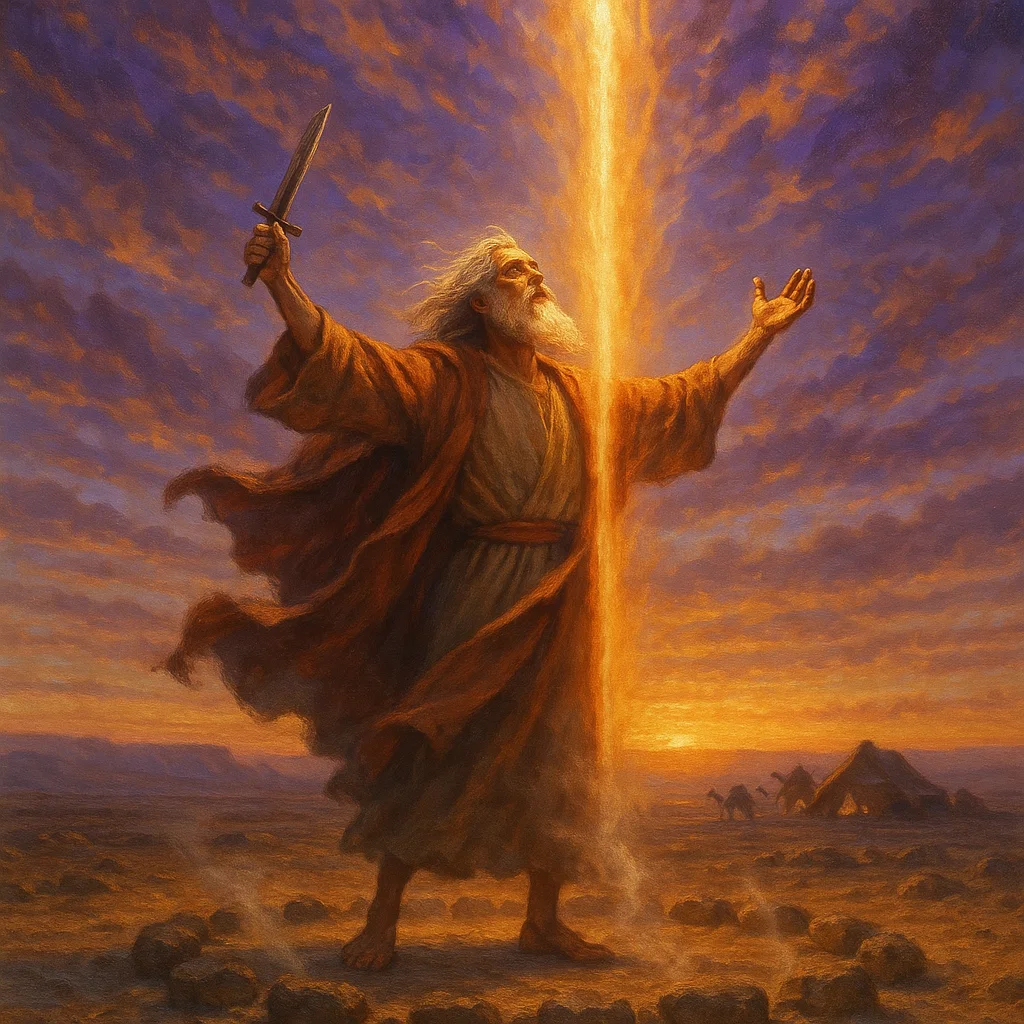
Religion has taken countless forms across human history, but when you step back and look at the global picture, three broad streams stand out as the foundation of how human beings have understood the sacred. These streams are not simply geographic markers, but enduring orientations that shaped entire civilizations. They provide the most basic framework for comparing and organizing the great variety of religious traditions.
Primal and Indigenous Religions
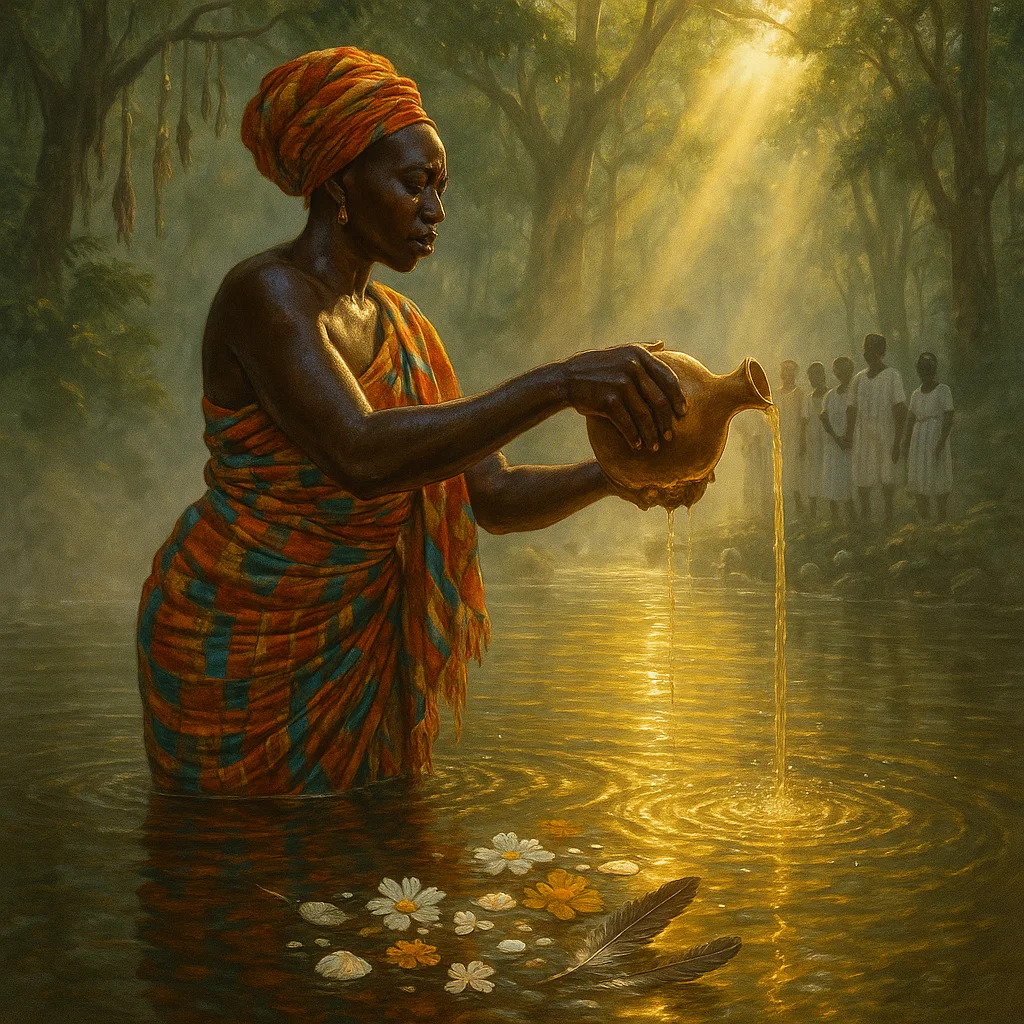
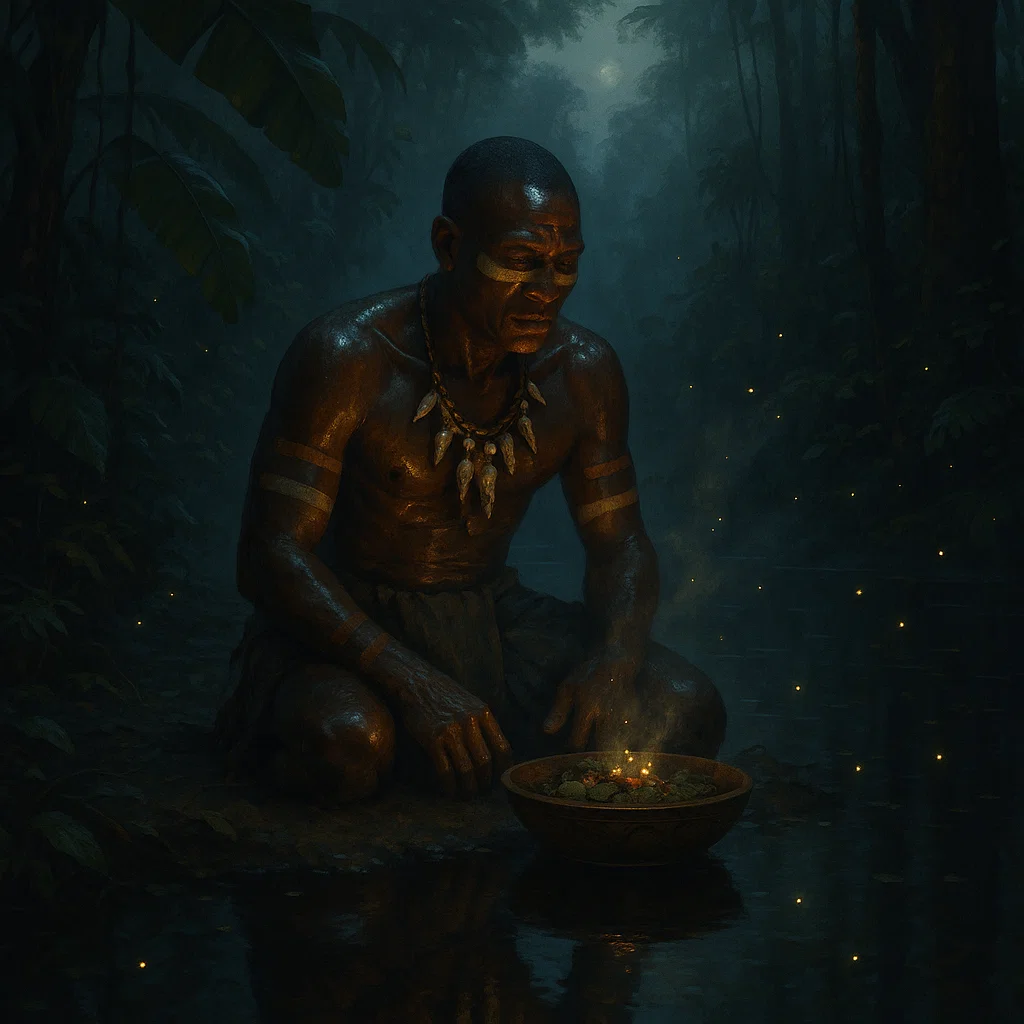
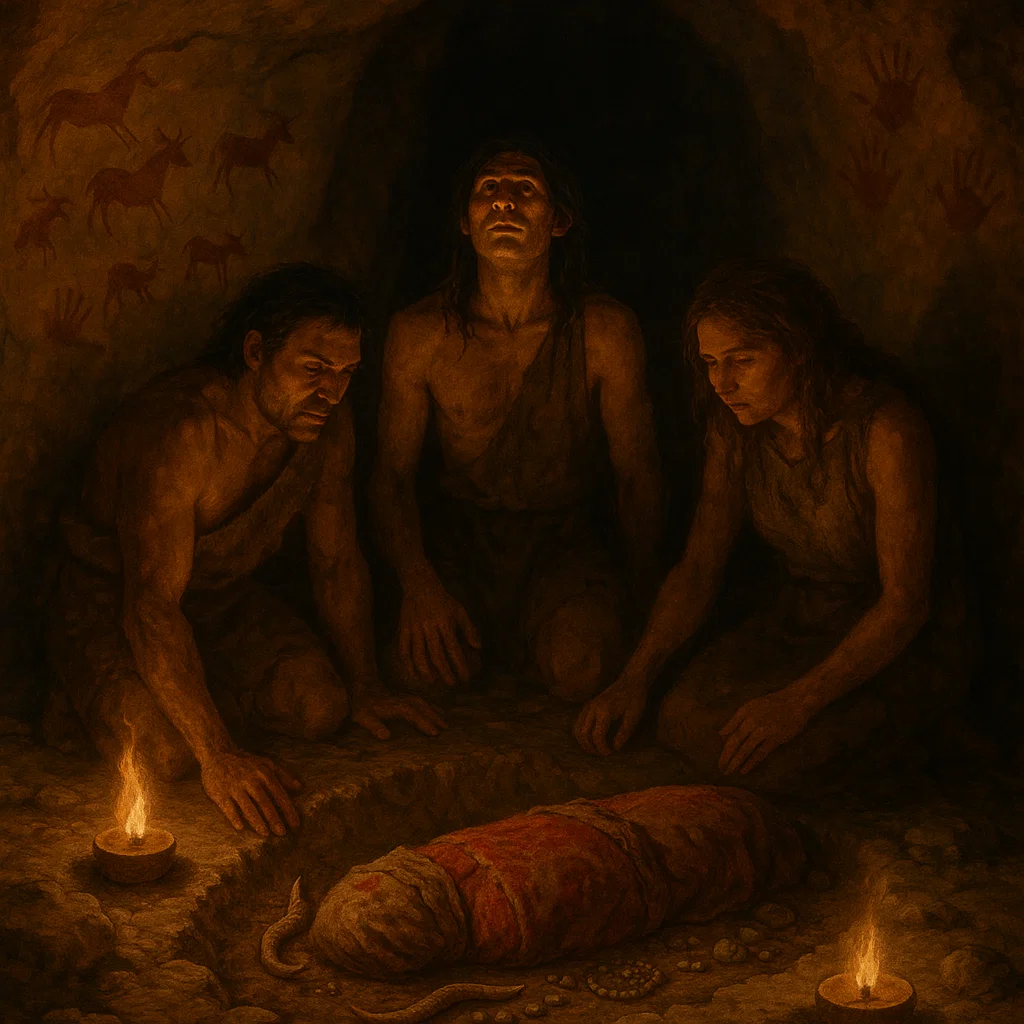
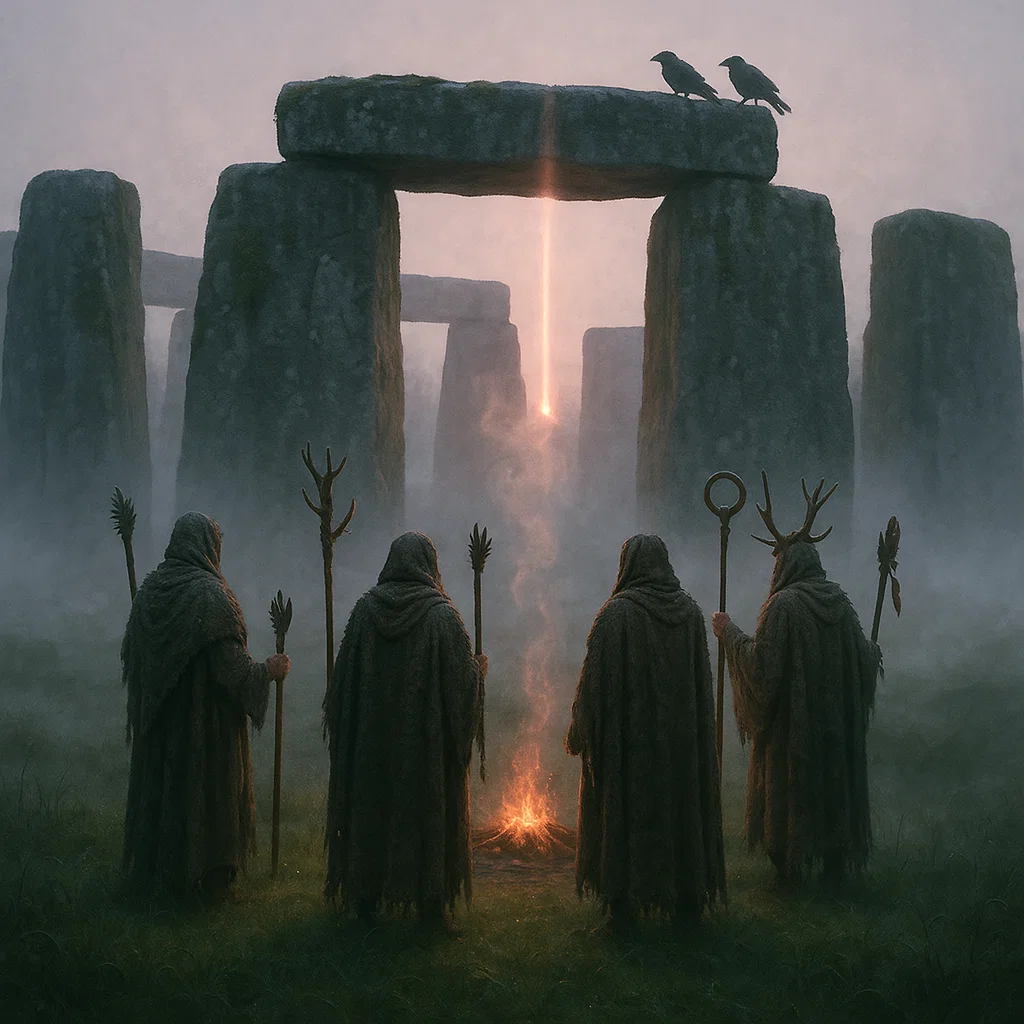
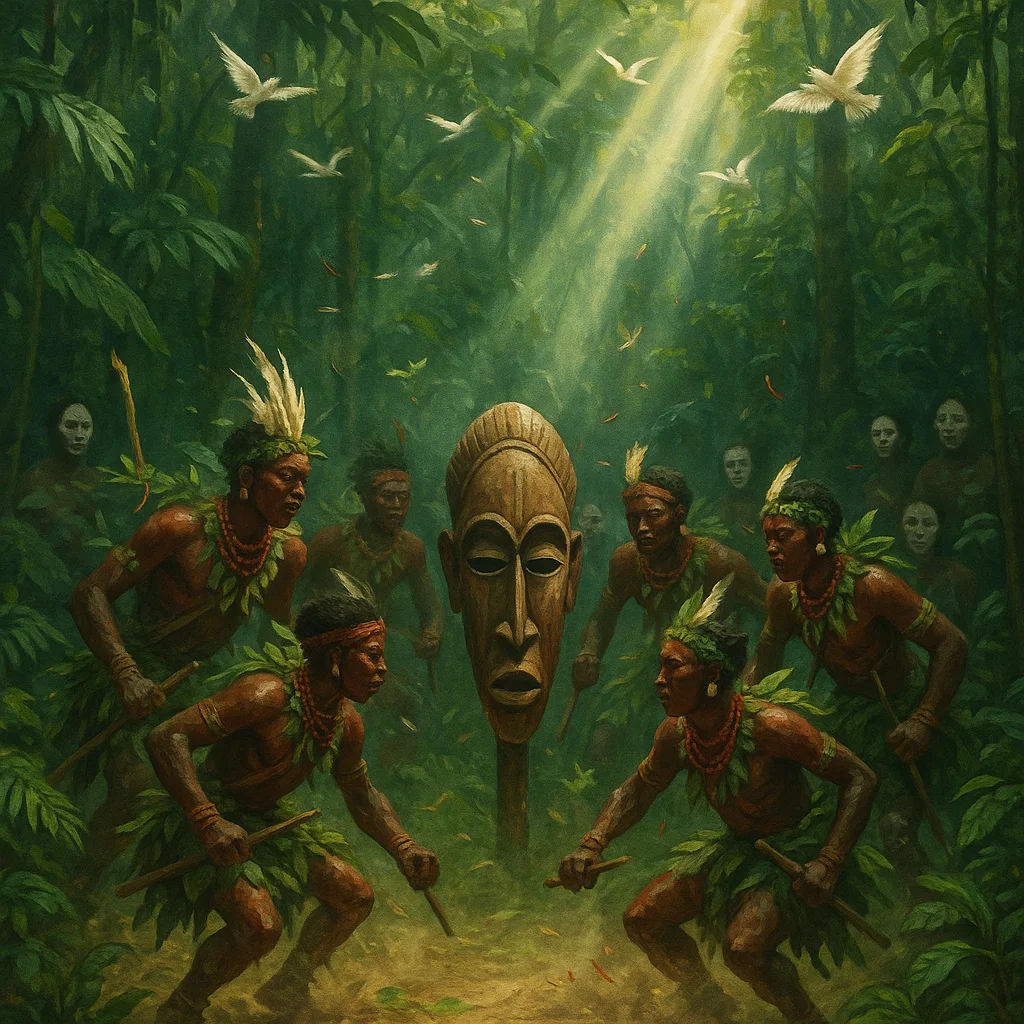
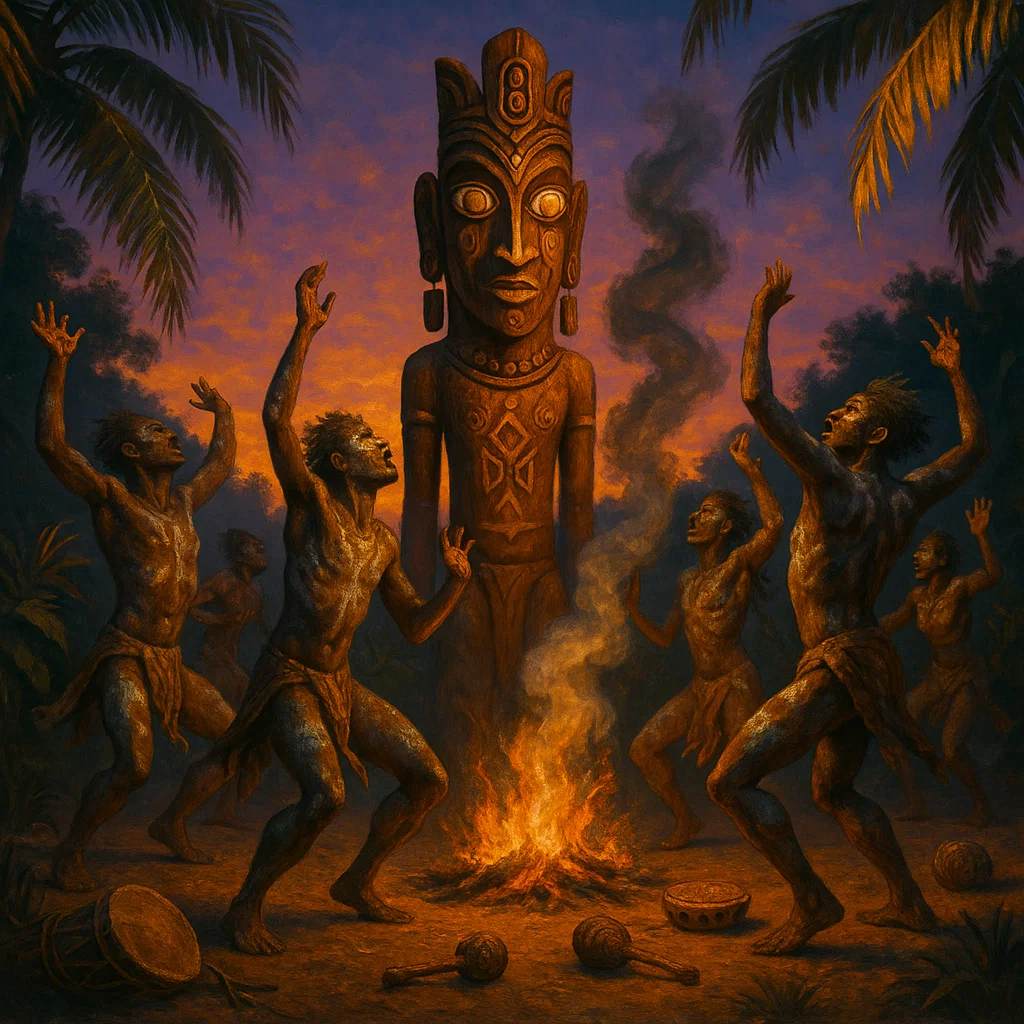
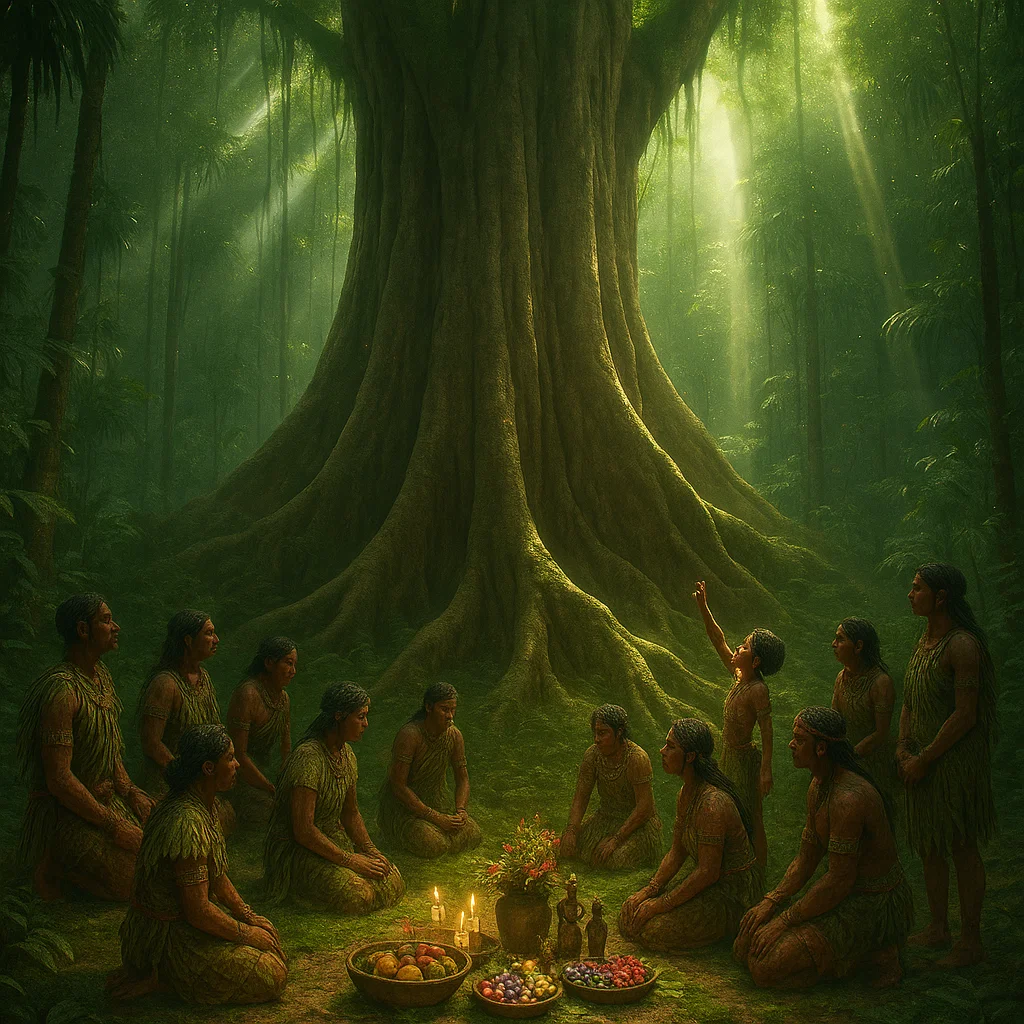
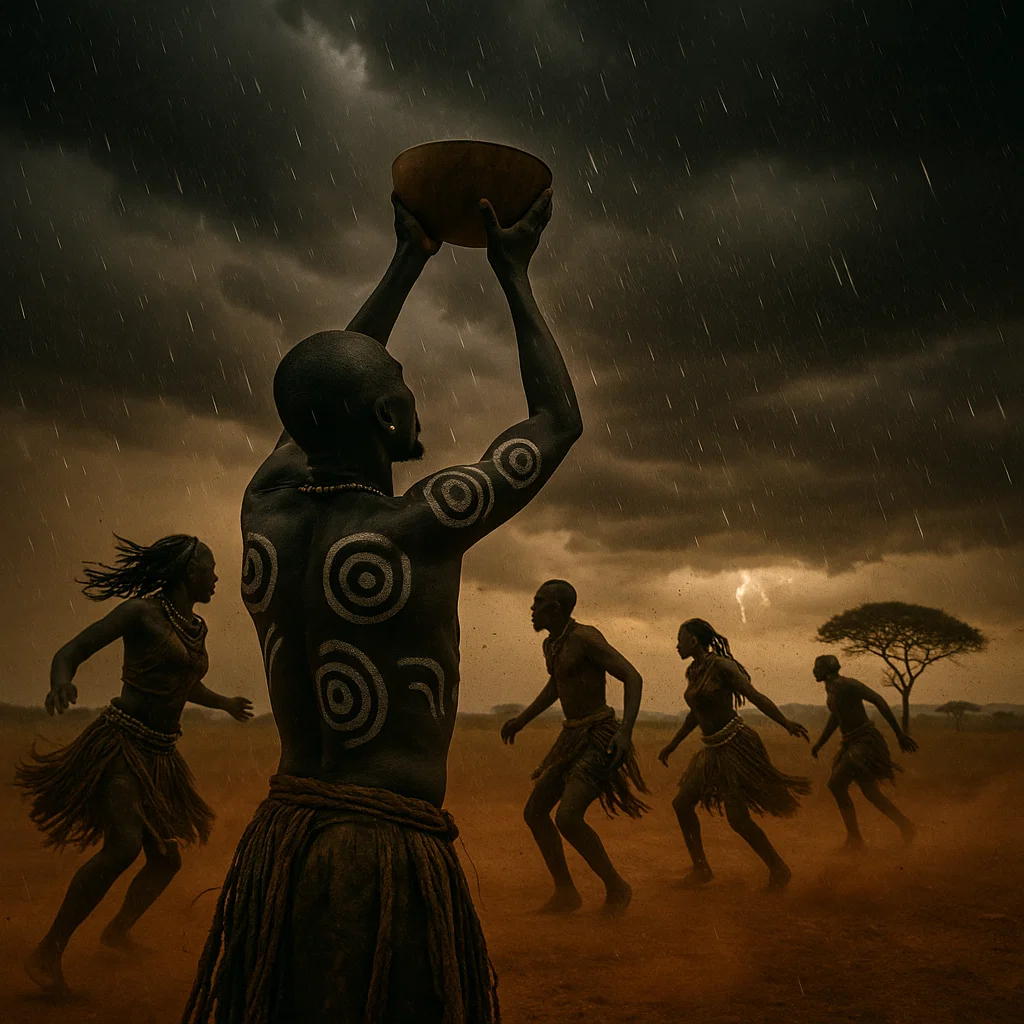
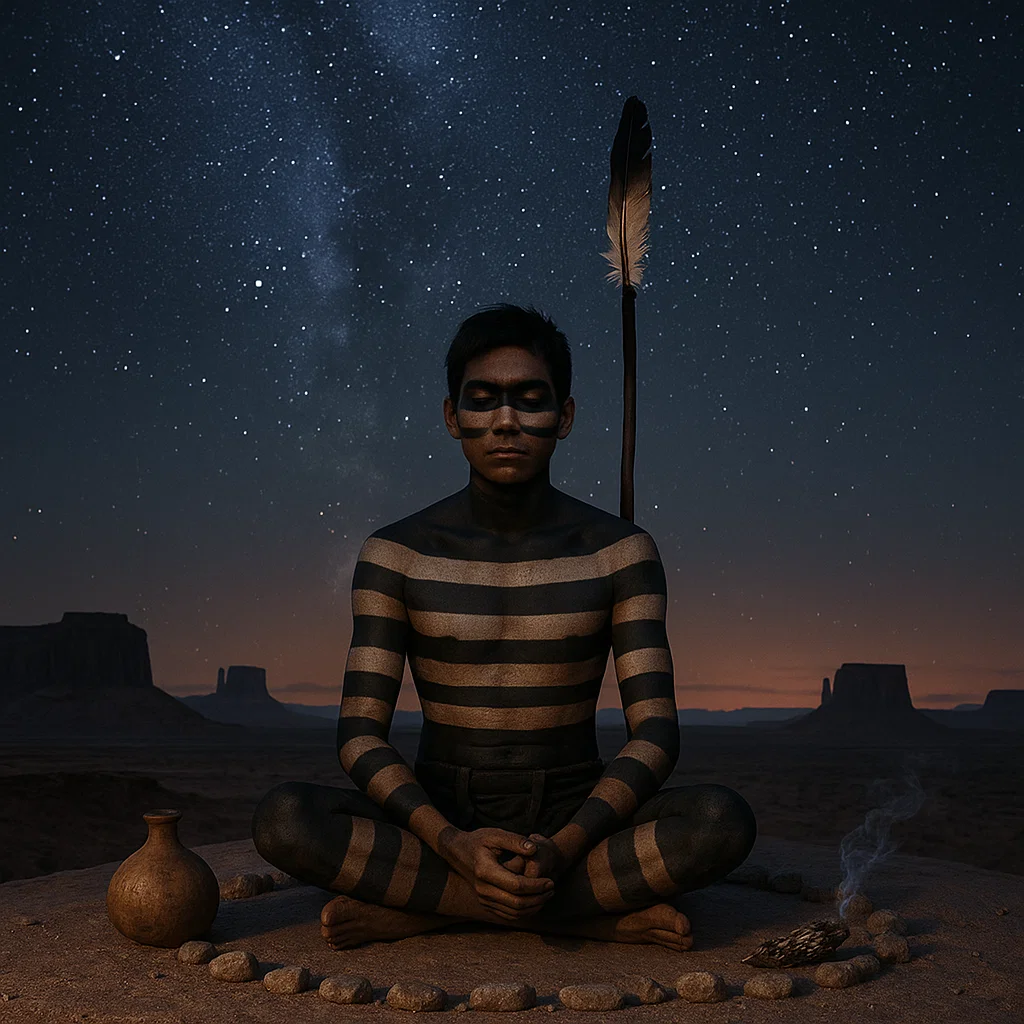
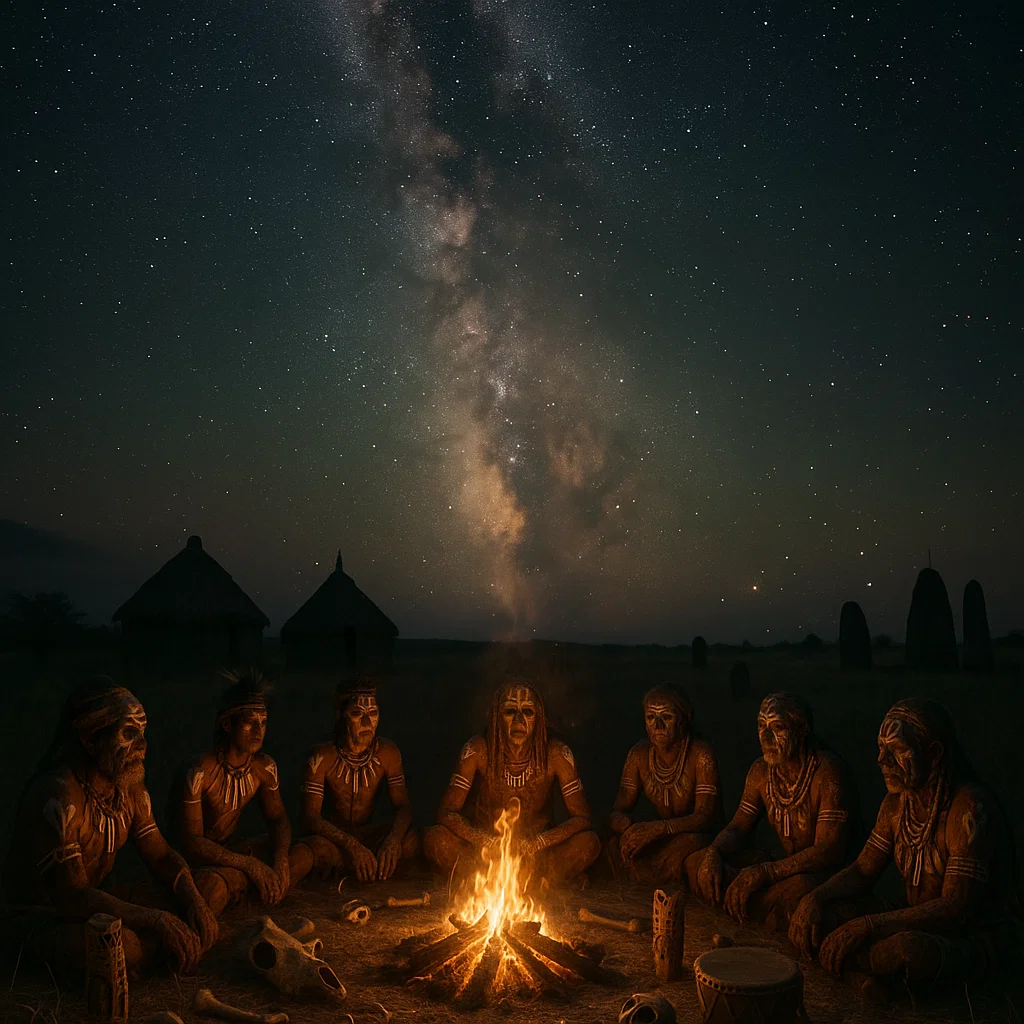
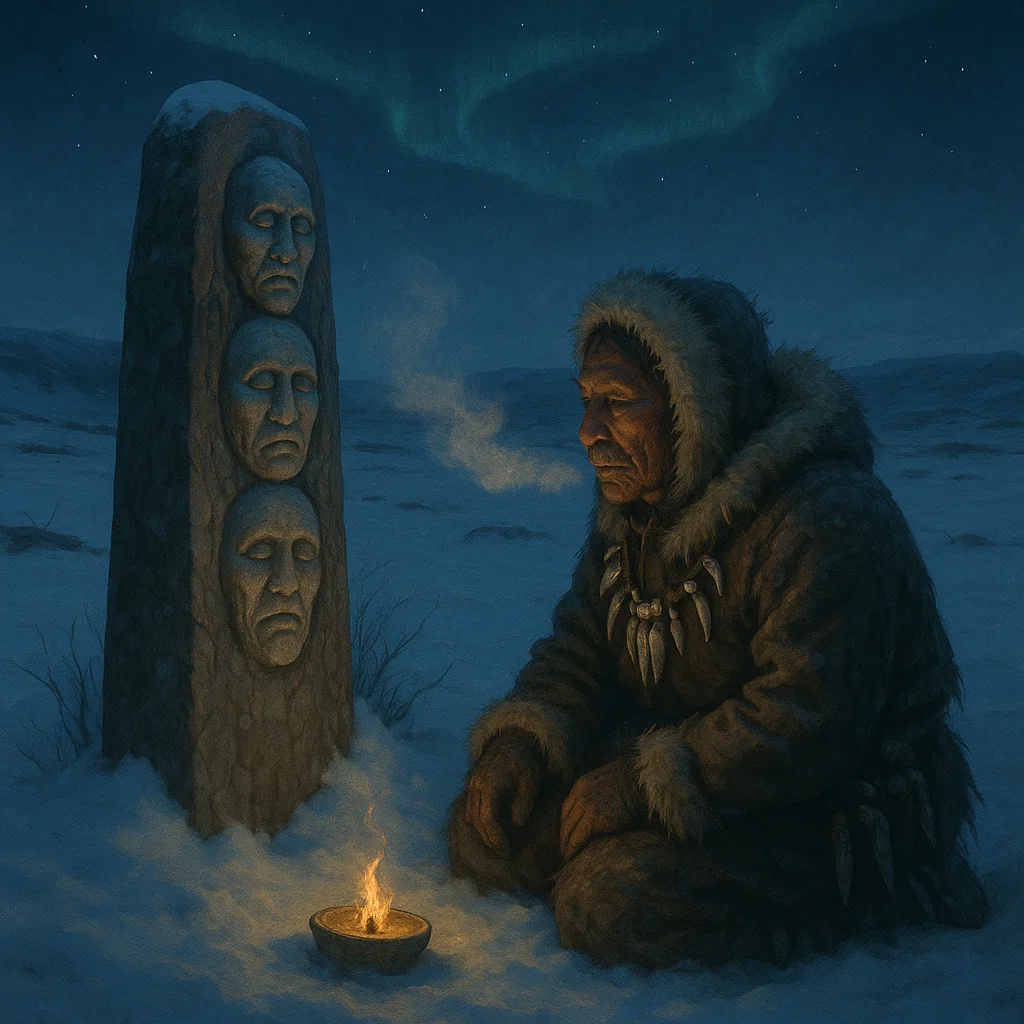
These are the oldest and most widespread forms of religion, rooted in the earliest human communities. They arise directly from the land, the ancestors, and the rhythms of daily survival. Primal religions are not bound by written scriptures or centralized institutions; instead, they are passed down orally through stories, rituals, and communal memory. They include the spiritual traditions of Native Americans, Aboriginal Australians, African tribal groups, Arctic peoples, and countless others. Though often overshadowed in written history, these traditions remain a living foundation of humanity’s search for meaning.


Eastern Religions
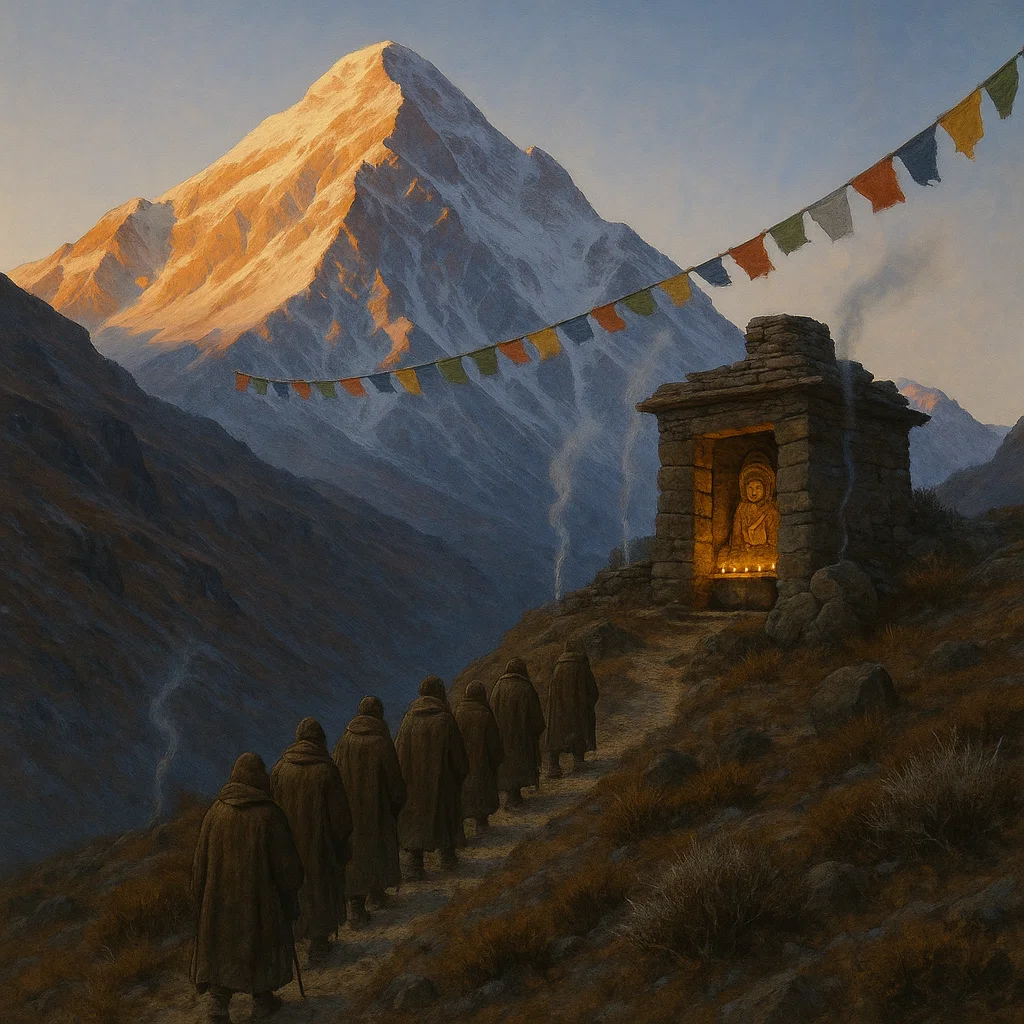
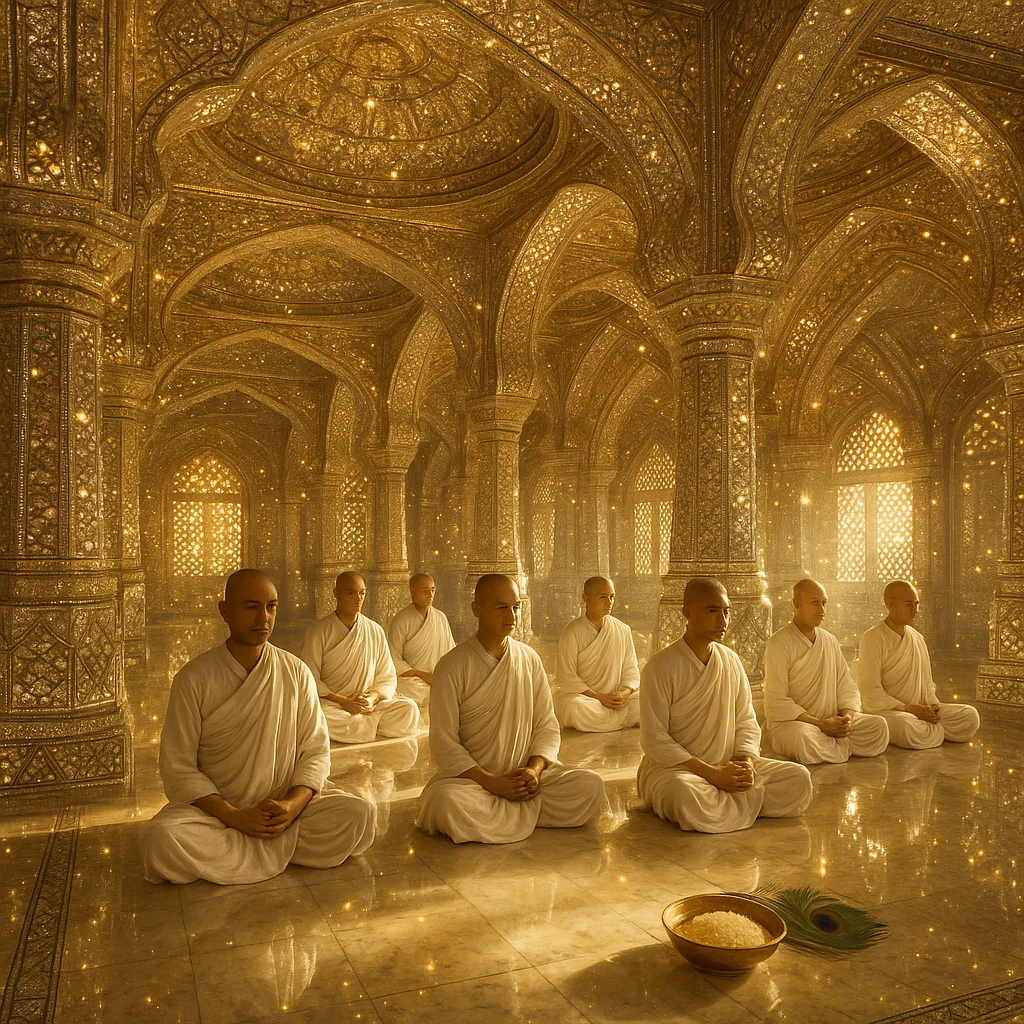
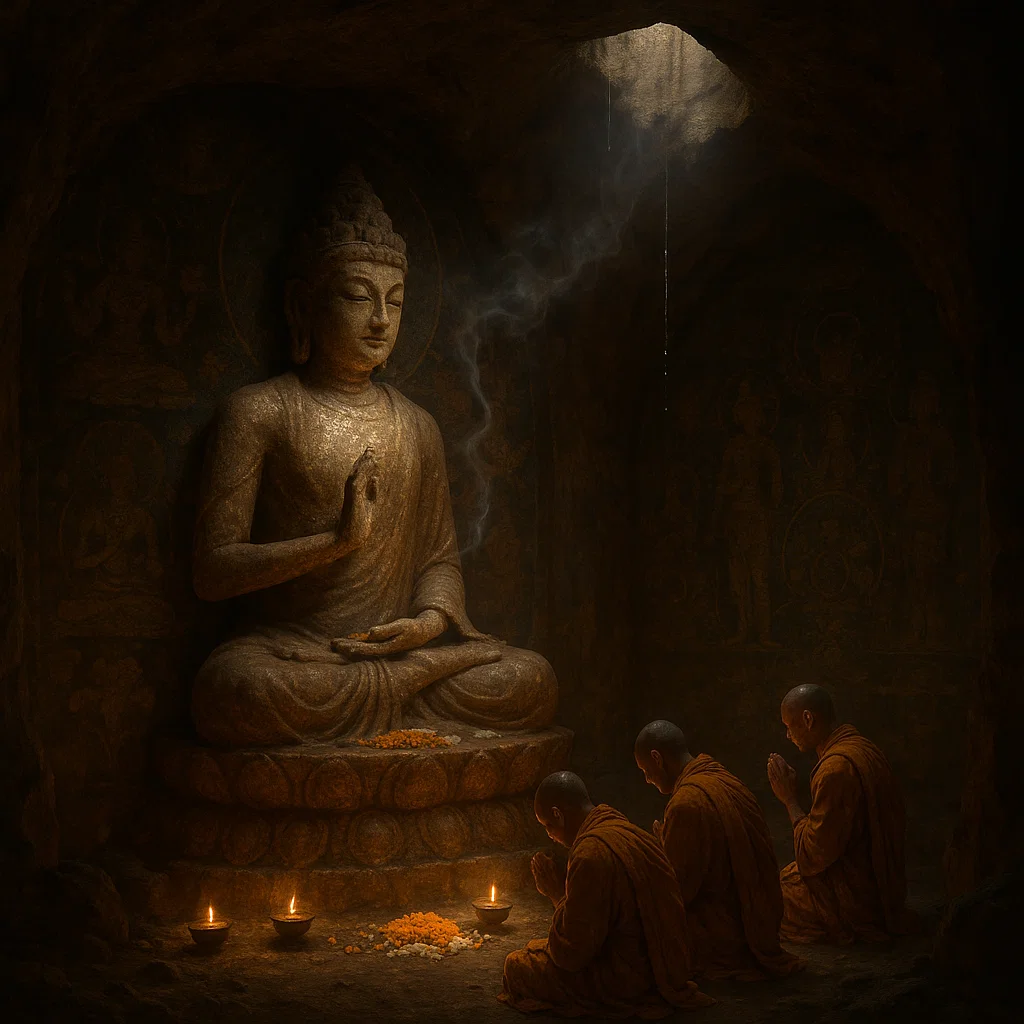
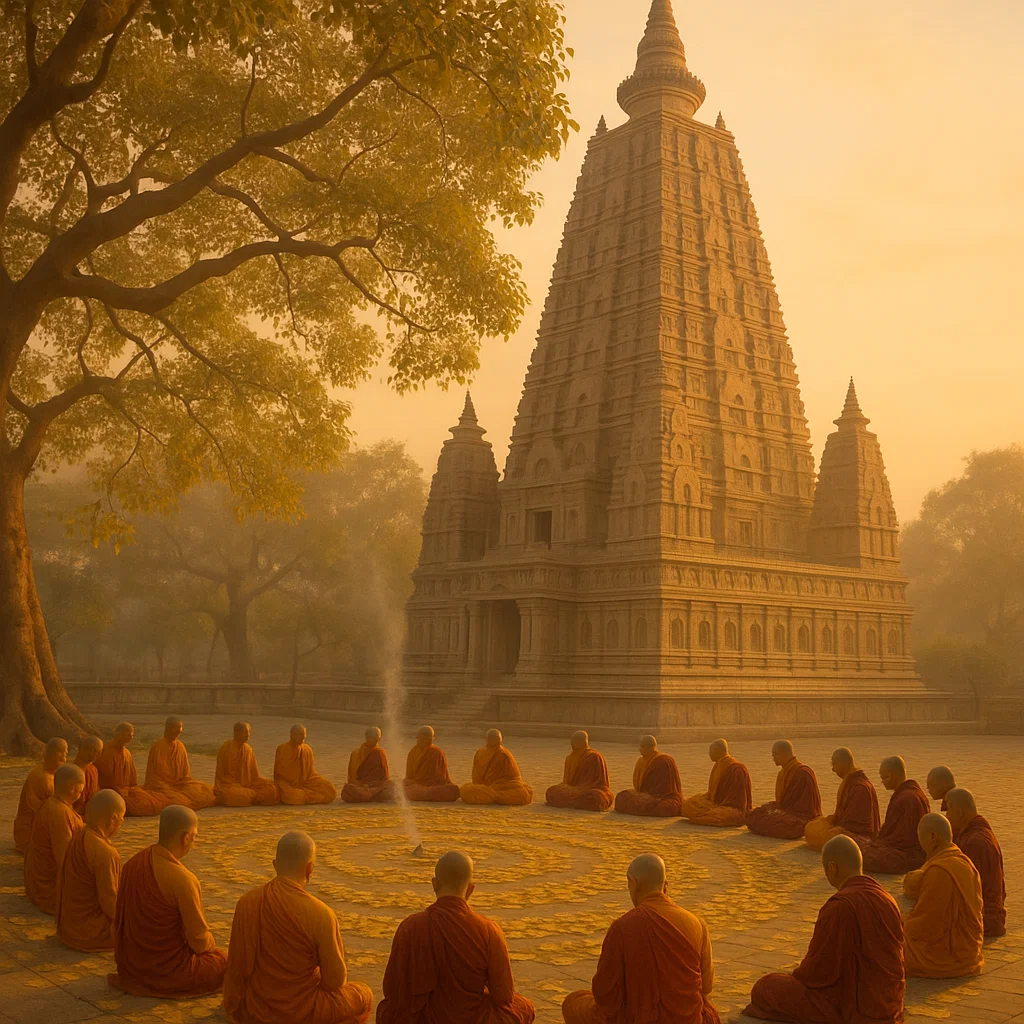
Emerging primarily in South and East Asia, the Eastern traditions developed sophisticated systems of thought centered on harmony, cosmic law, and the cyclical nature of existence. Hinduism, Buddhism, Jainism, and Sikhism from India, along with Confucianism, Taoism, and Shinto in East Asia, all reflect this orientation. These religions often emphasize personal discipline, meditation, and balance with the universe rather than exclusive devotion to a single deity. They have produced some of the world’s most enduring philosophies on ethics, society, and the path to spiritual liberation.





















Western Religions (Abrahamic Traditions)
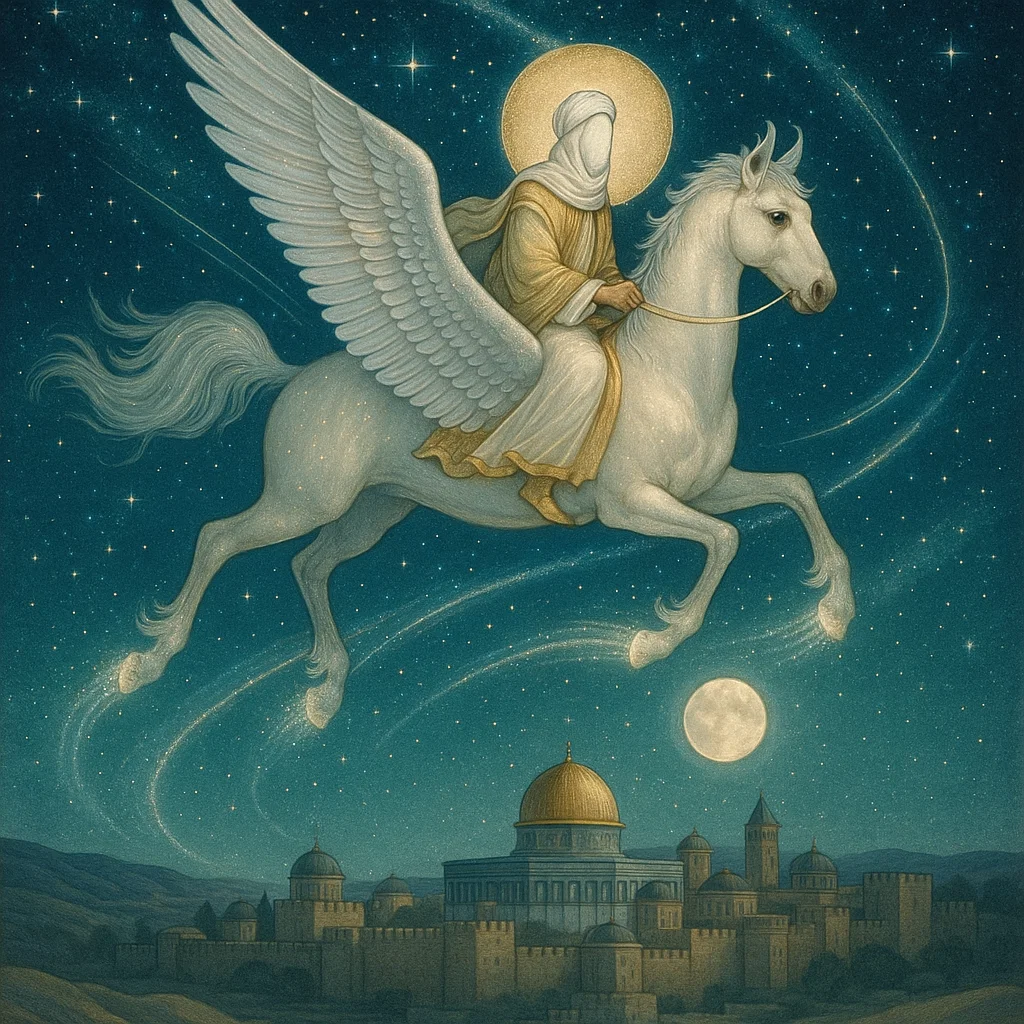
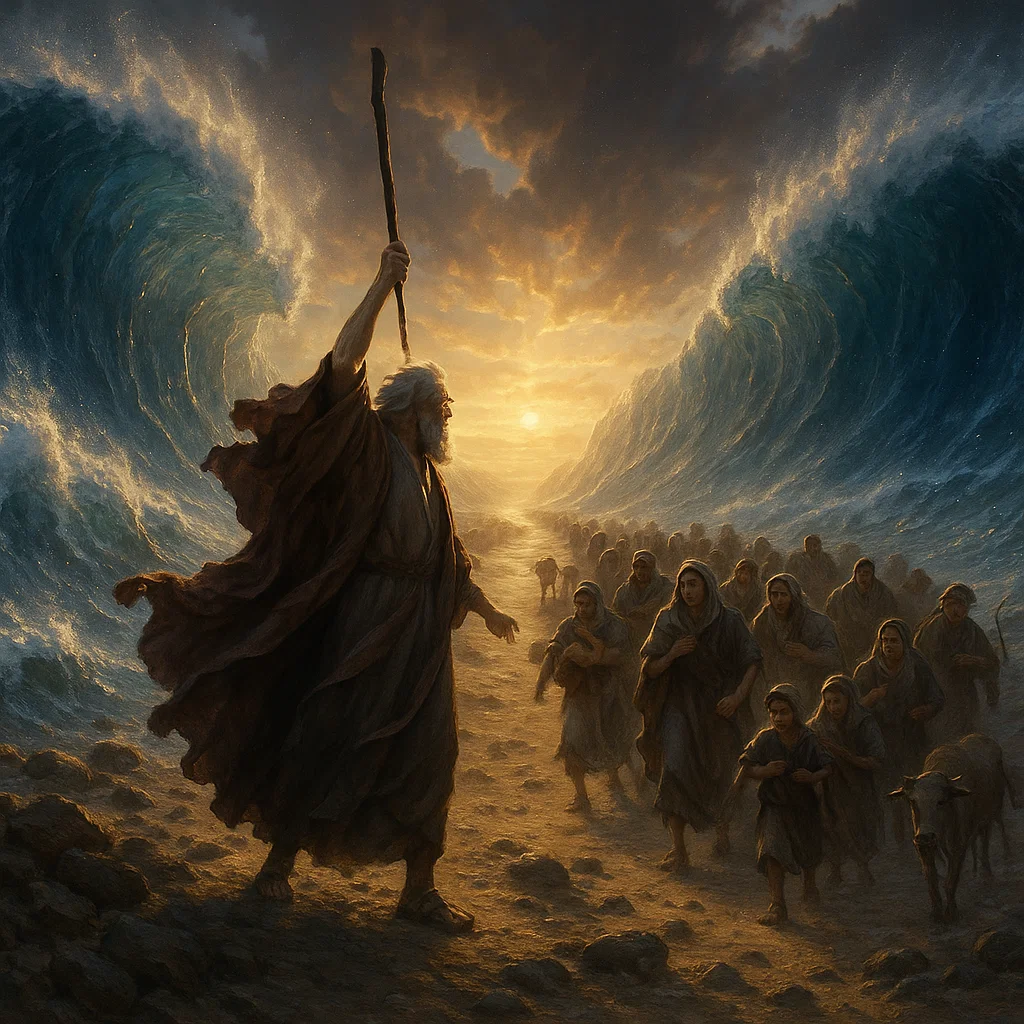
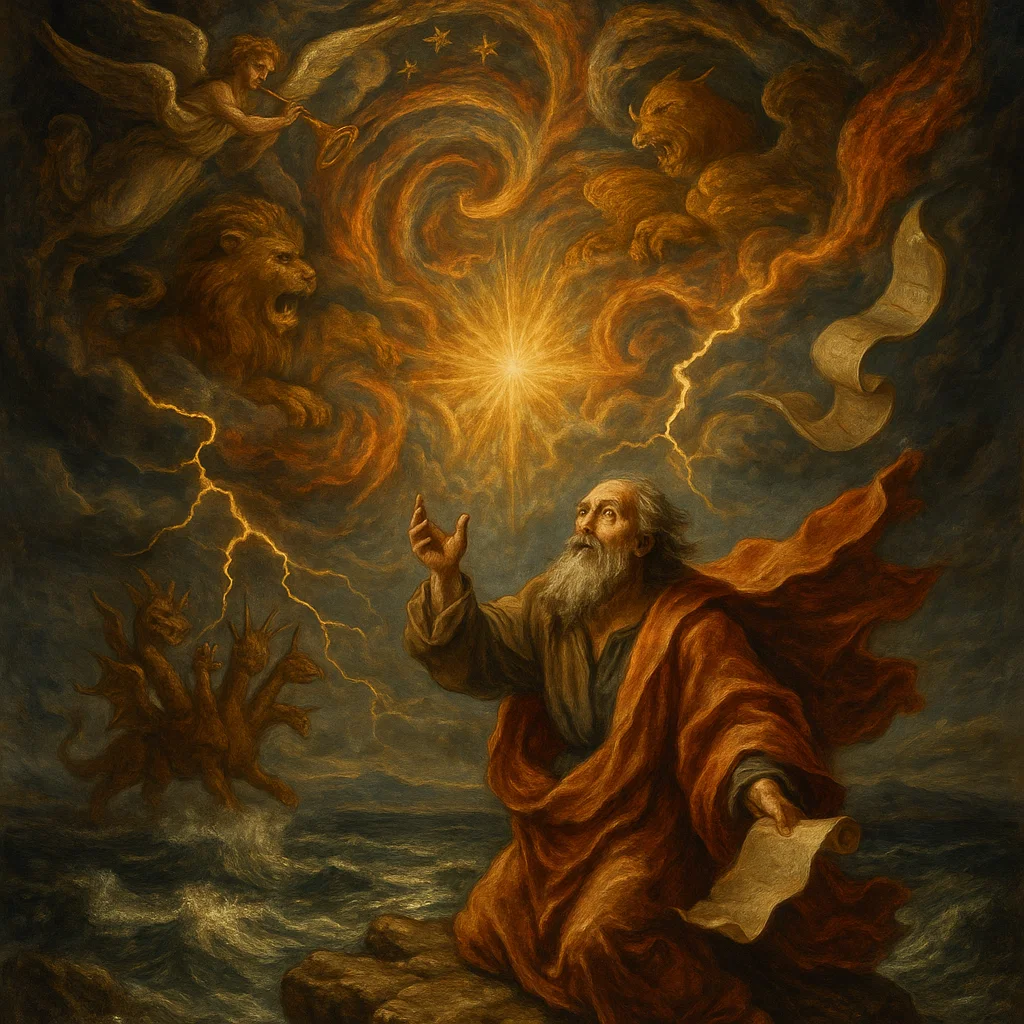
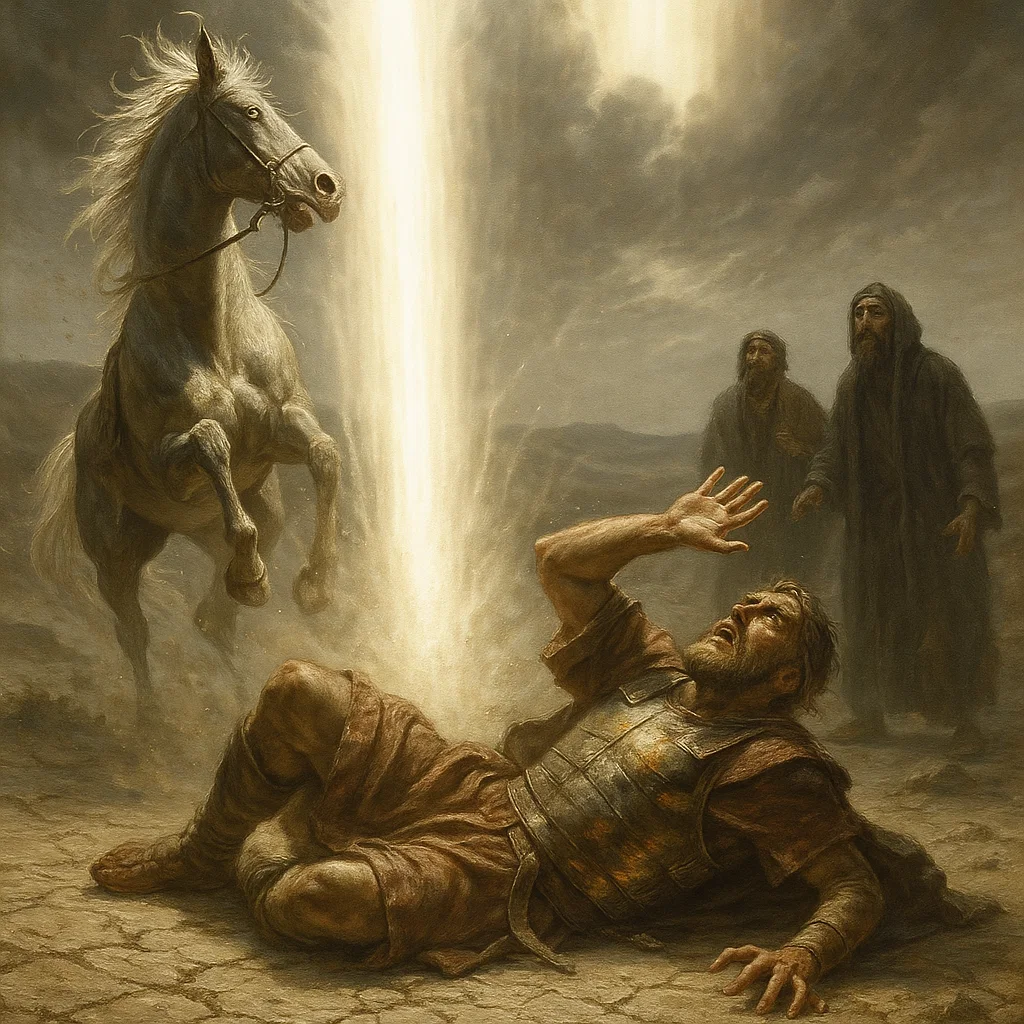
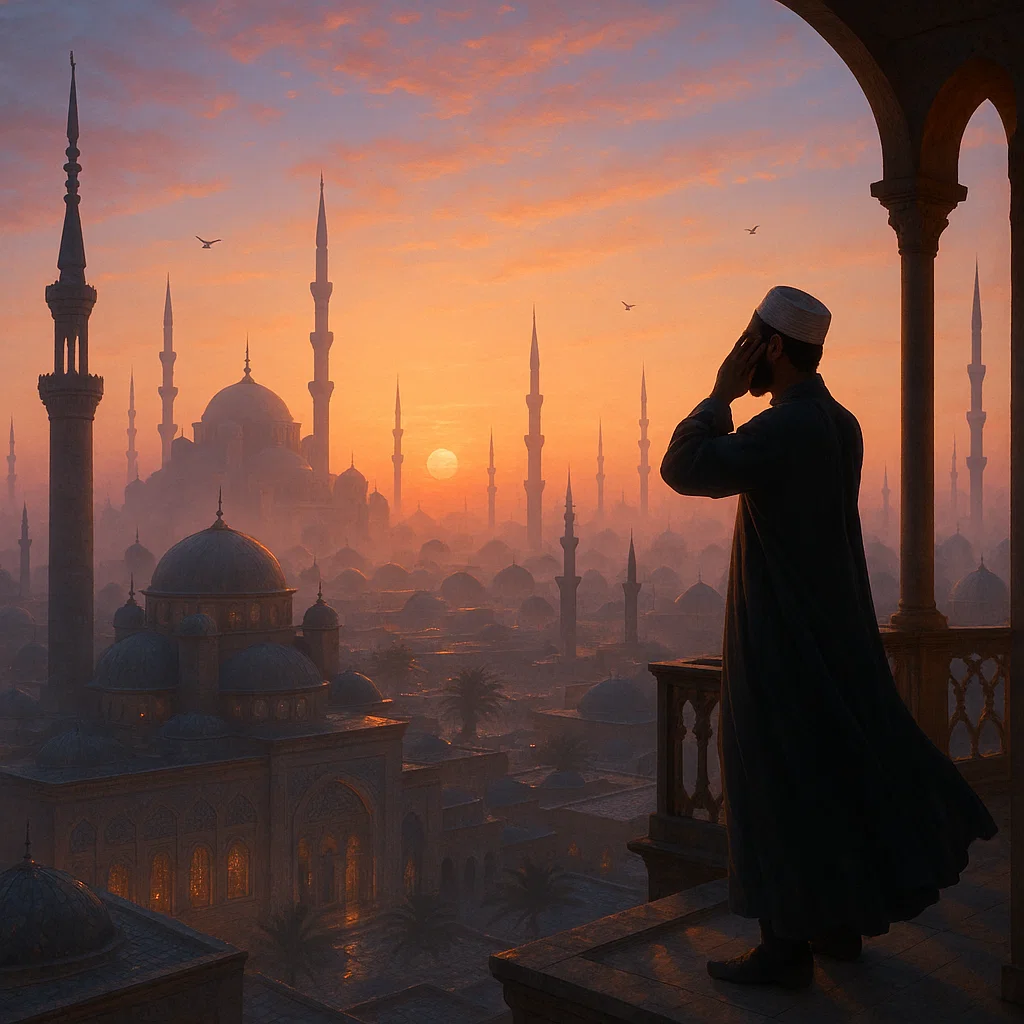
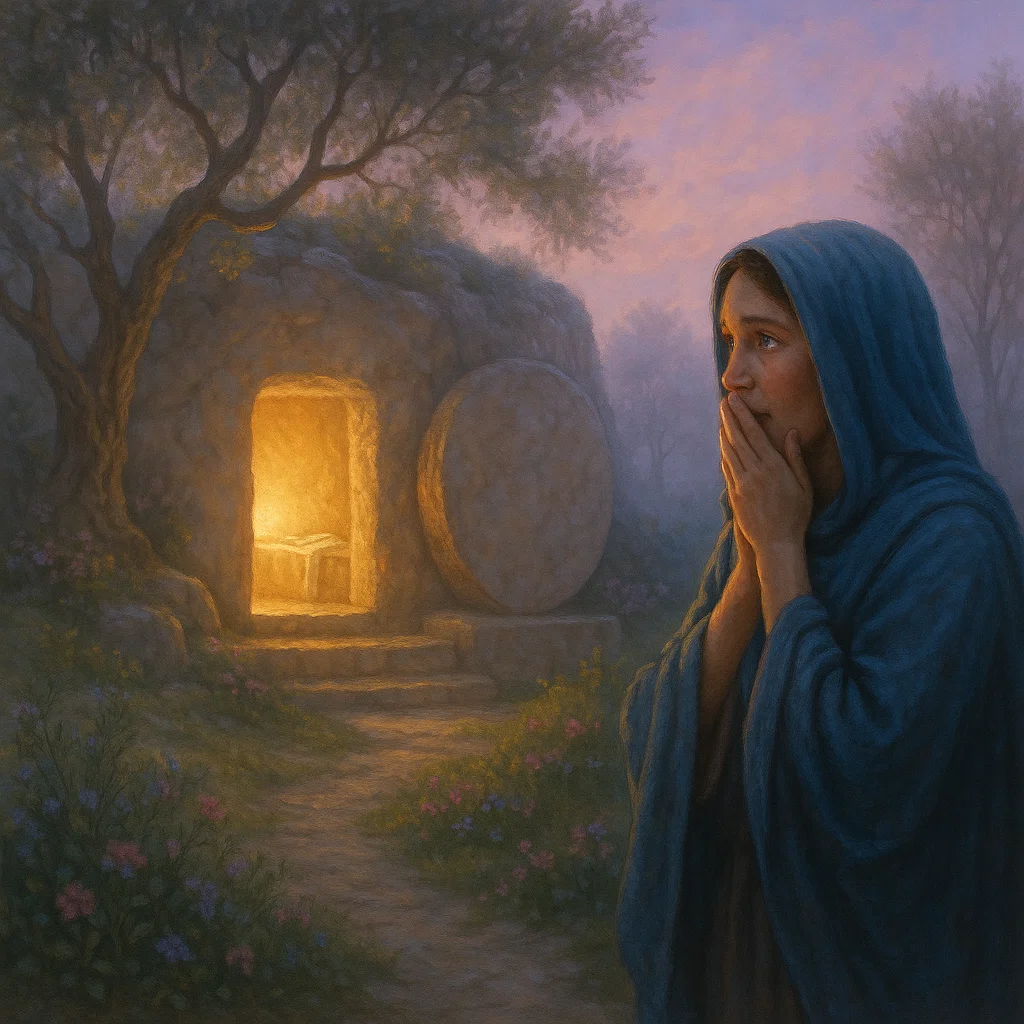
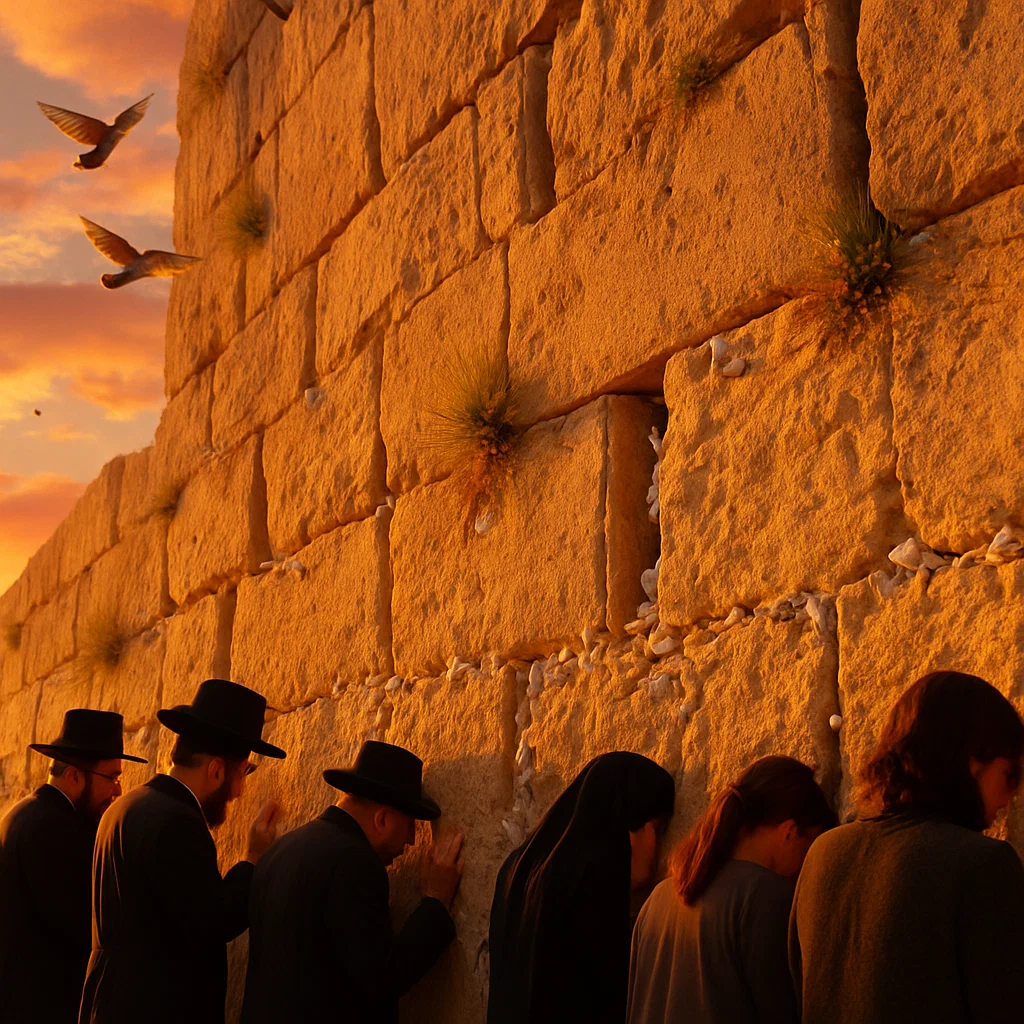
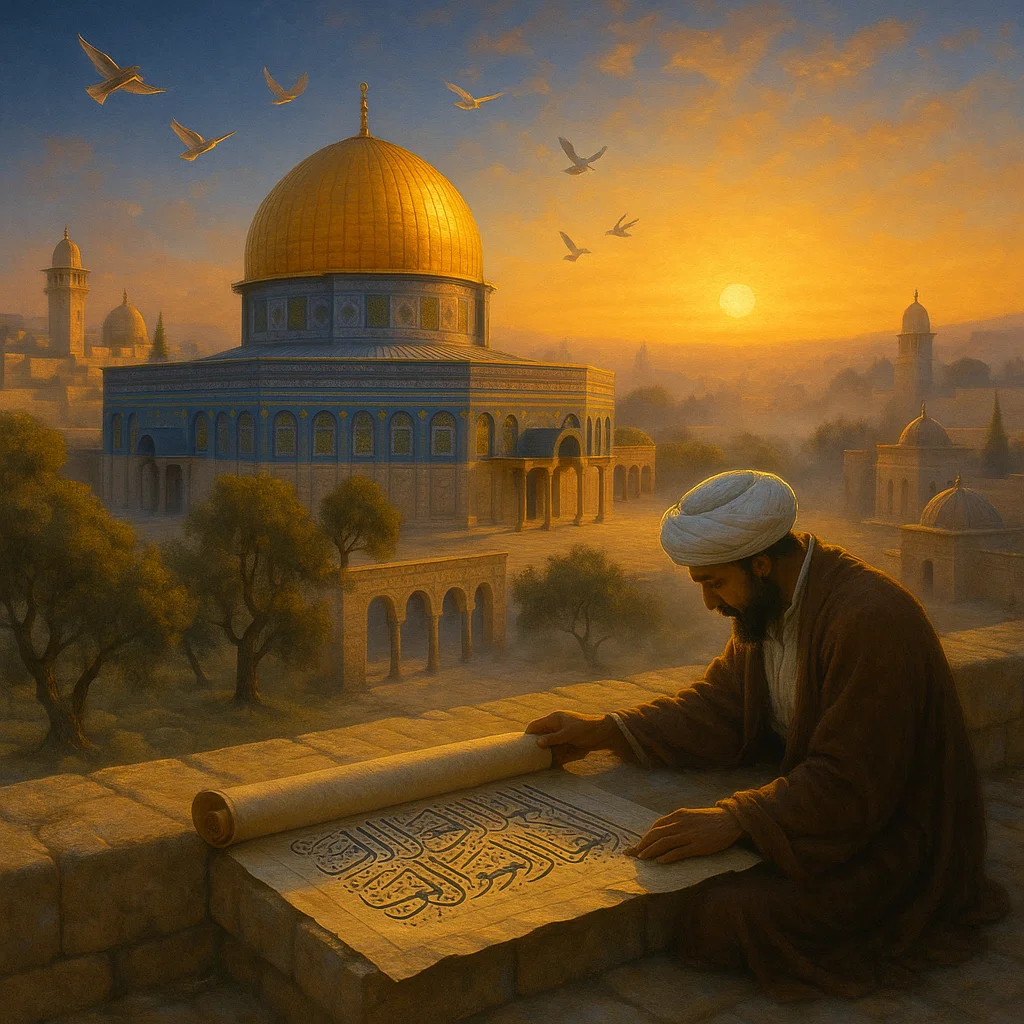
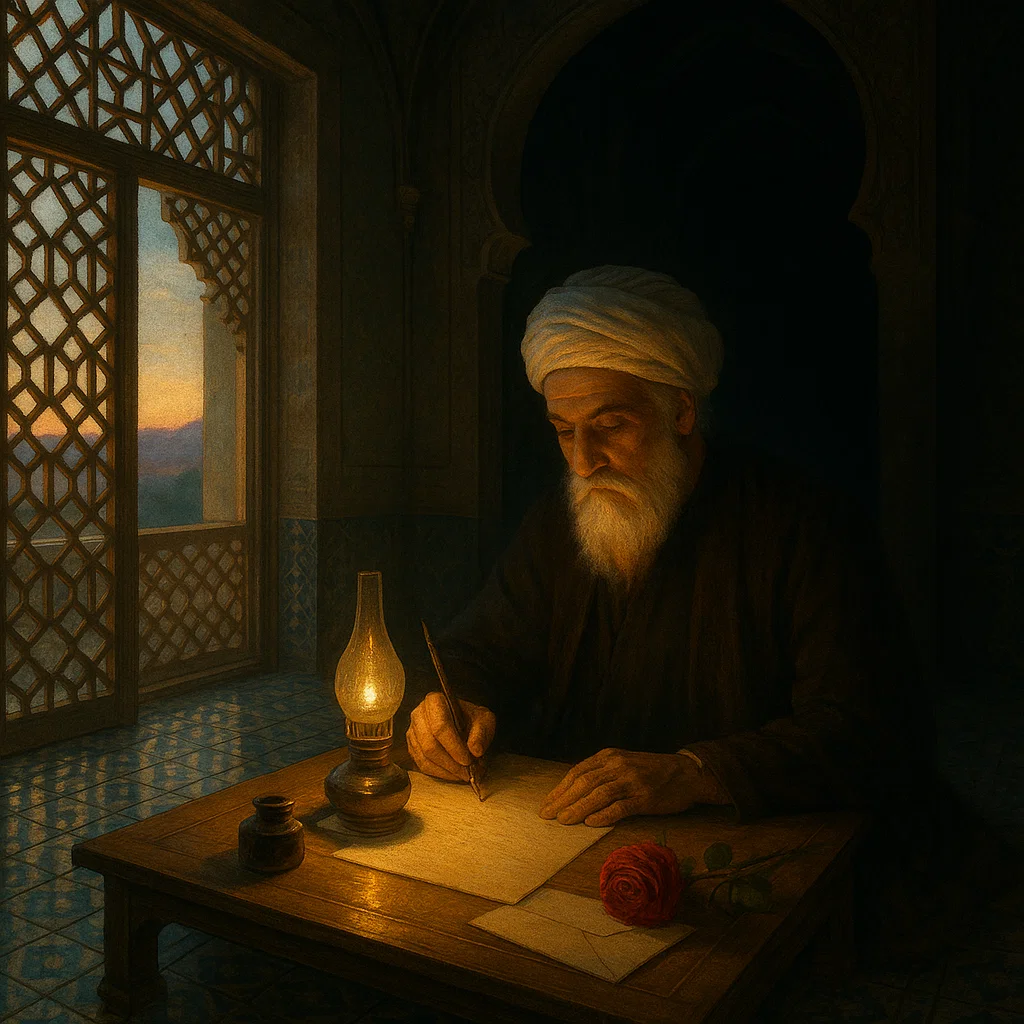
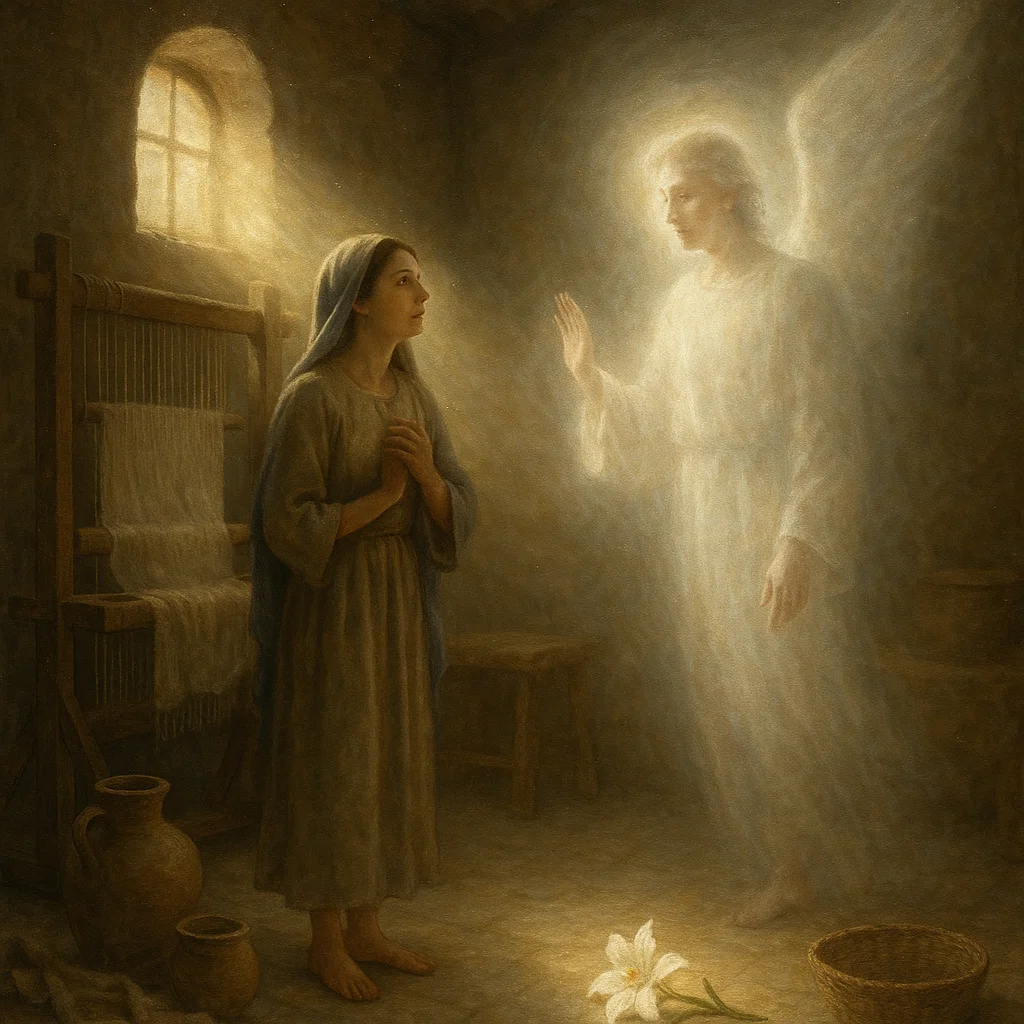
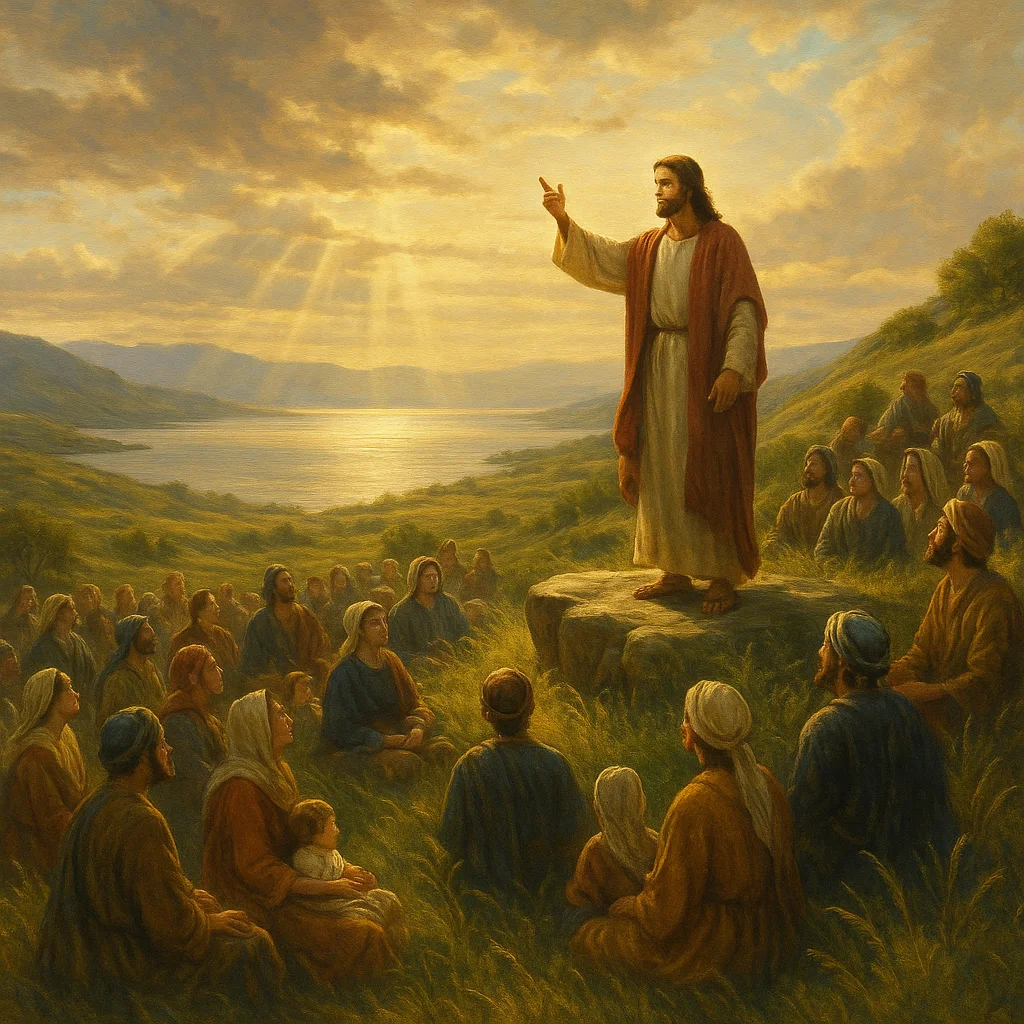
Rooted in the ancient Near East, the Western or Abrahamic religions are defined by a focus on one God who reveals himself in history and calls humanity into covenant relationship. Judaism, Christianity, and Islam each trace their origins to Abraham, and together they have shaped much of the political, cultural, and moral landscape of the Western world. With their linear view of time, emphasis on prophecy, law, and salvation, these religions offer a vision of history as a story with a beginning, a purpose, and an ultimate fulfillment. The Baháʼí Faith, emerging in the 19th century, extends this stream into modernity.