(1300 AD – 1500 AD)
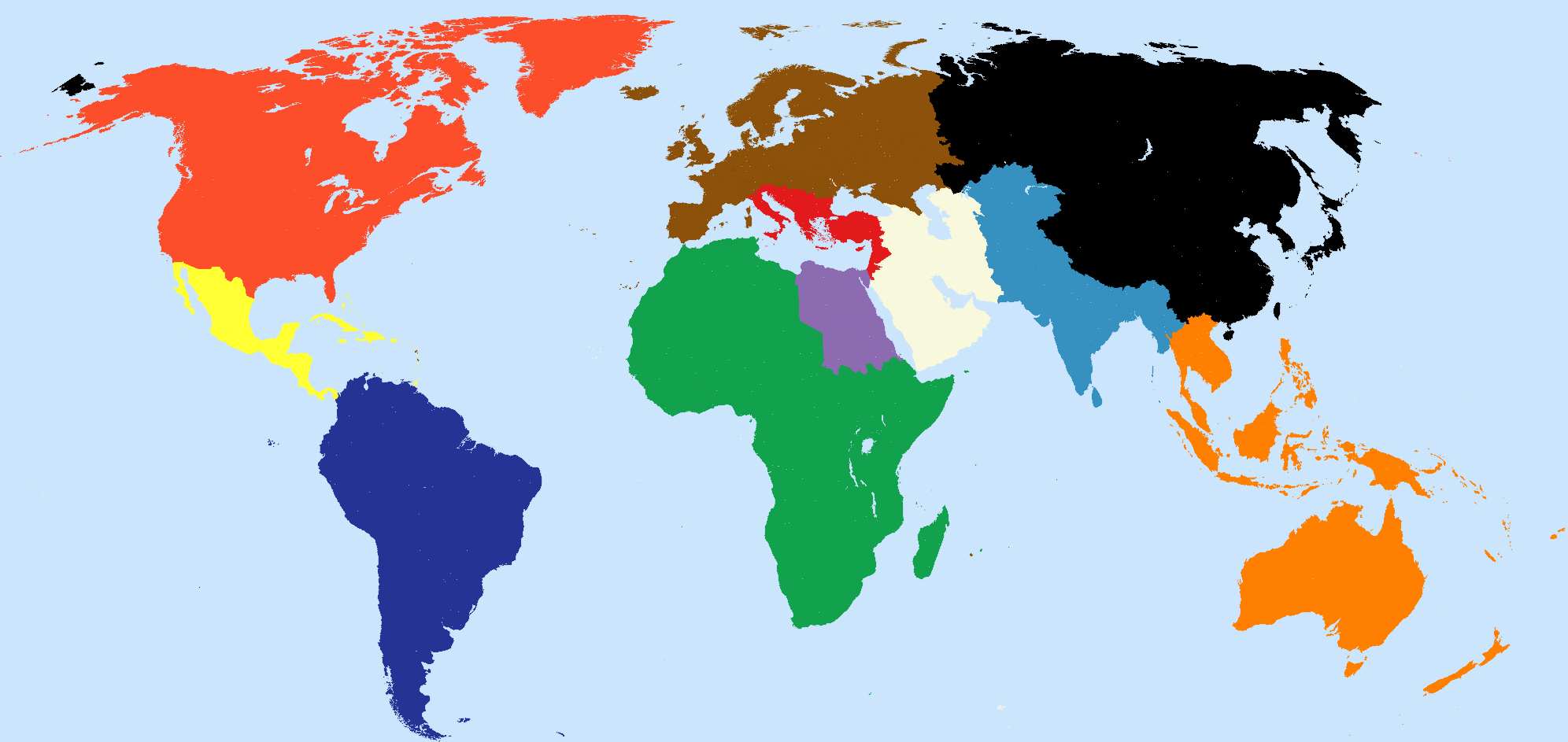 Late Medieval
Western Europe Late Medieval
Eastern Mediterranean Late Medieval
Persia Late Medieval
Egypt Late Medieval
Africa Late Medieval
India & Central Asia Late Medieval
China Late Medieval
Oceania Late Medieval
North America Late Medieval
Central America Late Medieval
South America
| Terra Avita Region and Era Name Link | Representative Cultures | Major Cities / Centers | Major Events |
|---|---|---|---|
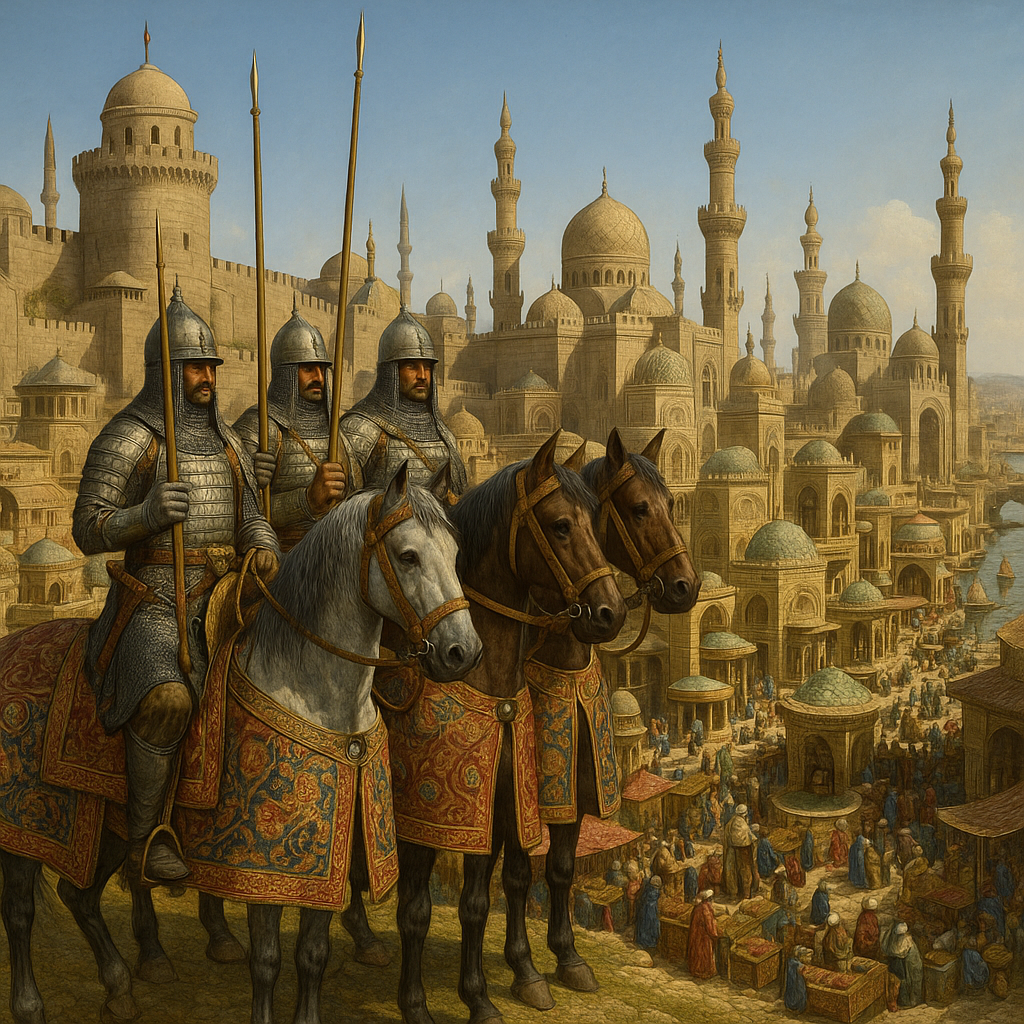
| Late Medieval Egypt | Mamluk Sultanate | Cairo, Alexandria | Defense against Mongols and Crusaders; control of Red Sea trade; architectural and scholarly golden age |
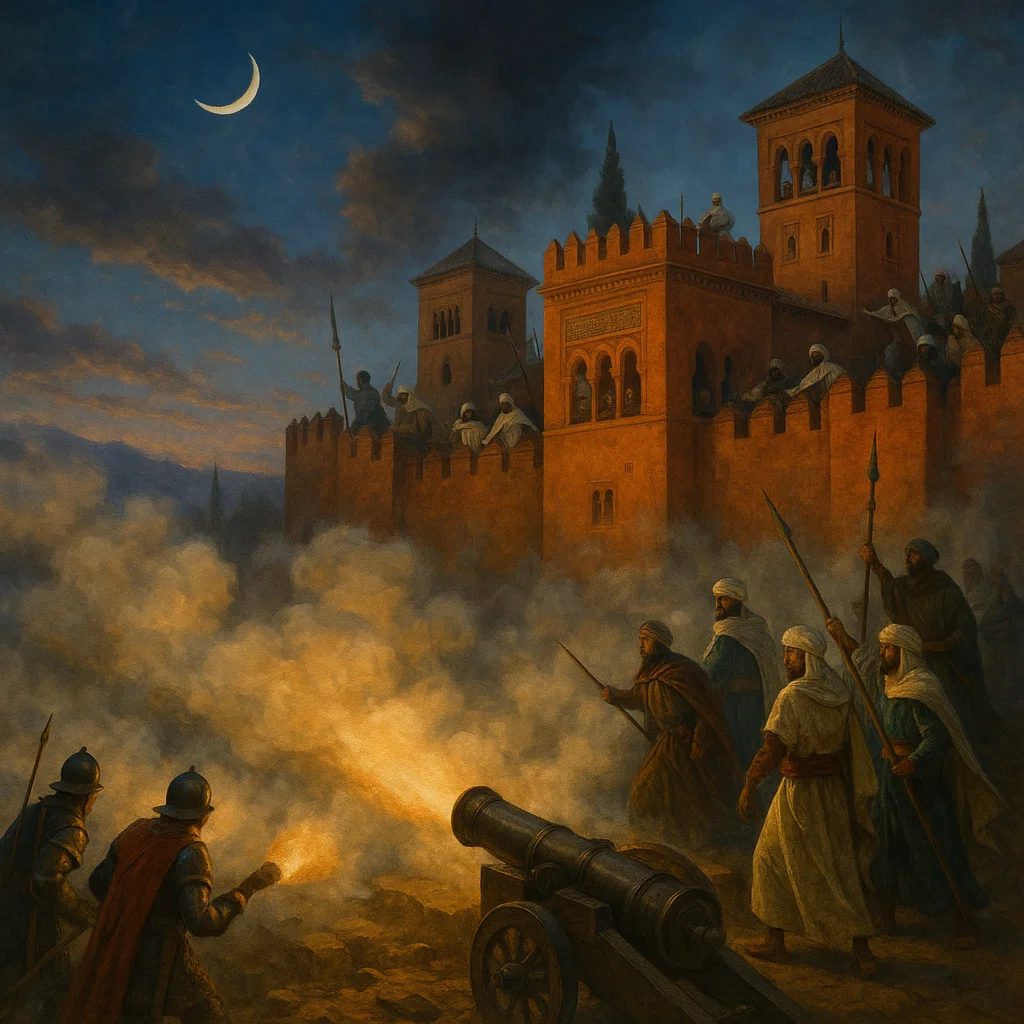
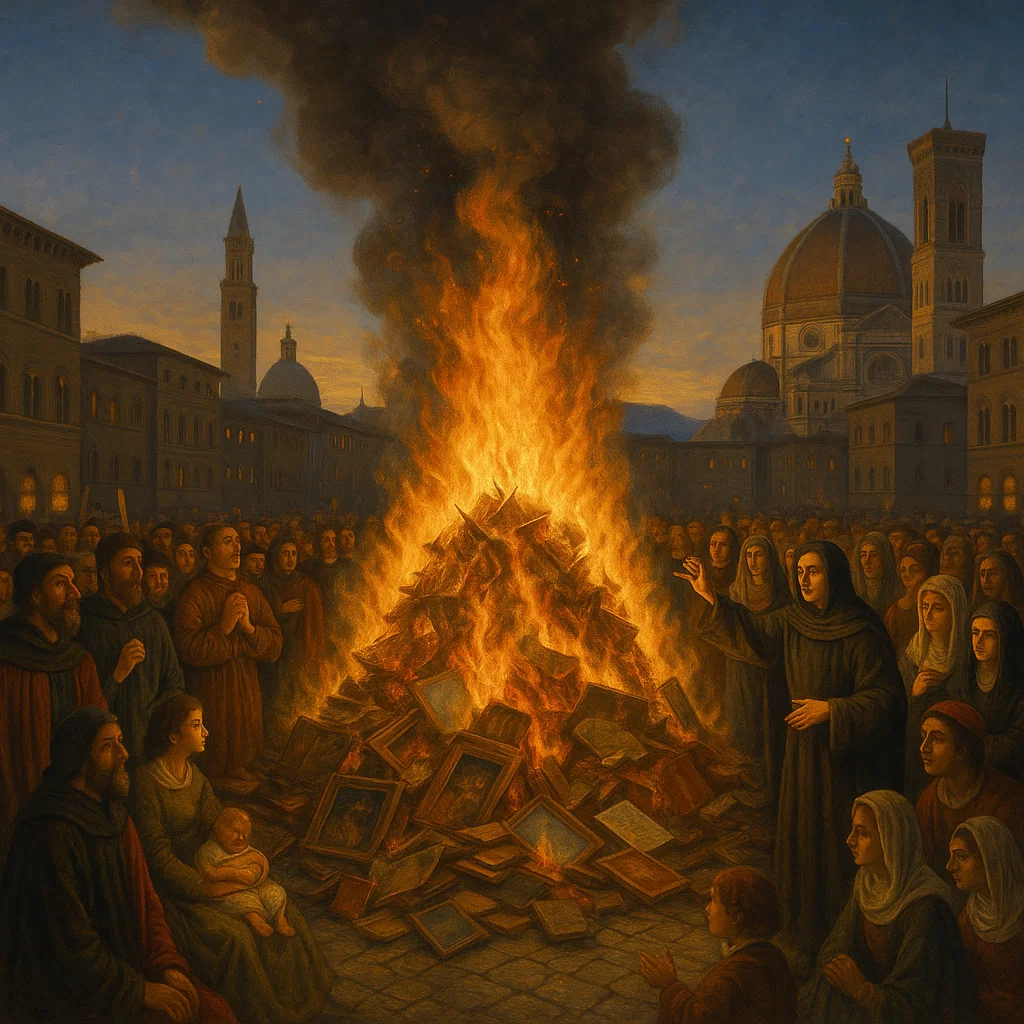
| Late Medieval Western Europe | Plantagenet England, Valois France, Holy Roman Empire, Iberian Kingdoms, Papal States | Paris, London, Florence, Venice, Granada | Hundred Years’ War; Black Death; rise of Renaissance in Italy; Reconquista and fall of Granada |
| Late Medieval Eastern Mediterranean | Byzantine Empire (final), Ottoman Emirate (rising), Venetian & Genoese Maritime States | Constantinople, Thessaloniki, Venice, Gallipoli | Decline and fall of Byzantium (1453); Ottoman expansion; Mediterranean trade dominance |
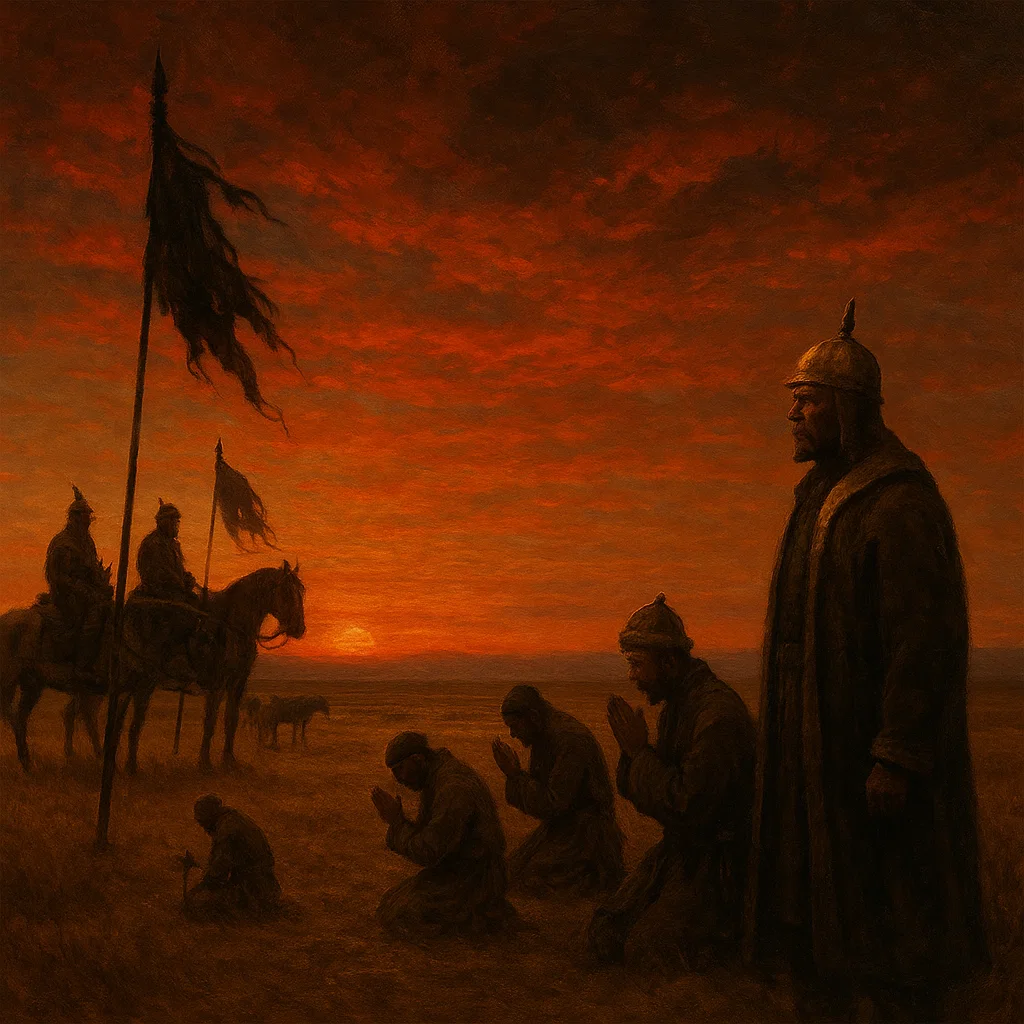
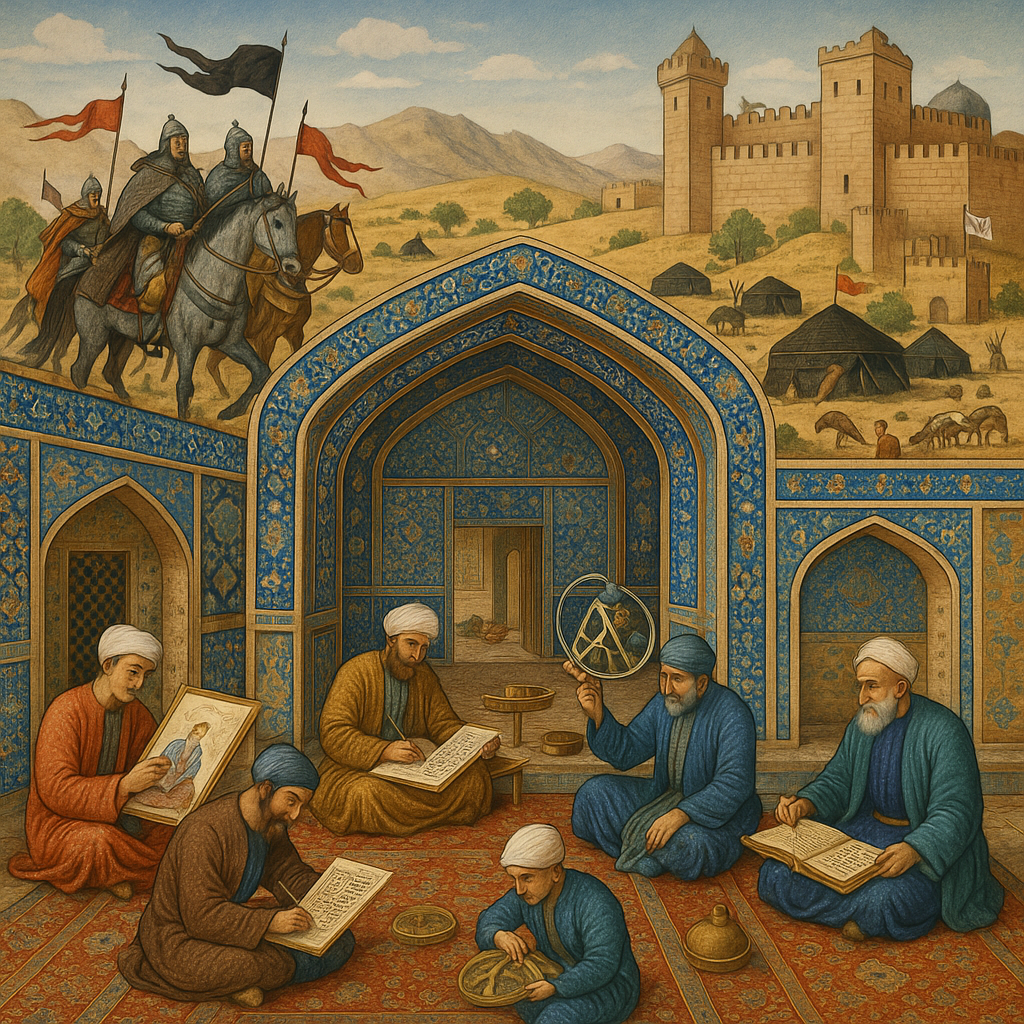
| Late Medieval Persia | Ilkhanate, Timurid Empire, Qara Qoyunlu, Aq Qoyunlu | Tabriz, Samarkand, Herat, Shiraz | Mongol successor states; Persian cultural revival under Timur; flourishing of art and literature |
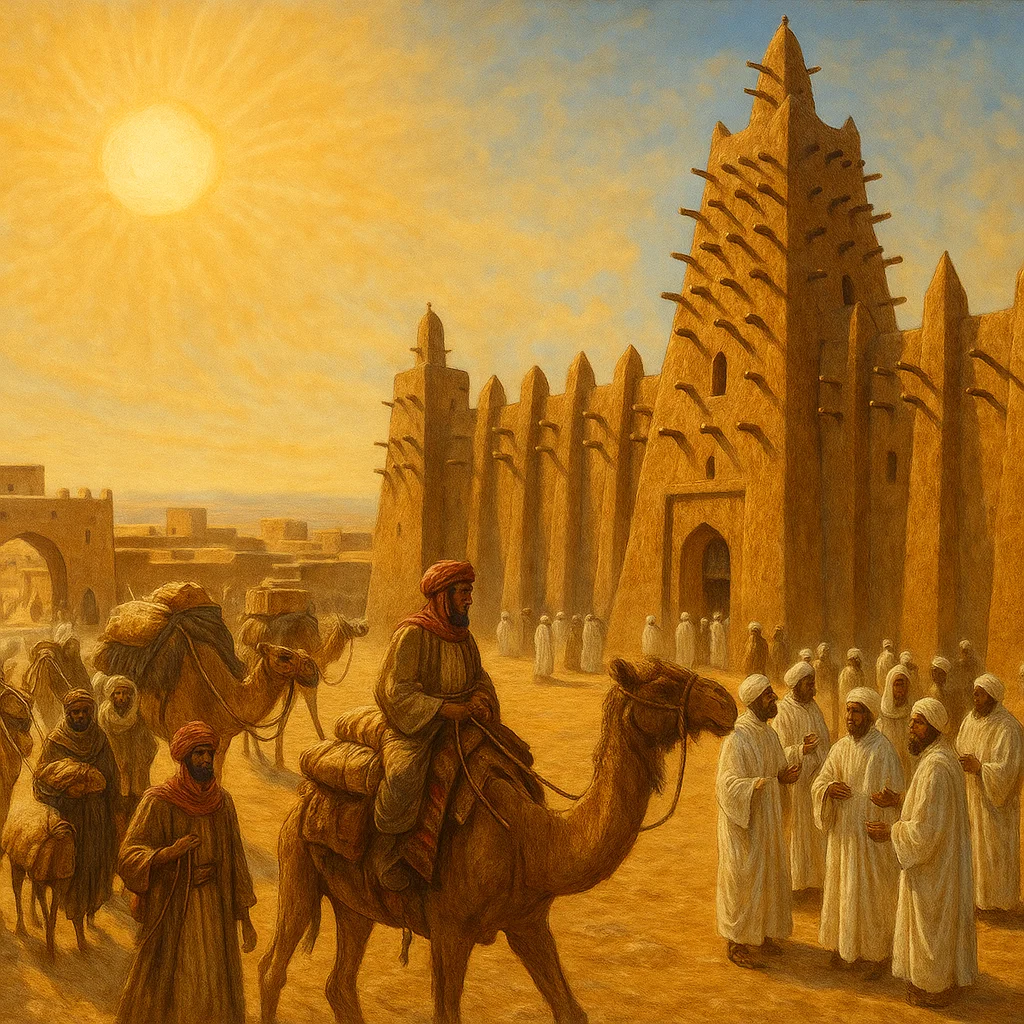
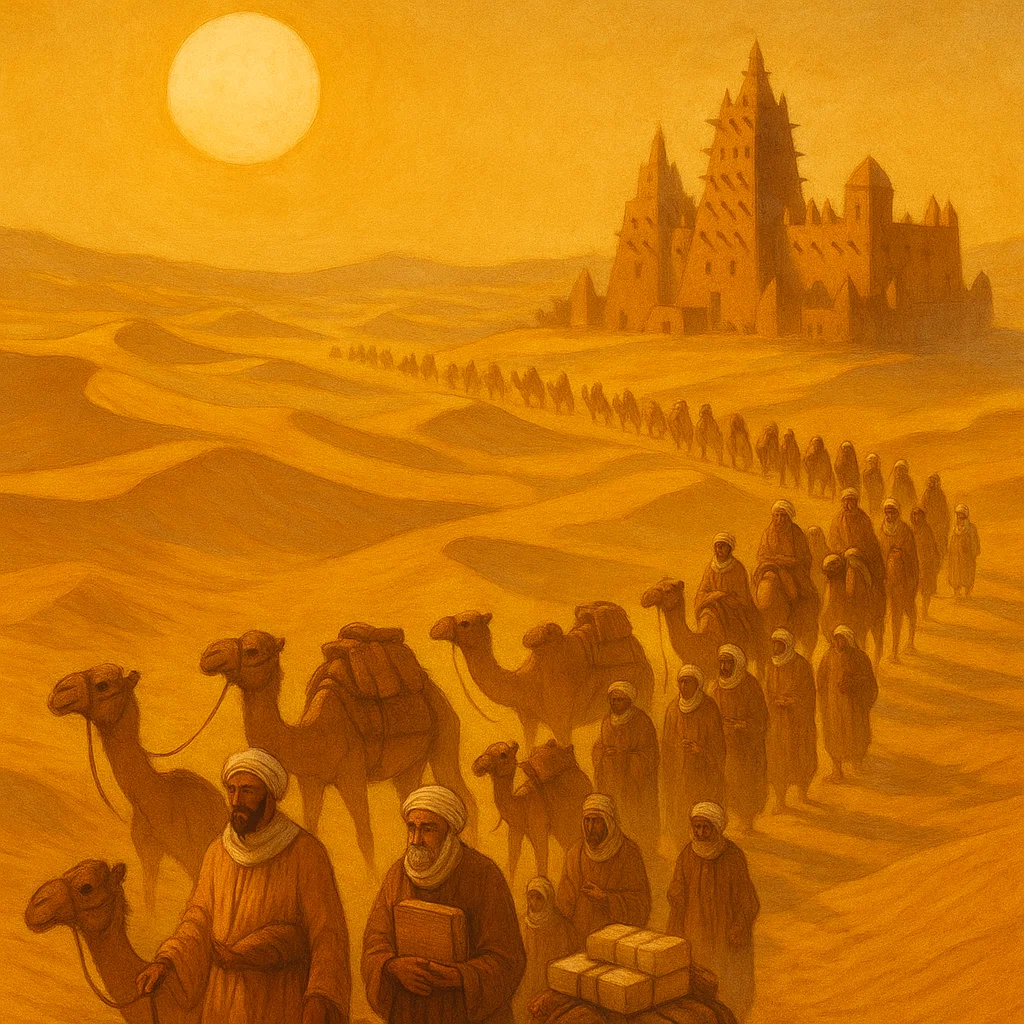
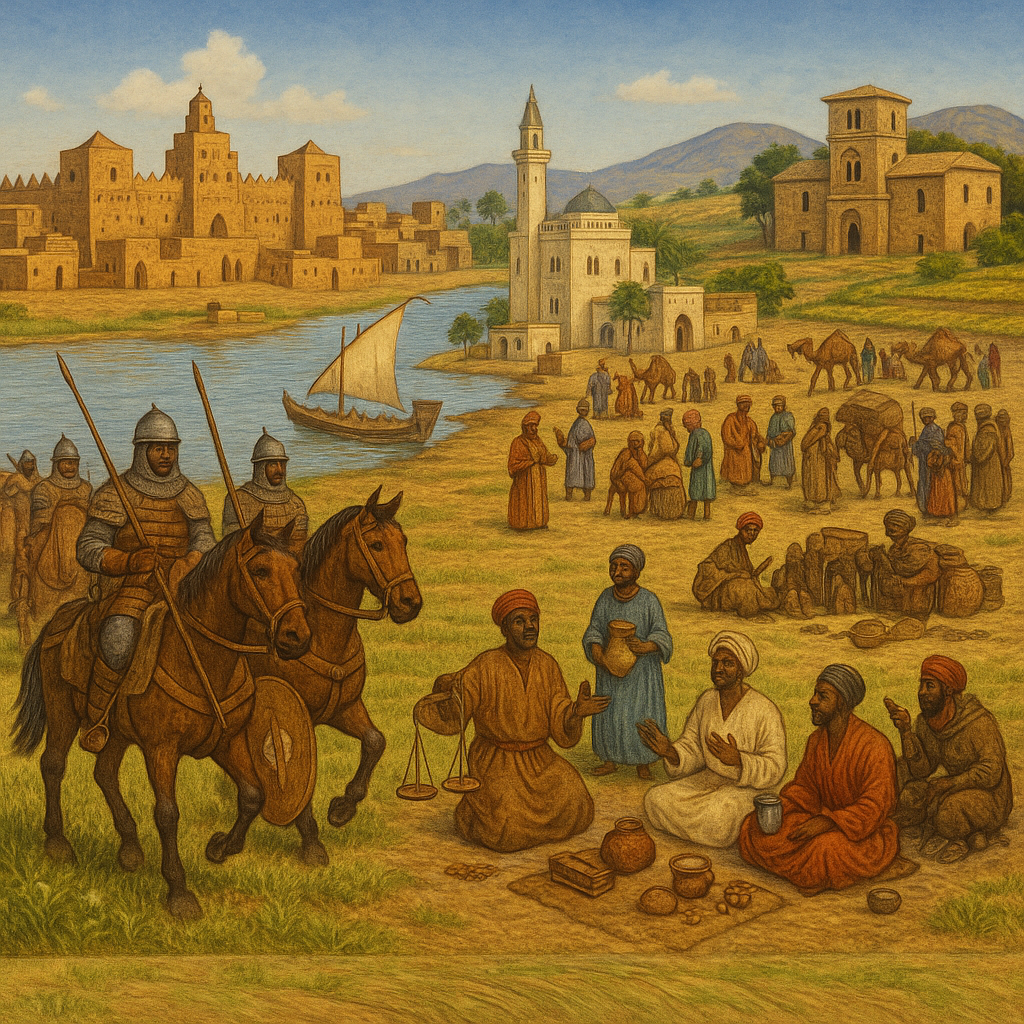
| Late Medieval Africa (beyond the Nile) | Mali Empire (peak and decline), Songhai (rise), Benin, Great Zimbabwe | Timbuktu, Gao, Benin City, Great Zimbabwe | Height of West African empires; gold–salt trade; Islamic scholarship in Timbuktu; rise of Swahili trade cities |
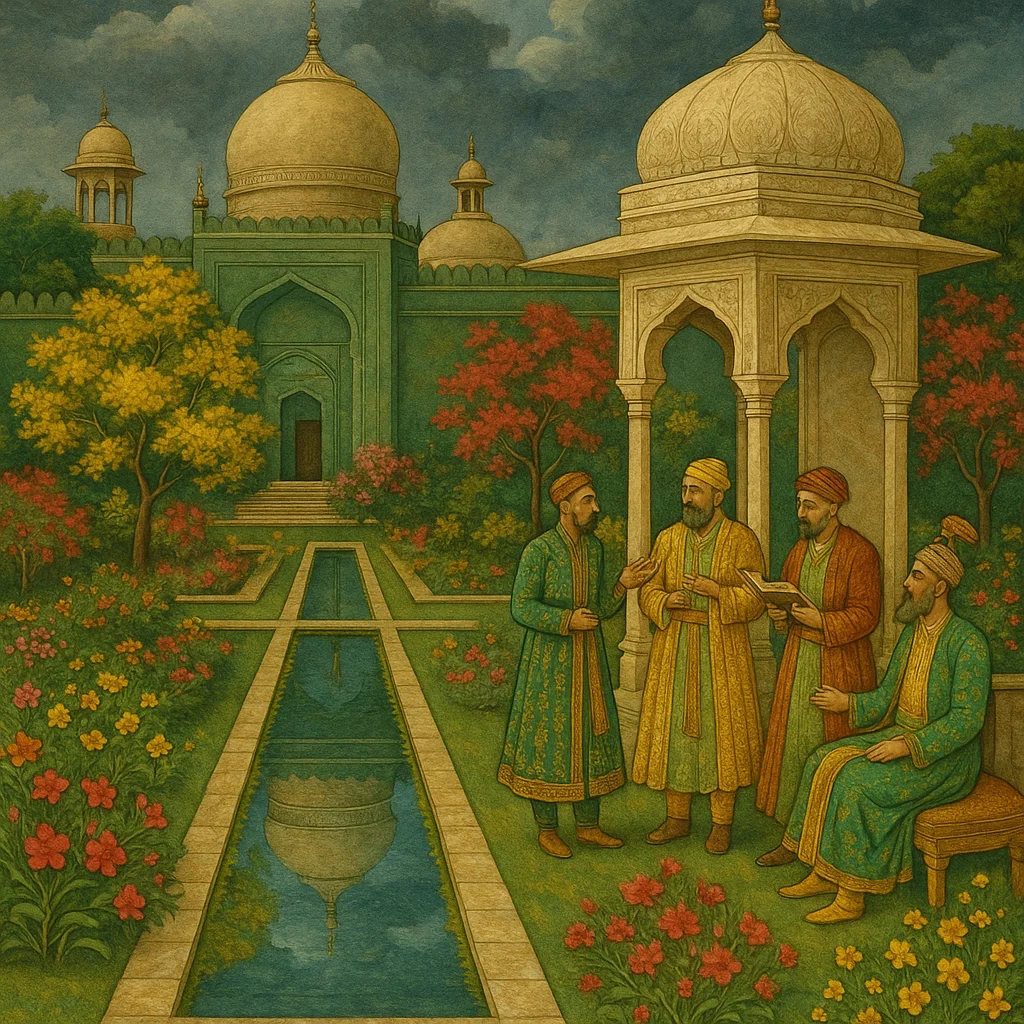
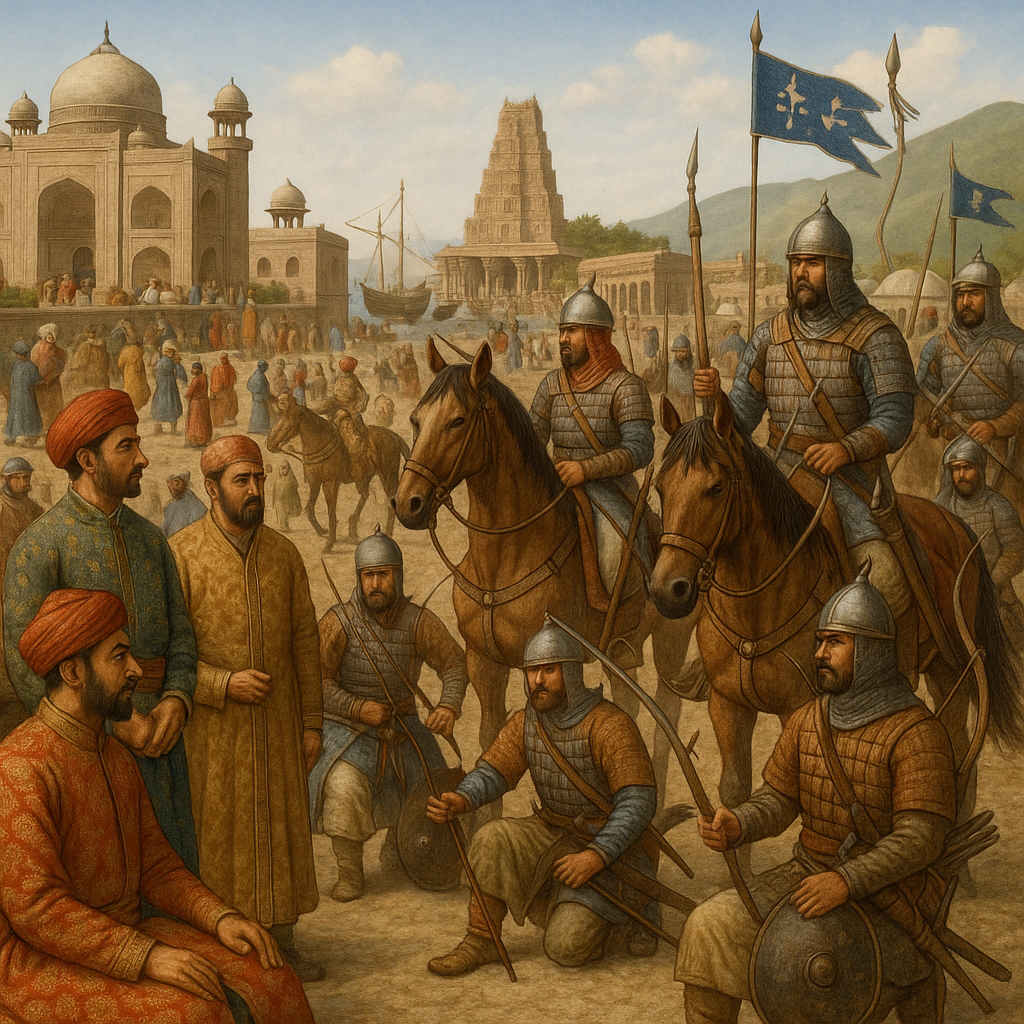
| Late Medieval India and Central Asia | Delhi Sultanate, Vijayanagara Empire, Bahmani Sultanate, Timurid Central Asia | Delhi, Vijayanagara, Samarkand, Gulbarga | Indo-Islamic synthesis; monumental architecture; Timur’s invasions; emergence of Deccan powers |
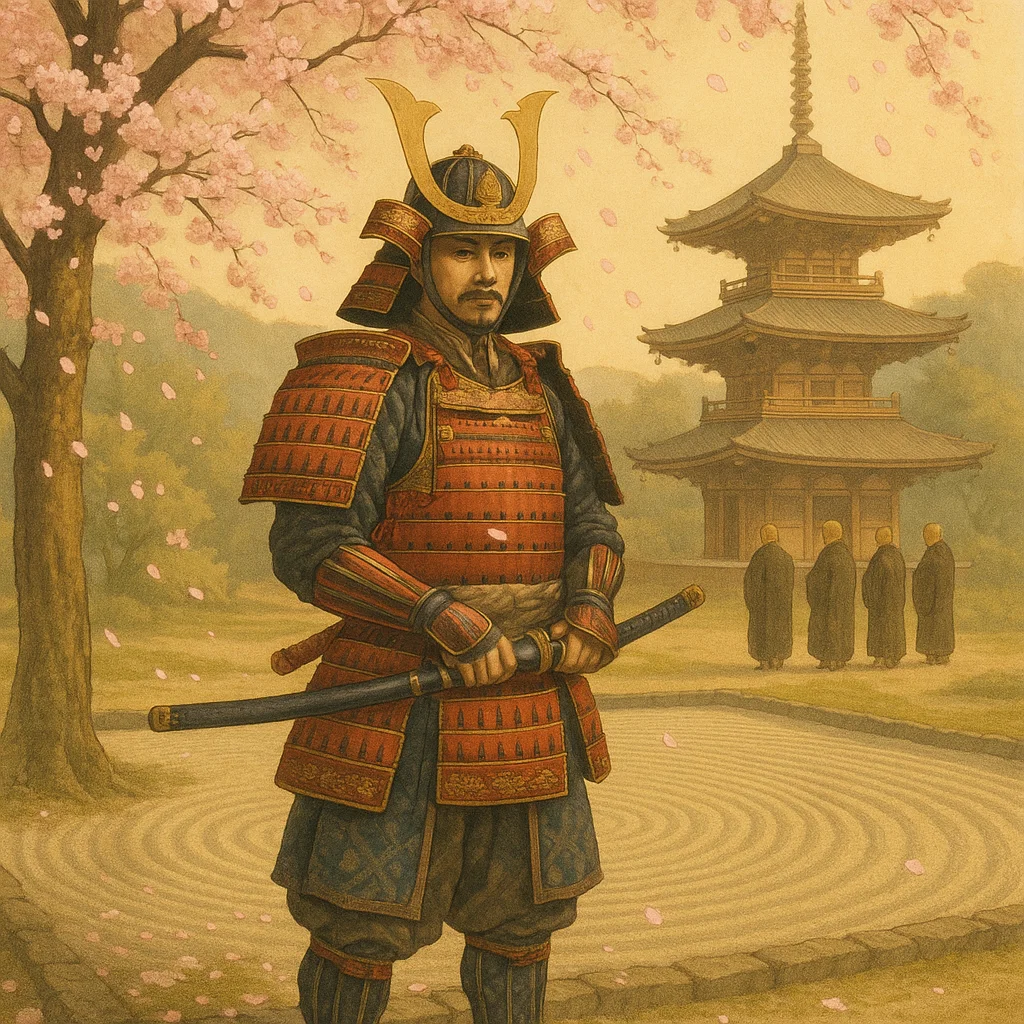
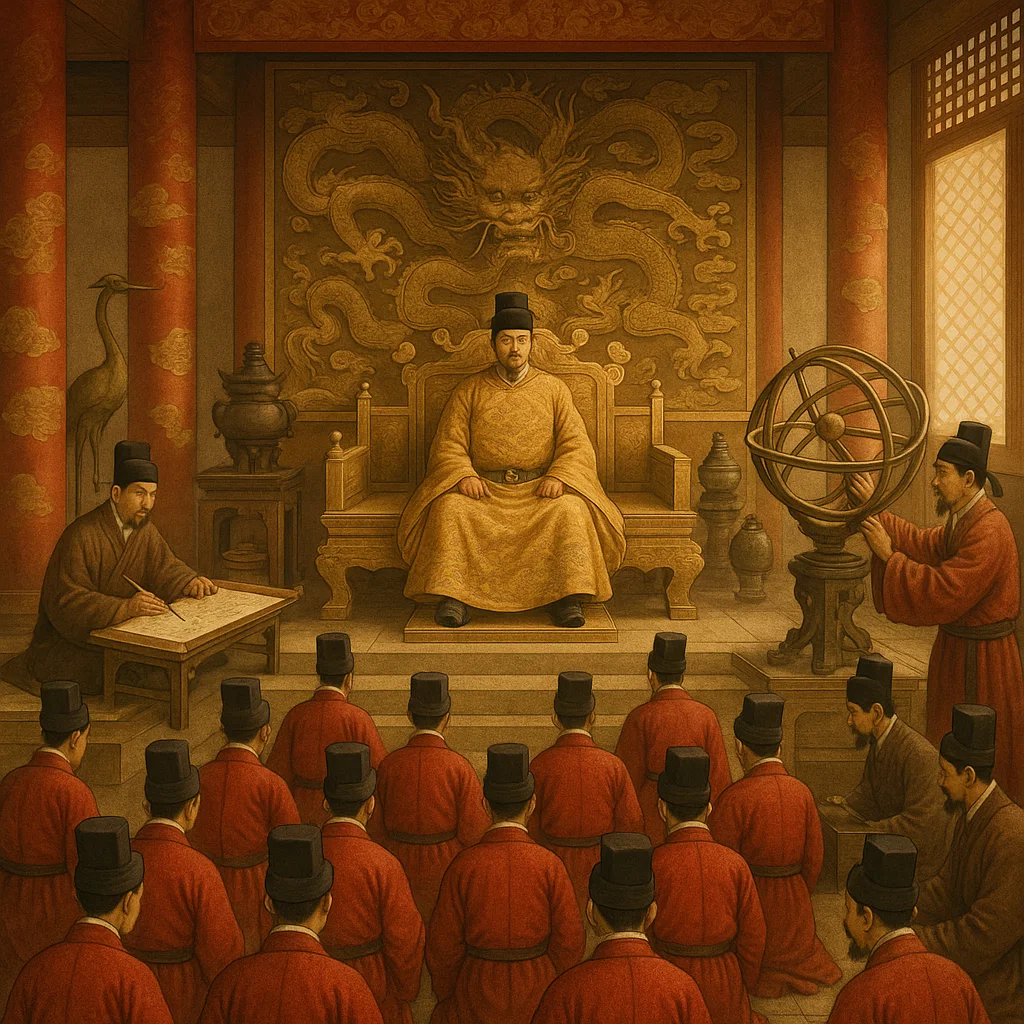
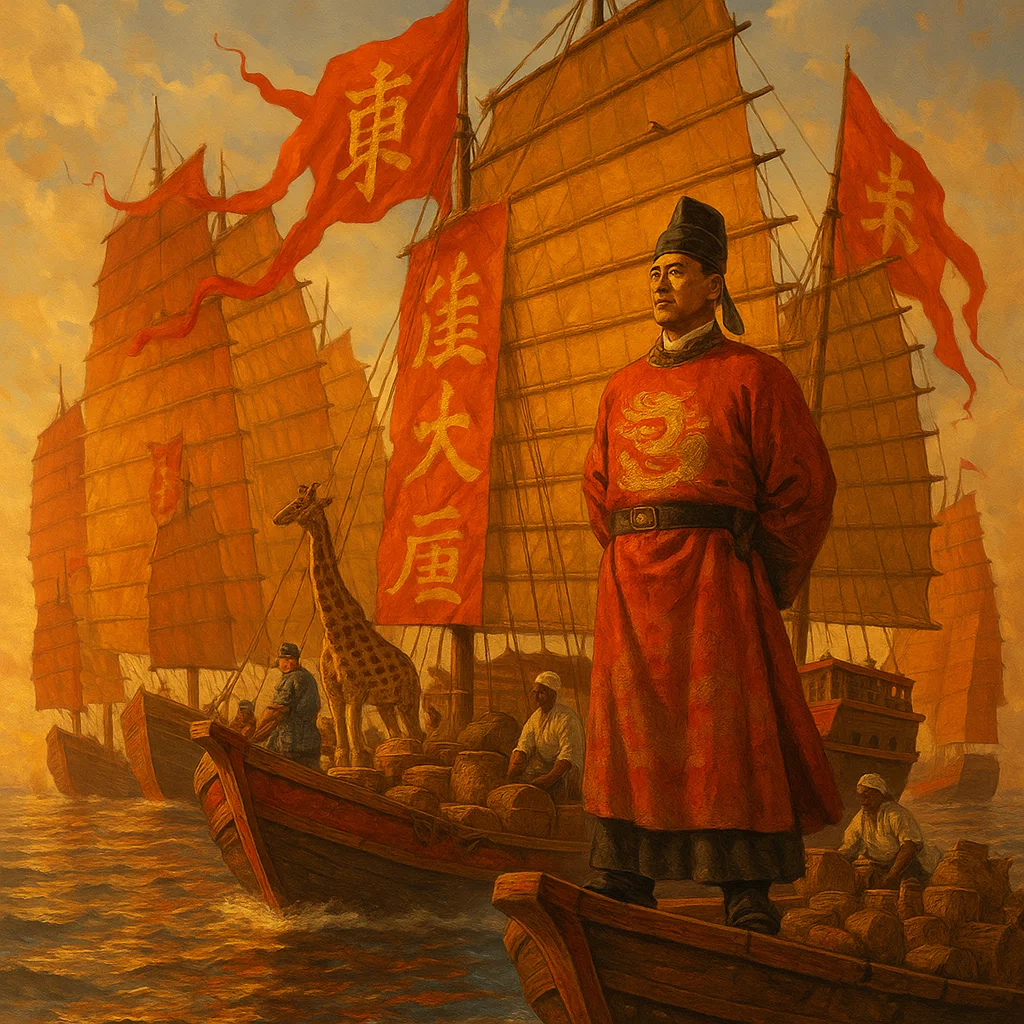
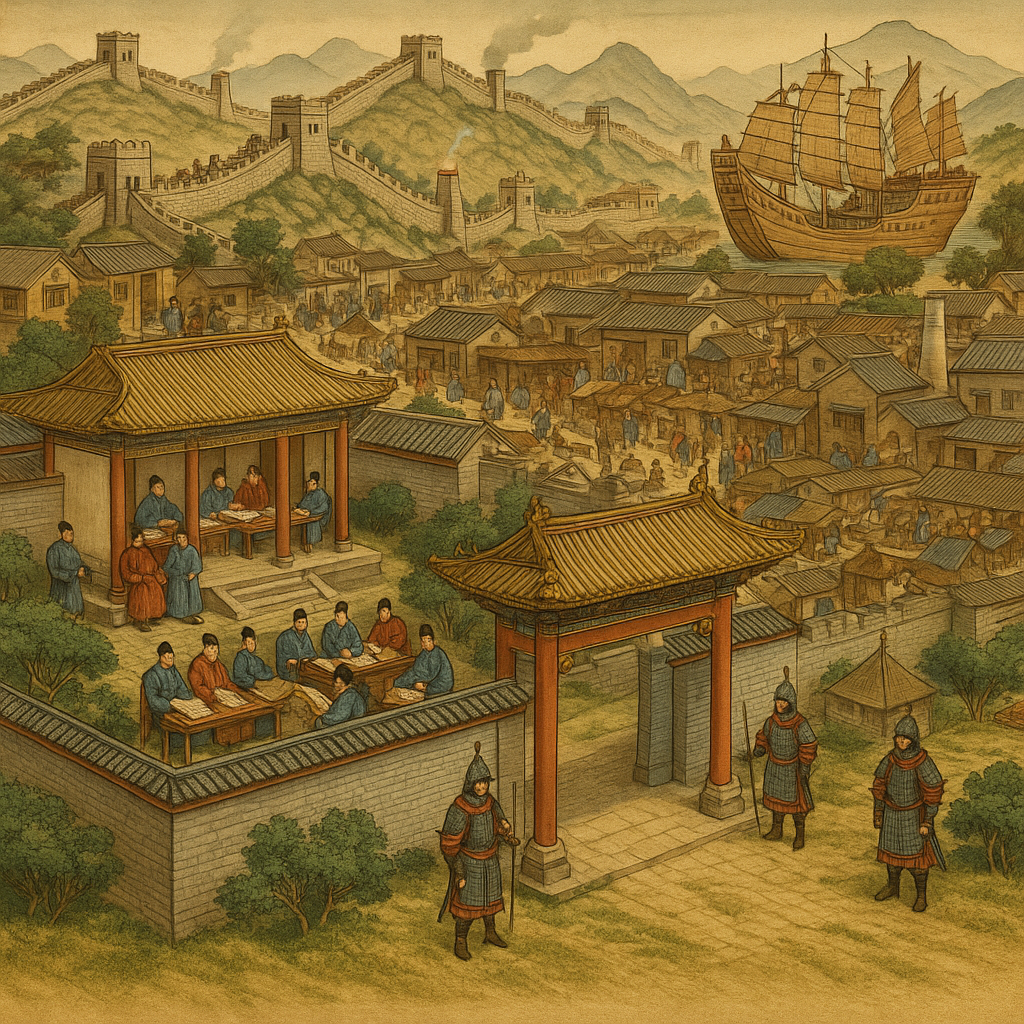
| Late Medieval China (East Asia) | Yuan, Ming, Muromachi Japan, Joseon Korea | Beijing, Nanjing, Kyoto, Seoul | Fall of Mongol Yuan; Ming restoration and exploration (Zheng He); East Asian cultural consolidation |
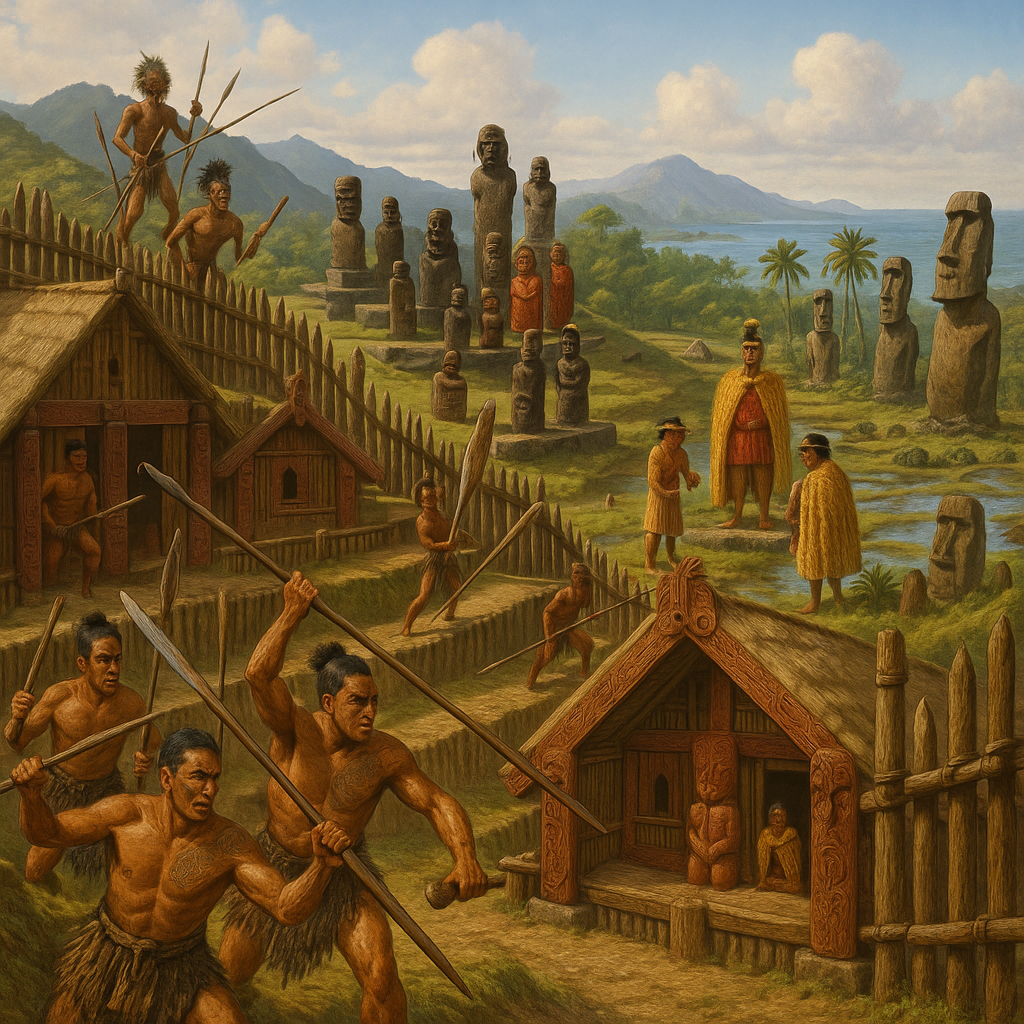
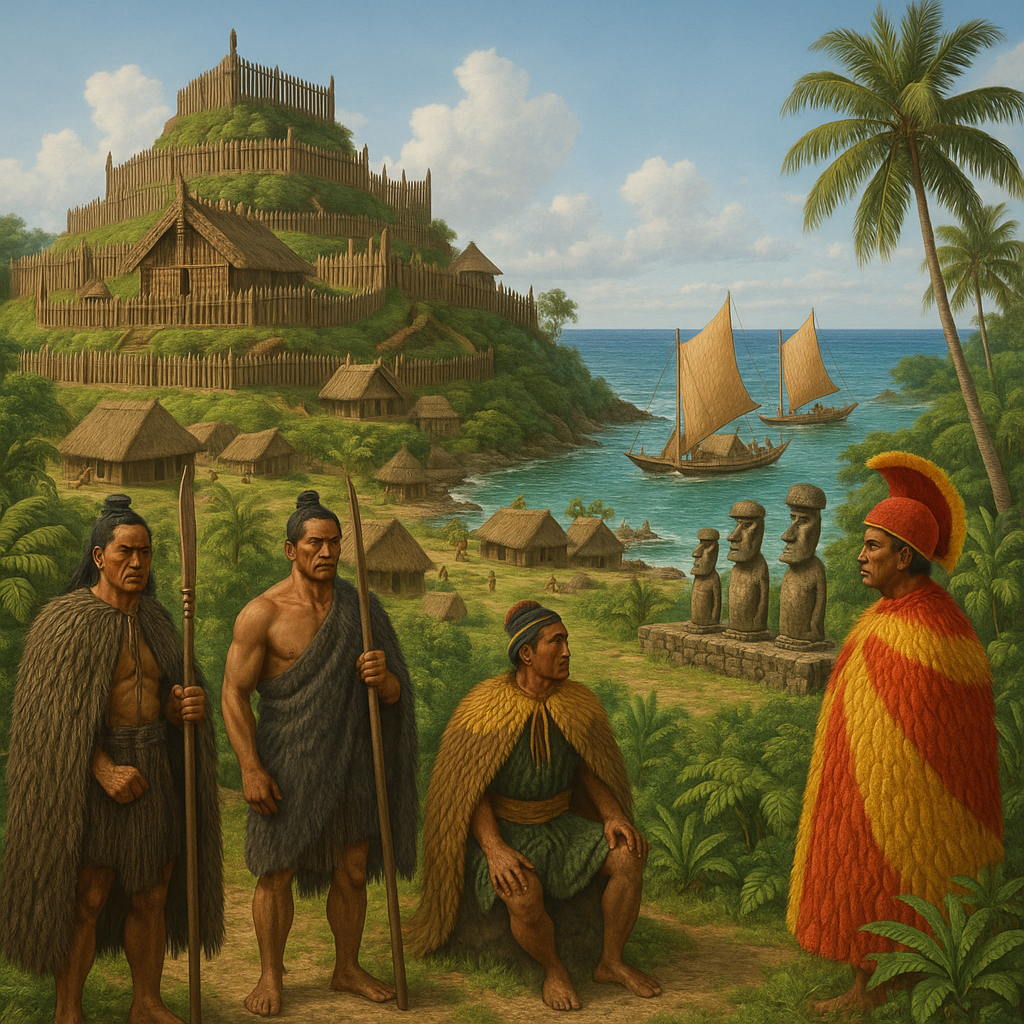
| Late Medieval Oceania | Polynesian Maritime Kingdoms, Micronesian Confederacies, Maori Expansion | Tonga, Samoa, Hawaii, Aotearoa | Height of Polynesian navigation networks; cultural codification; monumental stone and wood architecture |
| Late Medieval North America | Mississippian (Cahokia decline), Iroquoian, Pueblo, Ancestral Inuit | Cahokia, Onondaga, Mesa Verde | Decline of major mound cities; formation of Iroquois Confederacy; adaptation to diverse ecosystems |
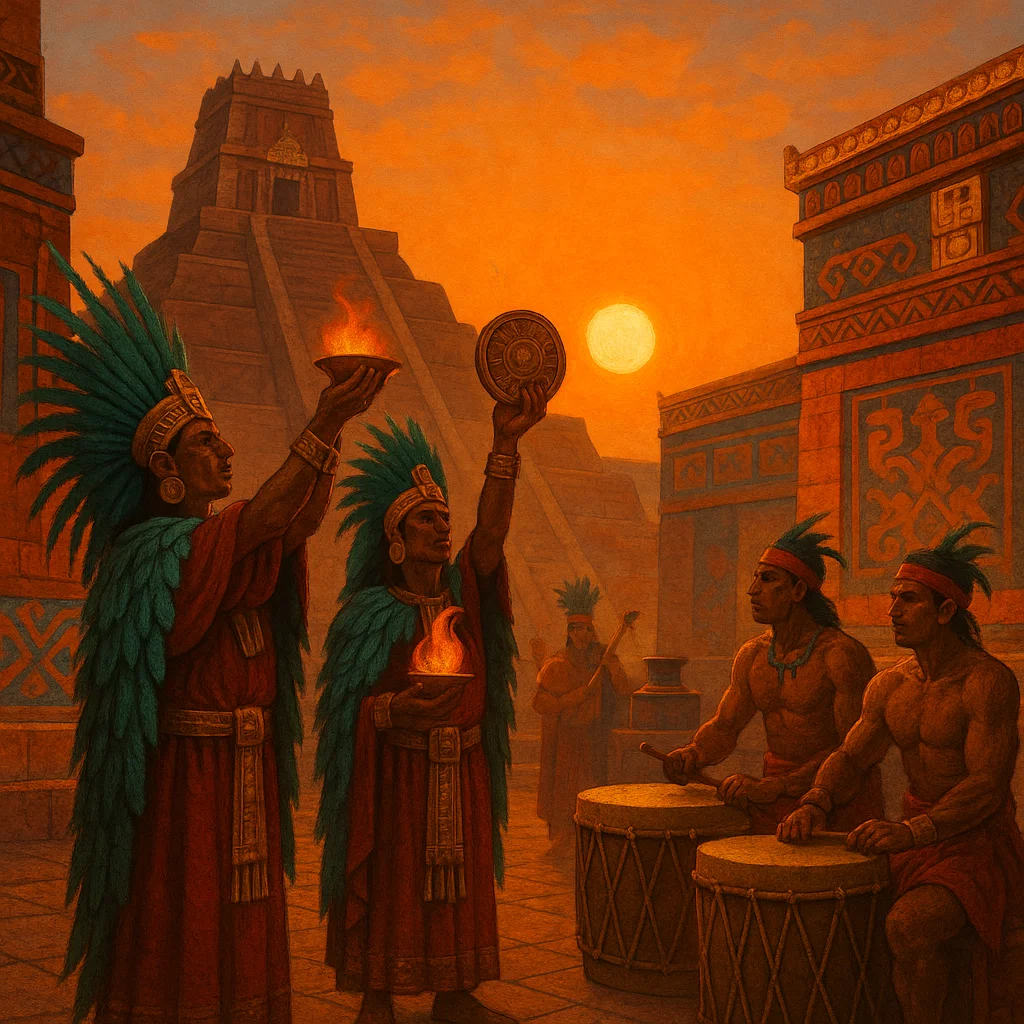
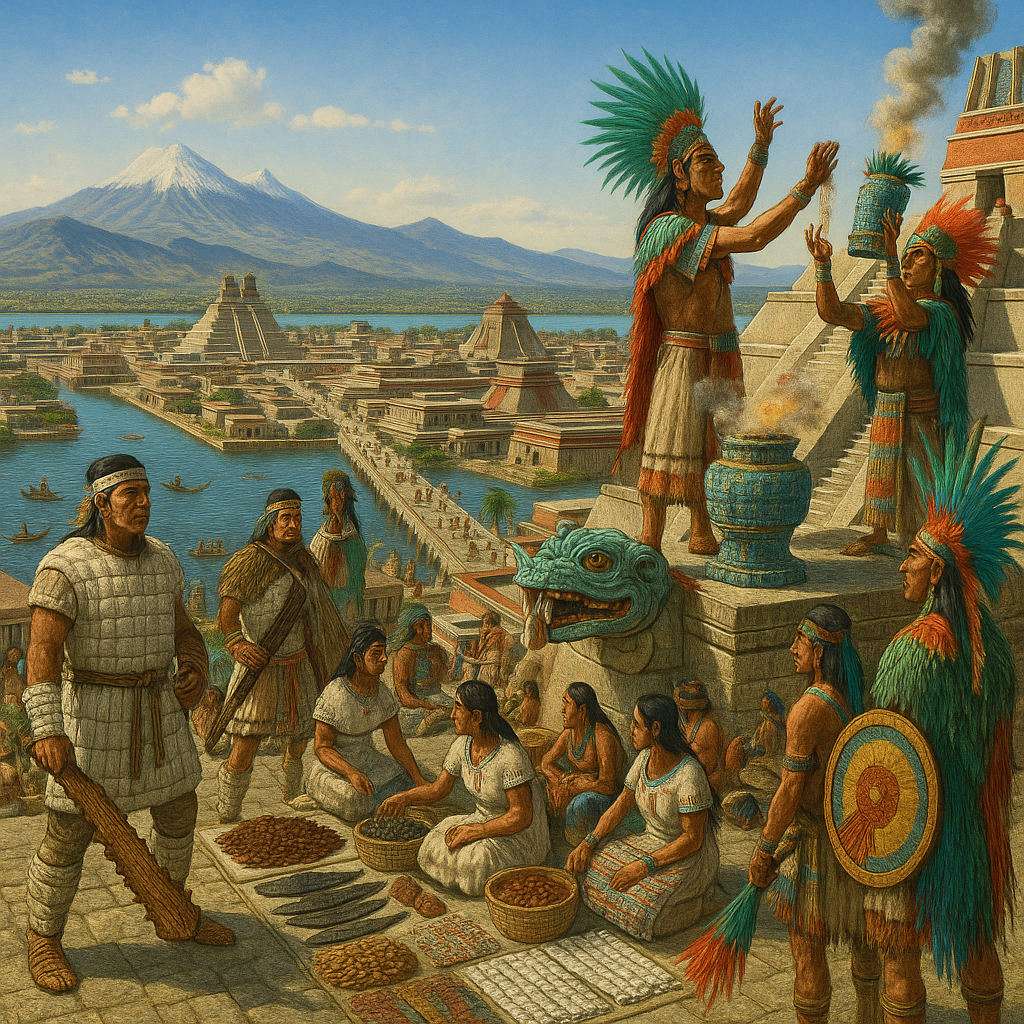
| Late Medieval Central America | Aztec, Mixtec, Tarascan, Postclassic Maya | Tenochtitlán, Tzintzuntzan, Chichen Itza | Aztec imperial expansion; complex tribute economy; height of Mesoamerican art and religion |
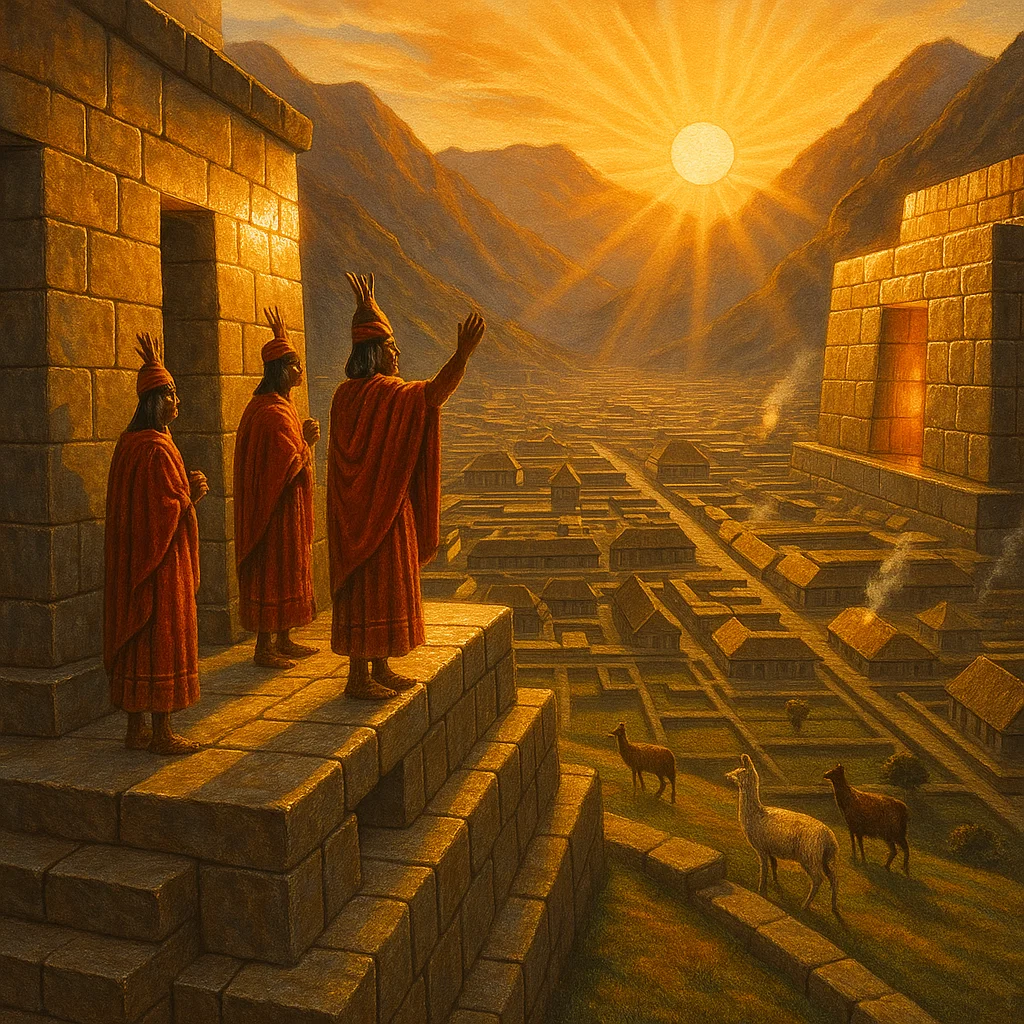
| Late Medieval South America | Inca, Chimu (late), Aymara Kingdoms | Cusco, Chan Chan, Quito | Inca imperial unification; road and terrace systems; expansion across Andes prior to European contact |
1300 AD – Snapshot
| Terra Avita Region and Era Name Link | Event Description |
|---|---|
| High Medieval Africa (beyond the Nile) | Mali Empire at its golden age—reign of Mansa Musa (c. 1312–1337). Timbuktu and Gao major centers of Islamic learning and trans-Saharan trade. Swahili Coast reaches high prosperity with Kilwa dominating Indian Ocean commerce. Ethiopia (Abyssinia) strengthening. |
| High Medieval Central America | Postclassic Maya era. Chichén Itzá declining; Mayapán dominant. Mixtec and Zapotec states active in Oaxaca. Central Mexico dominated by early Mexica (Aztec) polities entering the Valley of Mexico; Tenochtitlan founded soon after (1325). |
| High Medieval China (East Asia) | Yuan Dynasty (Mongol-ruled China) under Kublai Khan’s successors. Large cosmopolitan empire; paper money, international trade, and Mongol aristocracy in power. Cultural tension between Mongol rulers and Chinese literati. |
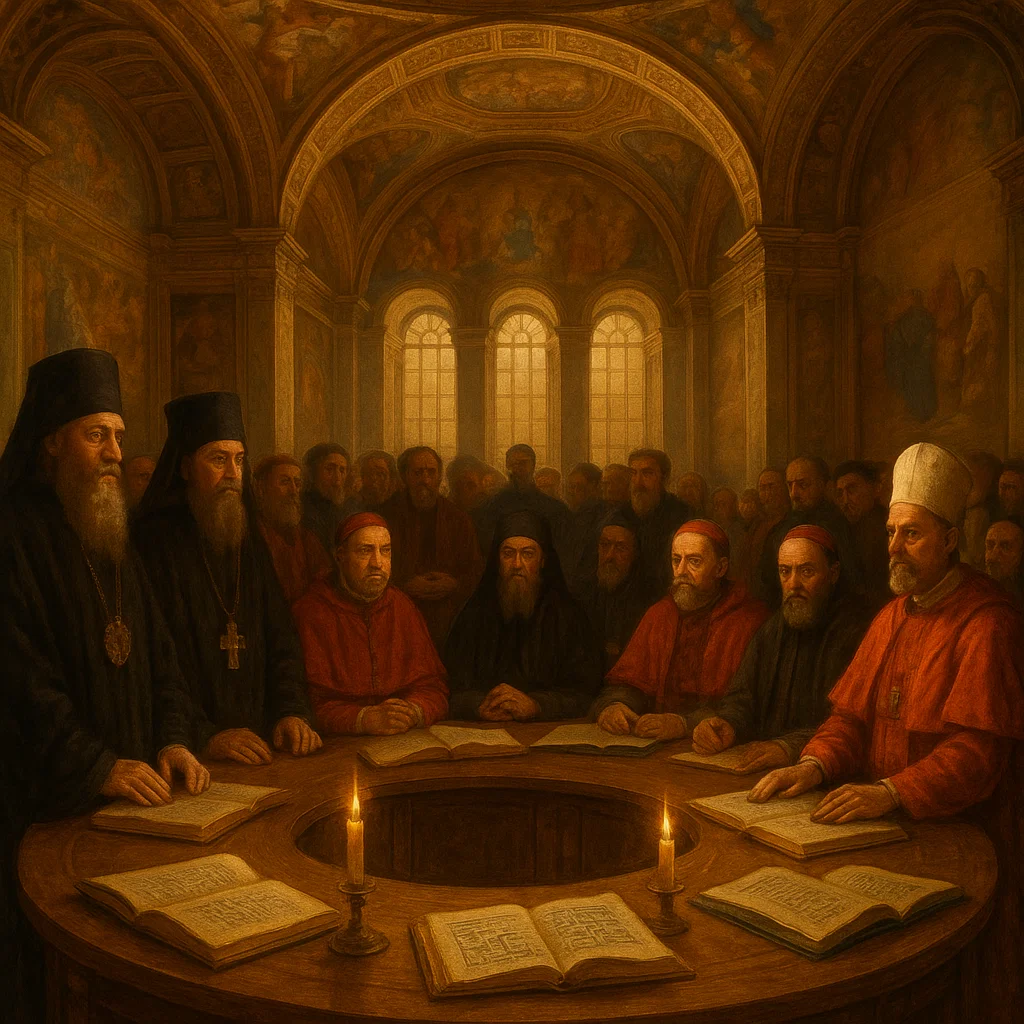
| High Medieval Eastern Mediterranean | Byzantine Empire decaying, restricted mainly to Constantinople and fragments of Greece/Anatolia. Mamluk Sultanate controls Egypt, Syria, and crushes Mongols (1260). Crusader States gone (Acre falls 1291). Eastern Mediterranean trade dominated by Venice and Genoa. |
| High Medieval Egypt | Mamluk Sultanate in full power (Bahri Mamluks). Cairo is one of the world’s greatest cities—trade, learning, architecture. Controls Hejaz and the Hajj. Defeated Crusaders and Mongols. Strong navy in Eastern Mediterranean and Red Sea. |
| High Medieval India and Central Asia | Delhi Sultanate dominates northern India (Khalji dynasty). Alauddin Khalji expands aggressively. Dravidian kingdoms strong in south (Hoysala, Pandya). In Central Asia, Chagatai Khanate and Golden Horde hold territory but fragmenting. |
| High Medieval North America | Mississippian civilization at full strength. Cahokia in decline but other chiefdoms (Etowah, Moundville) thriving. Maize agriculture dominant. Complex political hierarchies, mound centers, and regional warfare common. |
| High Medieval Oceania | Australia retains stable Aboriginal cultural systems. New Guinea highlands intensive horticulture. Polynesians fully settled in New Zealand (c. 1200–1300) and developing distinct Māori culture. Hawaii, Tahiti, and Rapa Nui established and culturally complex. |
| High Medieval Persia | Under Ilkhanate (Mongol Persia) but nearing fragmentation. Slow Persian cultural revival under Mongol rulers (Rashid al-Din’s Jami‘ al-Tawarikh). The empire collapses mid-1300s; regional dynasties (Jalayirids, Muzaffarids) rising soon. |
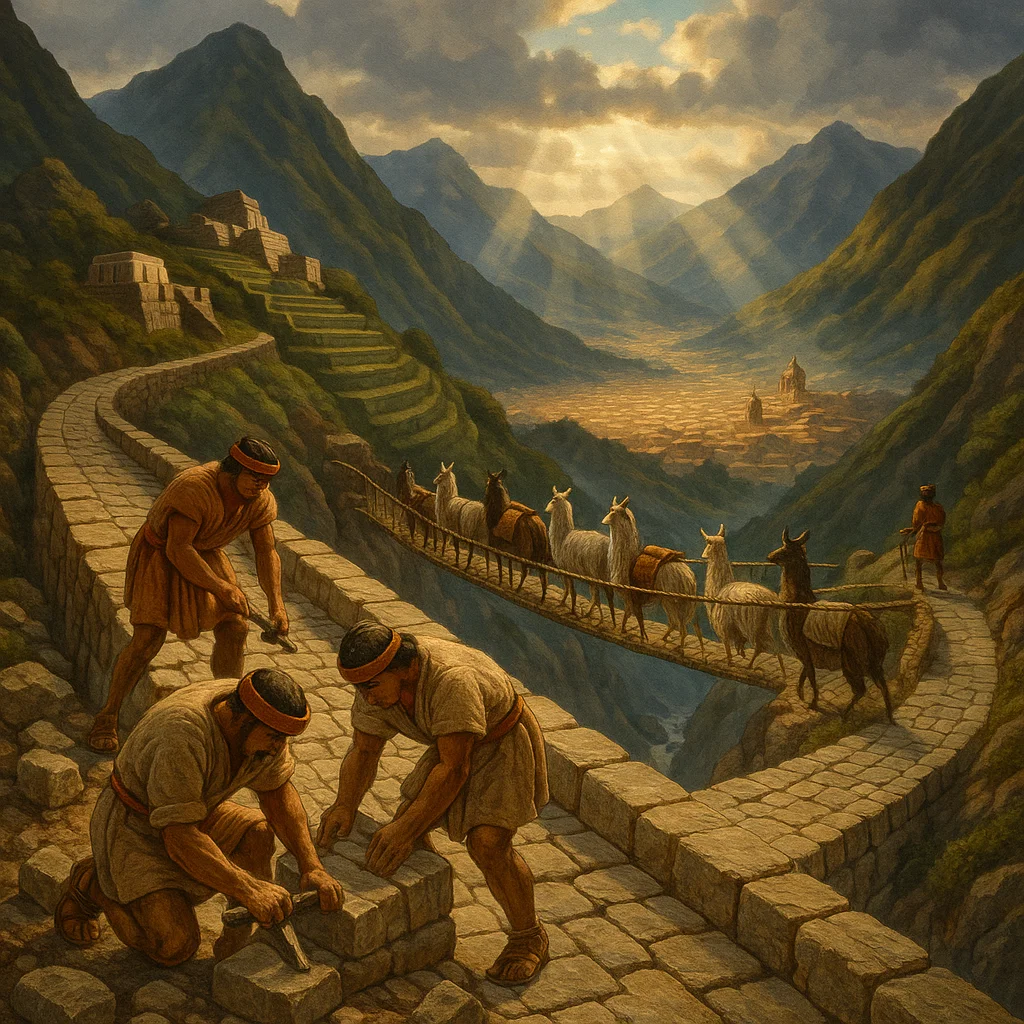
| High Medieval South America | Andean polities mature. Chimú Empire powerful on Peruvian coast (Chan Chan at its peak). Highland states expand terracing, irrigation, and llama caravans. Cusco Valley home to rising early Inca—still a small regional kingdom, empire not yet formed. |
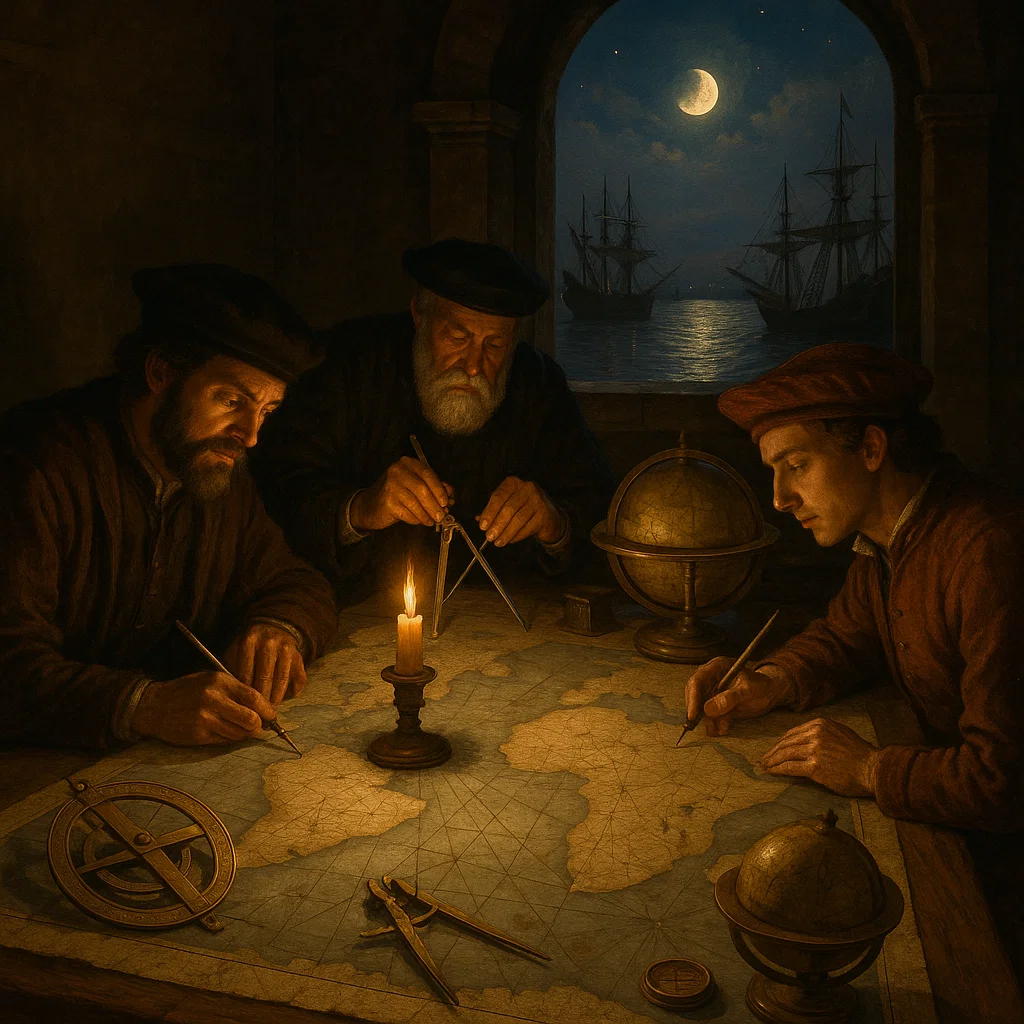
| High Medieval Western Europe | Late Middle Ages. High feudal monarchies maturing. England–France tensions rising (Hundred Years’ War begins 1337). Powerful Italian city-states (Venice, Genoa, Florence). Hanseatic League dominates northern trade. Gothic architecture peaking. Black Death decades away (1347). |
1350 AD – Snapshot
| Terra Avita Region and Era Name Link | Event Description |
|---|---|
| Late Medieval Africa (beyond the Nile) | Mali Empire still strong, though peak under Mansa Musa has passed. Timbuktu and Gao major intellectual and trade centers. Trans-Saharan gold-salt trade thriving. Swahili Coast wealthy (Kilwa, Mombasa), trading with Arabia, India, and China. Ethiopia’s Christian kingdom expanding. |
| Late Medieval Central America | Late Postclassic Mesoamerica. Maya urban centers in Yucatán (Mayapán) dominant. Aztec (Mexica) expanding in Valley of Mexico; Tenochtitlan growing rapidly. Toltec legacy influential. Major long-distance trade in obsidian, cacao, cotton. |
| Late Medieval China (East Asia) | Yuan Dynasty collapsing due to famine, corruption, and rebellions (Red Turban movements). Mongol rule weakening. Chinese Han-led Ming Dynasty will emerge shortly (1368). Large-scale demographic crisis from plague. |
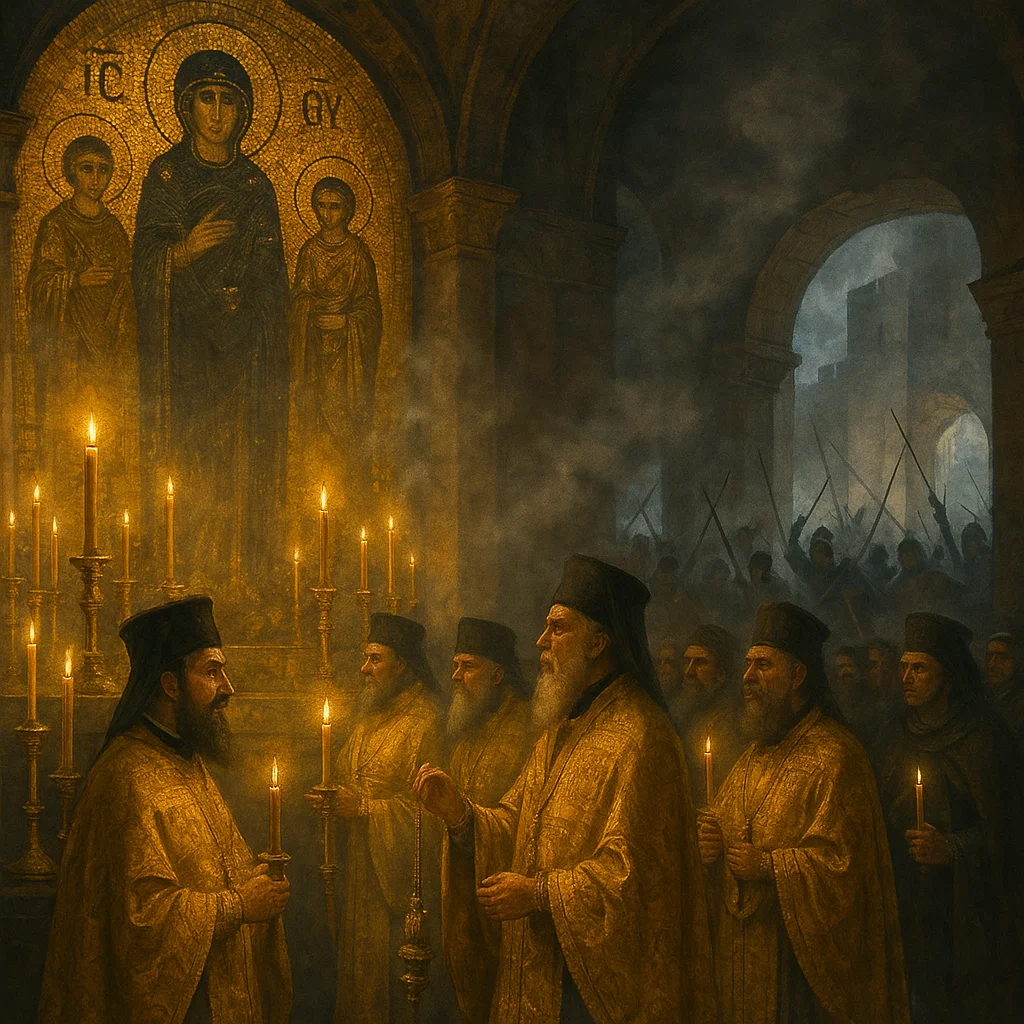
| Late Medieval Eastern Mediterranean | Byzantine Empire reduced to a shadow, holding mainly Constantinople and fragments. Ottoman Beylik rising rapidly in Anatolia, winning against Byzantines and rival Turks. Eastern Mediterranean trade dominated by Venice and Genoa. |
| Late Medieval Egypt | Mamluk Sultanate at full power. Cairo the leading city of the Islamic world. Black Death hits Egypt heavily (~1348–1349) but political structure remains intact. Mamluks control Hejaz, Syria, and critical Red Sea trade routes. |
| Late Medieval India and Central Asia | Delhi Sultanate (Tughlaq dynasty). Muhammad bin Tughlaq’s failed policies destabilize north India. Bengal and Deccan states assert autonomy. In Central Asia, Chagatai Khanate fragmented; Timur’s rise imminent (1370). |
| Late Medieval North America | Mississippian chiefdoms still powerful (Moundville, Etowah), but Cahokia long collapsed (~1300). Increased warfare, political flux, maize agriculture dominant. Regional trade networks still active despite instability. |
| Late Medieval Oceania | Australia: stable Aboriginal societies with complex ecology and ritual. New Guinea: intensive horticulture. Polynesian civilizations mature—Hawaiian chiefdoms, Tahitian kingdoms, Māori culture fully established in New Zealand (settled ~1200–1300). Easter Island societal stresses begin. |
| Late Medieval Persia | Ilkhanate has collapsed (1335). Persia fragmented into regional dynasties (Jalayirids, Muzaffarids, Sarbadars). Political instability widespread. Persian culture and literature remain vibrant but the region awaits later Timur’s rise (late 1300s). |
| Late Medieval South America | Chimú Empire strong on Peruvian coast (Chan Chan). Highland Andean states numerous and competitive. Early Inca polity in Cusco consolidating, expanding locally but decades away from imperial expansion (1430s–1470s). Advanced terracing, irrigation, and llama trade form backbone of Andean life. |
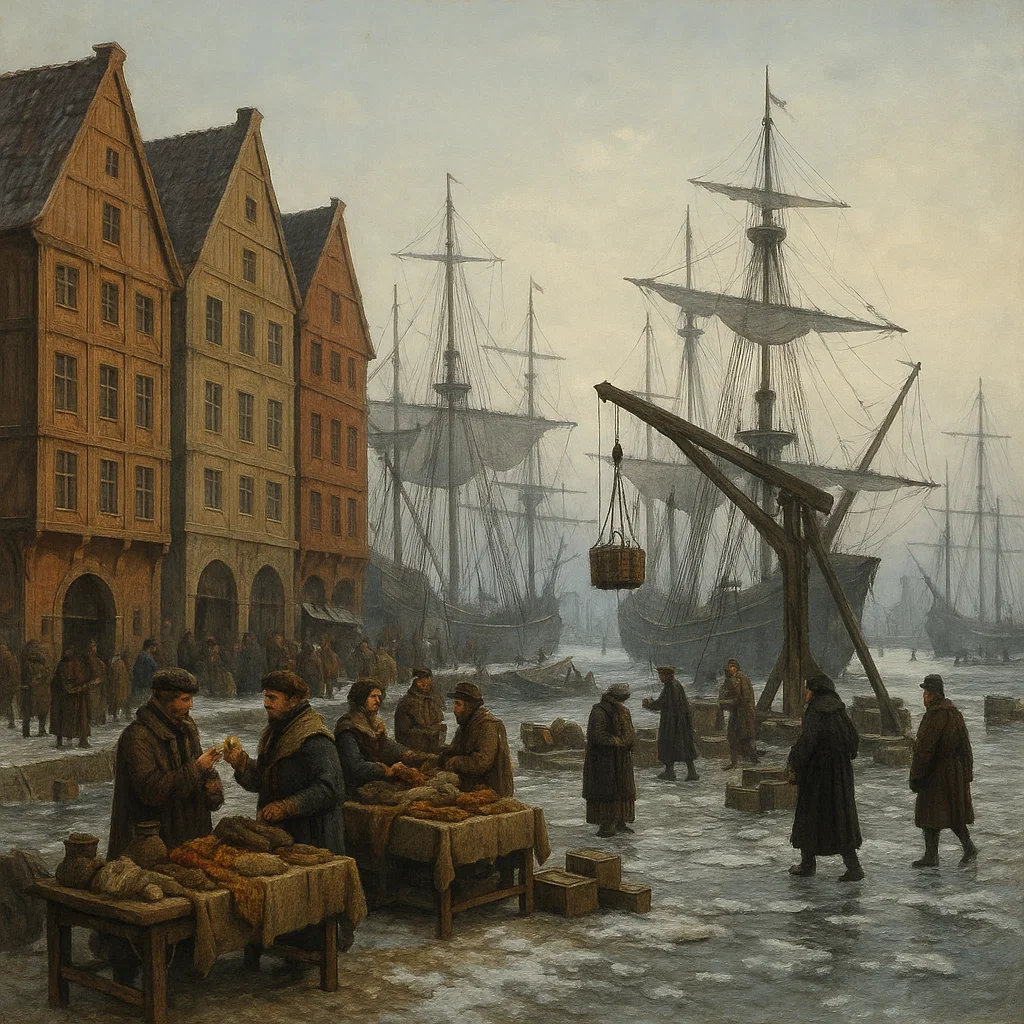
| Late Medieval Western Europe | Black Death (1347–1351) devastates Europe, killing 30–50% of population. Feudal structures destabilize. England and France in early Hundred Years’ War phase. Italian city-states dominate Mediterranean finance. Hanseatic League strong in the north. |
1400 AD – Snapshot
| Terra Avita Region and Era Name Link | Event Description |
|---|---|
| Late Medieval Africa (beyond the Nile) | Mali Empire in decline after internal strife; Songhai rising around Gao. West African gold–salt trade remains powerful. Swahili Coast at commercial high point—Arab, Persian, and African merchant culture thriving. Ethiopia expands under the Solomonid dynasty. |
| Late Medieval Central America | Late Postclassic Mesoamerica. Maya Yucatán ruled by competitive city-states. Aztec (Mexica) rising rapidly—Triple Alliance formation soon (1428). Toltec influence preserved in ritual and mythology. |
| Late Medieval China (East Asia) | Ming Dynasty consolidates power (Hongwu → Yongle). Capital soon moves to Beijing (1421). Forbidden City construction underway. Strong centralized bureaucracy, naval expeditions imminent (Zheng He’s voyages begin 1405). |
| Late Medieval Eastern Mediterranean | Ottoman expansion accelerating. They control most of Anatolia and push into the Balkans. Byzantium reduced to Constantinople and fragments. Mamluks strong in Egypt and Syria. Venice and Genoa dominate trade. |
| Late Medieval Egypt | Mamluk Sultanate stable and wealthy, though hit by recurring plagues. Controls Hejaz and key Red Sea commerce. Cairo a center of scholarship, trade, and architecture. Military caste dominates governance. |
| Late Medieval India and Central Asia | Delhi Sultanate (Tughlaq → Sayyid transitions) weakened. Regional sultanates (Bengal, Gujarat, Jaunpur) gaining autonomy. In Central Asia, Timurid power dominates but unstable after Timur’s death. Hindu Vijayanagara Empire strong in south India. |
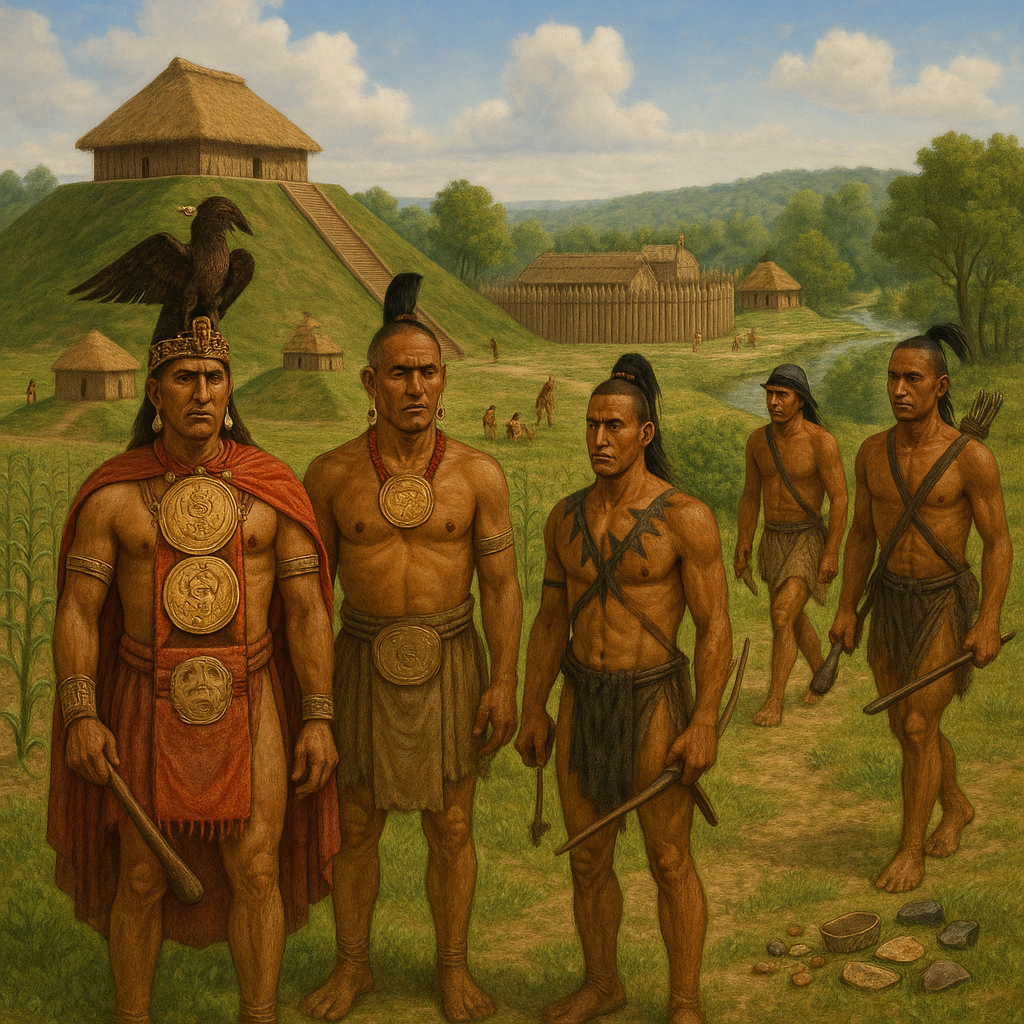
| Late Medieval North America | Mississippian societies fragmenting. Cahokia gone; Etowah and Moundville declining. Maize agriculture widespread. Regional chiefdoms persist in Southeast; increasing warfare and political instability. |
| Late Medieval Oceania | Australia maintains stable Aboriginal systems. New Guinea horticulture highly developed. Polynesian societies complex—Hawaiian chiefdoms powerful; Māori fortified pā (hillforts) in New Zealand; Rapa Nui under ecological pressure. |
| Late Medieval Persia | Timurid Empire rising under Timur (Tamerlane). Conquests across Iran, Central Asia, and into Mesopotamia. Persian cultural revival under Timurid patronage (Samarkand, Herat). Political fragmentation follows Timur’s death (1405). |
| Late Medieval South America | Chimú Empire near its peak (Chan Chan). Large irrigation works and administrative complexity. Inca polity expanding from Cusco under early rulers (Viracocha Inca). Full imperial expansion begins mid-1400s. |
| Late Medieval Western Europe | Late Medieval Europe recovering after Black Death. England and France in the Hundred Years’ War. Papal Schism ongoing. Hanseatic League at commercial peak. Italian Renaissance beginning in Florence. Feudal order weakening as towns grow. |
1450 AD – Snapshot
| Terra Avita Region and Era Name Link | Event Description |
|---|---|
| Late Medieval Africa (beyond the Nile) | Mali Empire declining, losing control of trade routes. Songhai Empire ascendant under Sunni Ali, consolidating Gao. Swahili Coast extremely prosperous—trade with China, Arabia, Persia. Ethiopia strong under the Solomonid dynasty. |
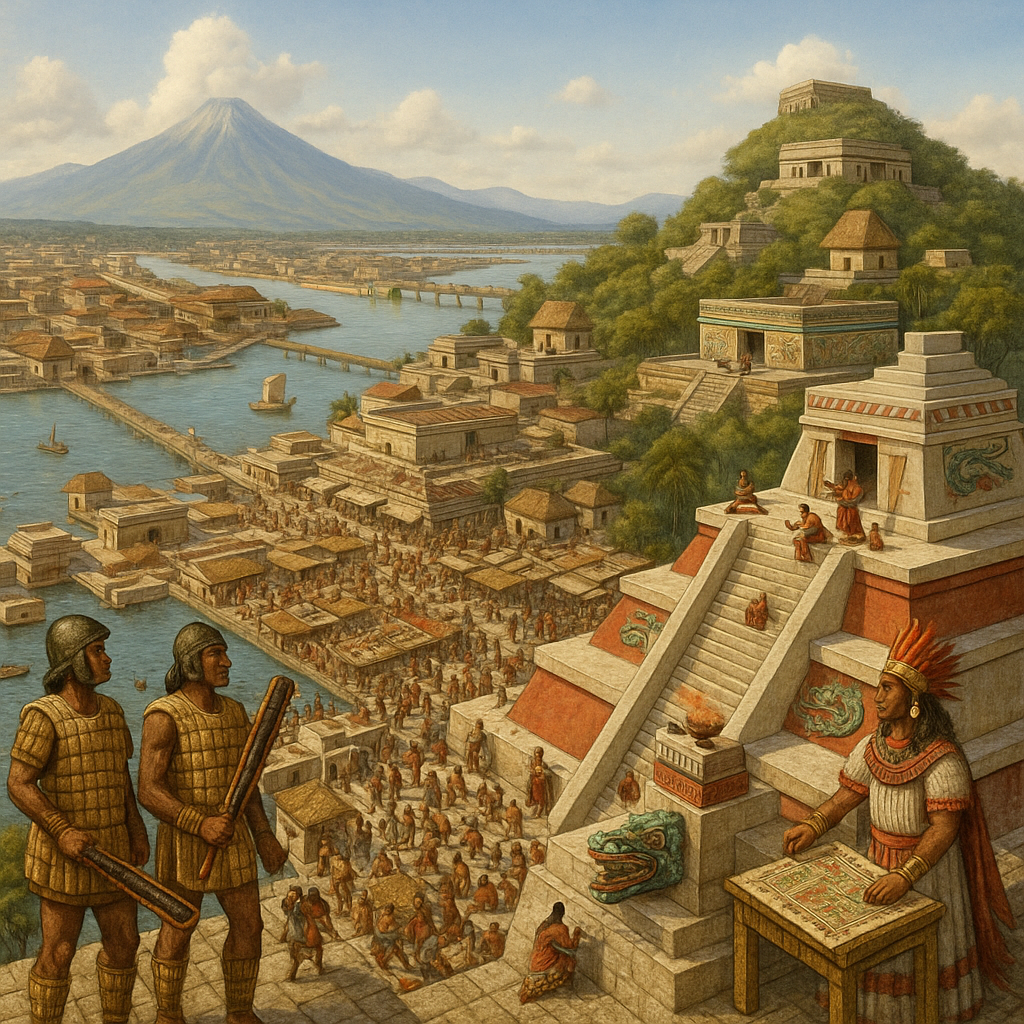
| Late Medieval Central America | Aztec (Mexica) Empire expanding aggressively. Triple Alliance (Tenochtitlan, Texcoco, Tlacopan) consolidates. Maya Postclassic centers active in Yucatán (Mayapán recently collapsed, c. 1440). Widespread regional trade in obsidian, cacao, cotton. |
| Late Medieval China (East Asia) | Ming Dynasty at high strength (Zhengtong → Jingtai → Tianshun periods). Great Wall reconstruction intensifies. Zheng He’s naval voyages recently ended (last in 1433). Highly centralized state; massive internal commerce; population growth. |
| Late Medieval Eastern Mediterranean | Ottoman Empire dominant. Constantinople on the brink (falls in 1453). Byzantium reduced to a shell. Mamluk Sultanate controls Egypt/Syria. Venice and Genoa fight for maritime supremacy. Crusader influence long gone. |
| Late Medieval Egypt | Mamluk Sultanate still powerful under Circassian/Burji Mamluks. Cairo a major intellectual and economic center. Controls Mecca, Medina, Red Sea trade. Integrated Mediterranean–Indian Ocean trade system thriving. |
| Late Medieval India and Central Asia | Delhi Sultanate fracturing (Sayyid → Lodi phase). Regional sultanates (Bengal, Gujarat, Bahmani) powerful. Vijayanagara Empire dominates southern India. In Central Asia, Timurid remnants overshadowed by Uzbek tribal rise, setting stage for future Shaybanid power. |
| Late Medieval North America | Mississippian chiefdoms collapsing or transforming. Cahokia long abandoned; Moundville and Etowah declining. Maize agriculture widespread. Increasing warfare and population shifts. Proto-Iroquois and Southeastern chiefdoms rising. |
| Late Medieval Oceania | Australia’s Aboriginal societies maintain long-term stability. New Guinea highland horticulture dense and organized. Polynesian cultures highly developed—Hawaiian chiefdoms powerful; Māori fortified pā systems well established in New Zealand; Rapa Nui facing ecological strain. |
| Late Medieval Persia | Post-Timurid fragmentation. Timurid successors (e.g., in Herat, Samarkand) maintain cultural brilliance but political instability. Persia divided among Timurid, Kara Koyunlu (Black Sheep Turkomans), and rising Ak Koyunlu (White Sheep Turkomans). |
| Late Medieval South America | Inca Empire beginning rapid expansion under Pachacuti (r. 1438–1471) and successors. Cusco transforms into imperial capital. Chimú Empire conquered by Inca soon after (c. 1470s). Massive road, terrace, and administrative systems developing. |
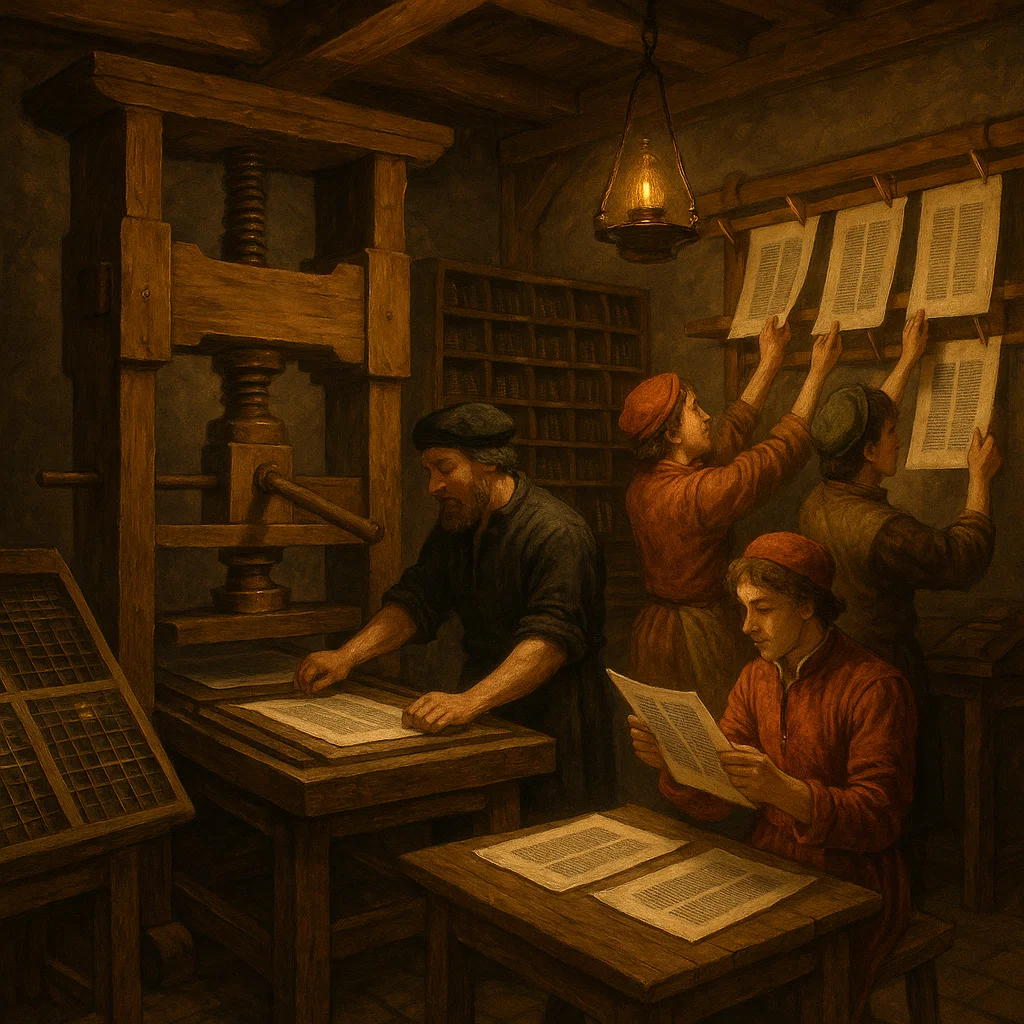
| Late Medieval Western Europe | Late Middle Ages → Early Renaissance. Hundred Years’ War nearing end (1453). Printing press invented (c. 1440s). Italian Renaissance flourishing. Iberian kingdoms (Castile, Aragon, Portugal) expanding maritime ambitions. Feudal structures eroding; centralized monarchies rising. |
1500 AD – Snapshot
| Terra Avita Region and Era Name Link | Event Description |
|---|---|
| Late Medieval Africa (beyond the Nile) | Songhai Empire at its peak under Askia Muhammad. Timbuktu and Gao global centers of learning and trade. Swahili Coast flourishing—linked to Arabia, Persia, India. Portuguese arrival destabilizes coastal states. Ethiopia strong; Kongo and Benin influential in west-central Africa. |
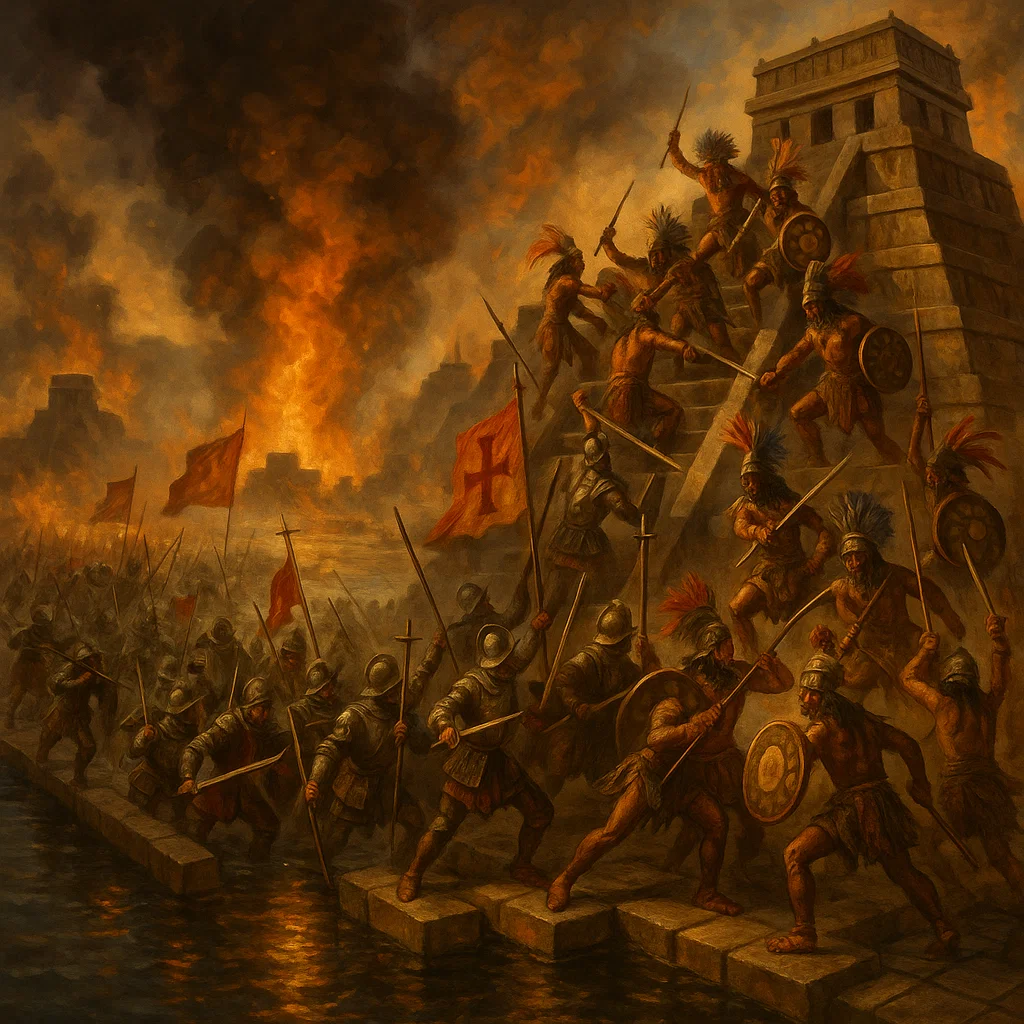
| Late Medieval Central America | Aztec Empire at absolute height. Tenochtitlan massive metropolis. Tribute system dominates central Mexico. Maya Postclassic states active in Yucatán (Mayapán gone but coastal cities strong). Spanish arrival imminent (1519). |
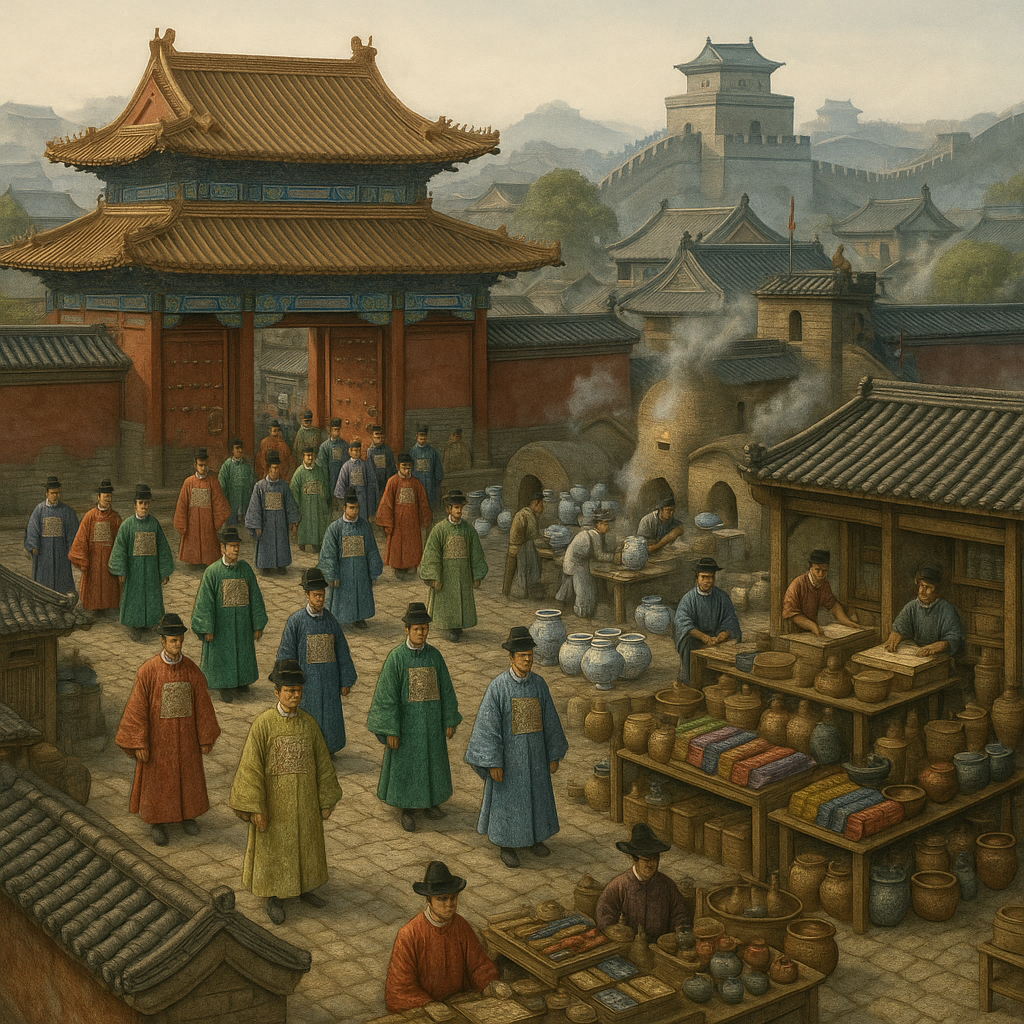
| Late Medieval China (East Asia) | Ming Dynasty strong under Hongzhi → Zhengde. Massive population, advanced agriculture, internal commerce booming. Naval expeditions ended decades earlier. Great Wall strengthened. Growing internal conservatism. |
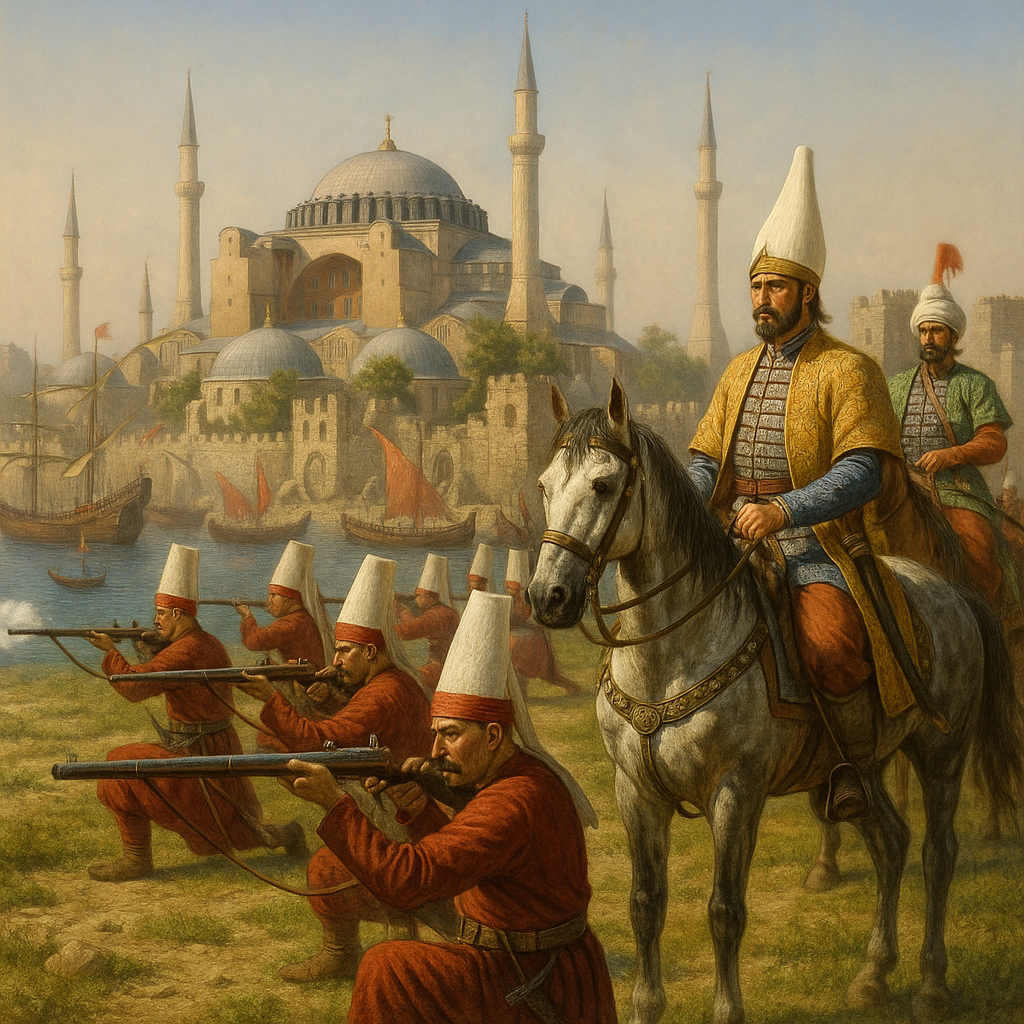
| Late Medieval Eastern Mediterranean | Ottoman Empire expanding relentlessly. Constantinople long fallen (1453). Ottomans control Balkans, Anatolia, and soon Mamluk Egypt (1516–1517). Eastern Mediterranean trade reorients through Ottoman power. Venetians and Genoese still influence commerce. |
| Late Medieval Egypt | Mamluk Sultanate still ruling, but in final decades. Wealthy, cosmopolitan Cairo. Strong military aristocracy but weakened by gunpowder gap and economic shifts. Ottomans conquer in 1517. |
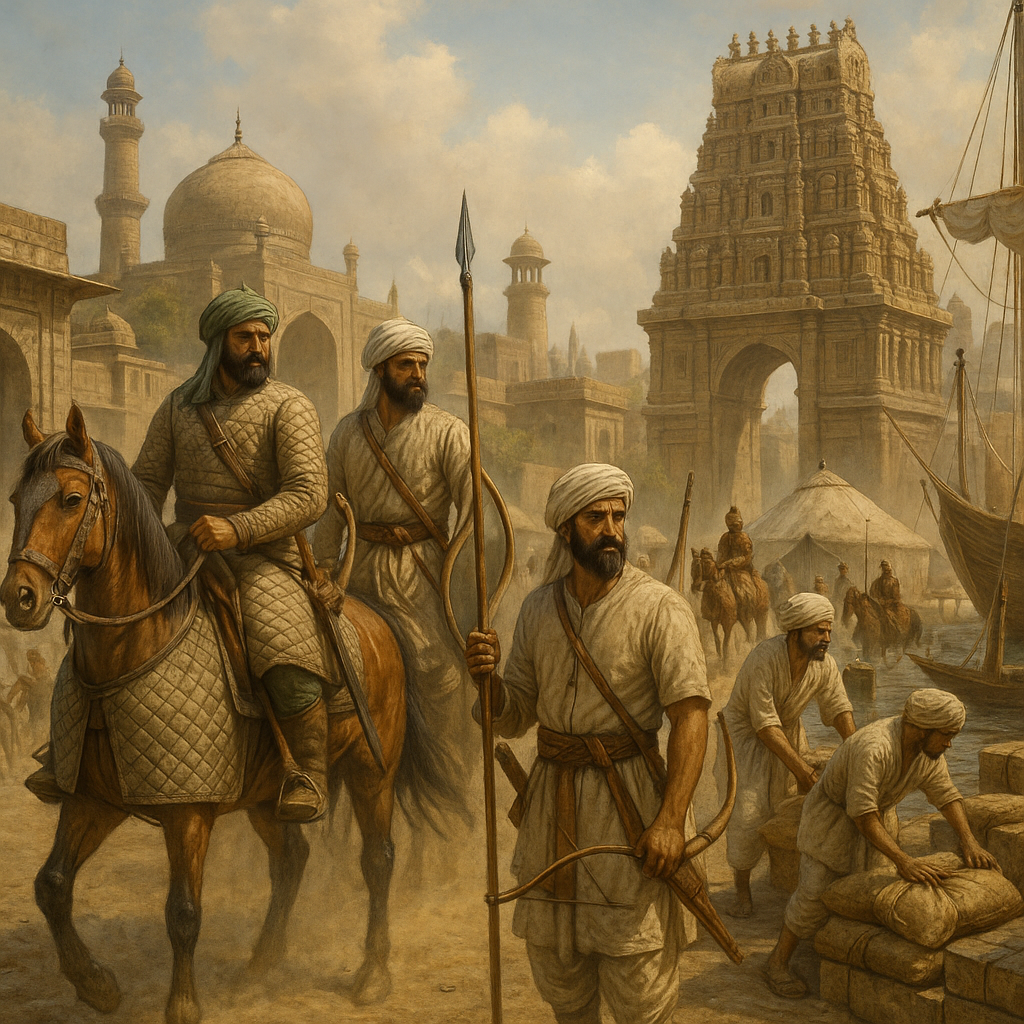
| Late Medieval India and Central Asia | Delhi Sultanate (Lodi Dynasty) in power. Babur preparing for invasion (Mughal Empire begins 1526). Vijayanagara powerful in south. In Central Asia, Uzbeks under Muhammad Shaybani dominate former Timurid territories. |
| Late Medieval North America | Mississippian societies collapsing. Cahokia long gone; major chiefdoms fragmented. Maize agriculture dominant; large towns still exist in Southeast. Population shifts and warfare common. First indirect European impacts begin via coastal contact zones. |
| Late Medieval Oceania | Australia remains entirely under Aboriginal lifeways, no external contact. New Guinea highland horticulture advanced. Polynesian societies fully developed: Hawai‘i, Tahiti, and Māori New Zealand chiefdoms sophisticated; Rapa Nui in late cultural phase before collapse. |
| Late Medieval Persia | Safavid Empire rising under Ismail I (founded 1501). Establishes Twelver Shi‘ism as state religion. Transforms Persia into a unified state after Turkmen fragmentation. Rivalry with Ottomans and Uzbeks begins. |
| Late Medieval South America | Inca Empire at imperial peak under Huayna Capac. Massive road and administrative system functioning across Andes. Chimú long absorbed. Extensive terracing, irrigation, and state-organized labor. Spanish arrival in 1532 will collapse the empire. |
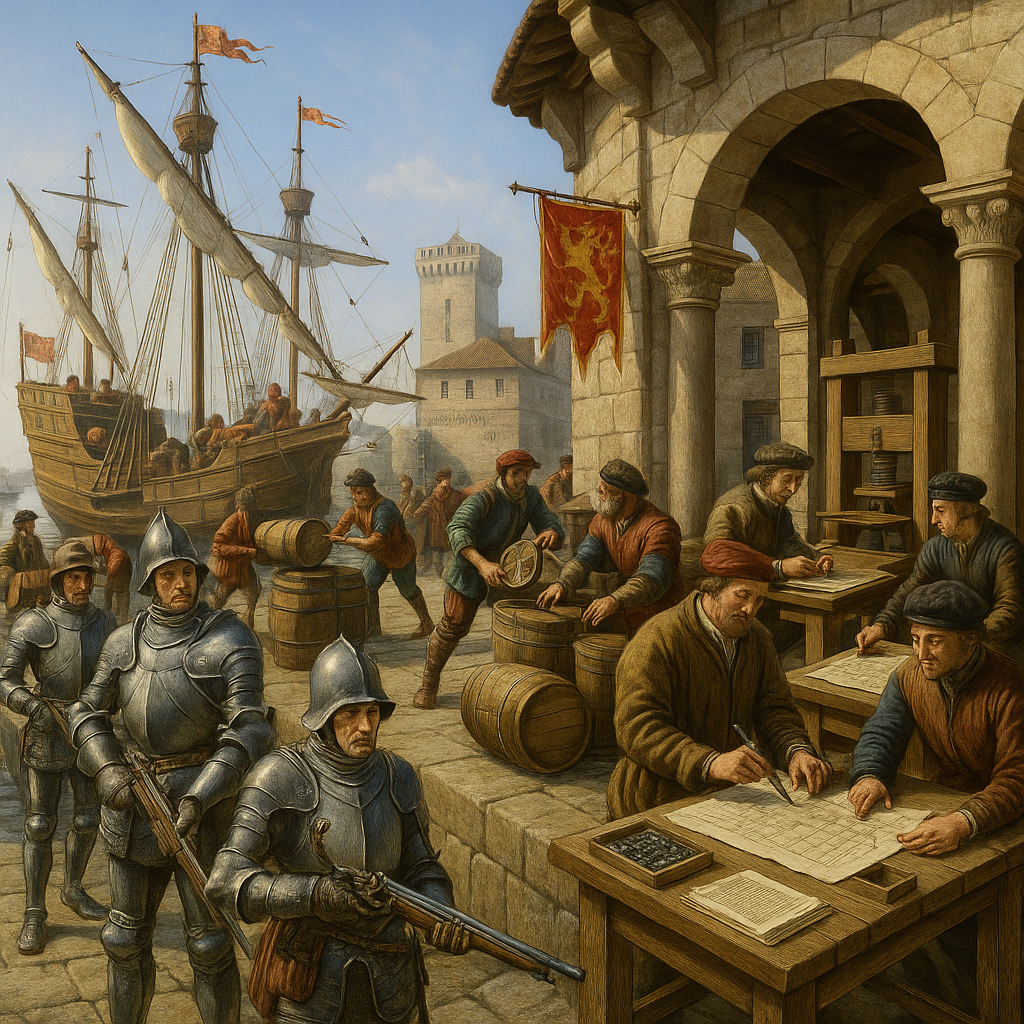
| Late Medieval Western Europe | Age of Exploration begins. Spain and Portugal launch Atlantic empires (1492–1500). Reconquista completed (1492). France and England centralizing. Italy in High Renaissance; Medici peak. Holy Roman Empire under Maximilian I. Gunpowder weapons spreading rapidly. |