(500 AD – 1500 AD)
Medieval History spans from the decline of the Western Roman Empire (c. 500 CE) to the threshold of the Renaissance (c. 1500 CE). It is the structural period between classical antiquity and the early modern world, marked by fragmentation, reorganization, and gradual consolidation of new systems of power, economy, and knowledge.

It is divided into structural epochs:
- Early Medieval (c. 500 – 1000 CE)
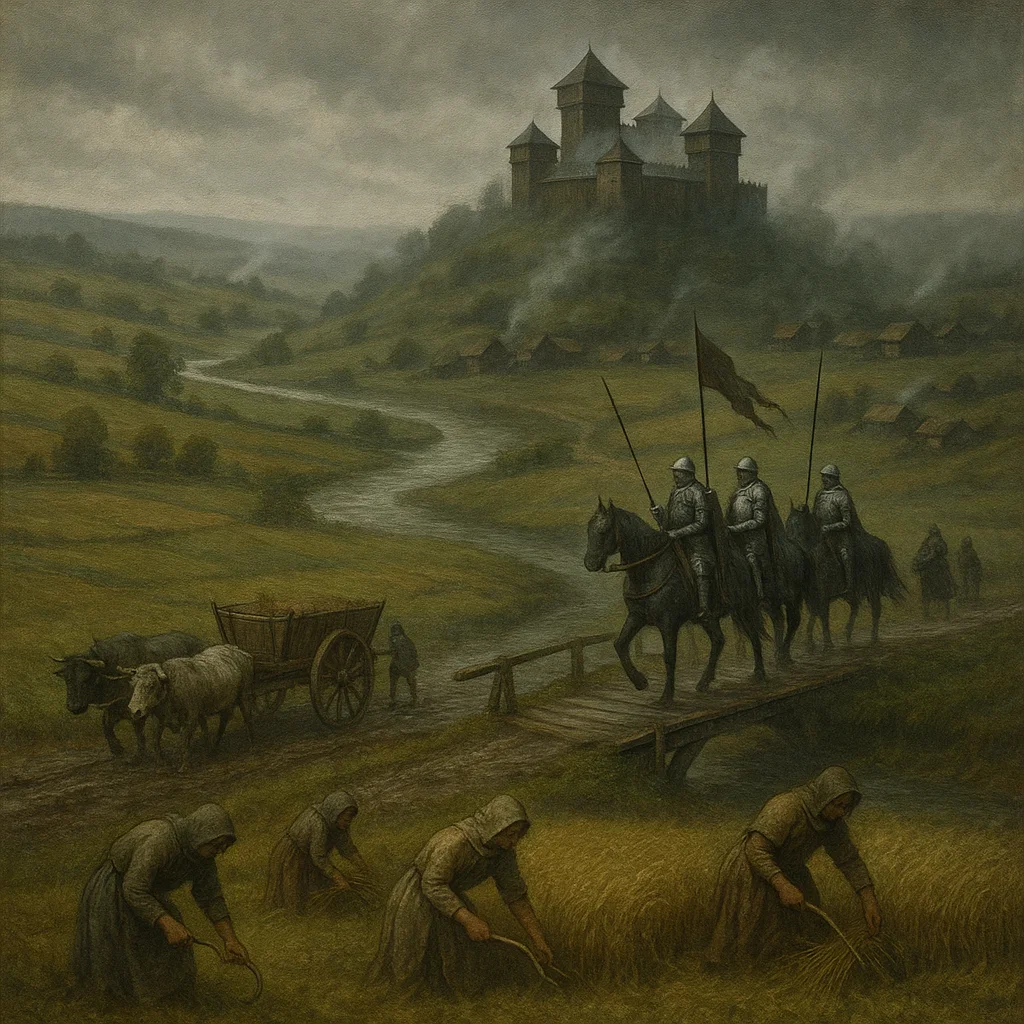
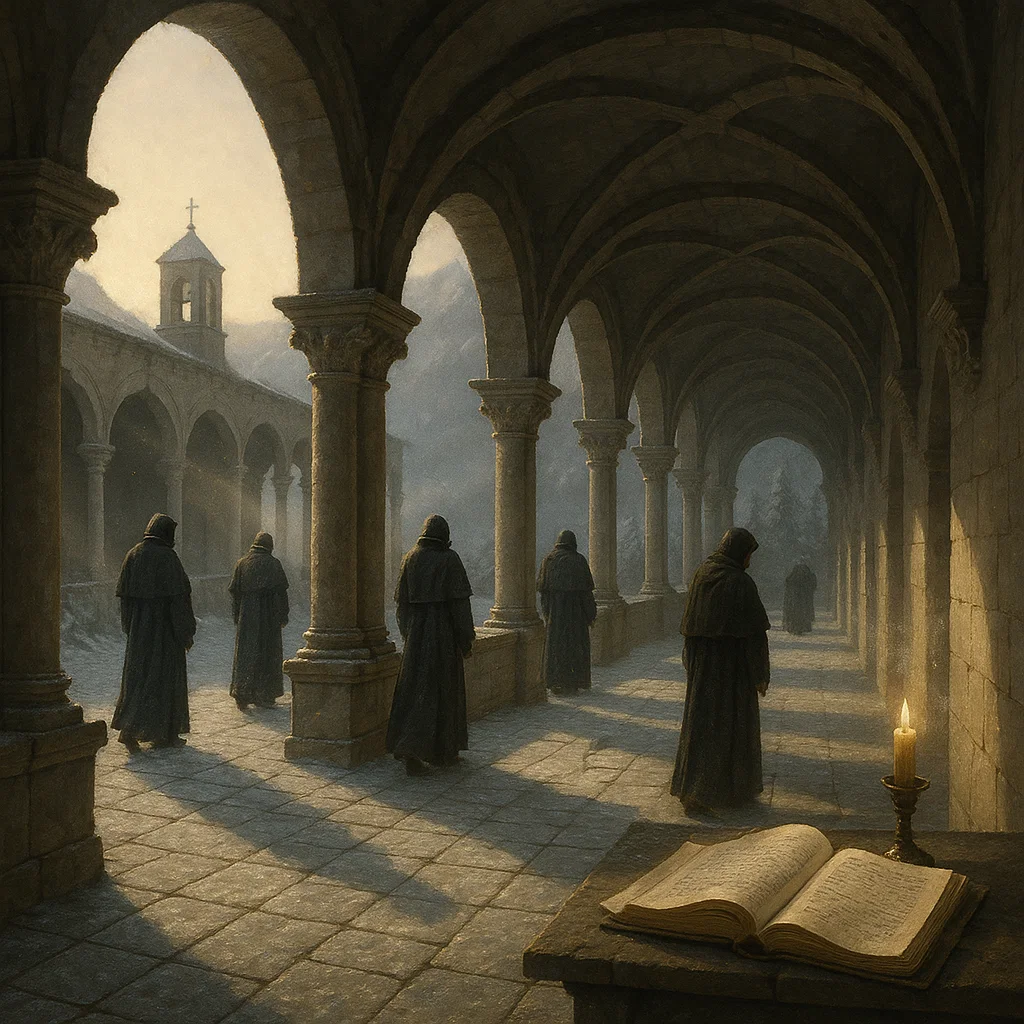
- Characterized by political fragmentation after Rome, localized rule, and the persistence of Byzantine and Islamic centers of power.
- Structurally defined by subsistence economies, feudal bonds beginning to form, and limited long-distance trade.
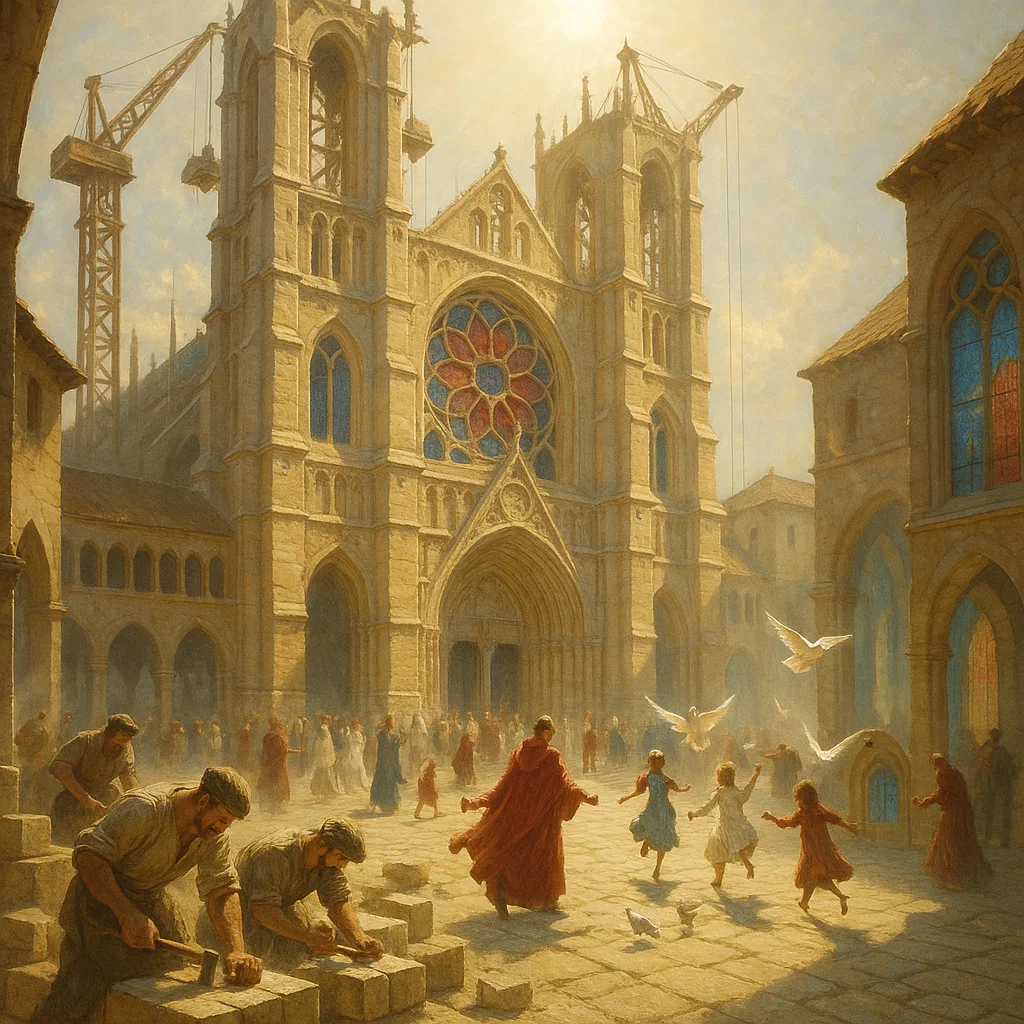
- High Medieval (c. 1000 – 1300 CE)
- A phase of consolidation: stronger monarchies, growth of towns, universities, and sustained trade networks.
- Structure: feudal hierarchy, manorial economy, and religious institutions as central authorities.
- Late Medieval (c. 1300 – 1500 CE)
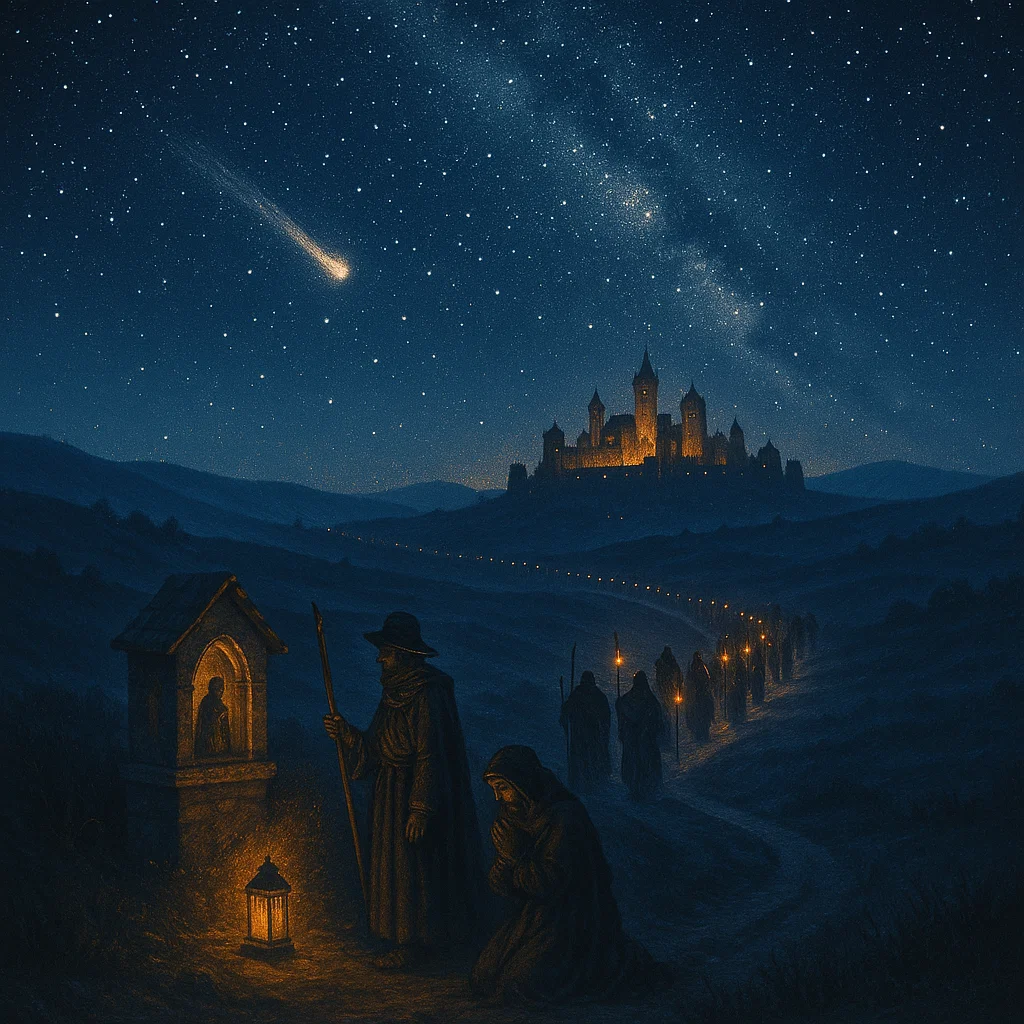
- A period of transition: demographic shocks (famine, plague), challenges to feudalism, and shifts toward centralized states.
- Structurally marked by weakening medieval order and groundwork for the Renaissance and early modern systems.
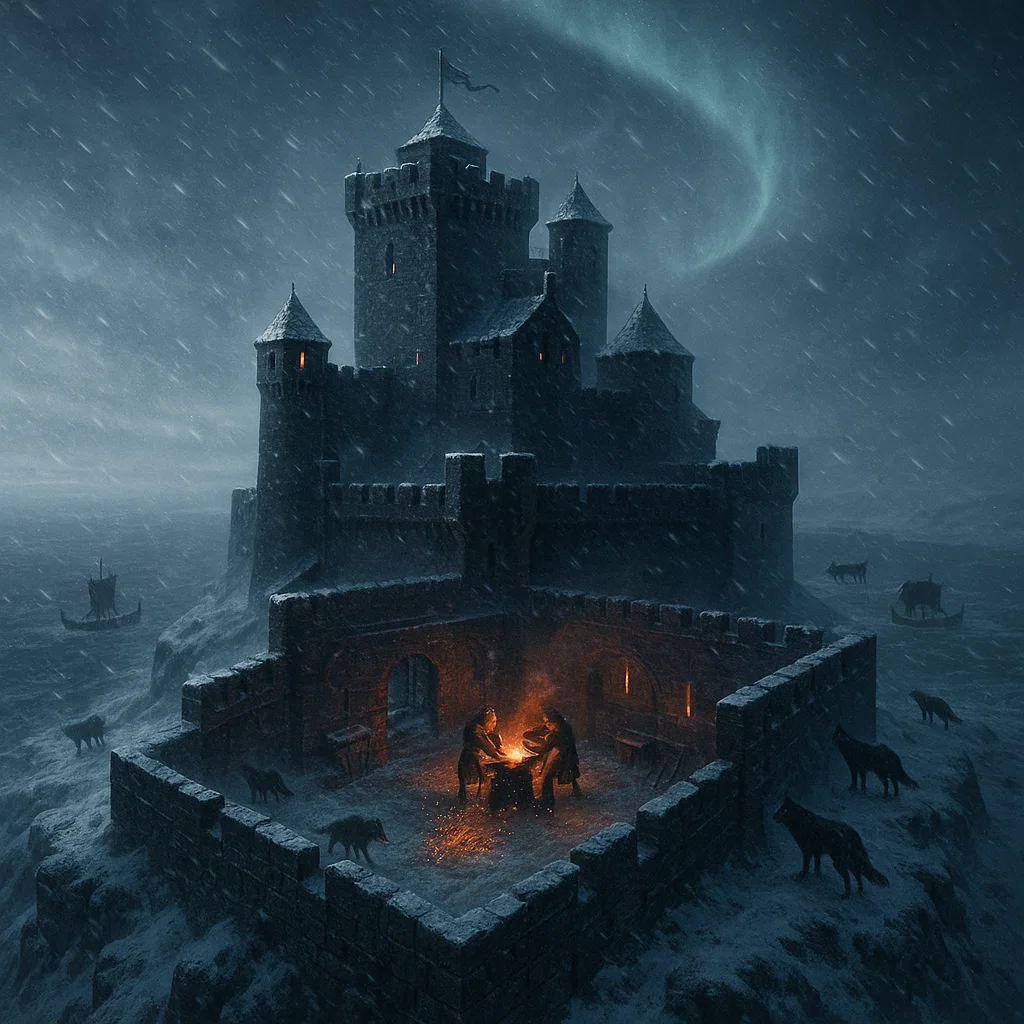
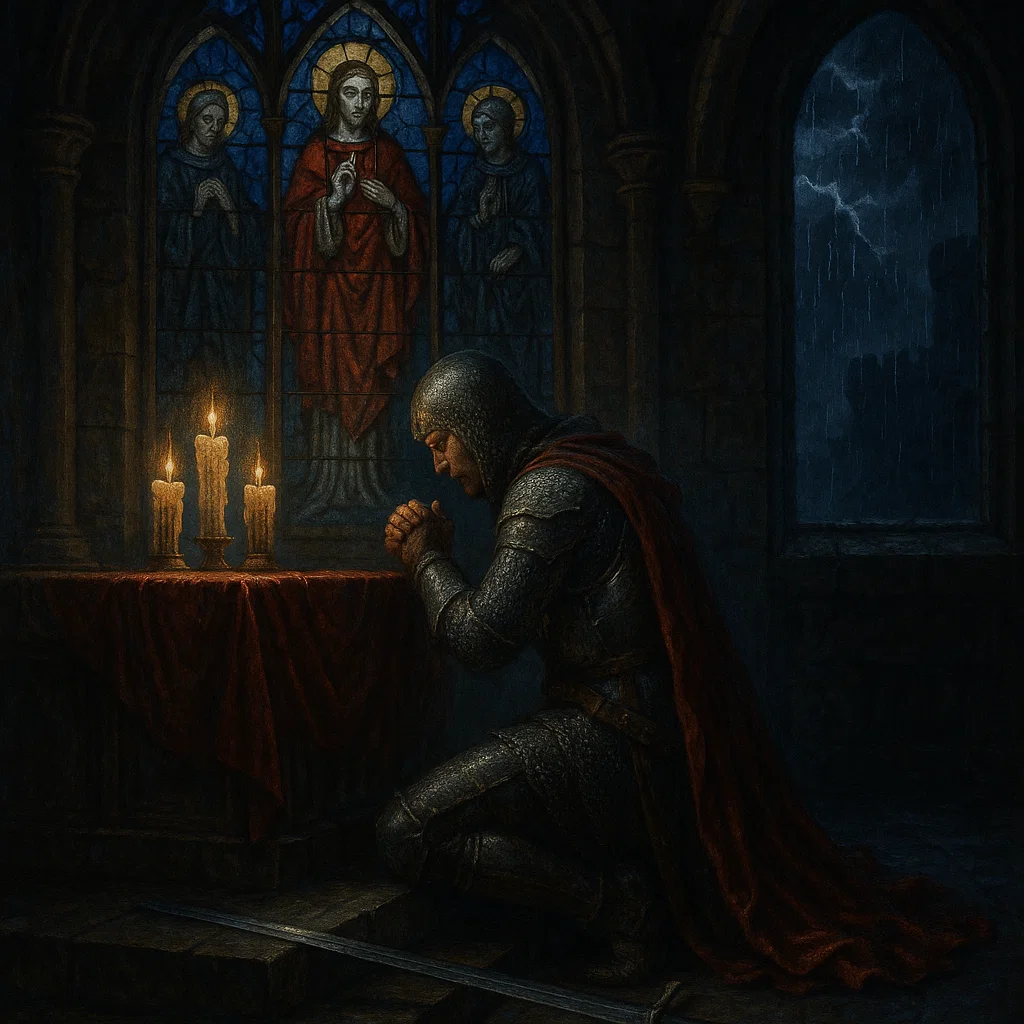
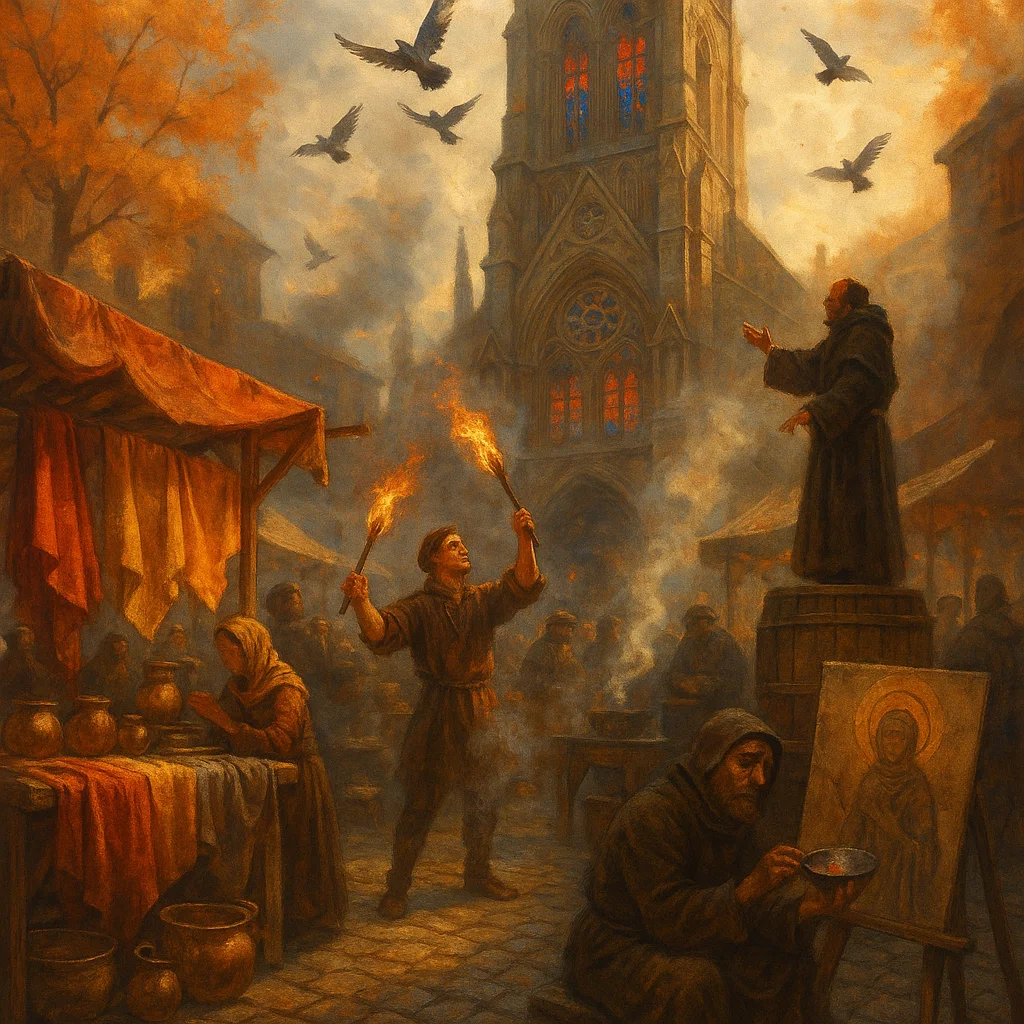
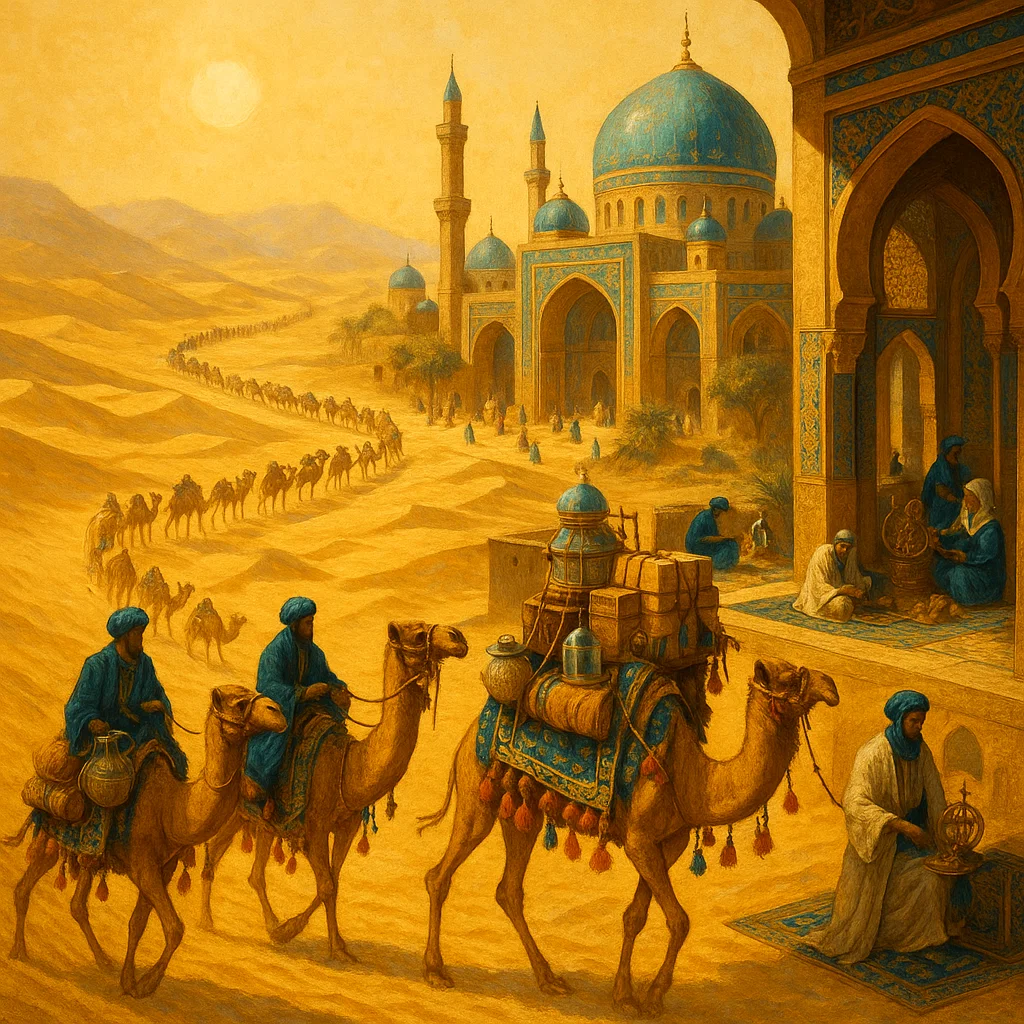
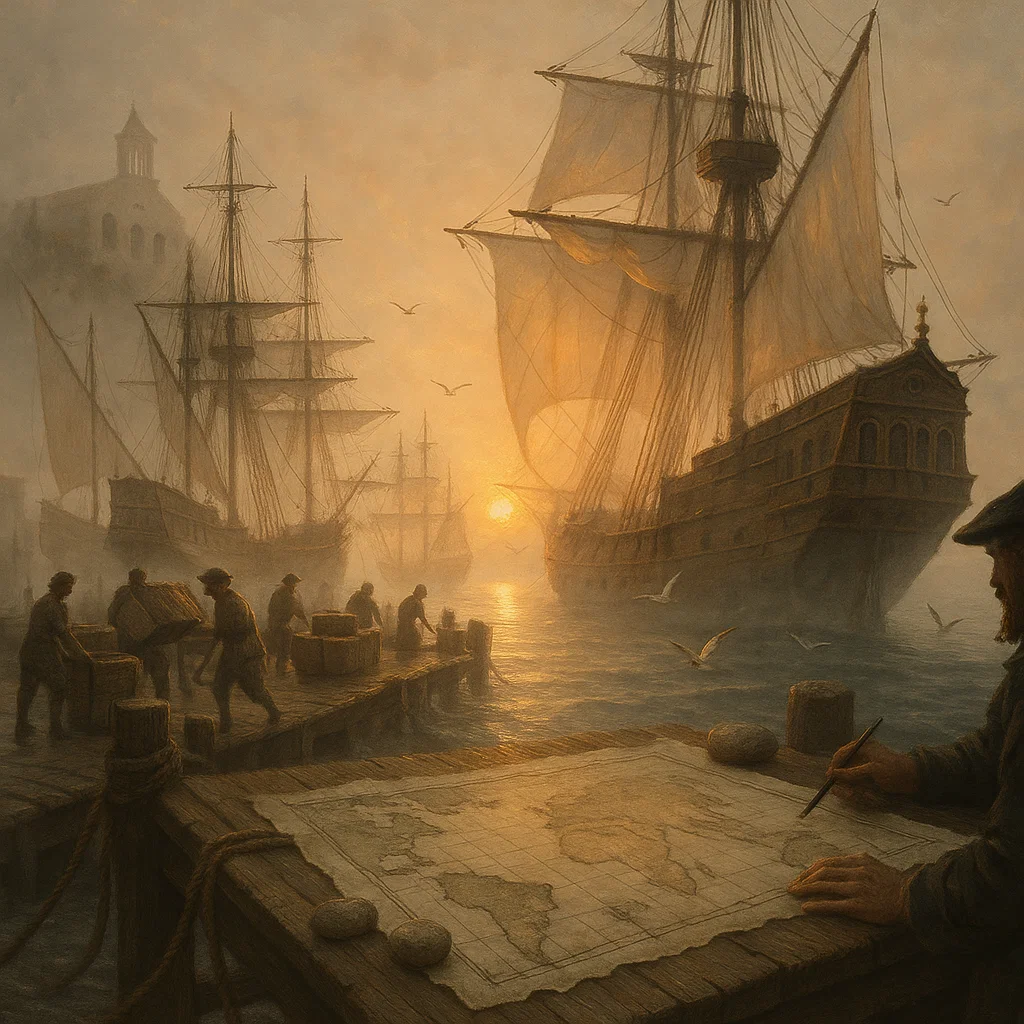
Medieval History is not a pause between two “golden ages” but a structural reconfiguration: from fragmented post-Roman survival, through feudal consolidation, to the crisis-driven transformations that prepared the way for the modern world.