Philosophy School
Christian Humanism
Renaissance and early modern Christian humanist tradition centered on classical learning, biblical philology, moral reform, education, civic virtue, peace, inner piety, and renewal of church and society through the studia humanitatis.
Period
Early Modern History1500 CE – 1799 CE
Era
Renaissance and Reformation1500 CE – 1599 CE
Begin
1466 CE
End
1536 CE

Structural Factors
- Shared Core Claims
- Classical learning, biblical languages, moral education, civic responsibility, inner piety, peace, and reform of church and society can serve Christian life when ordered toward charity, conscience, and the philosophy of Christ.
- Shared Methods
- Philology, return to sources, classical rhetoric, Greek and Hebrew biblical study, moral satire, educational reform, dialogue, textual criticism, civic counsel, correspondence networks, and reform by persuasion rather than rupture.
- Shared Lineage
- Christian humanism draws on patristic Christianity, classical rhetoric, Italian and northern Renaissance humanism, the Devotio Moderna, Erasmus, Thomas More, John Colet, Lefevre dEtaples, Vives, printers, educators, and reform-minded clerics.
- Shared Problems
- Church reform, scriptural interpretation, free will, education, war and peace, satire and orthodoxy, conscience, utopia, classical pagan learning, scholastic method, Reformation conflict, civic authority, and limits of religious reform.
- Shared Vocabulary
- ad fontes, philosophia Christi, studia humanitatis, bonae litterae, docta pietas, eloquence, rhetoric, philology, conscience, peace, satire, free will, education, Utopia, folly, Greek New Testament, and reform.
- Shared Historical Context
- Christian humanism belongs to the Northern Renaissance and early Reformation world of universities, courts, printers, correspondence networks, biblical philology, Catholic reform, English humanism, and Erasmian moral and educational reform.
Defining Axes
- Doctrine
- Its doctrine emphasizes learned piety, moral reform, biblical renewal, free and educated conscience, civic service, peace, and Christian wisdom shaped by classical letters and the gospel.
- Method
- The school proceeds by textual scholarship, rhetorical persuasion, satire, dialogue, education, translation, source criticism, correspondence, and moral counsel more than by scholastic system-building.
- Lineage
- The lineage runs from patristic and classical sources through Italian humanism, the Devotio Moderna, Erasmus, More, Colet, Lefevre, Vives, and wider Erasmian and northern humanist networks.
- Subject Focus
- Christian humanism focuses on ethics, education, political counsel, peace, conscience, language, biblical interpretation, church reform, civic virtue, satire, and the humane formation of Christian persons.
- Geography / Culture
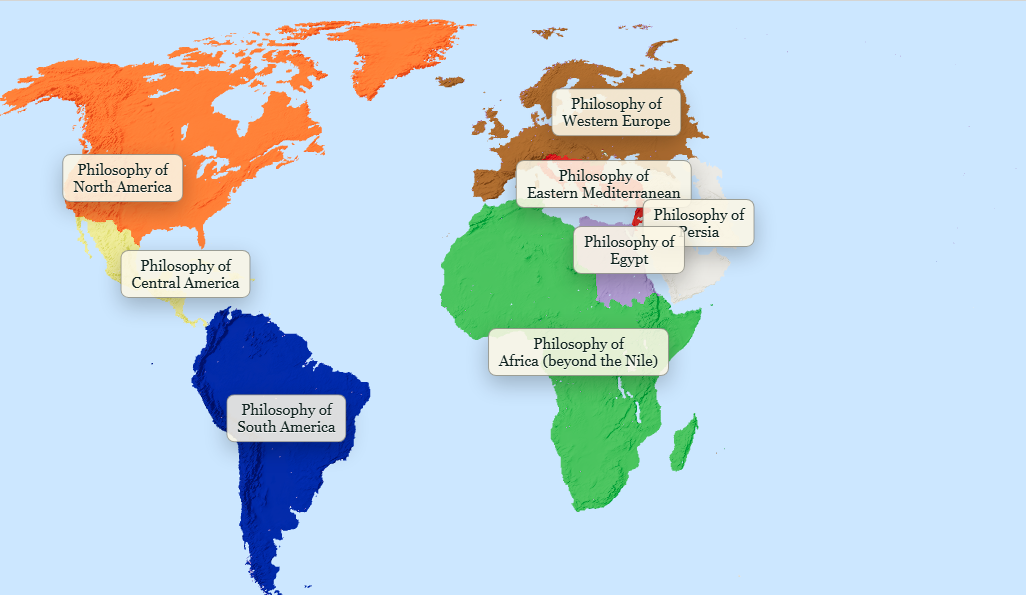
- Its center is northern and western Europe: the Low Countries, England, France, German lands, Swiss printing centers, universities, courts, and transnational republic of letters.
- Historical Reaction
- It reacts against late medieval scholastic narrowness, clerical corruption, poor education, war, textual ignorance, and later confessional polarization by calling for learned, peaceful, scriptural renewal.
Internal Structure
- Foundational Texts
- Foundational texts include Erasmus's Enchiridion, Praise of Folly, Adages, Greek New Testament and Novum Instrumentum, Paraphrases, writings on peace and free will; More's Utopia, letters, polemical and devotional writings; and works by Colet, Lefevre dEtaples, Vives, and northern reform humanists.
- Core Vocabulary
- Core vocabulary includes ad fontes, philosophia Christi, studia humanitatis, bonae litterae, docta pietas, eloquence, rhetoric, grammar, philology, conscience, peace, education, satire, reform, free will, civic virtue, and utopia.
- Metaphysics
- Christian humanism is not primarily metaphysical, but assumes a Christian order of creation, providence, soul, grace, and divine truth interpreted through moral formation rather than speculative system.
- Epistemology
- Its epistemology stresses textual accuracy, languages, historical context, judgment, humility, consensus, education, and the moral responsibility of readers interpreting scripture and classical sources.
- Ethics
- Its ethics emphasizes learned piety, charity, peace, moderation, civic responsibility, conscience, friendship, education, reform of manners, critique of folly, and formation of a humane Christian life.
- Method
- Christian humanist method uses classical and biblical philology, rhetoric, satire, dialogue, translation, annotation, correspondence, pedagogy, source criticism, and public counsel to reform persons and institutions.
- Internal Debates
- Internal debates concern Erasmus and Luther on free will, reform without schism, satire and obedience, conscience and authority, More's Utopia and anti-heresy polemics, classical learning, and humanist relations to Reformation and Catholic reform.
- Successors
- Successors include Erasmian reform, Catholic humanist education, Christian irenicism, humanist pedagogy, peace literature, English humanism, later liberal Christian education, and modern Christian humanist retrievals.
External Classification Context
- History of Philosophy
- Christian humanism helped reshape Renaissance philosophy by moving inquiry toward philology, ethics, rhetoric, education, biblical interpretation, political counsel, and the moral responsibilities of learned culture.
- Philosophy of Philosophy
- It treats philosophy as wisdom for Christian life: not only disciplinary argument but moral, linguistic, historical, and civic formation ordered toward charity and peace.
- Intellectual History
- Its intellectual history depends on printing, correspondence, universities, patronage, Greek and Hebrew learning, textual criticism, Catholic reform, Reformation controversy, and networks across England, the Low Countries, France, and Germany.
- University Classification
- Usually classified under Renaissance philosophy, Christian philosophy, history of humanism, philosophy of education, political thought, ethics, religious studies, Reformation studies, and early modern intellectual history.
- Classical Sources
- Classical evidence comes from Erasmus and More editions, letters, satires, dialogues, biblical annotations, humanist school texts, Reformation polemics, printer archives, correspondence, and later collected works.
- Sociology of Knowledge
- Christian humanism spread through schools, universities, printers, patrons, correspondence, court service, ecclesiastical networks, translation projects, book markets, and the republic of letters.
Linked Philosophers
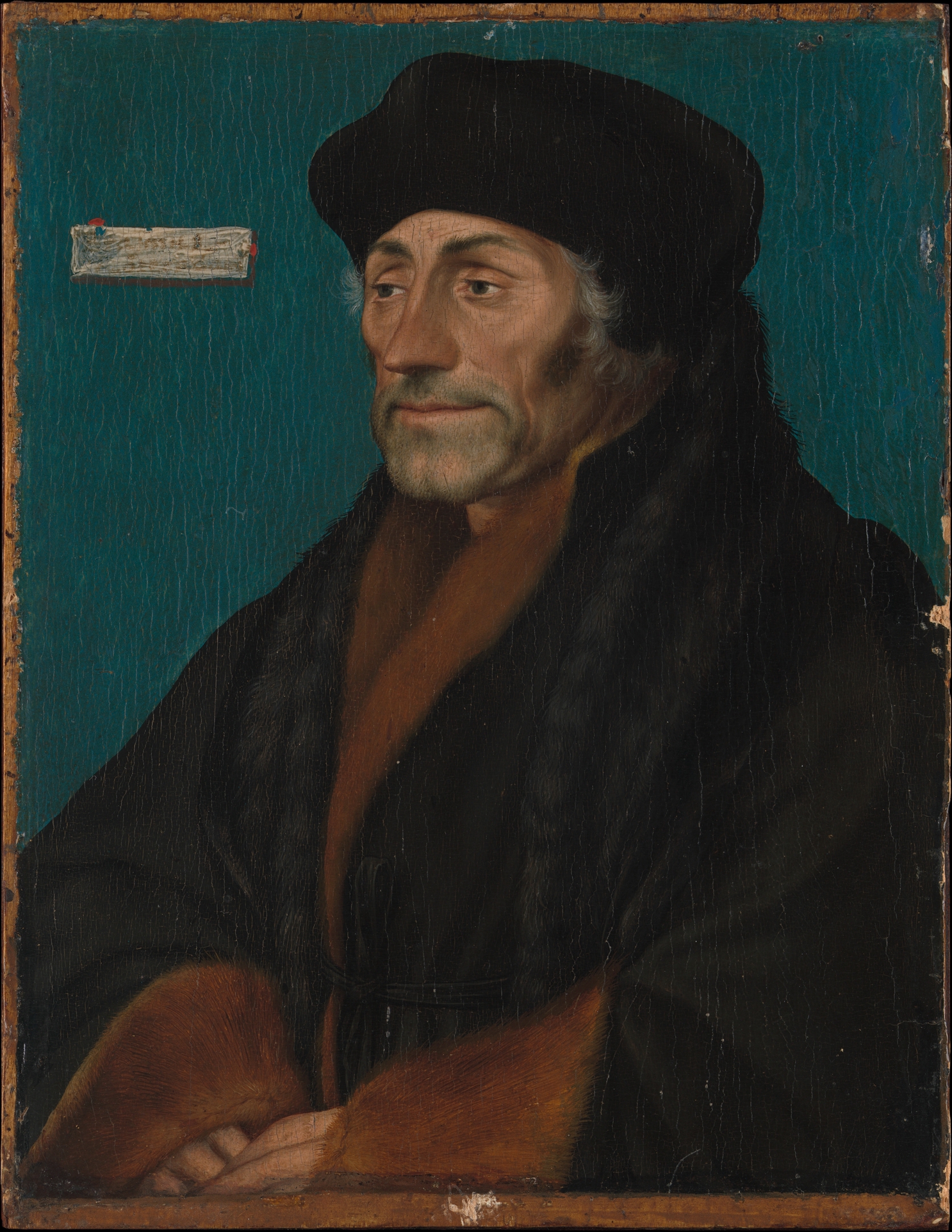
Desiderius Erasmus of Rotterdam
1466 CE – 1536 CE
Rotterdam
Dutch Renaissance humanist, Catholic reformer, philologist, satirist, and educator whose Christian humanism joined classical learning, biblical scholarship, moral reform, peace politics, and disciplined eloquence.
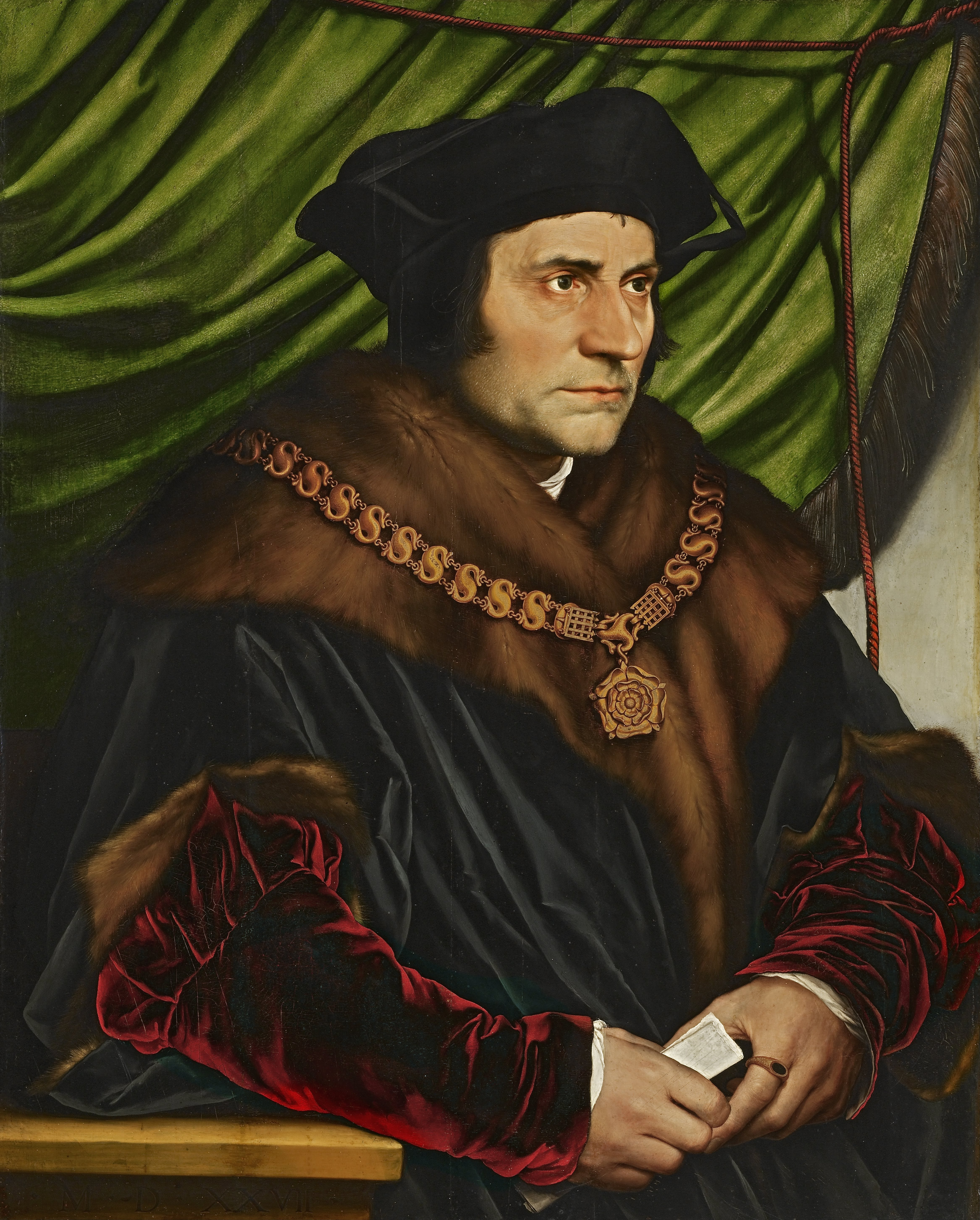
Thomas More
1478 CE – 1535 CE
London
English Renaissance humanist, lawyer, royal councillor, author of Utopia, and Catholic moral thinker whose works join civic counsel, conscience, political imagination, religious controversy, and prison consolation.