Enlightenment
Eighteenth-century European and especially French intellectual movement centered on reason, critique, science, progress, toleration, secular reform, encyclopedic knowledge, political liberty, natural rights, public debate, and opposition to arbitrary religious and political authority.
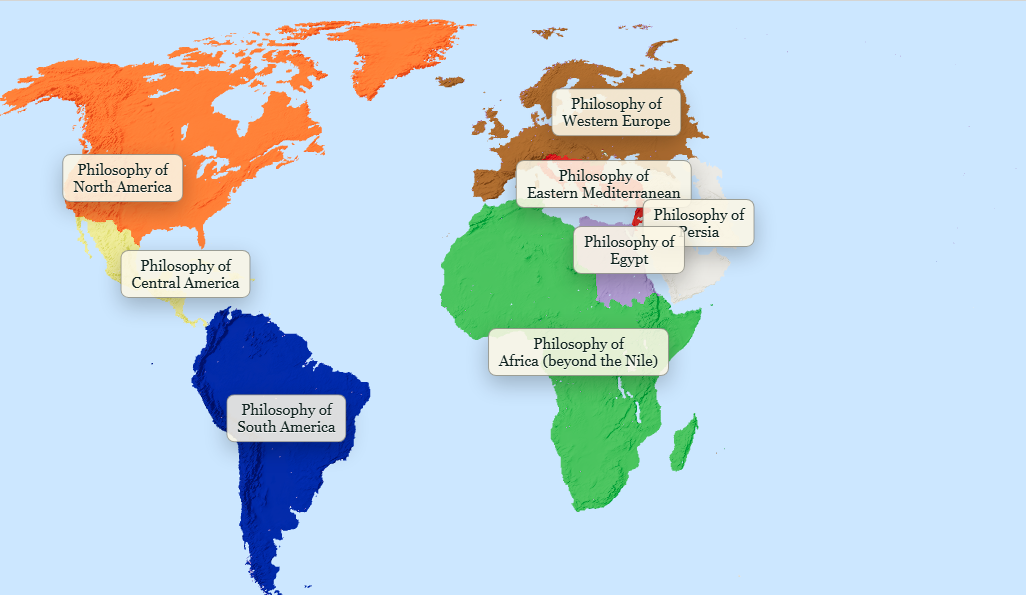

Structural Factors
- Shared Core Claims
- Human understanding and public life can be improved through reason, criticism, evidence, toleration, science, education, legal reform, and resistance to arbitrary religious and political authority.
- Shared Methods
- Public reason, criticism, satire, comparative history, natural philosophy, encyclopedic compilation, experimental science, legal and political analysis, toleration argument, and reform through print.
- Shared Lineage
- The Enlightenment drew on seventeenth-century science, natural law, Locke, Newton, Bayle, salons, academies, and print culture, then developed through Voltaire, Montesquieu, Diderot, d'Alembert, the Encyclopedie, and wider philosophe networks.
- Shared Problems
- Reason and religion, deism, atheism, censorship, absolutism, republicanism, separation of powers, natural rights, slavery, colonialism, progress, science, education, women's status, political revolution, and universalism.
- Shared Vocabulary
- enlightenment, reason, critique, philosophe, Encyclopedie, tolerance, natural law, liberty, progress, public opinion, public sphere, separation of powers, despotism, superstition, secular reform, salon, and civilization.
- Shared Historical Context
- The school formed in eighteenth-century Europe, especially France, amid salons, academies, censorship, Bourbon absolutism, religious controversy, scientific culture, commerce, colonial empire, and the later revolutionary reception of Enlightenment reform.
Defining Axes
- Doctrine
- Enlightenment thought is not one doctrine but a reformist orientation: claims about knowledge, law, religion, science, and politics should answer to reasoned public criticism, human welfare, evidence, and liberty.
- Method
- Its method uses essays, satire, dictionaries, encyclopedias, historical comparison, scientific reporting, legal analysis, salons, correspondence, translation, and print controversy to make critique public.
- Lineage
- The lineage runs from Locke, Newton, Bayle, natural-law theory, and scientific academies through the French philosophes, Encyclopedie networks, salons, and later revolutionary, liberal, secular, and critical receptions.
- Subject Focus
- The school focuses on epistemology, political philosophy, law, religion, science, education, aesthetics, history, political economy, social reform, public opinion, and the conditions of intellectual freedom.
- Geography / Culture
- France is central, but the movement is European and Atlantic: British science and politics, Dutch publishing, Swiss and German reception, colonial contexts, and transnational Republic of Letters networks all matter.
- Historical Reaction
- The Enlightenment reacts against absolutism, censorship, religious persecution, inherited privilege, scholastic authority, arbitrary law, superstition, intolerance, and institutions that block public reason and reform.
Internal Structure
- Foundational Texts
- Foundational texts include Voltaire's Letters on the English, Candide, and Philosophical Dictionary; Montesquieu's Persian Letters and Spirit of the Laws; Diderot and d'Alembert's Encyclopedie; d'Alembert's Preliminary Discourse; and wider salon, academy, pamphlet, dictionary, and periodical literature.
- Core Vocabulary
- Reason, critique, enlightenment, philosophe, tolerance, liberty, nature, natural law, natural rights, progress, science, experiment, encyclopedia, public opinion, public sphere, reform, superstition, fanaticism, despotism, commerce, and civilization.
- Metaphysics
- Enlightenment metaphysics is often anti-systematic and naturalistic: it favors intelligible nature, law-governed inquiry, deist or skeptical religion, materialist and empiricist strands, and suspicion toward scholastic or dogmatic speculation.
- Epistemology
- Its epistemology prizes evidence, experience, scientific method, historical comparison, criticism, communication, and the public testing of claims, while treating inherited authority and secret doctrine as obstacles to knowledge.
- Ethics
- Its ethics emphasizes toleration, humanity, anti-cruelty, education, civic improvement, legal reform, religious liberty, criticism of oppression, and the promise and limits of universal moral language.
- Method
- The school method combines print controversy, satire, encyclopedia-making, salons, academies, translation, scientific reporting, historical comparison, legal analysis, and public persuasion rather than closed scholastic disputation.
- Internal Debates
- Internal debates concern deism, atheism, materialism, monarchy, republicanism, commerce, colonialism, slavery, women's status, censorship, revolution, the authority of science, and later criticisms of Enlightenment universalism and progress.
- Successors
- Successors and receptions include the French Revolution, liberalism, secularism, republicanism, human-rights discourse, public-sphere theory, modern encyclopedic culture, scientific reform, and later conservative, romantic, Marxist, feminist, postcolonial, and critical-theory critiques.
External Classification Context
- History of Philosophy
- The Enlightenment is a central bridge between early modern philosophy and modern political, scientific, religious, and social thought, shaping debates over reason, liberty, progress, toleration, and public criticism.
- Philosophy of Philosophy
- It treats philosophy as a public critical practice meant to clarify knowledge, expose prejudice, reform institutions, and communicate beyond universities through essays, dictionaries, salons, theaters, histories, and encyclopedias.
- Intellectual History
- The movement is inseparable from salons, academies, censorship, clandestine manuscripts, printers, booksellers, correspondence networks, translation, encyclopedias, periodicals, and the Republic of Letters.
- University Classification
- Usually classified under Enlightenment philosophy, early modern and modern philosophy, French philosophy, political theory, history of science, intellectual history, literature, secularization, and eighteenth-century studies.
- Classical Sources
- Primary evidence includes works by Voltaire, Montesquieu, Diderot, d'Alembert, the Encyclopedie, correspondence, salon and academy materials, pamphlets, censorship disputes, periodicals, and later revolutionary reception.
- Sociology of Knowledge
- The Enlightenment spread through salons, academies, patronage, publishing houses, clandestine circulation, translation, learned societies, correspondence networks, state censorship, universities, and later canon formation in modern intellectual history.
Linked Philosophers
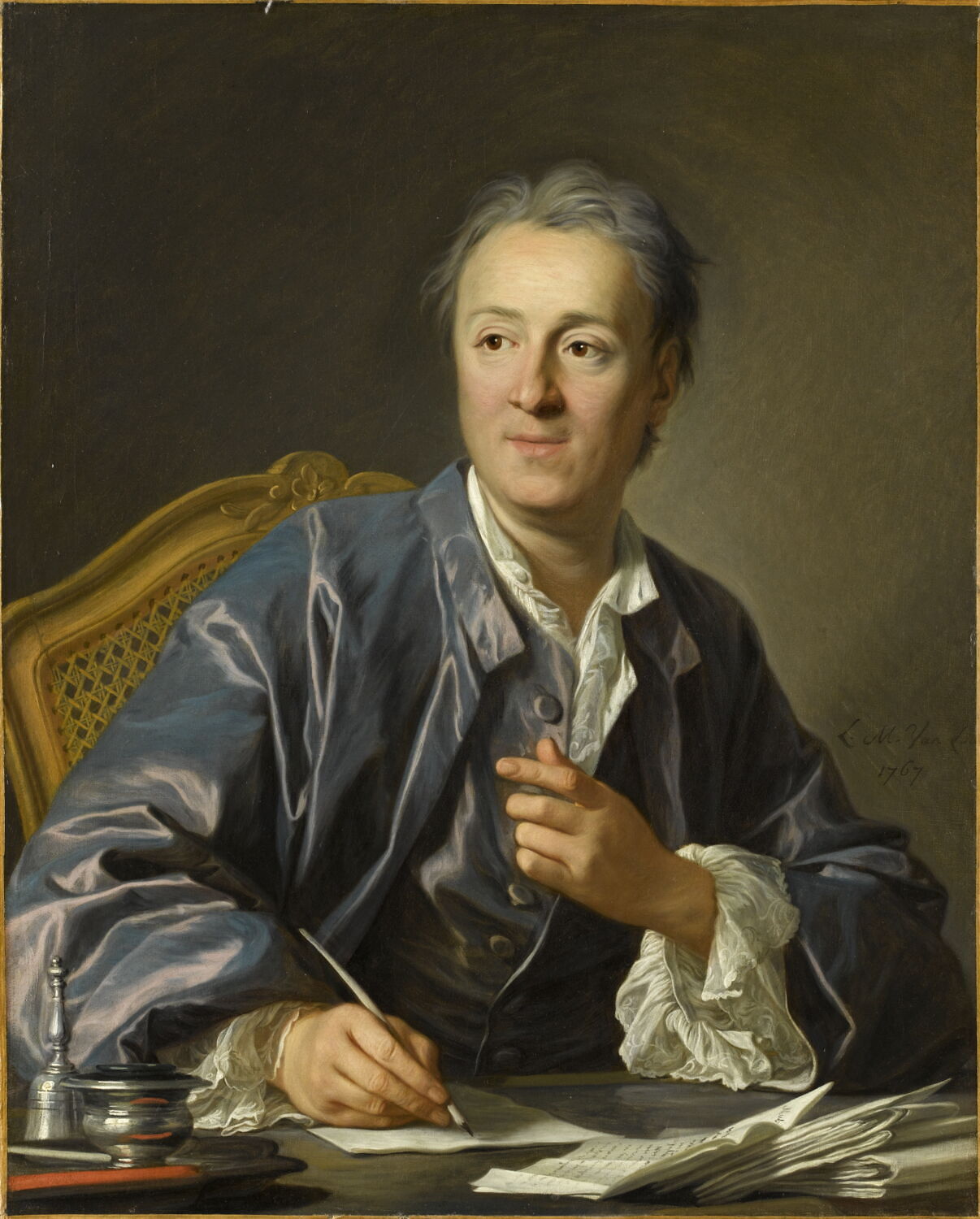
Denis Diderot
1713 CE – 1784 CE
Langres, Champagne
French Enlightenment philosopher, critic, editor, and writer whose materialist, empiricist, aesthetic, political, and scientific thought helped make the Encyclopédie a program of public reason.
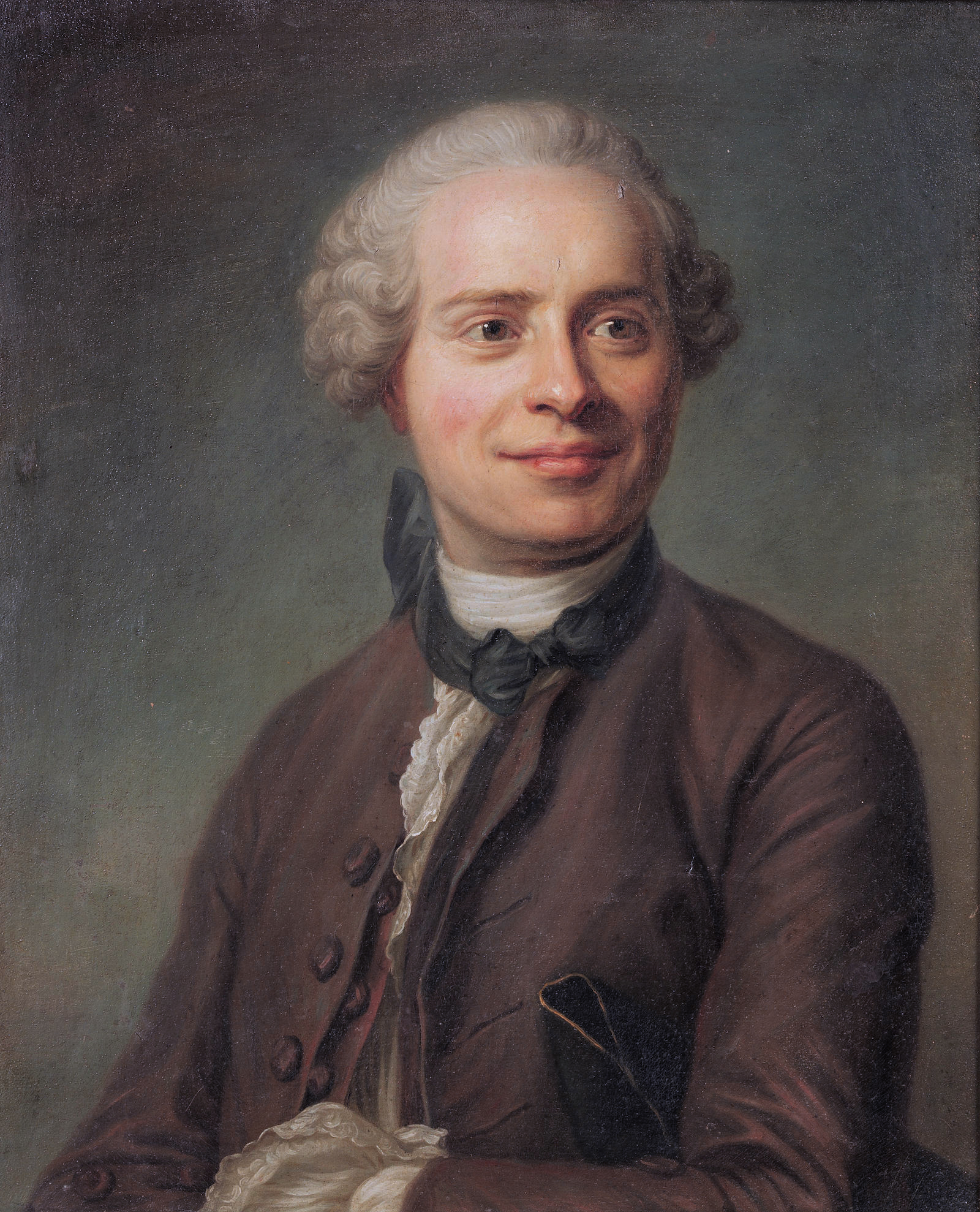
Jean le Rond d'Alembert
1717 CE – 1783 CE
Paris
French Enlightenment philosopher, mathematician, physicist, music theorist, and encyclopedist from Paris, associated with mathematical physics, the Encyclopedie, the Preliminary Discourse, and philosophy of science.
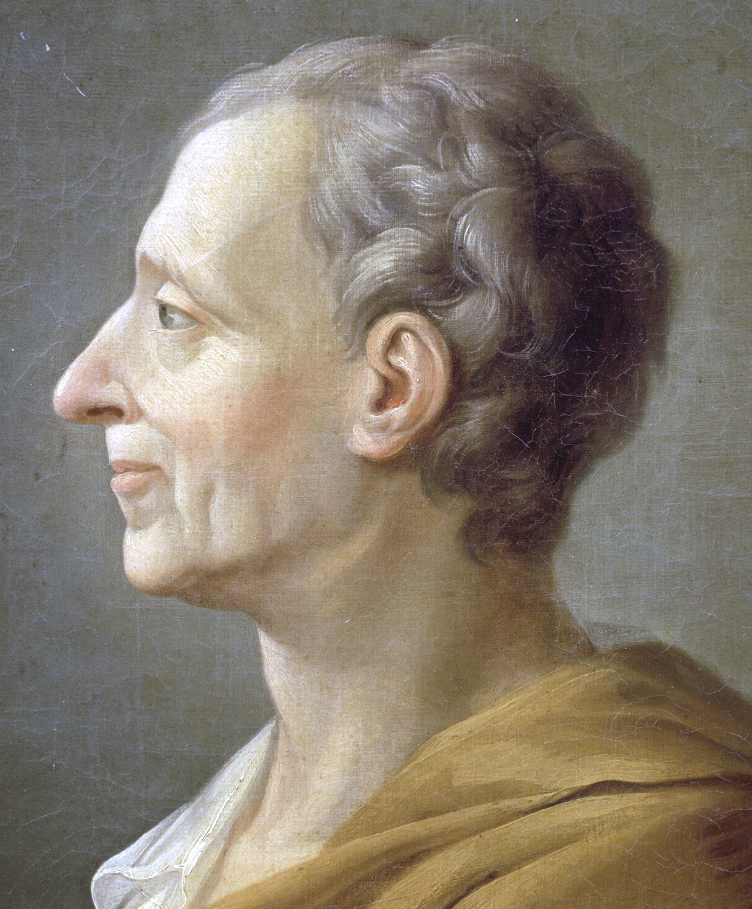
Montesquieu (Charles-Louis de Secondat)
1689 CE – 1755 CE
Chateau de la Brede, near Bordeaux
Enlightenment political philosopher of separation of powers, comparative law, rule of law, political liberty, commerce, climate, moderation, and despotism.
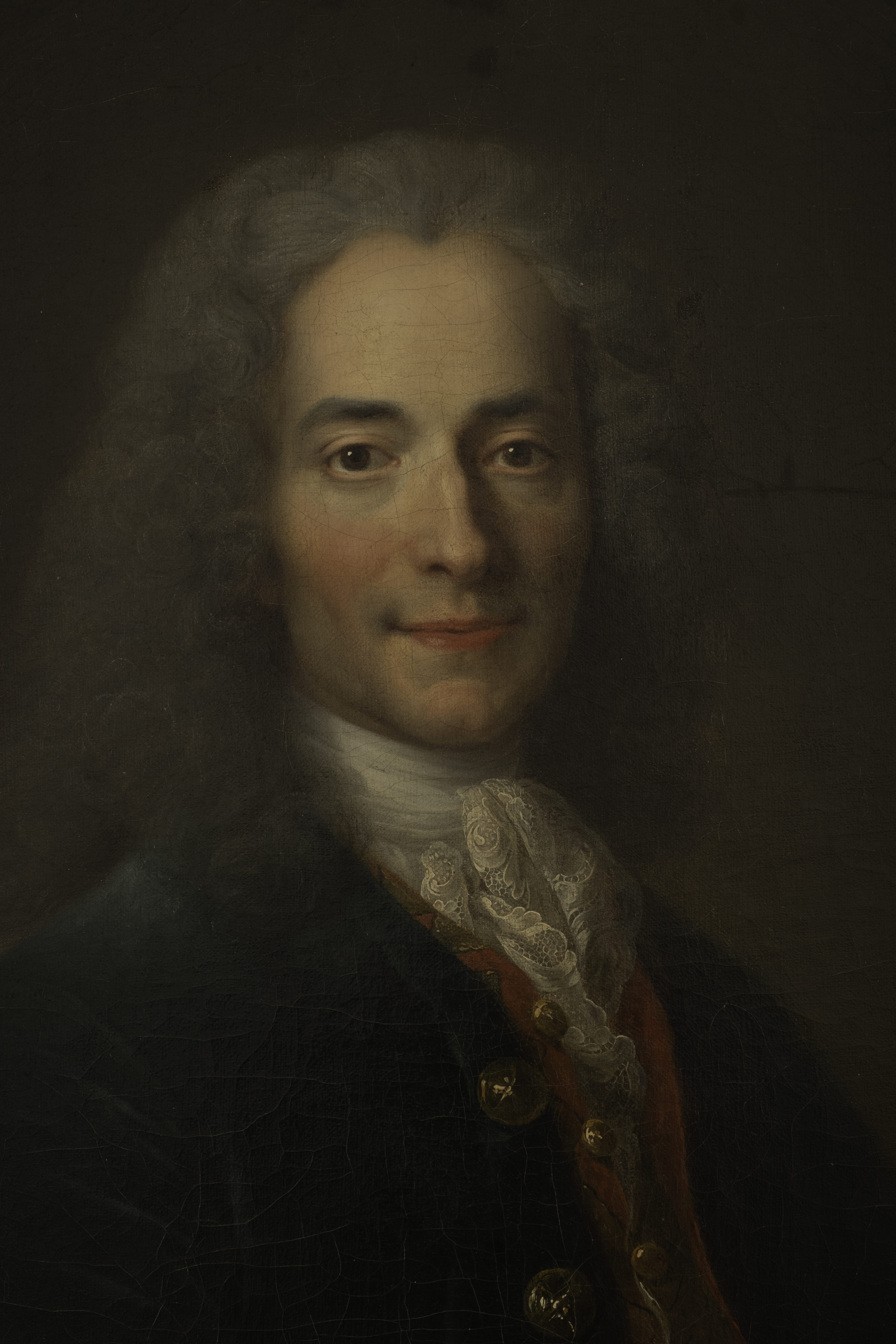
Voltaire (François-Marie Arouet)
1694 CE – 1778 CE
Paris
French Enlightenment writer and philosopher whose deism, satire, toleration campaigns, Newtonian public science, civil-liberties advocacy, and anti-clerical critique made him a defining public intellectual of eighteenth-century Europe.