Philosophy School
Franciscan Scholasticism
Medieval Franciscan intellectual tradition centered on Bonaventure and the Paris Franciscan school, joining Augustinian illumination, Christian Platonism, Aristotelian scholastic method, mendicant poverty, exemplarism, affective theology, metaphysics of creation, and ascent to God.
Period
Medieval History500 CE – 1499 CE
Era
High Medieval1000 CE – 1299 CE
Begin
1217 CE
End
1274 CE
Region
Western Thought
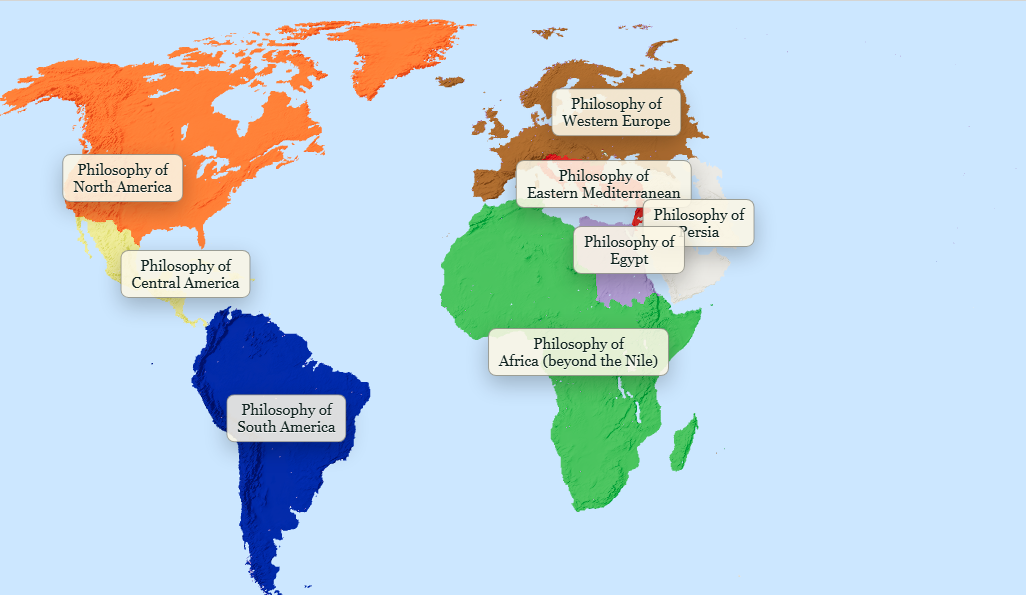
Terra Avita
Eastern Mediterranean
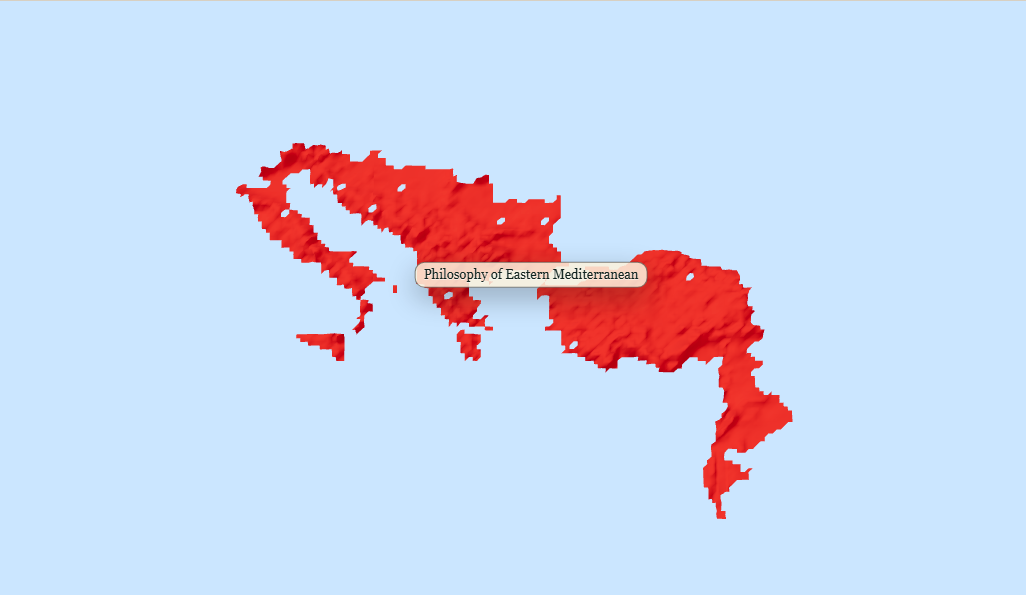
Terra Avita Region
Italian Peninsula & Central Med Islands
Structural Factors
- Shared Core Claims
- Franciscan Scholasticism holds that philosophy, theology, poverty, creation, illumination, exemplarism, and affective ascent belong together: all created truth reflects divine wisdom and should lead the mind and will back to God.
- Shared Methods
- Quaestio and disputation, Sentences commentary, scriptural theology, Augustinian illumination, exemplarism, synthesis of reason and revelation, Aristotelian tools under theological governance, and Franciscan spiritual pedagogy.
- Shared Lineage
- The lineage runs from Francis of Assisi and early mendicant theology through Alexander of Hales, Bonaventure, the Paris Franciscan school, Duns Scotus, Peter John Olivi, William of Ockham, and later Franciscan intellectual traditions.
- Shared Problems
- Faith and reason, divine illumination, exemplar causes, poverty, mendicant university rights, Aristotelianism, Thomism, Scotism, voluntarism, individuation, universals, divine simplicity, creation, contingency, affective theology, and mystical ascent.
- Shared Vocabulary
- Franciscan, scholasticism, illumination, exemplarism, vestiges, reduction, itinerarium, poverty, affectus, sapientia, Sentences, quaestio, disputatio, universals, haecceity, voluntas, contingency, divine ideas, and ascent.
- Shared Historical Context
- The school formed in the thirteenth-century universities and Franciscan order, especially Paris, amid mendicant controversy, Aristotelian reception, Augustinian and Neoplatonic inheritance, scholastic method, and later Franciscan debates over Scotism and nominalism.
Defining Axes
- Doctrine
- Its doctrine joins Christian creation, divine exemplarism, illumination, Franciscan poverty, affective union, and scholastic argument, often resisting any purely autonomous Aristotelian philosophy detached from theology.
- Method
- Its method uses university disputation and commentary but orders them through Scripture, theological wisdom, illumination, affective devotion, and Franciscan formation.
- Lineage
- The lineage axis runs from Franciscan spirituality and Alexander of Hales through Bonaventure, Paris Franciscans, Scotus, Olivi, Ockham, and later Franciscan schools and editions.
- Subject Focus
- Franciscan Scholasticism focuses on metaphysics, epistemology, theology, ethics, creation, divine ideas, illumination, poverty, will, individuation, universals, logic, mystical ascent, and institutional church life.
- Geography / Culture
- Its centers include the Franciscan order, Paris, Oxford, Italian and western European mendicant houses, medieval universities, and later Franciscan institutes and scholarly editions.
- Historical Reaction
- It reacts to the rise of Aristotelian university philosophy, conflicts over mendicant teaching, Dominican and Thomist alternatives, secular master opposition, ecclesial poverty debates, and later nominalist and Scotist controversies.
Internal Structure
- Foundational Texts
- Foundational texts include Bonaventure's Commentary on the Sentences, Itinerarium Mentis in Deum, Breviloquium, De Reductione Artium ad Theologiam, Franciscan spiritual writings, Alexander of Hales, later Scotist and Ockhamist Franciscan developments, and scholastic university commentary traditions.
- Core Vocabulary
- Core vocabulary includes illumination, exemplarism, reduction, vestiges, divine ideas, creation, poverty, affective theology, ascent, hierarchy, sapientia, scientia, Sentences, quaestio, disputatio, haecceity, will, contingency, individuation, and universals.
- Metaphysics
- Franciscan metaphysics stresses God as creative source and exemplar, creatures as vestiges of divine wisdom, contingency, divine ideas, participation, individuation, and the ordered return of all knowledge to theology.
- Epistemology
- Its epistemology combines sense, abstraction, Aristotelian tools, Augustinian illumination, certainty through divine truth, scriptural wisdom, and the ordering of all arts and sciences toward theology.
- Ethics
- Its ethics centers poverty, humility, charity, affective union with God, imitation of Christ and Francis, practical wisdom, moral formation, and the transformation of knowledge into love.
- Method
- The school works through Sentences commentary, disputation, lectio, scriptural exegesis, spiritual treatise, doctrinal synthesis, university pedagogy, and the Franciscan integration of speculative and affective theology.
- Internal Debates
- Internal debates concern Aristotelianism, illumination, poverty, universals, individuation, will and intellect, divine freedom, Scotism, Ockhamist nominalism, relation to Thomism, mendicant rights, and the place of mystical theology in scholastic science.
- Successors
- Successors and related formations include Scotism, Ockhamism, late medieval Franciscan theology, Franciscan spirituality, medieval nominalism, Renaissance scholastic reception, critical editions, and modern Franciscan intellectual-tradition studies.
External Classification Context
- History of Philosophy
- Franciscan Scholasticism is a major thirteenth- and fourteenth-century alternative to Dominican Thomism, combining Augustinian and Neoplatonic themes with university scholastic method and Franciscan spiritual priorities.
- Philosophy of Philosophy
- It treats philosophy as an ordered servant and companion of theology: the arts, sciences, and metaphysical inquiry should be reduced back to divine wisdom and lived holiness.
- Intellectual History
- Its intellectual history depends on the rise of mendicant orders, University of Paris conflicts, the Sentences curriculum, Aristotelian translation, Franciscan poverty debates, manuscripts, later Scotist schools, and modern critical editions.
- University Classification
- Usually classified under medieval philosophy, scholasticism, Christian philosophy, Franciscan studies, philosophy of religion, metaphysics, epistemology, ethics, theology, and intellectual history.
- Classical Sources
- Classical evidence comes from Bonaventure's scholastic and spiritual corpus, Franciscan sources, Sentences commentaries, Alexander of Hales, Scotus, Ockham, university records, mendicant controversy texts, and manuscript and critical-edition traditions.
- Sociology of Knowledge
- Franciscan Scholasticism persisted through mendicant schools, universities, order formation, preaching, manuscript copying, poverty controversies, critical editions, Franciscan institutes, seminaries, and medieval studies networks.
Linked Philosophers
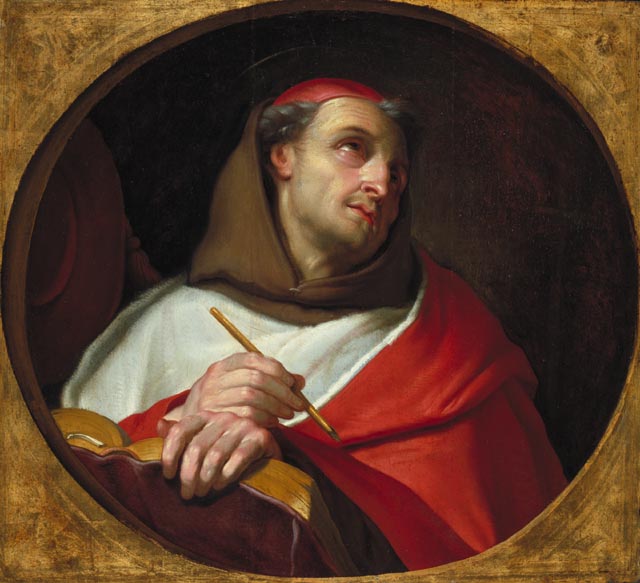
Bonaventure
1217 CE – 1274 CE
Bagnoregio
Franciscan philosopher-theologian from Bagnoregio, minister general and cardinal bishop, whose exemplarist metaphysics, divine illumination epistemology, theology of creation, soul's ascent to God, account of the arts, Franciscan poverty, Trinitarian thought, and mystical theology shaped medieval scholastic and Franciscan philosophy.