Pluralism
Pluralism names the Presocratic effort to explain change and cosmic order through multiple enduring principles, centered here on Anaxagoras and Empedocles.
Structural Factors
- Shared Core Claims
- Presocratic pluralism argues that reality is composed from multiple enduring principles rather than one single arche. Change is explained as rearrangement, mixture, separation, combination, and cosmic ordering rather than coming-to-be from nothing.
- Shared Methods
- Cosmological explanation, fragment and testimony comparison, rational reconstruction, biological and physical speculation, ancient doxography, source criticism, and careful distinction between later reports and surviving fragments.
- Shared Lineage
- This page preserves the linked pluralists Anaxagoras of Clazomenae and Empedocles of Acragas. Empedocles explains the world through four roots moved by Love and Strife, while Anaxagoras explains mixture and separation through unlimited ingredients ordered by nous.
- Shared Problems
- One and many, change, mixture, separation, cosmic order, perception, life, mind, roots or elements, seeds or ingredients, Love, Strife, nous, vortex, generation, destruction, and the preservation of Presocratic thought through testimony.
- Shared Vocabulary
- Pluralism, Presocratic, roots, elements, Love, Strife, nous, mind, seeds, ingredients, mixture, separation, combination, vortex, cosmology, perception, life, doxography, fragments, and ancient testimony.
- Shared Historical Context
- Pluralism belongs to Presocratic natural philosophy after early Milesian monism and before later atomist, later Academy-linked, Aristotelian, and Hellenistic systems. It is represented here by Anaxagoras and Empedocles only.
Defining Axes
- Doctrine
- Multiple enduring principles: Empedocles' roots under Love and Strife, and Anaxagoras' unlimited ingredients ordered by nous.
- Method
- Cosmological explanation, fragment reconstruction, testimony comparison, doxography, ancient biography, and source criticism.
- Lineage
- Anaxagoras and Empedocles as linked Presocratic pluralists; related Presocratic schools remain separate.
- Subject Focus
- Metaphysics, cosmology, philosophy of nature, philosophy of mind, perception, biology, theology, and early Greek science.
- Geography / Culture
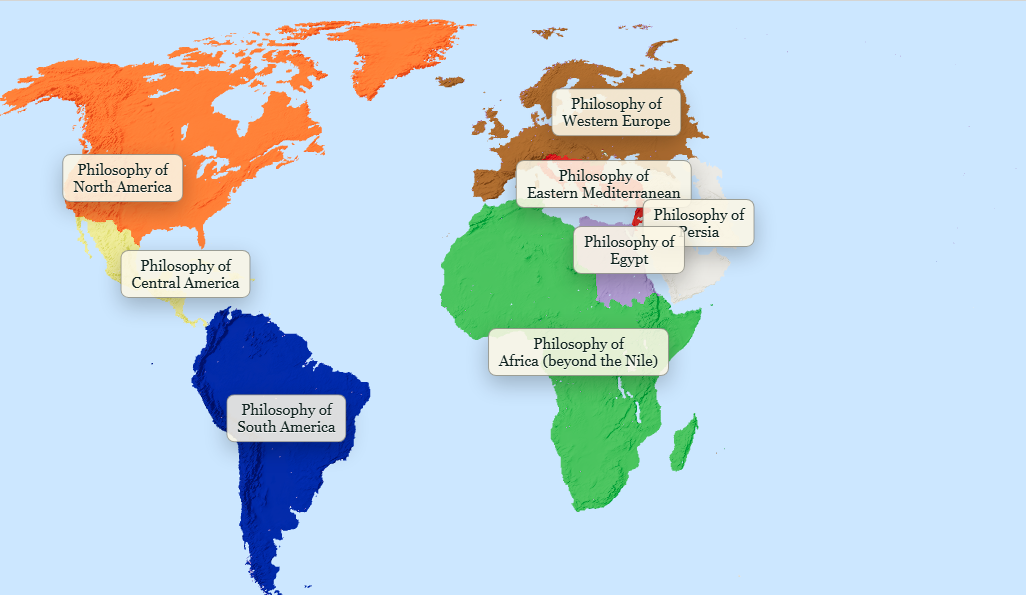
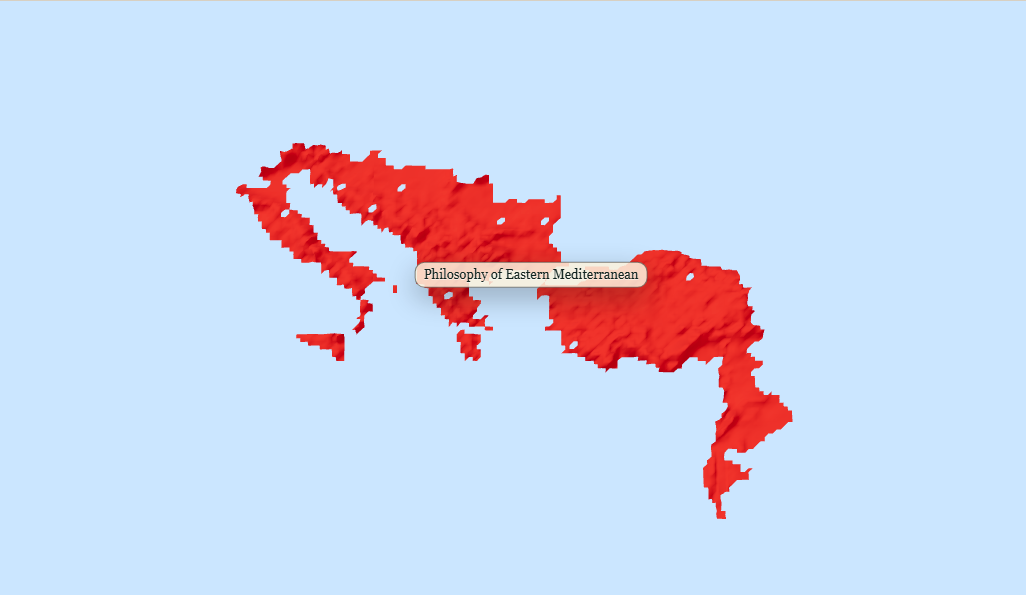
- Fifth-century BCE Greek philosophy across Ionia, Sicily, and wider Mediterranean intellectual exchange, with Anaxagoras linked to Clazomenae/Athens and Empedocles to Acragas.
- Historical Reaction
- A pluralist response to monist explanations of nature, preserving enduring principles while explaining apparent change, plurality, generation, and destruction.
Internal Structure
- Foundational Texts
- Source evidence includes SEP, IEP, and Britannica rows for Anaxagoras and Empedocles, Diogenes Laertius testimony, Perseus, Gutenberg, LacusCurtius, Wikisource, fragment scholarship, PhilPapers, WorldCat, Internet Archive, World History Encyclopedia, and SEP Presocratic Philosophy.
- Core Vocabulary
- Roots, elements, Love, Strife, nous, seeds, ingredients, mixture, separation, vortex, Presocratic pluralism, cosmology, perception, life, fragments, testimony, and doxography.
- Metaphysics
- Pluralist metaphysics explains a changing world through multiple enduring principles and their arrangements, rather than by reducing all things to one substrate or allowing absolute generation from nothing.
- Epistemology
- Knowledge is approached through reasoned reconstruction from appearances, fragments, ancient reports, and testimony about how mixture, separation, perception, and mind make the ordered world intelligible.
- Ethics
- Ethics is not the center of this school page, though Empedocles' religious and purificatory themes and Anaxagoras' intellectualized cosmic order shape later interpretations of human life and wisdom.
- School Method
- The school method combines source-critical handling of fragmentary texts, ancient biography, public text witnesses, encyclopedia synthesis, and scholarship on Presocratic cosmology and natural explanation.
- Internal Debates
- Internal tensions include roots versus ingredients, Love and Strife versus nous, whether mind is separate or mixed, how perception works, and how later doxography reshapes fragmentary Presocratic evidence.
- Successors
- Pluralism informs later atomist, Academy-linked, Aristotelian, Stoic, and scientific discussions of elements, mixture, mind, causation, perception, and cosmic order, while those later schools remain outside this update.
External Classification Context
- History of Philosophy
- Belongs to Presocratic philosophy, Greek natural inquiry, early metaphysics, cosmology, philosophy of nature, and the ancient debate over unity, plurality, change, and order.
- Philosophy of Philosophy
- Shows philosophy as rational reconstruction of nature from sparse evidence: fragments, ancient testimony, doxography, and arguments about what must endure through change.
- Intellectual History
- Connects public encyclopedia rows, Diogenes Laertius testimony, fragment scholarship, source catalogs, and bibliographic rows documenting Anaxagoras, Empedocles, nous, roots, Love and Strife, and Presocratic natural philosophy.
- University Classification
- Classify under Pluralism, Presocratic philosophy, ancient Greek philosophy, metaphysics, cosmology, philosophy of nature, philosophy of mind, and history of science.
- Classical Sources
- Evidence includes SEP Anaxagoras, IEP Anaxagoras, Britannica Anaxagoras, SEP Empedocles, IEP Empedocles, Britannica Empedocles, SEP Presocratic Philosophy, Diogenes Laertius, Perseus, Gutenberg, LacusCurtius, Wikisource, PhilPapers, WorldCat, Internet Archive, and World History Encyclopedia rows.
- Sociology of Knowledge
- The school is documented through public encyclopedia rows, fragment scholarship, ancient testimony, catalog searches, source repositories, and bibliographic records rather than through image-only or profile-gallery source rows.
Linked Philosophers
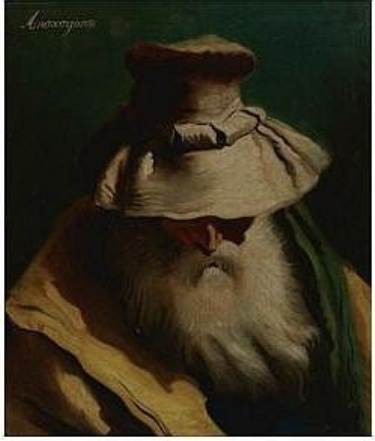
Anaxagoras of Clazomenae
500 BCE – 428 BCE
Clazomenae (Ionia)
Ionian Greek natural philosopher from Clazomenae whose Nous cosmology, mixture theory, infinite divisibility, material astronomy, and Athenian reception shaped classical natural philosophy.
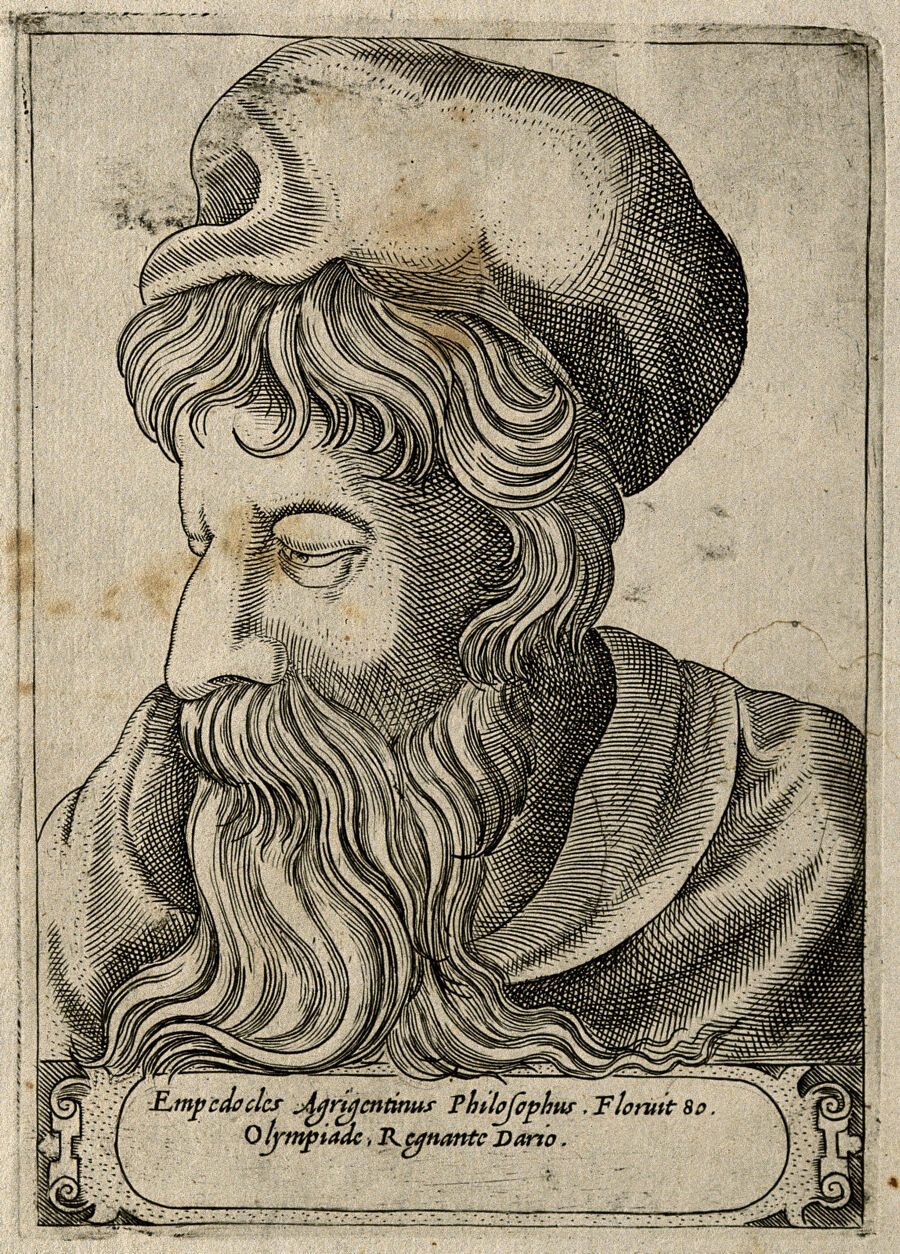
Empedocles of Acragas
494 BCE – 434 BCE
Acragas (Agrigentum, Sicily)
Siceliote Greek poet-philosopher from Acragas who explained nature through four roots and the cosmic powers of Love and Strife while joining cosmology, medicine, ethics, and purification religion.
Other Voices
Source entries, public text surfaces, catalog rows, public scans, and scholarship connected to Pluralism, Anaxagoras, Empedocles, nous, Love, Strife, roots, mixture, separation, and Presocratic natural philosophy.