Utilitarianism
Modern ethical and political-philosophical school associated with Jeremy Bentham, John Stuart Mill, Henry Sidgwick, and contemporary applied ethics, judging actions, rules, institutions, and policies by their consequences for happiness, welfare, utility, or preference satisfaction.


Structural Factors
- Shared Core Claims
- Utilitarianism holds that moral rightness depends on consequences and that each affected person's welfare counts impartially. Classical versions maximize happiness or pleasure and minimize suffering, while later versions analyze welfare, preferences, interests, expected utility, or rule-governed social benefit.
- Shared Methods
- The school uses consequence assessment, utility calculation, public policy analysis, comparison of harms and benefits, impartial aggregation, decision theory, moral psychology, thought experiments, legal reform argument, and applied ethical reasoning.
- Shared Lineage
- Utilitarianism develops from earlier hedonist and moral-sense debates through Hutcheson, Hume, Helvetius, Beccaria, Bentham, James Mill, John Stuart Mill, Sidgwick, Moore, Smart, Hare, and contemporary figures including Peter Singer.
- Shared Problems
- Central problems include how to measure utility, how to compare welfare across persons, act versus rule utilitarianism, rights, justice, punishment, demandingness, partiality, population ethics, animal suffering, preference satisfaction, and conflicts between aggregate welfare and individual claims.
- Shared Vocabulary
- Key terms include utility, happiness, pleasure, pain, welfare, preference, interest, consequence, maximization, impartiality, aggregation, act utilitarianism, rule utilitarianism, expected utility, greatest happiness, harm, benefit, sacrifice, and moral calculus.
- Shared Historical Context
- Utilitarianism emerged as a reformist British moral, legal, and political philosophy in the eighteenth and nineteenth centuries, shaped debates over punishment, democracy, political economy, liberty, social welfare, women's rights, animal suffering, and later analytic ethics.
Defining Axes
- Doctrine
- Doctrinally, Utilitarianism is defined by consequentialism, impartial welfare accounting, the equal consideration of affected interests, and the claim that moral judgment should promote the best overall outcome.
- Method
- Its method is comparative and practical: identify affected parties, estimate harms and benefits, compare outcomes, test rules or acts against aggregate welfare, and apply moral theory to law, politics, economics, and social practice.
- Lineage
- The lineage runs from early hedonist and Enlightenment reform traditions through Benthamite radicalism, John Stuart Mill's liberal utilitarianism, Sidgwick's systematic ethics, twentieth-century consequentialism, preference utilitarianism, and contemporary applied ethics.
- Subject Focus
- Utilitarianism focuses on ethics, political philosophy, legal reform, economics, public policy, animal ethics, population ethics, welfare theory, moral psychology, liberty, punishment, equality, and institutional design.
- Geography / Culture
- Utilitarianism is centered in British Enlightenment and nineteenth-century liberal reform culture, later spreading through Anglophone analytic philosophy, economics, bioethics, animal ethics, and global public policy debates.
- Historical Reaction
- Utilitarianism reacts against inherited authority, intuitionist moralism, arbitrary punishment, legal obscurity, and privilege by offering a public standard of welfare, reform, and equal consideration.
Internal Structure
- Foundational Texts
- Foundational texts include Bentham's Introduction to the Principles of Morals and Legislation, Mill's Utilitarianism and On Liberty, Sidgwick's Methods of Ethics, and later consequentialist and applied ethics works by Moore, Smart, Hare, and Singer.
- Core Vocabulary
- Core vocabulary includes utility, happiness, welfare, pleasure, pain, preference, interest, consequence, action, rule, maximization, impartiality, aggregation, liberty, harm, sanction, punishment, equality, sentience, and expected value.
- Metaphysics
- Utilitarianism usually avoids heavy metaphysics, but assumes that welfare, suffering, interests, preferences, or experiences can be morally significant features of the world and can be compared in practical reasoning.
- Epistemology
- Utilitarian epistemology emphasizes public reasons, empirical consequences, evidence about welfare, moral psychology, prediction, comparison, and the revision of rules or institutions in light of their effects.
- Ethics
- Utilitarian ethics judges acts, rules, or institutions by their tendency to promote the greatest good, balancing individual and collective interests through impartial concern for all affected beings.
- Method
- The school proceeds by identifying consequences, assigning moral weight to welfare effects, comparing alternative actions or rules, testing implications through cases, and applying the result to reform, policy, and personal conduct.
- Internal Debates
- Internal debates concern hedonistic versus preference utility, act versus rule utilitarianism, total versus average welfare, ideal versus classical utility, rights and side constraints, demandingness, population ethics, and whether utility can be measured or aggregated.
- Successors
- Successors include consequentialism, welfare economics, cost-benefit policy analysis, preference utilitarianism, effective altruism, animal liberation ethics, population ethics, and contemporary debates in bioethics and global justice.
External Classification Context
- History of Philosophy
- Utilitarianism is one of the central modern moral theories and a major bridge between ethics, law, political reform, economics, liberalism, and contemporary applied philosophy.
- Philosophy of Philosophy
- Utilitarianism treats philosophy as a public instrument for improving life: theory should clarify moral standards, guide institutions, and reduce avoidable suffering.
- Intellectual History
- The tradition links Enlightenment reform, British radicalism, liberal political economy, analytic ethics, welfare economics, animal ethics, bioethics, and modern policy reasoning.
- University Classification
- Classify Utilitarianism under ethics, normative ethics, consequentialism, political philosophy, philosophy of law, applied ethics, animal ethics, bioethics, economics, and public policy.
- Classical Sources
- Classical sources include Bentham's moral and legal writings, Mill's Utilitarianism and liberal works, Sidgwick's Methods of Ethics, nineteenth-century reform debates, and twentieth-century consequentialist theory.
- Sociology of Knowledge
- Utilitarianism spread through reform societies, parliamentary and legal debate, economics, universities, analytic ethics, public policy institutions, animal advocacy, bioethics, and contemporary effective altruist networks.
Linked Philosophers
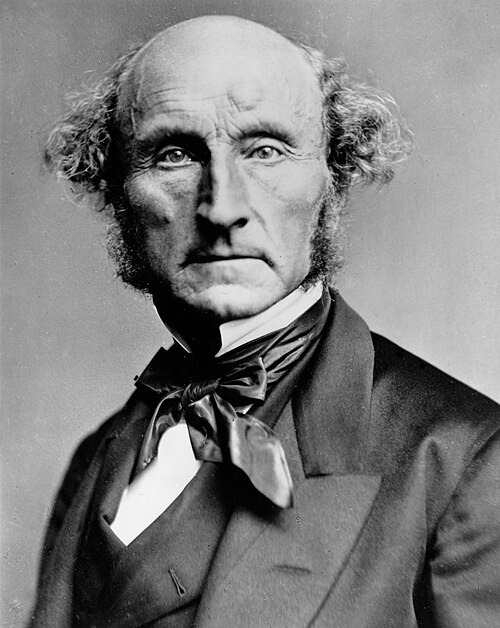
John Stuart Mill
1806 CE – 1873 CE
Pentonville, London
English liberal utilitarian philosopher of liberty, individuality, higher pleasures, inductive logic, political economy, representative government, women's equality, religious skepticism, and empiricist method.

Peter Singer
1946 CE
Melbourne
Australian applied ethicist of preference utilitarianism, animal liberation, speciesism, equal consideration of interests, practical ethics, global poverty, effective altruism, bioethics, and public moral argument.