Philosophy School
Wolffianism
Early German Enlightenment rationalist school centered on Christian Wolff's systematic method, demonstrative metaphysics, ontology, rational psychology, cosmology, natural theology, practical philosophy, and university pedagogy before Kant.
Period
Early Modern History1500 CE – 1799 CE
Era
Enlightenment and Proto-Industrial1700 CE – 1799 CE
Begin
1679 CE
End
1754 CE
Structural Factors
- Shared Core Claims
- Wolffianism holds that philosophy should be a demonstrative science of possible things, ordered by clear definitions, logical derivation, the principle of contradiction, and the principle of sufficient reason.
- Shared Methods
- The school uses mathematical-style exposition, definition, division, demonstration, systematic classification, Latin and German textbooks, and encyclopedic organization of all philosophical disciplines.
- Shared Lineage
- Wolffianism develops from Leibnizian rationalism, early modern scholastic and Cartesian materials, Halle university pedagogy, and Christian Wolff's German and Latin works, then passes through Baumgarten, Meier, Kant's pre-critical setting, and eighteenth-century academic philosophy.
- Shared Problems
- Central problems include the structure of metaphysics, the relation of ontology to special metaphysics, the status of possibility, sufficient reason, the soul, freedom, natural theology, practical duty, and philosophy's scientific method.
- Shared Vocabulary
- Key terms include ontology, metaphysics, possible thing, essence, existence, ground, reason, demonstration, cognition, perfection, monad, world, soul, rational psychology, cosmology, natural theology, practical philosophy, and method.
- Shared Historical Context
- Wolffianism dominated much German university philosophy in the first half of the eighteenth century, shaped German philosophical vocabulary, provoked Pietist controversy, and became the dogmatic rationalist background against which Kant defined critical philosophy.
Defining Axes
- Doctrine
- Doctrinally, Wolffianism is defined by systematic rationalism, demonstrative metaphysics, ontology as general metaphysics, special metaphysics of soul/world/God, and a practical philosophy organized around perfection and rational duty.
- Method
- Its method is deductive and pedagogical: define terms, distinguish concepts, order disciplines, demonstrate propositions, and present philosophy as a teachable scientific system.
- Lineage
- The lineage runs from Leibniz and early modern rationalism through Christian Wolff, the Halle system, Baumgarten, Meier, Gottsched, Mendelssohn-era reception, and Kant's pre-critical and critical engagement with dogmatic metaphysics.
- Subject Focus
- Wolffianism focuses on metaphysics, ontology, logic, psychology, cosmology, natural theology, ethics, natural law, political philosophy, aesthetics, pedagogy, and academic method.
- Geography / Culture
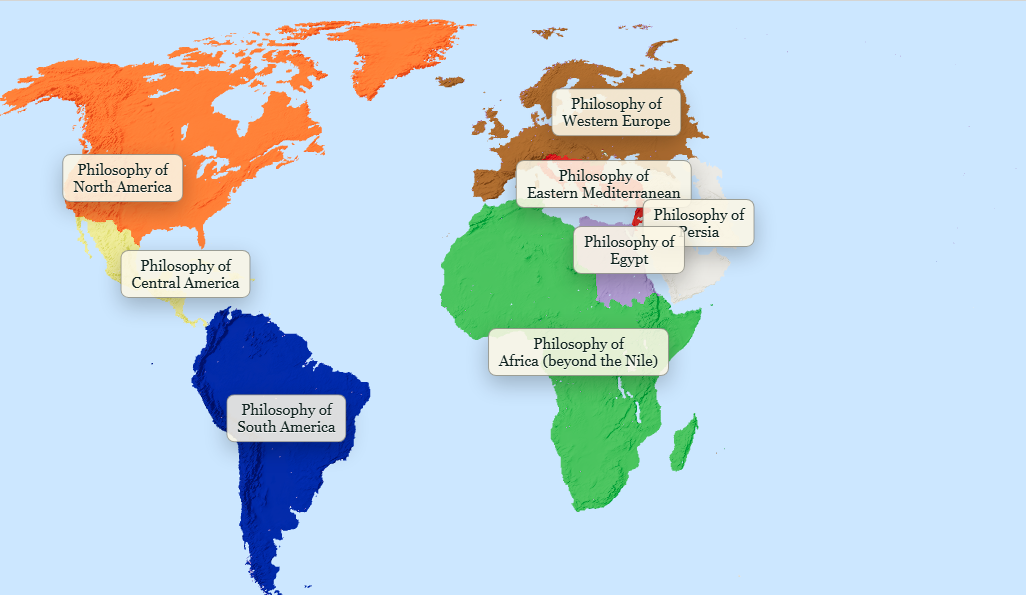
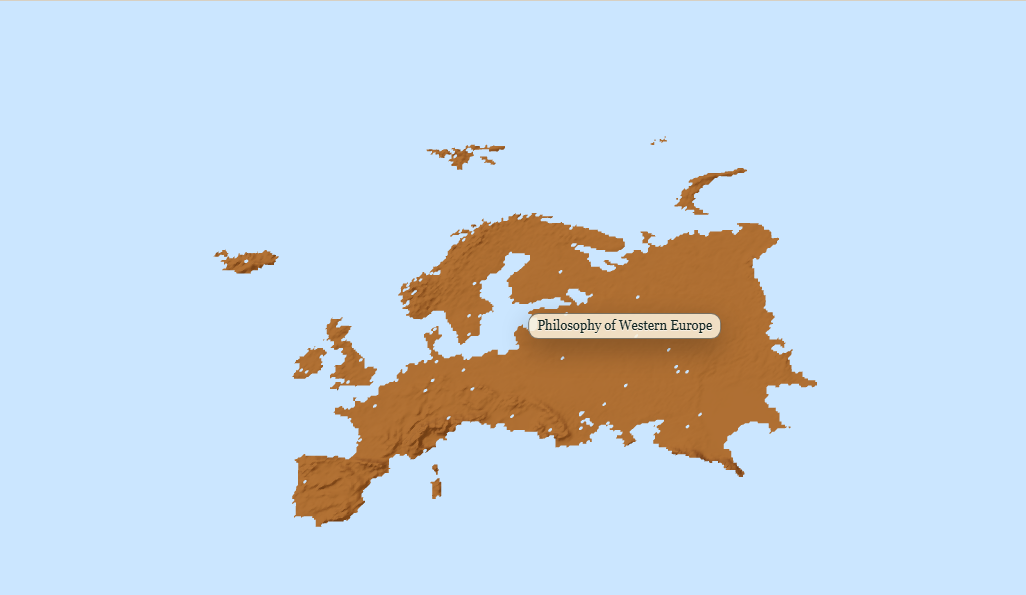
- The school is centered in German-speaking university culture, especially Halle and Marburg, with wider influence in Prussia, Central Europe, Russia, and eighteenth-century Protestant academic settings.
- Historical Reaction
- Wolffianism reacts to scholastic disorder, eclectic textbooks, Cartesian fragmentation, and pietist suspicion of rational theology by offering a unified rational system and a public method for university instruction.
Internal Structure
- Foundational Texts
- Foundational texts include Wolff's German Logic, German Metaphysics, German Ethics, Preliminary Discourse, Latin Logic, Ontologia, Cosmologia, Psychologia Empirica, Psychologia Rationalis, Theologia Naturalis, and Philosophia Practica Universalis.
- Core Vocabulary
- Core vocabulary includes science, possibility, definition, reason, ground, contradiction, sufficient reason, perfection, cognition, method, ontology, empirical psychology, rational psychology, cosmology, natural theology, and practical philosophy.
- Metaphysics
- Wolffian metaphysics divides general ontology from special metaphysics and treats being, possibility, essence, existence, soul, world, and God through systematic definitions and demonstrations.
- Epistemology
- Wolffian epistemology emphasizes clear and distinct cognition, the powers of understanding, logical order, demonstrative certainty, and the relation between empirical knowledge and rational proof.
- Ethics
- Wolffian ethics grounds duty in reason, perfection, human nature, and systematic practical philosophy, linking moral life to rational self-cultivation and natural law.
- Method
- The school proceeds through textbook order: define the discipline, divide its subject matter, prove propositions, connect sciences, and make philosophy usable for teaching, law, theology, and state service.
- Internal Debates
- Internal debates concern Wolff's relation to Leibniz, the place of monads, the role of sufficient reason, the compatibility of rational theology with Protestant orthodoxy, and whether demonstrative metaphysics overextends reason.
- Successors
- Successors include Baumgarten's metaphysics and aesthetics, Meier's logic, German Enlightenment popular philosophy, Kant's critique of dogmatic metaphysics, and later histories of ontology and academic rationalism.
External Classification Context
- History of Philosophy
- Wolffianism is the central bridge between Leibnizian rationalism and Kant's critical philosophy, and a major example of eighteenth-century academic system-building.
- Philosophy of Philosophy
- Wolffianism treats philosophy as a rigorous science whose authority depends on method, proof, conceptual clarity, and the teachable order of disciplines.
- Intellectual History
- The school shaped German philosophical language, university curricula, Enlightenment theology, legal and political pedagogy, and the metaphysical vocabulary inherited by Kant and German Idealism.
- University Classification
- Classify Wolffianism under early modern philosophy, German Enlightenment, rationalism, metaphysics, ontology, logic, philosophy of religion, ethics, natural law, and history of academic philosophy.
- Classical Sources
- Classical sources include Wolff's German and Latin philosophical textbooks, correspondence with Leibniz, Halle controversy materials, Baumgarten's Metaphysica, Meier's logic, and Kant's pre-critical and critical responses.
- Sociology of Knowledge
- Wolffianism spread through lecture halls, textbooks, disputations, Protestant university appointments, state educational reform, translation, and repeated classroom use of systematic rationalist manuals.
Linked Philosophers
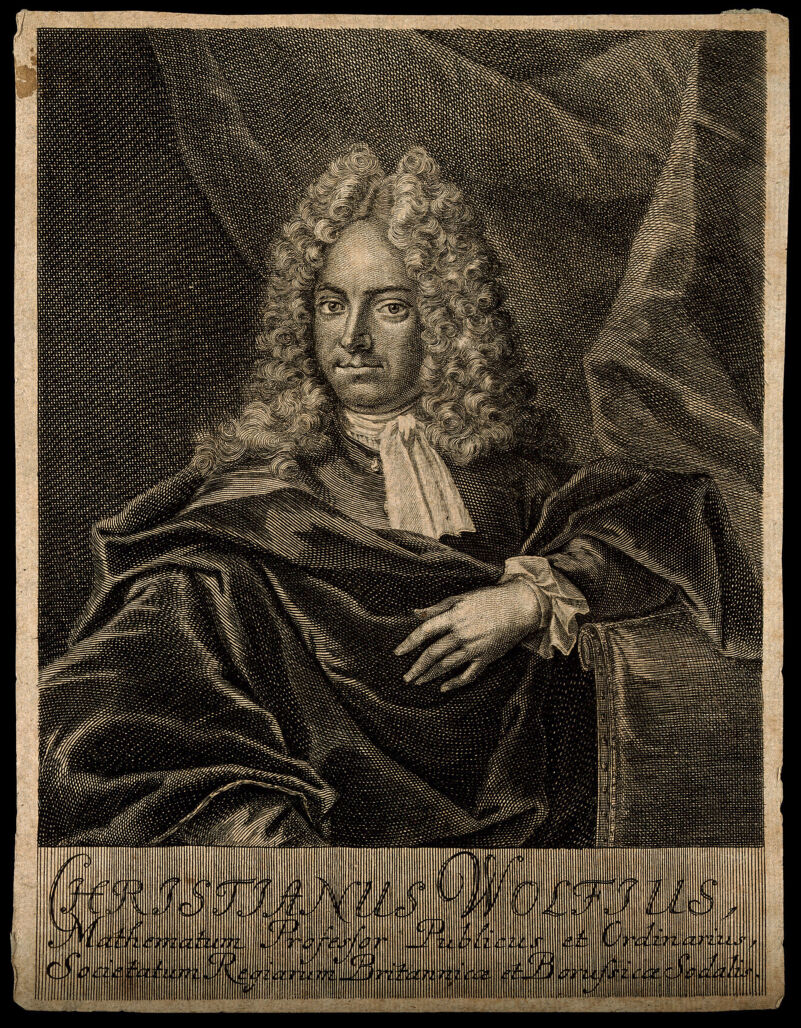
Christian Wolff
1679 CE – 1754 CE
Breslau, Silesia (now Wrocław, Poland)
German Enlightenment rationalist whose systematic textbooks in logic, ontology, psychology, natural theology, ethics, natural law, aesthetics, and philosophy of science made Wolffian method the main bridge between Leibniz and Kant.