Scripture is language fixed to carry ultimate authority.
It is the literary form by which a community preserves, transmits, and submits to foundational meaning across time.
Where the essay questions, scripture binds.
Essential Characteristics
- Canonical Fixity – The text is closed or guarded; alteration is restricted.
- Recitability – Designed for memorization, chanting, or public reading.
- Normative Force – The text does not merely describe; it obligates.
- Layered Meaning – Literal, moral, symbolic, and metaphysical readings coexist.
- Transpersonal Voice – Authority exceeds any single author.
List of Scriptures




Cognitive Function
Scripture stabilizes value and orientation.
It allows societies to:
- Preserve moral law
- Anchor identity across generations
- Encode metaphysics in narrative and command
- Coordinate behavior through shared reference
Cognitively, scripture is memory with authority.
Relationship to Language
In scripture:
- Words are consecrated
- Repetition reinforces legitimacy
- Ambiguity invites interpretation, not revision
Language becomes binding speech.
Structural Modes
Scripture integrates multiple literary functions:
- Narrative – Sacred history and exempla
- Law – Commandments and obligations
- Poetry / Hymn – Praise, lament, invocation
- Wisdom – Instruction for right living
- Prophecy – Speech claiming transcendent source
These are unified by authority, not form.

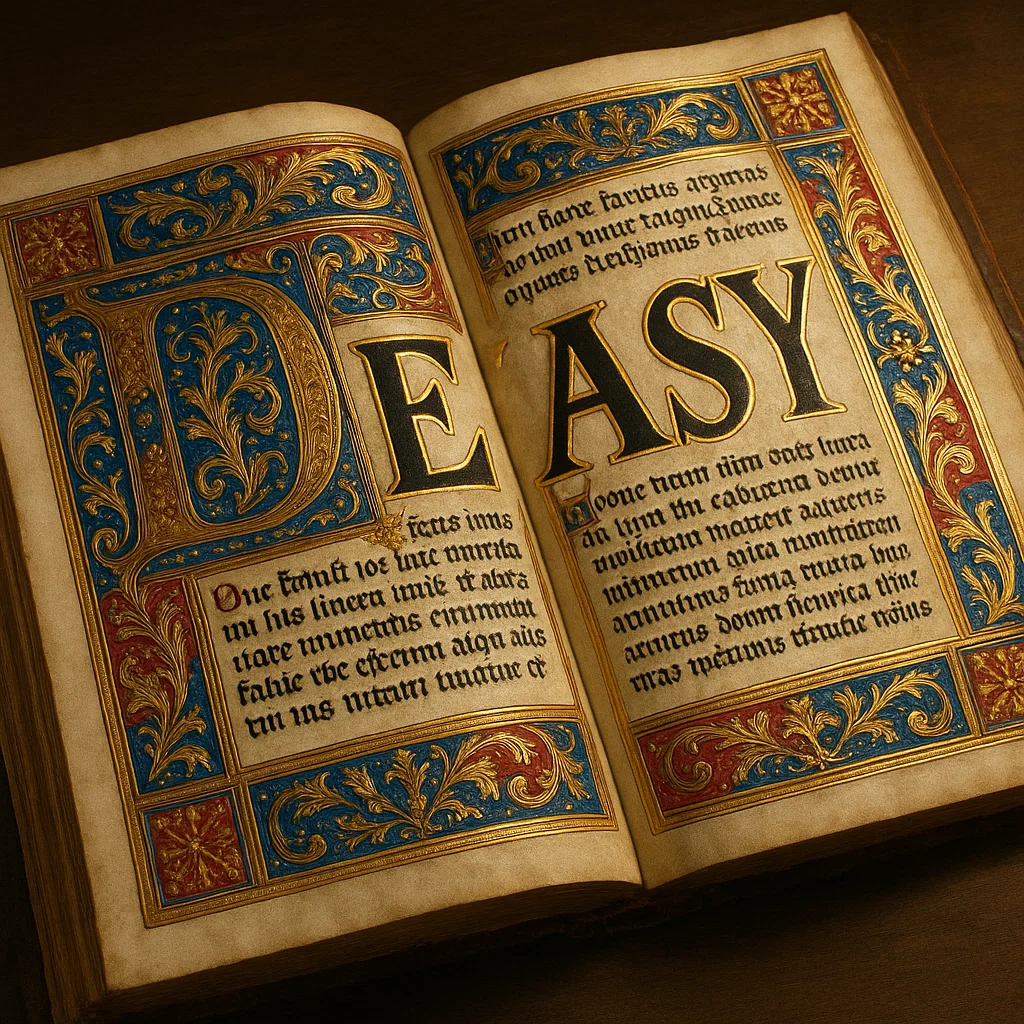
Epistemological Status
Scripture is a foundational epistemology.
It does not ask to be proven.
It asks to be inhabited.
Truth is encountered through:
- Obedience
- Interpretation
- Transmission
- Practice
Boundary Condition
Scripture ends when authority dissolves into opinion.
It begins where language claims ultimate reference.