Skip to content
Robin Di Angelo for the Unitarian Universalist Association
Unitarian Universalist Association Headquarters
Eno River Unitarian Universalist Fellowship
Allegheny Unitarian Universalist Church, Mexican War Streets
Allegheny Unitarian Universalist Church, Mexican War Streets
Names: Unitarian Universalism, UU, the Unitarian Universalist Association (UUA).Scope: Formed in 1961 through the merger of the American Unitarian Association and the Universalist Church of America; now international, with congregations across North America, Europe, Africa, and Asia.Core Idea: The free and responsible search for truth and meaning, affirming the inherent worth and dignity of every person.
Origins: Emerged from two liberal Christian movements—Unitarianism (rejecting the Trinity) and Universalism (affirming universal salvation).16th–17th c. : Early anti-Trinitarian thinkers such as Michael Servetus and Faustus Socinus.18th–19th c.: Unitarianism established in England and the U.S.; Universalism formalized under John Murray.19th c.: Both movements emphasize reason, conscience, and moral progress.20th c.: Growing secular humanism and social reform engagement.1961: Merger forms the Unitarian Universalist Association.Modern: Global movement grounded in pluralism, interfaith dialogue, and social justice.
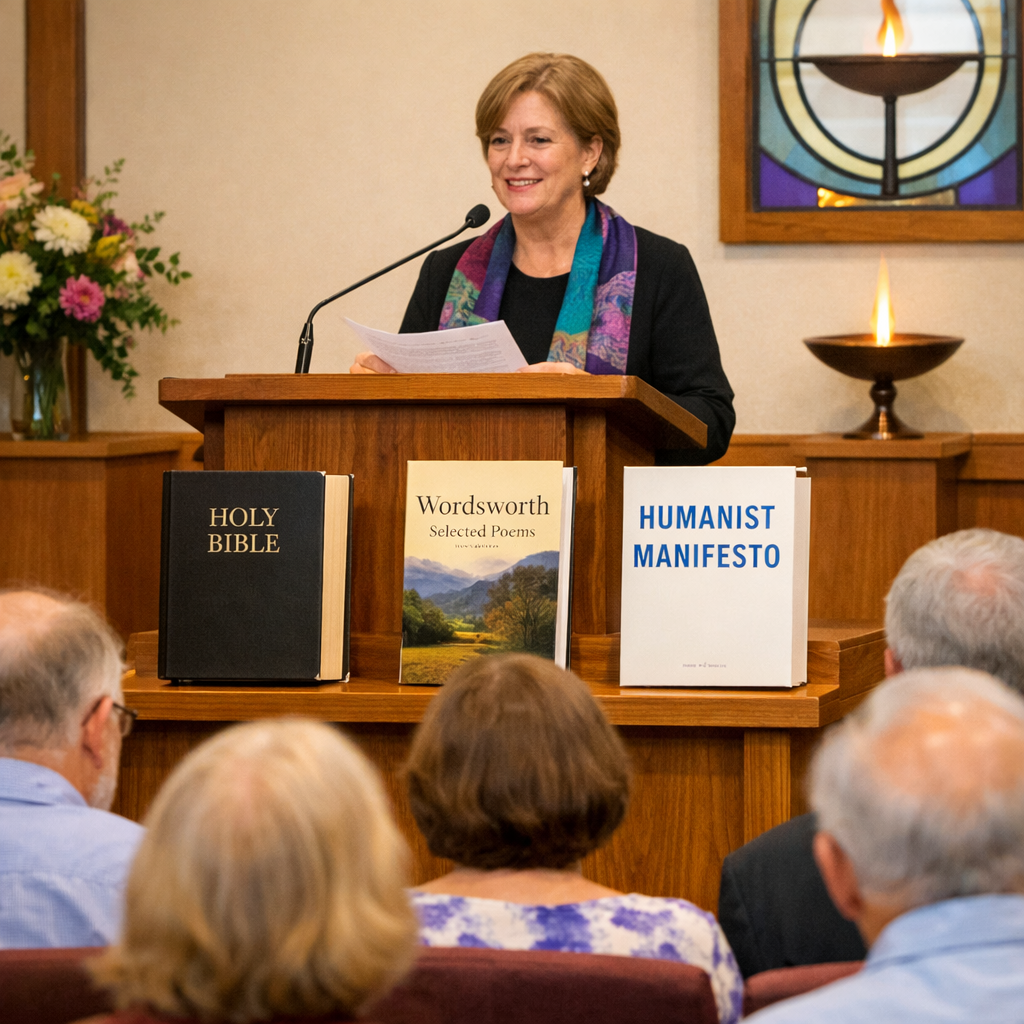
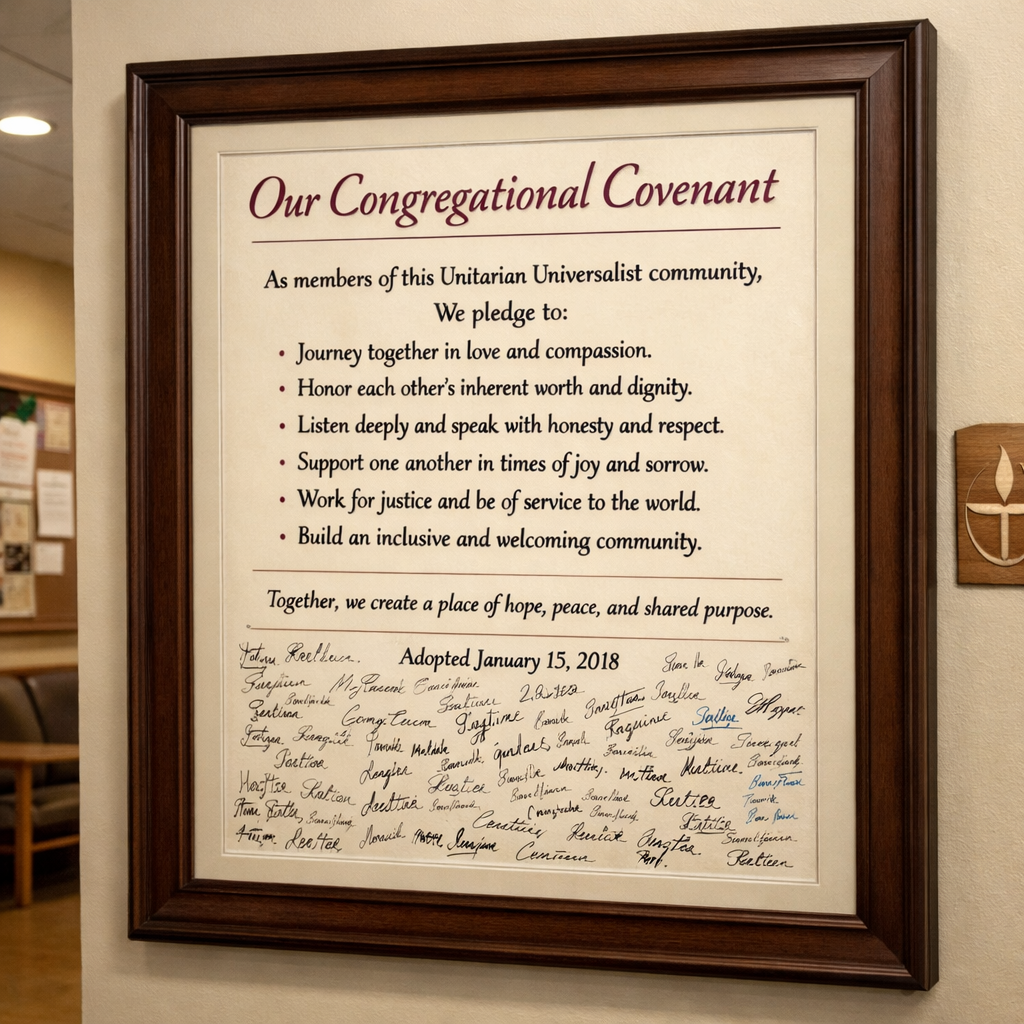
Texts: No single scripture; draws from world religions, science, philosophy, and human experience.Covenant: Congregational covenants affirm shared principles and mutual support.Historic writings: Works of William Ellery Channing, Hosea Ballou, and later Humanist Manifestos.Records: UUA documents, General Assembly resolutions, and sermons.
God : Interpreted variably—personal, impersonal, symbolic, or none.Jesus : Honored as moral teacher rather than divine savior.Prophets & sages : Recognizes moral exemplars across traditions (Moses, Buddha, Muhammad, humanists).Afterlife beings : Not doctrinal; beliefs vary by individual.
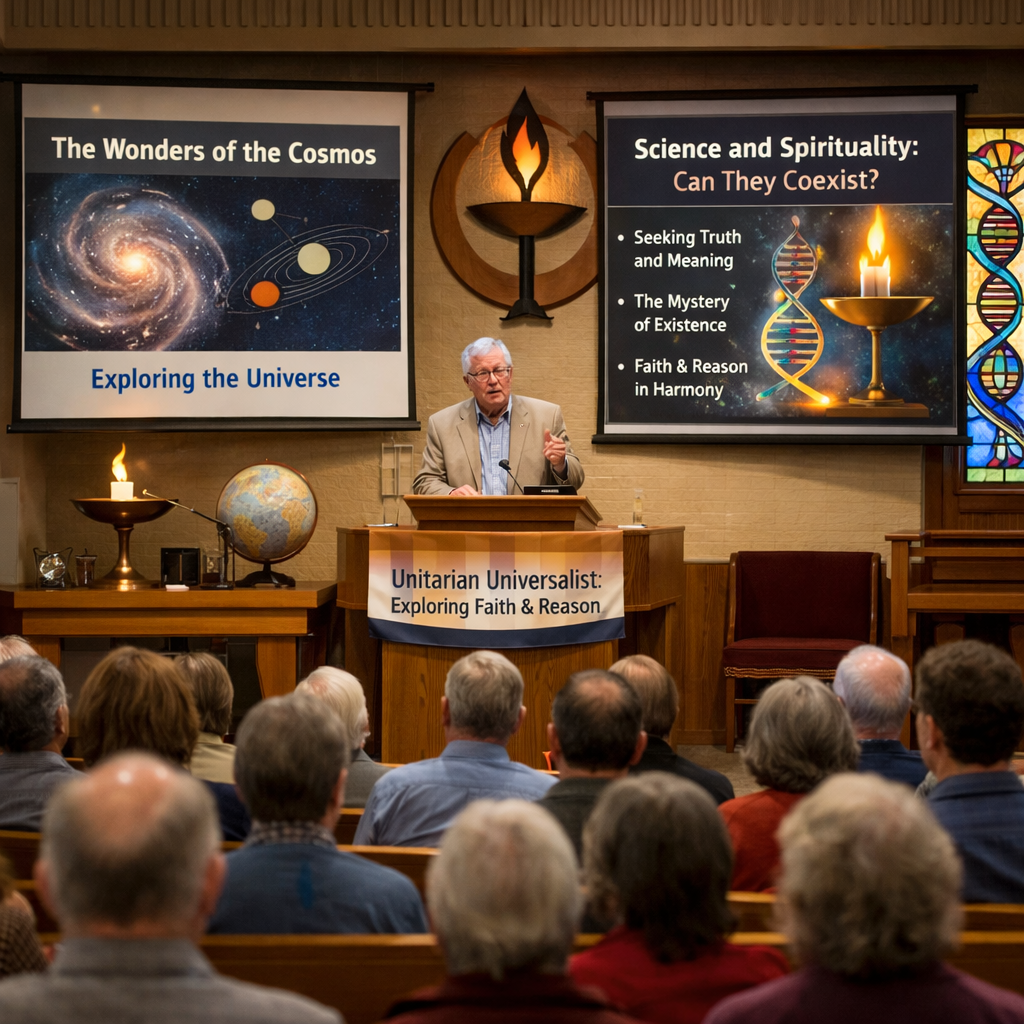
Creation : Viewed through scientific cosmology (Big Bang, evolution).Humanity : Capable of moral growth and reason.Mythic motifs : Draws symbolically from many traditions for ethical meaning.Eschatology : Focus on improving this world rather than awaiting another.Time : Linear yet open-ended—progressive revelation through human experience.
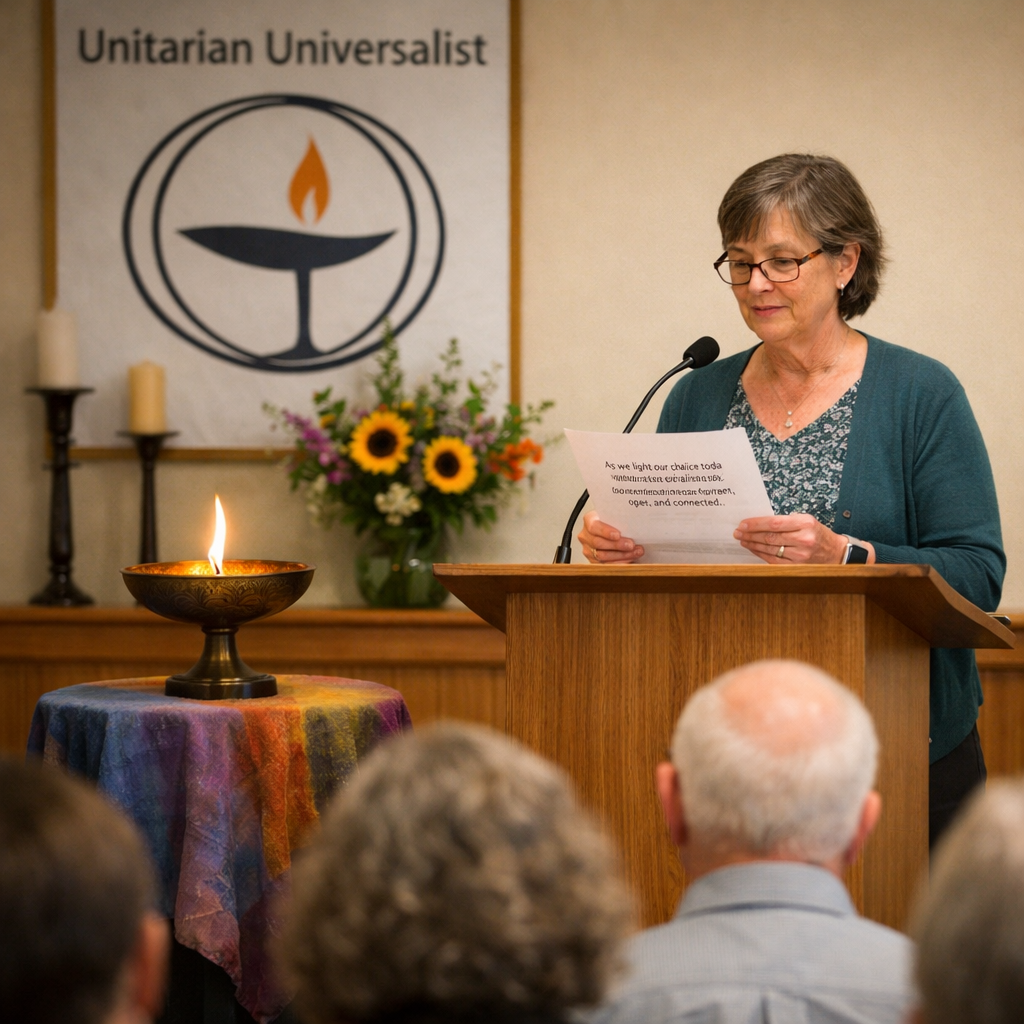
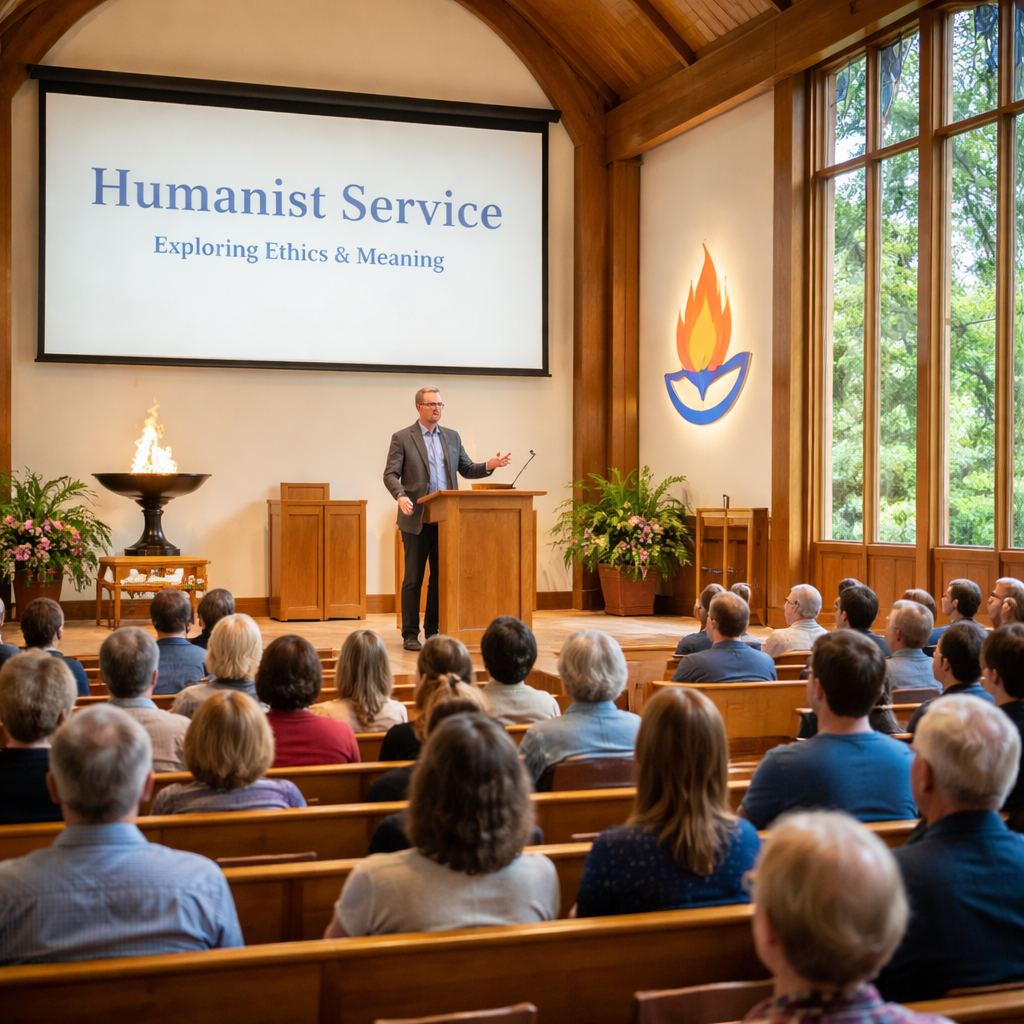
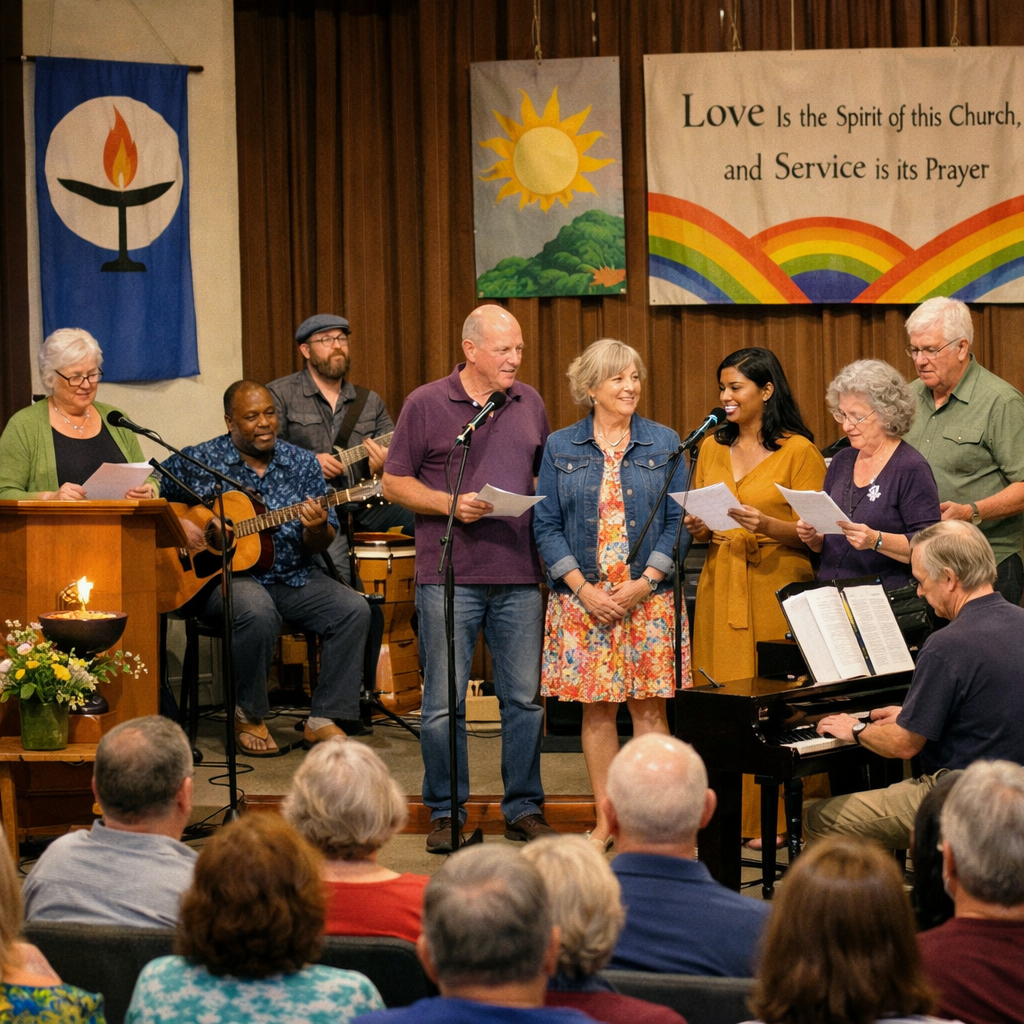
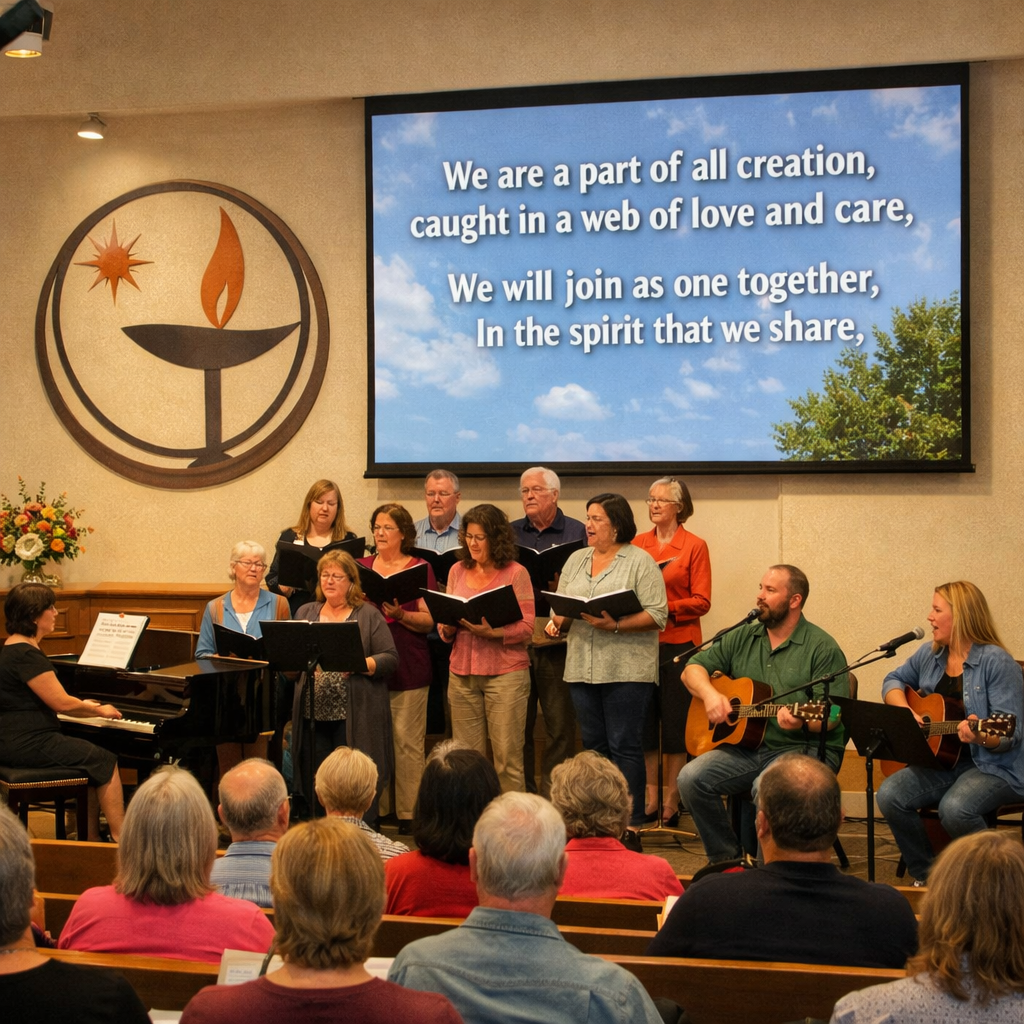
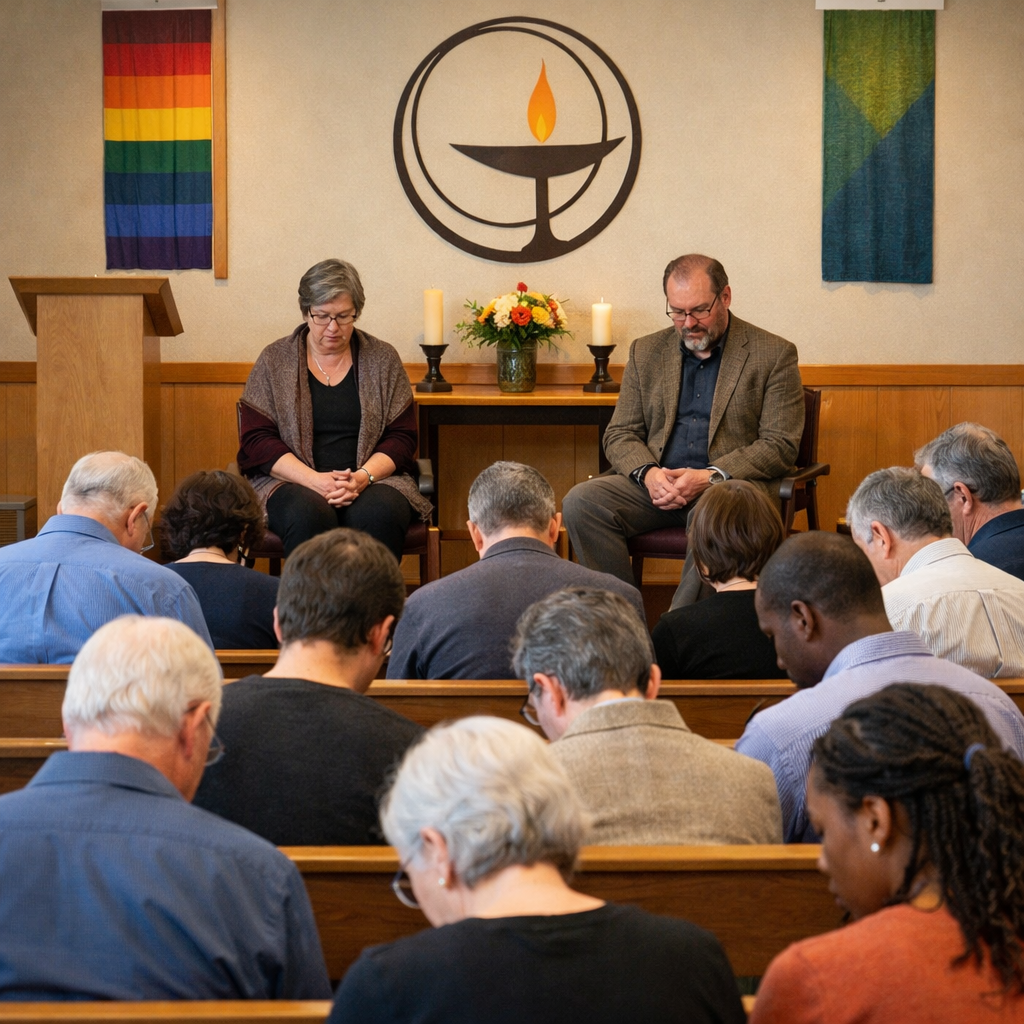
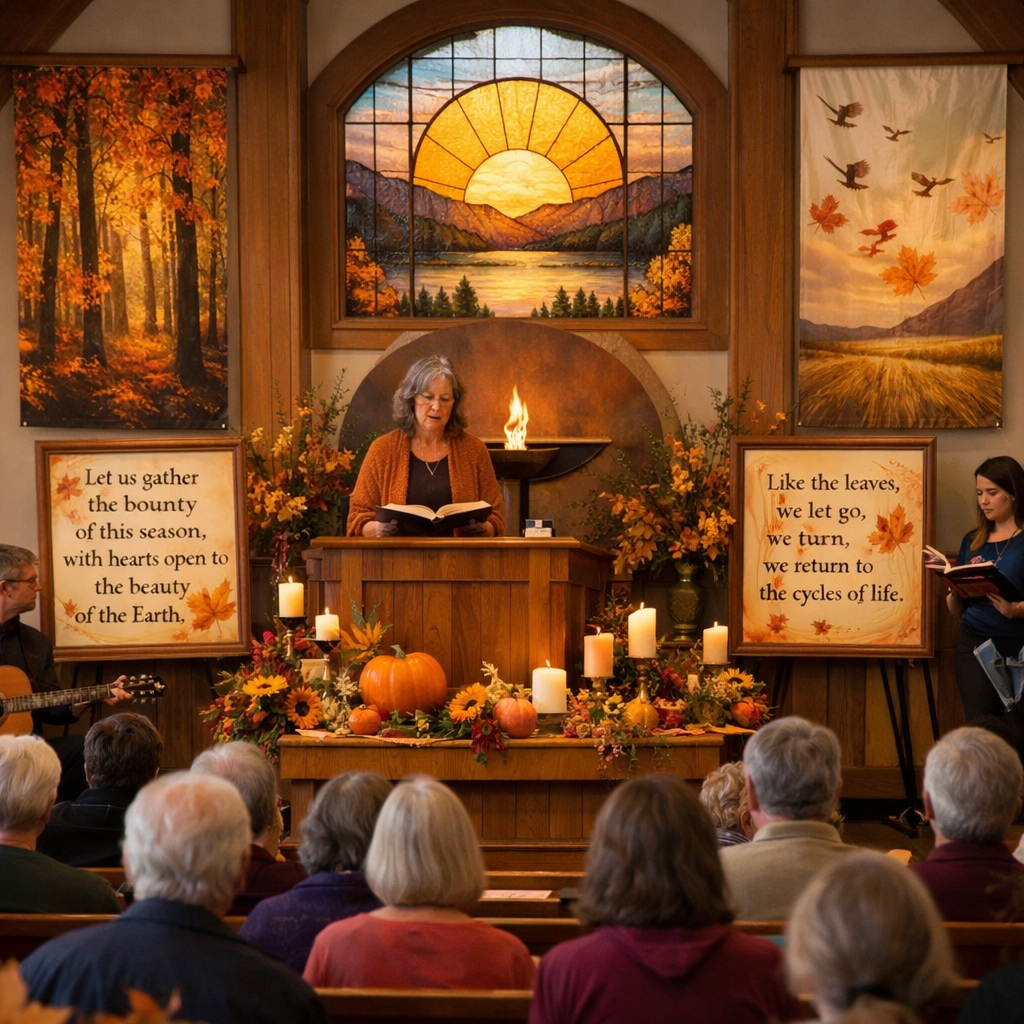
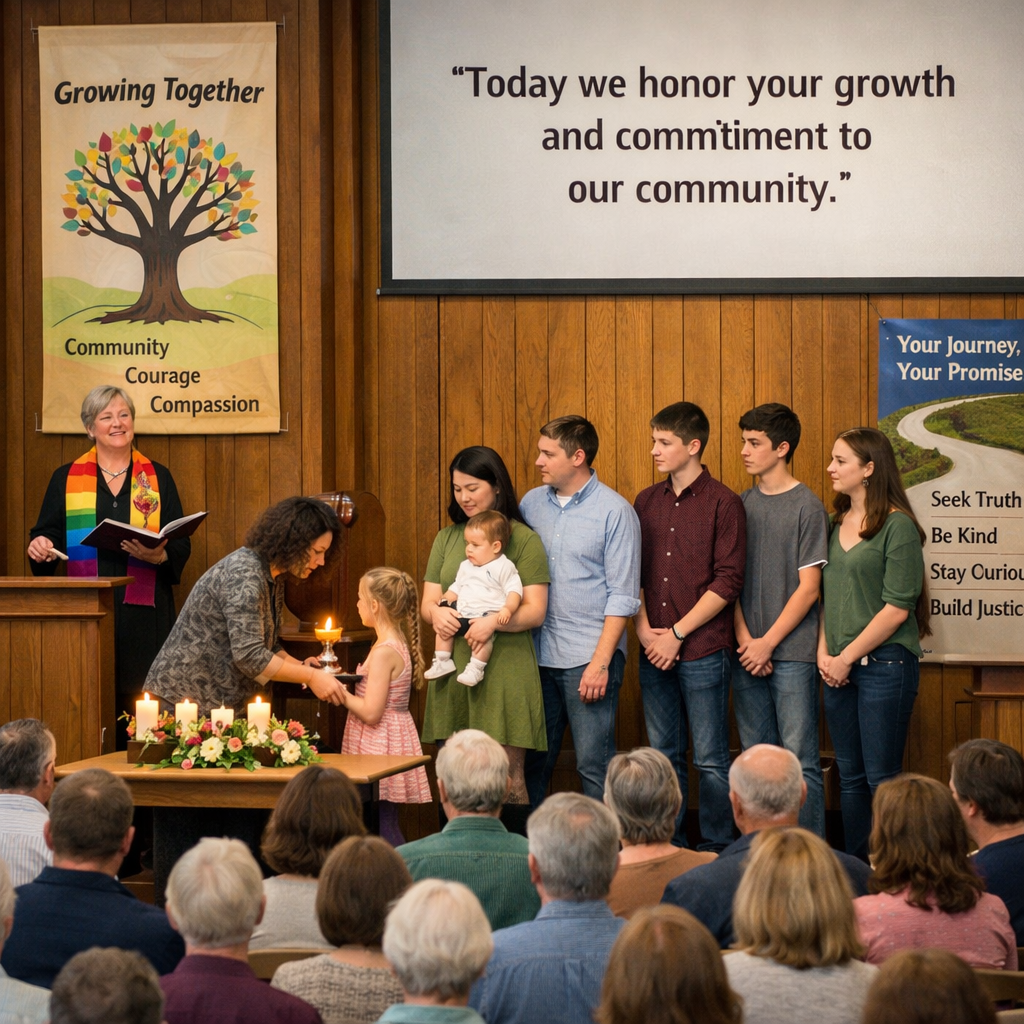
Worship : Weekly services including readings, music, reflection.Rites of passage : Child dedication, coming-of-age, marriage, memorials.Ethical life : Centered on compassion, justice, and ecological responsibility.Festivals : Vary by congregation; may include solstices, interfaith holidays, and traditional Western observances.
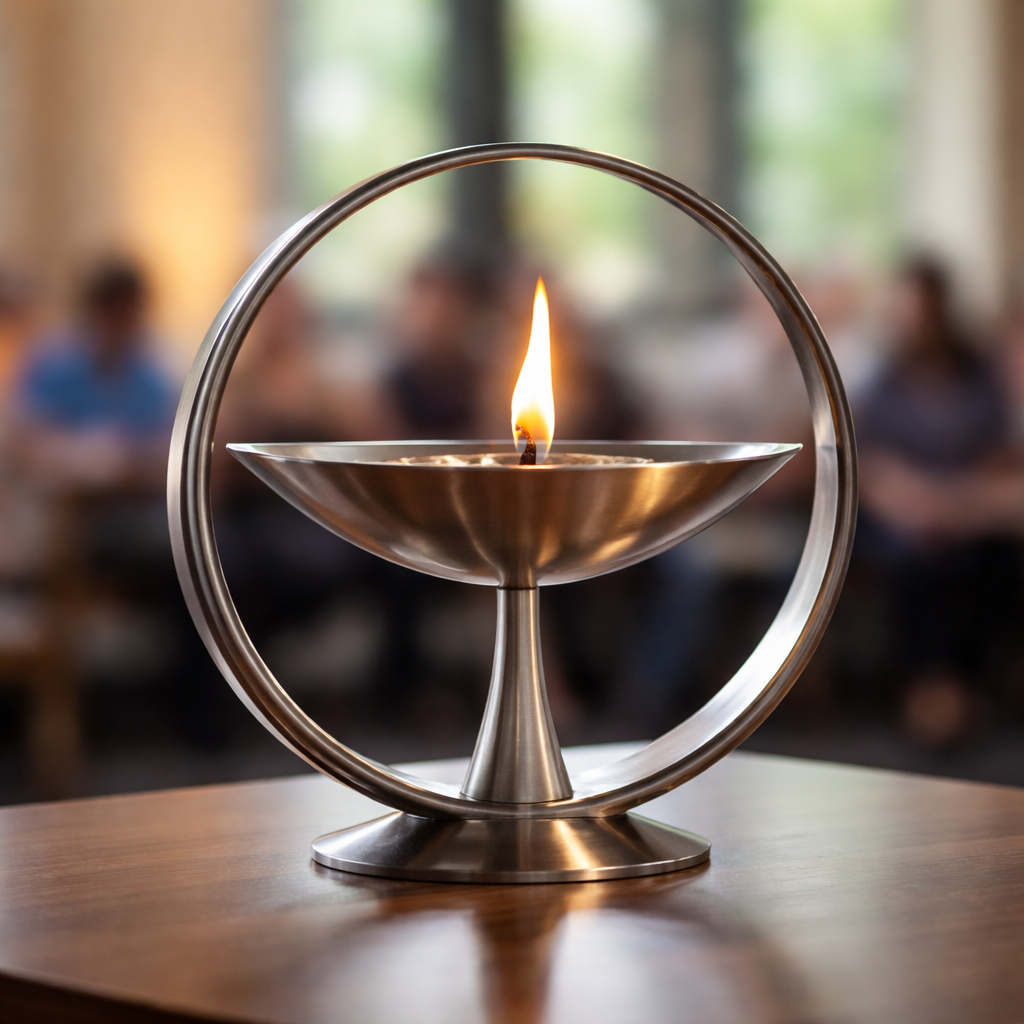
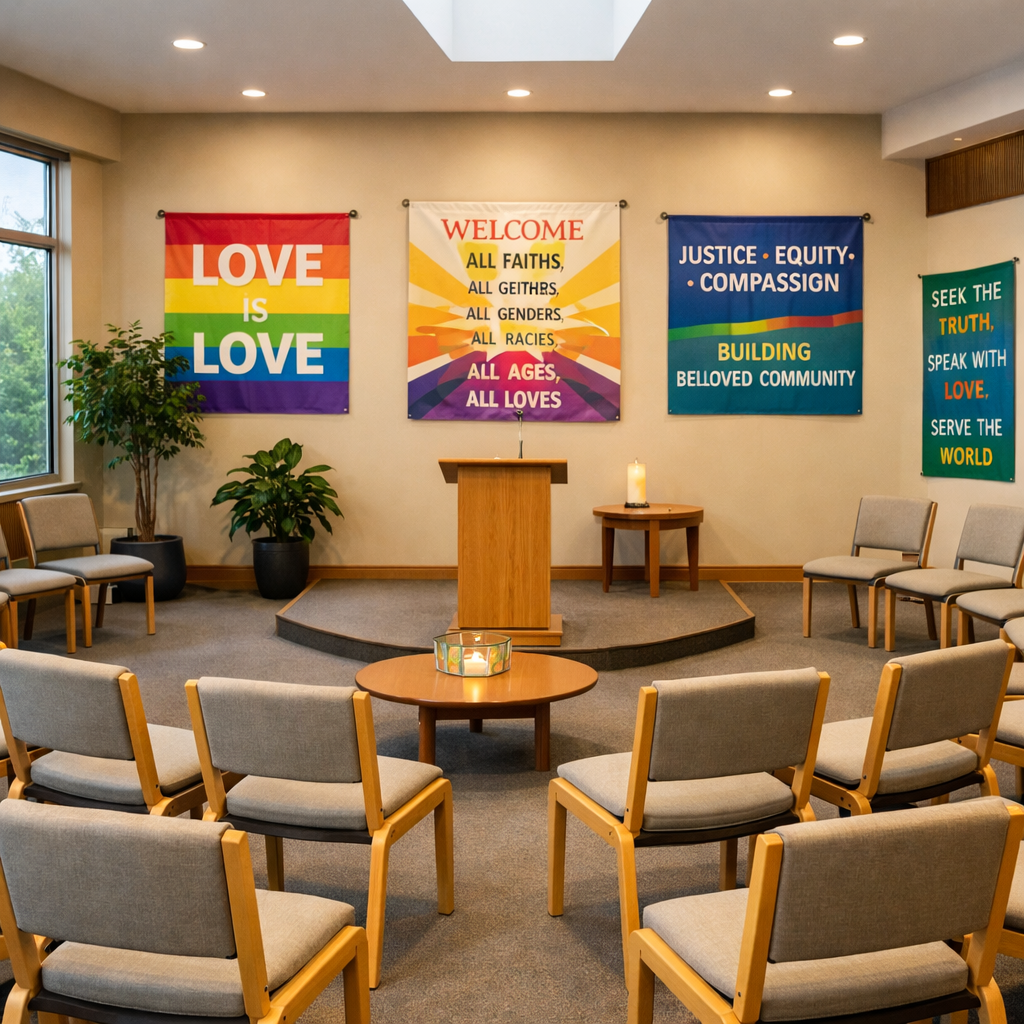
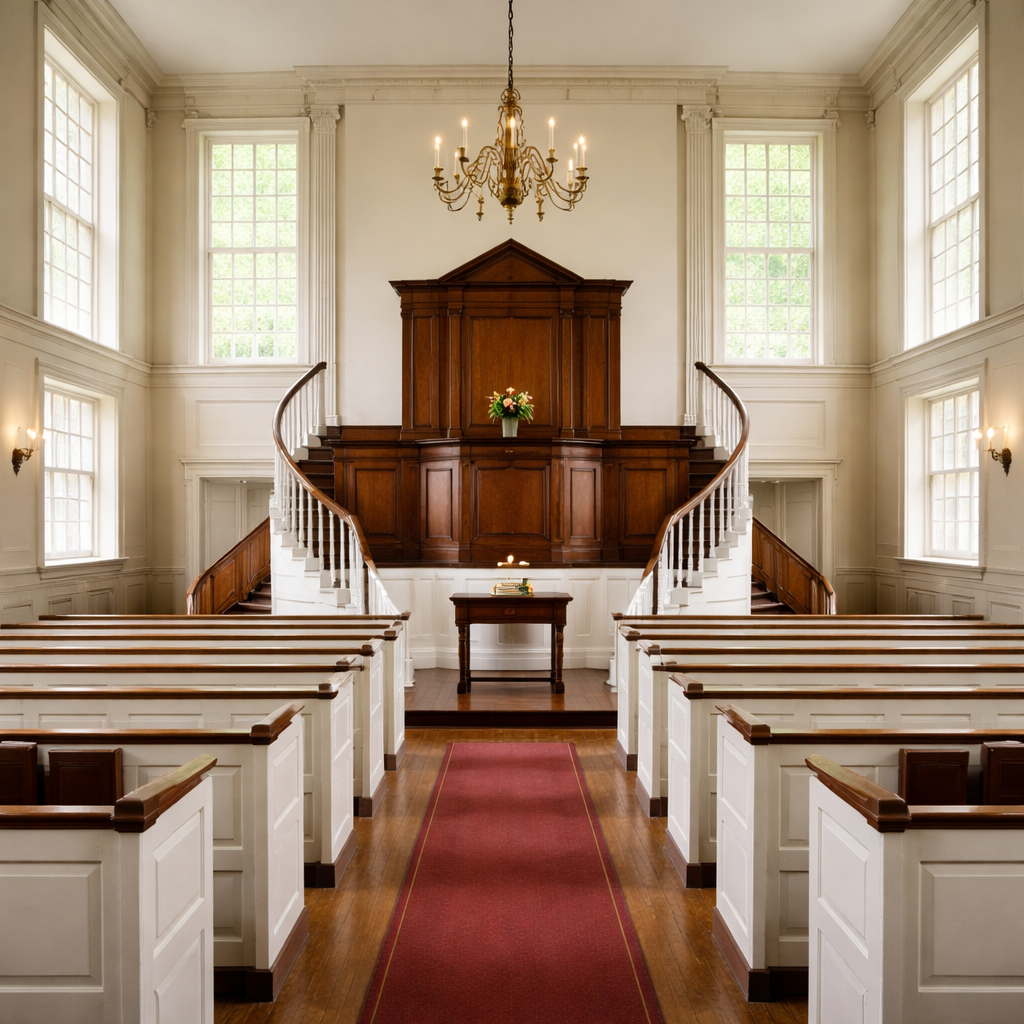
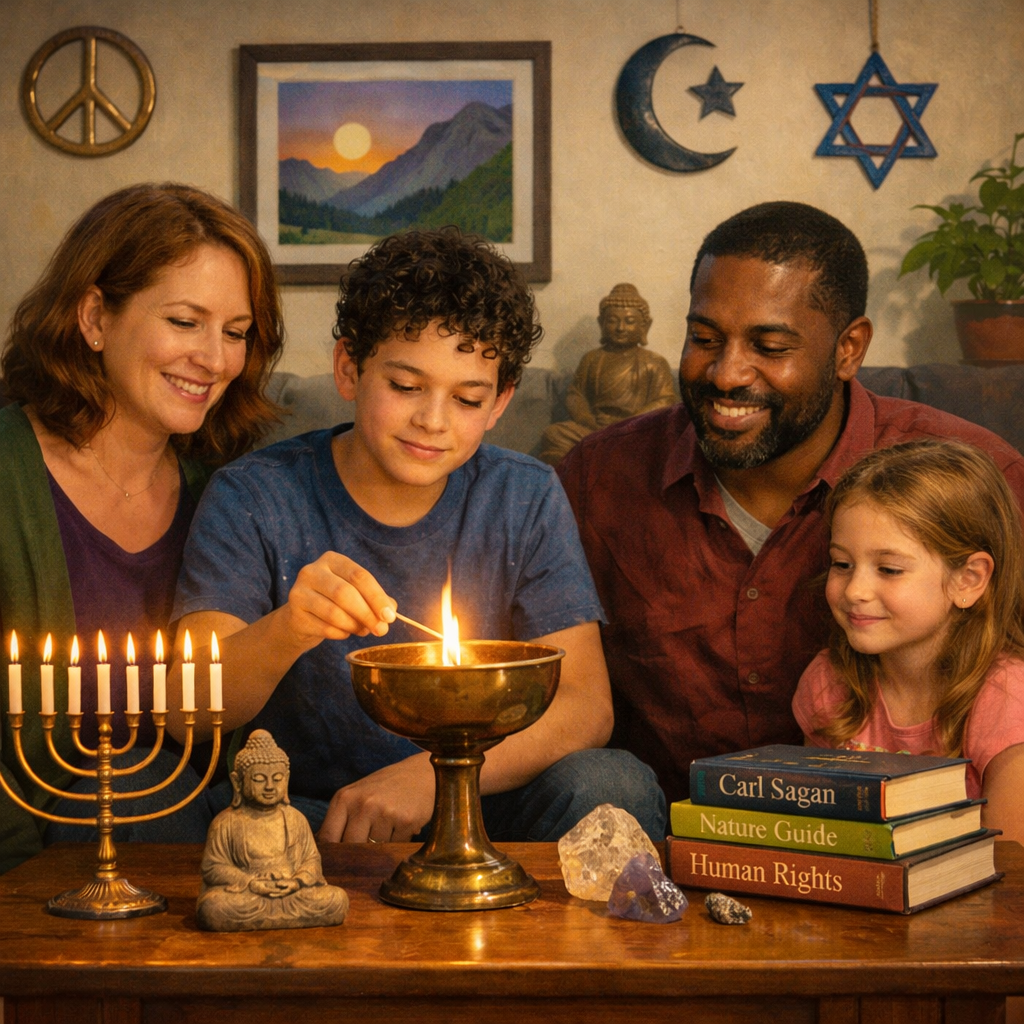
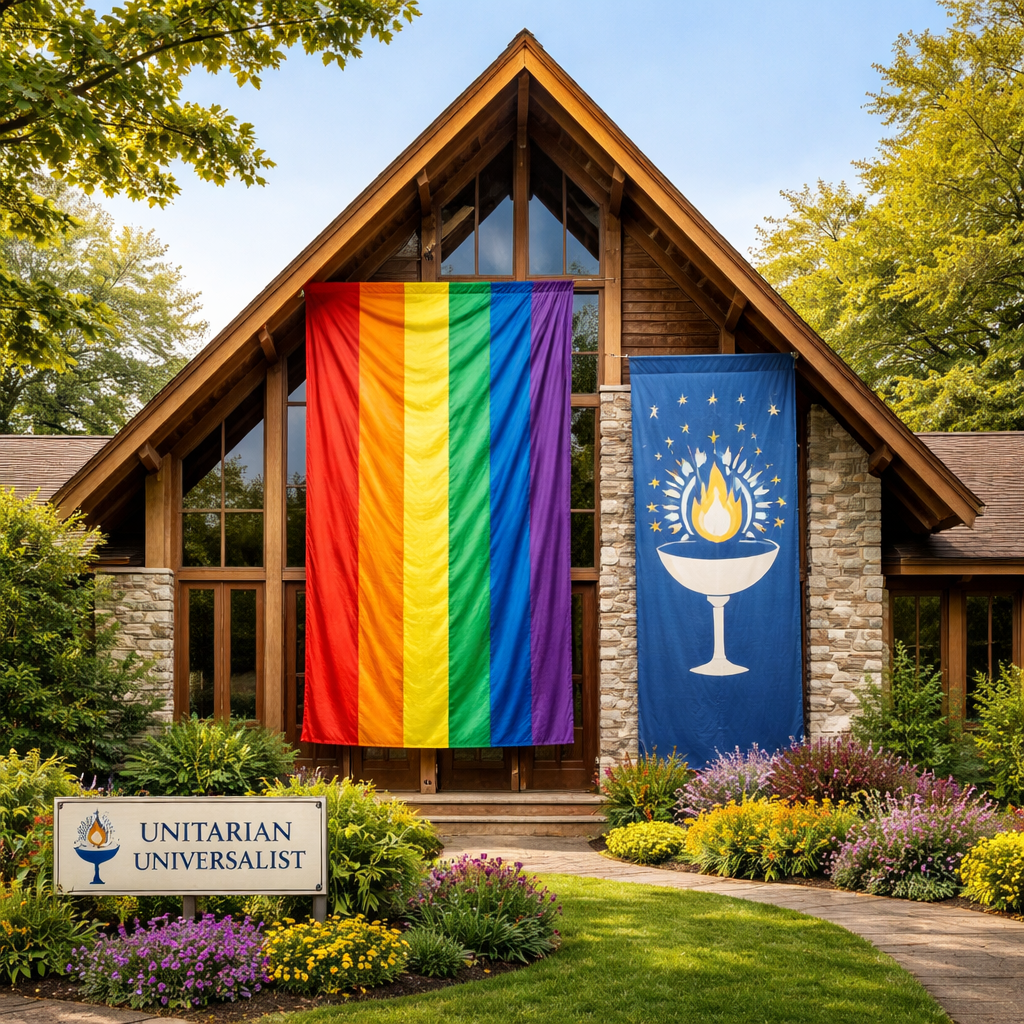
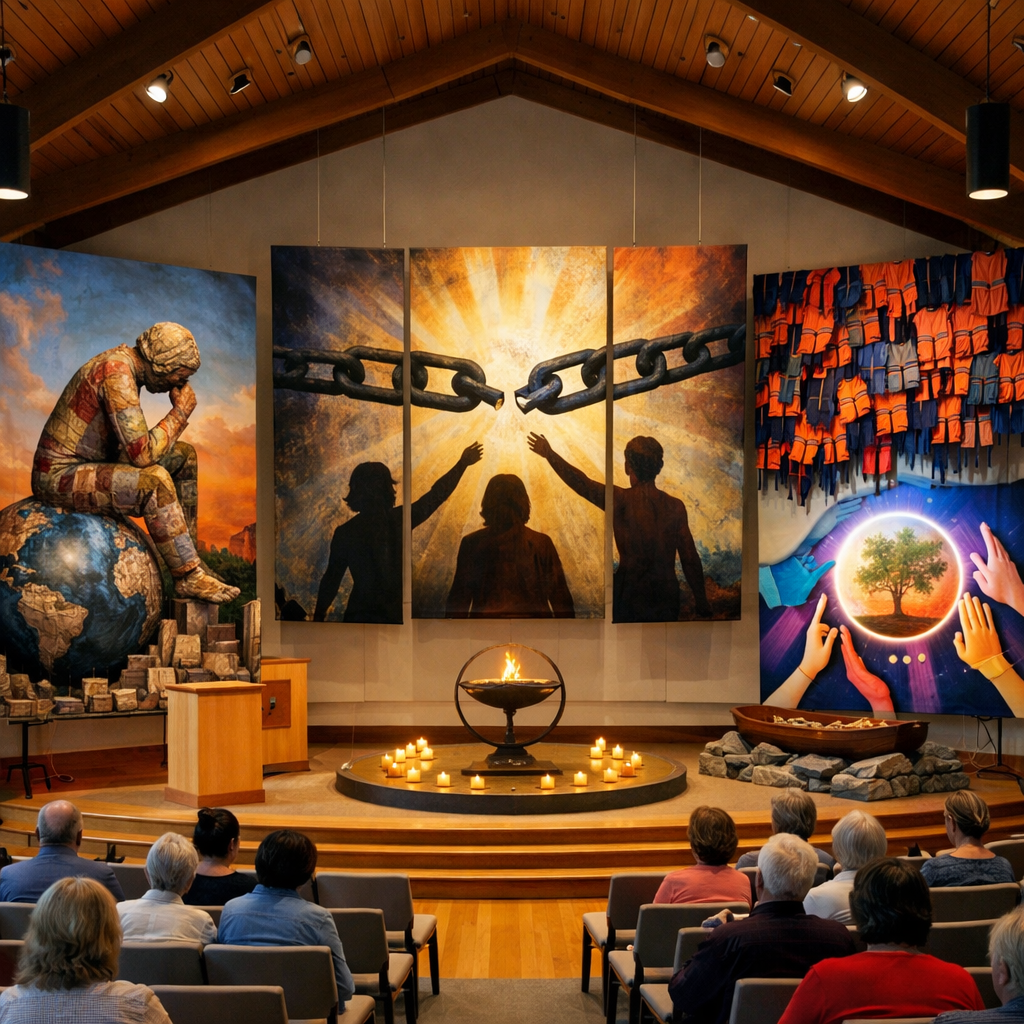
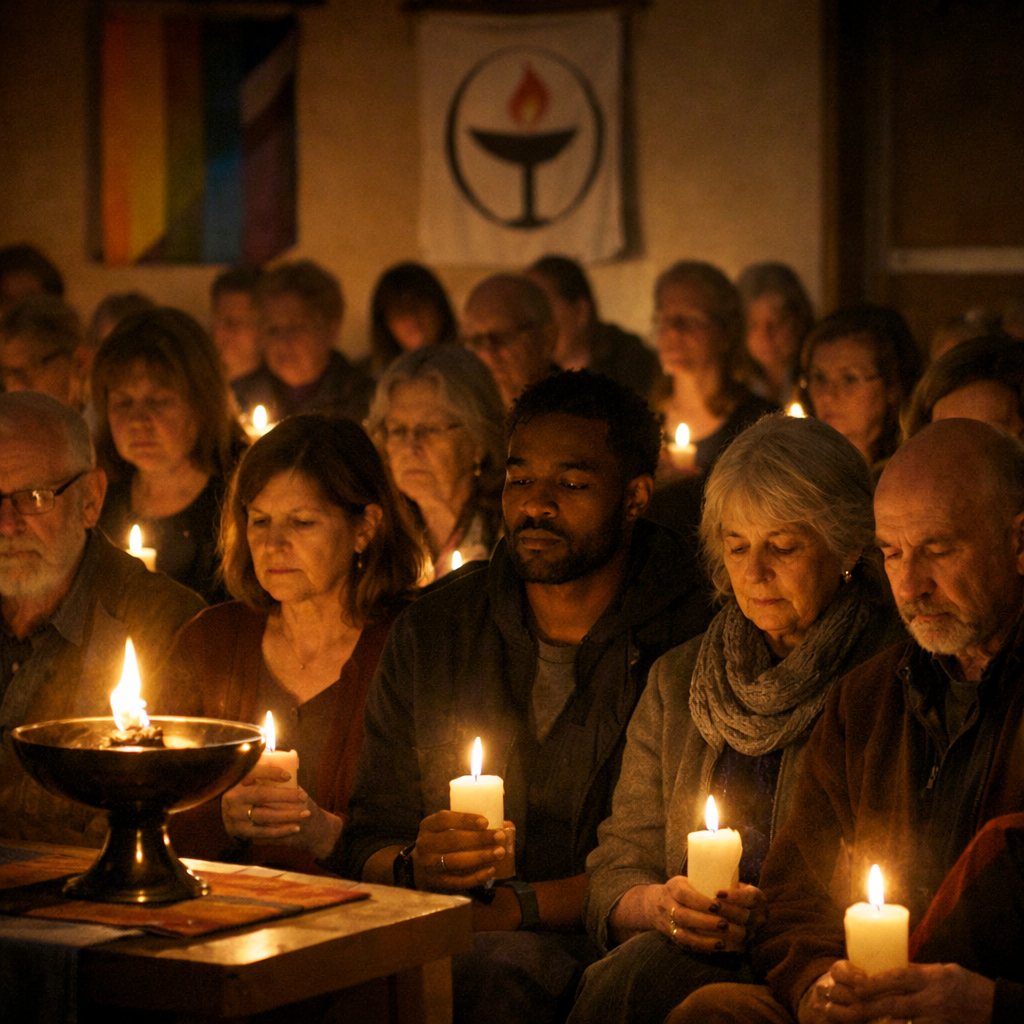
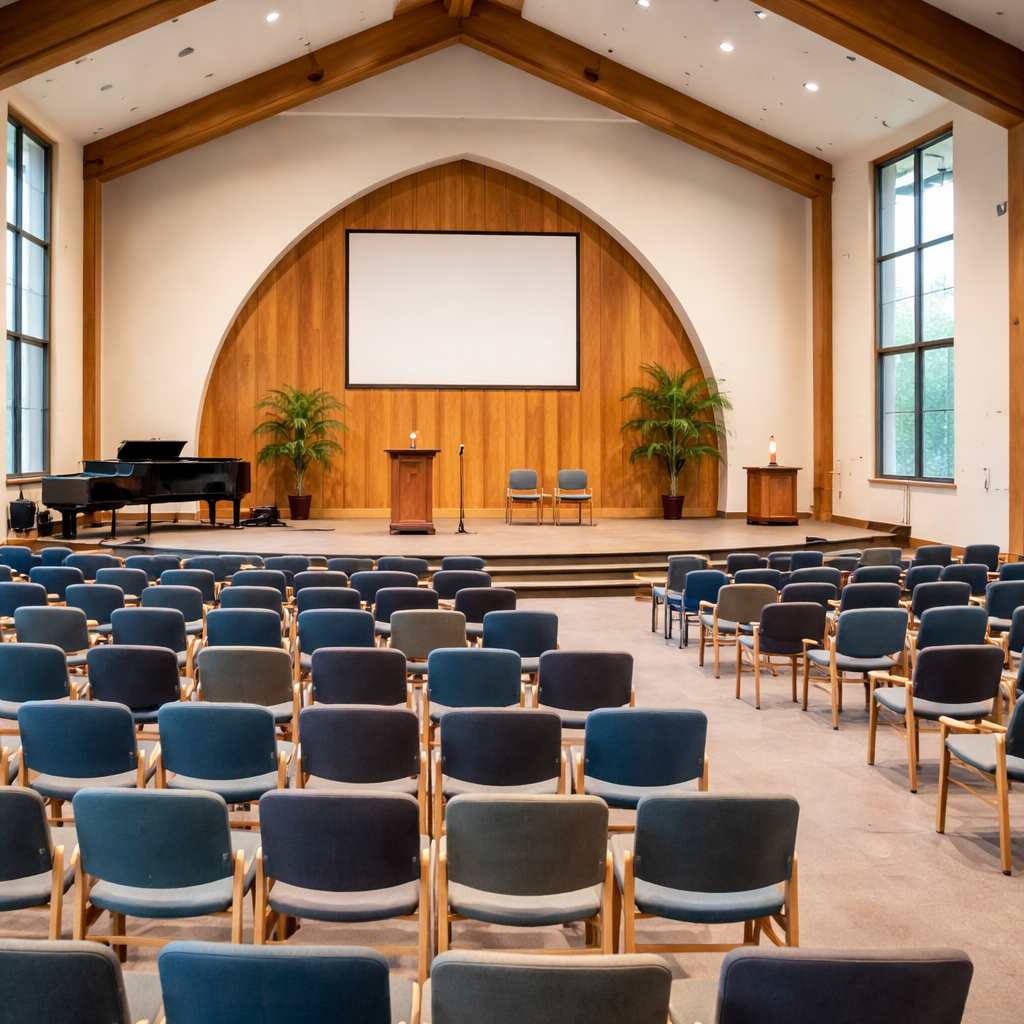
Meetinghouses or fellowship halls : Simple, community-oriented spaces.Symbols : Flaming Chalice, interfaith imagery.Art : Diverse expressions from multiple faith traditions.Sacred sites : UUA headquarters in Boston; local congregations serve as community centers.
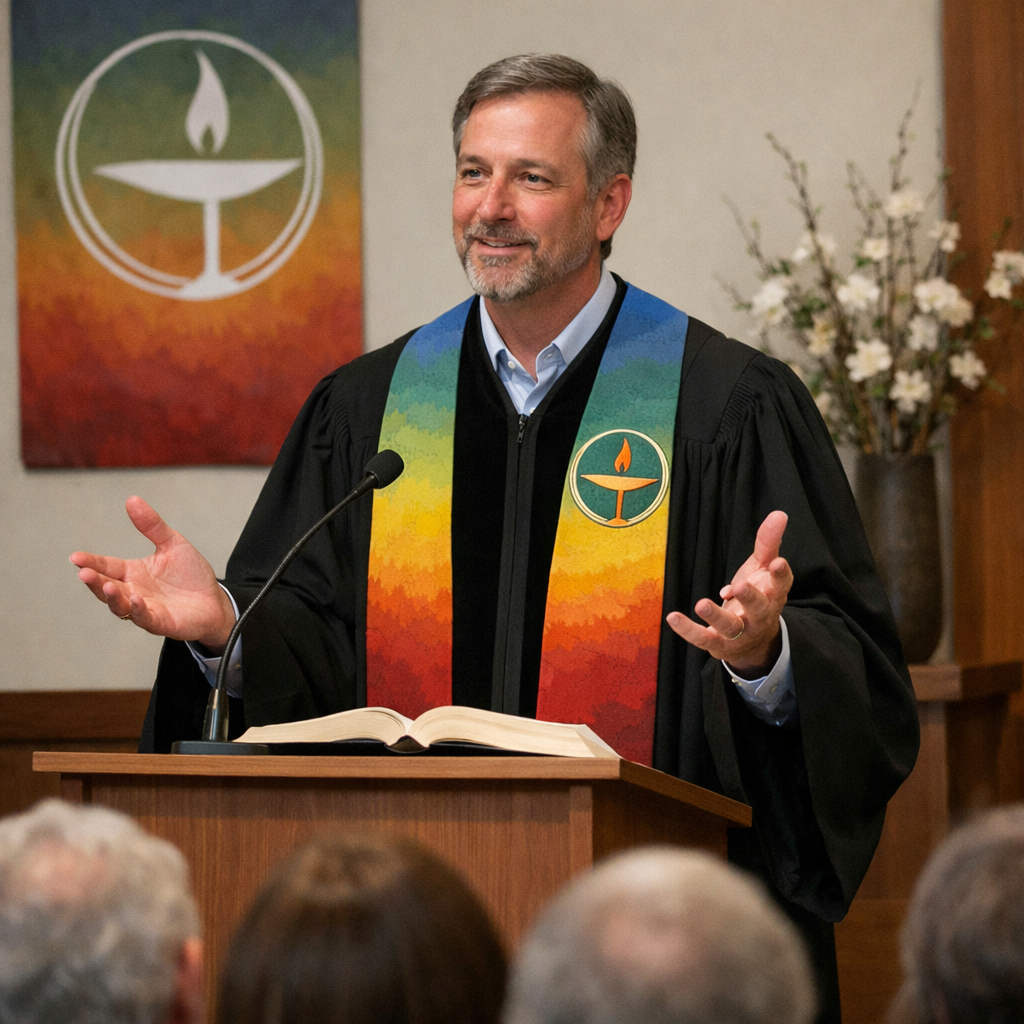
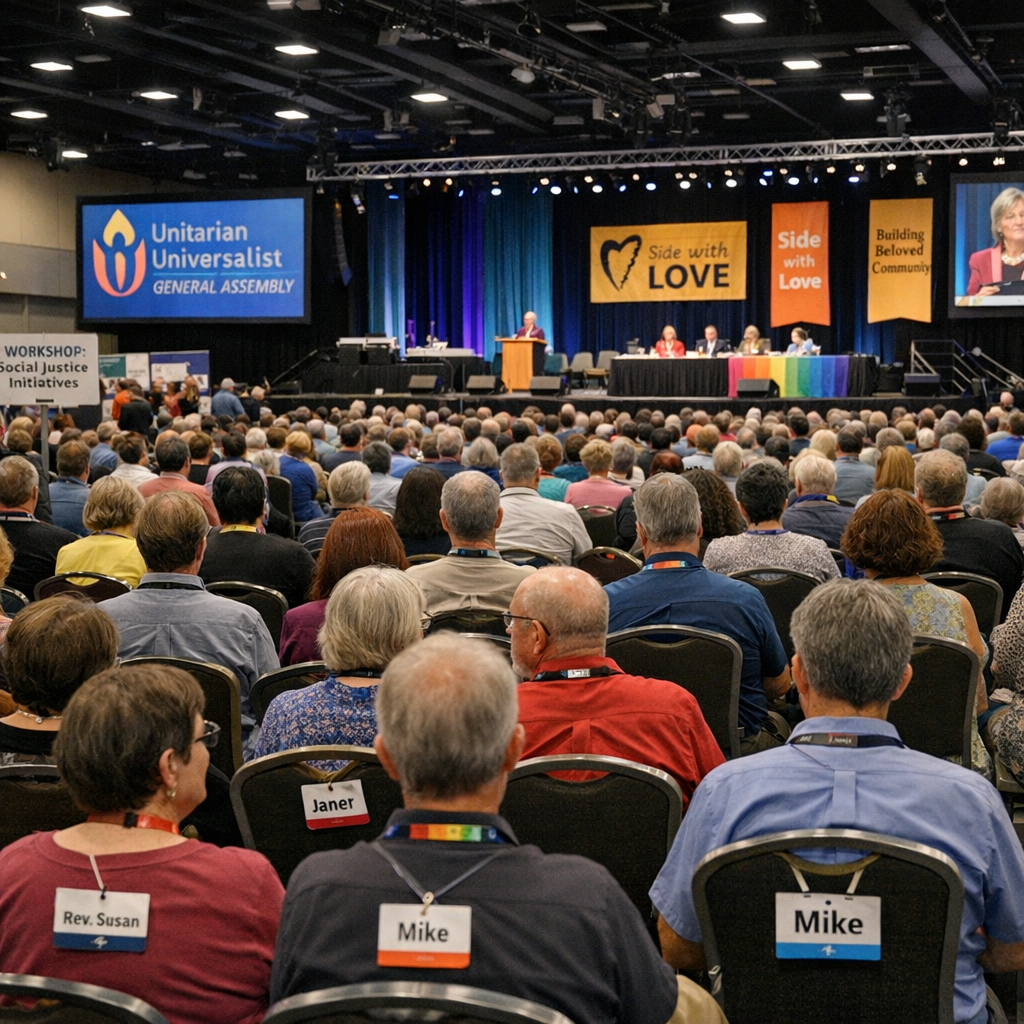
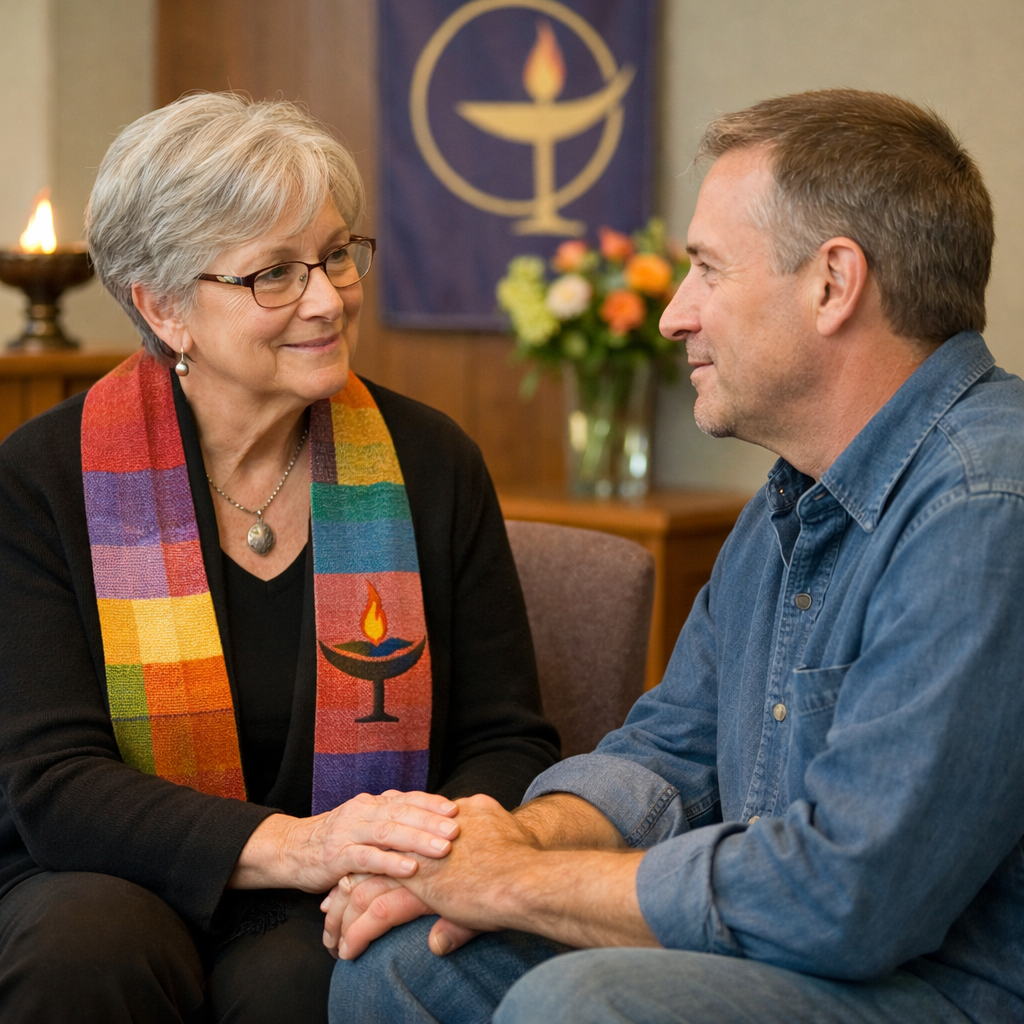
Clergy : Ordained ministers; lay leaders also central.Institutions : Unitarian Universalist Association (UUA), International Council of Unitarians and Universalists (ICUU).Decision-making : Democratic congregational polity.Education : Religious education programs, social justice ministries, seminaries (e.g., Starr King School, Meadville Lombard).
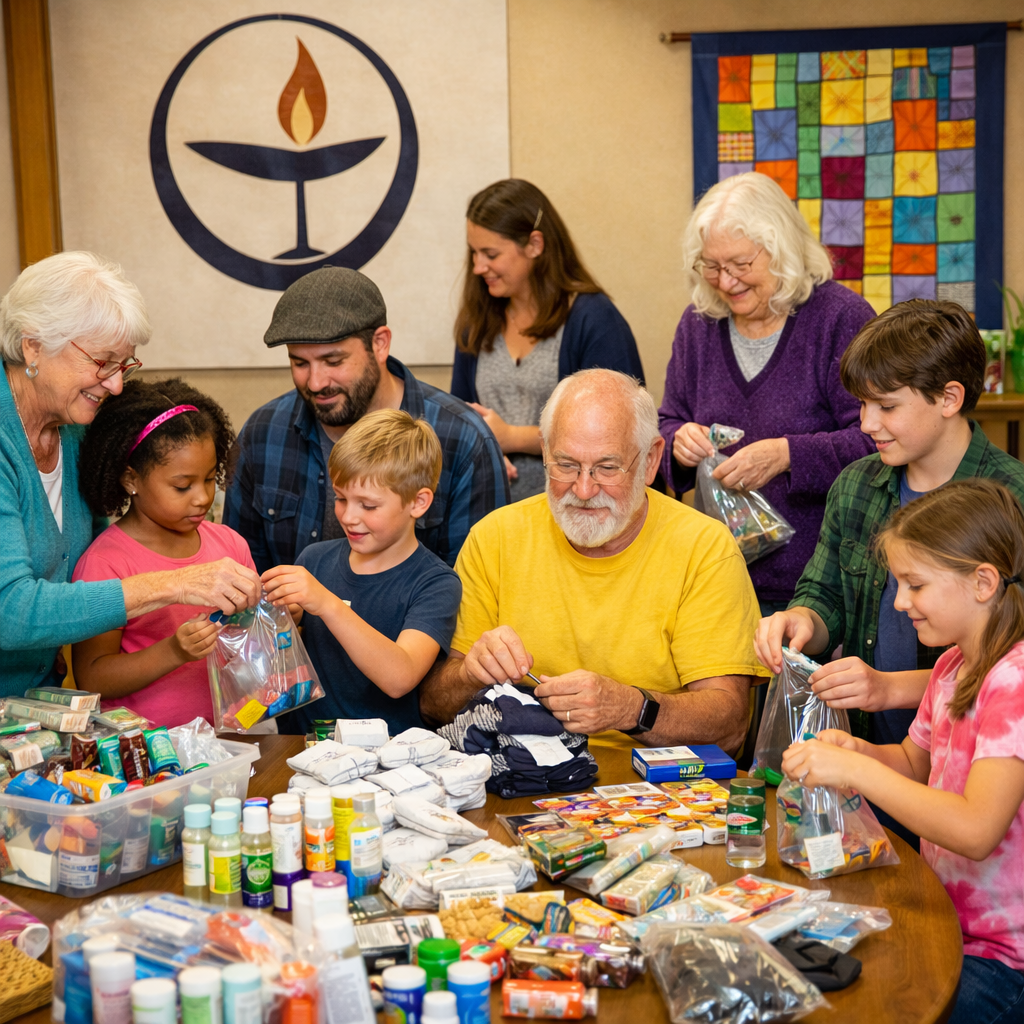
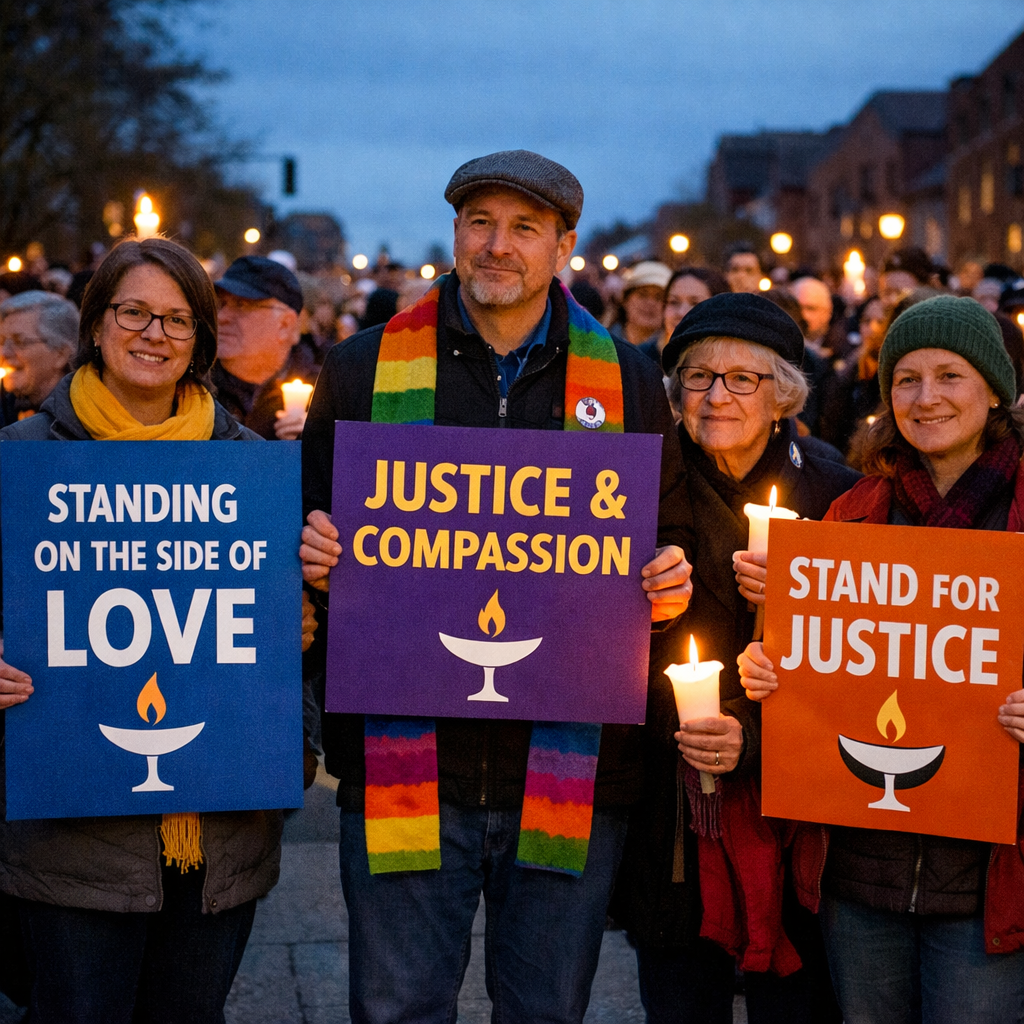
Advocates for civil rights, gender equality, LGBTQ+ inclusion, environmental justice, and peace.
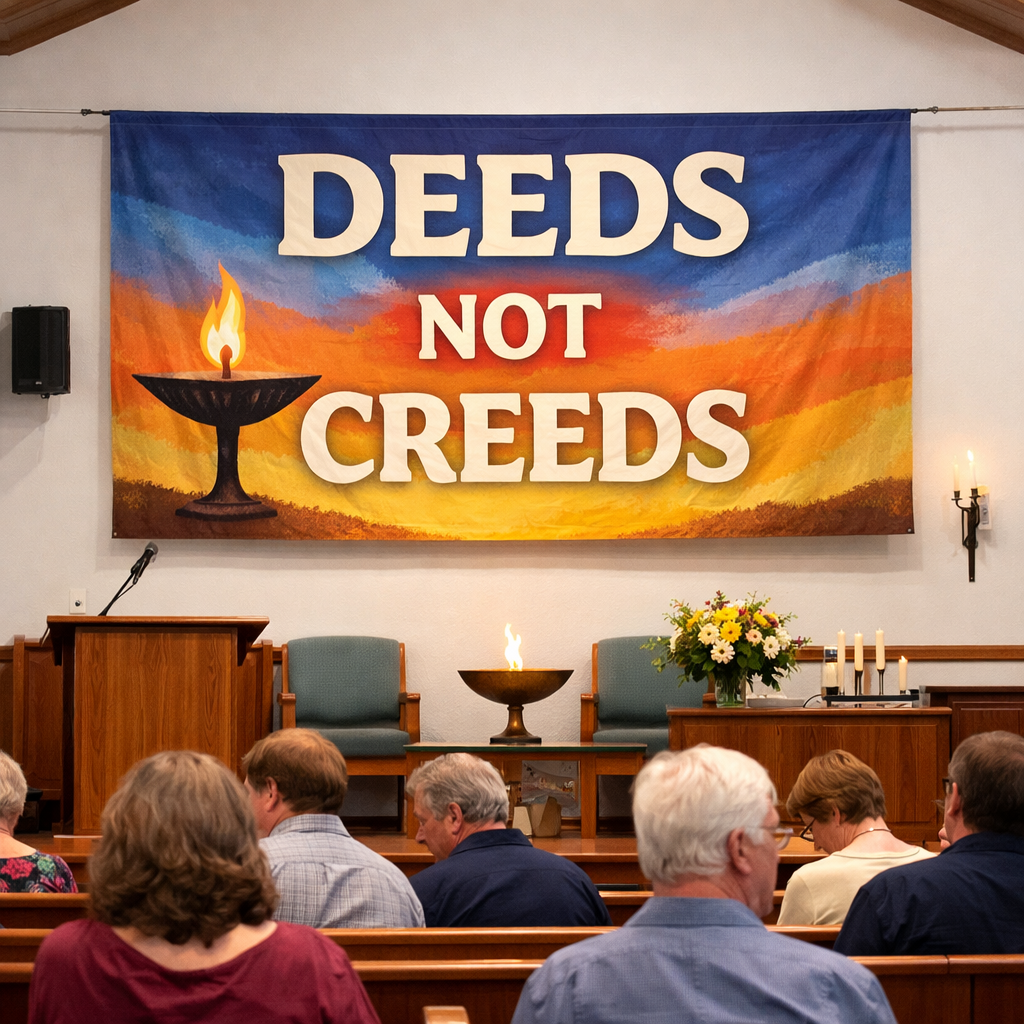
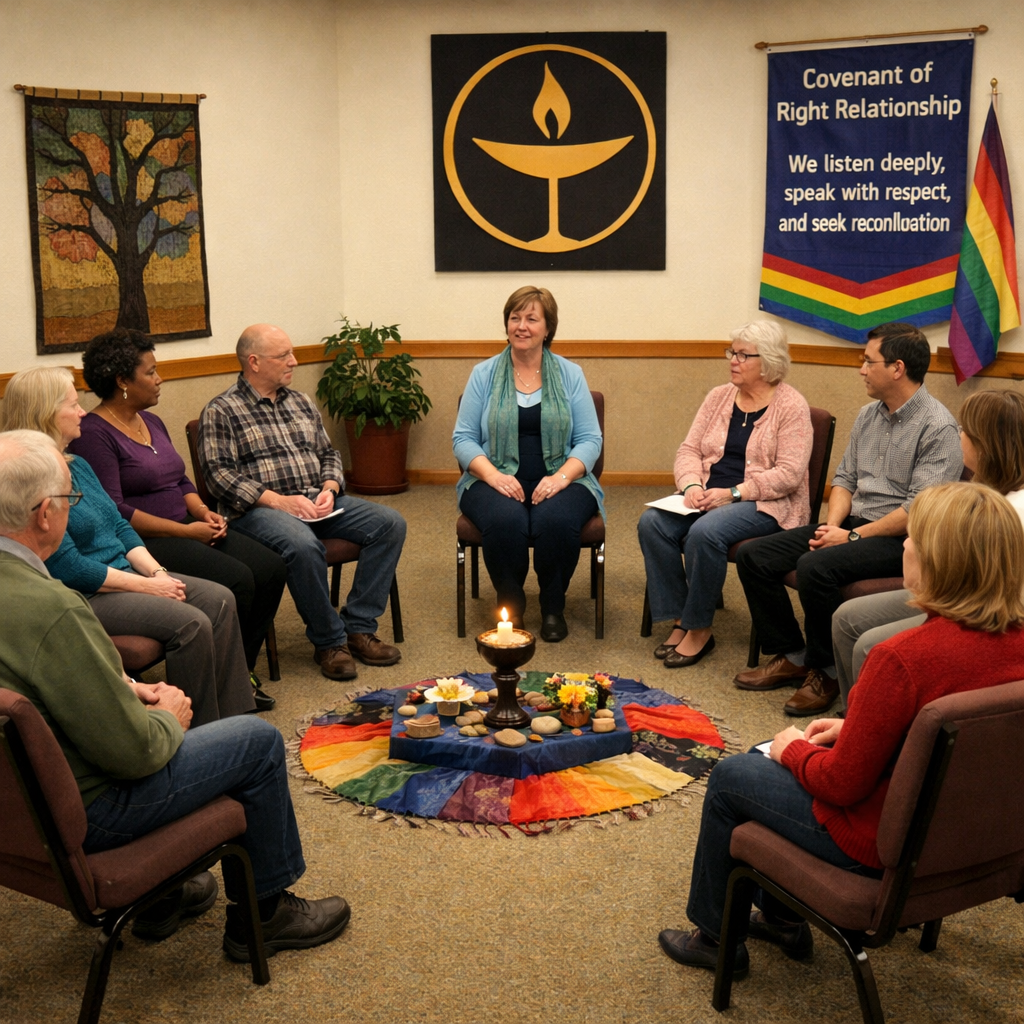
Moral code : Seven Principles guiding ethical action.Law : No ecclesiastical law; congregations self-governing.Community : Voluntary association based on covenant rather than creed.
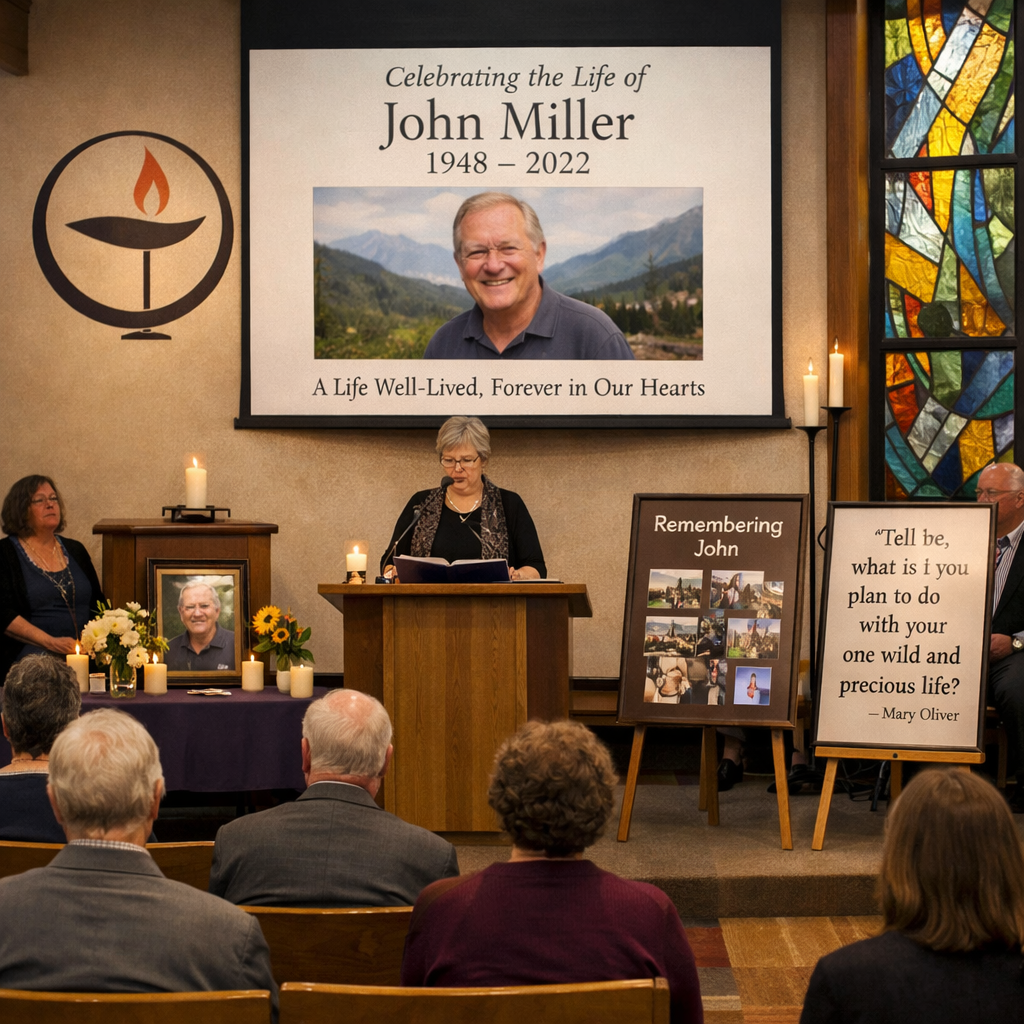
Beliefs : Diverse—ranging from spiritual continuation to natural return to the cosmos.Rituals : Memorial services emphasizing remembrance and meaning of life.Judgment : Ethical accountability understood as human and communal, not divine.Hope : In human progress, legacy, and love’s enduring influence.
Symbols : Flaming Chalice (light of truth, warmth of community).Numbers : Seven Principles, Six Sources.Art : Inclusive and multicultural.Literature : Sermons, essays, poetry emphasizing conscience and freedom.
Early : Roots in Reformation Christianity.Enlightenment : Rationalism and humanism expand theology.19th–20th c. : Social gospel, transcendentalism, and humanist influence.Modern : Interfaith and global partnerships; engagement in social justice, ecology, and ethics.Today : Non-creedal, inclusive, evolving religious movement emphasizing unity through diversity
The Religion that I Love