High Medieval
Philosophers of High Medieval
Showing 28 of 28 philosophers.
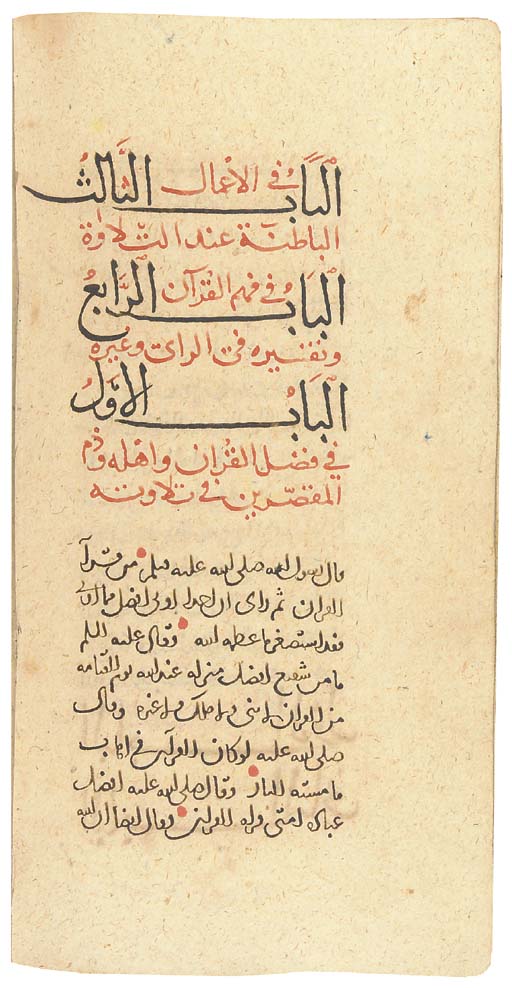
Abu Hamid al-Ghazali
1058 CE – 1111 CE
Tus, Khorasan
Persian Sunni theologian, jurist, mystic, and philosopher whose work transformed kalam, ethics, logic, Sufism, and the reception of Avicennian philosophy.
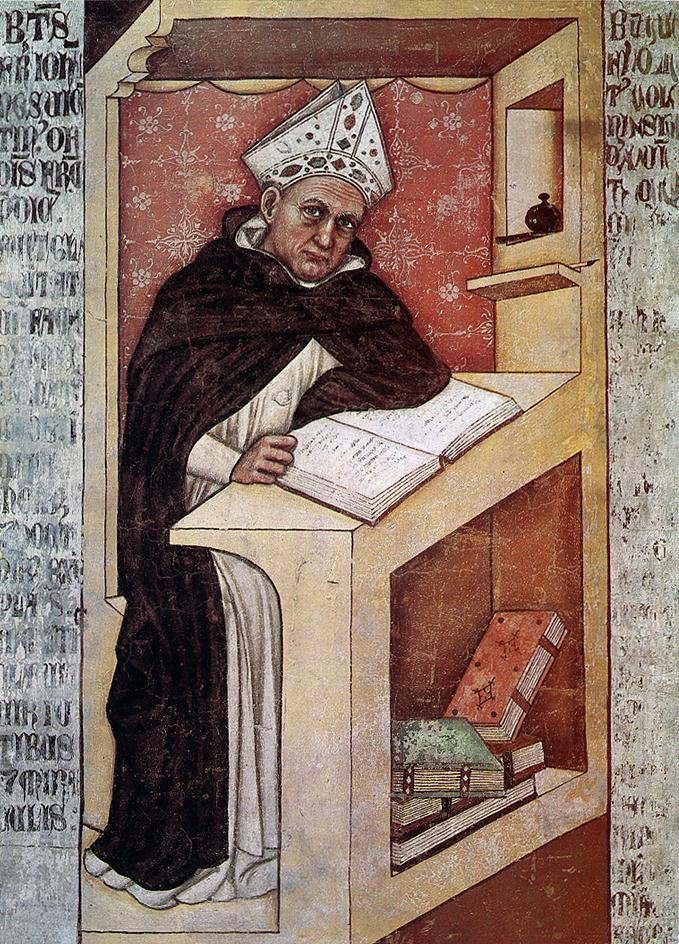
Albertus Magnus
1200 CE – 1280 CE
Lauingen (Swabia)
German Dominican philosopher and natural scientist whose Aristotelian commentaries, theology, logic, ethics, psychology, and natural philosophy shaped medieval scholastic thought.
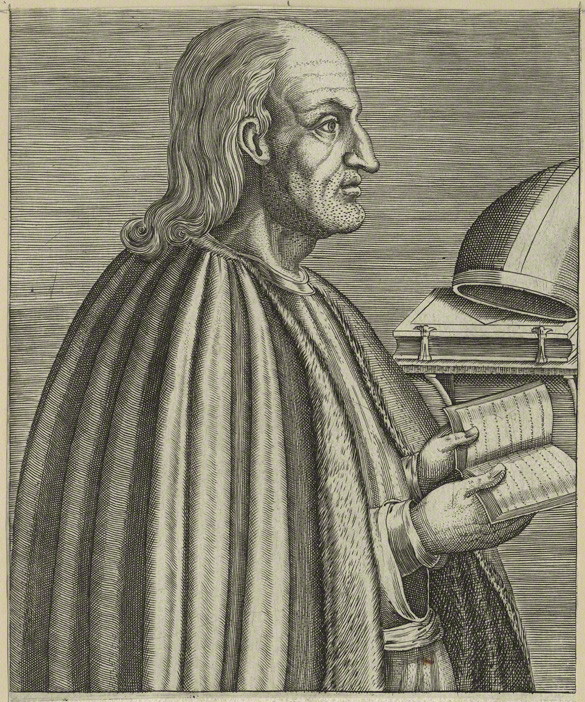
Anselm of Canterbury
1033 CE – 1109 CE
Aosta
Benedictine philosopher-theologian from Aosta whose faith-seeking-understanding method, ontological argument, account of truth, freedom, sin, atonement, and semantic analysis shaped medieval scholastic philosophy.
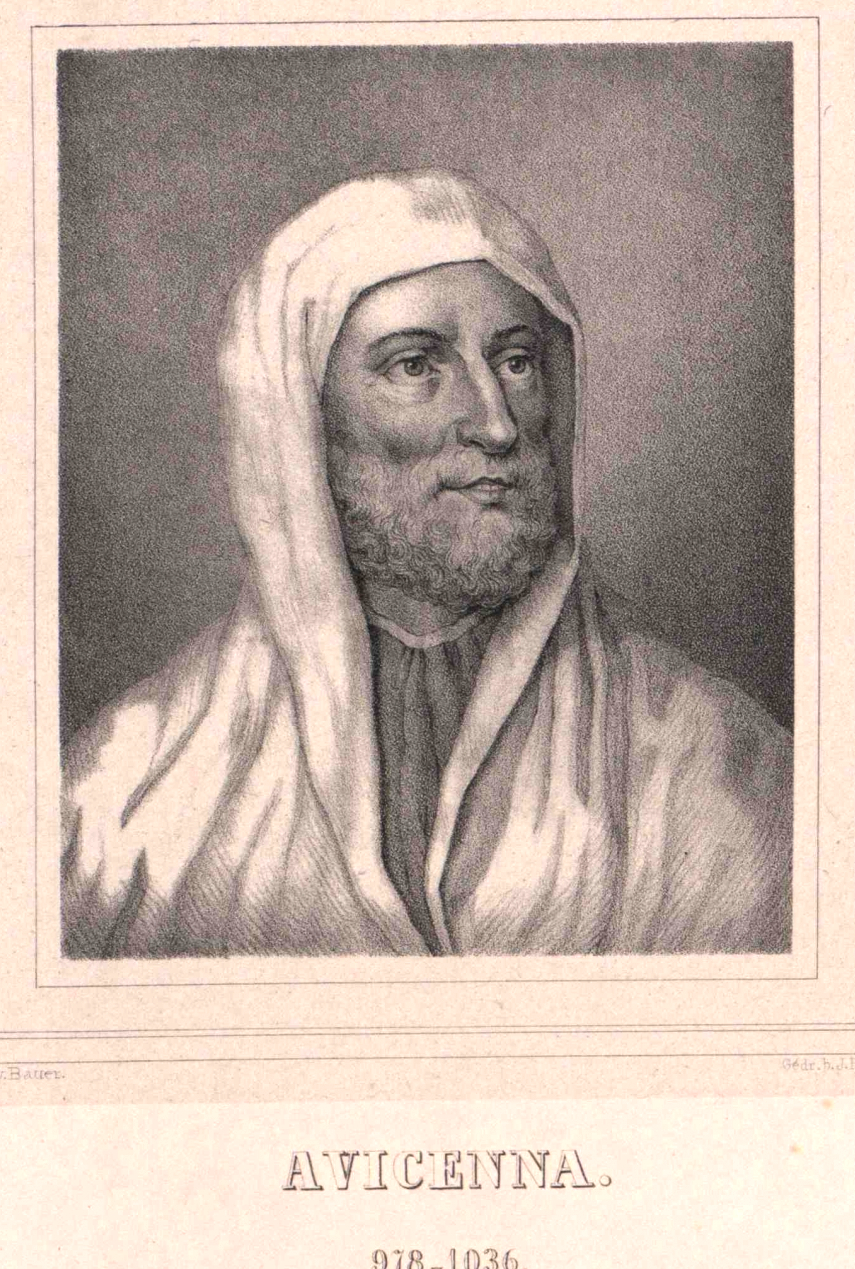
Avicenna
980 CE – 1037 CE
Afshana, near Bukhara
Persian philosopher-physician from Afshana near Bukhara whose system of metaphysics, essence/existence distinction, psychology, logic, medicine, natural philosophy, prophecy theory, and proof of the Necessary Existent shaped Islamic, Jewish, Latin scholastic, and early modern thought.
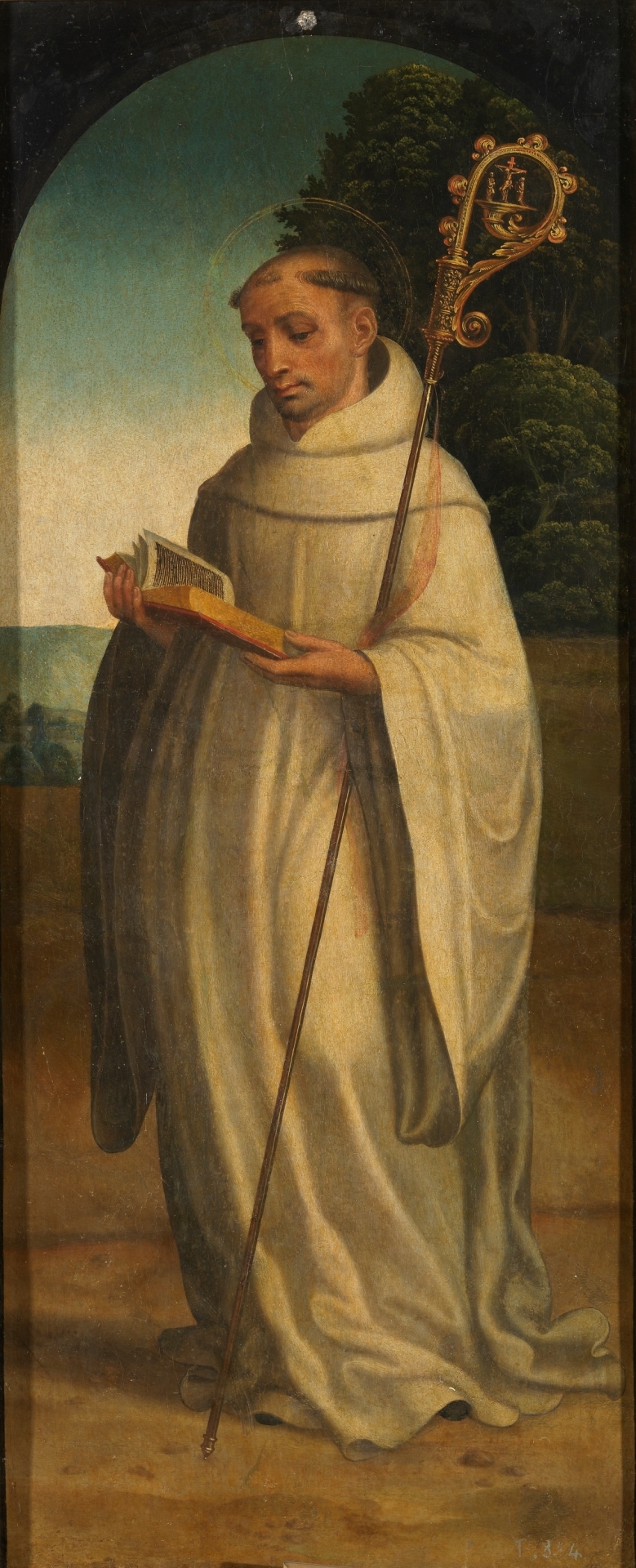
Bernard of Clairvaux
1090 CE – 1153 CE
Fontaine-lès-Dijon
Cistercian monk, abbot of Clairvaux, and medieval Christian philosopher-theologian whose theology of love, humility, grace, free choice, mystical ascent, monastic ethics, scriptural exegesis, and ecclesial counsel shaped scholastic, monastic, and political theology.
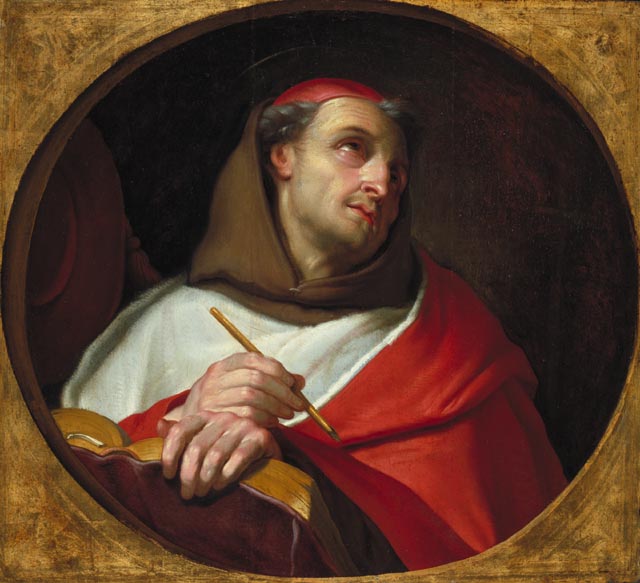
Bonaventure
1217 CE – 1274 CE
Bagnoregio
Franciscan philosopher-theologian from Bagnoregio, minister general and cardinal bishop, whose exemplarist metaphysics, divine illumination epistemology, theology of creation, soul's ascent to God, account of the arts, Franciscan poverty, Trinitarian thought, and mystical theology shaped medieval scholastic and Franciscan philosophy.
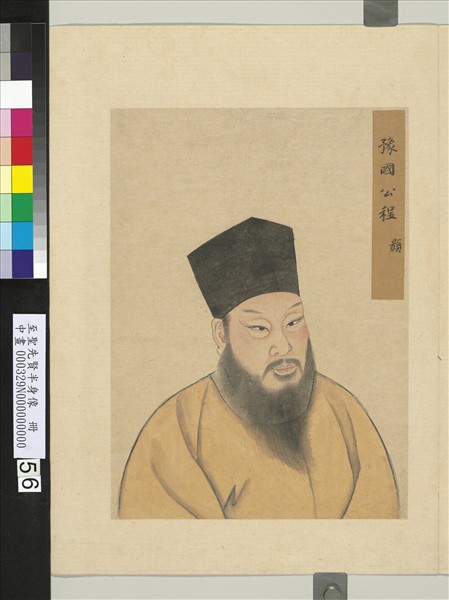
Cheng Hao
1032 CE – 1085 CE
Huangpi, Hubei
Northern Song Neo-Confucian philosopher known as Mingdao whose teaching on ren, li, intuitive moral knowing, reverent self-cultivation, stabilizing nature, and forming one body with all things shaped Cheng-Zhu learning, Lu-Wang learning, and later Confucian moral metaphysics.
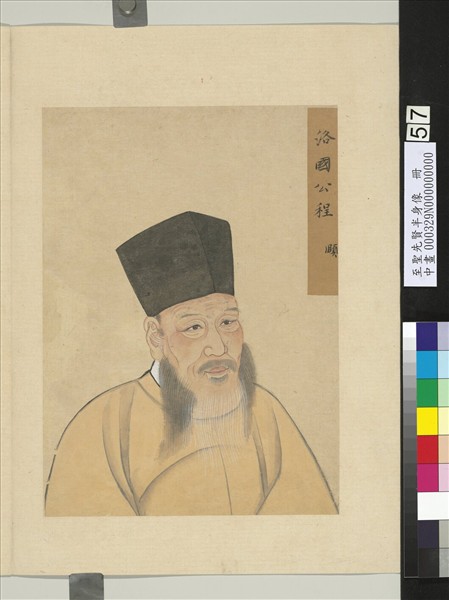
Cheng Yi
1033 CE – 1107 CE
Luoyang, Henan
Northern Song Neo-Confucian philosopher known as Yichuan whose rigorous account of li, investigation of things, reverent self-cultivation, moral psychology, and classical commentary shaped Zhu Xi, Cheng-Zhu learning, and later East Asian Confucian orthodoxy.
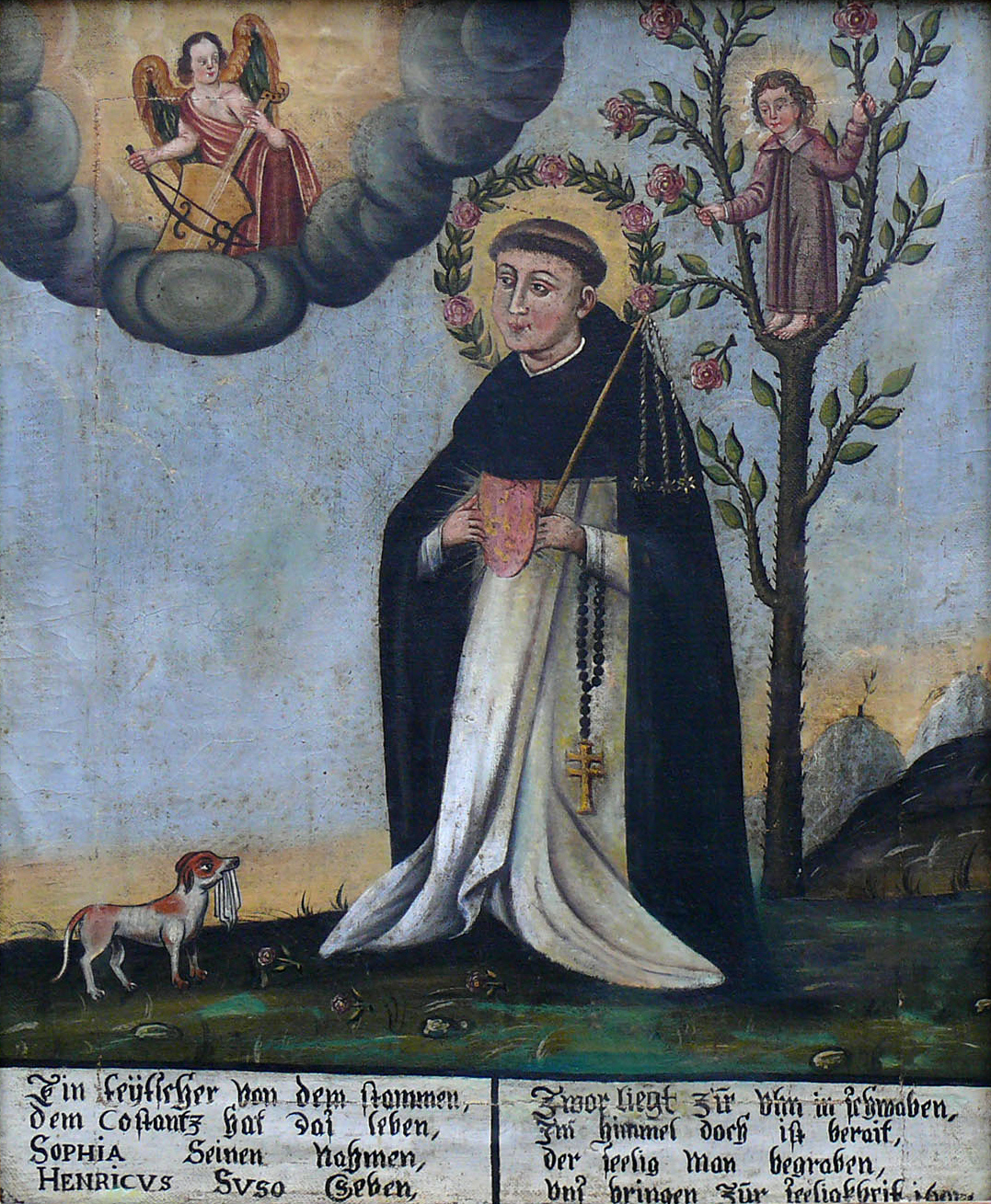
Heinrich Suso
1295 CE – 1366 CE
Constance or Überlingen, Swabia
German Dominican mystic and philosopher of Eternal Wisdom whose Exemplar, Life of the Servant, Little Book of Truth, Little Book of Eternal Wisdom, and Horologium Sapientiae join mystical metaphysics, interior transformation, affective ethics, suffering, counsel, and the limits of religious language.
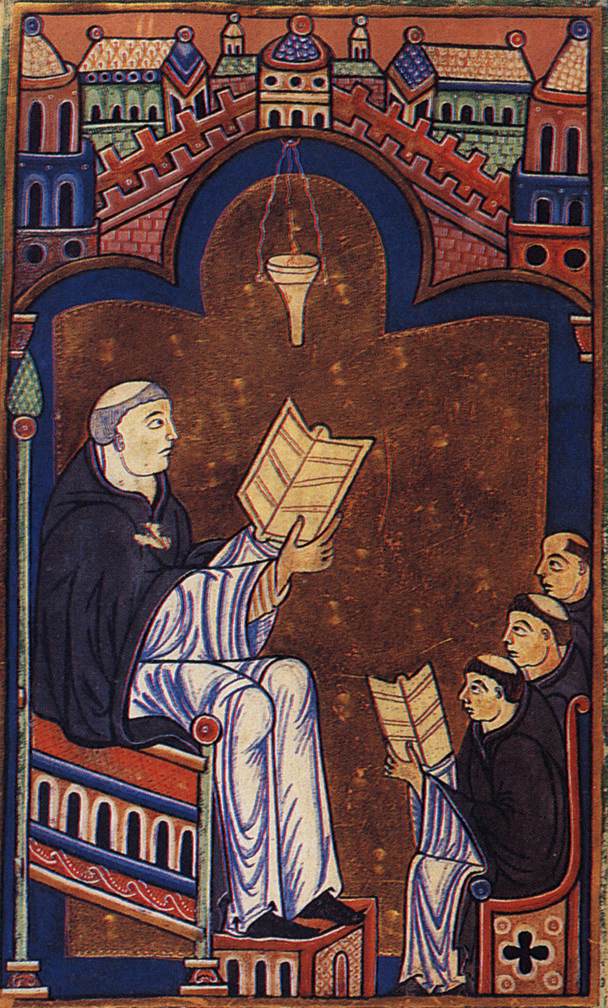
Hugh of St. Victor
1096 CE – 1141 CE
Saxony, probably the Harz/Hamersleben region
Saxon-born Victorine philosopher and theologian whose Didascalicon, De sacramentis, ark imagery, arts curriculum, symbolic exegesis, and contemplative psychology joined learning to spiritual restoration.
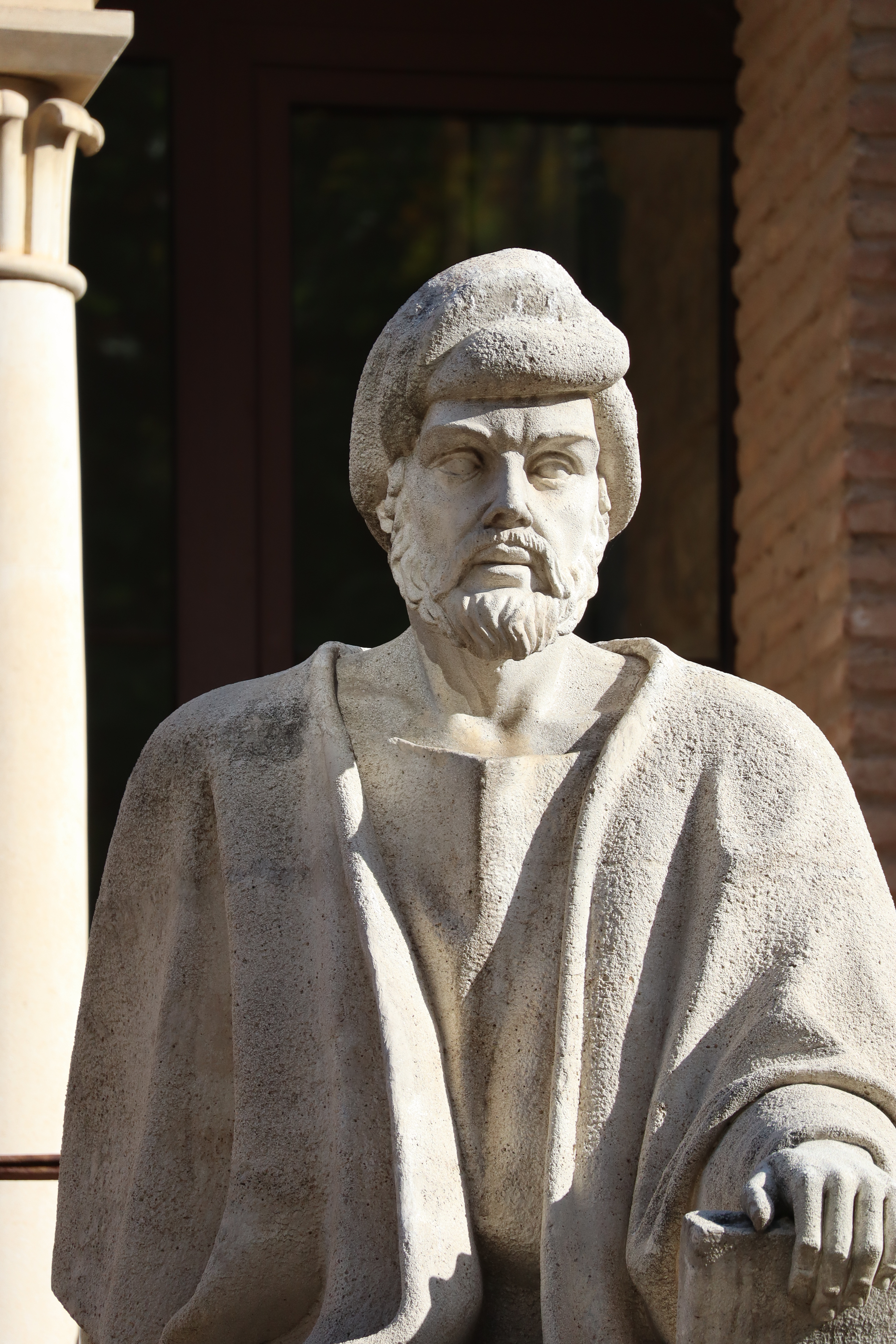
Ibn Rushd (Averroes)
1126 CE – 1198 CE
Córdoba, al-Andalus
Andalusian Arab philosopher, jurist, physician, judge, and Aristotelian commentator whose work in logic, metaphysics, natural philosophy, medicine, law, rhetoric, poetics, and philosophy of religion shaped Islamic, Hebrew, and Latin philosophical traditions.
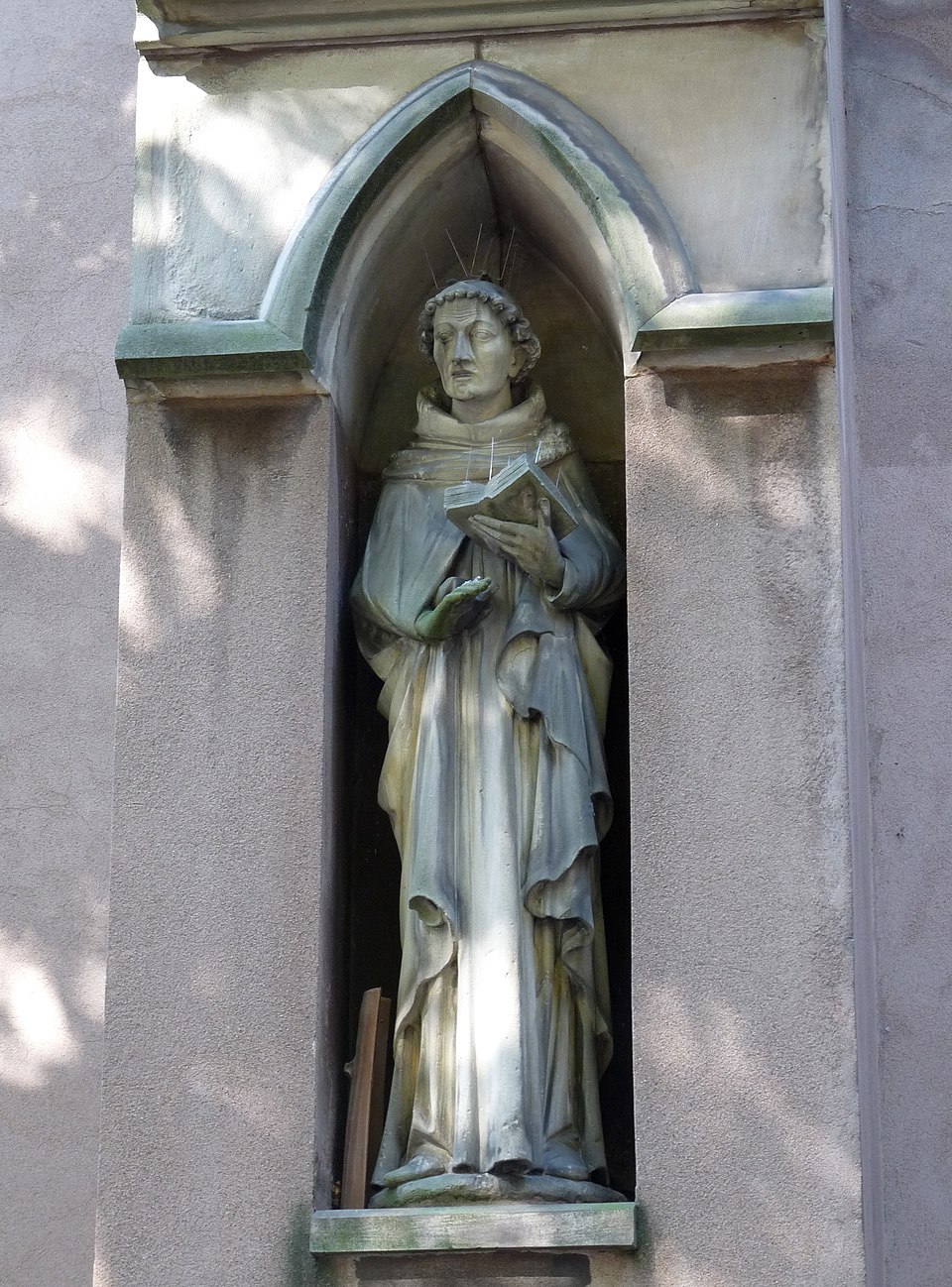
Johannes Tauler
1300 CE – 1361 CE
Strasbourg, Alsace
Alsatian German Dominican mystic of Strasbourg whose sermons and spiritual letters shaped Rhenish mystical theology through divine birth, detachment, the ground of the soul, contemplative discipline, and practical spiritual counsel.
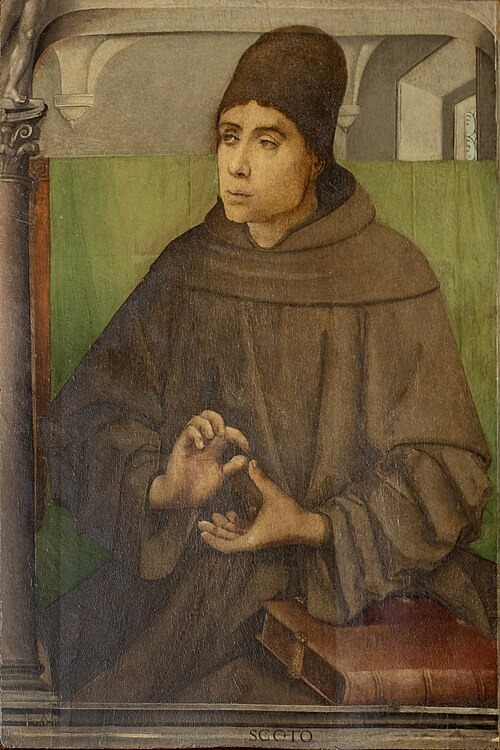
John Duns Scotus
1266 CE – 1308 CE
Duns, Berwickshire, now Scottish Borders
Scottish Franciscan scholastic philosopher of Scotism, univocity of being, haecceity, formal distinction, divine infinity, will, natural law, logic, and the Ordinatio.
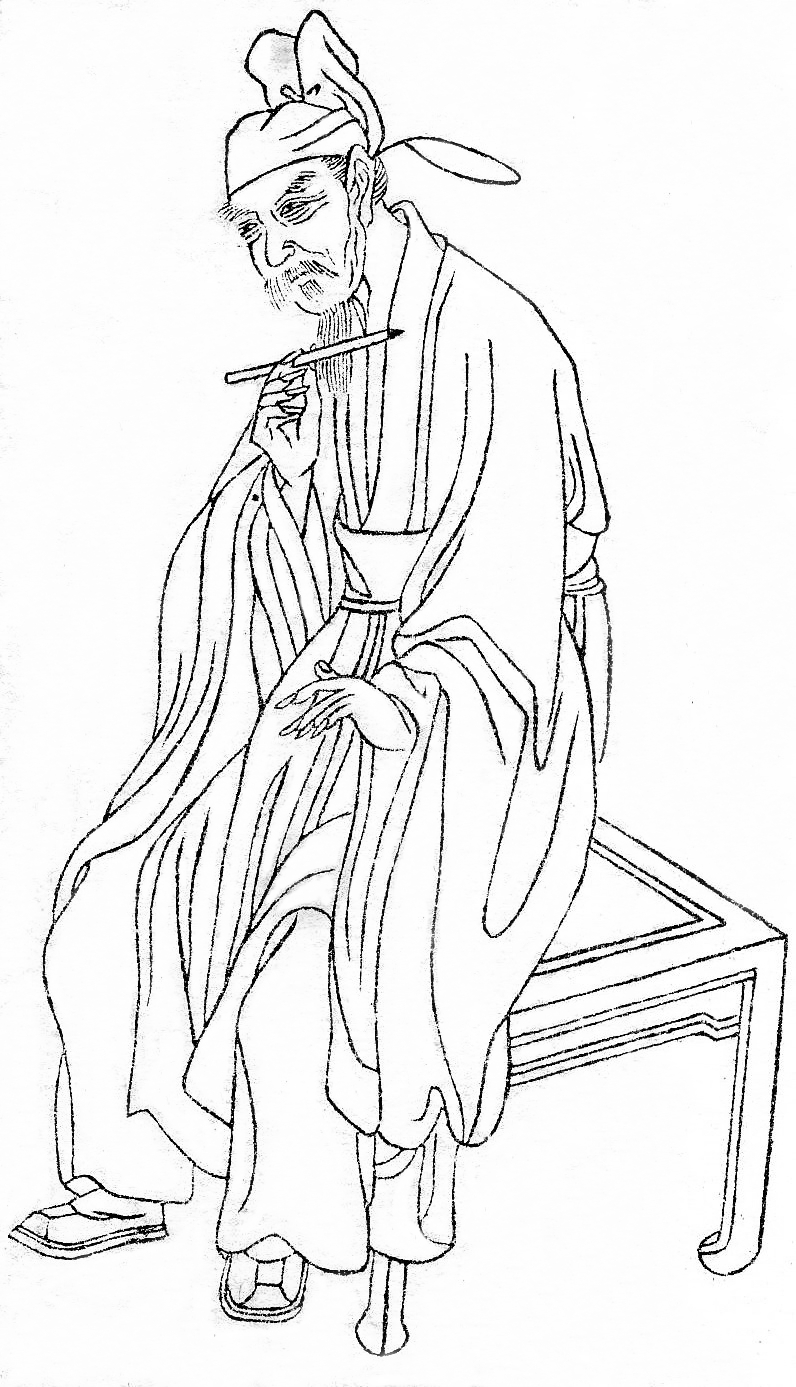
Lu Jiuyuan
1139 CE – 1193 CE
Jinxi, Fuzhou, Jiangxi
Cistercian monk, abbot of Southern Song Neo-Confucianism, and medieval Christian philosopher-theologian whose theology of love, humility, grace, free choice, mystical ascent, monastic ethics, scriptural exegesis, and ecclesial counsel shaped scholastic, monastic, and political theology.
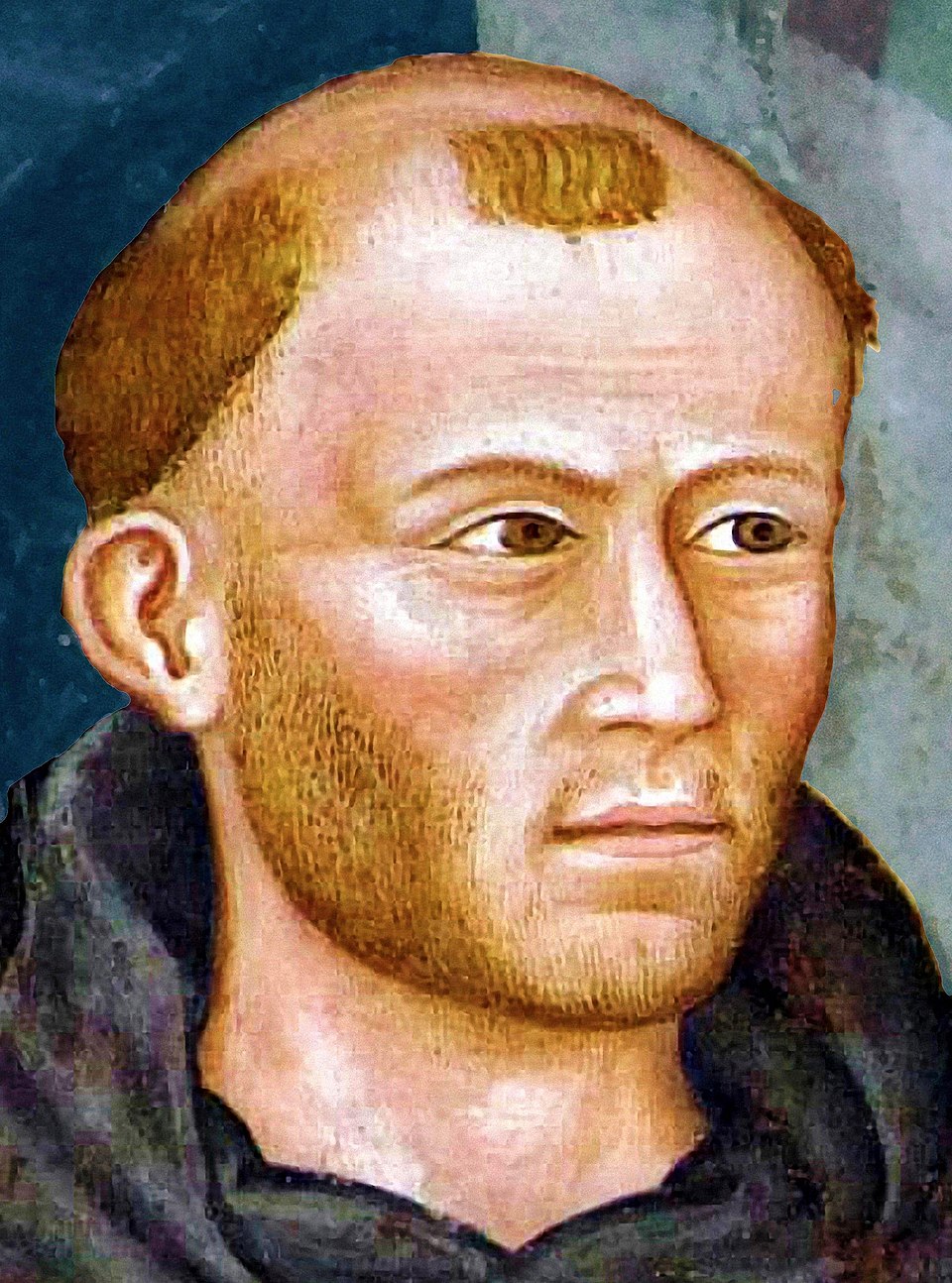
Meister Eckhart
1260 CE – 1328 CE
Hochheim or Tambach near Gotha, Thuringia; exact birthplace uncertain
German Dominican philosopher-theologian of Rhineland mysticism, speculative Christian Neoplatonism, apophatic theology, detachment, ground of the soul, divine birth, and vernacular mystical language.
Muhyi al-Din Ibn Arabi
1165 CE – 1240 CE
Murcia, al-Andalus
Sufi philosopher of Akbarian metaphysics, imagination, prophecy, sainthood, divine names, unveiling, cosmology, the Perfect Human, and Islamic mystical reception.
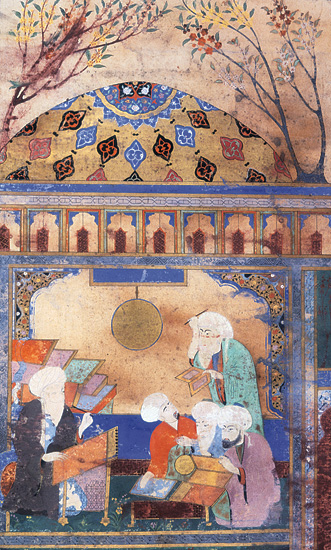
Nasir al-Din al-Tusi
1201 CE – 1274 CE
Tus, Khorasan
Persian polymath of Avicennism, Shi i theology, ethics, logic, mathematics, astronomy, Maragha Observatory, the Tusi couple, and Ilkhanid scholarship.
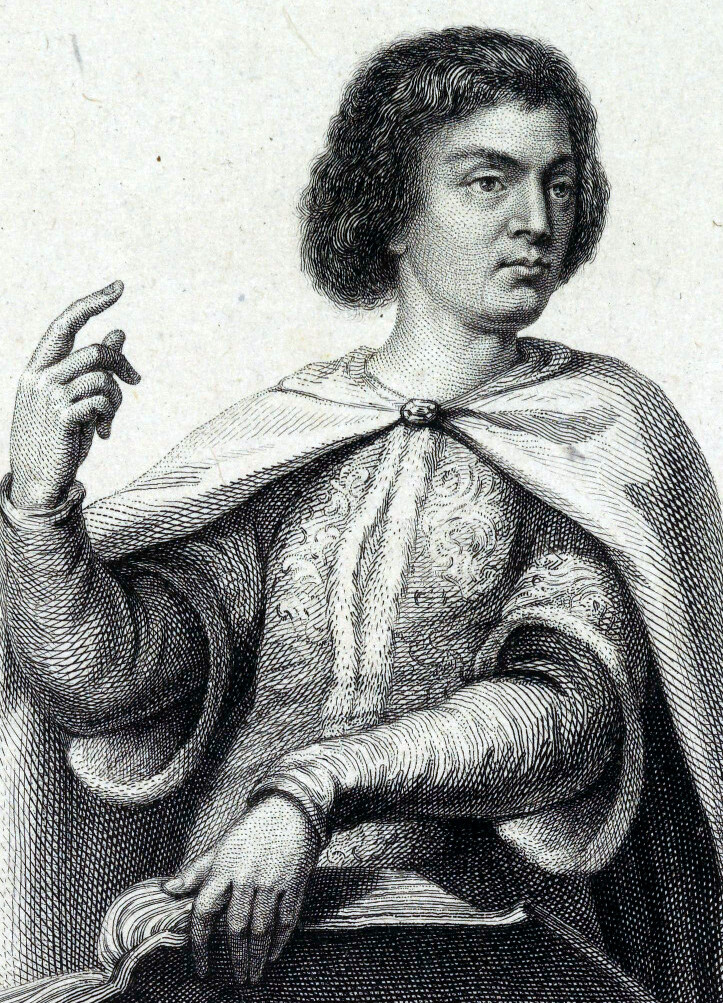
Peter Abelard
1079 CE – 1142 CE
Le Pallet, Brittany
Medieval scholastic philosopher of logic, universals, dialectic, intention, moral responsibility, Trinitarian theology, Sic et Non, Heloise, and the schools of Paris.
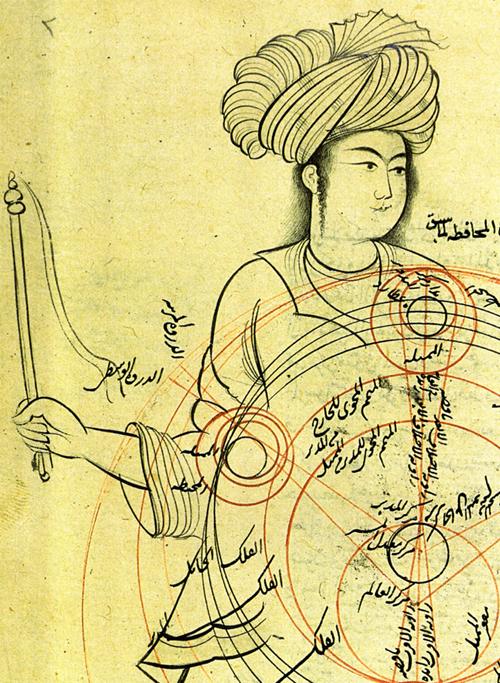
Qutb al-Din al-Shirazi
1236 CE – 1311 CE
Shiraz
Persian Islamic polymath of Shiraz, Maragha astronomy, Avicennan medicine, Illuminationist commentary, planetary models, optics, rhetoric, Quran commentary, and Durrat al-Taj.
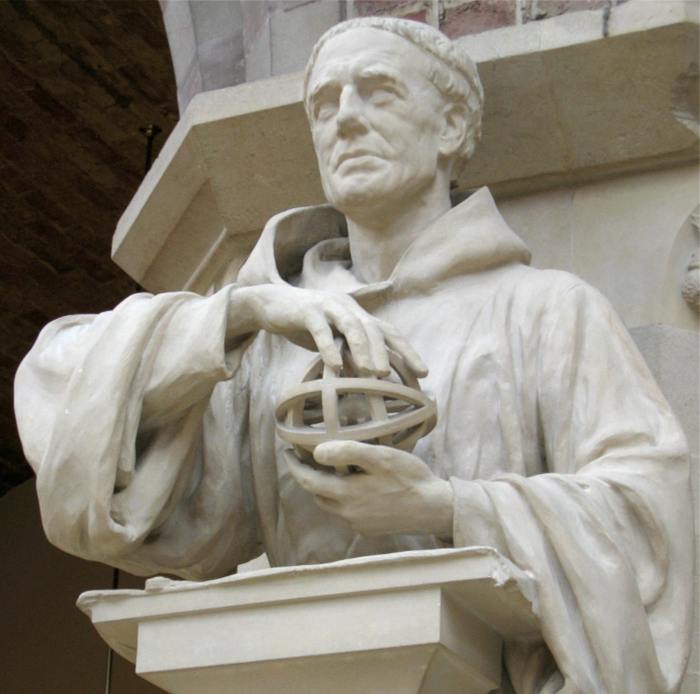
Roger Bacon
1219 CE – 1292 CE
Ilchester (Somerset)
Medieval Franciscan philosopher of languages, signs, mathematics, optics, experimental science, natural philosophy, moral philosophy, theology, and the reform of learning.
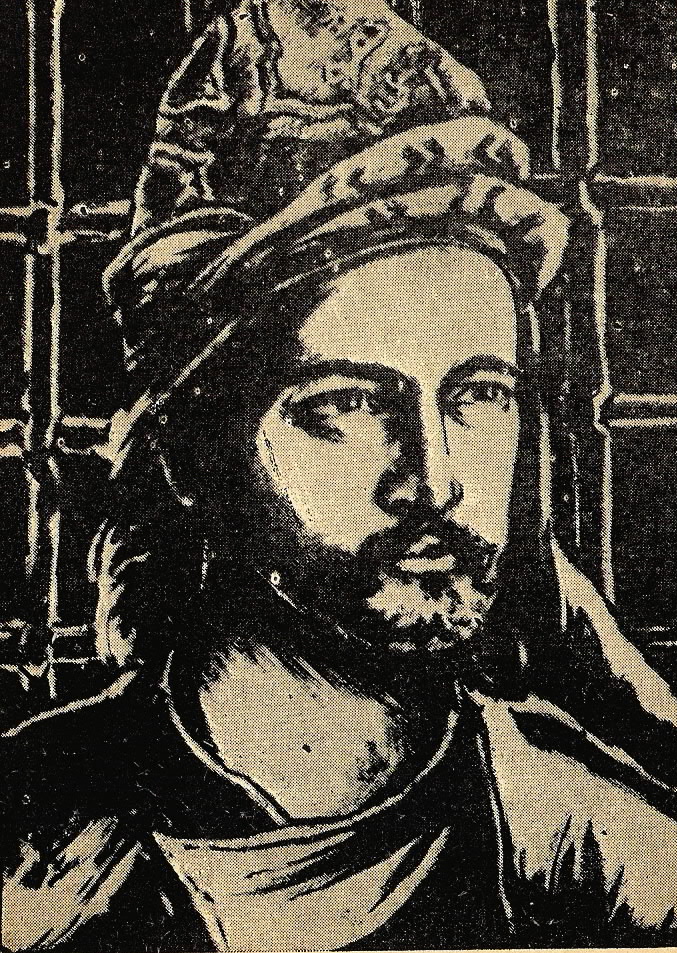
Shihāb al-Dīn Suhrawardī
1154 CE – 1191 CE
Suhraward (Zanjan region)
Persian Illuminationist philosopher of presential knowledge, ontology of lights, Avicennan critique, imagination, symbolic narrative, and later ishraqi reception.
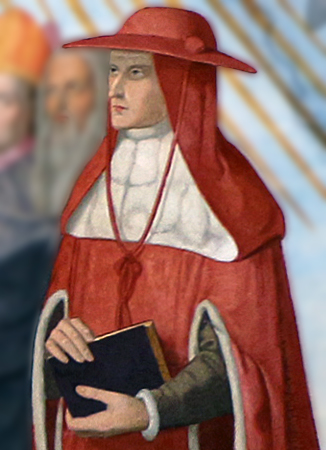
Siger of Brabant
1240 CE – 1284 CE
Brabant (Low Countries)
Paris arts master and radical Aristotelian associated with Latin Averroism, the unity of intellect controversy, metaphysics, logic, natural philosophy, and the autonomy of philosophical teaching.
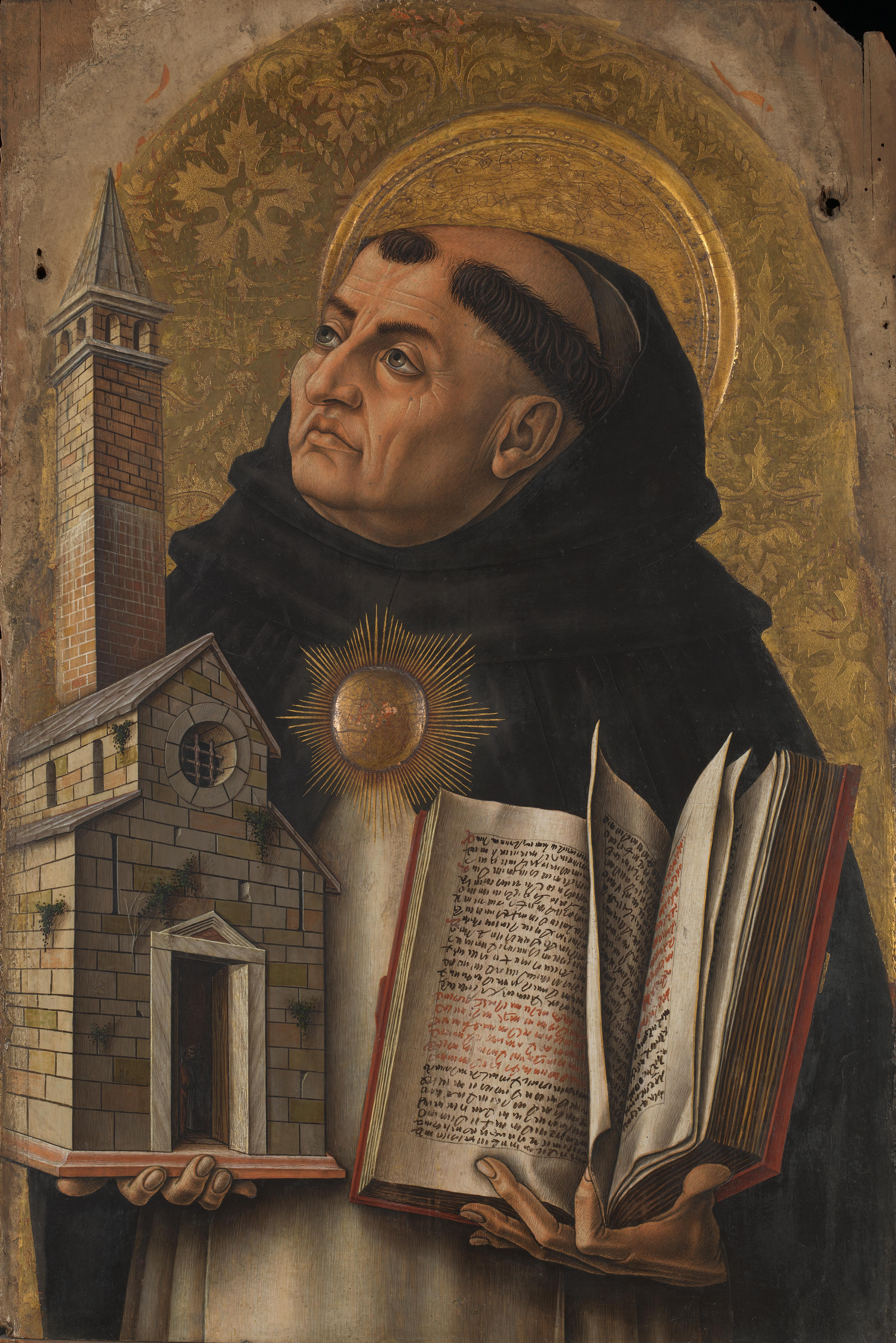
Thomas Aquinas
1225 CE – 1274 CE
Roccasecca, County of Aquino
Medieval Dominican scholastic philosopher of faith and reason, act and potency, essence and existence, divine simplicity, analogy, the Five Ways, natural law, virtue, beatitude, soul, Aristotle commentary, and Thomism.
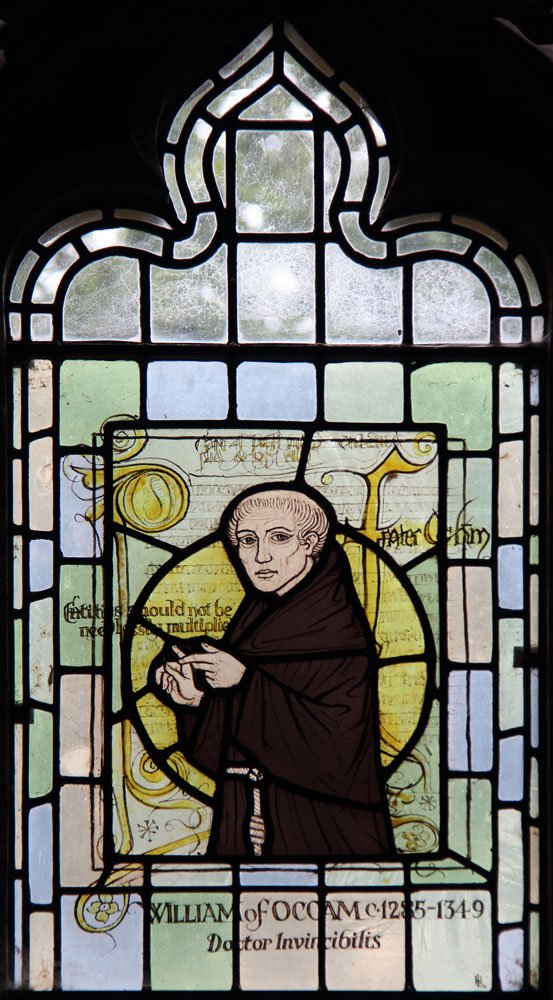
William of Ockham
1287 CE – 1347 CE
Ockham, Surrey
English Franciscan scholastic whose nominalism, terminist logic, mental-language theory, political theology, and parsimony arguments reshaped late medieval philosophy.
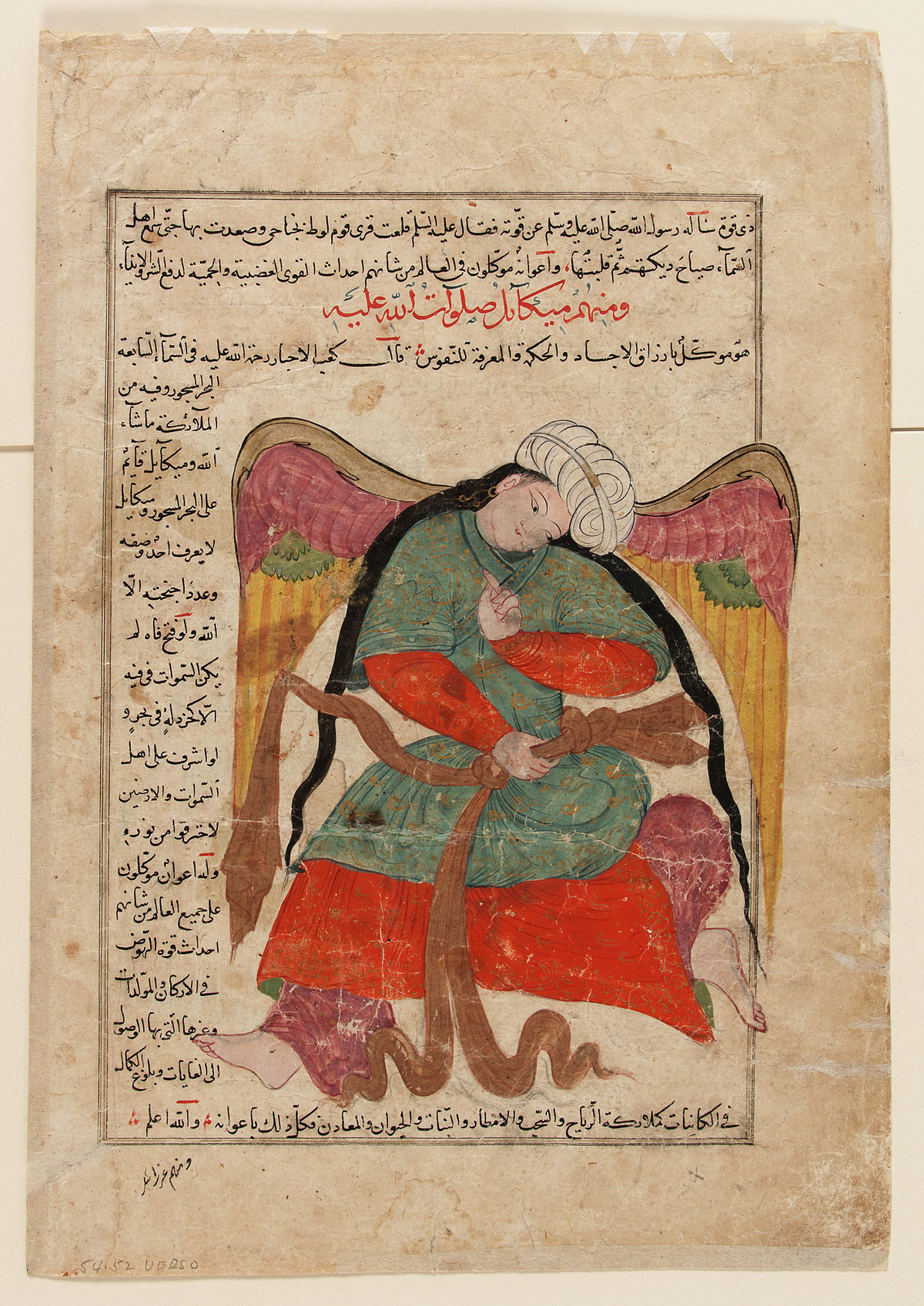
Zakariyya al-Qazwini
1203 CE – 1283 CE
Qazvin
Persian Islamic cosmographer and geographer whose Wonders of Creation and Monuments of the Lands joined natural history, geography, astronomy, marvel literature, manuscript illustration, and theological reflection on created order.
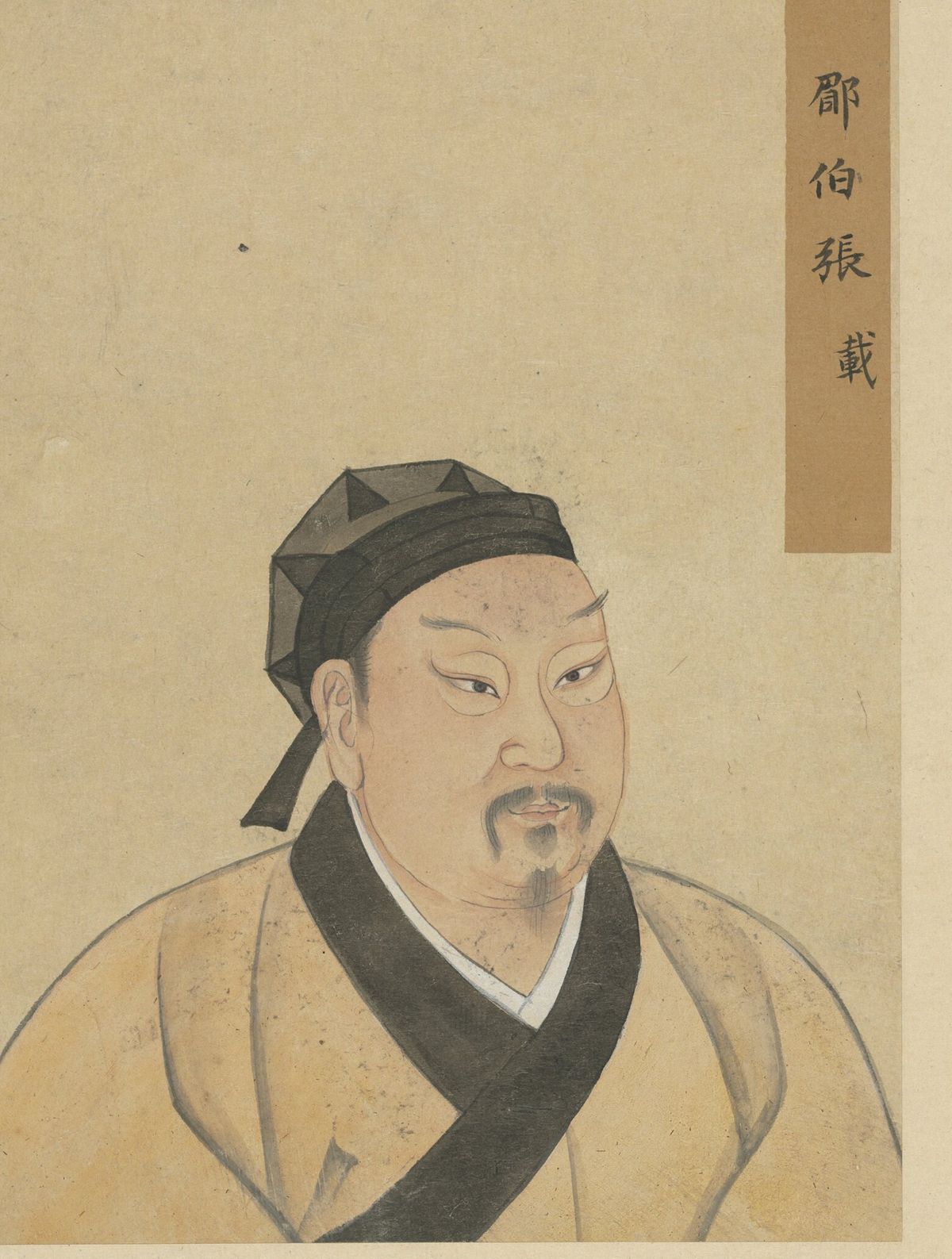
Zhang Zai
1020 CE – 1077 CE
Chang'an or Fengxiang region, Shaanxi; lived at Hengqu, Mei County
Northern Song Neo-Confucian philosopher of qi metaphysics whose account of Great Vacuity, Great Harmony, human nature, and universal kinship shaped Guanxue, Cheng-Zhu learning, and later Confucian moral cosmology.
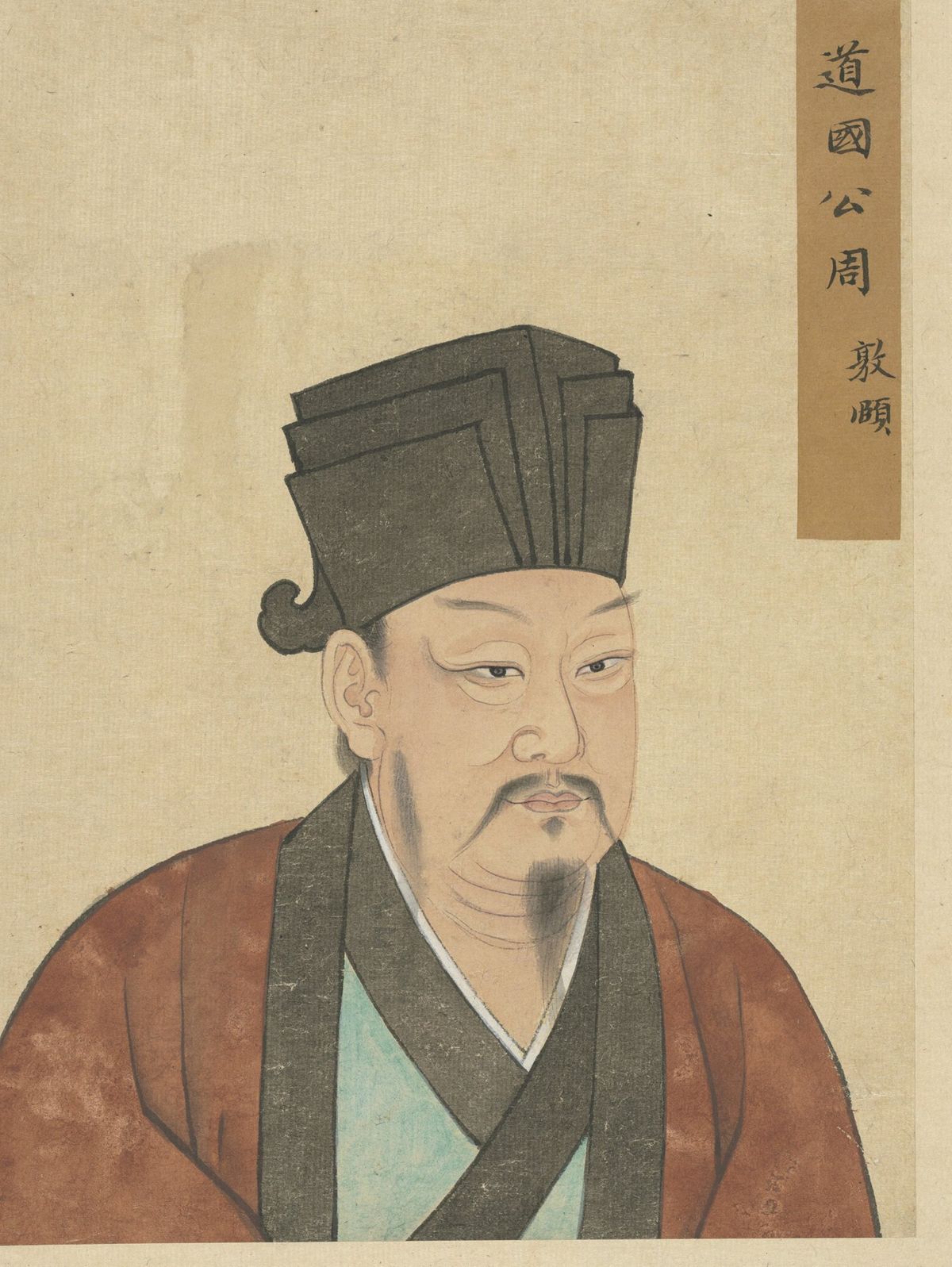
Zhou Dunyi
1017 CE – 1073 CE
Yingdao, Daozhou, now Dao County, Yongzhou, Hunan
Northern Song Neo-Confucian philosopher whose taiji-wuji cosmology, theory of sincerity, moral self-cultivation, and lotus symbolism helped form the metaphysical and ethical vocabulary later systematized by Zhu Xi.
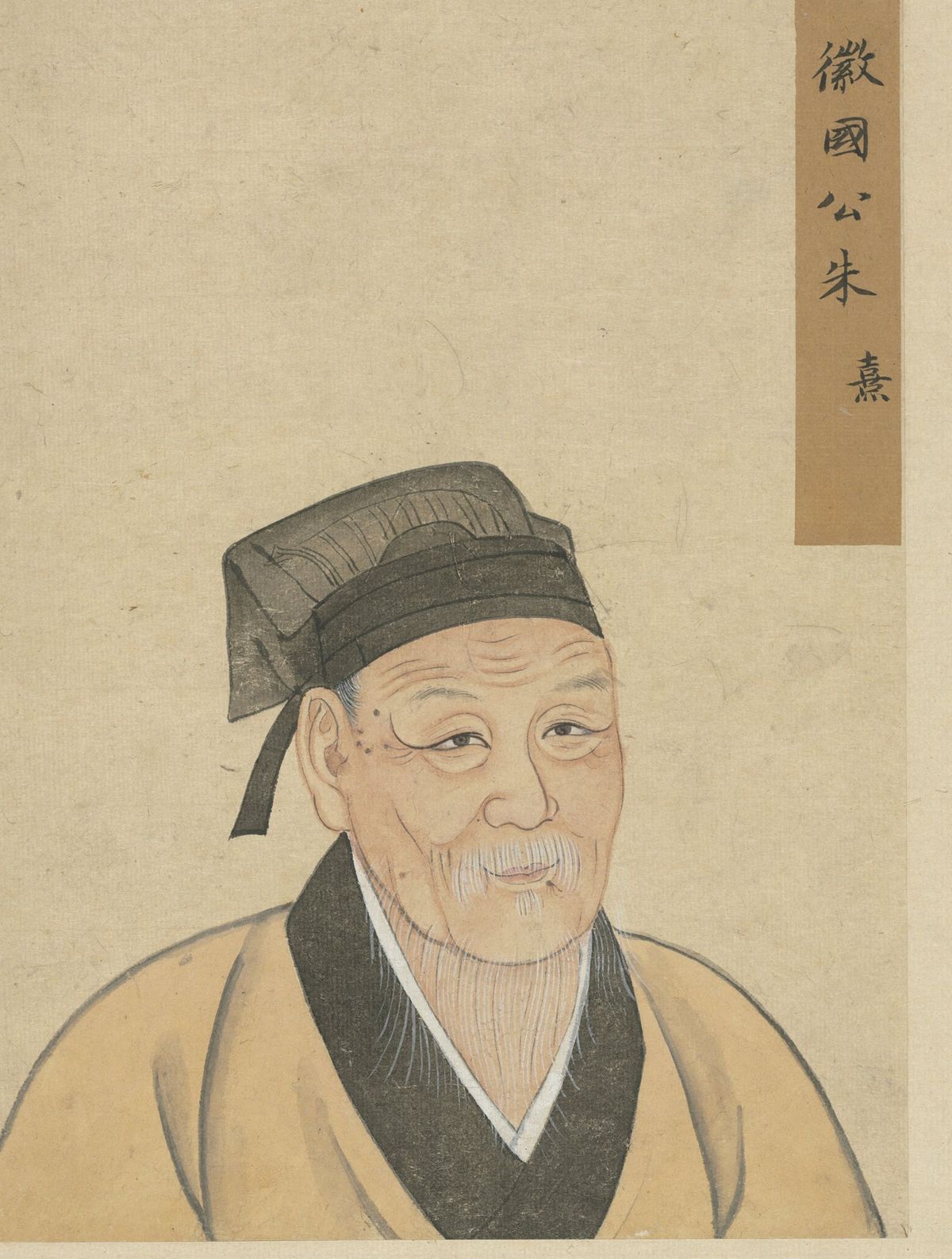
Zhu Xi
1130 CE – 1200 CE
Youxi, Nanjian Prefecture, Fujian, Southern Song; ancestral Wuyuan/Huizhou noted in sources
Southern Song Neo-Confucian philosopher whose Cheng-Zhu synthesis made li-qi metaphysics, investigation of things, ritual self-cultivation, and the Four Books commentary tradition central to later East Asian Confucian learning.