Civic Humanism
Italian Renaissance republican-humanist tradition centered on the active life, classical rhetoric, civic virtue, public service, republican liberty, historical writing, moral education, and the Florentine chancellor-humanist model of Salutati and Bruni.

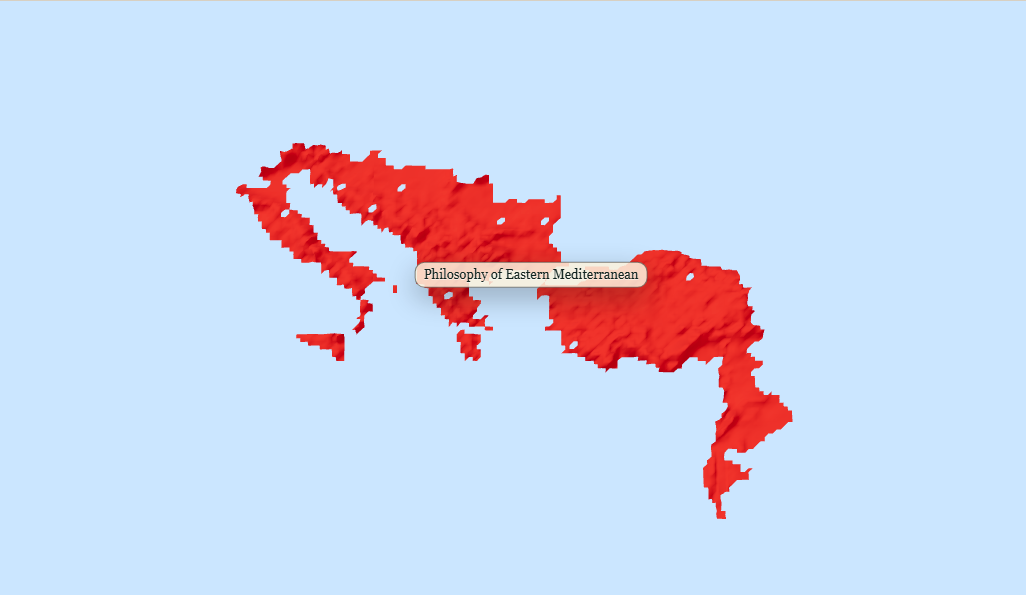
Structural Factors
- Shared Core Claims
- The educated citizen should use classical learning, rhetoric, moral judgment, historical memory, and public office to defend liberty, oppose tyranny, cultivate virtue, and serve the commonwealth.
- Shared Methods
- Classical philology, rhetoric, historical exempla, civic oratory, republican historiography, moral education, active-life argument, public counsel, diplomatic letters, and use of Greek and Roman models for Florentine identity.
- Shared Lineage
- Civic humanism draws on Cicero, Roman republican memory, medieval commune traditions, Petrarchan humanism, Salutati, Bruni, Florentine chancellery culture, Greek learning after Chrysoloras, and later Renaissance republican thought.
- Shared Problems
- Vita activa versus vita contemplativa, liberty, tyranny, patriotism, oligarchy, civic virtue, humanism and Christianity, Florence and Milan, rhetoric and philosophy, historical writing, citizenship, public office, and the Hans Baron thesis.
- Shared Vocabulary
- vita activa, civic virtue, liberty, res publica, tyrannus, studia humanitatis, eloquence, rhetoric, history, chancellor, Florentine republic, common good, citizenship, patriotism, prudence, and public counsel.
- Shared Historical Context
- Civic humanism belongs to late medieval and early Renaissance Florence, communal republican institutions, chancellery humanism, Visconti-Milanese pressure, manuscript culture, Greek learning, civic historiography, and later republicanism debates.
Defining Axes
- Doctrine
- Its doctrine joins moral education, classical eloquence, active public service, republican liberty, anti-tyranny, historical consciousness, and civic virtue as the proper use of humanist learning.
- Method
- Its method works through rhetoric, letters, histories, translations, classical exempla, civic praise, constitutional memory, public counsel, and moral argument rather than abstract system-building.
- Lineage
- The lineage runs from Roman republican authors and Petrarchan humanism through Salutati and Bruni to Florentine chancellery humanists, Machiavellian and republican receptions, and modern civic humanism scholarship.
- Subject Focus
- Civic humanism focuses on ethics, political philosophy, history, rhetoric, education, citizenship, liberty, tyranny, public service, patriotism, active life, and the relation of letters to political action.
- Geography / Culture
- Its center is Florence and the Italian city-republic world, with attention to Tuscany, Milanese rivalry, papal and imperial politics, and later European and Anglo-American republican reception.
- Historical Reaction
- It reacts to scholastic abstraction, courtly and tyrannical power, threats to Florentine liberty, contemplative withdrawal, civic corruption, and the need to justify humanist learning as public service.
Internal Structure
- Foundational Texts
- Foundational texts include Salutati's letters and civic-religious writings, De tyranno, De seculo et religione; Bruni's Laudatio Florentinae urbis, Historiarum Florentini populi, translations of Aristotle and Greek historians, humanist orations, civic histories, and later Baron, Pocock, Skinner, and Hankins scholarship.
- Core Vocabulary
- Core vocabulary includes vita activa, vita contemplativa, res publica, libertas, tyrannus, civic virtue, prudence, eloquence, history, chancellor, humanitas, studia humanitatis, patriotism, public counsel, and common good.
- Metaphysics
- Civic humanism is not primarily metaphysical; its background assumptions concern human agency, providence, historical contingency, and the dignity of active moral and political life.
- Epistemology
- Its epistemology values historical memory, philological recovery, rhetorical judgment, prudence, classical exempla, civic experience, and practical reasoning about political action.
- Ethics
- Its ethics emphasizes active citizenship, public virtue, prudence, courage, justice, patriotism, friendship, moral education, resistance to tyranny, and the disciplined use of eloquence for the common good.
- Method
- Civic humanist method uses classical reading, letters, speeches, histories, translations, praise of cities, anti-tyrannical argument, public counsel, and chancellery practice to form civic judgment.
- Internal Debates
- Internal debates concern active and contemplative life, whether Florence was genuinely republican, the relation of rhetoric and philosophy, Christianity and classical virtue, oligarchy, imperial claims, and the interpretation of the Baron thesis.
- Successors
- Successors include Florentine republicanism, Machiavellian political thought, Renaissance histories, neo-Roman liberty, republican political theory, civic republicanism, Pocock and Skinner scholarship, and modern civic education debates.
External Classification Context
- History of Philosophy
- Civic humanism reshaped Renaissance philosophy by placing rhetoric, history, education, and republican public action at the center of moral and political thought.
- Philosophy of Philosophy
- It treats philosophy as practical civic wisdom: humane learning should form judgment, eloquence, and virtue for public life rather than remain detached contemplation.
- Intellectual History
- Its history depends on Florentine institutions, humanist chanceries, manuscript exchange, Greek learning, diplomatic letters, city praise, histories, patronage, printing, and modern debates over republicanism.
- University Classification
- Usually classified under Renaissance philosophy, political thought, republicanism, humanism, intellectual history, rhetoric, history of education, classics reception, and early modern political theory.
- Classical Sources
- Classical evidence comes from Salutati and Bruni letters, orations, histories, translations, civic polemics, Florentine archival material, humanist manuscripts, early printed editions, and later scholarly reconstruction.
- Sociology of Knowledge
- Civic humanism spread through chanceries, schools, patronage, manuscript circulation, diplomatic service, city institutions, humanist networks, later printed texts, and twentieth-century historiography.
Linked Philosophers
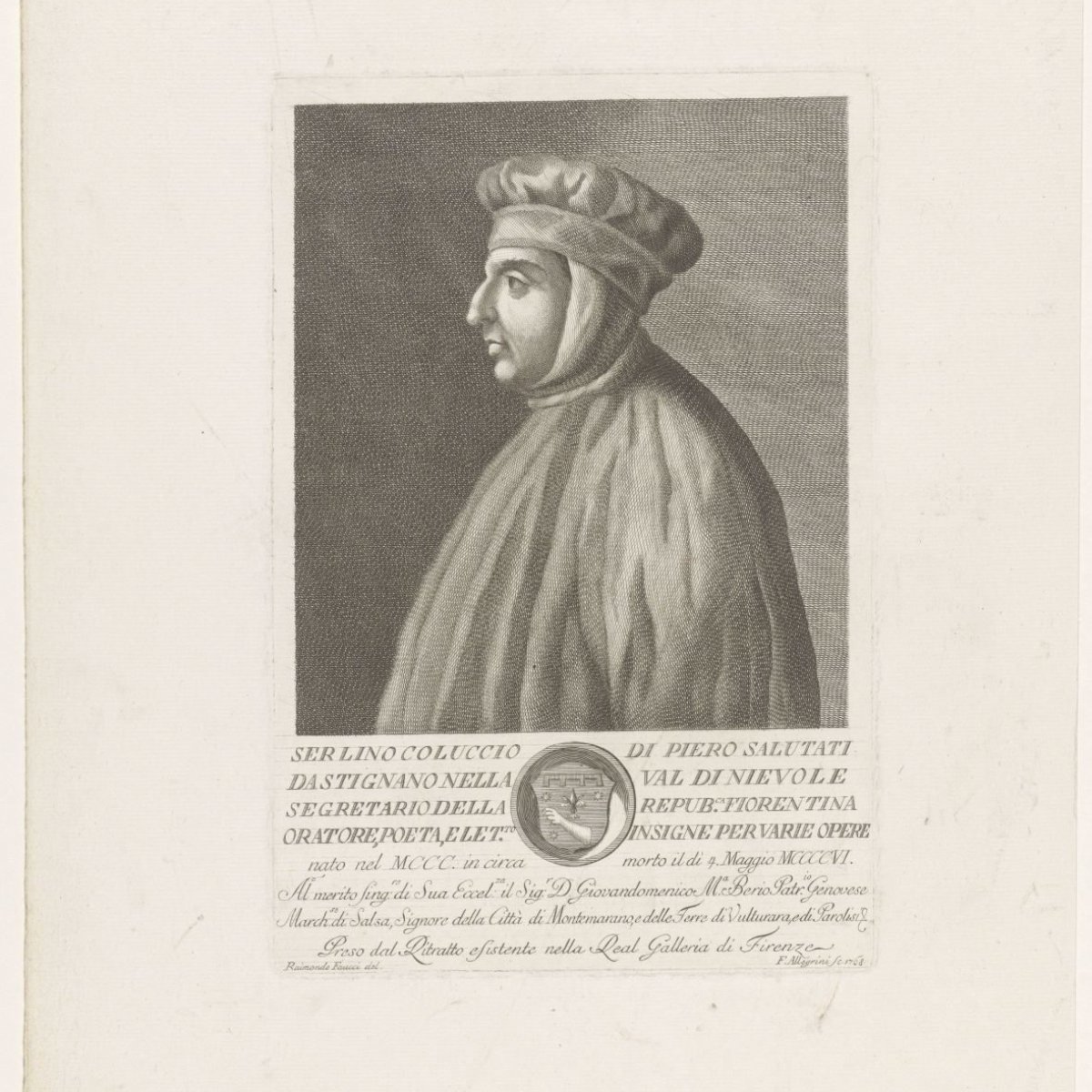
Coluccio Salutati
1331 CE – 1406 CE
Stignano, Buggiano, Tuscany
Italian Renaissance humanist and Florentine chancellor from Stignano whose classical Latin rhetoric, civic ethics, anti-tyranny politics, law-centered humanism, and Christian account of active public life helped shape Florentine civic humanism before Bruni and Poggio.
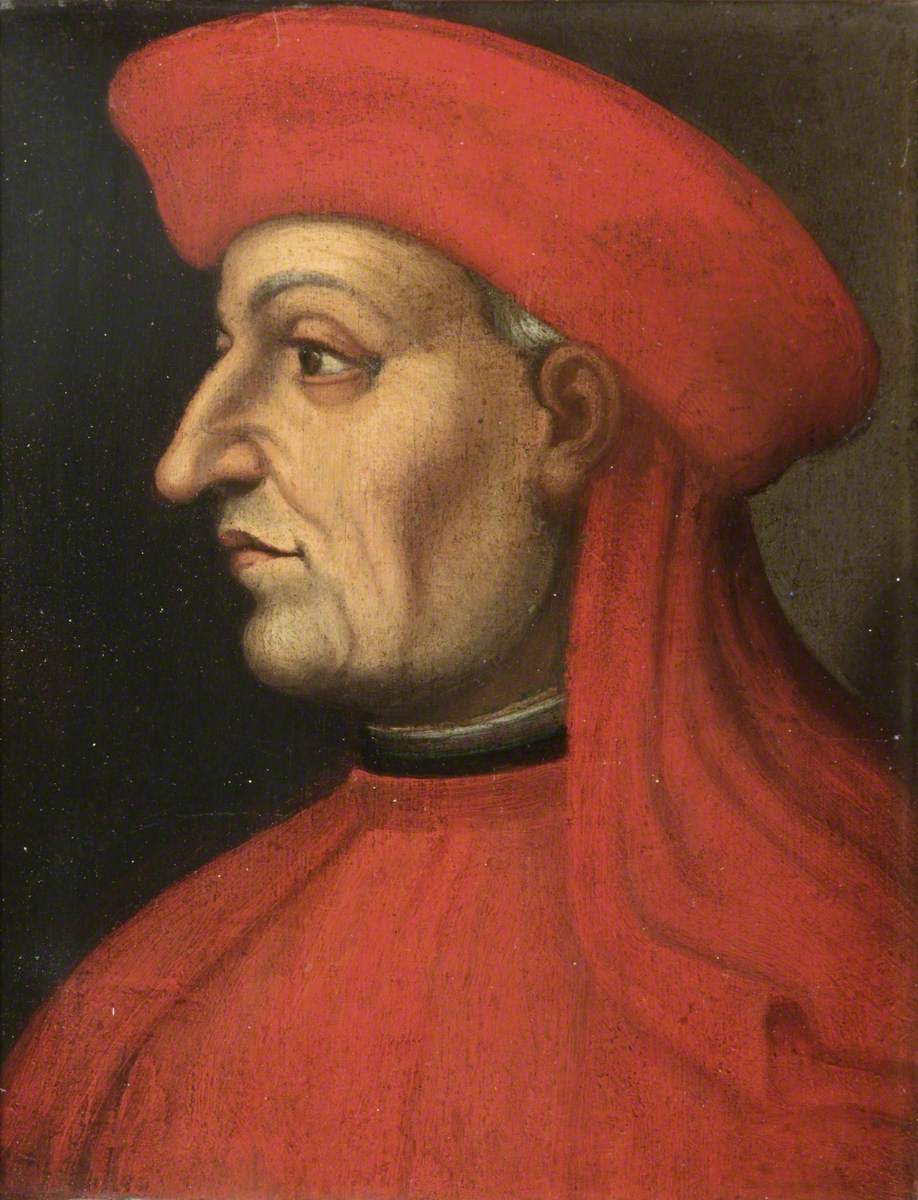
Leonardo Bruni
1370 CE – 1444 CE
Arezzo
Italian Renaissance humanist, Florentine chancellor, translator, and historian whose civic rhetoric, republican historiography, classical translations, and De interpretatione recta shaped civic humanism and humanist translation theory.