Philosophy School
Scottish Enlightenment
Eighteenth-century Scottish philosophical and cultural movement centered in Edinburgh, Glasgow, Aberdeen, and learned societies, joining moral philosophy, common sense, empiricism, political economy, stadial history, improvement, sociability, and the science of human nature.
Period
Early Modern History1500 CE – 1799 CE
Era
Scientific Revolution and State Formation1600 CE – 1699 CE
Begin
1694 CE
End
1790 CE

Structural Factors
- Shared Core Claims
- The Scottish Enlightenment holds that human nature, morals, society, commerce, law, language, taste, and institutions can be studied historically and empirically. Moral sentiments, common life, education, and social improvement are central to philosophy.
- Shared Methods
- The movement uses moral philosophy lectures, historical explanation, empirical observation, conjectural history, political economy, rhetoric, jurisprudence, polite letters, common-sense analysis, associationist psychology, and comparative study of social development.
- Shared Lineage
- The lineage runs from Scottish Presbyterian, university, natural law, civic humanist, and Newtonian contexts through Gershom Carmichael, Francis Hutcheson, David Hume, Adam Smith, Thomas Reid, Adam Ferguson, Lord Kames, Dugald Stewart, and later common-sense and liberal traditions.
- Shared Problems
- Central problems include moral sense, sympathy, virtue, self-interest, commerce, social order, skepticism, common sense, personal identity, taste, language, progress, stadial development, civil society, political economy, and the relation between refinement and corruption.
- Shared Vocabulary
- Key terms include moral sense, sympathy, impartial spectator, common sense, improvement, politeness, commerce, civil society, stadial history, conjectural history, natural jurisprudence, taste, sentiment, habit, association, utility, virtue, and unintended order.
- Shared Historical Context
- The Scottish Enlightenment flourished in the eighteenth century after the 1707 Union, amid Scottish university reform, urban clubs, print culture, legal and medical institutions, Presbyterian moral culture, Atlantic commerce, and debates over improvement and modern society.
Defining Axes
- Doctrine
- Doctrinally, the movement is defined by the science of human nature, moral sentimentalism, common-sense realism, empirical social theory, political economy, natural jurisprudence, and historical accounts of social progress.
- Method
- Its method is empirical, historical, and pedagogical: observe human conduct, compare institutions, teach moral philosophy, analyze sentiments and judgment, explain commercial society, and trace how customs and unintended orders develop over time.
- Lineage
- The lineage runs from natural law, civic humanism, Presbyterian moral teaching, Newtonian science, and Scottish universities to Hutcheson, Hume, Smith, Reid, Ferguson, Kames, Stewart, common-sense philosophy, classical liberalism, and modern social science.
- Subject Focus
- The school focuses on ethics, epistemology, common sense, political economy, jurisprudence, rhetoric, aesthetics, history, sociology, anthropology, philosophy of mind, social theory, education, and philosophy of improvement.
- Geography / Culture
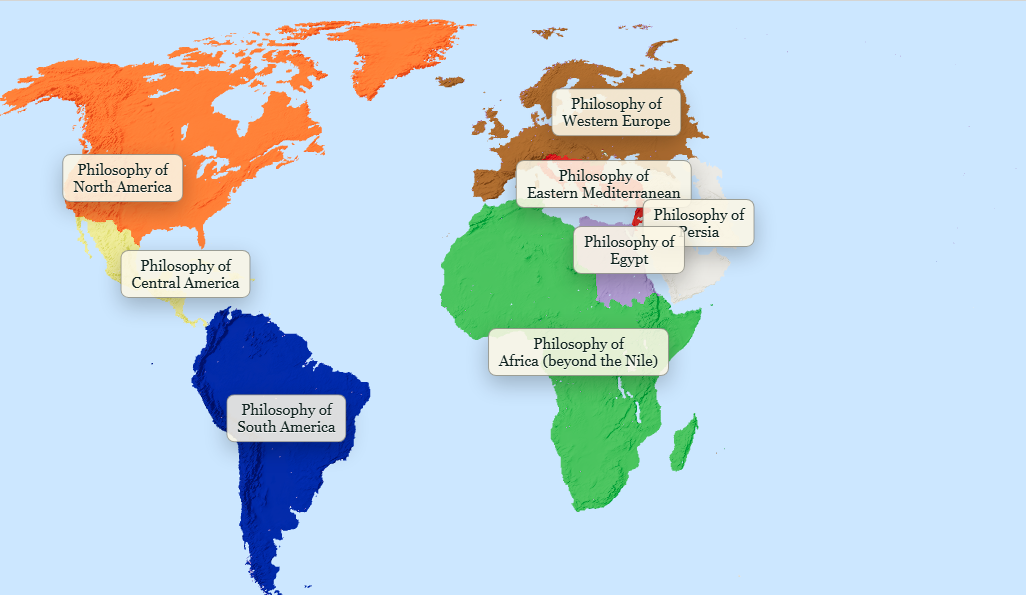
- The movement is centered in eighteenth-century Scotland, especially Glasgow, Edinburgh, Aberdeen, and learned clubs, with wider circulation through Britain, Europe, North America, Atlantic commerce, universities, and print networks.
- Historical Reaction
- The Scottish Enlightenment responds to skepticism, religious controversy, commercial modernity, post-Union Scottish identity, Newtonian science, natural law theory, civic republican worries about corruption, and the need to explain modern social order.
Internal Structure
- Foundational Texts
- Foundational texts include Hutcheson's Inquiry and System of Moral Philosophy, Hume's Treatise and Essays, Smith's Theory of Moral Sentiments and Wealth of Nations, Reid's Inquiry and Essays, Ferguson's Essay on Civil Society, Kames's writings, and Stewart's lectures.
- Core Vocabulary
- Core vocabulary includes sentiment, sympathy, sense, common sense, reason, passion, virtue, utility, taste, improvement, commerce, labor, wealth, division of labor, law, custom, habit, history, progress, society, and civilization.
- Metaphysics
- Scottish Enlightenment metaphysics is restrained and anti-systematic, often prioritizing human nature, common life, causal inquiry, mind, morals, and social order over speculative metaphysics detached from experience.
- Epistemology
- Its epistemology ranges from Humean skepticism and naturalized belief to Reid's common-sense realism, analyzing perception, testimony, memory, causal inference, habit, evidence, and the ordinary principles that make inquiry possible.
- Ethics
- Scottish Enlightenment ethics centers on moral sense, sympathy, virtue, benevolence, justice, self-command, impartial spectatorship, social approval, practical judgment, and the formation of character within commercial and civic life.
- Method
- The movement proceeds through university teaching, essays, lectures, clubs, correspondence, histories, economic analysis, moral psychology, public debate, and disciplined efforts to connect philosophy with polite and commercial society.
- Internal Debates
- Internal debates concern Humean skepticism versus common-sense realism, moral sense versus reason, self-interest and benevolence, luxury and corruption, commerce and virtue, progress and inequality, and whether social order is designed or emergent.
- Successors
- Successors include common-sense philosophy, classical political economy, liberal social theory, sociology, anthropology, moral psychology, American college philosophy, Scottish realism, and later debates over capitalism, sympathy, and civil society.
External Classification Context
- History of Philosophy
- The Scottish Enlightenment is a major eighteenth-century bridge between moral philosophy, epistemology, political economy, historical sociology, aesthetics, and modern social science.
- Philosophy of Philosophy
- The movement treats philosophy as a public science of human life: inquiry should clarify ordinary judgment, improve education, explain society, and guide practical moral and political understanding.
- Intellectual History
- The tradition links Scottish universities, Presbyterian moral culture, the Union, clubs and salons, print capitalism, Atlantic commerce, Newtonian science, natural law, political economy, and Enlightenment debates about progress.
- University Classification
- Classify Scottish Enlightenment under early modern philosophy, Enlightenment philosophy, ethics, epistemology, political economy, social philosophy, aesthetics, common-sense philosophy, history of social science, and intellectual history.
- Classical Sources
- Classical sources include Hutcheson, Hume, Smith, Reid, Ferguson, Kames, Stewart, Scottish university lectures, natural law texts, civic humanist sources, club publications, correspondence, and later common-sense writings.
- Sociology of Knowledge
- The movement spread through Scottish universities, lecture courses, clubs, publishing networks, correspondence, legal and medical institutions, church and civic debate, transatlantic education, and later curricula in moral philosophy and political economy.
Linked Philosophers
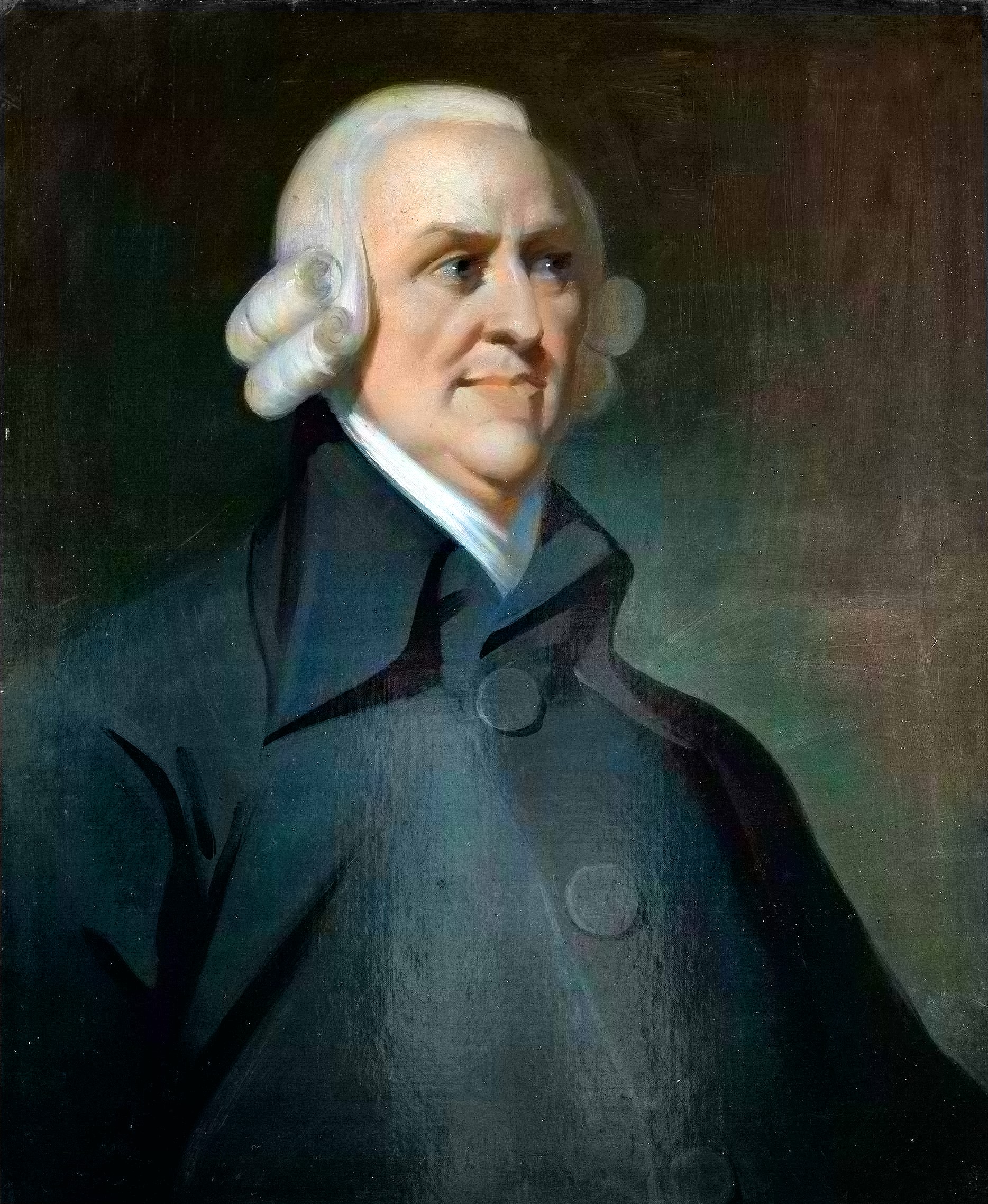
Adam Smith
1723 CE – 1790 CE
Kirkcaldy, Fife
Scottish philosopher from Kirkcaldy, Fife associated with epistemology, ethics, and political philosophy.
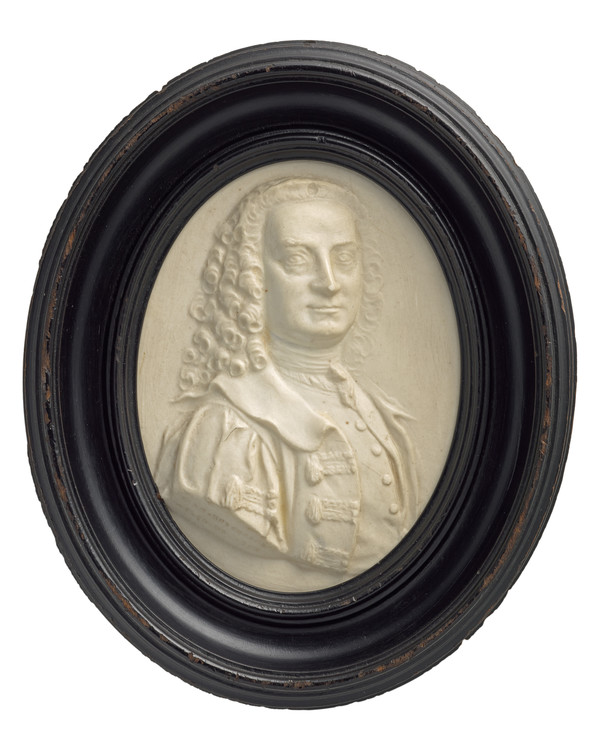
Francis Hutcheson
1694 CE – 1746 CE
Drumalig / near Saintfield, County Down, Ulster
Irish and Scots-Irish moral philosopher whose moral sense theory, aesthetics, benevolence ethics, and Glasgow teaching helped launch the Scottish Enlightenment.