(1000 AD to 1300 AD)
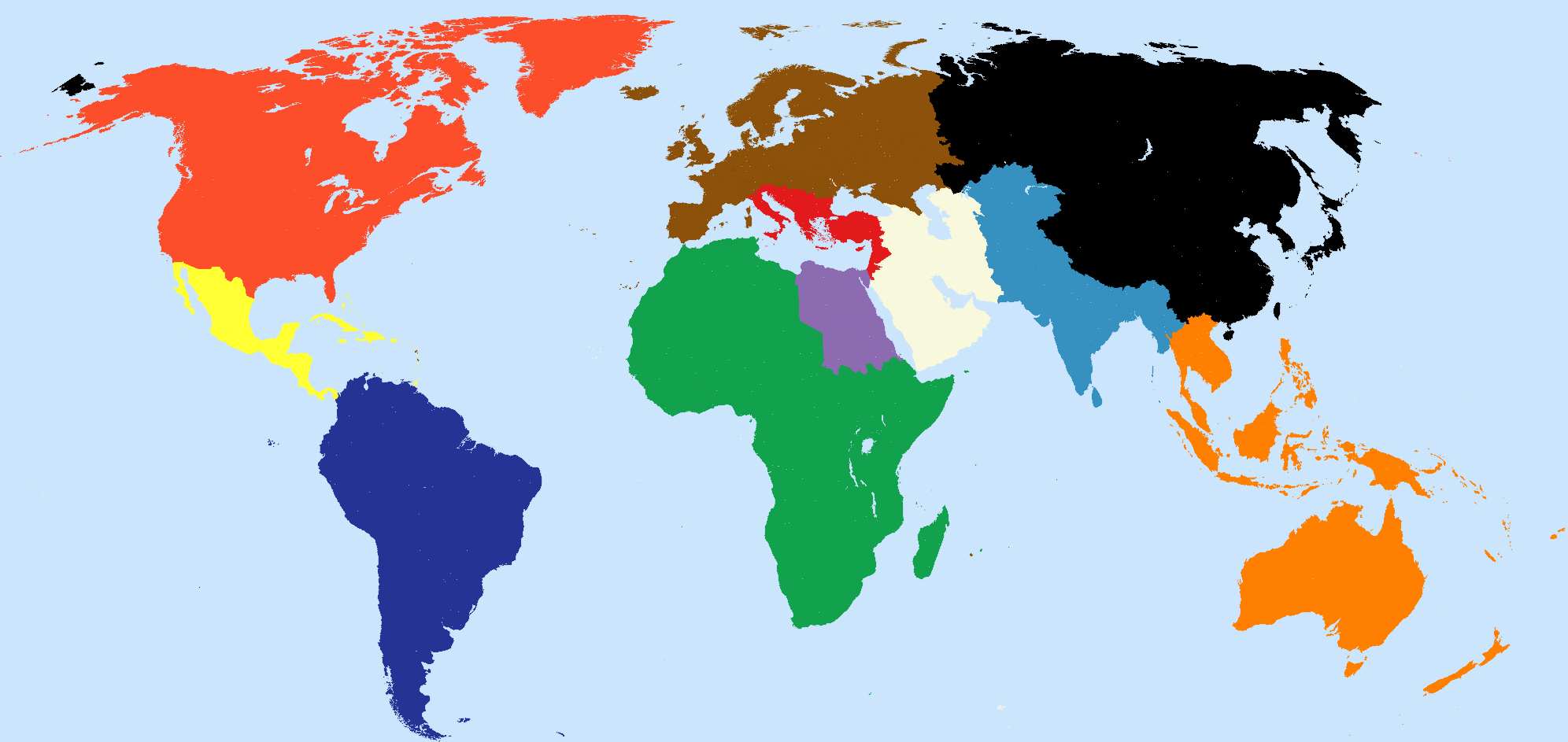 High Medieval
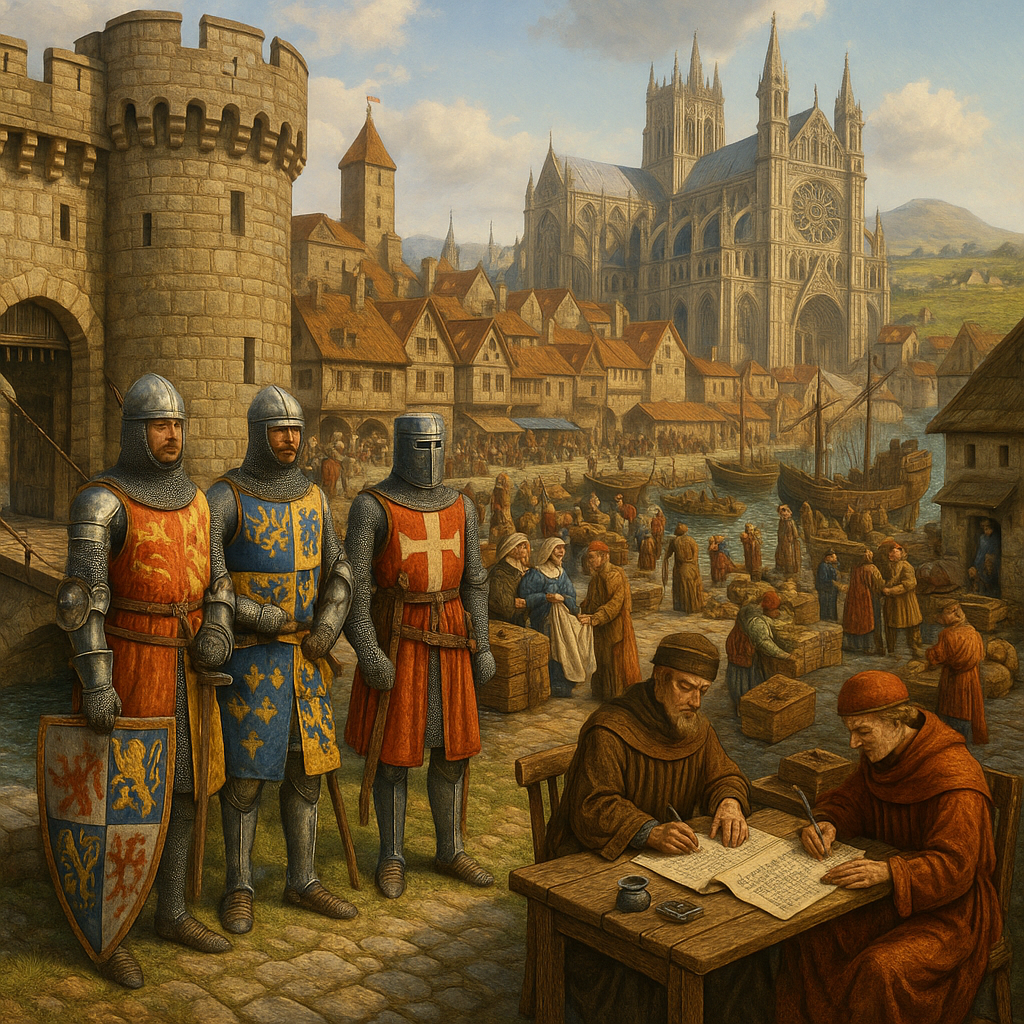
Western Europe High Medieval
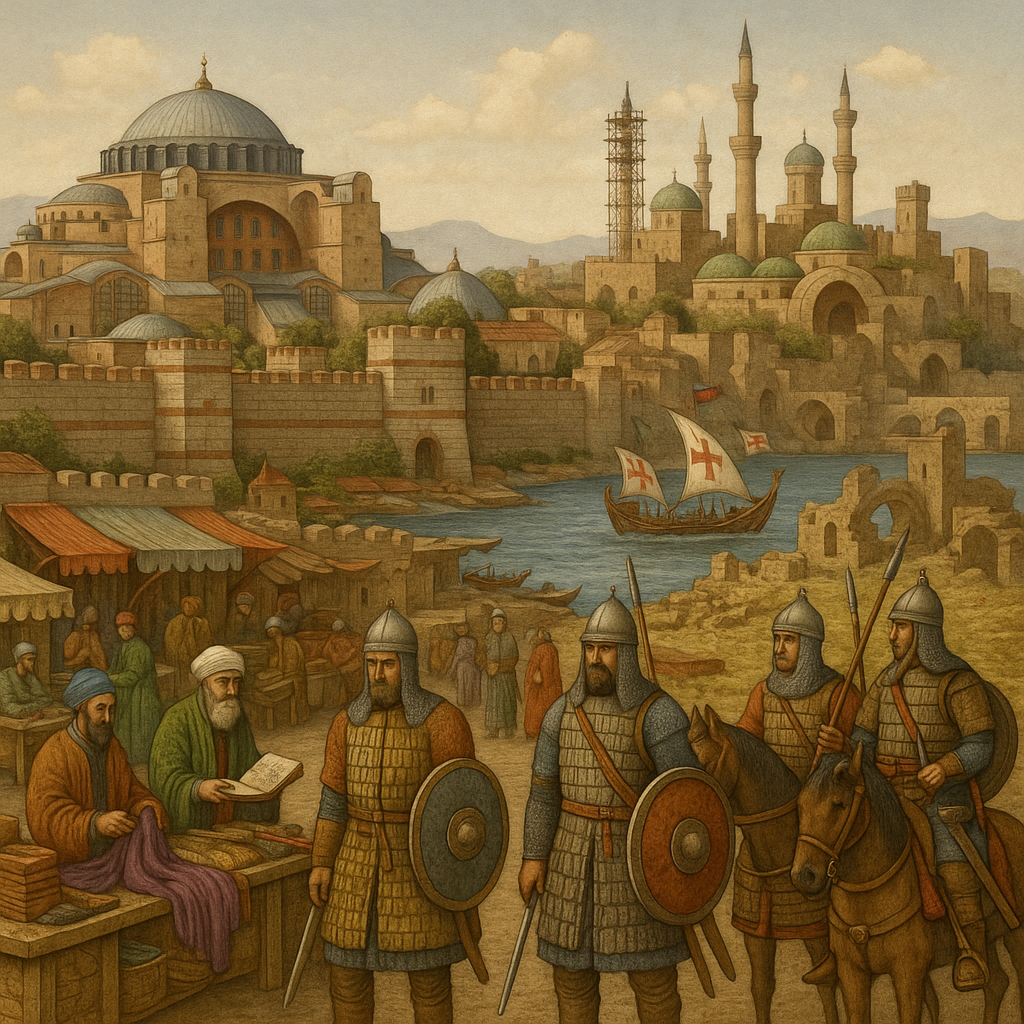
Eastern Mediterranean High Medieval
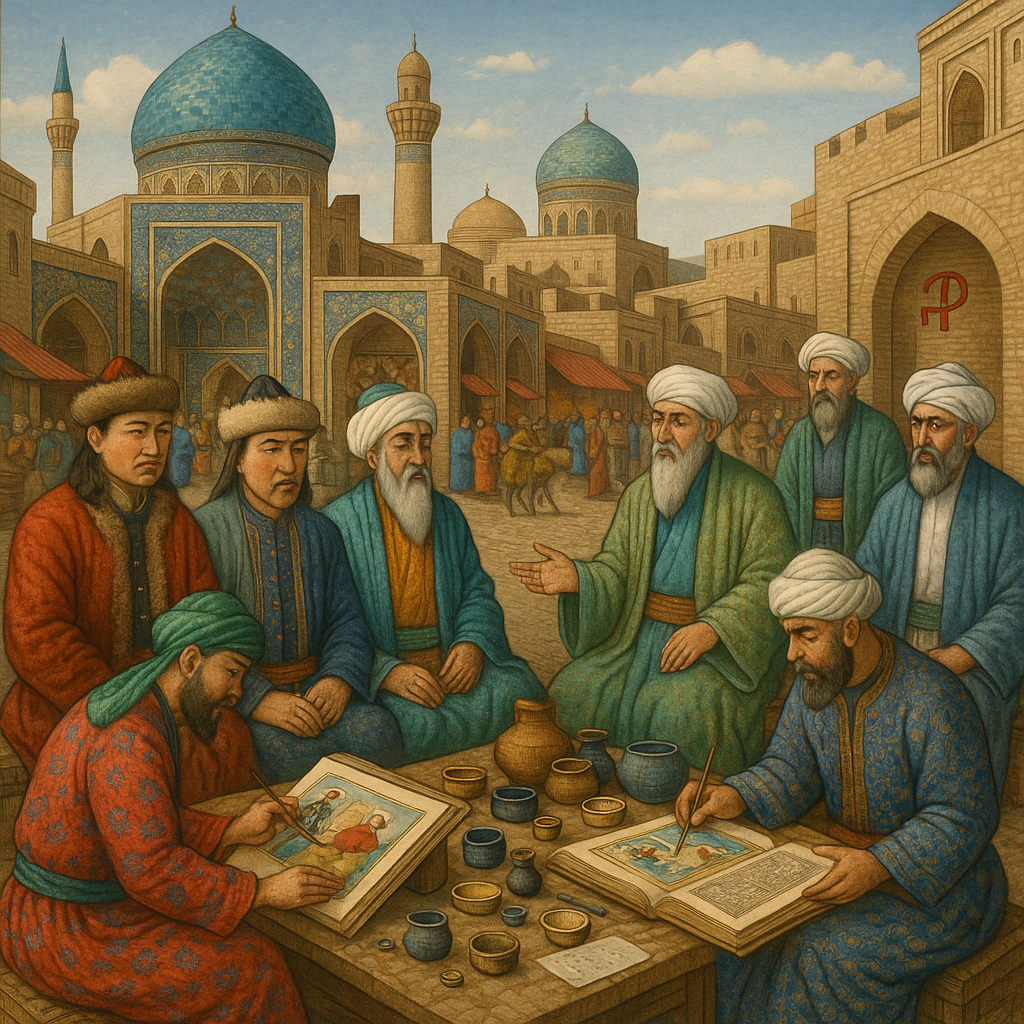
Persia High Medieval
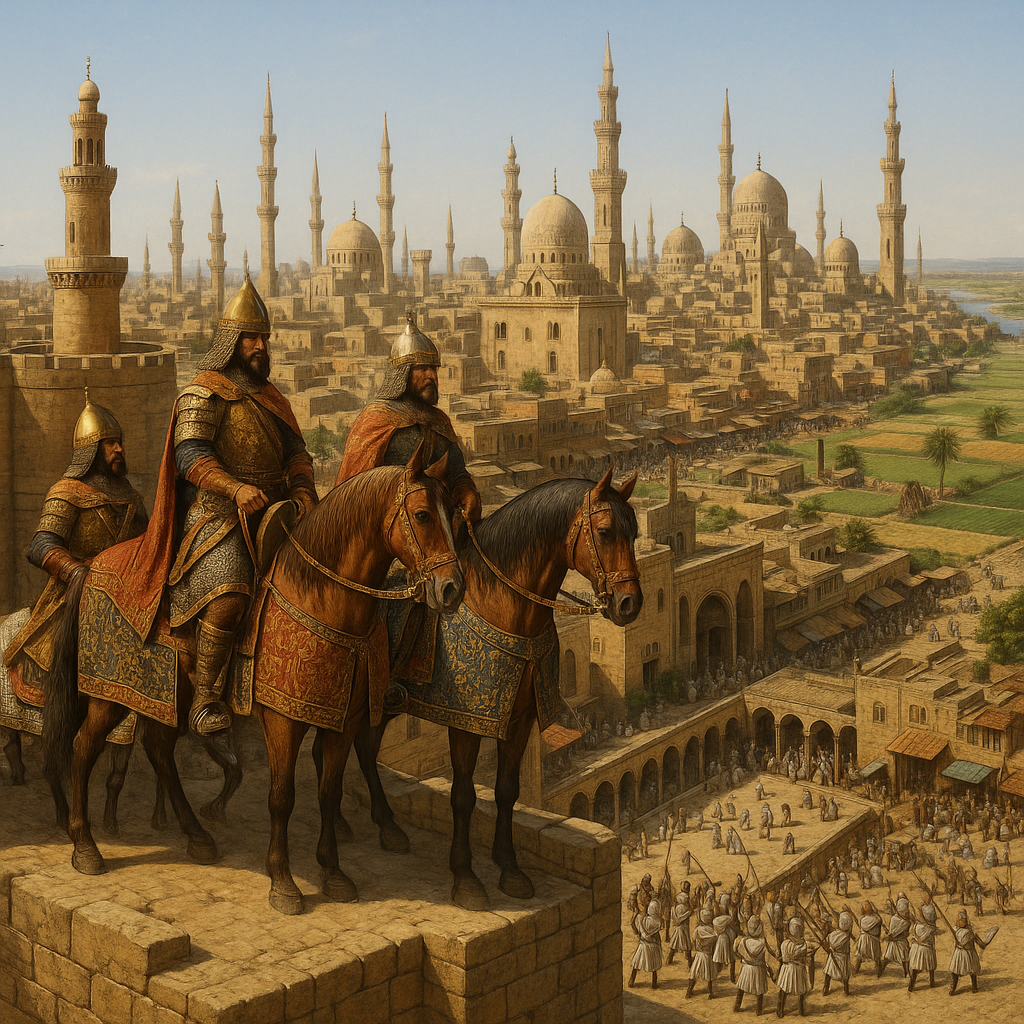
Egypt High Medieval
Africa High Medieval
India & Central Asia High Medieval
China High Medieval
Oceania High Medieval
North America High Medieval
Central America High Medieval
South America
| Terra Avita Region and Era Name Link | Representative Cultures | Major Cities / Centers | Major Events |
|---|---|---|---|
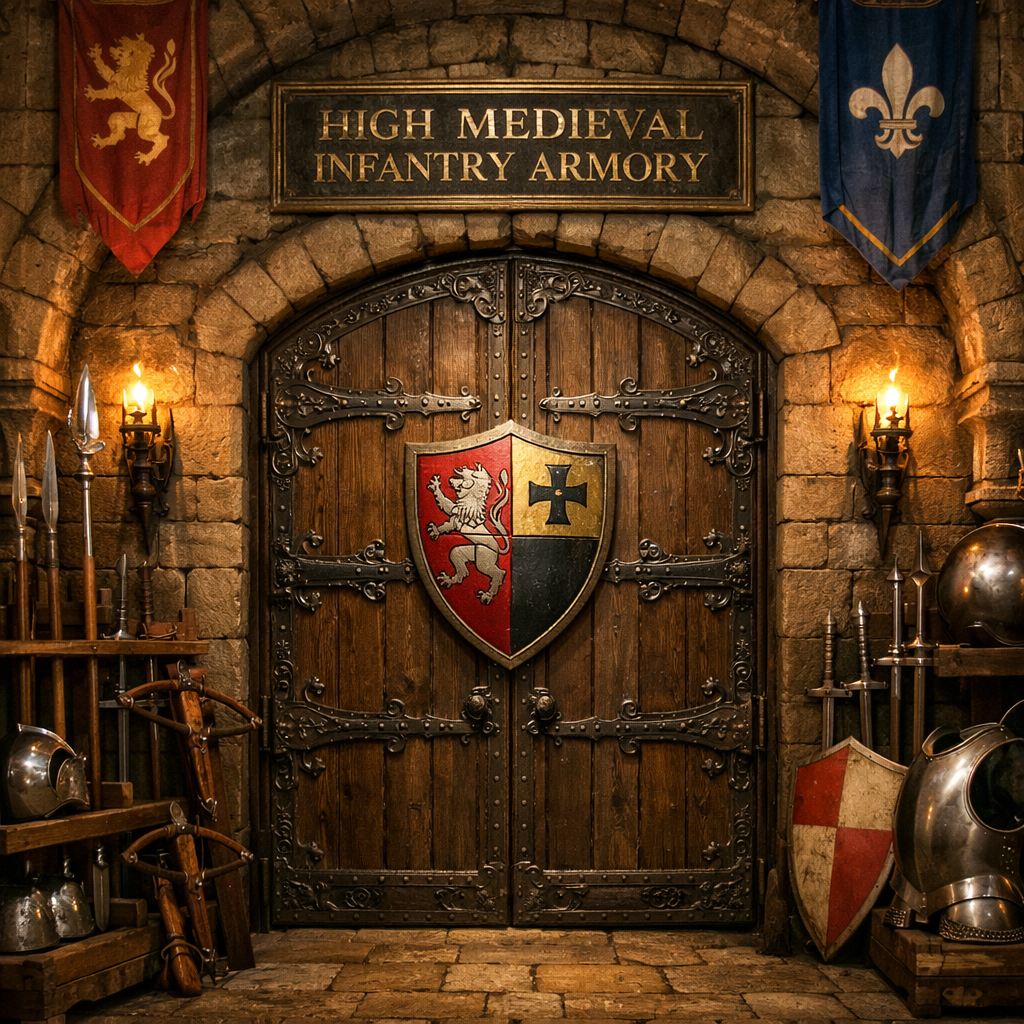
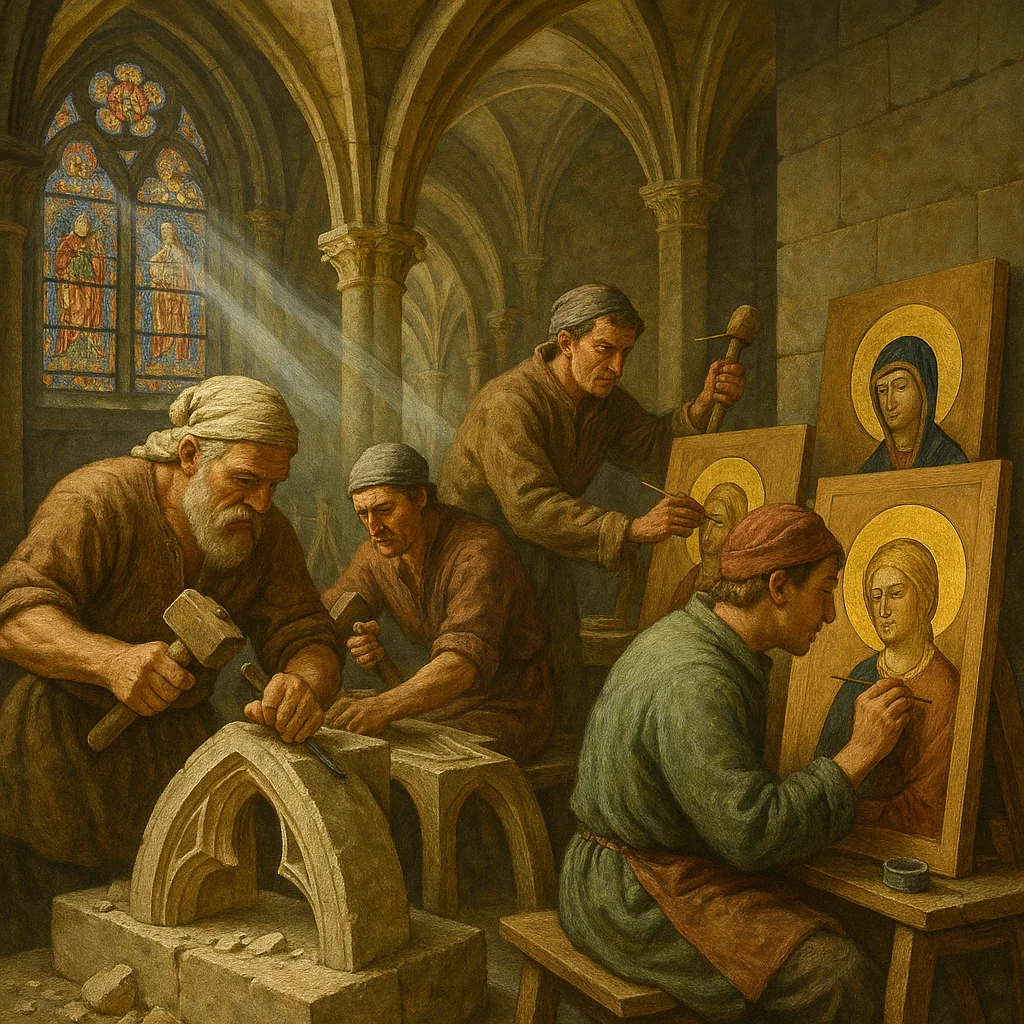
| High Medieval Western Europe | Norman, Capetian France, Holy Roman Empire, Anglo-Norman, Papal States | Paris, London, Rome, Aachen | Feudal consolidation; Norman conquests; Crusades begin; Gothic cathedrals and universities rise |
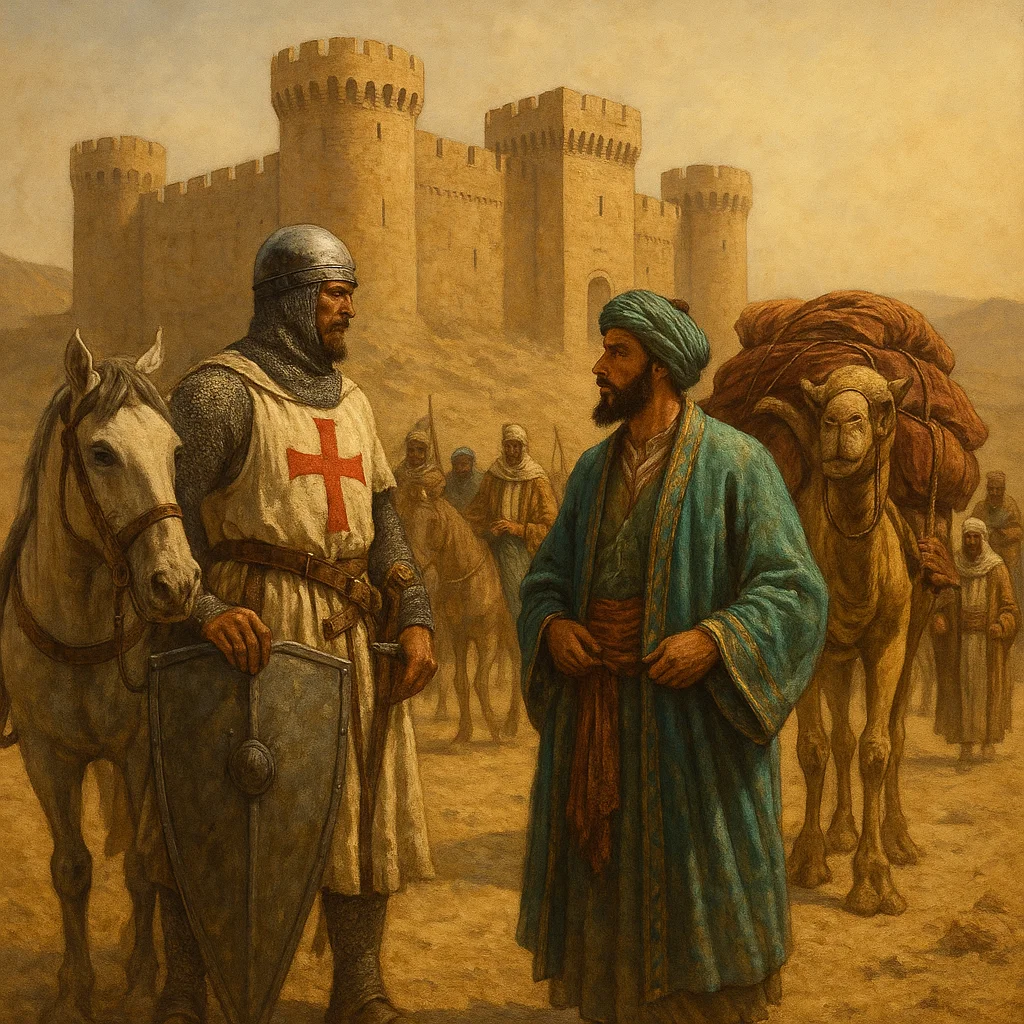
| High Medieval Eastern Mediterranean | Byzantine Empire, Crusader States, Seljuk Turks | Constantinople, Antioch, Jerusalem, Nicaea | Byzantine–Seljuk conflict; First–Fourth Crusades; Latin Empire of Constantinople (1204) |
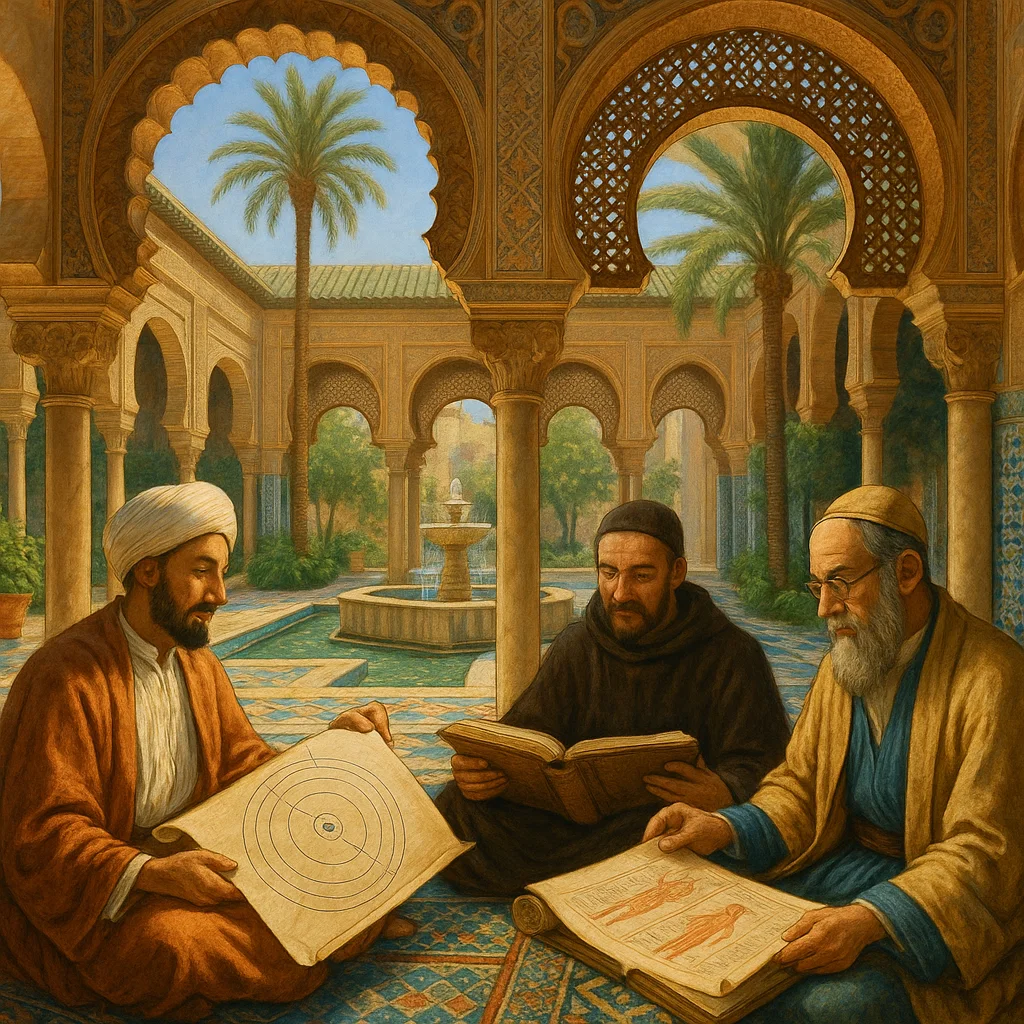
| High Medieval Persia | Ghaznavid, Seljuk, Khwarezmian Empires | Nishapur, Merv, Rayy, Isfahan | Persian cultural renaissance under Seljuks; Nizam al-Mulk’s reforms; Mongol invasions approach |
| High Medieval Egypt | Fatimid, Ayyubid, Mamluk (early) | Cairo, Alexandria, Fustat | Fall of Fatimids; rise of Saladin; defense against Crusaders; consolidation of Mamluk power |
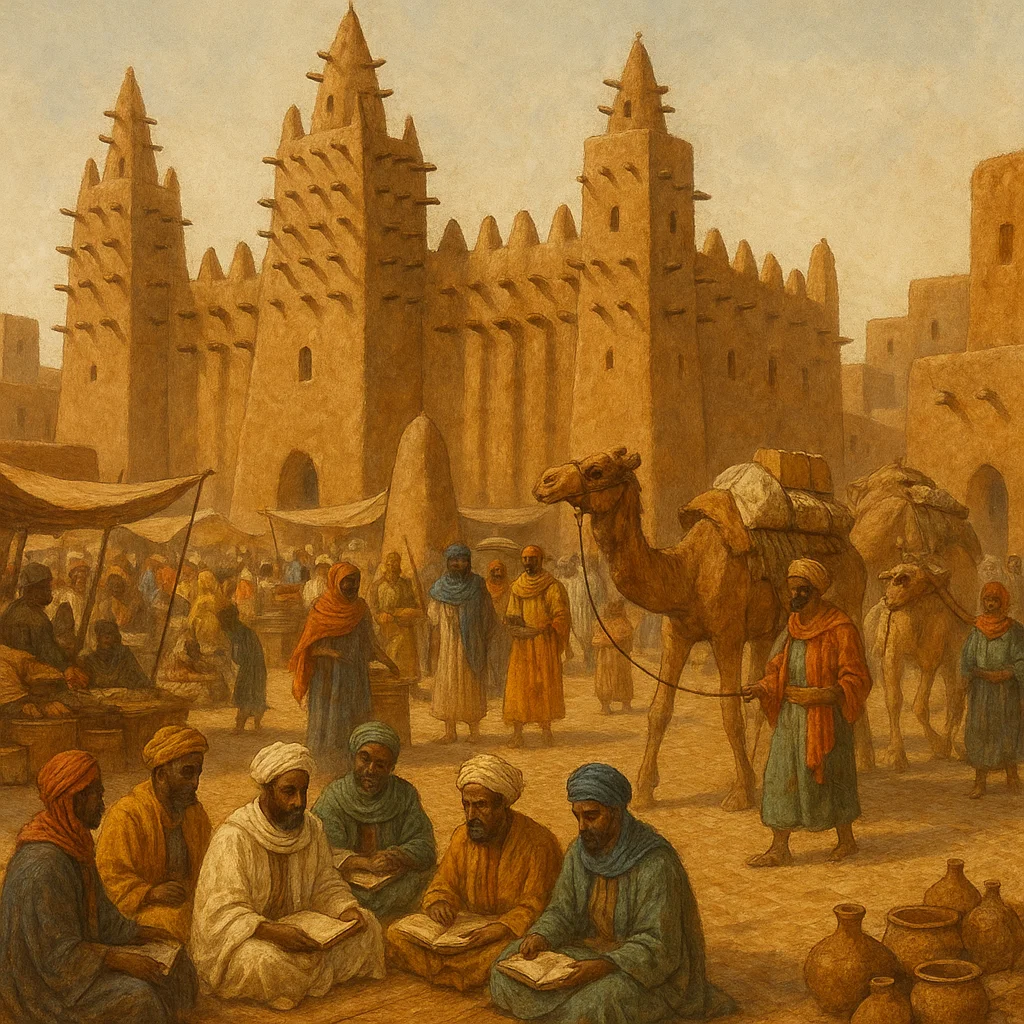
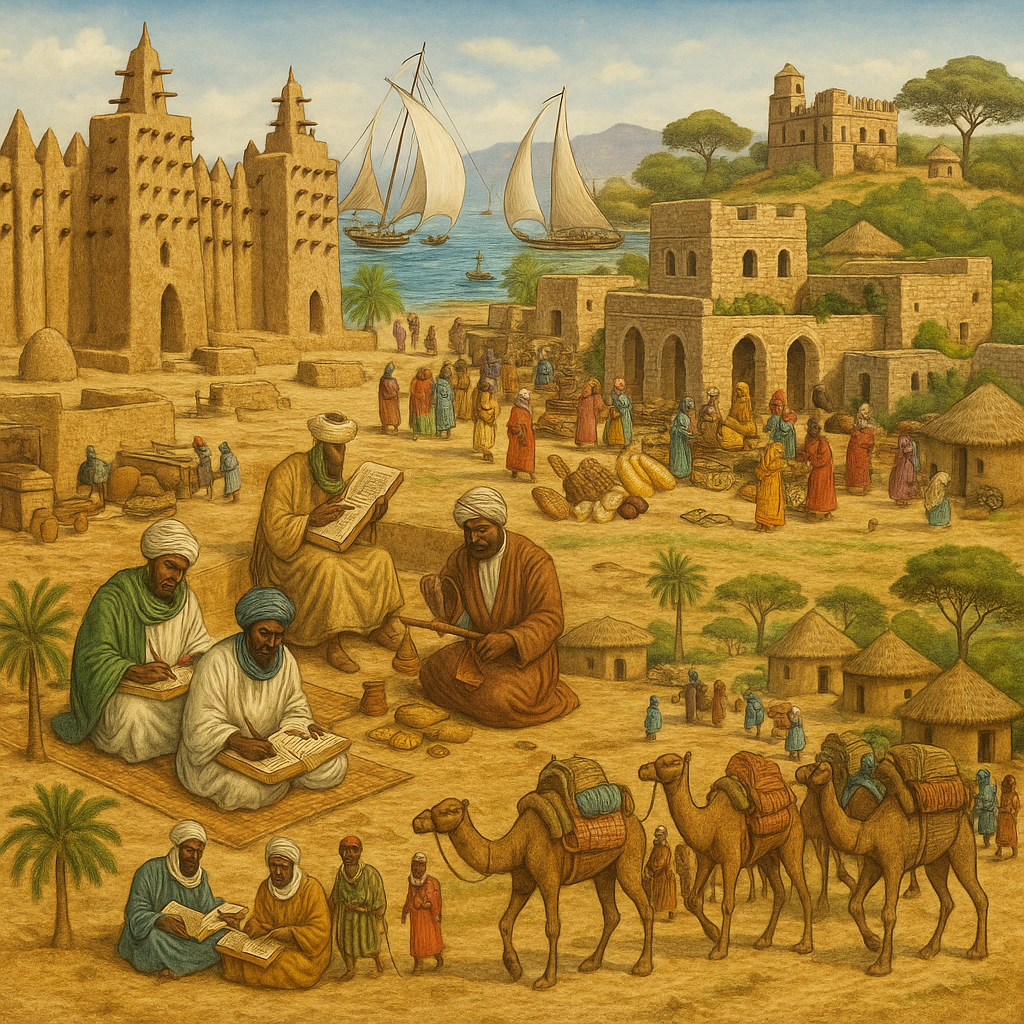
| High Medieval Africa (beyond the Nile) | Ghana (decline), Mali (rise), Kanem-Bornu, Swahili Coast City-States | Koumbi Saleh, Timbuktu, Kilwa, Gao | Gold–salt trade expansion; spread of Islam; rise of trans-Saharan networks and coastal trade |
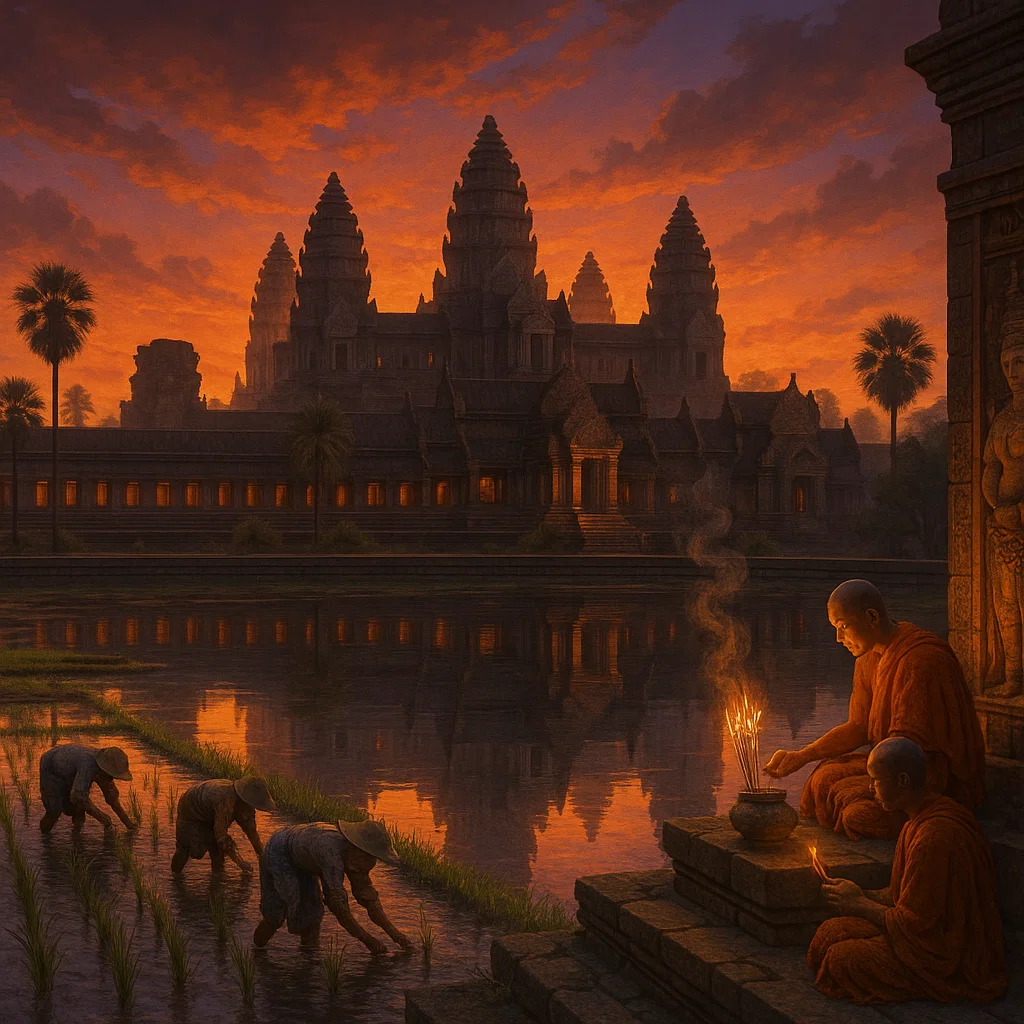
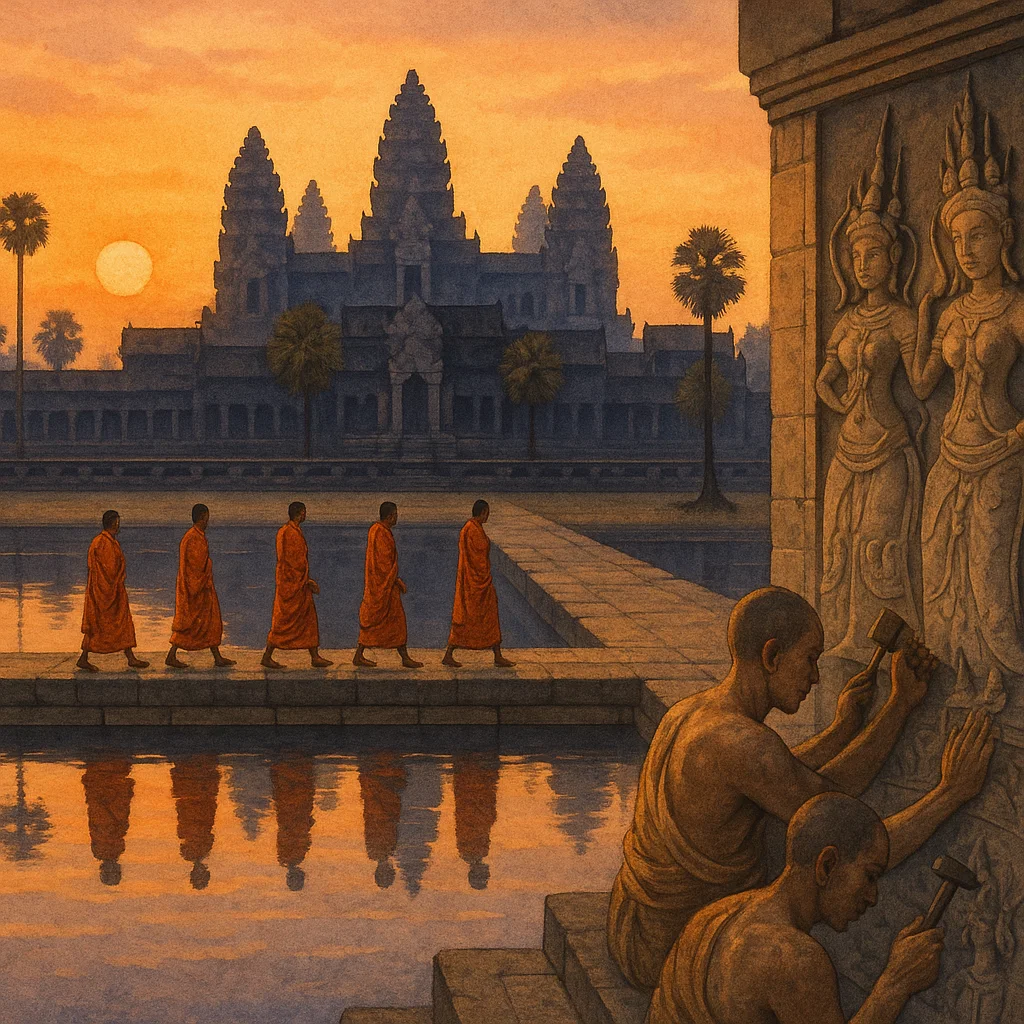
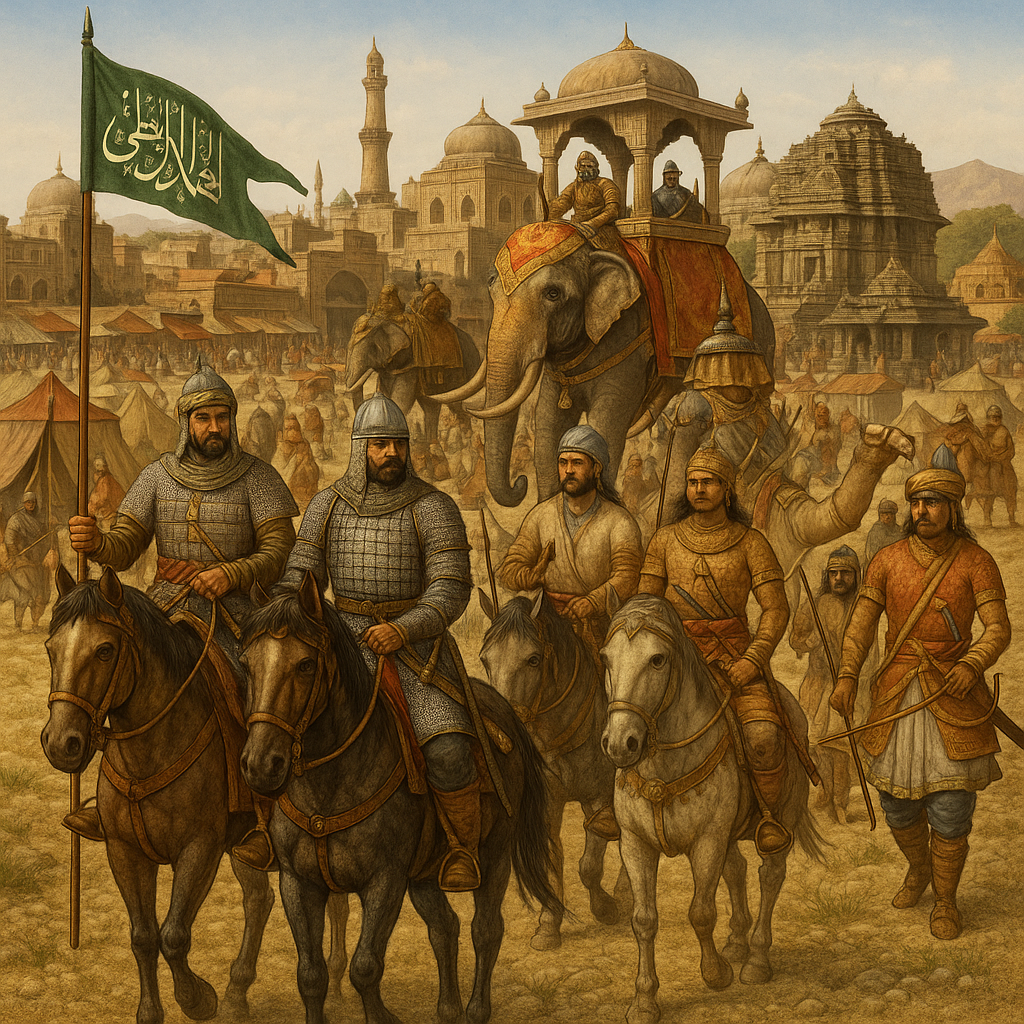
| High Medieval India and Central Asia | Chola, Rajput, Delhi Sultanate (emerging), Ghurid, Khmer | Delhi, Thanjavur, Angkor, Lahore | Chola naval expansion; temple architecture flourish; Islamic rule begins in North India |
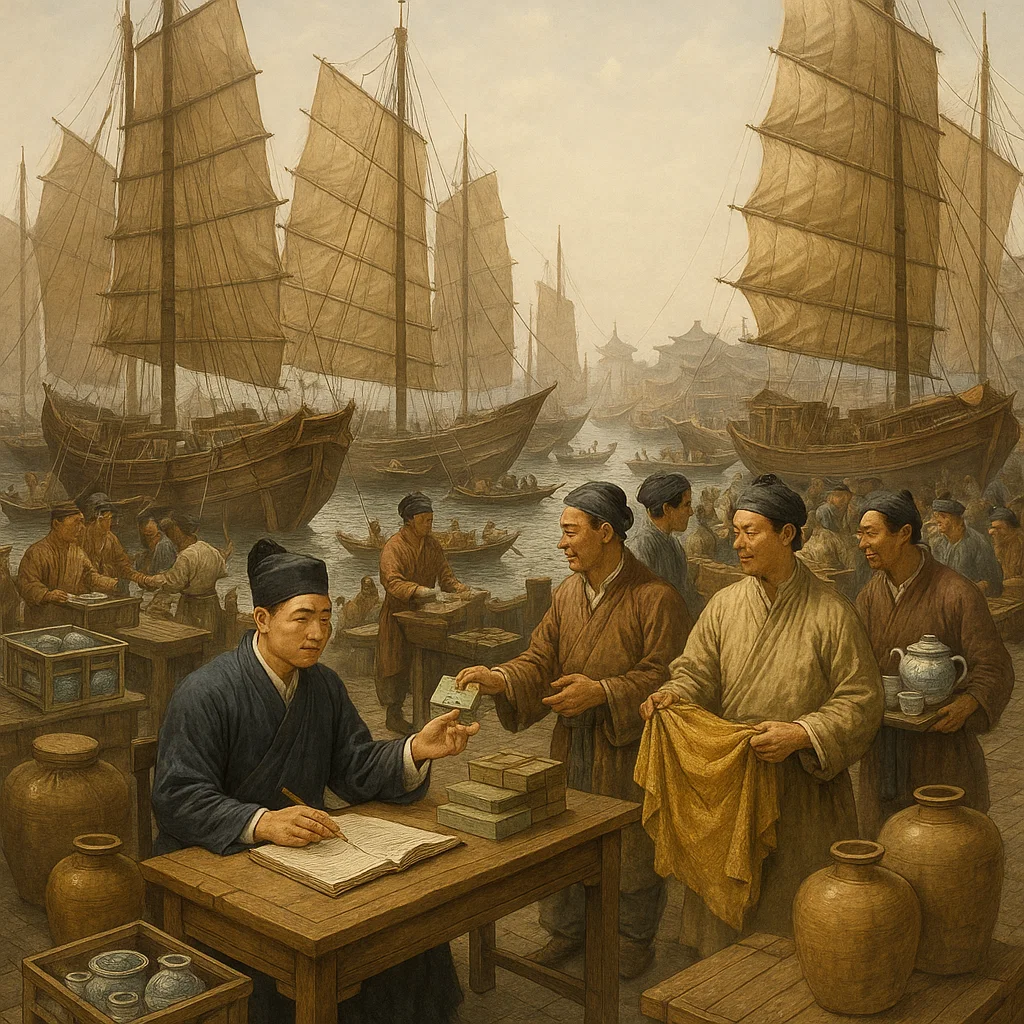
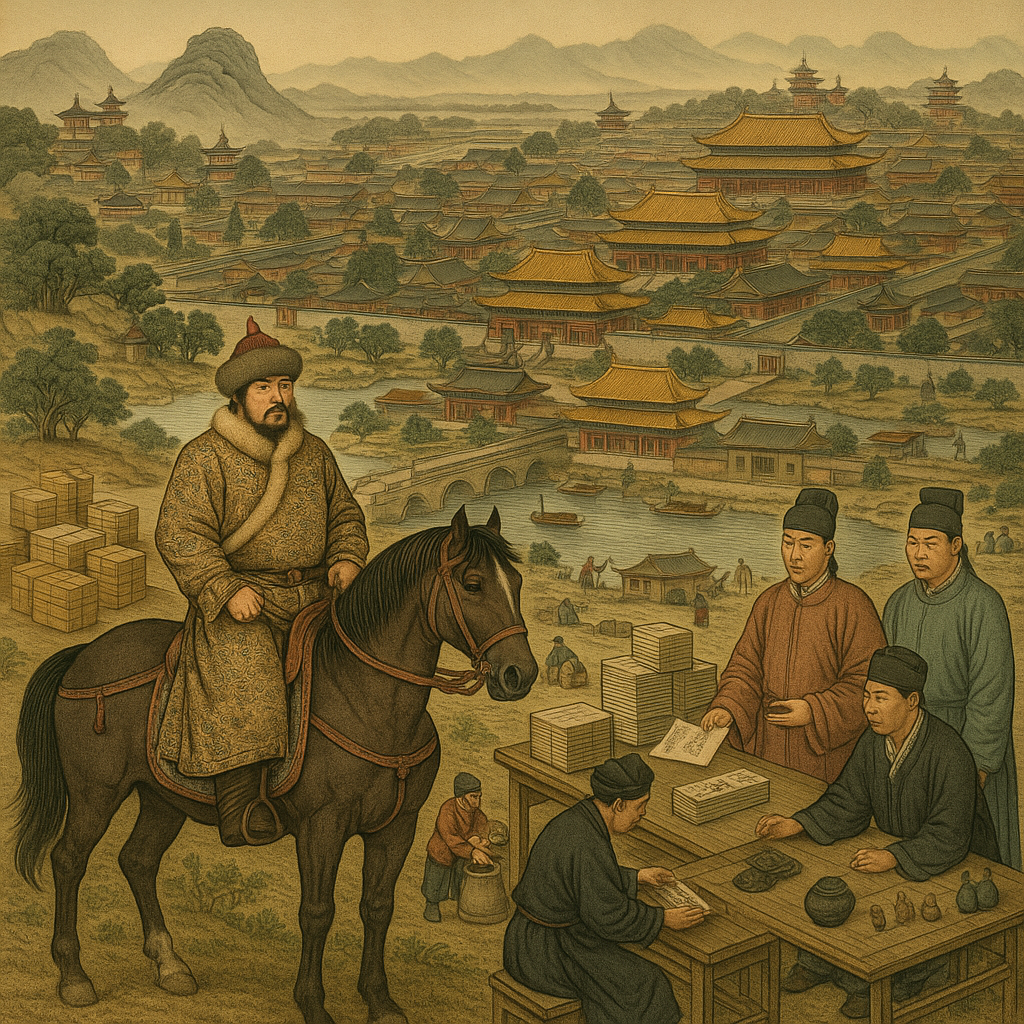
| High Medieval China (East Asia) | Song (Northern & Southern), Liao, Jin, Kamakura Japan, Goryeo Korea | Kaifeng, Hangzhou, Tokyo (Kamakura), Gaegyeong | Urban and commercial revolution; invention of gunpowder, compass, printing; Mongol pressures build |
| High Medieval Oceania | Polynesian Empires, Maori Settlement, Micronesian Navigators | Tonga, Samoa, Hawaii, Aotearoa | Polynesian expansion reaches Hawaii and New Zealand; development of hierarchical maritime polities |
| High Medieval North America | Mississippian, Ancestral Pueblo, Hohokam | Cahokia, Mesa Verde, Chaco Canyon | Peak of mound-building culture; complex trade systems; ceremonial architecture in Southwest |
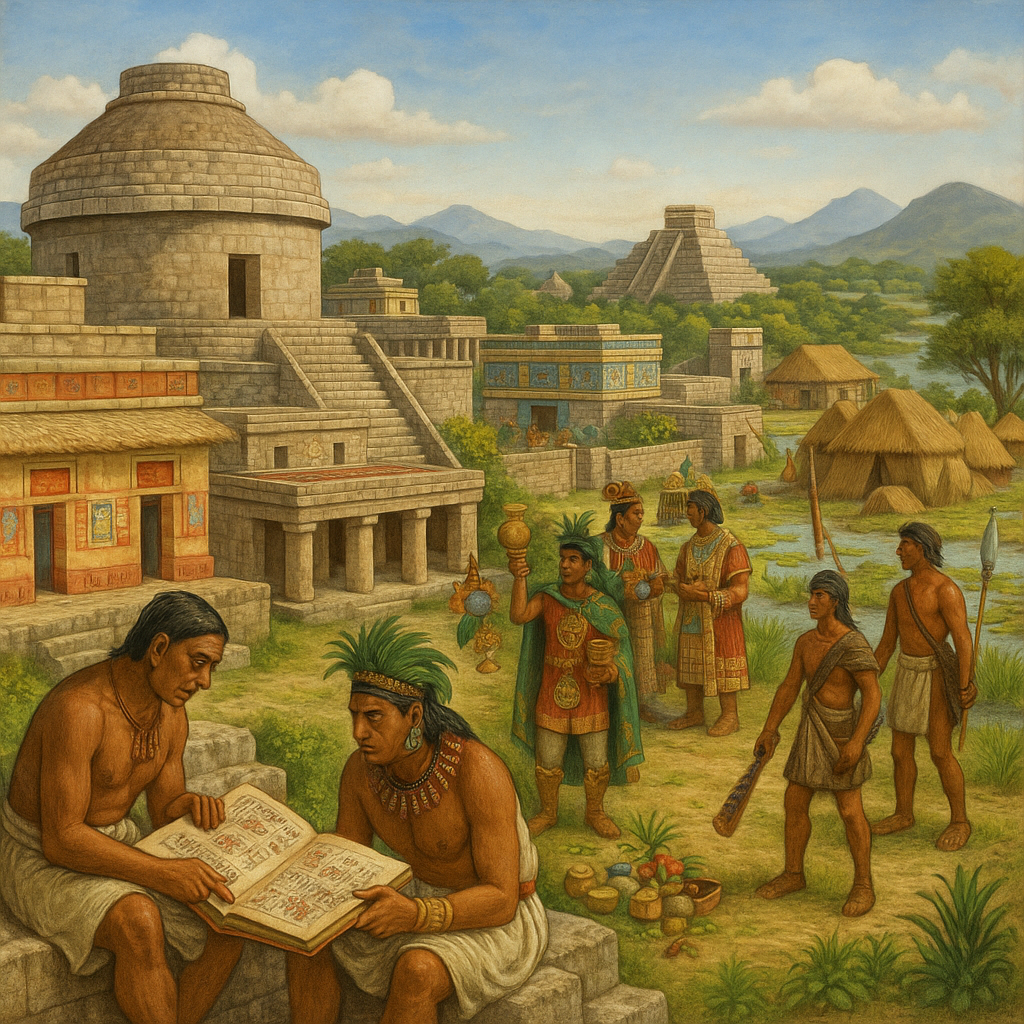
| High Medieval Central America | Toltec, Early Aztec, Maya (Postclassic) | Tula, Chichen Itza, Mayapan | Decline of Classic Maya; Toltec dominance; foundation of Aztec city-states in Central Mexico |
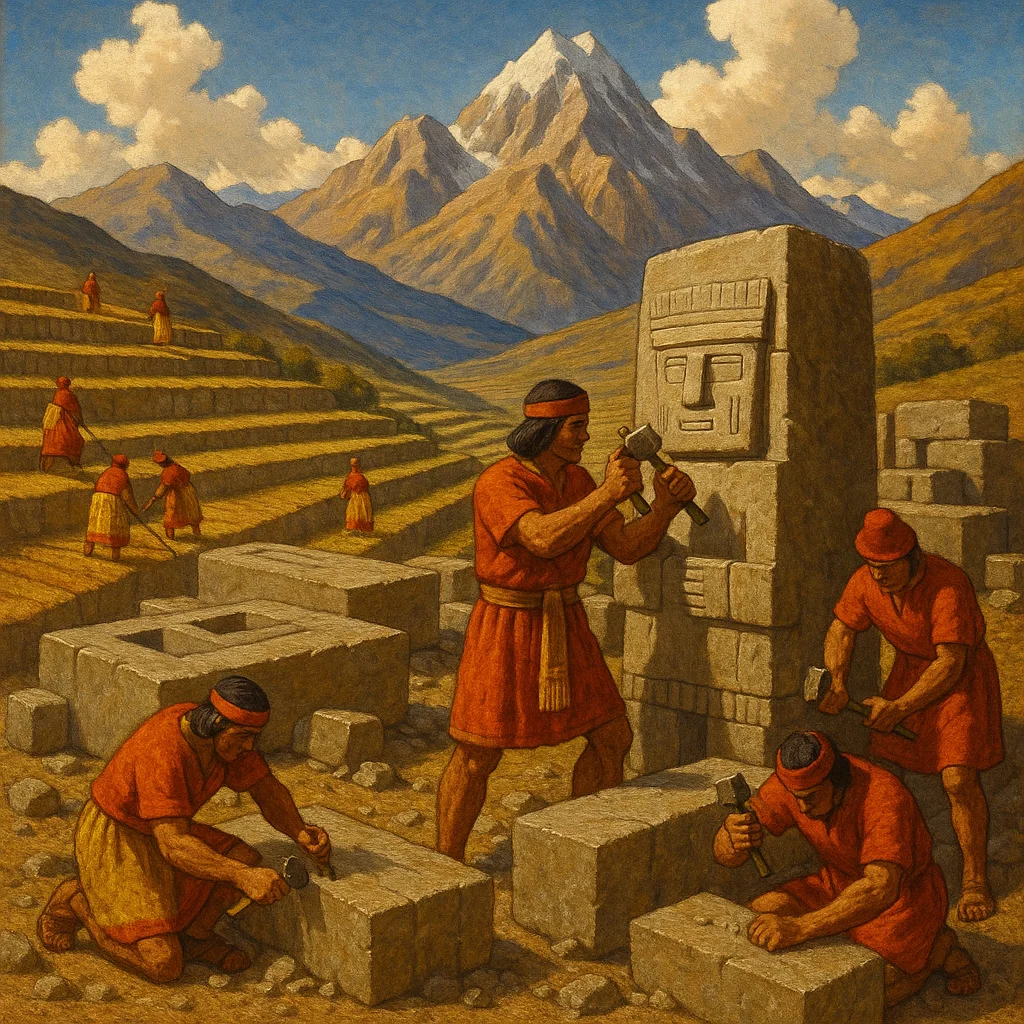
| High Medieval South America | Tiwanaku (late), Wari (late), Chimu, Sicán | Chan Chan, Huari, Lambayeque | Coastal urban centers flourish; metallurgy and irrigation expand; pre-Inca confederations form |

1000 AD – Snapshot
| Terra Avita Region and Era Name Link | Event Description |
|---|---|
| Early Medieval Africa (beyond the Nile) | Ghana Empire dominant in West Africa, controlling Saharan gold trade. Early Mali precursors forming. Sahelian cities (Koumbi Saleh, Gao) flourish. Swahili coast emerging as major Indian Ocean trade corridor with Afro-Arab merchant towns. |
| Early Medieval Central America | Toltec ascendancy in central Mexico (Tula). Maya Postclassic consolidation in Yucatán; Chichén Itzá powerful. Strong long-distance trade networks; full maize civilization. |
| Early Medieval China (East Asia) | Song Dynasty consolidates southern and central China (Northern Song). Explosive economic growth, gunpowder weapons, printing, massive cities (Kaifeng). Khitan Liao Dynasty controls northeast; Tang long gone. |
| Early Medieval Eastern Mediterranean | Byzantine Empire strong under Basil II; reconquers Balkans and stabilizes Anatolia. Islamic world fragmented: Fatimids in Egypt, Abbasids weak in Baghdad, regional emirates and dynasties dominate. Eastern Mediterranean a frontier between Byzantium and Islam. |
| Early Medieval Egypt | Under Fatimid Caliphate (Cairo founded 969 AD). Isma‘ili Shi‘a dynasty dominates Nile Valley. Cairo becomes one of the world’s most important cities—trade, scholarship, administration thrive. |
| Early Medieval India and Central Asia | Ghaznavids dominate northwest India and Afghanistan. North India fractured among Rajput kingdoms. South India under Cholas expanding maritime influence across Bay of Bengal. Central Asia shifting between Turkic powers. |
| Early Medieval North America | Mississippian culture rising sharply. Cahokia becomes largest city north of Mexico (~1050–1200 AD). Full-scale maize agriculture, platform mounds, chiefdom hierarchies, long-distance exchange networks. Bow-and-arrow universal. |
| Early Medieval Oceania | Australia’s Aboriginal cultures stable with extensive trade routes and ritual systems. New Guinea highlands intensive agriculture advanced. Polynesians have not yet settled New Zealand (c. 1200–1300 AD), but Eastern Polynesia well populated (Tahiti, Hawai‘i, Marquesas, Rapa Nui). |
| Early Medieval Persia | Ghaznavid Empire rising (Mahmud of Ghazni). Persianate Islamic culture flourishing. Literature (Ferdowsi’s Shahnameh finished 1010 AD). Control over eastern Iran and Afghanistan; raids into India. Abbasids symbolic only. |
| Early Medieval South America | Post–Wari and post–Tiwanaku regional states dominate. Inca ancestors (Kingdom of Cusco) beginning as minor highland polity centuries before imperial expansion. Coastal Peru features Chimú precursors; irrigation and terracing remain central. |
| Early Medieval Western Europe | High Middle Ages emerging. Feudalism entrenched. Holy Roman Empire consolidating under Otto III/Henry II. Capetian monarchy stabilizing France. England under Anglo-Saxon rule (Æthelred the Unready). Viking Age at full force; Norse settlements in Iceland, Greenland, and Vinland (c. 1000 AD). |
1100 AD – Snapshot
| Terra Avita Region and Era Name Link | Event Description |
|---|---|
| High Medieval Africa (beyond the Nile) | Ghana Empire declines due to Almoravid pressure and internal fractures; early Mali precursors strengthening. Trans-Saharan trade at high volume (gold, salt). Swahili coast grows rapidly with Afro-Arab merchant towns (Kilwa, Mombasa). |
| High Medieval Central America | Toltec civilization collapsing (Tula declines ~1100–1150). Maya in Postclassic phase—northern centers like Chichén Itzá and Mayapán rising. Long-distance trade (obsidian, copper, cacao) intensifies. |
| High Medieval China (East Asia) | Northern Song Dynasty at cultural and economic peak. Urbanization, gunpowder refinement, printing, paper money, mathematics, and maritime trade thriving. Liao Dynasty holds Manchuria; Western Xia controls northwest. |
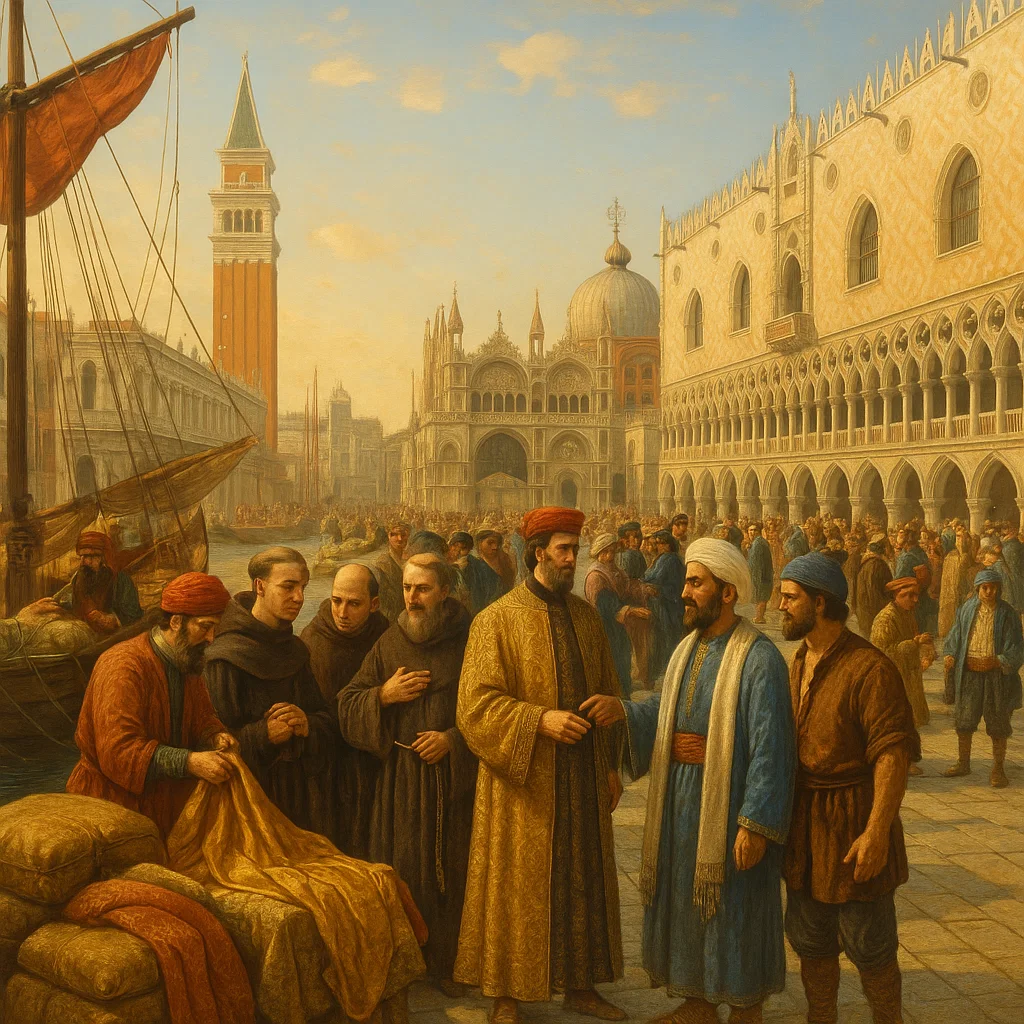
| High Medieval Eastern Mediterranean | Crusader States (Jerusalem, Antioch, Edessa, Tripoli) newly formed. Byzantine Empire revived under Alexios I Komnenos. Seljuk fragmentation across Anatolia and Syria. Trade between Italian maritime republics and Levant intensifies. |
| High Medieval Egypt | Fatimid Caliphate weakening. Internal factionalism, economic strain, and rivalry with Seljuks and Crusaders. Cairo remains wealthy and cosmopolitan; major center of learning and Isma‘ili theology. |
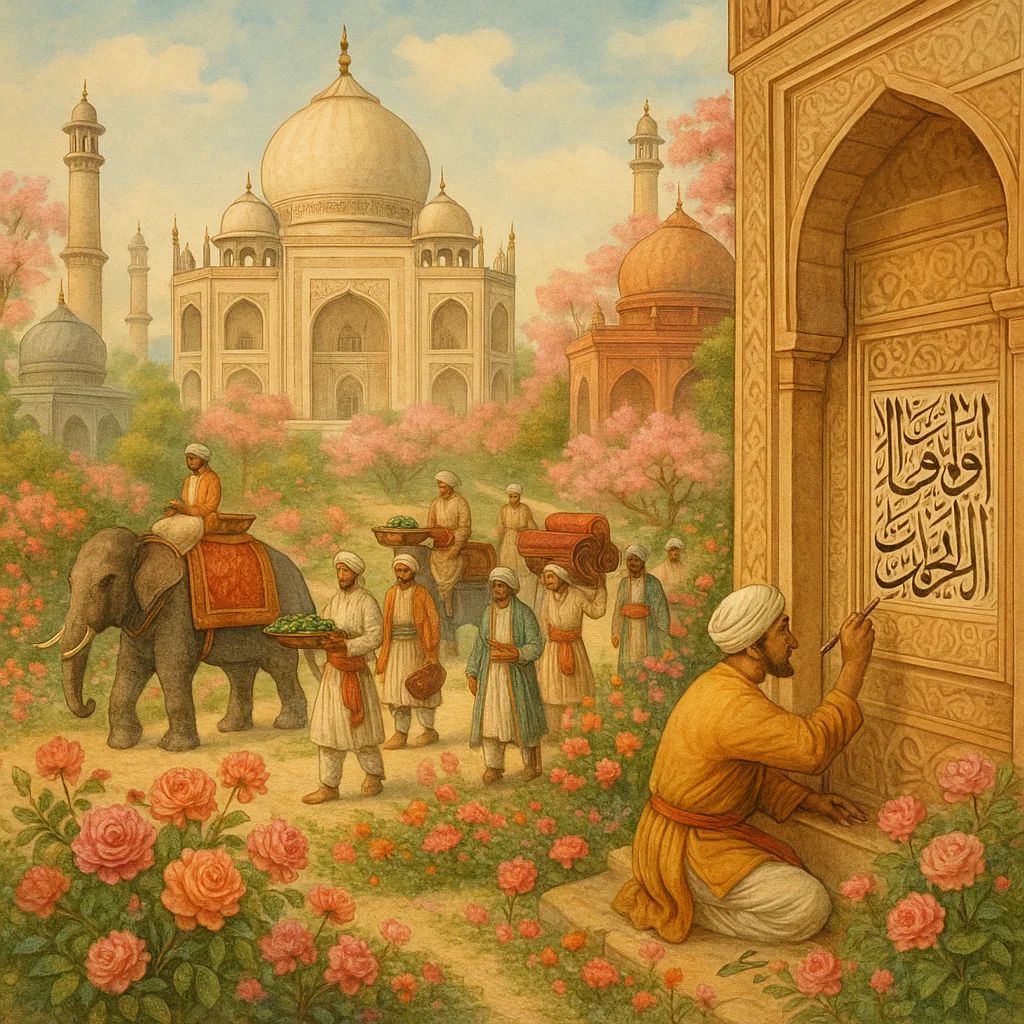
| High Medieval India and Central Asia | North India fragmented among Rajput kingdoms. In Central Asia, Seljuk decline and Kara-Khitai rise. Ghaznavids and Ghurids maneuver for dominance in Afghanistan and northwestern India. Strong Buddhist centers in Bihar; early Islamic influence spreads westward. |
| High Medieval North America | Mississippian chiefdoms dominate. Cahokia near height (~1050–1200 AD). Monumental platform mounds, maize agriculture, and wide trade networks. Southeastern chiefdoms strong; bow-and-arrow universal. |
| High Medieval Oceania | Australia maintains stable Aboriginal cultural systems with complex trade routes and ceremonial traditions. New Guinea highlands: advanced horticulture and dense settled networks. Polynesians still centuries from reaching New Zealand (c. 1200–1300 AD). |
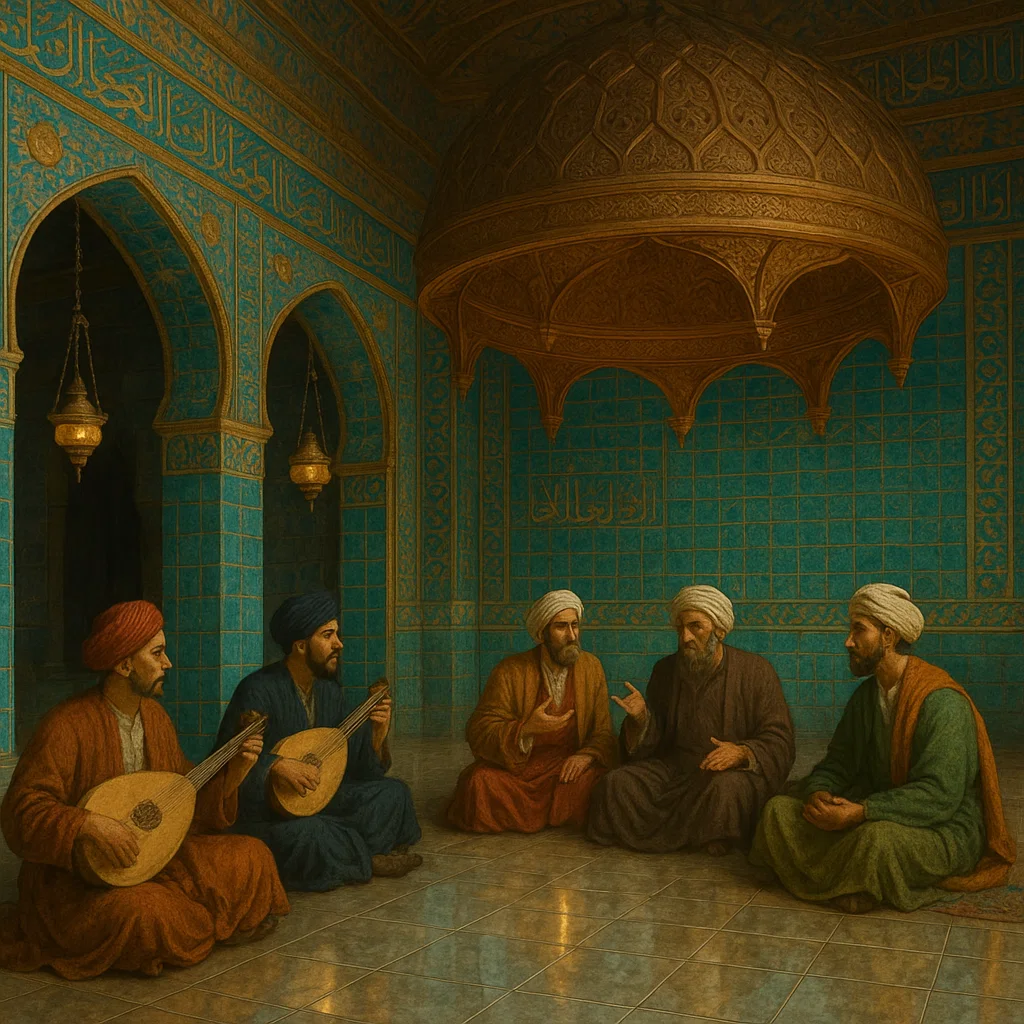
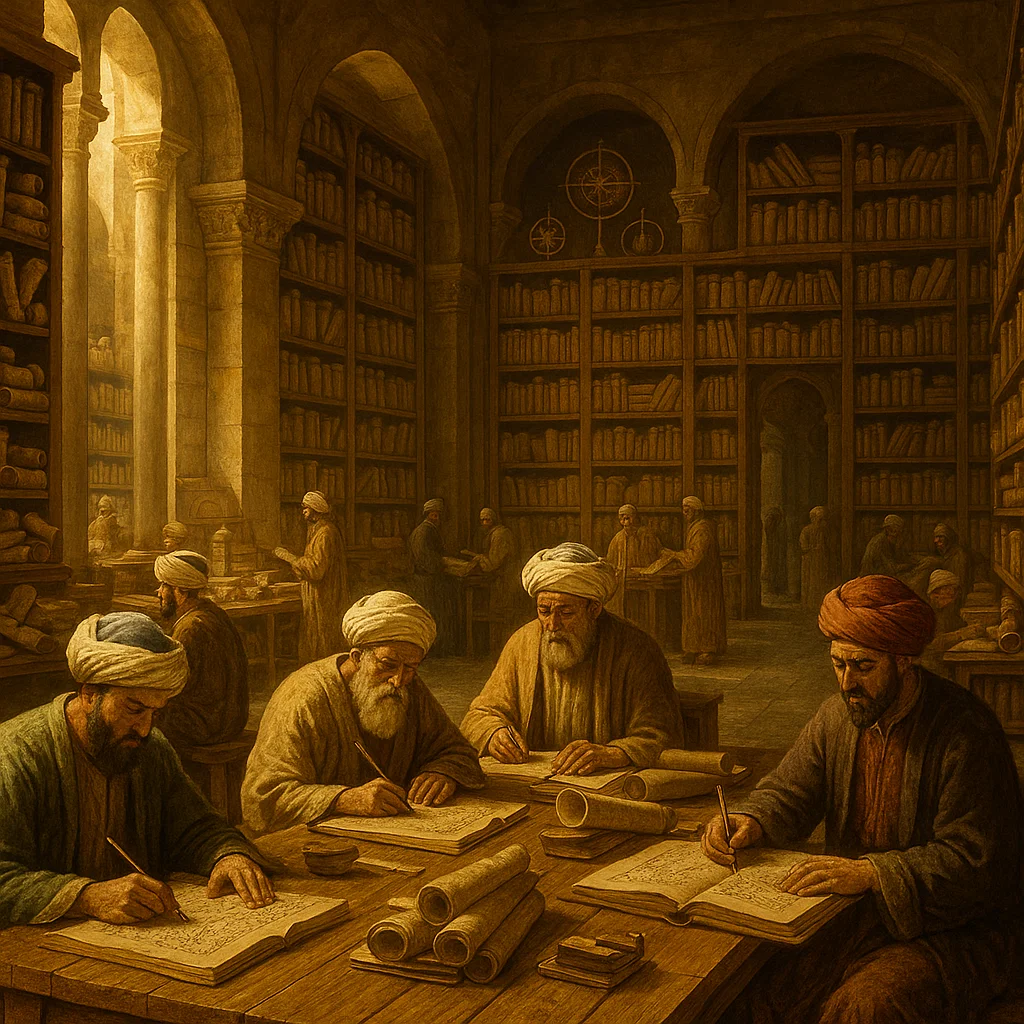
| High Medieval Persia | Seljuk Empire fragmenting, leading to regional atabeg states (Zengids, Artuqids, Danishmendids). Persian cultural and scientific life strong; Nizam al-Mulk’s bureaucratic reforms still influential. Persianate high culture spreading across Islamic world. |
| High Medieval South America | Chimú precursors rising on Peruvian north coast; irrigation states strong. Post-Wari/Tiwanaku fragmentation continues across Andes. Kingdom of Cusco (early Inca ancestors) still a small highland polity. Terracing and llama caravans widespread. |
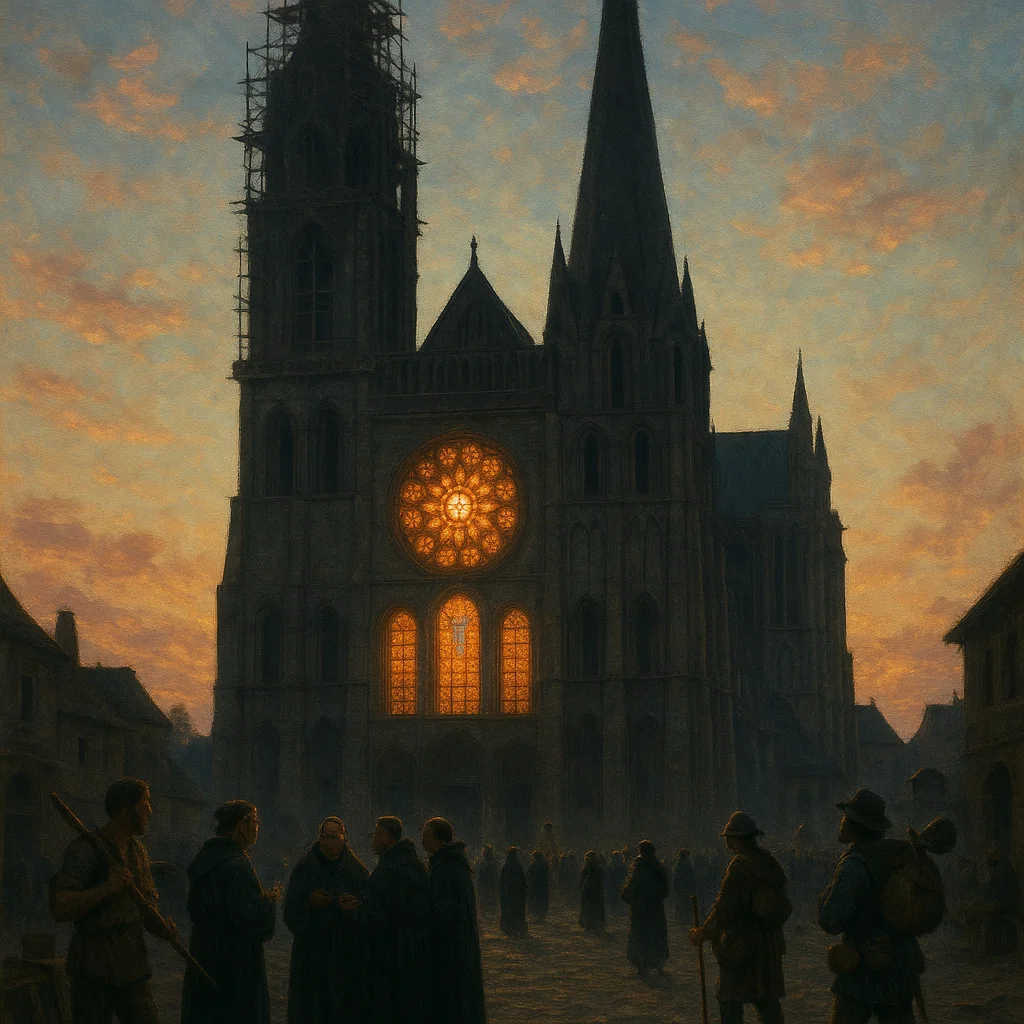
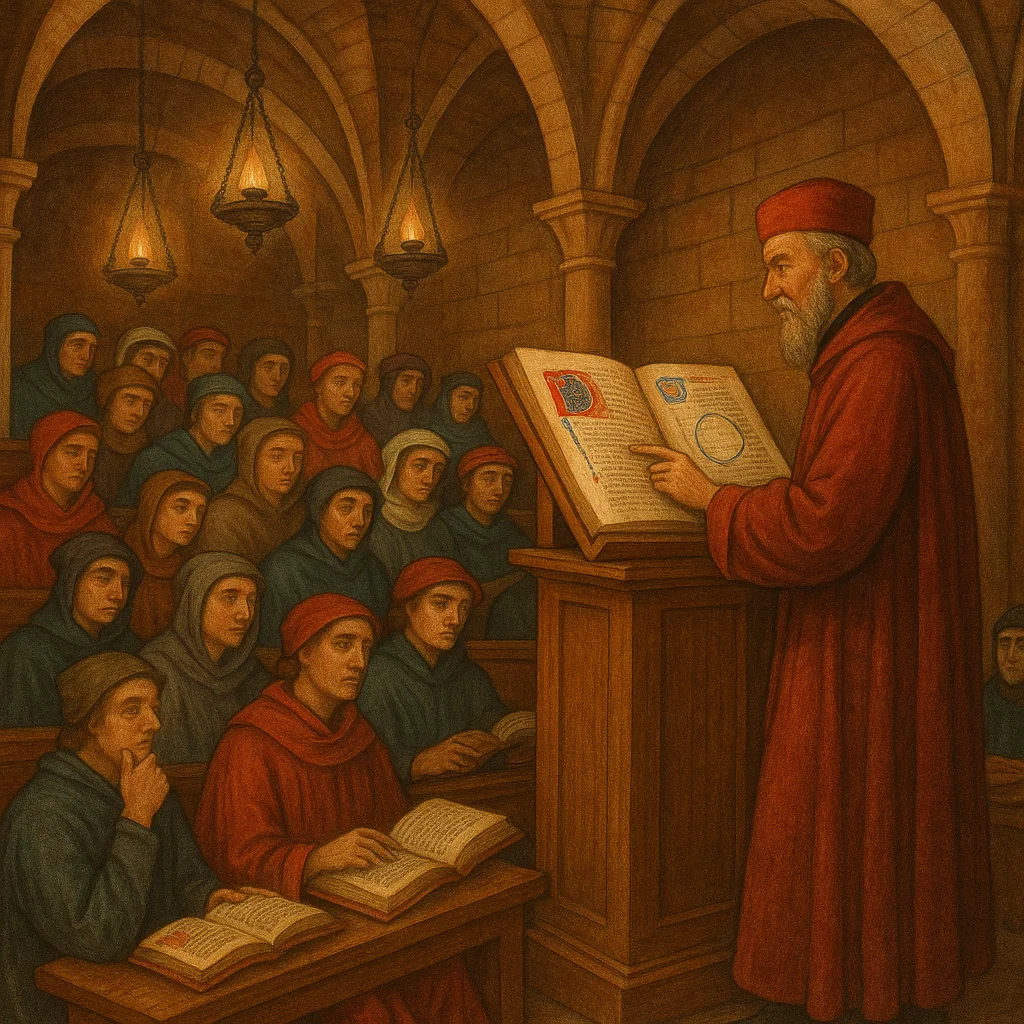
| High Medieval Western Europe | High Middle Ages. Norman power strong (England, Sicily). Capetian France strengthening. Holy Roman Empire influential under Henry IV/V. Crusader States recently established in Levant (First Crusade 1096–1099). Viking Age ended. Increasing urbanization and cathedral building. |
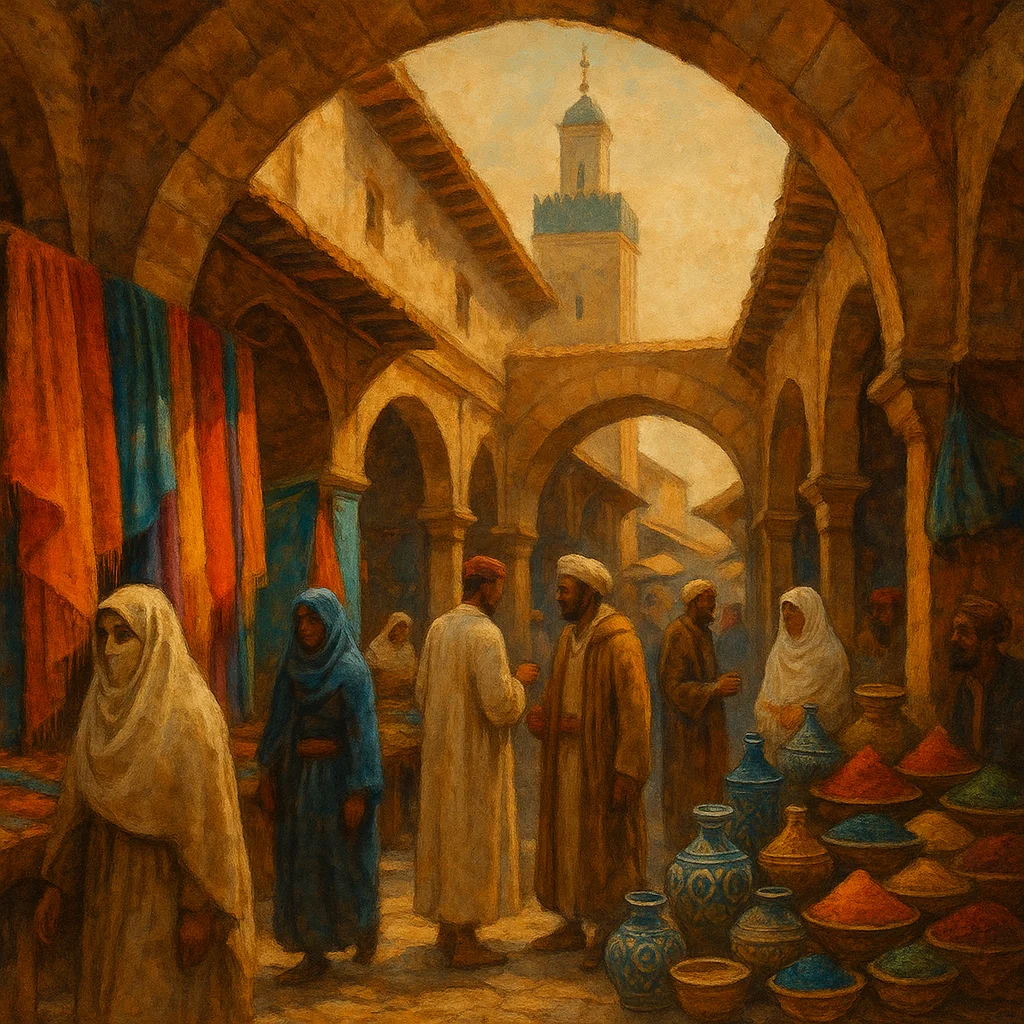
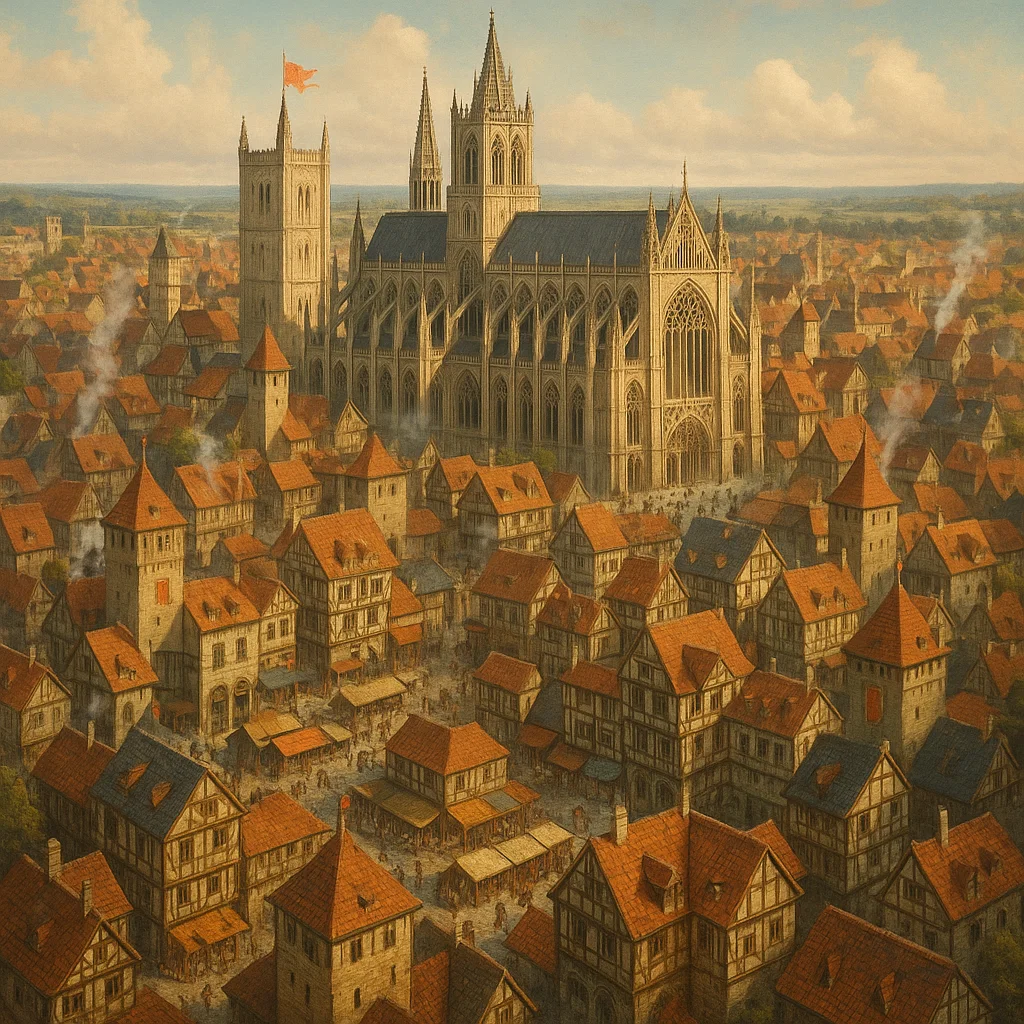
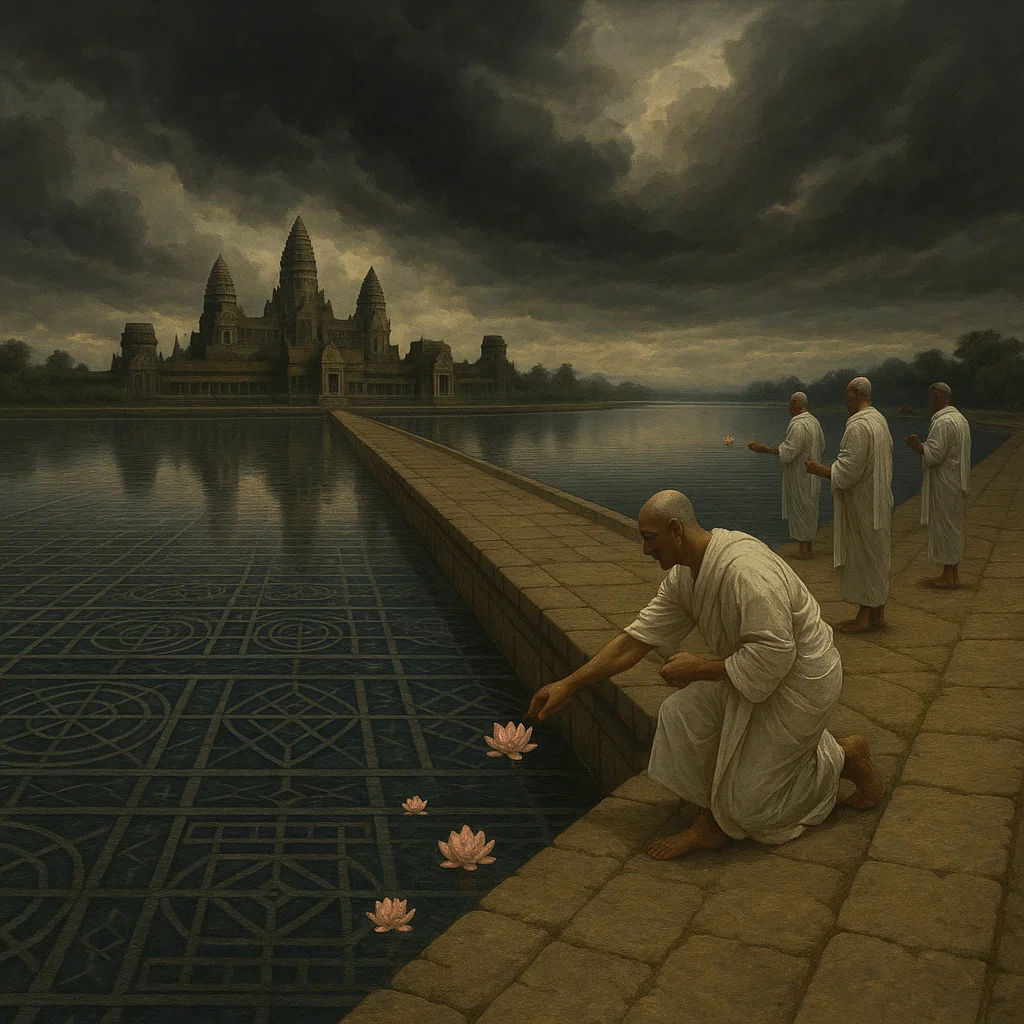
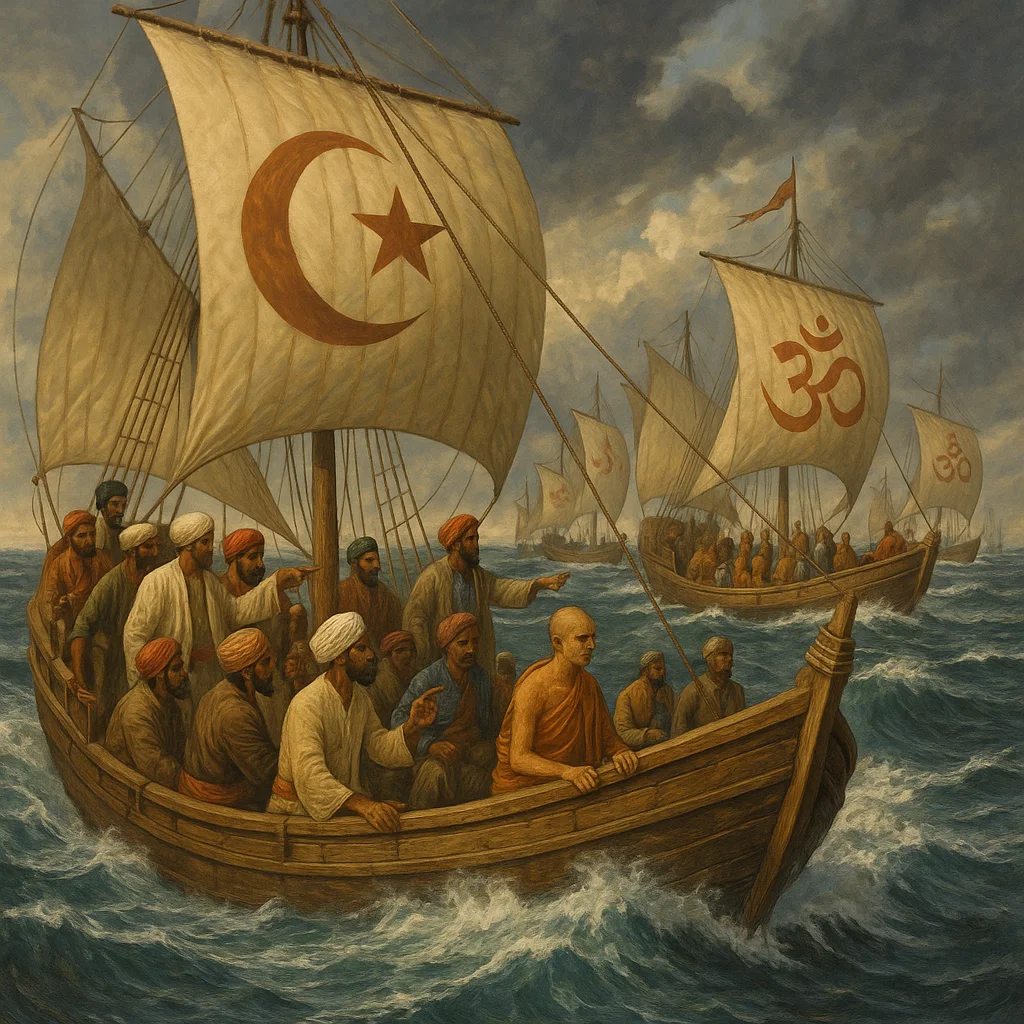
1200 AD – Snapshot
| Terra Avita Region and Era Name Link | Event Description |
|---|---|
| High Medieval Africa (beyond the Nile) | Ghana Empire gone. Mali Empire rising under Sundiata a few decades later (c. 1230s). Trans-Saharan gold–salt networks thriving. Swahili coast expanding rapidly with Kilwa, Mombasa, Mogadishu as major trade cities. |
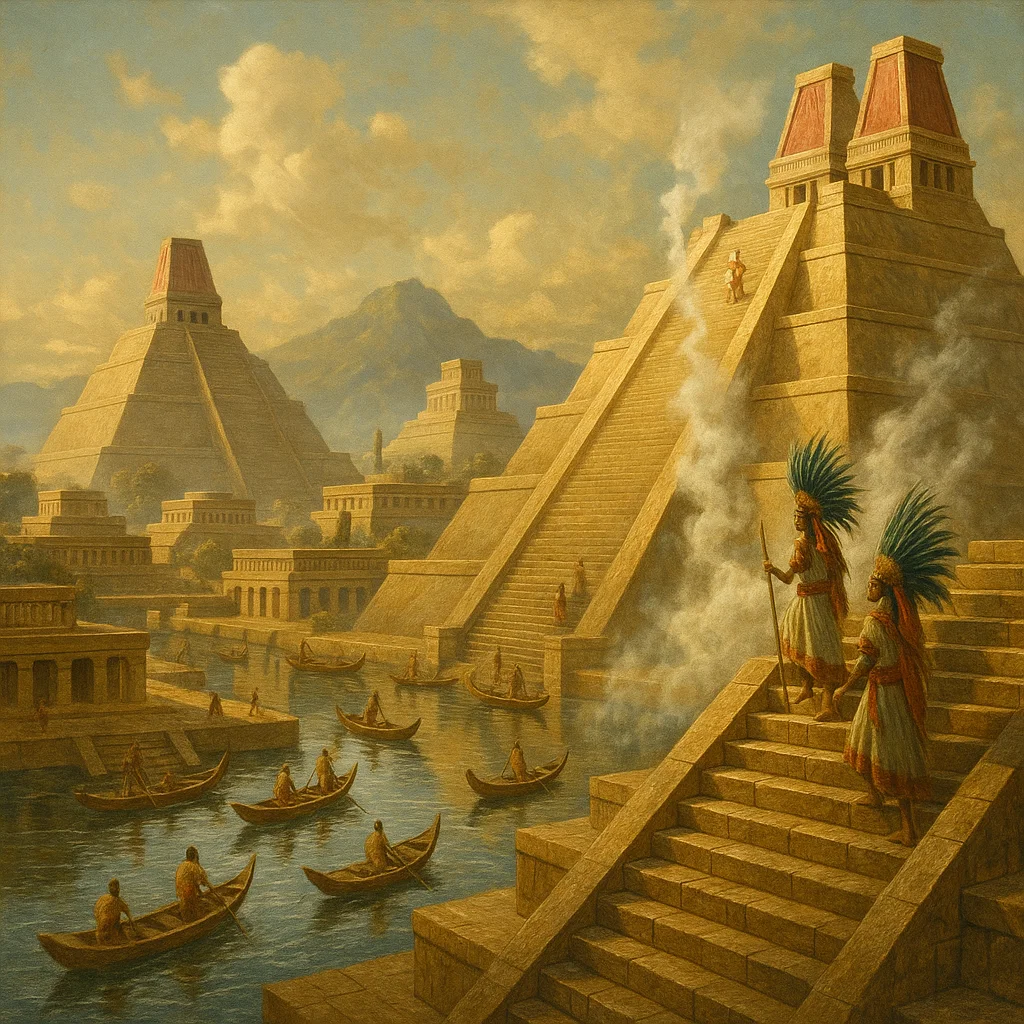
| High Medieval Central America | Postclassic Maya world consolidates in Yucatán—Chichén Itzá declining, Mayapán rising. Toltec influence waning after Tula’s fall. Urban centers active; intensive agriculture; wide trade in obsidian, cacao, cotton. |
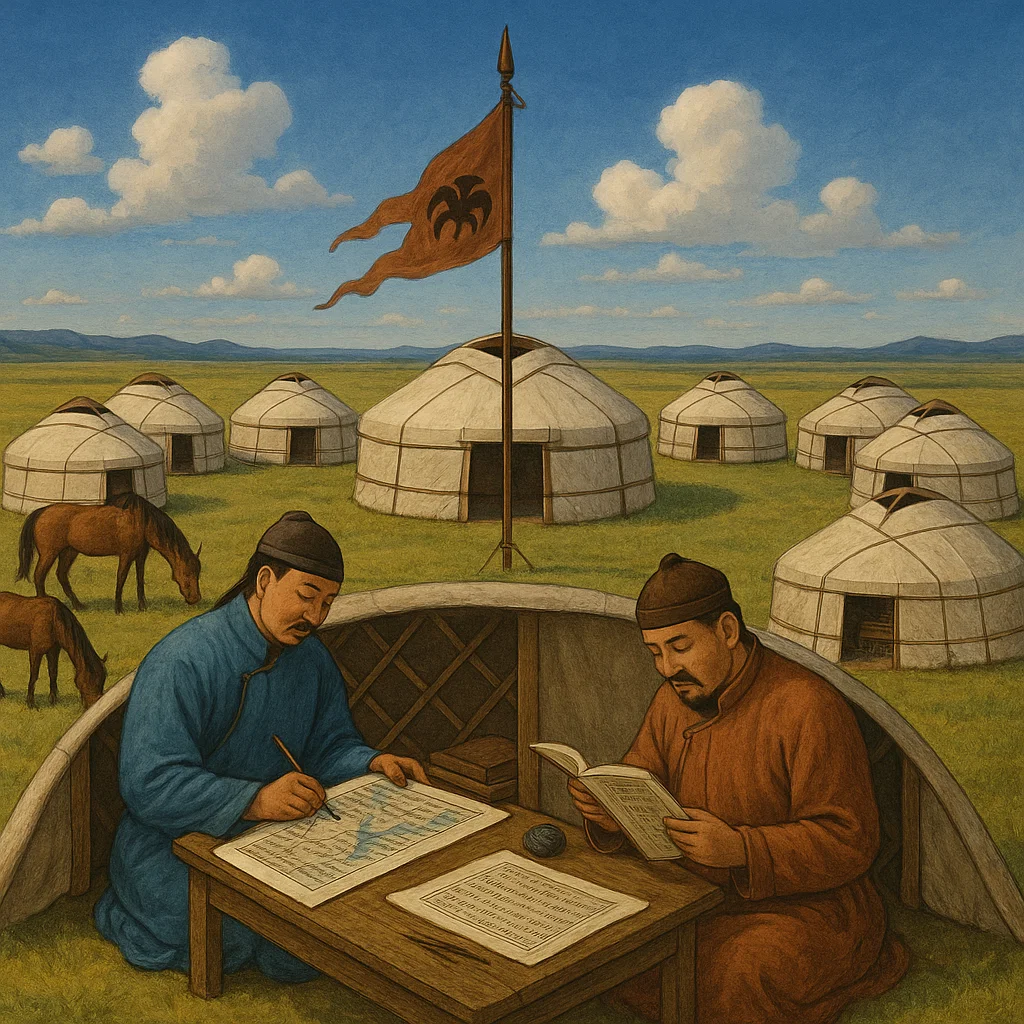
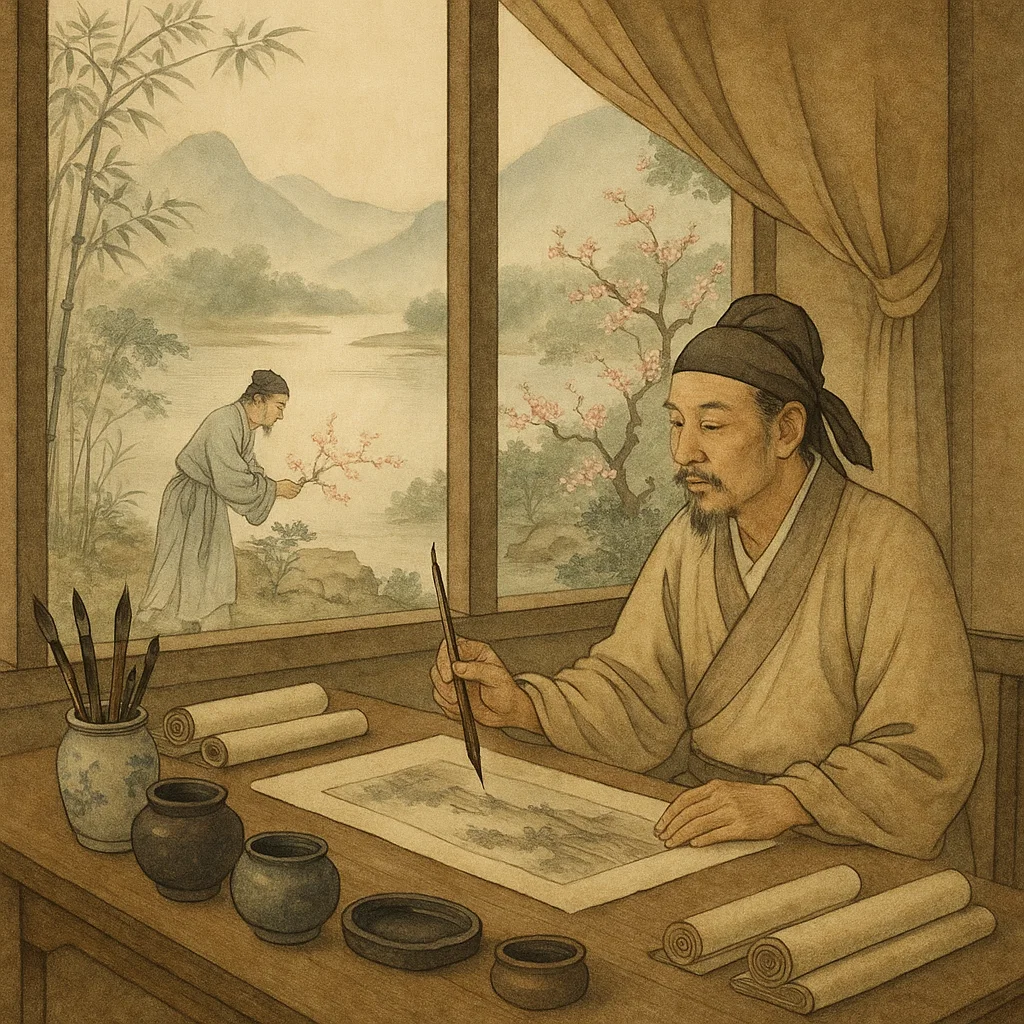
| High Medieval China (East Asia) | Southern Song Dynasty flourishing economically—mass printing, gunpowder weapons, maritime trade, Hangzhou the largest city in the world. Jin (Jurchen) Dynasty controls northern China. Mongol unification under Temüjin is underway (becomes Genghis Khan in 1206). |
| High Medieval Eastern Mediterranean | Crusader States remain but weakening. Ayyubid dynasty under Saladin’s successors dominates Egypt and Syria. Byzantium declining after internal turmoil; frontier pressure from Seljuks and later Turks. Italian maritime republics (Venice, Genoa) dominate trade. |
| High Medieval Egypt | Ayyubid dynasty rules from Cairo. Strong military, heavy use of slave soldiers (mamluks). Egypt a major Islamic power controlling Jerusalem (until 1229). Trade, scholarship, and architecture flourish under Saladin’s successors. |
| High Medieval India and Central Asia | North India dominated by Ghurid Empire, which begins the Islamic conquest of the Gangetic plain (Delhi captured 1192). South India under Cholas at peak maritime influence. Central Asia controlled by Khwarazmians, soon to be devastated by Mongols. |
| High Medieval North America | Mississippian civilization at its height. Cahokia near peak influence (c. 1100–1300). Large mound complexes, stratified chiefdoms, extensive maize agriculture. Southeastern chiefdoms powerful; long-distance exchange networks vibrant. |
| High Medieval Oceania | Australia’s Aboriginal cultures remain stable with extensive trade networks. New Guinea highlands maintain intensive horticulture. Polynesians settle New Zealand around this era (c. 1200–1300 AD). Easter Island (Rapa Nui) long settled. |
| High Medieval Persia | Khwarazmian Empire controls Iran and Central Asia—wealthy, militarized, and overextended. Persian culture vibrant, but the empire is on the eve of Mongol annihilation (Genghis Khan’s invasion begins 1219). |
| High Medieval South America | Chimú Kingdom dominant on Peruvian north coast (Chan Chan). Andean highlands fragmented into regional polities but increasingly interconnected. Wari/Tiwanaku long collapsed; early pathways toward Inca state formation developing in Cusco Valley. |
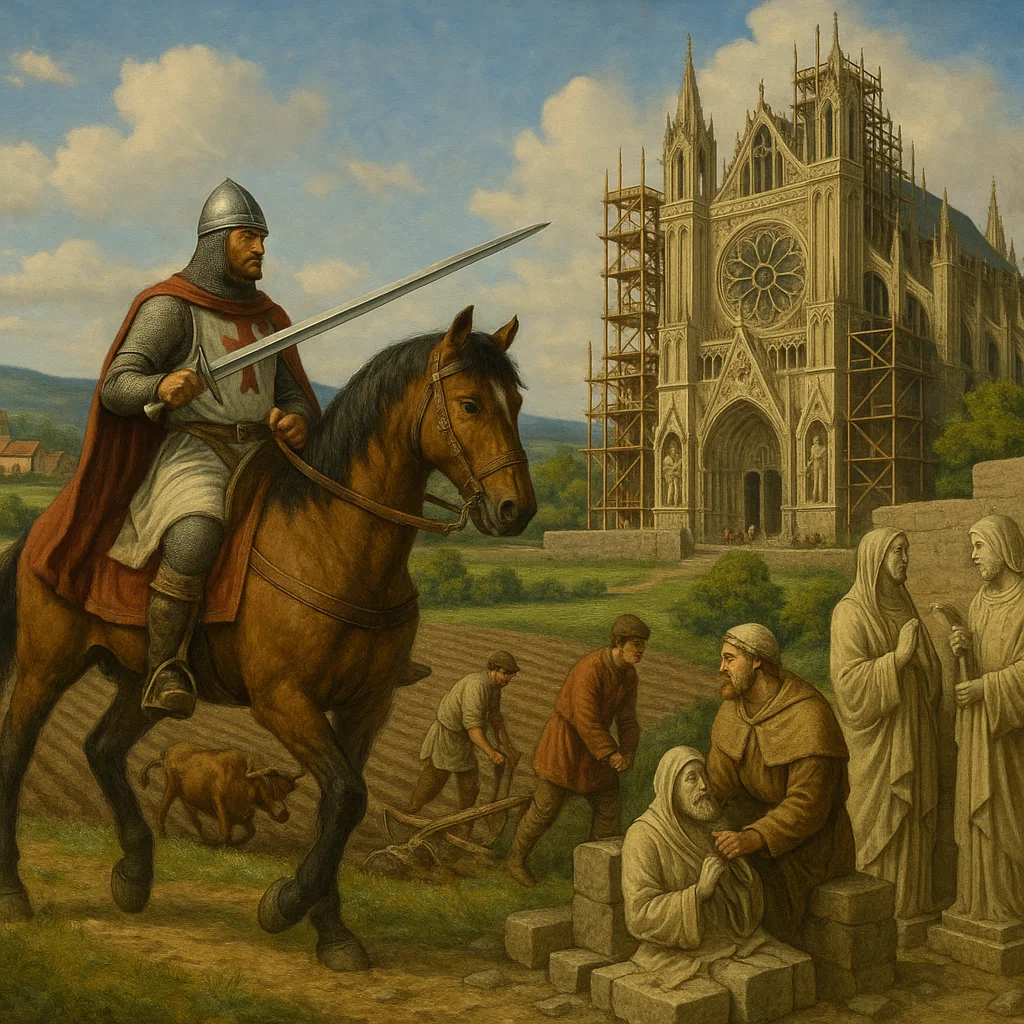
| High Medieval Western Europe | High Middle Ages peak. Capetian France growing powerful. England under Angevin → Plantagenet rule. Holy Roman Empire fragmented. Crusader culture strong. Gothic cathedrals rising. Viking Age fully over; urban merchant classes emerging. |
1300 AD – Snapshot
| Terra Avita Region and Era Name Link | Event Description |
|---|---|
| High Medieval Africa (beyond the Nile) | Mali Empire at its golden age—reign of Mansa Musa (c. 1312–1337). Timbuktu and Gao major centers of Islamic learning and trans-Saharan trade. Swahili Coast reaches high prosperity with Kilwa dominating Indian Ocean commerce. Ethiopia (Abyssinia) strengthening. |
| High Medieval Central America | Postclassic Maya era. Chichén Itzá declining; Mayapán dominant. Mixtec and Zapotec states active in Oaxaca. Central Mexico dominated by early Mexica (Aztec) polities entering the Valley of Mexico; Tenochtitlan founded soon after (1325). |
| High Medieval China (East Asia) | Yuan Dynasty (Mongol-ruled China) under Kublai Khan’s successors. Large cosmopolitan empire; paper money, international trade, and Mongol aristocracy in power. Cultural tension between Mongol rulers and Chinese literati. |
| High Medieval Eastern Mediterranean | Byzantine Empire decaying, restricted mainly to Constantinople and fragments of Greece/Anatolia. Mamluk Sultanate controls Egypt, Syria, and crushes Mongols (1260). Crusader States gone (Acre falls 1291). Eastern Mediterranean trade dominated by Venice and Genoa. |
| High Medieval Egypt | Mamluk Sultanate in full power (Bahri Mamluks). Cairo is one of the world’s greatest cities—trade, learning, architecture. Controls Hejaz and the Hajj. Defeated Crusaders and Mongols. Strong navy in Eastern Mediterranean and Red Sea. |
| High Medieval India and Central Asia | Delhi Sultanate dominates northern India (Khalji dynasty). Alauddin Khalji expands aggressively. Dravidian kingdoms strong in south (Hoysala, Pandya). In Central Asia, Chagatai Khanate and Golden Horde hold territory but fragmenting. |
| High Medieval North America | Mississippian civilization at full strength. Cahokia in decline but other chiefdoms (Etowah, Moundville) thriving. Maize agriculture dominant. Complex political hierarchies, mound centers, and regional warfare common. |
| High Medieval Oceania | Australia retains stable Aboriginal cultural systems. New Guinea highlands intensive horticulture. Polynesians fully settled in New Zealand (c. 1200–1300) and developing distinct Māori culture. Hawaii, Tahiti, and Rapa Nui established and culturally complex. |
| High Medieval Persia | Under Ilkhanate (Mongol Persia) but nearing fragmentation. Slow Persian cultural revival under Mongol rulers (Rashid al-Din’s Jami‘ al-Tawarikh). The empire collapses mid-1300s; regional dynasties (Jalayirids, Muzaffarids) rising soon. |
| High Medieval South America | Andean polities mature. Chimú Empire powerful on Peruvian coast (Chan Chan at its peak). Highland states expand terracing, irrigation, and llama caravans. Cusco Valley home to rising early Inca—still a small regional kingdom, empire not yet formed. |
| High Medieval Western Europe | Late Middle Ages. High feudal monarchies maturing. England–France tensions rising (Hundred Years’ War begins 1337). Powerful Italian city-states (Venice, Genoa, Florence). Hanseatic League dominates northern trade. Gothic architecture peaking. Black Death decades away (1347). |