(500 AD – 1000 AD)
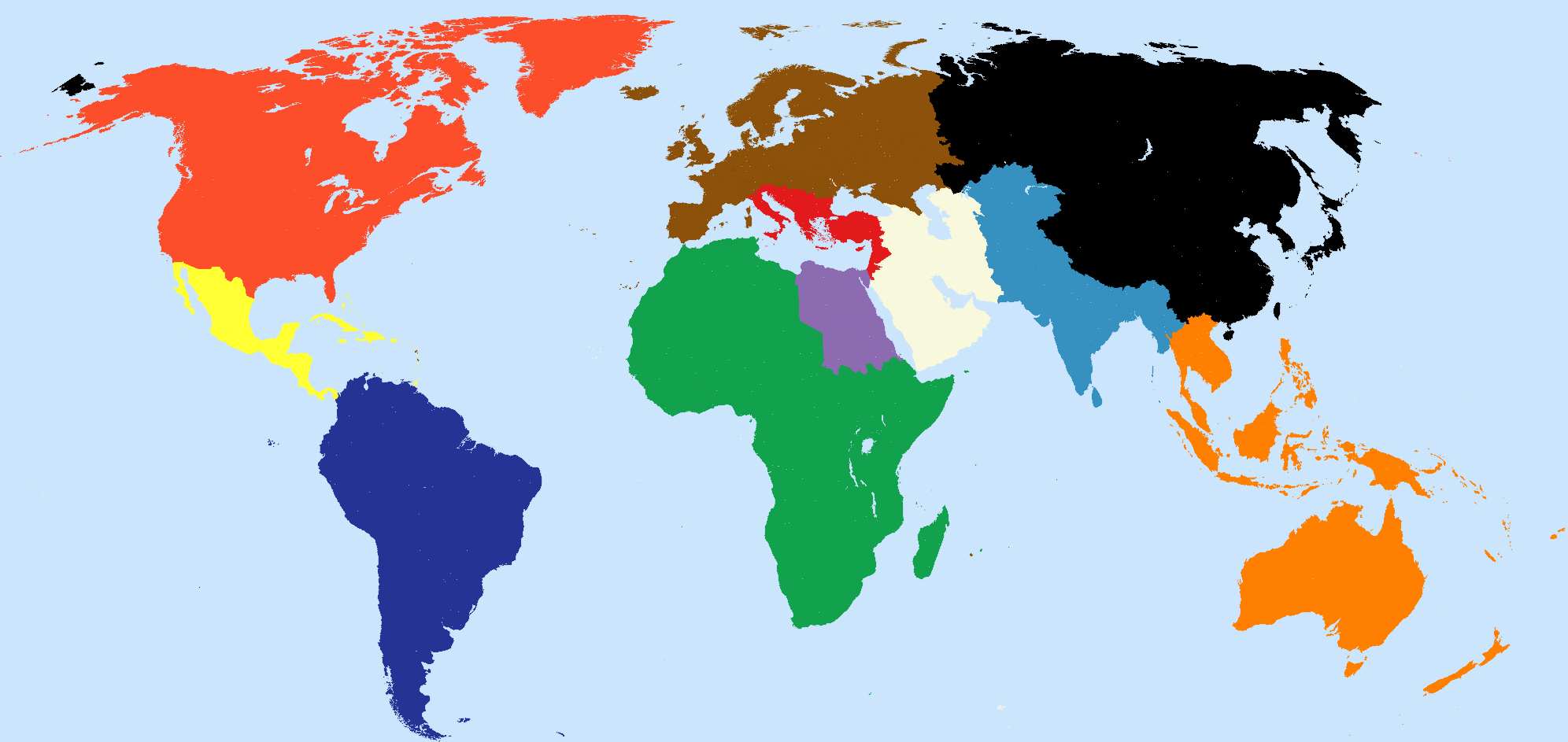 Early Medieval
Western Europe Early Medieval
Eastern Mediterranean Early Medieval
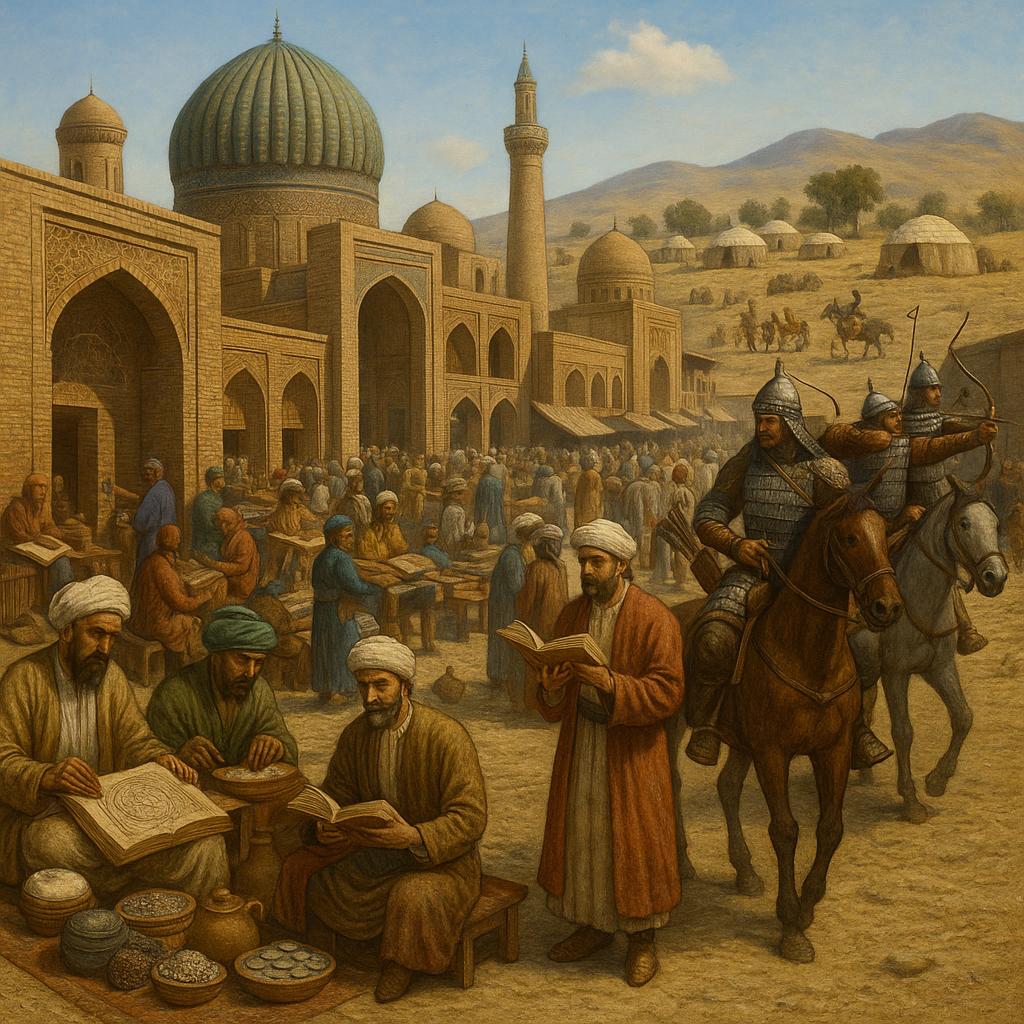
Persia Early Medieval
Egypt Early Medieval
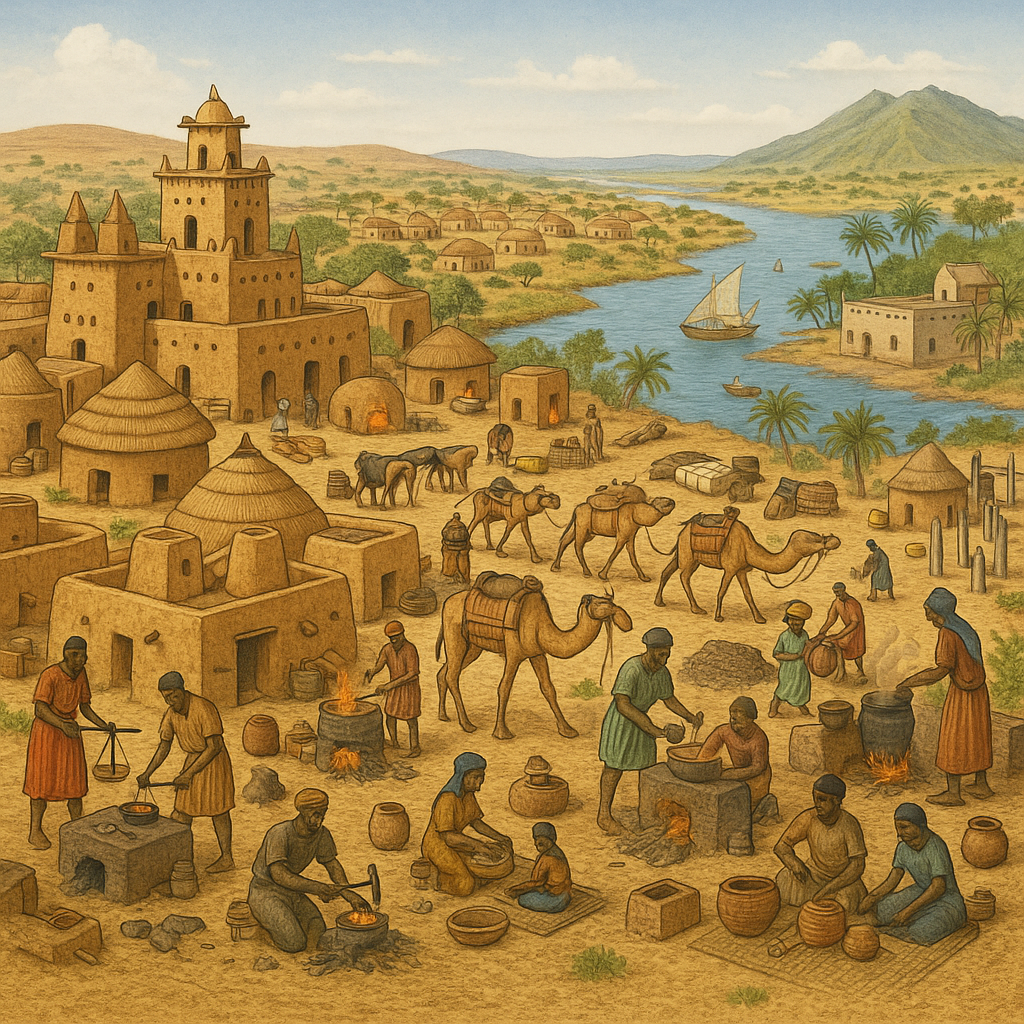
Africa Early Medieval
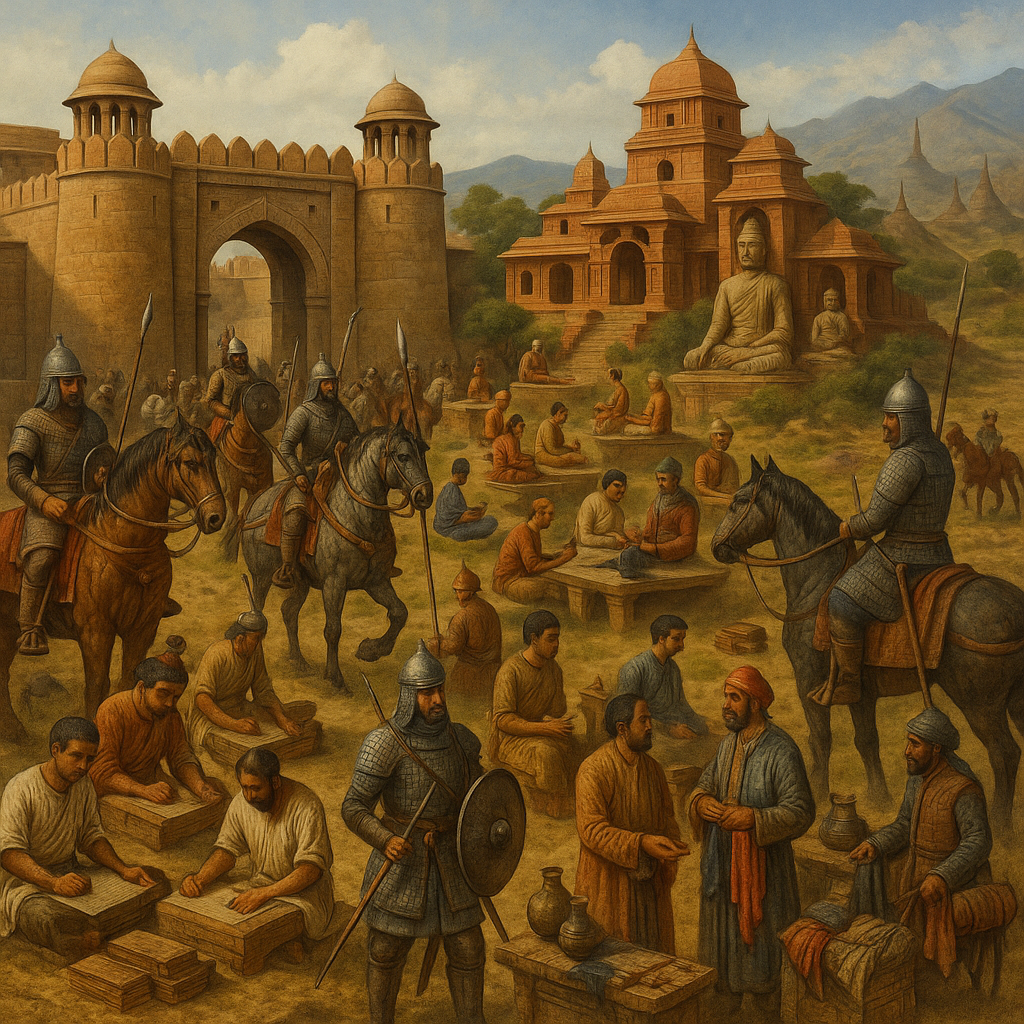
India & Central Asia Early Medieval
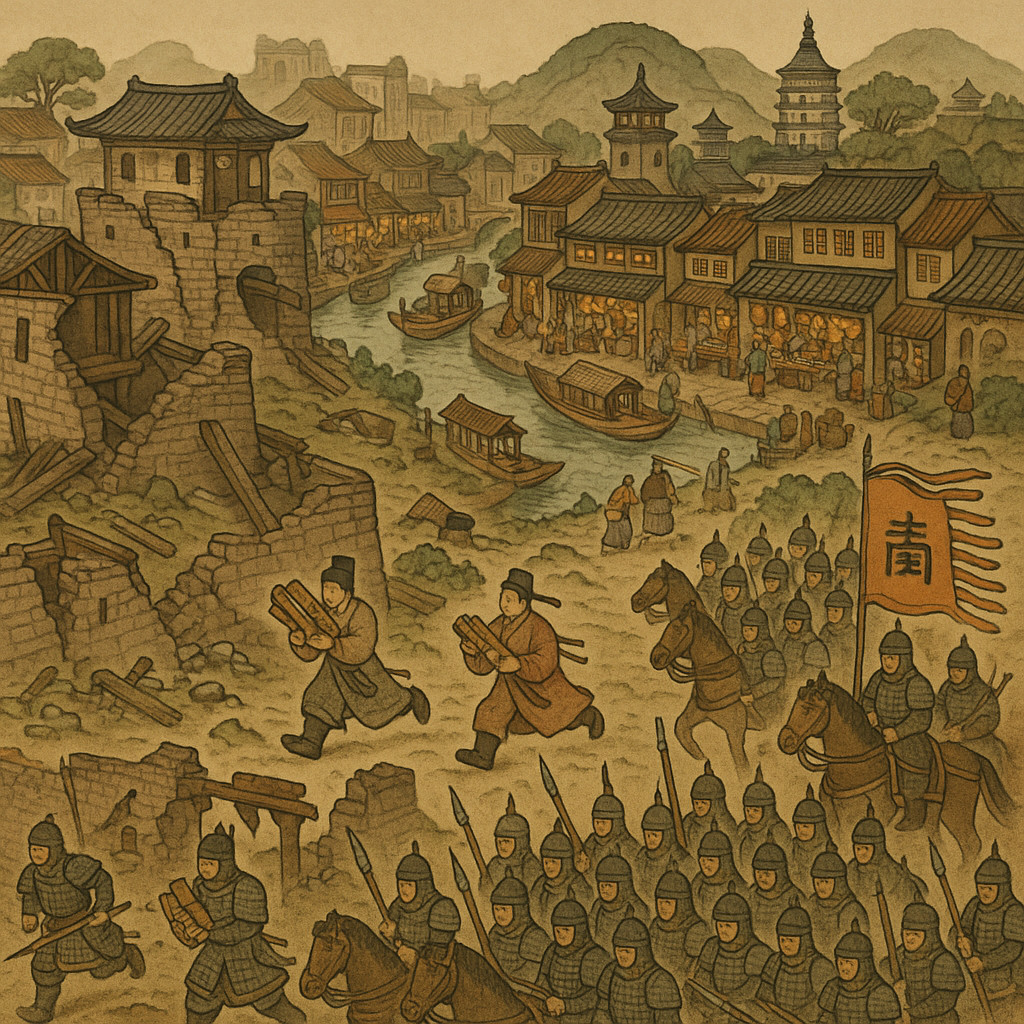
China Early Medieval
Oceania Early Medieval
North America Early Medieval
Central America Early Medieval
South America
| Terra Avita Region and Era Name Link | Representative Cultures | Major Cities / Centers | Major Events |
|---|---|---|---|
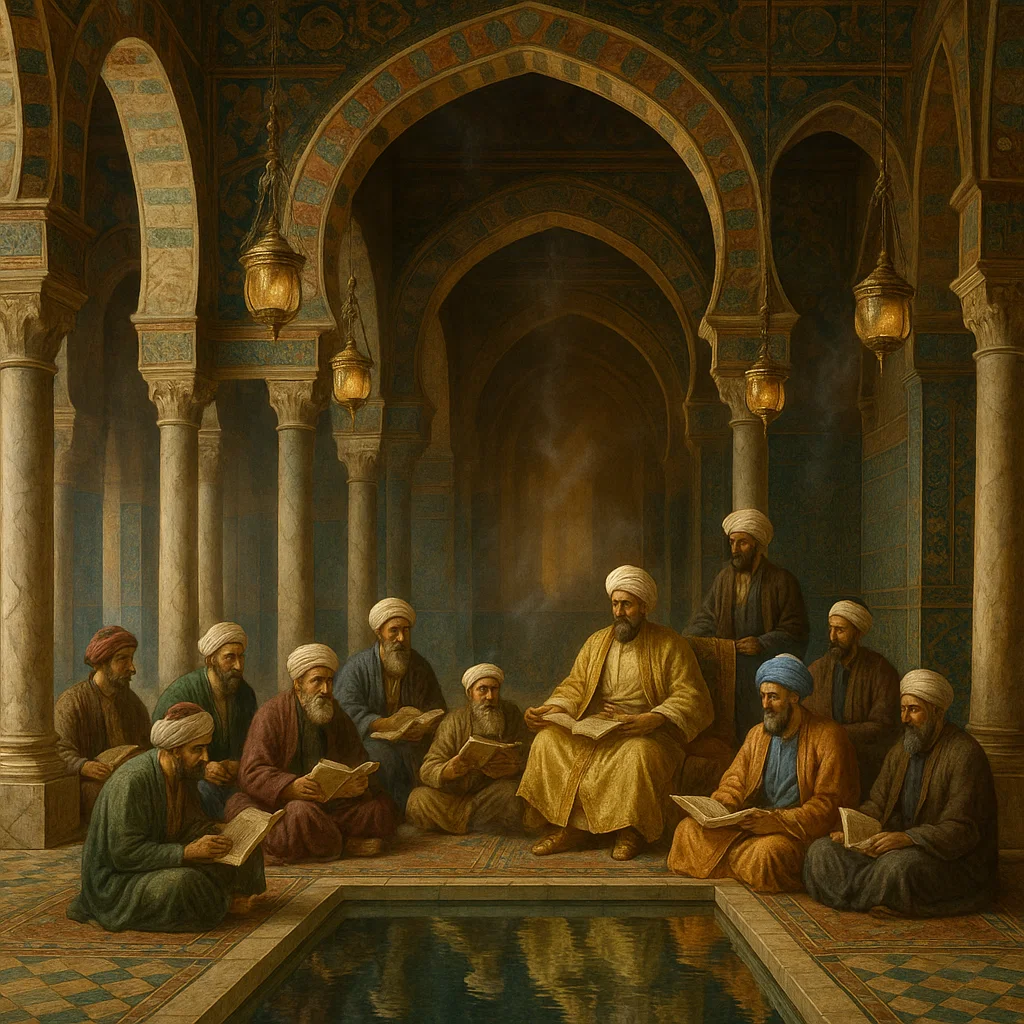
| Early Medieval Persia | Sassanian, Umayyad, Abbasid, Samanid | Ctesiphon, Merv, Nishapur, Baghdad | Sassanian–Byzantine wars; fall of Sassanids; Islamic Persian revival in art and science |
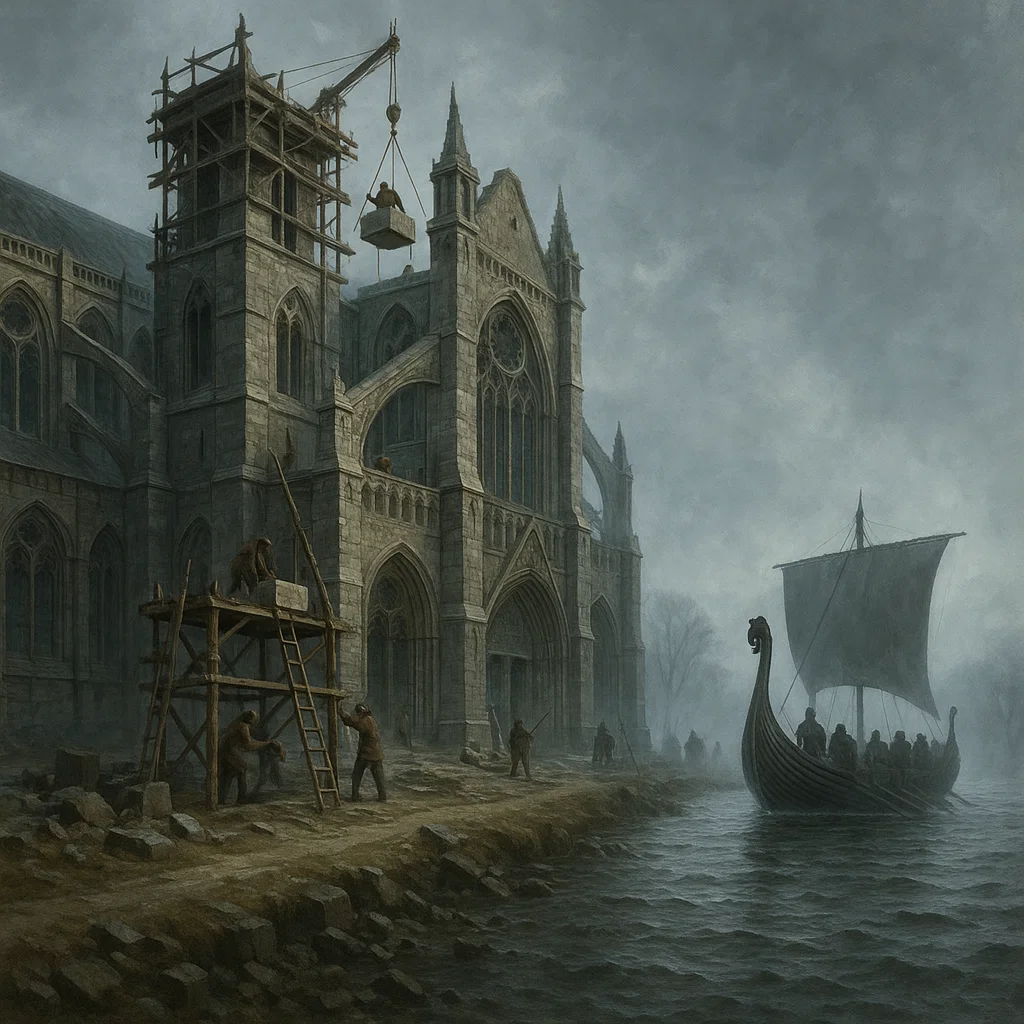
| Early Medieval Western Europe | Merovingian, Carolingian, Anglo-Saxon, Viking, Byzantine (Western influence) | Aachen, York, Paris, Constantinople | Collapse of Western Rome; rise of feudalism; Viking raids; Carolingian Empire unites Western Europe |
| Early Medieval Eastern Mediterranean | Byzantine Empire, Umayyad Caliphate, Abbasid Caliphate | Constantinople, Antioch, Damascus, Baghdad | Survival of Byzantium; Islamic conquests; cultural flowering under Abbasids; Iconoclasm controversy |
| Early Medieval Egypt | Byzantine Egypt, Rashidun, Umayyad, Abbasid, Fatimid (emerging) | Alexandria, Fustat, Cairo (founded 969 AD) | Arab conquest; Coptic continuity; rise of Islamic governance; founding of Cairo under Fatimids |
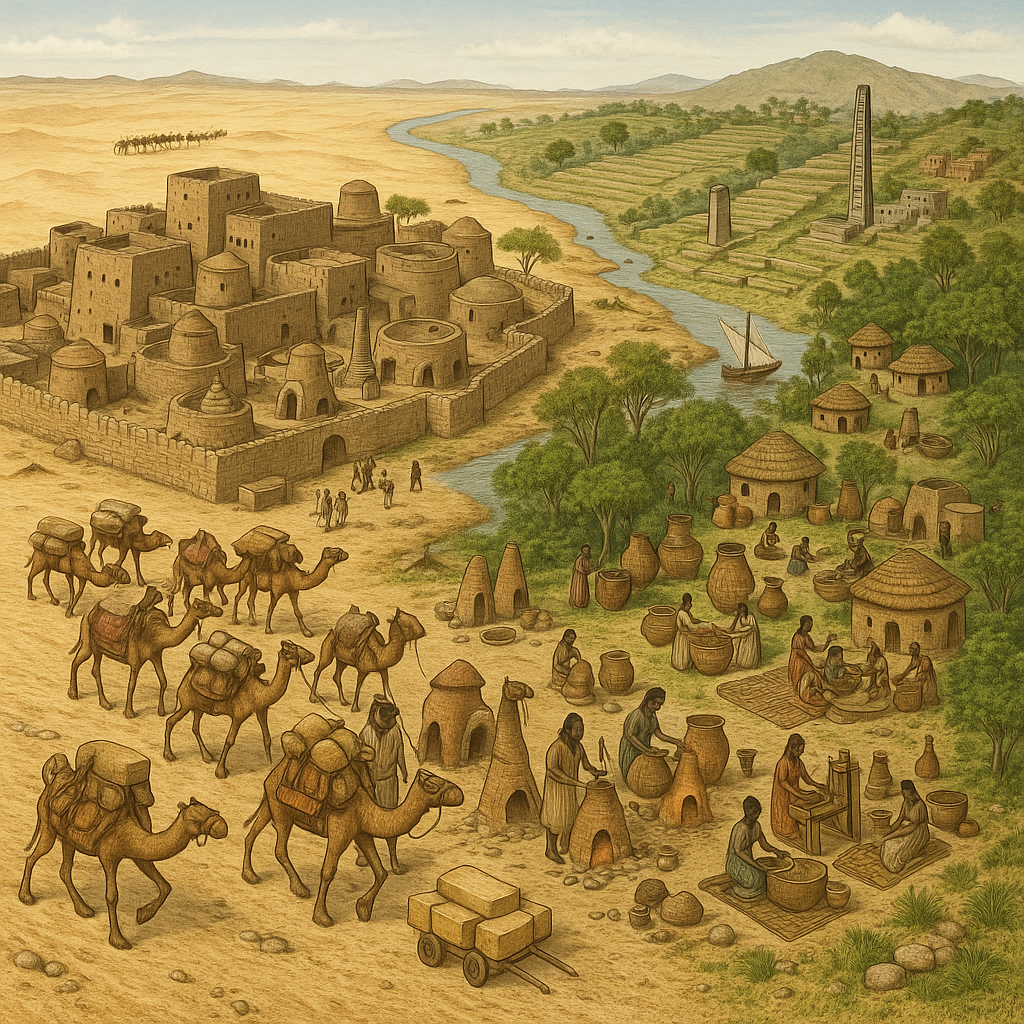
| Early Medieval Africa (beyond the Nile) | Aksumite, Nubian Christian Kingdoms, Ghana Empire | Aksum, Dongola, Koumbi Saleh | Decline of Aksum; rise of Sahelian trade empires; Christian Nubia; trans-Saharan gold and salt routes |
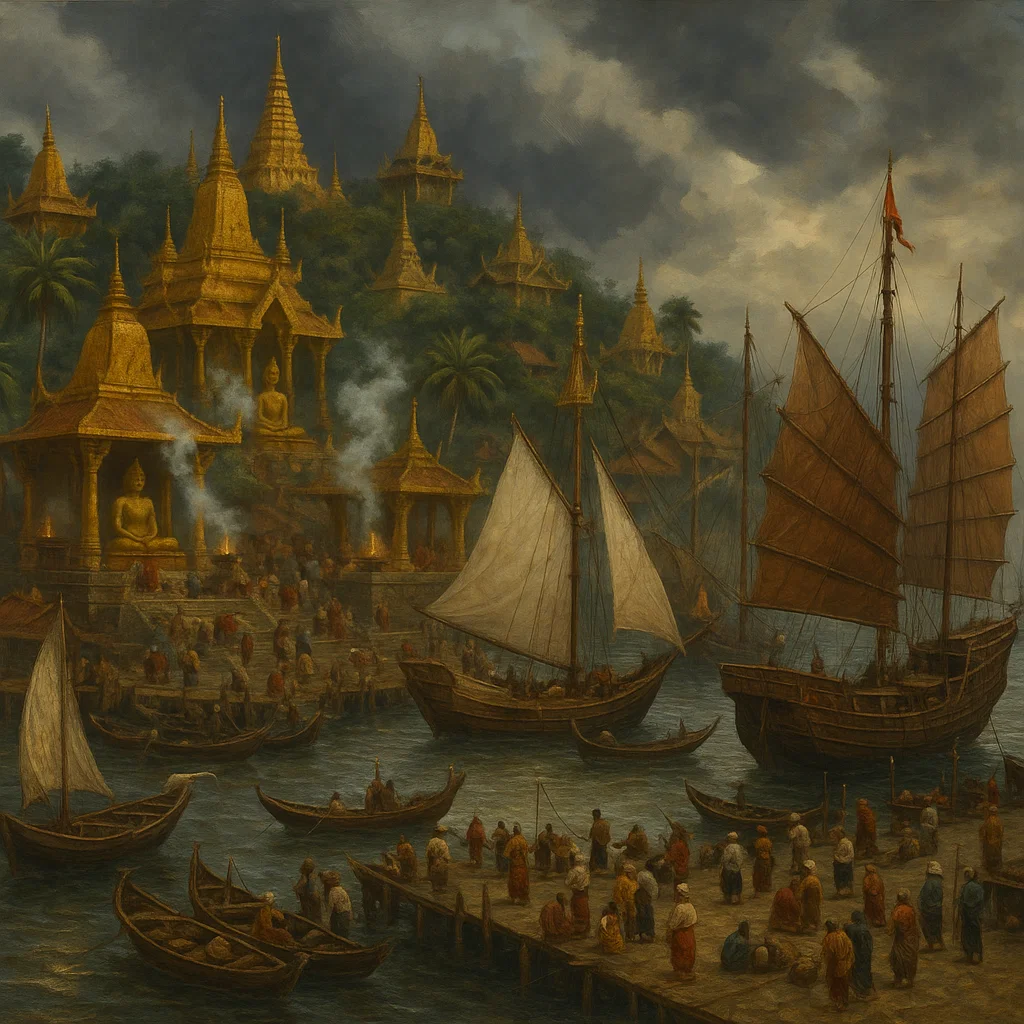
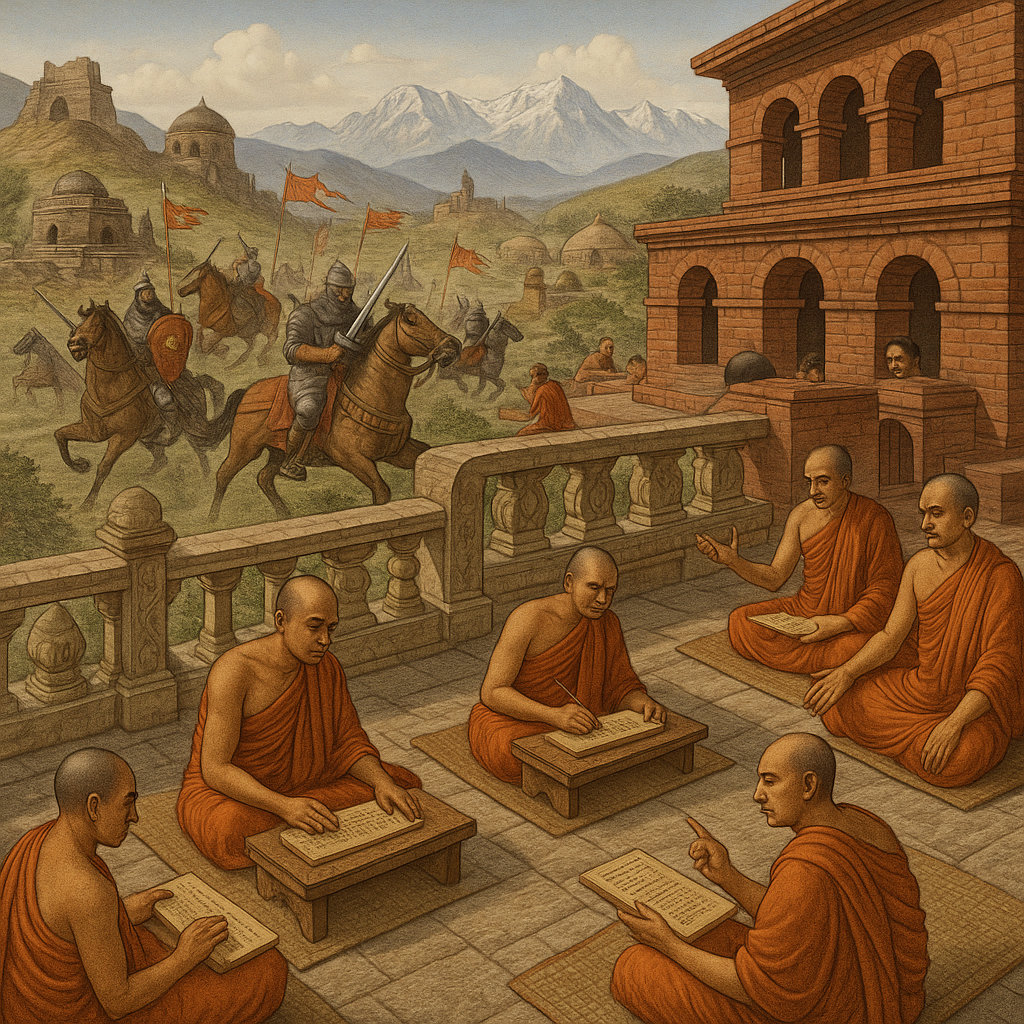
| Early Medieval India and Central Asia | Gupta (late), Harsha, Chalukya, Pala, Rashtrakuta, Hephthalite | Kannauj, Nalanda, Ujjain, Baghdad (linked via Silk Road) | Political fragmentation; flourishing of Buddhism; Hindu temple architecture; Islamic incursions in northwest |
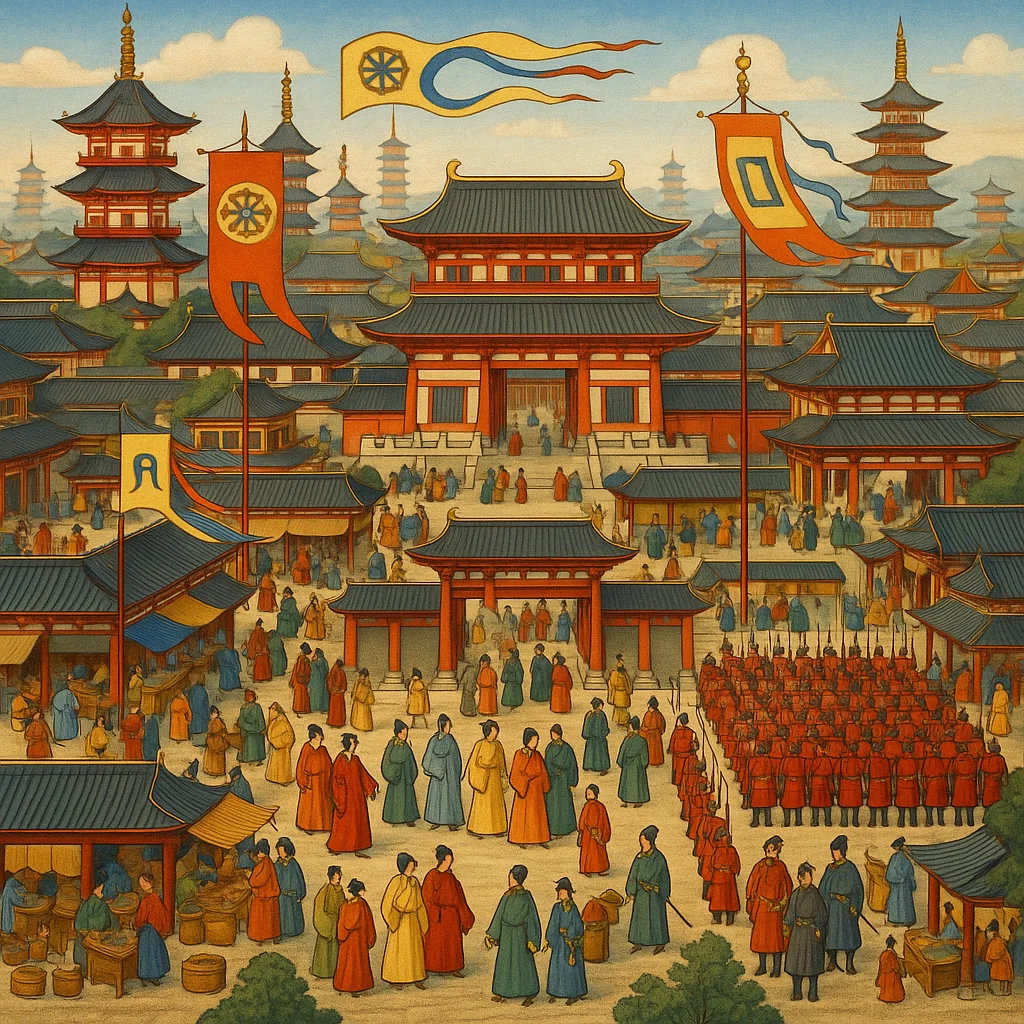
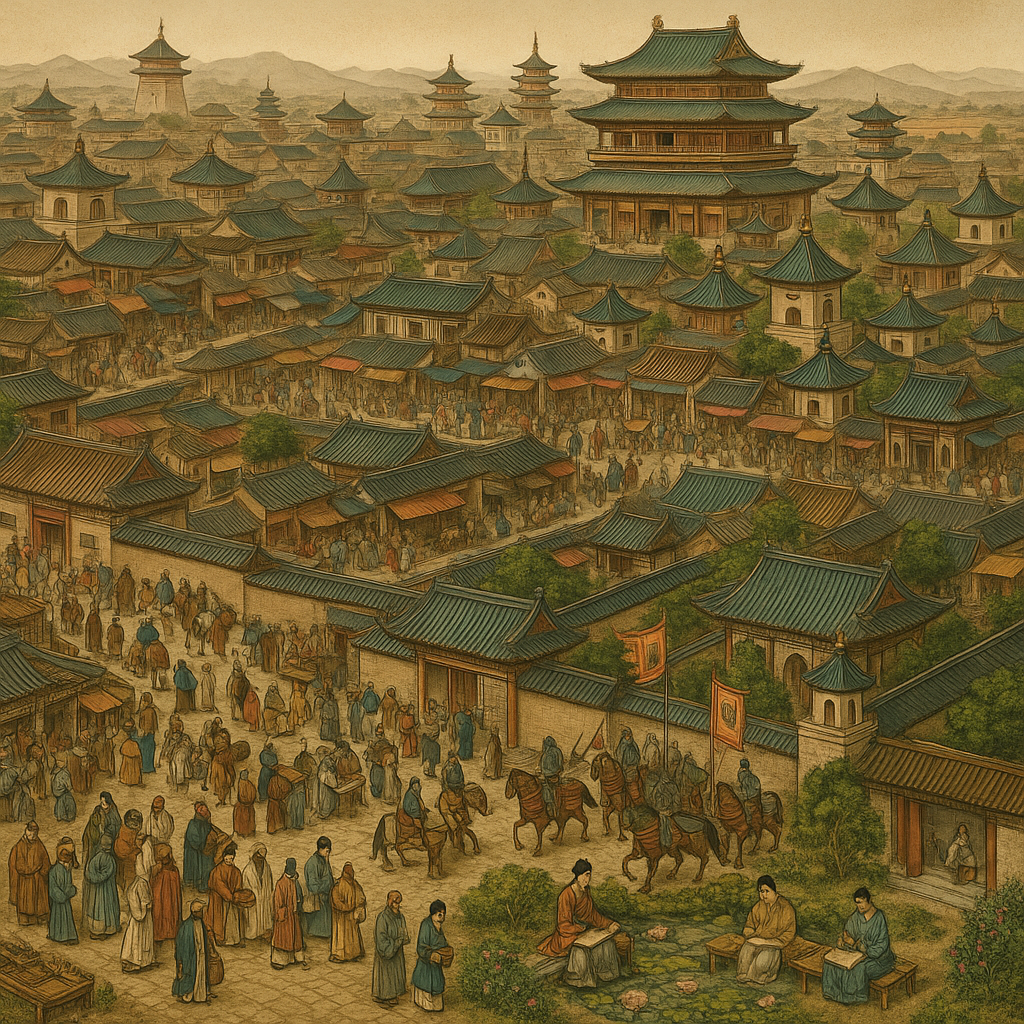
| Early Medieval China (East Asia) | Sui, Tang, Five Dynasties, Unified Silla (Korea), Nara (Japan) | Chang’an, Luoyang, Kyoto, Nara | Tang Golden Age; expansion of Silk Road; rise of Confucian bureaucracy; spread of Buddhism to East Asia |
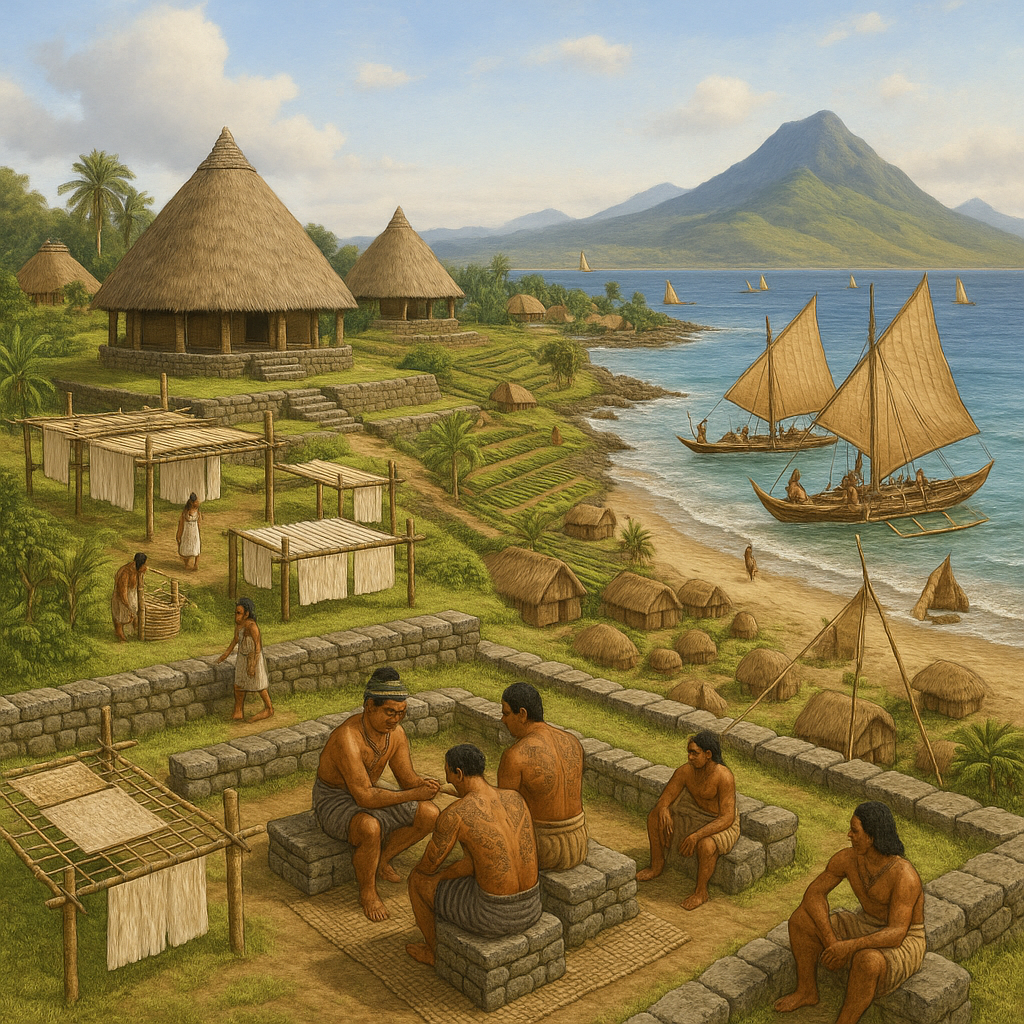
| Early Medieval Oceania | Polynesian Expansion, Hawaiian Settlement, Maori Proto-Cultures | Tonga, Samoa, Hawaii, Aotearoa | Widespread Polynesian navigation and colonization; rise of hierarchical chiefdoms |
| Early Medieval North America | Mississippian (early), Hopewell (late), Pueblo Ancestral | Cahokia (emergent), Mesa Verde, Chaco Canyon | Transition to intensive agriculture; mound building expands; regional trade networks deepen |
| Early Medieval Central America | Maya Classic, Teotihuacan (late), Zapotec, Early Toltec | Tikal, Palenque, Teotihuacan, Monte Albán | Maya city-states peak; monumental architecture; astronomical and calendar systems refined |
| Early Medieval South America | Moche (late), Wari, Tiwanaku, Nazca (late) | Huari, Tiwanaku, Nazca Valley | Expansion of Andean highland empires; trade unites coast and altiplano; agricultural terracing perfected |


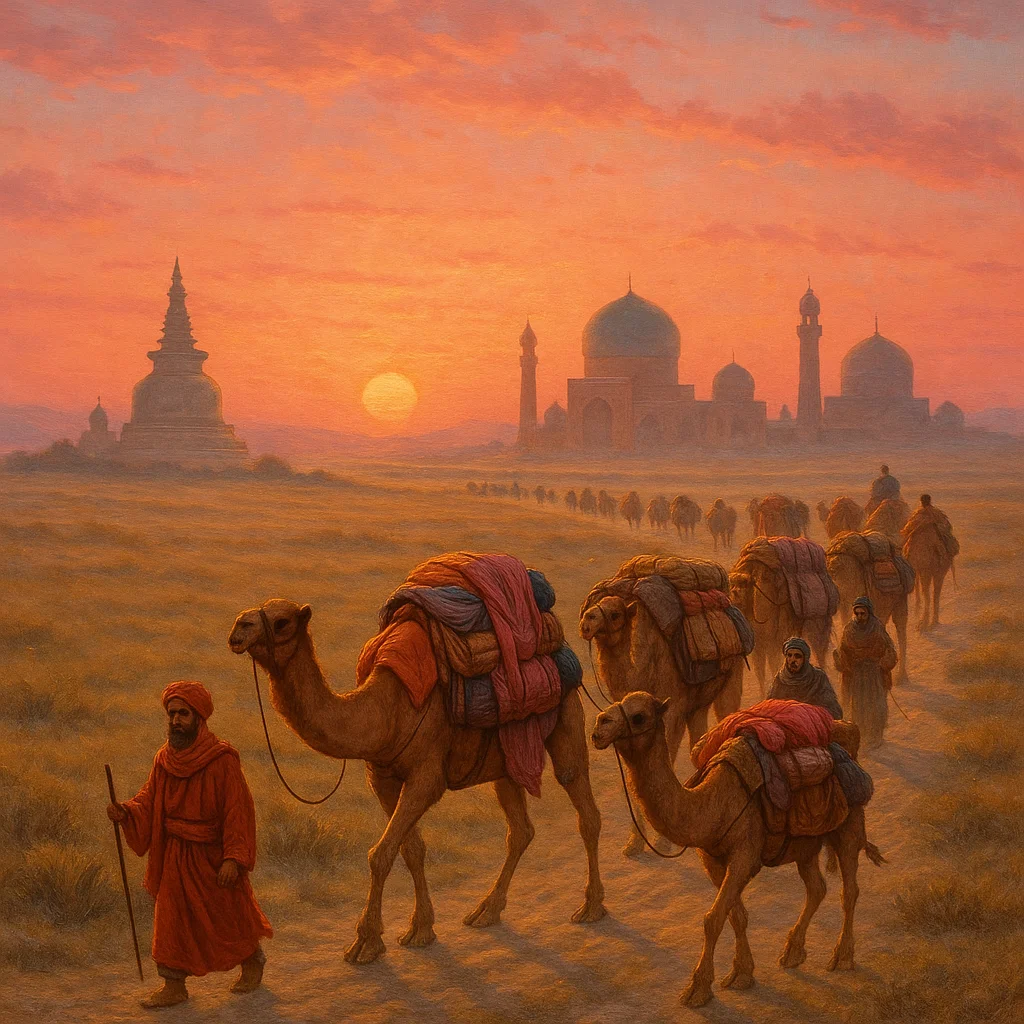
500 AD – Snapshot
| Terra Avita Region and Era Name Link | Event Description |
|---|---|
| Africa beyond the Nile in Antiquity | Kingdom of Axum ascendant in the Horn of Africa—major Red Sea power, Christianized. Kingdom of Kush collapses around this period (c. 350 AD). West Africa sees early complex societies: Nok’s successors, Igbo-Ukwu precursors, and proto-Sahelian states forming. |
| Classical Antiquity – Central America | Classic Maya civilization at full strength. Large cities (Tikal, Calakmul, Palenque). Monumental architecture, hieroglyphic writing, astronomical precision. Teotihuacan influences the Maya region and central Mexico. |
| Chinese Antiquity | Northern Wei Dynasty dominates northern China—Sinicization reforms and Buddhism widespread. Southern China under Southern Dynasties (Liang). Political division persists. Strong agricultural and ironworking base supports population growth. |
| Greco-Roman Antiquity | Eastern Roman (Byzantine) Empire under Anastasius I and later Justinian begins reconsolidation. Strong administrative and military revival. Christian orthodoxy consolidates across Levant, Anatolia, and Greece. |
| Egyptian Antiquity | A province of the Byzantine Empire. Christian (Miaphysite) vs. Chalcedonian conflicts intensify. Monasticism thrives. Economic productivity remains high, but political repression fuels Egyptian alienation heading into the 600s. |
| Indian Antiquity | Gupta Empire declines due to Hunnic (Alchon/Hephthalite) invasions. North India fragments into regional kingdoms. Buddhism wanes in some regions; Hindu states strengthen. In Central Asia, steppe polities reconfigure under Hephthalite and Turkic pressure. |
| Classical Antiquity – North America | Late Woodland period. Widespread maize agriculture emerging in some regions (Illinois, Ohio, Mississippi Valley). Bow-and-arrow spreads. Large ceremonial mound-building persists; regional cultures diversify. |
| Classical Antiquity – Oceania | Australia continues stable hunter-gatherer systems with sophisticated trade and ritual networks. New Guinea highlands maintain intensive horticulture. Polynesians expand across Pacific; Hawai‘i settled around this general period (300–600 AD). |
| Persian Antiquity | Sassanid Empire at high strength under Kavadh I and soon Khosrow I (Anushirwan). Centralized power, Zoroastrian institutions strong. Nearly constant rivalry with Byzantium. Heavy cavalry and elite noble houses dominate military. |
| Classical Antiquity – South America | Moche culture at peak on Peruvian north coast—state-scale irrigation, monumental adobe pyramids, warrior-priest elite. Nasca culture strong in south. Highland polities expand terracing and camelid pastoralism. Early Wari precursors forming. |
| Western Europe in Antiquity | Western Roman Empire has fallen (476 AD). Successor kingdoms dominate: Visigoths in Iberia, Franks under Clovis in Gaul, Ostrogoths in Italy. Celtic enclaves isolate in Ireland, Wales, Scotland, Brittany. Urban collapse widespread; early medieval societies forming. |
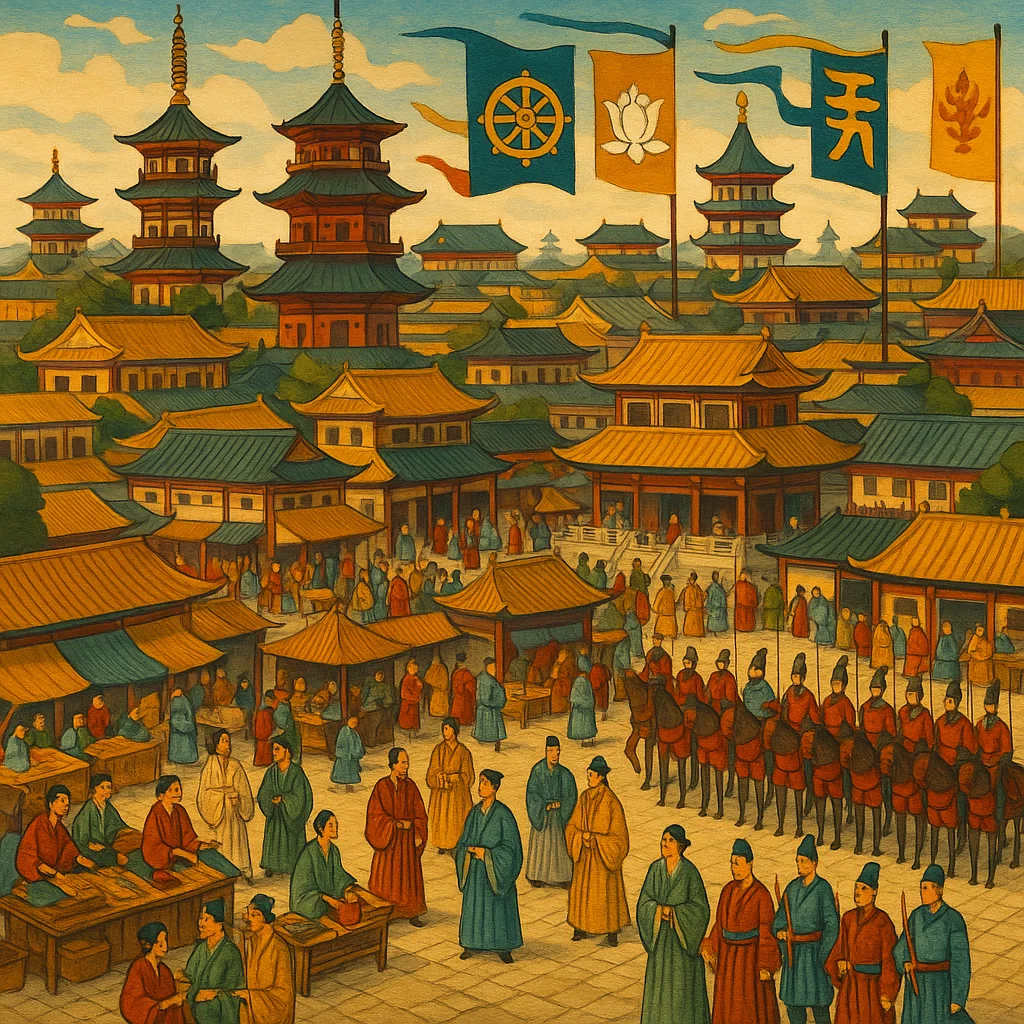
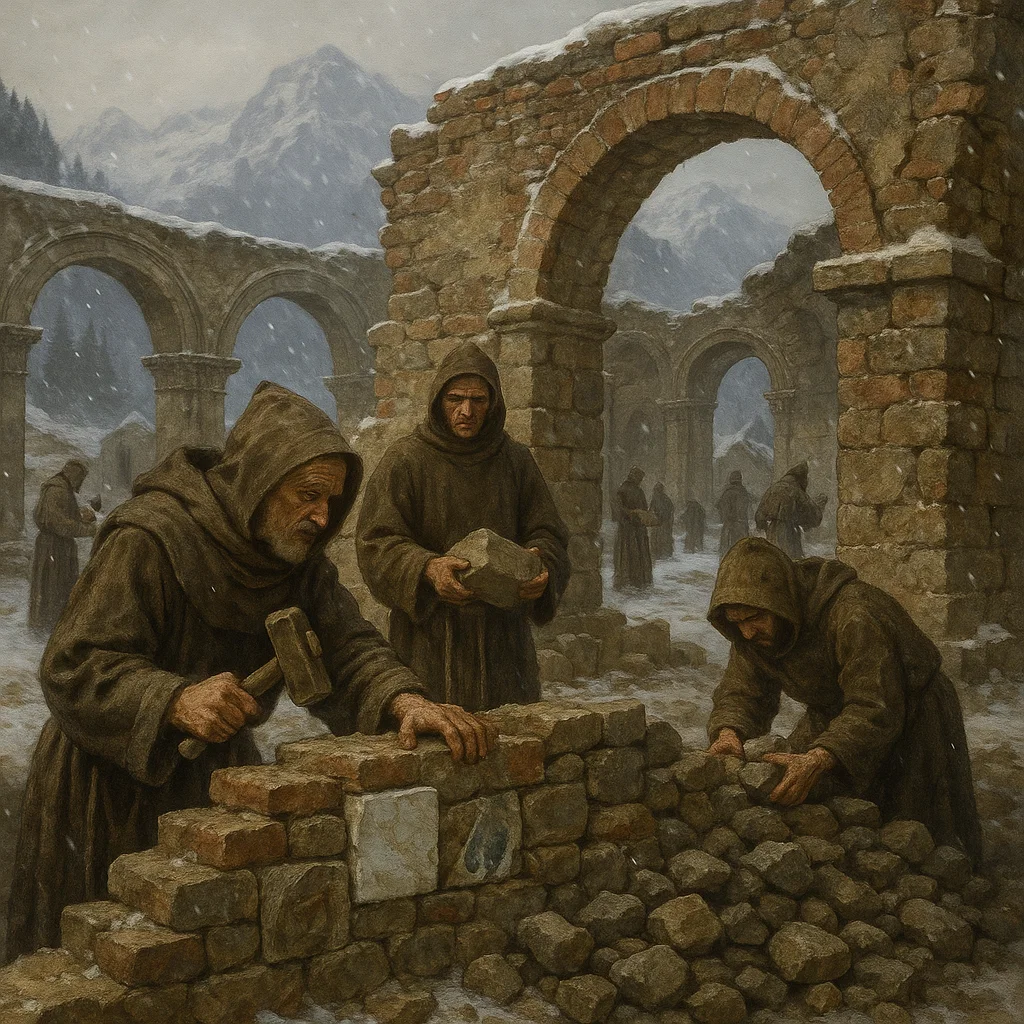
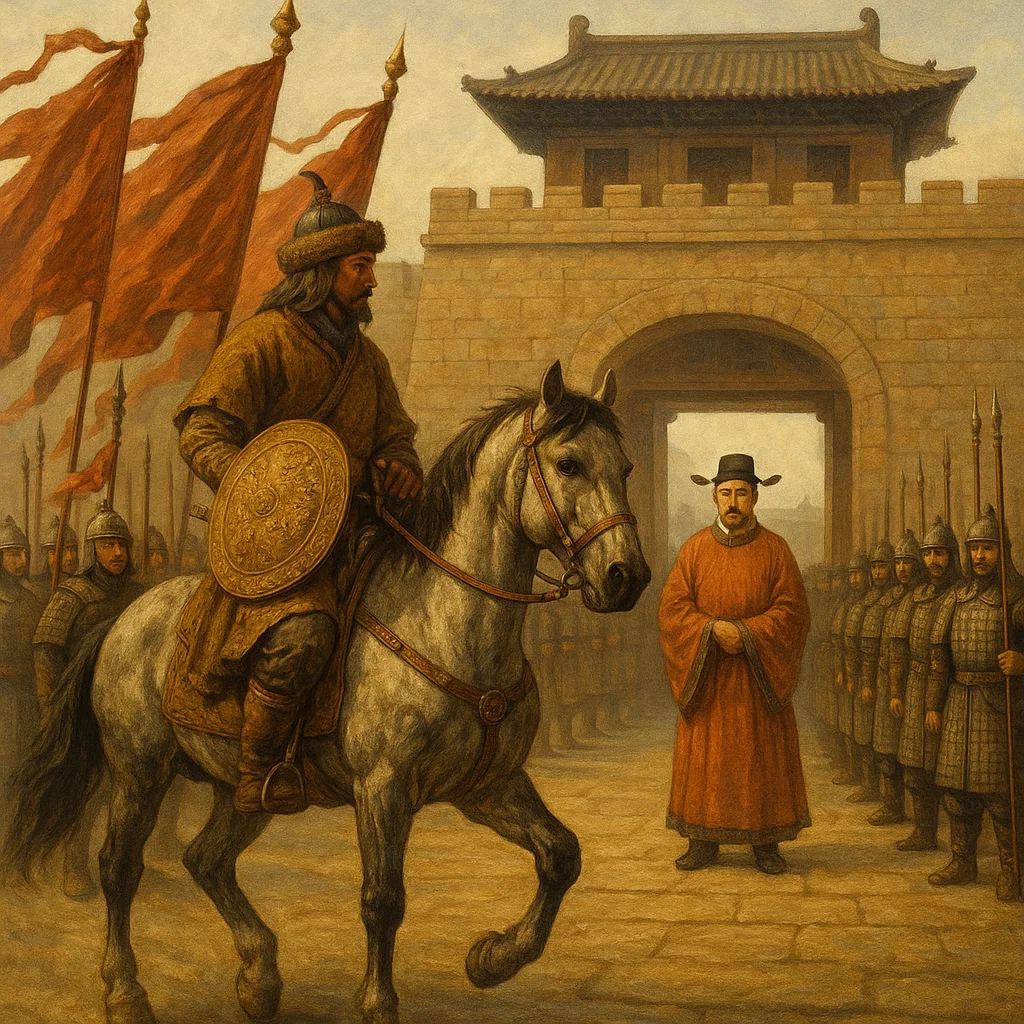
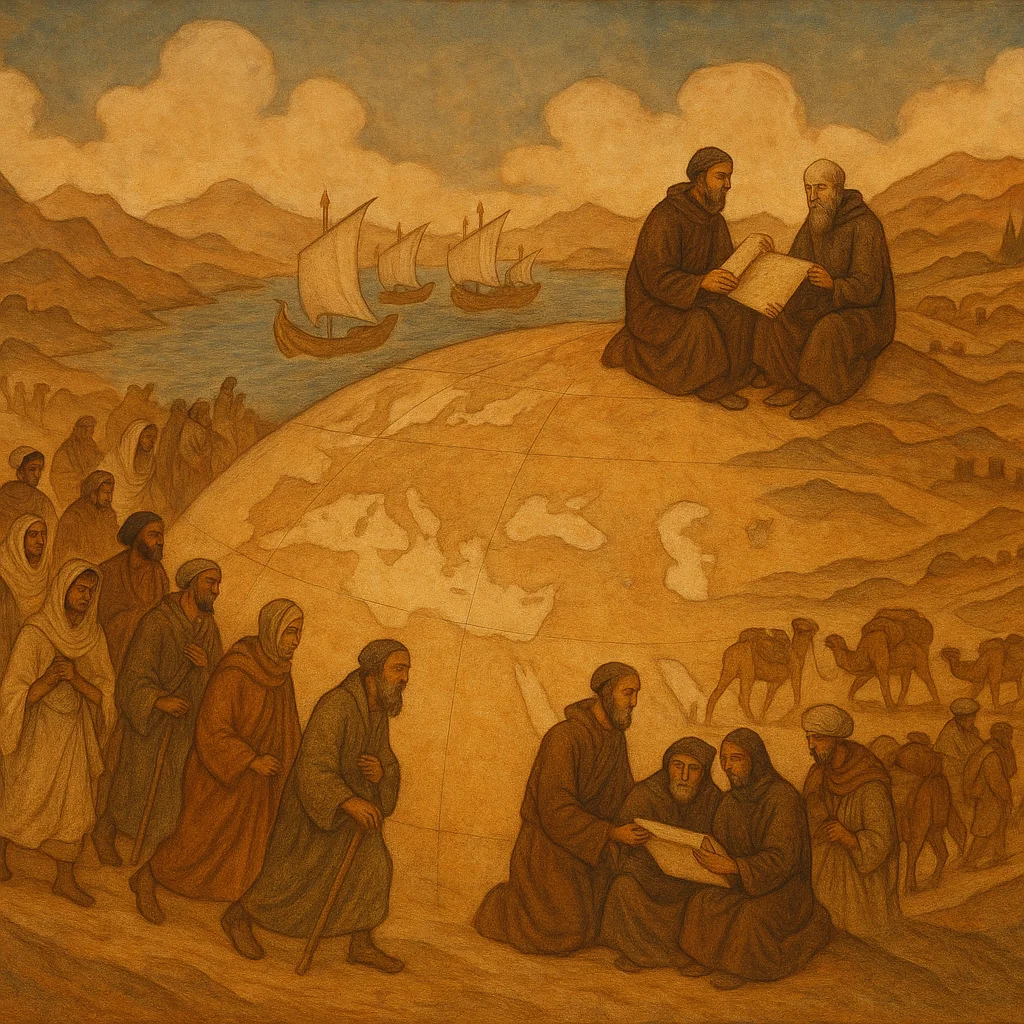
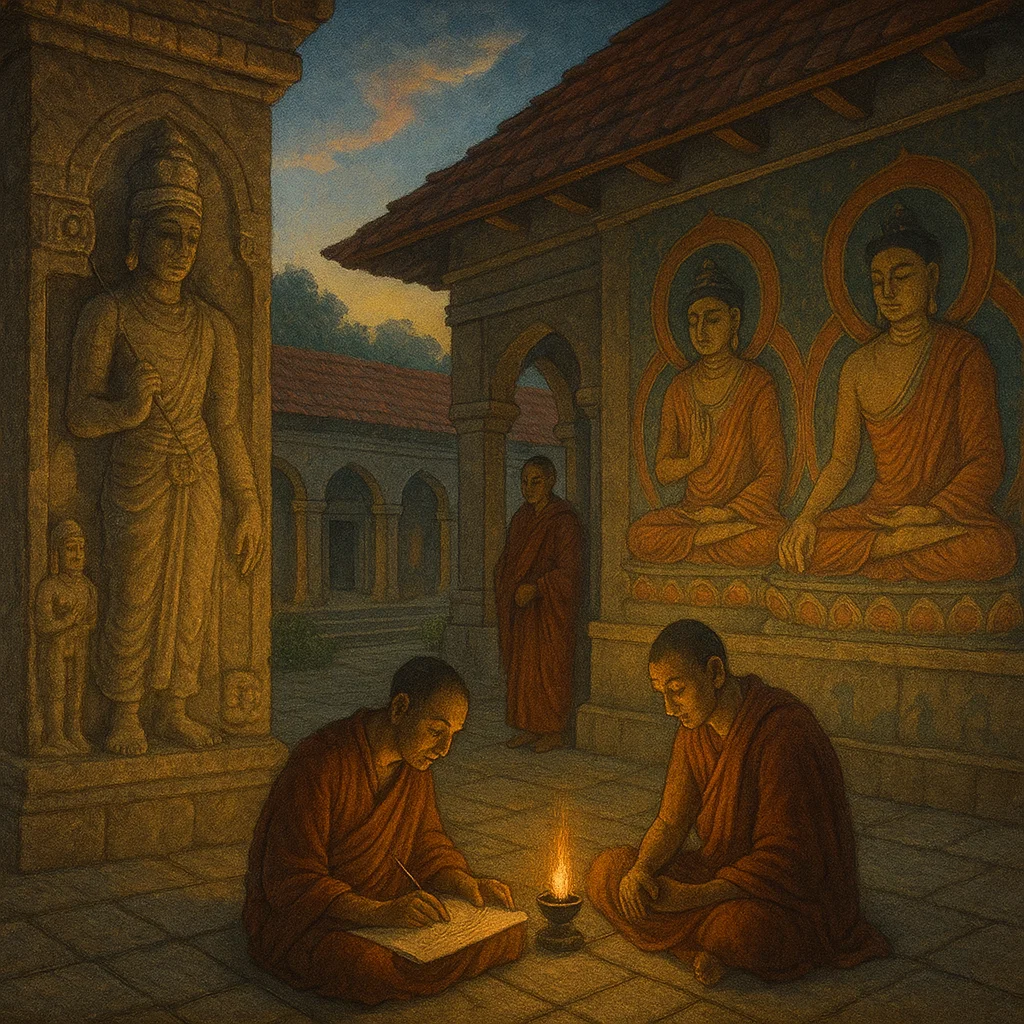
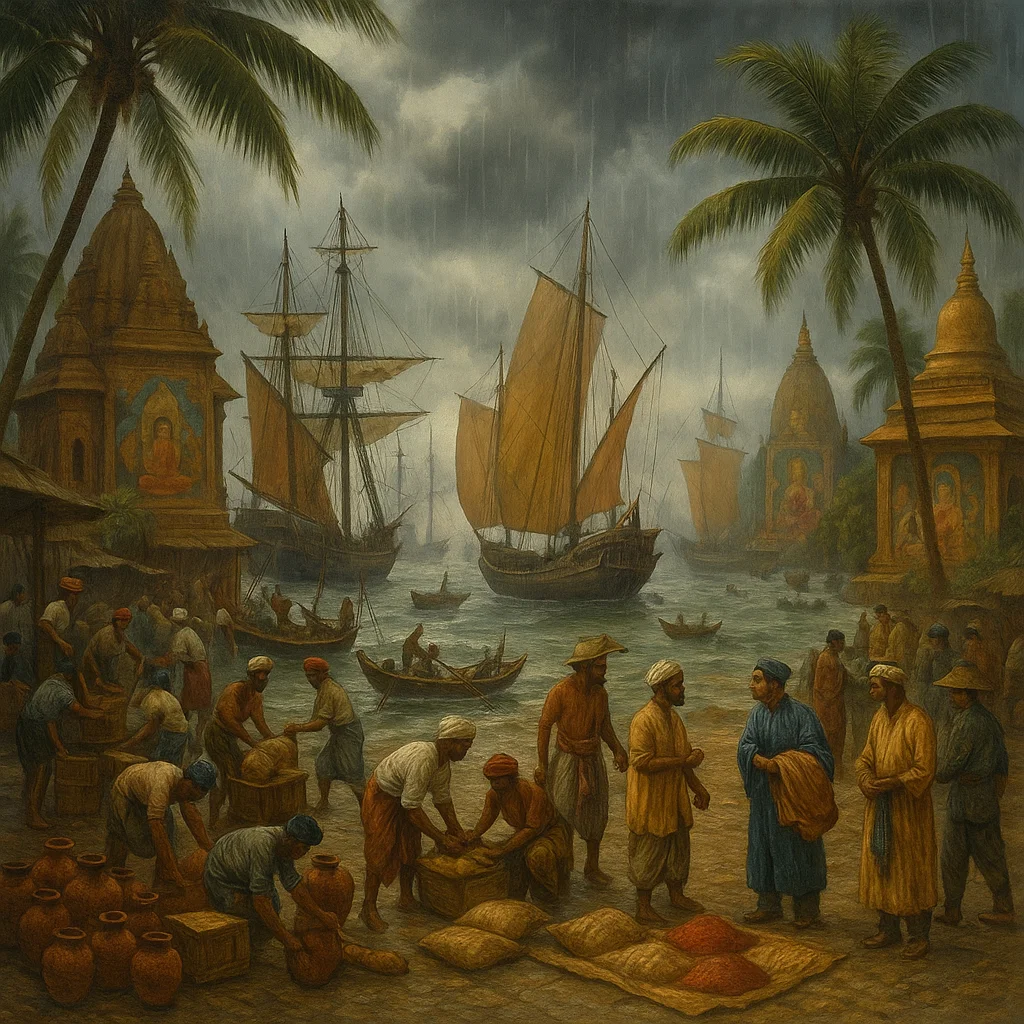
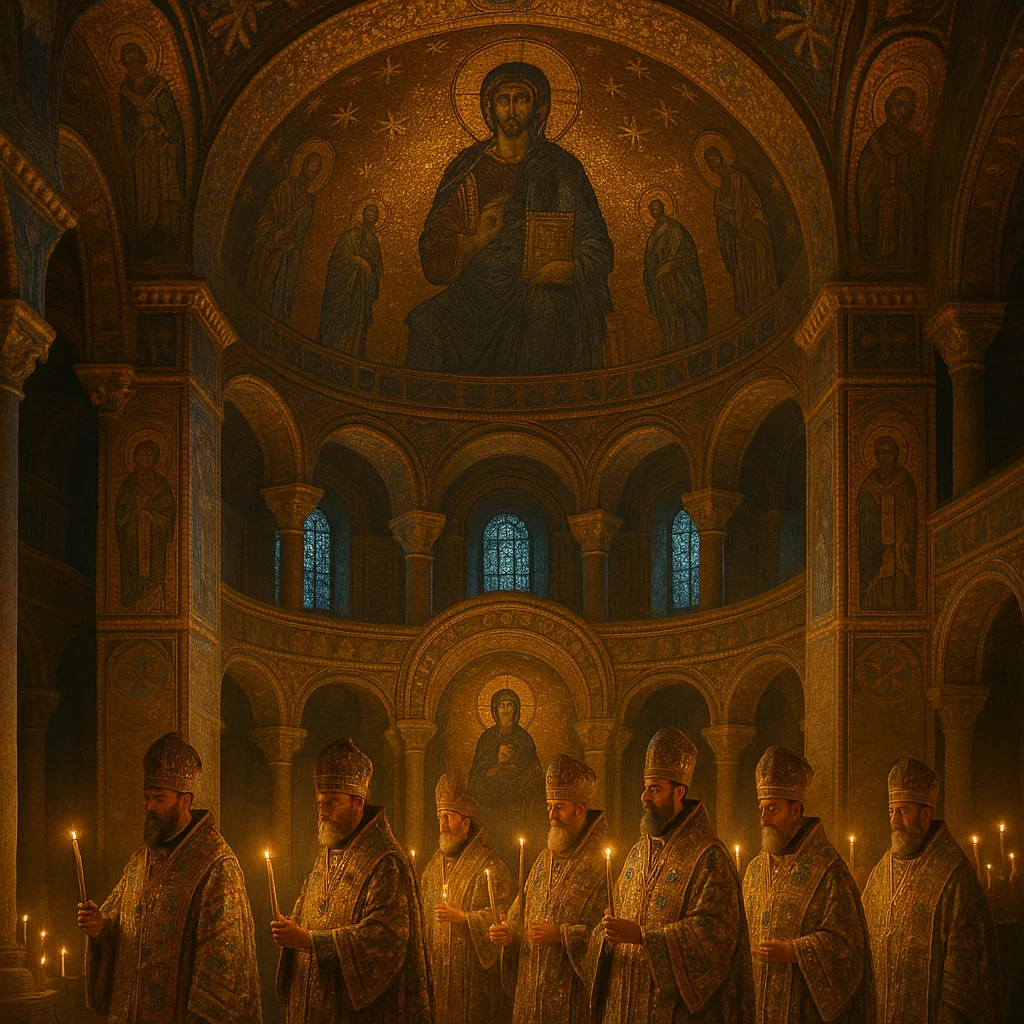
600 AD – Snapshot
| Terra Avita Region and Era Name Link | Event Description |
|---|---|
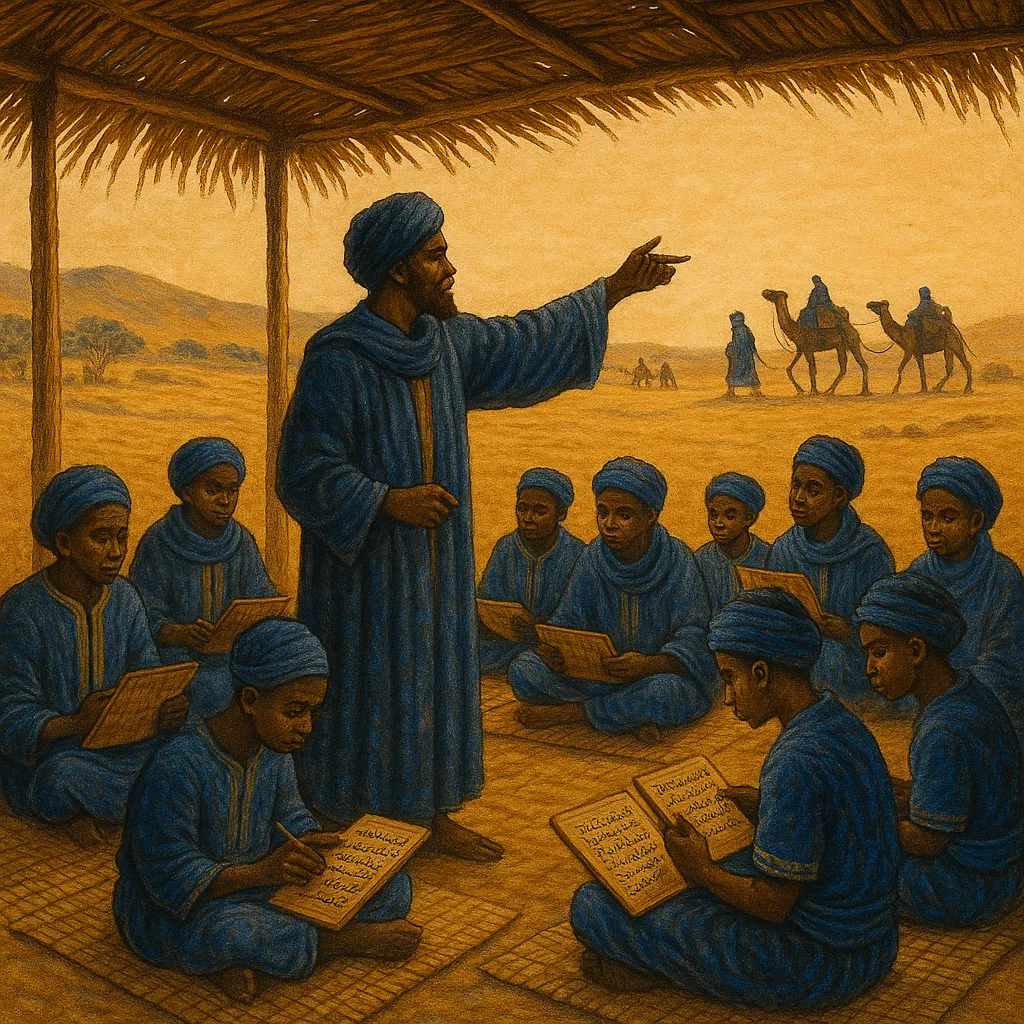
| Early Medieval Africa (beyond the Nile) | Axumite Empire dominant in the Horn of Africa, controlling Red Sea trade. In West Africa, early Sahelian states forming (Ghana’s precursors). Iron Age cultures flourish in forest–savanna belt; Igbo-Ukwu region developing high craftsmanship. |
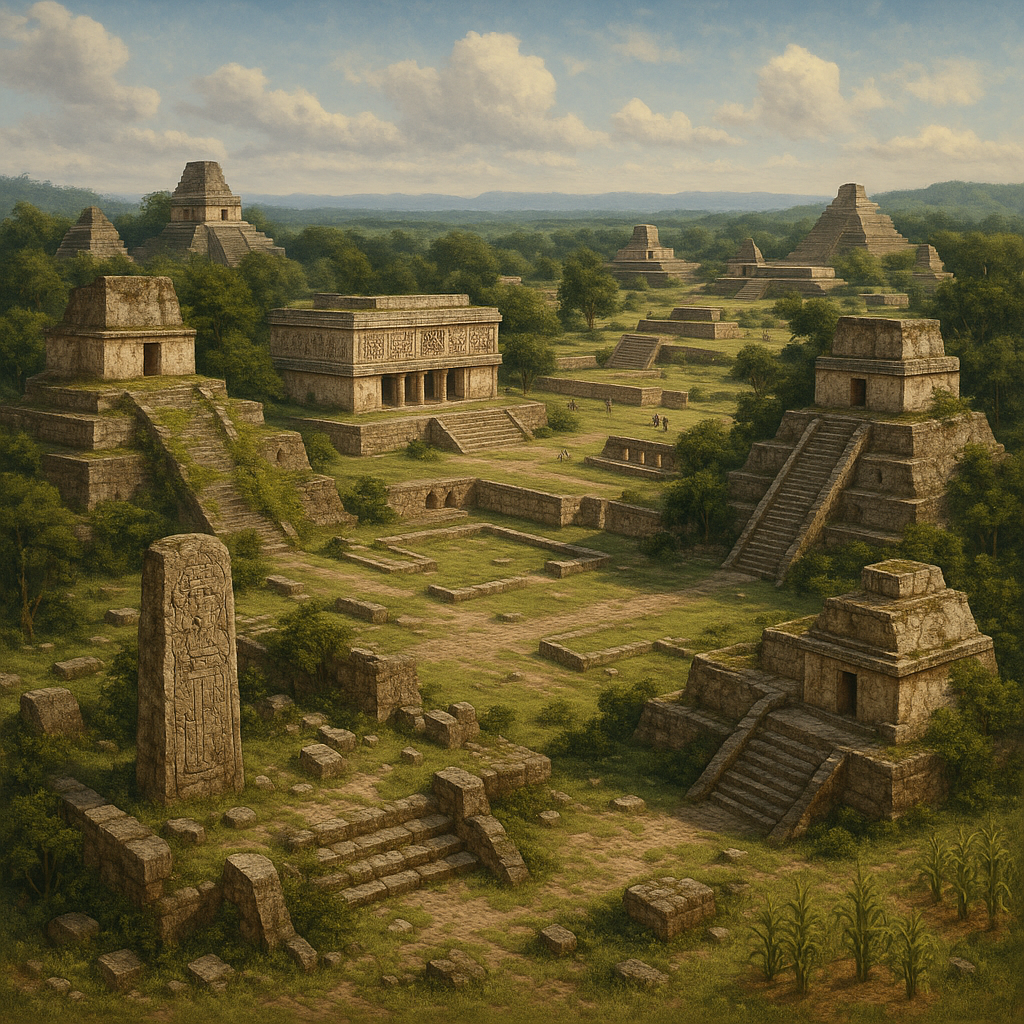
| Early Medieval Central America | Classic Maya peak. Monumental architecture, dynastic inscriptions, advanced mathematics and astronomy. Teotihuacan influence waning, but its legacy persists. Major cities include Tikal, Palenque, Calakmul. |
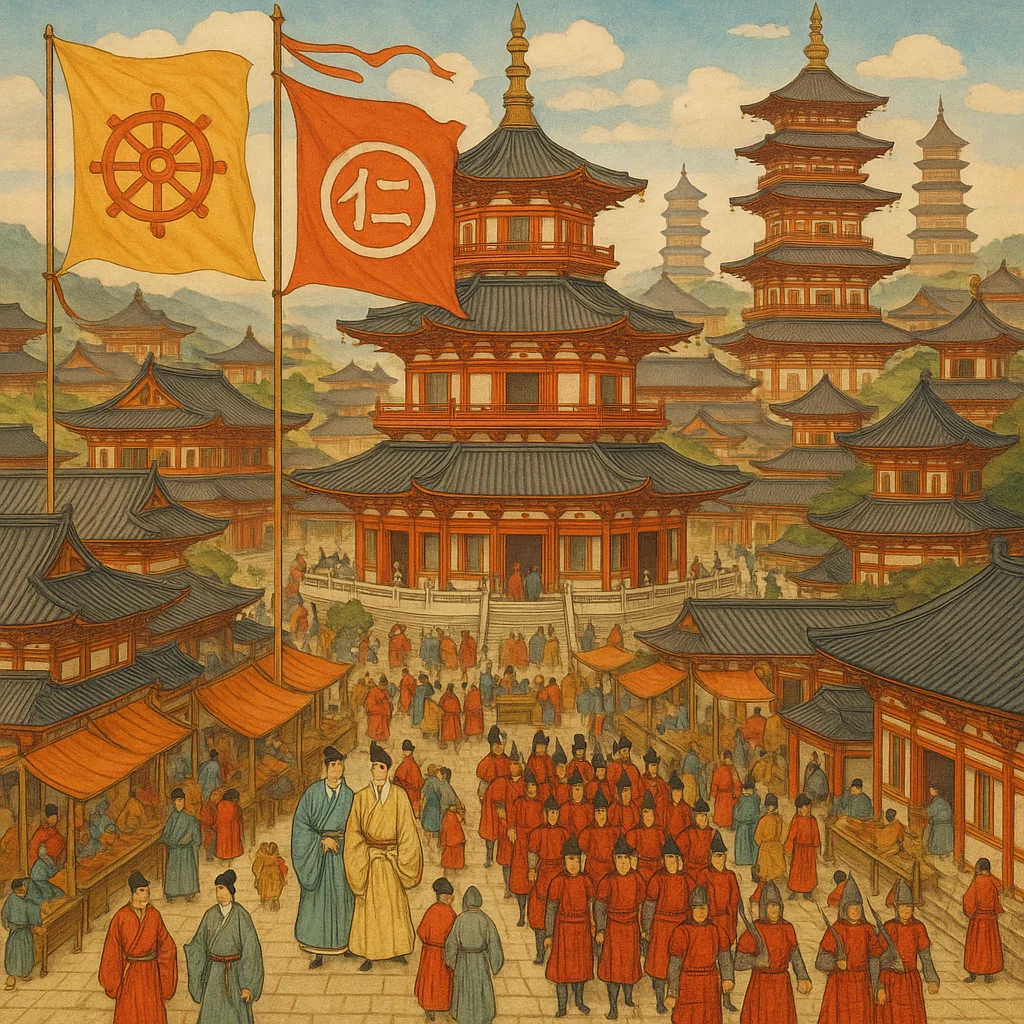
| Early Medieval China (East Asia) | Sui Dynasty (581–618) reunifies China after centuries of division. Centralization, Grand Canal construction, revival of bureaucracy. Early Tang Dynasty begins in 618 and quickly becomes one of world’s most powerful empires. |
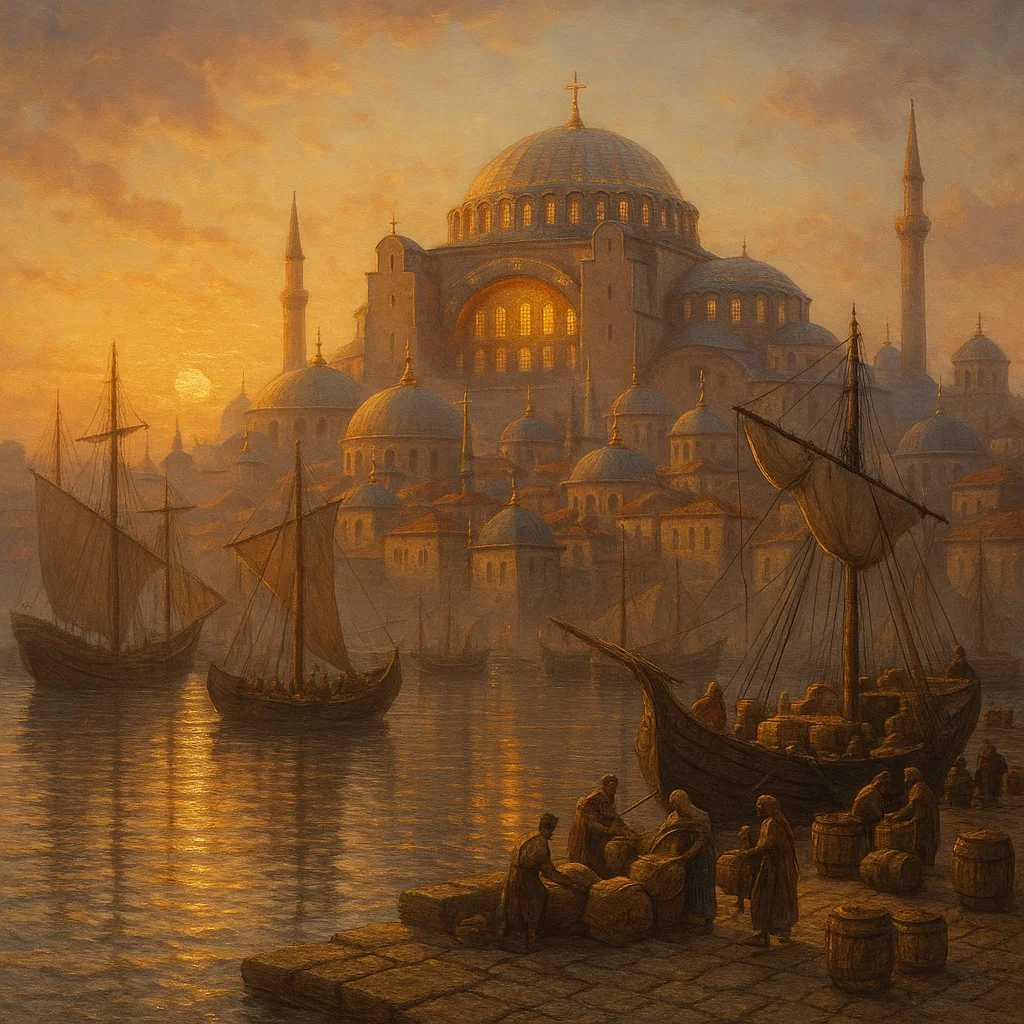
| Early Medieval Eastern Mediterranean | Byzantine Empire under Maurice → Heraclius. Intensifying conflict with Sassanid Persia destabilizes frontiers. Christianity unified in imperial core but divided in provinces. Pre-Islamic Arabia culturally diverse, with Mecca a trade hub. |
| Early Medieval Egypt | Still under Byzantine rule. Religious division (Coptic vs. Chalcedonian) severe. Heavy taxation and political repression weaken local support for Constantinople. Within decades, Egypt will fall to early Islamic armies (640s). |
| Early Medieval India and Central Asia | Post-Gupta fragmentation. Northern India ruled by regional states (Pushyabhuti/Harsha rising soon after). Buddhism weakened in north, strong in east. In Central Asia, early Turkic Khaganates form; Silk Road routes reconfigure. |
| Early Medieval North America | Late Woodland period. Maize agriculture spreading eastward but not yet dominant. Bow-and-arrow common. Complex chiefdoms emerging in Mississippi Valley; early Mississippian precursors forming. |
| Early Medieval Oceania | Australia maintains stable hunter-gatherer culture. New Guinea highlands sustain dense horticulture. Polynesian expansion deep into Eastern Polynesia—Hawai‘i, Rapa Nui, and Marquesas settled around this general period. |
| Early Medieval Persia | Sassanid Empire at peak power under Khosrow II. Controls Mesopotamia, Iran, Caucasus, parts of Arabia. Highly centralized bureaucracy. Massive, draining wars with Byzantium (602–628) begin shortly after this date. |
| Early Medieval South America | Wari and Tiwanaku emerging as major Andean powers (Middle Horizon soon after). Highland political integration increases. Coastal cultures (Moche) still active but declining. Large-scale irrigation and terracing systems expand. |
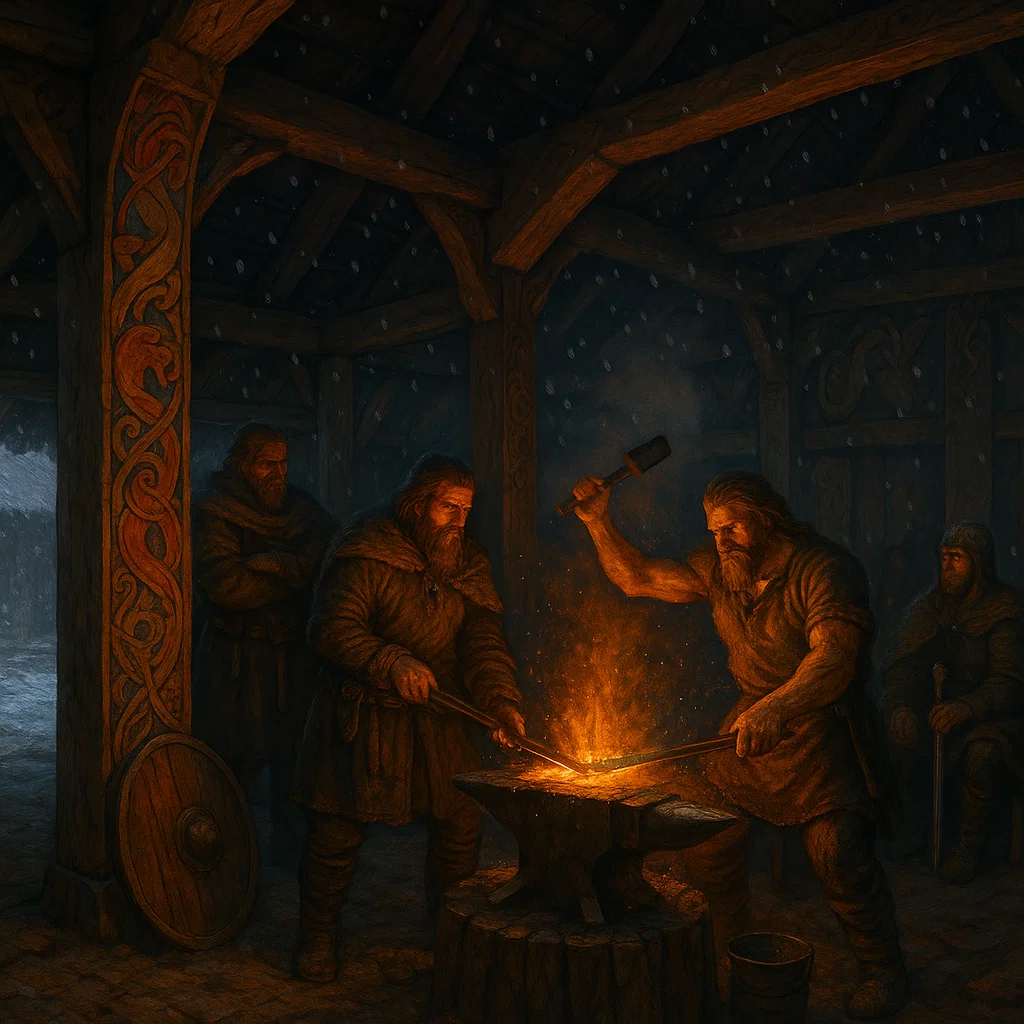
| Early Medieval Western Europe | Early Medieval Europe. Frankish Kingdom (Merovingians) dominates Gaul. Visigoths rule Iberia. Anglo-Saxon kingdoms rise in Britain. Ireland in its Golden Age of monastic scholarship. Urban life minimal outside ex-Roman centers; feudal structures emerging. |
700 AD – Snapshot
| Terra Avita Region and Era Name Link | Event Description |
|---|---|
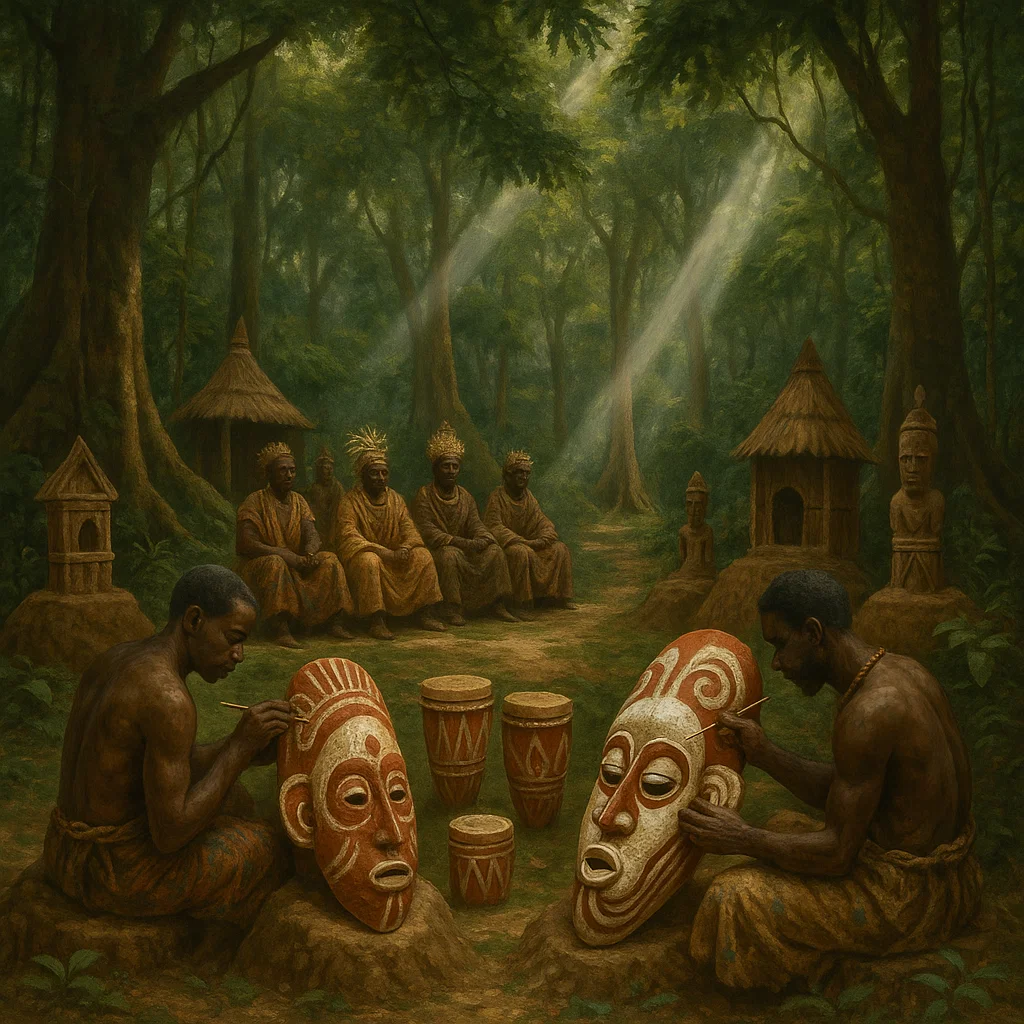
| Early Medieval Africa (beyond the Nile) | Axum still powerful but beginning long-term decline as Red Sea trade shifts. West African Sahelian states forming—early Ghana Empire rising. Widespread ironworking and complex chiefdoms in forest–savanna belt; Nok successors developing urban nodes. |
| Early Medieval Central America | Late Classic Maya height. Tikal, Palenque, Copán, and Calakmul flourish. Hieroglyphic inscriptions, astronomy, massive temple construction. Teotihuacan gone, but its influence echoes. Widespread trade across Mesoamerica. |
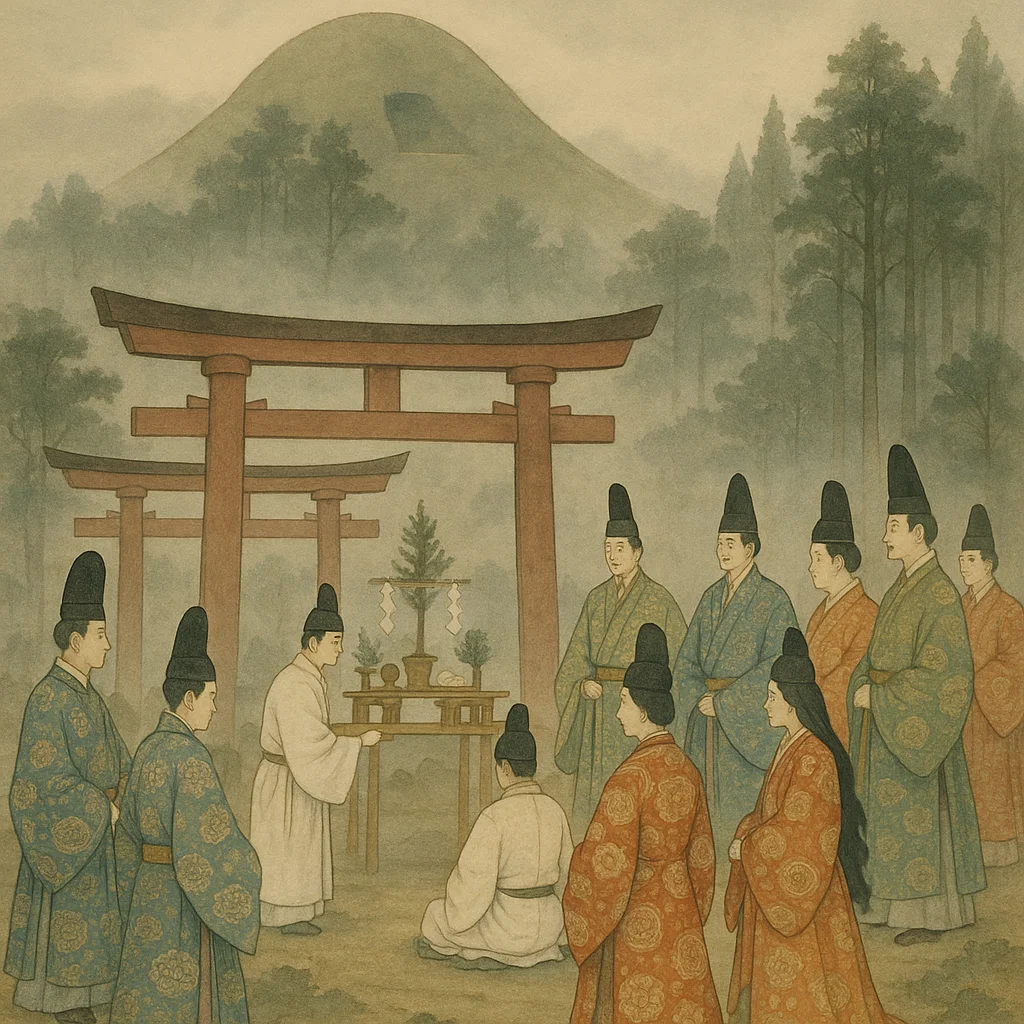
| Early Medieval China (East Asia) | Tang Dynasty at its peak. Cosmopolitan empire with immense trade links via Silk Road and maritime routes. Chang’an the world’s largest city. Military projection into Korea, Central Asia, and Vietnam. High cultural innovation. |
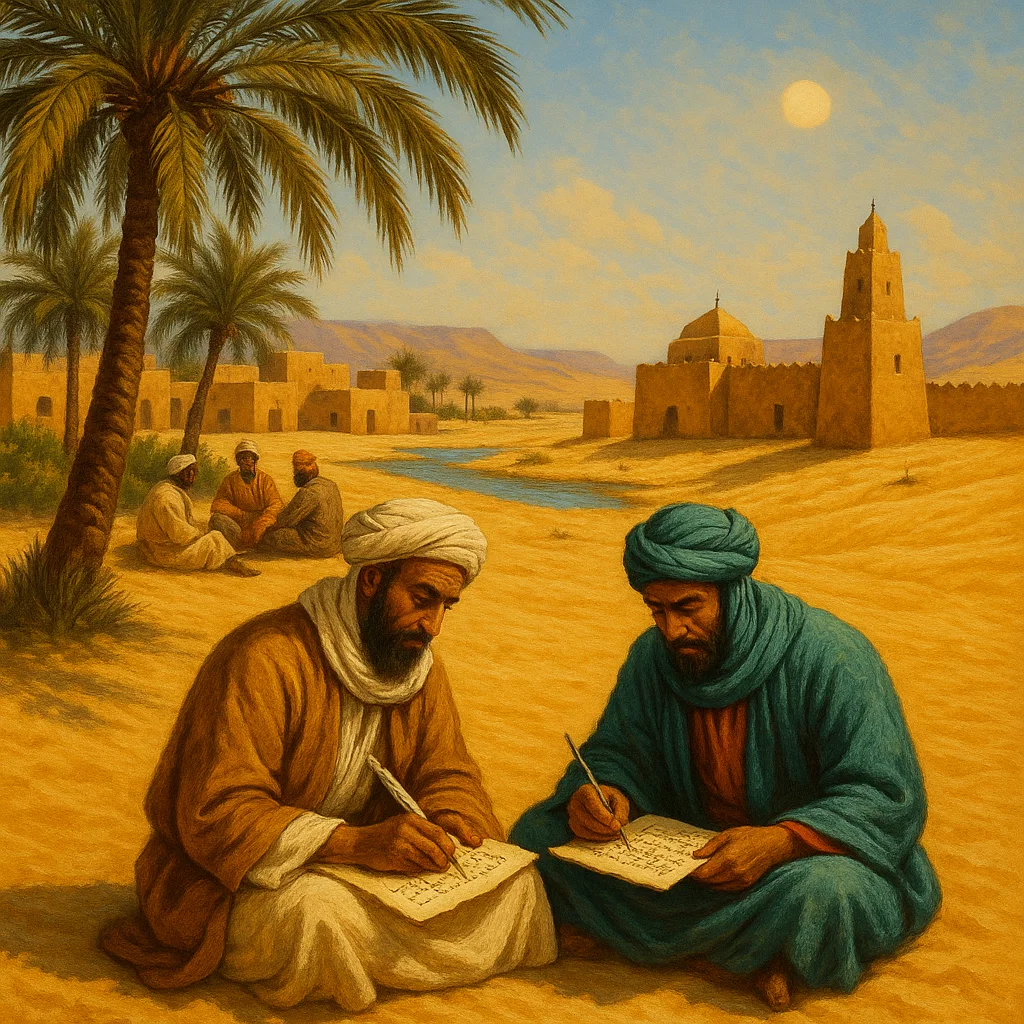
| Early Medieval Eastern Mediterranean | Islamic Caliphate ascendant. Umayyad Caliphate controls the Levant, Egypt, North Africa, and much of the Near East. Byzantine Empire holds Anatolia and parts of Balkans; Constantinople remains major power center. |
| Early Medieval Egypt | Egypt under Umayyad rule. Arabic administrative reforms begin. Coptic Christianity still dominant among population but Islam gradually spreads. Strong agricultural output supports Caliphate economy. |
| Early Medieval India and Central Asia | North India under post-Harsha fragmentation. Regional kingdoms (Rashtrakutas rising in Deccan). Buddhism waning in northwest; Hindu polities resurging. In Central Asia, Turkic Khaganates control steppes; Silk Road traffic vibrant. |
| Early Medieval North America | Late Woodland. Maize increasingly cultivated in many regions but not universal. Early Mississippian cultural precursors forming in Southeast. Hopewell long gone; regional chiefdoms emerging. Bow-and-arrow widespread. |
| Early Medieval Oceania | Australia continues stable hunter-gatherer lifeways with dense trade networks. New Guinea highlands maintain intensive horticulture. Polynesians firmly established in Hawai‘i, Tahiti, Marquesas; expansion toward New Zealand still centuries away (c. 1200 AD). |
| Early Medieval Persia | Persia fully incorporated into the Islamic Caliphate after the fall of the Sassanid Empire (651). Persian elites integrated into Umayyad/soon-to-be Abbasid systems. Persian culture begins deep influence on Islamic administration and scholarship. |
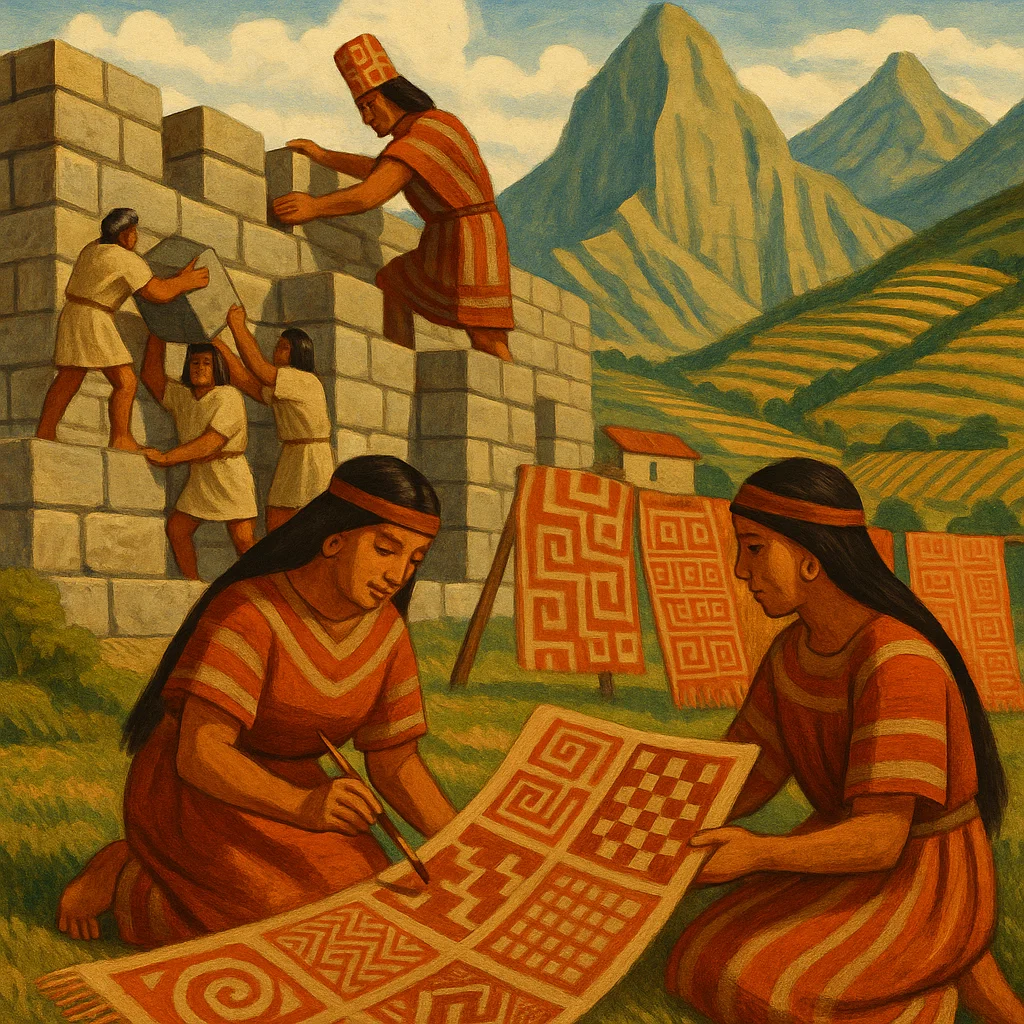
| Early Medieval South America | Wari and Tiwanaku states dominate Andes (Middle Horizon). Highland–coastal integration strong. Moche culture fading but leaves monumental legacy. Large road networks, terracing, long-distance llama caravans expand. |
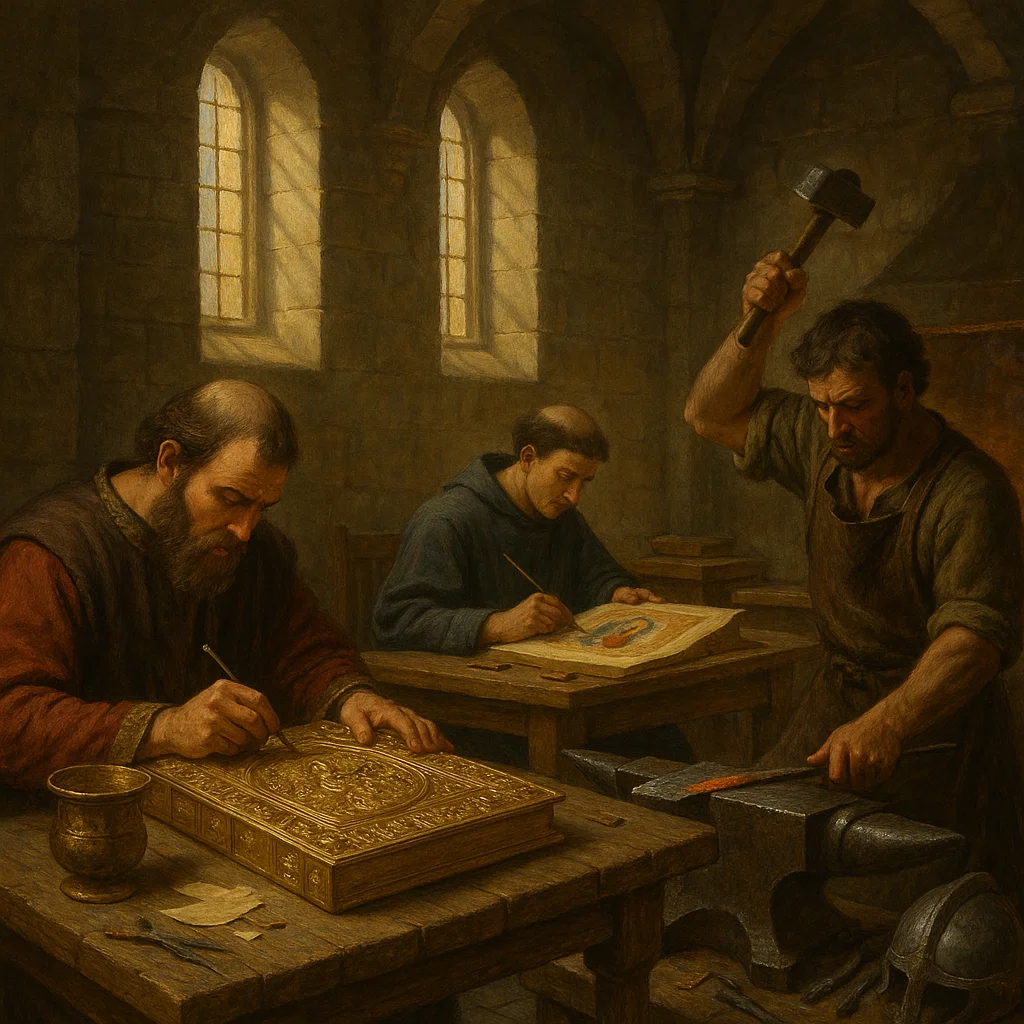
| Early Medieval Western Europe | Post–Merovingian early medieval period. Frankish Kingdom dominant. Anglo-Saxon heptarchy thriving in Britain. Visigothic Spain nearing its fall (711). Irish monasteries produce major scholarship. Feudal structures strengthening; Viking Age begins soon after (793). |
800 AD – Snapshot
| Terra Avita Region and Era Name Link | Event Description |
|---|---|
| Early Medieval Africa (beyond the Nile) | Ghana Empire rising in West Africa—control of trans-Saharan gold trade emerging. Sahelian and forest–savanna states increasingly complex. Axum still present but declining as trade routes shift south. Coastal East Africa begins early Swahili cultural formation. |
| Early Medieval Central America | Terminal Classic Maya collapse beginning. Major cities in southern lowlands (Tikal, Copán) experience decline or abandonment. Northern Maya cities (Uxmal, Chichén Itzá) still strong. Zapotec and other Mesoamerican states active. |
| Early Medieval China (East Asia) | Late Tang Dynasty, still powerful but approaching internal strain. Chang’an and Luoyang remain massive cosmopolitan centers. Buddhism widespread; military power in Central Asia receding. Tang influence in Korea, Japan, and Vietnam strong. |
| Early Medieval Eastern Mediterranean | Byzantine Empire recovers under Isaurian and early Macedonian dynasties; strong military themes system. Abbasid Caliphate dominates Near East with Baghdad as global intellectual center. Eastern Mediterranean divided between Byzantium and Islam. |
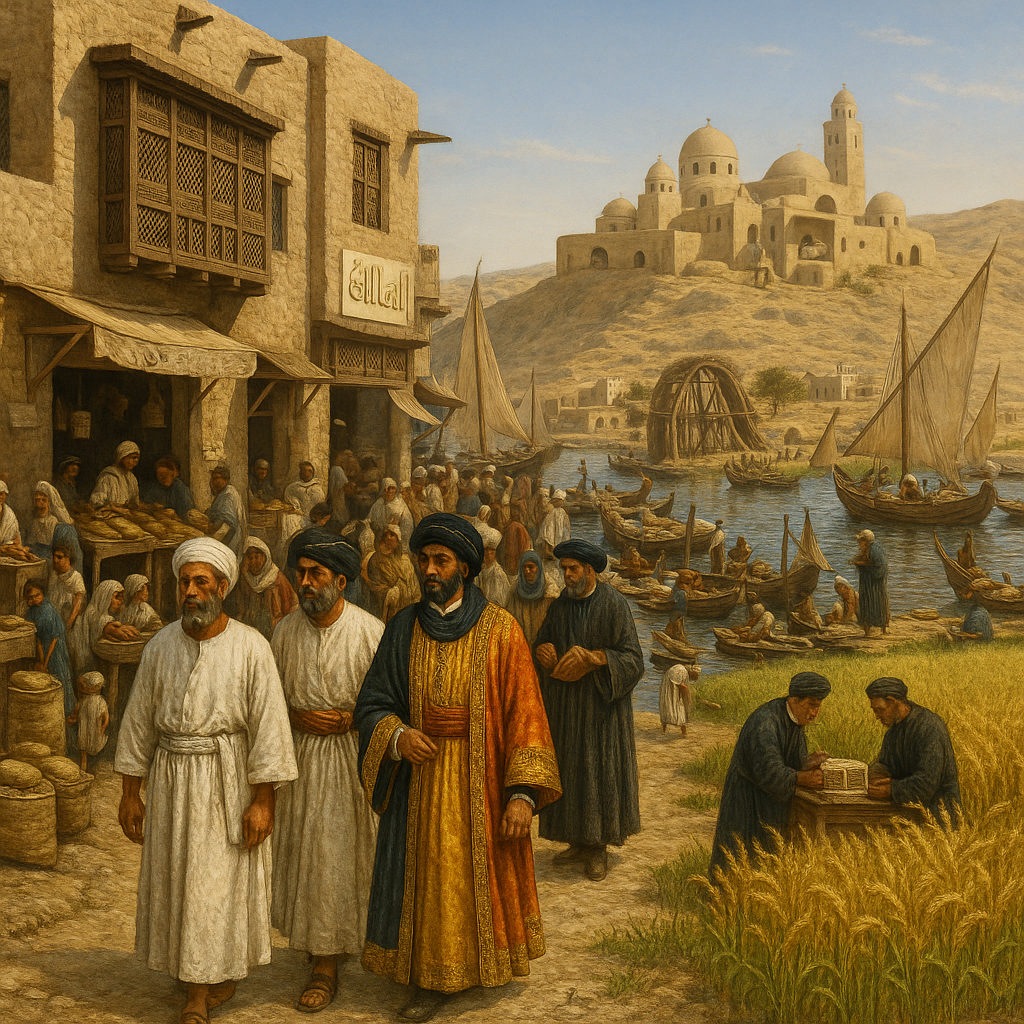
| Early Medieval Egypt | Egypt under Abbasid rule, governed from Baghdad through local governors. Arabs dominate administration; Coptic population still large. Agriculture and Nile taxation fund the Caliphate. Flourishing urban culture in Fustat. |
| Early Medieval India and Central Asia | India fragmented after fall of Harsha; Rashtrakutas, Palas, and Pratiharas dominate northern and central India. Buddhism strong in Bengal. In Central Asia, Tibetan Empire and Turkic polities active; Silk Road trade vibrant. |
| Early Medieval North America | Late Woodland → early Mississippian transition. Increasing maize agriculture in Southeast. Larger platform mounds appear. Complex chiefdoms forming along Mississippi Valley. Bow-and-arrow universal. |
| Early Medieval Oceania | Australia continues highly stable hunter-gatherer traditions; complex art and trade networks. New Guinea horticulture dense with advanced drainage systems. Polynesians settled central Pacific; New Zealand still uninhabited (settled ~1200 AD). |
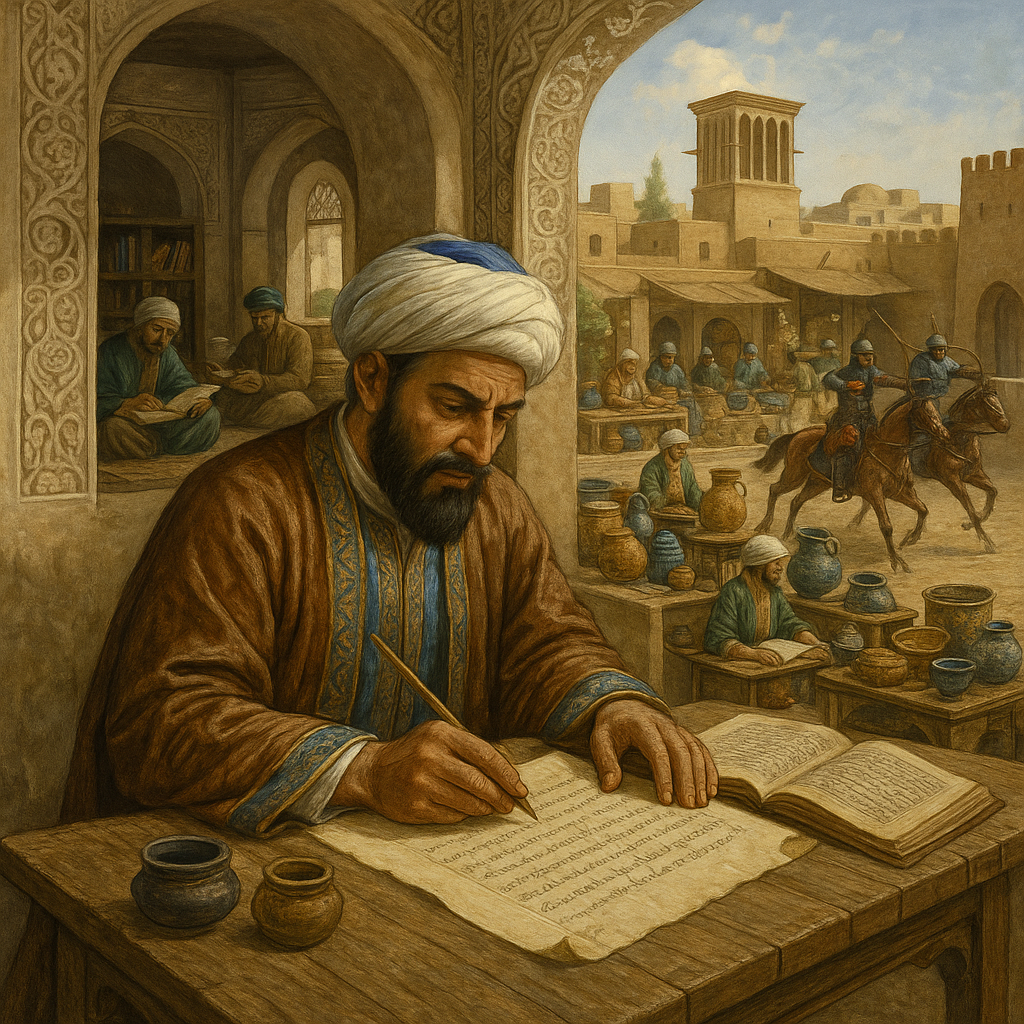
| Early Medieval Persia | Fully integrated into Abbasid Caliphate. Persian elites heavily shape Abbasid administration, science, and literature. Early stirrings of Persian cultural revival (later Samanids). Iran a core region of Islamic Golden Age. |
| Early Medieval South America | Wari and Tiwanaku empires near peak—highland administrative centers, road networks, terracing, state-managed agriculture. Coastal cultures shift after Moche’s fall. Large-scale llama caravans integrate Andes. |
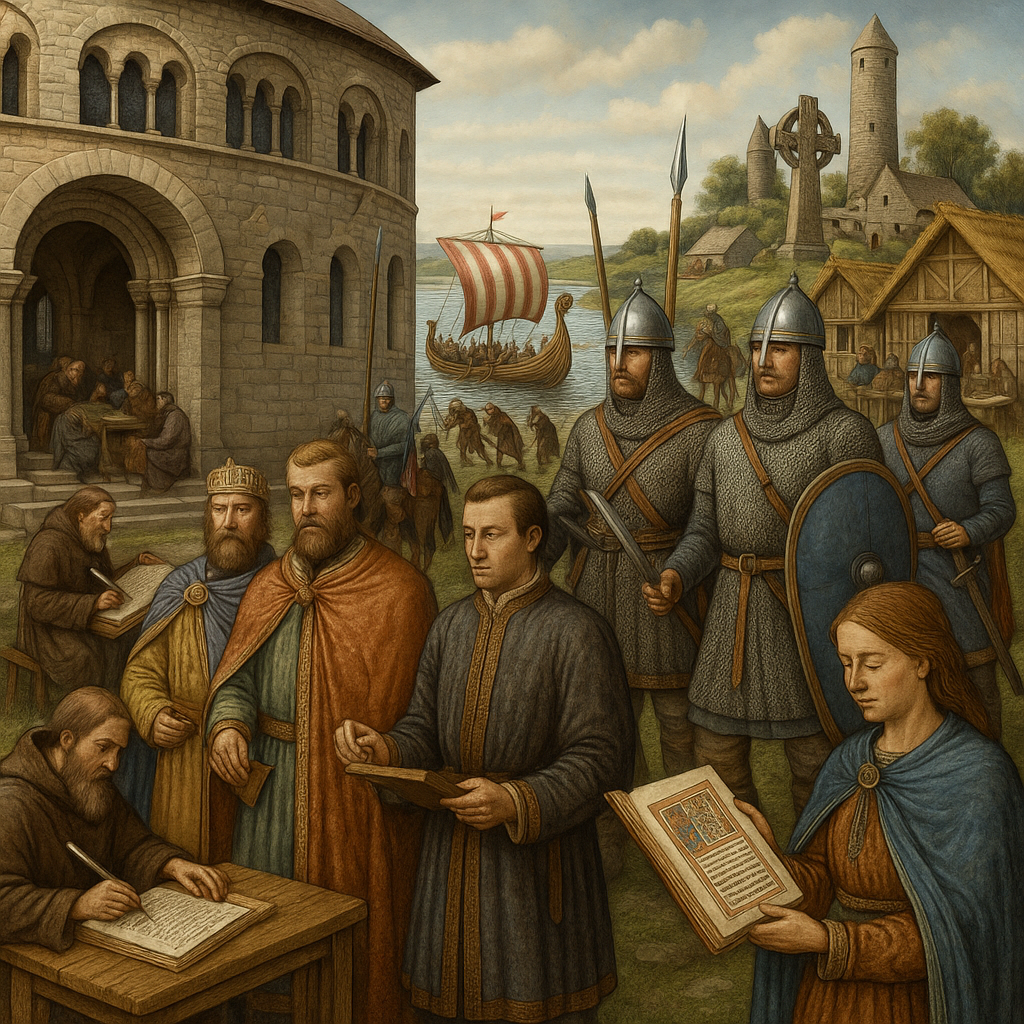
| Early Medieval Western Europe | Carolingian Empire at its height. Charlemagne crowned Emperor in 800 AD. Literacy and administration revived through Carolingian Renaissance. Viking raids intensify across North Sea and Atlantic. Anglo-Saxon kingdoms consolidate; Ireland’s monastic scholarship flourishes. |
900 AD – Snapshot
| Terra Avita Region and Era Name Link | Event Description |
|---|---|
| Early Medieval Africa (beyond the Nile) | Ghana Empire at its height, controlling Saharan gold routes. Sahelian states expand complexity. Early Swahili towns forming along East African coast through Afro-Arab trade. Axum reduced to highland interior after Red Sea trade declines. |
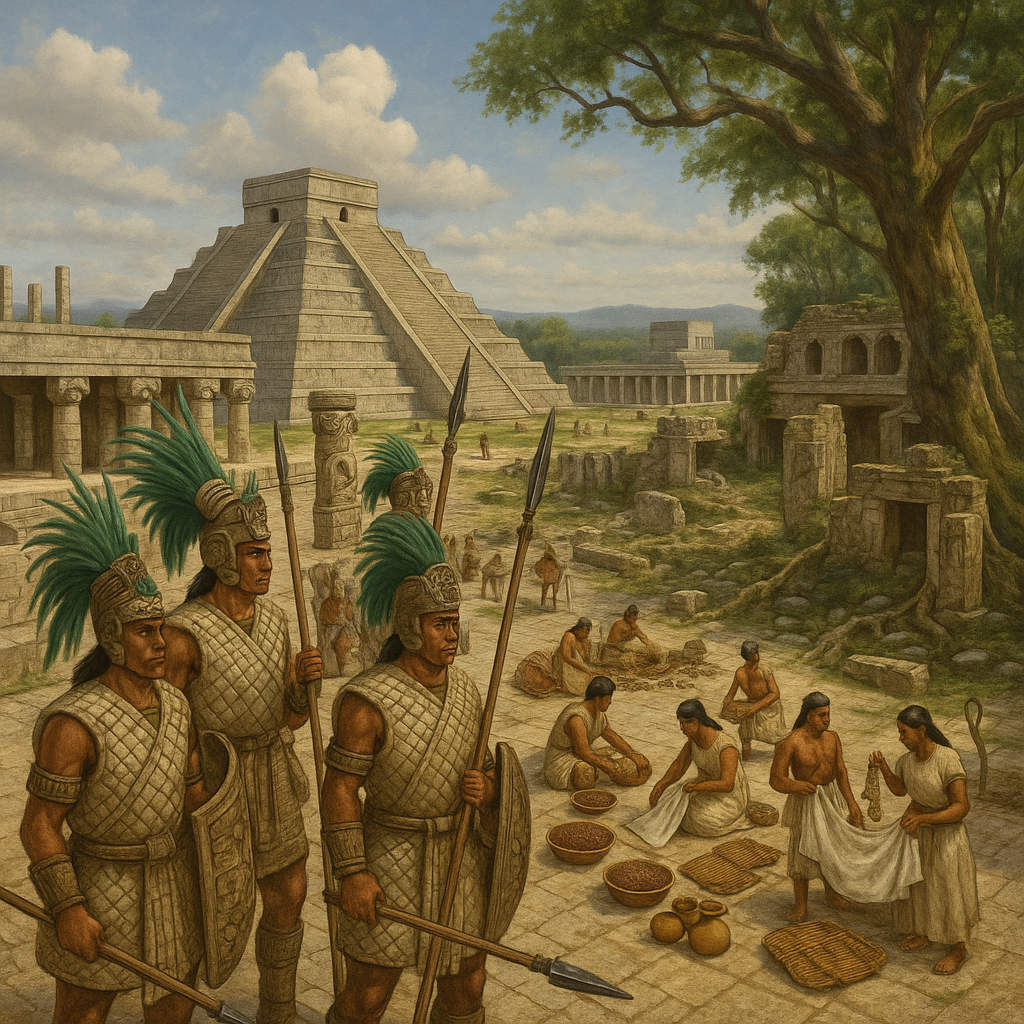
| Early Medieval Central America | Post-Classic Maya reorganization after Terminal Classic collapse. Southern lowland cities mostly abandoned. Northern centers (Chichén Itzá, Uxmal) dominate. Toltec influence begins rising in central Mexico. |
| Early Medieval China (East Asia) | Tang Dynasty collapses (907 AD). China enters the Five Dynasties and Ten Kingdoms period—extreme political fragmentation. Despite turmoil, economic innovation, printing, and city culture continue. |
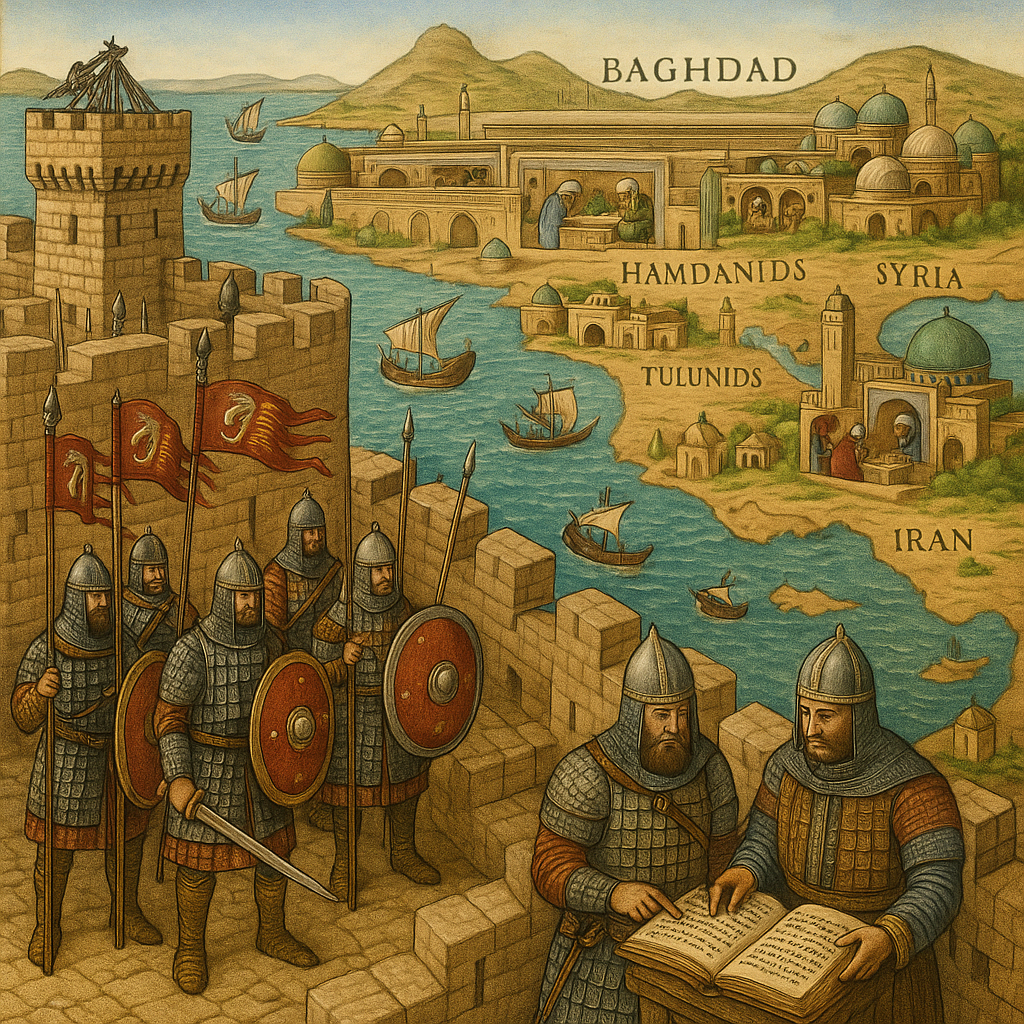
| Early Medieval Eastern Mediterranean | Byzantine resurgence under the Macedonian dynasty (Basil I, Leo VI). Strong military frontier in Anatolia. Abbasid Caliphate weak—real power in regional dynasties (Tulunids, Ikhshidids, Saffarids, Samanids). Eastern Mediterranean a mosaic of Byzantine and Islamic powers. |
| Early Medieval Egypt | Under Tulunids → Ikhshidids as autonomous dynasties within Islamic world. Abbasid authority minimal. Cairo not yet founded (969 AD), but Fustat is major metropolis. Egypt extremely wealthy and strategically central. |
| Early Medieval India and Central Asia | Gurjara-Pratihara, Rashtrakuta, and Pala empires form the “tripartite struggle” over northern India. Kashmir, Bengal, and Gujarat flourish. In Central Asia, Samanids and Turkic tribes dominate, setting stage for later Ghaznavids. |
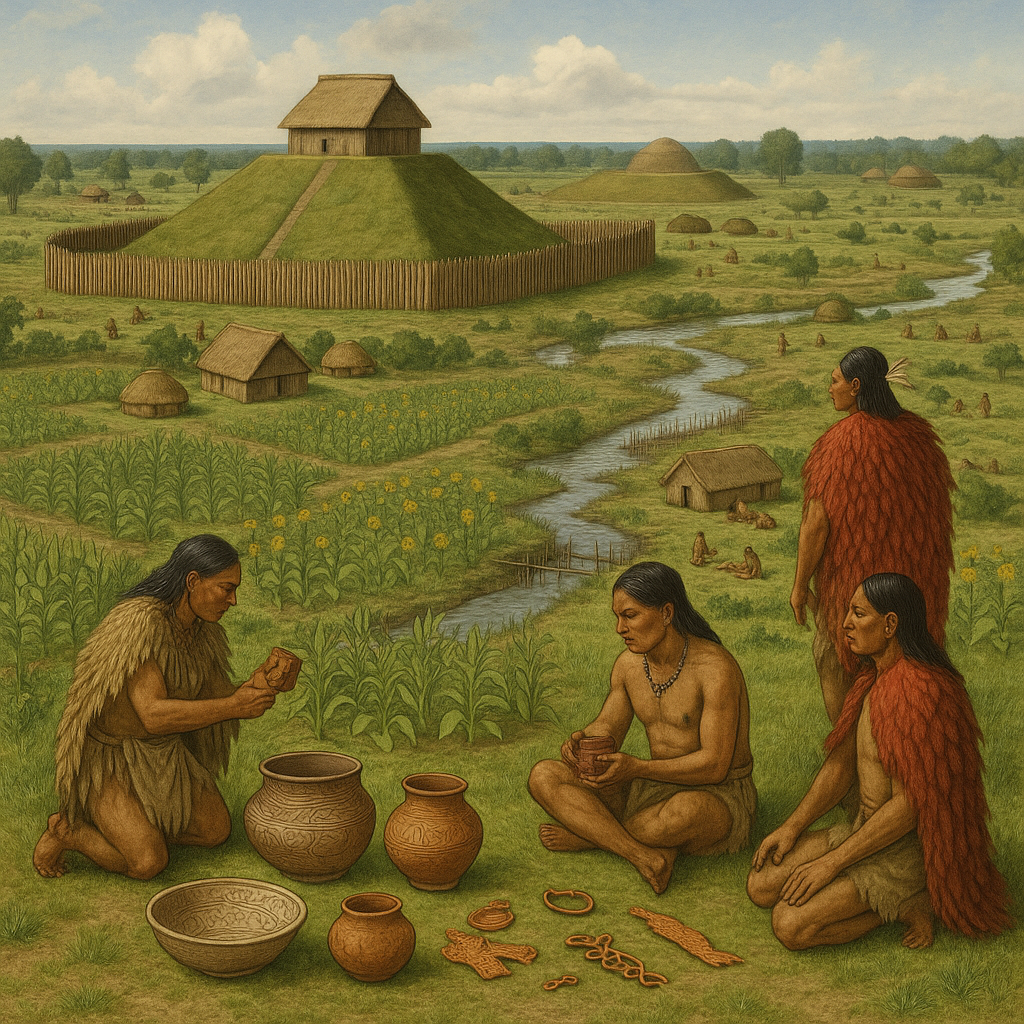
| Early Medieval North America | Early Mississippian cultures rising. Cahokia begins forming as a ceremonial center. Increased maize agriculture, platform mounds, chiefdom hierarchy, long-distance trade intensifies. |
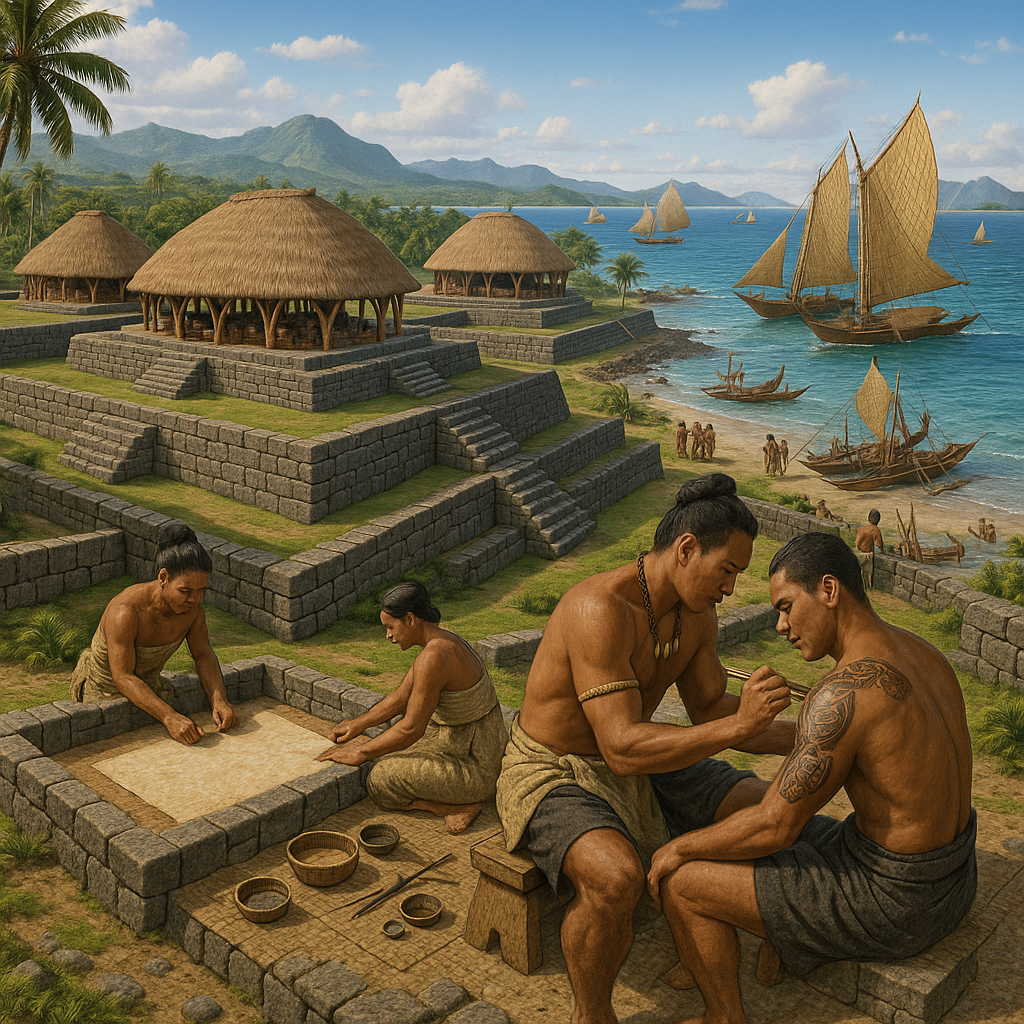
| Early Medieval Oceania | Australia maintains stable hunter-gatherer cultural systems. New Guinea highlands maintain intensive horticulture and regional networks. Polynesians fully occupy central Polynesia; expansion toward New Zealand still centuries away (c. 1200 AD). |
| Early Medieval Persia | Samanid Empire dominates eastern Iran and Transoxiana. Persian cultural revival accelerates (birth of New Persian literature). Abbasids retain nominal authority but real power is regional. Trade along Silk Road strong. |
| Early Medieval South America | Wari and Tiwanaku still influential but approaching decline (collapse c. 1000 AD). Highland–coastal trade strong. Regional kingdoms form in Andes; irrigation, terracing, and llama caravans central. |
| Early Medieval Western Europe | Post-Carolingian breakup. West Francia (future France), East Francia (future Germany), and Italy form separate power blocs. Viking Age still active but waning. Anglo-Saxon England consolidating under Alfred’s successors. Ireland fragmented into competing kingdoms. |
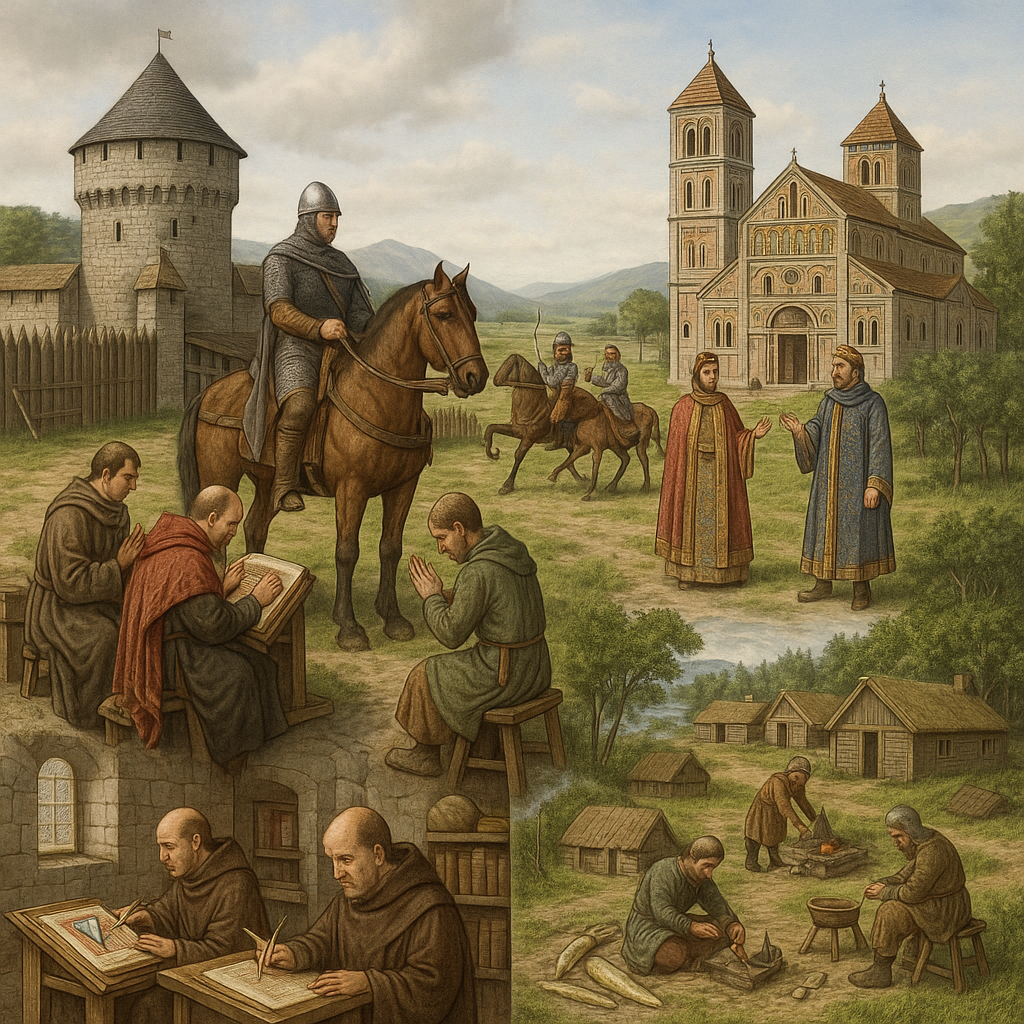
1000 AD – Snapshot
| Terra Avita Region and Era Name Link | Event Description |
|---|---|
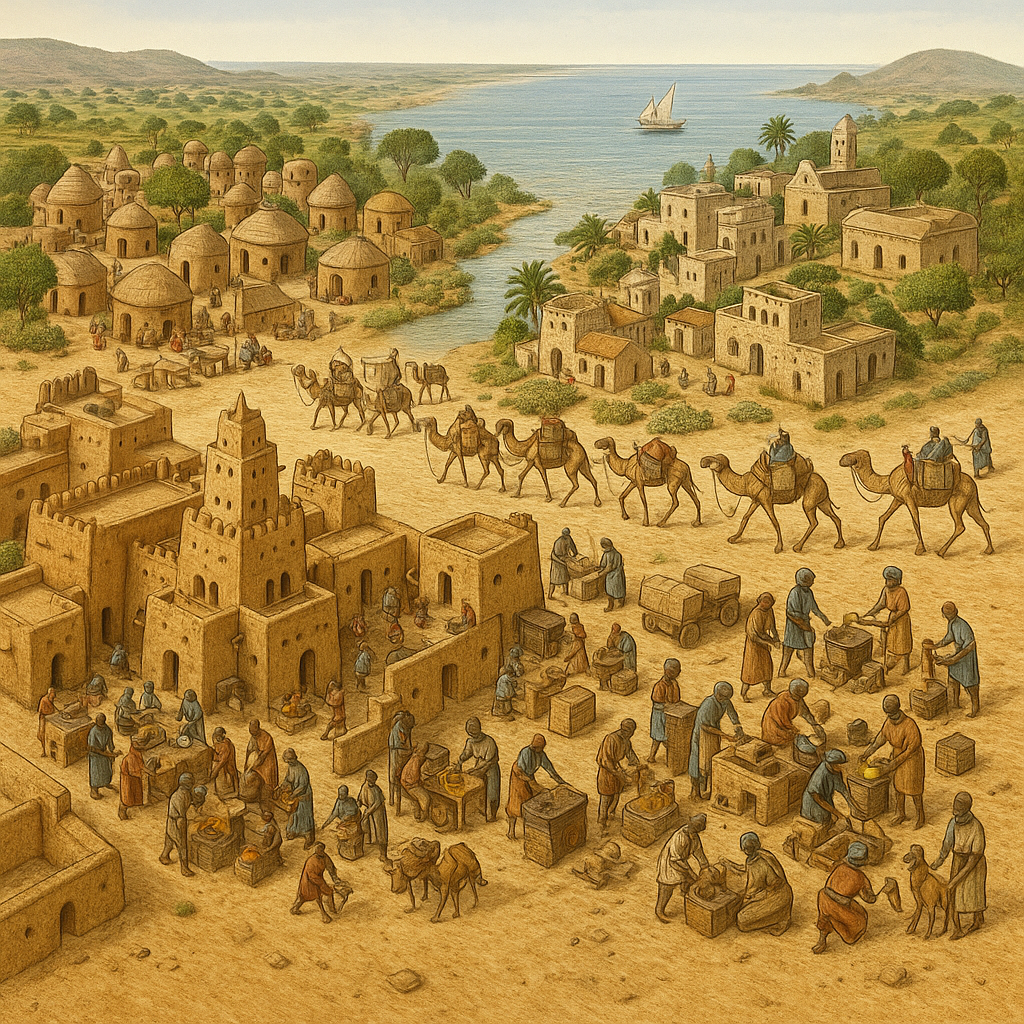
| Early Medieval Africa (beyond the Nile) | Ghana Empire dominant in West Africa, controlling Saharan gold trade. Early Mali precursors forming. Sahelian cities (Koumbi Saleh, Gao) flourish. Swahili coast emerging as major Indian Ocean trade corridor with Afro-Arab merchant towns. |
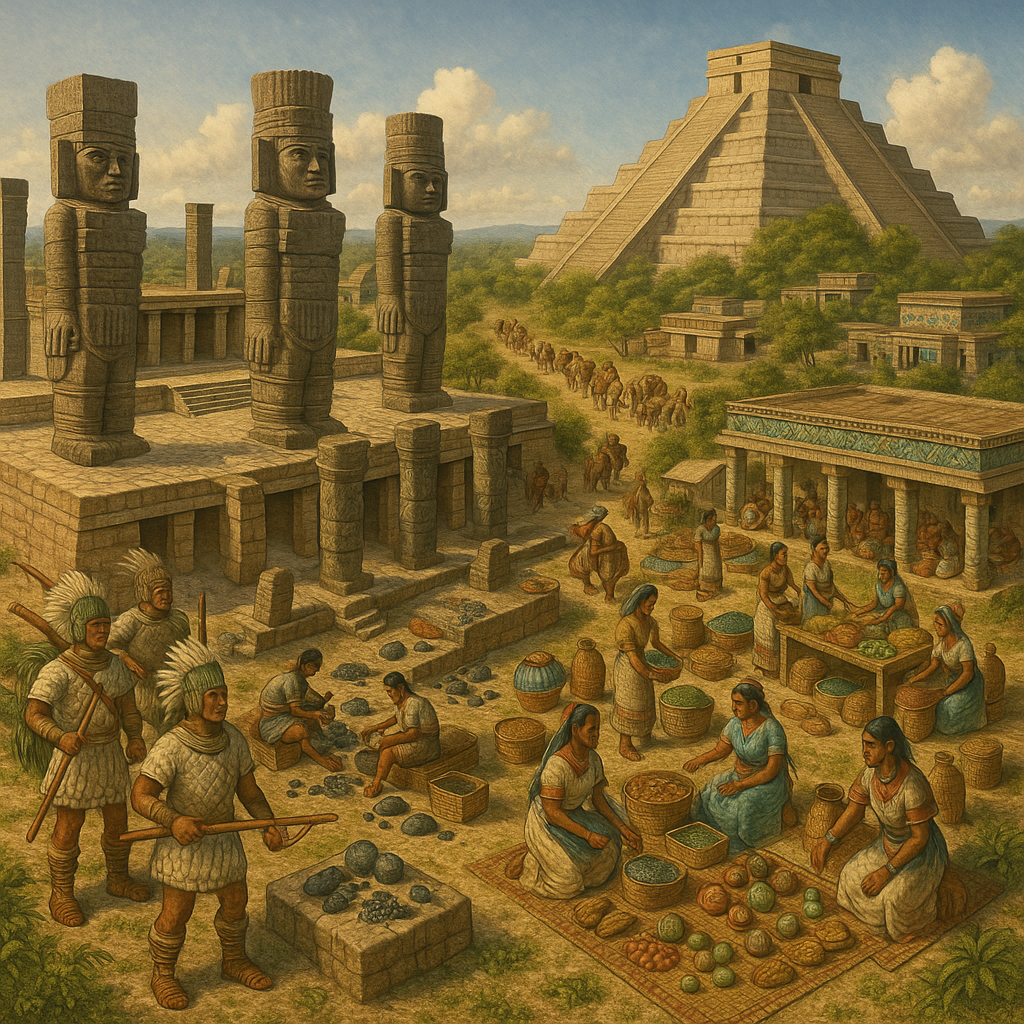
| Early Medieval Central America | Toltec ascendancy in central Mexico (Tula). Maya Postclassic consolidation in Yucatán; Chichén Itzá powerful. Strong long-distance trade networks; full maize civilization. |
| Early Medieval China (East Asia) | Song Dynasty consolidates southern and central China (Northern Song). Explosive economic growth, gunpowder weapons, printing, massive cities (Kaifeng). Khitan Liao Dynasty controls northeast; Tang long gone. |
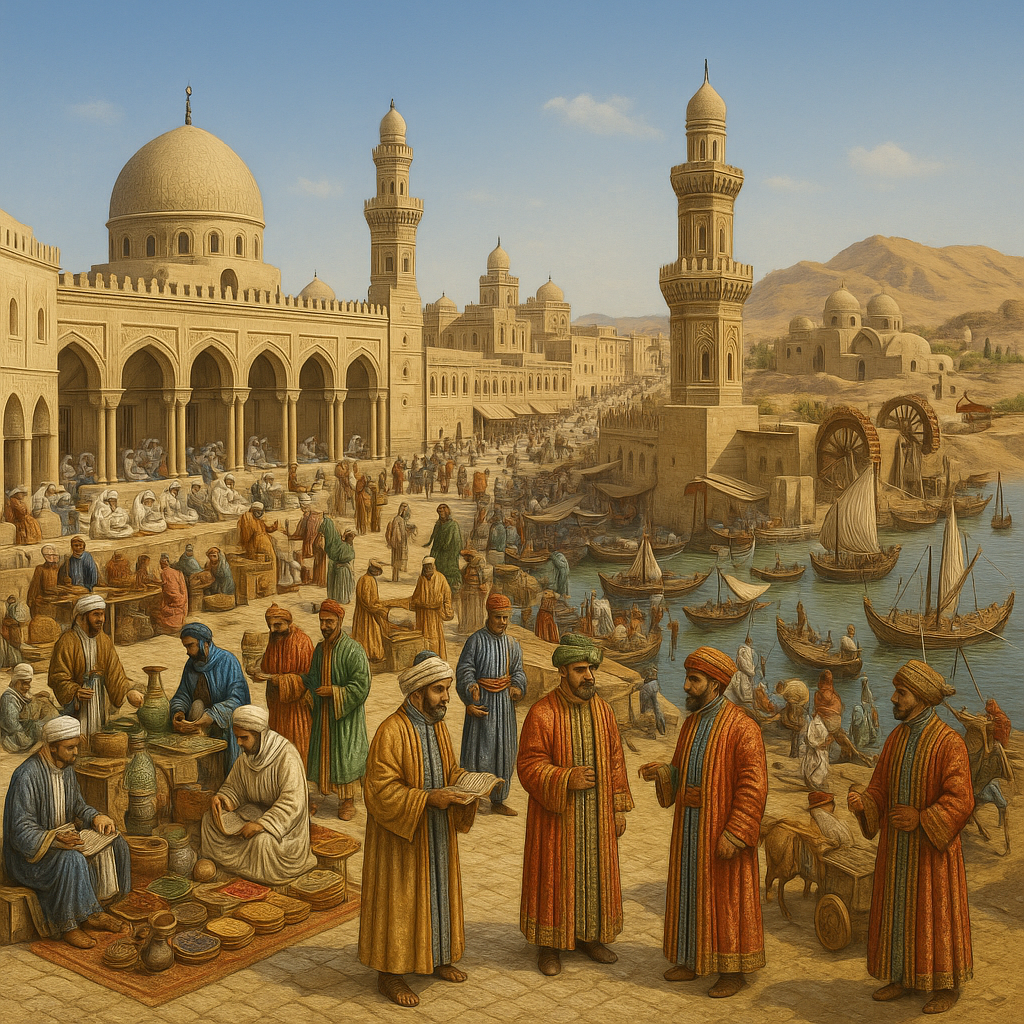
| Early Medieval Eastern Mediterranean | Byzantine Empire strong under Basil II; reconquers Balkans and stabilizes Anatolia. Islamic world fragmented: Fatimids in Egypt, Abbasids weak in Baghdad, regional emirates and dynasties dominate. Eastern Mediterranean a frontier between Byzantium and Islam. |
| Early Medieval Egypt | Under Fatimid Caliphate (Cairo founded 969 AD). Isma‘ili Shi‘a dynasty dominates Nile Valley. Cairo becomes one of the world’s most important cities—trade, scholarship, administration thrive. |
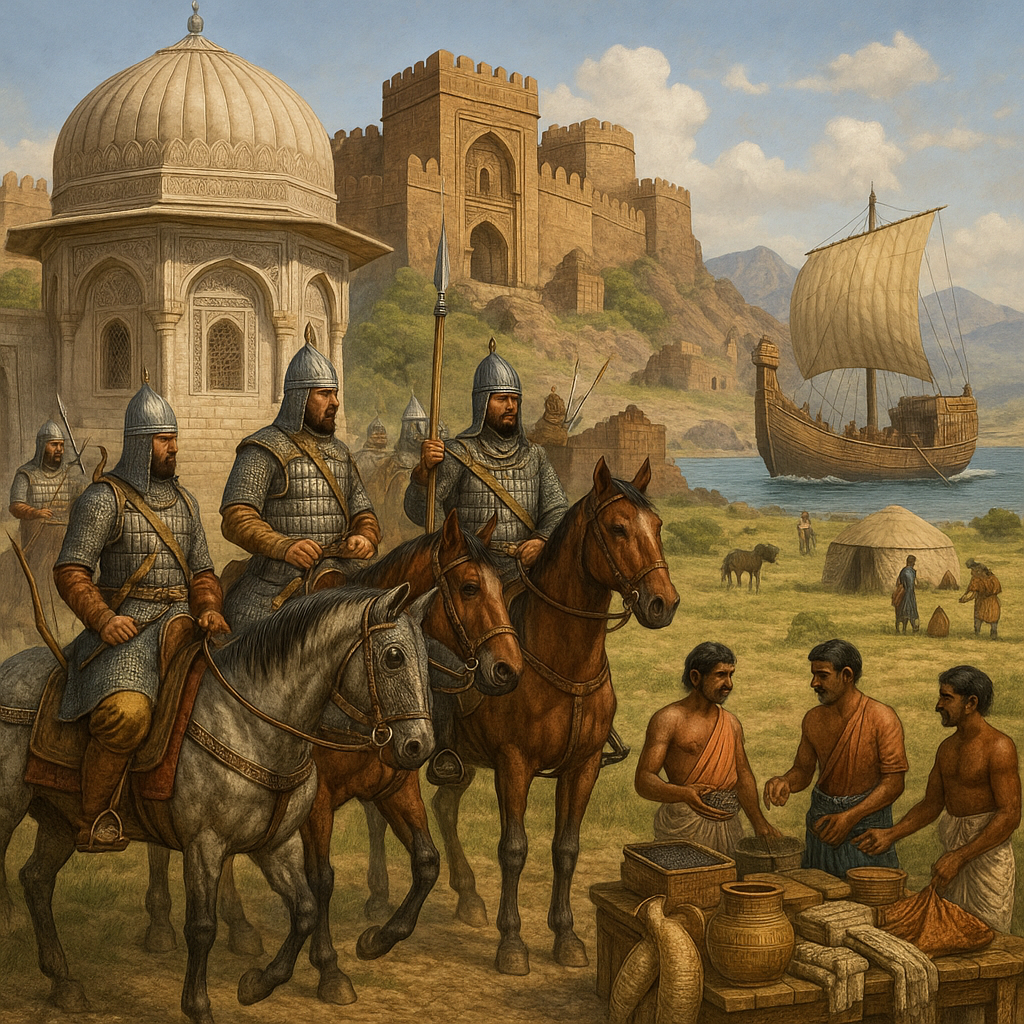
| Early Medieval India and Central Asia | Ghaznavids dominate northwest India and Afghanistan. North India fractured among Rajput kingdoms. South India under Cholas expanding maritime influence across Bay of Bengal. Central Asia shifting between Turkic powers. |
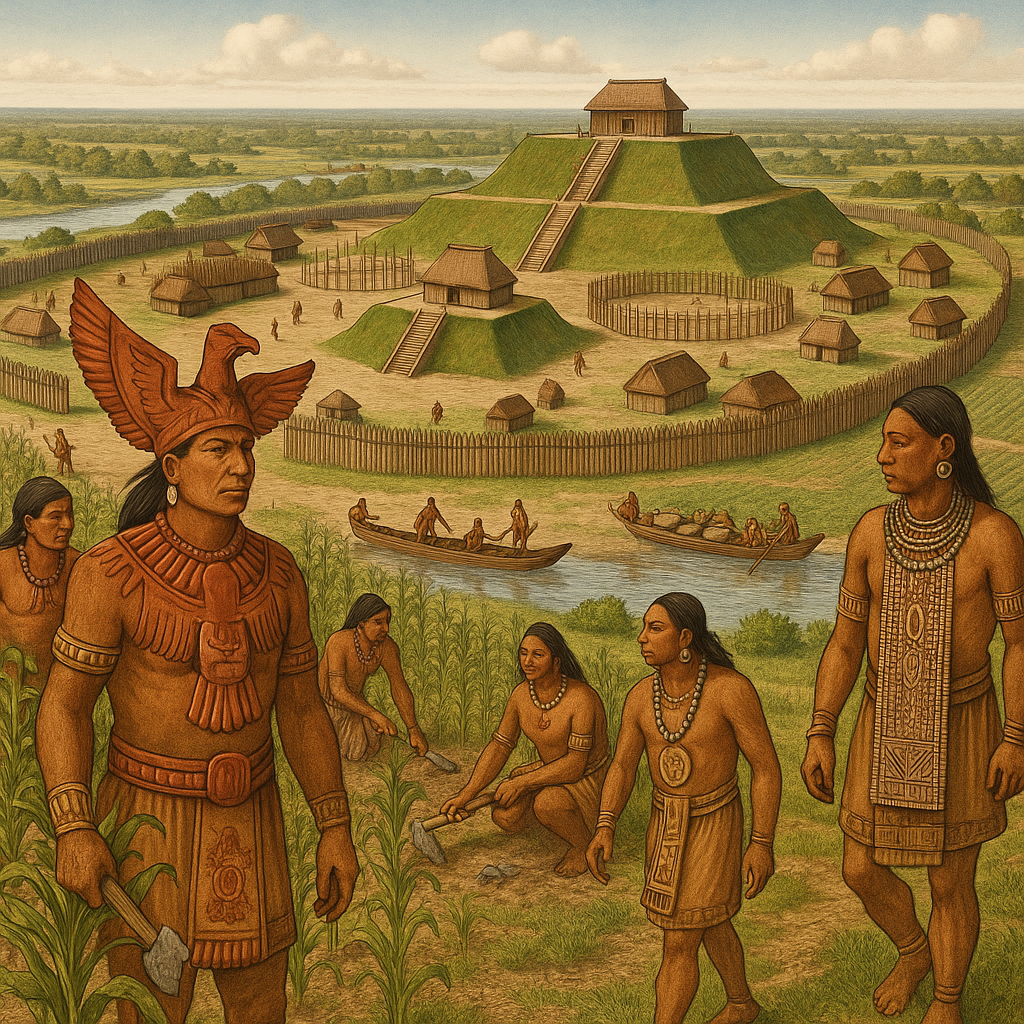
| Early Medieval North America | Mississippian culture rising sharply. Cahokia becomes largest city north of Mexico (~1050–1200 AD). Full-scale maize agriculture, platform mounds, chiefdom hierarchies, long-distance exchange networks. Bow-and-arrow universal. |
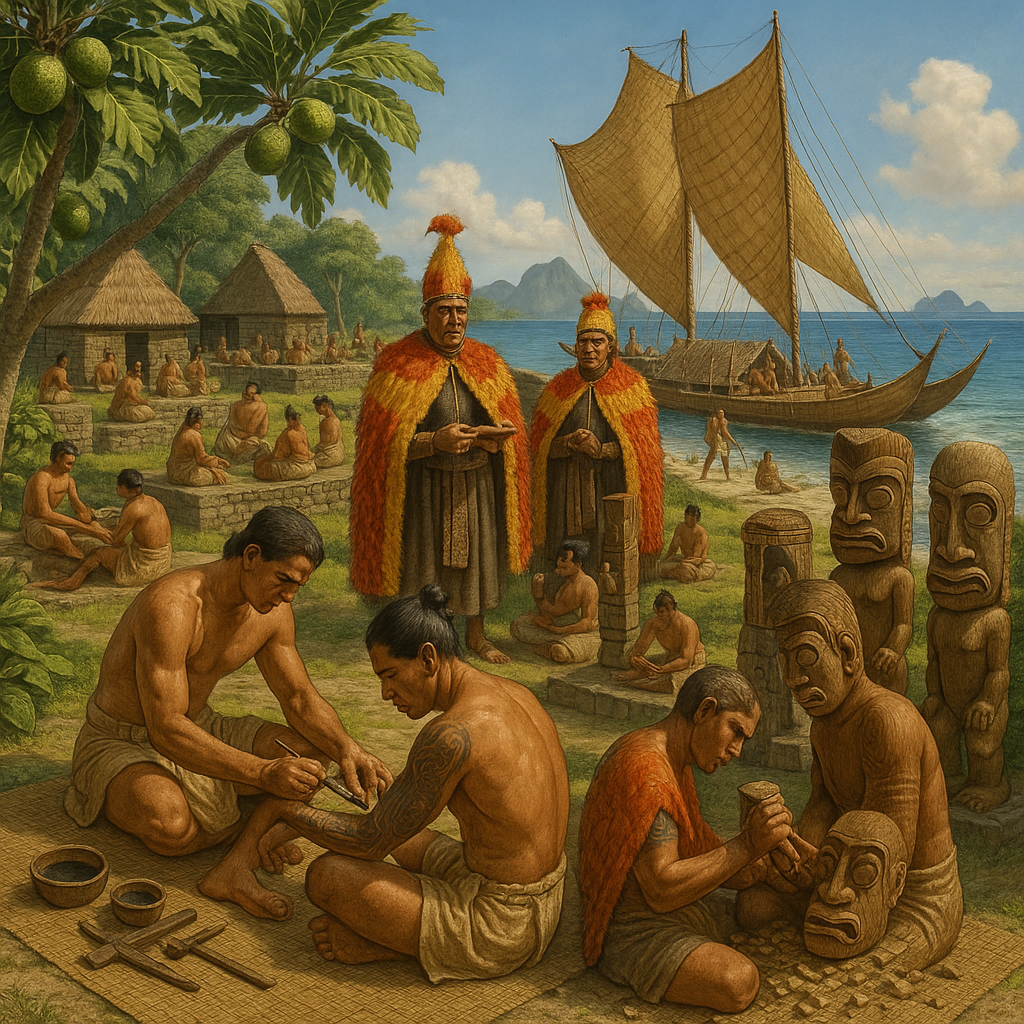
| Early Medieval Oceania | Australia’s Aboriginal cultures stable with extensive trade routes and ritual systems. New Guinea highlands intensive agriculture advanced. Polynesians have not yet settled New Zealand (c. 1200–1300 AD), but Eastern Polynesia well populated (Tahiti, Hawai‘i, Marquesas, Rapa Nui). |
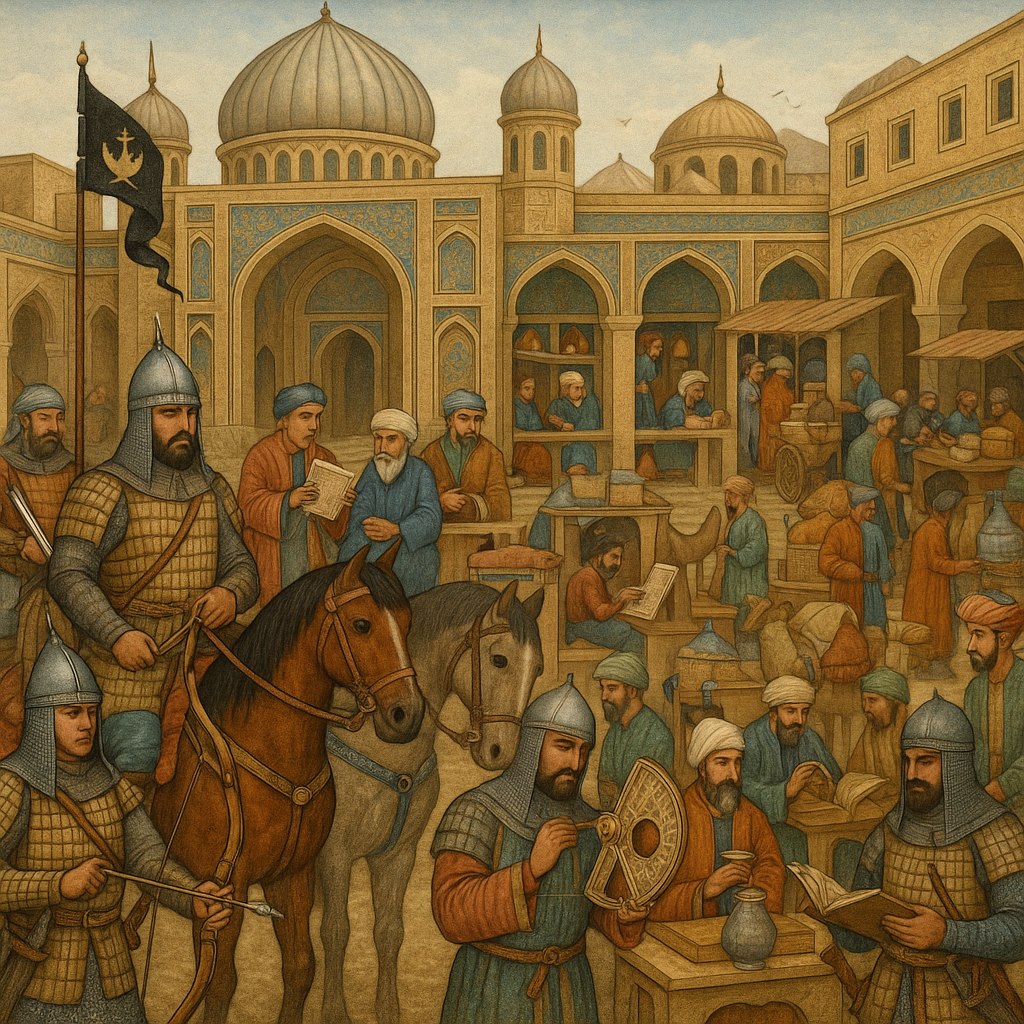
| Early Medieval Persia | Ghaznavid Empire rising (Mahmud of Ghazni). Persianate Islamic culture flourishing. Literature (Ferdowsi’s Shahnameh finished 1010 AD). Control over eastern Iran and Afghanistan; raids into India. Abbasids symbolic only. |
| Early Medieval South America | Post–Wari and post–Tiwanaku regional states dominate. Inca ancestors (Kingdom of Cusco) beginning as minor highland polity centuries before imperial expansion. Coastal Peru features Chimú precursors; irrigation and terracing remain central. |
| Early Medieval Western Europe | High Middle Ages emerging. Feudalism entrenched. Holy Roman Empire consolidating under Otto III/Henry II. Capetian monarchy stabilizing France. England under Anglo-Saxon rule (Æthelred the Unready). Viking Age at full force; Norse settlements in Iceland, Greenland, and Vinland (c. 1000 AD). |