(500 BC – 500 AD)
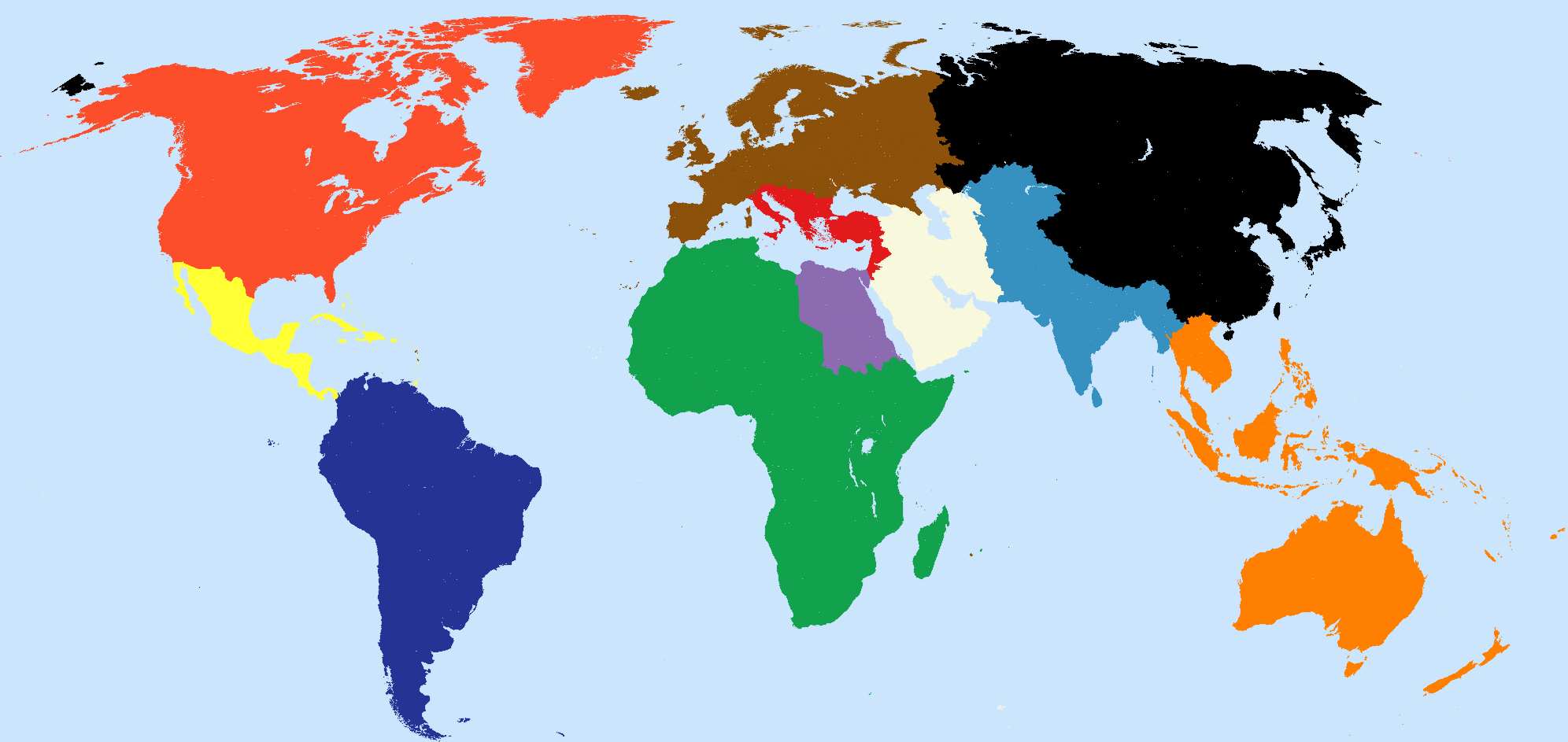 Western Europe
Antiquity Greco-Roman
Antiquity Persia
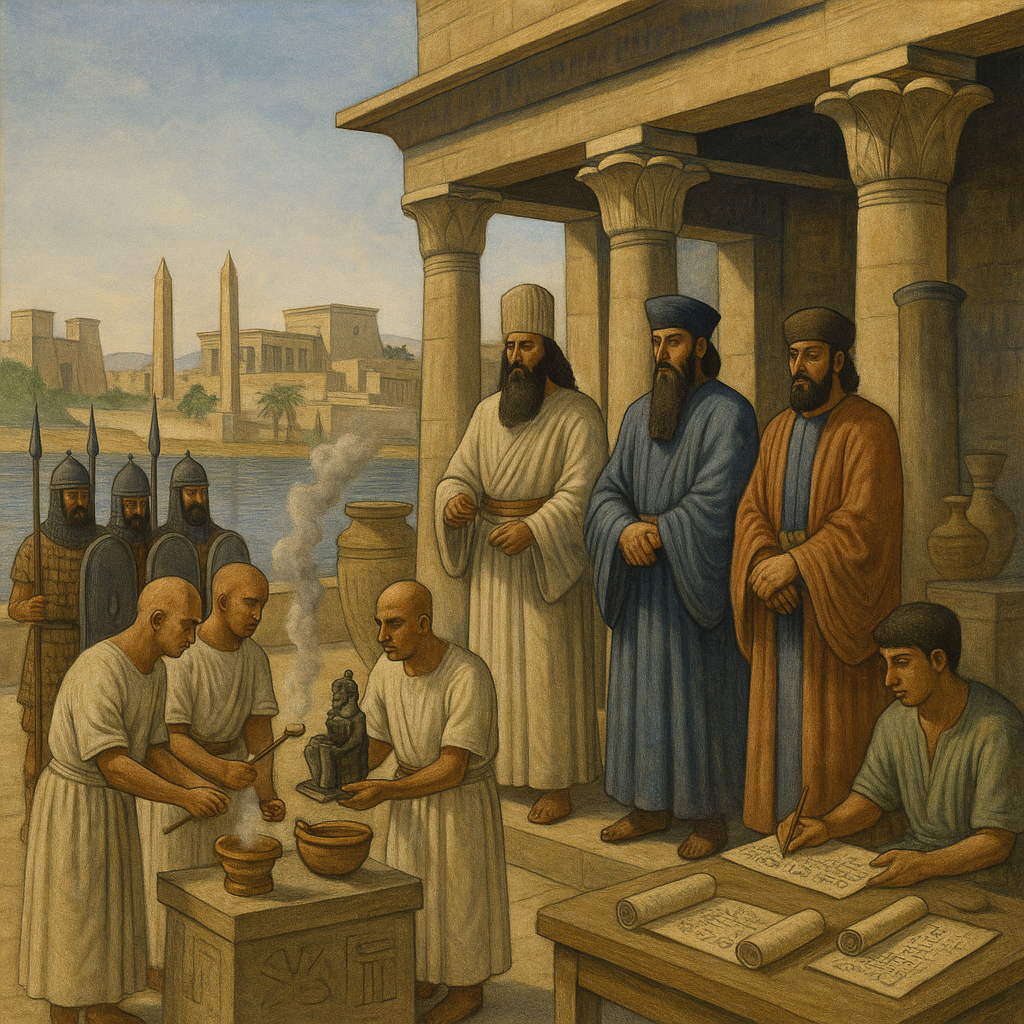
Antiquity Egypt
Antiquity Africa
Antiquity India
Antiquity China
Antiquity Oceania
Antiquity North America
Antiquity Central America
Antiquity South America
Antiquity
| Terra Avita Region and Era Name Link | Representative Cultures | Major Cities / Centers | Major Events |
|---|---|---|---|
| Persian Antiquity | Achaemenid, Parthian, Sassanian | Persepolis, Ctesiphon, Ecbatana | Persian imperial continuity; wars with Greece and Rome; Zoroastrian religious consolidation |
| Egyptian Antiquity | Ptolemaic, Roman Egypt | Alexandria, Memphis, Thebes | Hellenistic dynasty under Ptolemies; Library of Alexandria; Roman annexation; spread of Christianity |
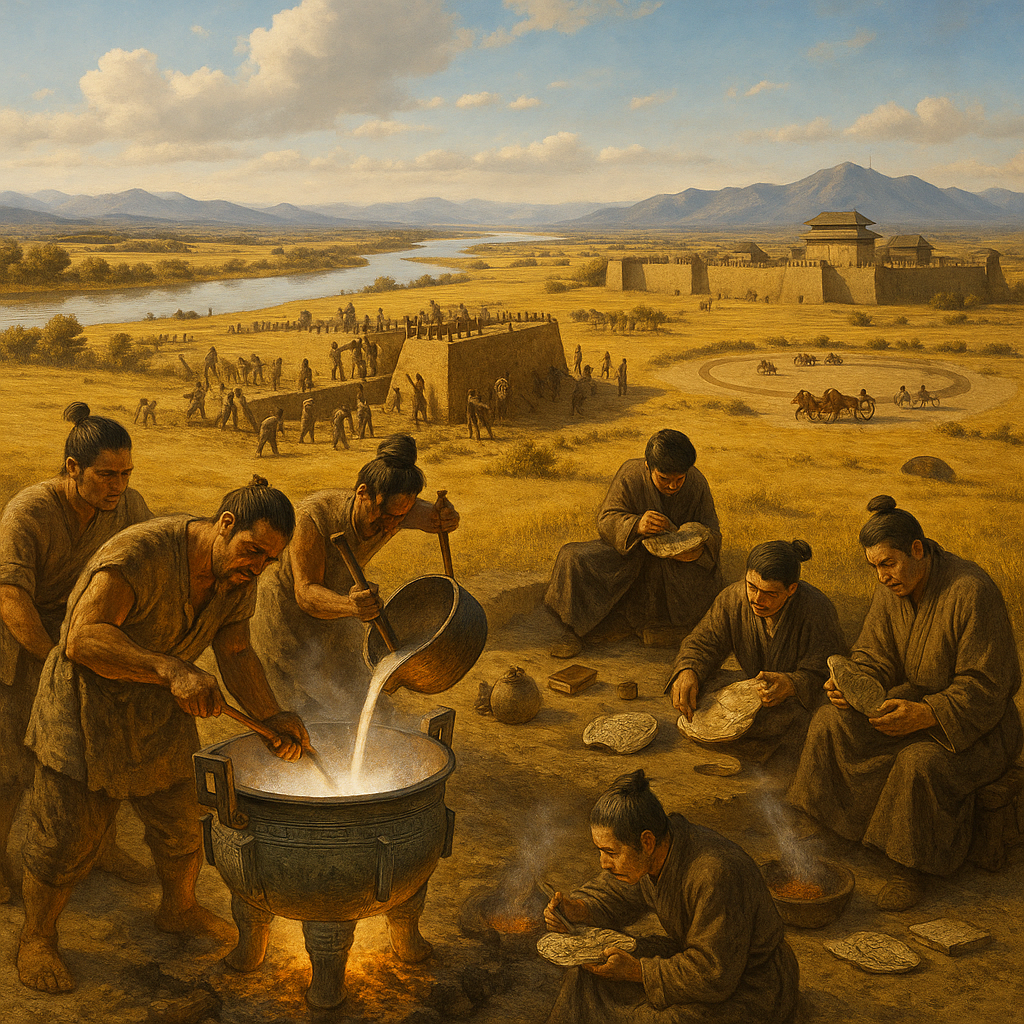
| Chinese Antiquity | Qin, Han, Three Kingdoms | Chang’an, Luoyang, Nanjing | Imperial unification under Qin; expansion of Han; Silk Road development; Confucian bureaucracy |
| Western Europe in Antiquity | Celtic, Gallic, Germanic, Roman Provincial | Londinium, Lutetia (Paris), Augusta Treverorum (Trier), Massilia (Marseille) | Roman conquest of Western Europe; integration into Empire; spread of Latin, roads, and Christianity |
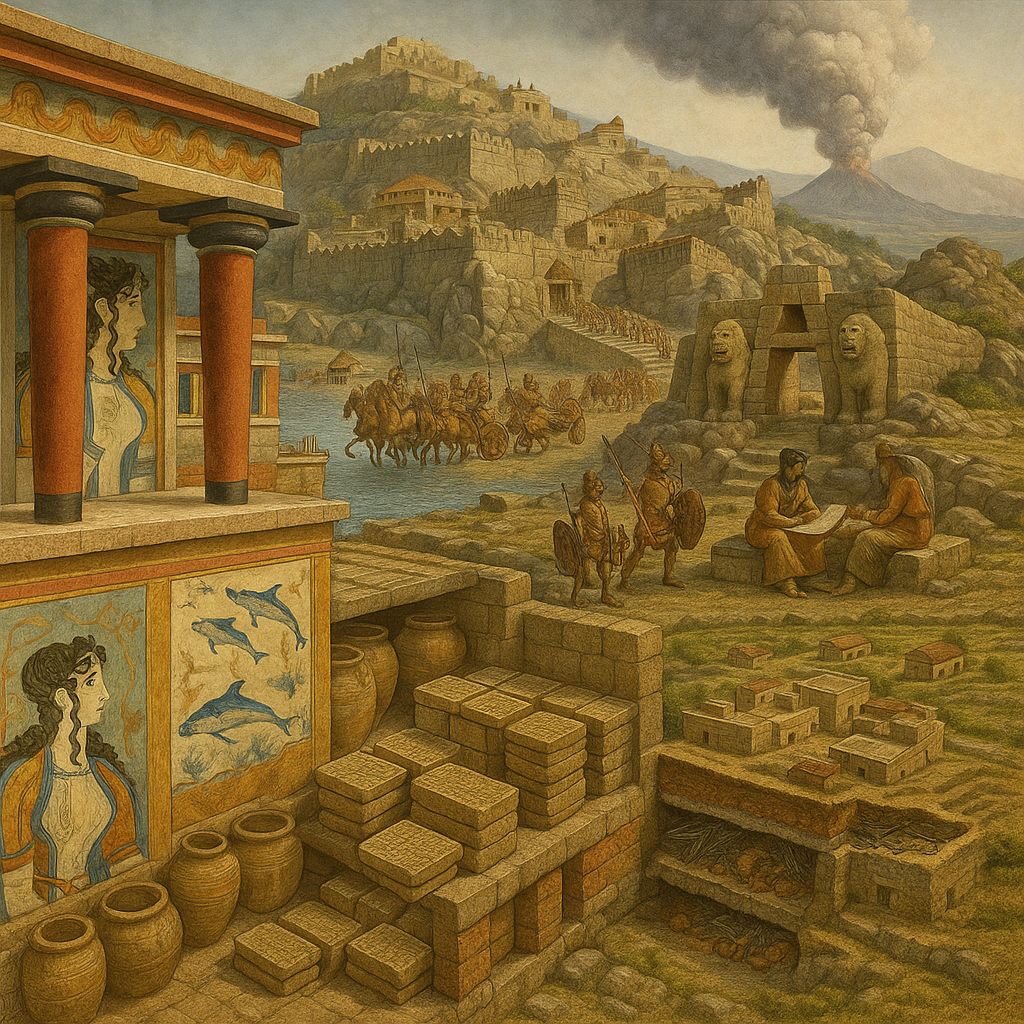
| Greco-Roman Antiquity | Classical Greek, Hellenistic, Roman Republic & Empire | Athens, Rome, Alexandria, Byzantium (Constantinople) | Hellenistic expansion; Roman Republic rise and fall; Pax Romana; fall of Western Rome (476 AD) |
| Africa beyond the Nile in Antiquity | Meroitic, Aksumite, Garamantian, Nok (late) | Meroë, Aksum, Garama | Flourishing Red Sea and trans-Saharan trade; rise of Aksumite Empire; decline of Kush |
| Indian Antiquity | Maurya, Shunga, Satavahana, Kushan, Gupta | Pataliputra, Taxila, Ujjain | Unification under Ashoka; spread of Buddhism; Gupta Golden Age; classical Sanskrit and science |
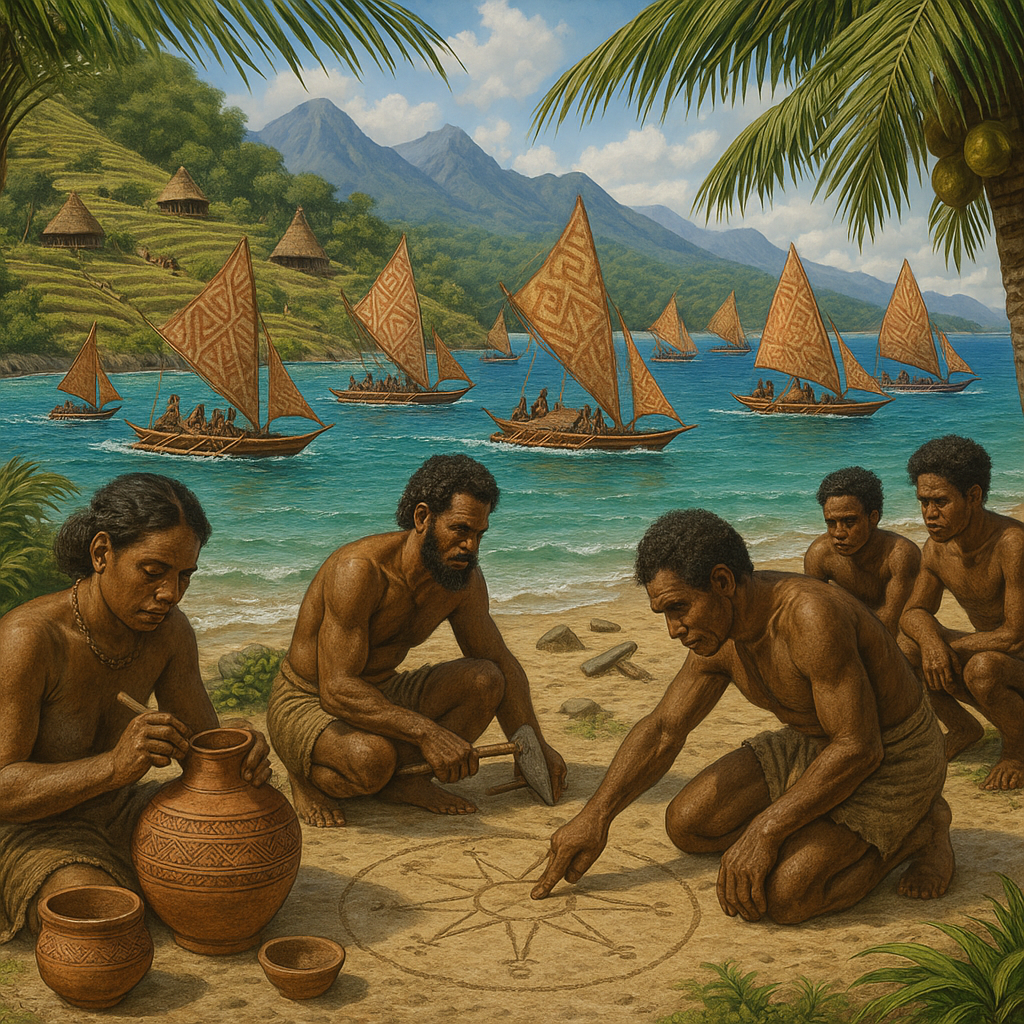
| Classical Antiquity – Oceania | Polynesian Expansion, Lapita Descendants, Papuan Highlanders | Tonga (Tongatapu), Samoa, Fiji | Pacific island colonization; complex chiefdom systems; continuity of oral navigation traditions |
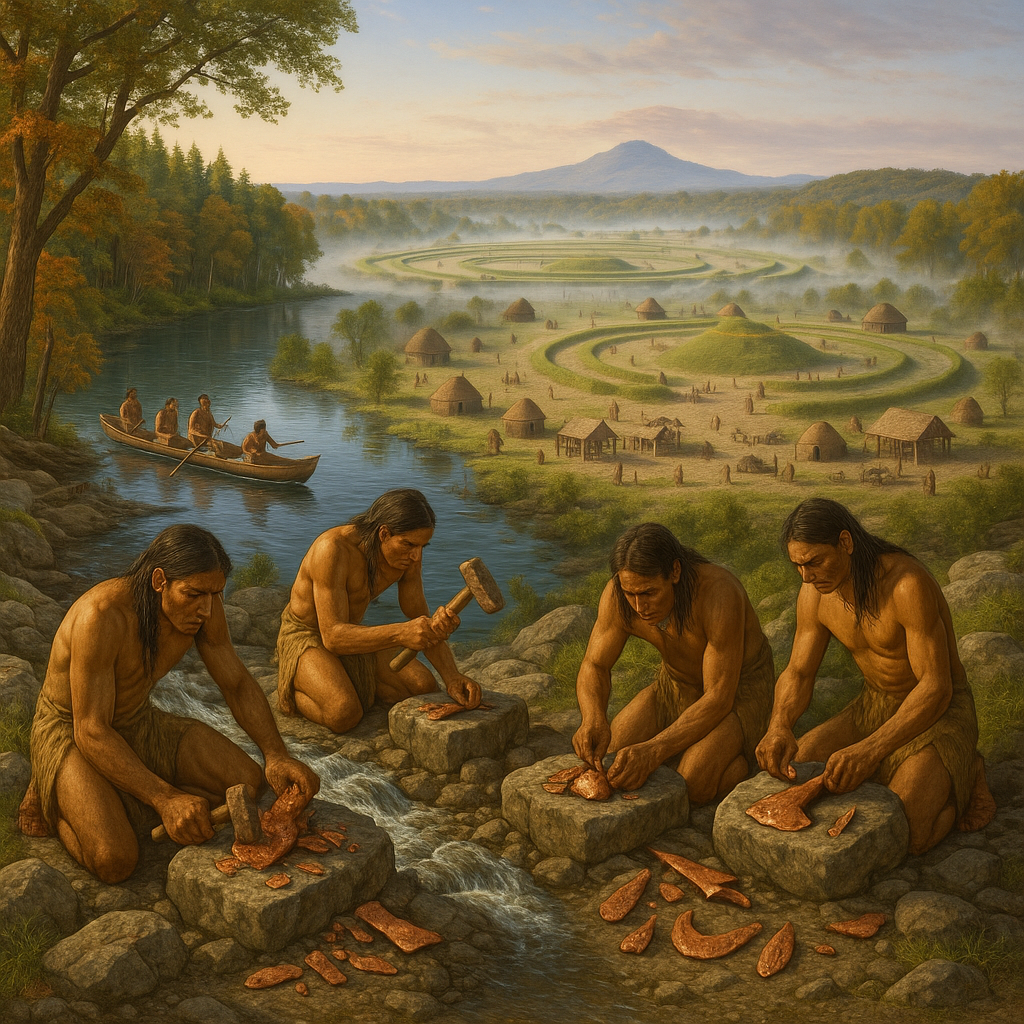
| Classical Antiquity – North America | Hopewell, Mississippian (formative) | Cahokia (early phases), Newark, Moundville | Monumental mound construction; long-distance trade; ceremonial and agricultural growth |
| Classical Antiquity – Central America | Maya (Preclassic–Classic), Zapotec, Teotihuacan | Tikal, Monte Albán, Teotihuacan | Development of hieroglyphic writing; urbanization; calendar and astronomical systems |
| Classical Antiquity – South America | Moche, Nazca, Tiwanaku (early), Wari (formative) | Moche Valley, Nazca, Tiwanaku | Large-scale irrigation; sophisticated metallurgy and textiles; emergence of early Andean states |


500 BC – Snapshot
| Terra Avita Region and Era Name Link | Event Description |
|---|---|
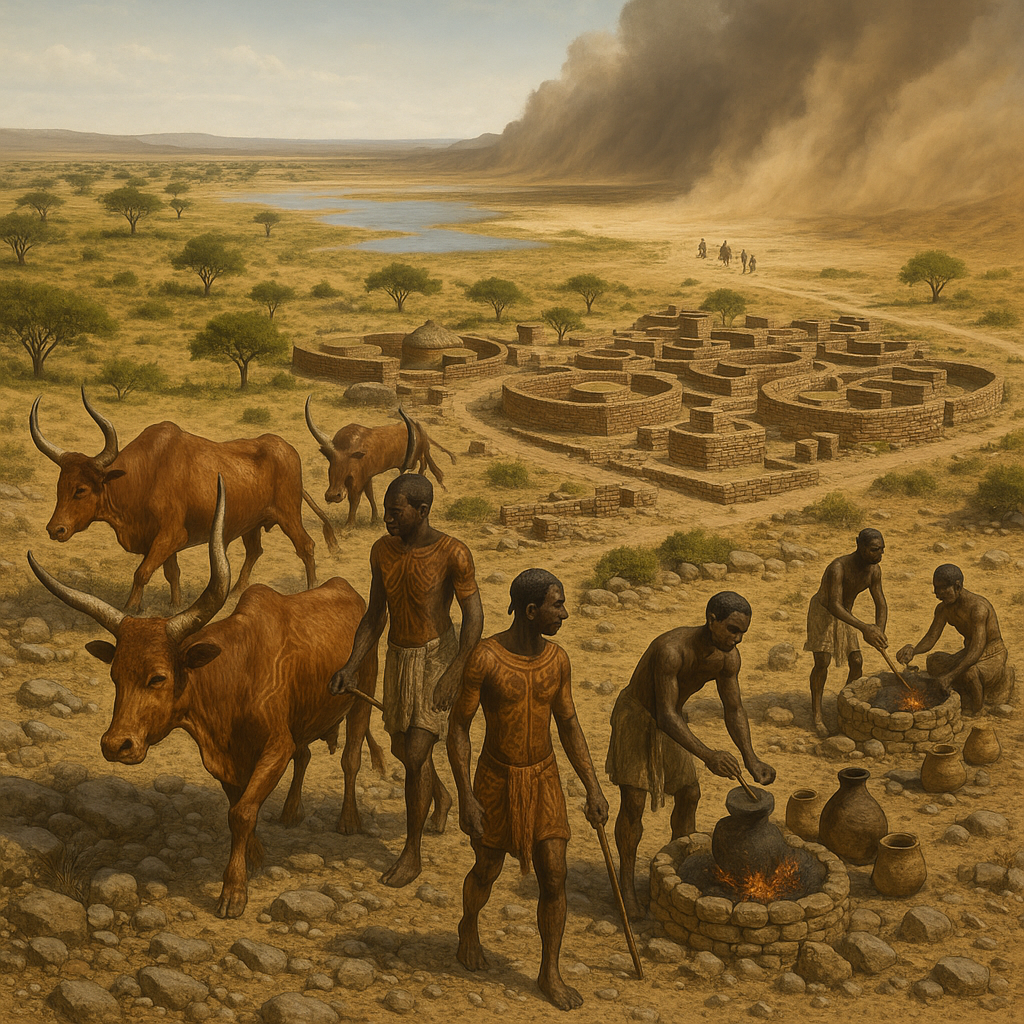
| Africa Beyond the Nile (Sub-Saharan) Iron Age | Kingdom of Kush strong at Napata. Ironworking spreads in Sudan and Sahel. Nok culture (Nigeria) fully active—early iron smelting and iconic terracotta sculptures. West African proto-states emerging. |
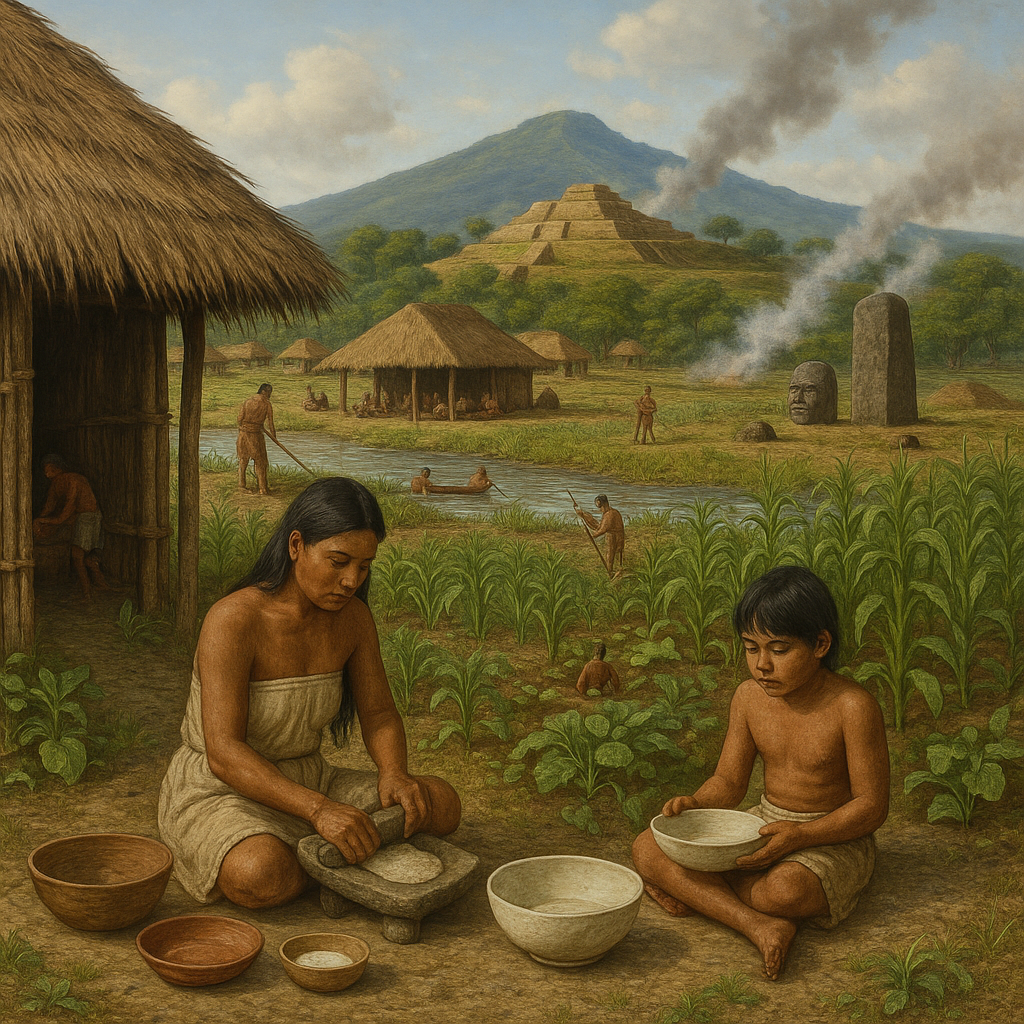
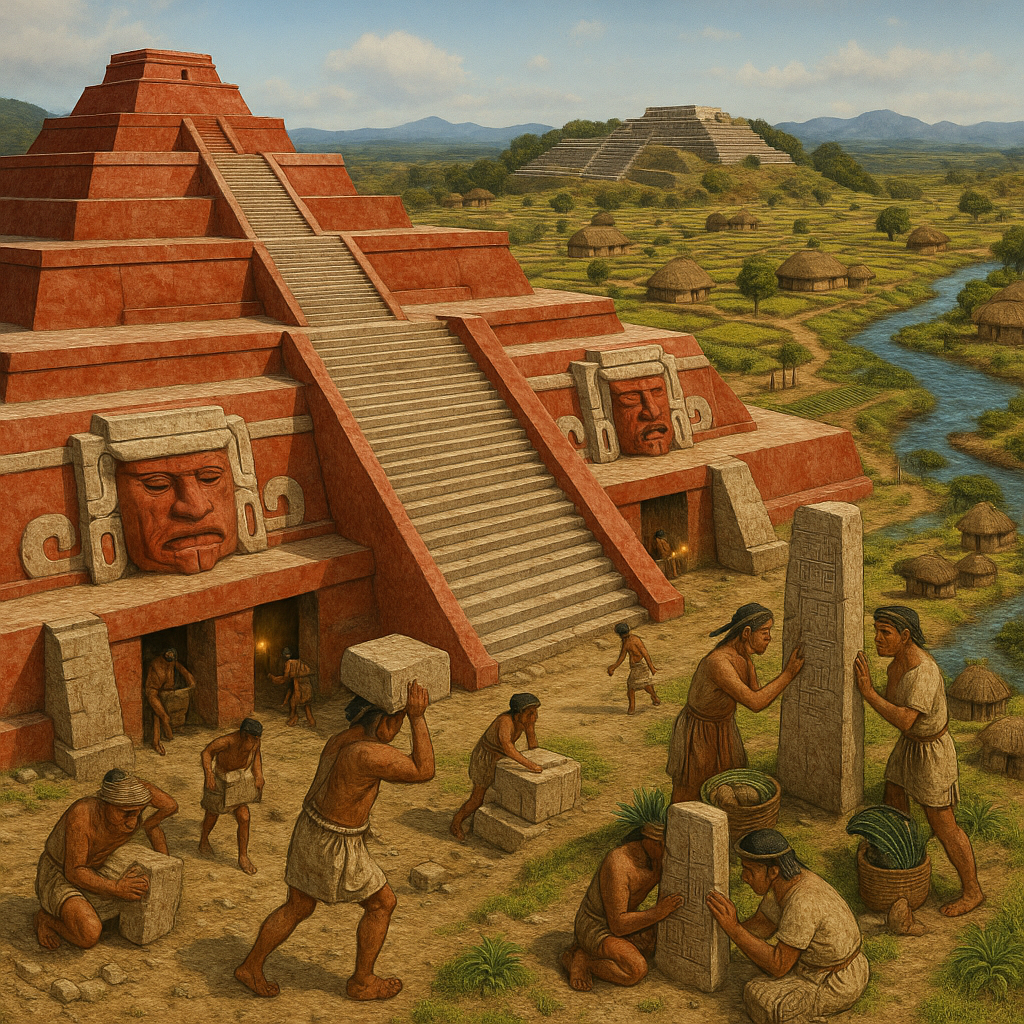
| Iron Age Central America | Olmec civilization in decline. La Venta fading. Transition to Epi-Olmec cultures; early writing (Isthmian script) begins. Maize agriculture widespread; small regional polities rising. |
| East Asia (Yellow & Yangtze River Basins) Iron Age | Eastern Zhou – Spring and Autumn nearing end; Warring States period about to begin. Iron tools spread. Major states (Qin, Chu, Qi, Jin) centralize power. Confucius and Laozi active in this era. |
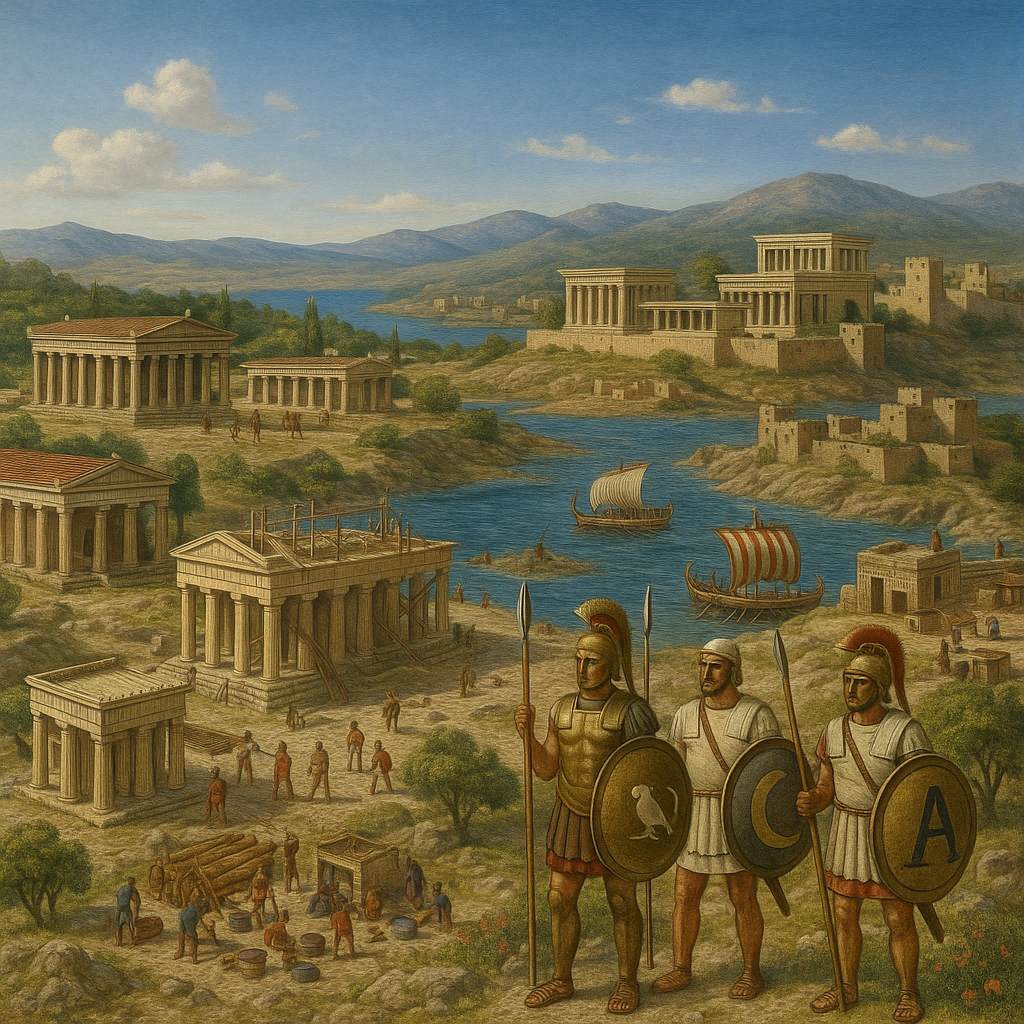
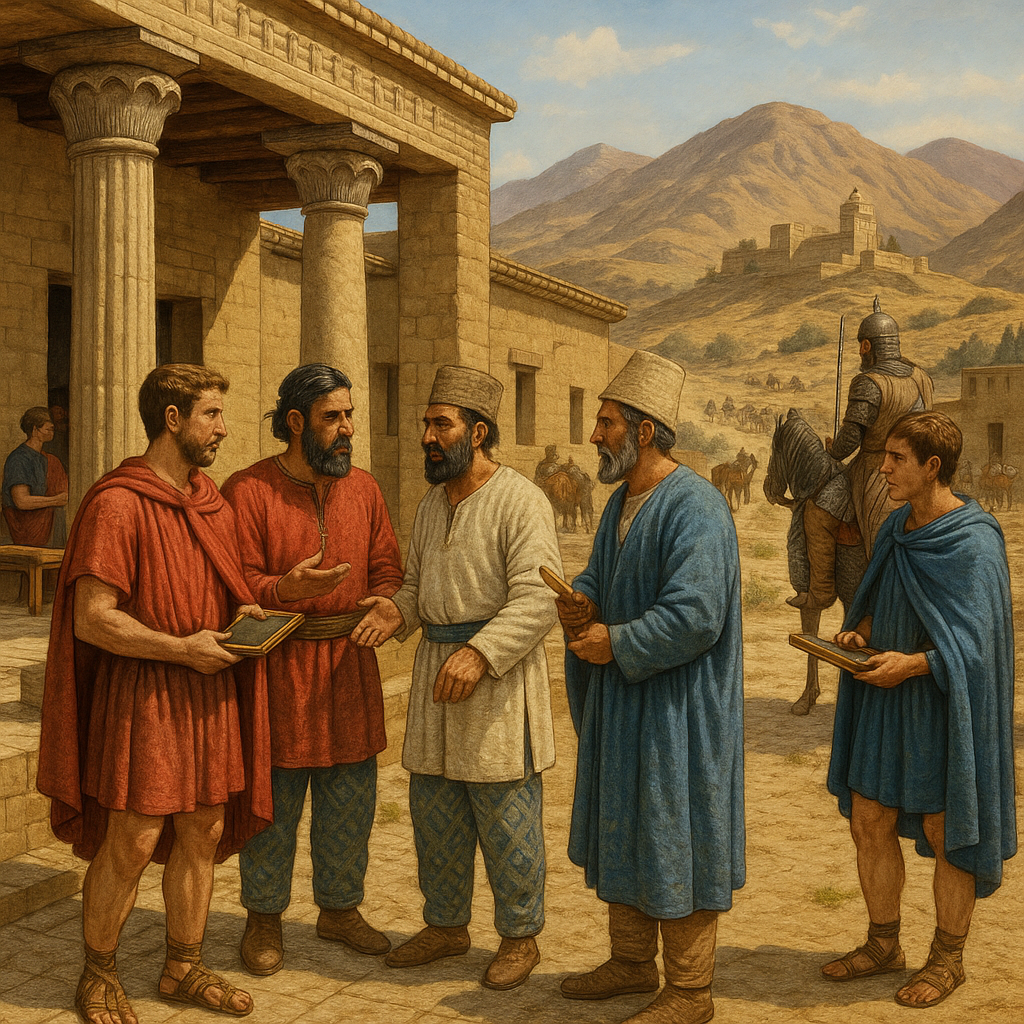
| Aegean & Anatolia (Eastern Mediterranean) Iron Age | Classical Age ignites. Persian Empire dominates the Near East. Greek poleis (Athens, Sparta, Corinth) consolidate after the Archaic period. Phoenician expansion continues. Judah and Israel under Achaemenid influence. |
| Nile Valley (Egypt & Nubia) Iron Age | Egypt under Persian rule (27th Dynasty) after Cambyses’ conquest (525 BC). Native autonomy collapses; Persian governors installed. Egyptian religion tolerated but political centrality gone. |
| Indus & Central Asia (South Asia Corridor) Iron Age | Second Urbanization of India underway. Mahajanapadas (Magadha, Kosala, Vatsa, Avanti) dominate. Early Buddhism and Jainism rising. In Central Asia, early Scythian confederations roam the steppe. |
| Iron Age North America | Early–Middle Woodland. Adena culture declines; Hopewell culture beginning to form (large ceremonial earthworks, long-distance trade in obsidian, copper, mica). Agriculture still minor but plant domestication continues. |
| Iron Age Oceania | Australia continues stable hunter-gatherer systems. New Guinea highlands show advanced horticulture and dense trade networks. Lapita-descended cultures spread across western Pacific into Polynesian frontier zones. |
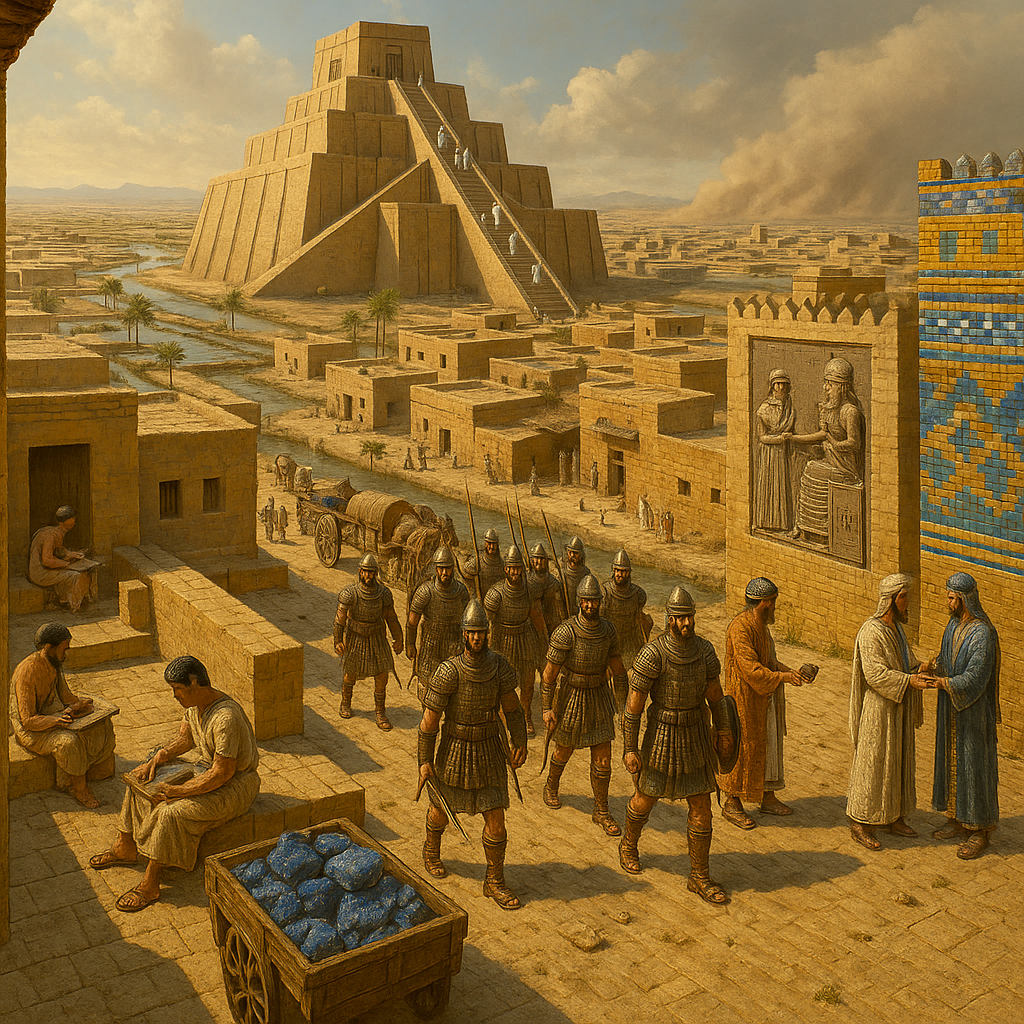
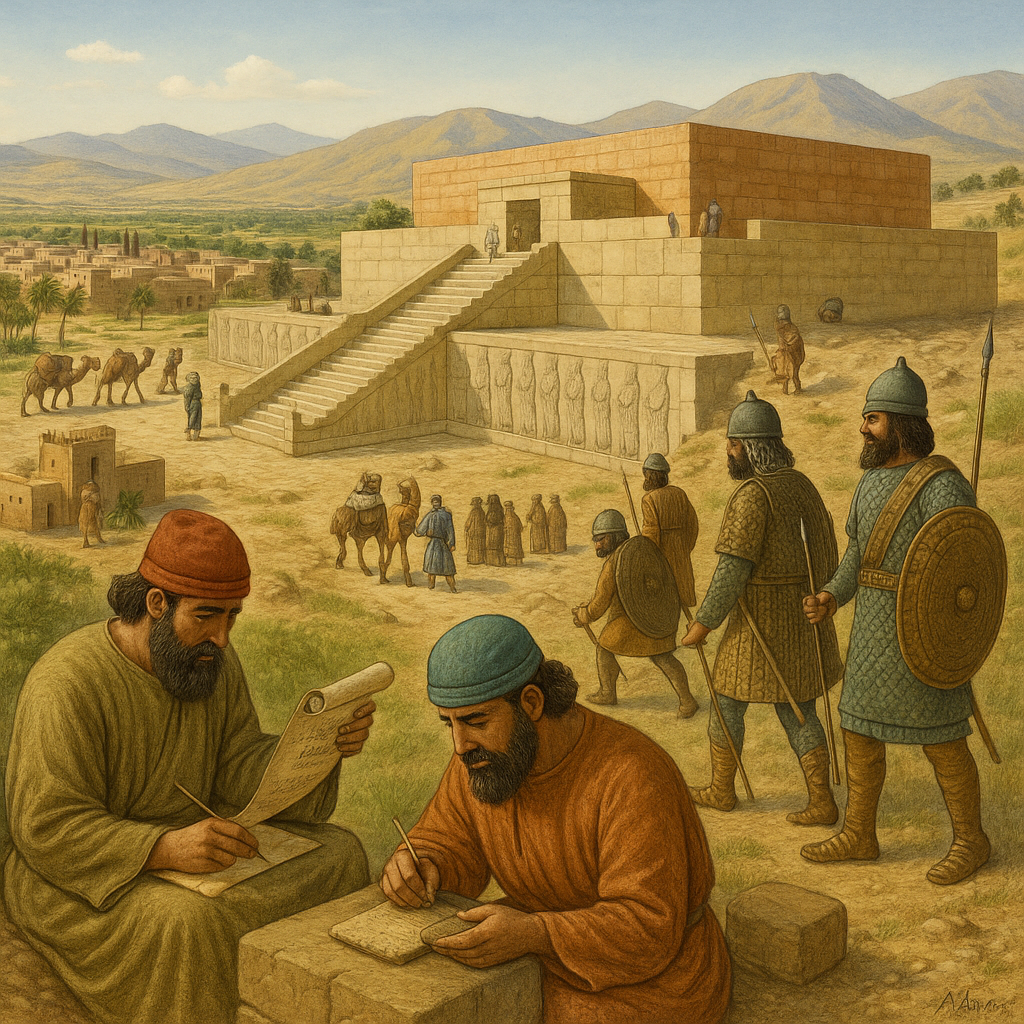
| Near East (Mesopotamia, Levant & Iran Plateau) Iron Age | Achaemenid Empire at its height under Darius I. Administrative satrapies, Royal Road, imperial Aramaic script, monumental building at Persepolis. Massive multiethnic empire stretching from Indus to Thrace. |
| Iron Age South America | Chavín Horizon at peak or slightly past. Andean religious unification centered on Chavín de Huántar. Highland agricultural terracing expands. Coastal Peru maintains irrigation farming and fishing economies. |
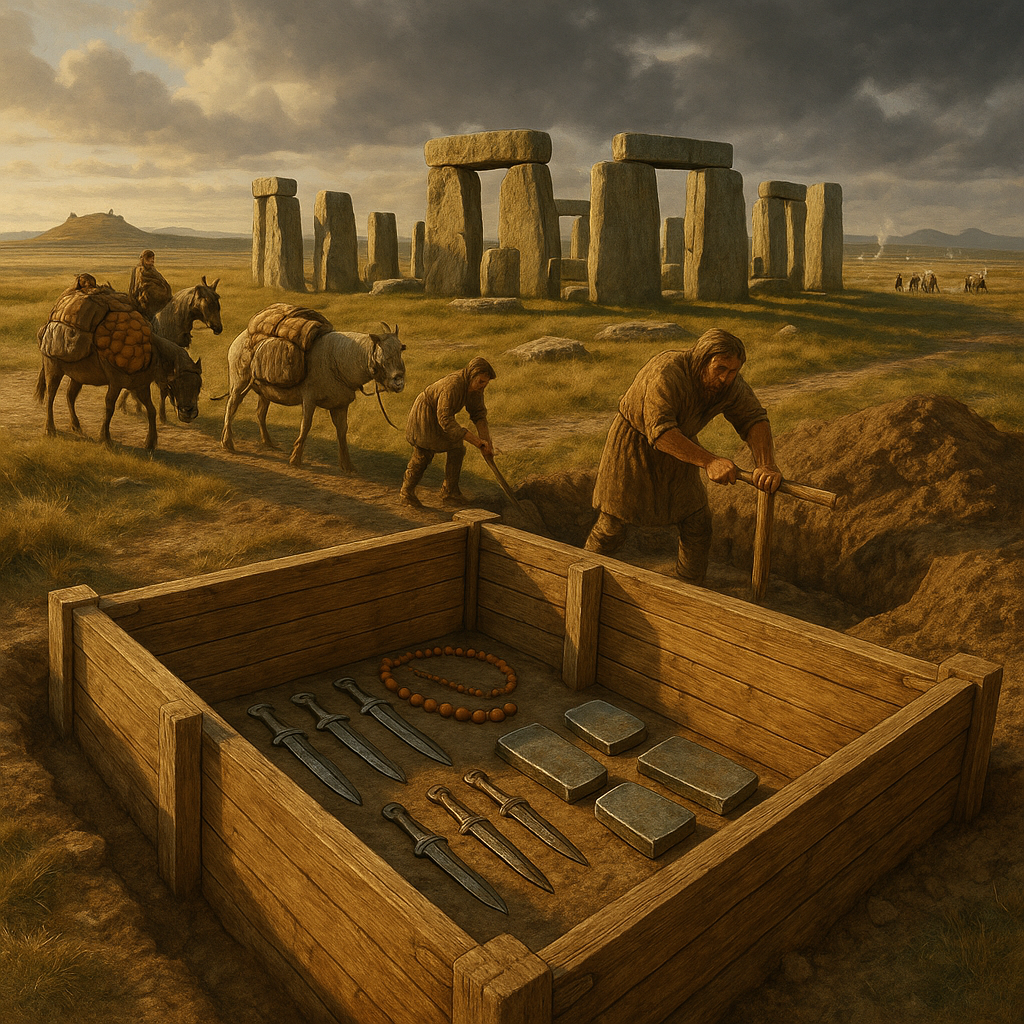
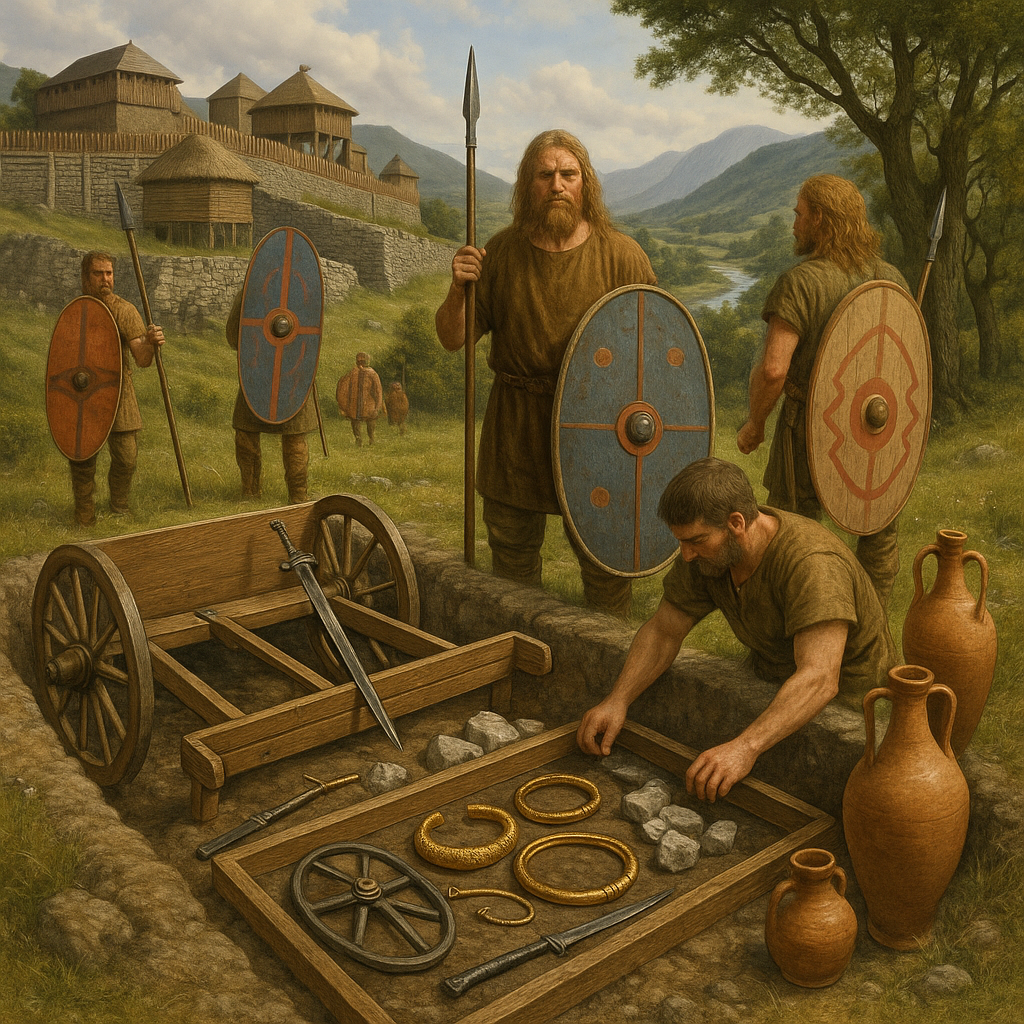
| Western Europe (Atlantic & Continental) Iron Age | Hallstatt → La Tène transition begins. Celtic-speaking societies spread widely across Gaul, Iberia, Alps, and Britain. Iron weapons, elite warrior burials, chariot aristocracy, long-distance trade with Mediterranean states. |
300 BC – Snapshot
| Terra Avita Region and Era Name Link | Event Description |
|---|---|
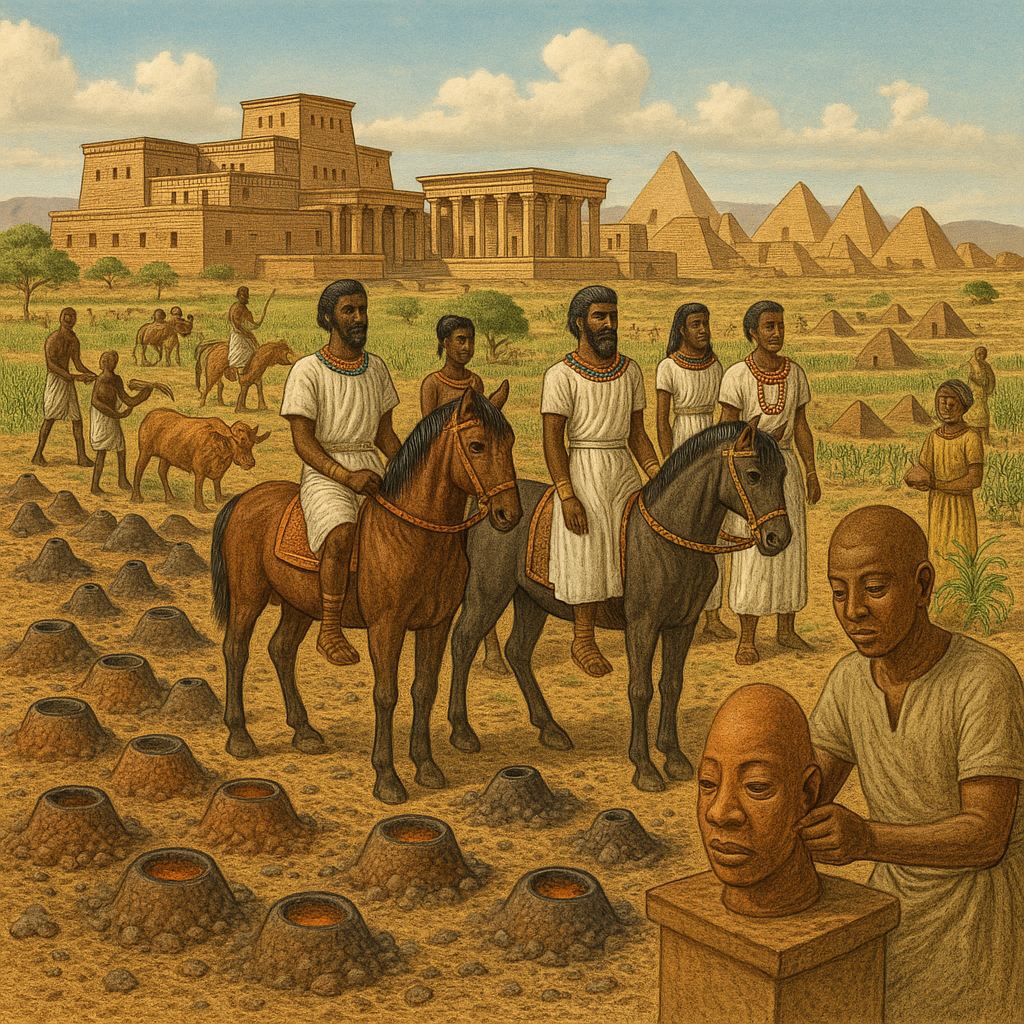
| Africa beyond the Nile in Antiquity | Kingdom of Kush stabilizes at Meroë after Napatan period; ironworking becomes central. Sahel farming and cattle cultures well established. Nok culture in Nigeria still active. Early proto-urbanism begins in West African forest–savanna interface. |
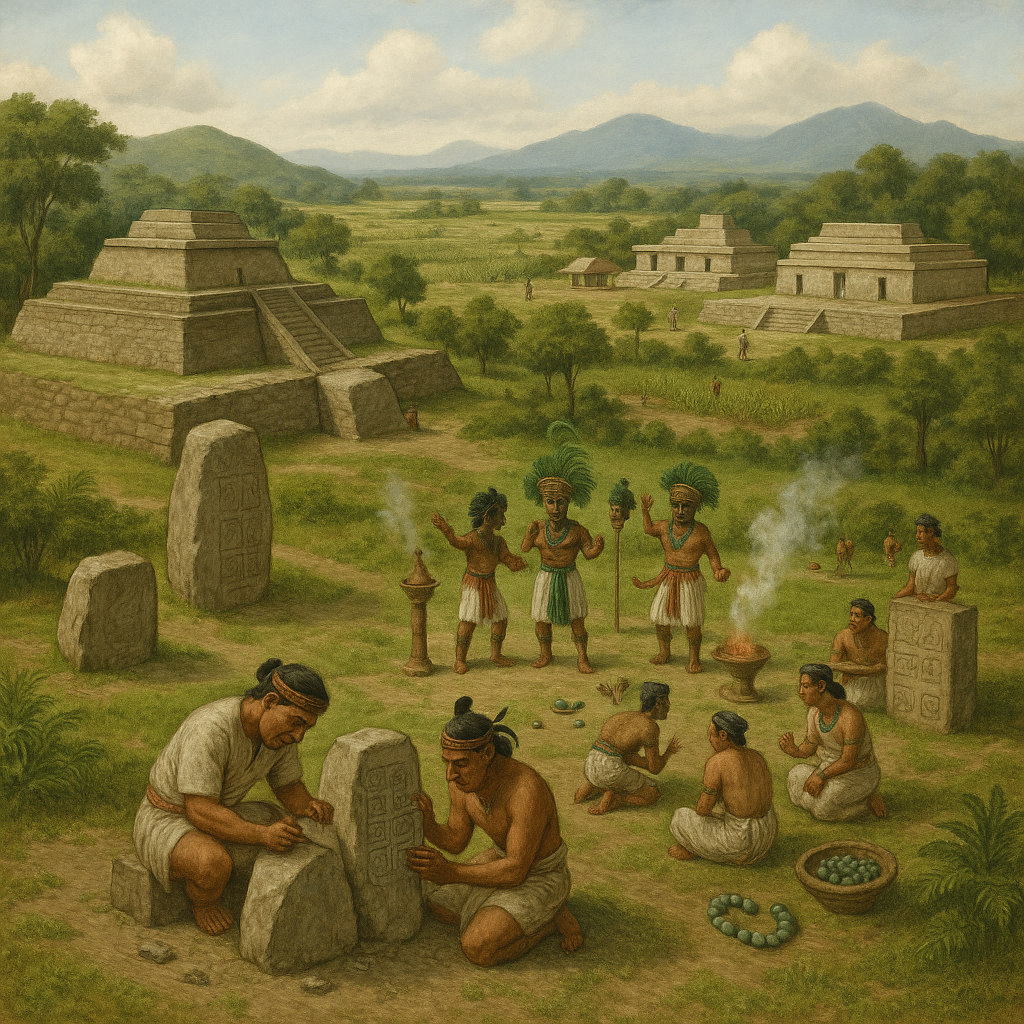
| Classical Antiquity – Central America | Middle Formative Mesoamerica. Olmec gone; Epi-Olmec and early Maya polities rising. Large ceremonial centers in Oaxaca and Chiapas. Early Maya glyphs emerge (~300–200 BC). Maize agriculture fully dominant. |
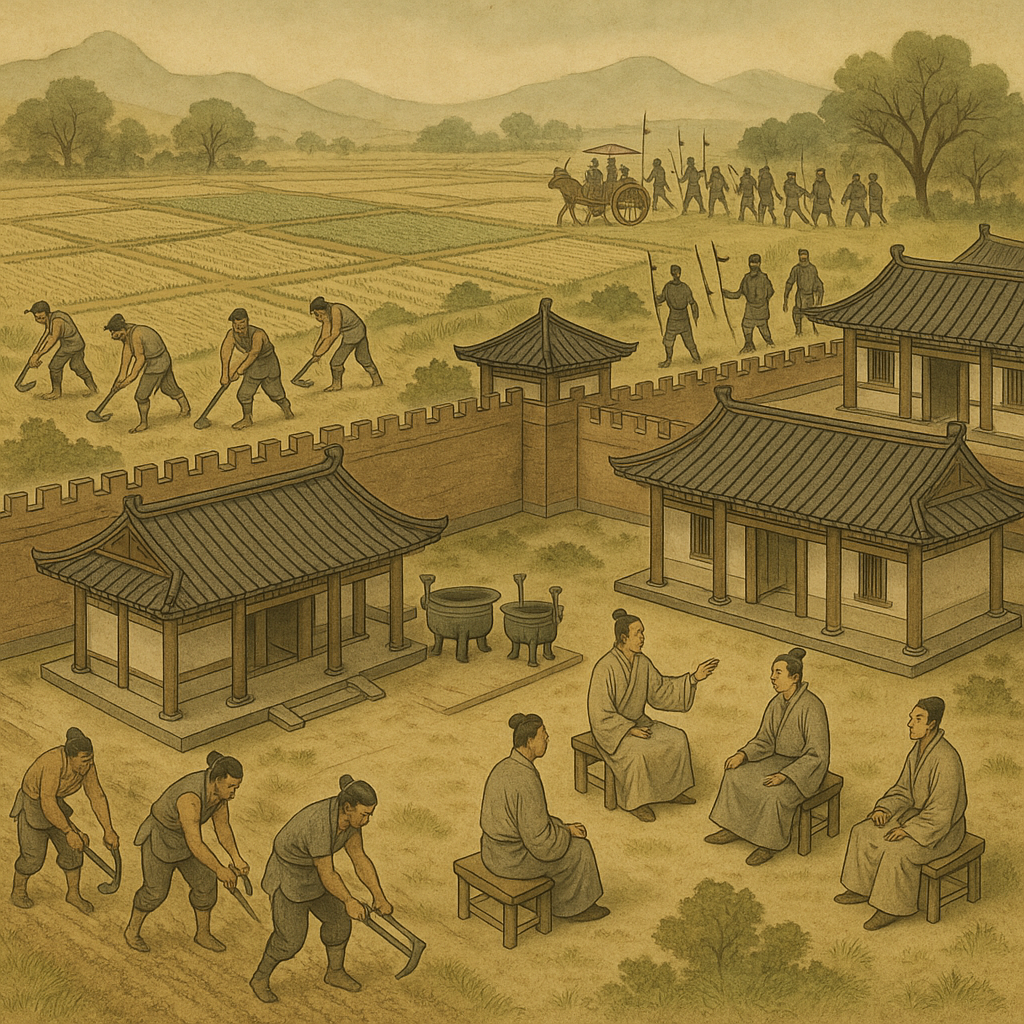
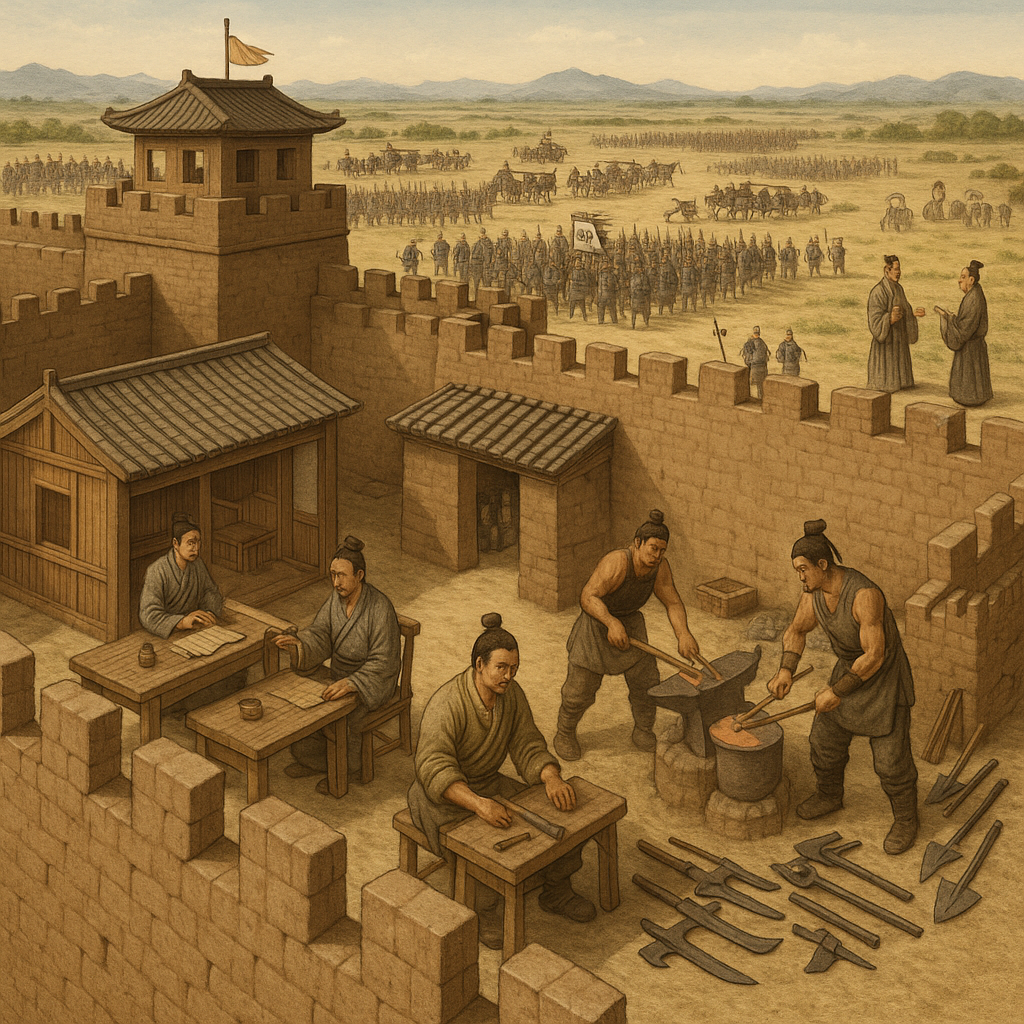
| Chinese Antiquity | Late Warring States Period. Qin, Chu, Qi, Zhao, Yan, and Han fight for supremacy. Iron widespread. Massive fortifications and administrative centralization underway. Qin unification happens 21 years later (221 BC). |
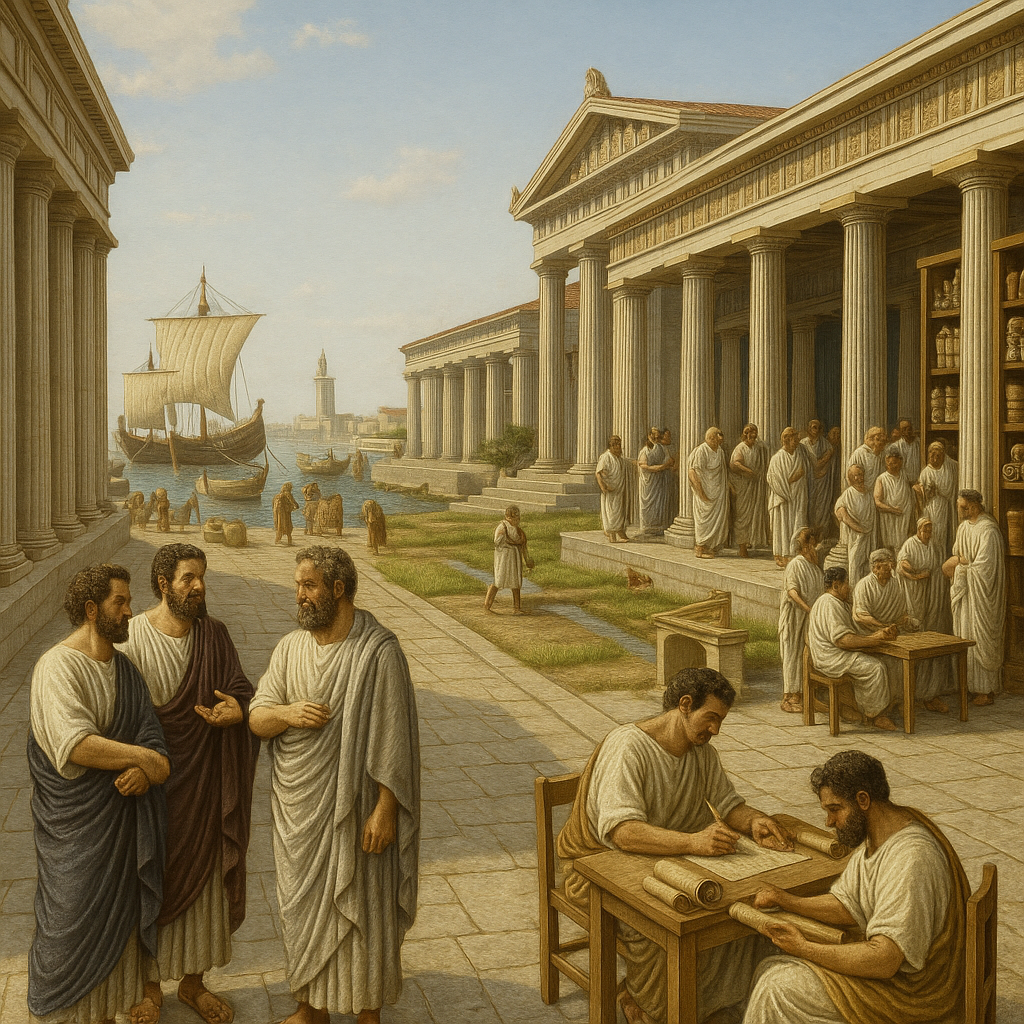
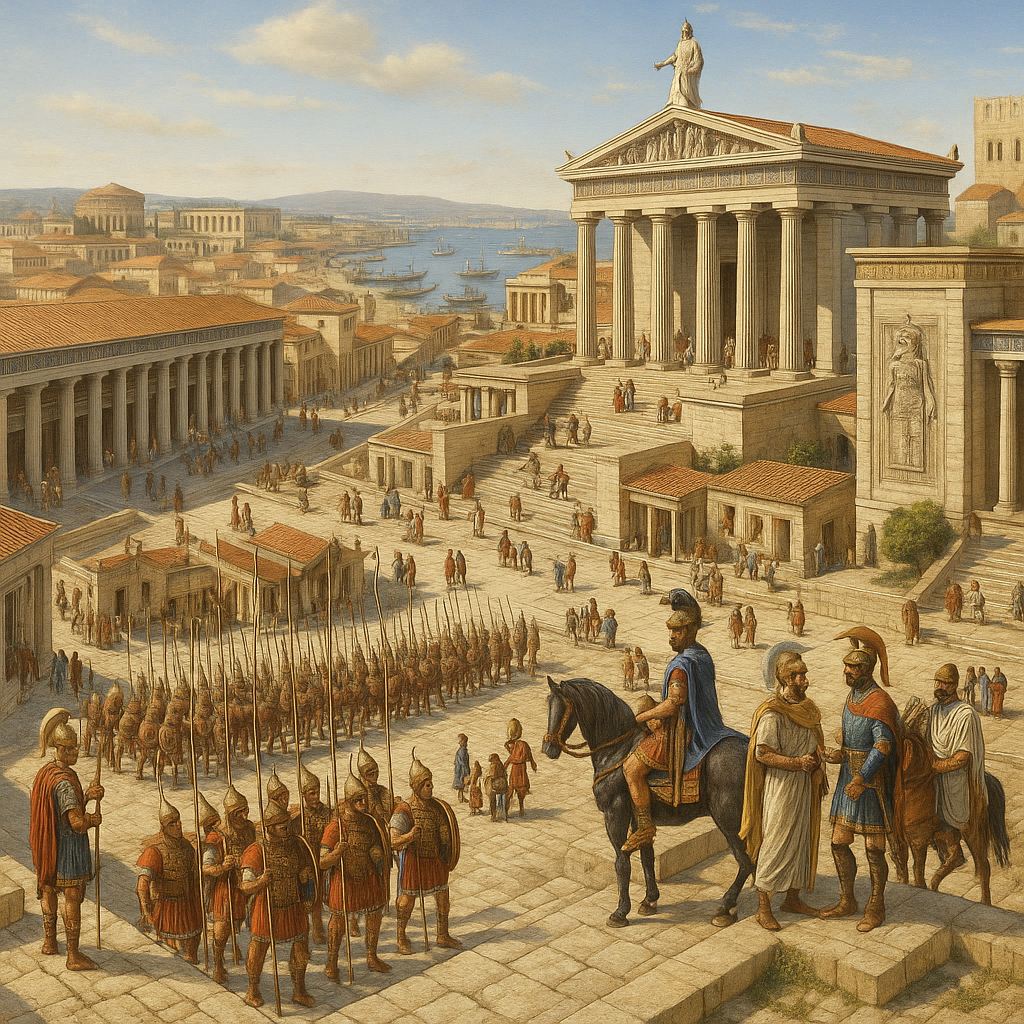
| Greco-Roman Antiquity | Hellenistic Period in full effect. After Alexander’s death (323 BC), his empire is divided among the Diadochi. Ptolemaic Egypt, Seleucid Asia, Antigonid Macedonia dominate. Greek-style cities, armies, and administration spread across Eastern Mediterranean and Near East. |
| Egyptian Antiquity | Under Ptolemaic rule (Ptolemy II era). Greek-Macedonian elite dominates administration. Alexandria becomes major intellectual center—Library and Museum. Strong economic integration of the Nile with Mediterranean trade. |
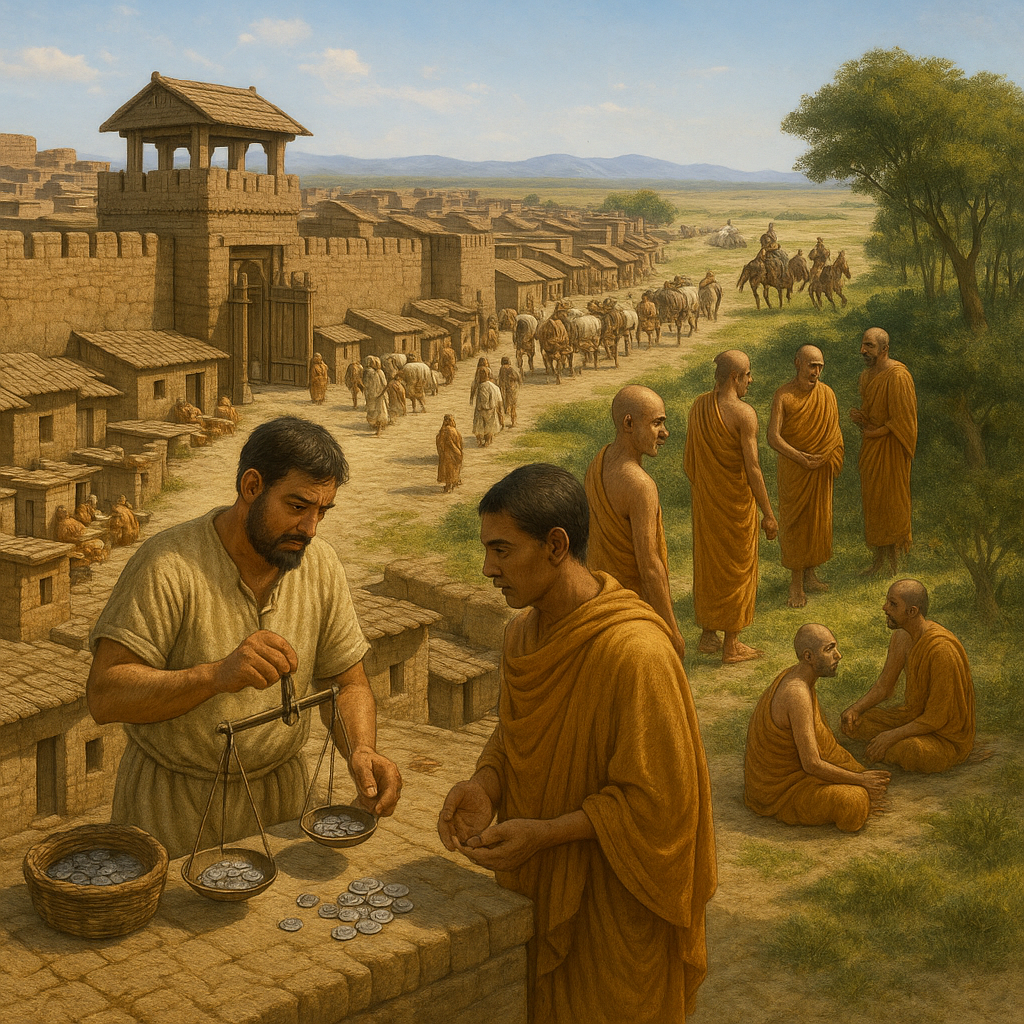
| Indian Antiquity | Mauryan Empire expanding under Chandragupta and Bindusara. Highly organized administration, imperial roads, taxation systems. Buddhism rising but Ashoka’s era still ahead (~260 BC). Central Asian steppe: early Yuezhi and Saka movements. |
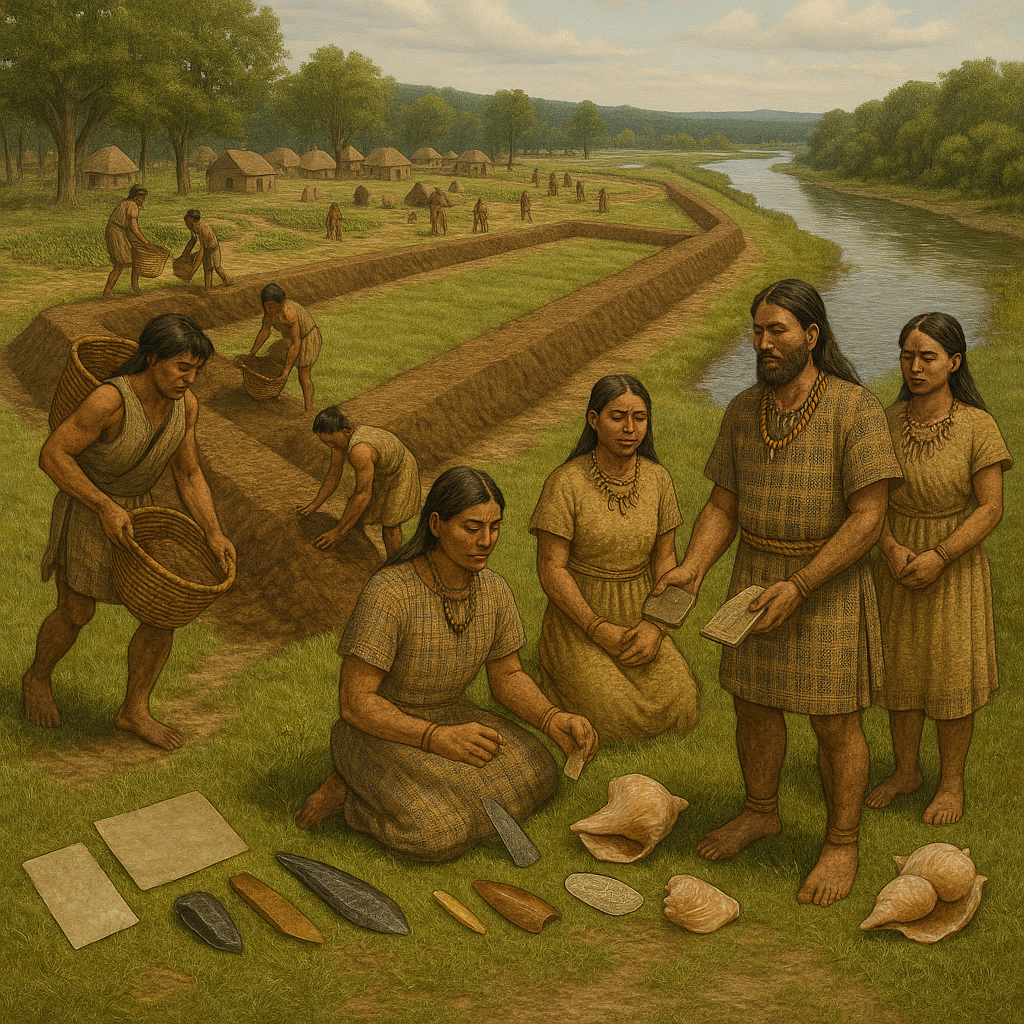
| Classical Antiquity – North America | Middle Woodland period developing. Early Hopewell exchange networks spread obsidian, copper, mica, marine shells across thousands of miles. Ritual earthworks grow in scale; horticulture of native plants continues. |
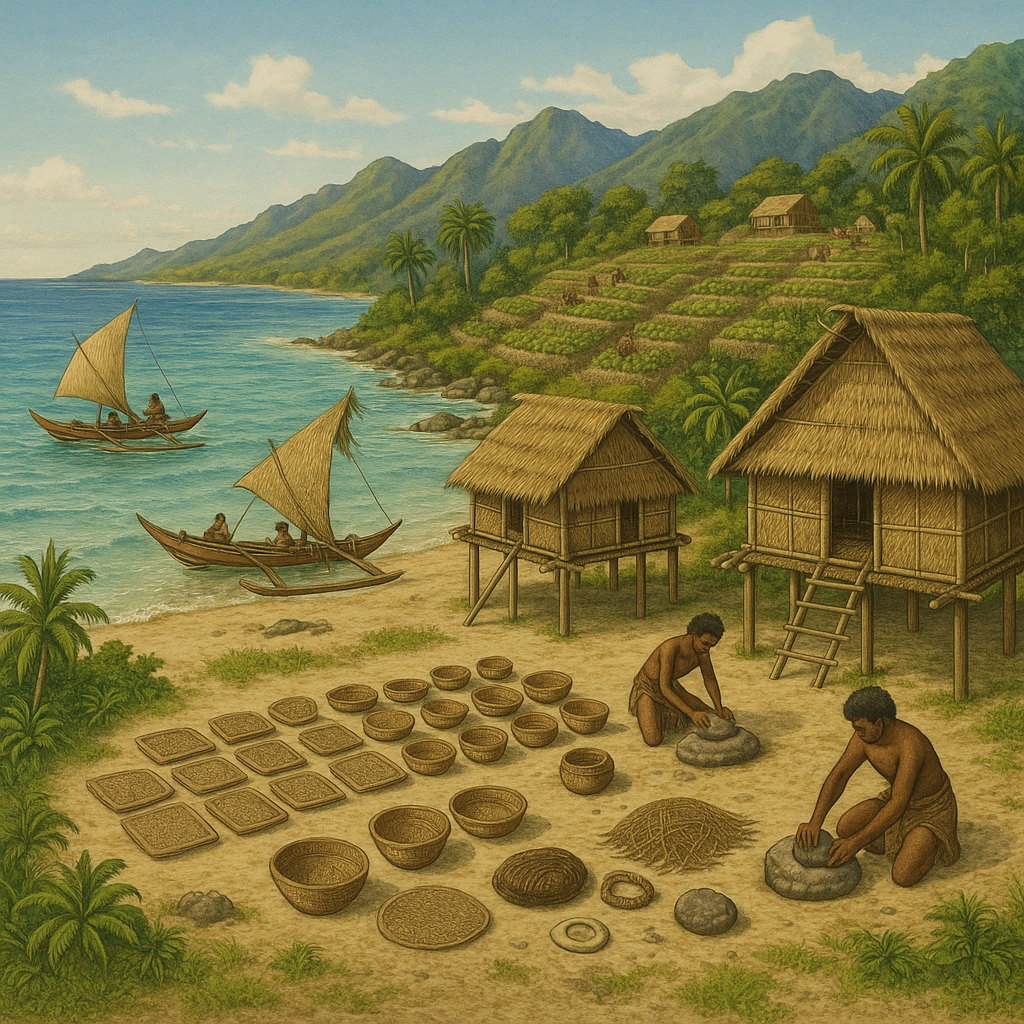
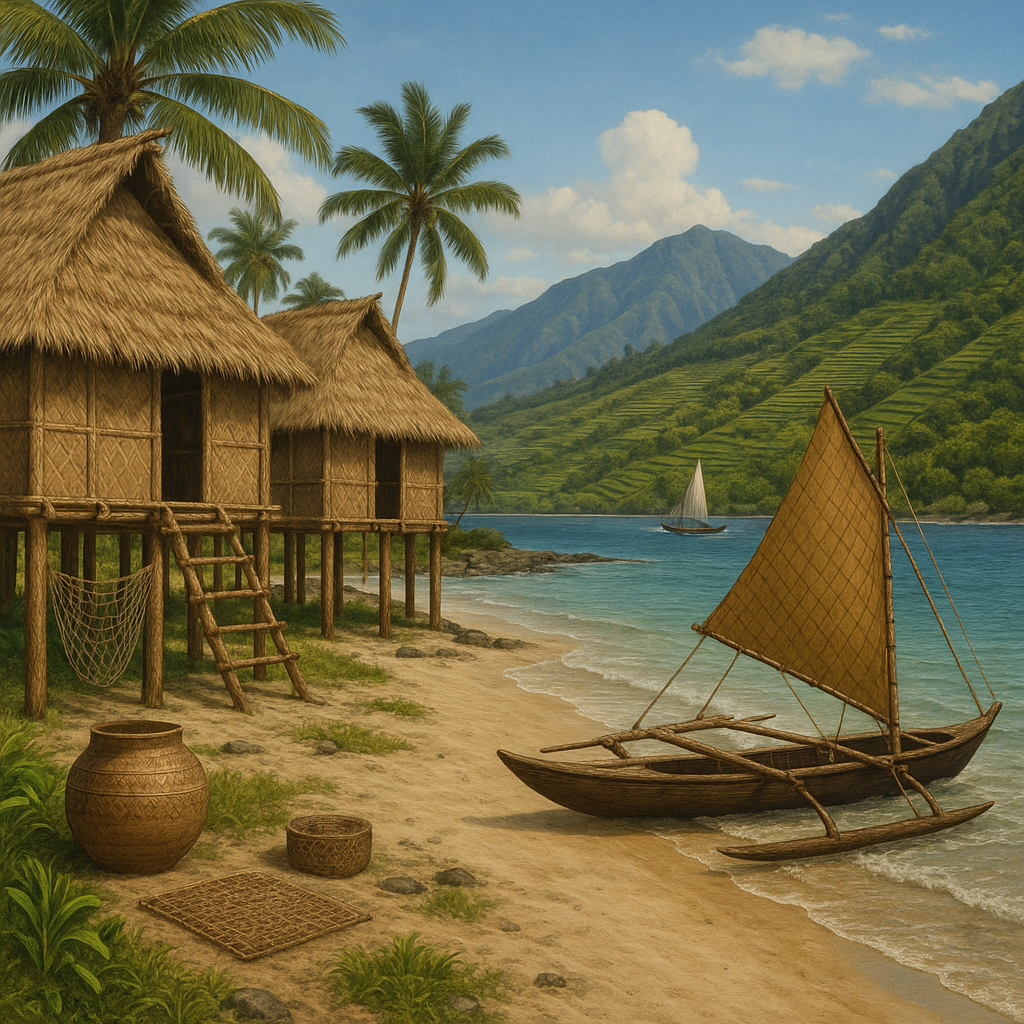
| Classical Antiquity – Oceania | Australia maintains stable hunter-gatherer lifeways. New Guinea highlands have intensive horticulture and established trade. Polynesian expansion continues across central Pacific; settlement of the Marquesas and other islands underway. |
| Persian Antiquity | Persia absorbed into the Seleucid Empire after Alexander’s conquests. Local satraps hold semi-autonomous power. Iranian highlands serve as strongholds for emerging local dynasties (e.g., Parni/Parthians rising soon after). |
| Classical Antiquity – South America | Post-Chavín regional cultures spread. Andean highlands diversify into local polities; irrigation and terracing expand. Coastal Peru maintains large ceremonial centers. Pre-Nasca and pre-Moche traditions forming. |
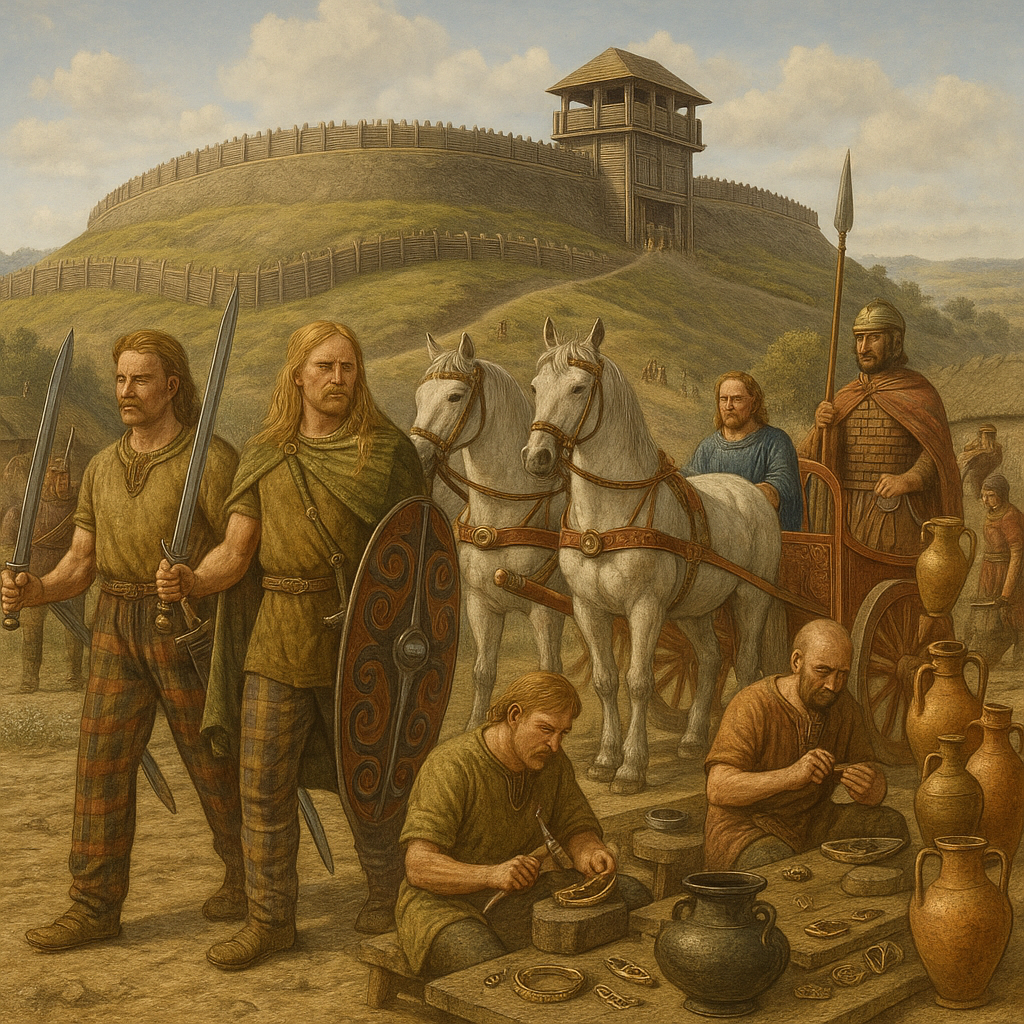
| Western Europe in Antiquity | La Tène Celtic culture at full strength. Elaborate iron weaponry, chariot elites, intricate metalwork. Celtic polities stretch from Iberia to the Alps and British Isles. Large hillforts dominate landscapes; Mediterranean trade with Rome and Greek colonies increases. |
100 BC – Snapshot
| Terra Avita Region and Era Name Link | Event Description |
|---|---|
| Africa beyond the Nile in Antiquity | Kingdom of Kush (Meroë) strong—iron production, monumental architecture, long-distance trade. Nok culture in Nigeria declining but ironworking spreads. West African early complex societies forming. |
| Classical Antiquity – Central America | Late Formative Mesoamerica. Maya cities emerging (El Mirador at peak). Zapotec Monte Albán strong. Epi-Olmec cultures with early writing. Monumental architecture and full maize agriculture entrenched. |
| Chinese Antiquity | Western Han Dynasty at power. Emperor Wu’s expansions push into Central Asia and Korea. Silk Road formalizes. Agricultural productivity high. Confucian bureaucracy solidifies; iron widespread. |
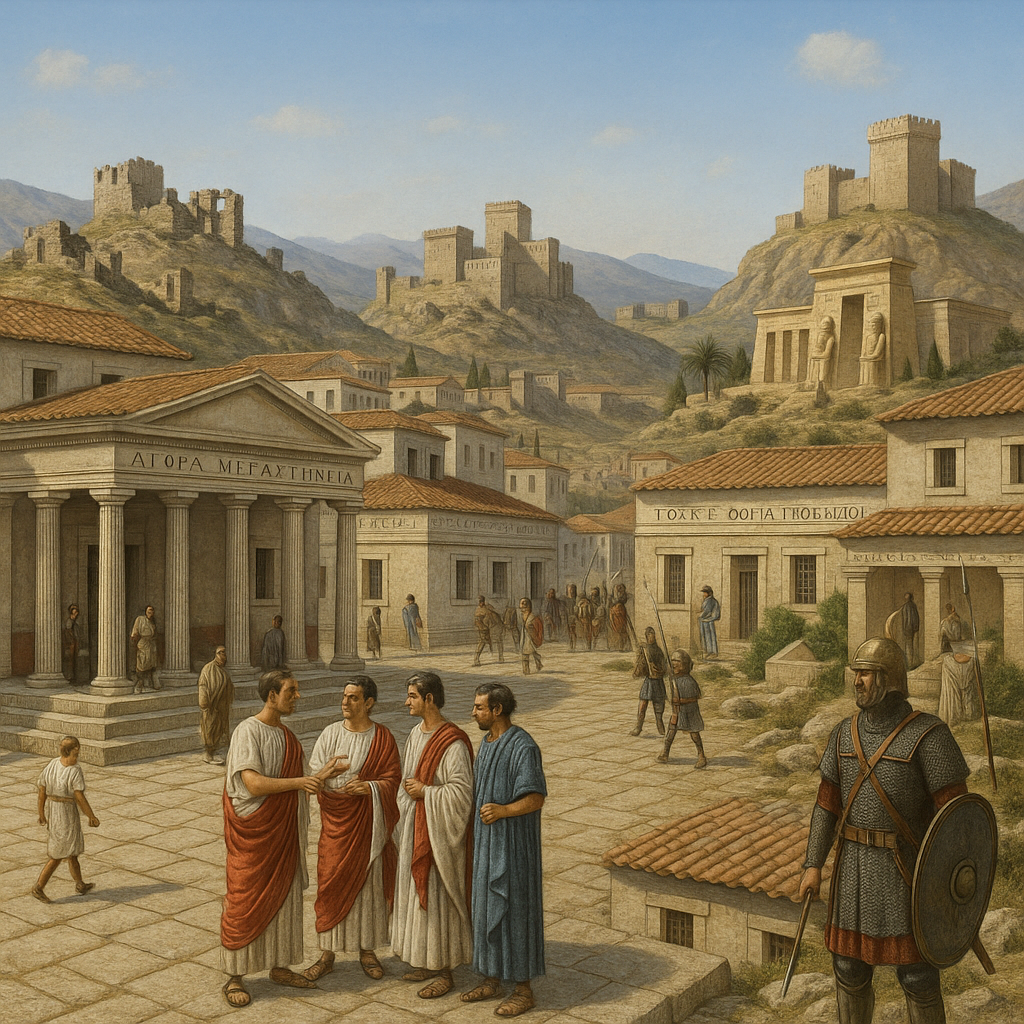
| Greco-Roman Antiquity | Hellenistic kingdoms fragmenting. Rome asserts dominance: defeats Macedon, influences the Seleucid remnants, absorbs Greek city-states. Ptolemaic Egypt weakened by internal strife. Judea under Hasmonean rule. |
| Egyptian Antiquity | Late Ptolemaic Kingdom under Ptolemy X–XII. Declining power, heavy Roman interference, economic instability. Alexandria remains major cultural center. Cleopatra VII appears a few decades later. |
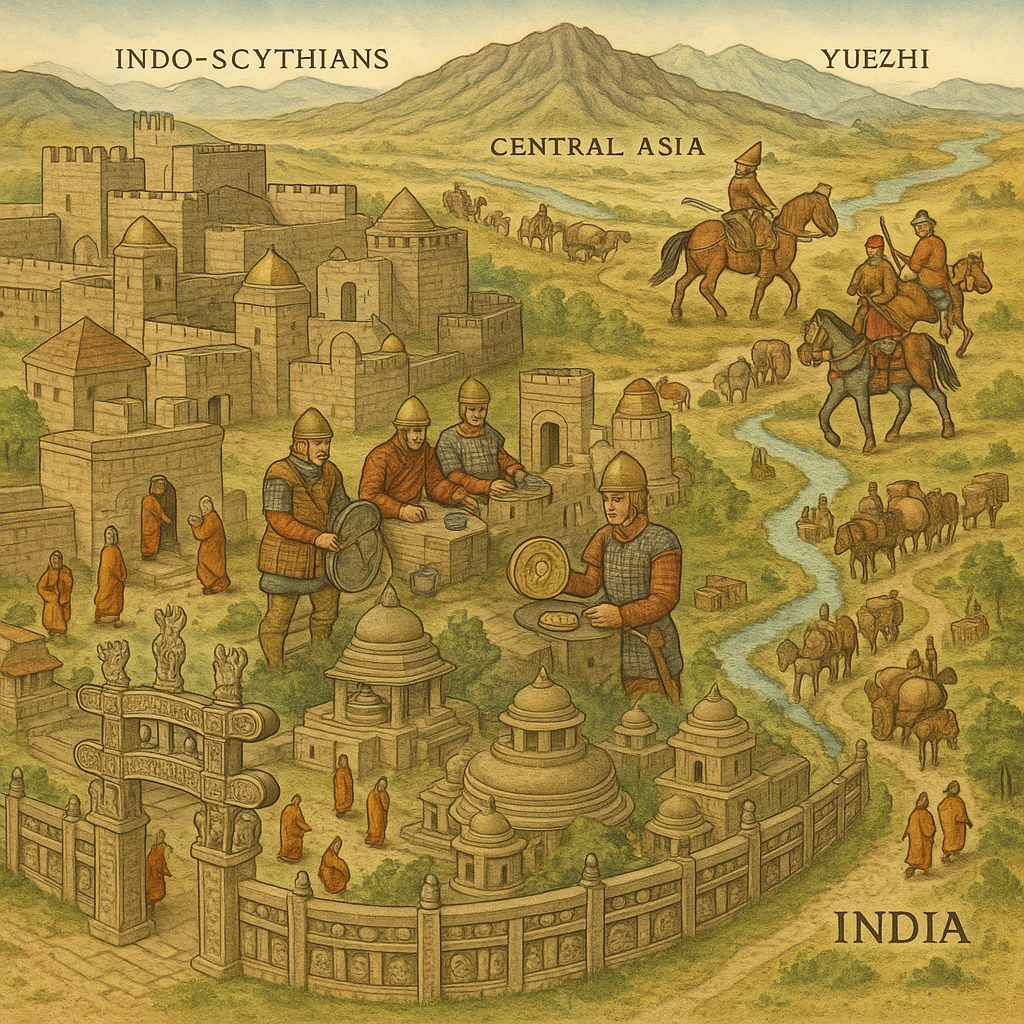
| Indian Antiquity | Shunga Dynasty (post-Mauryan) rules North India; Indo-Greek kingdoms active in northwest; early Indo-Scythian (Saka) and Yuezhi/early Kushan movements reshape Central Asia. Buddhism spreads along trade corridors. |
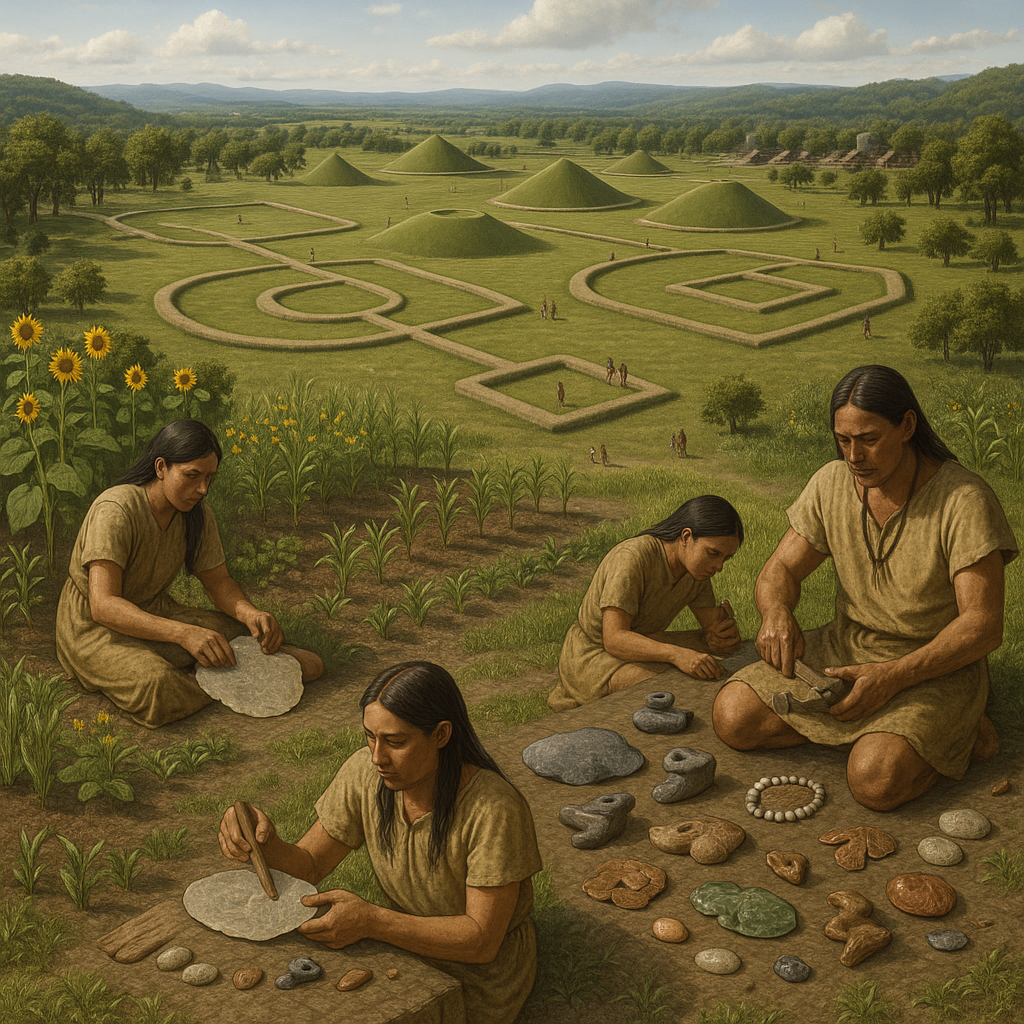
| Classical Antiquity – North America | Middle Woodland Hopewell florescence. Massive earthworks, long-distance trade networks, ritual centers in Ohio Valley. Agriculture still limited; native seed crops cultivated; maize slowly spreading from Mesoamerica. |
| Classical Antiquity – Oceania | Australia maintains diverse hunter-gatherer traditions; long-distance trade routes intact. New Guinea highlands with strong horticultural systems. Polynesians colonize central Pacific; Samoa/Tonga at cultural peak; early eastward voyaging. |
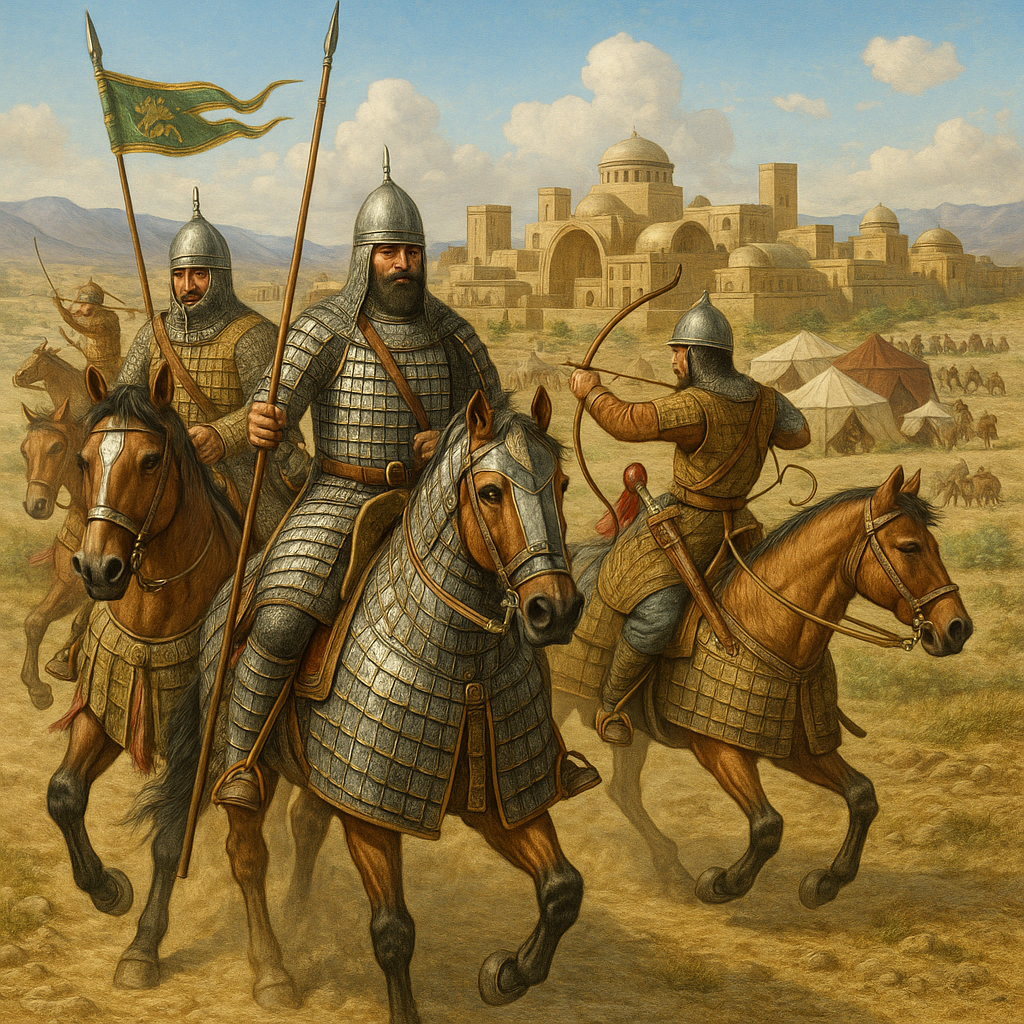
| Persian Antiquity | Parthian Empire (Arsacid dynasty) at strength. Controls Mesopotamia, Iran, and trade routes. Parthians check Roman expansion in the east. Mounted archery and feudal noble clans define politics. |
| Classical Antiquity – South America | Early Intermediate Period foundations. Post-Chavín cultures diversify. Paracas culture on Peruvian coast active (textiles, cranial modification). Highland polities expand terracing and camelid herding. Nasca society soon after. |
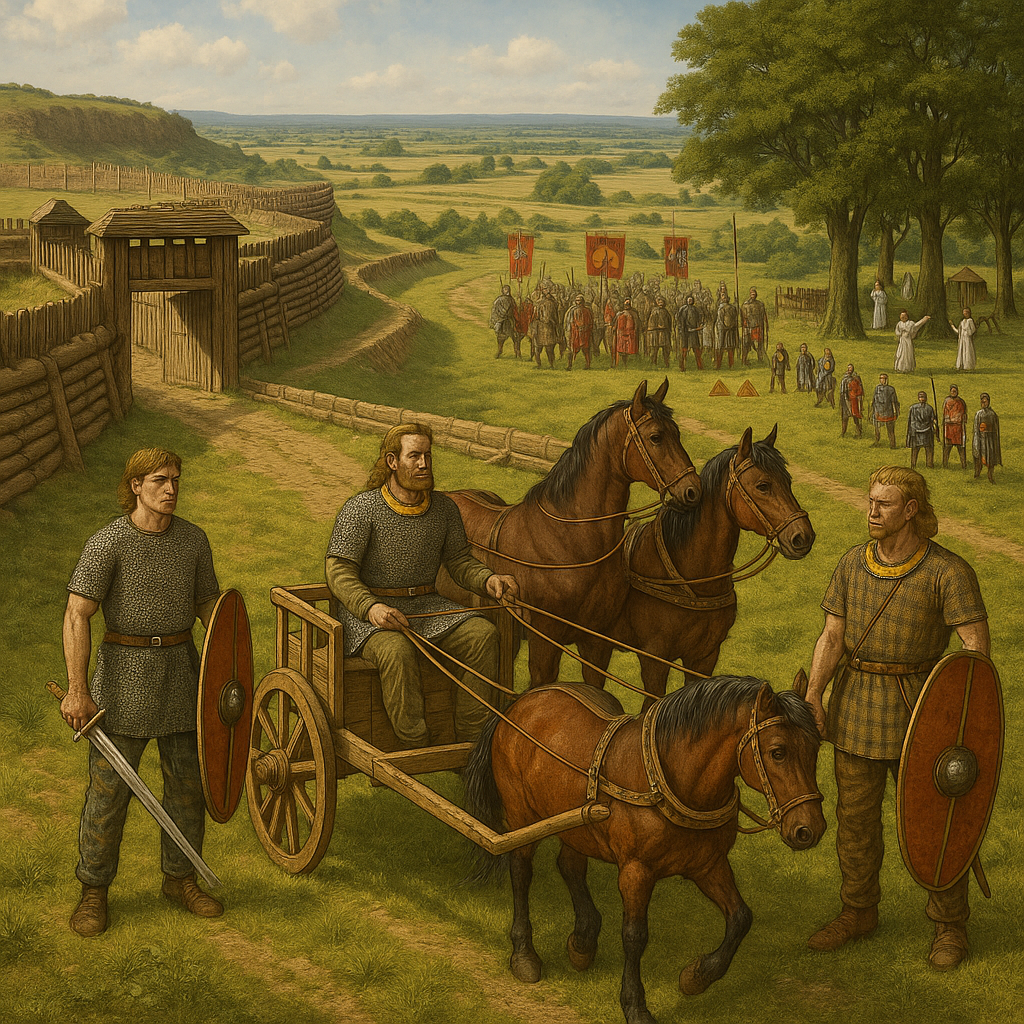
| Western Europe in Antiquity | Late La Tène Celtic dominance, but pressure from expanding Rome intensifies. Gaul divided among tribal confederations (Aedui, Arverni, Sequani). Iberian Celts resisting Rome. Britain fully Iron Age—hillforts, warrior elites, druidic centers active. |
1 AD – Snapshot
| Terra Avita Region and Era Name Link | Event Description |
|---|---|
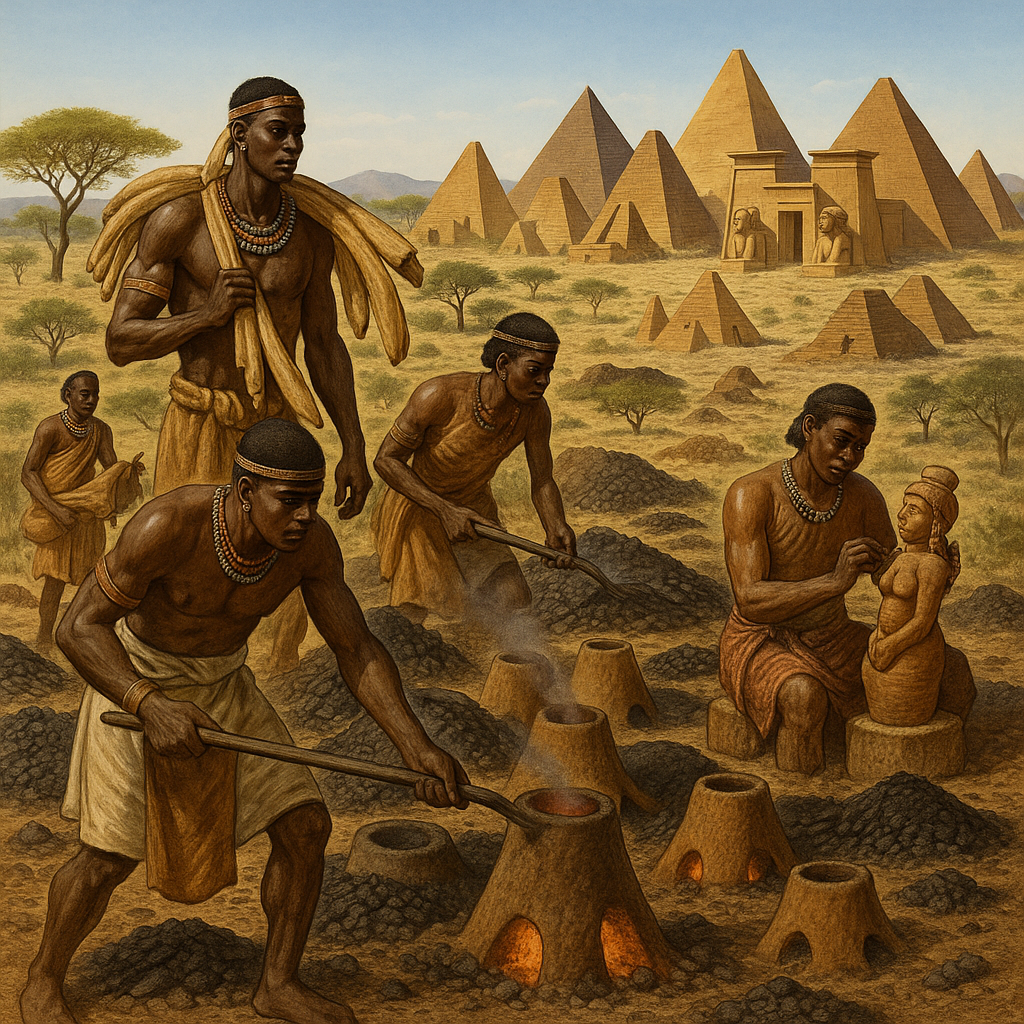
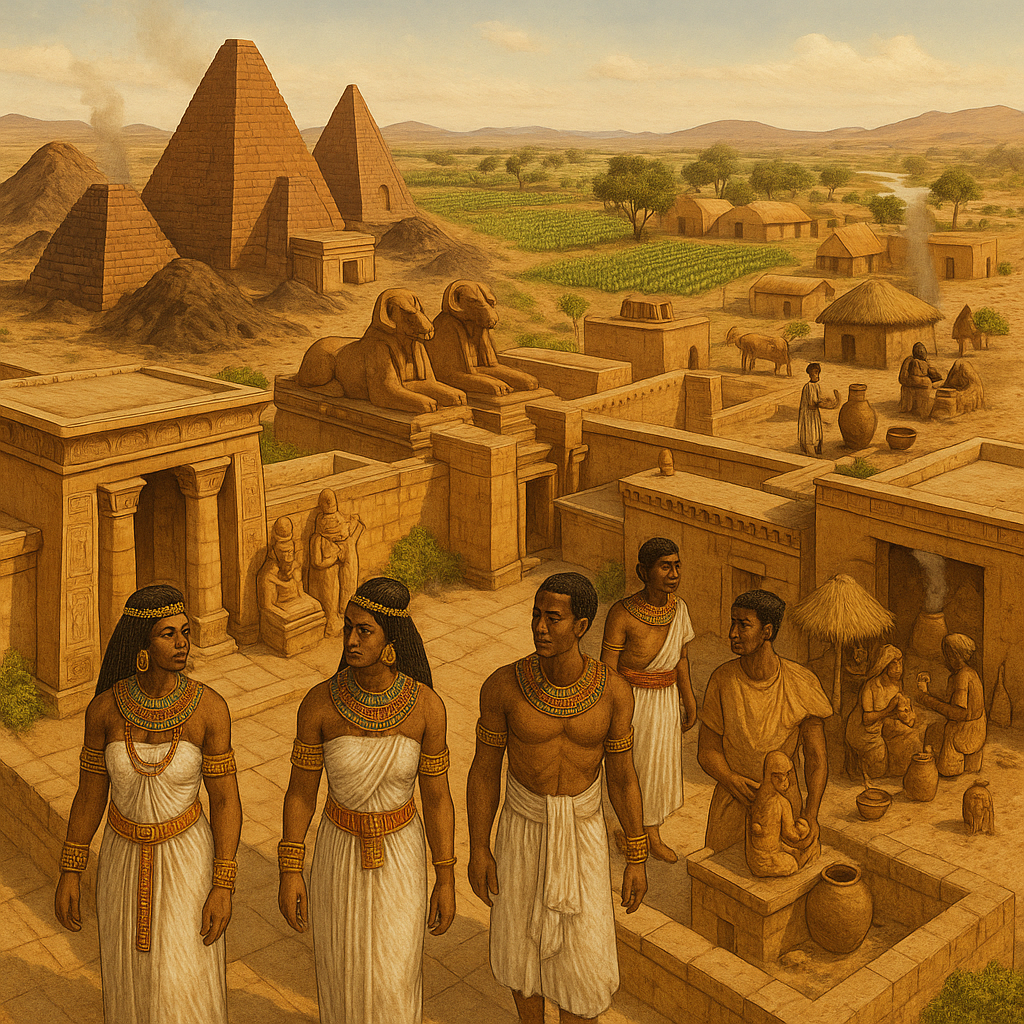
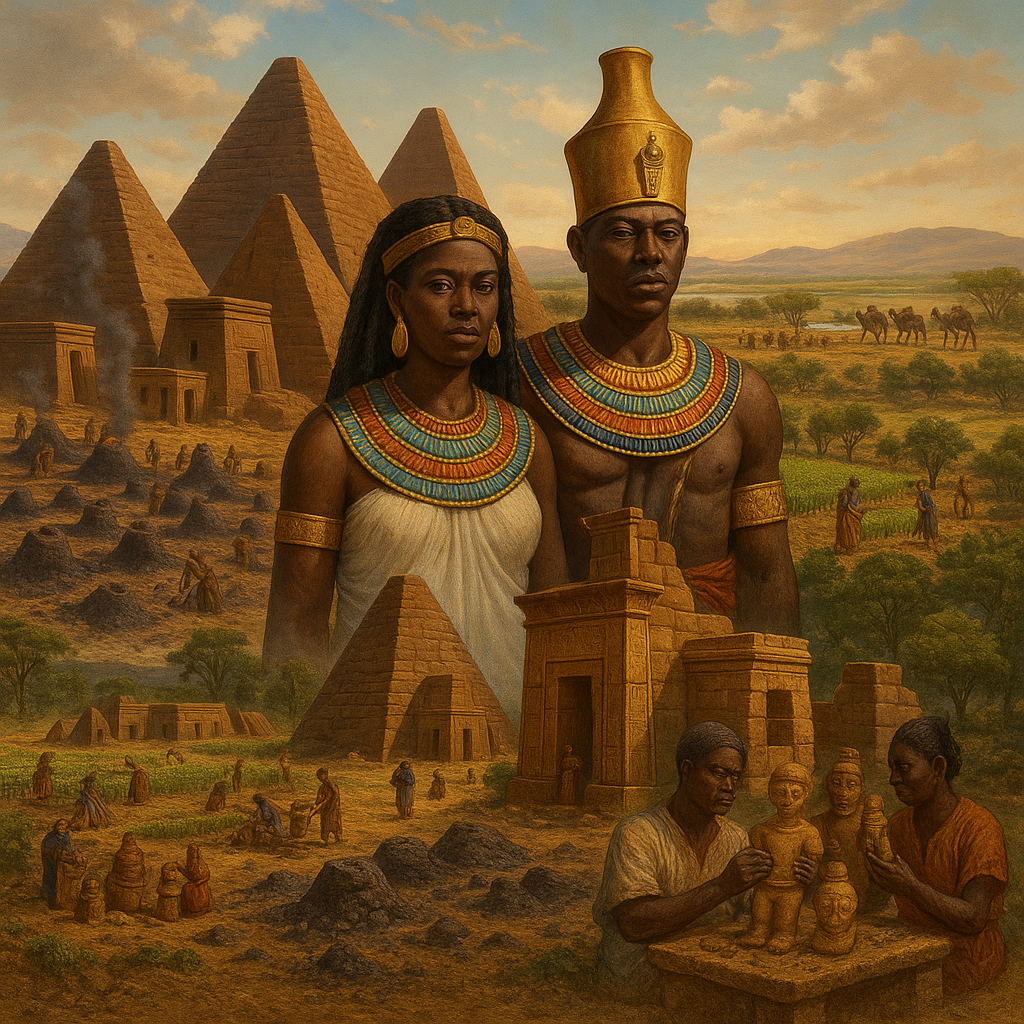
| Africa beyond the Nile in Antiquity | Kingdom of Kush at Meroë powerful; iron production high, distinctive pyramids built. Sahel agricultural states forming. West African Nok successor cultures spread iron. Trans-Saharan exchanges in earliest proto-form. |
| Classical Antiquity – Central America | Late Formative Mesoamerica. Maya civilization forming (El Mirador, Takalik Abaj). Monte Albán strong regional center. Olmec fully gone. Maize-based urbanization spreads. Early writing and calendrics develop. |
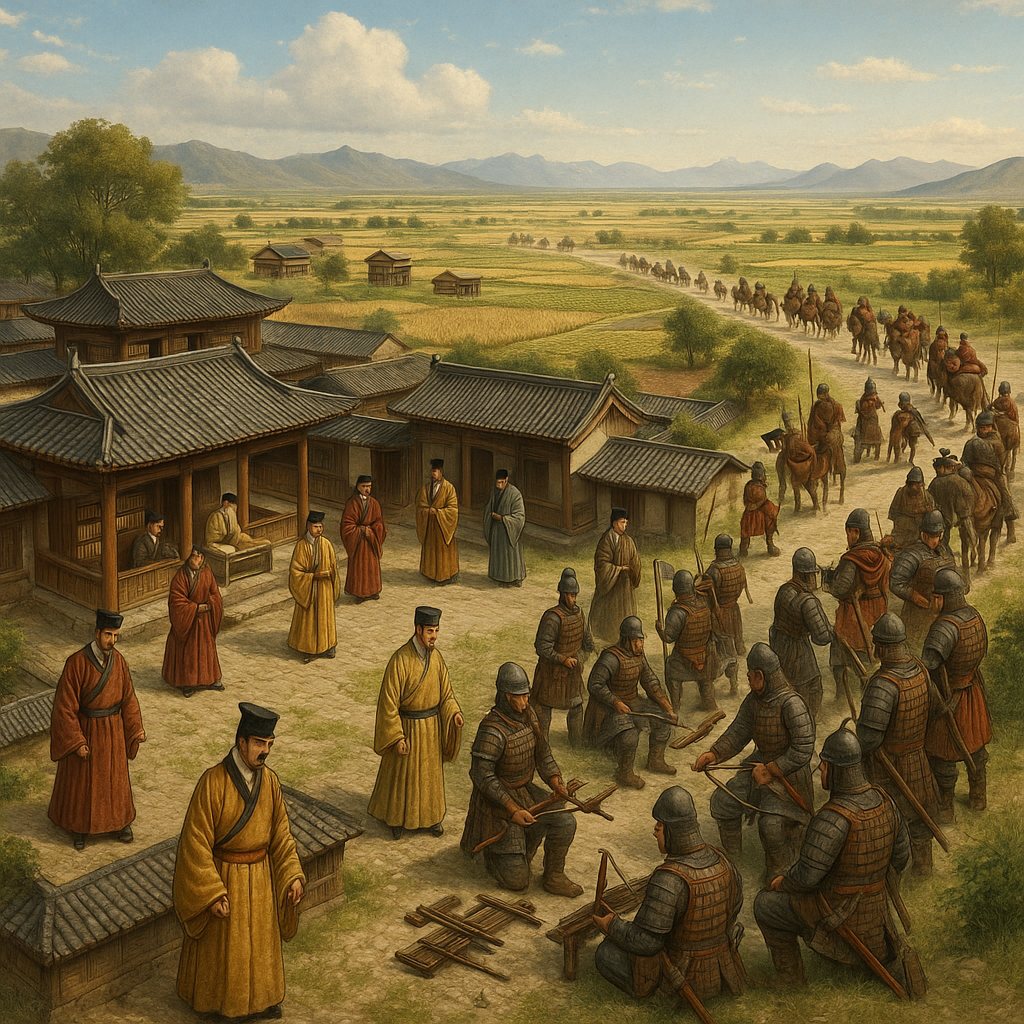
| Chinese Antiquity | Han Dynasty at its imperial peak. Long-distance Silk Road trade active. Military expansion into Central Asia, Korea, and southward into Vietnam. Large bureaucracy, iron tools, and advanced agriculture dominate the heartland. |
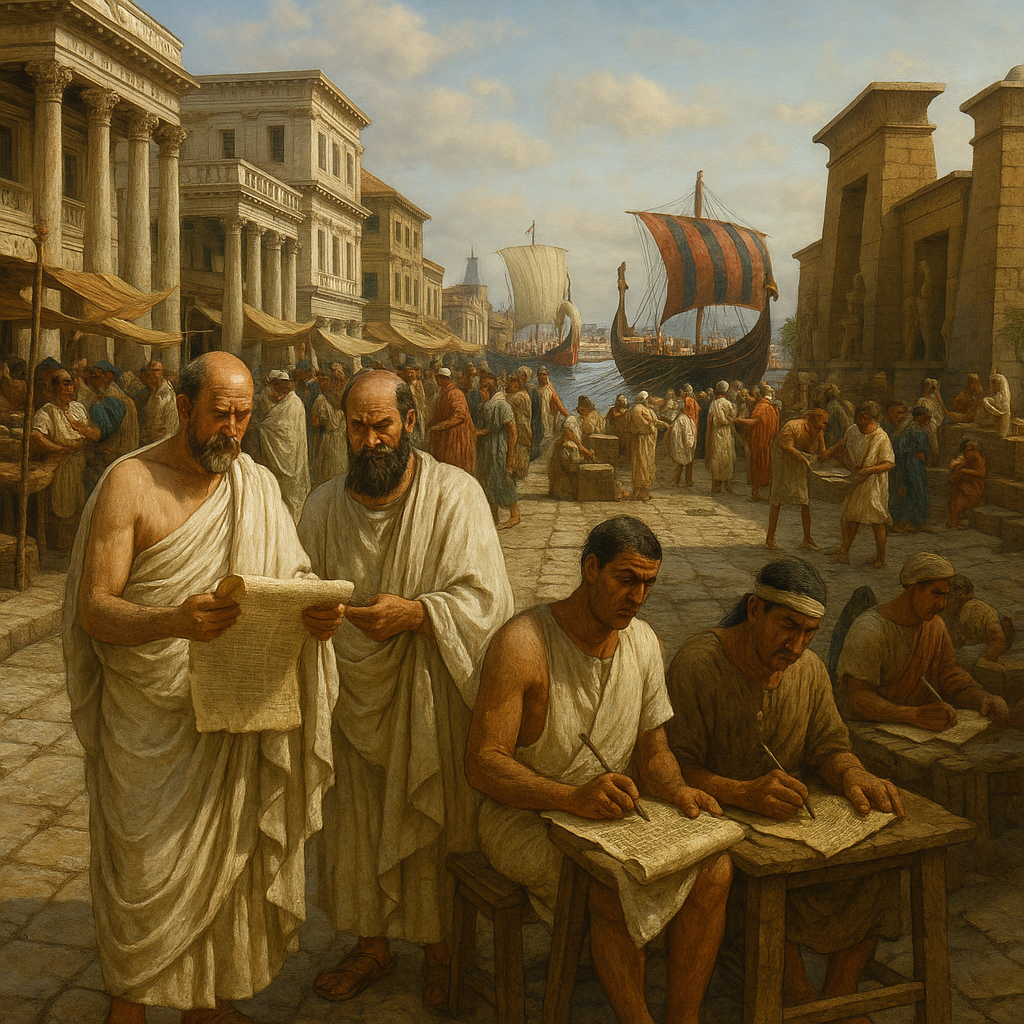
| Greco-Roman Antiquity | Roman Imperial control consolidated. Augustus rules; Eastern Mediterranean largely united under Roman administration. Judea under Herodian client kings. Greek culture remains the intellectual backbone of the region. |
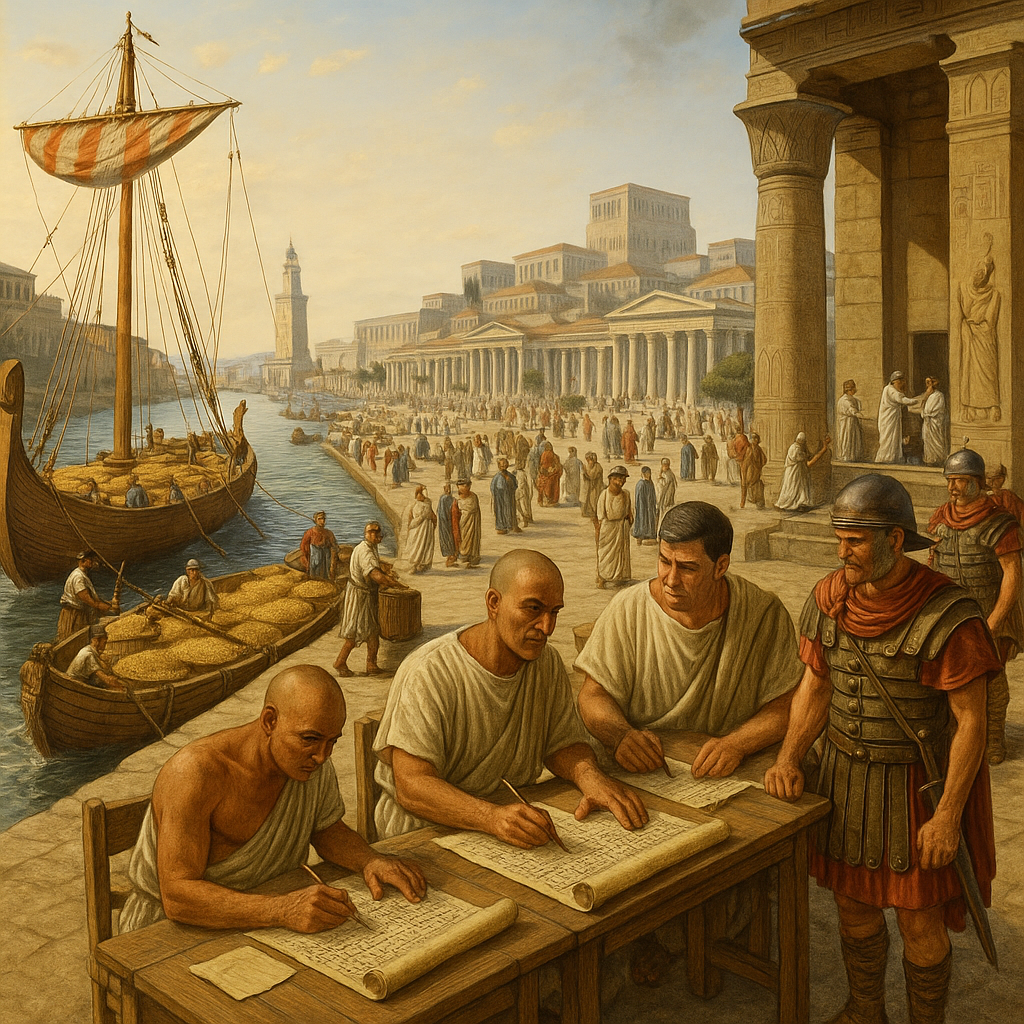
| Egyptian Antiquity | Egypt is a full Roman province after Cleopatra VII’s fall (30 BC). Alexandria remains a global center of learning and trade. Economic exploitation and grain shipments heavily integrated into Roman system. |
| Indian Antiquity | Early Kushan rise from Yuezhi migrations (~1st c. BC to 1st c. AD). Indo-Scythian and Indo-Greek states fragmenting. North India transitioning from Shunga/Kanva to early Satavahana influences. Buddhism spreads along new Silk Road corridors. |
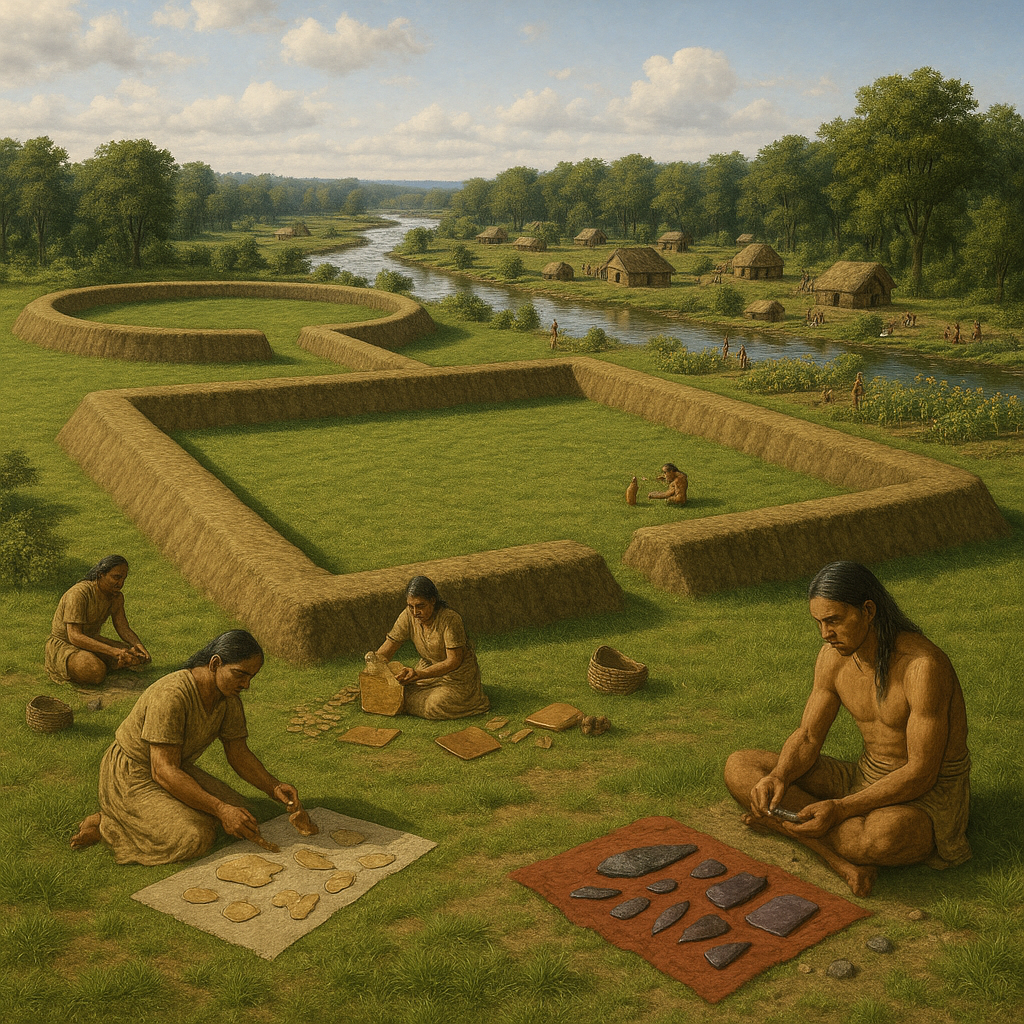
| Classical Antiquity – North America | Middle Woodland – Hopewell peak. Elaborate mound complexes in Ohio Valley. Massive long-distance trade networks (obsidian, mica, copper). Early maize cultivation spreading slowly, especially in Southwest. |
| Classical Antiquity – Oceania | Australia remains culturally stable hunter-gatherer continent with complex symbolic systems. New Guinea highlands show intensive horticulture. Polynesian voyagers expanding deeper into central Pacific; Fiji, Tonga, Samoa as cultural cores. |
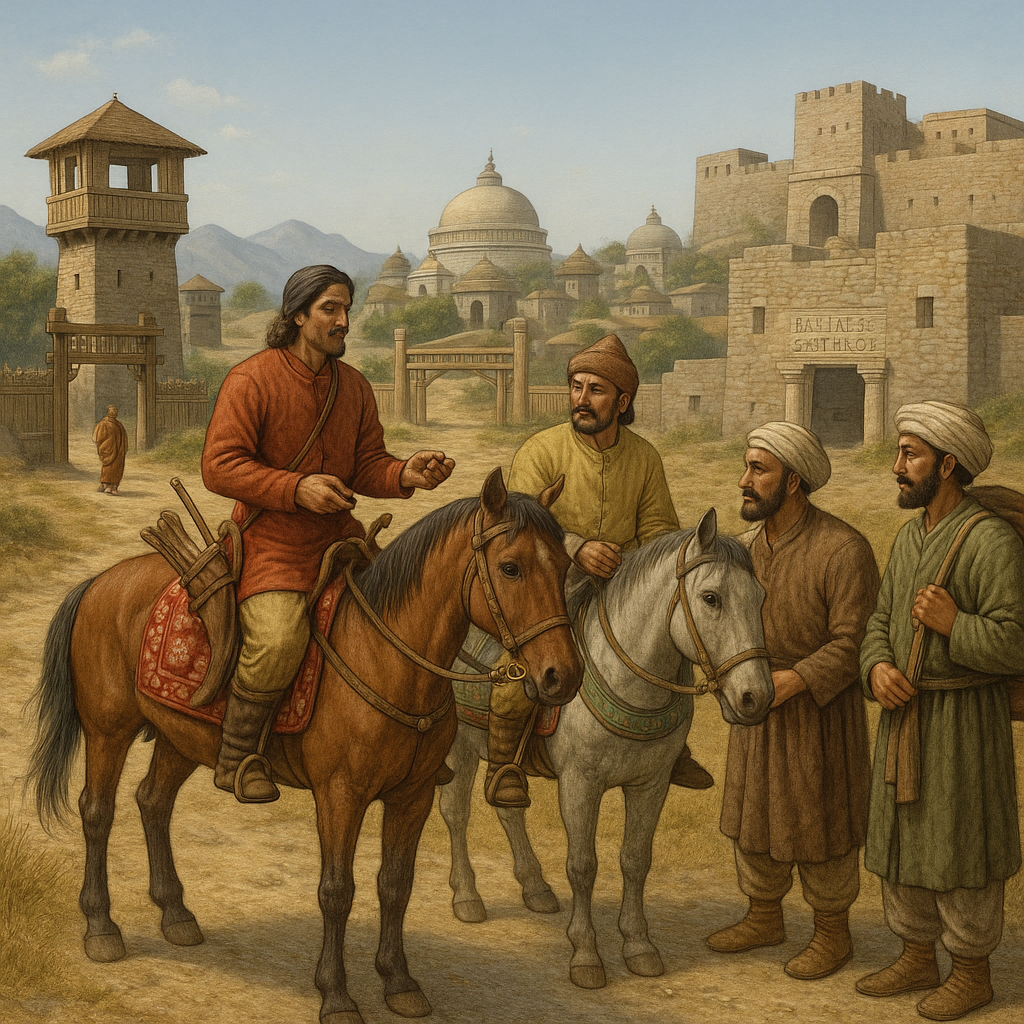
| Persian Antiquity | Parthian Empire at strength, controlling Iran and Mesopotamia. Frequent border wars with Rome. Silk Road traffic expands through Parthian domains. Noble clans dominate internal politics. |
| Classical Antiquity – South America | Early Intermediate Period. Nasca and Moche precursors developing. Andean highlands organized into local chiefdoms; terracing and irrigation expanding. Coastal Peru maintains complex ceremonial centers. |
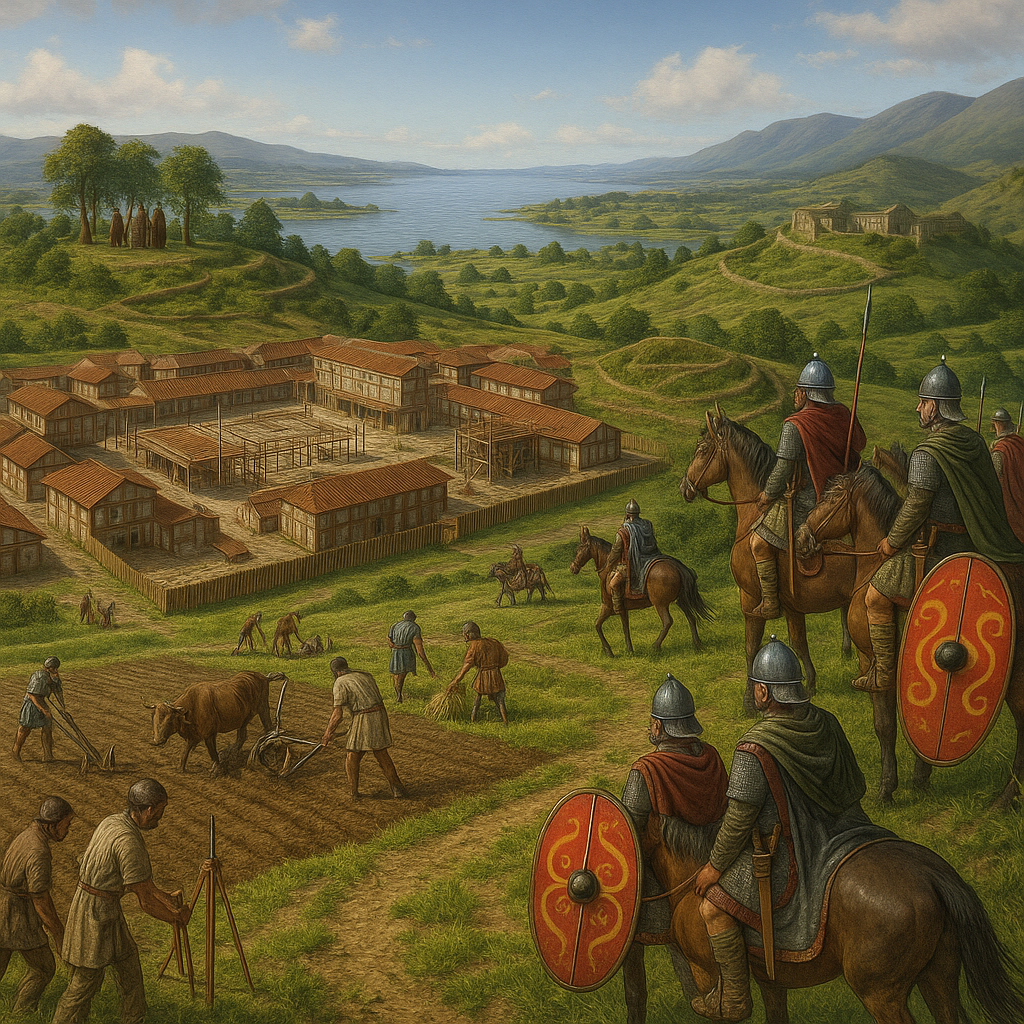
| Western Europe in Antiquity | Celtic La Tène culture dominated by Rome. Gaul fully conquered by Julius Caesar (58–50 BC). Britain remains independent Celtic kingdoms but under Roman pressure. Iberian Celts subdued. Iron Age hillforts decline as Roman urbanization spreads. |
100 AD – Snapshot
| Terra Avita Region and Era Name Link | Event Description |
|---|---|
| Africa beyond the Nile in Antiquity | Kingdom of Kush at Meroë prosperous; active diplomacy with Rome. Iron production vibrant. In West Africa, Nok culture gone but successor ironworking societies rising. Sahel agrarian-pastoral networks expand along Niger and Chad basins. |
| Classical Antiquity – Central America | Early Classic Maya foundations forming. Kaminaljuyu rising; El Mirador declining. Zapotec Monte Albán strong regional power. Writing systems mature; maize agriculture fully dominant. |
| Chinese Antiquity | Eastern Han Dynasty strong. State expansion into Central Asia continues; Silk Road trafficked at full capacity. Iron tools universal; population growth and agricultural intensification high. Confucian bureaucracy dominates government. |
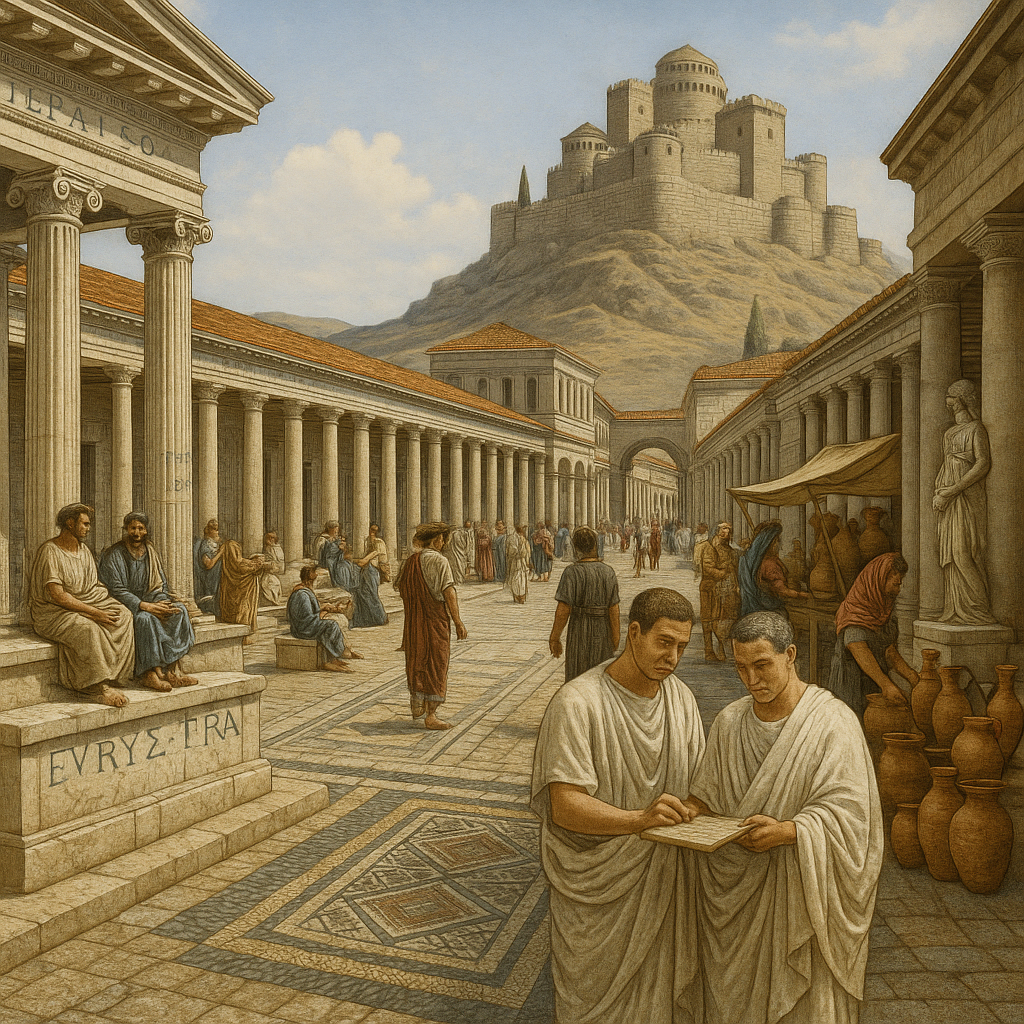
| Greco-Roman Antiquity | Roman imperial heartland. Eastern Mediterranean flourishing under Roman peace. Judea under Roman prefects; Jewish–Roman tensions rising toward the later Bar Kokhba revolt. Hellenistic cities vibrant; trade across Aegean–Levant strong. |
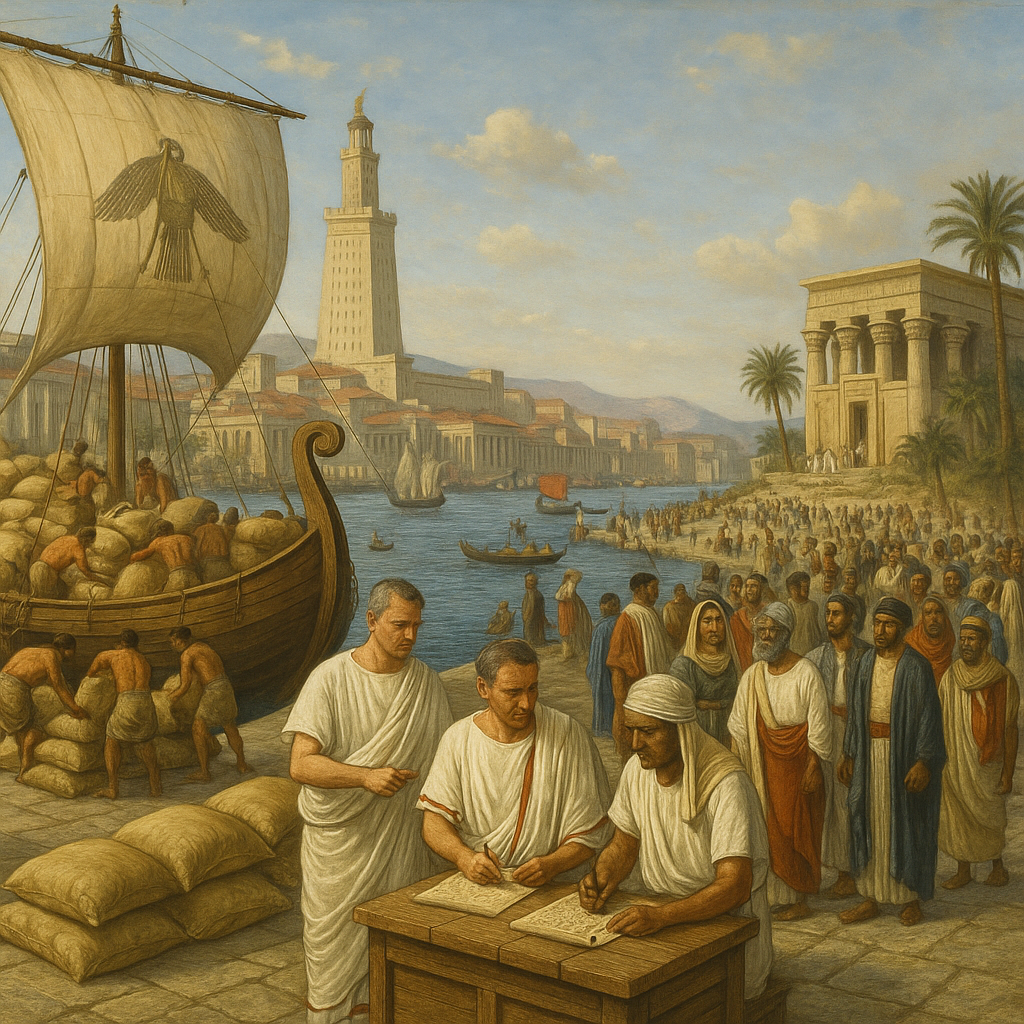
| Egyptian Antiquity | Firmly a Roman province. Massive grain exports to Rome. Alexandria one of world’s largest cities—library, scholarly institutions, intense commercial activity. Native Egyptian traditions persist in temple centers. |
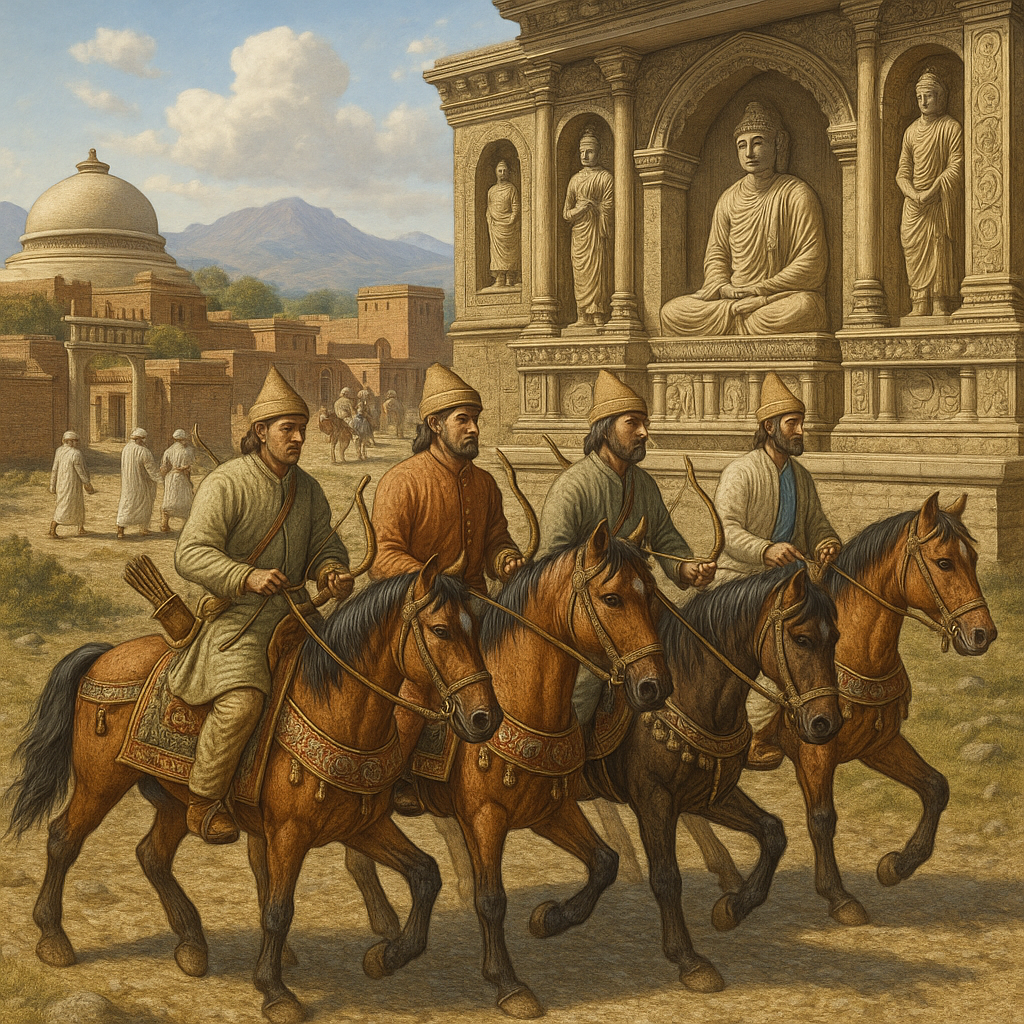
| Indian Antiquity | Kushan Empire near its early peak under Kujula Kadphises and Vima Takto. Indo-Parthians persist in some regions. Buddhism strongly patronized; Gandharan Greco-Buddhist art flourishes. South India ruled by early Satavahanas. |
| Classical Antiquity – North America | Middle Woodland – Hopewell zenith. Monumental geometric earthworks, massive trade networks (obsidian, copper, marine shells) spanning North America. Maize cultivation still limited; indigenous seed crops dominate diet in east. |
| Classical Antiquity – Oceania | Australia’s hunter-gatherer societies remain deeply adapted and stable. New Guinea highlands: intensive horticulture (taro, yam, banana) well established. Polynesian voyaging continues across central Pacific; settlement moving toward eastern frontier islands. |
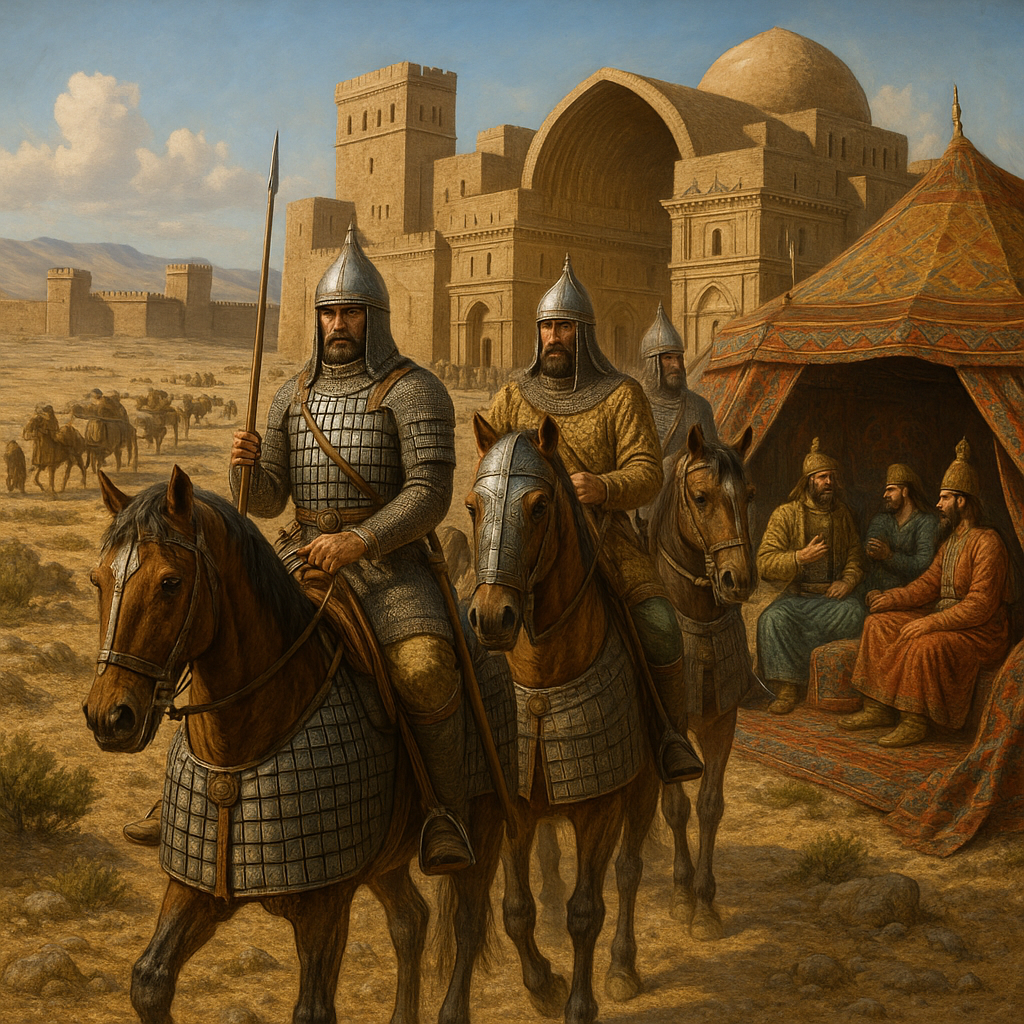
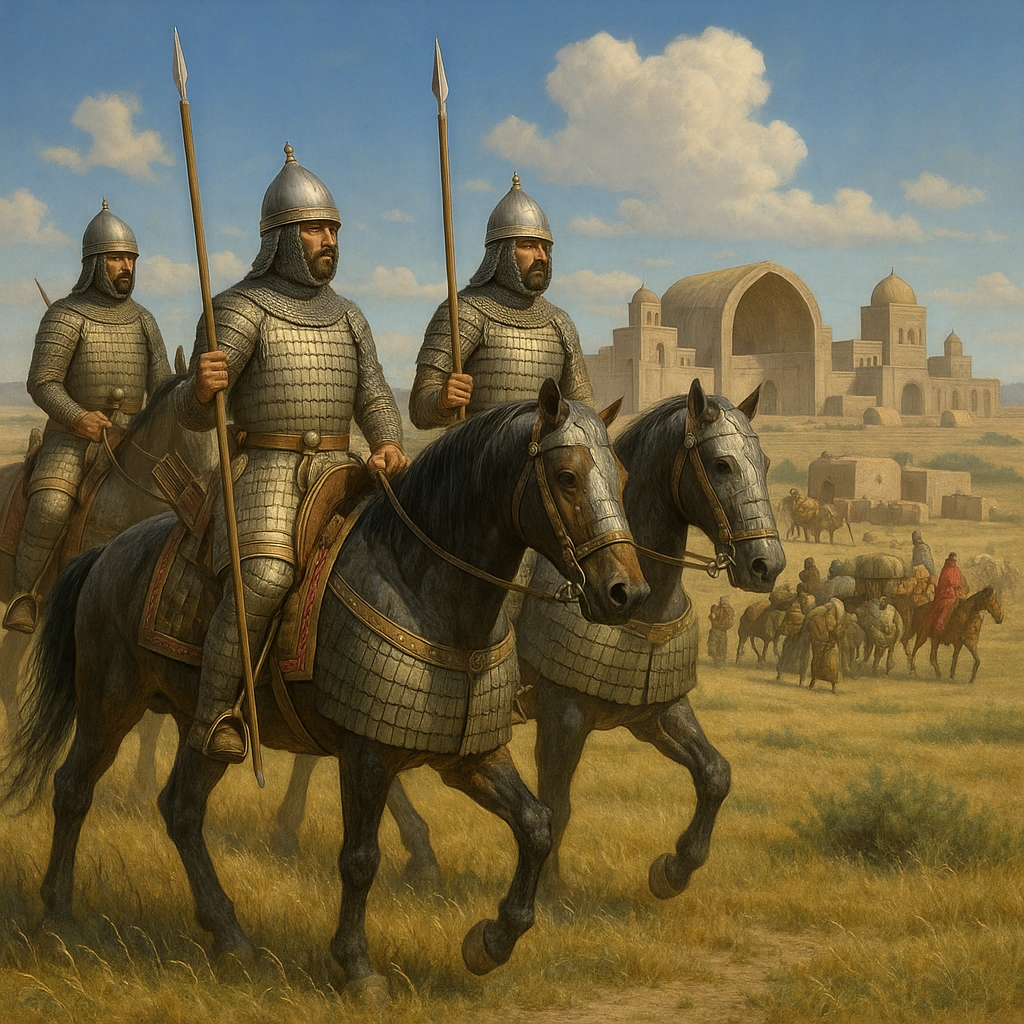
| Persian Antiquity | Parthian Empire stable but internally factional. Controls Mesopotamia, Iran, Armenia (contested). Mounted cataphracts central to warfare. Increasing rivalry with Rome under Trajan and his successors. |
| Classical Antiquity – South America | Moche and Nasca cultures beginning to emerge (Early Intermediate). Coastal Peru: irrigation agriculture, pottery traditions, and ceremonial centers intensify. Highland polities expand terracing and llama/alpaca pastoralism. |
| Western Europe in Antiquity | Entire continental Western Europe absorbed into the Roman Empire except for Germania and parts of Britain/Scotland. Celtic La Tène culture diminished or Romanized. Britain partially conquered (Flavian/Trajanic). Gaul fully integrated; urbanization accelerates. |
300 AD – Snapshot
| Terra Avita Region and Era Name Link | Event Description |
|---|---|
| Africa beyond the Nile in Antiquity | Kingdom of Kush declines; power shifts south toward Meroë’s terminal phase (by 350 AD Axumite invasion). In West Africa, early iron-age complex societies form: Nok successor cultures and proto-urban clusters in Nigeria and the Niger Bend. Sahel states expanding millet/sorghum agriculture. |
| Classical Antiquity – Central America | Early Classic Mesoamerica. Maya city-states rapidly expanding (Tikal, Calakmul beginning their rise). Teotihuacan near its imperial zenith influences the entire region. Zapotec Monte Albán still a strong highland power. |
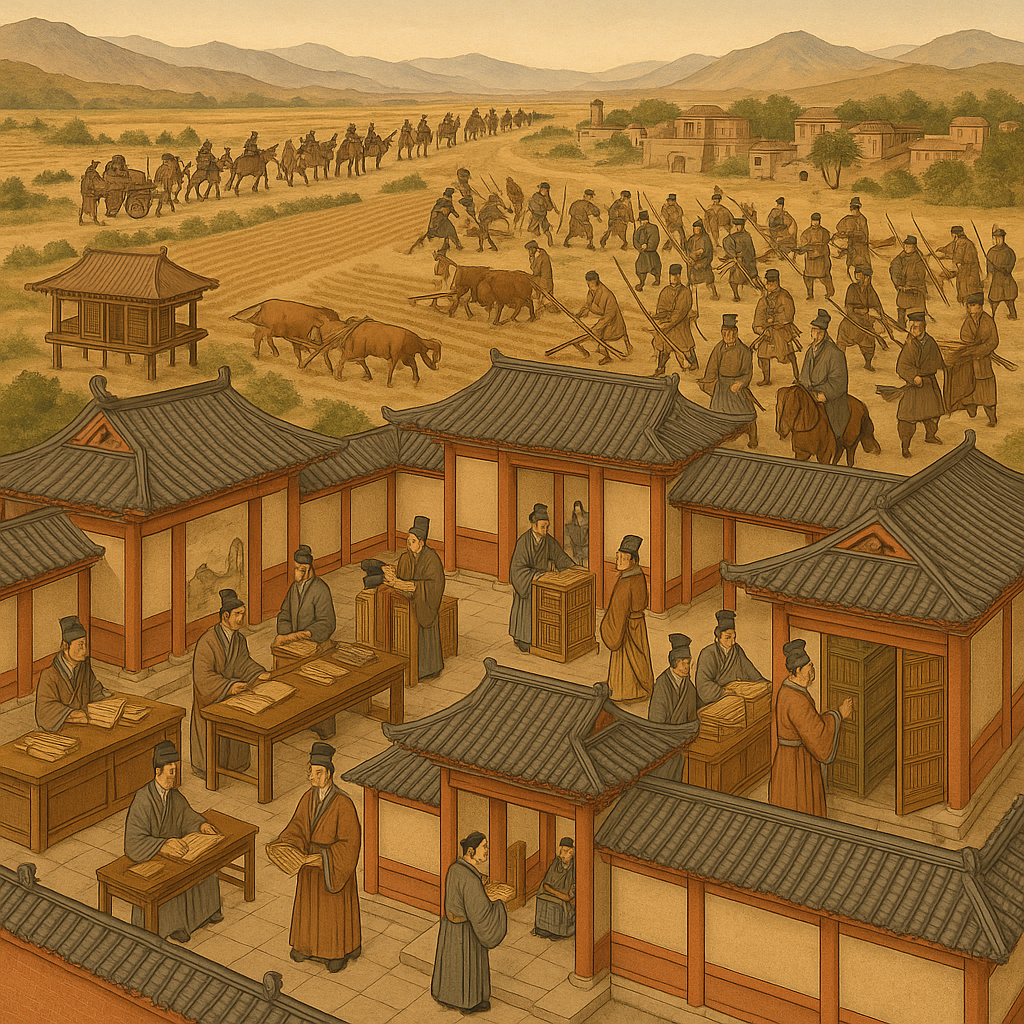
| Chinese Antiquity | Western Jin Dynasty collapses (311 AD) under nomadic invasions. Sixteen Kingdoms Period begins in the north. Massive political fragmentation. Southern China ruled by Eastern Jin, retaining classical Chinese bureaucracy. Iron widespread; rice agriculture strong. |
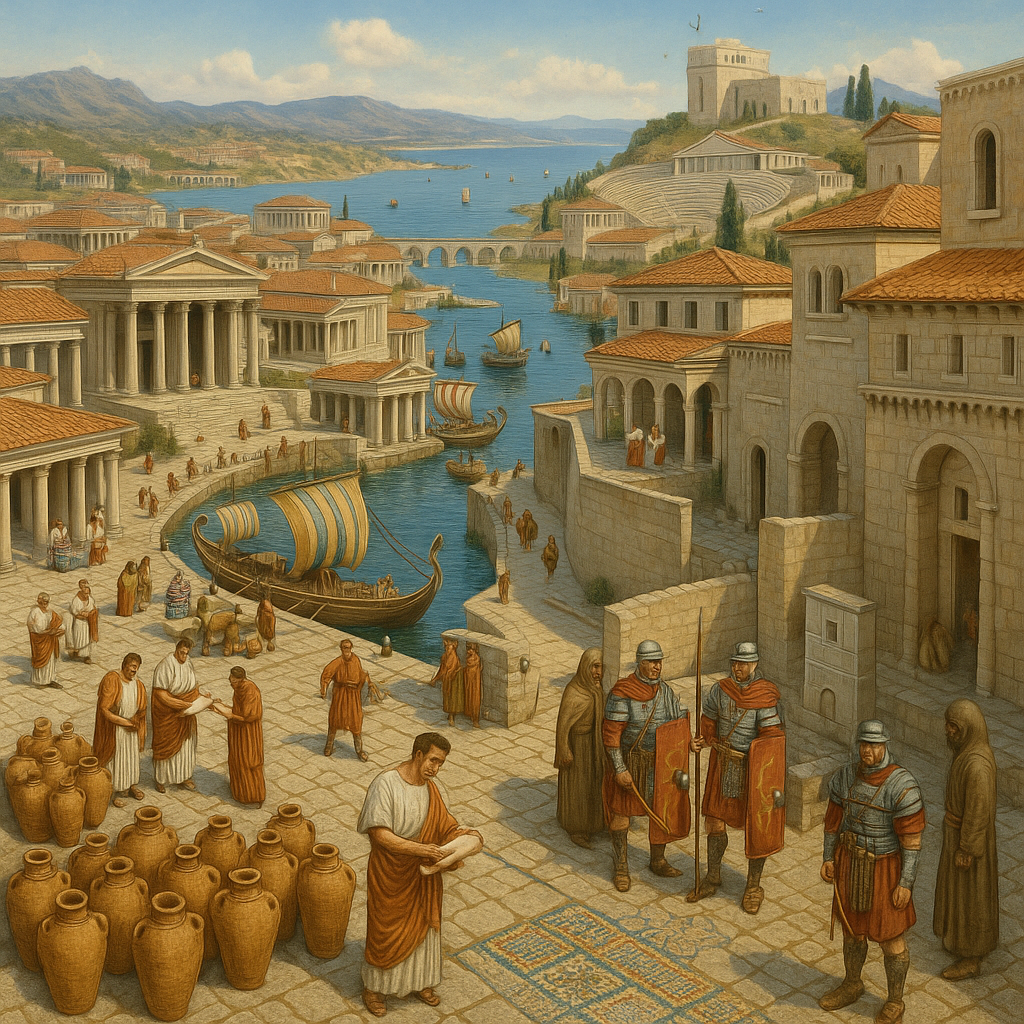
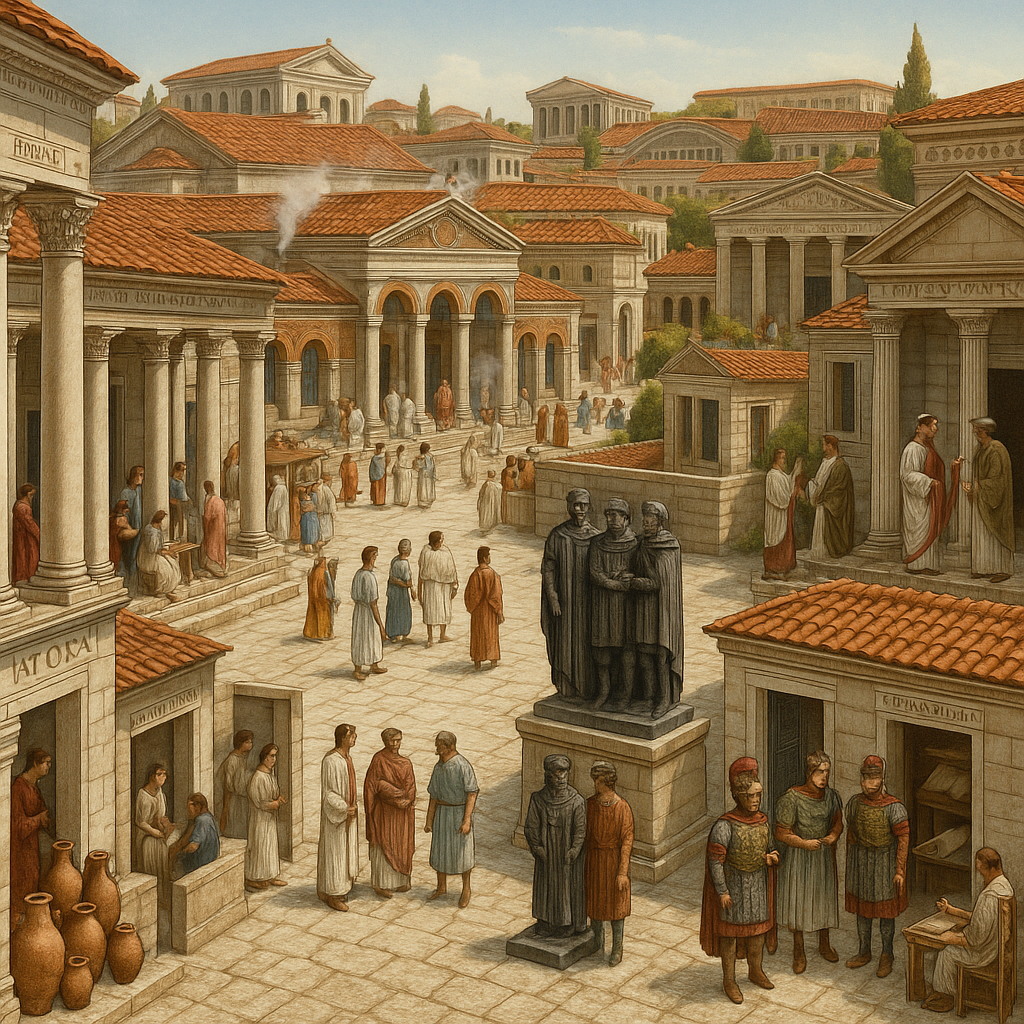
| Greco-Roman Antiquity | Roman East remains wealthy but politically volatile. Christian communities expanding rapidly. Diocletian’s reforms still shaping administration. Egypt, Syria, and Anatolia are core imperial provinces; Greek culture dominant in cities. |
| Egyptian Antiquity | As a Roman diocese, Egypt is economically critical—grain supply, papyrus, textiles. Christianity spreading strongly in Alexandria and monastic movements emerging in the desert. Native temples declining but still active. |
| Indian Antiquity | Kushan Empire fragmenting into smaller successor states. Gupta Empire rising in North India (Chandragupta I soon after 320 AD). Buddhism and Hinduism both influential. In Central Asia, Saka/Scythian and Yuezhi-descended groups shifting under pressure from Xiongnu/Hunnic movements. |
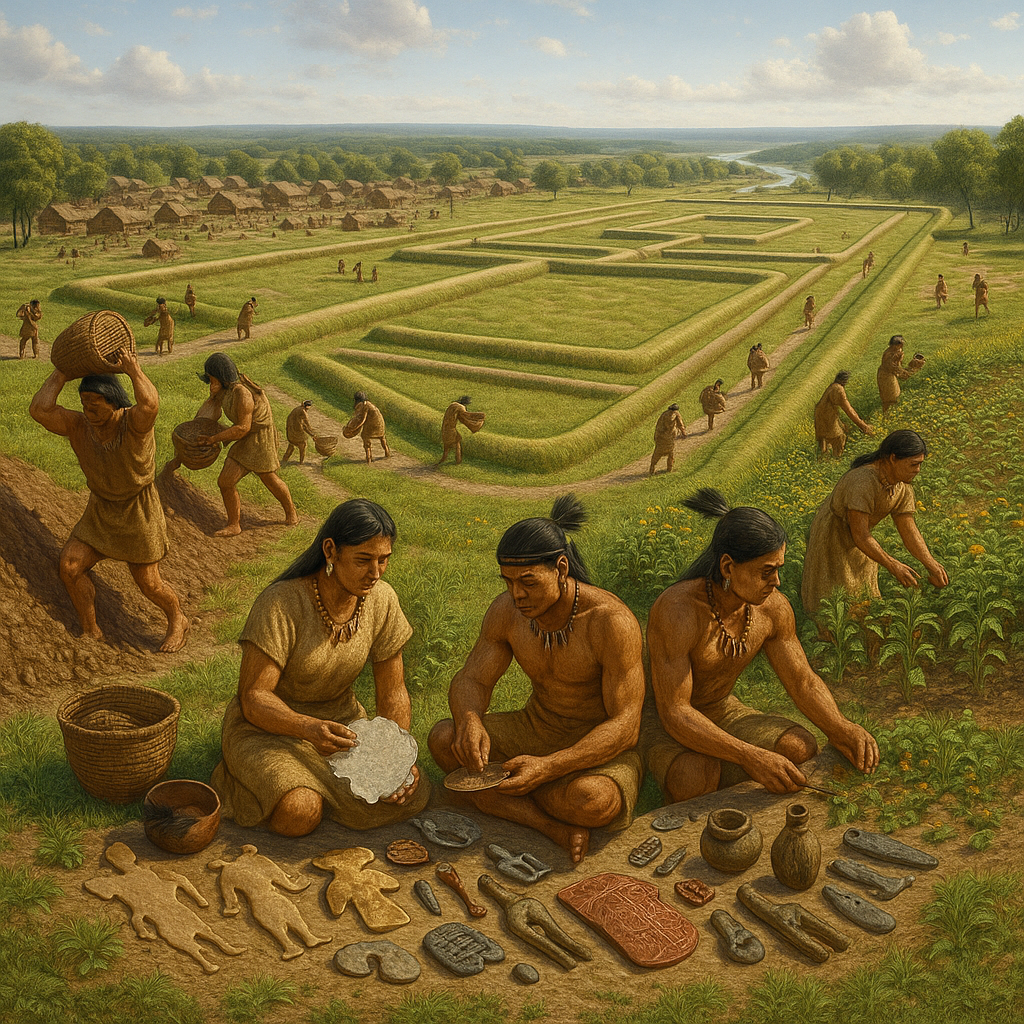
| Classical Antiquity – North America | Late Middle Woodland. Hopewell tradition declines but earthwork building continues in some regions. Emerging regional cultures transition toward Early Mississippian patterns. Maize agriculture spreading steadily into Eastern Woodlands. |
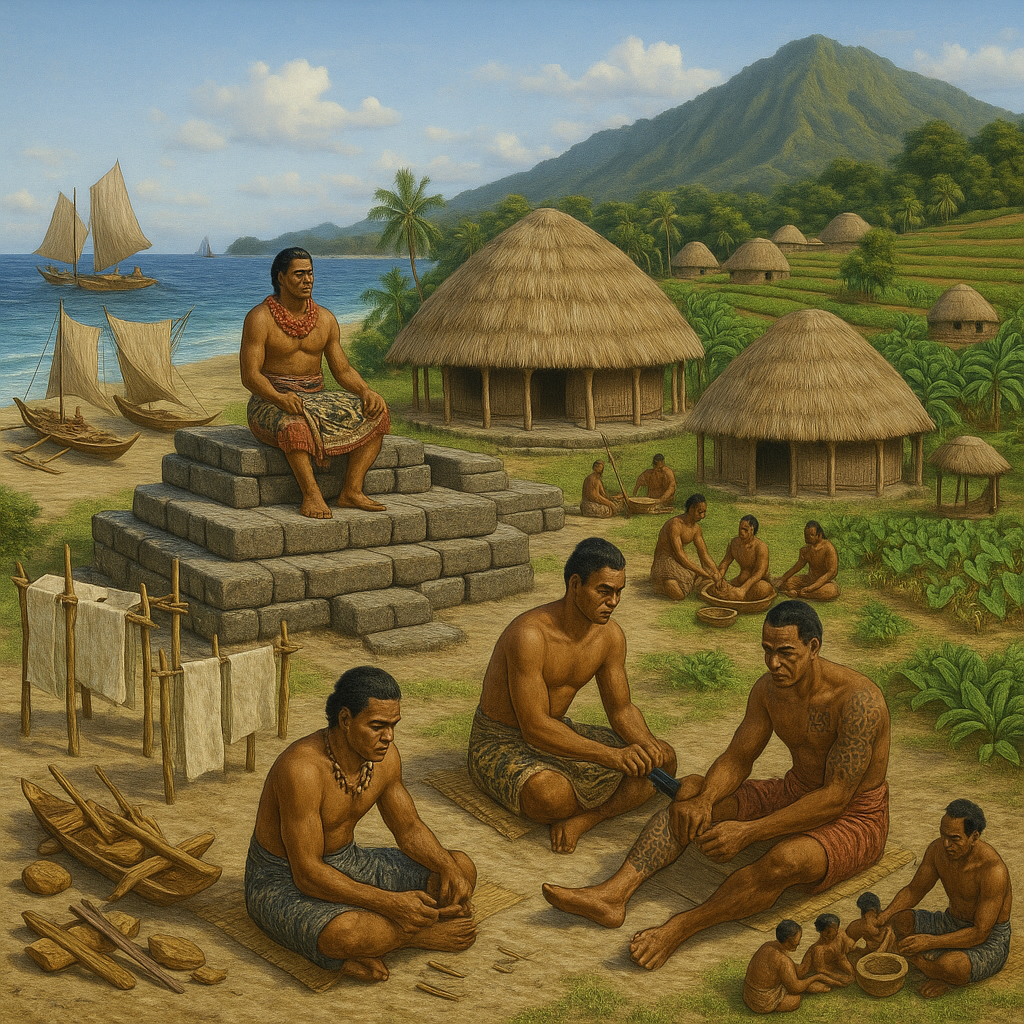
| Classical Antiquity – Oceania | Australia maintains long-term cultural continuity. New Guinea highlands: intensive horticulture and dense local societies. Polynesian expansion enters major phase — settlement wave pushes far eastward (Marquesas and Easter Island reached around this general era). |
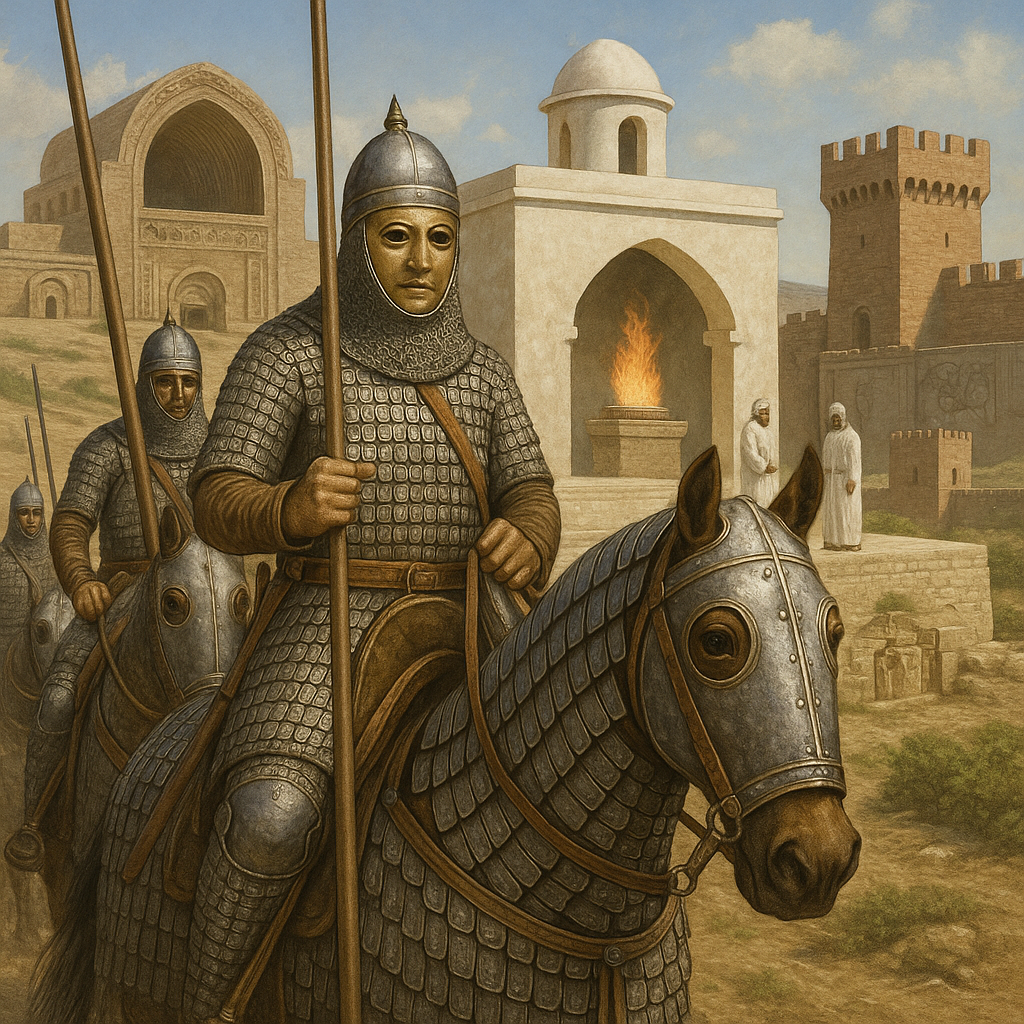
| Persian Antiquity | Sassanid Empire rising in strength (Ardashir I → Shapur II soon after). Highly centralized state, Zoroastrian clerical power expanding. Repeated clashes with Rome along Mesopotamian frontier. Persian heavy cavalry and elite noble houses dominate military power. |
| Classical Antiquity – South America | Moche culture flourishing on Peruvian north coast—large pyramids, warrior-priest elite. Nasca culture active in south (geoglyphs, textiles). Highland states expand terracing and herding. Early Huari/Wari precursors forming. |
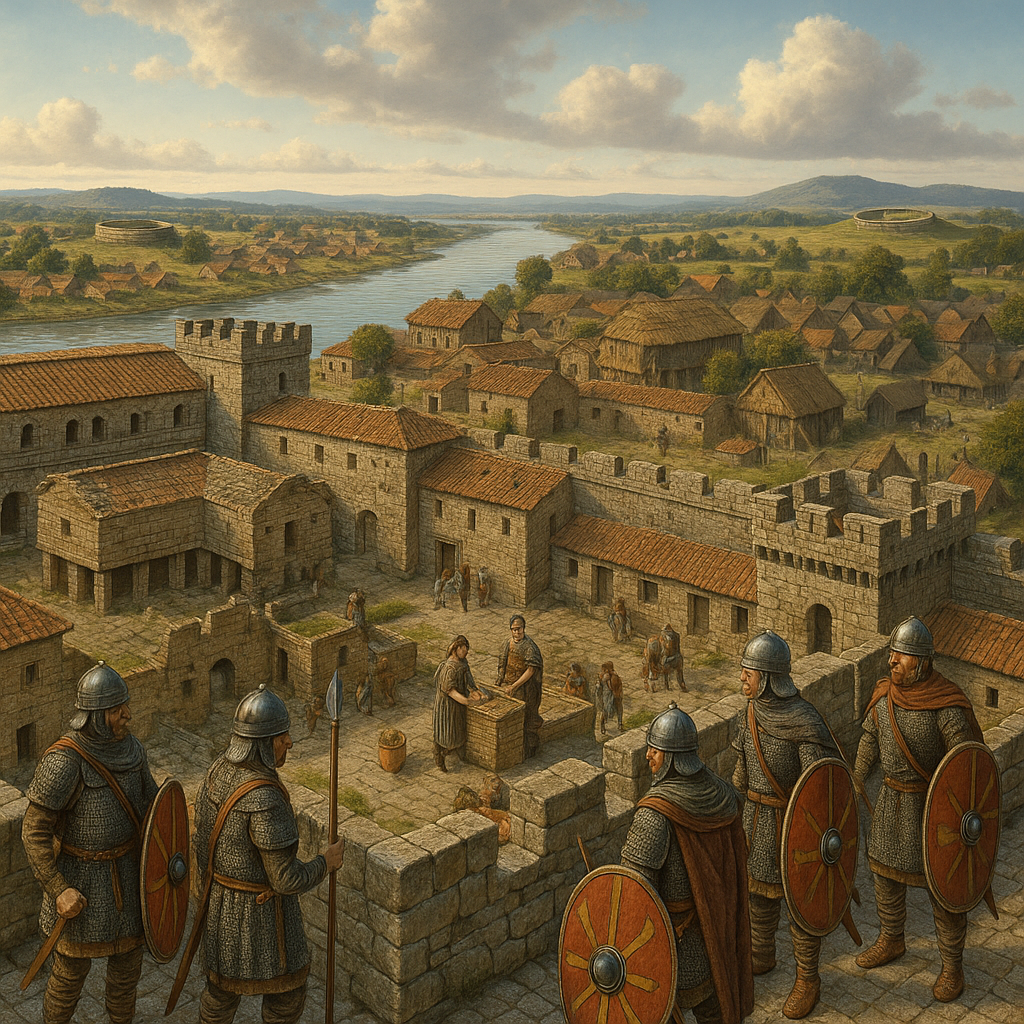
| Western Europe in Antiquity | Late Roman Empire (Dominate period). Roman control still holds across Gaul, Iberia, and Britain, but frontier instability grows. Germanic confederations (Franks, Alamanni, Goths) press borders. Celtic culture persists only in isolated regions (Ireland, Scotland). Urban life declines in some provinces. |
500 AD – Snapshot
| Terra Avita Region and Era Name Link | Event Description |
|---|---|
| Africa beyond the Nile in Antiquity | Kingdom of Axum ascendant in the Horn of Africa—major Red Sea power, Christianized. Kingdom of Kush collapses around this period (c. 350 AD). West Africa sees early complex societies: Nok’s successors, Igbo-Ukwu precursors, and proto-Sahelian states forming. |
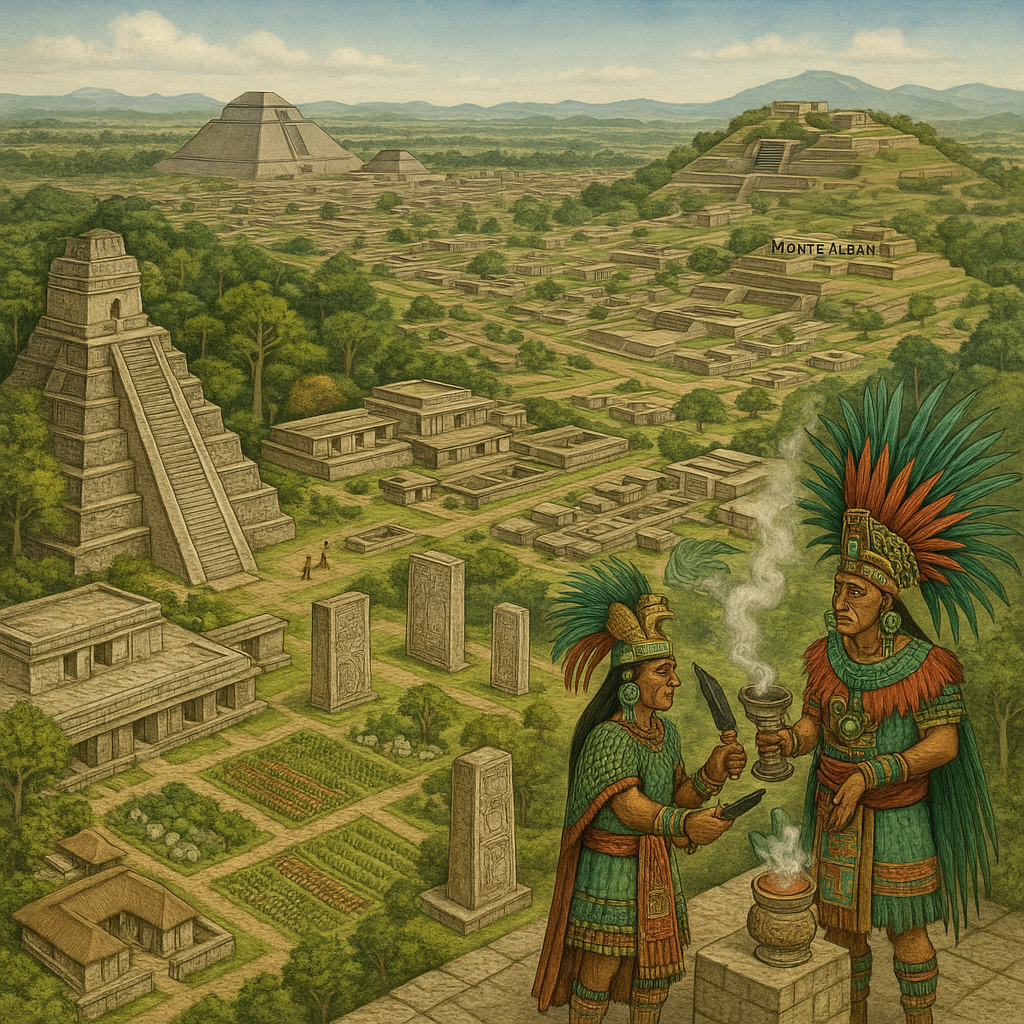
| Classical Antiquity – Central America | Classic Maya civilization at full strength. Large cities (Tikal, Calakmul, Palenque). Monumental architecture, hieroglyphic writing, astronomical precision. Teotihuacan influences the Maya region and central Mexico. |
| Chinese Antiquity | Northern Wei Dynasty dominates northern China—Sinicization reforms and Buddhism widespread. Southern China under Southern Dynasties (Liang). Political division persists. Strong agricultural and ironworking base supports population growth. |
| Greco-Roman Antiquity | Eastern Roman (Byzantine) Empire under Anastasius I and later Justinian begins reconsolidation. Strong administrative and military revival. Christian orthodoxy consolidates across Levant, Anatolia, and Greece. |
| Egyptian Antiquity | A province of the Byzantine Empire. Christian (Miaphysite) vs. Chalcedonian conflicts intensify. Monasticism thrives. Economic productivity remains high, but political repression fuels Egyptian alienation heading into the 600s. |
| Indian Antiquity | Gupta Empire declines due to Hunnic (Alchon/Hephthalite) invasions. North India fragments into regional kingdoms. Buddhism wanes in some regions; Hindu states strengthen. In Central Asia, steppe polities reconfigure under Hephthalite and Turkic pressure. |
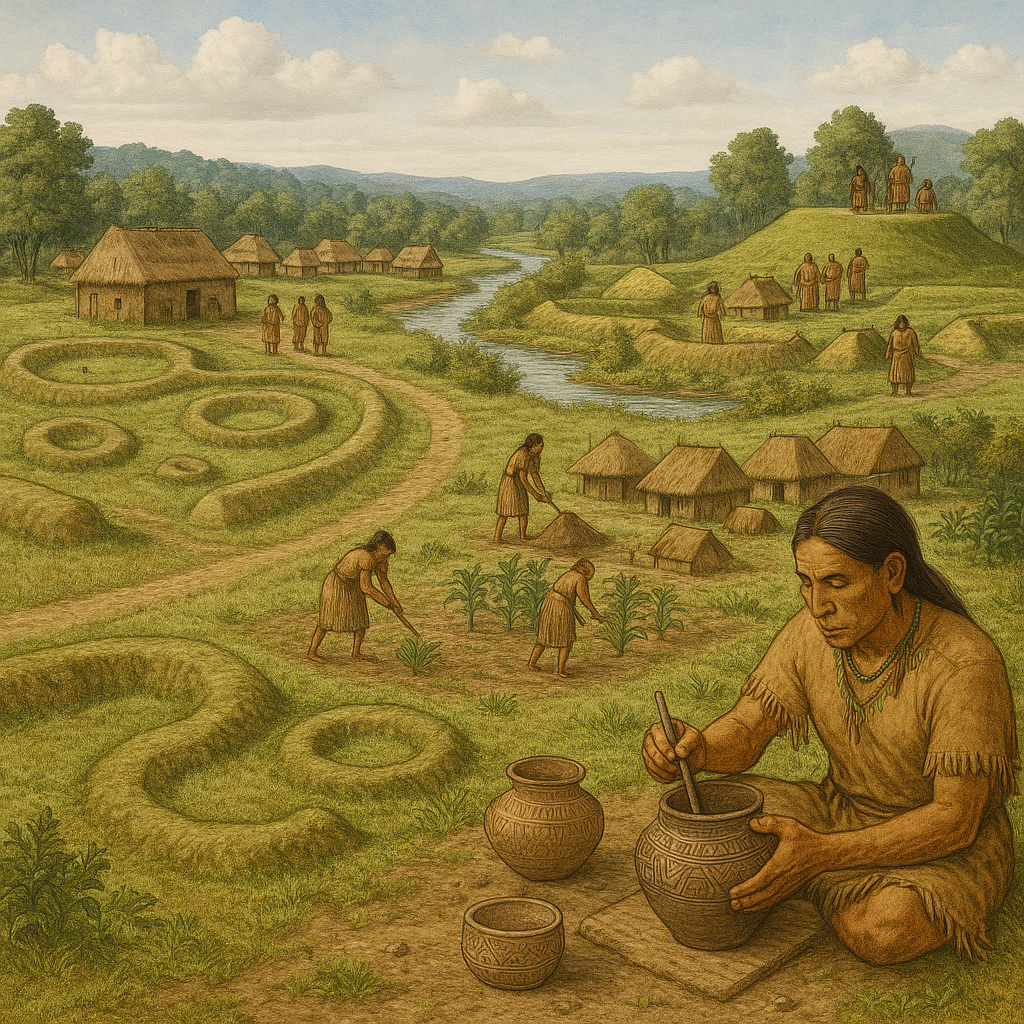
| Classical Antiquity – North America | Late Woodland period. Widespread maize agriculture emerging in some regions (Illinois, Ohio, Mississippi Valley). Bow-and-arrow spreads. Large ceremonial mound-building persists; regional cultures diversify. |
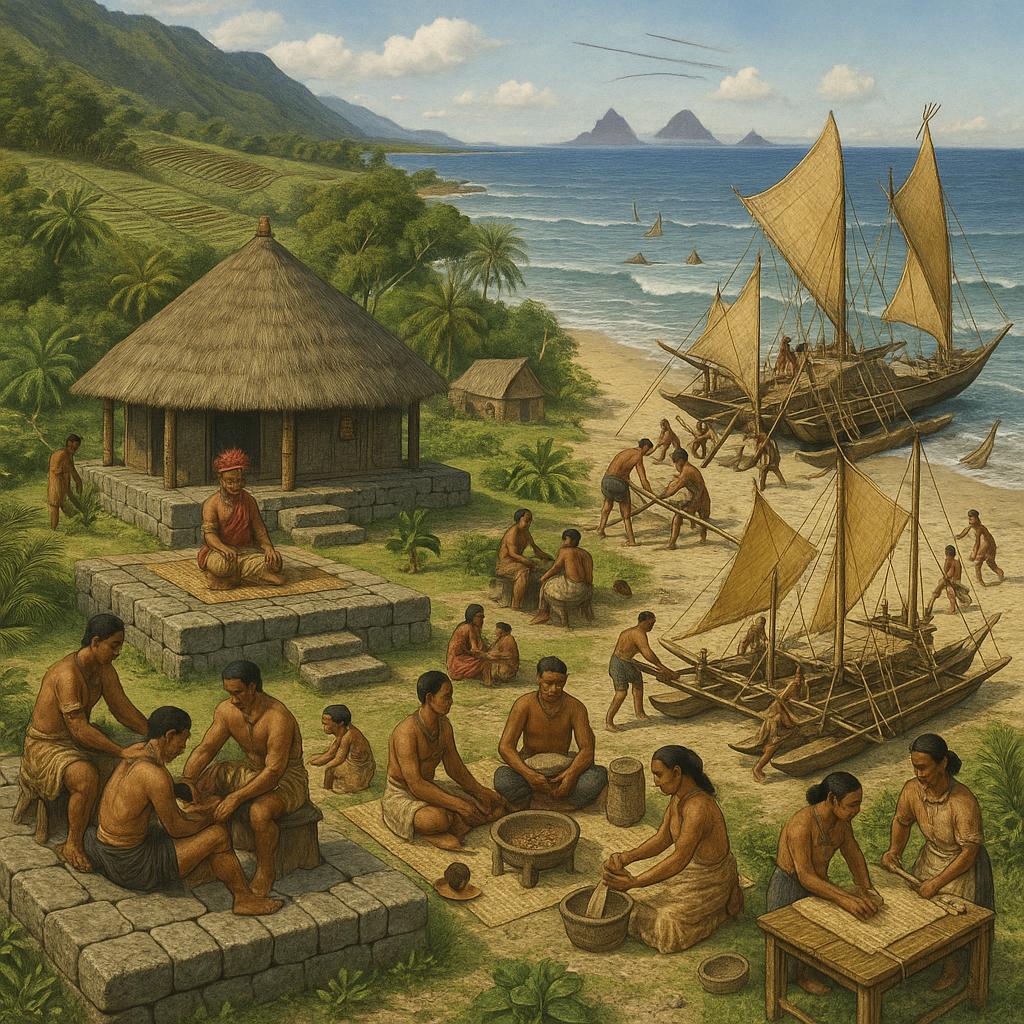
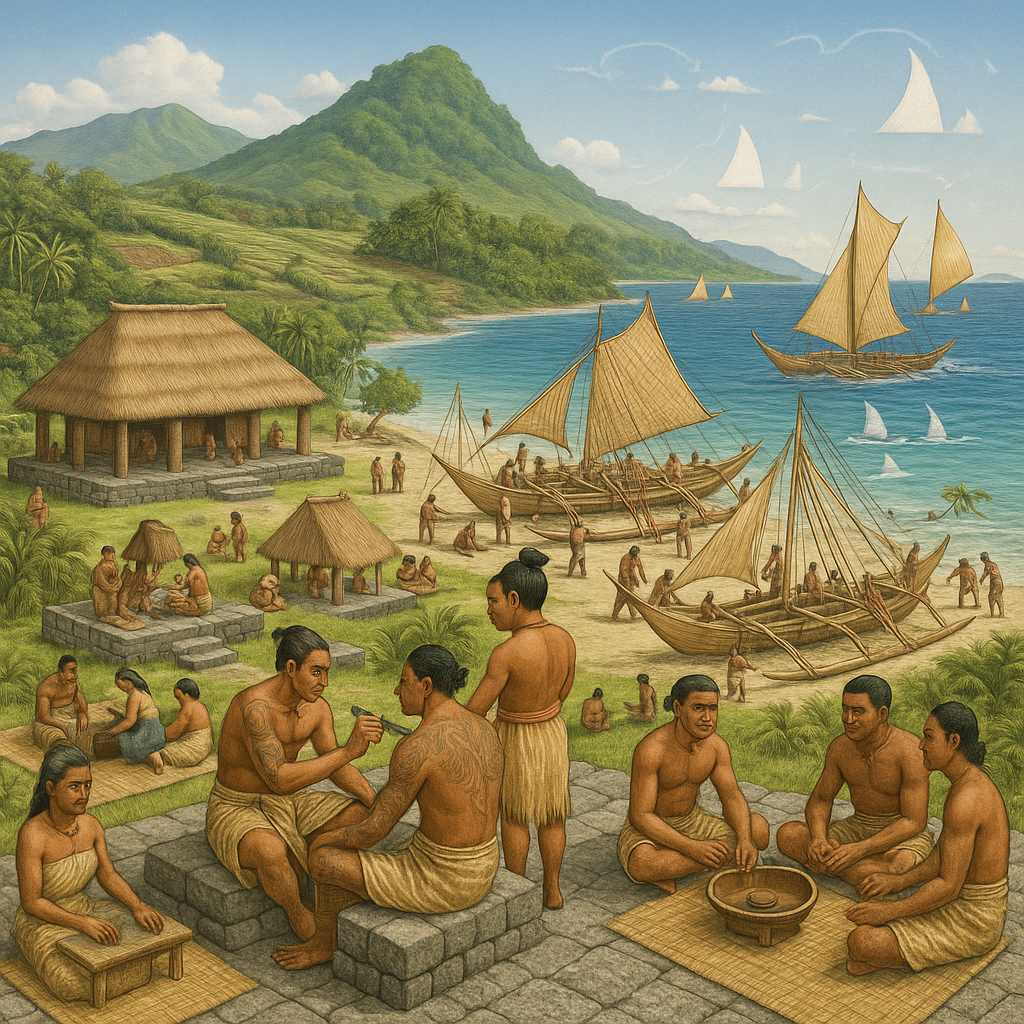
| Classical Antiquity – Oceania | Australia continues stable hunter-gatherer systems with sophisticated trade and ritual networks. New Guinea highlands maintain intensive horticulture. Polynesians expand across Pacific; Hawai‘i settled around this general period (300–600 AD). |
| Persian Antiquity | Sassanid Empire at high strength under Kavadh I and soon Khosrow I (Anushirwan). Centralized power, Zoroastrian institutions strong. Nearly constant rivalry with Byzantium. Heavy cavalry and elite noble houses dominate military. |
| Classical Antiquity – South America | Moche culture at peak on Peruvian north coast—state-scale irrigation, monumental adobe pyramids, warrior-priest elite. Nasca culture strong in south. Highland polities expand terracing and camelid pastoralism. Early Wari precursors forming. |
| Western Europe in Antiquity | Western Roman Empire has fallen (476 AD). Successor kingdoms dominate: Visigoths in Iberia, Franks under Clovis in Gaul, Ostrogoths in Italy. Celtic enclaves isolate in Ireland, Wales, Scotland, Brittany. Urban collapse widespread; early medieval societies forming. |