Academic Skepticism
Hellenistic Platonic Academy tradition centered on suspension of judgment, anti-dogmatic inquiry, critique of Stoic certainty, and plausible guidance for action under uncertainty.

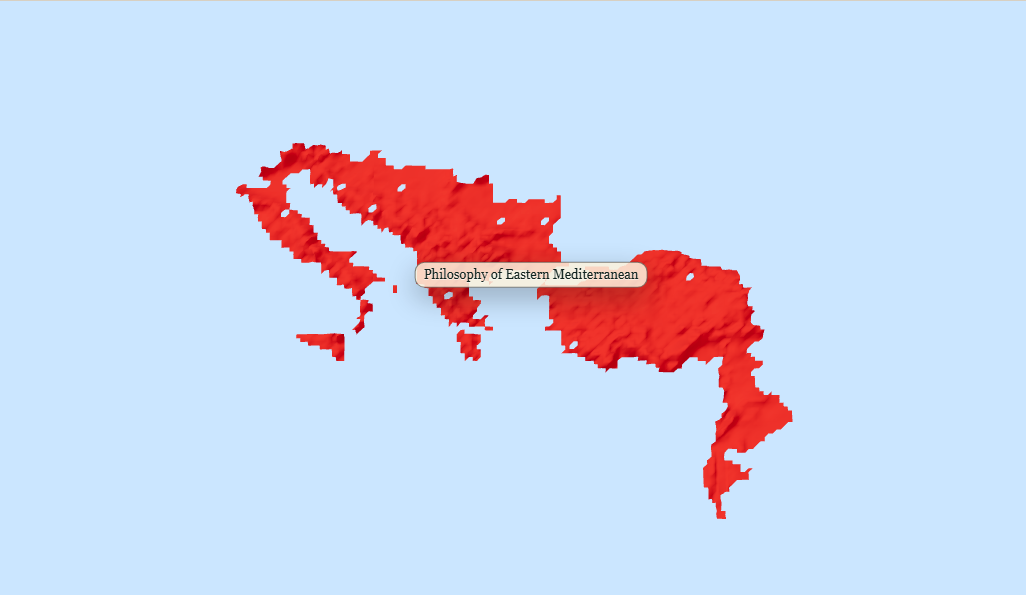
Structural Factors
- Shared Core Claims
- No available criterion secures infallible knowledge against serious counterargument; the wise inquirer therefore withholds assent where certainty is unavailable and follows what is plausible or persuasive for practical life.
- Shared Methods
- Socratic elenchus, argument on both sides, skeptical dialectic, critique of cognitive impressions and criteria of truth, appeal to equipollent arguments, and probable reasoning for action.
- Shared Lineage
- Plato's Academy through Arcesilaus and Carneades, then later Academic skeptical reception through Lacydes, Clitomachus, Philo of Larissa, Antiochus as critic, Cicero, Sextus Empiricus, and later doxography.
- Shared Problems
- Criterion of truth, assent, cognitive impressions, possibility of knowledge, action without certainty, dogmatism, probabilism, and whether Plato's Academy can be read as skeptical.
- Shared Vocabulary
- epoche, akatalepsia, pithanon, probabile, katalepic impression, assent, dogma, aporia, equipollence, dialectic, New Academy, Carneadean division, criterion of truth.
- Shared Historical Context
- Formed in the Hellenistic Academy during sustained debate with Stoicism and Epicureanism, then transmitted through Roman philosophical writing, Pyrrhonist comparison, patristic criticism, and modern scholarship on ancient skepticism.
Defining Axes
- Doctrine
- Anti-dogmatic epistemology, suspension of assent, critique of certainty, and plausible guidance for practical reasoning without claiming possession of secure knowledge.
- Method
- Socratic refutation, adversarial dialectic, arguments pro and contra, reconstruction of opponents' criteria, and targeted critique of Stoic epistemology.
- Lineage
- Plato's Academy, Arcesilaus, Carneades, Clitomachus, Philo of Larissa, Cicero's Latin Academic reception, and later ancient skepticism scholarship.
- Subject Focus
- Epistemology, dialectic and logic, action under uncertainty, ethical deliberation, philosophy of language around assent and appearance, and Roman theological critique through Cicero.
- Geography / Culture
- Greek Hellenistic Academy at Athens, with major Roman reception through Cicero and later Latin and Greek doxographic transmission.
- Historical Reaction
- Reaction against Stoic claims about kataleptic impressions and against dogmatic accounts of certain knowledge, while reworking Socratic and Platonic inquiry for Hellenistic debate culture.
Internal Structure
- Foundational Texts
- No complete school canon survives from Arcesilaus or Carneades; central evidence comes from Cicero's Academica, De Natura Deorum, De Divinatione, Sextus Empiricus, Diogenes Laertius, Plutarch, Augustine, and later testimonia.
- Core Vocabulary
- epoche or suspension, akatalepsia or inapprehensibility, pithanon or probabile, kataleptic impression, assent, appearance, criterion, dogma, aporia, equipollence, dialectic, and the New Academy.
- Metaphysics
- Academic Skeptics usually test metaphysical and theological dogmas rather than building a positive metaphysical system; Cicero's reception applies skeptical method to cosmology, providence, divination, and divine nature.
- Epistemology
- The school centers on the failure of secure criteria, the critique of Stoic cognitive impressions, suspension of assent, fallibility of appearances, and the use of plausible or persuasive impressions in ordinary action.
- Ethics
- Academic Skepticism asks how one can deliberate and live without certainty, using plausible guidance while criticizing dogmatic ethical systems, especially Stoic claims about wisdom, virtue, and assent.
- Method
- Public debate, refutation, argument on both sides, interpretation of Plato and Socrates, close engagement with opponents' criteria, and withholding assent when arguments remain unresolved.
- Internal Debates
- Arcesilaus' radical suspension, Carneades' pithanon or probable criterion, Clitomachus' interpretation of Carneades, Philo's mitigated skepticism, and Antiochus' break toward a dogmatic Old Academy all mark internal fault lines.
- Successors
- Roman Academic skepticism in Cicero, Pyrrhonist comparison and criticism in Sextus Empiricus, Augustine's anti-Academic response, Renaissance and early modern skeptical revival, and modern fallibilist and epistemological debates.
External Classification Context
- History of Philosophy
- Academic Skepticism is the skeptical phase of Plato's Academy, emerging in Hellenistic Athens and preserved mostly through later Roman and Pyrrhonist witnesses.
- Philosophy of Philosophy
- It shows that a school may be a durable method of inquiry and argumentative discipline rather than a shared positive doctrine.
- Intellectual History
- Its survival depends on the institution of the Academy, Hellenistic debate culture, Stoic opposition, Roman elite education, Ciceronian translation, and fragmentary doxographic preservation.
- University Classification
- Usually taught under ancient Greek philosophy, Hellenistic philosophy, ancient skepticism, epistemology, classical studies, and the history of philosophy.
- Classical Sources
- Classical evidence is indirect and uneven: Cicero, Sextus Empiricus, Diogenes Laertius, Plutarch, Augustine, and scattered testimonia report a school whose early leaders wrote little or whose works are lost.
- Sociology of Knowledge
- The school persisted through Academy headship, oral debate, teacher-student lineages, Roman philosophical education, textual excerpting, and later scholarly reconstruction of lost Academic positions.
Linked Philosophers
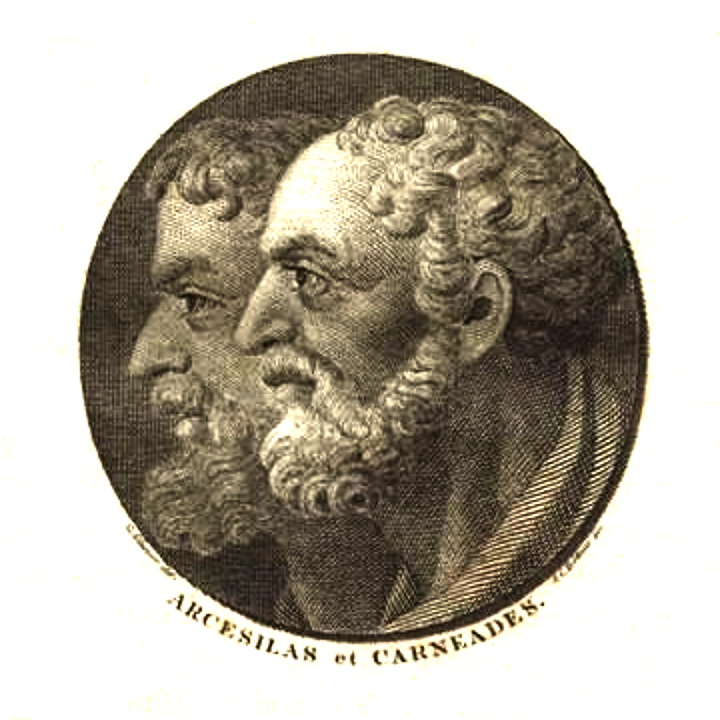
Arcesilaus of Pitane
315 BCE – 241 BCE
Pitane (Aeolis)
Greek Academic skeptic from Pitane who led Plato's Academy in Athens, attacked Stoic cognitive impressions, argued for suspension of assent, and framed practical action without dogmatic belief.
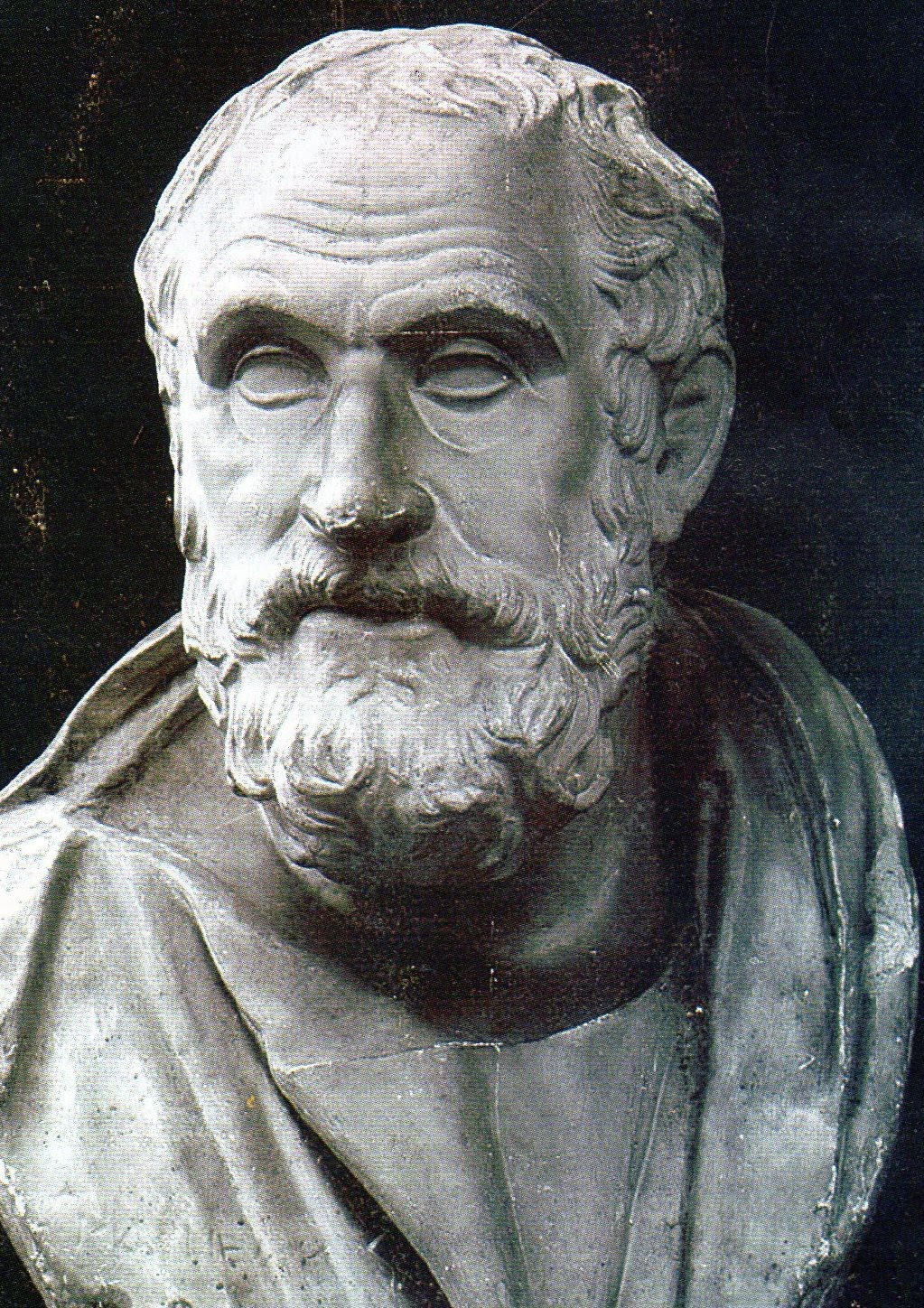
Carneades of Cyrene
214 BCE – 129 BCE
Cyrene (Cyrenaica)
Cyrenaic Greek Academic skeptic who led the New Academy, challenged Stoic certainty, developed the pithanon as practical guidance, argued on both sides of disputed questions, and made suspension of assent central to Hellenistic epistemology.
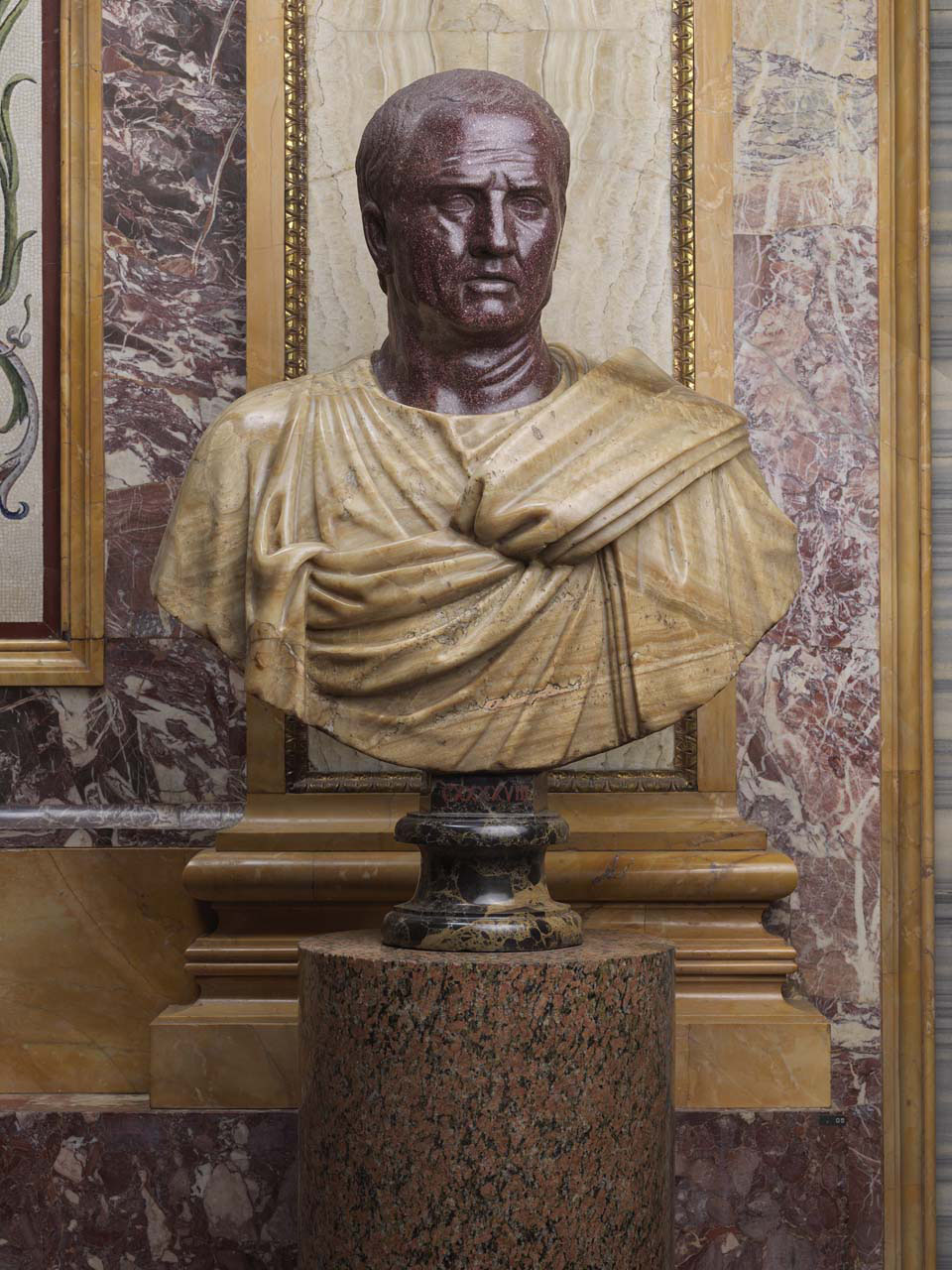
Cicero (Marcus Tullius Cicero)
106 BCE – 43 BCE
Arpinum, Roman Republic
Roman statesman, orator, lawyer, and philosopher who turned Greek ethics, skepticism, theology, rhetoric, and republican political thought into enduring Latin civic philosophy.