Empiricism
Early modern and British philosophical tradition grounding knowledge in experience, observation, experiment, sensory ideas, induction, probable reasoning, and critique of innate ideas, centered here on Bacon, Locke, and Hume.
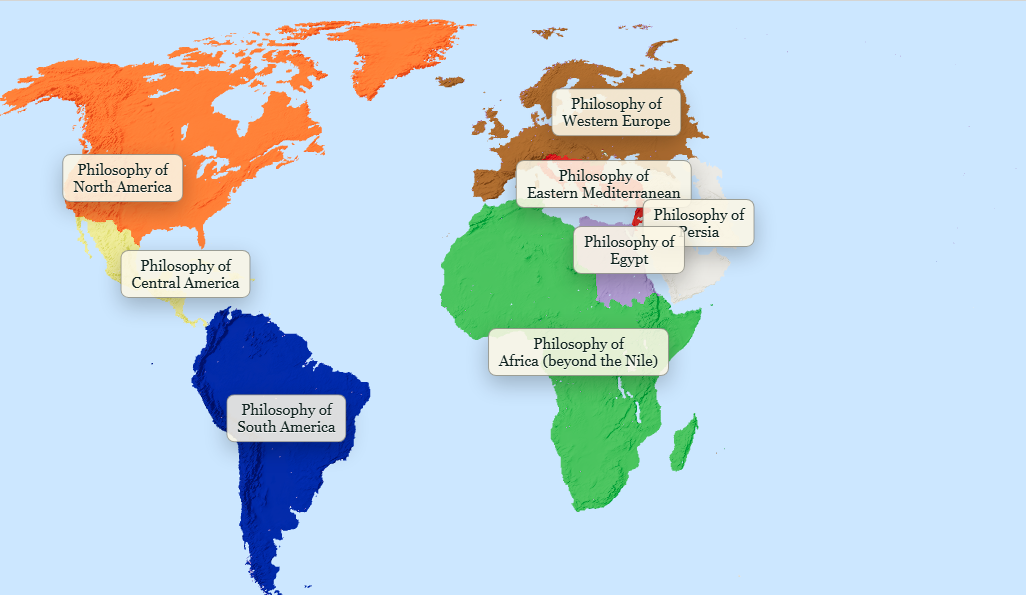

Structural Factors
- Shared Core Claims
- Knowledge begins in experience rather than innate ideas alone; observation, experiment, sensation, reflection, induction, and probable reasoning constrain legitimate claims about nature, mind, morals, and human understanding.
- Shared Methods
- Observation, experiment, induction, anti-scholastic method, critique of innate ideas, analysis of ideas, copy-principle reasoning, naturalistic inquiry, probability, and source-critical limits on speculative reason.
- Shared Lineage
- The school runs from Baconian experimental method through Locke's theory of ideas and critique of innateness to Hume's naturalistic and skeptical empiricism, with Berkeley, Mill, logical empiricism, and naturalized epistemology as later context and reception.
- Shared Problems
- Experience, ideas, perception, abstraction, substance, causation, induction, skepticism, external world, primary and secondary qualities, scientific method, probability, personal identity, moral sentiment, and the relation between empiricism and rationalism.
- Shared Vocabulary
- experience, observation, experiment, induction, idea, sensation, reflection, impression, copy principle, custom, habit, probability, innate ideas, tabula rasa, primary qualities, secondary qualities, cause, evidence, and natural philosophy.
- Shared Historical Context
- Empiricism developed in early modern Britain and Ireland amid the Scientific Revolution, anti-scholastic reform, experimental natural philosophy, Enlightenment inquiry, and debates with rationalism, skepticism, and later Kantian philosophy.
Defining Axes
- Doctrine
- Empiricism treats experience as the source, test, or limit of knowledge, while differing internally over perception, substance, causation, abstraction, external objects, and whether skeptical results must follow.
- Method
- Its method privileges observation, experiment, careful description of ideas and impressions, inductive procedure, probability, historical and psychological explanation, and resistance to unsupported metaphysical speculation.
- Lineage
- The lineage joins Bacon, Locke, Berkeley, Hume, later associationists and Mills, nineteenth-century scientific naturalism, logical empiricism, and contemporary empiricist and naturalized approaches to knowledge.
- Subject Focus
- The school focuses on epistemology, scientific method, philosophy of mind, perception, language, metaphysics, causation, moral psychology, political and religious knowledge, and philosophy of science.
- Geography / Culture
- Its main early modern centers are England, Scotland, and Ireland, with broader European and Atlantic reception through print culture, scientific societies, universities, salons, and later analytic and scientific philosophy.
- Historical Reaction
- Empiricism reacts against scholastic authority, speculative metaphysics, rationalist innate ideas, unchecked deduction, and philosophical systems that detach knowledge from experience, experiment, observation, and human psychology.
Internal Structure
- Foundational Texts
- Foundational texts include Bacon's Novum Organum and Advancement of Learning, Locke's Essay Concerning Human Understanding, Hume's Treatise, Enquiry Concerning Human Understanding, and Enquiry Concerning the Principles of Morals, plus Berkeley, Mill, logical empiricist, and naturalist reception.
- Core Vocabulary
- Experience, sense, sensation, reflection, idea, impression, association, induction, experiment, observation, method, evidence, innate, abstraction, substance, quality, cause, custom, habit, probability, skepticism, and naturalism.
- Metaphysics
- Empiricist metaphysics is restrained by experience: it questions substance, necessary connection, abstract essences, and speculative entities while allowing inquiry into objects, qualities, minds, causes, and nature as far as evidence permits.
- Epistemology
- Its epistemology holds that human knowledge is acquired through sensation, reflection, experiment, and probable inference, while exposing limits around causation, induction, external objects, personal identity, and necessary truths.
- Ethics
- Empiricist ethics tends to ground moral understanding in human psychology, sentiment, utility, sympathy, habituation, and observable social effects rather than in innate moral ideas or purely a priori rational intuition.
- Method
- The school method combines Baconian induction, Locke's examination of ideas and faculties, Hume's science of human nature, empirical restraint, and constant testing of theory against experience and practice.
- Internal Debates
- Internal debates concern Baconian method versus Lockean psychology, Berkeley's immaterialism, Humean skepticism, ideas and impressions, abstraction, primary and secondary qualities, causation, induction, religious knowledge, and the later relation to logical empiricism.
- Successors
- Successors and receptions include associationism, utilitarianism, positivism, logical empiricism, pragmatism, scientific naturalism, analytic epistemology, philosophy of science, cognitive science, and contemporary empiricist naturalism.
External Classification Context
- History of Philosophy
- Empiricism is one of the central early modern traditions and is commonly paired with rationalism, shaping the Scientific Revolution, Enlightenment philosophy, Kant's response, and later analytic and scientific philosophy.
- Philosophy of Philosophy
- It treats philosophy as inquiry answerable to experience, method, evidence, and human cognitive limits rather than as free speculative construction from allegedly innate or purely rational principles.
- Intellectual History
- Empiricism spread through printed books, scientific academies, correspondence networks, universities, religious and political controversy, Scottish Enlightenment debates, and later historiography of early modern philosophy.
- University Classification
- Usually classified under early modern philosophy, British empiricism, epistemology, philosophy of mind, metaphysics, philosophy of science, scientific method, Enlightenment philosophy, and history of philosophy.
- Classical Sources
- Primary evidence comes from Bacon, Locke, Berkeley, Hume, early modern editions, letters, scientific and philosophical controversies, later Enlightenment responses, Kantian reception, and modern critical editions and scholarship.
- Sociology of Knowledge
- The school persisted through book circulation, learned societies, experimental institutions, universities, canon formation around Bacon-Locke-Berkeley-Hume, textbook narratives, journal scholarship, and later analytic and philosophy-of-science reception.
Linked Philosophers
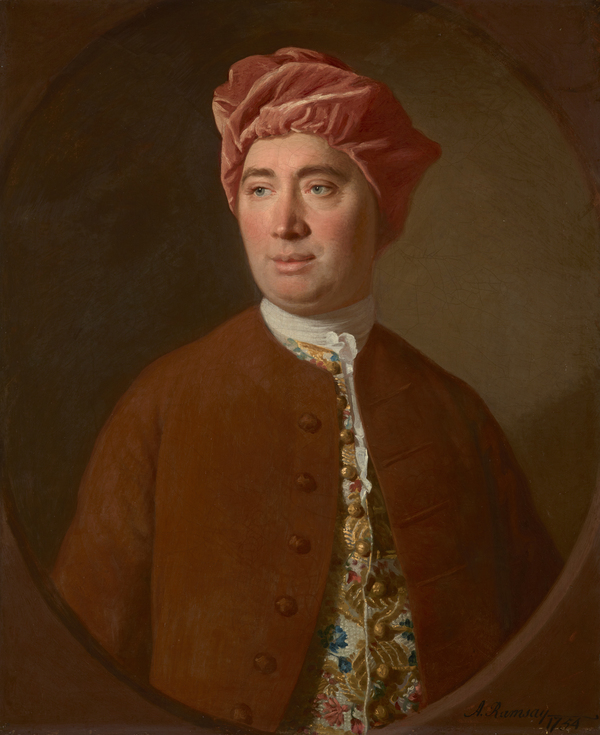
David Hume
1711 CE – 1776 CE
Edinburgh
Scottish Enlightenment philosopher who transformed empiricism, skepticism, moral psychology, aesthetics, political economy, natural religion, and the philosophy of science through a systematic science of human nature.
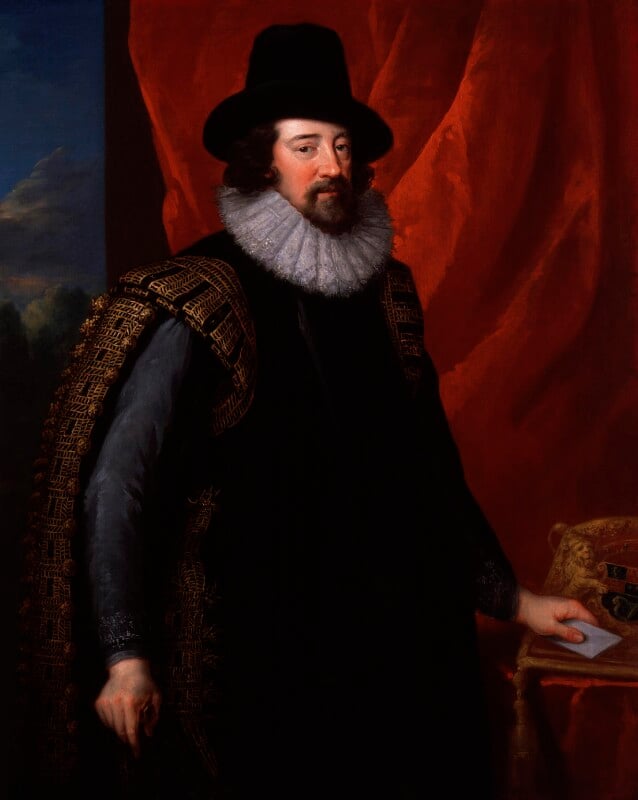
Francis Bacon
1561 CE – 1626 CE
York House, Strand, London
English philosopher-statesman whose reform of learning, critique of idols, and experimental natural history helped shape early modern empiricism and the philosophy of science.
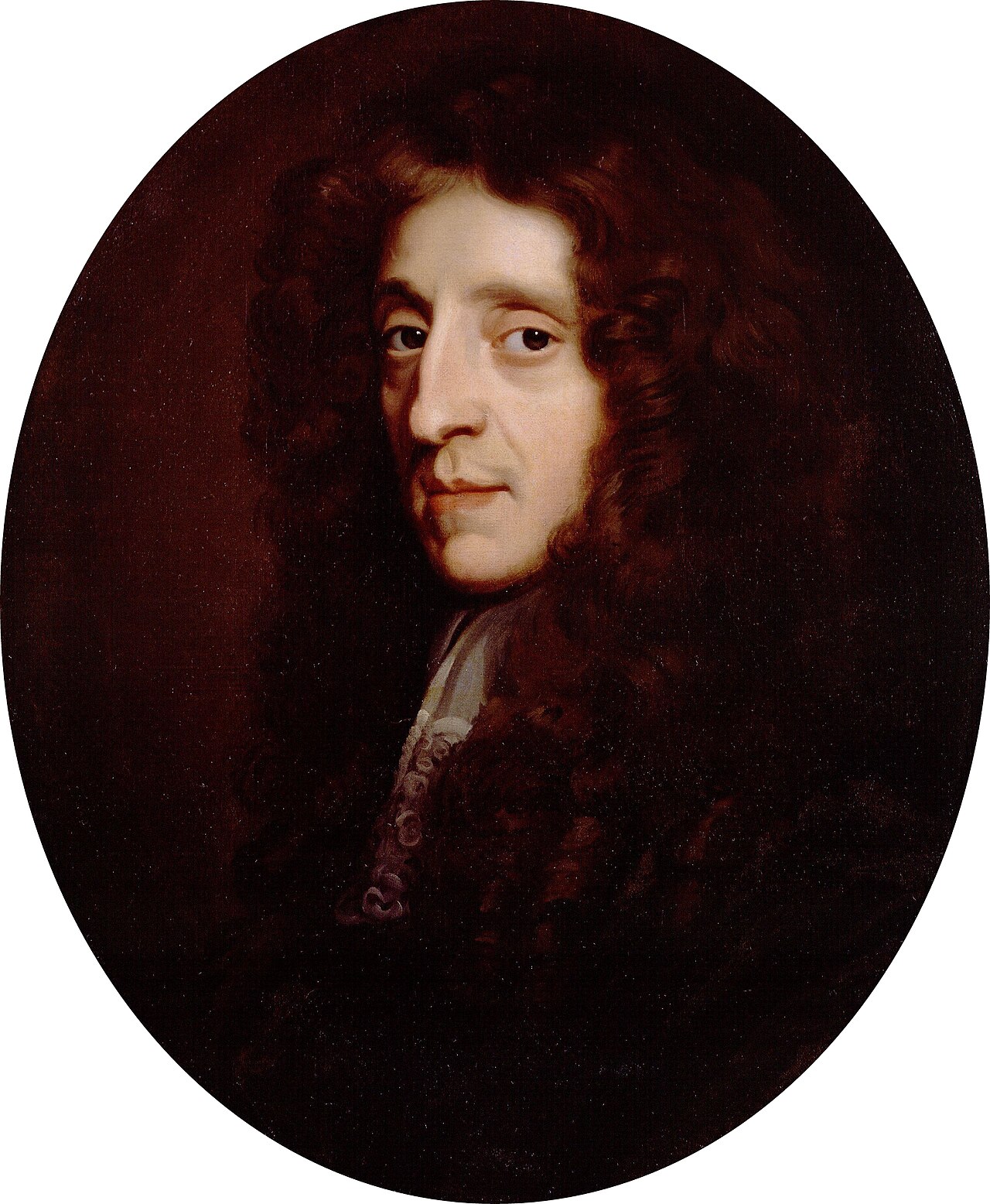
John Locke
1632 CE – 1704 CE
Wrington, Somerset
English early modern empiricist and liberal political philosopher of human understanding, toleration, natural law, personal identity, education, monetary thought, rational Christianity, and the limits of knowledge.