Humanism
Renaissance intellectual tradition centered on the studia humanitatis, classical recovery, grammar, rhetoric, history, poetry, moral philosophy, philology, eloquence, education, civic and ethical formation, textual criticism, and renewed attention to human dignity and agency.
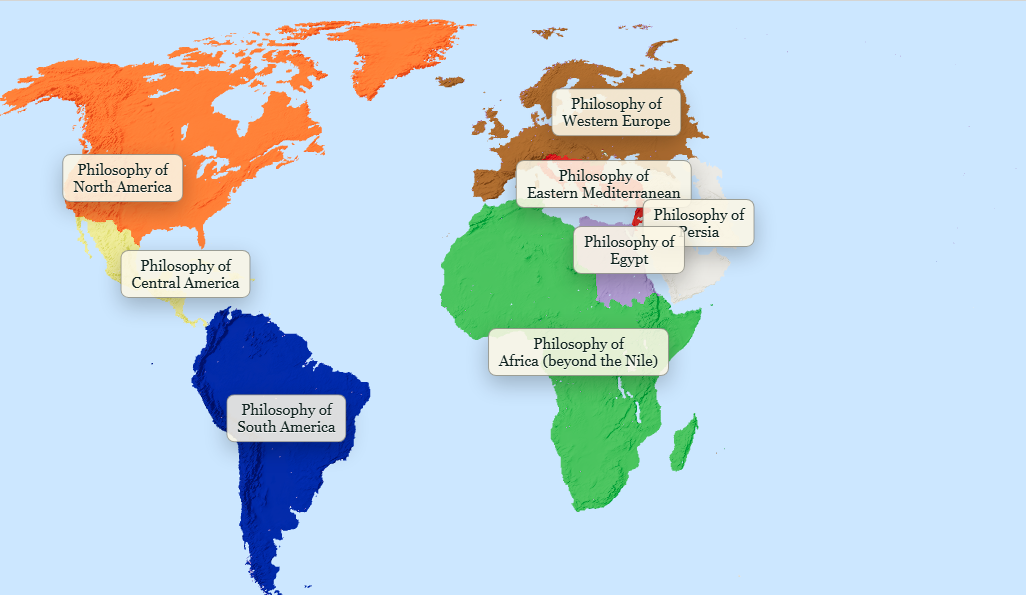
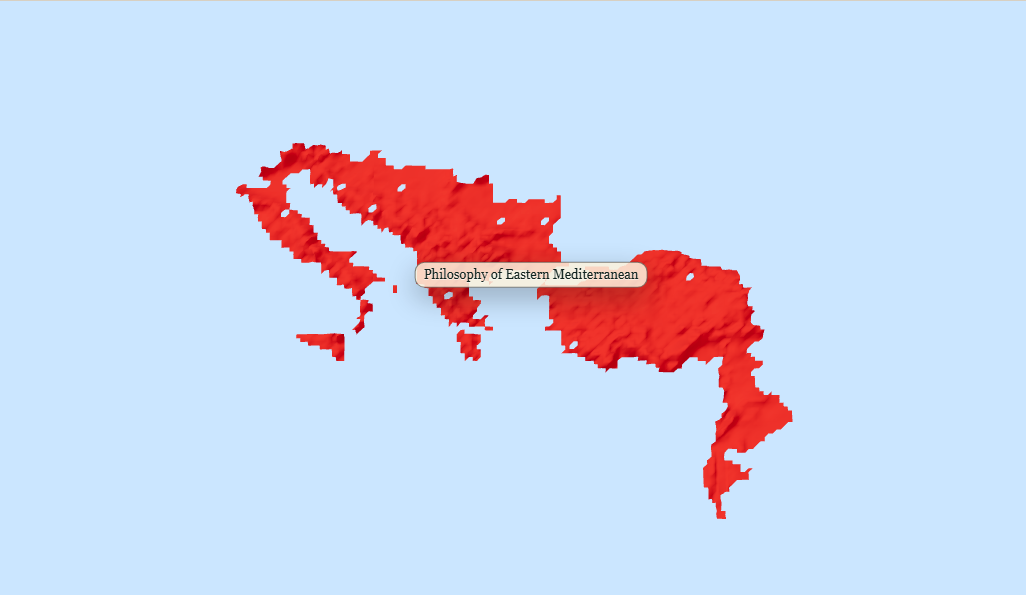
Structural Factors
- Shared Core Claims
- Humane learning forms judgment, eloquence, virtue, civic responsibility, and historical self-understanding by recovering classical and patristic sources, refining language, and directing education toward moral and public life.
- Shared Methods
- Philology, ad fontes recovery, rhetoric, moral exempla, textual criticism, historical consciousness, classical imitation, educational reform, dialogue, civic counsel, manuscript comparison, and critique of scholastic Latin and inherited authorities.
- Shared Lineage
- Renaissance humanism draws on Cicero, Quintilian, Seneca, Plato, patristic learning, medieval grammar and rhetoric, Petrarch, Christine de Pizan, Valla, Pico, Vives, Italian and northern humanist networks, printers, schools, courts, and republics of letters.
- Shared Problems
- Humanism versus scholasticism, classical pagan learning and Christianity, rhetoric and philosophy, dignity of man, women's learning, civic virtue, textual forgery, education, moral reform, Renaissance Platonism, Christian humanism, and eloquence and truth.
- Shared Vocabulary
- studia humanitatis, humanitas, ad fontes, eloquence, rhetoric, grammar, philology, moral philosophy, history, poetry, imitation, dignity, civic virtue, letters, textual criticism, classical learning, education, and reform.
- Shared Historical Context
- The school belongs to late medieval and Renaissance Europe, especially Italian city-states and northern humanist networks shaped by manuscript recovery, courts, chanceries, universities, printing, patronage, Christian reform, and classical scholarship.
Defining Axes
- Doctrine
- Its doctrine is a program of humane formation: grammar, rhetoric, history, poetry, and moral philosophy should cultivate eloquent, historically alert, ethically responsible persons capable of judgment and public counsel.
- Method
- Its method works through source recovery, philological correction, rhetorical training, commentary, translation, dialogue, letters, educational treatises, textual criticism, and morally charged imitation of classical exemplars.
- Lineage
- The lineage runs from Roman and Greek literary-philosophical models through Petrarchan recovery, civic and court humanism, Valla's philology, Pico's dignity and Platonism, Christine's learned authorship, Vives's pedagogy, and Renaissance studies.
- Subject Focus
- Humanism focuses on ethics, education, rhetoric, language, history, poetry, political counsel, religion and classical culture, textual authority, human dignity, women's learning, civic life, and the formation of judgment.
- Geography / Culture
- Its core geography is Italy, France, Iberia, England, the Low Countries, and wider western and central Europe, with important movement through courts, city-republics, universities, printers, libraries, and transnational correspondence.
- Historical Reaction
- It reacts against narrow scholastic Latin, unexamined authority, textual corruption, ahistorical reading, poor education, civic and moral decadence, and a curriculum that neglects eloquence, historical memory, and humane ethical formation.
Internal Structure
- Foundational Texts
- Foundational texts include Petrarch's humanist writings and letters, Christine de Pizan's political and ethical works, Valla's Elegantiae and Donation of Constantine critique, Pico's Oration on the Dignity of Man and 900 Theses, Vives's educational, psychological, and social writings, and recovered works of Cicero, Quintilian, Seneca, Plato, and the Church Fathers.
- Core Vocabulary
- Core vocabulary includes studia humanitatis, humanitas, ad fontes, bonae litterae, eloquentia, philology, rhetoric, grammar, history, poetry, moral philosophy, dignity, imitation, exemplar, textual criticism, antiquity, letters, and education.
- Metaphysics
- Renaissance humanism is not a single metaphysics, but it often assumes human agency, providence, dignity, moral freedom, historical contingency, and, in Platonist strands, an ordered cosmos in which human beings mediate intellectual and earthly life.
- Epistemology
- Its epistemology values linguistic precision, textual evidence, historical context, comparison of manuscripts, prudent judgment, moral experience, classical authority tested by criticism, and the cultivated reader's ability to discriminate genuine from corrupt transmission.
- Ethics
- Its ethics emphasizes moral education, virtue, prudence, eloquence, dignity, friendship, civic responsibility, women's intellectual capacity, reform of manners, truthful speech, and the use of learning for humane and public ends.
- Method
- Humanist method uses grammar, rhetoric, philology, translation, commentary, letters, dialogues, source criticism, historical recovery, educational design, literary imitation, and public counsel to join eloquence with ethical judgment.
- Internal Debates
- Internal debates concern rhetoric and philosophy, pagan classics and Christianity, active and contemplative life, women's learning, civic service, courtly patronage, Valla's textual criticism, Pico's synthesis, scholastic opposition, and northern Christian humanist reform.
- Successors
- Successors include Christian humanism, civic humanism, Renaissance Platonism, humanist education, textual criticism, classical scholarship, early modern philology, republican rhetoric, Reformation-era biblical scholarship, and modern Renaissance studies.
External Classification Context
- History of Philosophy
- Renaissance humanism shifted philosophy toward philology, rhetoric, moral formation, historical consciousness, education, and classical recovery, reshaping how early modern thinkers understood texts, authority, dignity, and public reasoning.
- Philosophy of Philosophy
- It treats philosophy as humane wisdom formed through language, historical learning, moral exempla, and public eloquence, not only as technical disputation or abstract system.
- Intellectual History
- Its history depends on manuscript hunting, libraries, schools, courts, chanceries, women writers, patrons, universities, printing, translation, antiquarian scholarship, correspondence networks, and the changing authority of classical and Christian sources.
- University Classification
- Usually classified under Renaissance philosophy, Renaissance humanism, intellectual history, classics reception, history of rhetoric, history of education, textual criticism, literature, political thought, and early modern studies.
- Classical Sources
- Primary evidence includes letters, orations, dialogues, translations, educational treatises, philological works, manuscript corrections, classical editions, polemics, histories, poetry, and early printed books by Petrarch, Christine, Valla, Pico, Vives, and related humanists.
- Sociology of Knowledge
- Humanism spread through tutors, schools, courts, chanceries, academies, convents and households of learned women, patrons, libraries, printers, book markets, correspondence, universities, and later scholarly institutions devoted to Renaissance studies.
Linked Philosophers
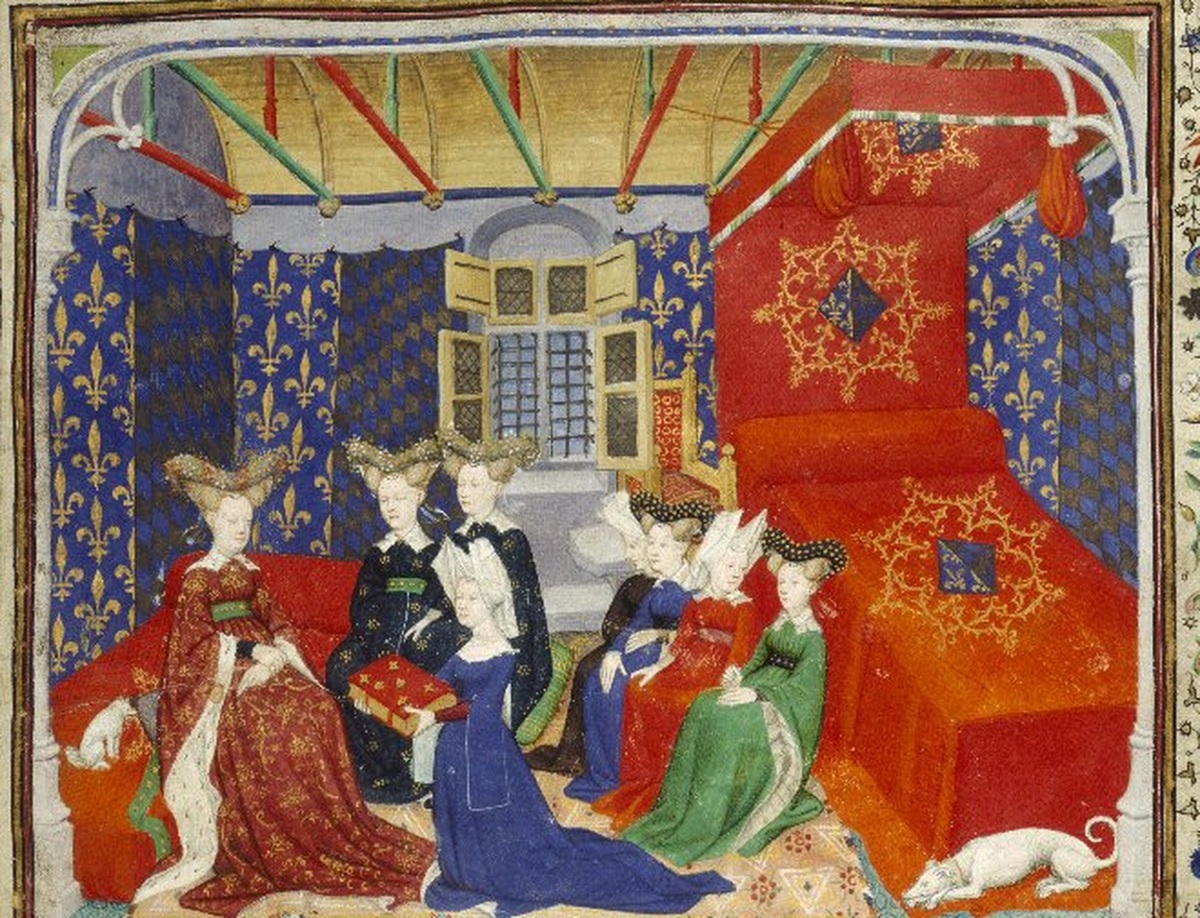
Christine de Pizan
1364 CE – 1430 CE
Venice, Republic of Venice
Late medieval writer and political thinker whose defenses of women, education, virtue, wise rule, and responsible speech made manuscript authorship, courtly debate, and civic ethics central to early Renaissance philosophy.
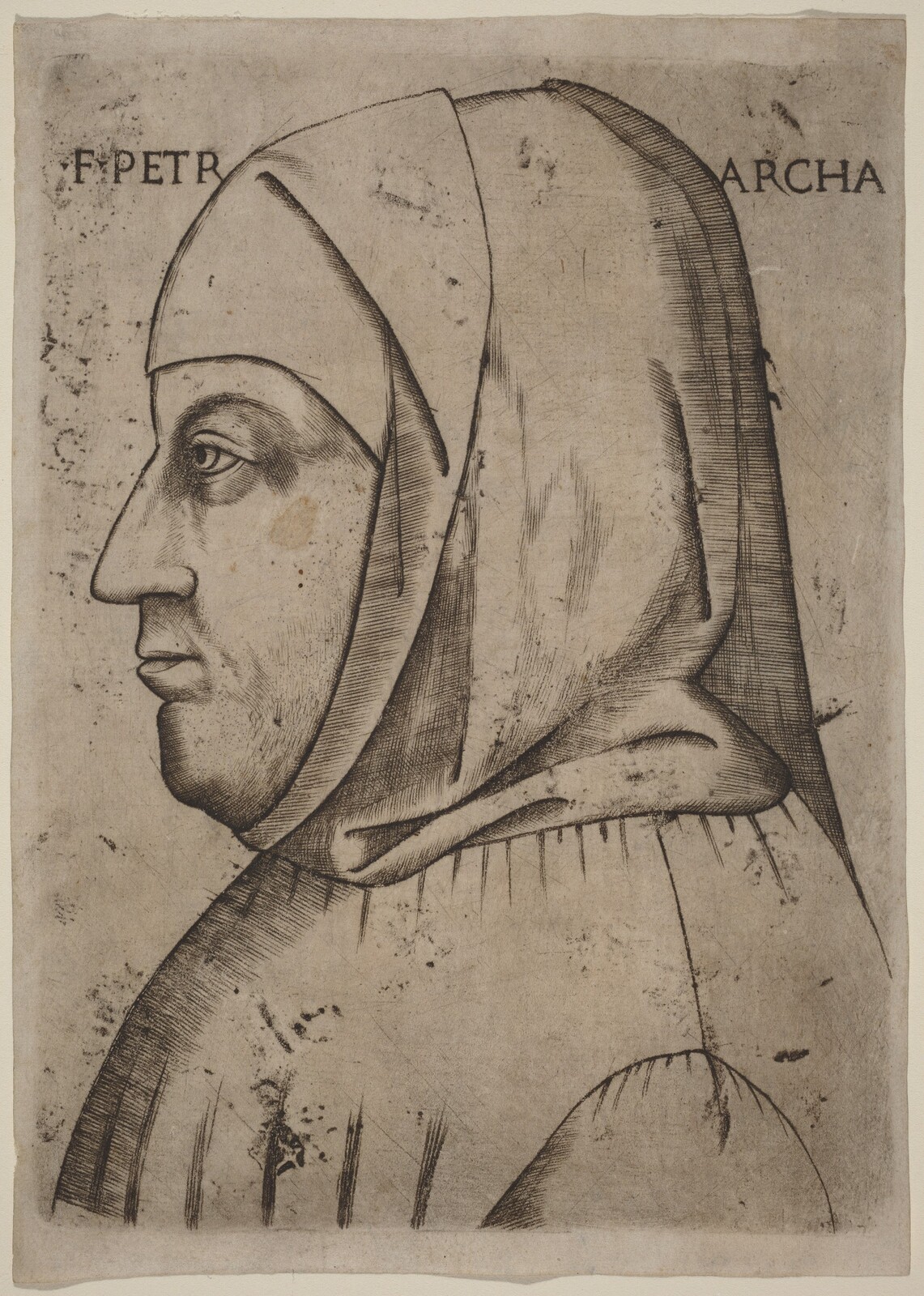
Francesco Petrarca
1304 CE – 1374 CE
Arezzo
Italian poet-scholar and Christian humanist whose classical recovery, introspective moral writing, and vernacular lyric helped define Renaissance humanism and later Petrarchism.
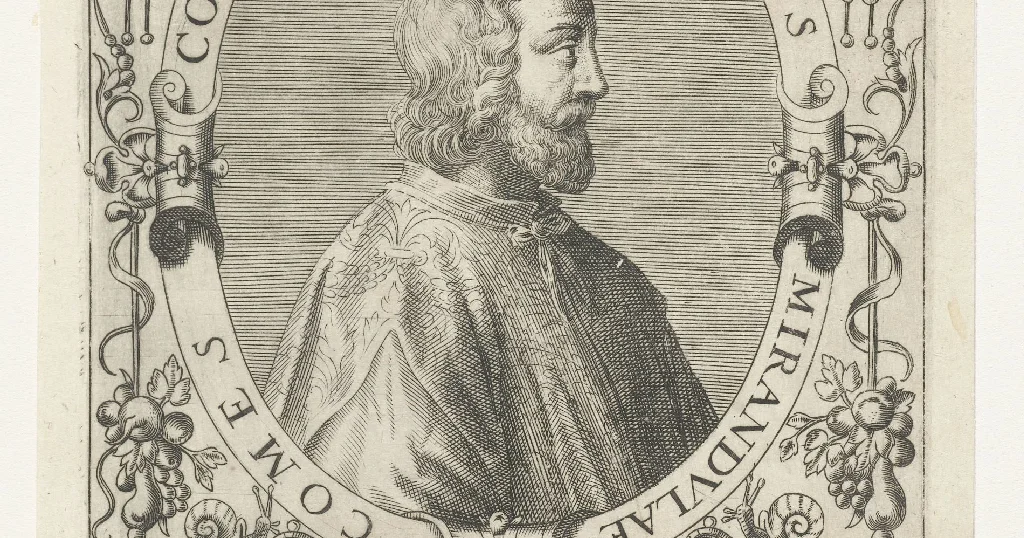
Giovanni Pico della Mirandola
1463 CE – 1494 CE
Mirandola, Duchy of Ferrara
Italian Renaissance humanist philosopher of human dignity, free self-fashioning, syncretic metaphysics, Platonist-Aristotelian concord, Christian Kabbalah, love and beauty, and critique of predictive astrology.
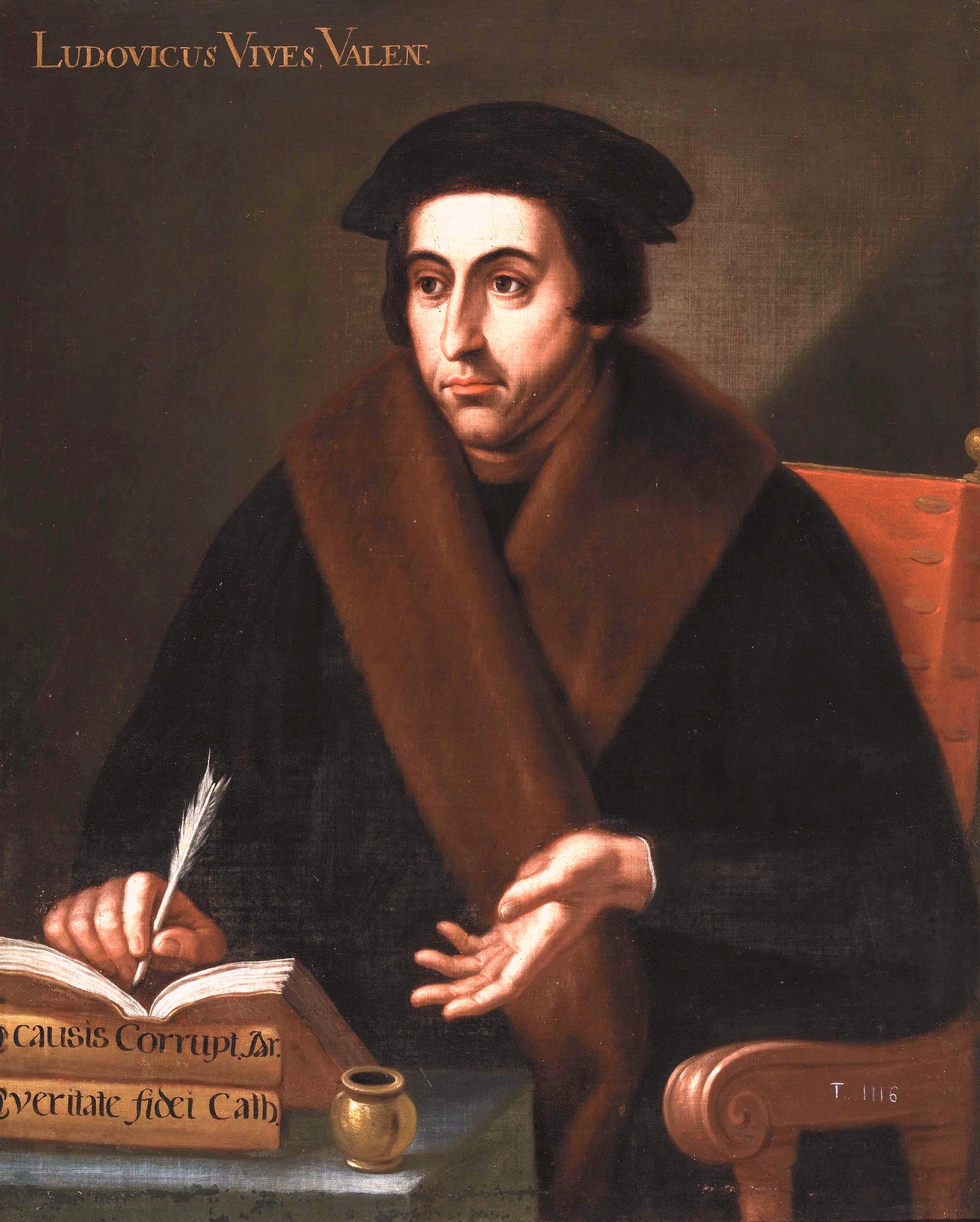
Juan Luis Vives
1493 CE – 1540 CE
Valencia
Valencian Spanish Renaissance humanist philosopher of education, psychology, language, rhetoric, poor relief, peace, Christian reform, women's education, and the renewal of the disciplines.
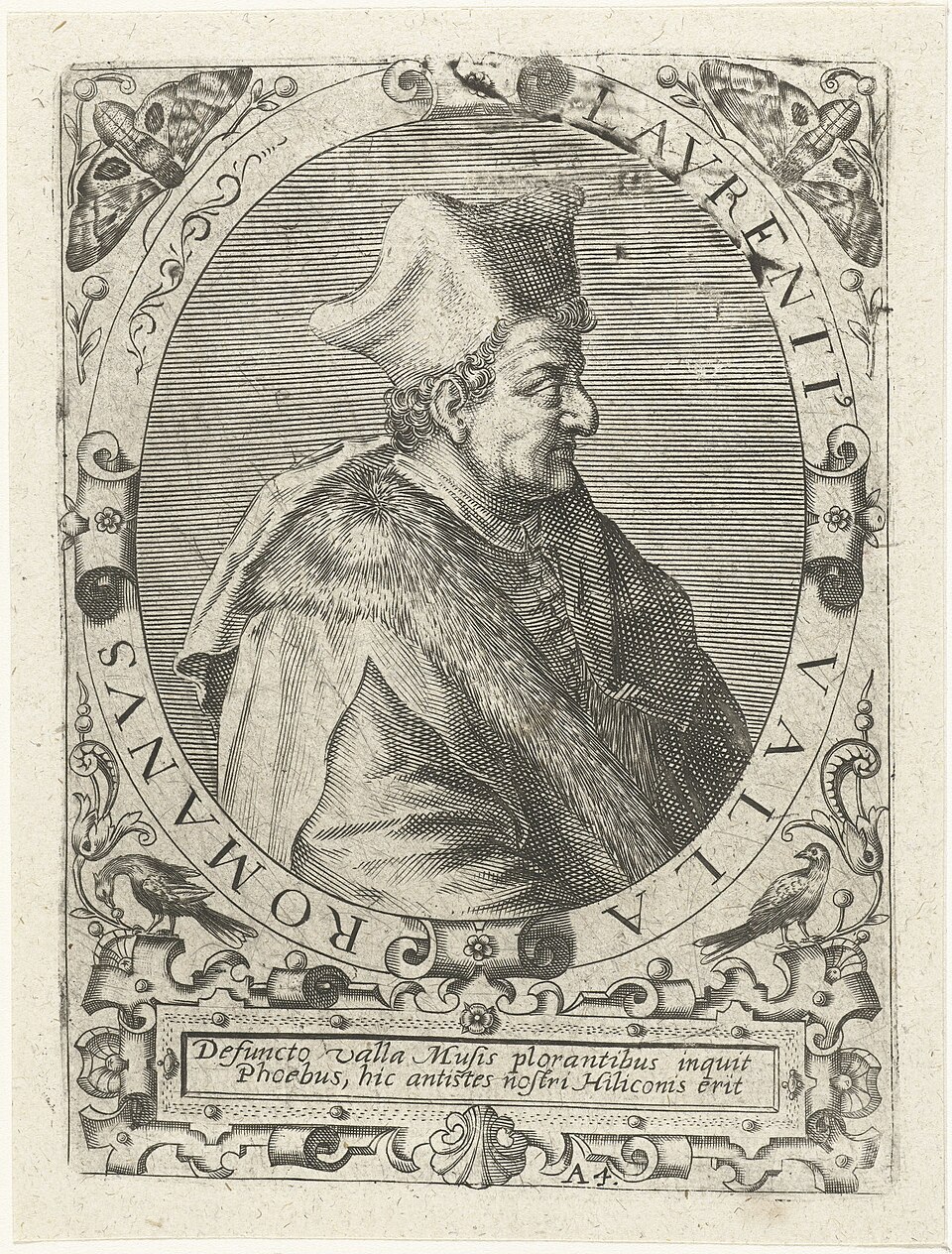
Lorenzo Valla
1407 CE – 1457 CE
Rome
Italian Renaissance humanist, philologist, philosopher, textual critic, translator, and Catholic priest whose critique of scholasticism, Latin style, biblical scholarship, and exposure of the Donation of Constantine reshaped humanist method.