Philosophy School
Realism
Political and international-relations current associated with Machiavelli, Thucydides, Hobbes, Clausewitz, Carr, Morgenthau, Niebuhr, and Waltz, emphasizing power, security, prudence, state interest, conflict, sovereignty, balance, and the limits of moral idealism in politics.
Period
Early Modern History1500 CE – 1799 CE
Era
Renaissance and Reformation1500 CE – 1599 CE
Begin
1469 CE
End
1527 CE

Structural Factors
- Shared Core Claims
- Realism holds that political life is constrained by power, conflict, fear, ambition, scarcity, and institutional weakness. States and rulers must attend to security, interest, prudence, and consequences rather than assuming that moral aspiration or law alone can govern politics.
- Shared Methods
- The school uses historical analysis, statecraft, prudential judgment, strategic comparison, diagnosis of power relations, critique of utopian politics, study of war and diplomacy, institutional realism, political psychology, and analysis of consequences under constraint.
- Shared Lineage
- The lineage runs from Thucydides, classical statecraft, Roman historiography, Machiavelli, Hobbes, raison d’état, balance-of-power traditions, Clausewitz, Weber, Carr, Morgenthau, Niebuhr, Herz, Waltz, and later classical, structural, neoclassical, and critical realist debates.
- Shared Problems
- Central problems include how rulers preserve political order, why states compete, how security dilemmas arise, whether morality applies differently in politics, how power should be balanced, how prudence limits idealism, and whether international anarchy makes conflict recurrent.
- Shared Vocabulary
- Key terms include realism, political realism, realpolitik, power politics, national interest, raison d’état, sovereignty, anarchy, security dilemma, balance of power, prudence, necessity, fortuna, virtù, order, war, diplomacy, hegemony, and tragic politics.
- Shared Historical Context
- Political realism develops from ancient histories of war, Renaissance statecraft, early modern sovereignty, religious and civil conflict, European diplomacy, balance-of-power politics, world wars, Cold War strategy, and twentieth-century international-relations theory.
Defining Axes
- Doctrine
- Doctrinally, realism is defined by the priority of political order, security, power, prudence, and interest under conditions where moral consensus, legal enforcement, and institutional cooperation are fragile or contested.
- Method
- Its method is historical and strategic: examine actual political behavior, identify constraints, test ideals against power and incentives, assess consequences, and judge policies by whether they preserve order, independence, security, and political survival.
- Lineage
- The lineage runs from Thucydides and Machiavelli through Hobbes, raison d’état, Clausewitz, Weber, Carr, Morgenthau, Niebuhr, Waltz, and later realist international-relations theory, with Machiavelli as the currently linked site philosopher.
- Subject Focus
- Realism focuses on political philosophy, international relations, war, diplomacy, sovereignty, statecraft, ethics of power, political psychology, security, balance of power, institutions, foreign policy, and critiques of idealist political theory.
- Geography / Culture
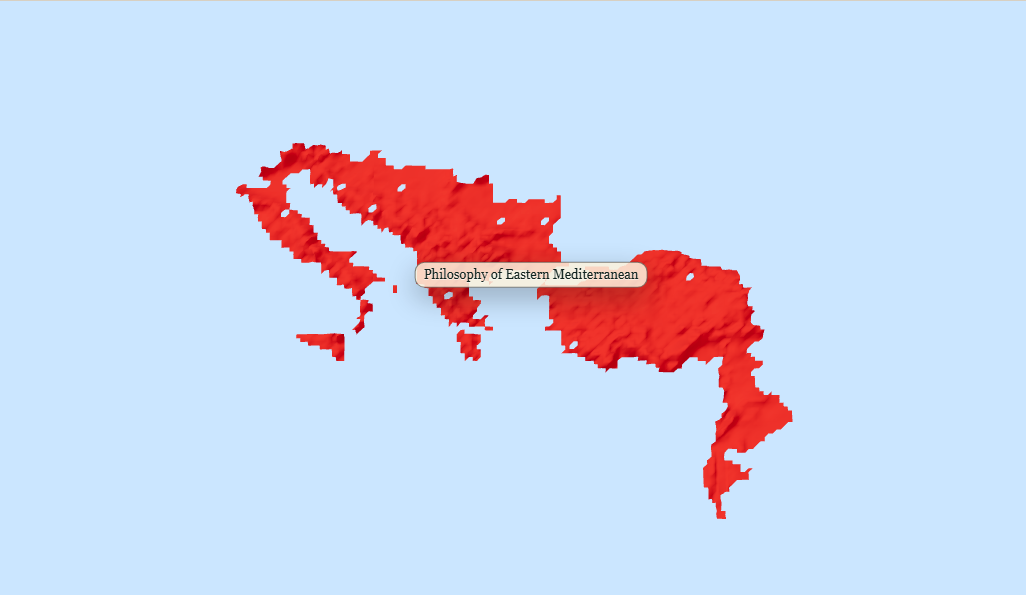
- The tradition is rooted in Greek, Italian, English, German, French, and American political thought, with major contexts in Florence, early modern Europe, European diplomacy, Anglo-American international relations, and global debates over state power and security.
- Historical Reaction
- Realism responds to moralized mirrors-for-princes, scholastic and religious political authority, liberal internationalism, legal idealism, revolutionary optimism, pacifism, utopian plans for peace, and failures of institutions to prevent war or domination.
Internal Structure
- Foundational Texts
- Foundational texts include Thucydides's History, Machiavelli's The Prince and Discourses, Hobbes's Leviathan, Clausewitz's On War, Weber's political writings, Carr's The Twenty Years' Crisis, Morgenthau's Politics Among Nations, Niebuhr's Christian realism, and Waltz's structural realism.
- Core Vocabulary
- Core vocabulary includes power, interest, state, ruler, sovereignty, security, order, fear, ambition, prudence, necessity, war, peace, alliance, balance, diplomacy, anarchy, strategy, survival, legitimacy, and political judgment.
- Metaphysics
- Realism is not primarily metaphysical, but it assumes that politics has durable constraints rooted in human vulnerability, competition, institutional limits, uncertainty, and the absence of guaranteed harmony between moral ideals and political outcomes.
- Epistemology
- Realist epistemology distrusts abstract optimism and untested ideals, emphasizing historical experience, practical judgment, attention to incentives, tragic tradeoffs, and evidence about how rulers, states, and institutions behave under pressure.
- Ethics
- Realist ethics emphasizes prudence, responsibility, political order, restraint, tragic judgment, and care for consequences, while debating whether necessity can excuse morally troubling acts and whether public ethics differs from private morality.
- Method
- The school proceeds through historical exempla, analysis of crises, advice to rulers, diplomatic and military reasoning, critique of moralism, comparison of political systems, and later social-scientific modeling of power, security, and state behavior.
- Internal Debates
- Internal debates concern classical versus structural realism, descriptive versus prescriptive realism, ethics versus necessity, human nature versus anarchy, offensive versus defensive realism, realism's relation to nationalism, and whether realism is prudential wisdom or cynical power worship.
- Successors
- Successors include realpolitik, balance-of-power diplomacy, classical realism, Christian realism, neorealism, neoclassical realism, strategic studies, security studies, foreign-policy realism, and contemporary debates over liberal order, great-power competition, and restraint.
External Classification Context
- History of Philosophy
- Realism is a major tradition in political philosophy and international relations, challenging idealized accounts of politics by insisting that power, conflict, security, fear, and institutional weakness are central to political judgment.
- Philosophy of Philosophy
- Realism treats philosophy as disciplined political sobriety: inquiry should expose wishful thinking, clarify constraints, and guide judgment where moral aspiration must contend with power, danger, and unintended consequences.
- Intellectual History
- The tradition links ancient war history, Renaissance republican crisis, early modern sovereignty, European diplomacy, world-war disillusionment, Cold War theory, strategic studies, and ongoing disputes over international order and political morality.
- University Classification
- Classify Realism under political philosophy, international relations theory, history of political thought, ethics of war, security studies, statecraft, sovereignty, political theology, early modern philosophy, and intellectual history.
- Classical Sources
- Classical sources include Thucydides, Livy, Tacitus, Machiavelli, Hobbes, raison d’état writers, Clausewitz, Weber, Carr, Morgenthau, Niebuhr, Waltz, realist international-relations texts, and modern scholarship on political realism.
- Sociology of Knowledge
- Realism spread through diplomatic practice, military education, political counsel, historical writing, university political science, international-relations textbooks, Cold War policy institutions, think tanks, strategic studies, public commentary, and debates over foreign policy restraint.
Linked Philosophers
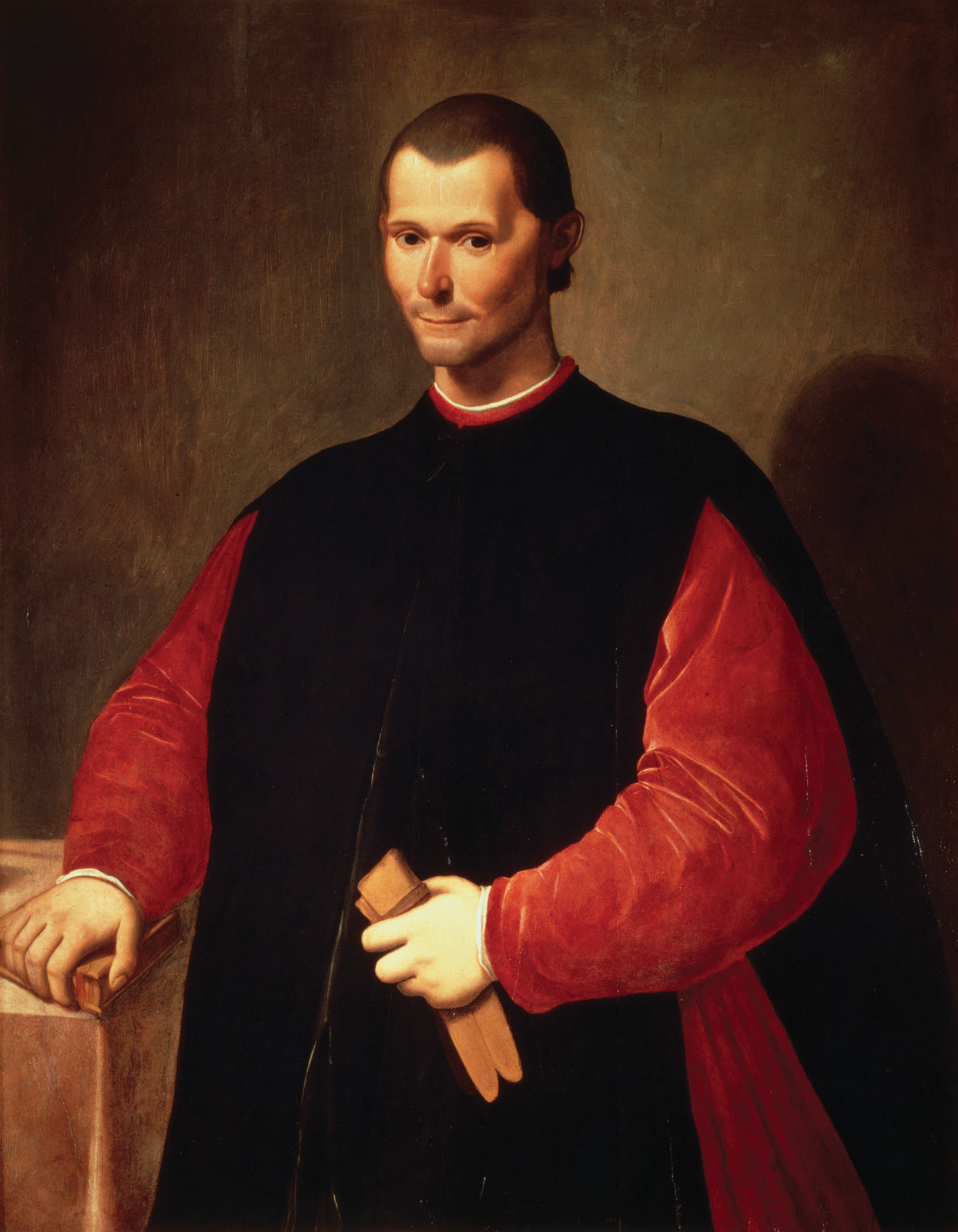
Niccolo Machiavelli
1469 CE – 1527 CE
Florence, Republic of Florence
Renaissance political philosopher of Florence, the chancery, Italian Wars, virtu, fortuna, necessity, republican liberty, civic militia, corruption, and political realism.