Western Europe
Terra Regions
Browse the narrower terra-region surfaces inside this terra avita.
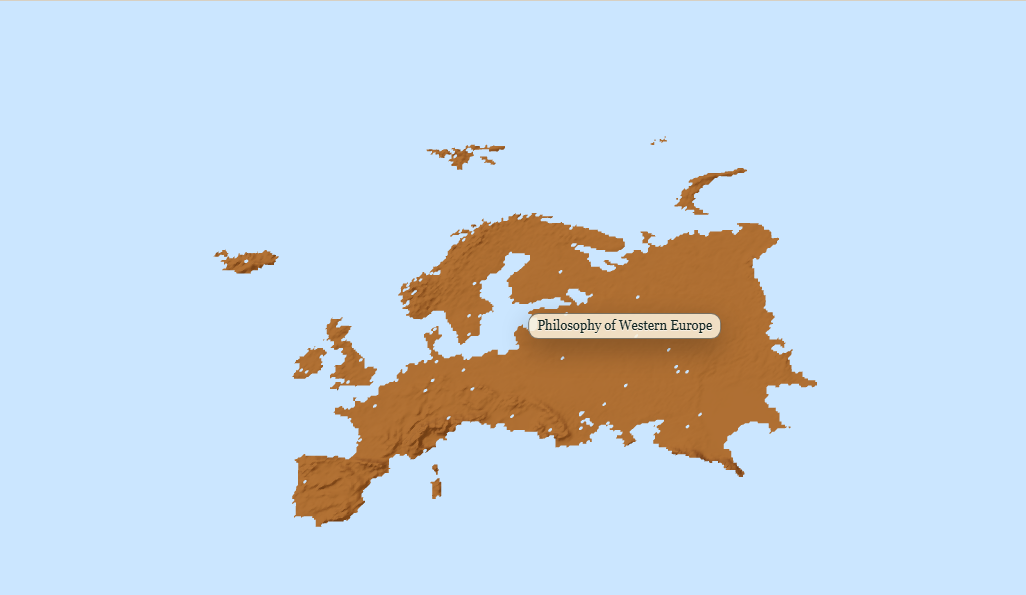
Philosophers of Western Europe
Showing 72 of 72 philosophers.
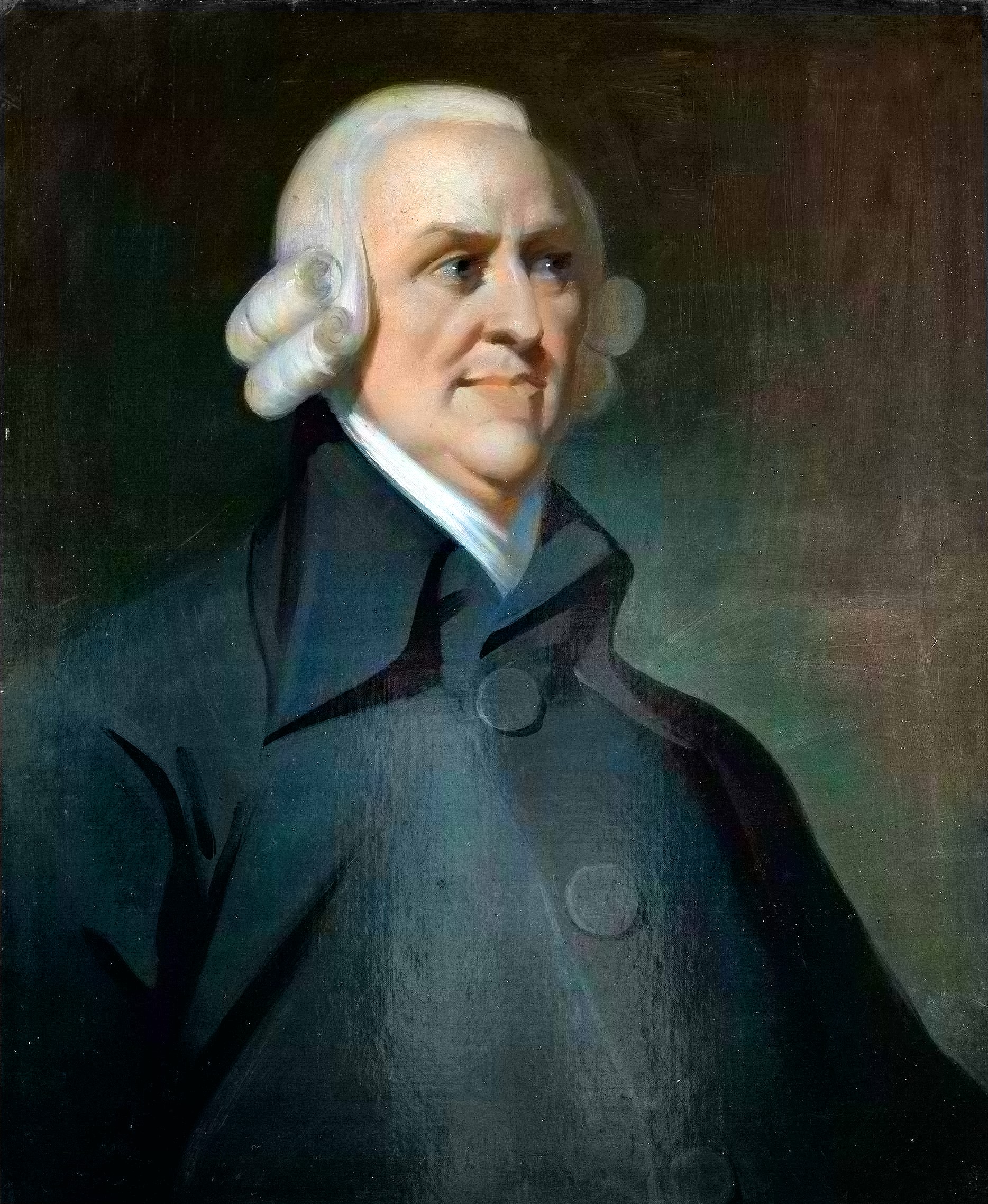
Adam Smith
1723 CE – 1790 CE
Kirkcaldy, Fife
Scottish philosopher from Kirkcaldy, Fife associated with epistemology, ethics, and political philosophy.
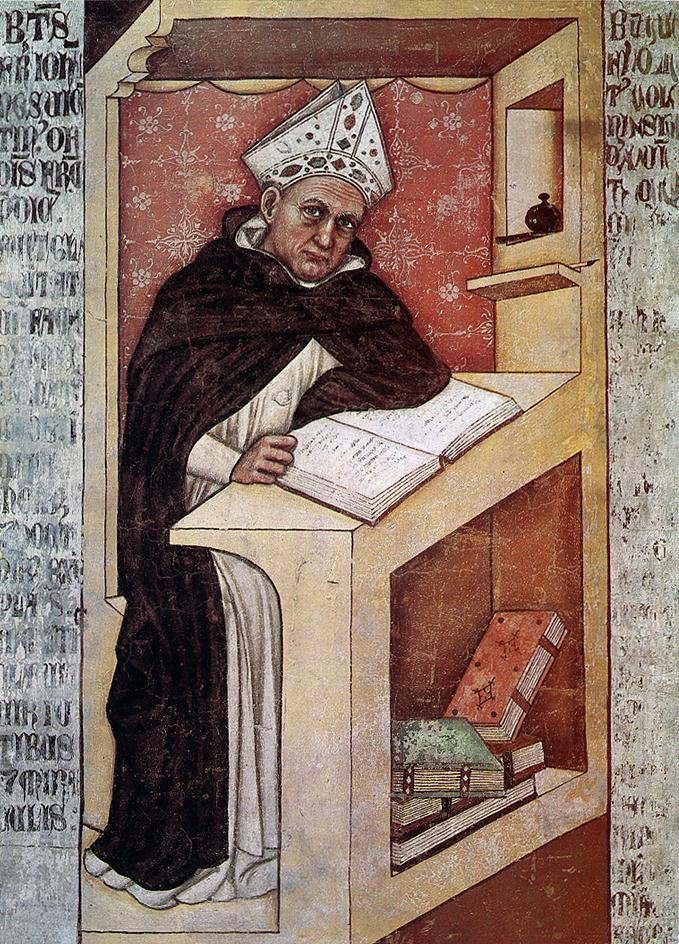
Albertus Magnus
1200 CE – 1280 CE
Lauingen (Swabia)
German Dominican philosopher and natural scientist whose Aristotelian commentaries, theology, logic, ethics, psychology, and natural philosophy shaped medieval scholastic thought.
Arne Næss
1912 CE – 2009 CE
Slemdal (Oslo)
Norwegian philosopher, mountaineer, and founder of deep ecology whose empirical semantics, argumentation theory, Ecosophy T, and ecological self-realization reshaped environmental ethics and political ecology.
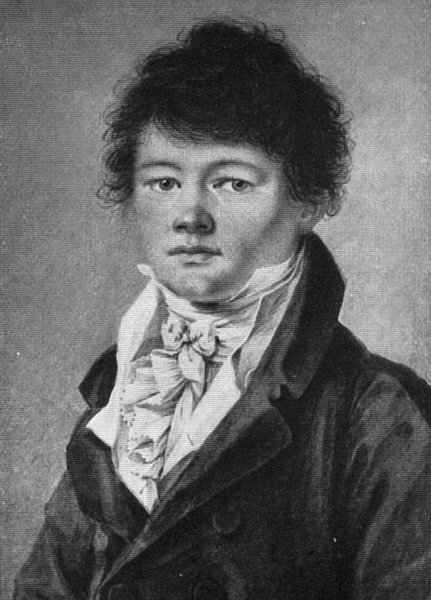
Arthur Schopenhauer
1788 CE – 1860 CE
Danzig (now Gdansk)
German philosopher from Danzig whose account of representation, blind will, pessimistic metaphysics, compassion ethics, aesthetics, and music reshaped nineteenth-century and modern philosophy.
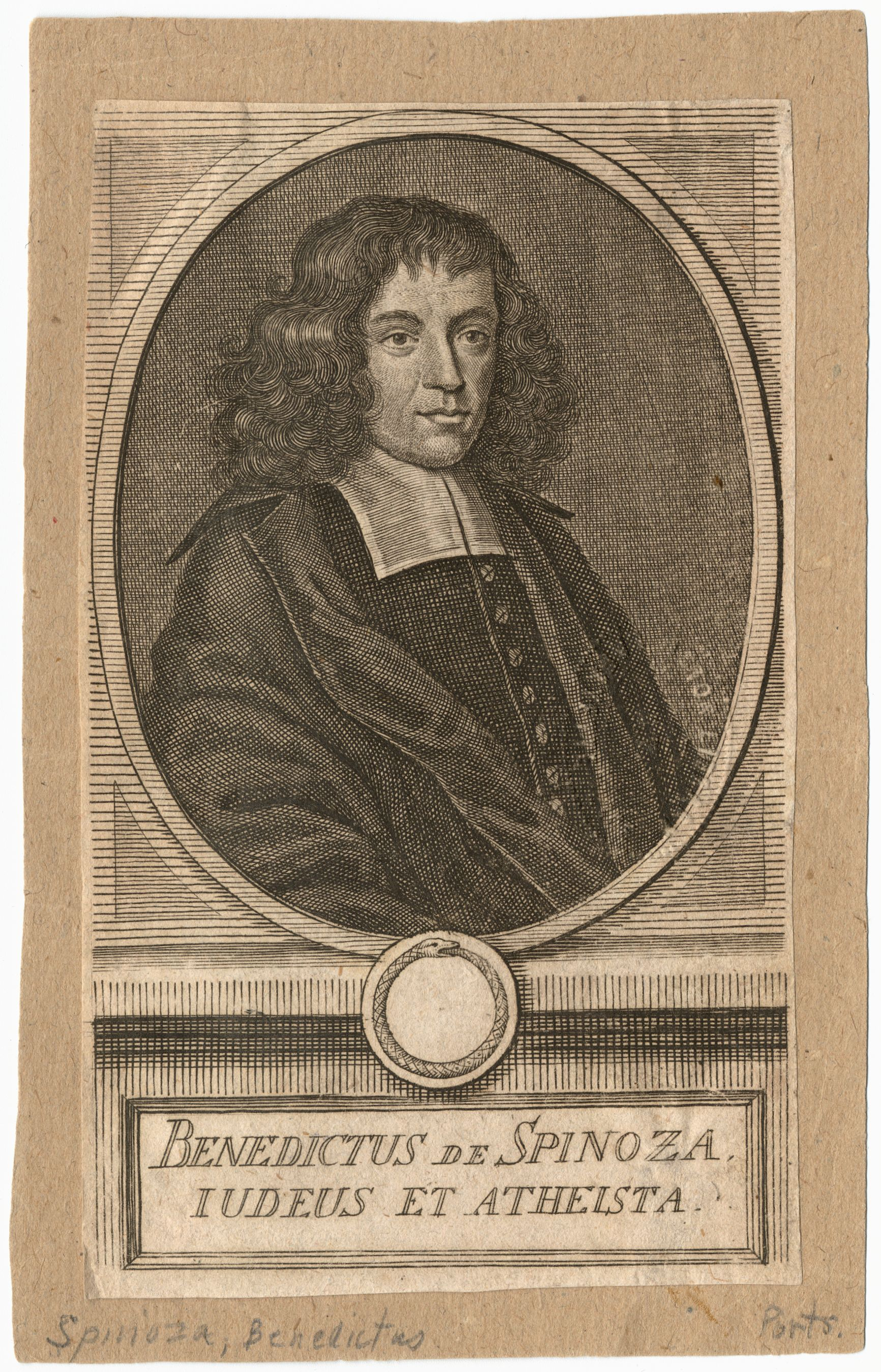
Baruch Spinoza
1632 CE – 1677 CE
Amsterdam
Dutch-Jewish rationalist philosopher from Amsterdam whose substance monism, God-or-Nature metaphysics, geometric method, theory of adequate ideas, mind-body parallelism, ethics of freedom through understanding, biblical criticism, and democratic political thought reshaped early modern philosophy.
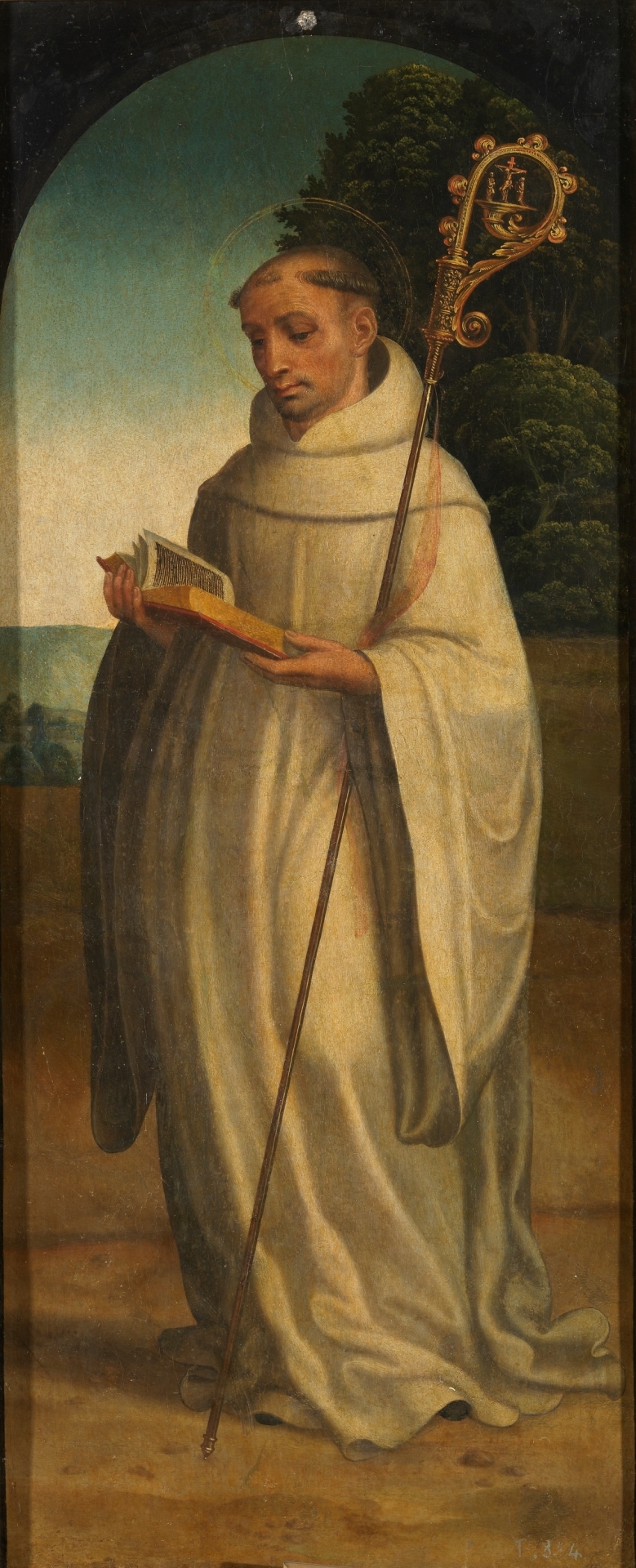
Bernard of Clairvaux
1090 CE – 1153 CE
Fontaine-lès-Dijon
Cistercian monk, abbot of Clairvaux, and medieval Christian philosopher-theologian whose theology of love, humility, grace, free choice, mystical ascent, monastic ethics, scriptural exegesis, and ecclesial counsel shaped scholastic, monastic, and political theology.
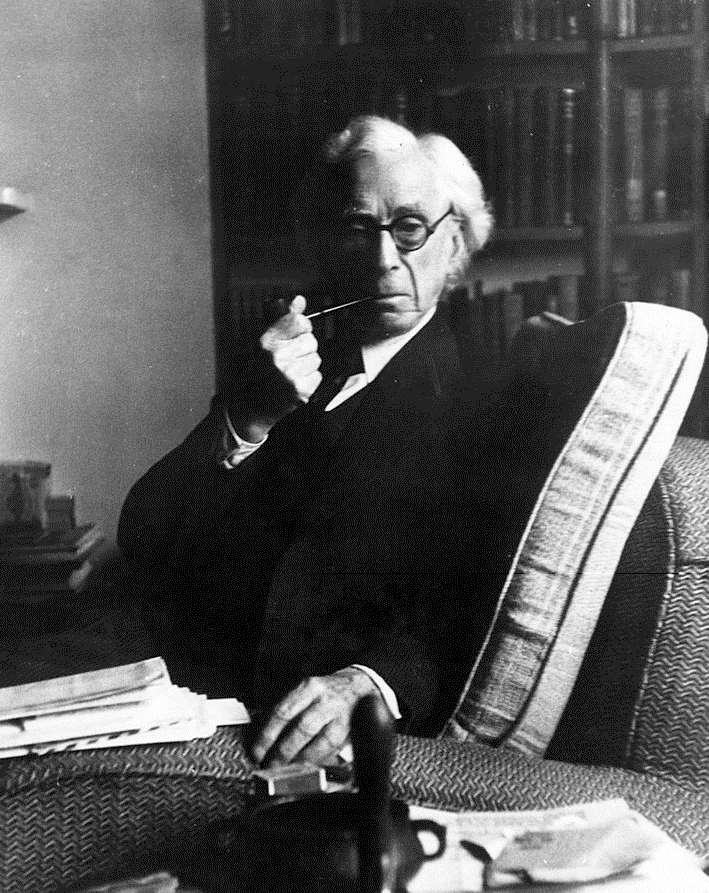
Bertrand Russell
1872 CE – 1970 CE
Trellech, Monmouthshire
British analytic philosopher, logician, mathematician, social critic, and Nobel laureate from Trellech whose logicism, theory of descriptions, logical atomism, epistemology, philosophy of language, ethics, pacifism, secular critique, and political writing shaped analytic philosophy and twentieth-century public reason.
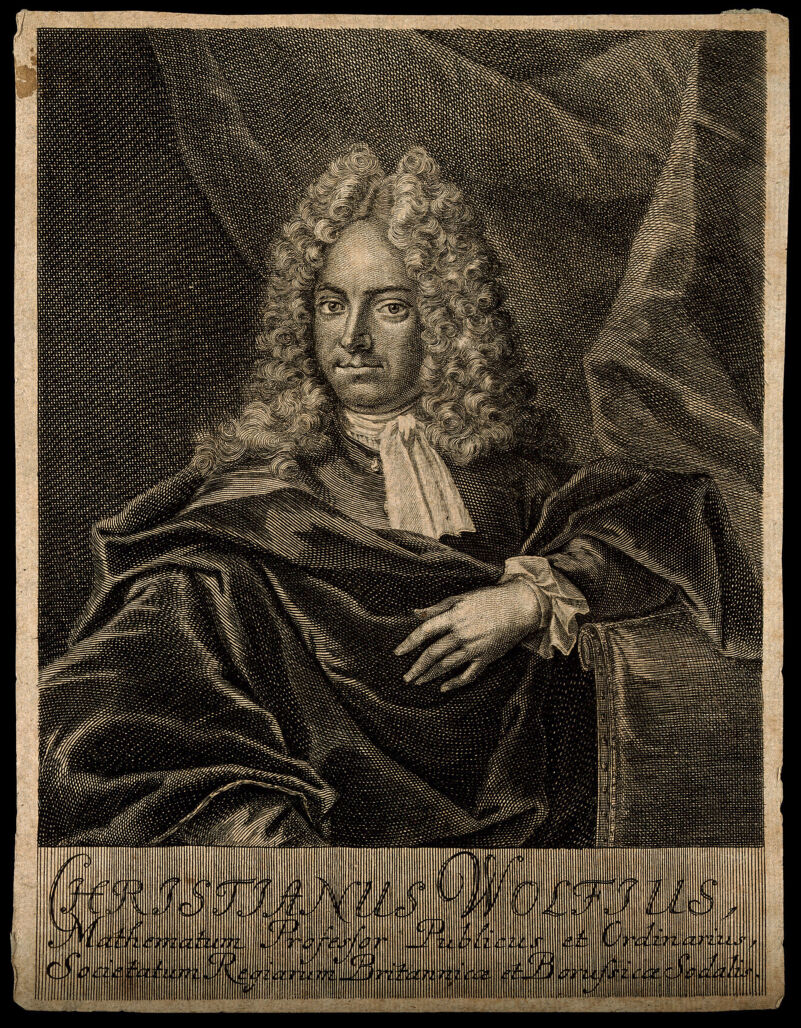
Christian Wolff
1679 CE – 1754 CE
Breslau, Silesia (now Wrocław, Poland)
German Enlightenment rationalist whose systematic textbooks in logic, ontology, psychology, natural theology, ethics, natural law, aesthetics, and philosophy of science made Wolffian method the main bridge between Leibniz and Kant.
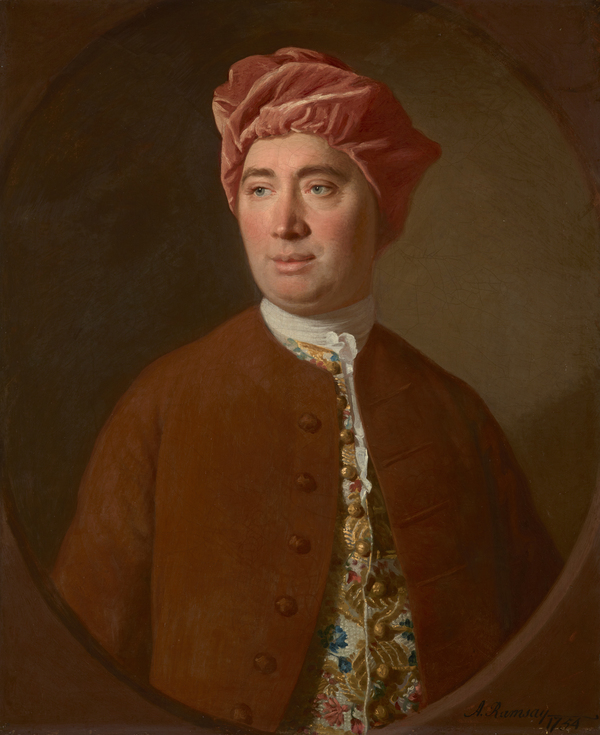
David Hume
1711 CE – 1776 CE
Edinburgh
Scottish Enlightenment philosopher who transformed empiricism, skepticism, moral psychology, aesthetics, political economy, natural religion, and the philosophy of science through a systematic science of human nature.
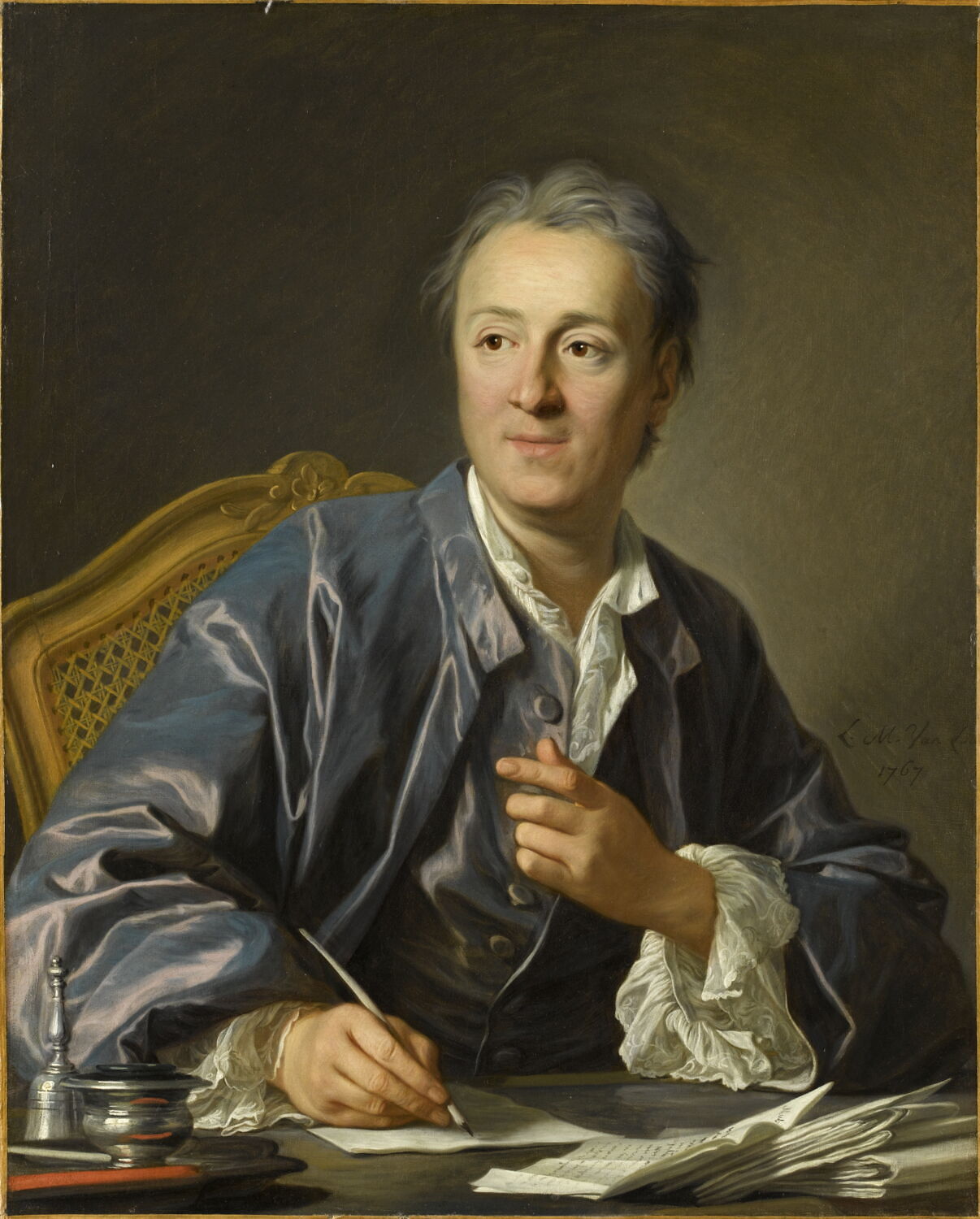
Denis Diderot
1713 CE – 1784 CE
Langres, Champagne
French Enlightenment philosopher, critic, editor, and writer whose materialist, empiricist, aesthetic, political, and scientific thought helped make the Encyclopédie a program of public reason.
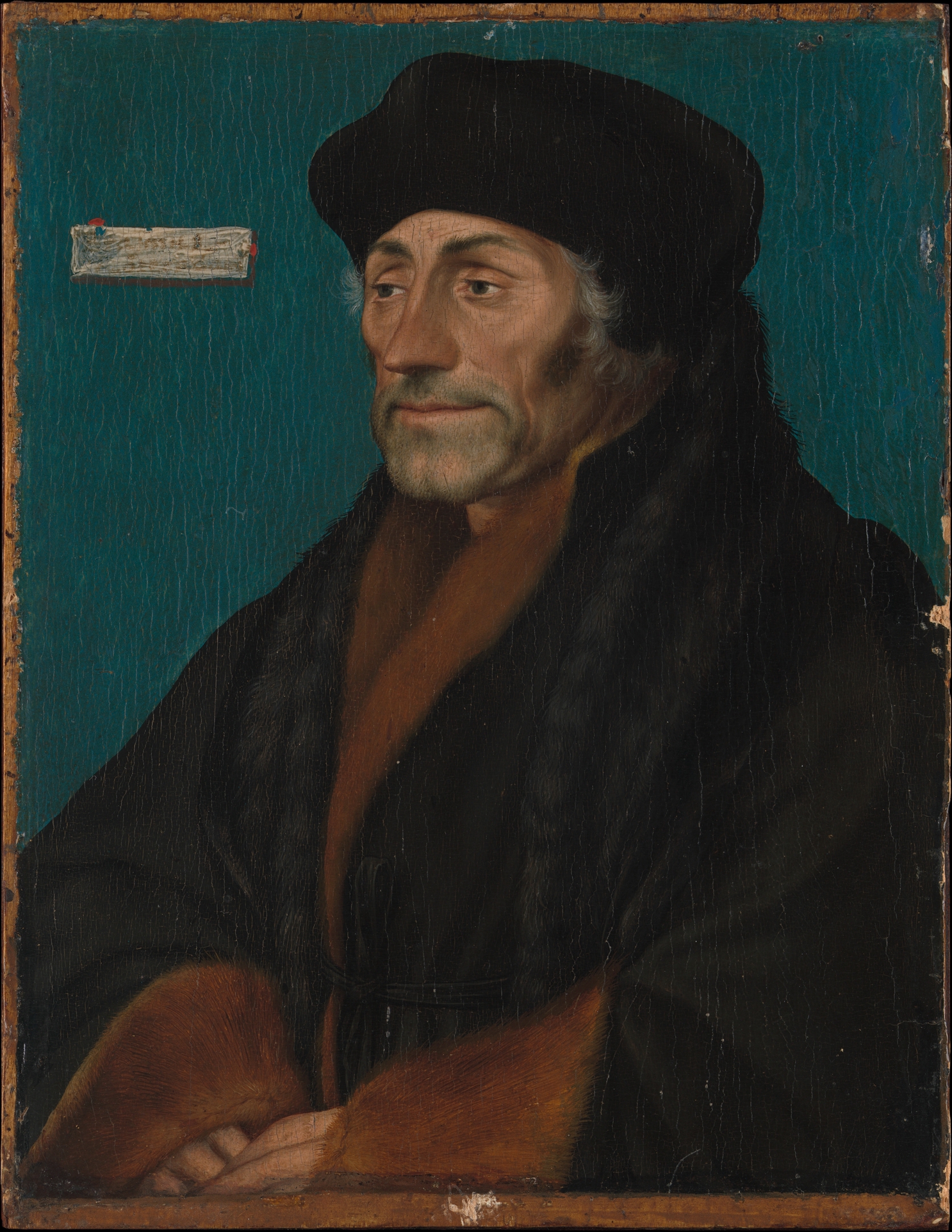
Desiderius Erasmus of Rotterdam
1466 CE – 1536 CE
Rotterdam
Dutch Renaissance humanist, Catholic reformer, philologist, satirist, and educator whose Christian humanism joined classical learning, biblical scholarship, moral reform, peace politics, and disciplined eloquence.
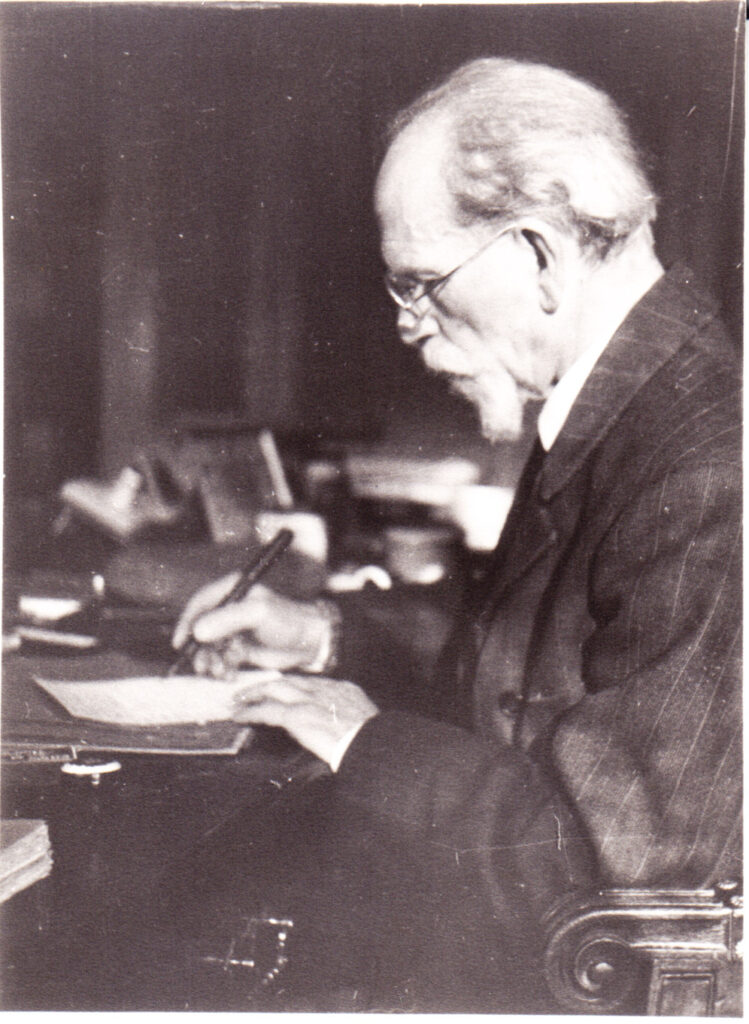
Edmund Husserl
1859 CE – 1938 CE
Prostějov (Prossnitz), Moravia
Founder of phenomenology, trained in mathematics and logic, whose work on intentionality, epoché, consciousness, meaning, evidence, and the lifeworld reshaped twentieth-century philosophy.
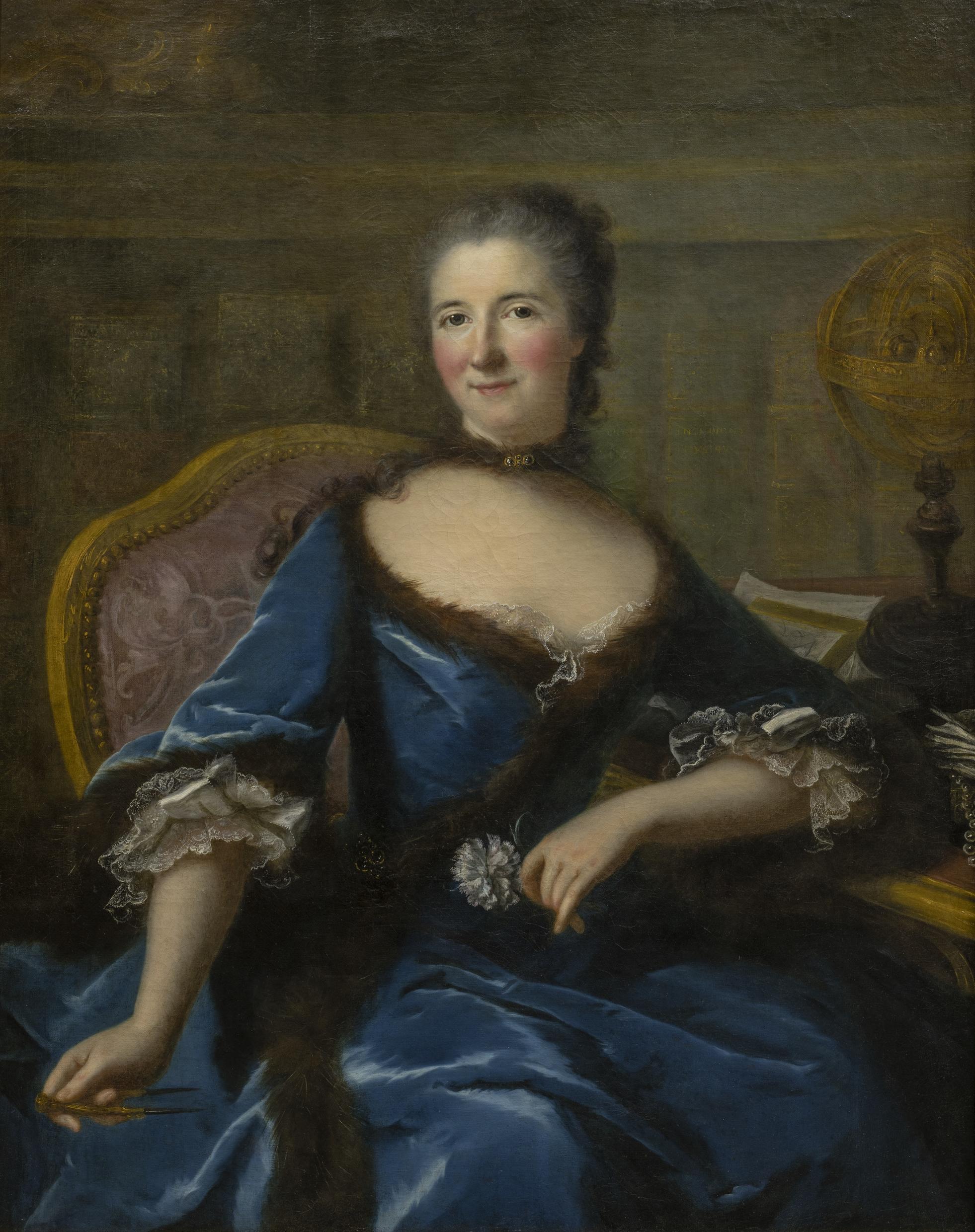
Émilie du Châtelet
1706 CE – 1749 CE
Paris
Enlightenment philosopher, mathematician, translator of Newton, and critic of dogma whose work on force, physics, happiness, freedom, and natural religion reshaped French Newtonianism.
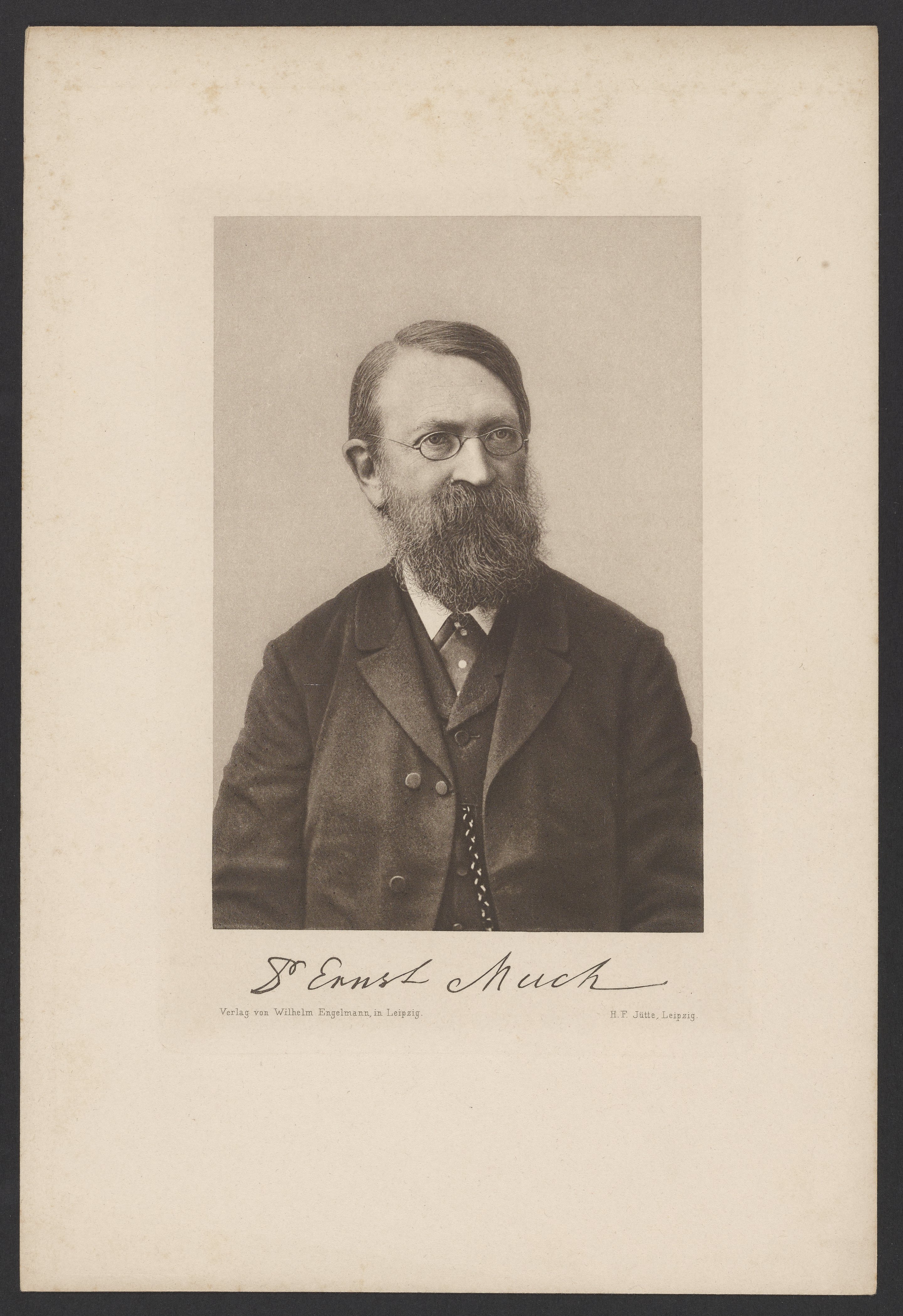
Ernst Mach
1838 CE – 1916 CE
Chrlice / Chirlitz, near Brno
Austrian physicist and philosopher from Moravia whose anti-metaphysical empiricism, analysis of sensations, historical criticism of mechanics, and economy of thought shaped modern philosophy of science.
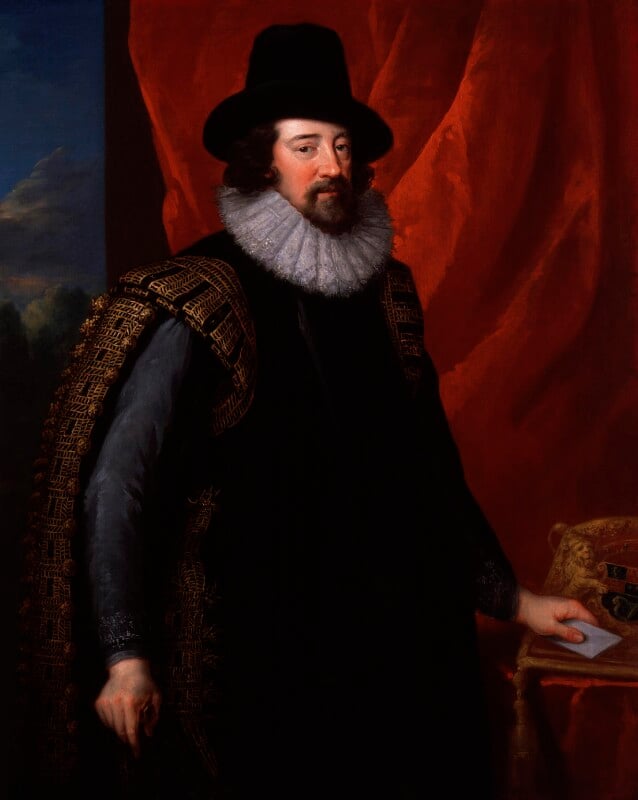
Francis Bacon
1561 CE – 1626 CE
York House, Strand, London
English philosopher-statesman whose reform of learning, critique of idols, and experimental natural history helped shape early modern empiricism and the philosophy of science.
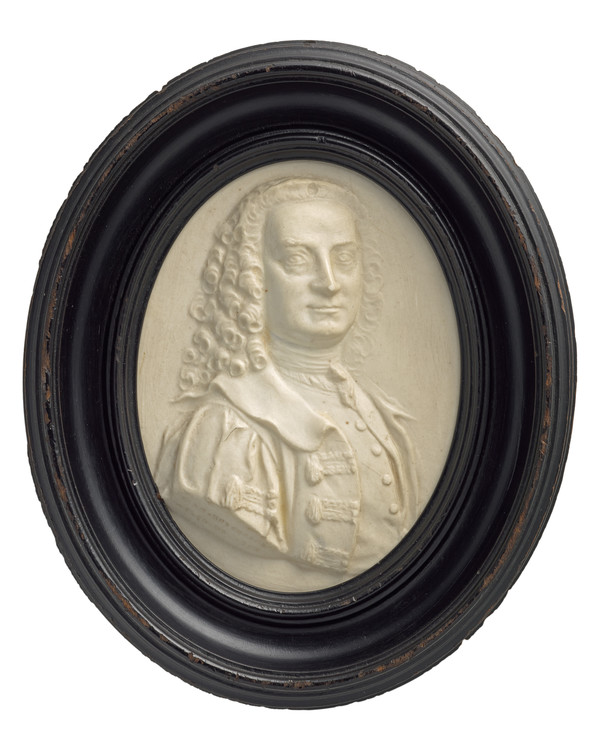
Francis Hutcheson
1694 CE – 1746 CE
Drumalig / near Saintfield, County Down, Ulster
Irish and Scots-Irish moral philosopher whose moral sense theory, aesthetics, benevolence ethics, and Glasgow teaching helped launch the Scottish Enlightenment.
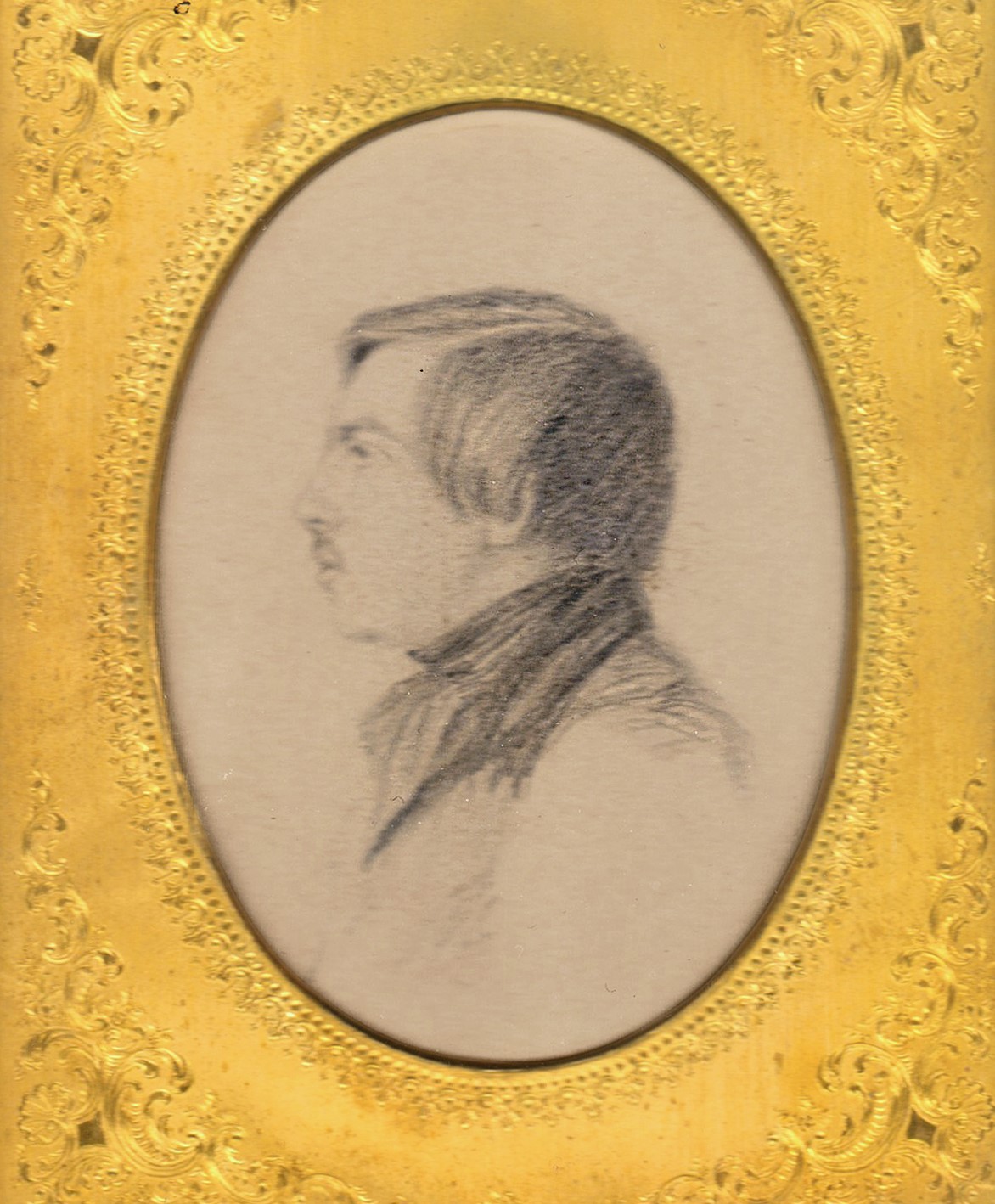
Friedrich Engels
1820 CE – 1895 CE
Barmen, Rhine Province, Prussia
German socialist philosopher, political economist, and cofounder of Marxism whose historical materialism, capitalism critique, dialectics, class analysis, and later editorial work shaped modern socialist theory.
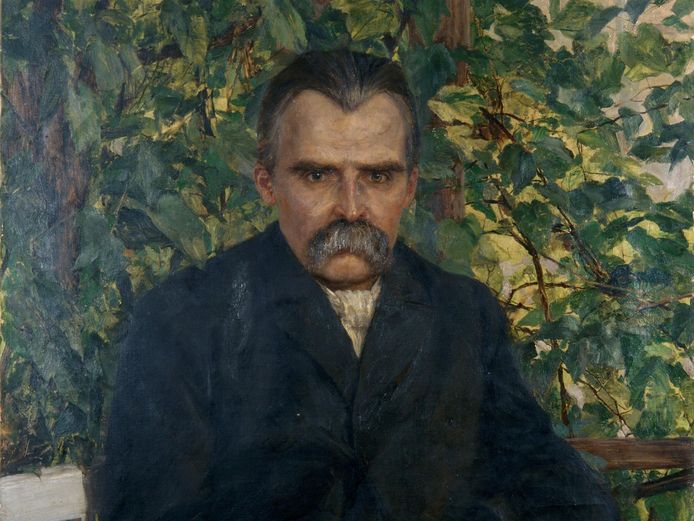
Friedrich Nietzsche
1844 CE – 1900 CE
Röcken, Saxony, Prussia
German philosopher of genealogy, perspectivism, tragedy, value creation, nihilism, and the critique of Christianity whose work reshaped modern ethics, aesthetics, psychology, and continental philosophy.
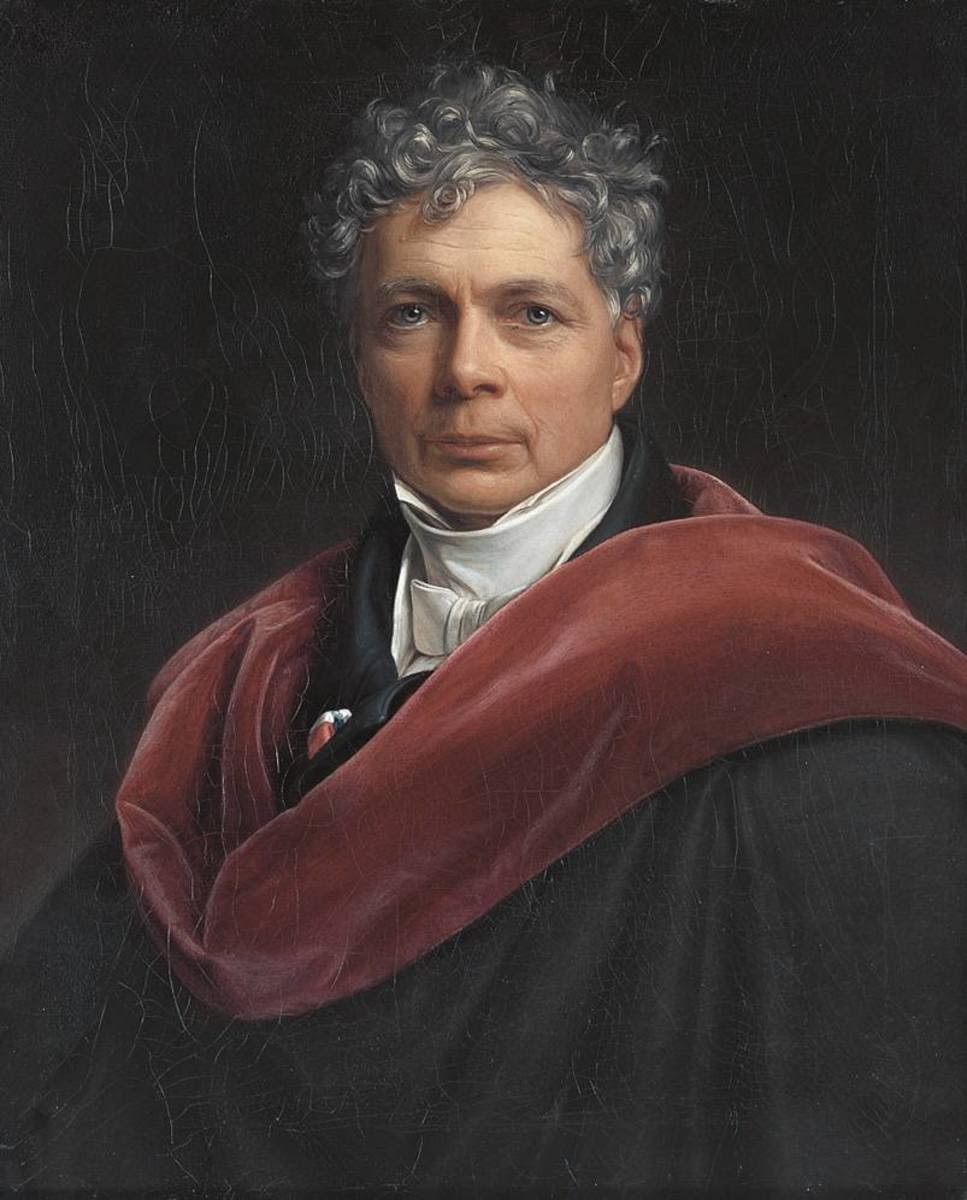
Friedrich Wilhelm Joseph Schelling
1775 CE – 1854 CE
Leonberg, Wuerttemberg
German Idealist philosopher of nature, freedom, identity, art, mythology, and revelation whose work links post-Kantian idealism with Romantic science, philosophical theology, and later existential and continental reception.
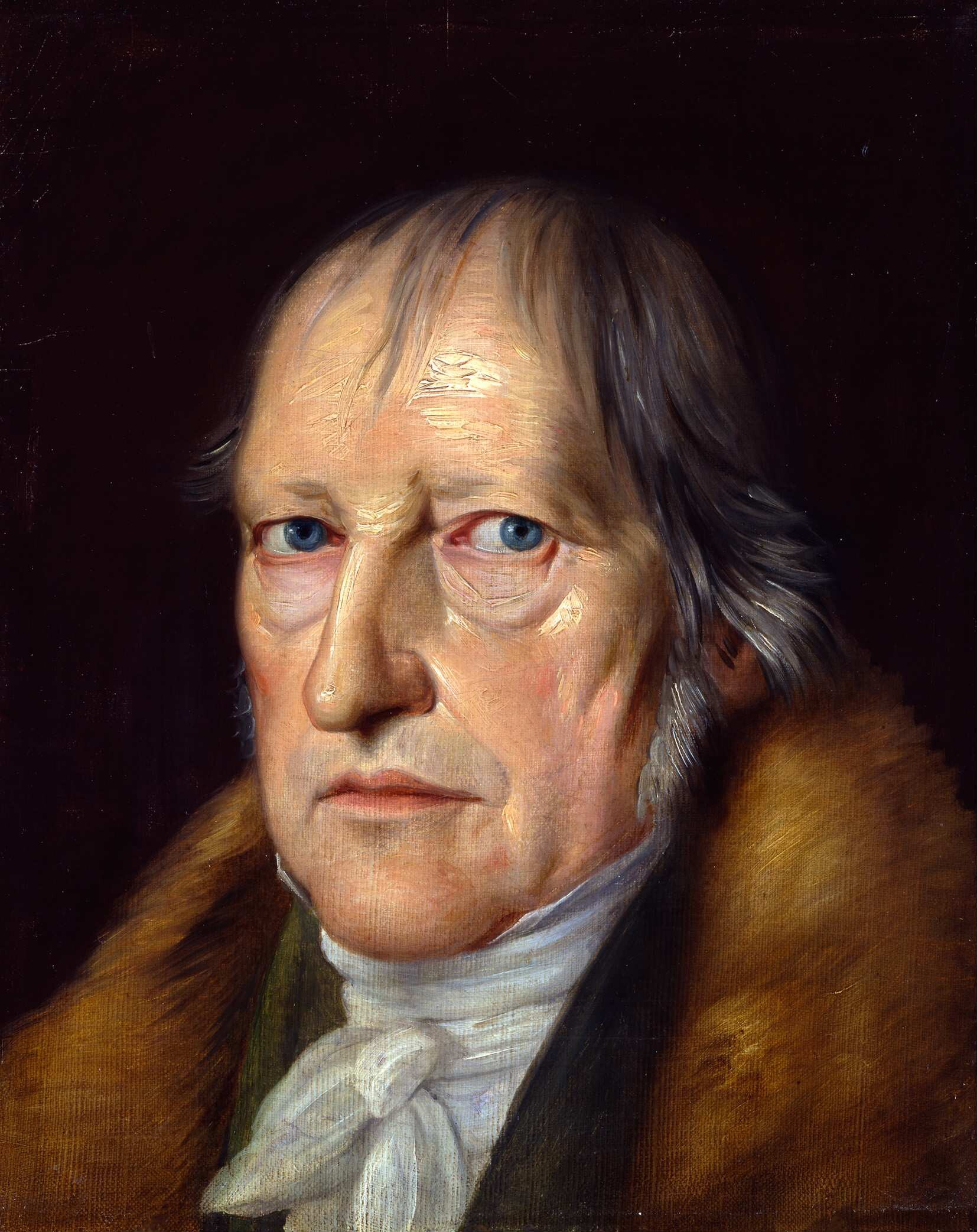
Georg Wilhelm Friedrich Hegel
1770 CE – 1831 CE
Stuttgart, Duchy of Württemberg
German Idealist philosopher of dialectic, absolute idealism, recognition, freedom, ethical life, history, art, nature, religion, and systematic philosophy.
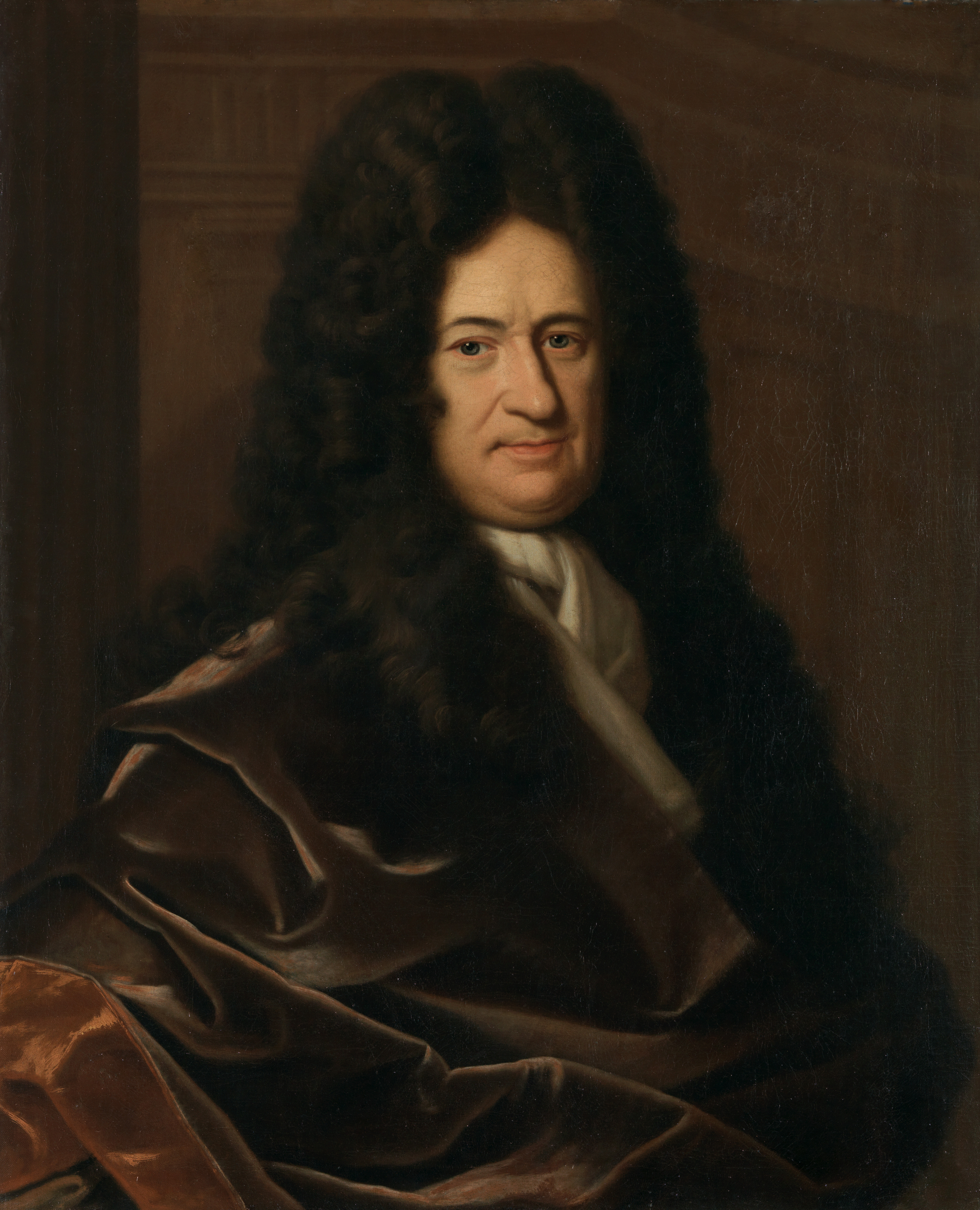
Gottfried Wilhelm Leibniz
1646 CE – 1716 CE
Leipzig
German polymath and early modern rationalist whose monadology, pre-established harmony, sufficient reason, theodicy, calculus work, and plans for a universal symbolic language helped define metaphysics, logic, epistemology, philosophy of mind, philosophy of religion, and philosophy of science.
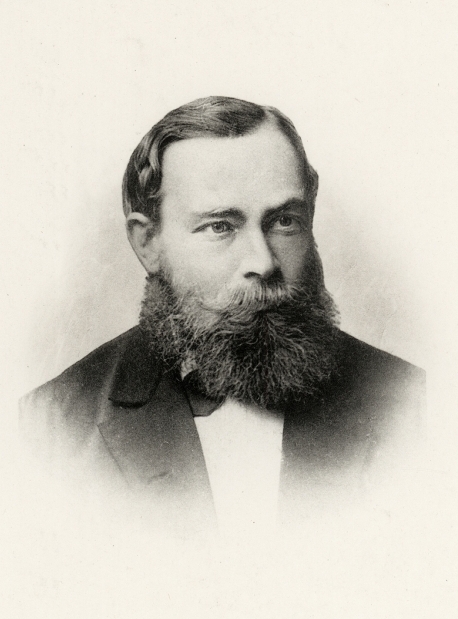
Gottlob Frege
1848 CE – 1925 CE
Wismar
German logician, mathematician, and philosopher whose concept-script, modern quantificational logic, logicism, sense-reference distinction, concept-object analysis, and anti-psychologism helped launch analytic philosophy and reshape logic, language, mathematics, and truth.
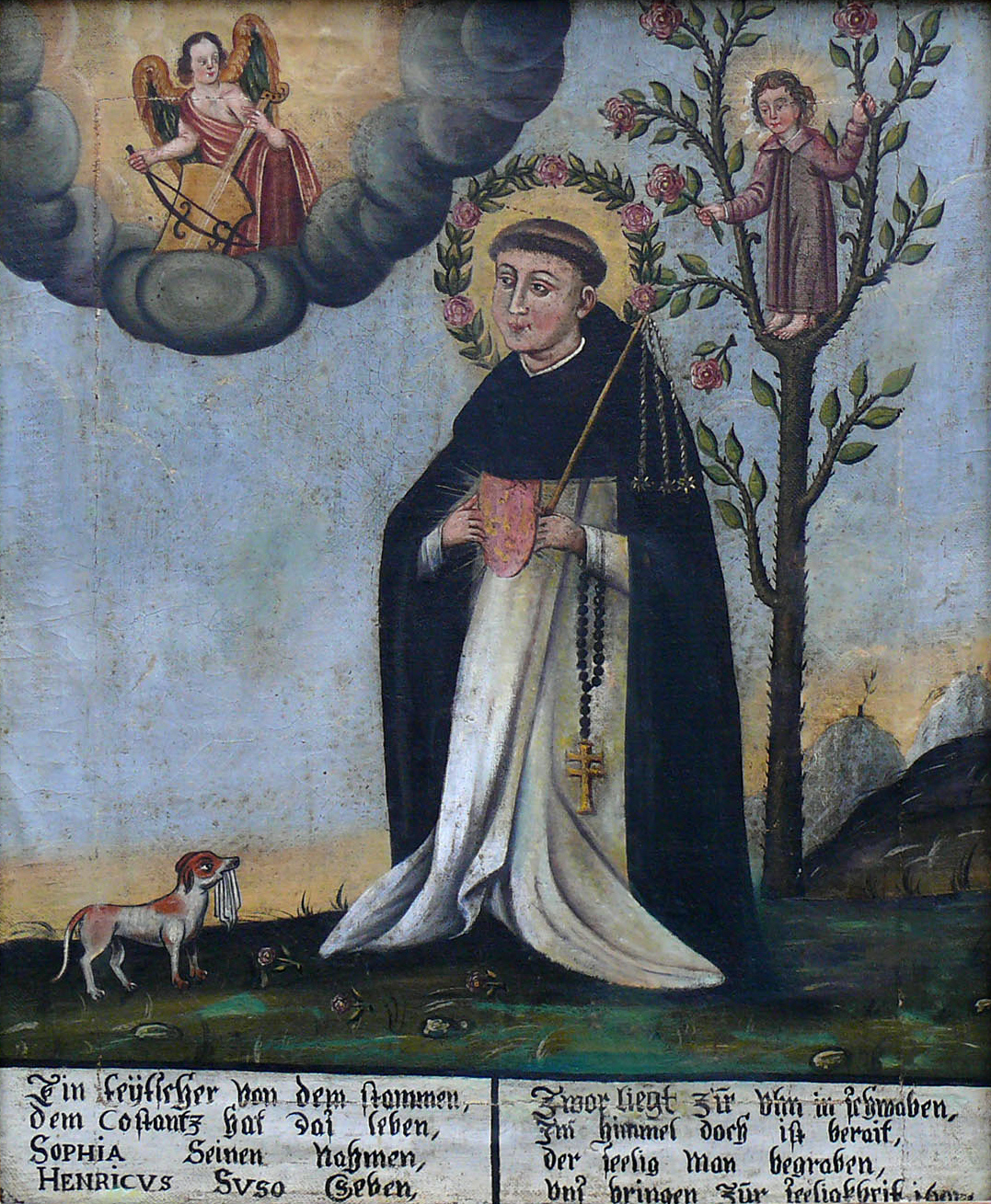
Heinrich Suso
1295 CE – 1366 CE
Constance or Überlingen, Swabia
German Dominican mystic and philosopher of Eternal Wisdom whose Exemplar, Life of the Servant, Little Book of Truth, Little Book of Eternal Wisdom, and Horologium Sapientiae join mystical metaphysics, interior transformation, affective ethics, suffering, counsel, and the limits of religious language.
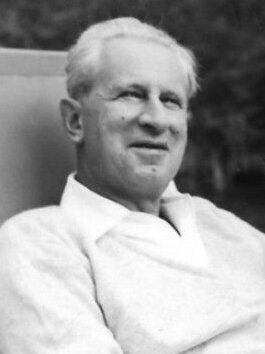
Herbert Marcuse
1898 CE – 1979 CE
Berlin
German-American Frankfurt School philosopher and critical theorist whose work on Hegel, Marx, Freud, advanced industrial society, technological rationality, liberation, art, tolerance, repression, ecology, and the New Left shaped twentieth-century social philosophy.
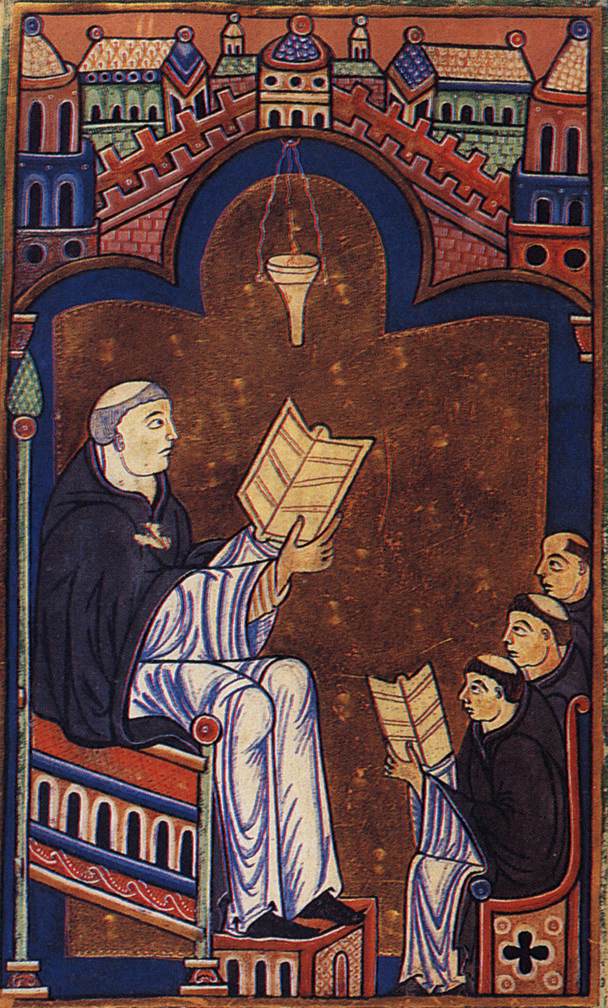
Hugh of St. Victor
1096 CE – 1141 CE
Saxony, probably the Harz/Hamersleben region
Saxon-born Victorine philosopher and theologian whose Didascalicon, De sacramentis, ark imagery, arts curriculum, symbolic exegesis, and contemplative psychology joined learning to spiritual restoration.
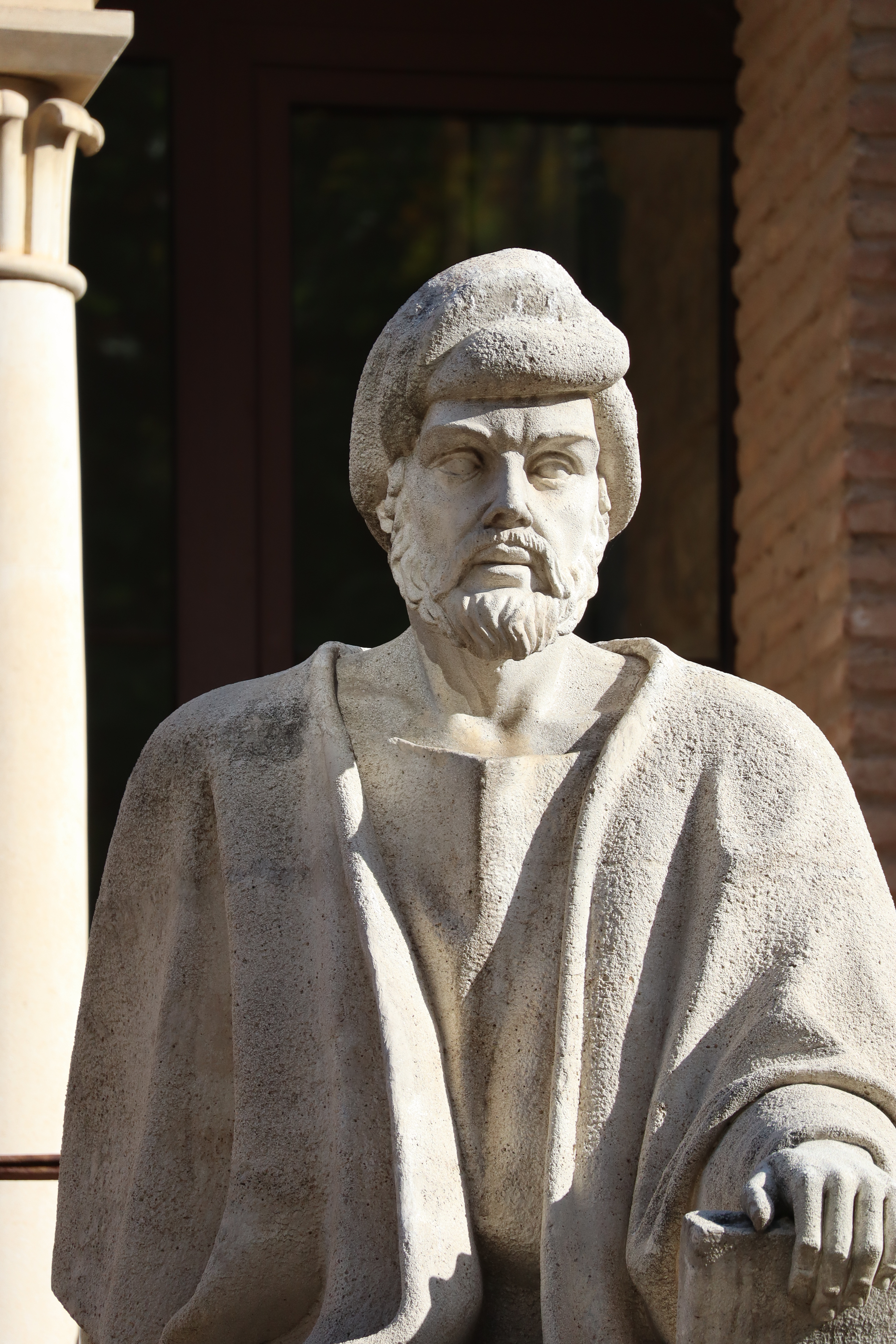
Ibn Rushd (Averroes)
1126 CE – 1198 CE
Córdoba, al-Andalus
Andalusian Arab philosopher, jurist, physician, judge, and Aristotelian commentator whose work in logic, metaphysics, natural philosophy, medicine, law, rhetoric, poetics, and philosophy of religion shaped Islamic, Hebrew, and Latin philosophical traditions.
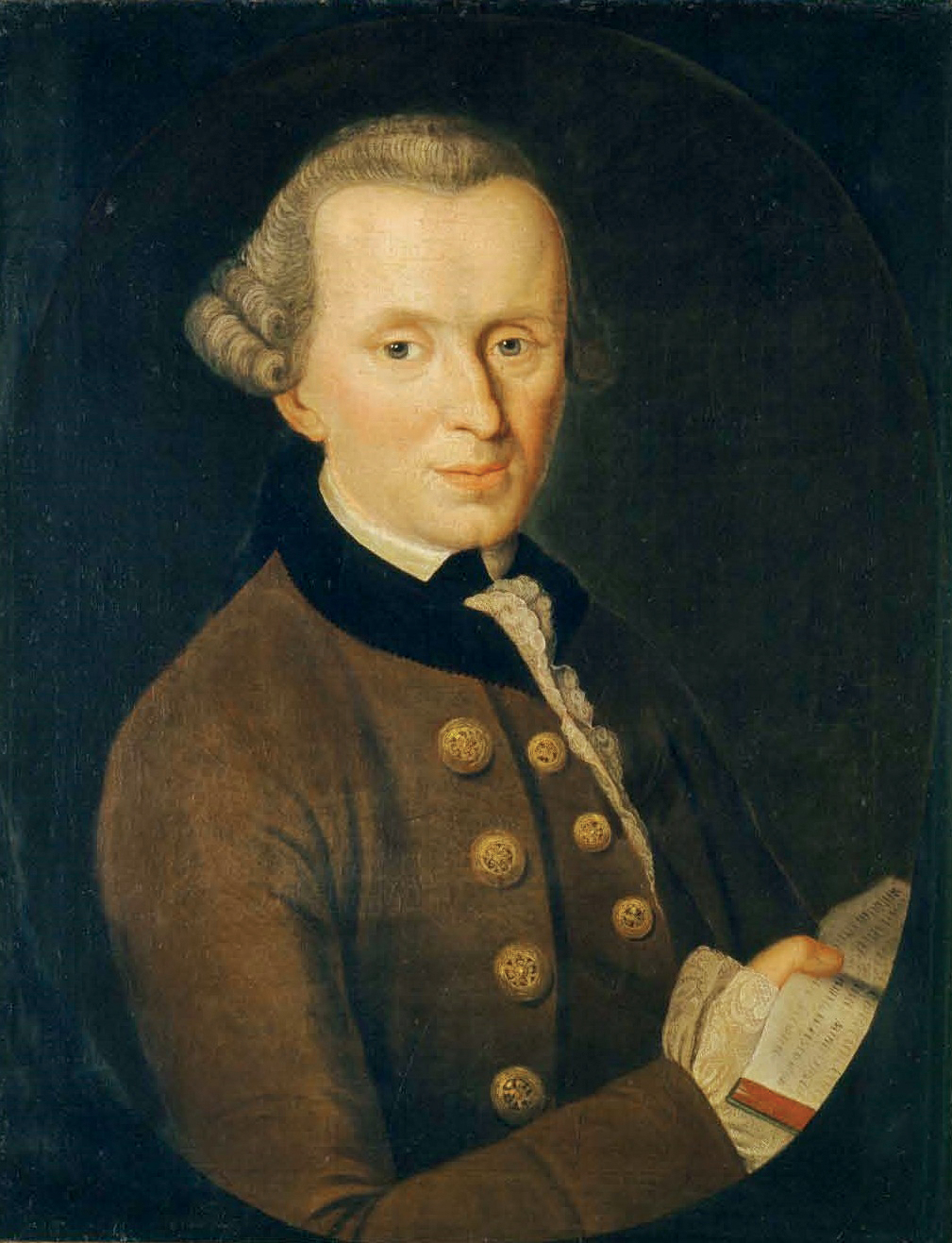
Immanuel Kant
1724 CE – 1804 CE
Königsberg, Prussia
Prussian Enlightenment philosopher whose critical philosophy of transcendental idealism, autonomy, public reason, aesthetic judgment, natural science, religion, and right reshaped modern metaphysics, epistemology, ethics, politics, and aesthetics.
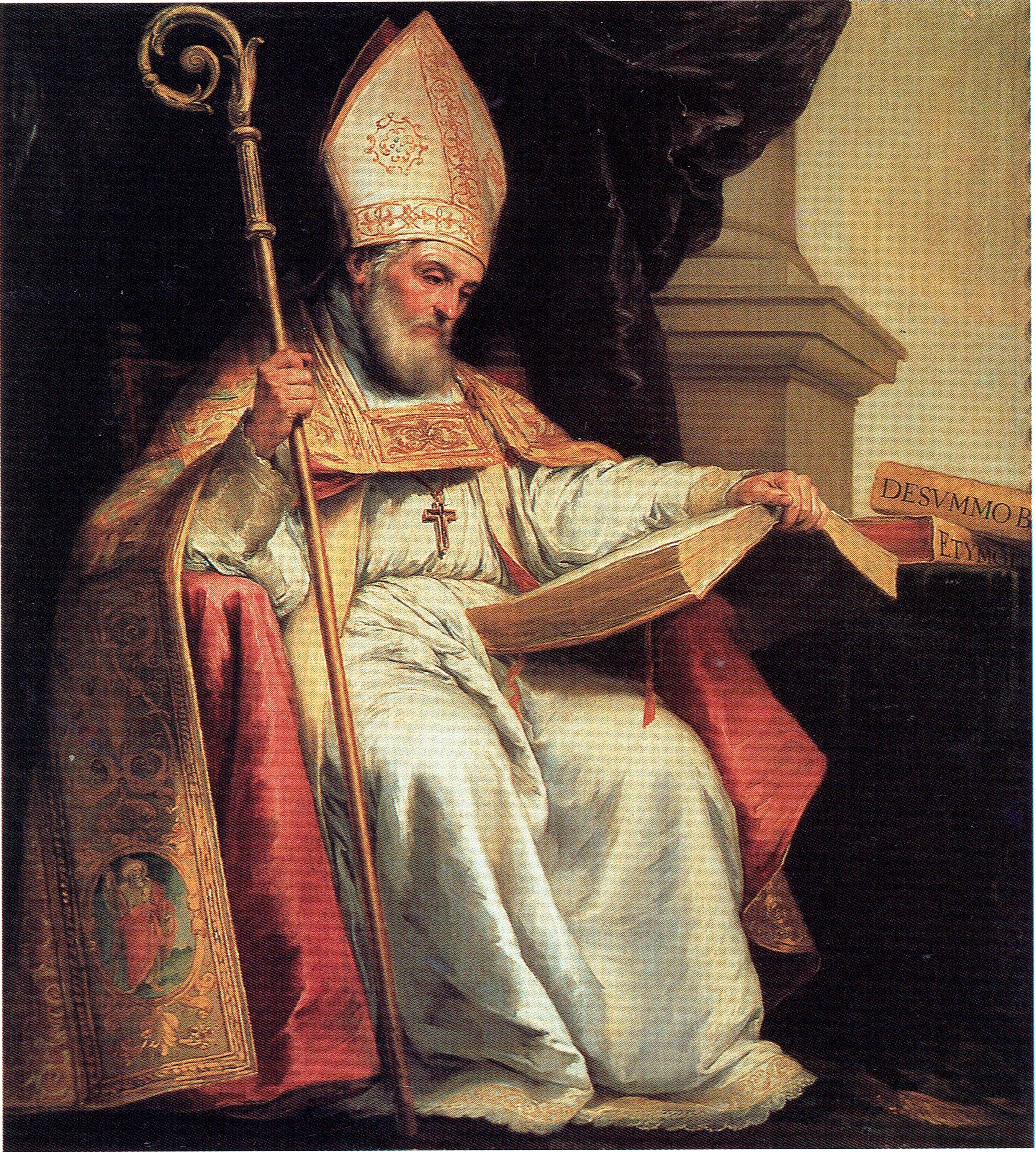
Isidore of Seville
560 CE – 636 CE
Cartagena or Seville, Visigothic Hispania
Hispano-Roman and Visigothic Iberian bishop and encyclopedist whose Etymologiae, Sententiae, histories, ecclesiastical works, and natural-philosophy compilations transmitted Latin Christian learning, grammar, classification, and the liberal arts into the early medieval West.
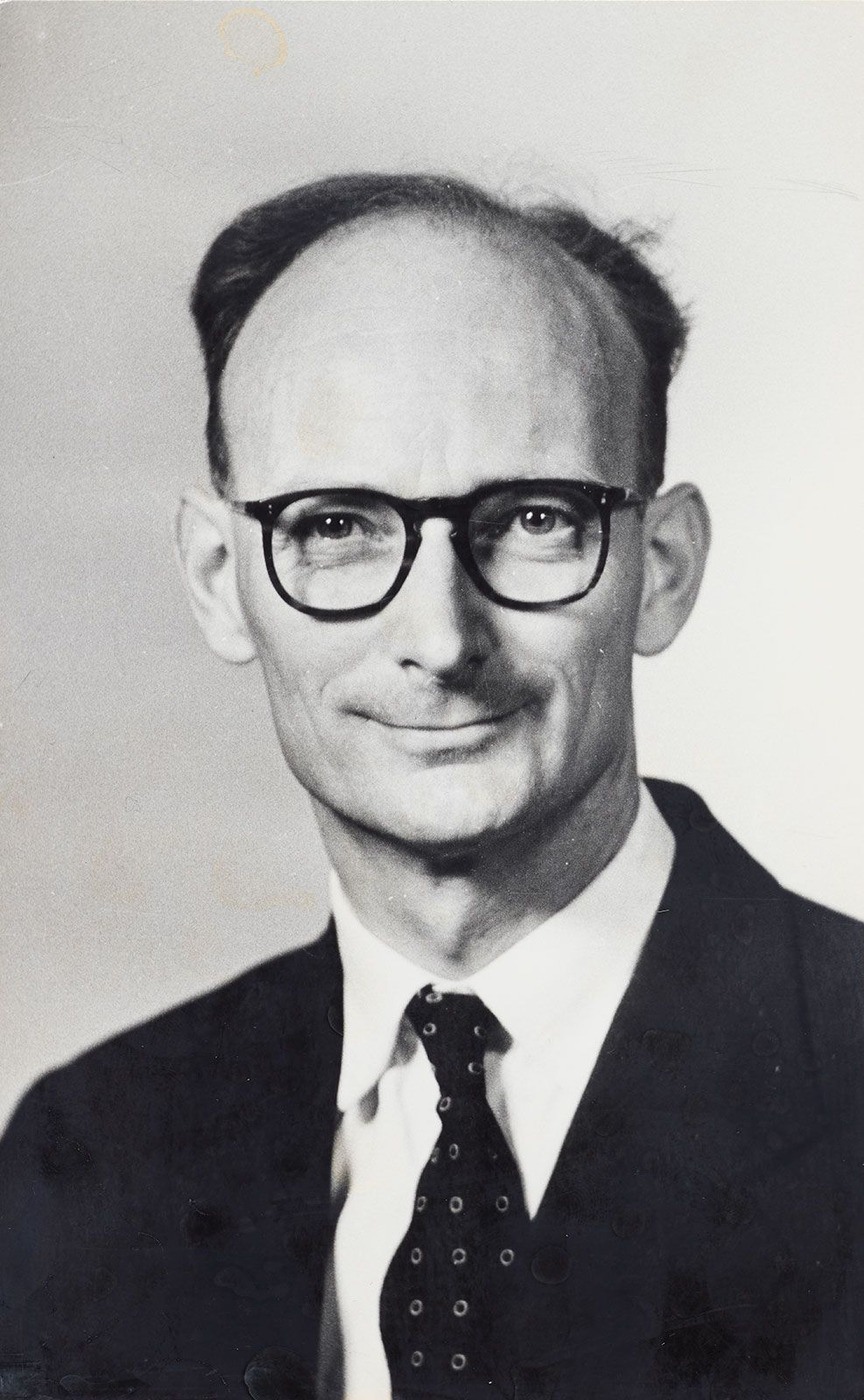
J. L. Austin
1911 CE – 1960 CE
Lancaster, Lancashire
British Oxford ordinary-language philosopher whose analyses of performatives, speech acts, excuses, other minds, truth, perception, and action reshaped twentieth-century analytic philosophy.
Jean Baudrillard
1929 CE – 2007 CE
Reims, Marne, France
French philosopher and social theorist of simulation, simulacra, hyperreality, symbolic exchange, consumer society, media, signs, and postmodern culture.
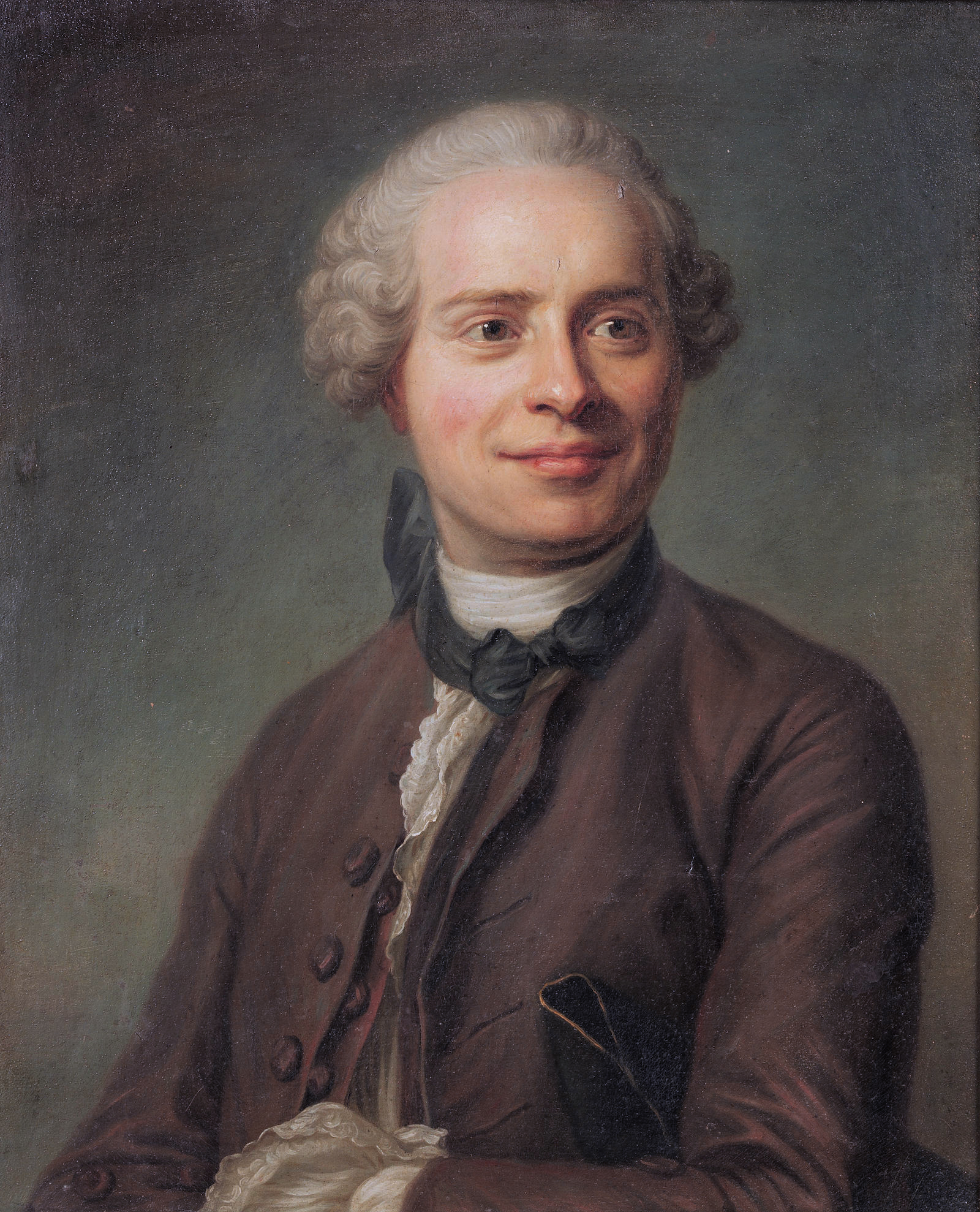
Jean le Rond d'Alembert
1717 CE – 1783 CE
Paris
French Enlightenment philosopher, mathematician, physicist, music theorist, and encyclopedist from Paris, associated with mathematical physics, the Encyclopedie, the Preliminary Discourse, and philosophy of science.
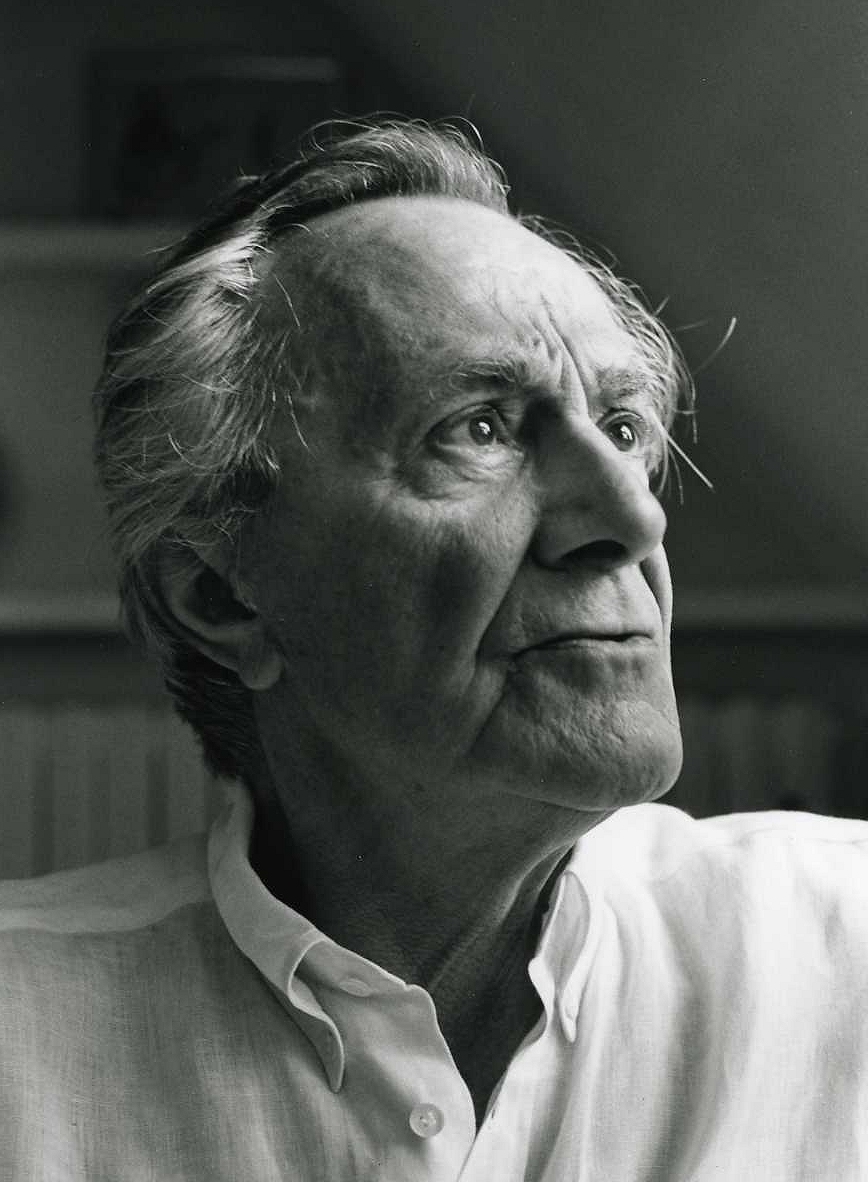
Jean-François Lyotard
1924 CE – 1998 CE
Versailles
French postmodern philosopher of knowledge, language games, phrase regimens, the differend, libidinal economy, the sublime, technoscience, art, and the critique of grand narratives.
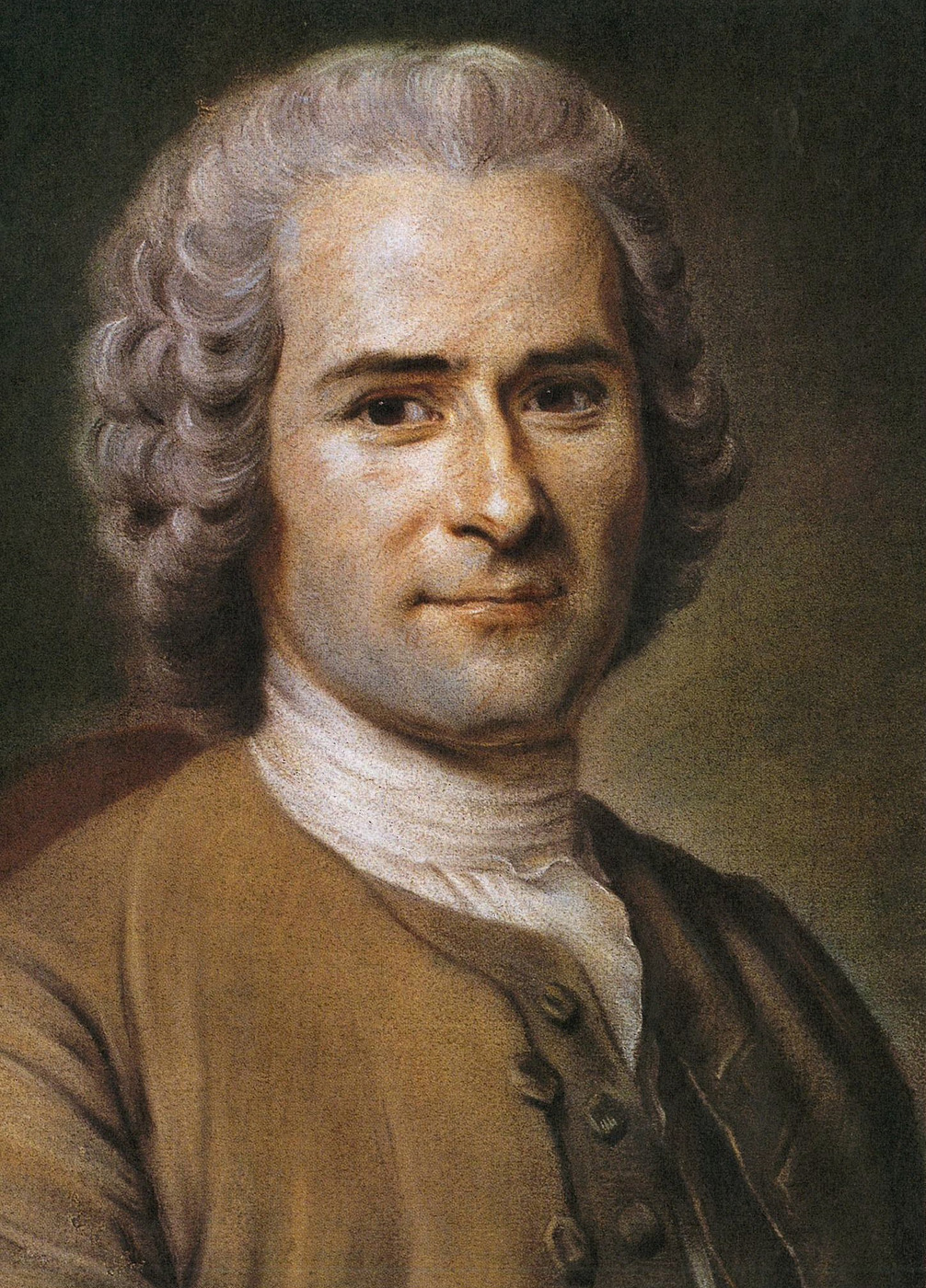
Jean-Jacques Rousseau
1712 CE – 1778 CE
Geneva
Genevan French-language Enlightenment philosopher of popular sovereignty, the general will, social contract theory, natural education, civil religion, moral psychology, language, music, autobiography, and the critique of corrupting civilization.
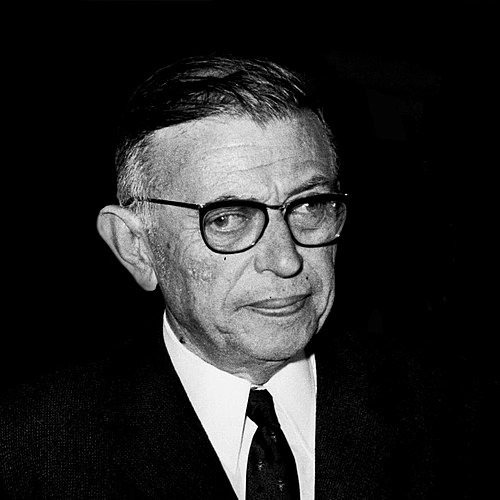
Jean-Paul Sartre
1905 CE – 1980 CE
Paris
French existentialist and phenomenological philosopher of freedom, bad faith, nothingness, political commitment, literature, existential psychoanalysis, anti-colonialism, and existential Marxism.
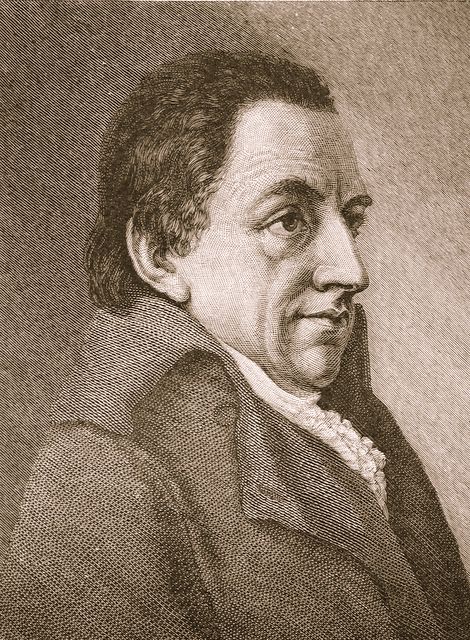
Johann Gottlieb Fichte
1762 CE – 1814 CE
Rammenau, Upper Lusatia, Saxony
German post-Kantian idealist philosopher of the Wissenschaftslehre, self-positing subjectivity, moral freedom, natural right, language, vocation, political economy, religion, and national education.
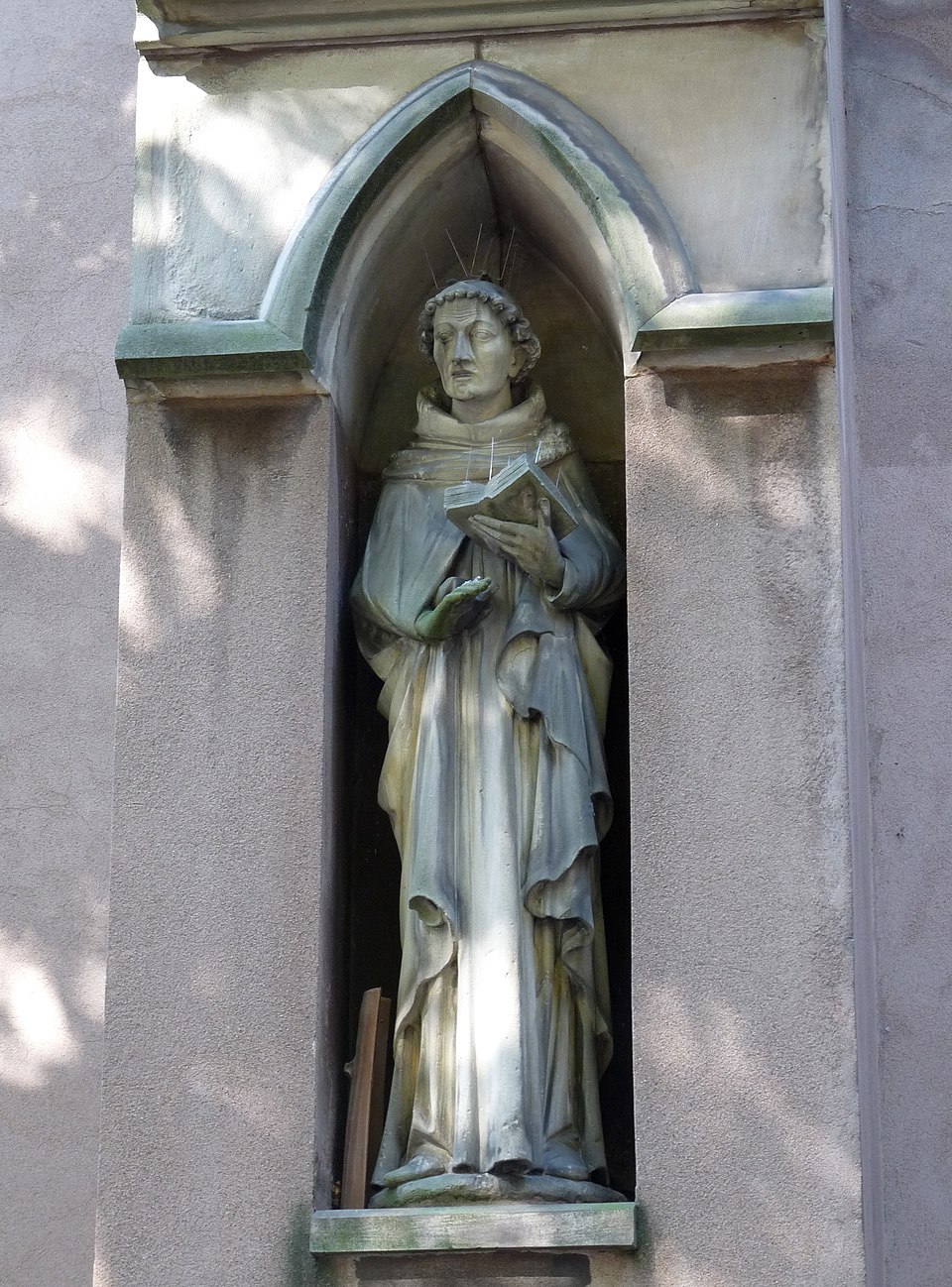
Johannes Tauler
1300 CE – 1361 CE
Strasbourg, Alsace
Alsatian German Dominican mystic of Strasbourg whose sermons and spiritual letters shaped Rhenish mystical theology through divine birth, detachment, the ground of the soul, contemplative discipline, and practical spiritual counsel.
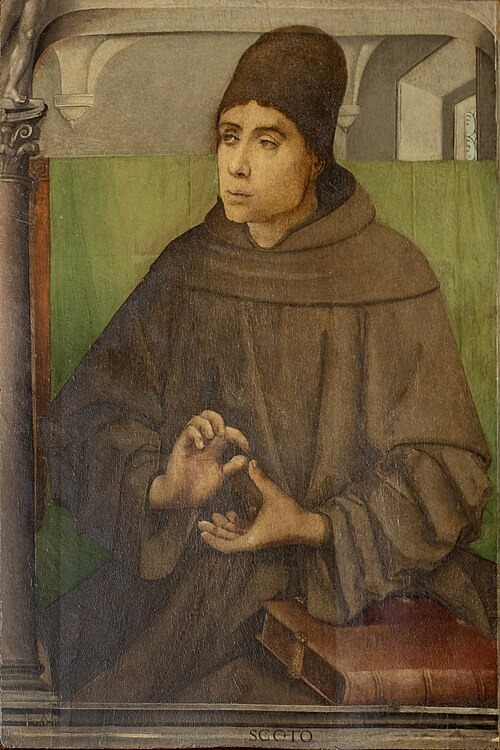
John Duns Scotus
1266 CE – 1308 CE
Duns, Berwickshire, now Scottish Borders
Scottish Franciscan scholastic philosopher of Scotism, univocity of being, haecceity, formal distinction, divine infinity, will, natural law, logic, and the Ordinatio.
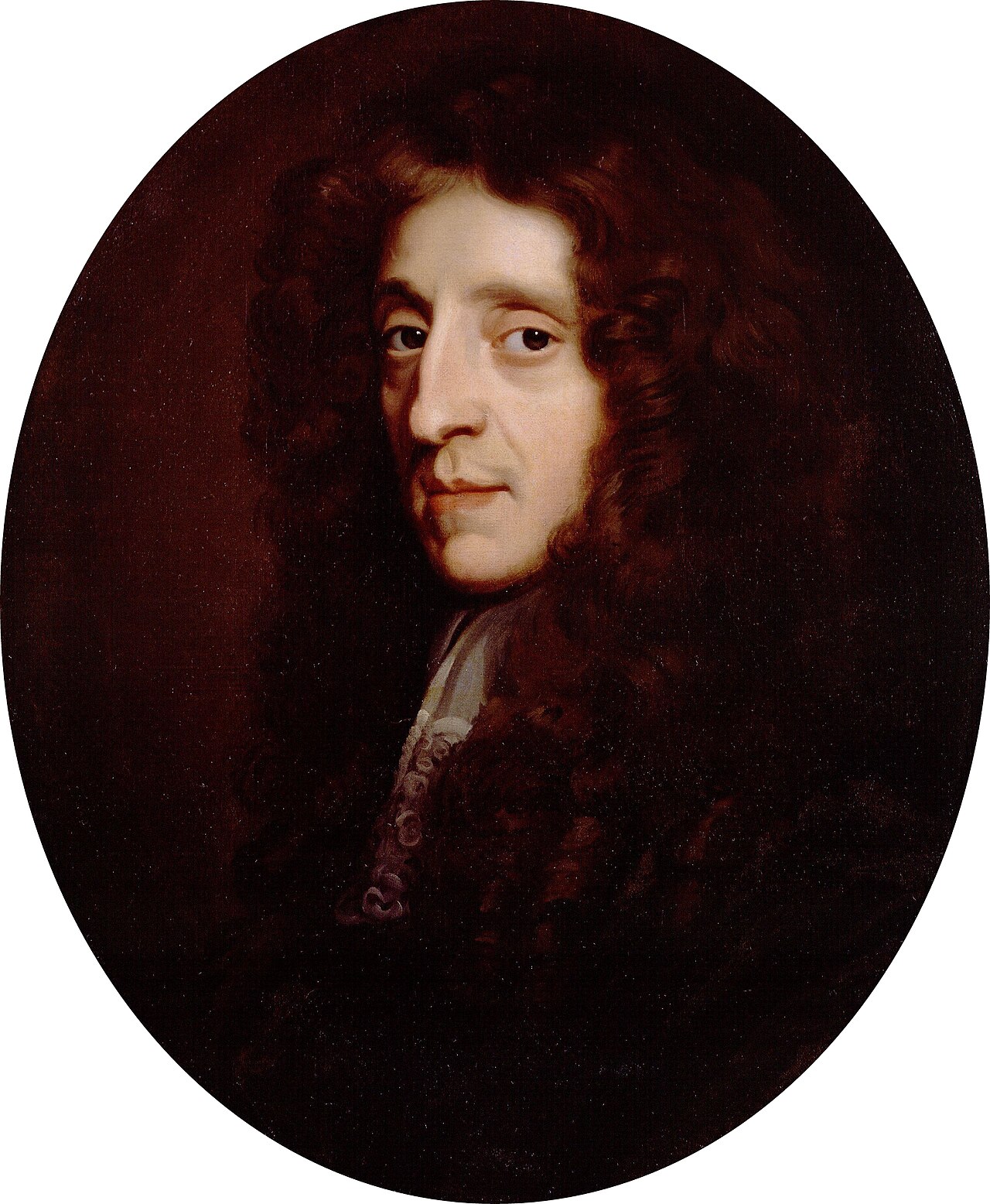
John Locke
1632 CE – 1704 CE
Wrington, Somerset
English early modern empiricist and liberal political philosopher of human understanding, toleration, natural law, personal identity, education, monetary thought, rational Christianity, and the limits of knowledge.
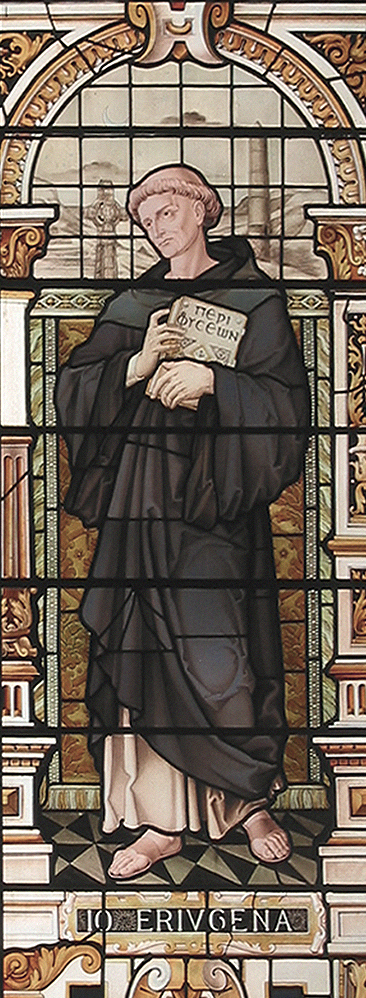
John Scotus Eriugena
815 CE – 877 CE
Ireland, probably Leinster
Irish Carolingian Neoplatonic philosopher and translator of apophatic theology, Periphyseon, Dionysian Greek patristic sources, predestination, dialectic, and Johannine exegesis.
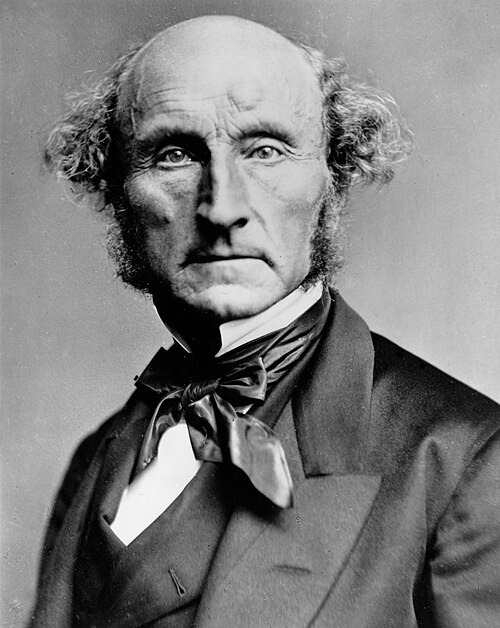
John Stuart Mill
1806 CE – 1873 CE
Pentonville, London
English liberal utilitarian philosopher of liberty, individuality, higher pleasures, inductive logic, political economy, representative government, women's equality, religious skepticism, and empiricist method.
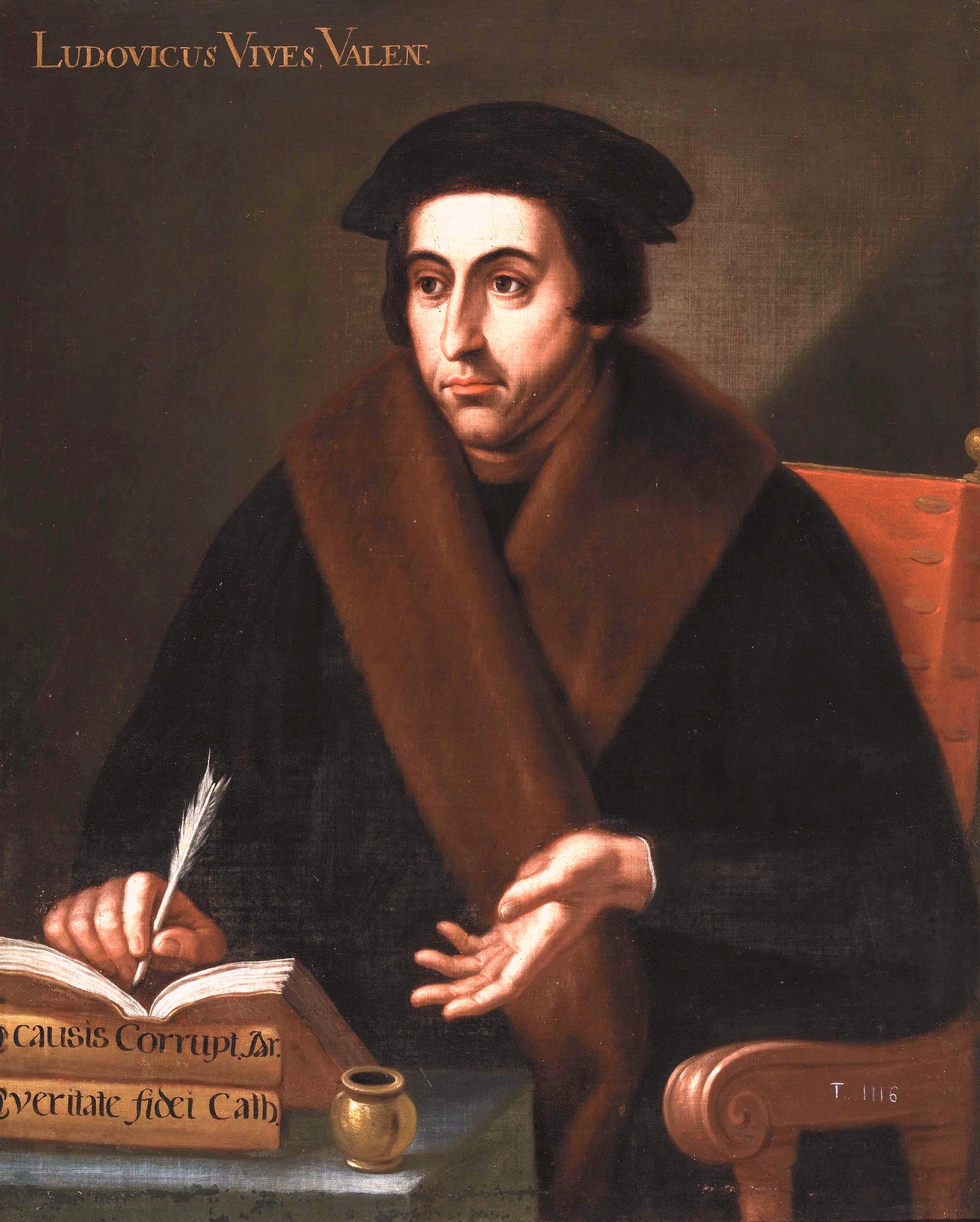
Juan Luis Vives
1493 CE – 1540 CE
Valencia
Valencian Spanish Renaissance humanist philosopher of education, psychology, language, rhetoric, poor relief, peace, Christian reform, women's education, and the renewal of the disciplines.
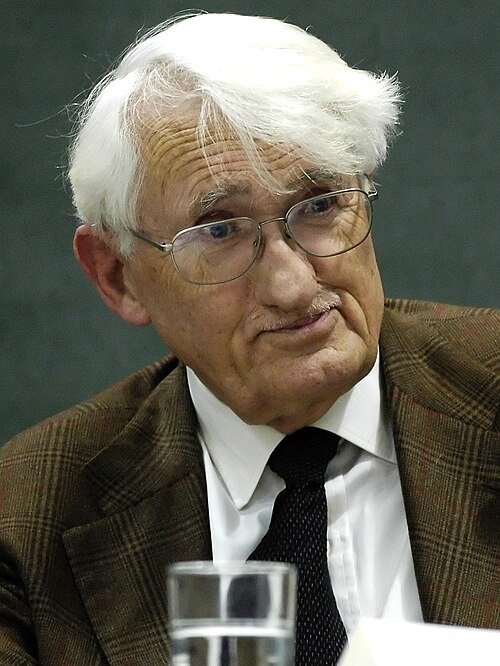
Jürgen Habermas
1929 CE – 2026 CE
Düsseldorf
German Frankfurt School philosopher of communicative rationality, discourse ethics, public sphere theory, deliberative democracy, law, postmetaphysical philosophy, religion in public reason, and European constitutional politics.
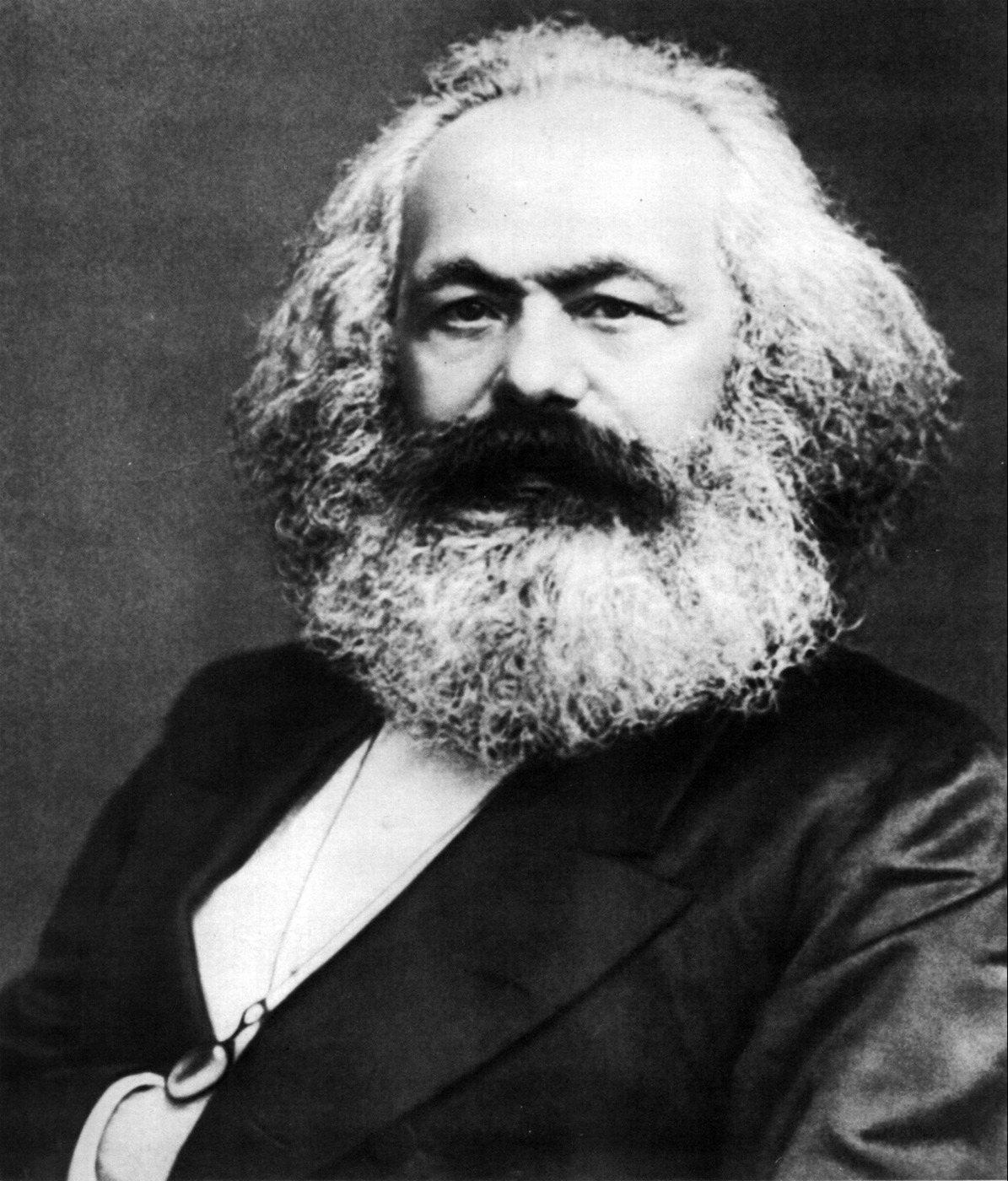
Karl Marx
1818 CE – 1883 CE
Trier, Rhine Province, Kingdom of Prussia
German philosopher of historical materialism, alienation, class struggle, ideology critique, political economy, capitalism, communism, religion critique, and social transformation.
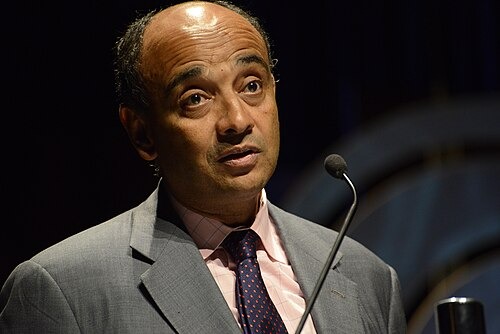
Kwame Anthony Appiah
1954 CE
London
Ghanaian-British-American analytic philosopher of cosmopolitanism, identity, race, culture, semantics, ethics, honor, religion, public philosophy, and global moral responsibility.
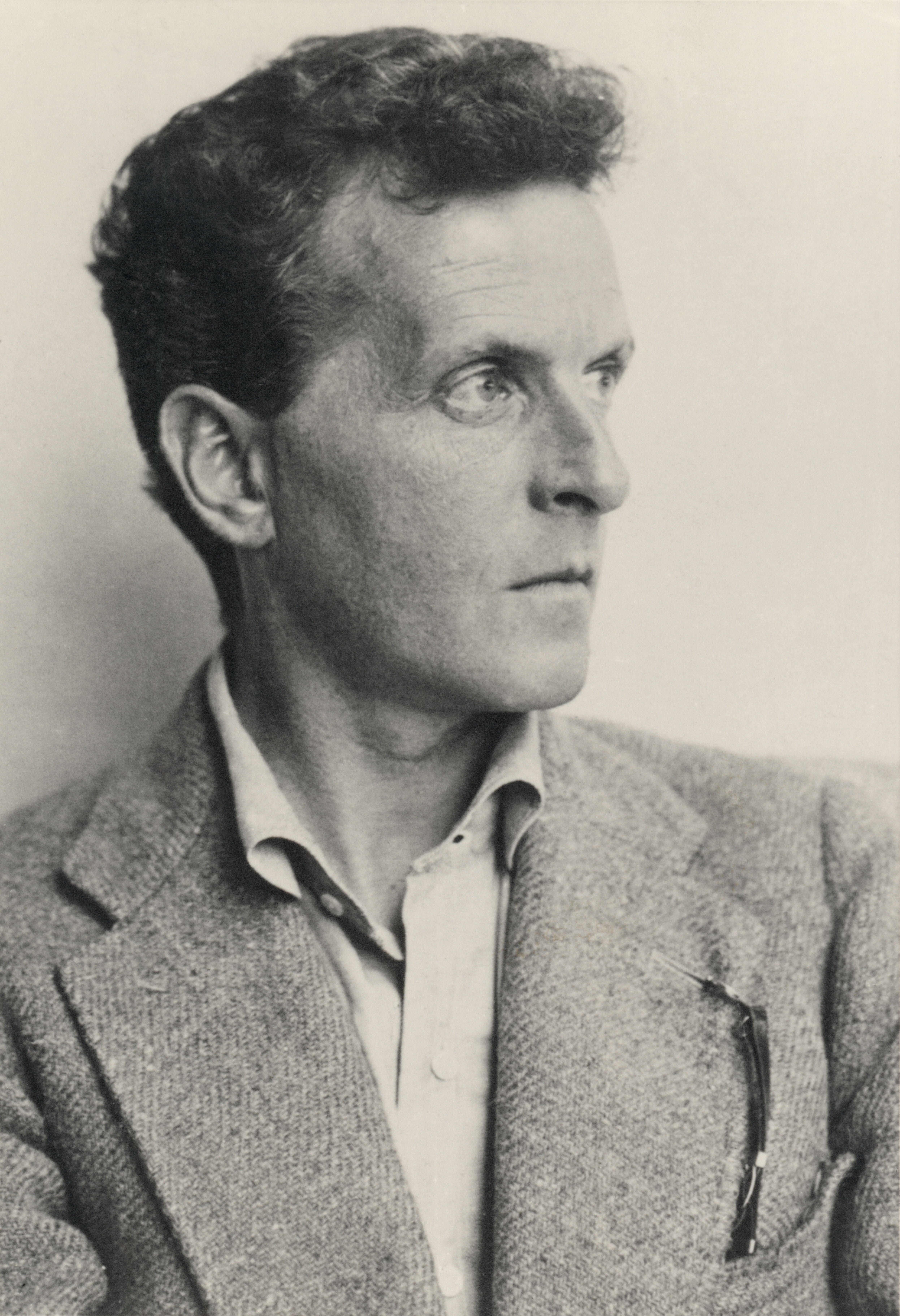
Ludwig Wittgenstein
1889 CE – 1951 CE
Vienna, Austria-Hungary
Austrian-British analytic philosopher whose Tractatus, later ordinary-language method, language-games, private-language arguments, and remarks on mathematics, certainty, mind, aesthetics, ethics, and religious language reshaped twentieth-century philosophy.
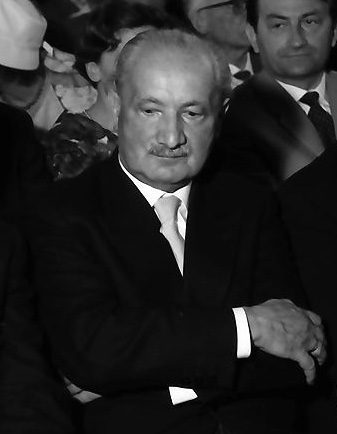
Martin Heidegger
1889 CE – 1976 CE
Meßkirch, Baden, German Empire
German phenomenologist and hermeneutic ontologist whose Being and Time, Dasein analysis, critique of metaphysics, art, technology, language, and late Ereignis thinking reshaped twentieth-century philosophy.
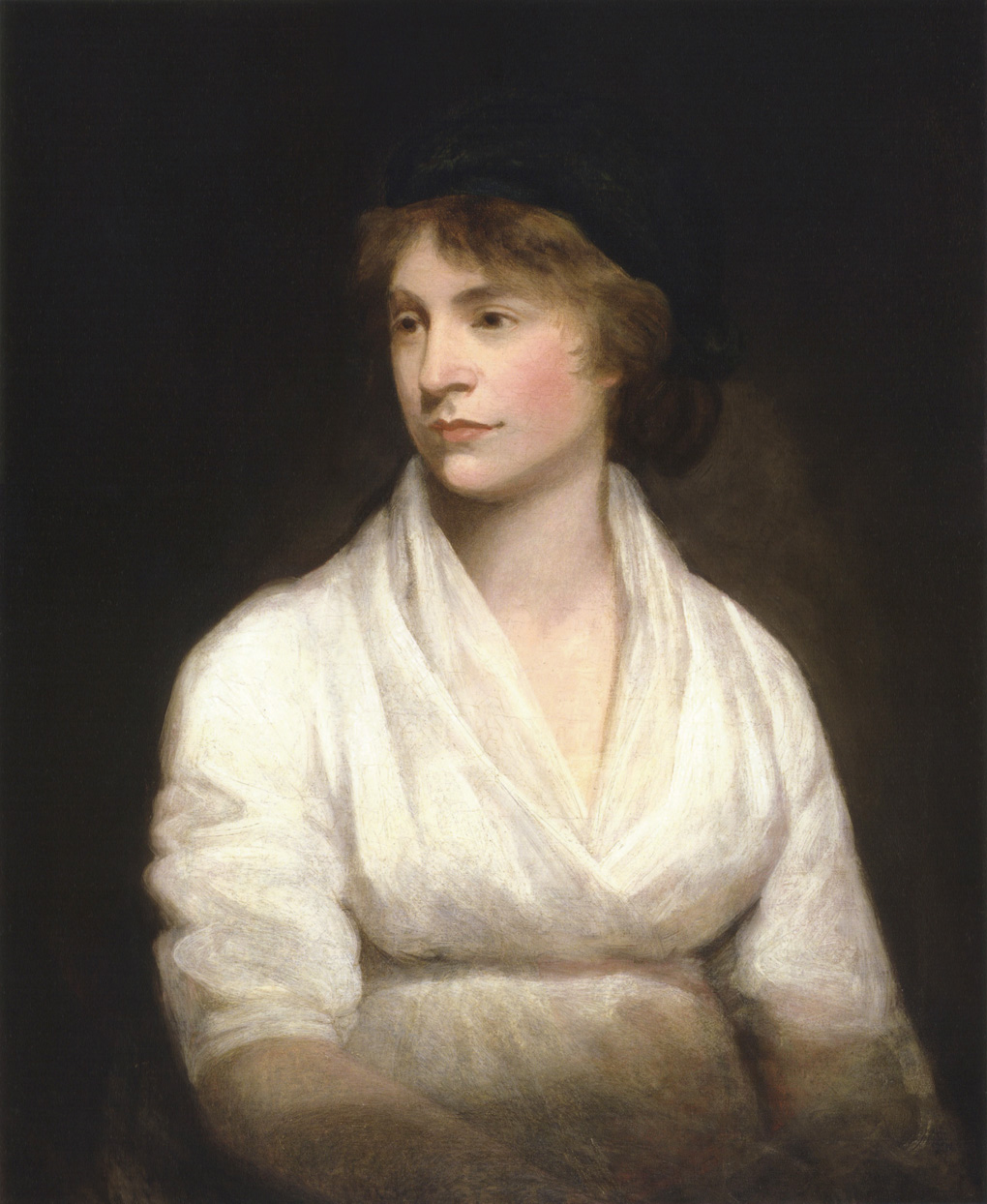
Mary Wollstonecraft
1759 CE – 1797 CE
Spitalfields, London
English Enlightenment feminist philosopher, republican political writer, educator, novelist, translator, historian, and advocate of women's rational education, civic dignity, and moral independence.
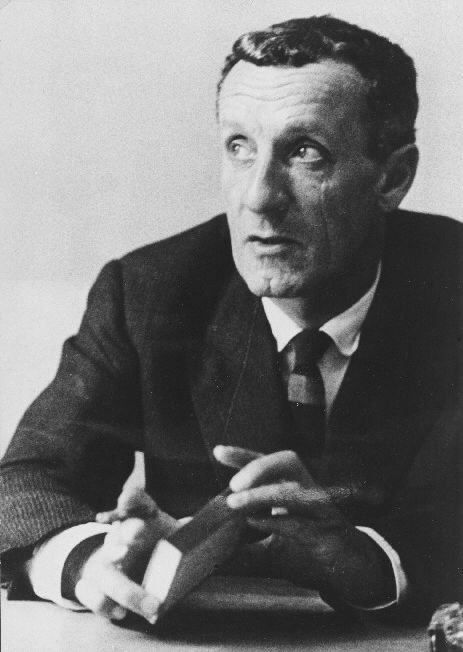
Maurice Merleau-Ponty
1908 CE – 1961 CE
Rochefort-sur-Mer
French philosopher of existential phenomenology, embodied perception, lived body, intersubjectivity, language, aesthetics, politics, nature, and the late ontology of flesh.
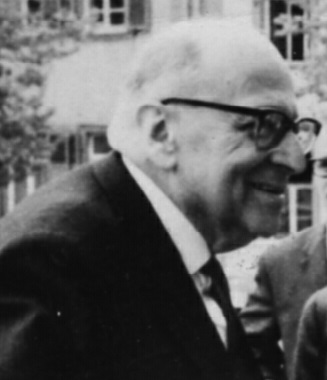
Max Horkheimer
1895 CE – 1973 CE
Stuttgart
German philosopher of Frankfurt School critical theory, Western Marxism, interdisciplinary social philosophy, instrumental reason, authoritarianism, culture industry, and late negative-theological reflection.
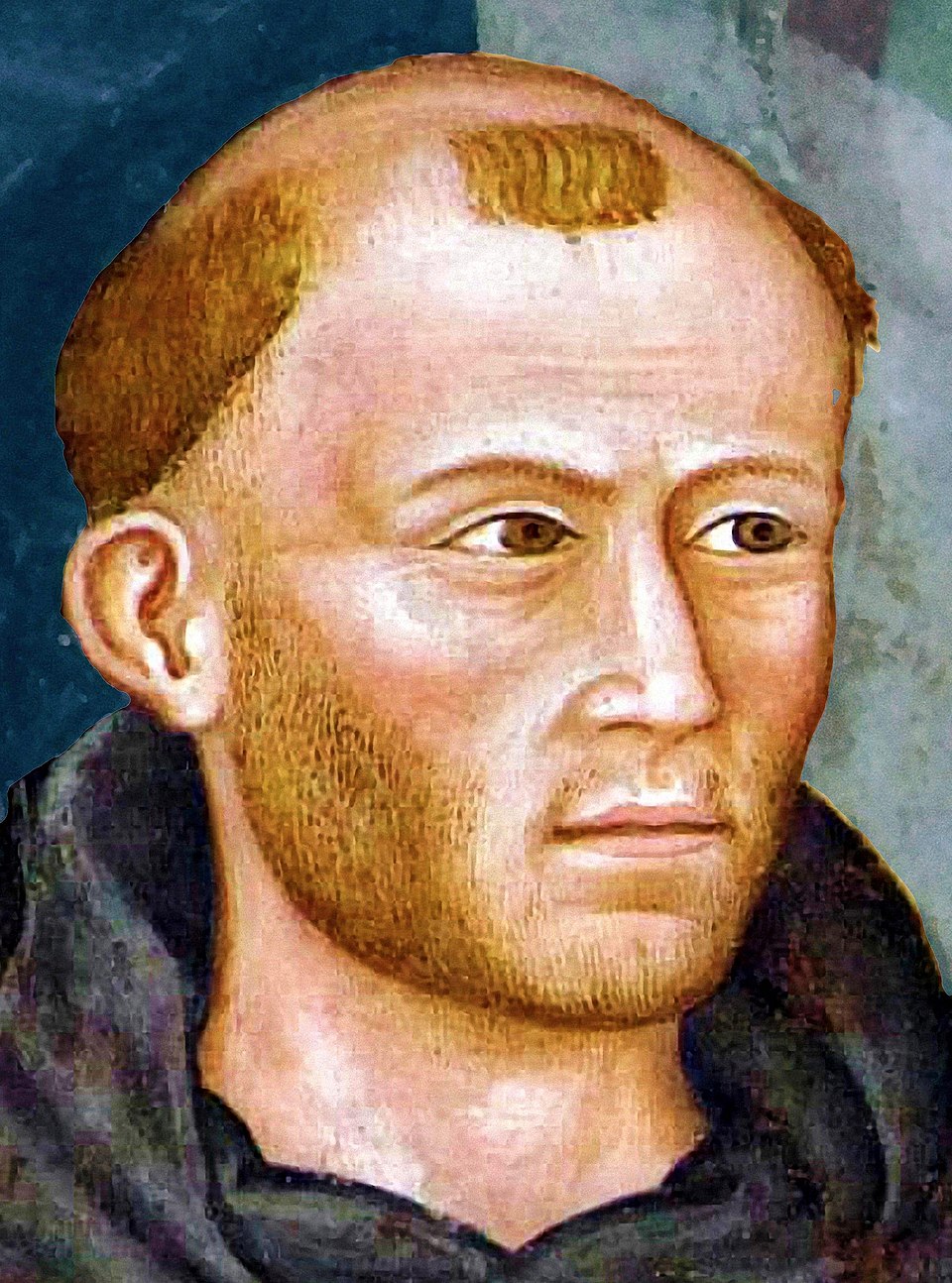
Meister Eckhart
1260 CE – 1328 CE
Hochheim or Tambach near Gotha, Thuringia; exact birthplace uncertain
German Dominican philosopher-theologian of Rhineland mysticism, speculative Christian Neoplatonism, apophatic theology, detachment, ground of the soul, divine birth, and vernacular mystical language.
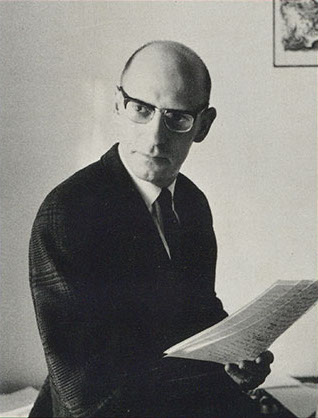
Michel Foucault
1926 CE – 1984 CE
Poitiers
French philosopher of archaeology, genealogy, power-knowledge, discipline, biopolitics, subjectivation, sexuality, governmentality, and care of the self.
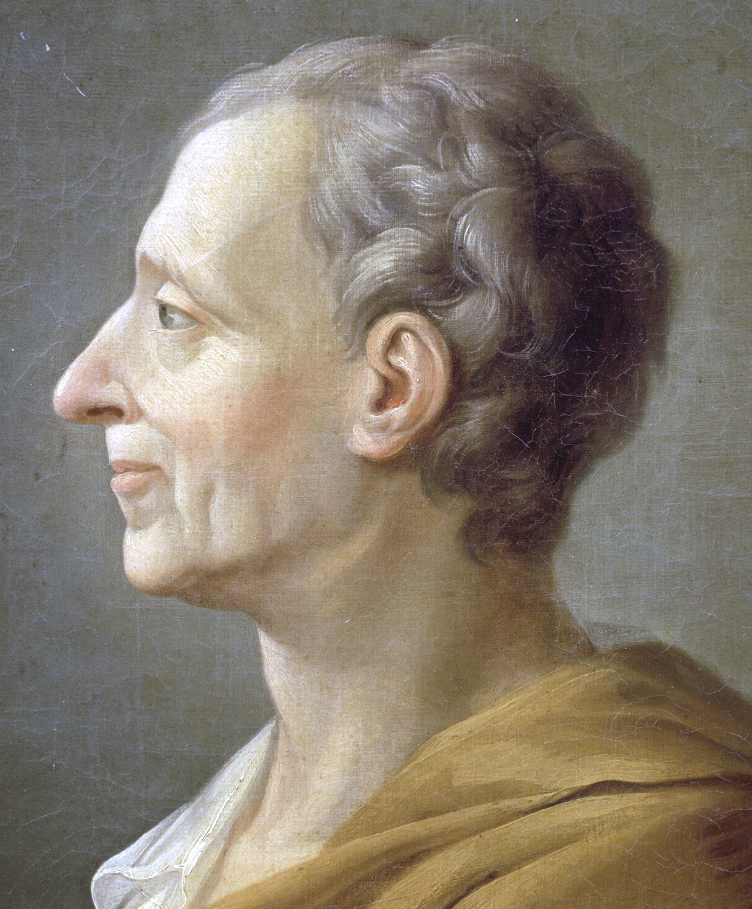
Montesquieu (Charles-Louis de Secondat)
1689 CE – 1755 CE
Chateau de la Brede, near Bordeaux
Enlightenment political philosopher of separation of powers, comparative law, rule of law, political liberty, commerce, climate, moderation, and despotism.
Muhyi al-Din Ibn Arabi
1165 CE – 1240 CE
Murcia, al-Andalus
Sufi philosopher of Akbarian metaphysics, imagination, prophecy, sainthood, divine names, unveiling, cosmology, the Perfect Human, and Islamic mystical reception.
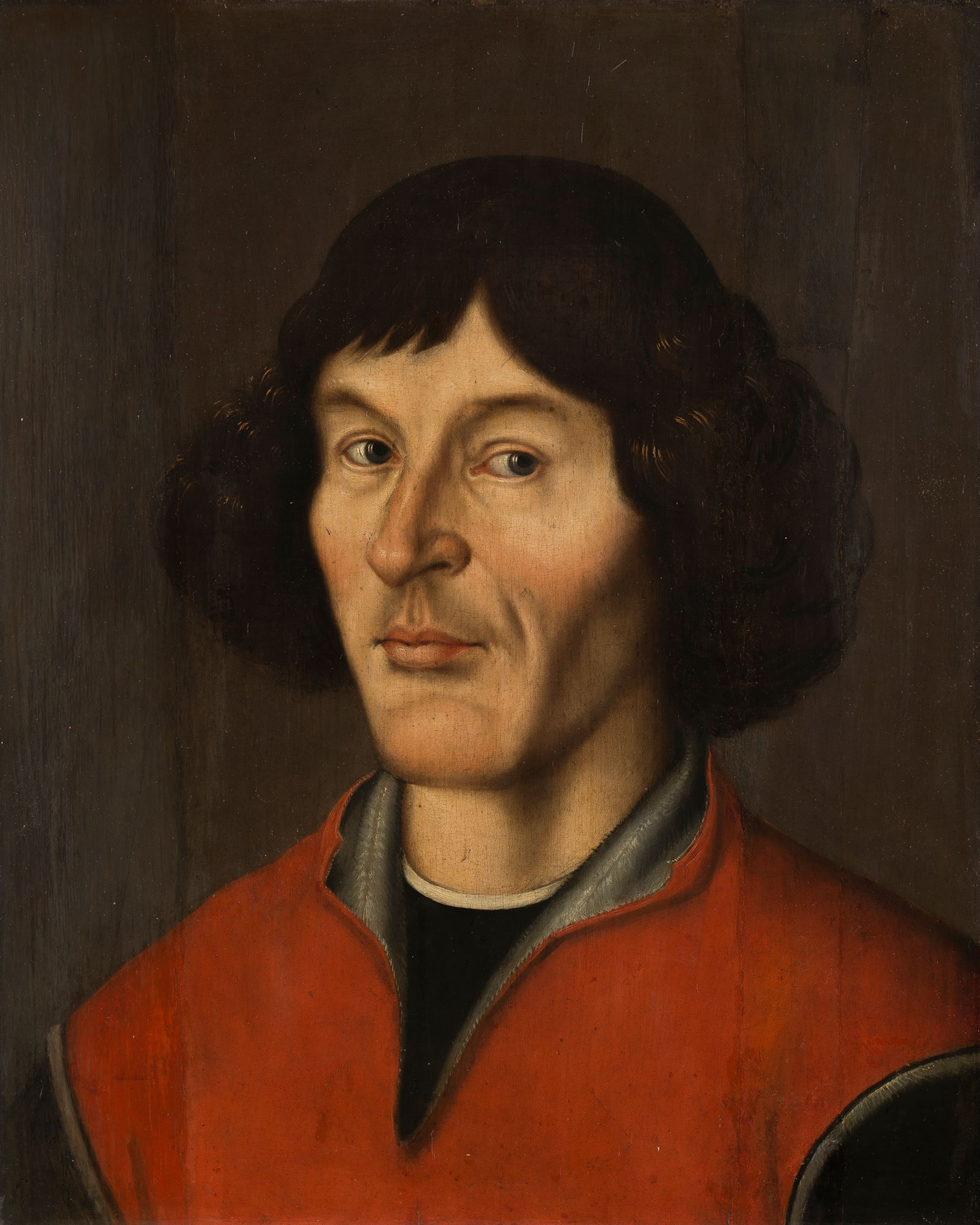
Nicolaus Copernicus
1473 CE – 1543 CE
Torun, Royal Prussia
Renaissance natural philosopher and mathematical astronomer of heliocentrism, De revolutionibus, Commentariolus, Warmian administration, and monetary reform.
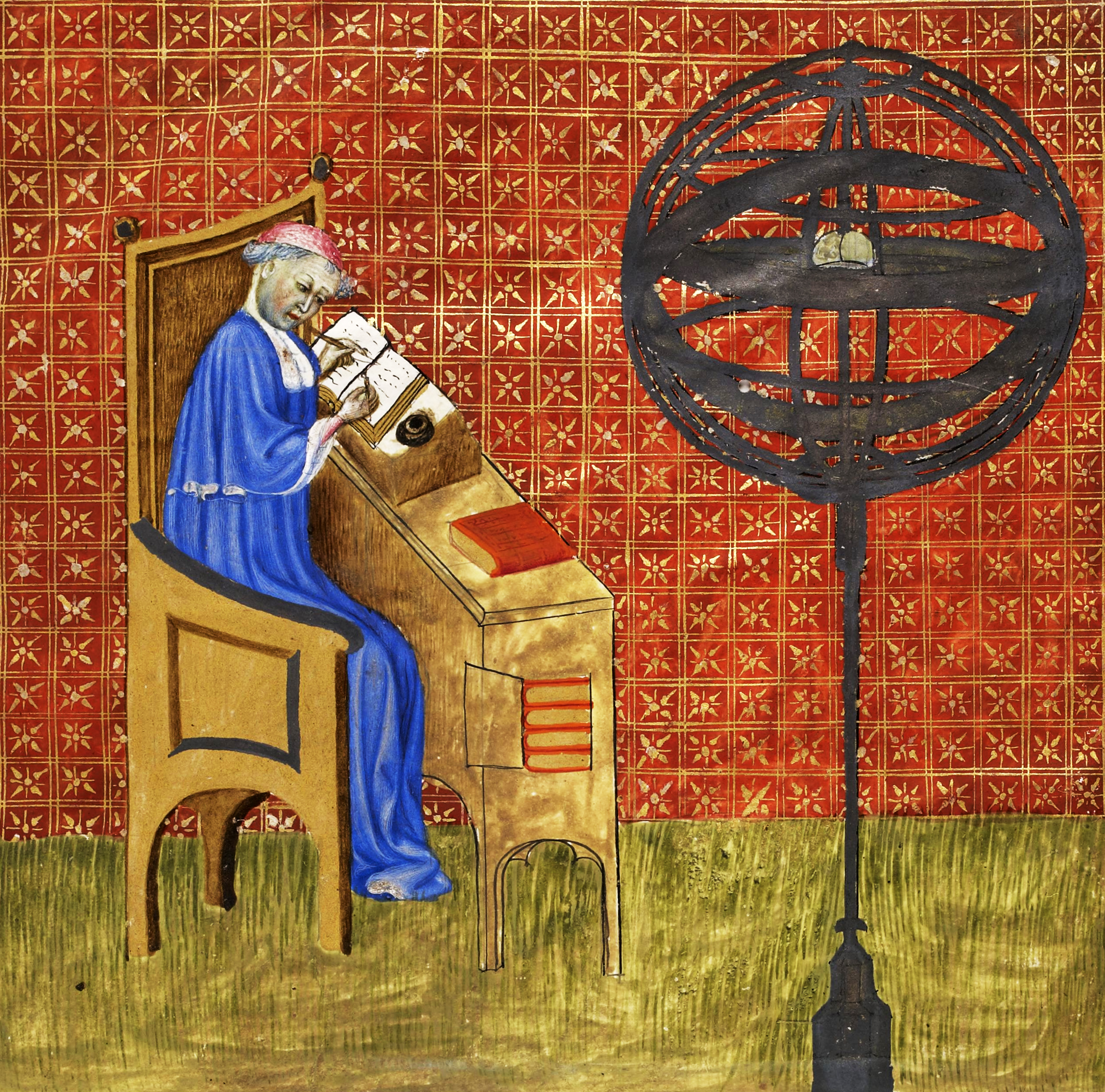
Nicole Oresme
1323 CE – 1382 CE
Normandy, France
Late medieval scholastic philosopher of mathematical physics, latitudes of forms, Aristotle translation, money theory, probability, anti-astrology, and royal administration.
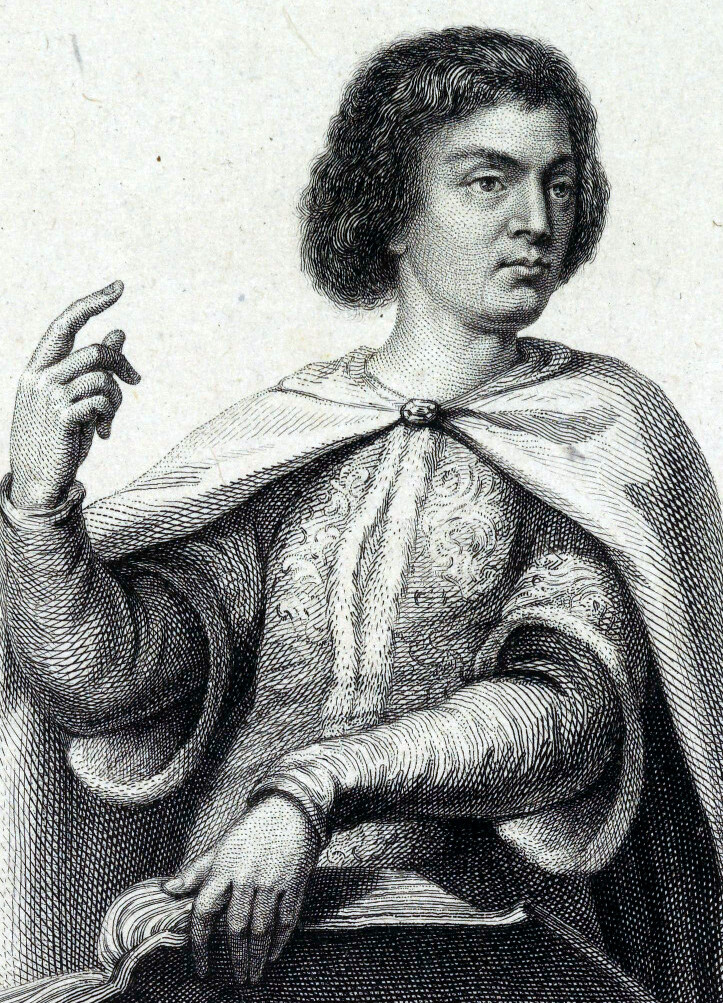
Peter Abelard
1079 CE – 1142 CE
Le Pallet, Brittany
Medieval scholastic philosopher of logic, universals, dialectic, intention, moral responsibility, Trinitarian theology, Sic et Non, Heloise, and the schools of Paris.
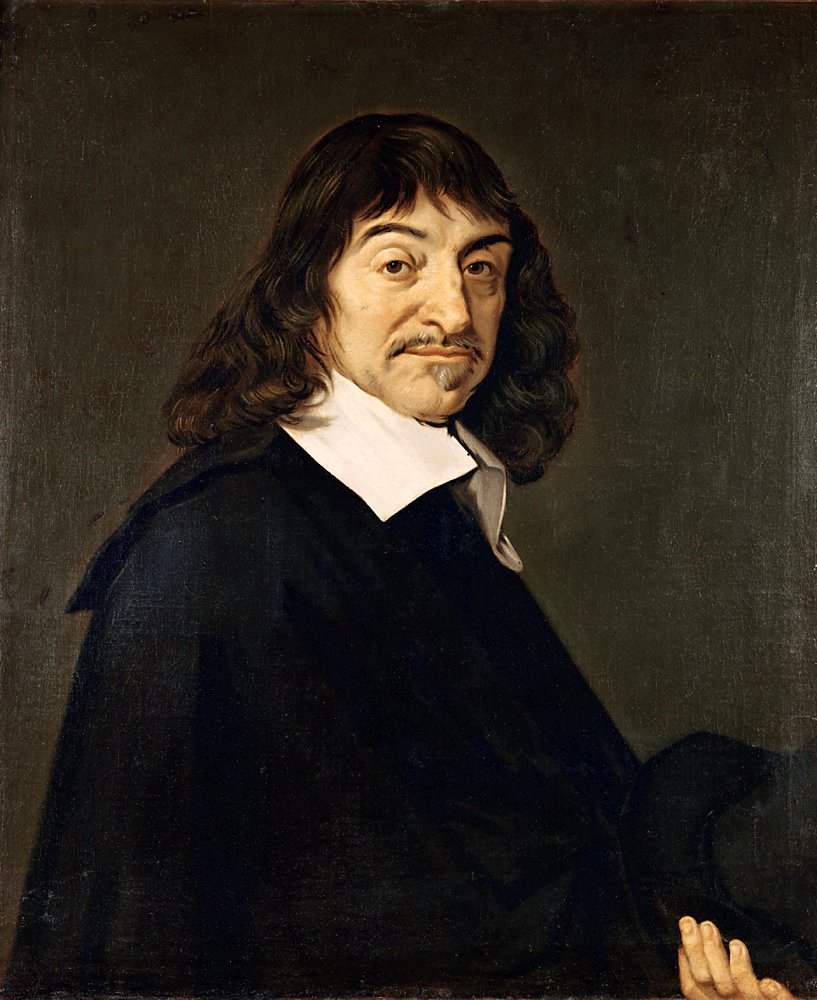
René Descartes
1596 CE – 1650 CE
La Haye en Touraine
Early modern rationalist and mathematician of methodic doubt, the cogito, clear and distinct perception, mind-body dualism, innate ideas, analytic geometry, mechanical philosophy, optics, passions, free will, God, and Cartesian science.
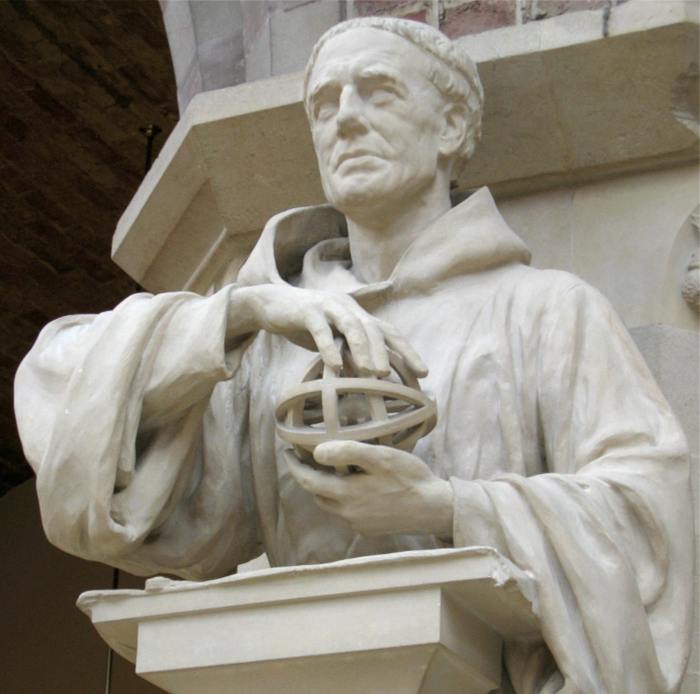
Roger Bacon
1219 CE – 1292 CE
Ilchester (Somerset)
Medieval Franciscan philosopher of languages, signs, mathematics, optics, experimental science, natural philosophy, moral philosophy, theology, and the reform of learning.
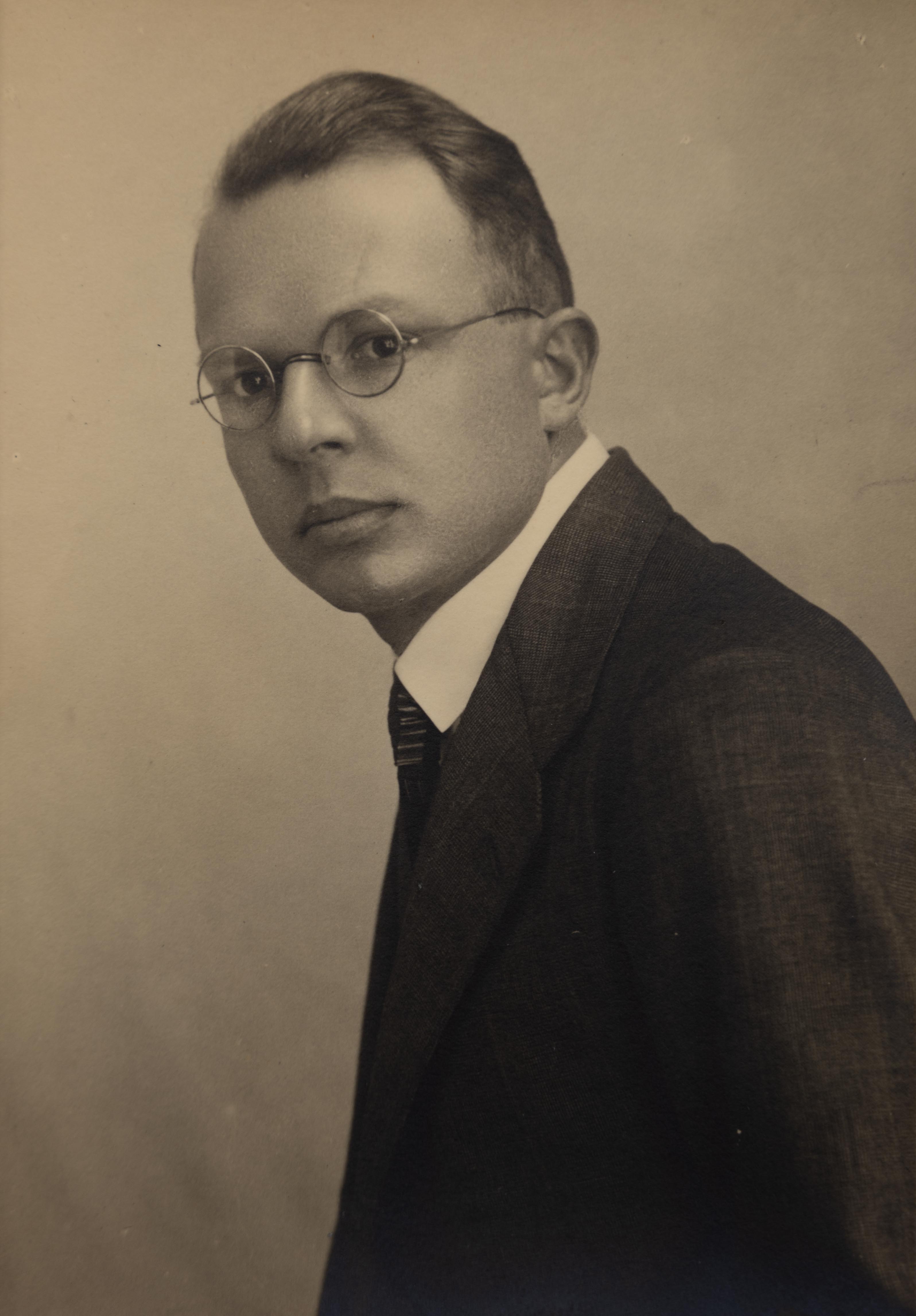
Rudolf Carnap
1891 CE – 1970 CE
Ronsdorf, Wuppertal
German-American logical empiricist of the Vienna Circle, Aufbau construction theory, anti-metaphysics, physicalist language, logical syntax, semantics, linguistic frameworks, confirmation theory, inductive logic, probability, theoretical terms, and scientific philosophy.
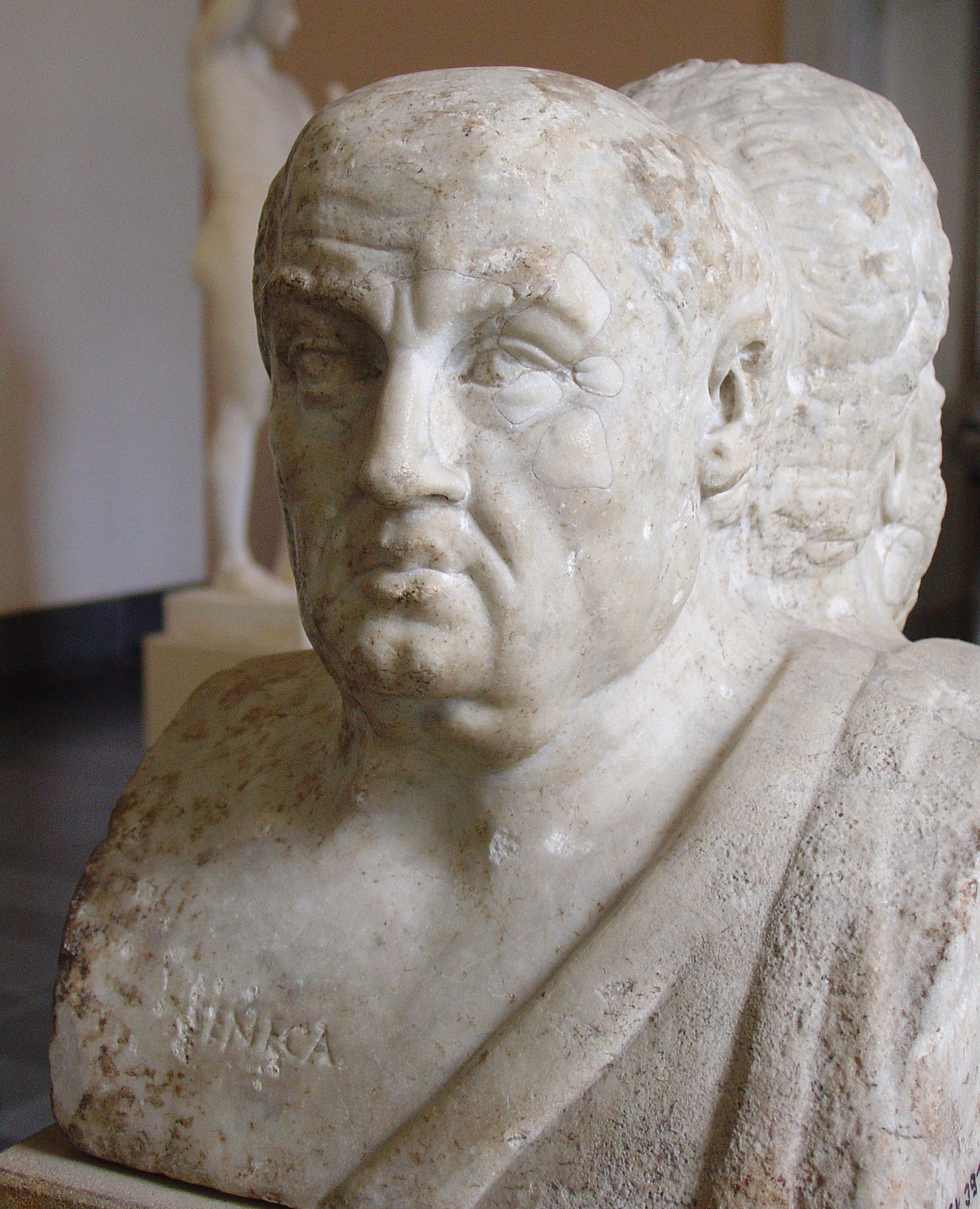
Seneca the Younger
4 CE – 65 CE
Corduba (Cordoba, Hispania)
Roman Stoic philosopher from Corduba whose letters, essays, and natural questions made virtue, anger, time, clemency, and self-command enduring topics in Latin philosophy.
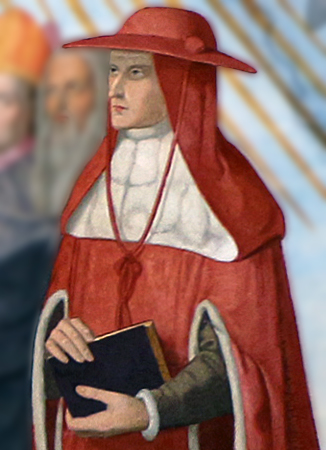
Siger of Brabant
1240 CE – 1284 CE
Brabant (Low Countries)
Paris arts master and radical Aristotelian associated with Latin Averroism, the unity of intellect controversy, metaphysics, logic, natural philosophy, and the autonomy of philosophical teaching.
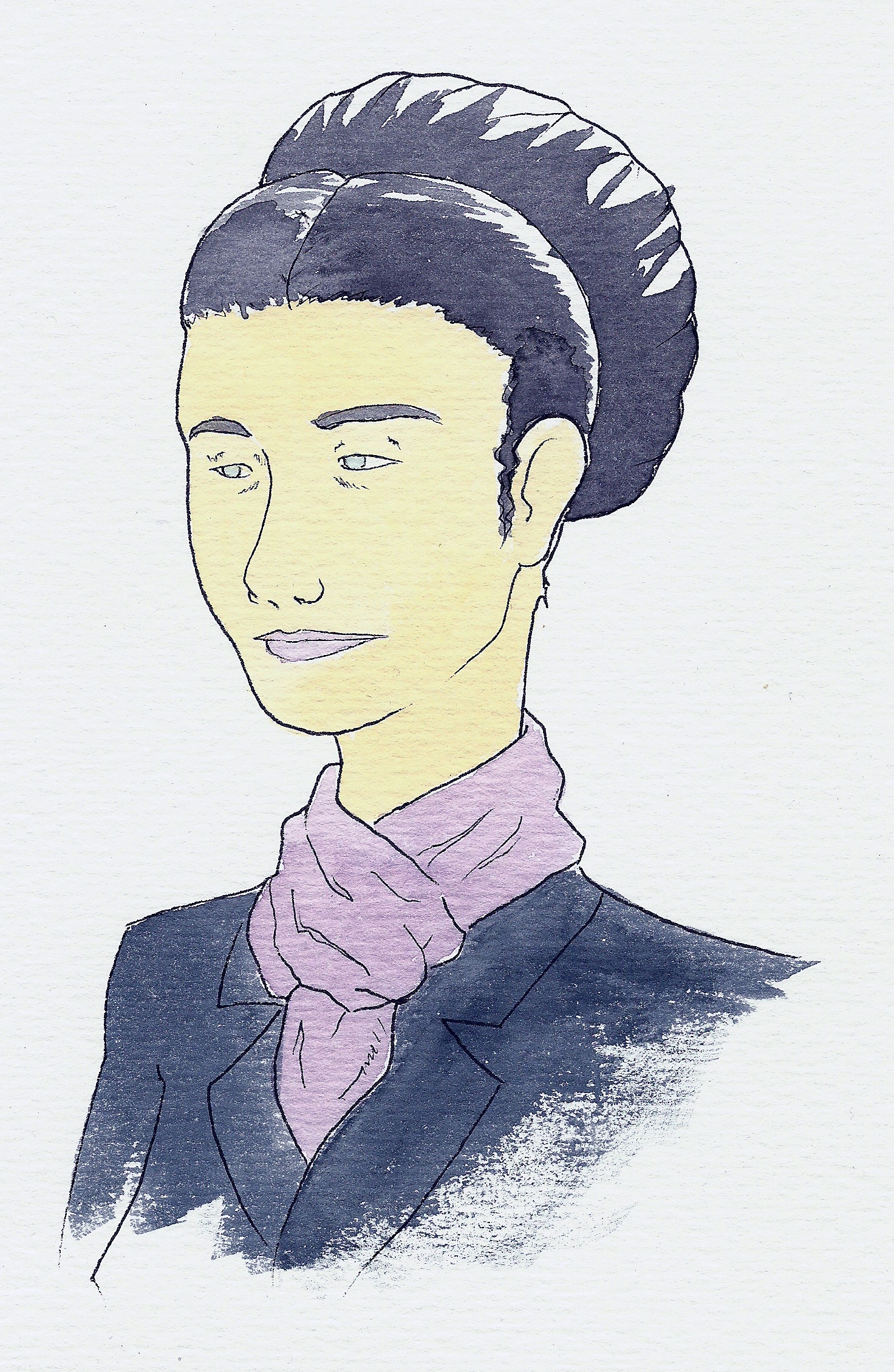
Simone de Beauvoir
1908 CE – 1986 CE
Paris
French existentialist and feminist philosopher of ambiguity, situated freedom, otherness, embodiment, oppression, aging, literature, and ethical responsibility.
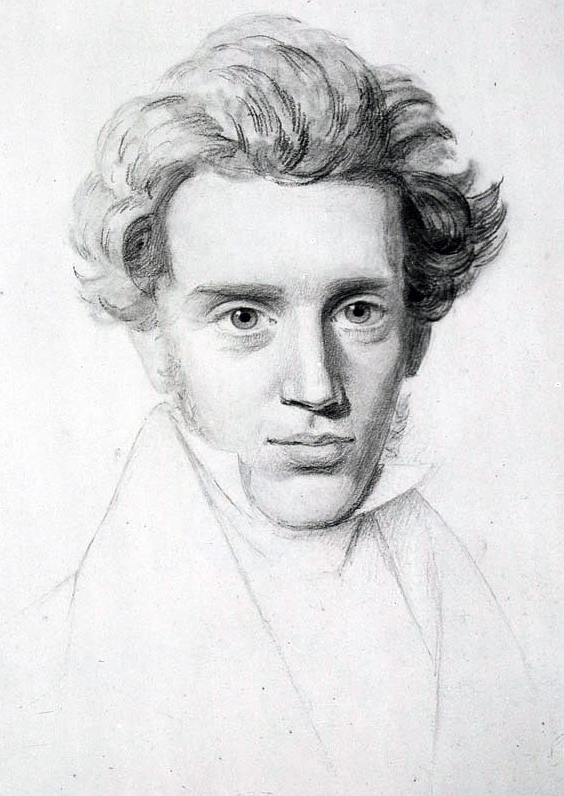
Søren Kierkegaard
1813 CE – 1855 CE
Copenhagen
Danish philosopher of subjectivity, indirect communication, pseudonymous authorship, anxiety, despair, faith, love, the single individual, and critique of Christendom.
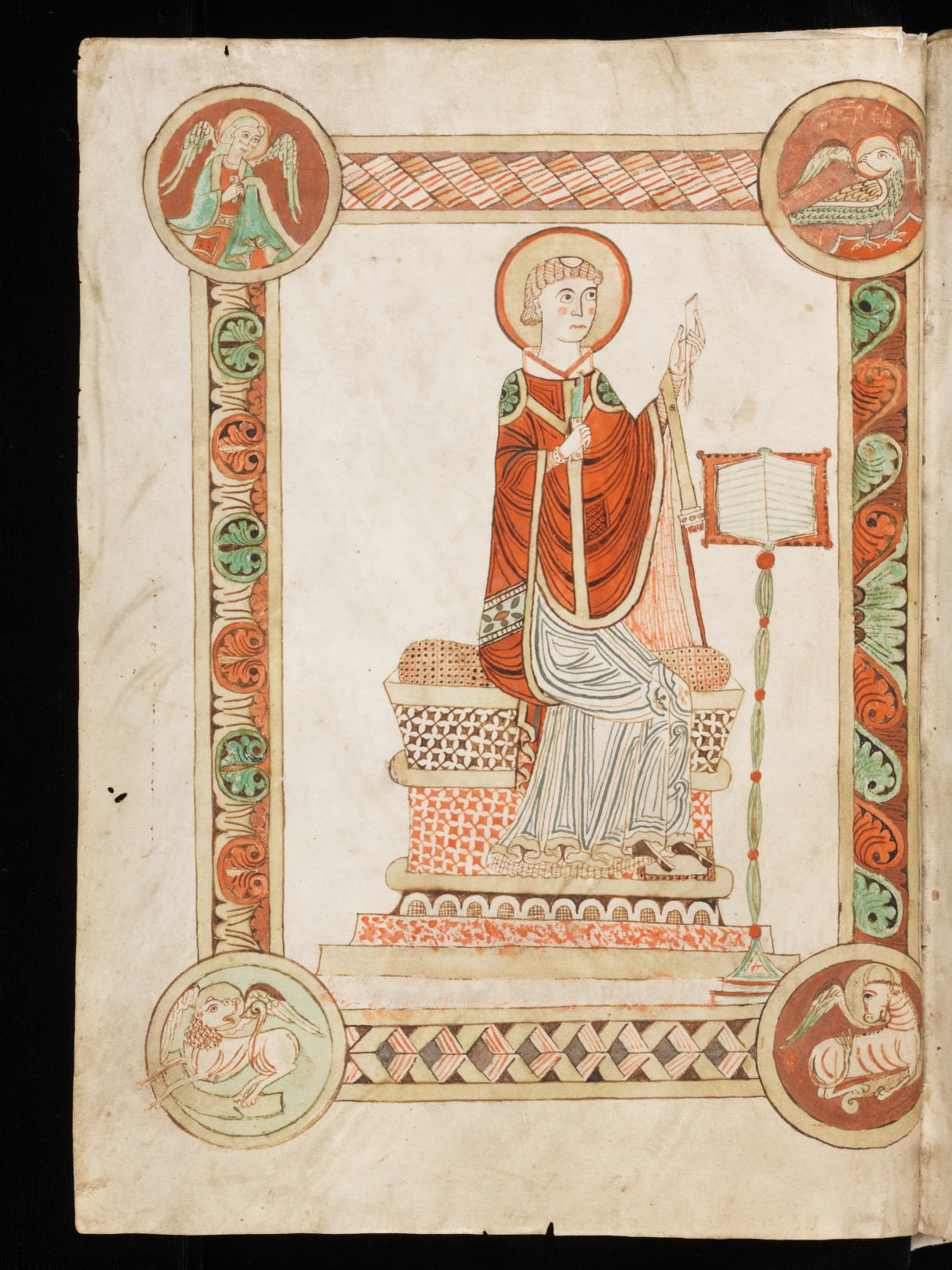
The Venerable Bede
672 CE – 735 CE
Wearmouth-Jarrow region, Northumbria
Northumbrian monk and scholar of Wearmouth-Jarrow, computus, chronology, AD dating, natural philosophy, grammar, rhetoric, biblical exegesis, ecclesiastical history, hagiography, and pastoral reform.
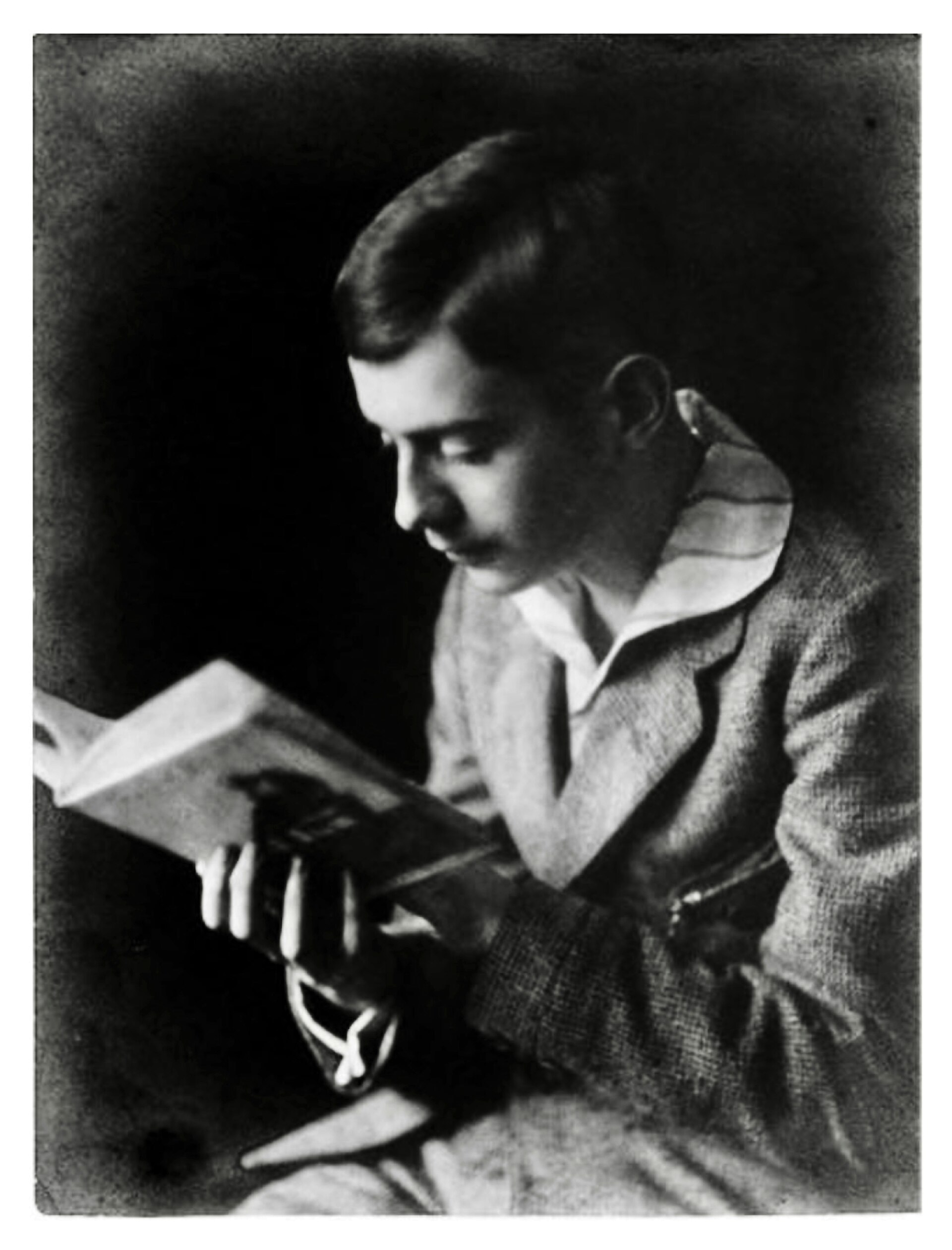
Theodor W. Adorno
1903 CE – 1969 CE
Frankfurt am Main
German critical theorist, philosopher, sociologist, and music theorist of the Frankfurt School whose negative dialectics, nonidentity, culture industry critique, aesthetics, music sociology, authoritarianism analysis, and postwar social philosophy shaped contemporary critical theory.
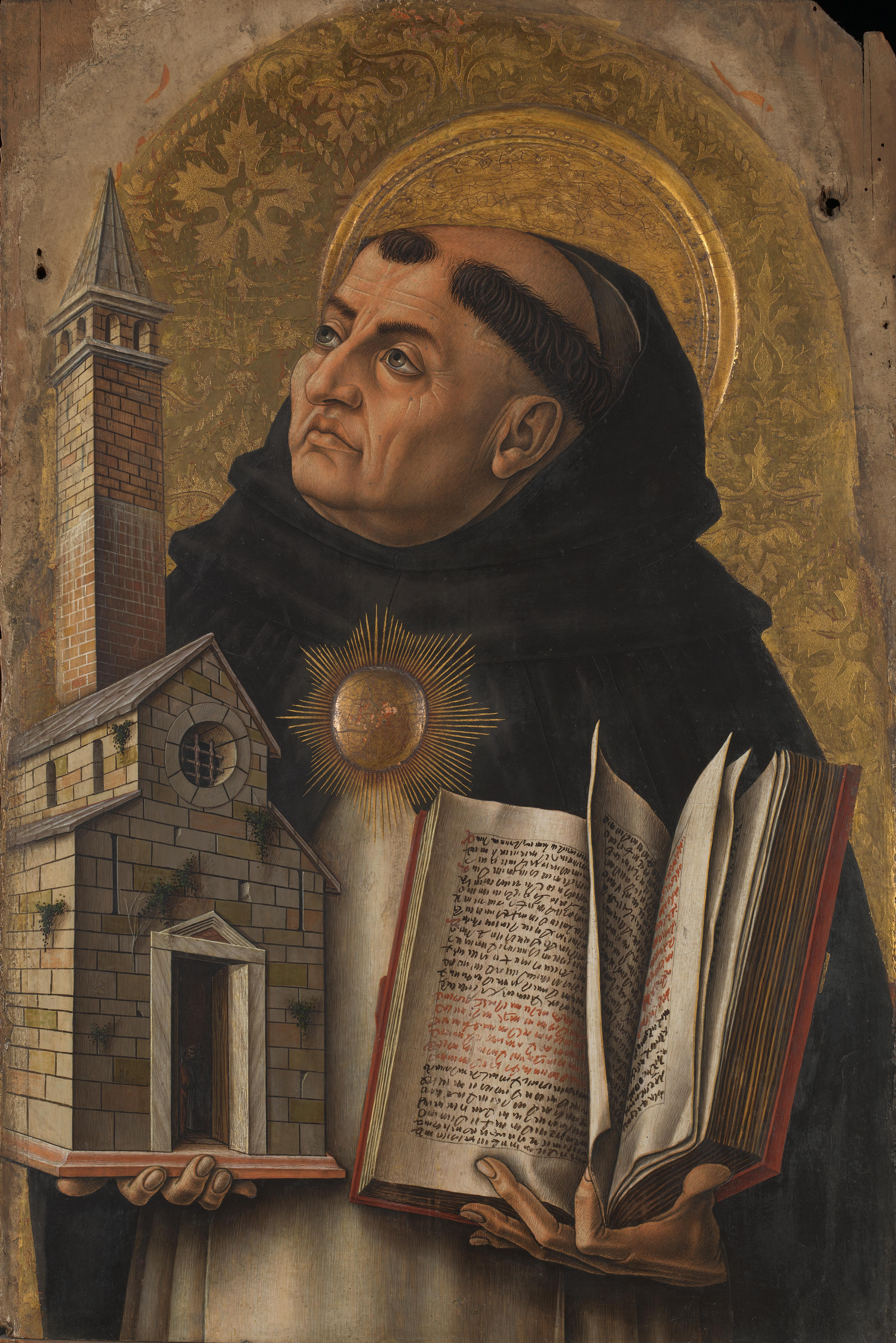
Thomas Aquinas
1225 CE – 1274 CE
Roccasecca, County of Aquino
Medieval Dominican scholastic philosopher of faith and reason, act and potency, essence and existence, divine simplicity, analogy, the Five Ways, natural law, virtue, beatitude, soul, Aristotle commentary, and Thomism.
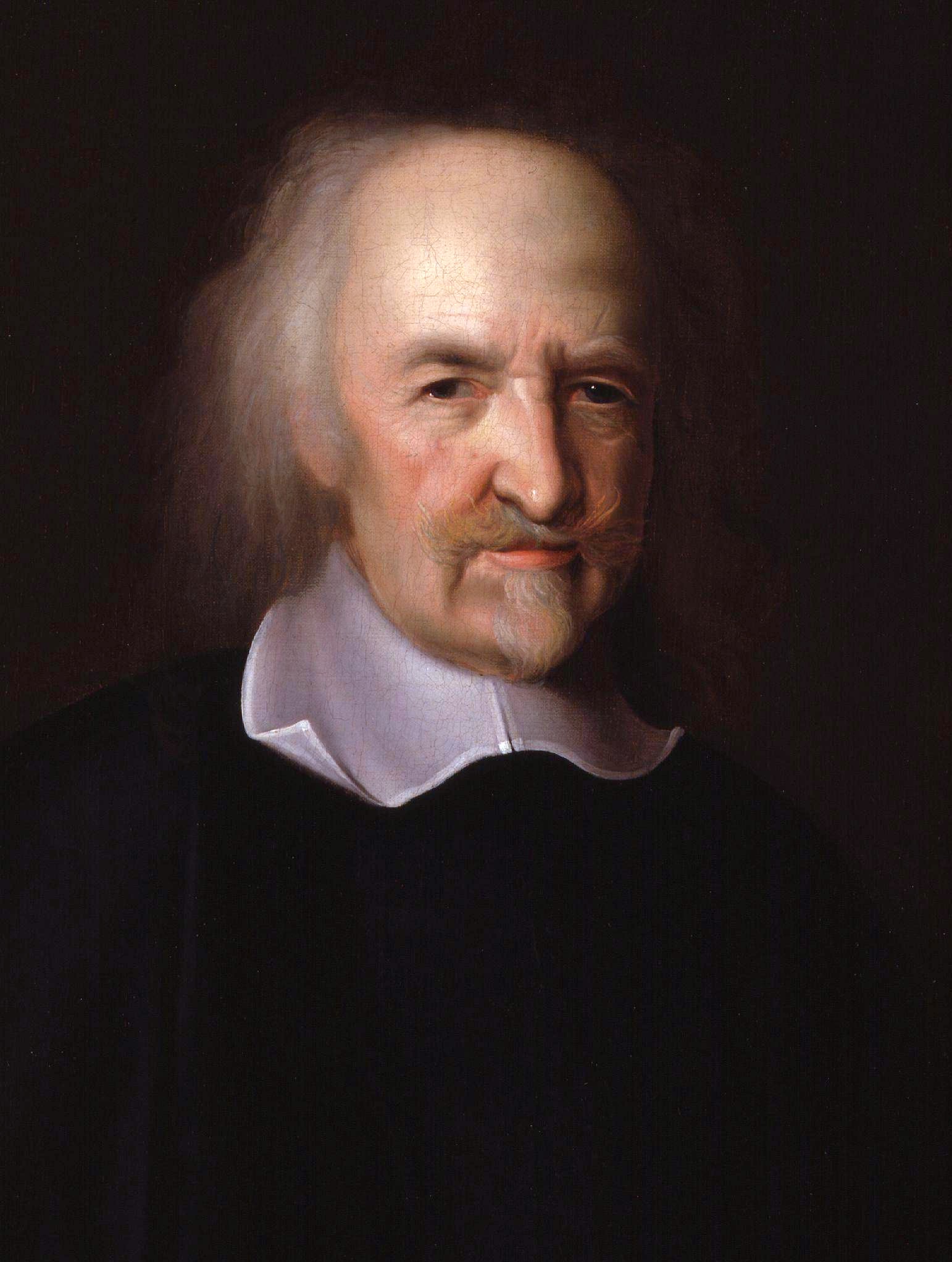
Thomas Hobbes
1588 CE – 1679 CE
Westport, near Malmesbury, Wiltshire
Early modern English philosopher of civil science, mechanistic materialism, state of nature, laws of nature, covenant, authorization, sovereignty, civil law as command, church authority, liberty and necessity, rhetoric, history, and translation.
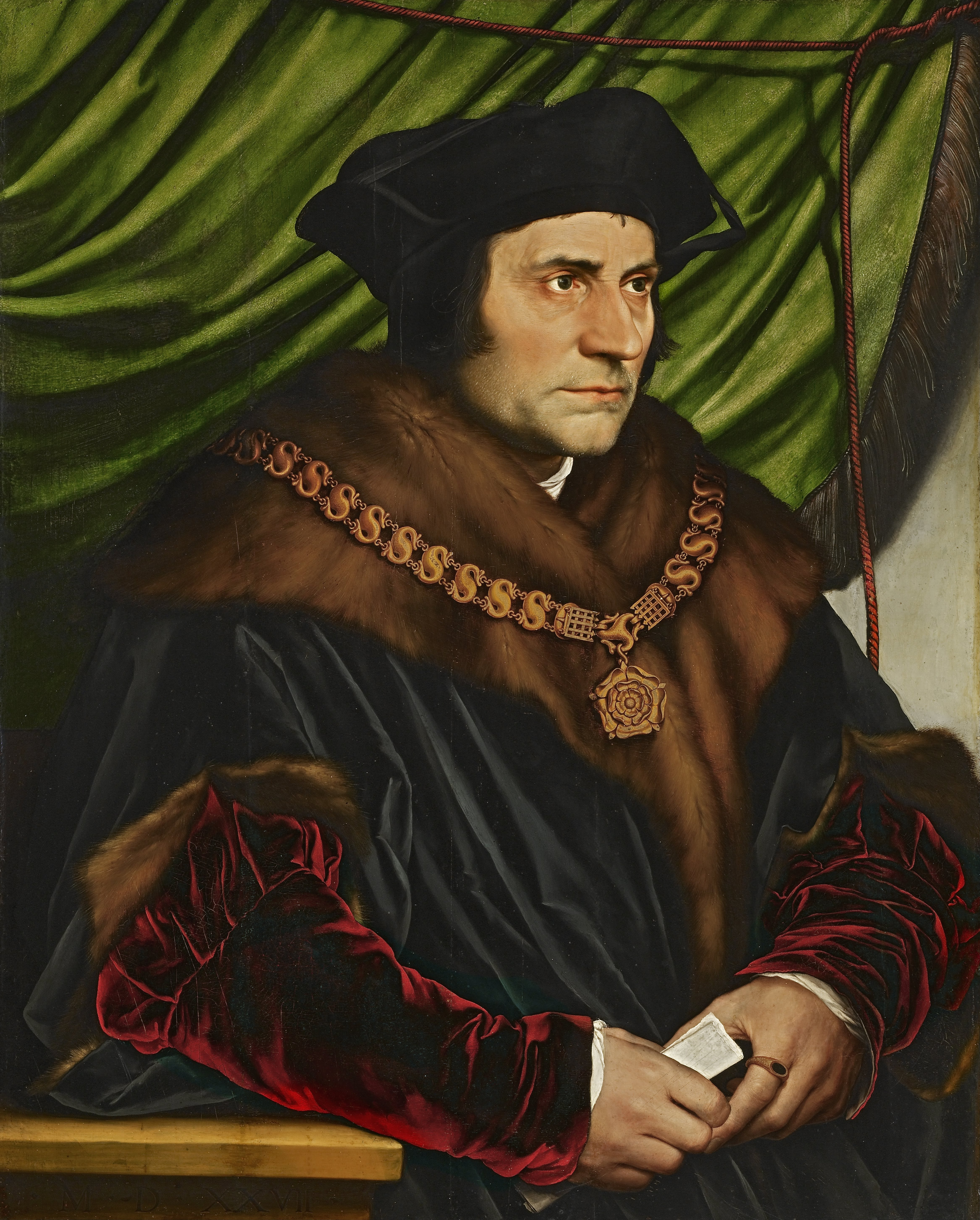
Thomas More
1478 CE – 1535 CE
London
English Renaissance humanist, lawyer, royal councillor, author of Utopia, and Catholic moral thinker whose works join civic counsel, conscience, political imagination, religious controversy, and prison consolation.
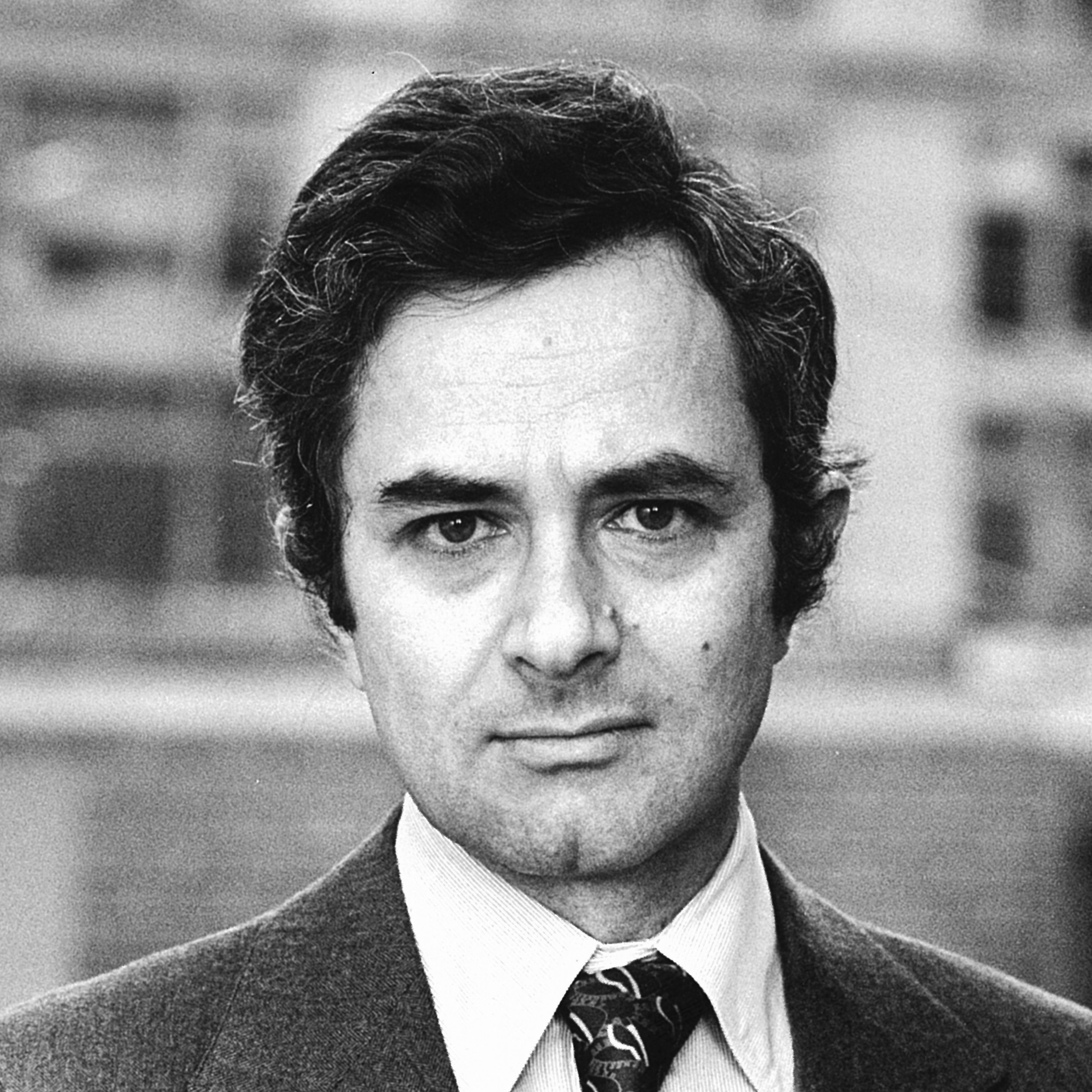
Thomas Nagel
1937 CE
Belgrade
American analytic philosopher of consciousness, objectivity, altruism, moral luck, equality, political morality, religious temperament, and limits of reductive materialism.
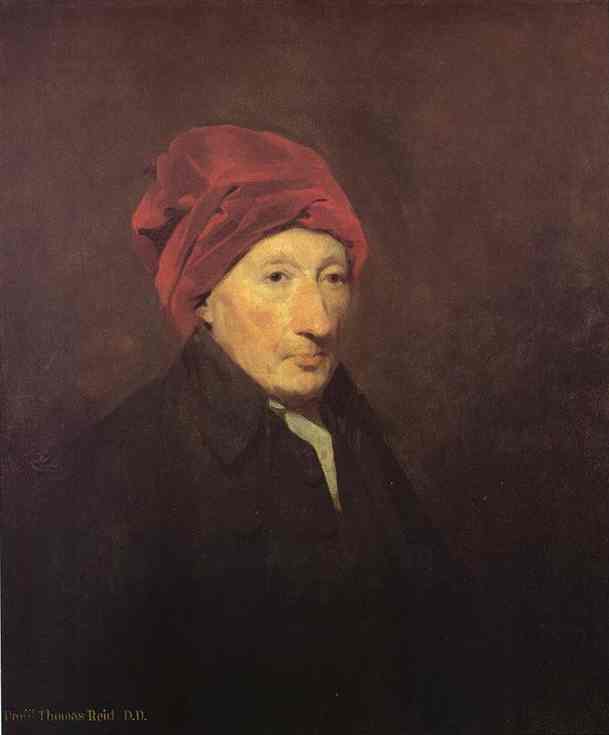
Thomas Reid
1710 CE – 1796 CE
Strachan, Kincardineshire
Scottish Enlightenment philosopher of common sense, direct realism, perception, first principles, active powers, moral liberty, natural signs, and criticism of the theory of ideas.
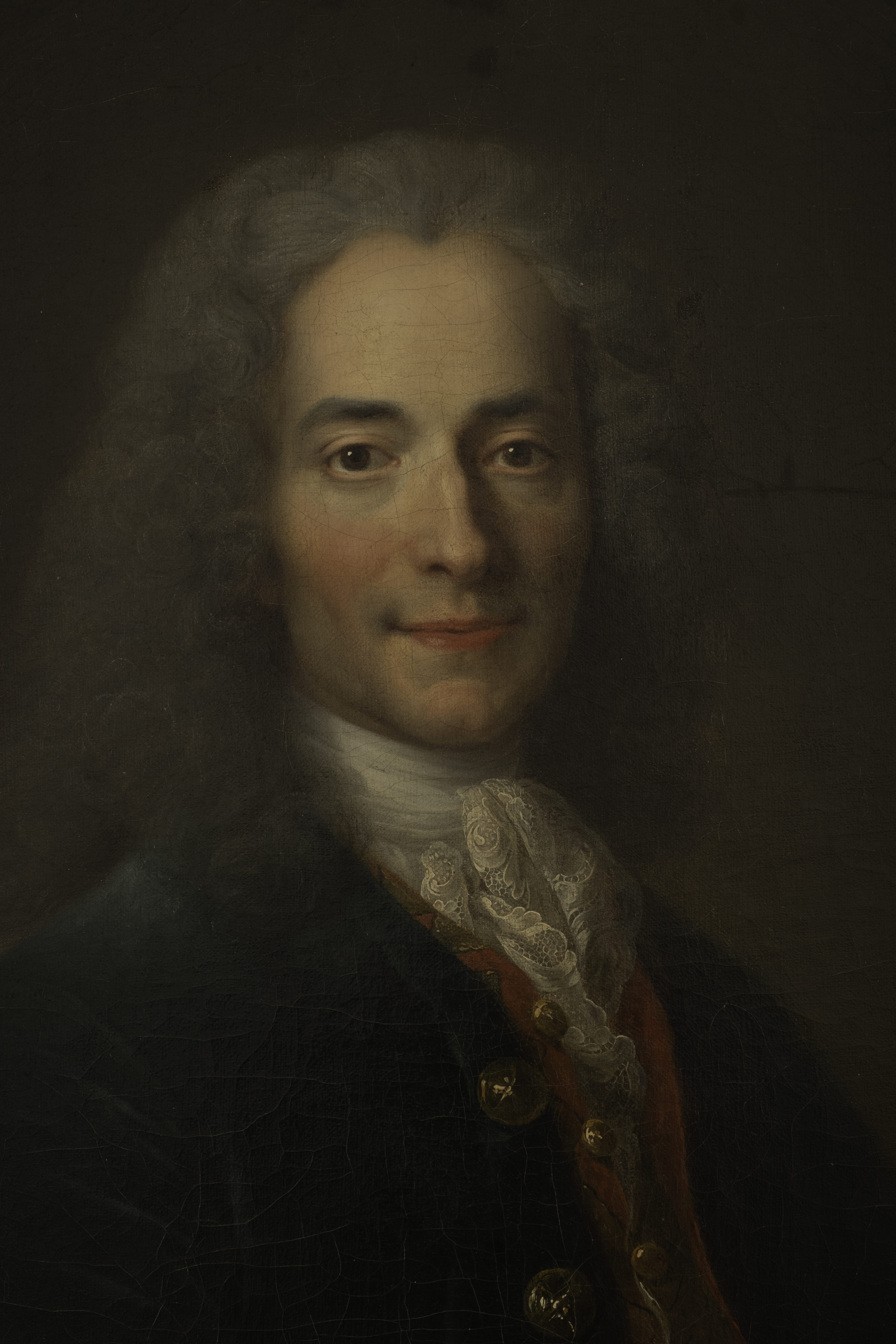
Voltaire (François-Marie Arouet)
1694 CE – 1778 CE
Paris
French Enlightenment writer and philosopher whose deism, satire, toleration campaigns, Newtonian public science, civil-liberties advocacy, and anti-clerical critique made him a defining public intellectual of eighteenth-century Europe.
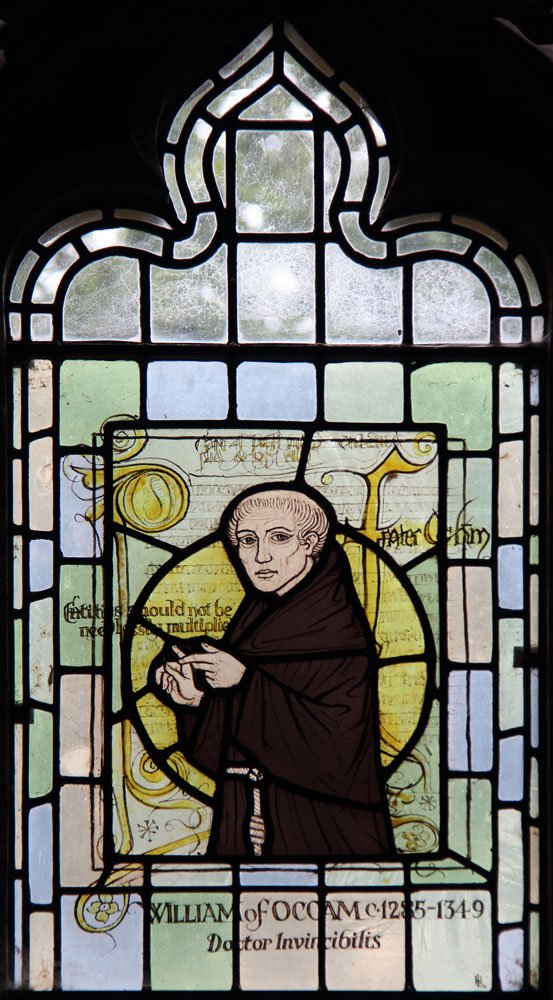
William of Ockham
1287 CE – 1347 CE
Ockham, Surrey
English Franciscan scholastic whose nominalism, terminist logic, mental-language theory, political theology, and parsimony arguments reshaped late medieval philosophy.