(1800 AD – 1945 AD)
Modern History spans from the beginning of industrialization (c. 1800 CE) to the end of the Second World War (1945 CE). It is the structural period where mechanization, nationalism, and global conflict reshape human organization on every level—economic, political, and cultural.
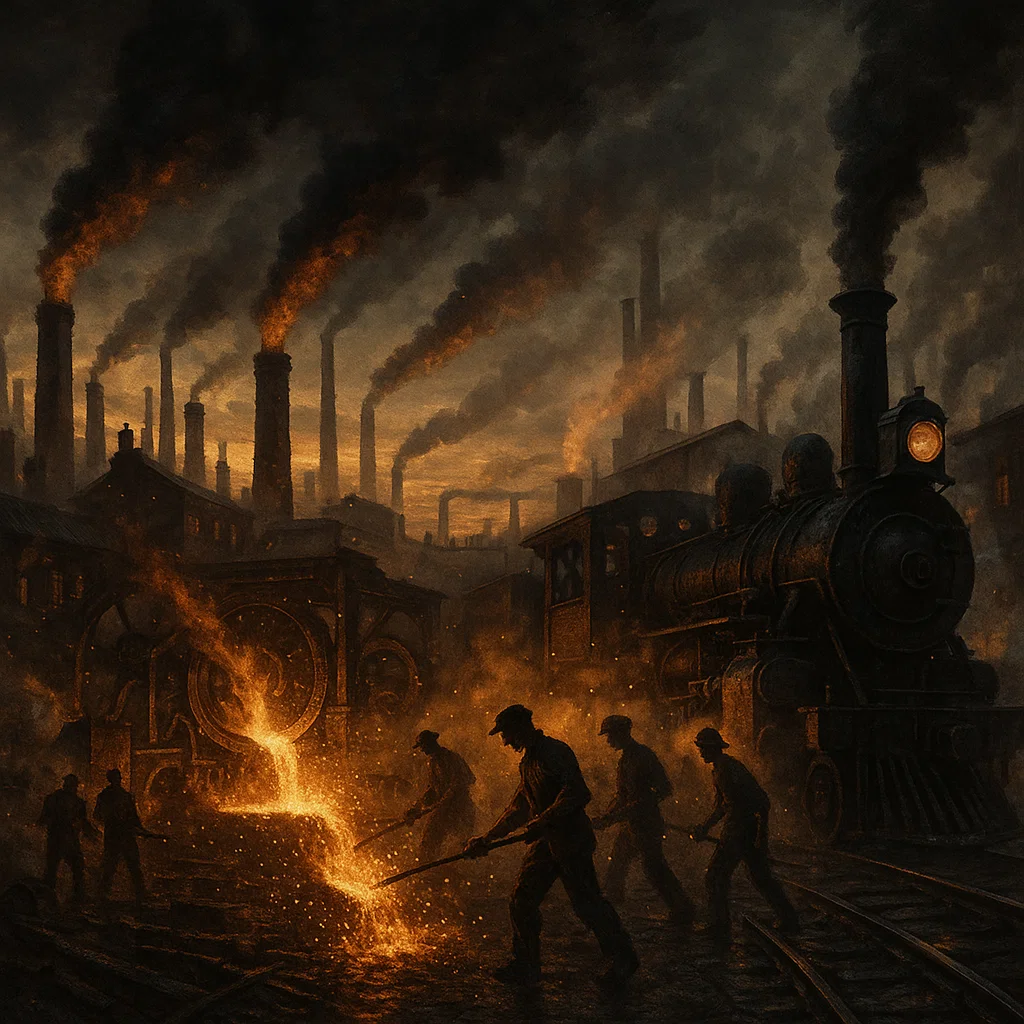
It is divided into structural epochs:
- Industrial Era (c. 1800 – 1870 CE)
- Structurally defined by mechanized production, urbanization, and the rise of industrial capitalism.
- Nation-states consolidate with new bureaucratic and economic power.
- Long 19th Century (c. 1870 – 1914 CE)
- Structure: global empires, mass politics, and expanding capitalist networks.
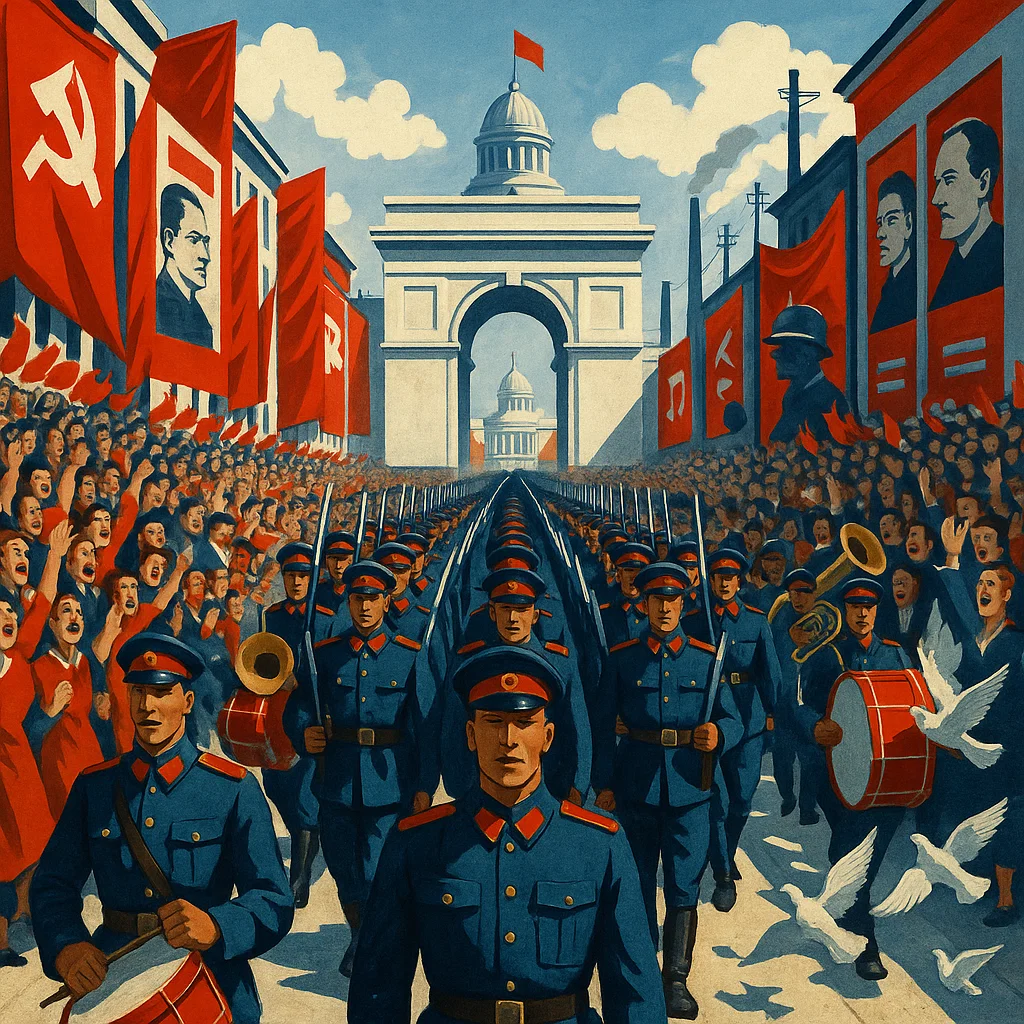
- Marked by rapid technological progress, imperial rivalries, and rising ideologies (liberalism, socialism, nationalism).
- World War Era (c. 1914 – 1945 CE)
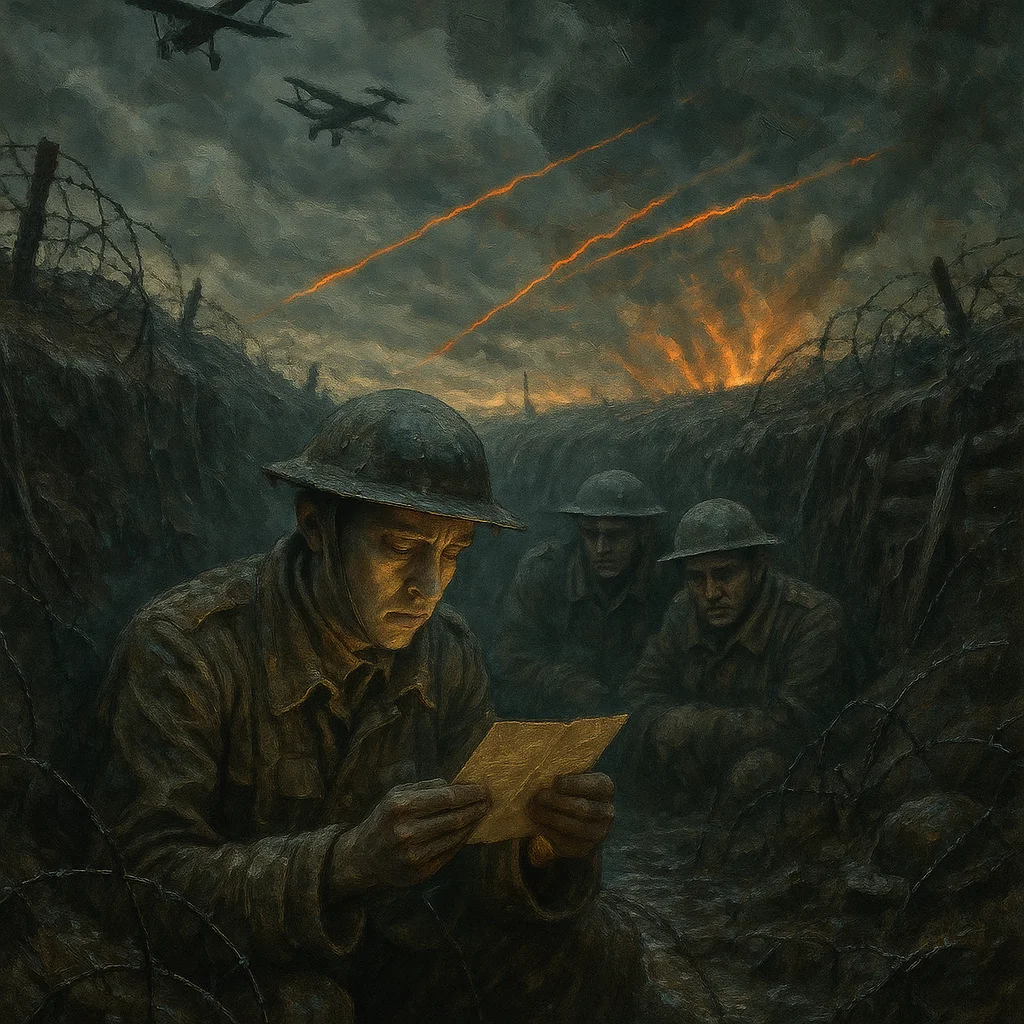
- Structural core: industrialized warfare, ideological conflict, and global economic crisis.
- Nation-states and empires fracture, leading to a reshaped world order at mid-century.
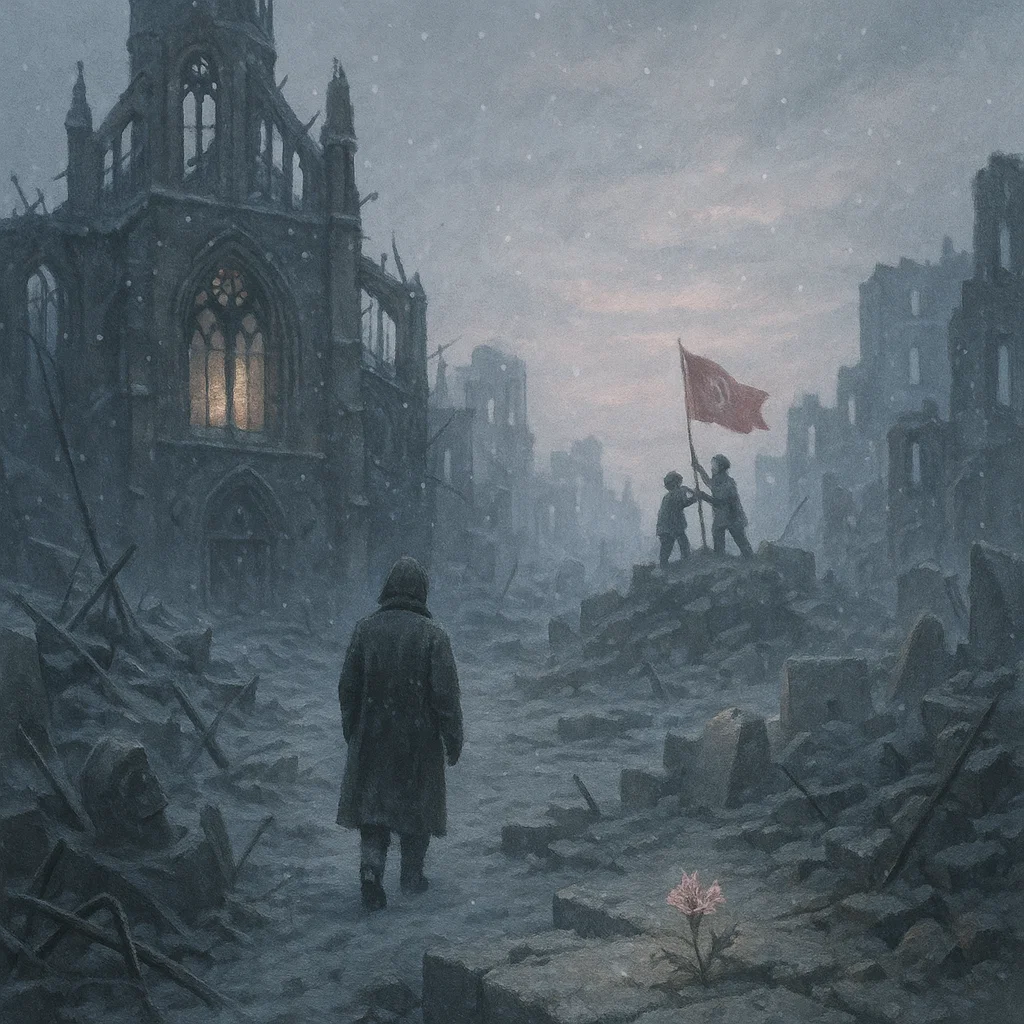
Modern History ends in 1945, with the devastation of global war and the emergence of a new nuclear, bipolar order. This marks the threshold of Contemporary History.