Ancient History Comprises 1800 Years and 3 Eras of Human Existence – See Below
Ancient History (c. 3000 BCE – 500 CE)
- Bronze Age: c. 3000 – 1200 BCE
- Iron Age: c. 1200 – 500 BCE
- Classical Antiquity: c. 500 BCE – 500 CE
Bronze Age Painting (c. 3000 – 1200 BCE)
The Bronze Age marks the first era in which painting became a structured medium of civilization. Across the Near East, Nile Valley, Indus basin, Aegean world, and East Asia, the image was formalized as a system of divine communication, state ideology, and cosmic order.
Metallurgy, urbanization, and trade networks connected distant cultures, allowing pigments, techniques, and iconographic ideas to circulate from Mesopotamia to the Mediterranean and beyond. Painting emerged not as personal expression but as ritual architecture—color applied to define sacred space, proclaim kingship, and visualize the unseen structure of the cosmos.
The same symbolic logic governed across cultures: geometry equated to order, color to vitality, and composition to moral hierarchy. What began as pigment on stone in the prehistoric world was now the instrument of empire and theology.
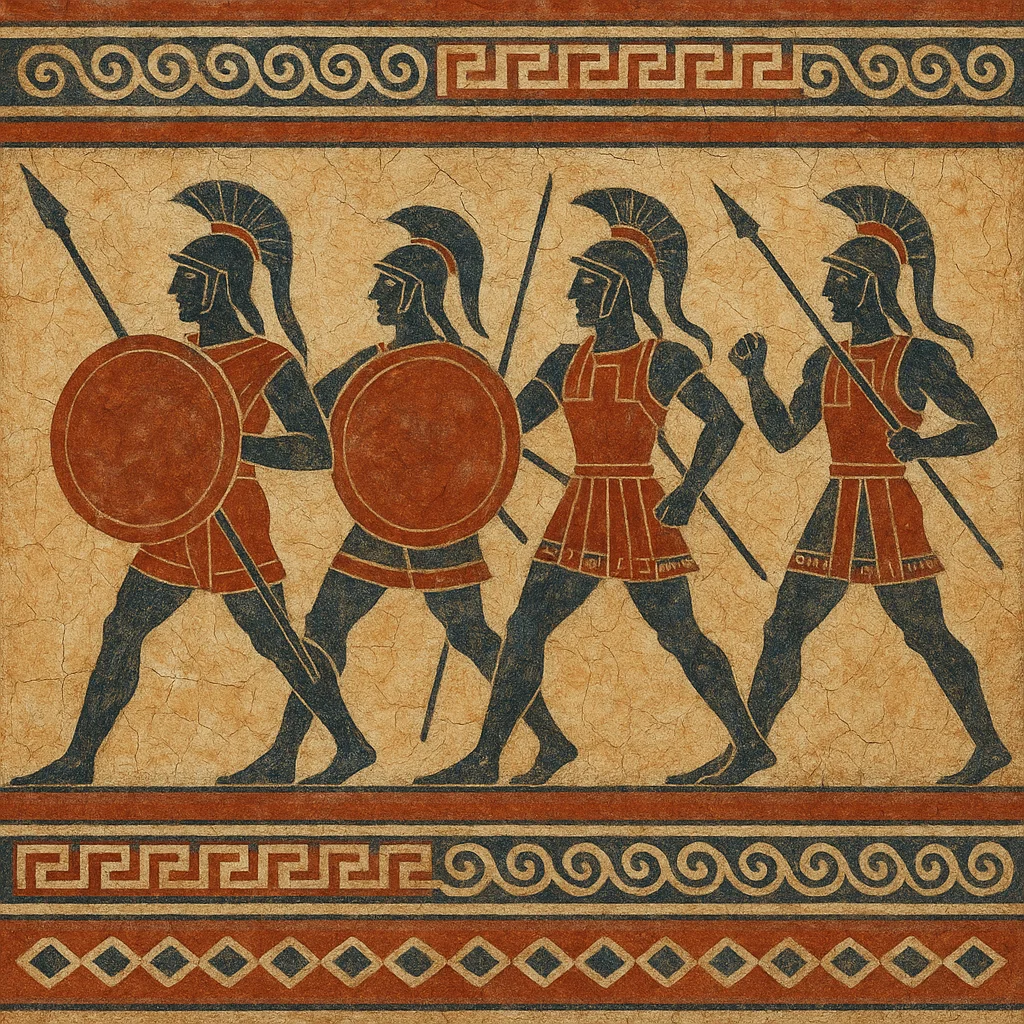
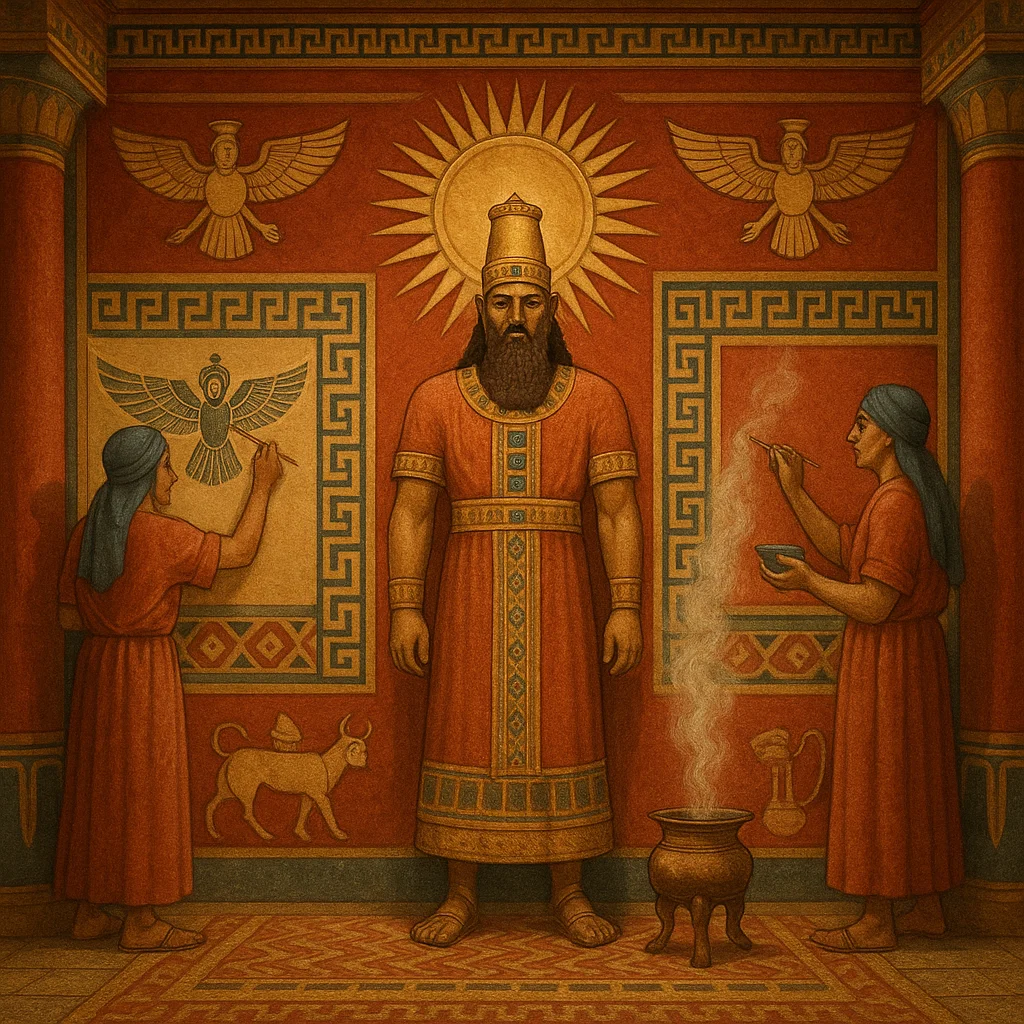
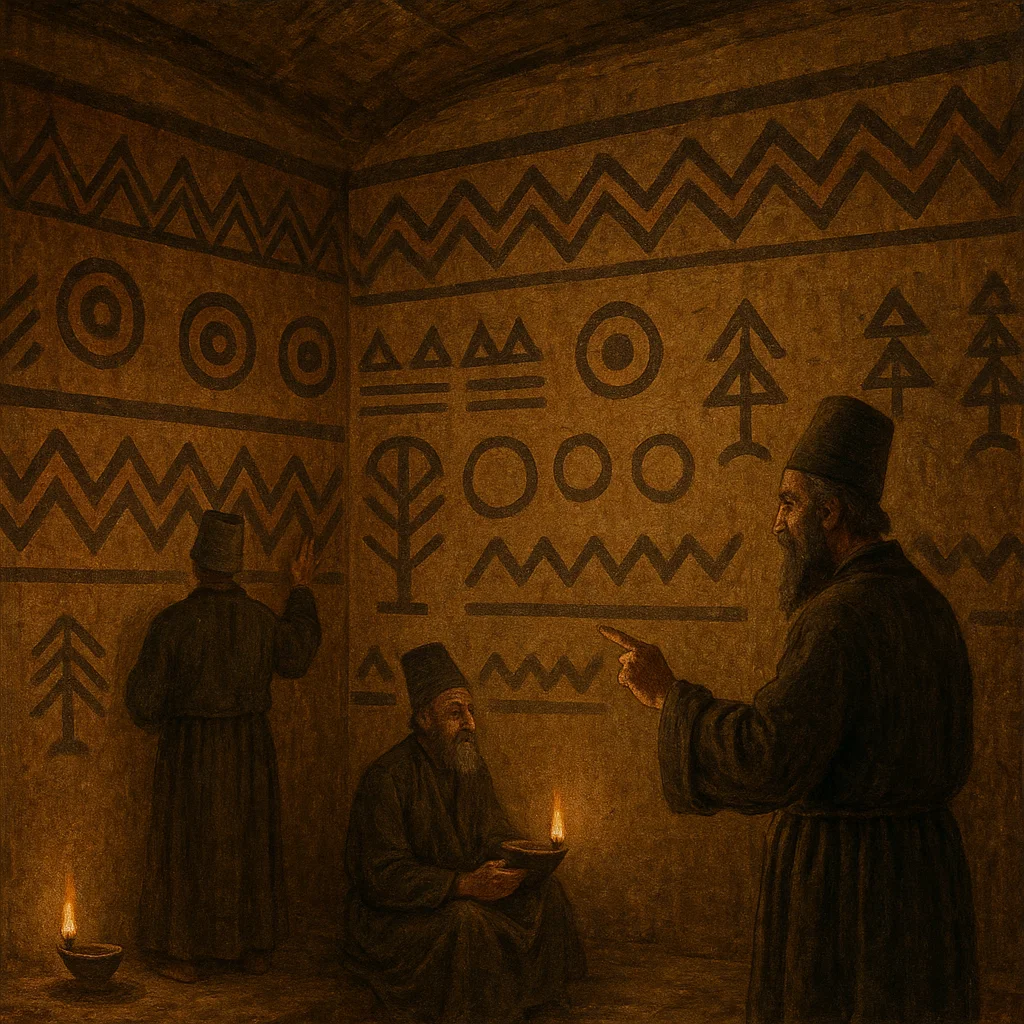
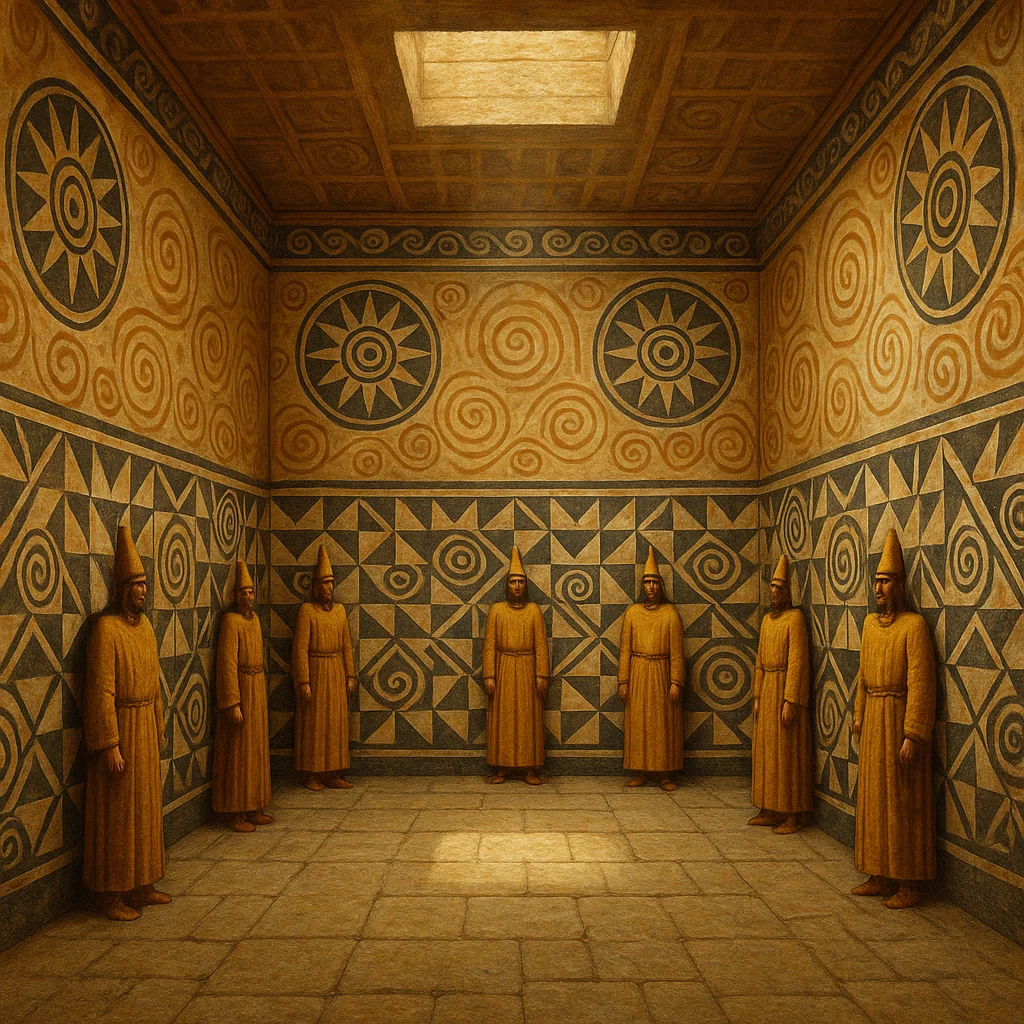
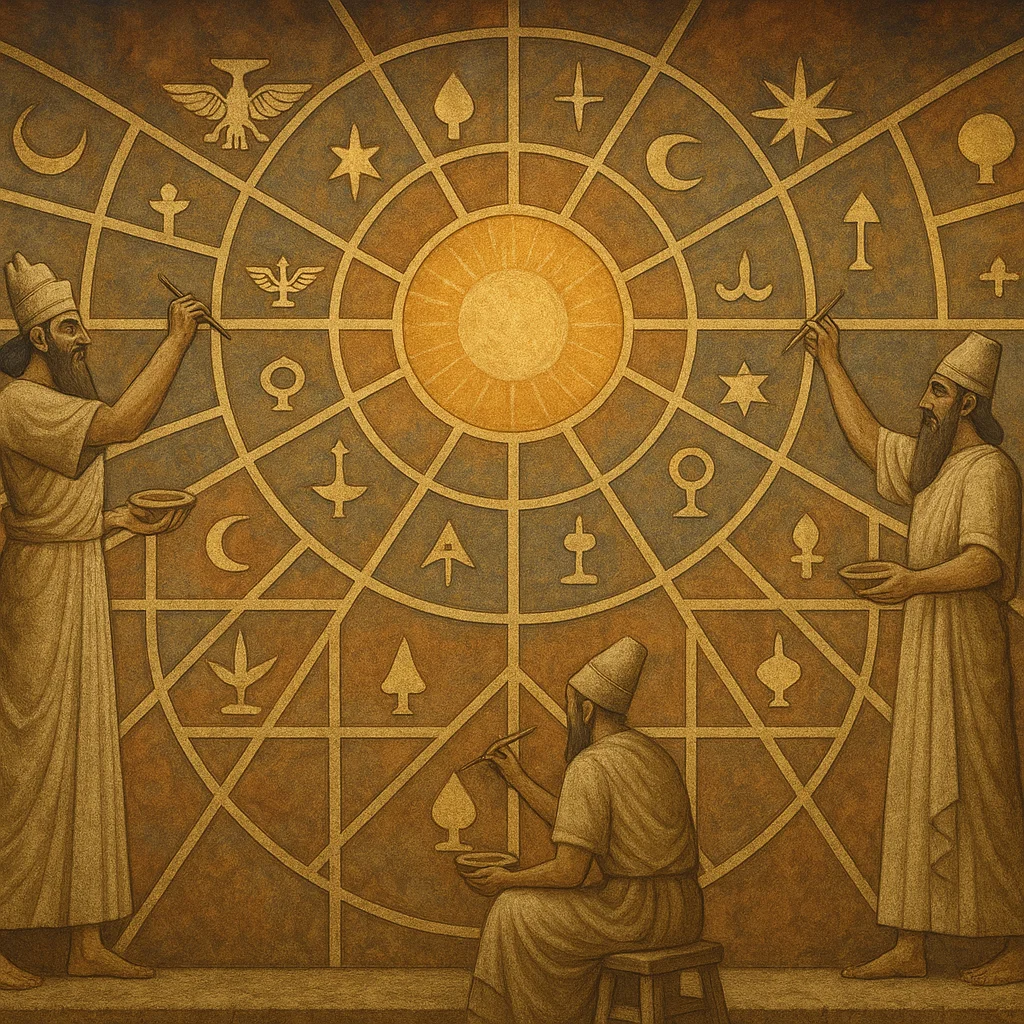
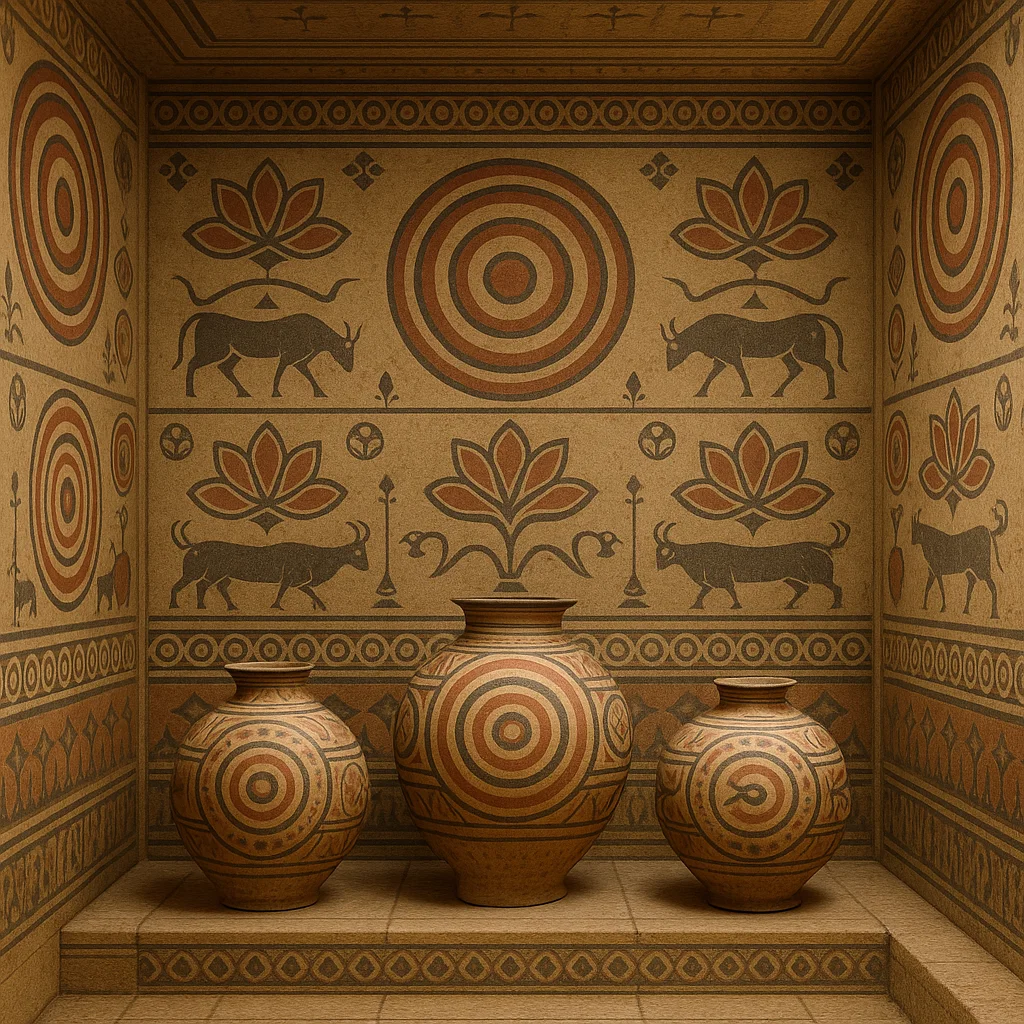
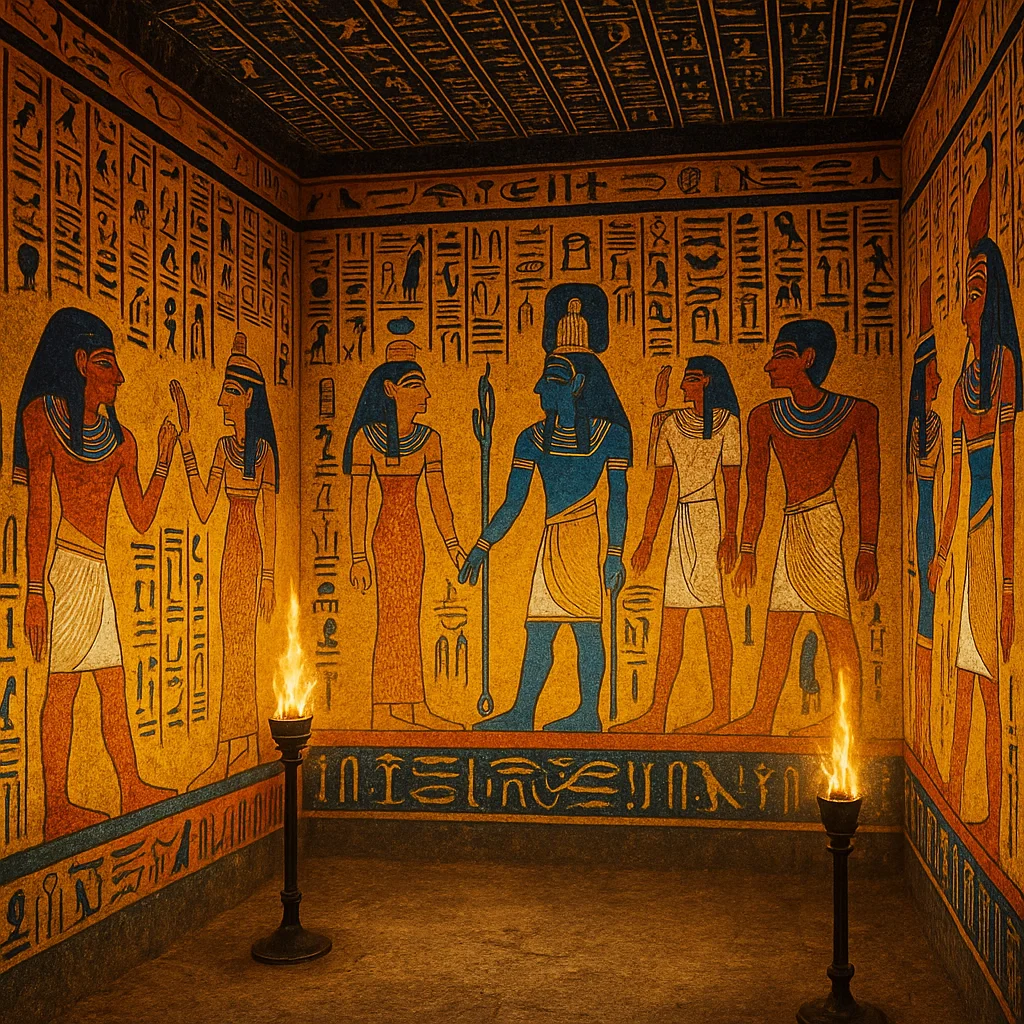
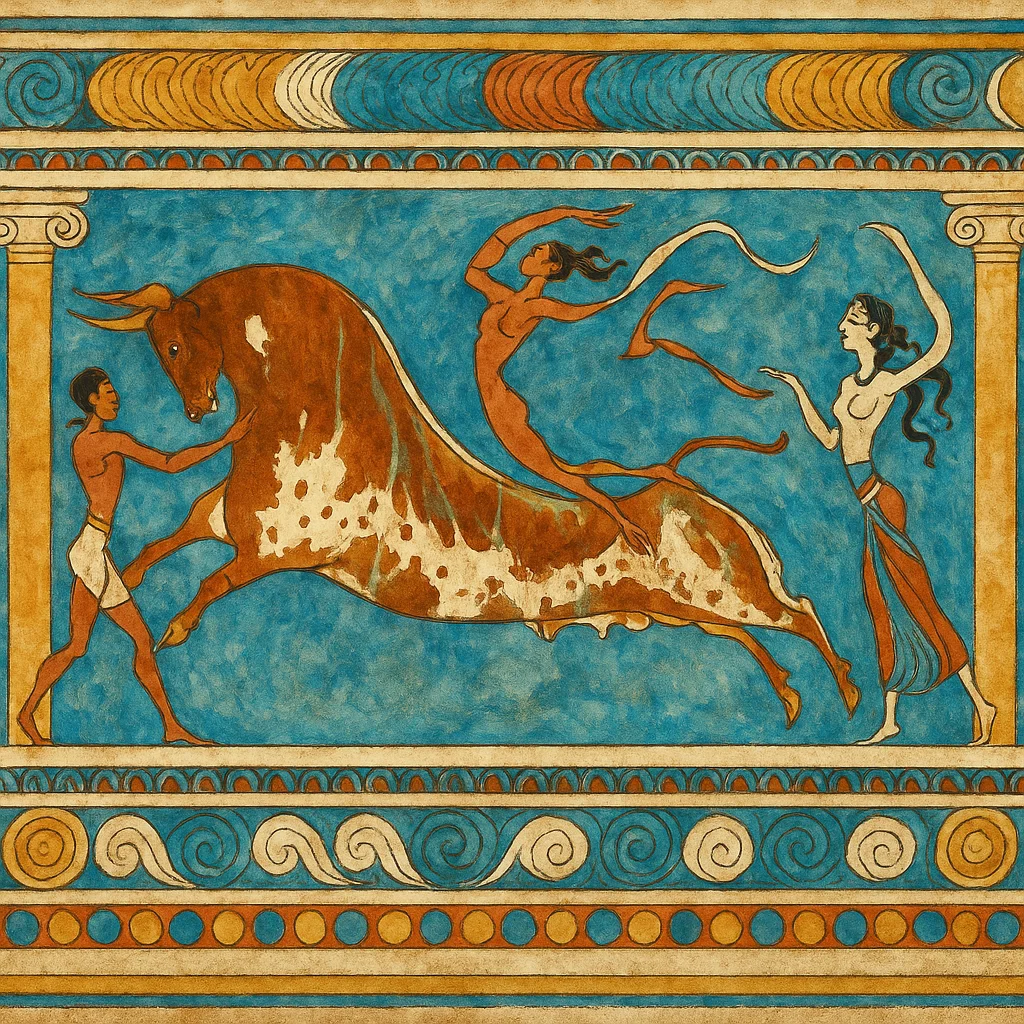
The Sacred Geometry of Early Civilization
Bronze Age painting unified matter, power, and myth. Every major culture—whether the Egyptians aligning walls to the afterlife, the Minoans animating nature in motion, or the Chinese encoding ancestral harmony in symmetrical pattern—used pigment to articulate cosmic law.
This period established the visual grammar of civilization: frontal symmetry for truth, repetition for eternity, color hierarchy for divinity. Across continents, art ceased to be spontaneous ritual and became institutionalized revelation—a tool of stability linking ruler, god, and cosmos.
By the end of the Bronze Age, painting had achieved its defining transformation: from an act of invocation to a science of sacred order, setting the foundation for all classical art that would follow.
Iron Age Painting (c. 1200 – 500 BCE)
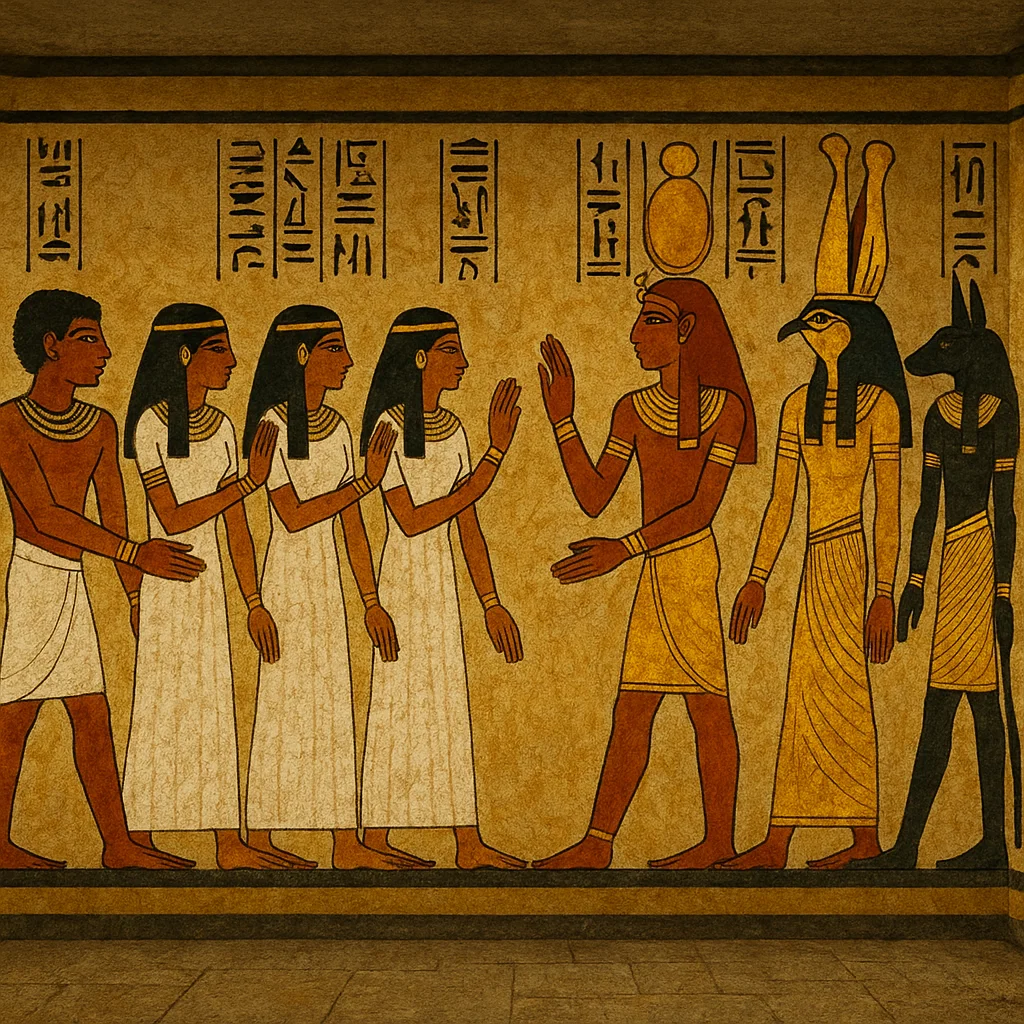
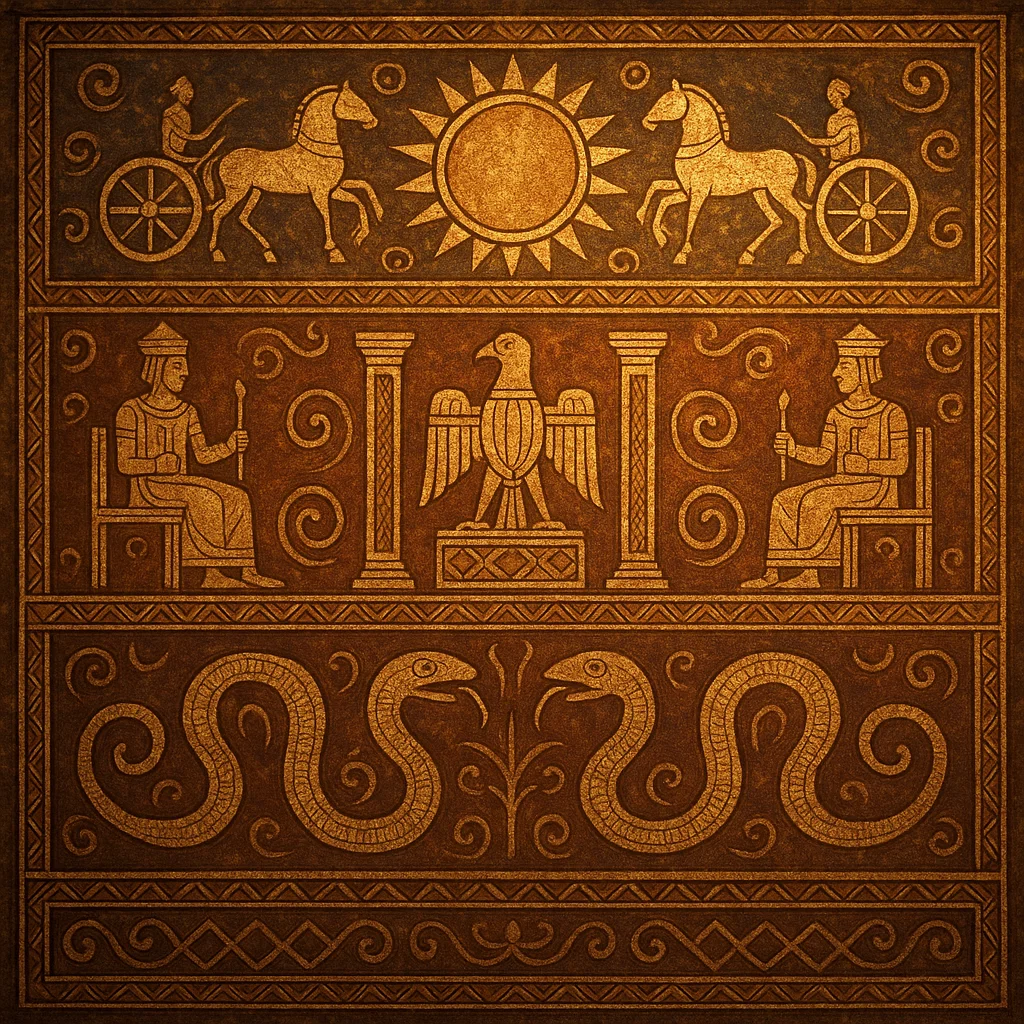
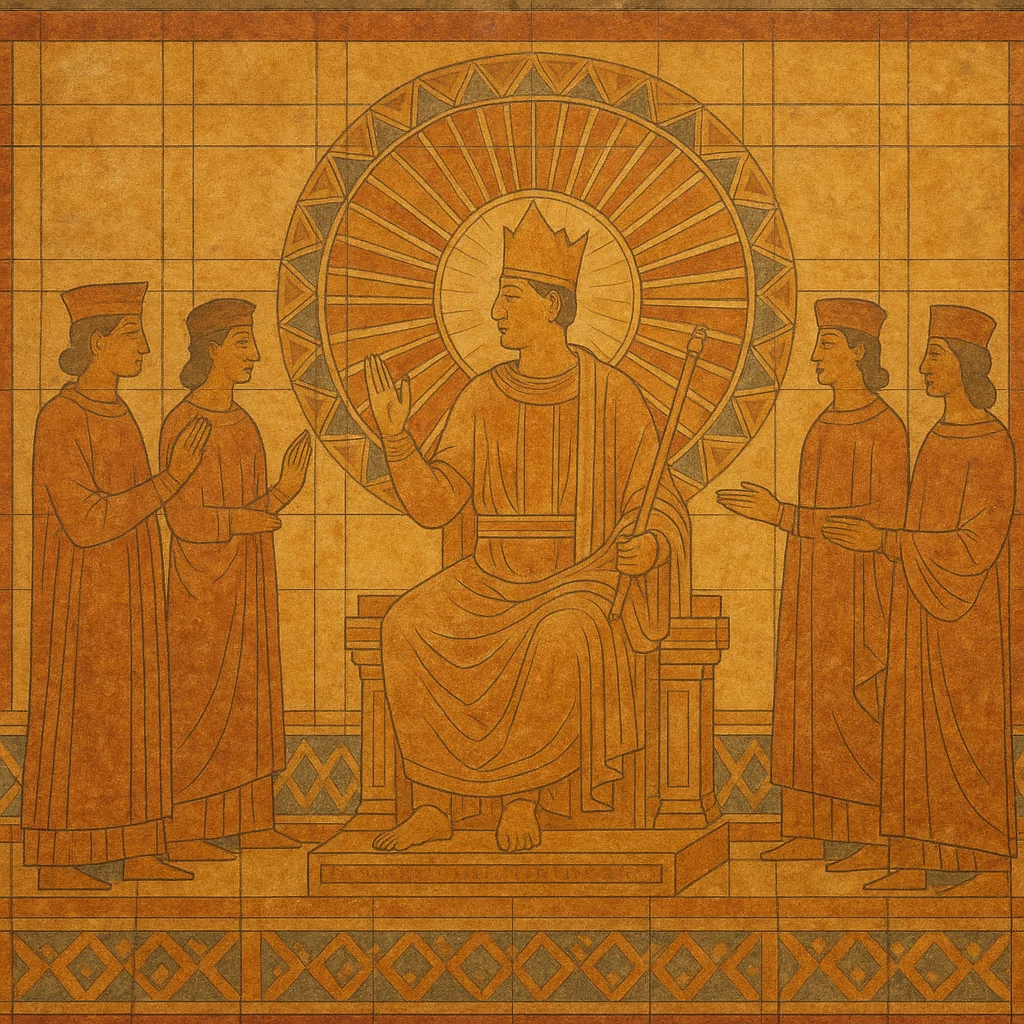
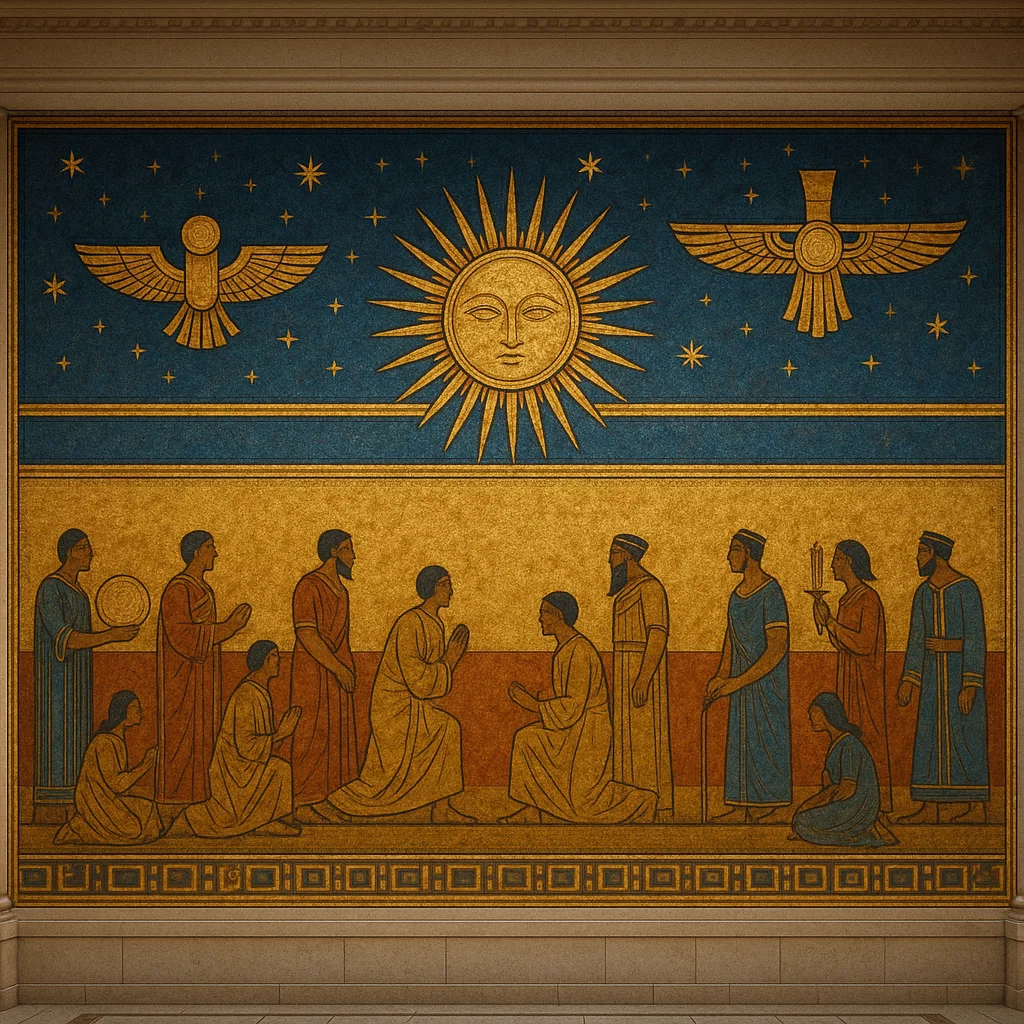
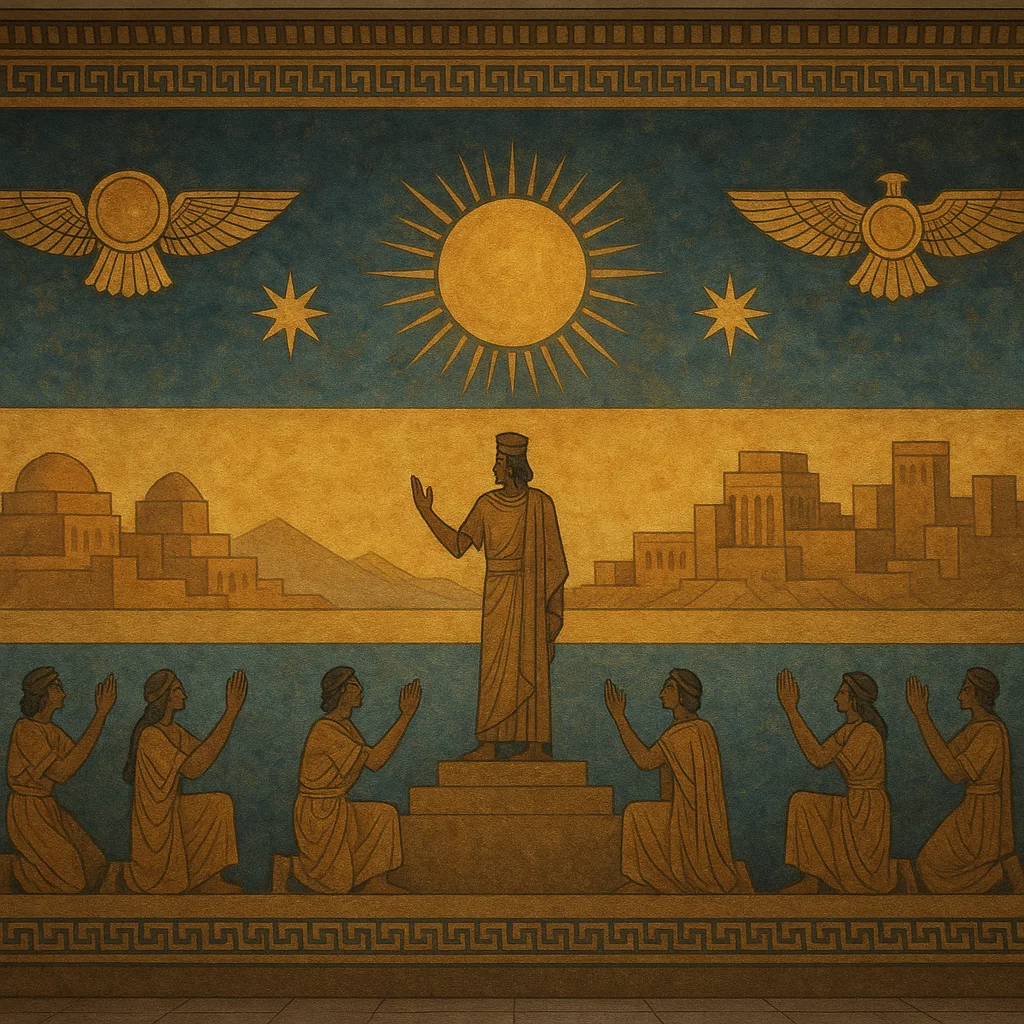
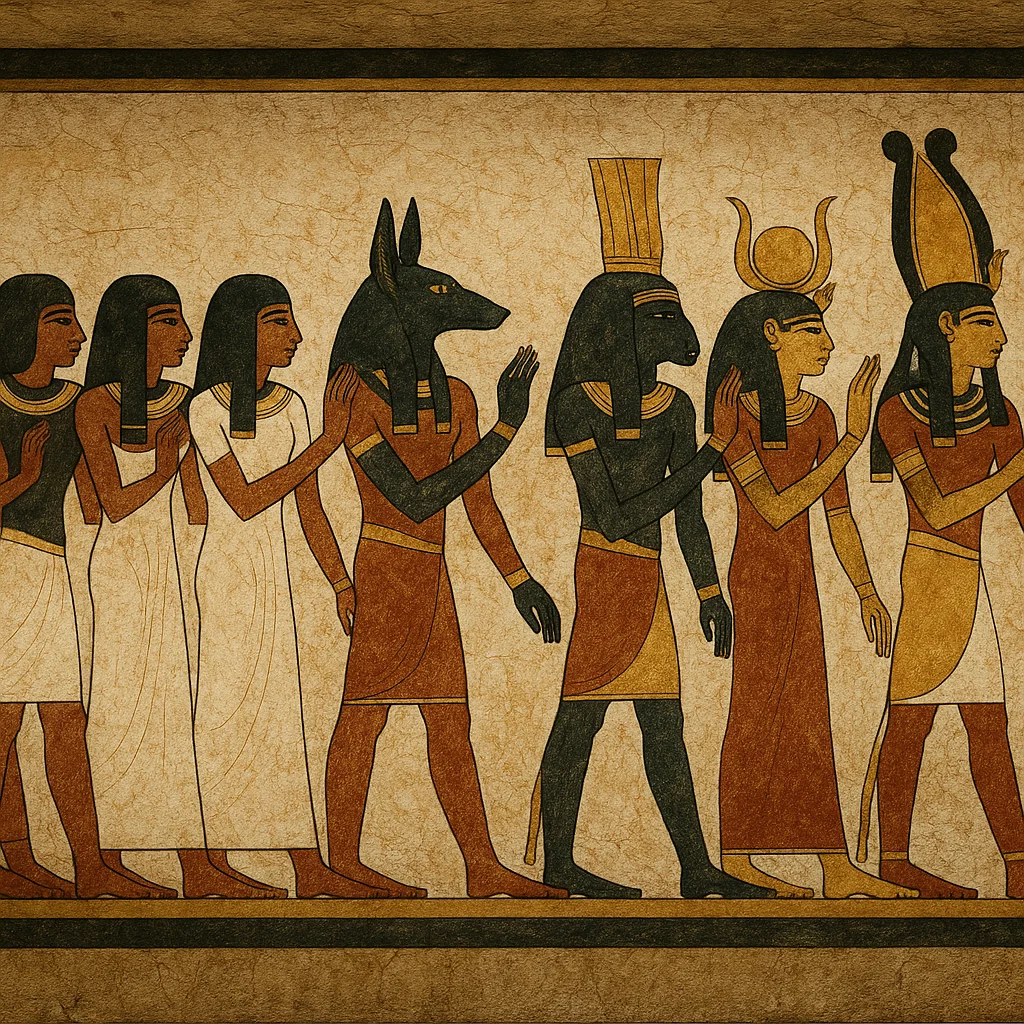
The Iron Age marks a decisive transformation in the history of painting: from the immovable theology of Bronze Age order to the dynamic visual languages of power, identity, and narrative. As empires expanded and iron reshaped tools, trade, and warfare, painting became both a cultural archive and a political instrument. The image moved from sacred geometry to historical storytelling, depicting rulers, battles, rituals, and mythic origins with new vitality and precision.
Across the Near East, Mediterranean, and Asia, artists refined their materials—using iron-based pigments, organic binders, and hair brushes—to achieve greater control of line and tone. Religious centers gave way to palaces, temples, and tombs adorned with narrative cycles. In this period, painting ceased to speak solely for gods and began to speak for civilizations, recording the deeds, beliefs, and moral laws that shaped their worlds.
The Age of Narrative Order
Iron Age painting unified myth, history, and identity under the same visual banner. Each civilization—Assyrian, Greek, Kushite, Zhou, or Olmec—used pigment to stabilize its moral and political universe. Yet behind the formal canons of style, the image became self-aware: it no longer served eternity but time.
This era redefined painting as a vessel of collective memory. Where the Bronze Age sanctified order, the Iron Age celebrated action—the motion of history rendered in color and form. In its walls, vases, and scrolls, humanity first glimpsed itself as both subject and author of the image, setting the stage for the classical conception of art as reflection, not revelation.
Classical Antiquity Painting (c. 500 BCE – 500 CE)
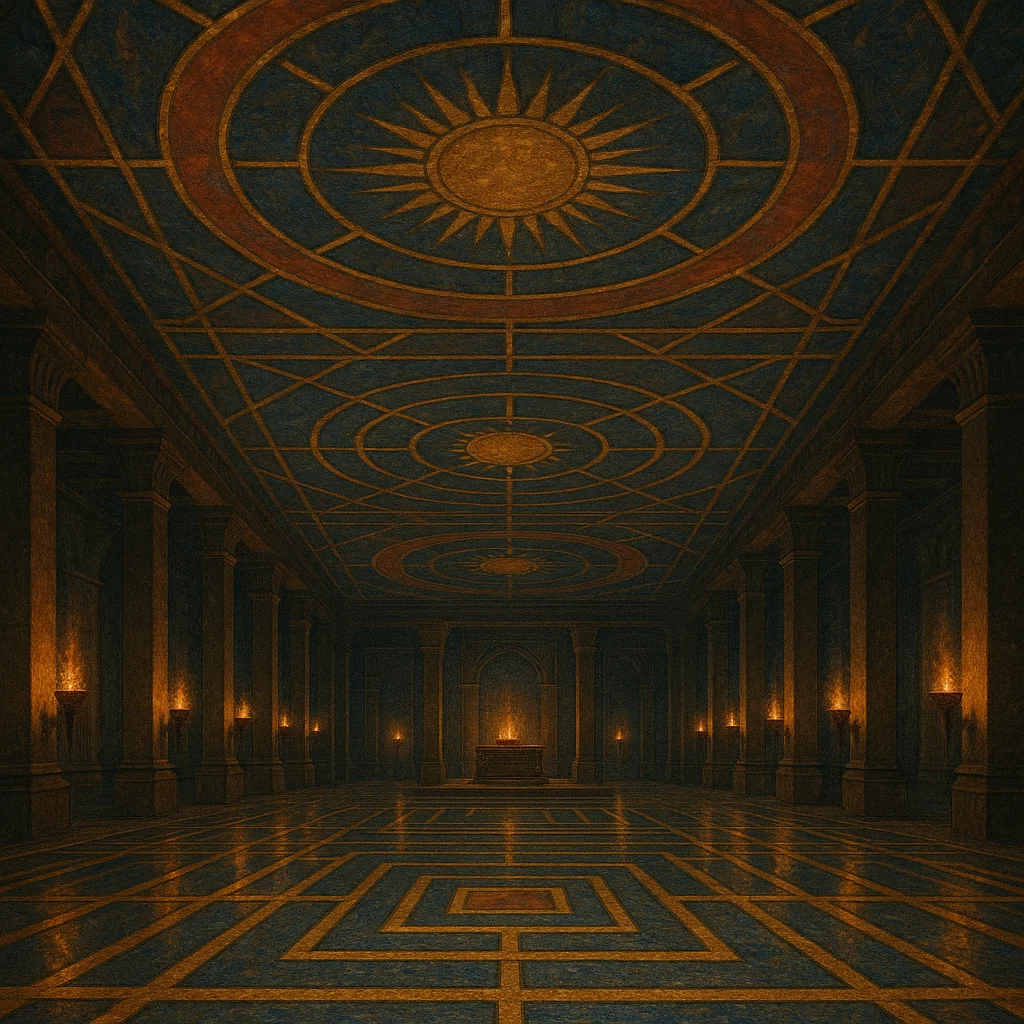
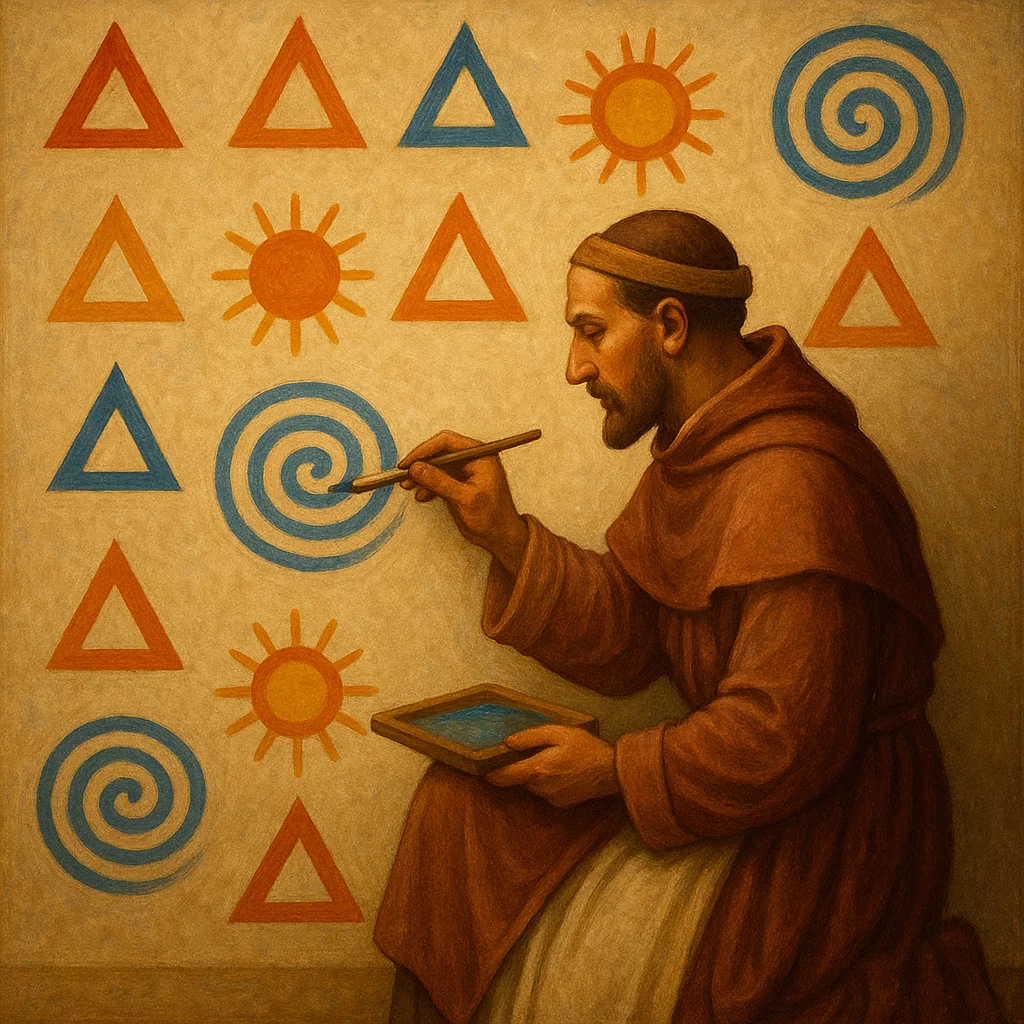
In Classical Antiquity, painting attained intellectual consciousness. Across civilizations from the Mediterranean to East Asia, the image became a field for philosophy, theology, and aesthetics—no longer just to depict the divine, but to embody truth, beauty, and cosmic law. Artistic realism matured alongside metaphysical structure: proportion, symmetry, and illumination mirrored the logic of the universe itself.
As empires and religions expanded, painting served both the state and the soul—decorating temples, tombs, villas, and shrines while advancing theories of light, perspective, and emotion. The classical painter thus became both craftsman and philosopher, rendering form as manifestation of order.
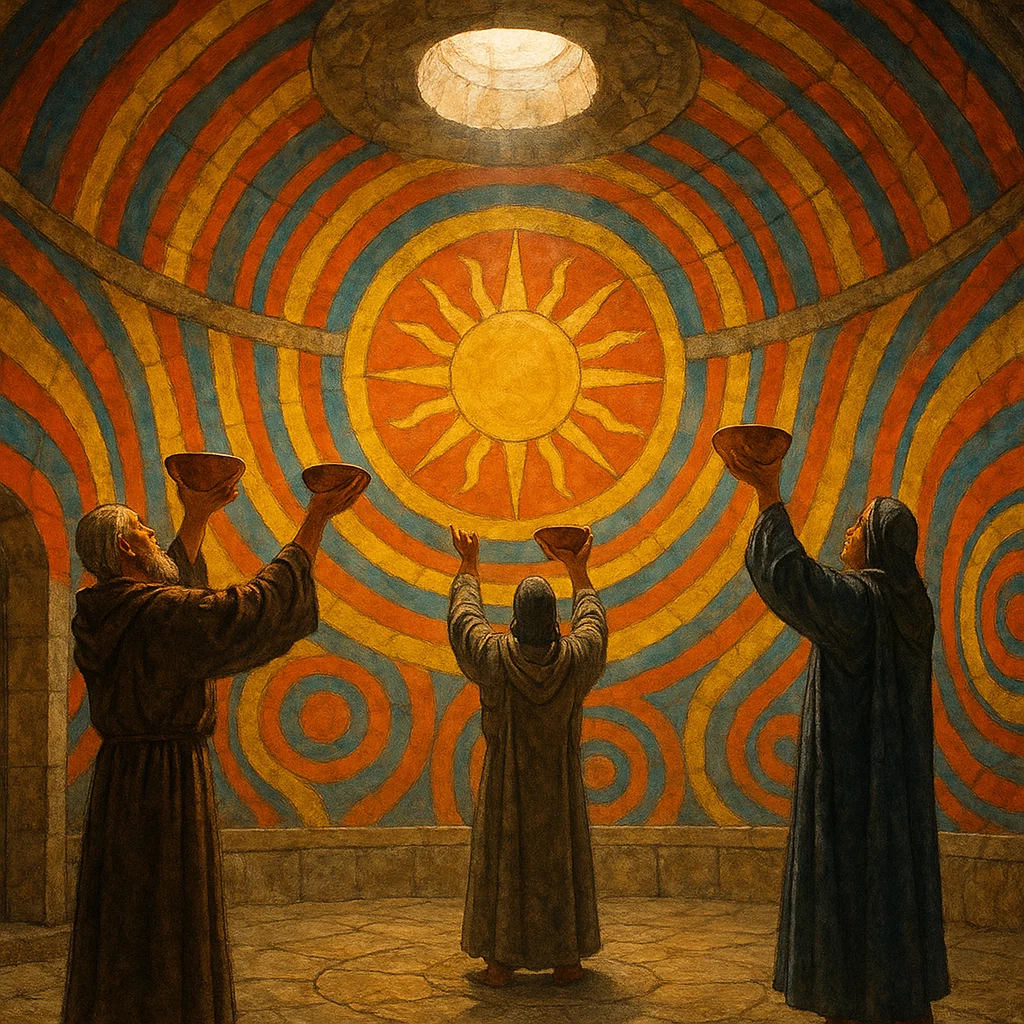
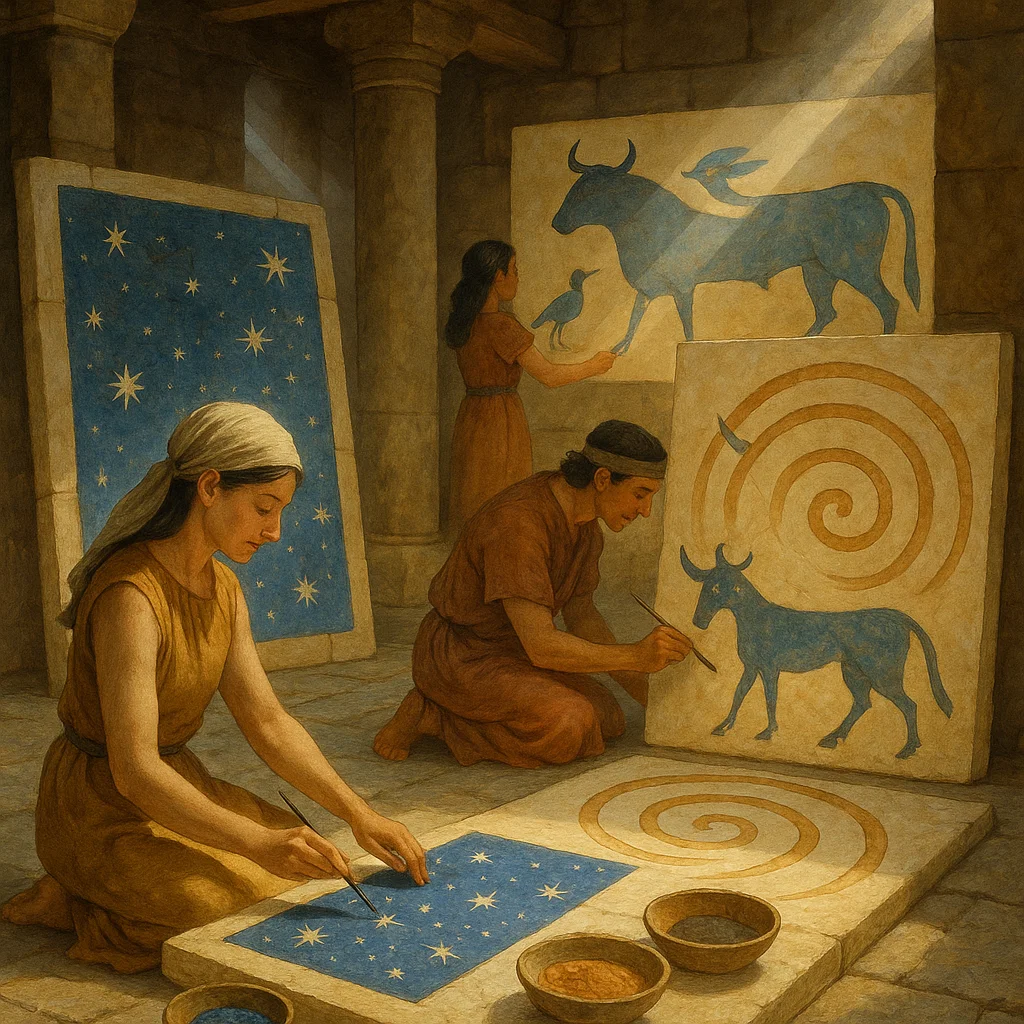
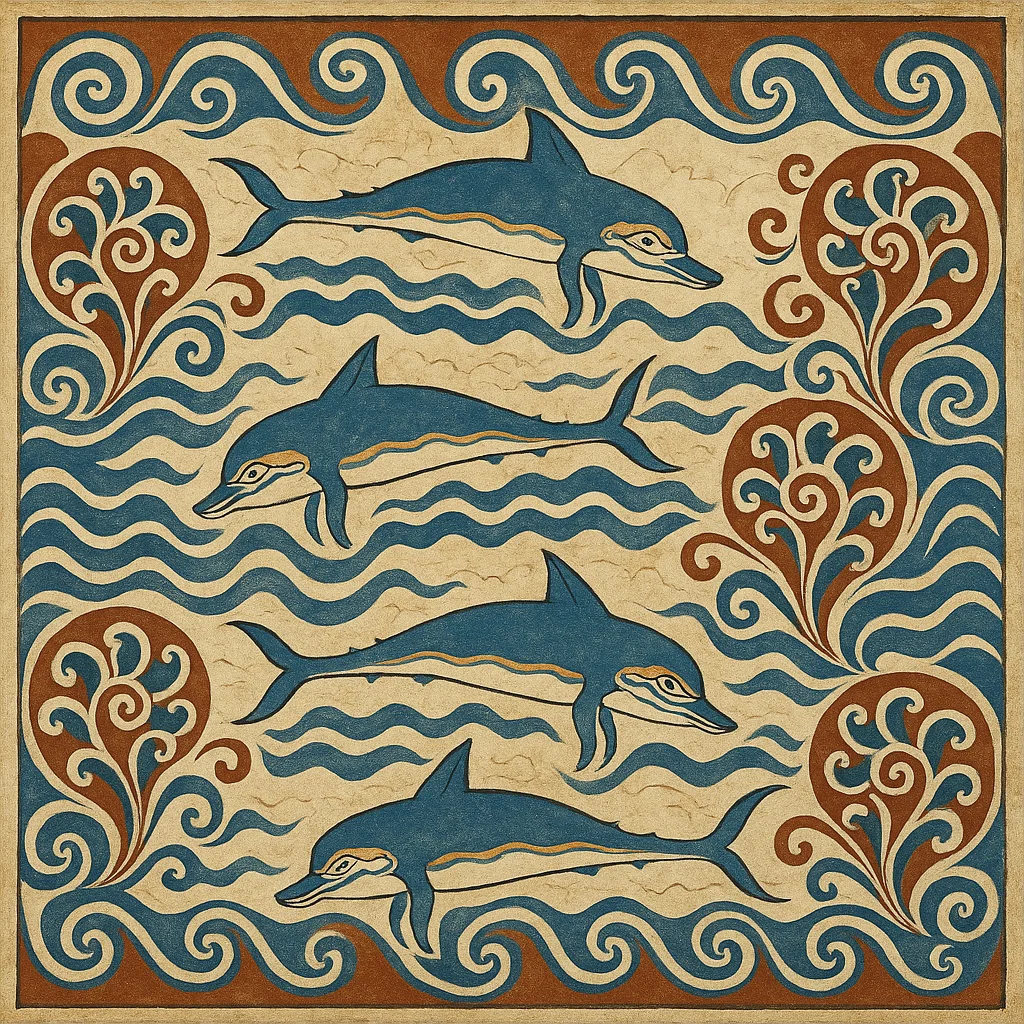
From Sacred Order to Aesthetic Consciousness
In Classical Antiquity, painting achieved self-awareness. The sacred image of earlier ages evolved into the conscious pursuit of beauty, harmony, and moral proportion. Civilizations from Athens to Luoyang, Persepolis to Teotihuacan, reached the same realization: that art could reveal not only the gods but the principles by which gods and men alike exist.
By 500 CE, as classical empires waned and new faiths arose, painting stood at a crossroads—its mastery of realism complete, its next task spiritual renewal. The age closed not with decline, but with transformation: the image turned once more toward transcendence, preparing the ground for the sacred abstraction of the Medieval world.