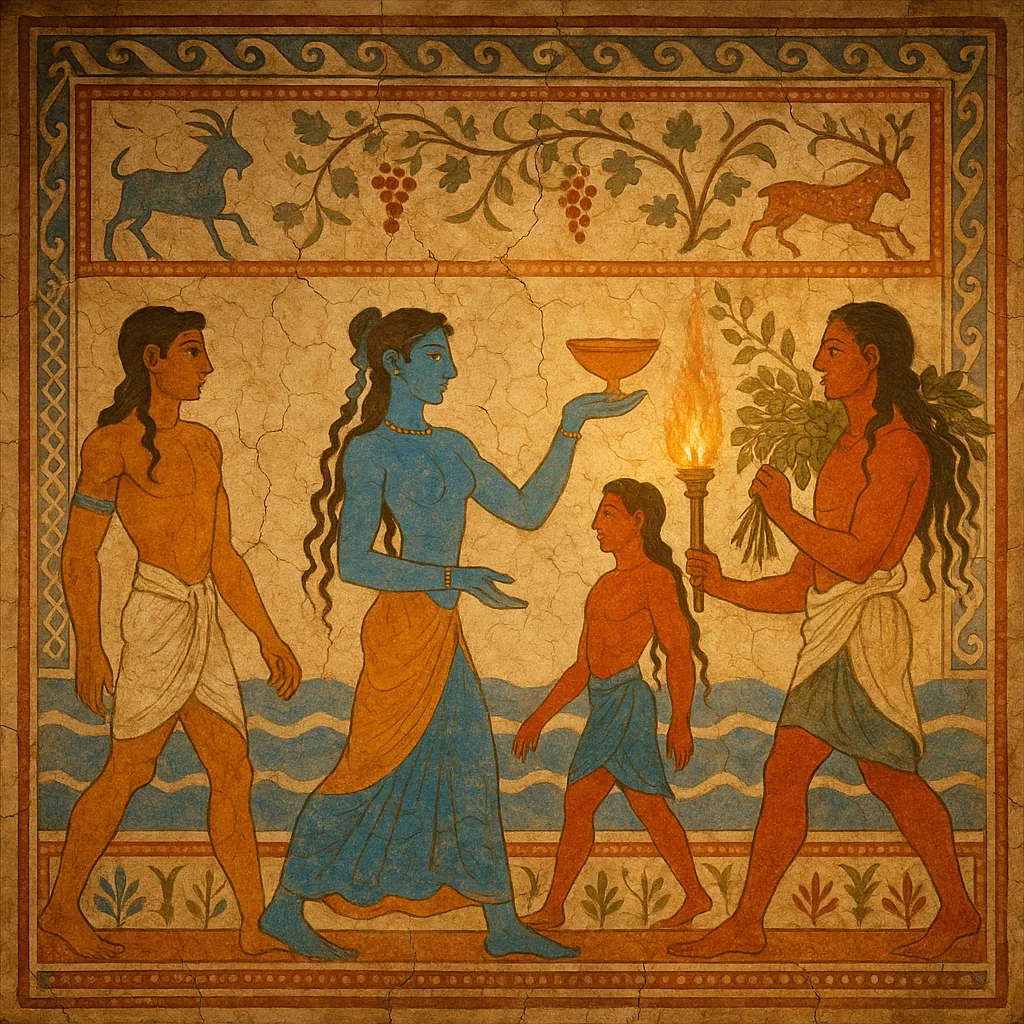
(3000 BC – 500 AD)
Ancient History begins when writing systems appear (c. 3000 BCE) and ends with the fall of the Western Roman Empire (c. 500 CE). It marks the shift from prehistory into the documented record of organized human civilizations.

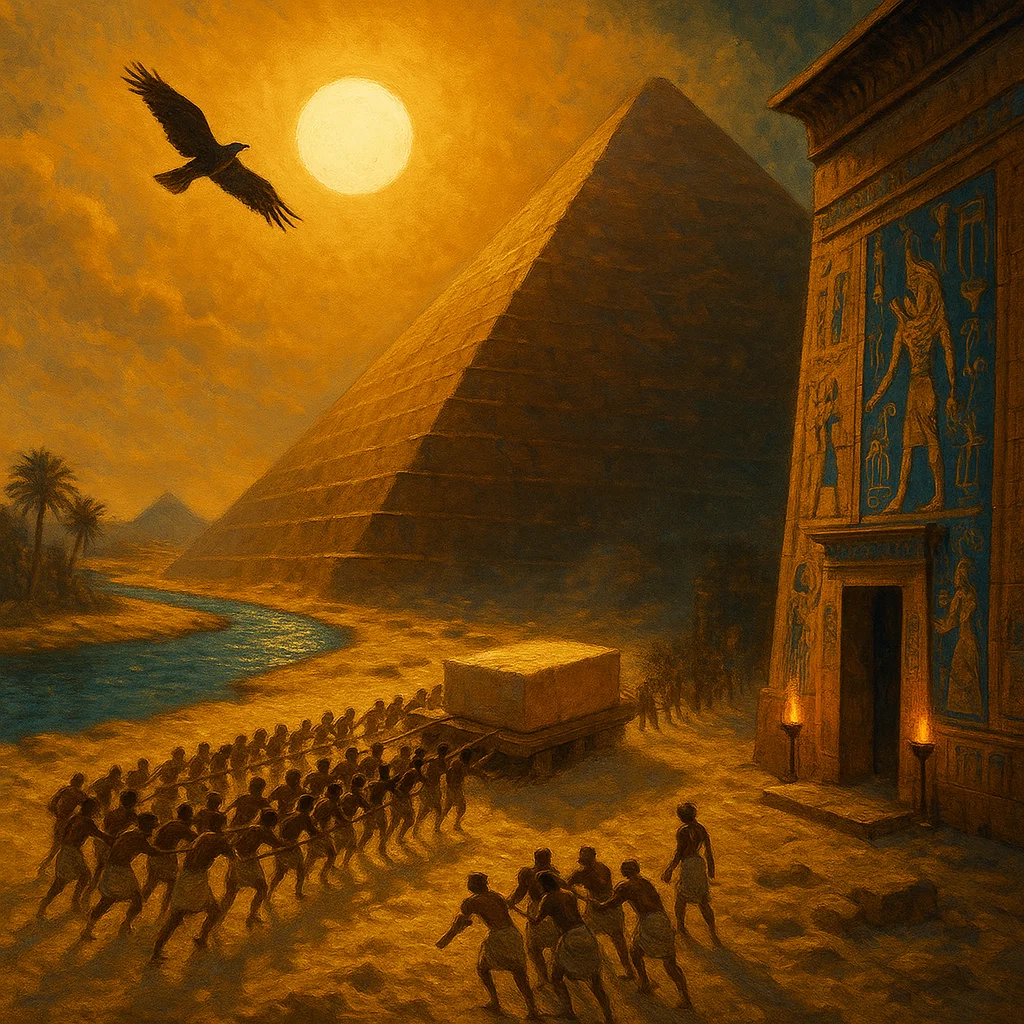
It is divided into structural epochs:
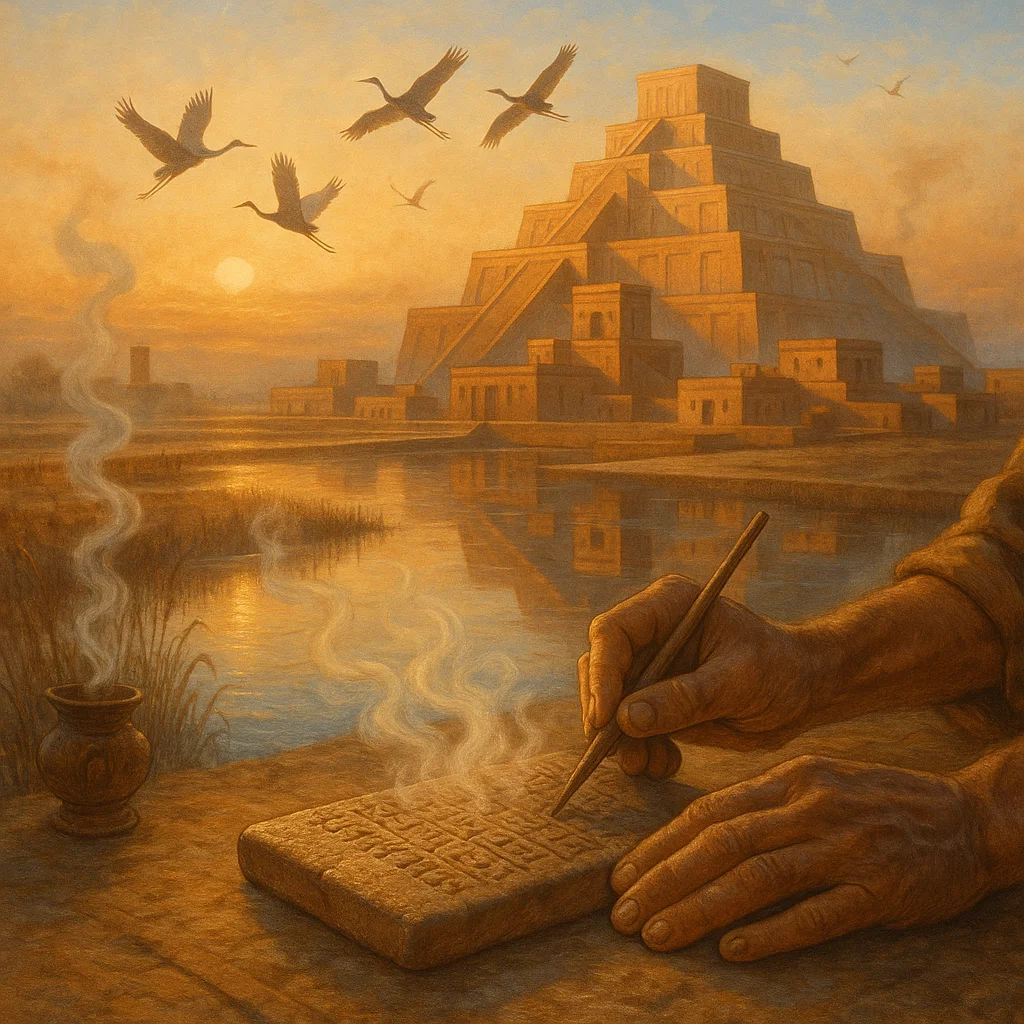
- Bronze Age (c. 3000 – 1200 BCE)
- Defined by bronze metallurgy, early states, and the earliest literate civilizations.
- Growth of urban centers, codified law, and organized religions.
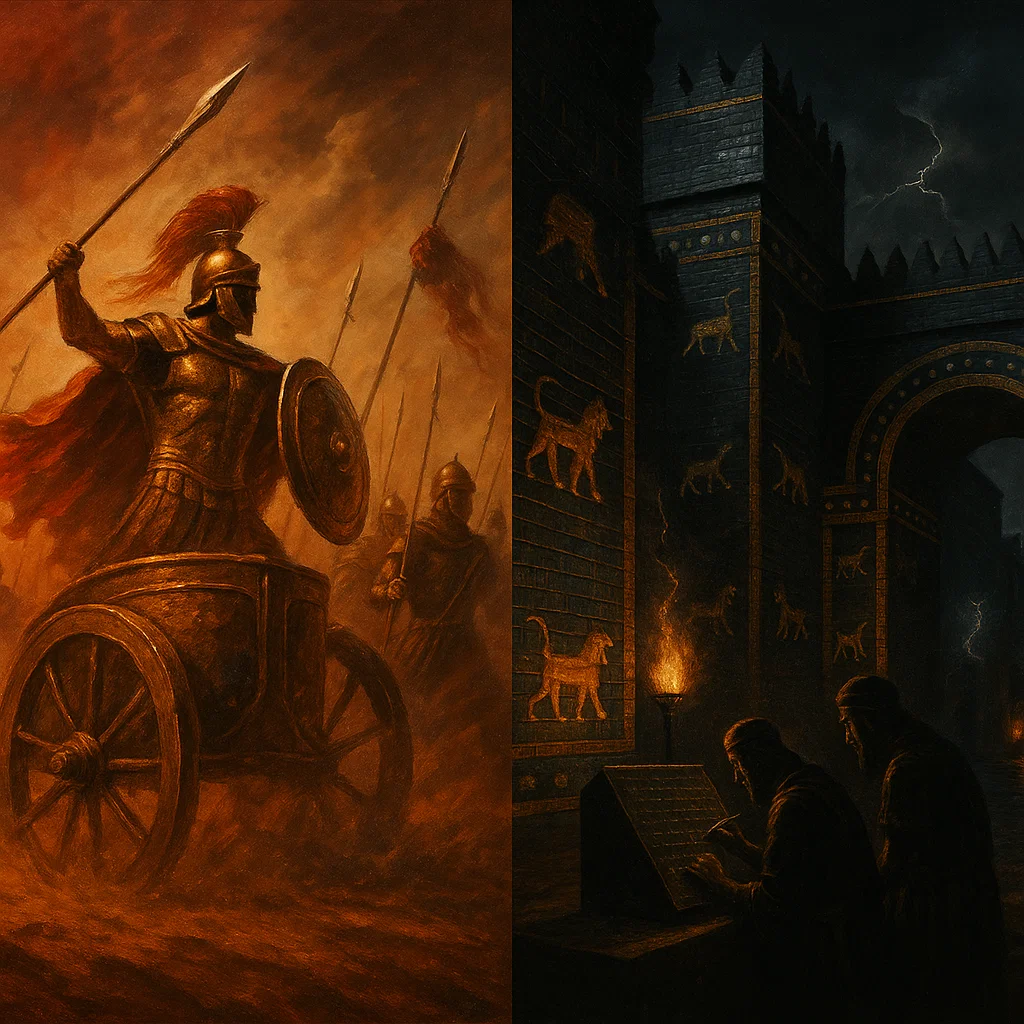
- Iron Age (c. 1200 – 500 BCE)
- Introduction of iron tools and weapons, broader social upheavals, and the rise of empires.
- Expansion of trade networks and cultural exchanges across regions.
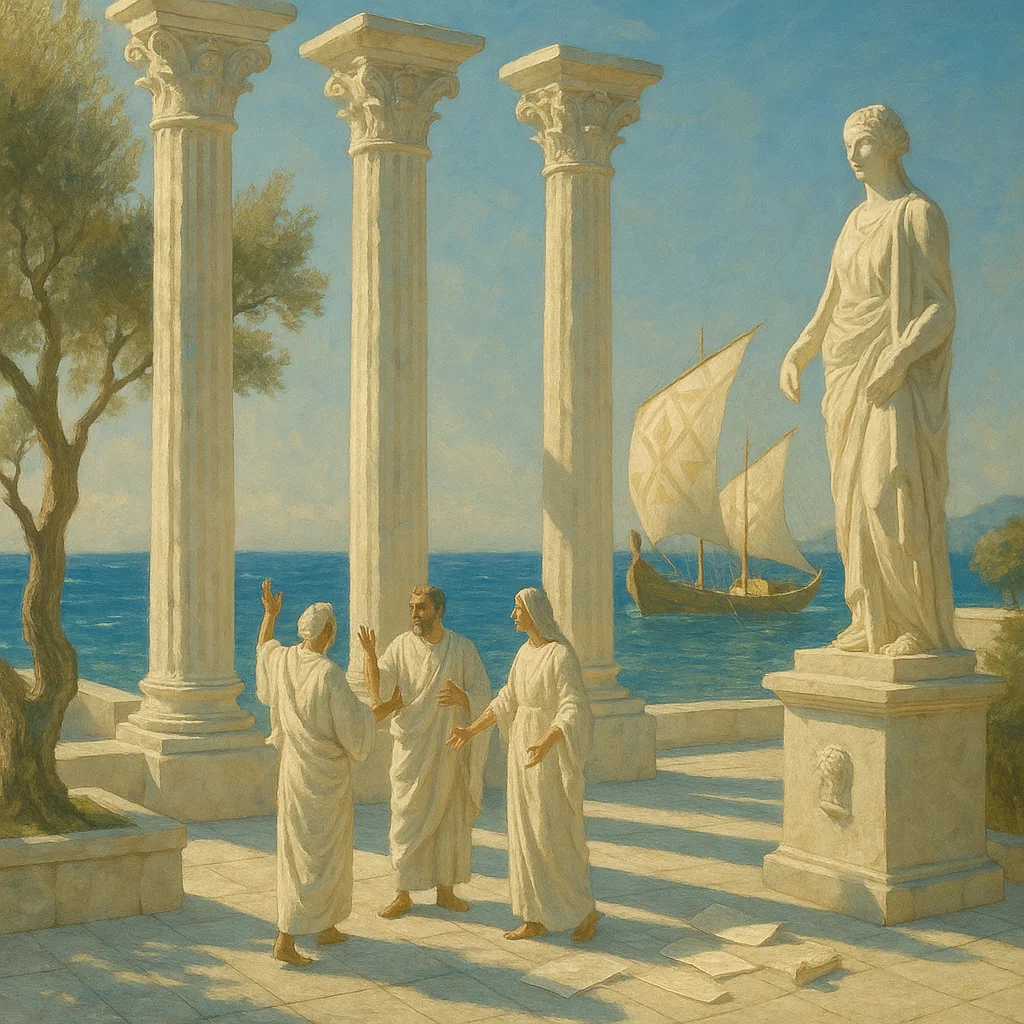
- Classical Antiquity (c. 500 BCE – 500 CE)
- Emergence of large empires, philosophical traditions, and codified religions.
- Structurally defined by imperial administration, infrastructure, and intellectual traditions that still influence global systems today.
Ancient History’s structure moves from metallurgy (bronze, iron) into the organizational and intellectual systems of classical civilizations. Its endpoint is the collapse of Rome in the West, which set the stage for Medieval structures to replace classical ones.