(1200 BC – 500 BC)
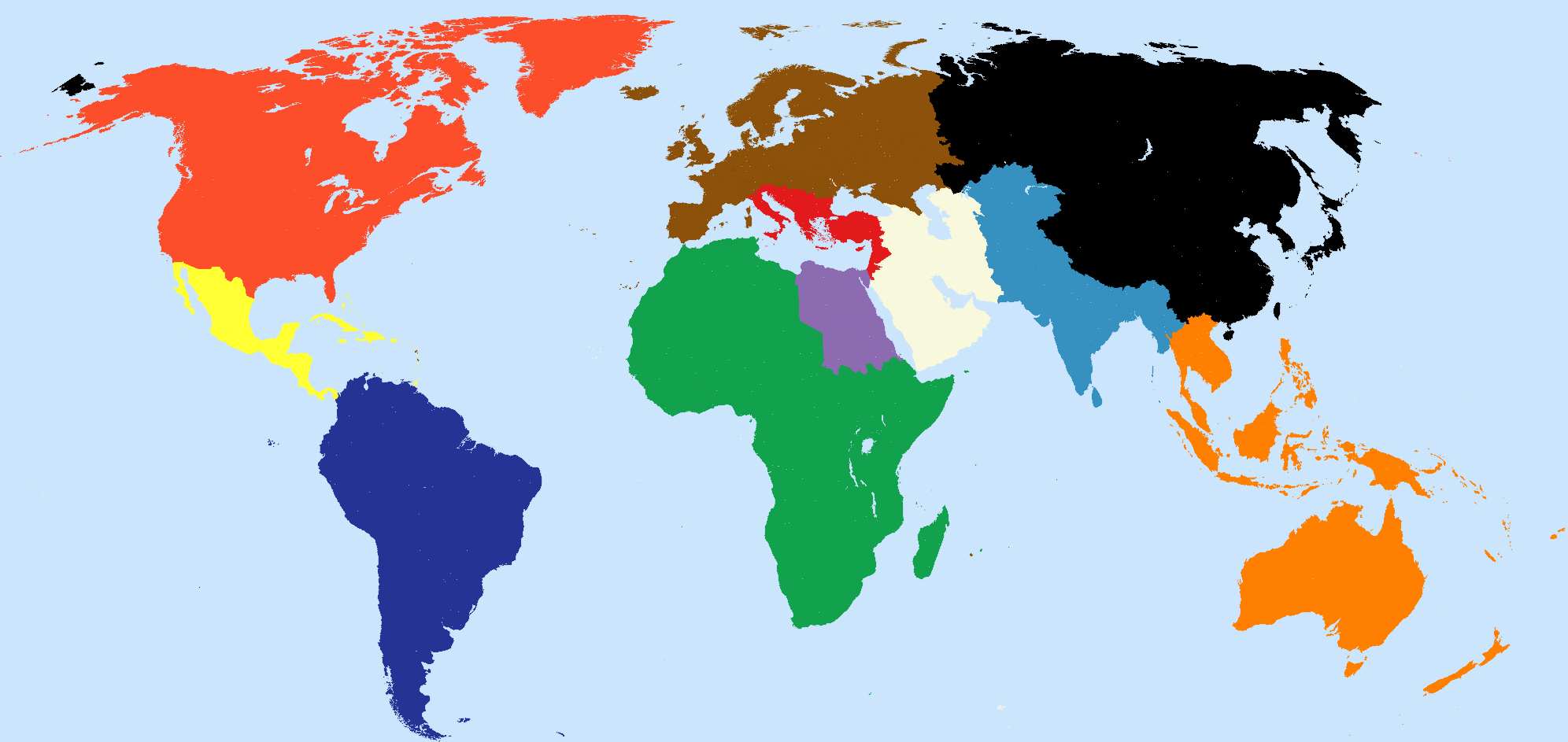 Western Europe
Iron Age Eastern Mediterranean
Iron Age Near East
Iron Age Nile Valley
Iron Age Africa Beyond the Nile
Iron Age Indus & Central Asia
Iron Age East Asia
Iron Age Iron Age Oceania Iron Age
North America Iron Age
Central America Iron Age
South America
| Terra Avita Region and Era Name Link | Representative Cultures | Major Cities / Centers | Major Events |
|---|---|---|---|
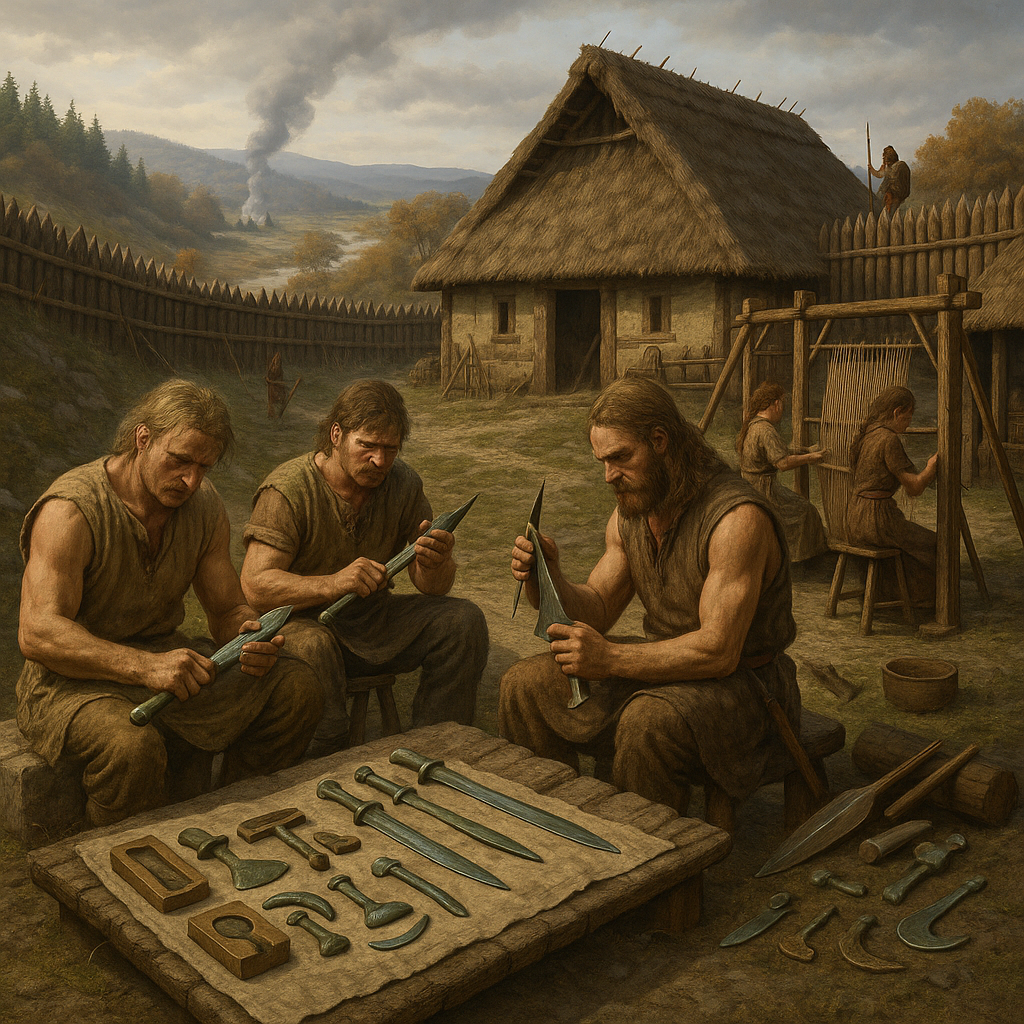
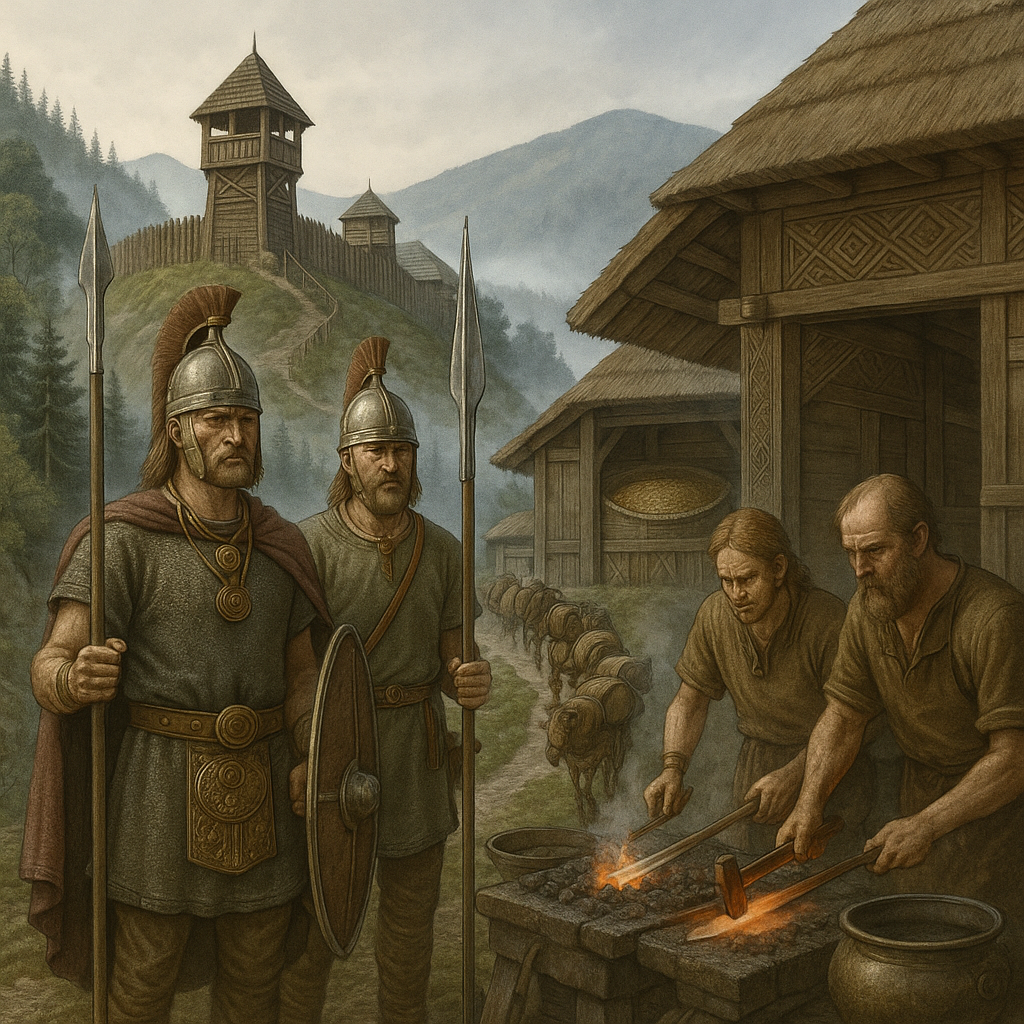
| Western Europe (Atlantic & Continental) Iron Age | Hallstatt, La Tène, Urnfield | Hallstatt, Heuneburg, Bibracte | Celtic cultural emergence; iron weaponry and chariotry; formation of tribal confederations |
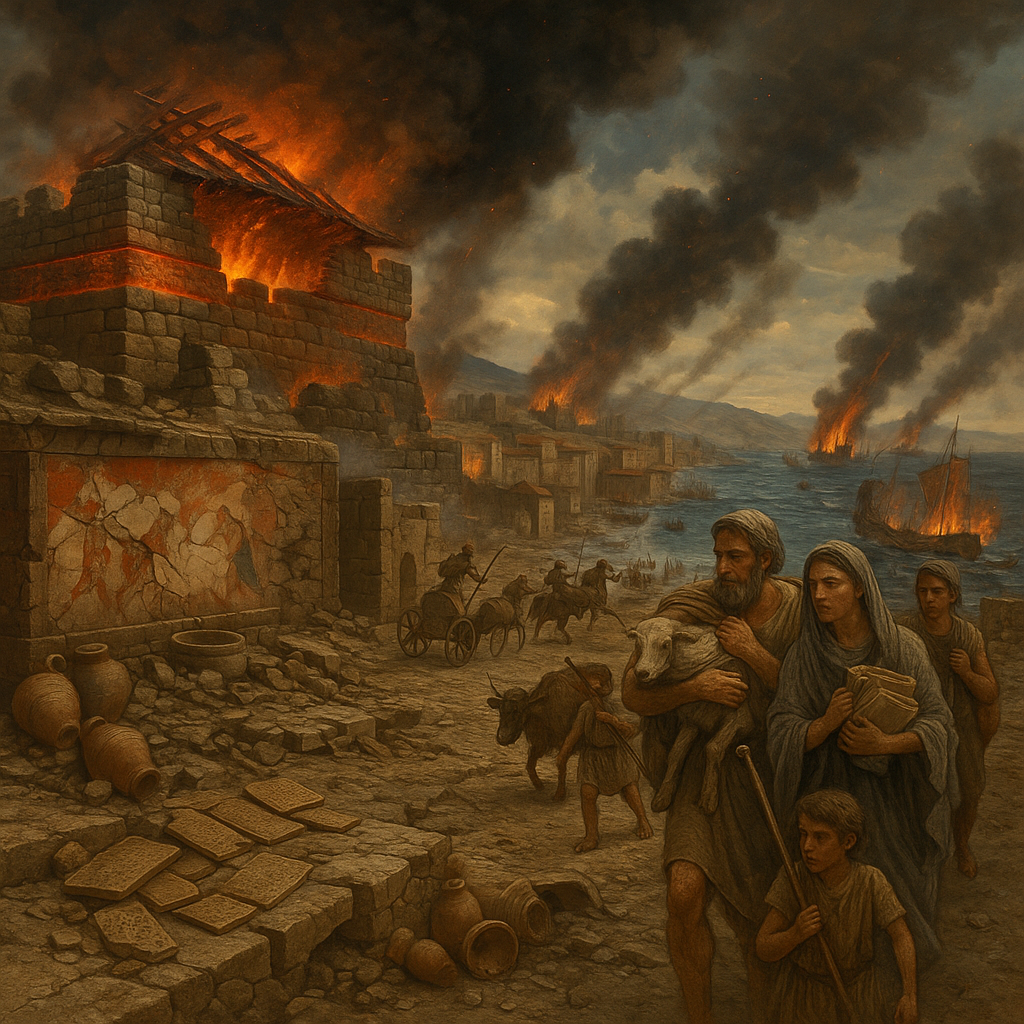
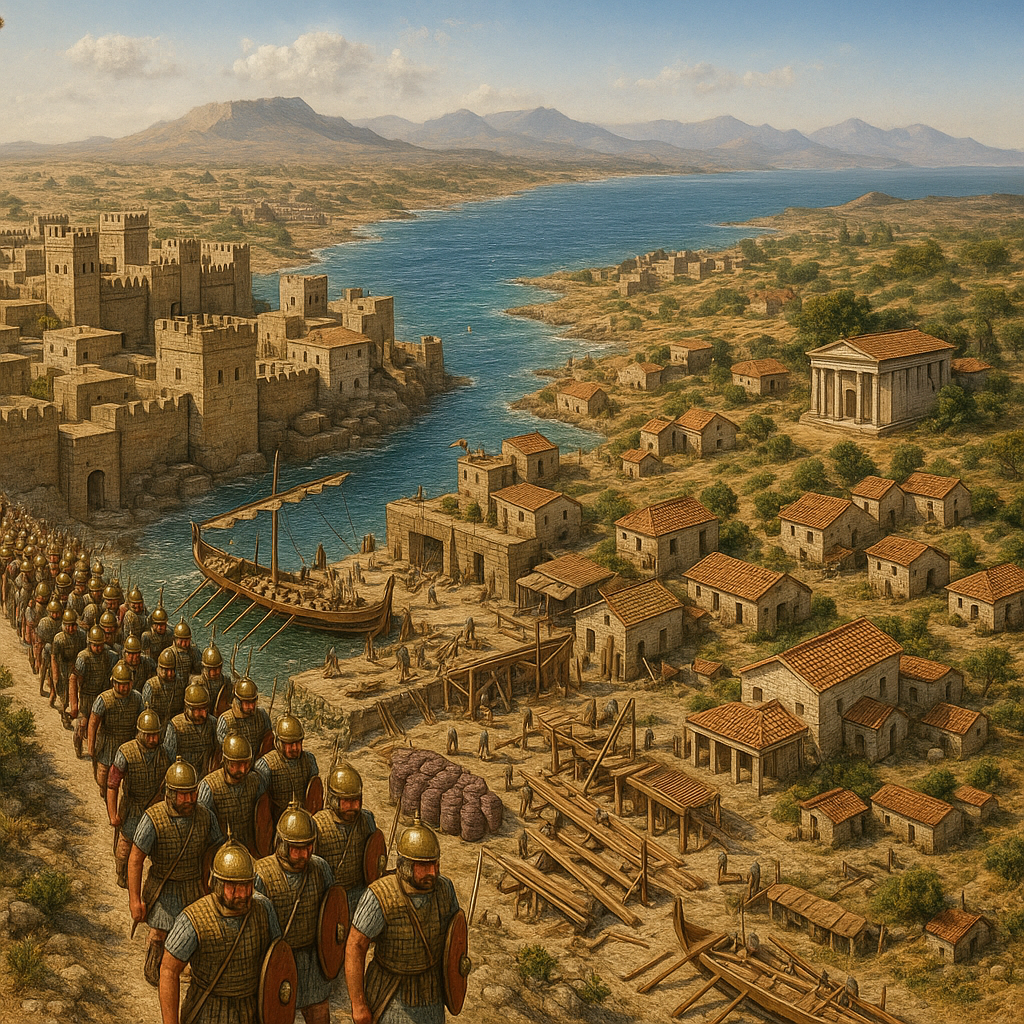
| Aegean & Anatolia (Eastern Mediterranean) Iron Age | Greek Dark Age, Archaic Greek, Phrygian, Lydian | Athens, Sparta, Sardis, Gordion | Collapse of Bronze Age states; rise of polis system; spread of alphabetic writing |
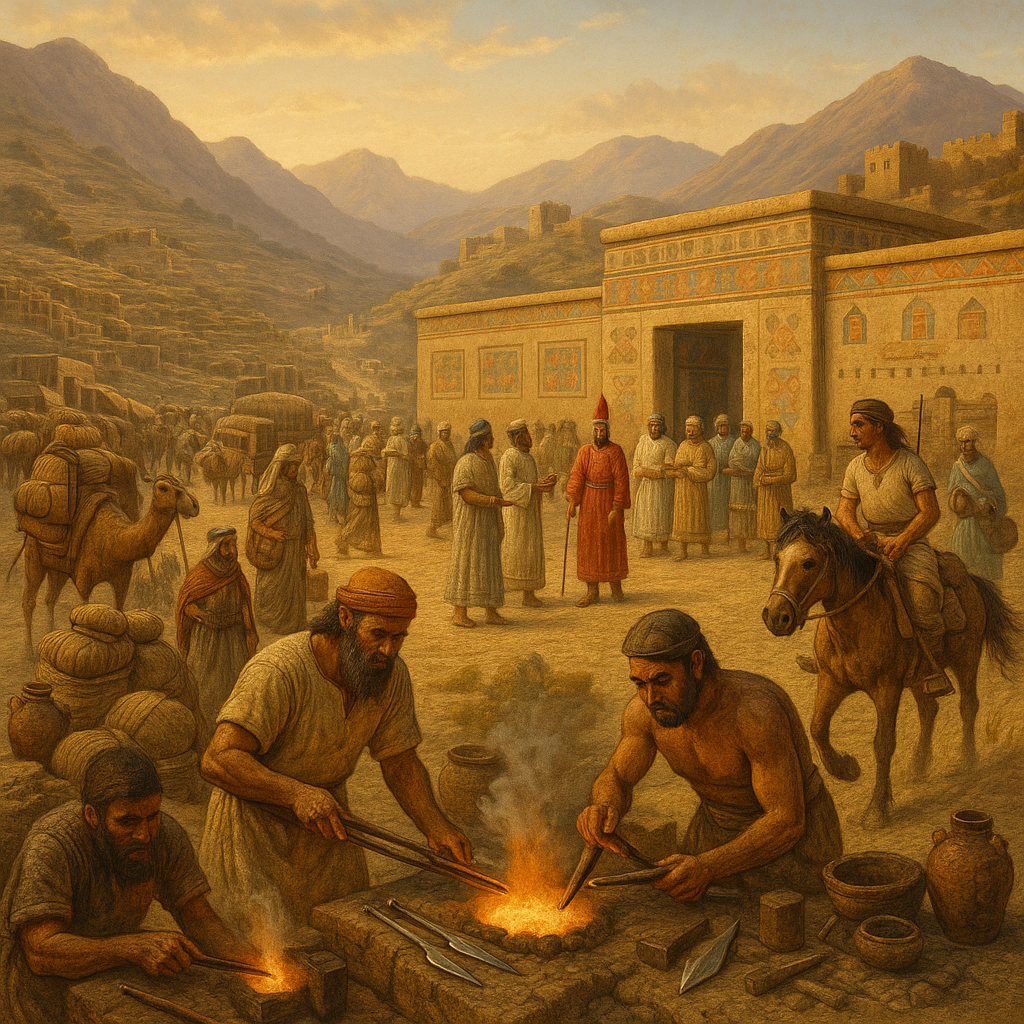
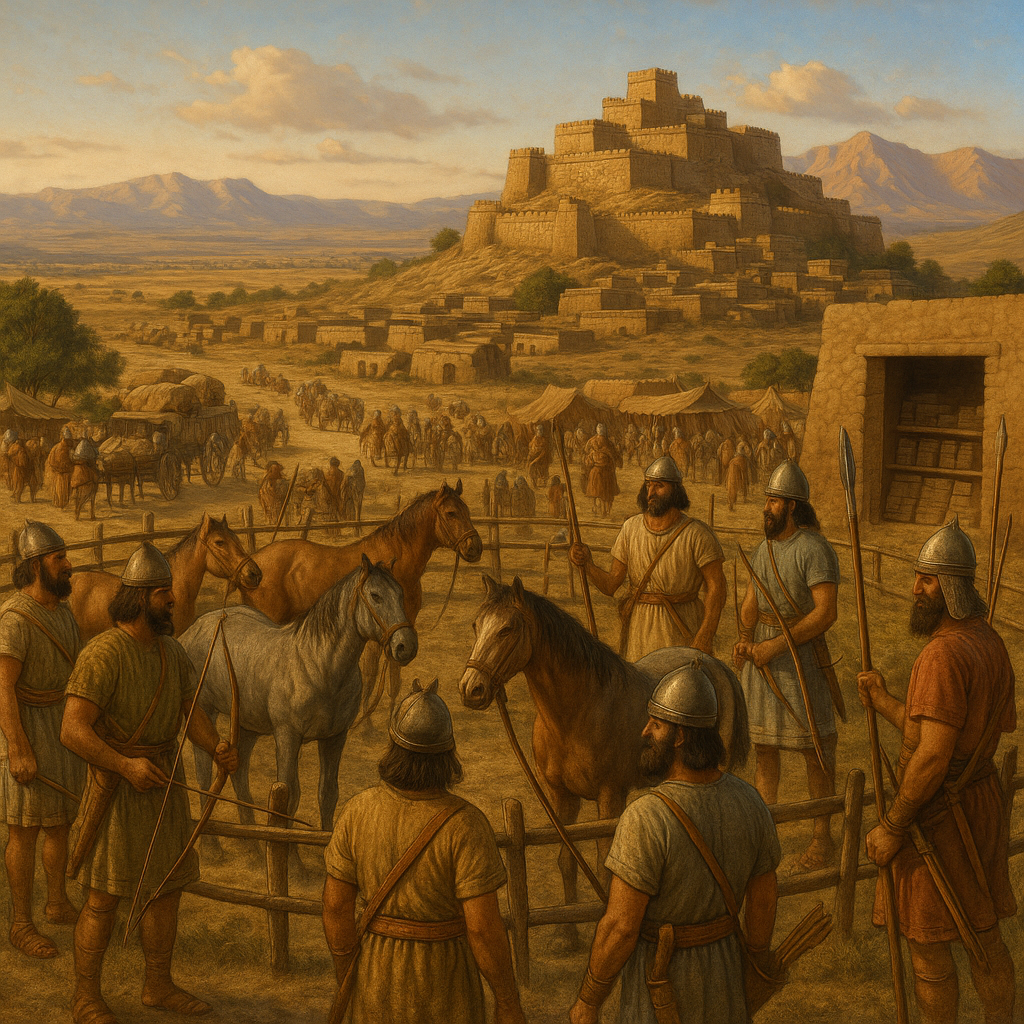
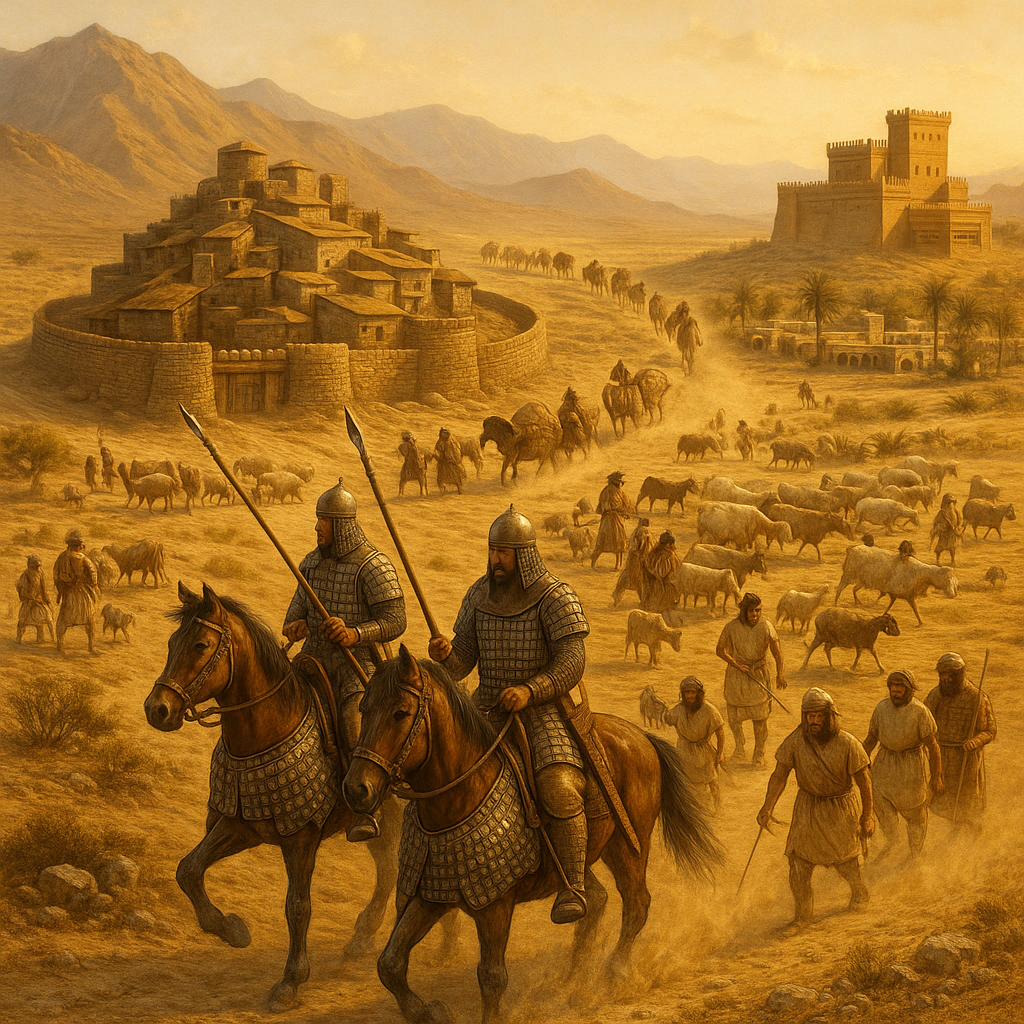
| Near East (Mesopotamia, Levant & Iran Plateau) Iron Age | Neo-Assyrian, Neo-Babylonian, Median, Persian (Achaemenid emergence) | Nineveh, Babylon, Ecbatana, Persepolis | Imperial cycles of conquest; codified laws; Persian unification under Cyrus the Great |
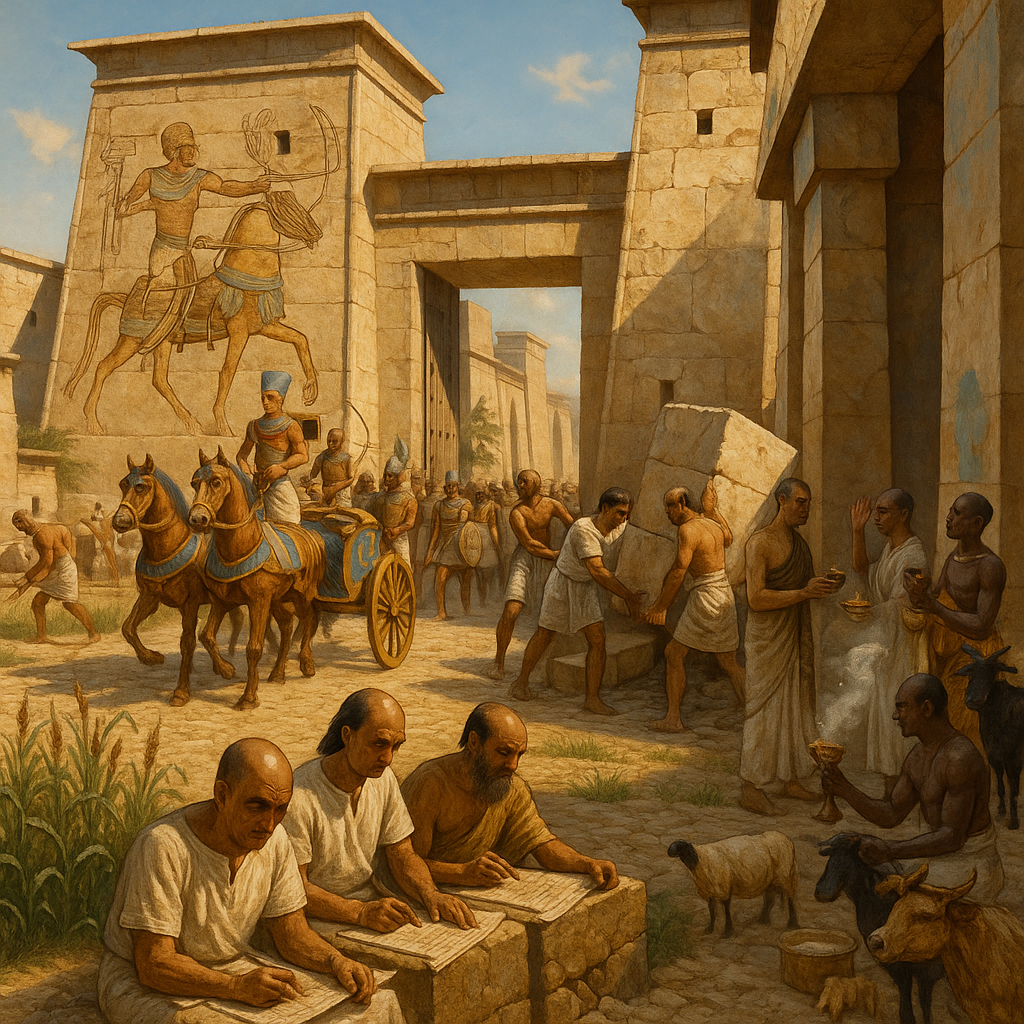
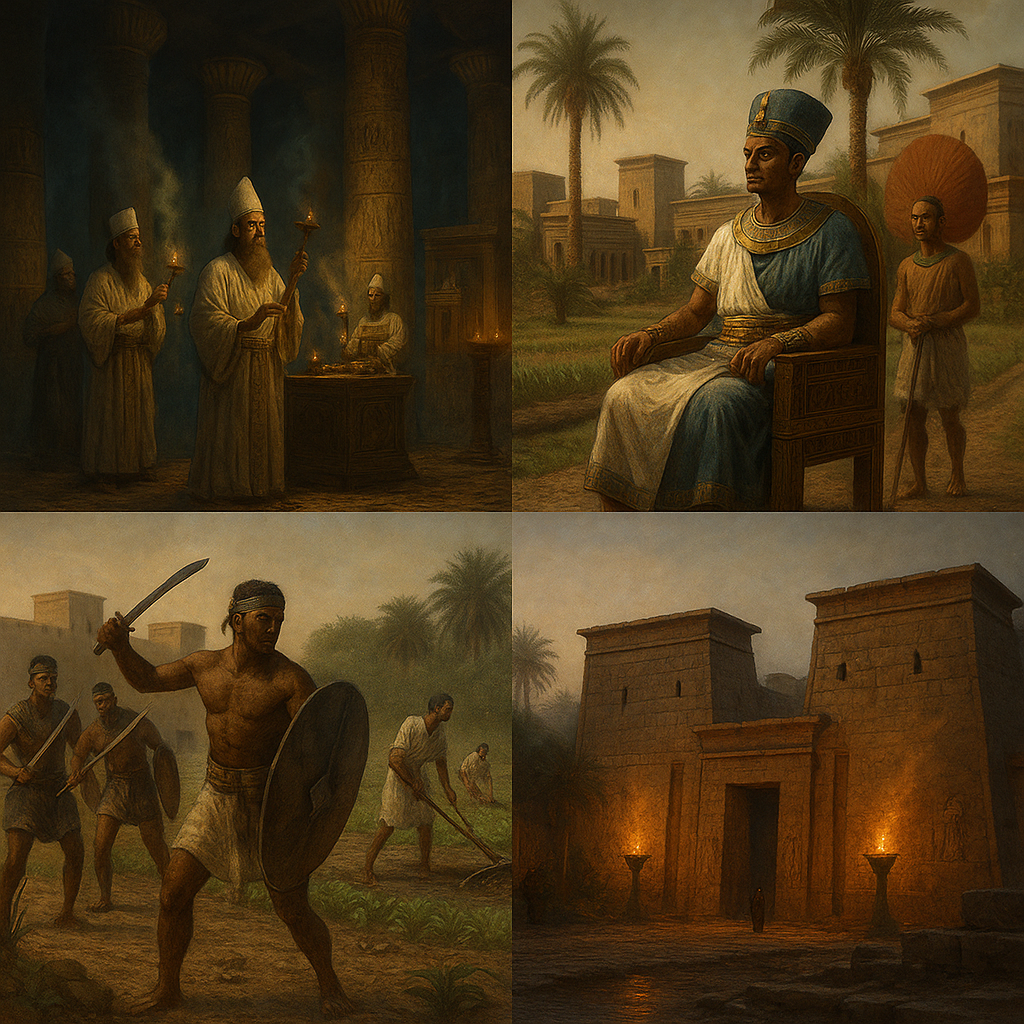
| Nile Valley (Egypt & Nubia) Iron Age | Third Intermediate Period, Late Period, Napatan Kush | Thebes, Napata, Meroë, Sais | Decline of pharaonic centralization; Nubian 25th Dynasty; Assyrian and Persian invasions |
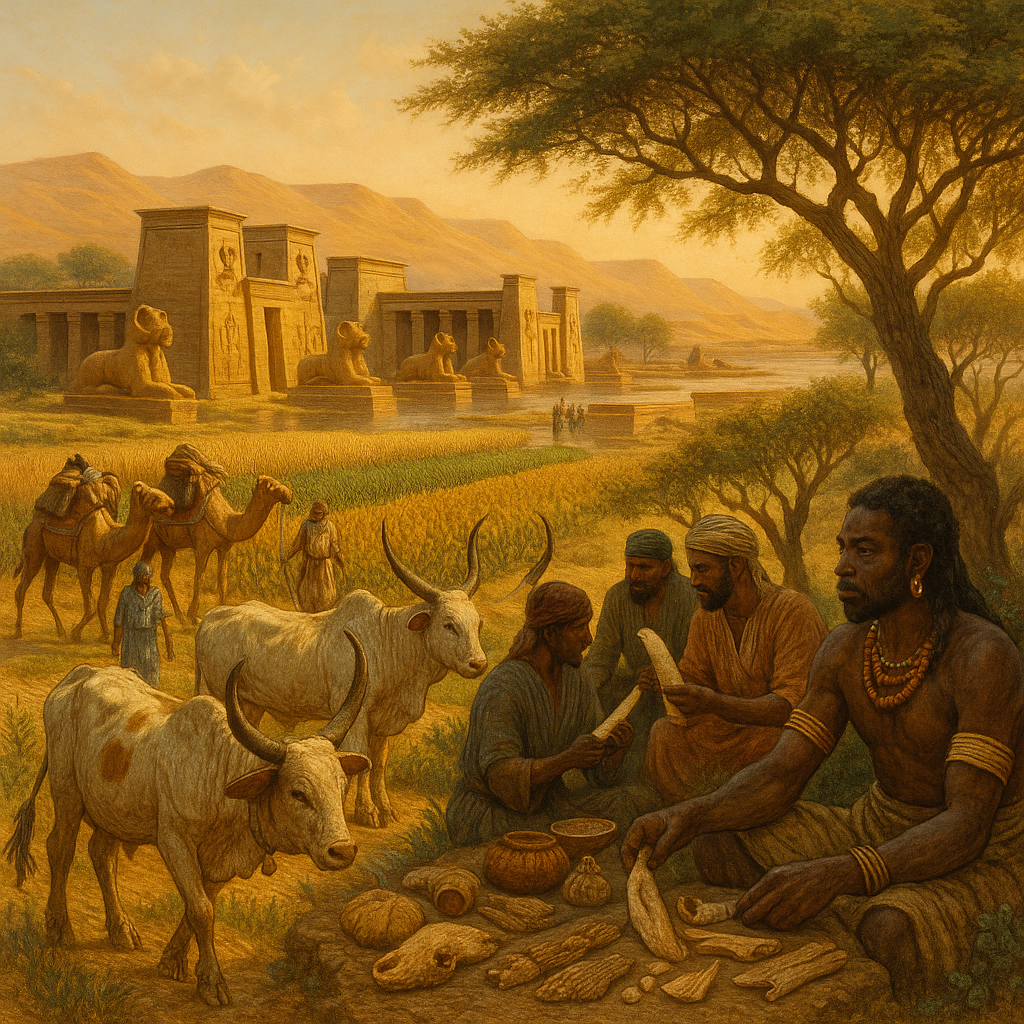
| Africa Beyond the Nile (Sub-Saharan) Iron Age | Nok, Bantu Proto-Ironworking, Meroitic | Nok (Plateau Nigeria), Meroë (Sudan) | Spread of iron smelting; Bantu expansion; foundation of early sub-Saharan urbanism |
| Indus & Central Asia (South Asia Corridor) Iron Age | Vedic Culture, Gandhara Grave, Painted Grey Ware, Janapadas | Taxila, Hastinapura, Ujjain | Aryan migration; Sanskrit texts (Rigveda); rise of Mahajanapadas; iron agricultural tools |
| East Asia (Yellow & Yangtze River Basins) Iron Age | Western Zhou, Eastern Zhou (Spring and Autumn / Warring States) | Luoyang, Xi’an, Handan, Linzi | Zhou feudal order; Confucianism & Daoism emerge; mass iron production and warfare |
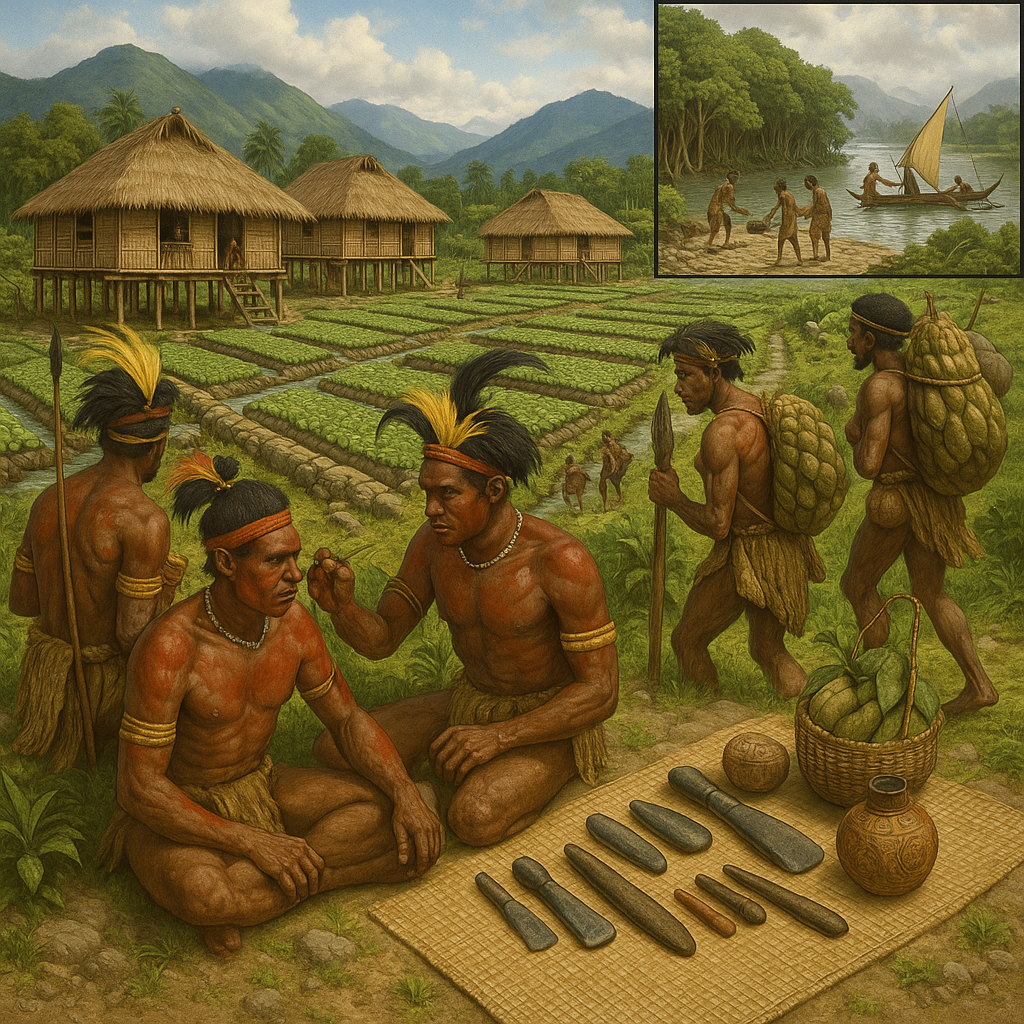
| Iron Age Oceania | Lapita, Polynesian Proto-Chiefs, Papuan Highland Cultures | Tonga (Tongatapu), Samoa, New Guinea Highlands | Polynesian expansion across Pacific; complex chiefdoms form; oral navigation systems established |
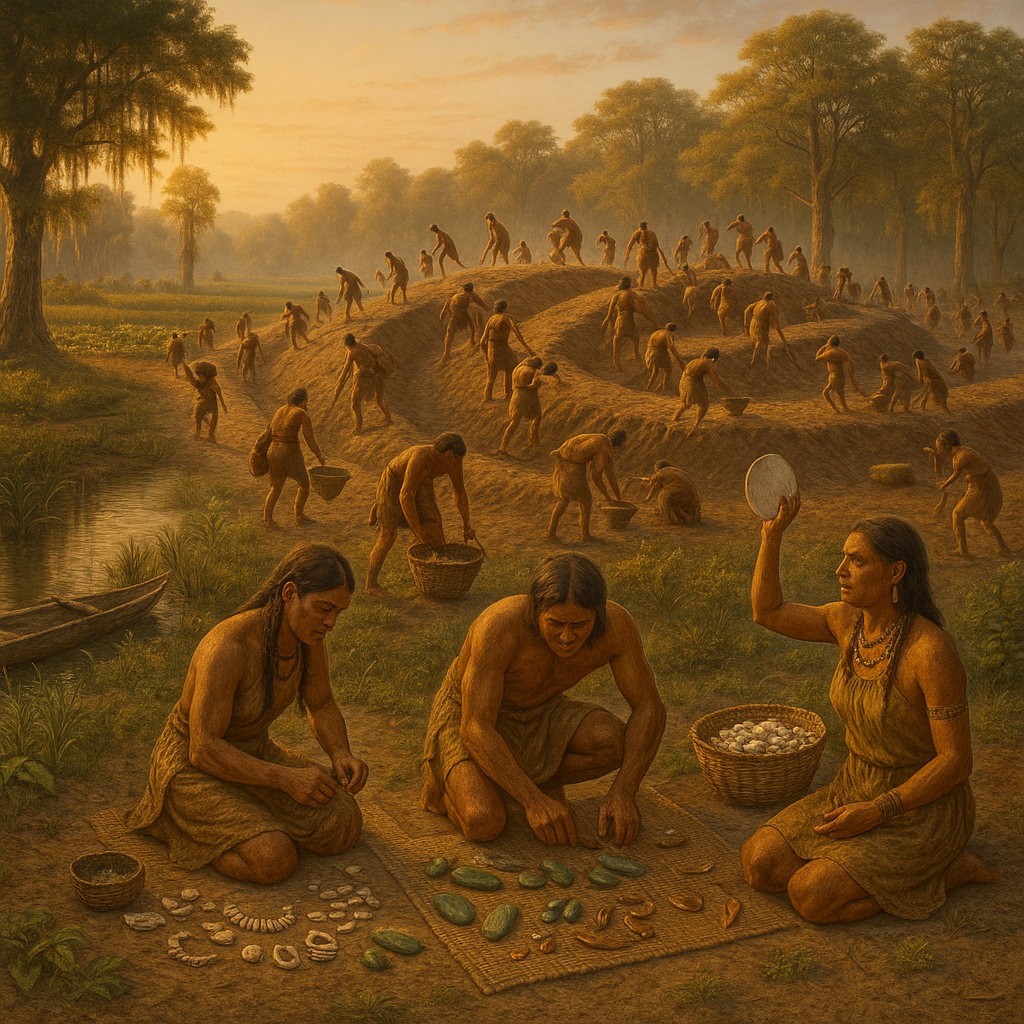
| Iron Age North America | Adena, Hopewell (Early Woodland), Poverty Point (late) | Mound City (Ohio), Poverty Point (Louisiana), Newark Earthworks | Growth of ceremonial mound networks; regional trade in copper, mica, and shells; early horticulture |
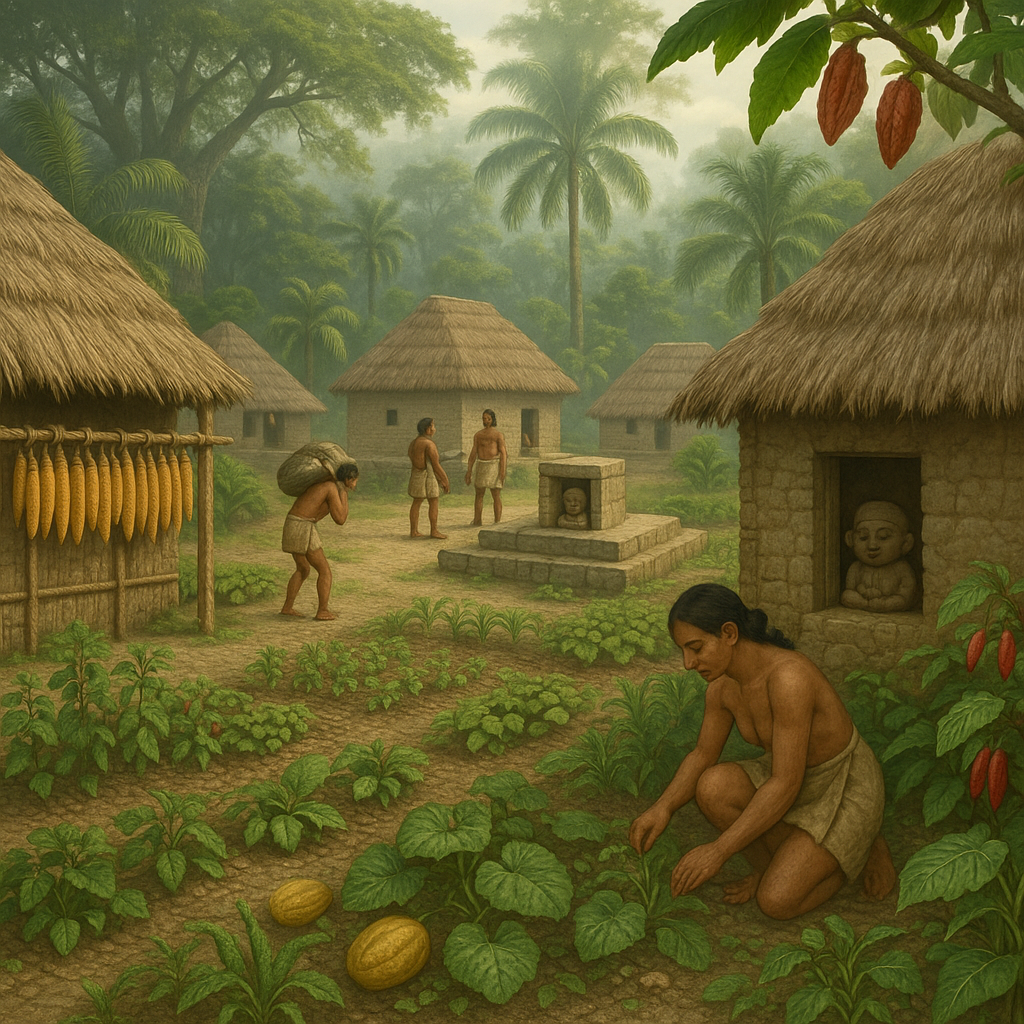
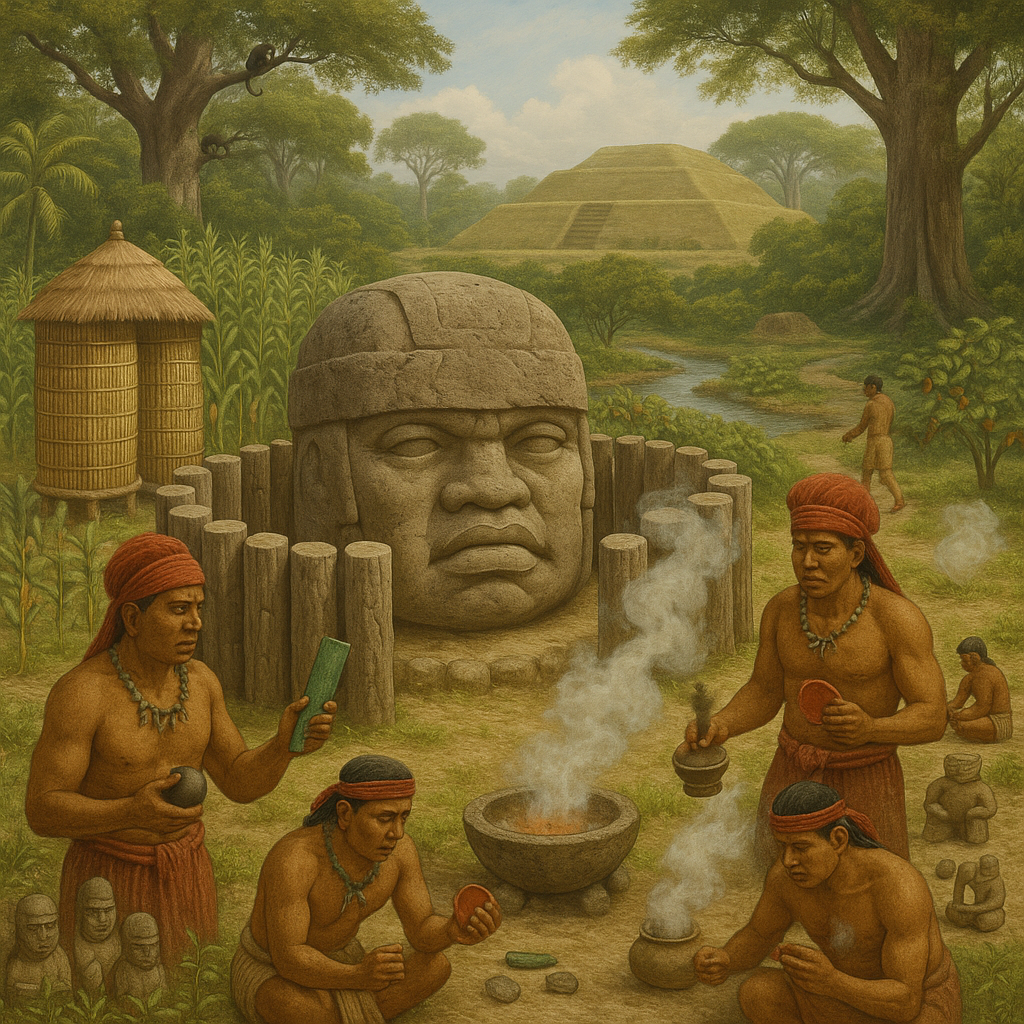
| Iron Age Central America | Olmec (Late), Izapa, Early Maya (Preclassic) | San Lorenzo (late phase), La Venta, Kaminaljuyú | Development of monumental art and writing; social stratification; calendar and ritual complexity |
| Iron Age South America | Chavín, Paracas, Cupisnique, Early Moche | Chavín de Huántar, Paracas Necropolis, Sechín | High-Andean religious centers emerge; textile and metalcraft advances; irrigation and terracing systems expand |


1200 BC – Snapshot
| Terra Avita Region and Era Name Link | Event Description |
|---|---|
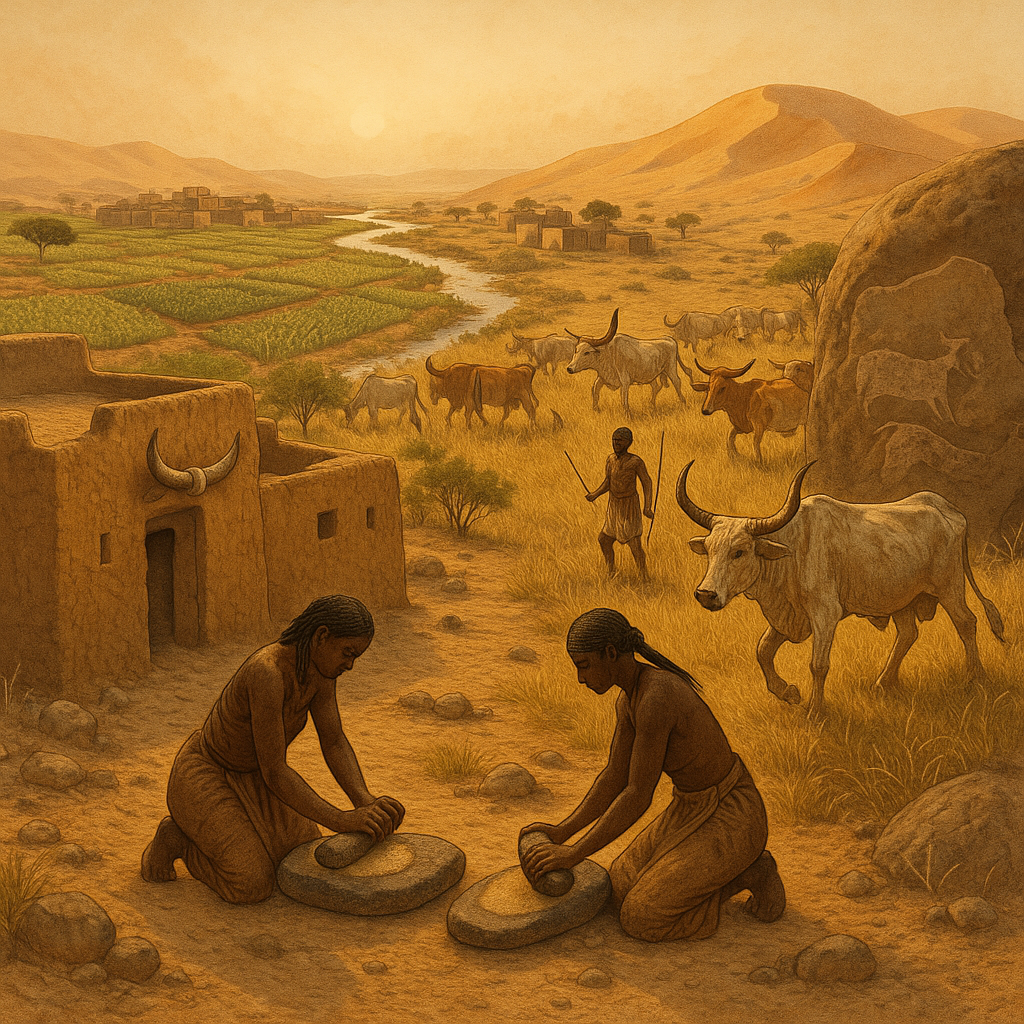
| Africa Beyond the Nile (Saharan–Sahelian–Sub-Saharan) Bronze Age | Sahel pastoral societies expand millet and sorghum farming. Nubian region experiences shifts as Egyptian influence wanes. Kerma’s successor polities adapt to changing Nile geopolitics. Trans-Saharan interactions minimal but persistent. |
| Bronze Age Central America | Early Olmec cultural formation. San Lorenzo becomes a major ceremonial center. Maize agriculture widespread; early monumental architecture and elite iconography emerging. |
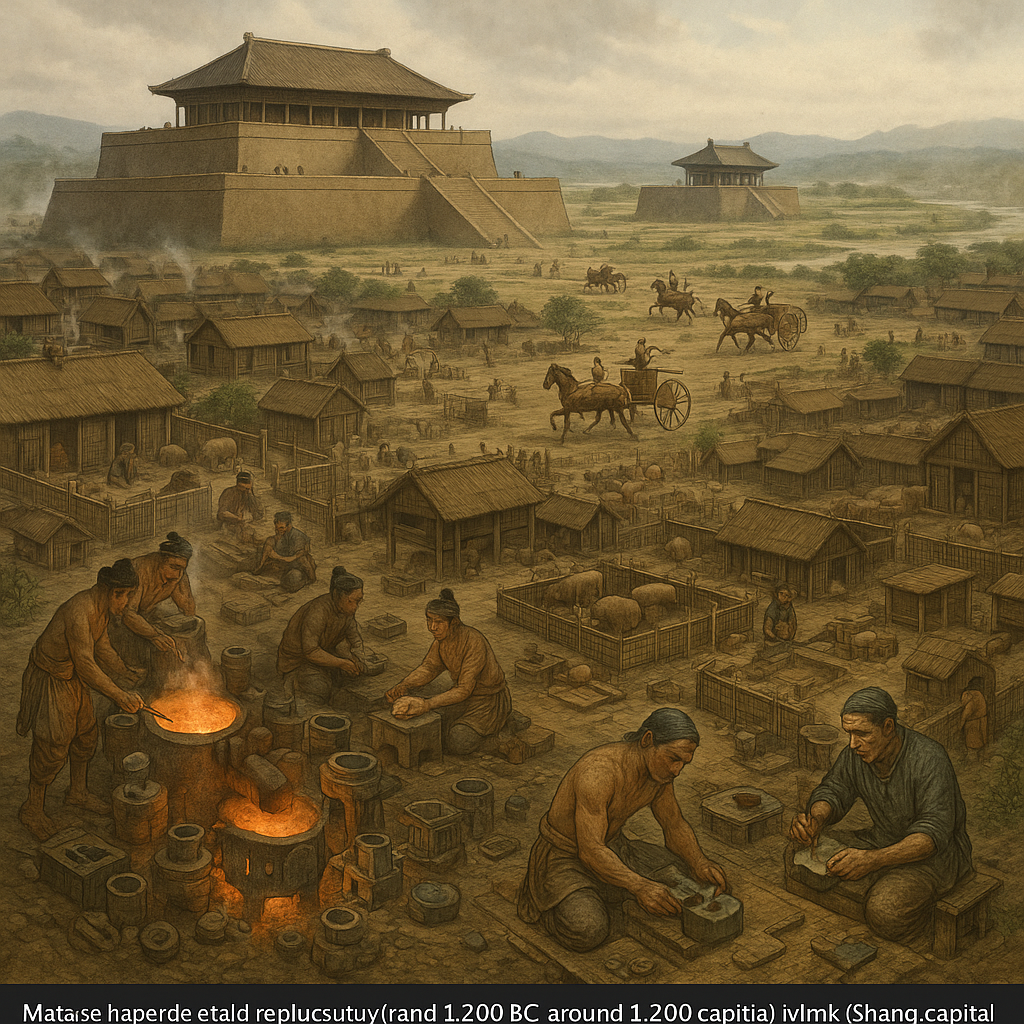
| East Asia (Yellow River Basin) Bronze Age | Late Shang Dynasty. Large walled capital at Yinxu (Anyang). Advanced bronze casting, oracle bone writing, stratified aristocracy, and chariot warfare fully developed. North dominated by millet; south advances in rice agriculture. |
| Aegean & Anatolia (Eastern Mediterranean) Bronze Age | Late Bronze Age Collapse. Mycenaean palaces burn; Hittite Empire collapses; major Levantine cities destroyed. Sea Peoples disrupt Mediterranean networks. Egypt under Ramses III struggles to maintain borders. Trade networks and palace economies fracture globally. |
| Nile Valley (Egypt & Nubia) Bronze Age | Egypt in the New Kingdom, 20th Dynasty. Ramses III defeats Sea Peoples but state power weakens. Economic strain, labor unrest, and corruption rise. Decline phase of monumental imperial Egypt begins. |
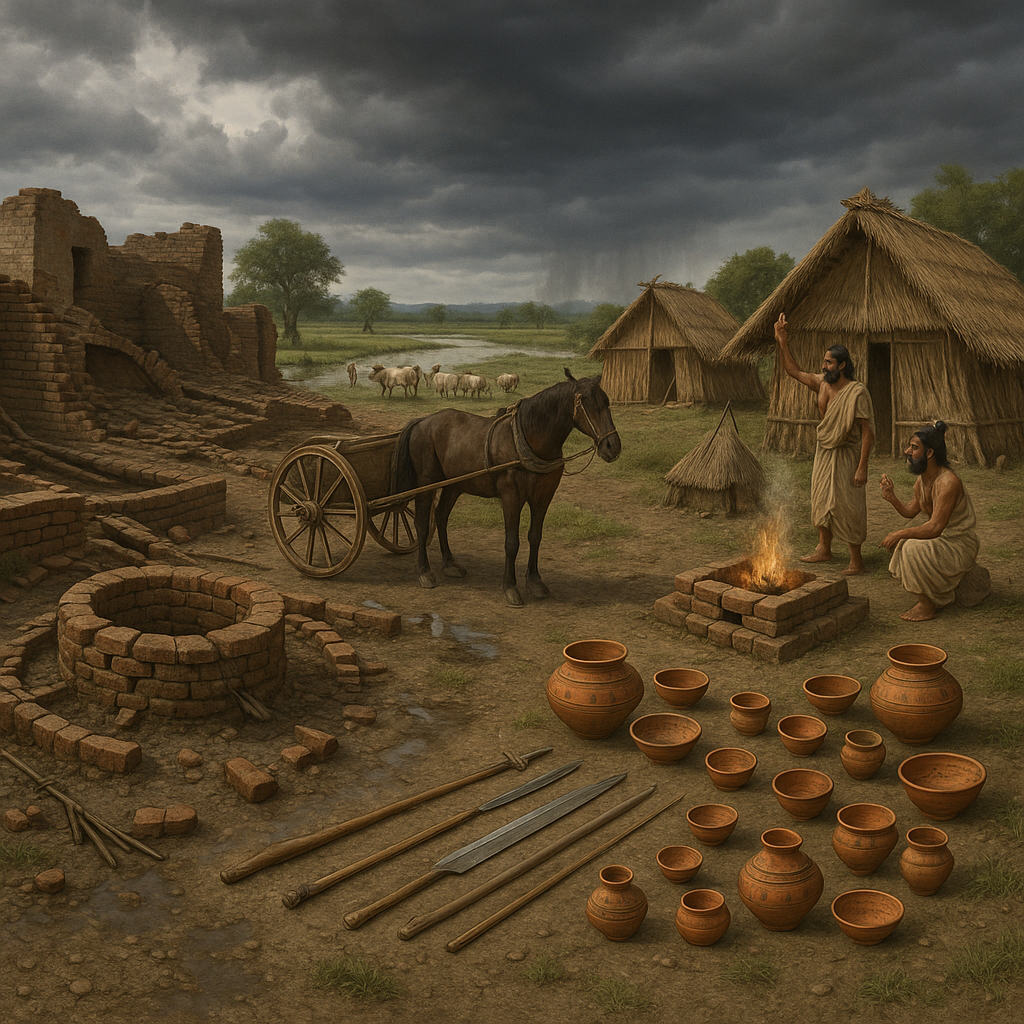
| Indus & Central Asia (South Asia Corridor) Bronze Age | Post-Harappan regional cultures dominate northwestern India (Late Harappan remnants, Cemetery H, Ochre Coloured Pottery). Indo-Aryan cultural consolidation underway; early Vedic traditions developing in Punjab and Gangetic fringe. |
| Bronze Age North America | Late Archaic. Poverty Point at peak in Lower Mississippi Valley—massive earthworks and trade hub. Copper, shell, and stone exchange networks span thousands of kilometers. Early mound traditions mature. |
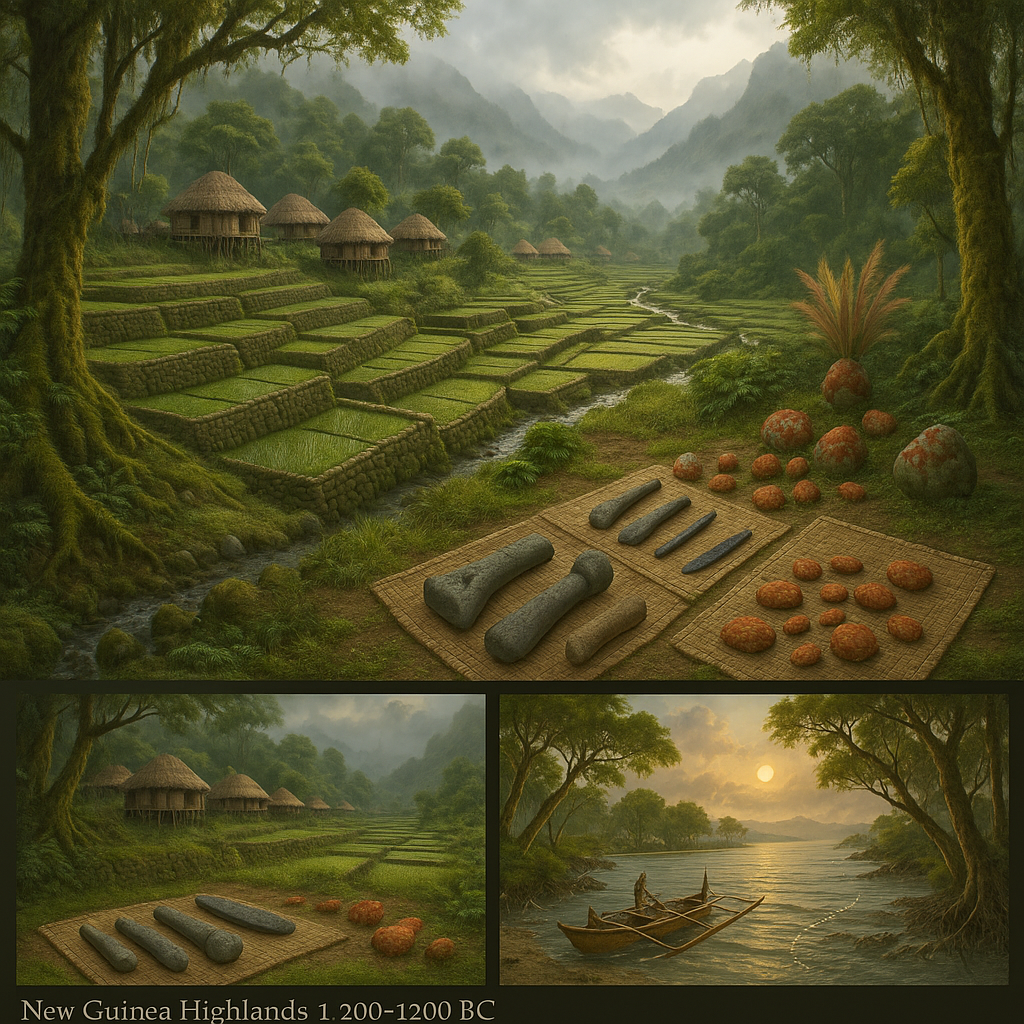
| Bronze Age Oceania | Australia maintains complex hunter-gatherer cultural systems with rich rock art traditions. New Guinea highlands have long-established agriculture; population density increases; horticultural intensification continues. |
| Near East (Mesopotamia & Iran Plateau) Bronze Age | Elamite power persists; participates in shifting alliances during Mesopotamian instability. Iranian Plateau home to expanding highland chiefdoms. Indo-Iranian groups spread further south and east, setting stage for later Median/Persian identities. |
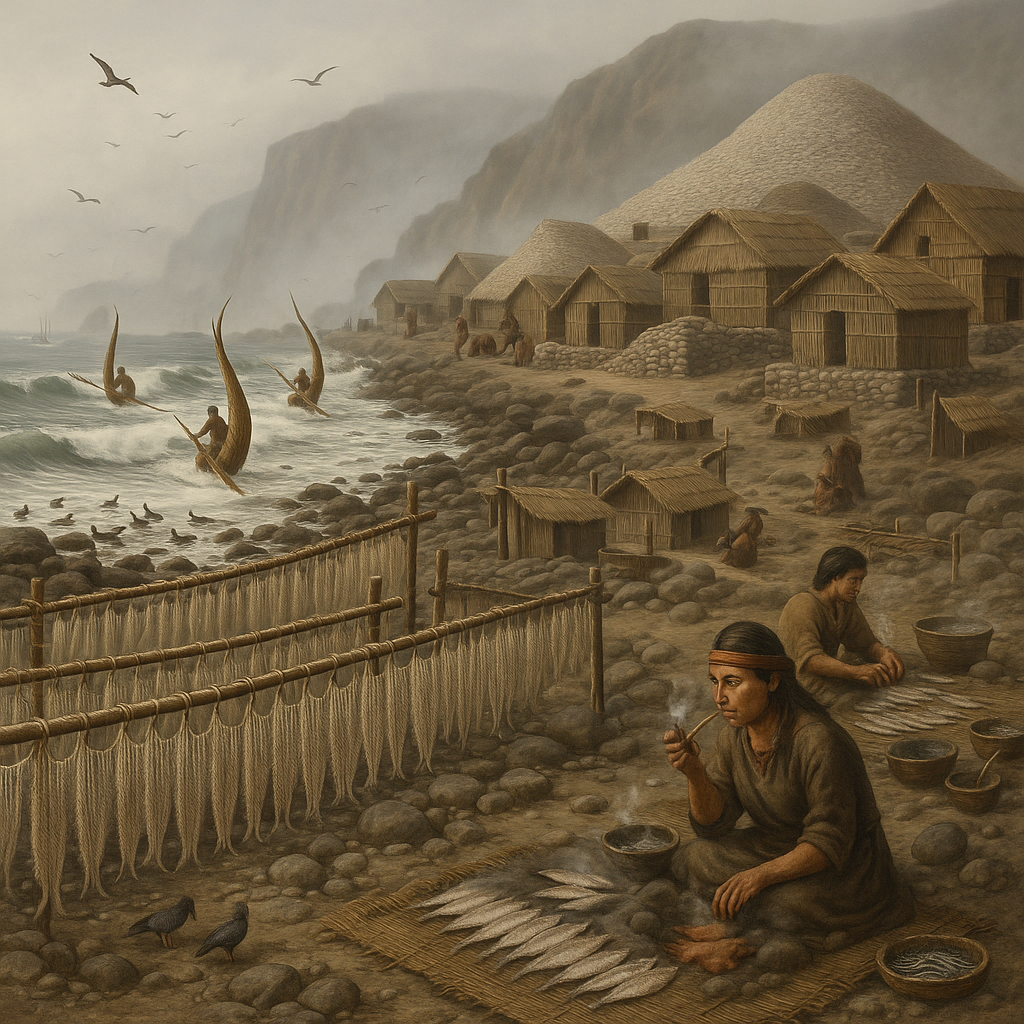
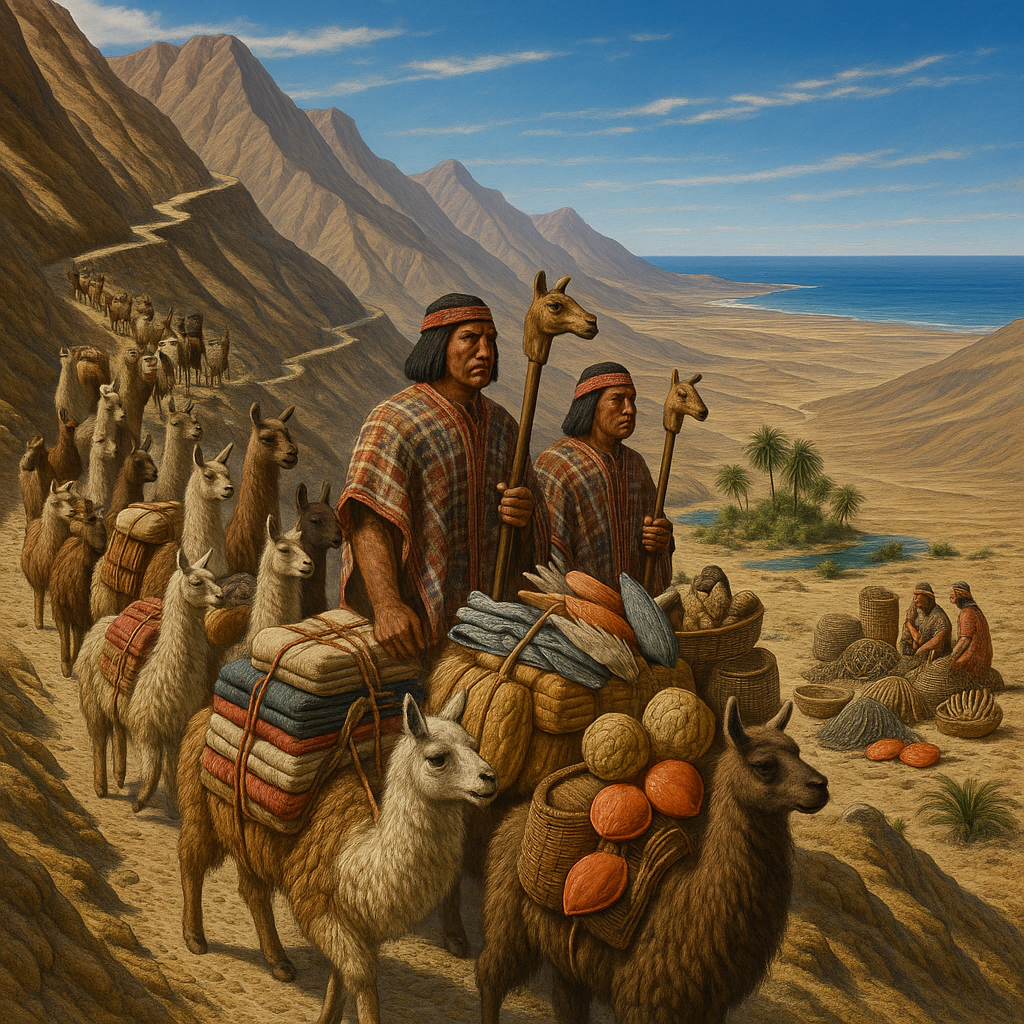
| Bronze Age South America | Andean societies develop more complex village systems. Pre-Chavín cultural traditions in highlands. Coastal Peru features irrigation-based farming and large fishing communities. Long-range highland–coast exchange networks active. |
| Western Europe (Atlantic & Continental) Bronze Age | Bronze Age societies maturing; Urnfield culture rising in central Europe. Widespread use of bronze weapons and tools; fortified hill settlements common. Western Europe begins gradual transition toward early Iron Age technologies over the next centuries. |
1100 BC – Snapshot
| Terra Avita Region and Era Name Link | Event Description |
|---|---|
| Africa Beyond the Nile (Sub-Saharan) Iron Age | Sahel zone develops deeper millet-farming and cattle-herding systems. Nubia reorganizes after Egyptian pullback, setting stage for future Kushite state. Sahara mostly impassable; populations concentrated southward. |
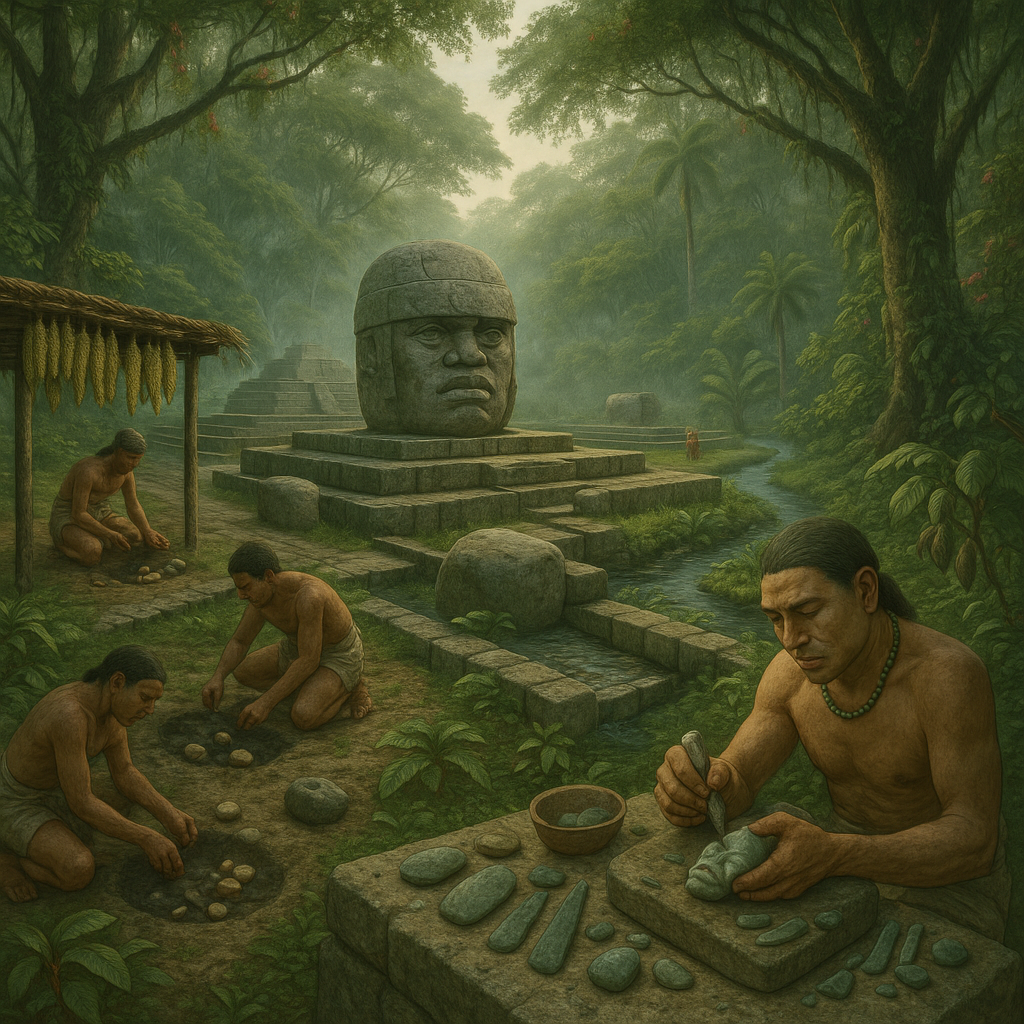
| Iron Age Central America | Olmec civilization forming strongly. San Lorenzo flourishing as a centralized ritual and political center. Early colossal heads carved. Maize agriculture widespread; stratified society emerging. |
| East Asia (Yellow & Yangtze River Basins) Iron Age | Late Shang Dynasty at Anyang. High-status bronze workshops operating. Oracle bone inscriptions flourishing. Chariot warfare, stratified lineage clans, and ritualized kingship dominate. Expansion and conflict with northern steppe groups constant. |
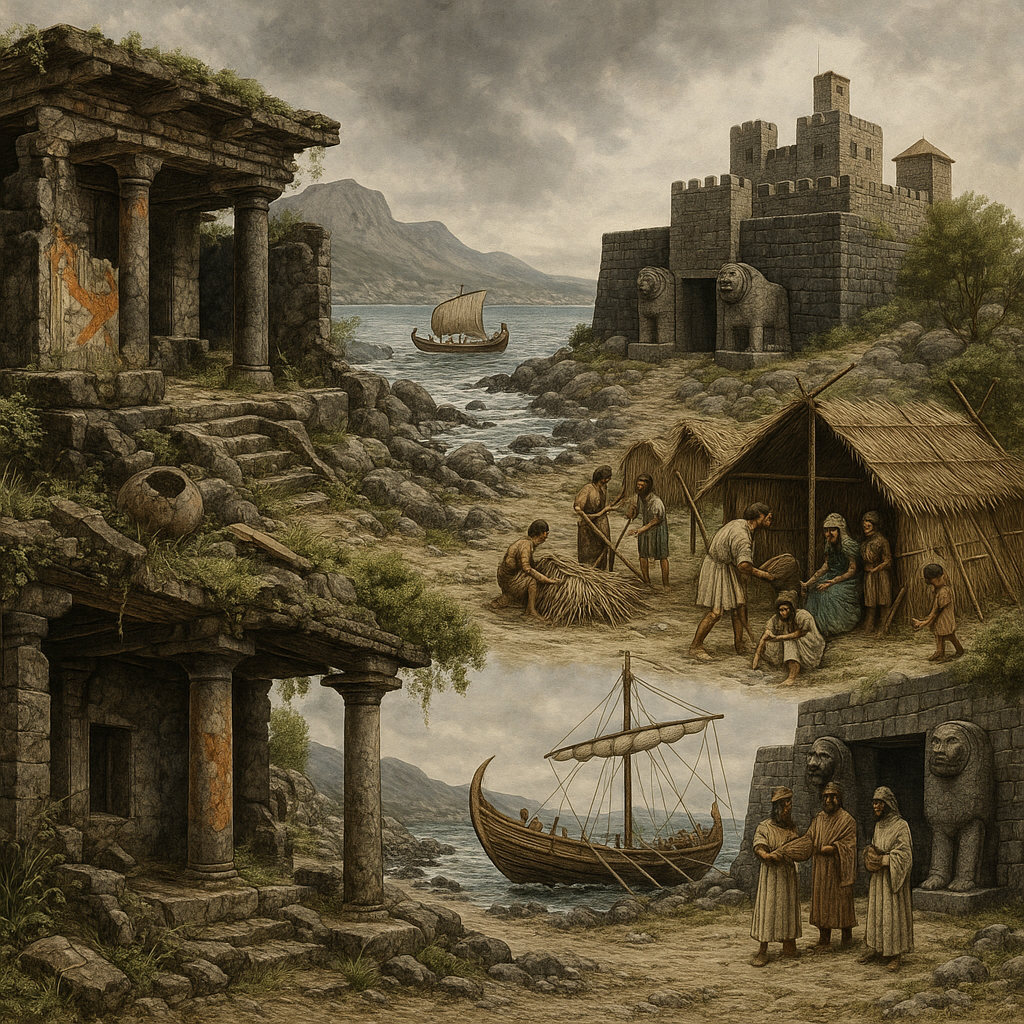
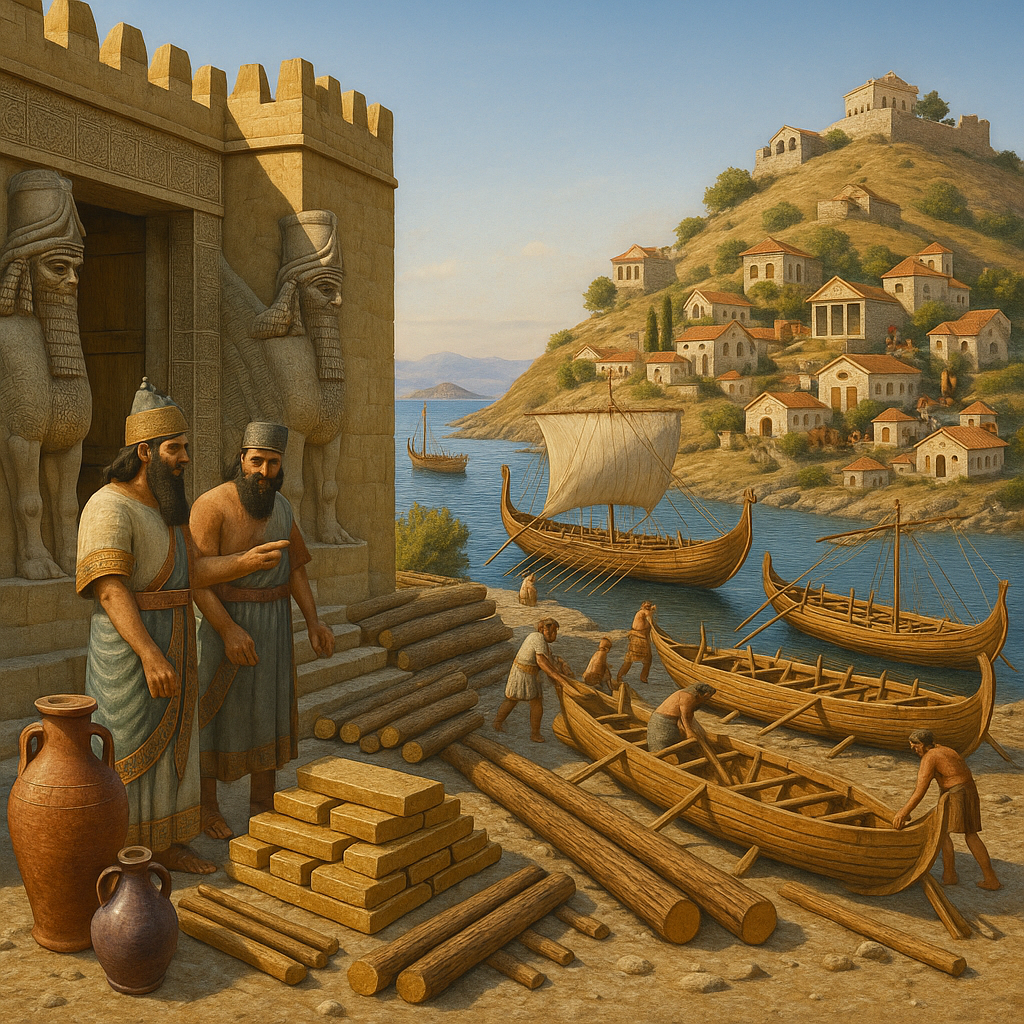
| Aegean & Anatolia (Eastern Mediterranean) Iron Age | Post–Bronze Age Collapse recovery. Mycenaean civilization gone; Greek “Dark Age” begins. Hittite Empire obliterated; small Neo-Hittite states form. Levant reconstructs from destruction; Phoenicians begin maritime expansion. Assyria reasserts power. |
| Nile Valley (Egypt & Nubia) Iron Age | Egypt enters the Third Intermediate Period shortly after 1100 BC. Central authority weakens; priesthood at Thebes grows powerful. Libyan groups settle in Delta. Decline from New Kingdom imperial height now fully underway. |
| Indus & Central Asia (South Asia Corridor) Iron Age | Early Vedic Period strengthens in northwestern India—tribal polities, chariot-warrior elites, pastoral-agricultural economy. Late Harappan remnants fade. In Central Asia, steppe cultures expand southward toward Bactria–Margiana. |
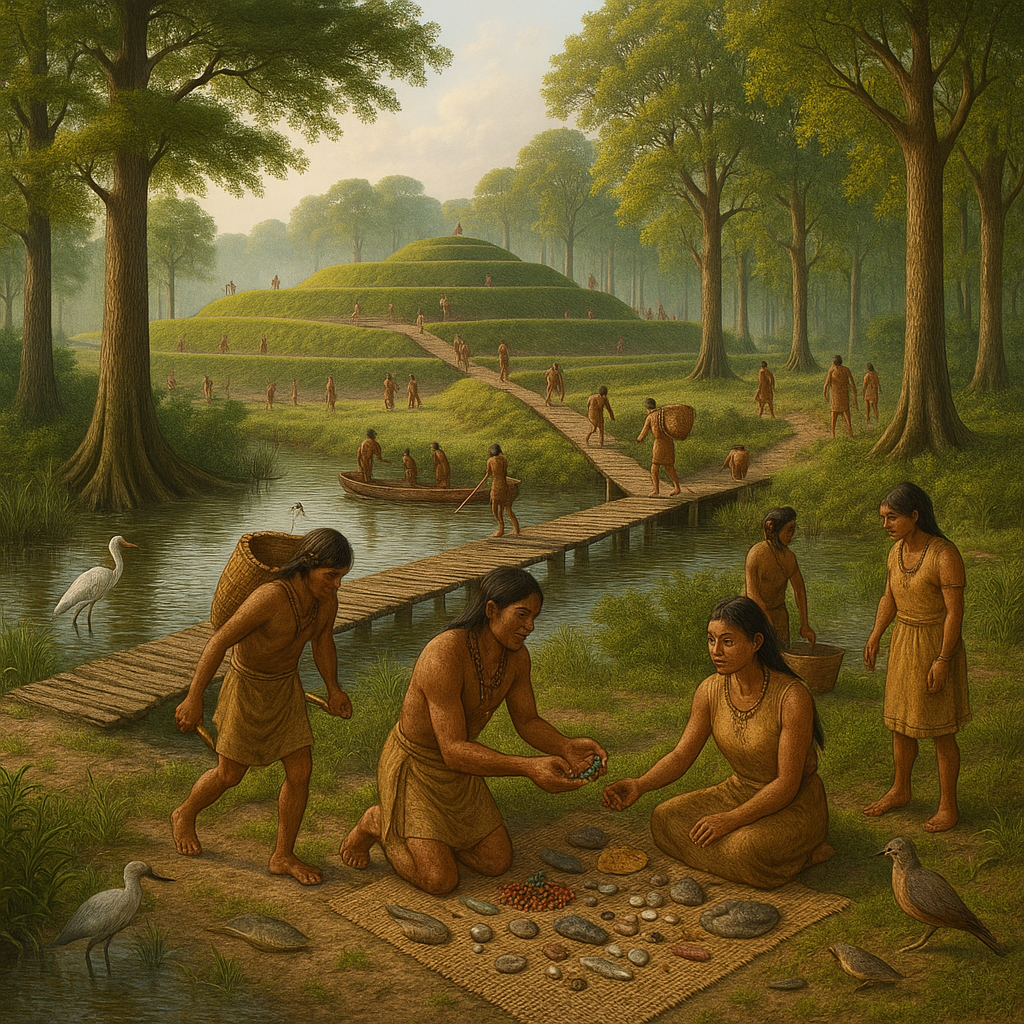
| Iron Age North America | Late Archaic continues but with major centers emerging. Poverty Point still a regional hub or entering decline. Widespread trade in copper, shell, stone. Intensive gathering and early cultivation in Eastern Woodlands. |
| Iron Age Oceania | Australia maintains diverse, sophisticated hunter-gatherer systems with complex trade and art traditions. New Guinea highlands show intensive horticulture (taro, banana) and established village structures; population density rises. |
| Near East (Mesopotamia, Levant & Iran Plateau) Iron Age | Elam remains active; benefits from Mesopotamian fragmentation. Southwestern Iran stabilizes with fortified towns. Indo-Iranian pastoralist groups expand across Iranian Plateau; early Median and proto-Persian identities forming. |
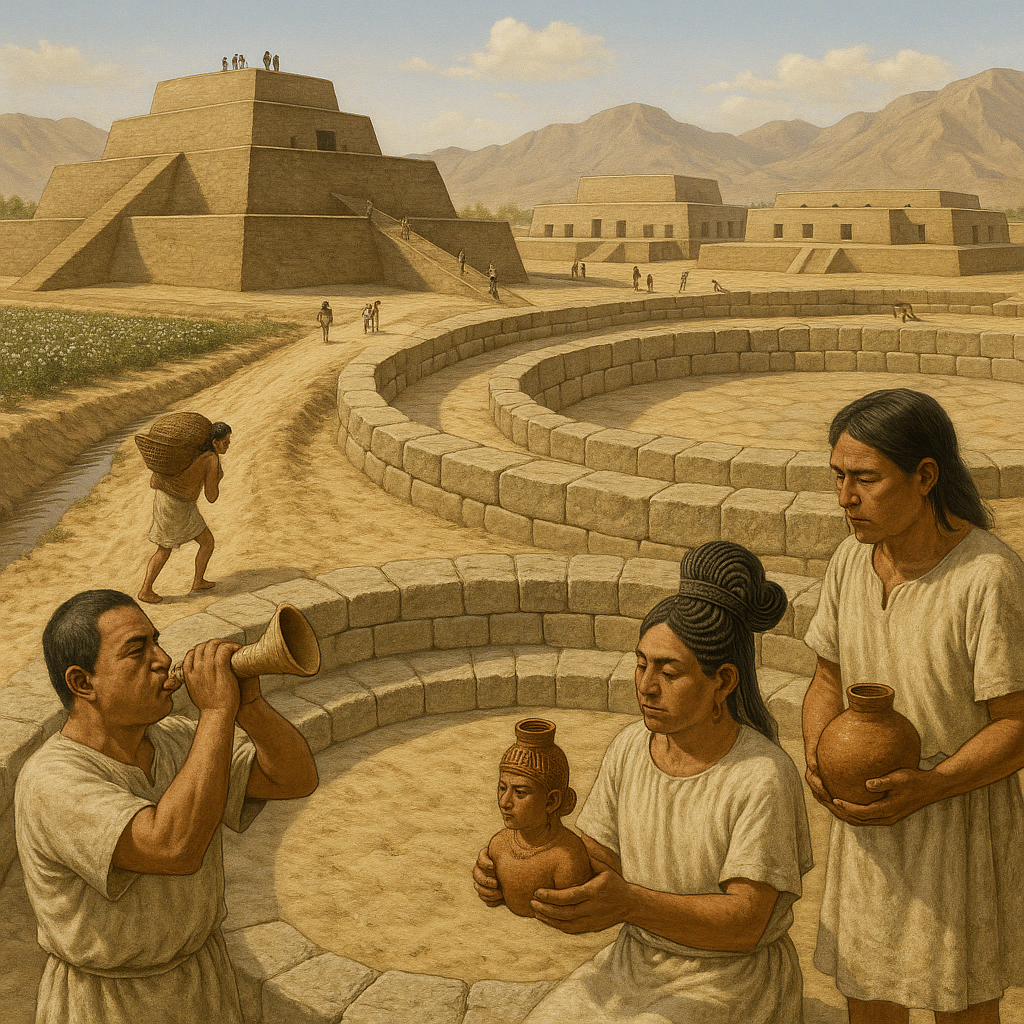
| Iron Age South America | Pre-Chavín cultures developing in Andes. Coastal Peru features irrigation-based farming and large-scale fishing communities. Highland–coastal exchange intensifies. Camelid pastoralism expands in sierra. |
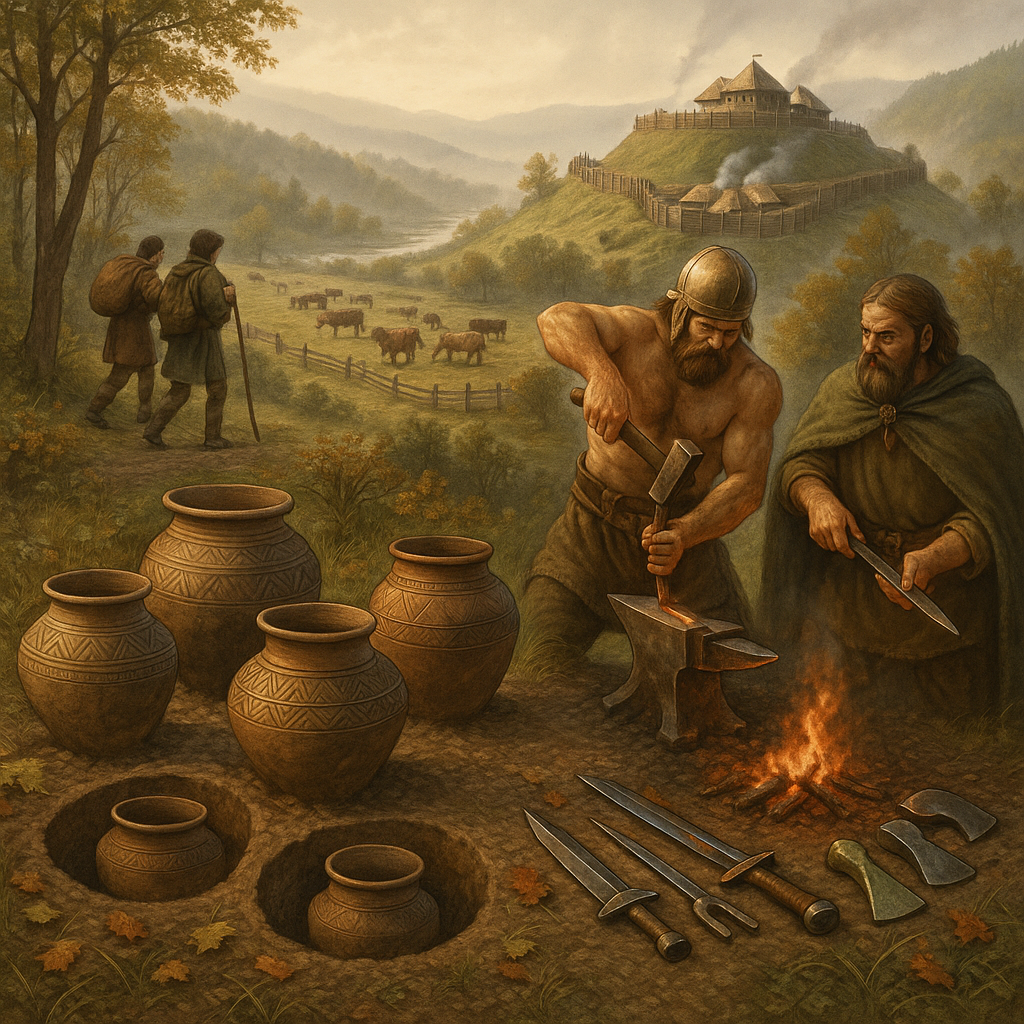
| Western Europe (Atlantic & Continental) Iron Age | Transition from Bronze Age to Early Iron Age begins in central Europe. Urnfield culture spreads widely—cremation burials, large hillforts, warrior elites. Metalworking advances; long-distance copper and tin networks reroute after Mediterranean collapse. |
900 BC – Snapshot
| Terra Avita Region and Era Name Link | Event Description |
|---|---|
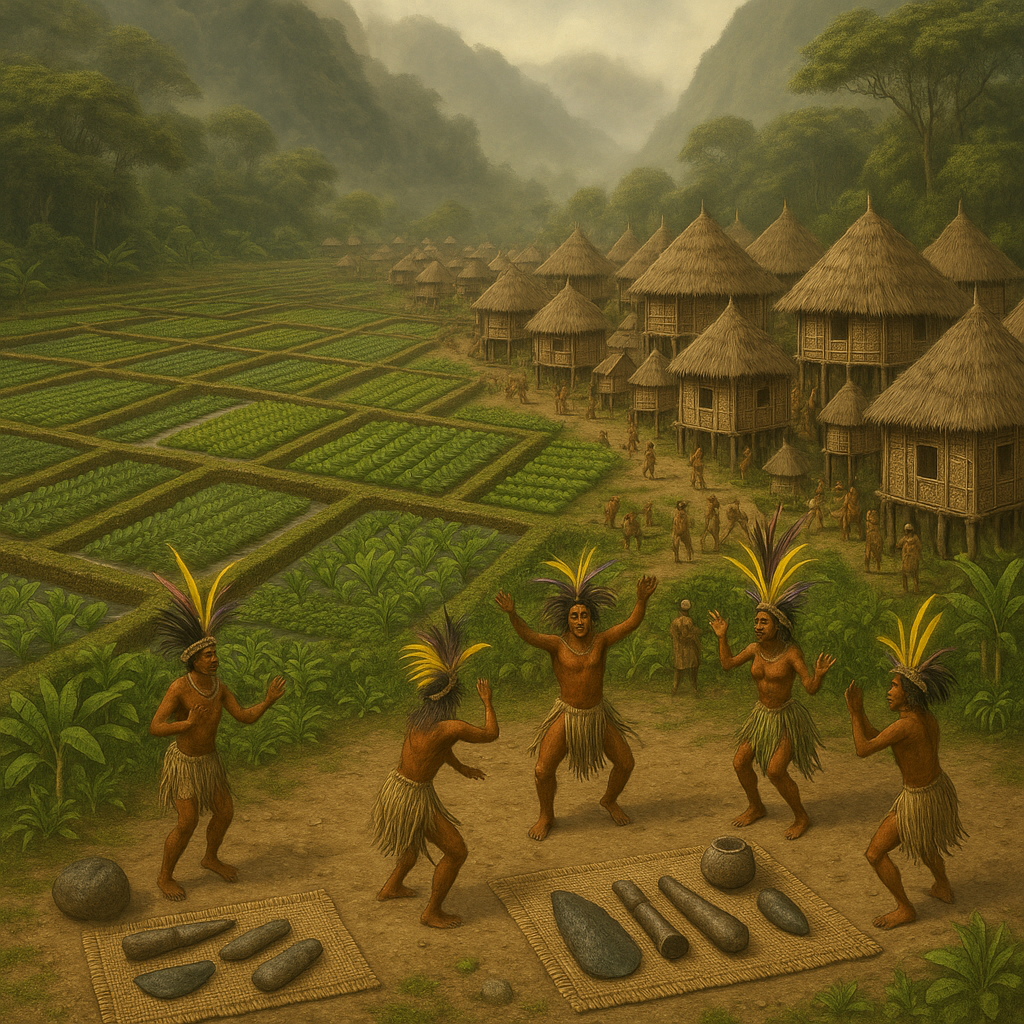
| Africa Beyond the Nile (Sub-Saharan) Iron Age | Nubia develops strongly; the Kingdom of Kush at Napata forming foundations for later ascendancy. Sahel agricultural–pastoral societies mature (millet, sorghum, cattle). Trans-Saharan mobility minimal but cultural continuities strong. |
| Iron Age Central America | Early Olmec florescence. San Lorenzo declining, La Venta rising as major ritual center. Monumental architecture, elite iconography, and early writing-like symbols present. Maize agriculture dominant. |
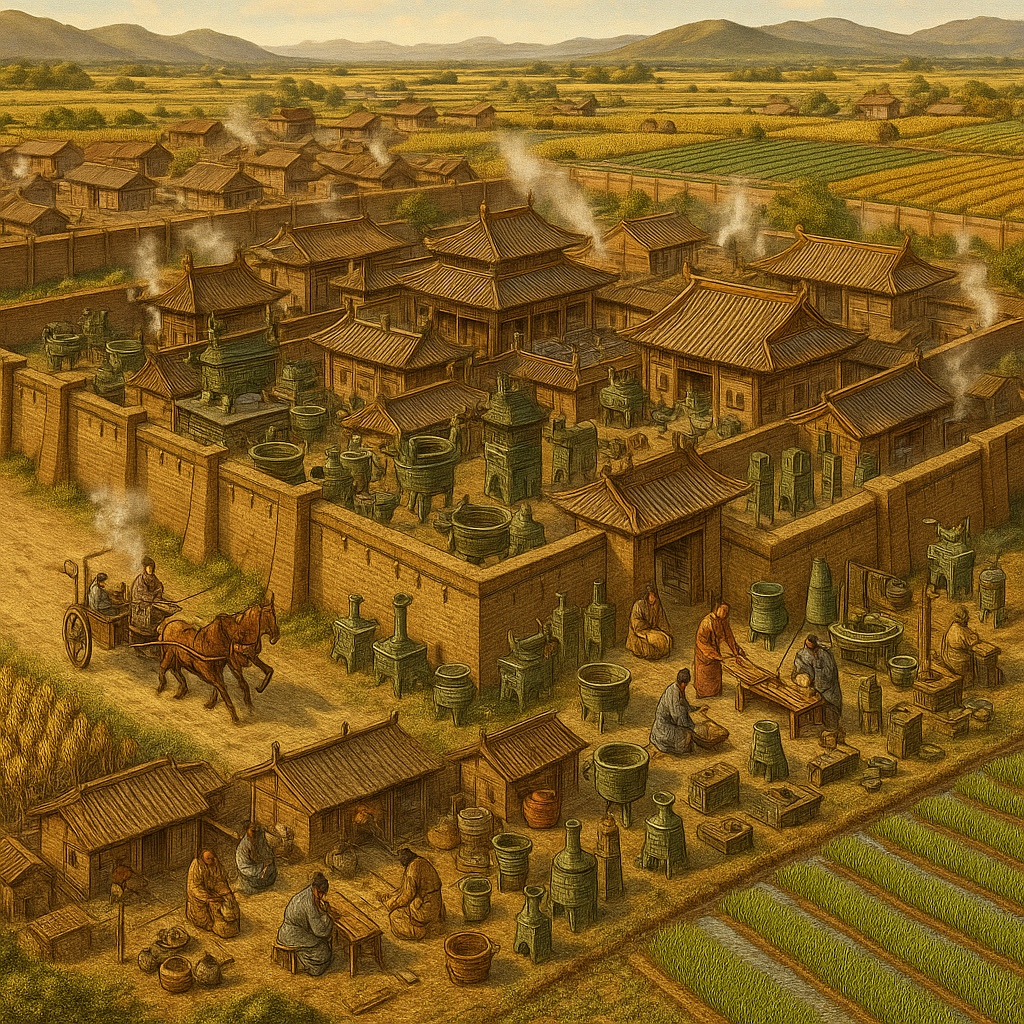
| East Asia (Yellow & Yangtze River Basins) Iron Age | Western Zhou Dynasty at its peak. Feudal system formalized; ritual bronze culture flourishing. Expansion into northern frontier zones. Millet agriculture dominant in north; rice systems expand in lower Yangtze. |
| Aegean & Anatolia (Eastern Mediterranean) Iron Age | Post–Dark Age recovery. Neo-Assyrian Empire rises aggressively (Ashur-dan II → Adad-nirari II soon after). Phoenicians expand Mediterranean trade. Israelite and Aramean states form in Levant. Greece begins population rebound and proto-polis formation. |
| Nile Valley (Egypt & Nubia) Iron Age | Egypt deep in Third Intermediate Period. Divided authority between Tanite kings in the Delta and High Priests of Amun in Thebes. Libyan-origin dynasties (22nd Dynasty) hold power. Egypt increasingly peripheral to Near Eastern politics. |
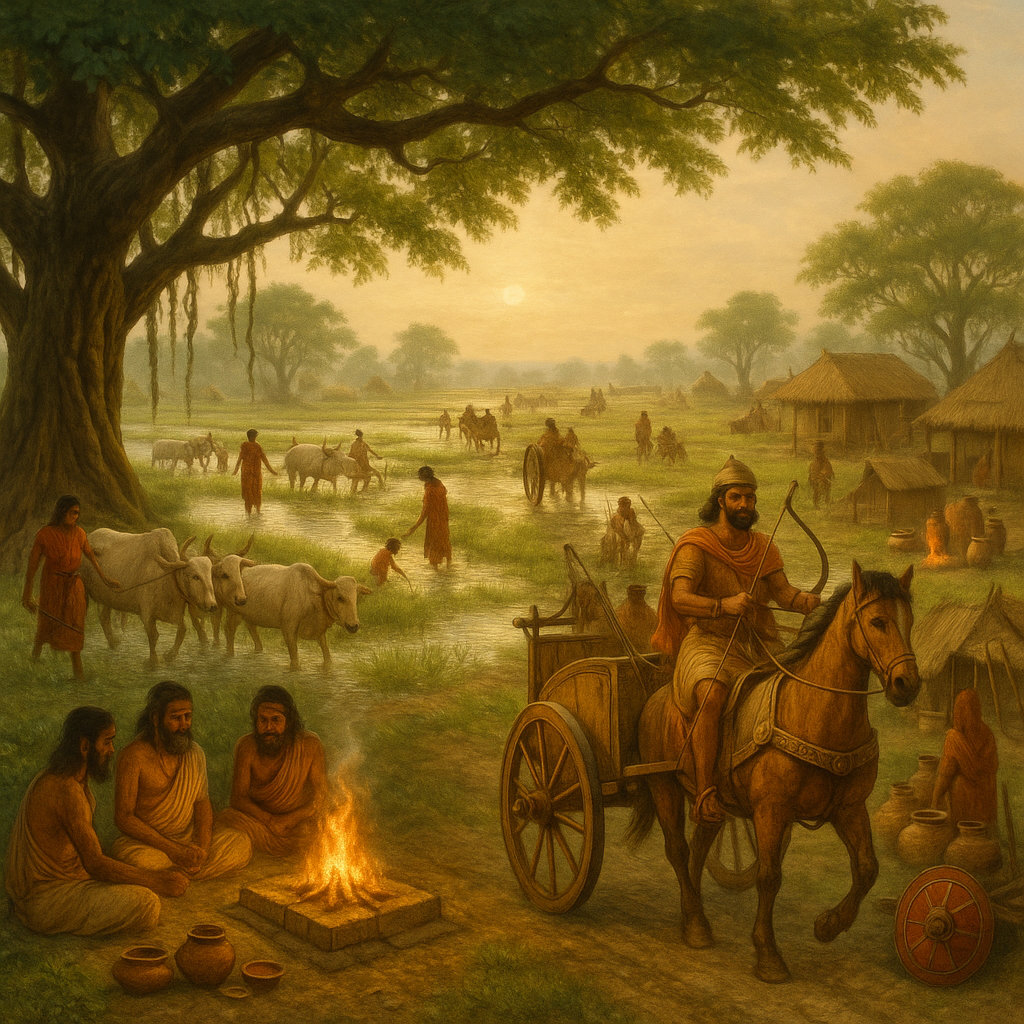
| Indus & Central Asia (South Asia Corridor) Iron Age | Later Vedic Period in northern India—agrarian expansion into the Ganges plains; caste-like social stratification strengthening; iron use expanding. In Central Asia, steppe cultures evolve into early Scythian-like traditions. |
| Iron Age North America | Terminal Archaic transitioning toward Early Woodland in many regions. Pottery widespread. Adena cultural precursors forming soon after. Continued plant domestication (sunflower, chenopodium). Regional mound building persists. |
| Iron Age Oceania | Australia continues long-term hunter-gatherer cultural stability with complex symbolic systems. New Guinea highlands maintain intensive horticulture; social networks expand; early long-distance exchanges develop. |
| Near East (Mesopotamia, Levant & Iran Plateau) Iron Age | Iranian Plateau home to diverse highland polities. Proto-Median and proto-Persian tribes consolidating. Elam remains active but pressured by Assyria. Steppe-related Iranian groups continue moving south. |
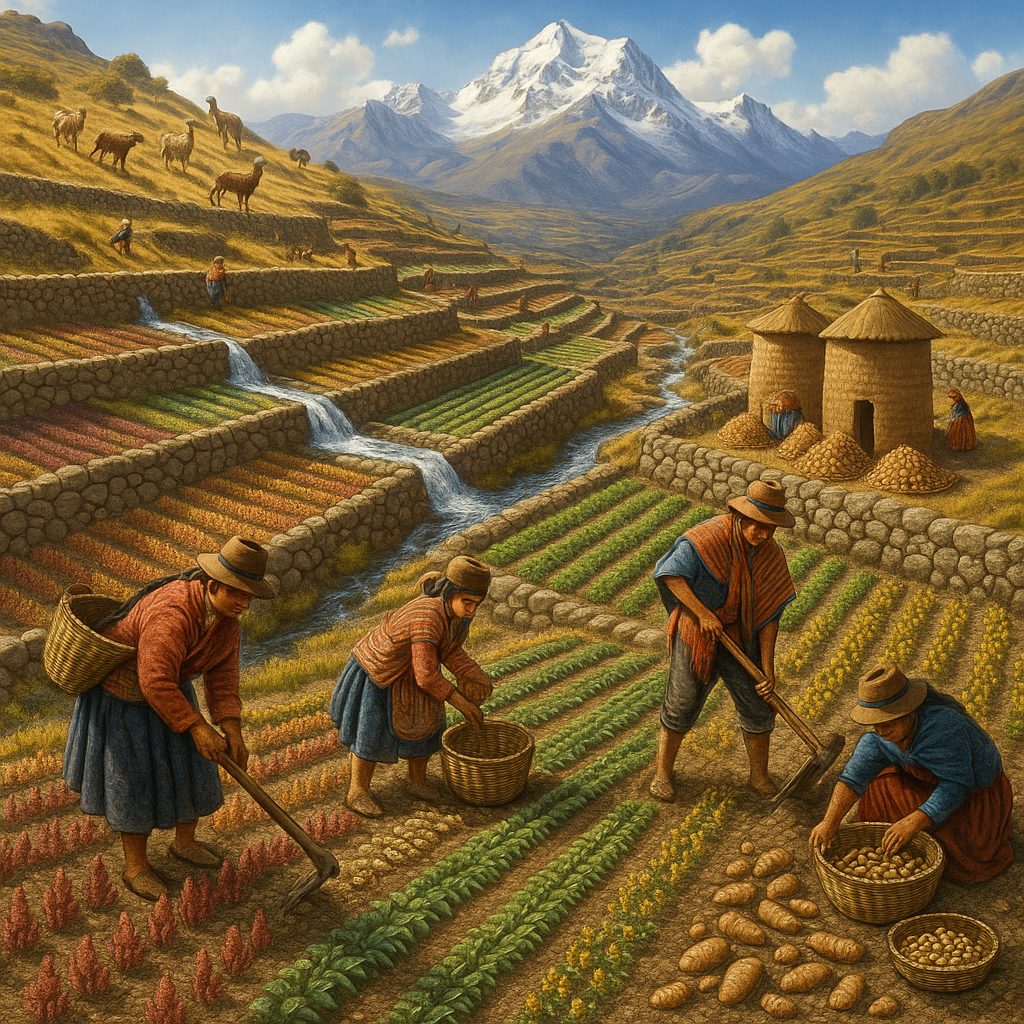
| Iron Age South America | Late pre-Chavín horizon. In the Andes, highland cultures consolidate agricultural terraces and camelid herding. Chavín de Huántar emerges shortly after this window (~900–800 BC). Coastal Peru continues irrigation-based urban villages. |
| Western Europe (Atlantic & Continental) Iron Age | Early Iron Age fully established across central and western Europe. Urnfield culture transitions toward Hallstatt A/B in some regions. Iron tools and weapons spread; fortified hillforts expand; warrior aristocracies strengthen. |
700 BC – Snapshot
| Terra Avita Region and Era Name Link | Event Description |
|---|---|
| Africa Beyond the Nile (Sub-Saharan) Iron Age | Kingdom of Kush strengthening in Nubia. Sahelian farming-pastoral societies mature (millet, sorghum, cattle). West African proto-urban centers begin forming; Nok culture in Nigeria active (terracotta, early iron). |
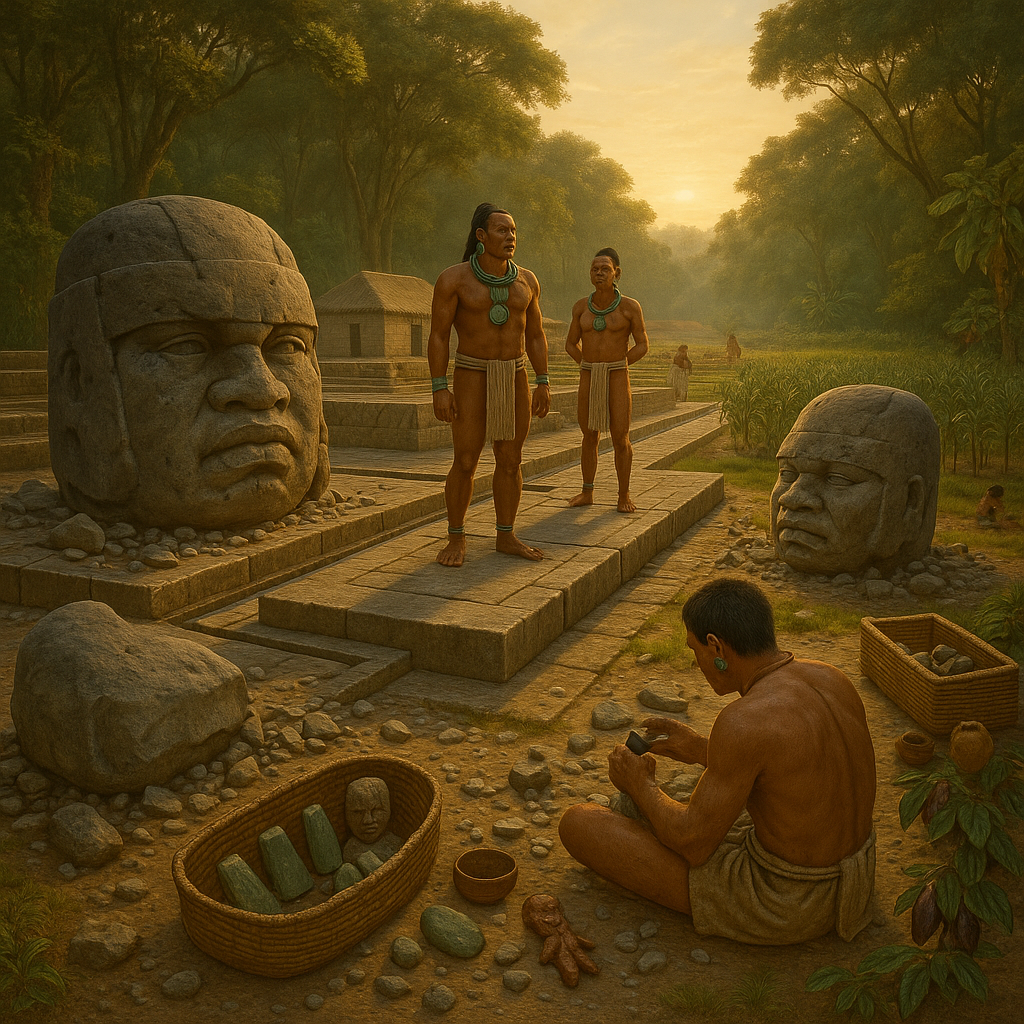
| Iron Age Central America | Olmec heartland at La Venta thriving. Major ceremonial center with pyramids, altars, and colossal heads. Elite iconography and sacred geography deeply established. |
| East Asia (Yellow & Yangtze River Basins) Iron Age | Eastern Zhou Dynasty ruling; Spring and Autumn period beginning. Regional states (Qi, Jin, Chu) gaining autonomy; bronze ritual culture persists; early iron appears. Intensified warfare and philosophical ferment starting. |
| Aegean & Anatolia (Eastern Mediterranean) Iron Age | Neo-Assyrian Empire at its height (Tiglath-Pileser III → Sargon II era). Full imperial administration in Levant and Mesopotamia. Phoenicians expand across Mediterranean. Greek world enters Archaic Period: rising poleis, colonization begins. |
| Nile Valley (Egypt & Nubia) Iron Age | Egypt in Third Intermediate Period, later 25th Dynasty (Kushite rule) begins shortly after. Nubian kings from Napata claim legitimacy over Egypt. Political fragmentation persists, with periodic reunification attempts. |
| Indus & Central Asia (South Asia Corridor) Iron Age | Late Vedic Period. Iron use widespread in Ganges basin. Territorial states forming (Mahajanapada precursors). Indo-Iranian steppe cultures evolve into early Scythian groups. |
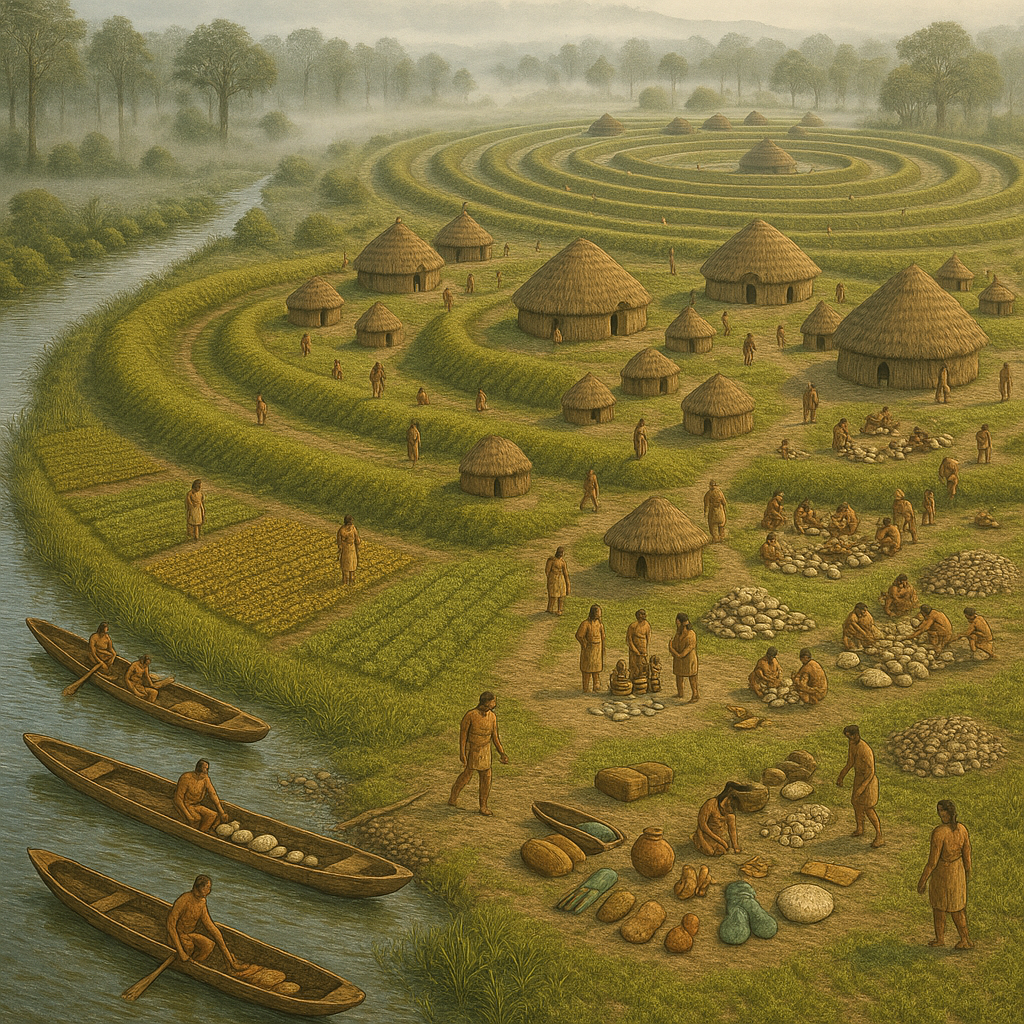
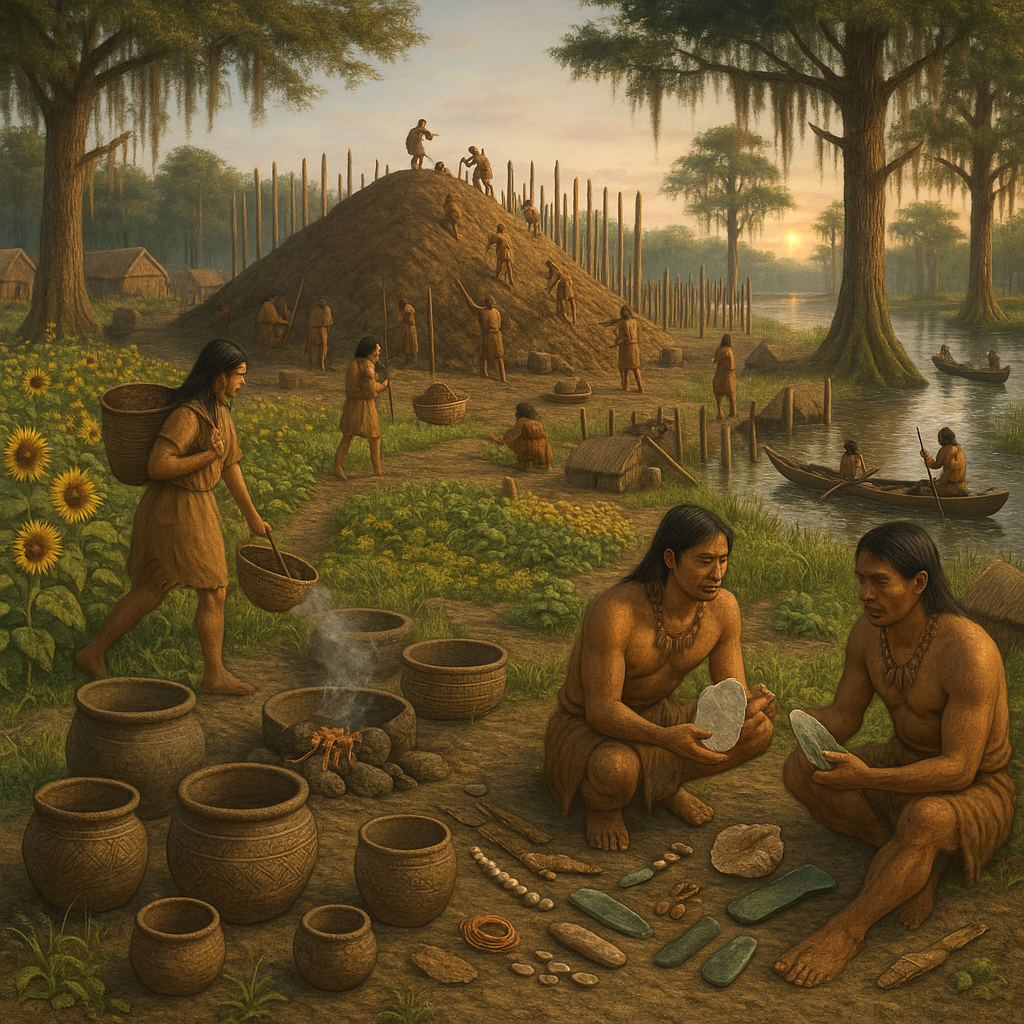
| Iron Age North America | Early Woodland in most regions. Adena culture active—burial mounds, log-lined tombs, wide trade networks. Early pottery widespread. Increasing sedentism in Eastern Woodlands. |
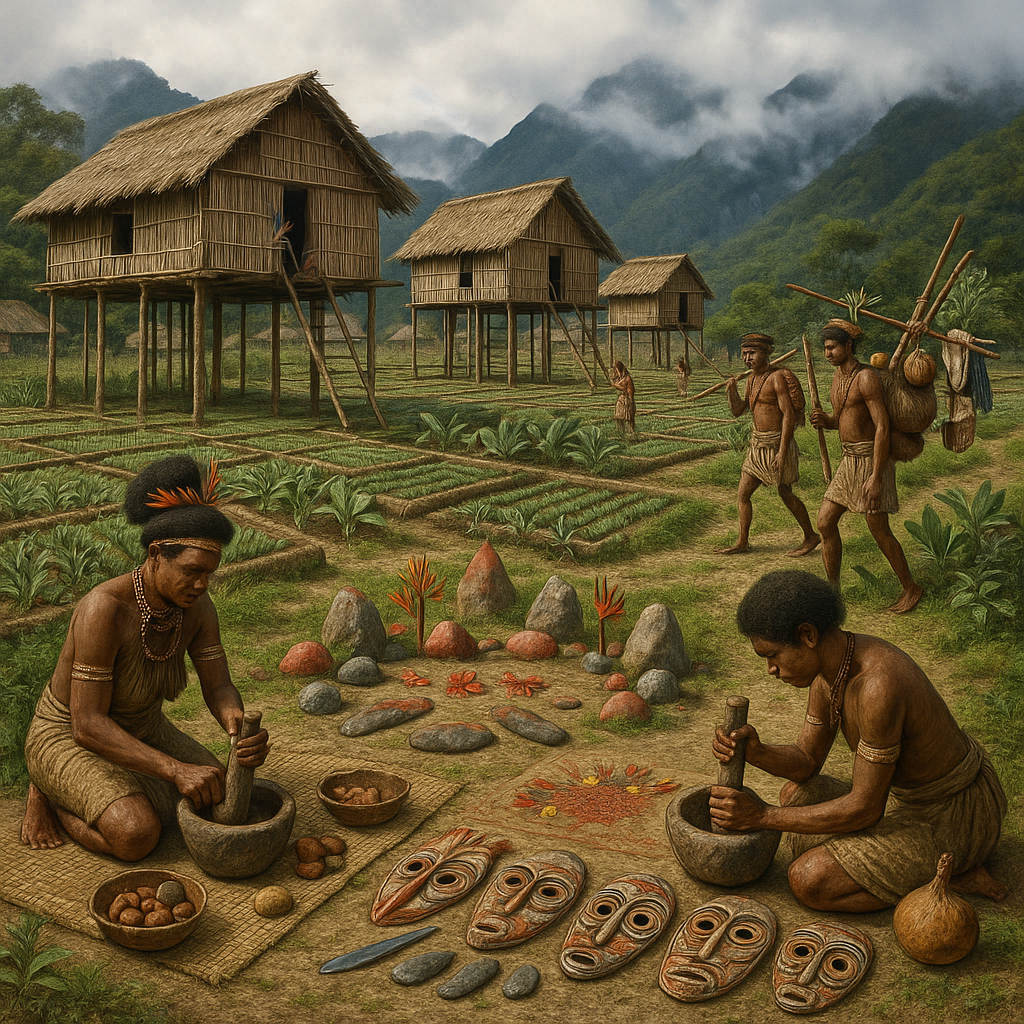
| Iron Age Oceania | Australia maintains long-term hunter-gatherer cultural continuity. New Guinea highlands show dense horticulture and complex social networks; early oceanic contacts across islands continue to diversify. |
| Near East (Mesopotamia, Levant & Iran Plateau) Iron Age | Iranian Plateau under growing influence of Median confederations. Proto-Persians expanding in Fars. Elam weakened by Assyrian pressure. The ethnic and political foundations for the future Achaemenid Empire forming. |
| Iron Age South America | Chavín cultural horizon rising (c. 900–500 BC). Andean religious iconography spreads; early regional integration forms. Coastal Peru maintains irrigation agriculture and fish-based economies. |
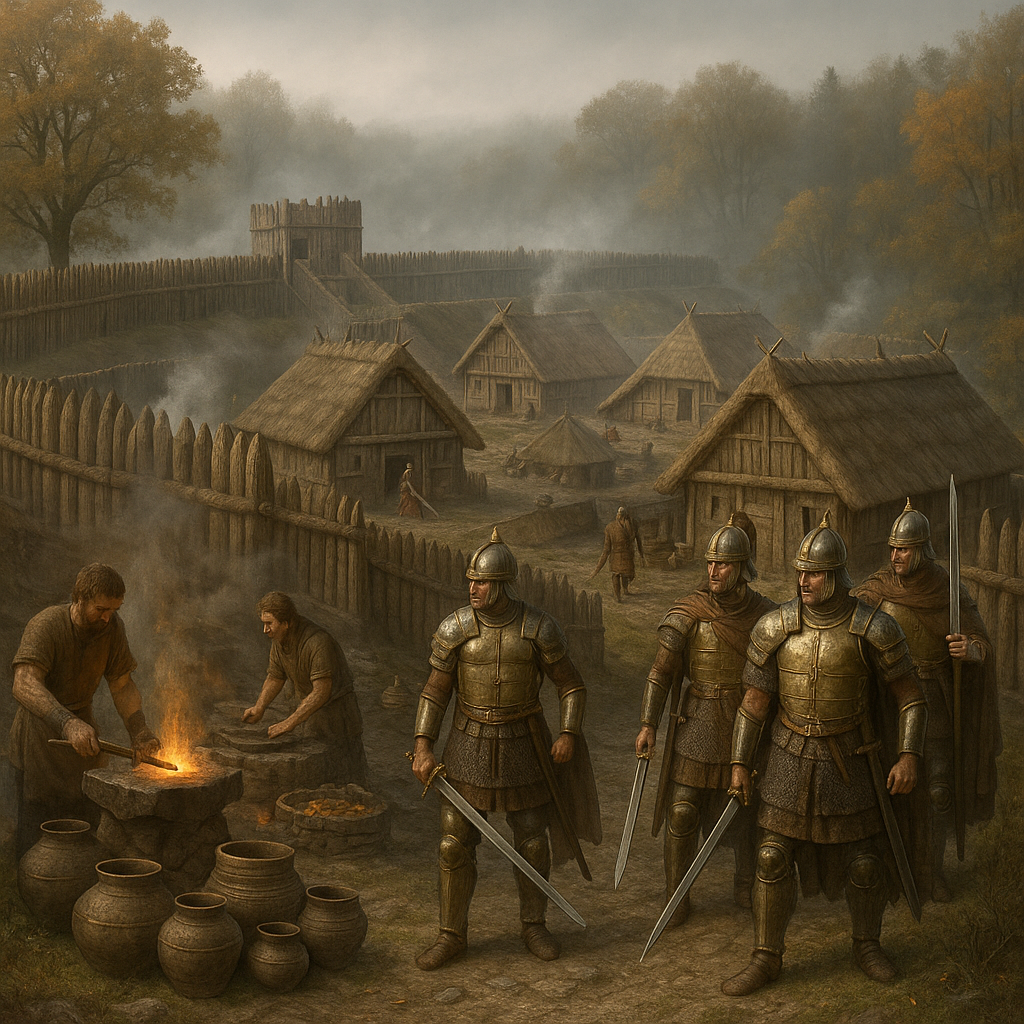
| Western Europe (Atlantic & Continental) Iron Age | Early Iron Age Hallstatt culture dominates central Europe—chiefdoms, fortified hillforts, iron weaponry, long-distance trade in salt and metals. Atlantic Europe shows strong regional cultures; Celtic-speaking groups consolidating. |
500 BC – Snapshot
| Terra Avita Region and Era Name Link | Event Description |
|---|---|
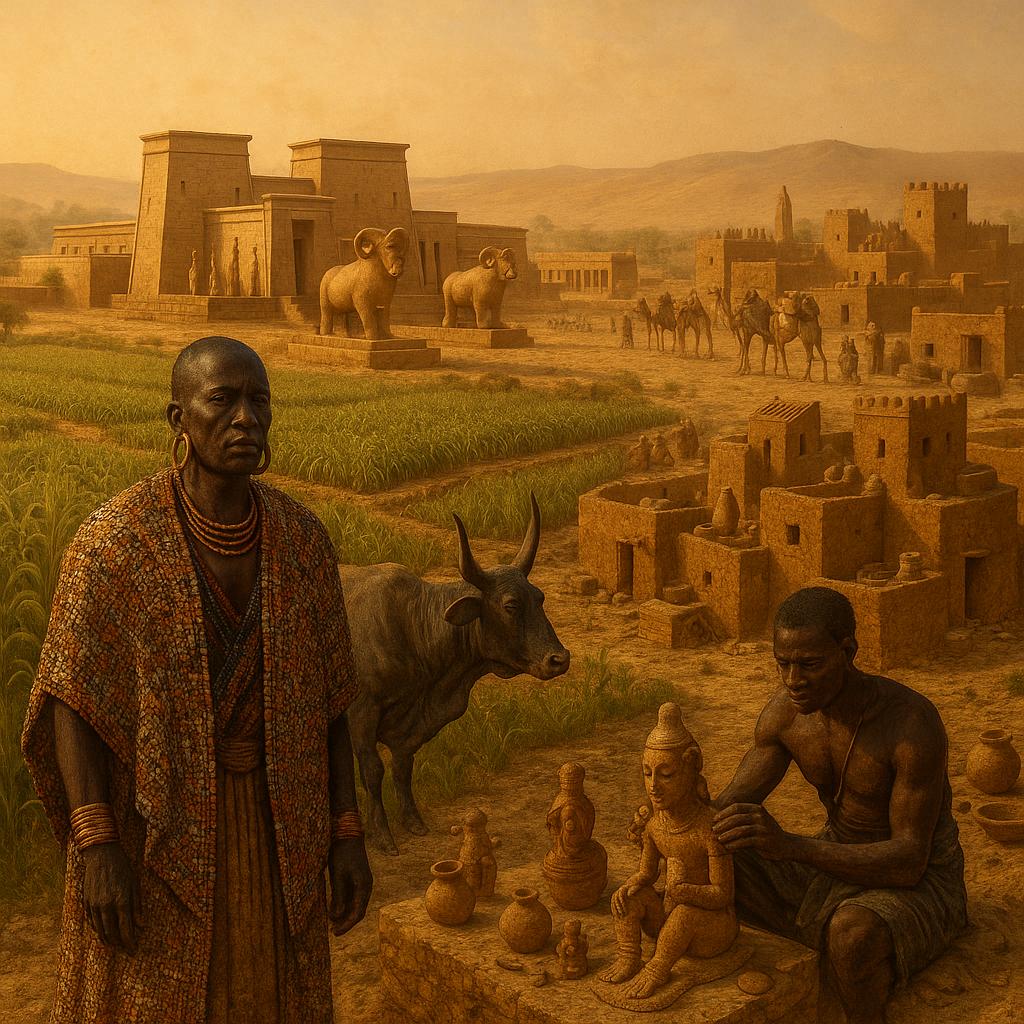
| Africa Beyond the Nile (Sub-Saharan) Iron Age | Kingdom of Kush strong at Napata. Ironworking spreads in Sudan and Sahel. Nok culture (Nigeria) fully active—early iron smelting and iconic terracotta sculptures. West African proto-states emerging. |
| Iron Age Central America | Olmec civilization in decline. La Venta fading. Transition to Epi-Olmec cultures; early writing (Isthmian script) begins. Maize agriculture widespread; small regional polities rising. |
| East Asia (Yellow & Yangtze River Basins) Iron Age | Eastern Zhou – Spring and Autumn nearing end; Warring States period about to begin. Iron tools spread. Major states (Qin, Chu, Qi, Jin) centralize power. Confucius and Laozi active in this era. |
| Aegean & Anatolia (Eastern Mediterranean) Iron Age | Classical Age ignites. Persian Empire dominates the Near East. Greek poleis (Athens, Sparta, Corinth) consolidate after the Archaic period. Phoenician expansion continues. Judah and Israel under Achaemenid influence. |
| Nile Valley (Egypt & Nubia) Iron Age | Egypt under Persian rule (27th Dynasty) after Cambyses’ conquest (525 BC). Native autonomy collapses; Persian governors installed. Egyptian religion tolerated but political centrality gone. |
| Indus & Central Asia (South Asia Corridor) Iron Age | Second Urbanization of India underway. Mahajanapadas (Magadha, Kosala, Vatsa, Avanti) dominate. Early Buddhism and Jainism rising. In Central Asia, early Scythian confederations roam the steppe. |
| Iron Age North America | Early–Middle Woodland. Adena culture declines; Hopewell culture beginning to form (large ceremonial earthworks, long-distance trade in obsidian, copper, mica). Agriculture still minor but plant domestication continues. |
| Iron Age Oceania | Australia continues stable hunter-gatherer systems. New Guinea highlands show advanced horticulture and dense trade networks. Lapita-descended cultures spread across western Pacific into Polynesian frontier zones. |
| Near East (Mesopotamia, Levant & Iran Plateau) Iron Age | Achaemenid Empire at its height under Darius I. Administrative satrapies, Royal Road, imperial Aramaic script, monumental building at Persepolis. Massive multiethnic empire stretching from Indus to Thrace. |
| Iron Age South America | Chavín Horizon at peak or slightly past. Andean religious unification centered on Chavín de Huántar. Highland agricultural terracing expands. Coastal Peru maintains irrigation farming and fishing economies. |
| Western Europe (Atlantic & Continental) Iron Age | Hallstatt → La Tène transition begins. Celtic-speaking societies spread widely across Gaul, Iberia, Alps, and Britain. Iron weapons, elite warrior burials, chariot aristocracy, long-distance trade with Mediterranean states. |