(3000 BC – 1200 BC)
 Current Era Name
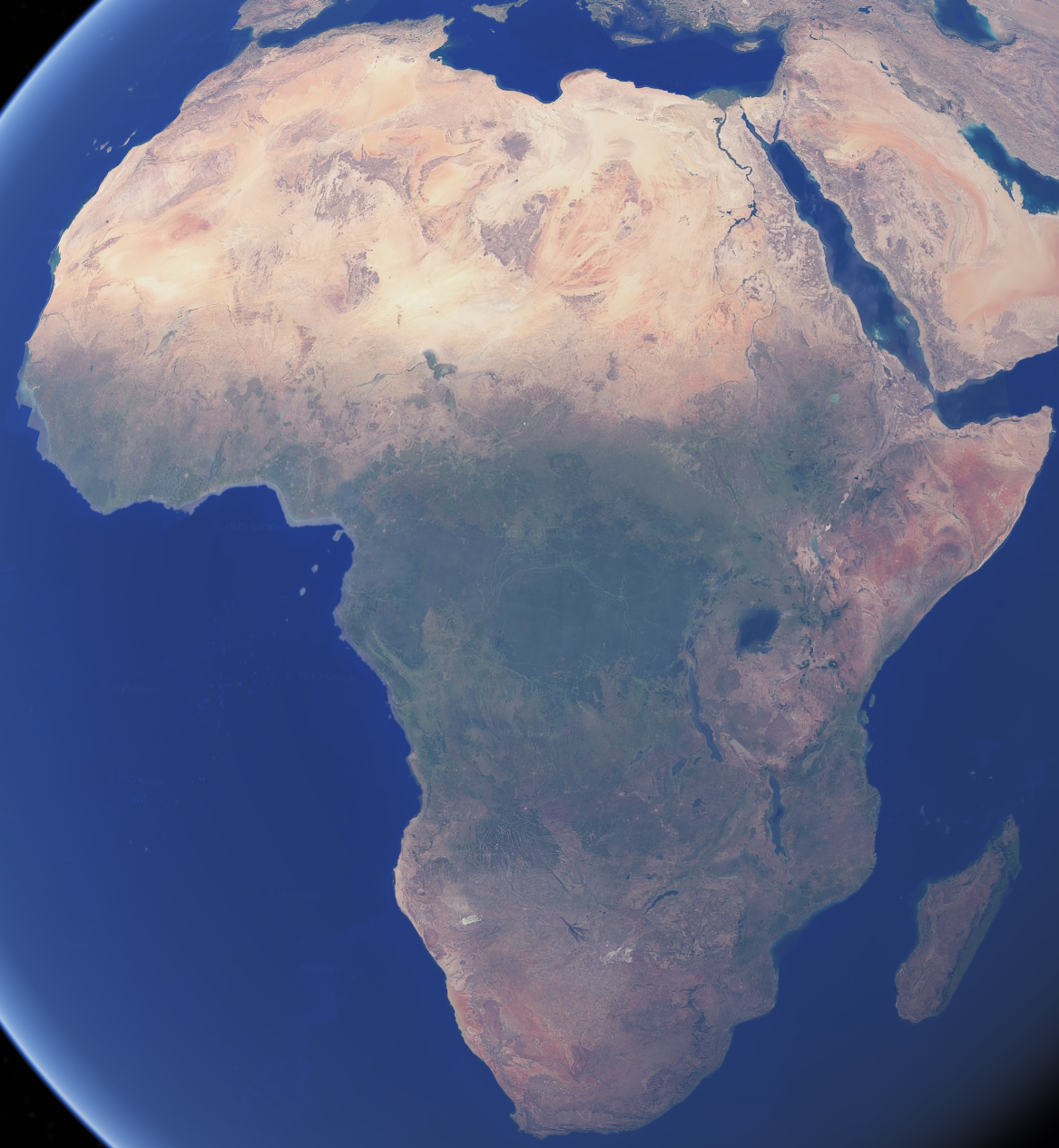
Geography of Aethiopic Africa
Sahara–Sahel Belt
West–Central African Belt
Horn of Africa & Ethiopian Highlands
East African Rift & Southern African Plateau
Current Era Name
Geography of Aethiopic Africa
Sahara–Sahel Belt
West–Central African Belt
Horn of Africa & Ethiopian Highlands
East African Rift & Southern African Plateau
| Period Link | Prehistory | Prehistory | Prehistory | Prehistory | Ancient History | Ancient History | Ancient History | Medieval History | Medieval History | Medieval History |
|---|---|---|---|---|---|---|---|---|---|---|
| Start Year | 2,500,000 BC | 10,000 BC | 8,000 BC | 4,500 BC | 3,000 BC | 1,200 BC | 500 BC | 500 AD | 1000 AD | 1300 AD |
| End Year | 10,000 BC | 8,000 BC | 4,500 BC | 3,000 BC | 1,200 BC | 500 BC | 500 AD | 1000 AD | 1300 AD | 1500 AD |
| Africa (beyond the Nile) | Paleolithic Africa (beyond the Nile) | Mesolithic Africa (beyond the Nile) | Neolithic Africa (beyond the Nile) | Chalcolithic Africa (beyond the Nile) | Africa Beyond the Nile (Saharan–Sahelian–Sub-Saharan) Bronze Age | Africa Beyond the Nile (Sub-Saharan) Iron Age | Africa beyond the Nile in Antiquity | Early Medieval Africa (beyond the Nile) | High Medieval Africa (beyond the Nile) | Late Medieval Africa (beyond the Nile) |
| Period Link | Early Modern History | Early Modern History | Early Modern History | Modern History | Modern History | Modern History | Contemporary History | Contemporary History | Contemporary History |
|---|---|---|---|---|---|---|---|---|---|
| Start Year | 1500 AD | 1600 AD | 1700 AD | 1800 AD | 1870 AD | 1914 AD | 1945 AD | 1985 AD | 2026 AD |
| End Year | 1600 AD | 1700 AD | 1800 AD | 1870 AD | 1914 AD | 1945 AD | 1985 AD | 2025 AD | 2065 AD |
| Africa (beyond the Nile) | Renaissance and Reformation Africa (beyond the Nile) | Scientific Revolution and State Formation Africa (beyond the Nile) | Enlightenment and Proto-Industrial Africa (beyond the Nile) | Industrial Era Africa (beyond the Nile) | Long 19th Century Africa (beyond the Nile) | World War Era Africa (beyond the Nile) | Cold War Era Africa (beyond the Nile) | Allisonian Era Africa (beyond the Nile) | Deasy Era Africa (beyond the Nile) |
Cultural Lineages of the Bronze Age Africa beyond the Nile
Beyond the Nile Valley, Bronze Age Africa was a landscape of parallel innovation and adaptation that linked riverine kingdoms, pastoral frontiers, and trans-Saharan trade routes. Between 3000 and 1200 BCE, societies from Nubia to the West African Sahel developed complex political, economic, and cultural systems rooted in agriculture, metallurgy, and long-distance exchange. The Kerma Kingdom flourished along the Upper Nile as one of Africa’s earliest states, while the Dhar Tichitt culture and Saharan pastoralists forged urban and metallurgical traditions that prefigured later West African civilizations. Across deserts and savannas, caravan networks carried copper, ivory, and ideas between the Nile, the Sahara, and the Atlantic.
[table “470” not found /]By 1200 BCE, the civilizations of Africa beyond the Nile had evolved into a web of interconnected cultures that bridged the continent’s major ecological zones. Nubia transitioned toward the powerful Kingdom of Kush, the Sahelian builders of Dhar Tichitt advanced early forms of urban planning, and Saharan metallurgists sustained trans-regional copper industries. From Red Sea caravan routes to proto-ironworking centers on the Jos Plateau, the continent’s interior participated in a shared Bronze Age system distinct from, yet deeply tied to, the Mediterranean and Near Eastern worlds. These societies laid the groundwork for the great iron-based kingdoms that would later dominate African history.
Africa beyond the Nile in 3000 BC
By 3000 BCE, regions of Africa beyond the Nile were already home to a constellation of complex pastoral, agricultural, and proto-urban societies linked through trade, metallurgy, and ritual. From the cattle-herding cultures of Nabta Playa and the emerging Nubian polities of Ta-Seti to the agro-pastoralists of the Gash Delta and the copper miners of Mauritania, these societies bridged the Sahara, Sahel, and Red Sea worlds. Monumental stone circles, fortified settlements, and early metallurgical activity signaled the beginnings of organized social hierarchies and interregional exchange that paralleled the contemporaneous rise of early dynastic Egypt.
[table “465” not found /]The world of 3000 BCE Africa was one of mobility, innovation, and interconnected development. Across vast ecological zones—from the fertile wadis of Nubia to the semi-arid plateaus of the western Sahel—communities experimented with mixed economies, astronomy, and symbolic architecture. Cattle, copper, and ritual landscapes linked local economies into wider systems of exchange, while early political centers like Qustul anticipated the emergence of state authority. This period laid the cultural and technological groundwork for the Bronze Age civilizations that would later define Africa’s riverine kingdoms, desert trade empires, and metallurgical heartlands.
Africa beyond the Nile in 2500 BC
By 2500 BCE, regions of Africa beyond the Nile saw the consolidation of early kingdoms, flourishing agro-pastoral economies, and vibrant trans-Saharan trade networks. In Nubia, the Kerma Culture emerged as one of Africa’s first centralized states, rivaling Egypt in wealth and political organization. Across the Gash Delta and the Sahel, settled communities expanded agriculture and herding, while in the central Sahara, rock art and nomadic traditions reflected adaptation to a changing climate. Early copper mining in Mauritania and Niger supplied raw materials to Nile and Maghreb markets, and caravan routes began linking the Red Sea with inland Africa.
[table “466” not found /]The world of 2500 BCE Africa was bound by exchange and innovation across diverse ecological frontiers. Nubian states established complex social hierarchies and monumental traditions, while pastoralists and miners sustained networks that crossed deserts and savannas. Agricultural villages in the Sahel and Gash Delta fostered early urban development, and caravan traders bridged the Nile, Red Sea, and Sahara. Together, these societies formed a continental system of interaction and production that paralleled developments along the Nile—demonstrating that early statecraft, metallurgy, and long-distance commerce were deeply rooted across the wider African landscape.
Africa beyond the Nile in 2000 BC
By 2000 BCE, Africa beyond the Nile had entered a phase of political consolidation, trade expansion, and regional specialization that paralleled the rise of complex states elsewhere in the ancient world. The Kerma Kingdom reached its height as the dominant power of Nubia, acting as a major conduit for gold, cattle, and luxury goods between Egypt and Central Africa. Across the continent, the Gash Group in eastern Sudan and the Dhar Tichitt Culture in the western Sahel flourished as centers of agro-pastoral innovation and early urbanism. Meanwhile, copper miners and caravan traders in the Sahara maintained far-reaching connections that linked the Nile to the Mediterranean and West Africa.
[table “467” not found /]The world of 2000 BCE Africa was bound by networks of trade, metallurgy, and cultural exchange that extended across deserts, savannas, and river valleys. From the monumental architecture of Kerma to the stone-built villages of Dhar Tichitt, African societies displayed both regional diversity and technological sophistication. The emergence of fortified frontiers, complex social hierarchies, and organized commerce revealed a continent deeply engaged in the Bronze Age economy. These developments laid the groundwork for future state systems—from Kush in Nubia to the proto-urban centers of the Sahel—that would define Africa’s trajectory in the millennia to come.
Africa beyond the Nile in 1500 BC
By 1500 BCE, the regions of Africa beyond the Nile were undergoing both transformation and consolidation under shifting political and ecological forces. The collapse of the Kerma Kingdom and Egypt’s New Kingdom expansion brought Upper Nubia under Egyptian control, integrating local elites and reshaping trade and cultural patterns. South of this frontier, the Napatan center at Gebel Barkal began to emerge as a nucleus of a renewed Nubian identity that would later form the Kushite state. Meanwhile, westward in the Sahel and Sahara, cultures such as Dhar Tichitt and Akjoujt reached new peaks of urban and metallurgical sophistication, while the Tassili n’Ajjer and Gash regions sustained trade and cultural exchange linking the Nile to the Atlantic corridors.
[table “468” not found /]The world of 1500 BCE Africa reflects a complex balance of decline and renewal. While Egypt’s imperial reach extended into Nubia, local societies adapted through hybrid governance and continued trans-Saharan and Red Sea commerce. The Sahelian stone-built towns of Dhar Tichitt embodied the continent’s independent urban trajectory, while Saharan metallurgists and caravan traders expanded long-distance networks in copper, gold, and livestock. Across the continent’s interior, the seeds of later civilizations—from Kush in Nubia to the proto-urban cultures of West Africa—were taking root, ensuring that Africa’s Bronze Age would continue to evolve on both its own terms and within the wider Afro-Eurasian world system.
Africa beyond the Nile in 1200 BC
By 1200 BCE, Africa beyond the Nile had entered a period of political resurgence, technological innovation, and cultural diversification. The withdrawal of Egyptian power allowed the rise of the Kingdom of Kush at Napata, where Nubian elites revived traditional institutions and established an enduring royal cult centered on Amun. Across the continent, regional societies flourished: the Dhar Tichitt–Oualata complex expanded into a major proto-urban center in the Sahel; Saharan metallurgists advanced copper and early ironworking; and West Africa witnessed the first iron smelting and terracotta traditions on the Jos Plateau. Meanwhile, trans-Saharan and Red Sea trade networks connected these inland cultures to Egypt, Arabia, and beyond.
[table “469” not found /]The world of 1200 BCE in Africa beyond the Nile exemplified a continent in transition from Bronze to Iron Age dynamics. Nubia reasserted independence through the nascent Kushite state, while Sahelian and Saharan societies developed new systems of agriculture, metallurgy, and commerce that would underpin later empires. The spread of oasis settlements, fortified towns, and trade corridors unified the continent’s interior into a network of exchange and innovation. As Egyptian influence waned, indigenous African civilizations matured on their own terms, laying the groundwork for a millennium of regional kingdoms—from Kush to Nok—that would shape Africa’s classical age.