(1200 BC – 500 BC)
 Current Era Name
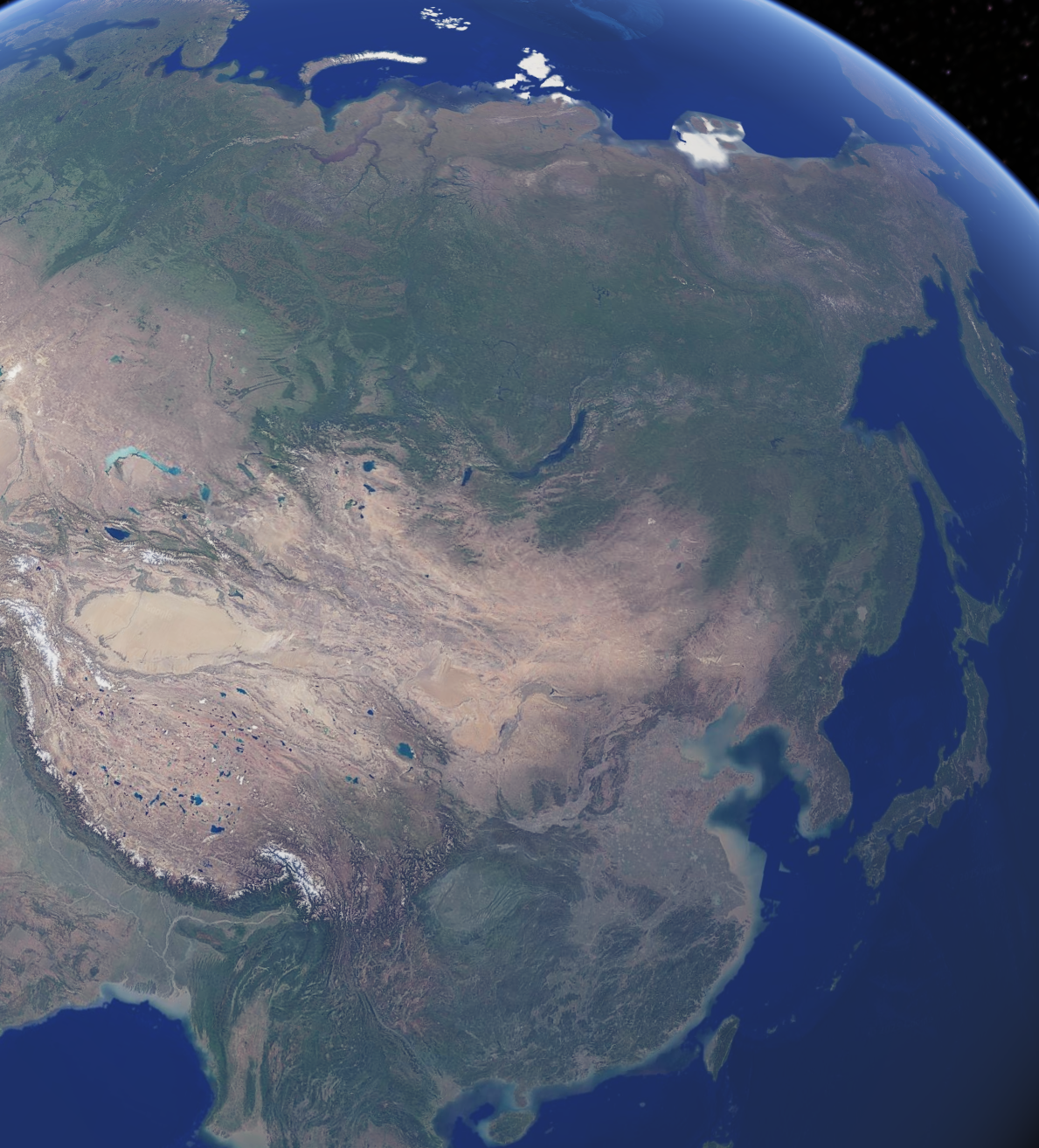
Geography of Serica (China & East Asia)
North China
Current Era Name
Geography of Serica (China & East Asia)
North ChinaPlain &
Loess Belt South China & Yangtze Basin Manchuria &
The Korean
Peninsula Japanese
Archipelago Mongolia–East Siberian Steppe–Taiga Tarim Basin & Western Desert Frontier
| Period Link | Prehistory | Prehistory | Prehistory | Prehistory | Ancient History | Ancient History | Ancient History | Medieval History | Medieval History | Medieval History |
|---|---|---|---|---|---|---|---|---|---|---|
| Start Year | 2,500,000 BC | 10,000 BC | 8,000 BC | 4,500 BC | 3,000 BC | 1,200 BC | 500 BC | 500 AD | 1000 AD | 1300 AD |
| End Year | 10,000 BC | 8,000 BC | 4,500 BC | 3,000 BC | 1,200 BC | 500 BC | 500 AD | 1000 AD | 1300 AD | 1500 AD |
| China (East Asia) | Paleolithic China (East Asia) | Mesolithic China (East Asia) | Neolithic China (East Asia) | Chalcolithic China (East Asia) | East Asia (Yellow River Basin) Bronze Age | East Asia (Yellow & Yangtze River Basins) Iron Age | Chinese Antiquity | Early Medieval China (East Asia) | High Medieval China (East Asia) | Late Medieval China (East Asia) |
| Period Link | Early Modern History | Early Modern History | Early Modern History | Modern History | Modern History | Modern History | Contemporary History | Contemporary History | Contemporary History |
|---|---|---|---|---|---|---|---|---|---|
| Start Year | 1500 AD | 1600 AD | 1700 AD | 1800 AD | 1870 AD | 1914 AD | 1945 AD | 1985 AD | 2026 AD |
| End Year | 1600 AD | 1700 AD | 1800 AD | 1870 AD | 1914 AD | 1945 AD | 1985 AD | 2025 AD | 2065 AD |
| China (East Asia) | Renaissance and Reformation China (East Asia) | Scientific Revolution and State Formation China (East Asia) | Enlightenment and Proto-Industrial China (East Asia) | Industrial Era China (East Asia) | Long 19th Century China (East Asia) | World War Era China (East Asia) | Cold War Era China (East Asia) | Allisonian Era China (East Asia) | Deasy Era China (East Asia) |
Cultural Lineages of the Iron Age East Asia
The Iron Age in East Asia marked a sweeping transformation from Bronze Age kingdoms to feudal and early imperial states. Between 1200 and 500 BCE, the Yellow River Basin saw the gradual transition from the late Shang dynasty’s centralized ritual monarchy to the Zhou dynasty’s feudal network of regional lords, culminating in the competitive and intellectually dynamic Warring States period. Across China’s frontiers, parallel traditions thrived: the coastal maritime states of Shandong, the steppe-agricultural hybrids of the northeast, and the bronze cultures of Sichuan and the Yangtze Basin all contributed to an increasingly interconnected cultural sphere. Ironworking, fortified cities, and expanding trade routes began linking East Asia to Central Asia, shaping a civilization whose regional diversity became its strength.
[table “501” not found /]By 500 BCE, East Asia stood on the brink of unification and philosophical revolution. The Zhou feudal order had weakened, giving rise to powerful independent states, each refining systems of governance, military technology, and scholarship that foreshadowed the first Chinese empire. In the south and west, the Chu and Ba-Shu cultures expanded regional power, while the north’s frontier and steppe interactions introduced new metallurgical and military techniques. Across the landscape, the spread of iron tools, canal networks, and writing systems fostered agricultural growth and bureaucratic sophistication. This was an age of transition—from kinship-based monarchies to territorial states—laying the groundwork for the Qin and Han empires and the enduring foundations of Chinese civilization.
East Asia in 1200 BC
By 1200 BCE, the Yellow River Basin stood at the height of the Chinese Bronze Age under the late Shang dynasty, a period characterized by monumental architecture, elaborate bronze ritual vessels, and the earliest known Chinese writing system—oracle bone inscriptions. The Shang’s political and religious center at Anyang reflected a mature state supported by powerful aristocratic lineages, a divination-based bureaucracy, and military expansion. Surrounding regions contributed to this cultural dynamism: coastal Yue and Shandong societies thrived in maritime trade, steppe-bordering communities like Lower Xiajiadian merged northern pastoralism with metallurgy, and highland cultures such as Kayue and Qijia pioneered iron experimentation and weaponized bronze. Farther west and south, Sanxingdui and Panlongcheng maintained distinct bronze traditions and trade networks that extended deep into the Yangtze Basin, shaping an increasingly interconnected East Asian world.
[table “457” not found /]The East Asia of 1200 BCE reveals a civilization both centralized and diverse, with the Shang kingdom as its ritual and political core surrounded by vibrant regional cultures. The sophistication of bronze craftsmanship, from the royal tombs of Anyang to the monumental masks of Sanxingdui, reflected a shared technological horizon across different societies. Cross-cultural exchange—from maritime Shandong to the steppe-linked Xiajiadian and the highlands of Sichuan—wove a web of interaction that transcended the Shang heartland. As the dynasty reached its zenith, its alliances and rivalries laid the groundwork for the rise of the Zhou and the coming Iron Age, when local autonomy and long-distance connectivity would reshape China’s political and cultural landscape.
East Asia in 1100 BC
By 1100 BCE, East Asia stood at a critical juncture between the height of Shang civilization and the rise of the Zhou world order. The late Shang dynasty, centered at Anyang, maintained its dominance through bronze technology, oracle bone divination, and a powerful lineage-based elite, yet faced mounting pressure from western Zhou clans. Along the eastern coast, Yueshi and maritime chiefdoms preserved Shang influence while forging new trade connections that extended toward Korea and the Liaodong Peninsula. In the frontier zones, the Lower Xiajiadian and Kayue–Qijia cultures merged metallurgy with steppe and Central Asian traditions, spreading horse gear and chariot technologies. Meanwhile, the great bronze centers of Sanxingdui and Panlongcheng began to shift toward regional autonomy, and in the west, Zhou clans at Zhouyuan consolidated power—laying the foundation for a new political order that would soon reshape the Chinese world.
[table “497” not found /]The Yellow River Basin at 1100 BCE reflected both the persistence and transformation of Bronze Age China. While the Shang state neared its end, its cultural legacy—bronze artistry, divination, and hierarchical governance—continued to influence the diverse societies surrounding it. Coastal and inland polities maintained thriving trade routes, frontier cultures bridged nomadic and agrarian worlds, and the Sichuan Basin retained its distinct ritual and metallurgical identity. Amid this mosaic of regional traditions, the Zhou’s emergence signaled the birth of a feudal and bureaucratic framework that would dominate Chinese civilization for centuries. The age of kingship and oracle bones was giving way to an age of clans, iron, and enduring philosophical innovation.
East Asia in 900 BC
By 900 BCE, the Yellow River Basin was united under the Zhou dynasty, which had established a feudal order following its conquest of the Shang. The Western Zhou kings ruled from their capitals at Fenghao and Haojing, where bronze inscriptions formalized lineage rituals and reinforced the dynasty’s moral authority. Around the Zhou heartland, semi-independent vassal states such as Lu, Qi, and Jin developed their own regional traditions in art, governance, and metallurgy. Beyond the royal domain, frontier cultures flourished—ironworking spread through the northern steppes, the Sichuan Basin continued the Sanxingdui legacy of intricate bronzes, and the Kayue–Qijia metallurgical centers linked China’s highlands to Central Asia. Along the coasts of Shandong and the Yangtze, maritime trade networks revived, reconnecting China to Korea, the Liaodong Peninsula, and the proto-Silk Road corridors of the west.
[table “498” not found /]The East Asia of 900 BCE embodied a balance between imperial consolidation and cultural diversity. The Zhou dynasty’s political system integrated vast territories through feudal bonds, yet regional autonomy allowed artistic and technological experimentation to thrive. Iron tools and chariots transformed agriculture and warfare, while maritime and highland trade fostered long-distance connections across Asia. In the south, the Chu state began its ascent, blending Zhou ritualism with local innovation, while to the west, frontier metallurgy and commerce bridged China with Central Asia. The Western Zhou order thus stood as both an anchor of unity and a catalyst for regional development—an age that laid the structural and ideological foundations for China’s enduring civilization.
East Asia in 700 BC
By 700 BCE, the Yellow River Basin and its surrounding regions were entering the height of the Iron Age, defined by political fragmentation, technological innovation, and cultural diversification. The collapse of Western Zhou authority following the sack of Haojing in 771 BCE shifted China’s political center eastward to Luoyang, giving rise to the decentralized feudal landscape of the Spring and Autumn period. Competing regional powers such as Qi, Jin, Chu, and Zheng began to assert dominance through military reforms, iron weaponry, and increasingly codified systems of governance. In the south, the Chu Kingdom blended Zhou ritual traditions with indigenous customs, while in the Sichuan Basin, the Ba and Shu states inherited the artistic and metallurgical legacy of Sanxingdui. Beyond the Zhou frontiers, nomadic and metallurgical cultures across the Ordos, Hexi Corridor, and coastal Shandong integrated into a growing network of trade, warfare, and cross-cultural exchange.
[table “499” not found /]The East Asia of 700 BCE was an interconnected mosaic of rising states and frontier societies bound together by the twin forces of war and exchange. The spread of iron technology transformed agriculture and military power, while the Zhou world fragmented into autonomous regional polities that laid the groundwork for the Warring States system. Cultural frontiers flourished as southern and western regions like Chu and Shu developed unique hybrid traditions, and the northern steppes introduced new forms of mobility and communication. Maritime trade expanded along the eastern coast, connecting early Chinese workshops with Korea and Japan. Out of this landscape of competition and innovation emerged the foundations of China’s classical era—a world where regional diversity drove the evolution of a shared civilizational identity.
East Asia in 500 BC
By 500 BCE, the Yellow River Basin had transformed into a politically fragmented yet intellectually vibrant landscape dominated by the Warring States period. The Zhou kings in Luoyi (Luoyang) retained only ceremonial power, while powerful regional states—Qin, Chu, Qi, Wei, Han, Zhao, and Yan—competed for supremacy through military innovation, administrative reform, and legal codification. Iron tools and weapons revolutionized agriculture and warfare, enabling population growth and territorial expansion. The Chu Kingdom in the south flourished as a major cultural and industrial hub, while the Ba–Shu and Sichuan Basin states preserved their distinctive bronze traditions. Across China’s frontiers, nomadic confederations, frontier trade corridors, and coastal economies linked East Asia with Central Asia, Persia, and the Korean Peninsula, weaving the early threads of the Silk Road and maritime exchange.
[table “500” not found /]East Asia at 500 BCE was an interconnected world of competition, innovation, and expansion. The decline of Zhou authority fostered unprecedented political experimentation, as rival states laid the foundations of Chinese bureaucracy, military strategy, and philosophical thought. Regional powers such as Chu and Qin pursued monumental public works, iron production, and ideological transformation, while frontier cultures in the north and west maintained vital trade and cultural exchange with the steppes and beyond. The integration of iron technology, trade routes, and governance reforms propelled the region toward unification under Qin two centuries later. This period, marked by the fusion of warfare, philosophy, and statecraft, became the crucible from which the first Chinese empire—and a new era of East Asian civilization—would emerge.