(1200 BC – 500 BC)
 Current Era Name
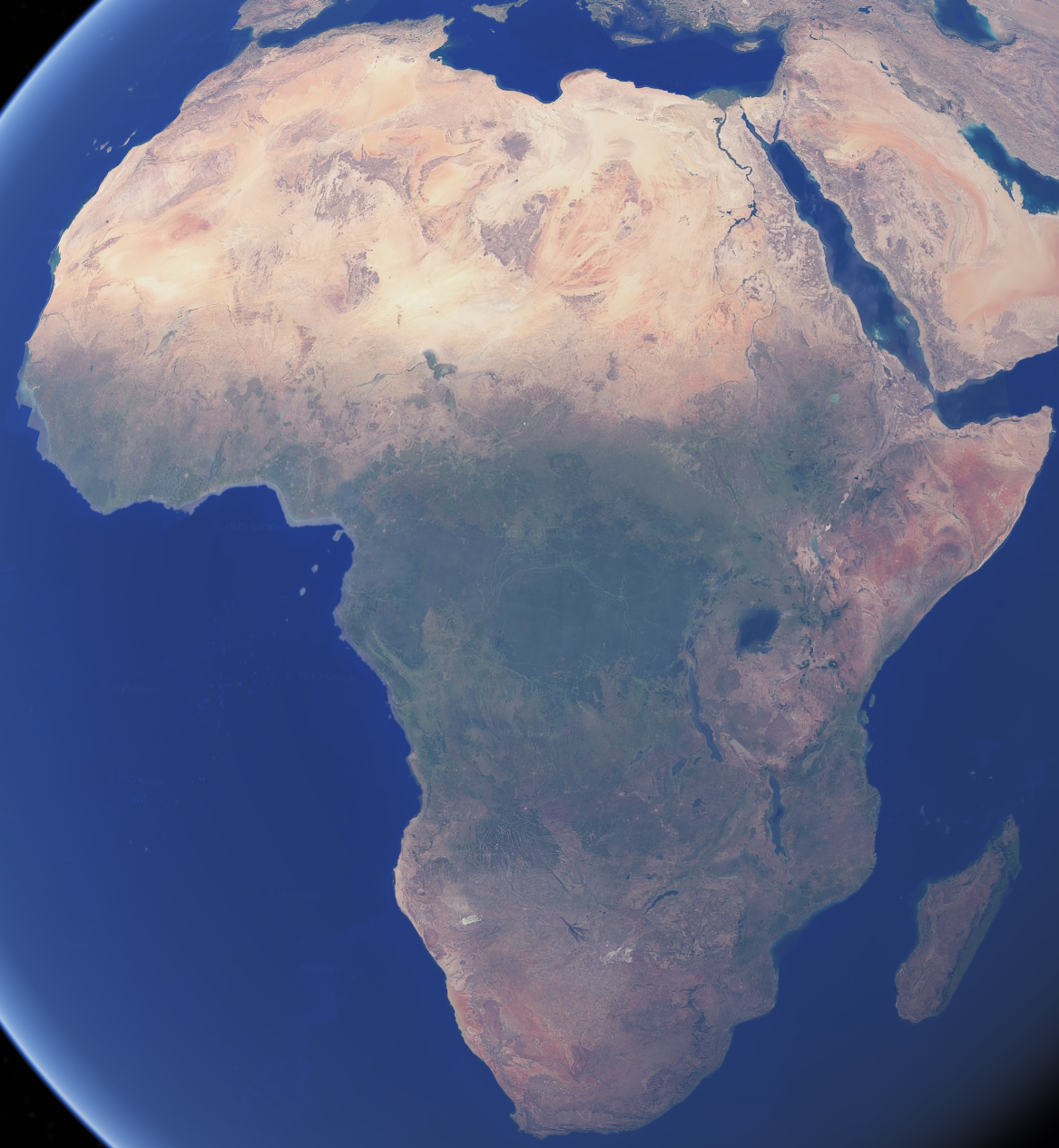
Geography of Aethiopic Africa
Sahara–Sahel Belt
West–Central African Belt
Horn of Africa & Ethiopian Highlands
East African Rift & Southern African Plateau
Current Era Name
Geography of Aethiopic Africa
Sahara–Sahel Belt
West–Central African Belt
Horn of Africa & Ethiopian Highlands
East African Rift & Southern African Plateau
| Period Link | Prehistory | Prehistory | Prehistory | Prehistory | Ancient History | Ancient History | Ancient History | Medieval History | Medieval History | Medieval History |
|---|---|---|---|---|---|---|---|---|---|---|
| Start Year | 2,500,000 BC | 10,000 BC | 8,000 BC | 4,500 BC | 3,000 BC | 1,200 BC | 500 BC | 500 AD | 1000 AD | 1300 AD |
| End Year | 10,000 BC | 8,000 BC | 4,500 BC | 3,000 BC | 1,200 BC | 500 BC | 500 AD | 1000 AD | 1300 AD | 1500 AD |
| Africa (beyond the Nile) | Paleolithic Africa (beyond the Nile) | Mesolithic Africa (beyond the Nile) | Neolithic Africa (beyond the Nile) | Chalcolithic Africa (beyond the Nile) | Africa Beyond the Nile (Saharan–Sahelian–Sub-Saharan) Bronze Age | Africa Beyond the Nile (Sub-Saharan) Iron Age | Africa beyond the Nile in Antiquity | Early Medieval Africa (beyond the Nile) | High Medieval Africa (beyond the Nile) | Late Medieval Africa (beyond the Nile) |
| Period Link | Early Modern History | Early Modern History | Early Modern History | Modern History | Modern History | Modern History | Contemporary History | Contemporary History | Contemporary History |
|---|---|---|---|---|---|---|---|---|---|
| Start Year | 1500 AD | 1600 AD | 1700 AD | 1800 AD | 1870 AD | 1914 AD | 1945 AD | 1985 AD | 2026 AD |
| End Year | 1600 AD | 1700 AD | 1800 AD | 1870 AD | 1914 AD | 1945 AD | 1985 AD | 2025 AD | 2065 AD |
| Africa (beyond the Nile) | Renaissance and Reformation Africa (beyond the Nile) | Scientific Revolution and State Formation Africa (beyond the Nile) | Enlightenment and Proto-Industrial Africa (beyond the Nile) | Industrial Era Africa (beyond the Nile) | Long 19th Century Africa (beyond the Nile) | World War Era Africa (beyond the Nile) | Cold War Era Africa (beyond the Nile) | Allisonian Era Africa (beyond the Nile) | Deasy Era Africa (beyond the Nile) |
Cultural Lineages of the Iron Age Africa beyond the Nile
During the Iron Age, Africa beyond the Nile evolved into a constellation of powerful regional cultures interconnected through trade, metallurgy, and innovation. From Nubia to the West African Sahel, societies adapted older Bronze Age traditions into new iron-based economies and political systems. In the northeast, the Kingdom of Kush rose to prominence as the dominant Nubian state, uniting Napata and its provinces under a monarchy that would eventually expand into an empire rivaling Egypt. Across the Sahara, metallurgical and caravan networks linked the Air, Adrar, and Fezzan oases, creating trans-Saharan corridors of commerce and cultural exchange. Meanwhile, in West Africa, early urban centers such as Dhar Tichitt and the Nok Plateau developed terracotta art and iron technology, marking the dawn of sub-Saharan industrial culture. These diverse yet interconnected lineages reveal a continent transforming through innovation, trade, and the emergence of powerful states.
[table “511” not found /]By 500 BCE, Iron Age Africa had become a mosaic of thriving civilizations bound by shared technological progress and long-distance interaction. The Kushite kingdom reached its zenith, blending African and Egyptian traditions while extending its influence deep into the Sahel. To the west, the Nok and Dhar Tichitt cultures embodied Africa’s early mastery of iron, artistry, and urban planning, while the Garamantian kingdoms in Libya developed oasis fortresses and complex irrigation systems that sustained trans-Saharan commerce. Along the Red Sea and eastern deserts, pastoral and maritime routes connected Africa to Arabia and beyond. From the heartland of Meroë to the dunes of the Sahara and the savannas of the Niger, Africa’s Iron Age stood as a period of dynamic adaptation and growth—one that forged the foundations of later imperial and cultural achievements across the continent.
Africa beyond the Nile in 1200 BC
By 1200 BCE, Africa beyond the Nile was a network of rising and transforming societies linked by trade, technology, and cultural innovation. In the northeast, the Kingdom of Kush entered its Napatan phase, marking Nubian independence from Egypt and the consolidation of a new royal dynasty centered at Napata, where the cult of Amun became a pillar of power. Across Upper Nubia, former Egyptian provinces reorganized under local elites, preserving complex traditions of administration and craft production. Farther west, the Dhar Tichitt–Oualata complex flourished in the Sahel, developing early urban centers built on agro-pastoral economies, while in the Central Sahara, copper and early iron metallurgy supported caravan trade routes connecting North and West Africa. From the oases of the Fezzan to the terracotta-producing Nok cultures of West Africa, the continent’s regions were increasingly tied together by shared technological advances and long-distance exchange.
[table “469” not found /]The Africa of 1200 BCE stood on the threshold of the Iron Age, with local innovation and interregional contact shaping a new era of cultural dynamism. Nubia’s Kushite rulers laid the foundation for one of Africa’s first great empires, while Sahelian, Saharan, and Red Sea societies expanded networks that would later support transcontinental trade. The widespread mastery of bronze, the first experimentation with iron, and the growth of fortified and ritualized settlements reflected a shift toward more complex political and economic systems. From the agricultural terraces of the Sahel to the artisan workshops of Kerma and Akjoujt, Africa’s diverse civilizations demonstrated resilience and creativity—establishing a legacy of technological and social development that would resonate throughout the first millennium BCE.
Africa beyond the Nile in 1100 BC
By 1100 BCE, Africa beyond the Nile was a landscape of emerging complexity, innovation, and connectivity. In Nubia, the early Napatan phase of the Kingdom of Kush consolidated power following Egypt’s retreat, unifying the region under a revived Amun cult centered at Gebel Barkal. Upper Nubian centers like Kerma experienced a resurgence of local governance and craftsmanship, reviving metallurgical traditions and long-distance trade networks that linked Napata with Kassala and the Red Sea. Across the West African Sahel, large agro-pastoral villages such as Dhar Tichitt organized into proto-urban societies, while in the Central Sahara, copper and proto-iron smelting in the Air and Adrar regions supported growing caravan exchanges across Africa’s interior. From the oasis settlements of the Fezzan to the terracotta workshops of the Nok Plateau, Africa’s cultural landscapes became more interconnected through trade, metallurgy, and shared technological advancement.
[table “507” not found /]The Africa of 1100 BCE was marked by both regional diversity and deep interconnection. From Kushite state formation in the Nile Valley to the urbanizing villages of the West African Sahel, societies were redefining power, economy, and identity through innovation and exchange. Iron experimentation, copper trade, and agricultural intensification tied these regions together in an expanding web of contact stretching from the Niger to the Red Sea. As Egypt’s imperial influence waned, new African polities rose to prominence—locally rooted yet globally connected through the networks of commerce, metallurgy, and culture that would shape the continent’s Iron Age trajectory for centuries to come.
Africa beyond the Nile in 900 BC
By 900 BCE, Africa beyond the Nile had entered a period of growing regional power and technological maturity, driven by the consolidation of ironworking, agriculture, and long-distance trade. In the Nile corridor, the Kingdom of Kush emerged as a unified Nubian monarchy centered at Napata, blending Egyptian religious traditions with distinct African kingship. Across Upper Nubia, local centers like Kerma thrived under Kushite hegemony, revitalizing metalcraft and trade routes that connected to Kassala and the Red Sea. To the west, the Sahelian agro-pastoral cities of Dhar Tichitt and Oualata achieved new levels of urban organization and specialization, while in the Central Sahara, advanced smelting communities linked sub-Saharan and North African trade. From the Fezzan oases to the Nok Plateau, the diffusion of iron technology, terracotta art, and agricultural intensification created a continent-wide web of cultural and economic exchange.
[table “508” not found /]The Africa of 900 BCE stood as a continent defined by innovation and connectivity. Kushite power in the Nile Valley anchored a new phase of state formation, while Sahelian and Saharan societies built proto-urban centers tied together by caravan and riverine trade. In the west, Nok artisans and metallurgists pioneered sub-Saharan ironworking and terracotta artistry, signaling a shift toward industrial-scale production. Across the Fezzan and Red Sea regions, oases and fortified villages sustained expanding networks of commerce and cultural influence. From Napata’s temples to the forges of Akjoujt and the terraces of Dhar Tichitt, Africa was forging its own Iron Age civilization—one marked by technological mastery, agricultural wealth, and enduring interregional exchange.
Africa beyond the Nile in 700 BC
By 700 BCE, Africa beyond the Nile was a continent of dynamic states and flourishing trade networks that connected the Sahara, Sahel, and savannas to the Nile Valley and the Mediterranean world. In the northeast, the Kingdom of Kush reached its imperial zenith as the 25th Dynasty, uniting Egypt and Nubia under Napatan rule. From Thebes to Napata, monumental pyramids, royal burials, and the Amun cult reflected a powerful synthesis of Egyptian and Nubian traditions. Across Upper Nubia, provincial centers like Kerma became key trade hubs for copper, ivory, and gold flowing northward. Meanwhile, the western Sahelian and Saharan zones saw the expansion of long-distance caravan routes, linking early iron industries in Air and Adrar with Mediterranean markets. In the oases of the Fezzan, Garamantian urbanism emerged, while to the south, the Nok civilization on the Jos Plateau reached its artistic and technological peak, pioneering sub-Saharan ironworking and terracotta sculpture.
[table “509” not found /]The Africa of 700 BCE stood as a continent defined by connectivity, innovation, and the rise of distinct regional identities. Kushite rulers projected power from the Nile into Egypt, while in the west, early Saharan trade and Sahelian agro-pastoralism laid the foundations for later trans-Saharan empires. The Garamantes of the central desert perfected oasis irrigation and trade infrastructure, forming one of Africa’s earliest urban civilizations. Along the Red Sea and in the Horn, Afro-Arabian exchange accelerated, linking African ports to Arabian and Sabaean merchants. From the iron furnaces of Nok to the gold workshops of Kerma, Africa’s Iron Age was not an isolated phenomenon—it was an interconnected system of states and cultures that shaped the economic and political landscape of the Old World.
Africa beyond the Nile in 500 BC
By 500 BCE, Africa beyond the Nile had entered a transformative era defined by expanding kingdoms, technological innovation, and the growth of long-distance trade networks. The Kingdom of Kush, now transitioning from its Napatan base to the emerging city of Meroë, established a powerful industrial and cultural center renowned for iron smelting, monumental architecture, and artistic synthesis of Egyptian and Nubian traditions. Further west, the Meroitic heartland evolved into a new axis of power and literacy, developing its own script and engaging in trade with both the sub-Saharan and Red Sea worlds. Across the Sahara and Sahel, the foundations of trans-Saharan commerce took shape: the Garamantes consolidated urban control in the Fezzan, Sahelian ironworkers of Dhar Tichitt and Gao pioneered early agro-pastoral economies, and the Nok civilization flourished as West Africa’s earliest known iron-producing and terracotta-sculpting society. Together, these regions reflected a continent moving toward increasing economic and cultural integration.
[table “510” not found /]At 500 BCE, Africa’s interconnected Iron Age civilizations demonstrated remarkable regional diversity and innovation. Kush and Meroë forged one of the world’s earliest iron-based economies, balancing religious continuity with industrial expansion. In the western Sahel, the legacies of Dhar Tichitt evolved into the cultural and economic precursors of Ghana, while across the Sahara, the Air–Adrar and Garamantian networks sustained the first organized trans-Saharan trade. Along the Red Sea, eastern African port centers linked Nubia and Arabia, expanding Africa’s maritime and overland influence. Meanwhile, the Nok civilization’s terracotta artistry and iron metallurgy symbolized the technological creativity of sub-Saharan Africa. From Meroë’s foundries to the Niger basin’s caravan towns, the Africa of 500 BCE stood as a continent of vibrant innovation—laying the structural and cultural groundwork for the great kingdoms and trade empires of the first millennium BCE and beyond.