(2.5M BC – 3000 BC)
Prehistory is the span of human existence before the advent of writing systems. It covers the time from the emergence of the earliest hominins through the rise of agriculture and the formation of the first proto-cities. Because no written records exist, knowledge of this period comes from archaeology, anthropology, genetics, and material culture.
It is divided into structural stages:
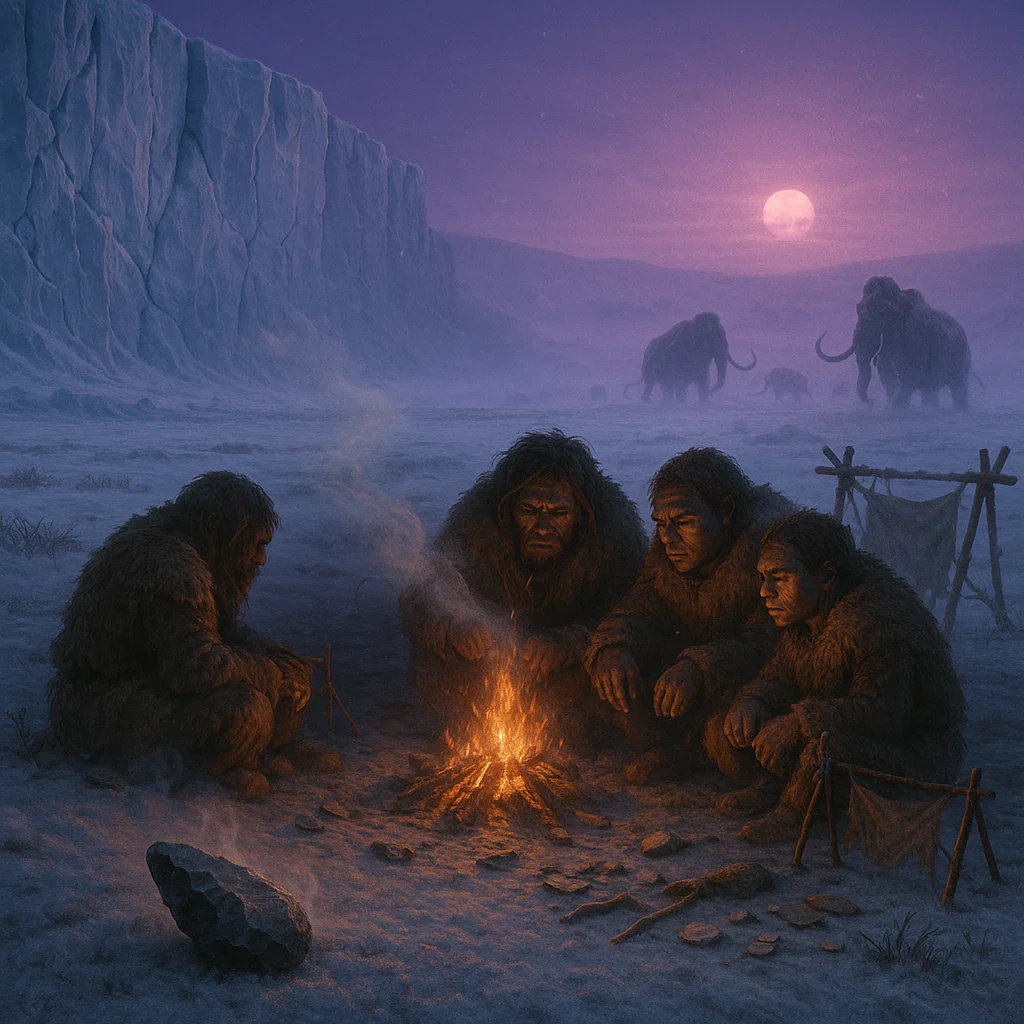
- Paleolithic (c. 2.5M – 10,000 BCE)
- Characterized by stone tool use, nomadic hunter-gatherer lifeways, and the gradual expansion of humans across continents.
- Social structures were small, mobile bands.
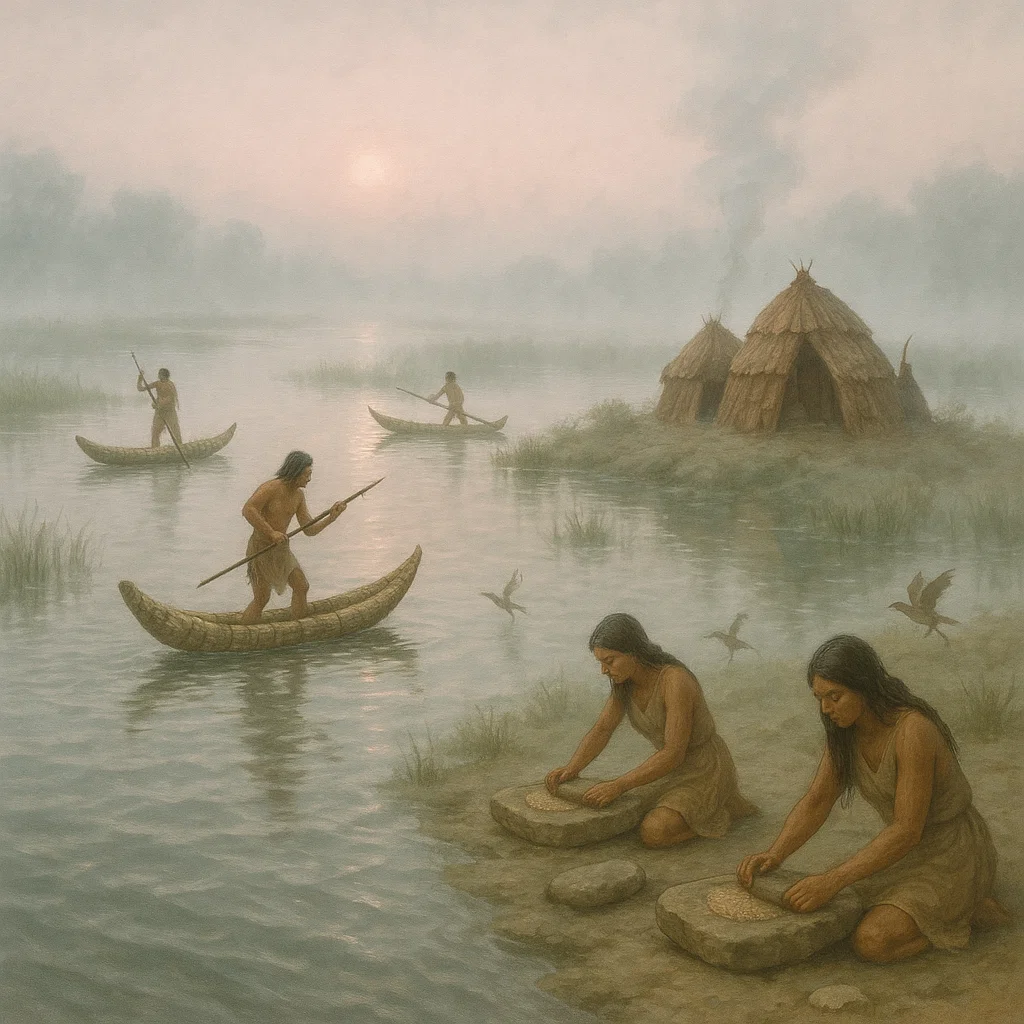
- Mesolithic (c. 10,000 – 8000 BCE)
- Transitional stage marked by microlithic tools, semi-sedentary communities, and diversification of subsistence.
- Often seen as a bridge between foraging and farming societies.
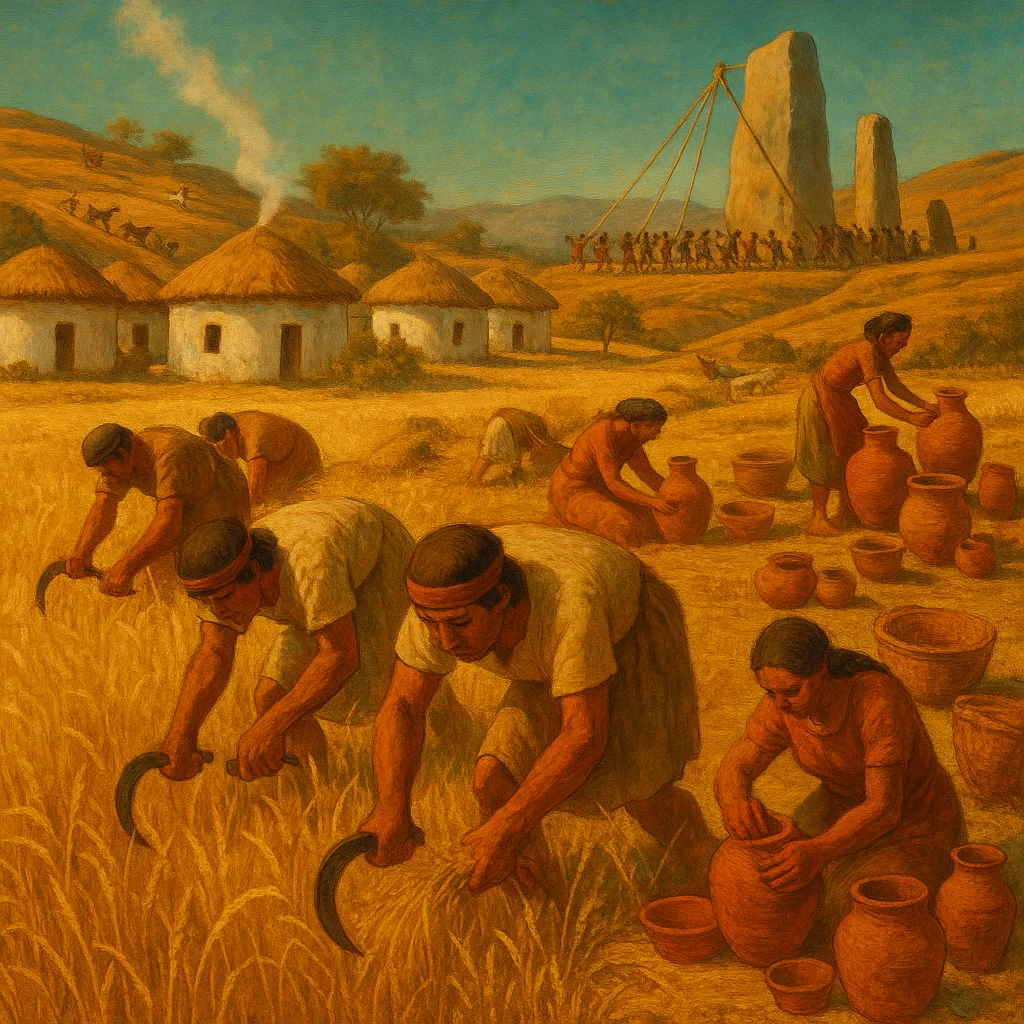
- Neolithic (c. 8000 – 4500 BCE)
- Defined by the agricultural revolution: domestication of plants and animals, permanent settlements, and rising population density.
- Gave rise to pottery, weaving, and early social stratification.
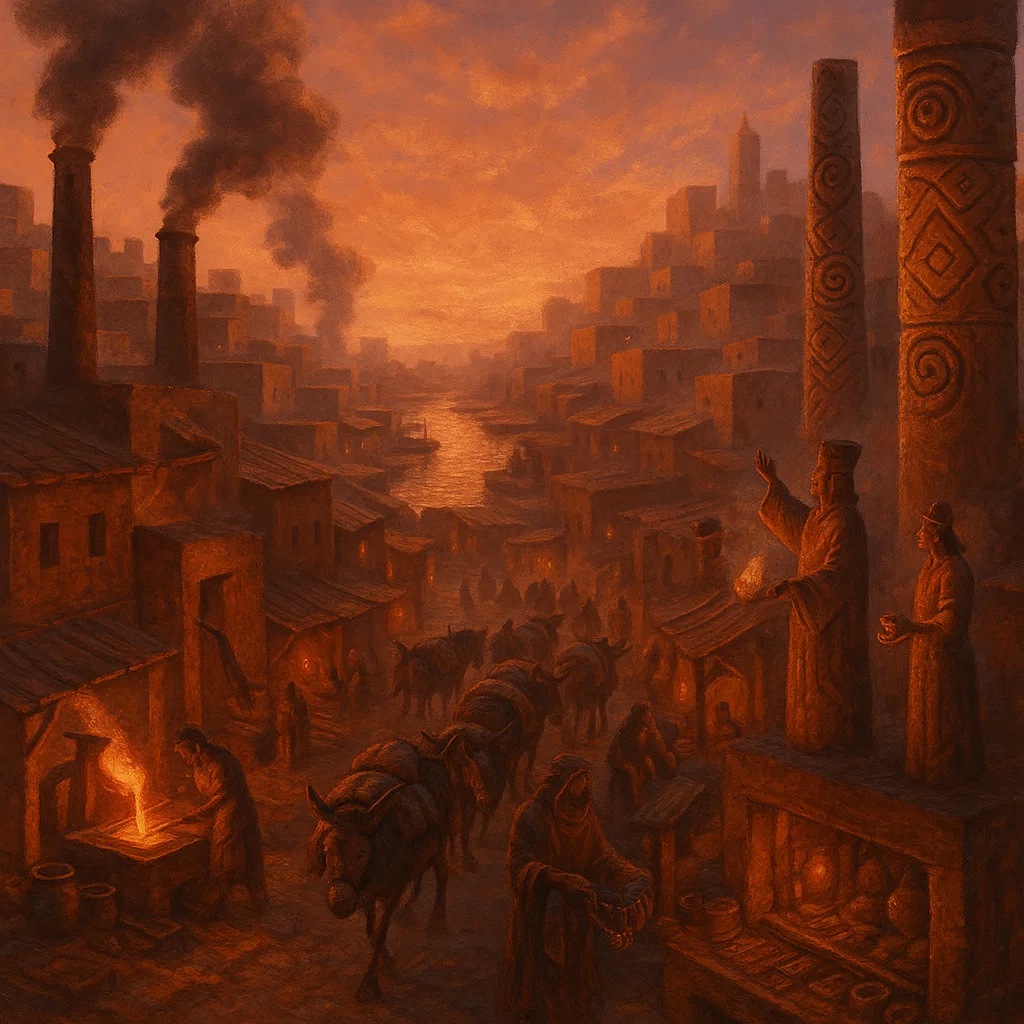
- Chalcolithic / Copper Age (c. 4500 – 3000 BCE)
- Introduction of copper metallurgy alongside stone tools.
- Growth of proto-urban settlements, long-distance trade, and complex ritual structures.
- Prepares the ground for the fully literate Bronze Age civilizations.
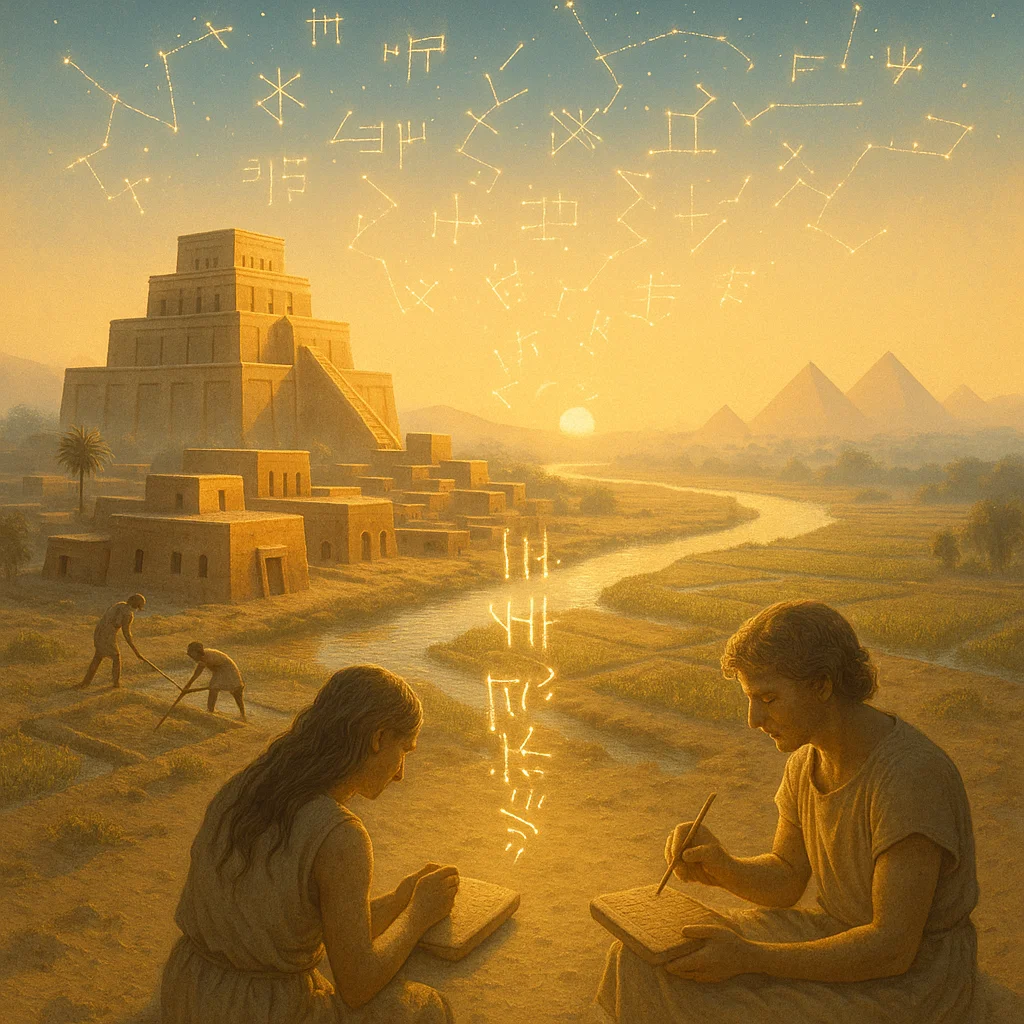
Prehistory ends when writing systems emerge (c. 3000 BCE in Mesopotamia and Egypt). At that point, events can be documented directly by humans, marking the transition from Prehistory to History proper.