(3000 BC – 1200 BC)
 Current Era Name
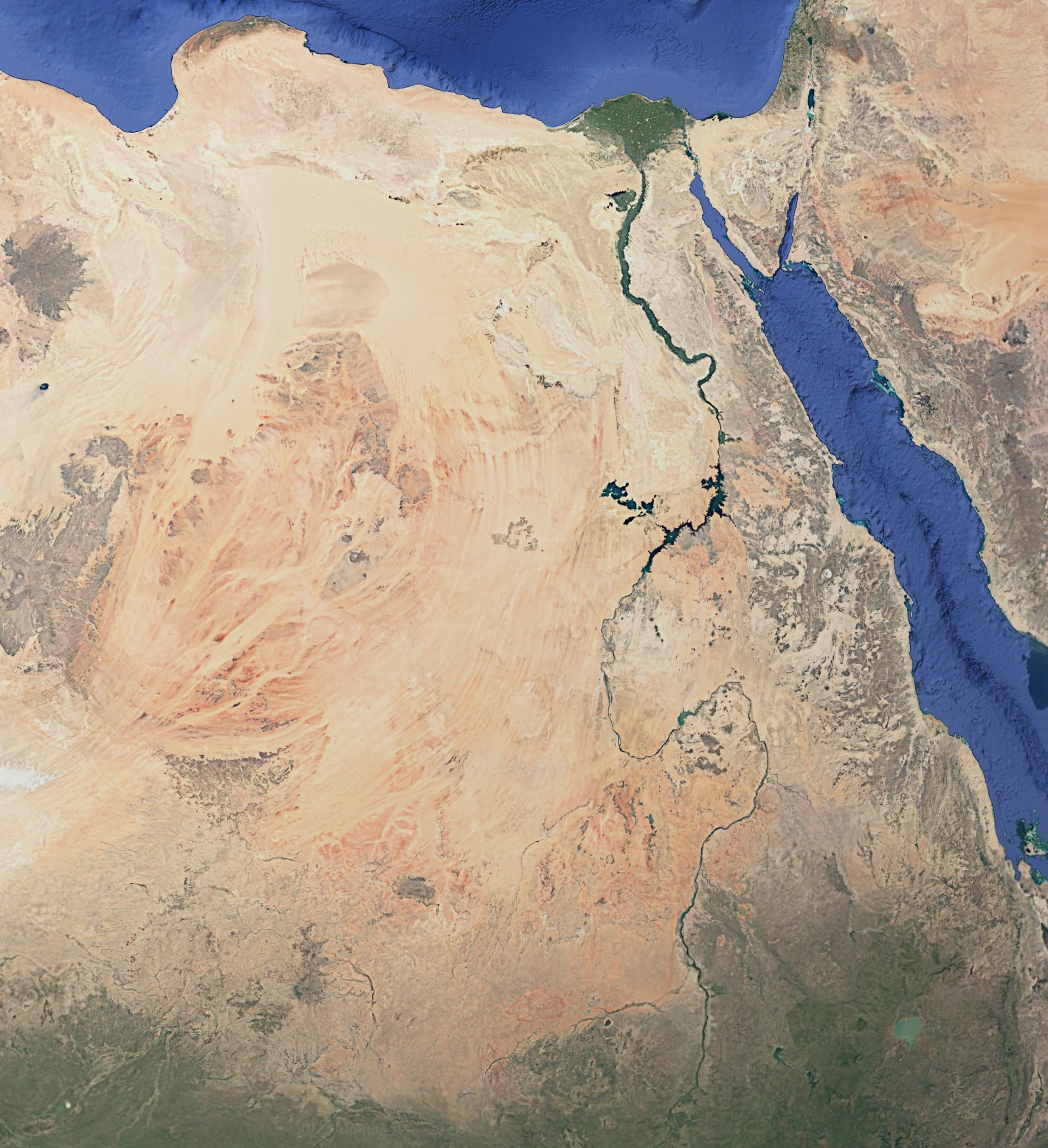
Geography of Egypt
Nile Delta & Mediterranean Gate
Lower Nile Valley (Egyptian Heartland)
Nubian Nile Corridor
Upper Nile & Sudd Marshes
Current Era Name
Geography of Egypt
Nile Delta & Mediterranean Gate
Lower Nile Valley (Egyptian Heartland)
Nubian Nile Corridor
Upper Nile & Sudd Marshes
| Period Link | Prehistory | Prehistory | Prehistory | Prehistory | Ancient History | Ancient History | Ancient History | Medieval History | Medieval History | Medieval History |
|---|---|---|---|---|---|---|---|---|---|---|
| Start Year | 2,500,000 BC | 10,000 BC | 8,000 BC | 4,500 BC | 3,000 BC | 1,200 BC | 500 BC | 500 AD | 1000 AD | 1300 AD |
| End Year | 10,000 BC | 8,000 BC | 4,500 BC | 3,000 BC | 1,200 BC | 500 BC | 500 AD | 1000 AD | 1300 AD | 1500 AD |
| Egypt | Paleolithic Egypt | Mesolithic Egypt | Neolithic Egypt | Chalcolithic Egypt | Nile Valley (Egypt & Nubia) Bronze Age | Nile Valley (Egypt & Nubia) Iron Age | Egyptian Antiquity | Early Medieval Egypt | High Medieval Egypt | Late Medieval Egypt |
| Period Link | Early Modern History | Early Modern History | Early Modern History | Modern History | Modern History | Modern History | Contemporary History | Contemporary History | Contemporary History |
|---|---|---|---|---|---|---|---|---|---|
| Start Year | 1500 AD | 1600 AD | 1700 AD | 1800 AD | 1870 AD | 1914 AD | 1945 AD | 1985 AD | 2026 AD |
| End Year | 1600 AD | 1700 AD | 1800 AD | 1870 AD | 1914 AD | 1945 AD | 1985 AD | 2025 AD | 2065 AD |
| Egypt | Renaissance and Reformation Egypt | Scientific Revolution and State Formation Egypt | Enlightenment and Proto-Industrial Egypt | Industrial Era Egypt | Long 19th Century Egypt | World War Era Egypt | Cold War Era Egypt | Allisonian Era Egypt | Deasy Era Egypt |
Cultural Lineages of the Bronze Age Nile Valley
The cultural landscape of the Bronze Age Nile Valley reveals a dynamic interplay of centralized power, regional diversity, religious transformation, and intercultural exchange. This table traces the parallel lineages that evolved between 3000 and 1200 BCE, each reflecting a distinct axis of civilization—dynastic unification, provincial administration, theological reform, Nubian interaction, and peripheral integration. From the rise of Egypt’s early kingdoms to the formation of Nubian and Kushite states, these lineages illustrate how political authority, belief systems, and trade networks matured within a shared geographic corridor that stretched from the Delta to the Upper Nile and beyond into the desert frontiers.
[table “439” not found /]By 1200 BCE, the Nile Valley had become a complex mosaic of interconnected societies, each bearing the legacies of earlier cultural streams. The consolidation of Egyptian imperial power coincided with Nubian resurgence, while peripheral oases and Red Sea routes supported a wider economic and ideological sphere. The trajectory of these lineages—from unification through fragmentation to renewed synthesis—embodies the enduring rhythm of Nile civilization: cycles of centralization, adaptation, and rebirth that shaped one of the world’s longest continuous cultural traditions.
The Nile Valley in 3000 BC
Around 3000 BCE, the Nile Valley entered a transformative age defined by political unification, agricultural expansion, and increasing interregional exchange. Distinct cultural zones—from the fertile Delta to the Nubian frontier—developed in tandem, linked by trade, religion, and emerging systems of governance. Predynastic traditions in Upper Egypt merged with Delta communities to form the first territorial state, while Nubian and Red Sea corridor societies contributed external influences through commerce and resource exchange. This period marks the foundation of Egypt’s dynastic civilization and the consolidation of Nile-based networks that would shape its identity for millennia.
[table “434” not found /]The mosaic of cultures active in the Nile Valley circa 3000 BCE reflects both the diversity and unity that characterized early Egyptian civilization. Agricultural surplus, symbolic art, and centralized rule provided stability, while frontier regions like Nubia and the Eastern Desert connected Egypt to broader African and Near Eastern worlds. By the close of this era, the groundwork for the Old Kingdom was laid—a synthesis of regional traditions, sacred kingship, and expansive economic systems that would define the Bronze Age Nile world.
The Nile Valley in 2500 BC
By 2500 BCE, the Nile Valley reached the height of the Old Kingdom—an era of monumental construction, administrative sophistication, and divine kingship. Centered in Memphis and Giza, Egypt became one of the most centralized states of the ancient world, defined by the building of pyramids and the formalization of art and religion. Surrounding regions such as the provinces, Nubia, and the deserts played vital supporting roles, supplying materials, labor, and trade connections. Together, these cultural zones formed an integrated system linking the political, economic, and spiritual life of the early Bronze Age Nile world.
[table “435” not found /]This period represents the apex of Egypt’s first great imperial experiment. Monumental architecture embodied the ideology of eternal kingship, while the prosperity of provincial, Nubian, and desert cultures sustained its foundation. As Egyptian influence radiated southward and outward through trade and conquest, the Nile Valley matured into a cohesive but stratified civilization—one that would endure both triumph and fragmentation in the centuries to come.
The Nile Valley in 2000 BC
By 2000 BCE, the Nile Valley had entered a period of reunification and cultural renaissance under the Middle Kingdom. The collapse of earlier dynasties gave rise to new centers of power, particularly Thebes, which emerged as both political and religious heart of the state. Egypt’s reach extended deep into Nubia, where the Kerma Kingdom arose as a formidable southern partner and rival. Across the deserts, organized mining and caravan systems expanded Egypt’s influence into the Red Sea and beyond. This was an era of consolidation, engineering, and artistic refinement that laid the foundations for Egypt’s classical identity.
[table “436” not found /]The Middle Kingdom represented a deliberate reconstruction of order after centuries of division. Through hydraulic works, fortified frontiers, and cultural exchange, the region achieved a balance of central power and frontier dynamism. Nubia’s ascent, desert trade, and the flourishing of Thebes all signaled a mature and interconnected Nile world. As the millennium progressed, this network of kingdoms and corridors transformed the valley into a bridge between Africa and the Near East—a model of resilience and renewal that echoed throughout Egypt’s later history.
The Nile Valley in 1500 BC
By 1500 BCE, the Nile Valley reached its imperial peak under the New Kingdom. Egypt emerged as a globalized power, projecting influence across Nubia, the Levant, and the Red Sea. Monumental cities like Thebes and Amarna reflected both the grandeur of divine kingship and the evolving complexity of state religion. The period saw the rise of vast temples, international trade, and an organized professional army. Meanwhile, Nubia and Napata developed as cultural and religious extensions of Egyptian civilization, blending southern traditions with imperial structures.
[table “437” not found /]This was an age of conquest, creativity, and spiritual experimentation. Egypt’s wealth and reach transformed the Nile corridor into a cosmopolitan empire, even as theological revolutions—such as Akhenaten’s Amarna reform—tested its unity. Nubian and desert regions thrived under shifting degrees of Egyptian influence, forming the seeds of later independence. The New Kingdom’s balance of divine ideology, economic expansion, and cultural fusion would define the golden legacy of Bronze Age Egypt before its eventual decline into fragmentation and foreign rule.
The Nile Valley in 1200 BC
By 1200 BCE, the Nile Valley entered a period of transition and fragmentation marking the twilight of Egypt’s Bronze Age dominance. The late New Kingdom saw the decline of centralized power after the reign of Ramesses III, though monumental construction and temple economies continued to thrive. Egyptian authority in Nubia weakened, giving rise to new regional centers like Napata and Meroë that carried forward the legacy of earlier dynasties. Across the deserts, trade routes persisted under looser oversight, and fortified oases remained vital outposts amid the shifting balance of power.
[table “438” not found /]The centuries around 1200 BCE witnessed both the erosion of imperial unity and the birth of successor cultures that would shape the next age of the Nile. As Egyptian influence waned, Nubian polities reclaimed autonomy, desert trade evolved into independent networks, and Meroitic culture began to emerge in the southern reaches. The collapse of Bronze Age systems across the Near East resonated here as well, transforming the once-centralized empire into a constellation of interlinked but independent states, setting the stage for the Iron Age in Northeast Africa.