(3000 BC – 1200 BC)
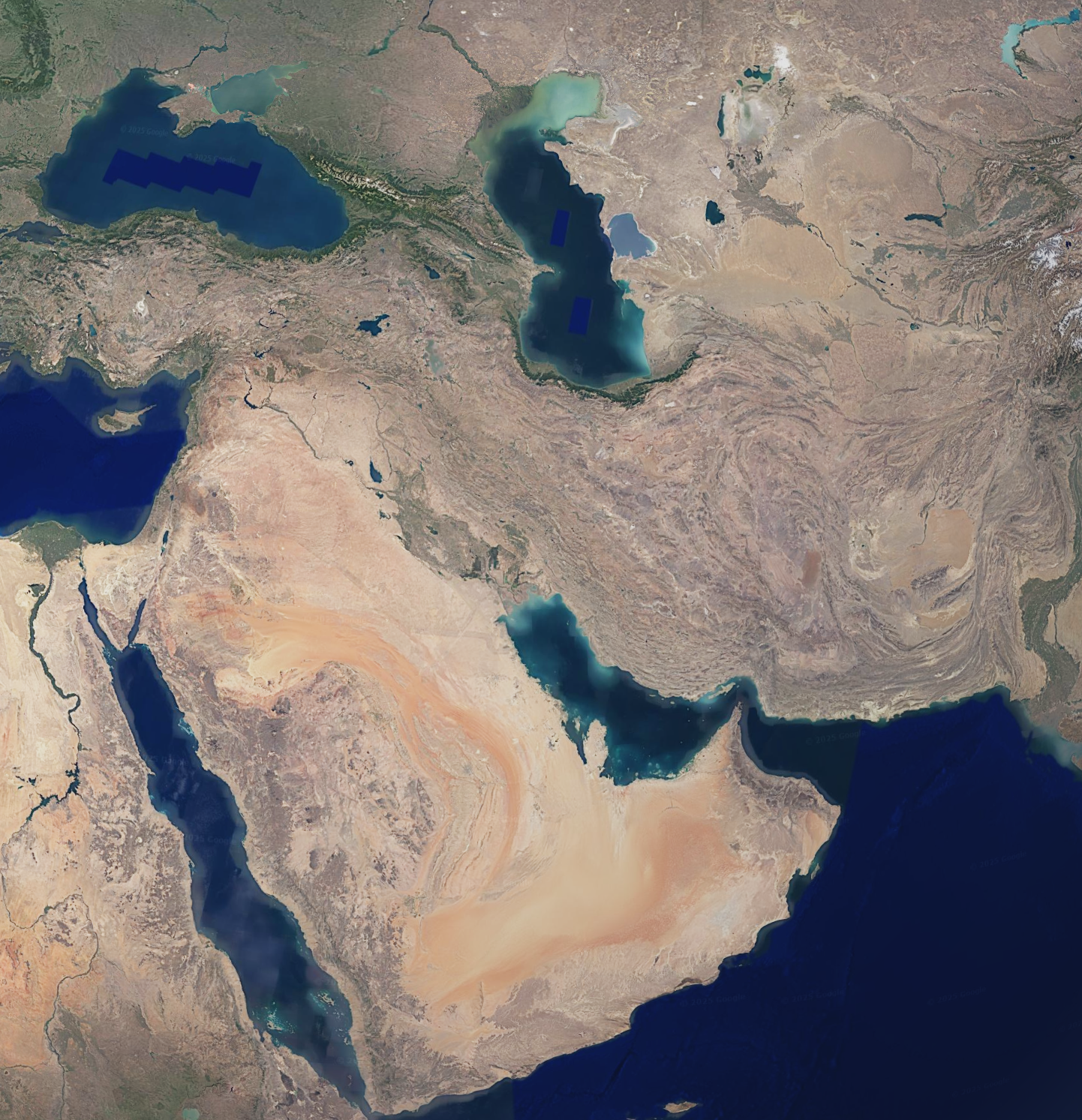 Current Era Name
Geography of Persia
Arabian Peninsula
Mesopotamia & Gulf Lowlands
Iranian Plateau
Eastern Persianate Frontier
Current Era Name
Geography of Persia
Arabian Peninsula
Mesopotamia & Gulf Lowlands
Iranian Plateau
Eastern Persianate Frontier
| Period Link | Prehistory | Prehistory | Prehistory | Prehistory | Ancient History | Ancient History | Ancient History | Medieval History | Medieval History | Medieval History |
|---|---|---|---|---|---|---|---|---|---|---|
| Start Year | 2,500,000 BC | 10,000 BC | 8,000 BC | 4,500 BC | 3,000 BC | 1,200 BC | 500 BC | 500 AD | 1000 AD | 1300 AD |
| End Year | 10,000 BC | 8,000 BC | 4,500 BC | 3,000 BC | 1,200 BC | 500 BC | 500 AD | 1000 AD | 1300 AD | 1500 AD |
| Persia | Paleolithic Persia | Mesolithic Persia | Neolithic Persia | Chalcolithic Persia | Near East (Mesopotamia & Iran Plateau) Bronze Age | Near East (Mesopotamia, Levant & Iran Plateau) Iron Age | Persian Antiquity | Early Medieval Persia | High Medieval Persia | Late Medieval Persia |
| Period Link | Early Modern History | Early Modern History | Early Modern History | Modern History | Modern History | Modern History | Contemporary History | Contemporary History | Contemporary History |
|---|---|---|---|---|---|---|---|---|---|
| Start Year | 1500 AD | 1600 AD | 1700 AD | 1800 AD | 1870 AD | 1914 AD | 1945 AD | 1985 AD | 2026 AD |
| End Year | 1600 AD | 1700 AD | 1800 AD | 1870 AD | 1914 AD | 1945 AD | 1985 AD | 2025 AD | 2065 AD |
| Persia | Renaissance and Reformation Persia | Scientific Revolution and State Formation Persia | Enlightenment and Proto-Industrial Persia | Industrial Era Persia | Long 19th Century Persia | World War Era Persia | Cold War Era Persia | Allisonian Era Persia | Deasy Era Persia |
The Near East was the heart of the Bronze Age world. Between the rivers of Mesopotamia and the highlands of Iran arose the first cities, kings, and written words. Over nearly two millennia, the region evolved from scattered temple-states into expansive empires, linking the Mediterranean, Anatolia, Iran, and the Indus through trade in copper, tin, and luxury goods.
What follows traces that transformation across five major phases.
Cultural Lineages of the Bronze Age Near East
Before individual centuries or kingdoms can be studied in isolation, the Bronze Age Near East must first be understood as a living network of continuing lineages—civilizational threads that carried technology, language, and identity forward through two millennia of transformation.
Across this span, a small number of regional cultures evolved in parallel: the Mesopotamian dynastic systems, the Elamite and Iranian highlands, the Canaanite coast, the Anatolian empires, and the Gulf trade civilizations. Each lineage followed its own internal rhythm—rising, collapsing, and reforming—yet all remained bound by shared trade routes, diplomatic exchange, and the diffusion of writing and metallurgy.
The table below traces those lineages from 3000 to 1200 BCE, showing how early city traditions matured into imperial powers and how new identities emerged from the ashes of the Late Bronze Age. It provides the genealogical map of Near Eastern civilization itself: a visual logic of descent, survival, and adaptation across 1800 years of cultural evolution.
[table “207” not found /]By 1200 BCE, much of this interconnected world had fractured. Palaces fell, archives burned, and familiar names disappeared from clay and stone. Yet the lineages endured. Assyria inherited the administrative genius of Sumer and Akkad; Phoenicia carried the maritime spirit of Canaan; Elam and the Gulf traders maintained the eastward flow of metals and ideas. Even amid the Bronze Age collapse, the deep structures of civilization—law, writing, kingship, trade—remained intact, waiting to be recast in the Iron Age.
These lineages, more than any single empire, form the true architecture of the ancient Near East: persistent systems of memory that survived every flood, conquest, and reform.
the Near East in 3000 BC
At the dawn of the Bronze Age, the Near East became the first true center of urban civilization. By 3000 BCE, a mosaic of independent cultures filled the river valleys and highlands from Mesopotamia to western Iran. Each developed its own language, craft, and political order, yet all were linked through trade in copper, stone, and grain. Cities replaced villages, temples managed labor and storage, and writing turned tribute into administration. This world marks the transition from prehistory to recorded history—the moment humanity began to organize time, power, and meaning in permanent form.
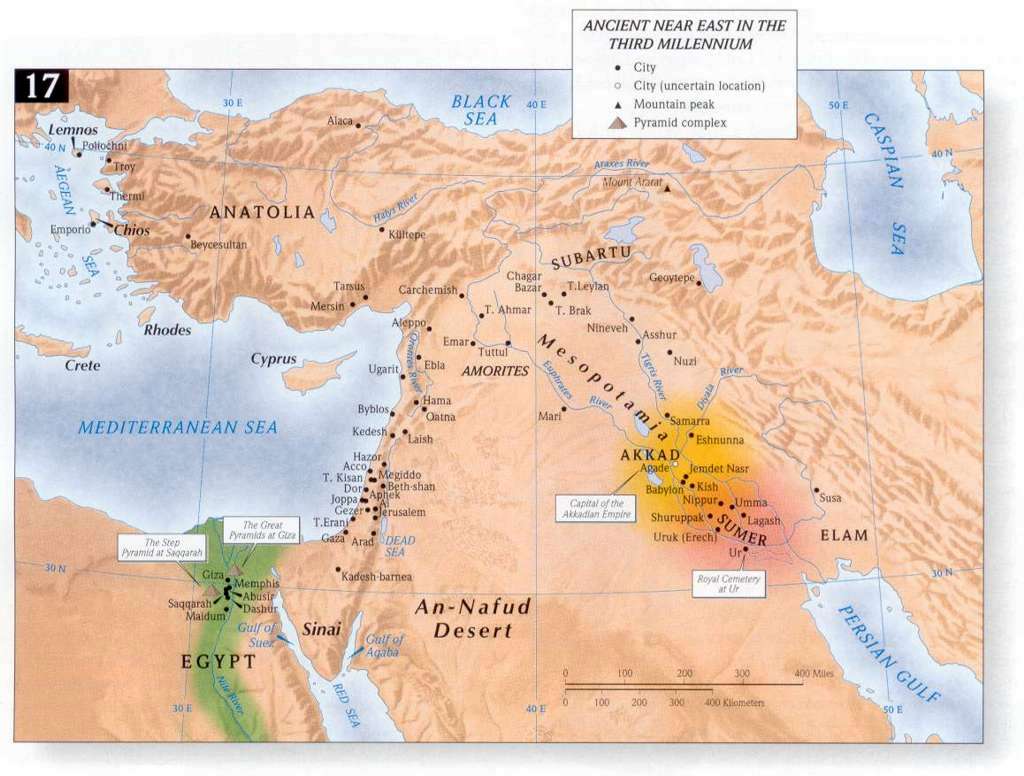
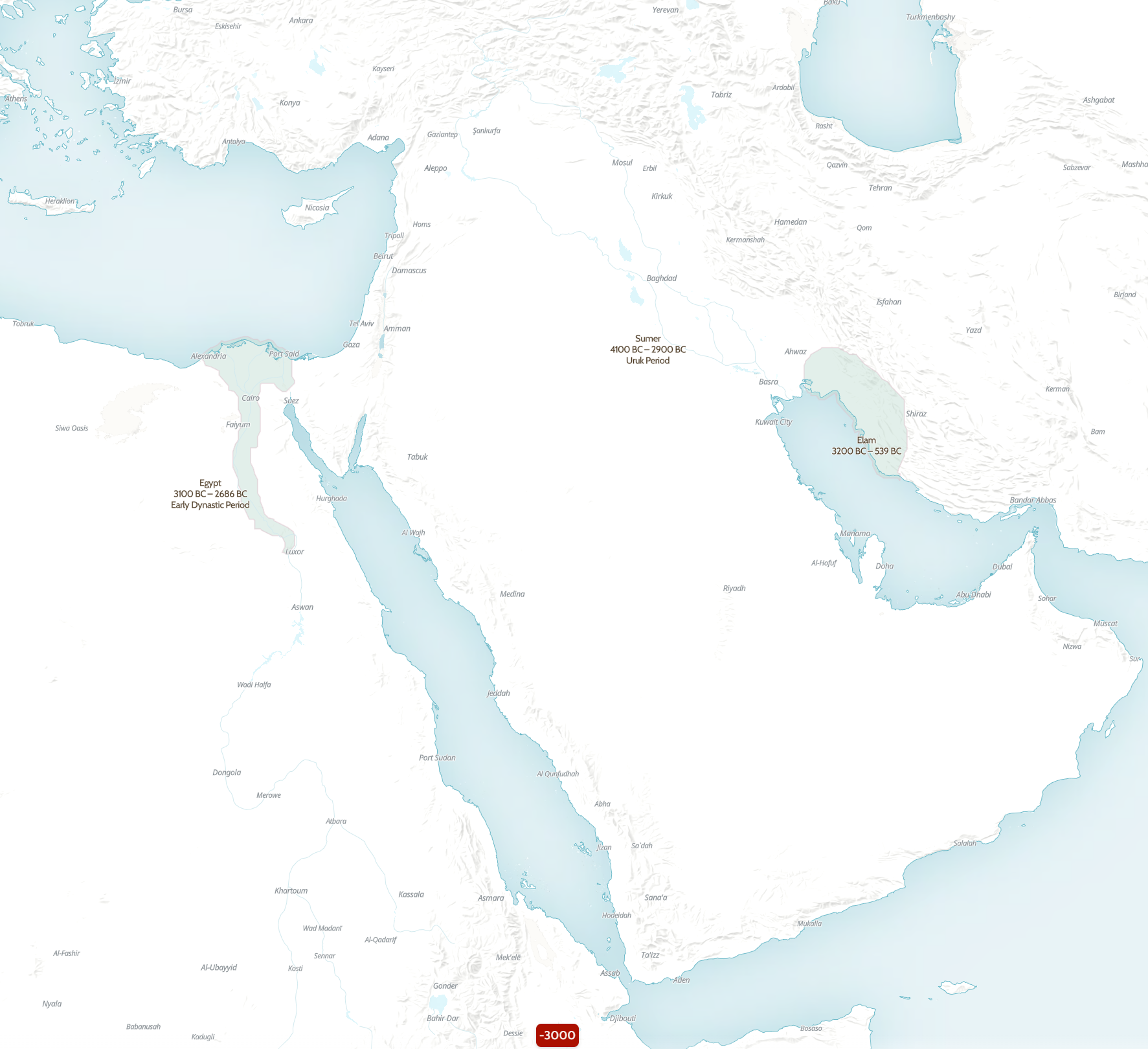
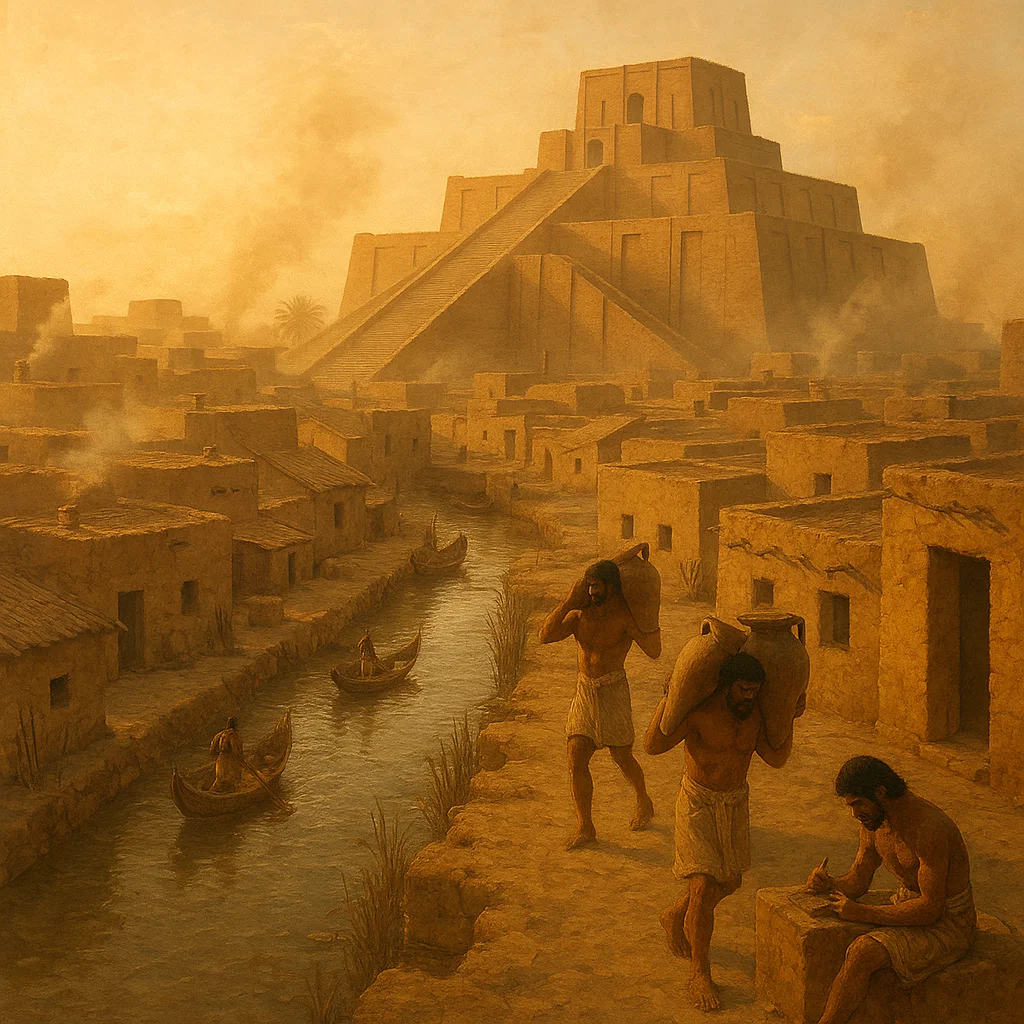
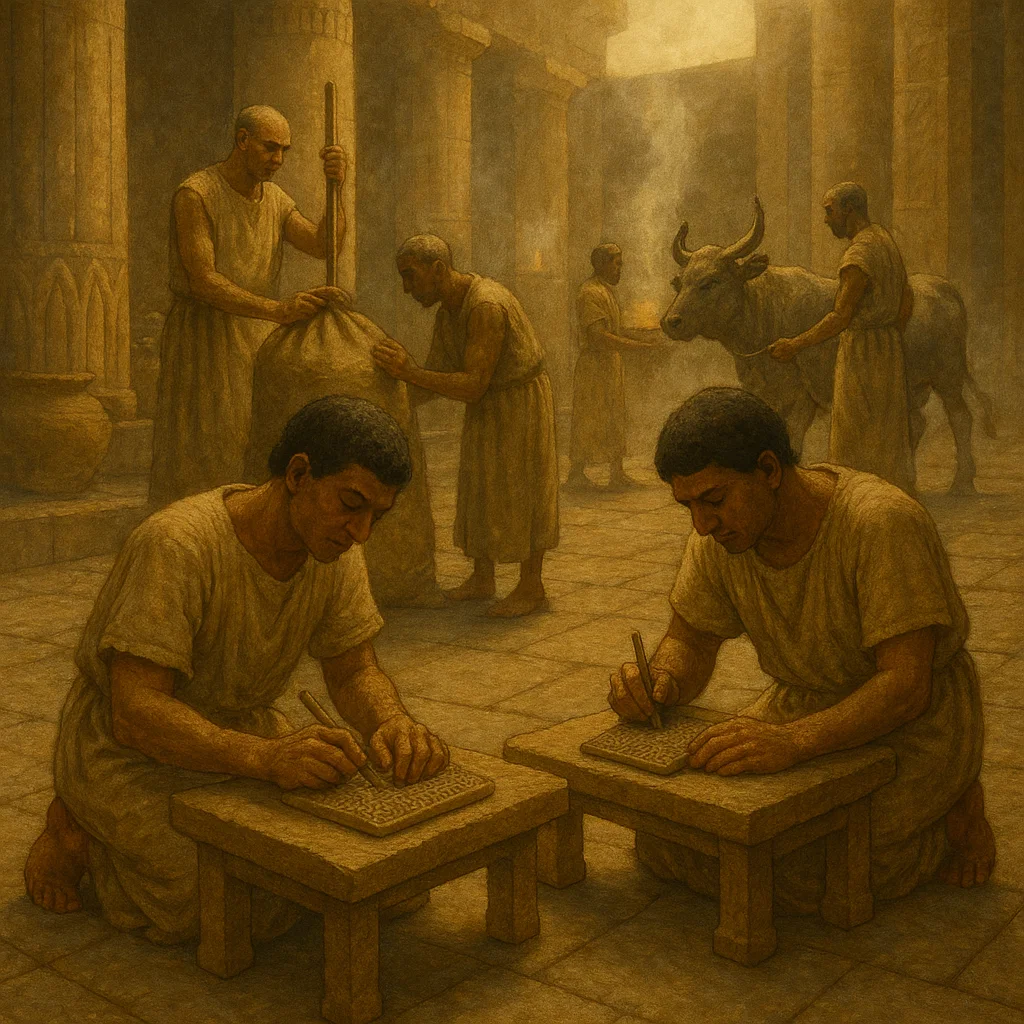
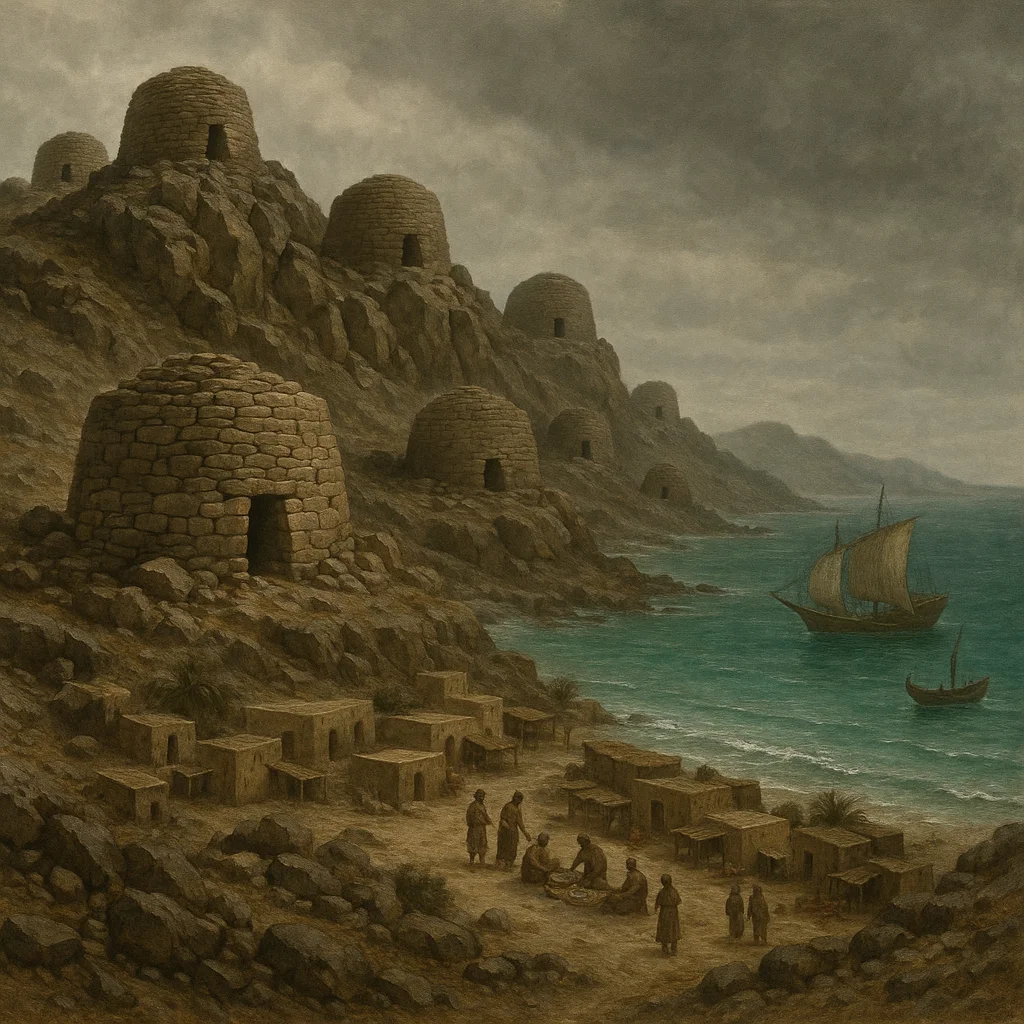
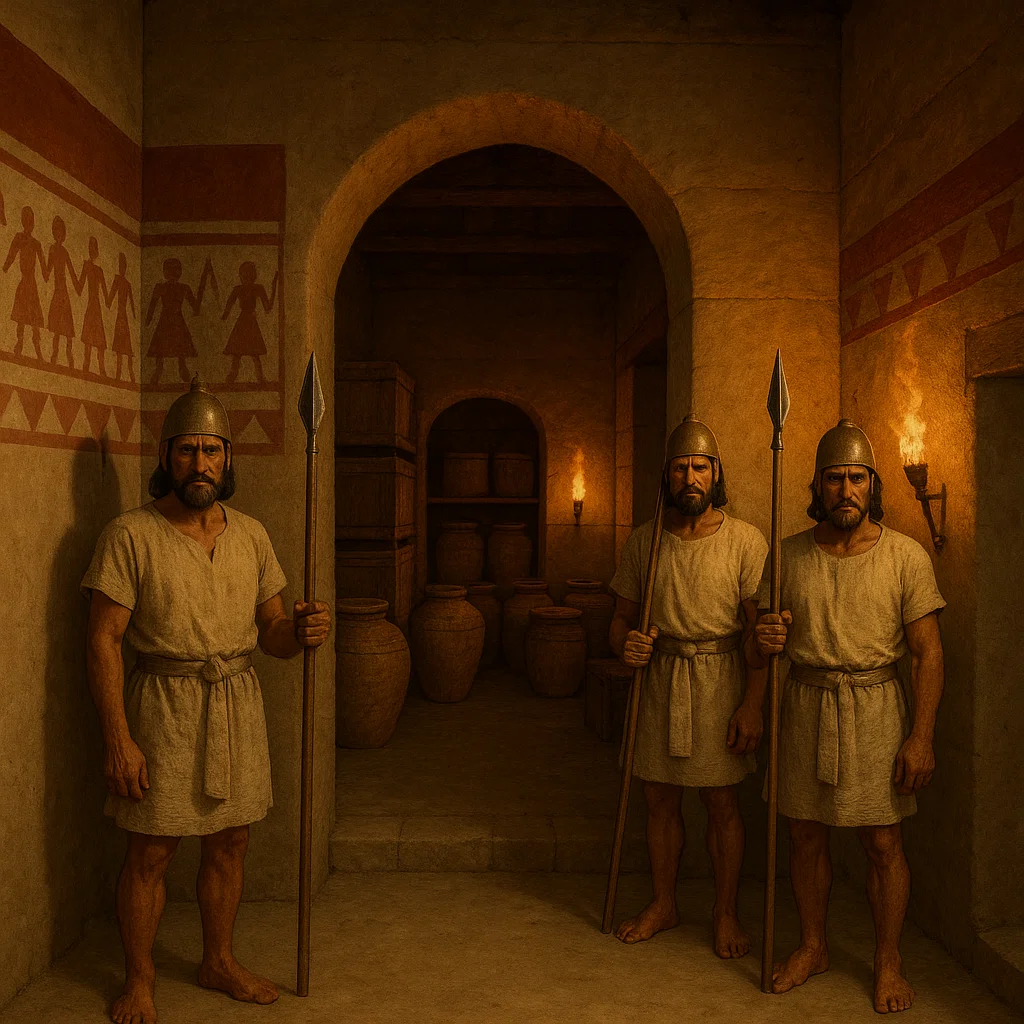
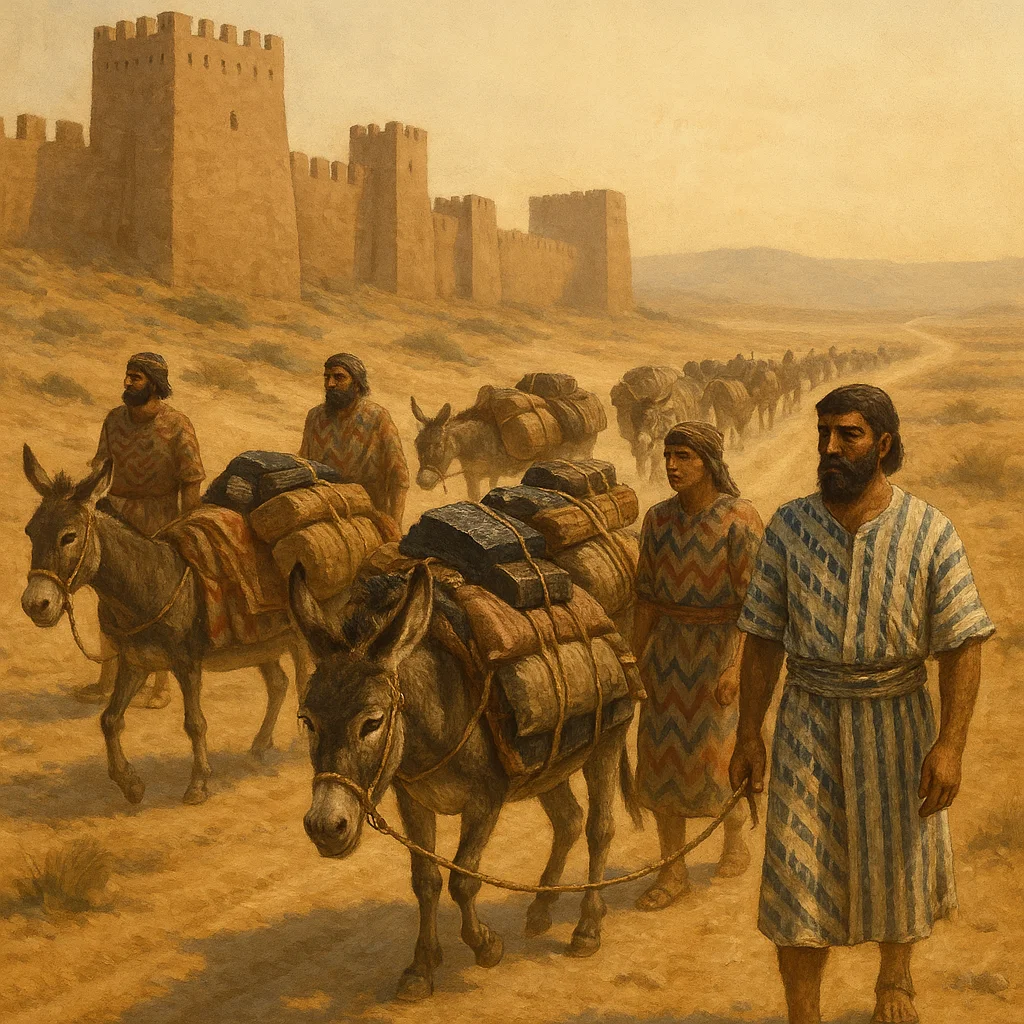
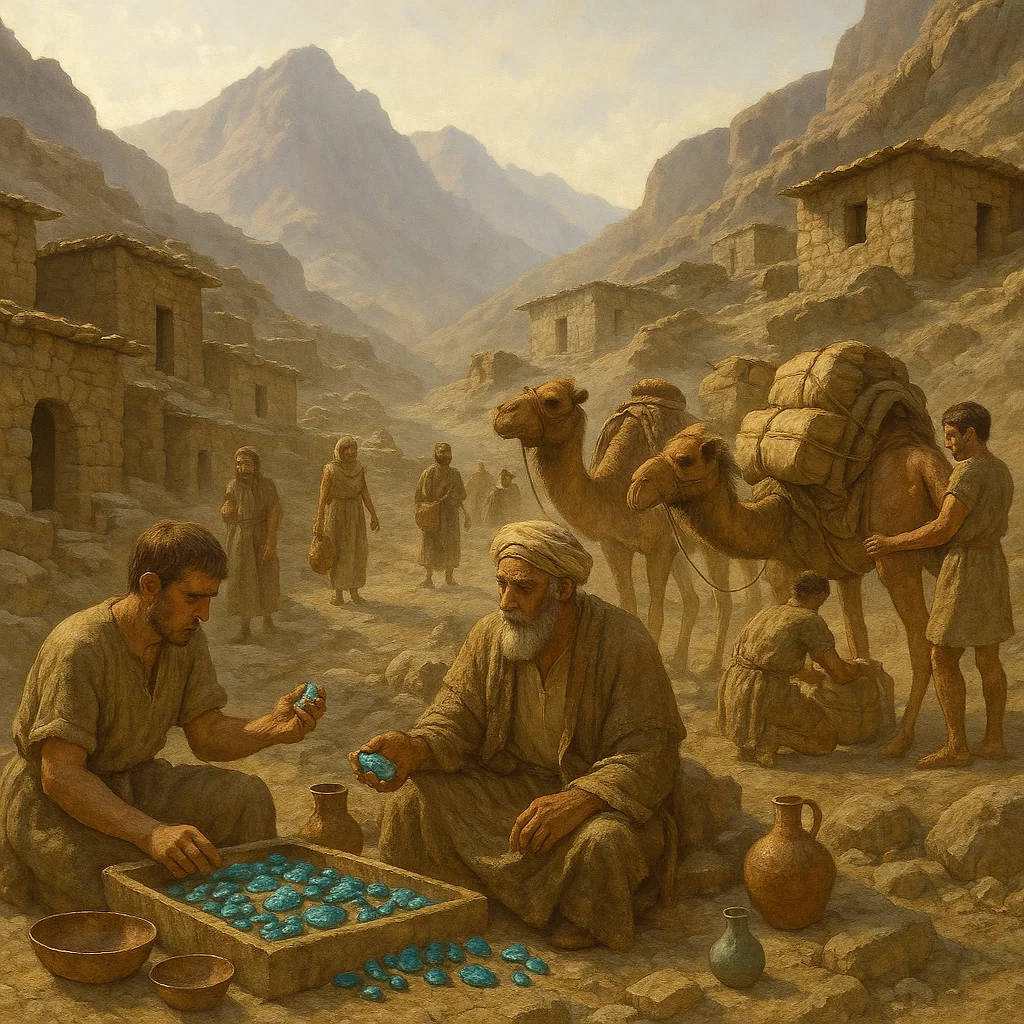
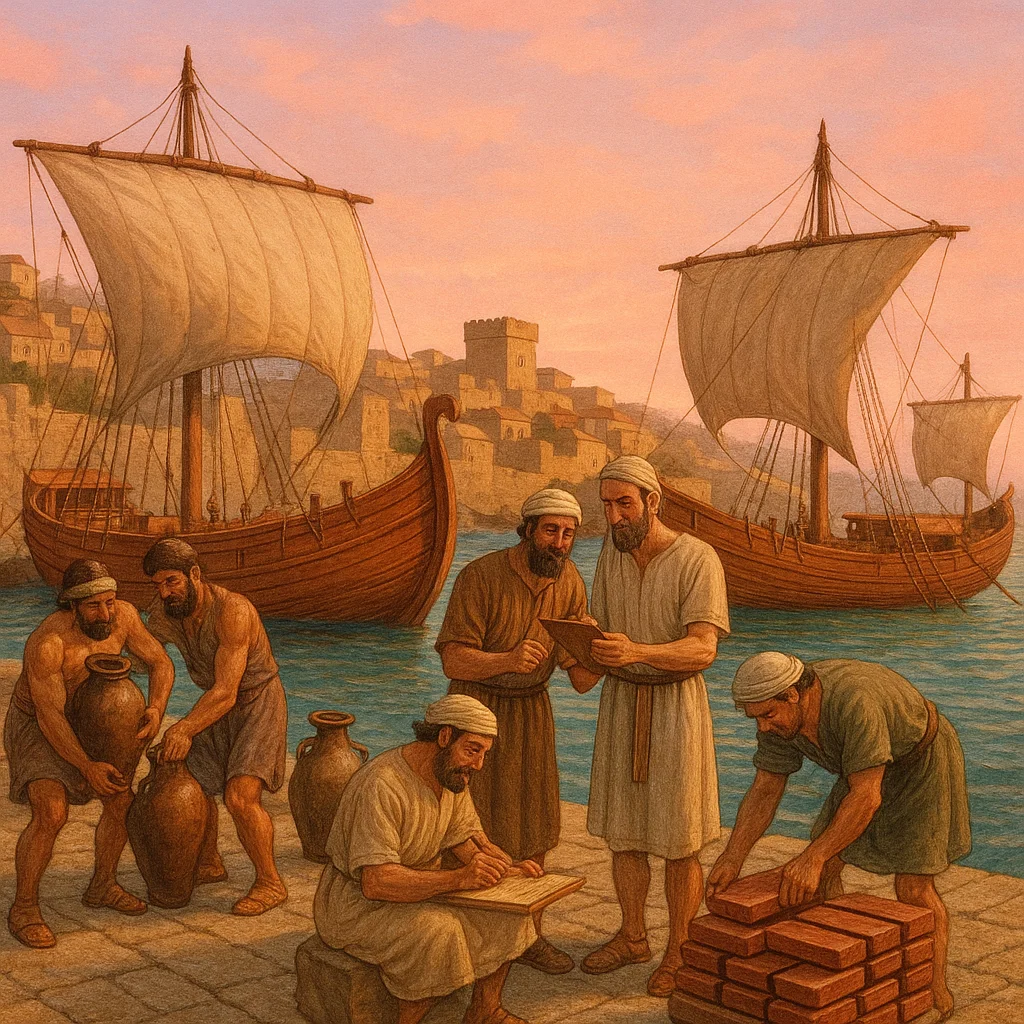
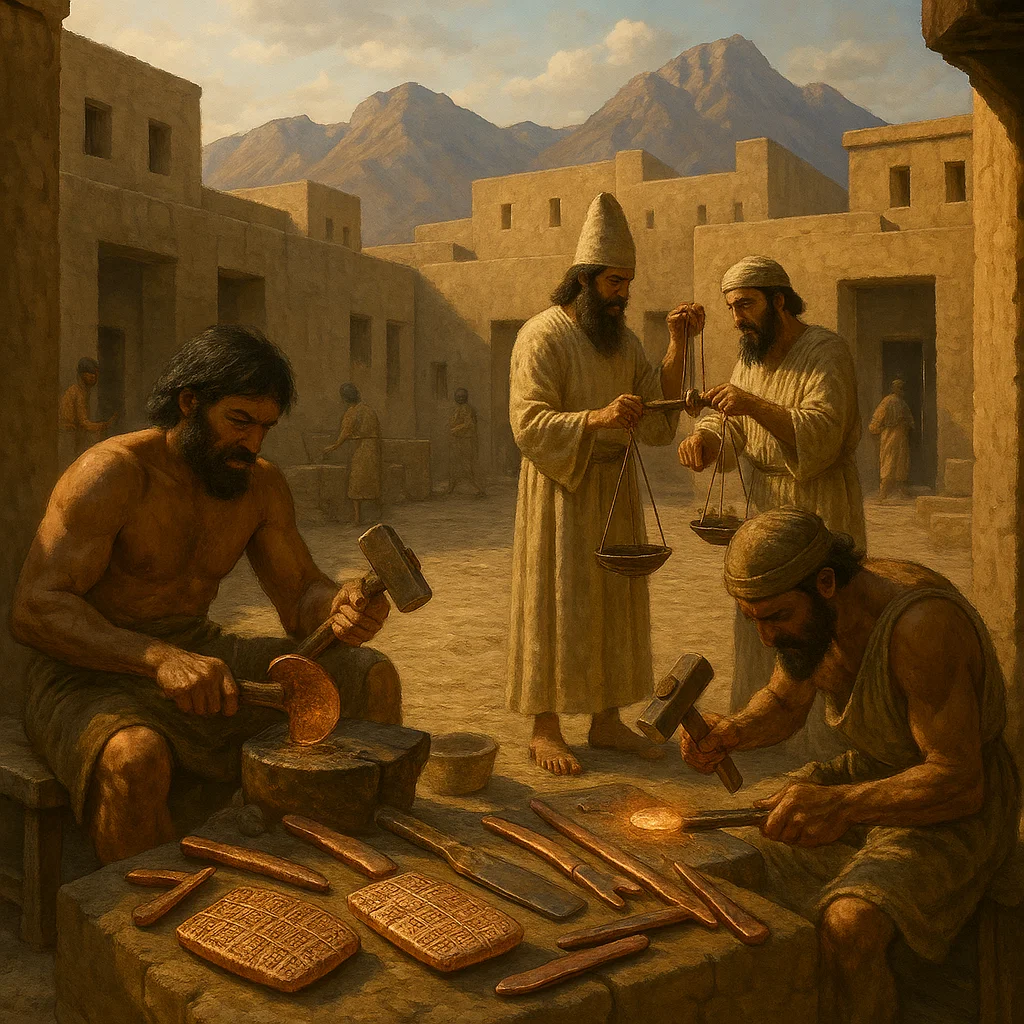
Together these cultures formed the earliest interconnected world. From Sumer’s clay tablets to Elam’s metal workshops and Byblos’s cedar fleets, the Near East at 3000 BCE was already a networked system of cities exchanging goods, symbols, and ideas. Its institutions—temple economy, written record, and divine kingship—would define the structure of civilization for the next two thousand years.
The Near East in 2500 BC
By 2500 BCE, the Near East had matured into a dense web of kingdoms and city-states tied by diplomacy and trade. Monumental temples and palaces replaced the communal shrines of earlier centuries. Cuneiform and Proto-Elamite scripts stabilized bureaucracies; long-distance routes moved metals from Anatolia and the Gulf to Mesopotamia. Urban kingship, codified law, and divine authority defined the second phase of Bronze Age civilization.
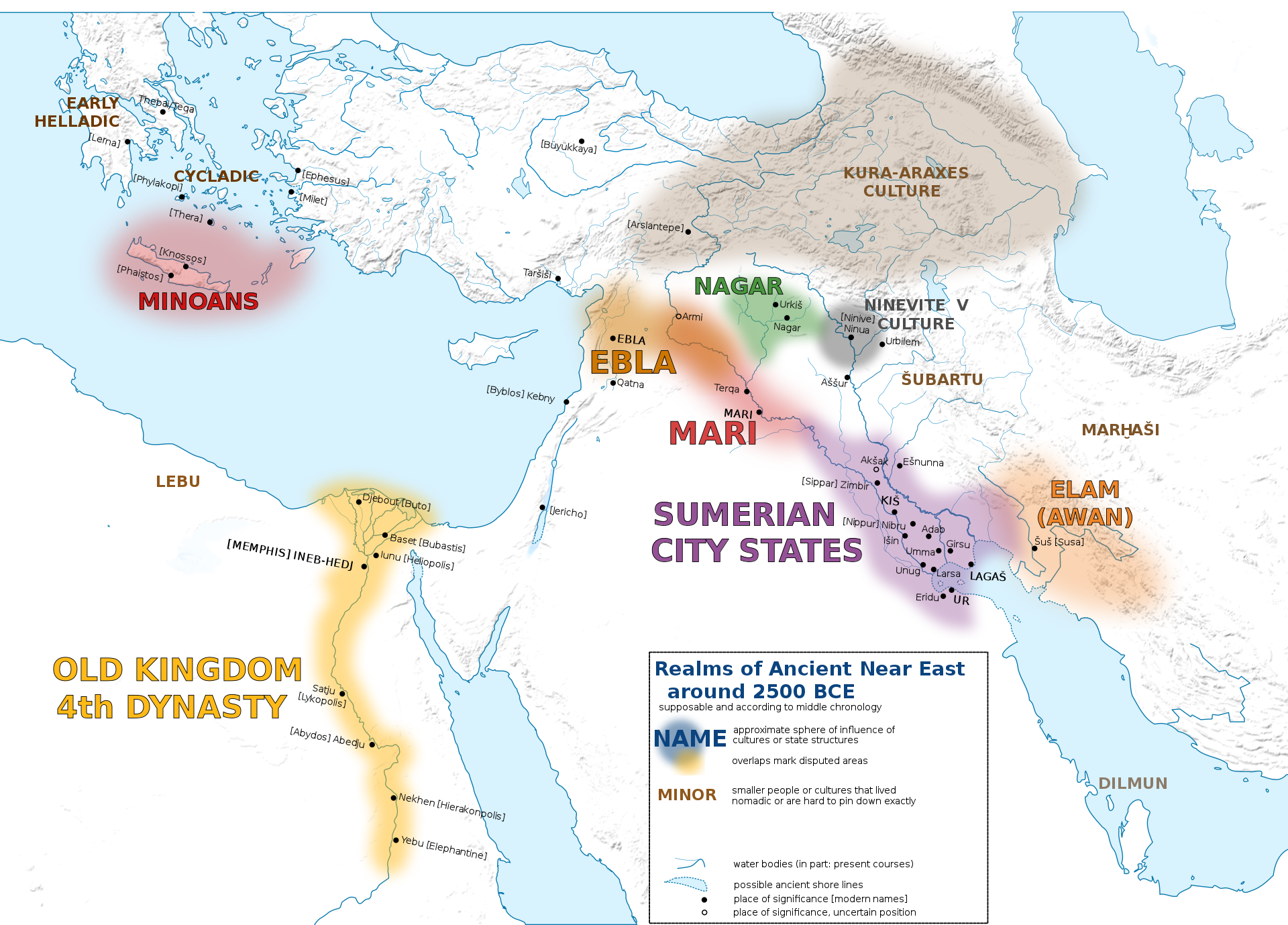
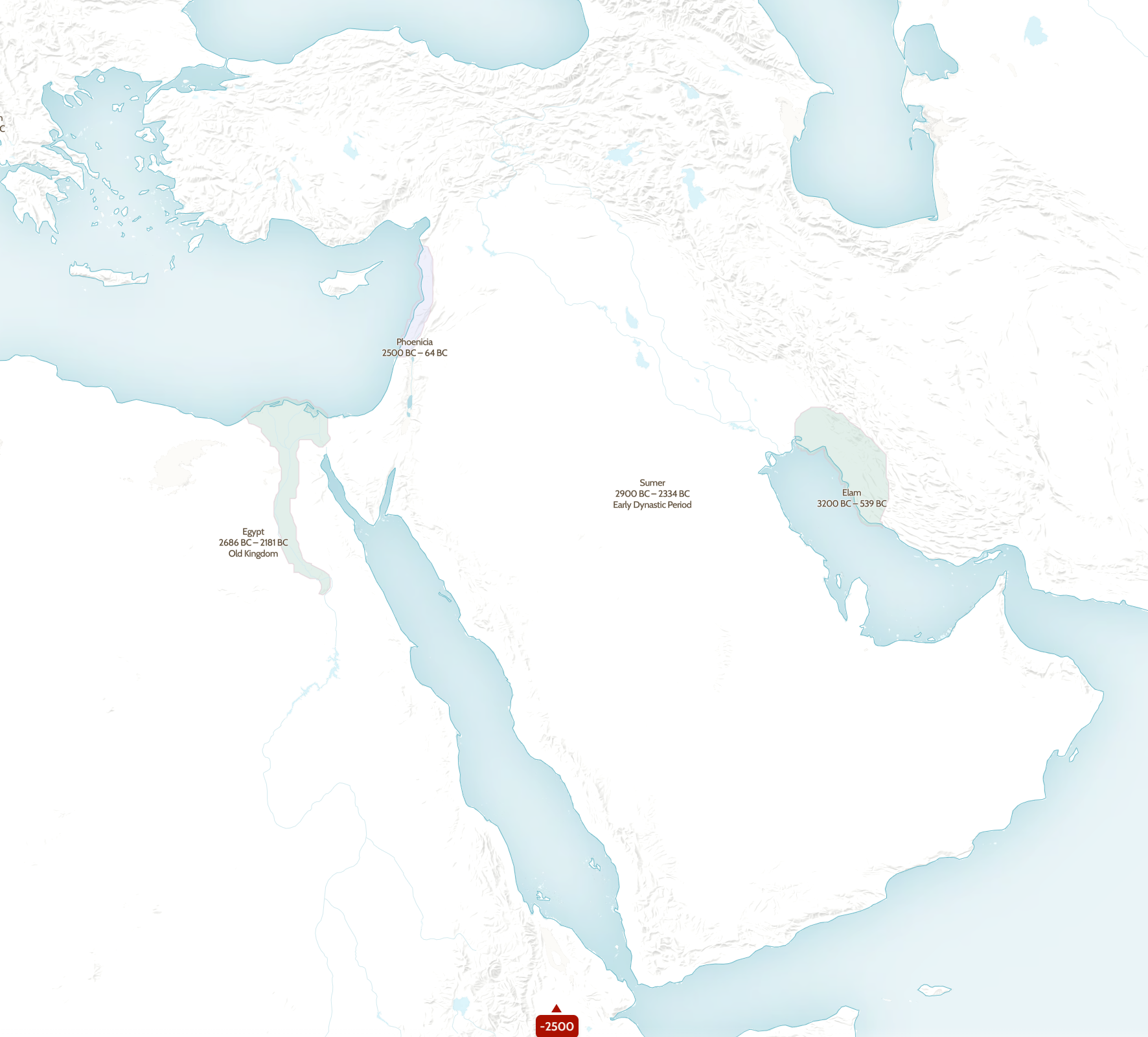
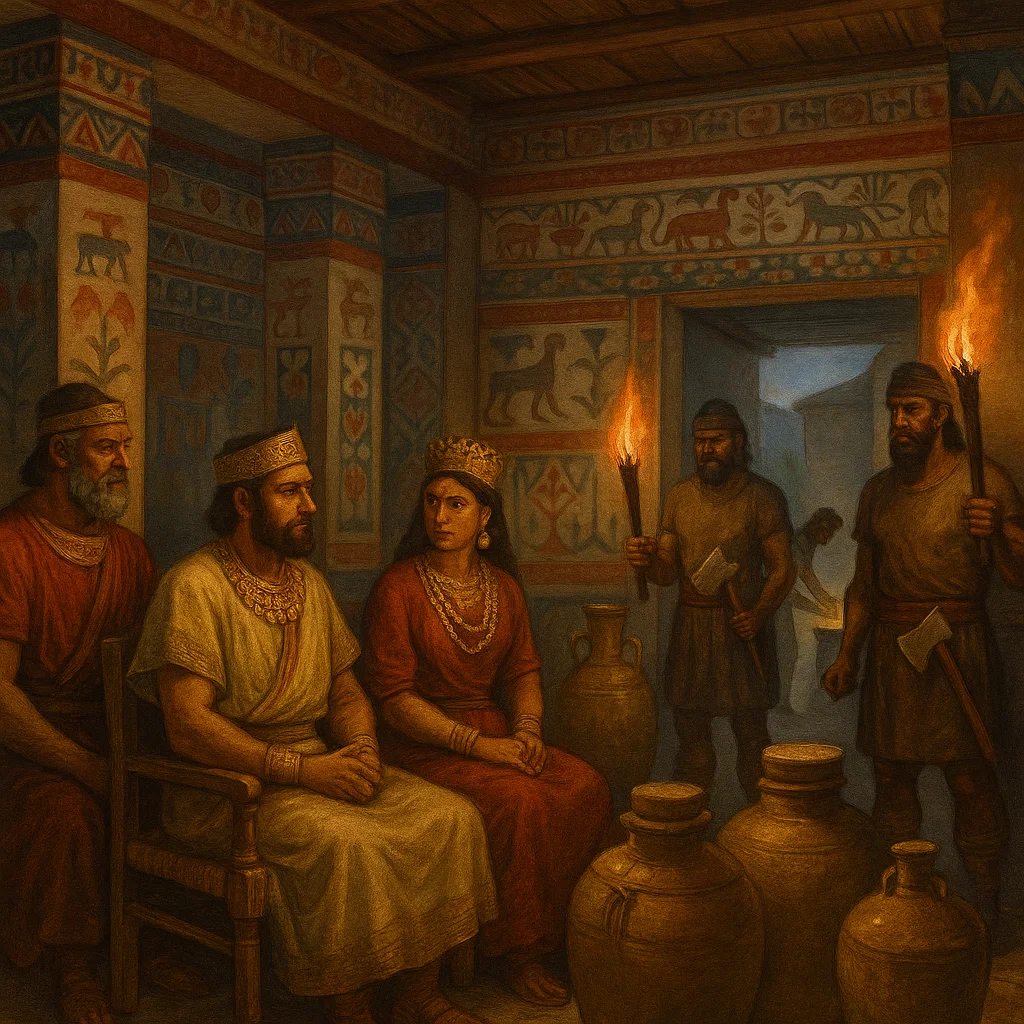
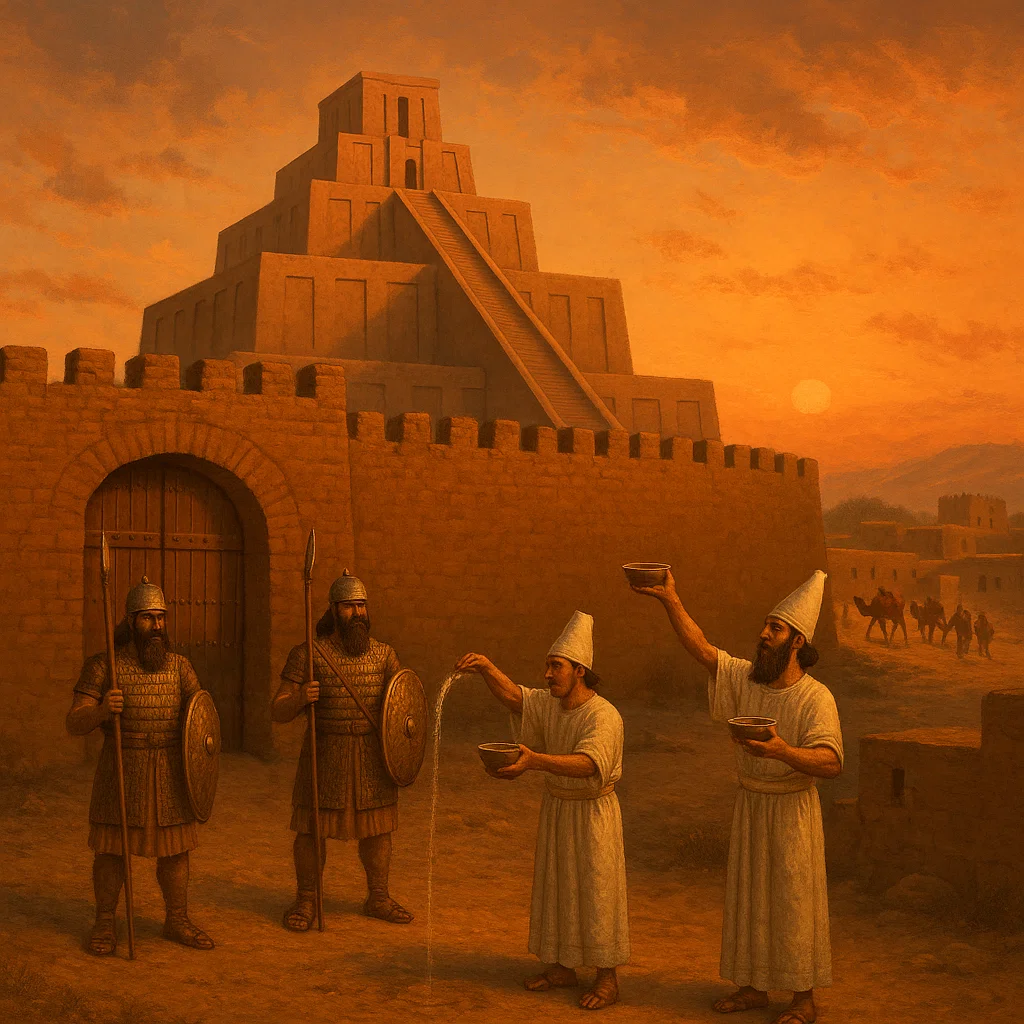
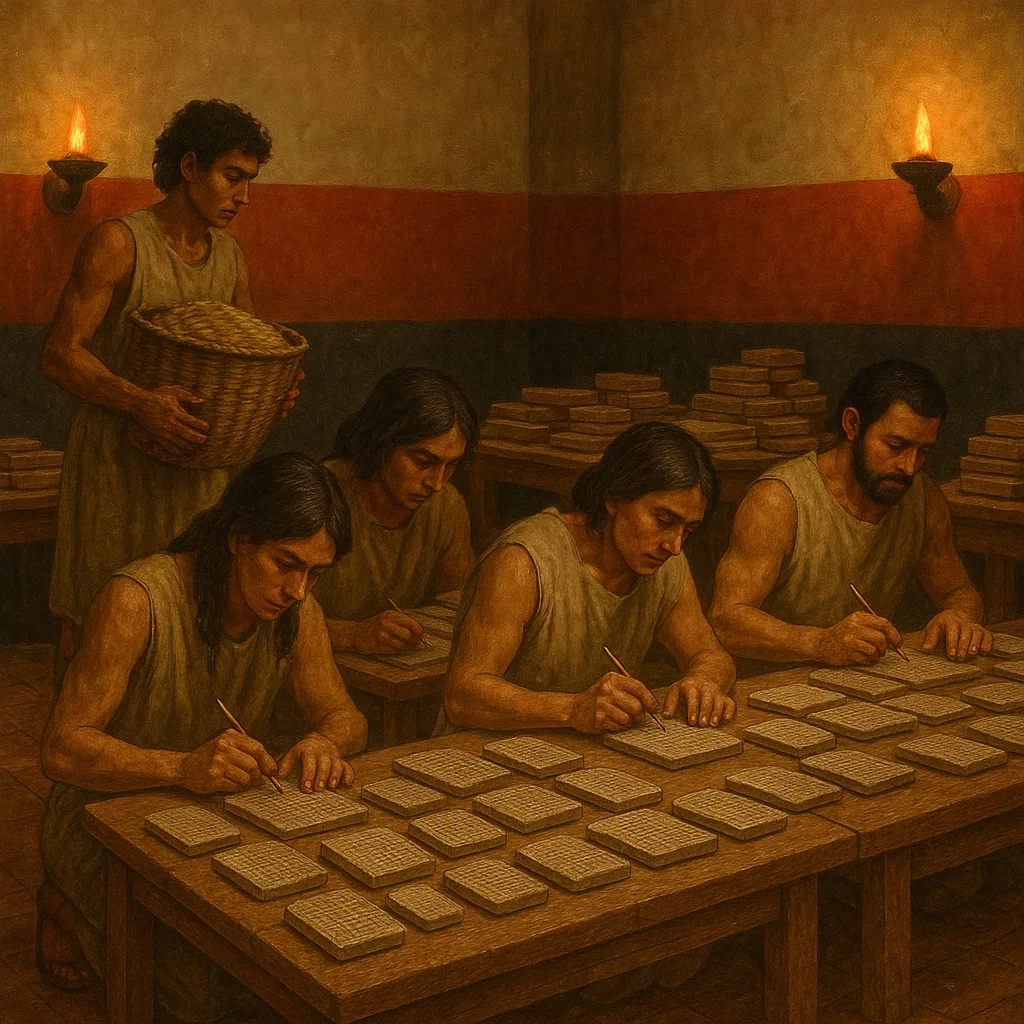
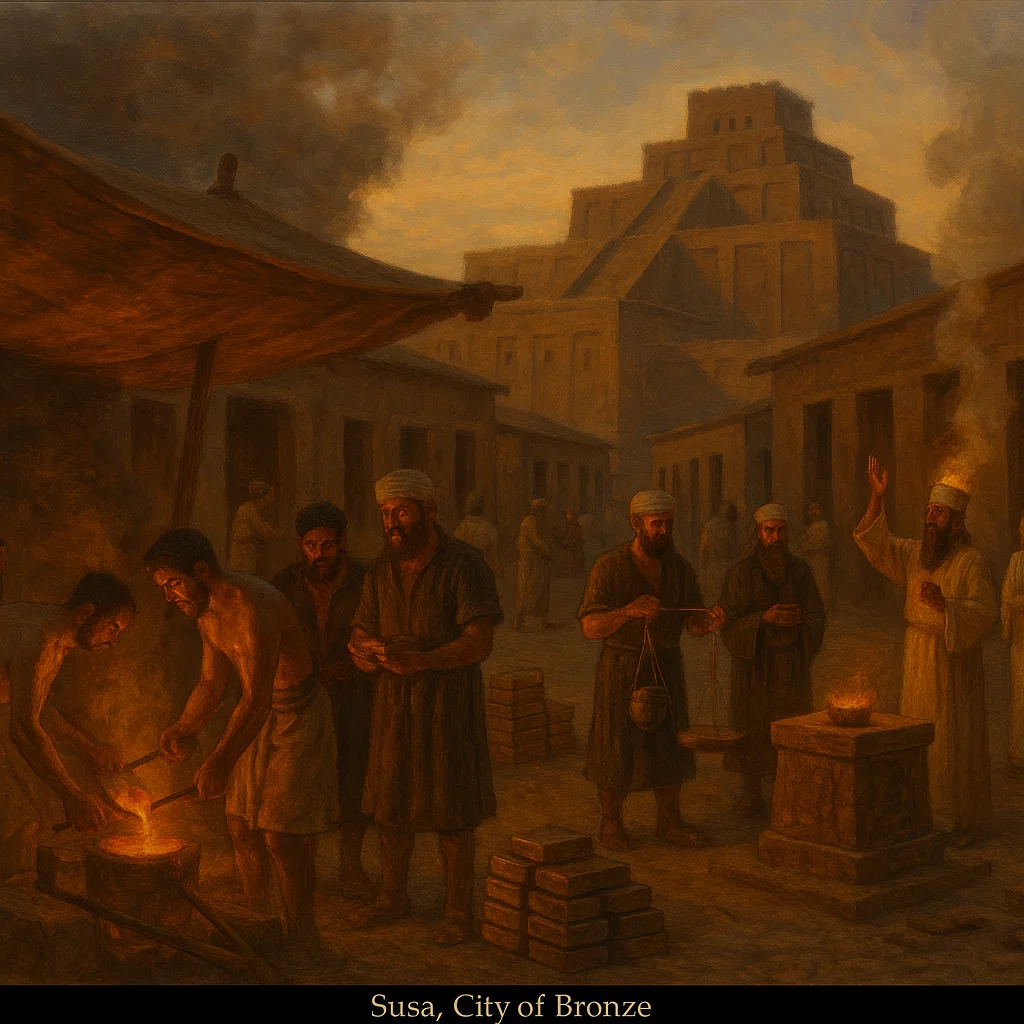
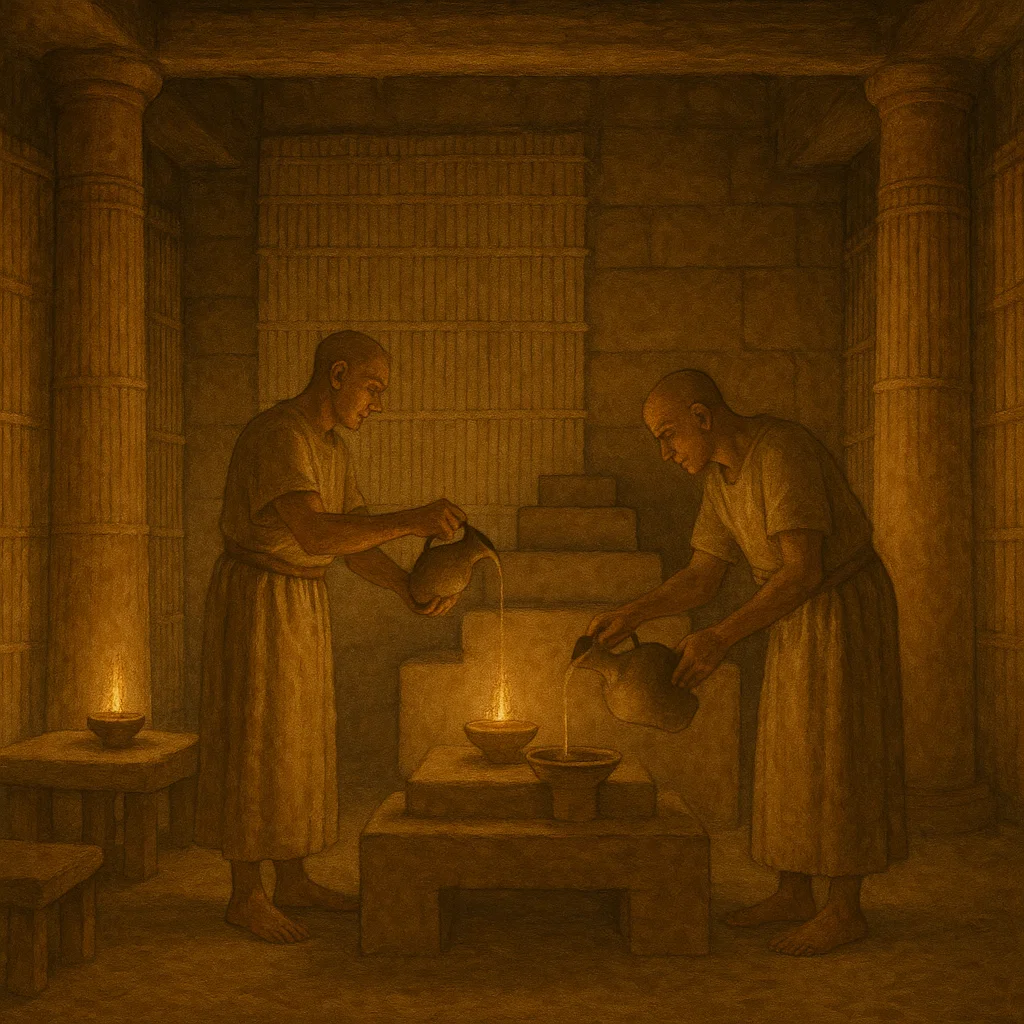
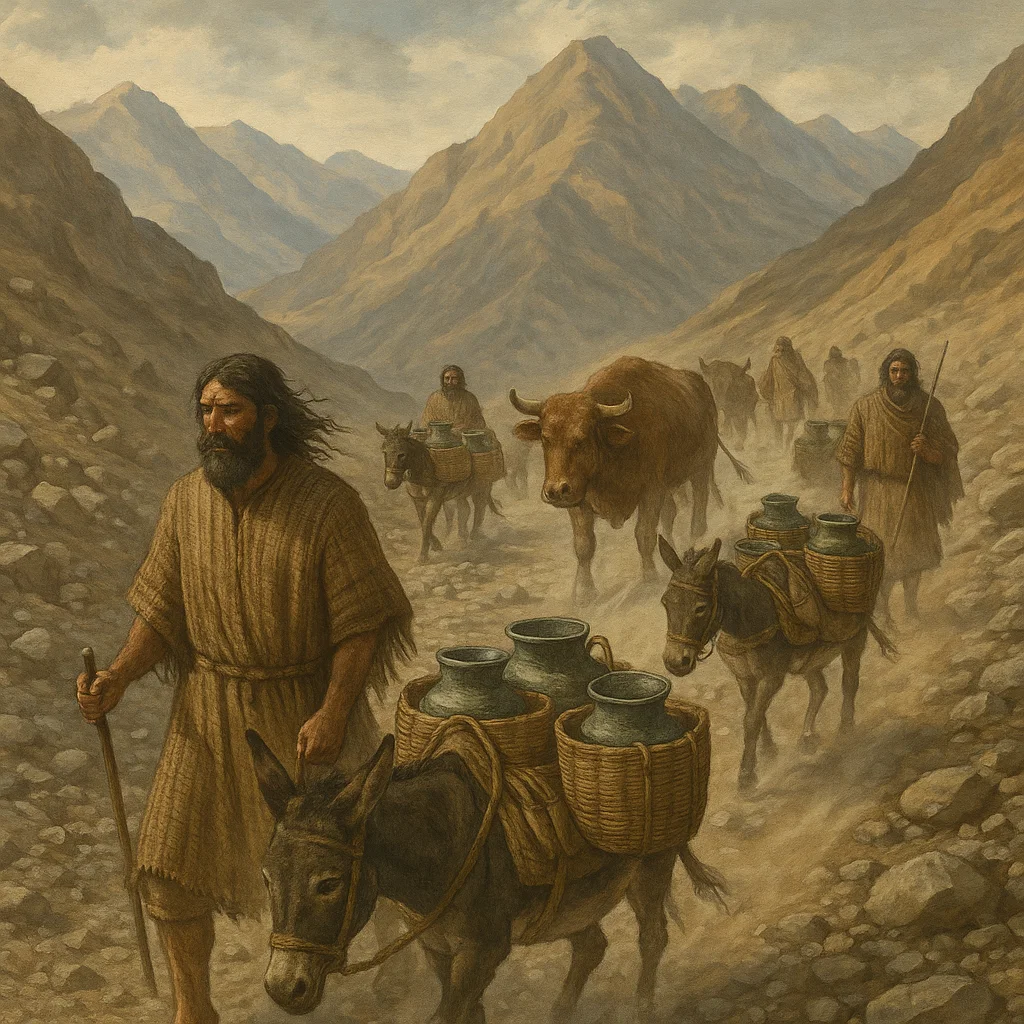
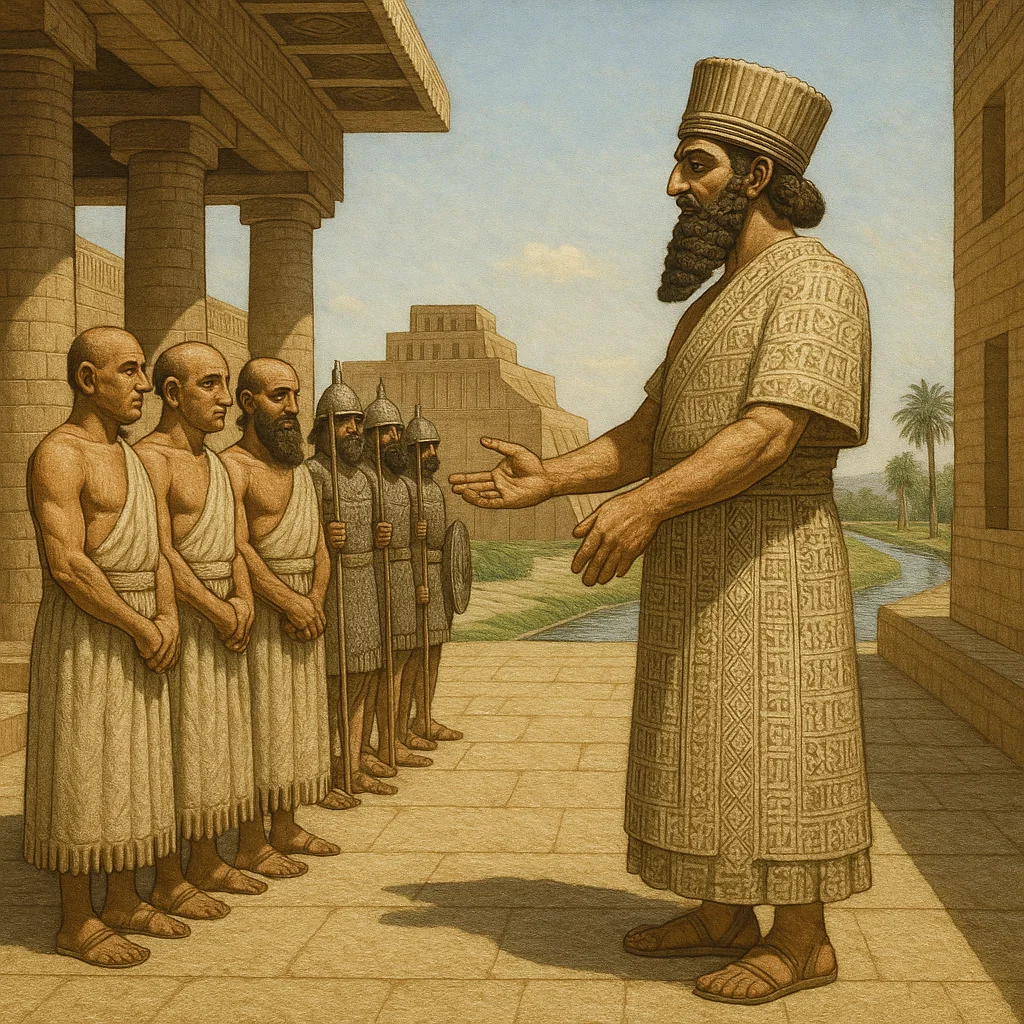
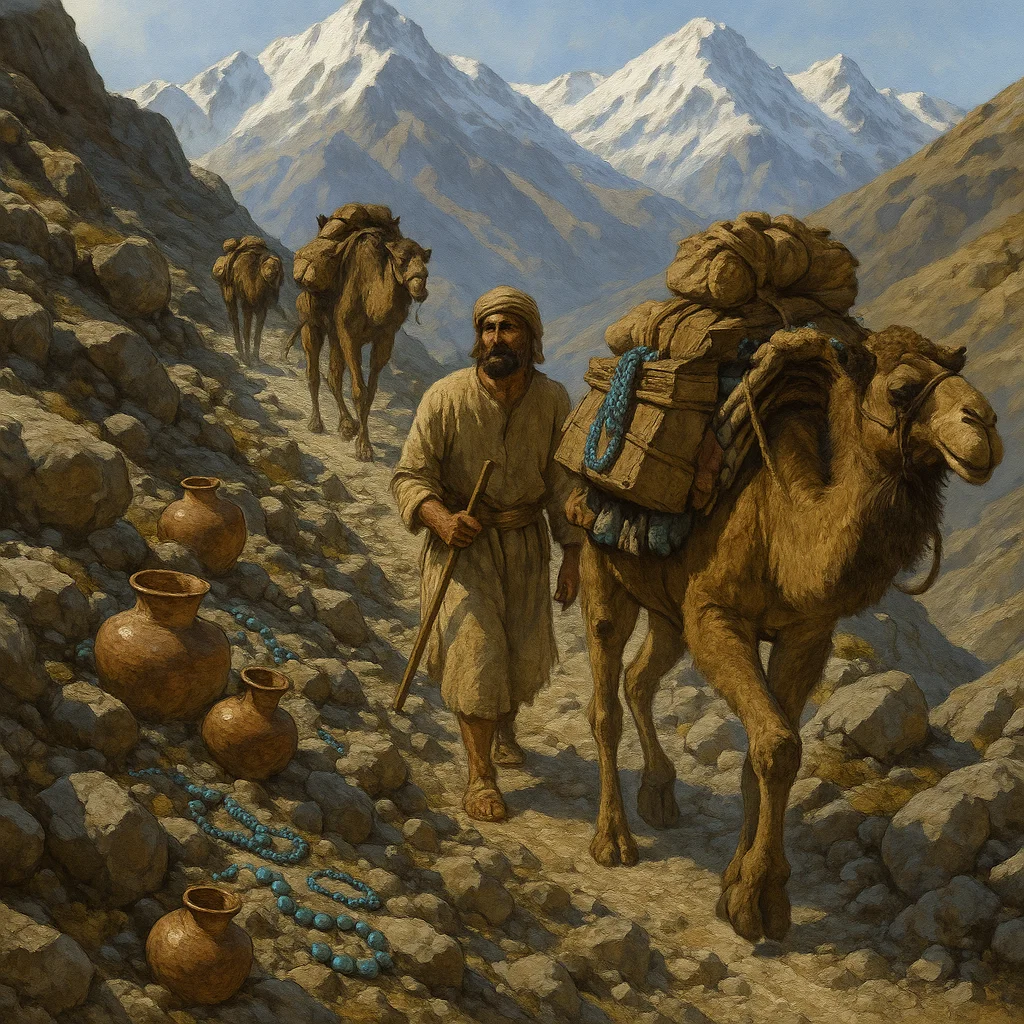
Around 2500 BCE the Near East formed its first interstate system—Sumerian rulers, Elamite kings, and Levantine merchants each bound by commerce and conflict. Writing, metallurgy, and organized kingship spread across the region, setting the stage for the next transformation: the unification of Mesopotamia under Akkad.
The Near East in 2000 BC
By 2000 BCE, the Near East had weathered collapse and renewal. The fall of the Akkadian Empire and the Gutian invasions fractured Mesopotamia, but new dynasties rebuilt order. The Ur III state re-established bureaucracy; Amorite migrations founded fresh kingdoms from Babylon to Mari. Trade reached unprecedented range—connecting Anatolian tin, Gulf copper, and Levantine timber to Mesopotamian markets. This was the beginning of the Middle Bronze Age, a phase defined by restoration and codification.
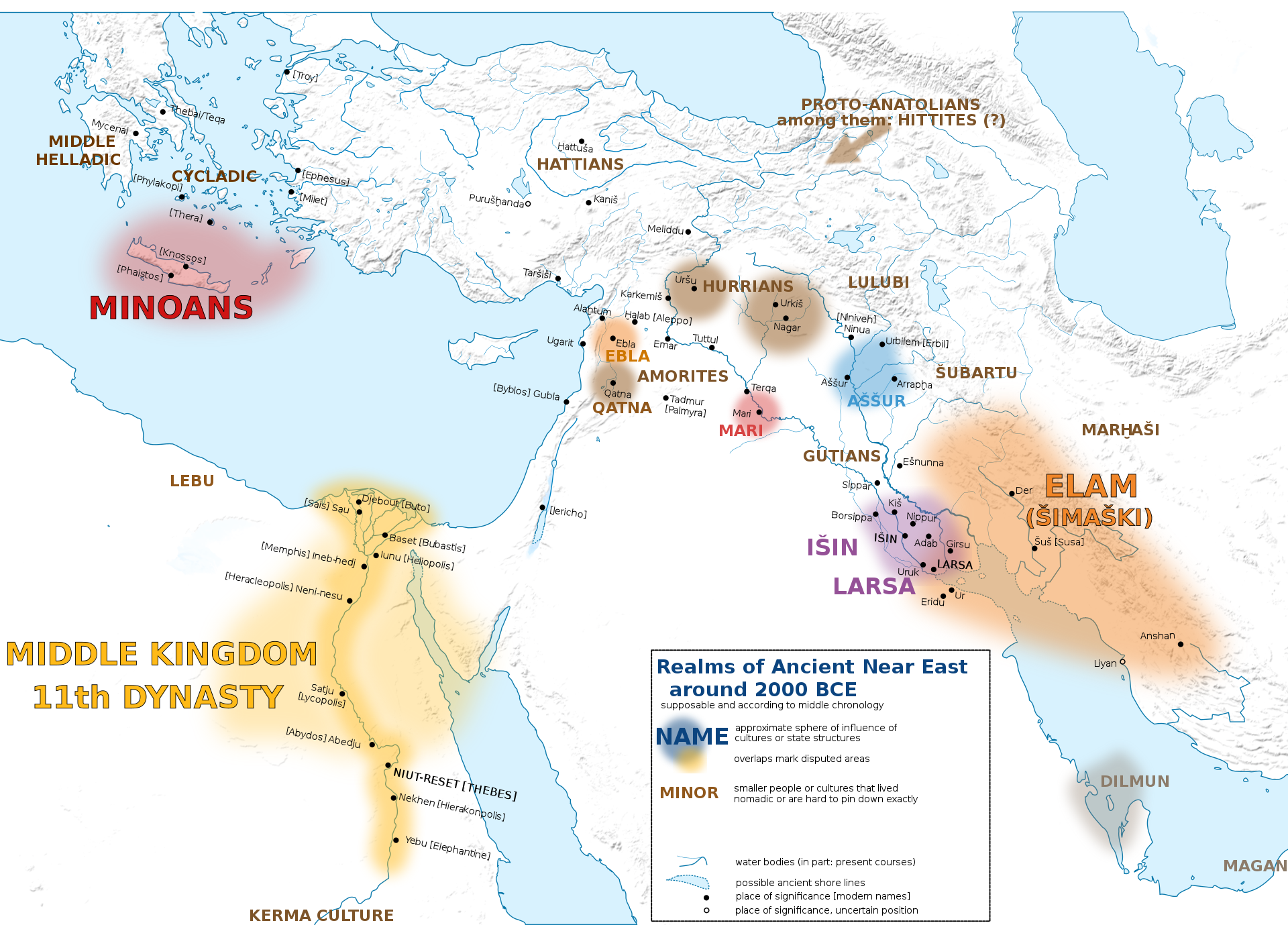
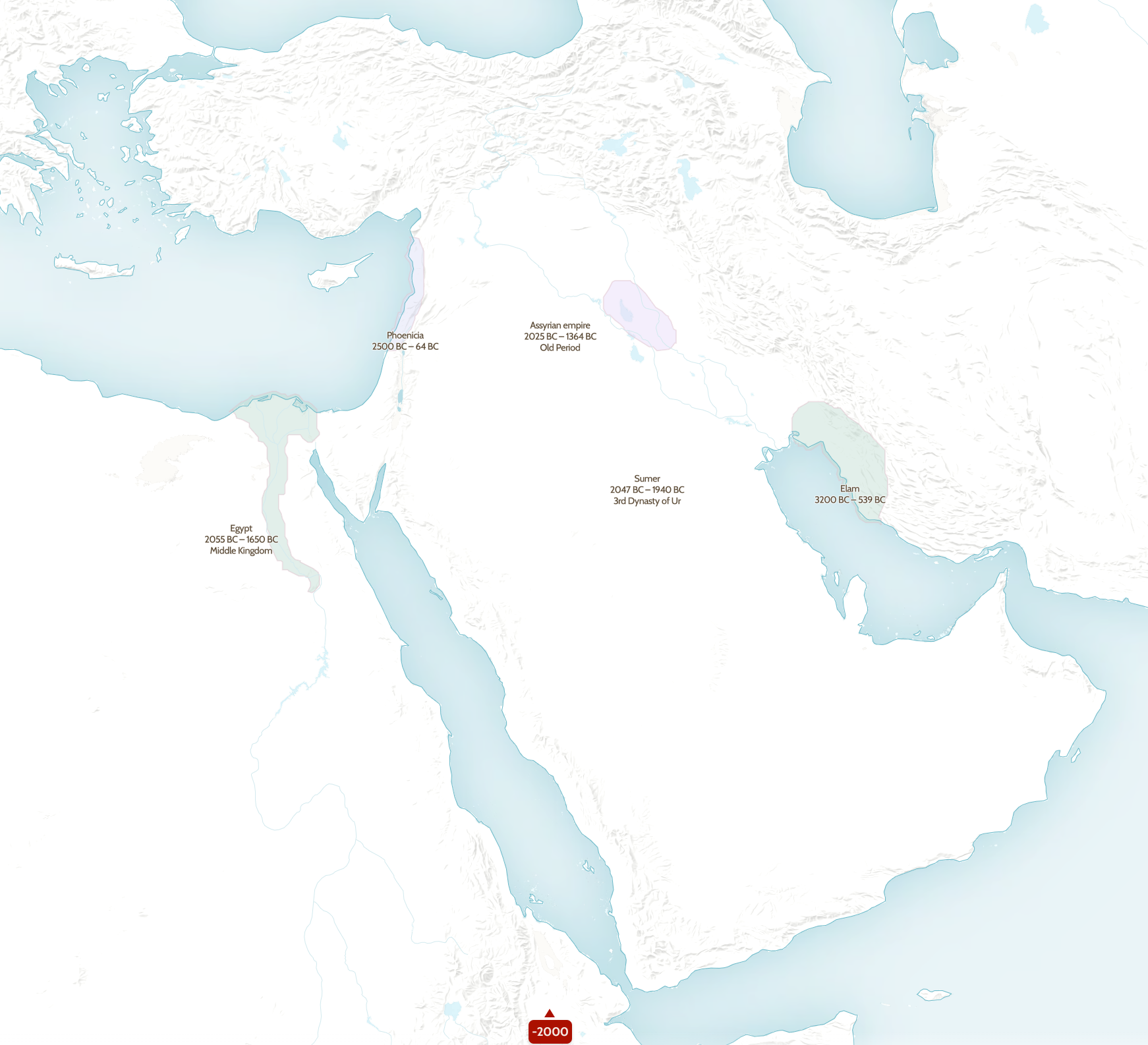
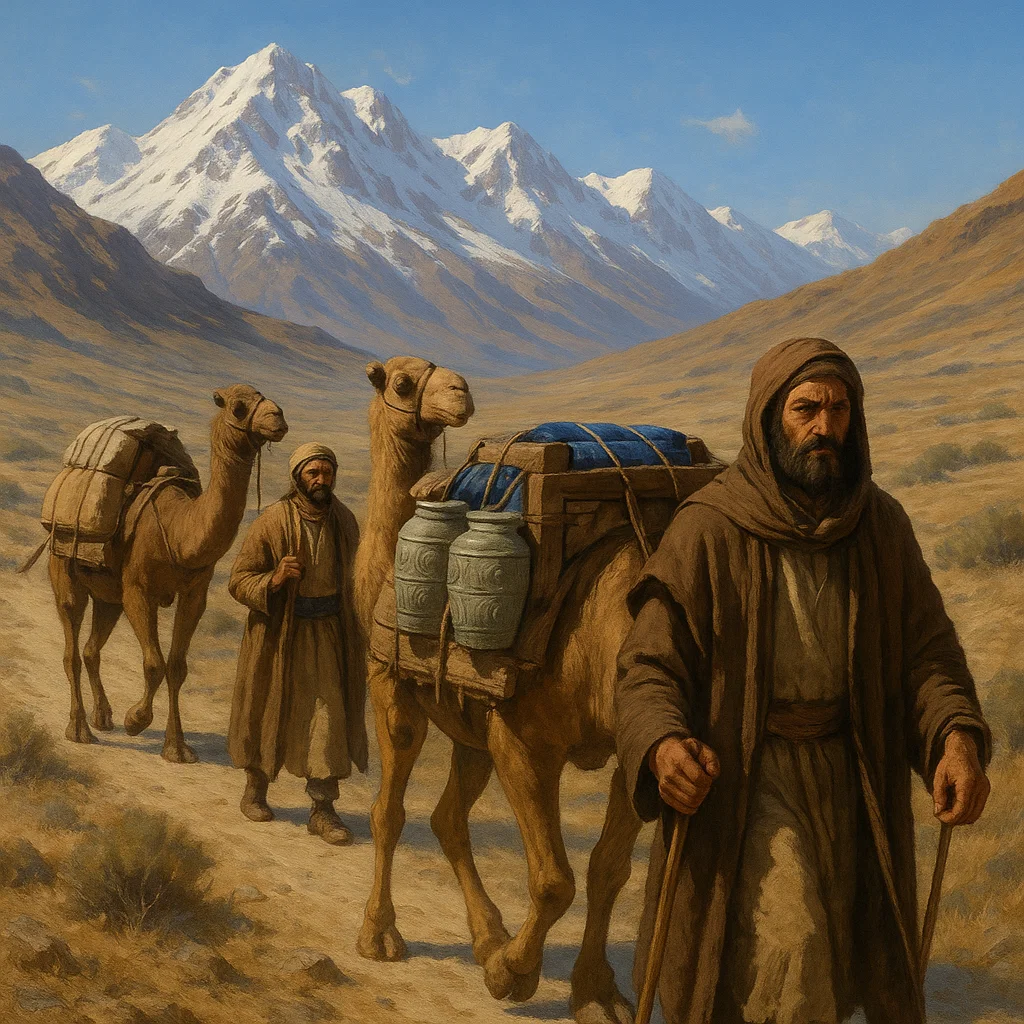
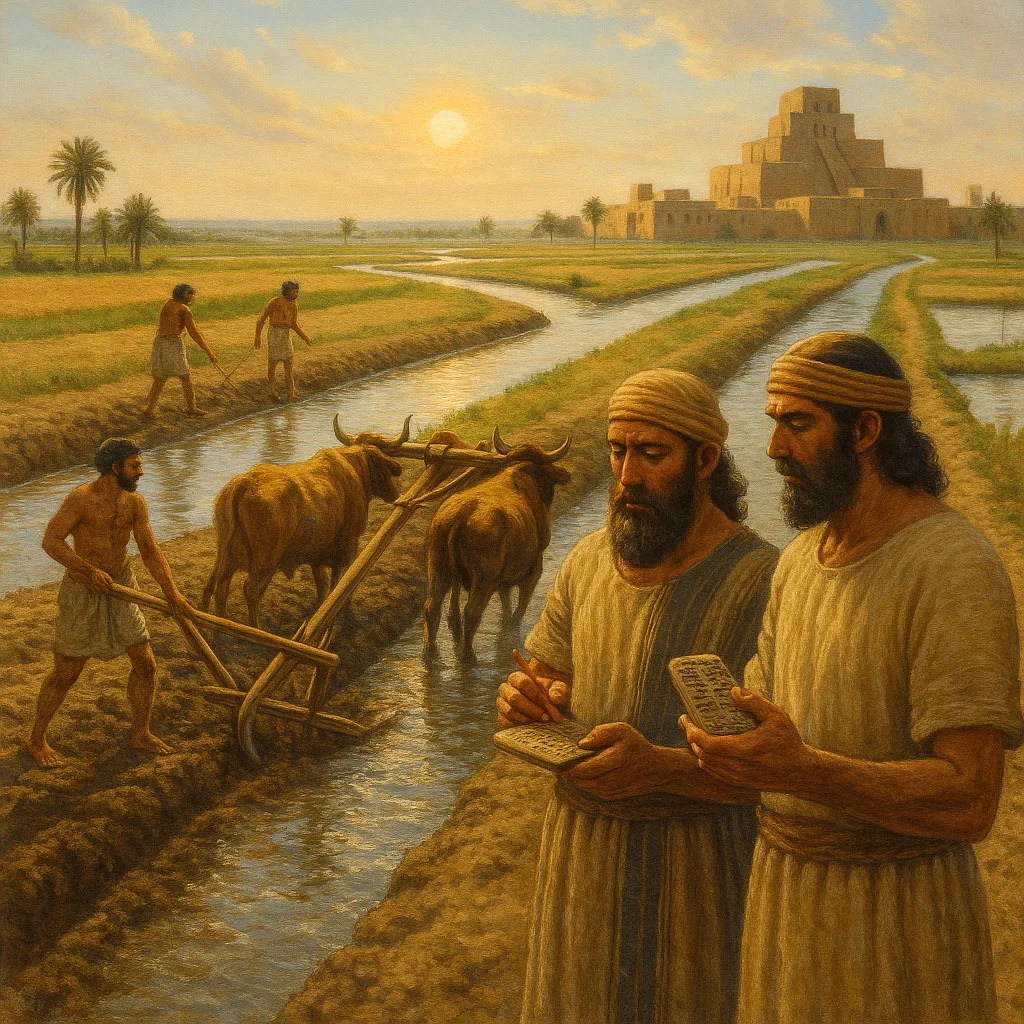
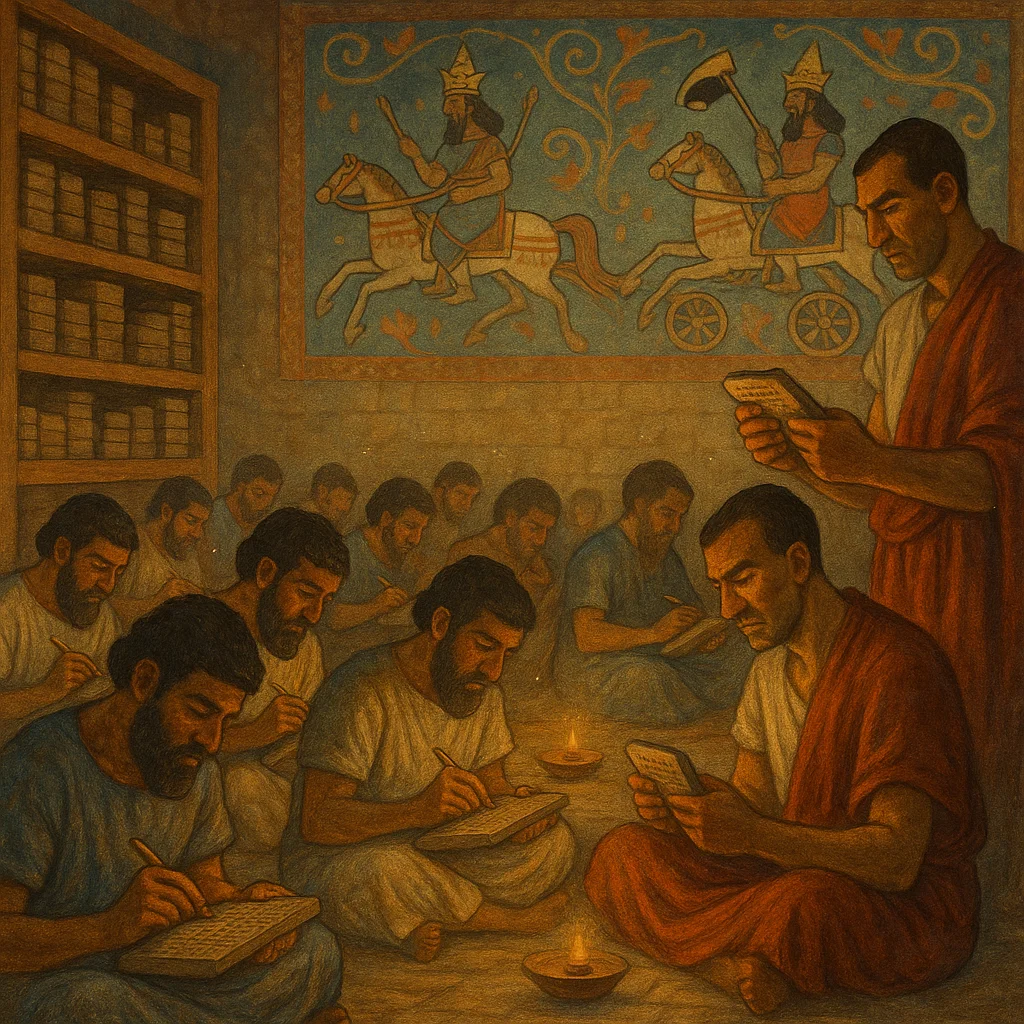
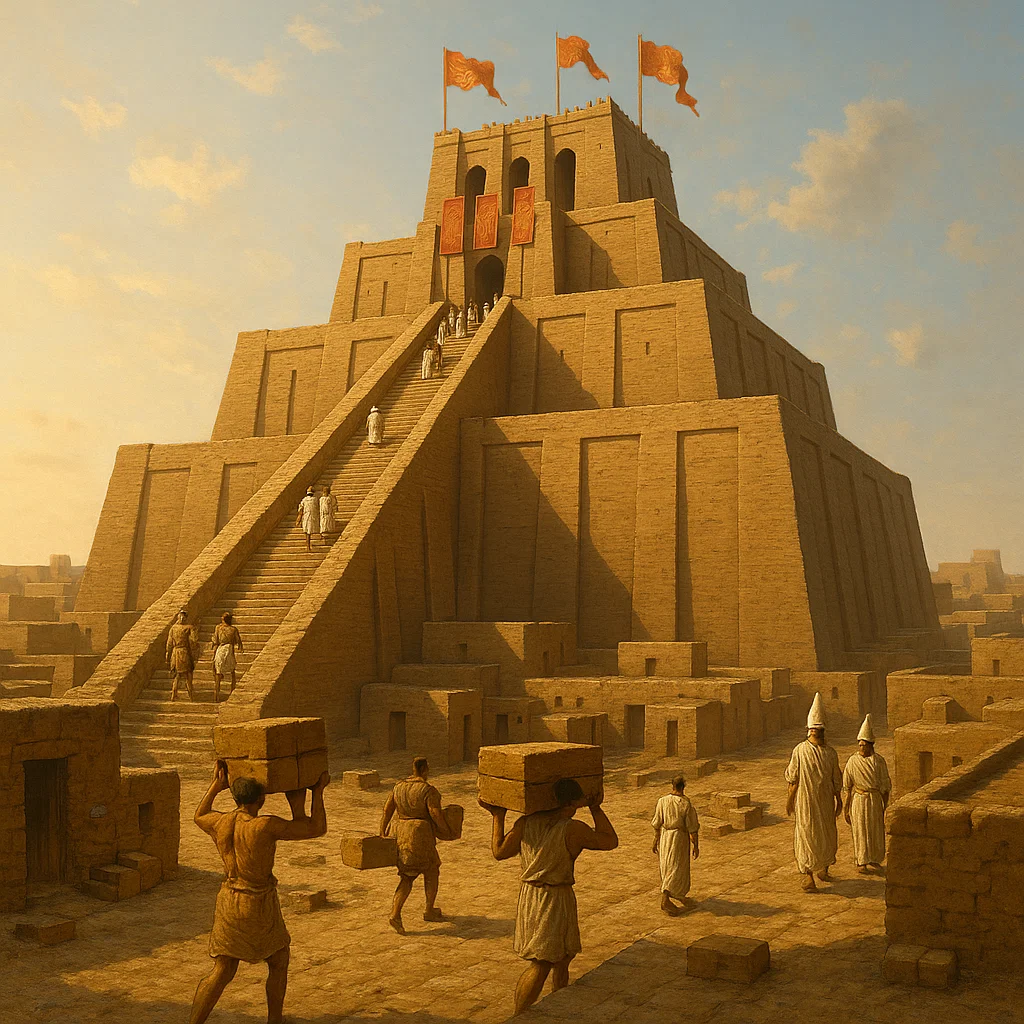
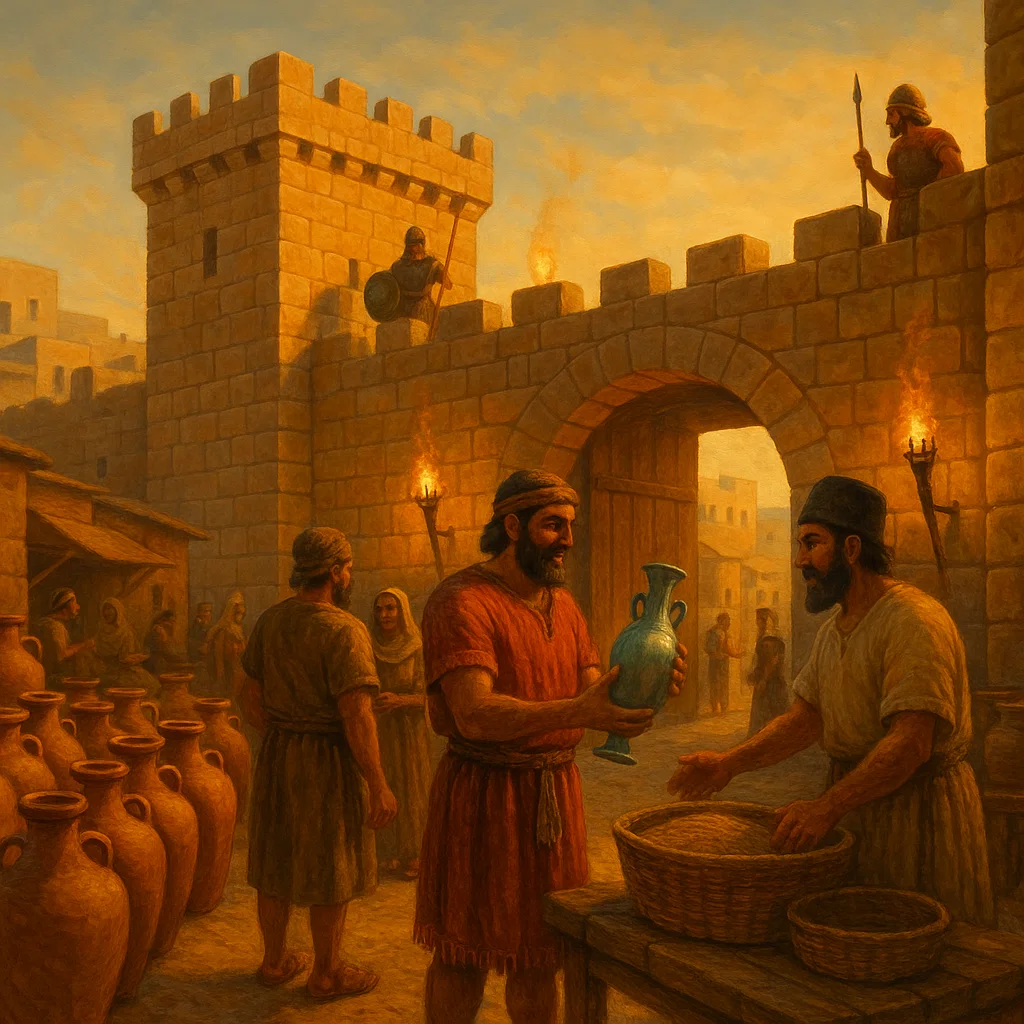
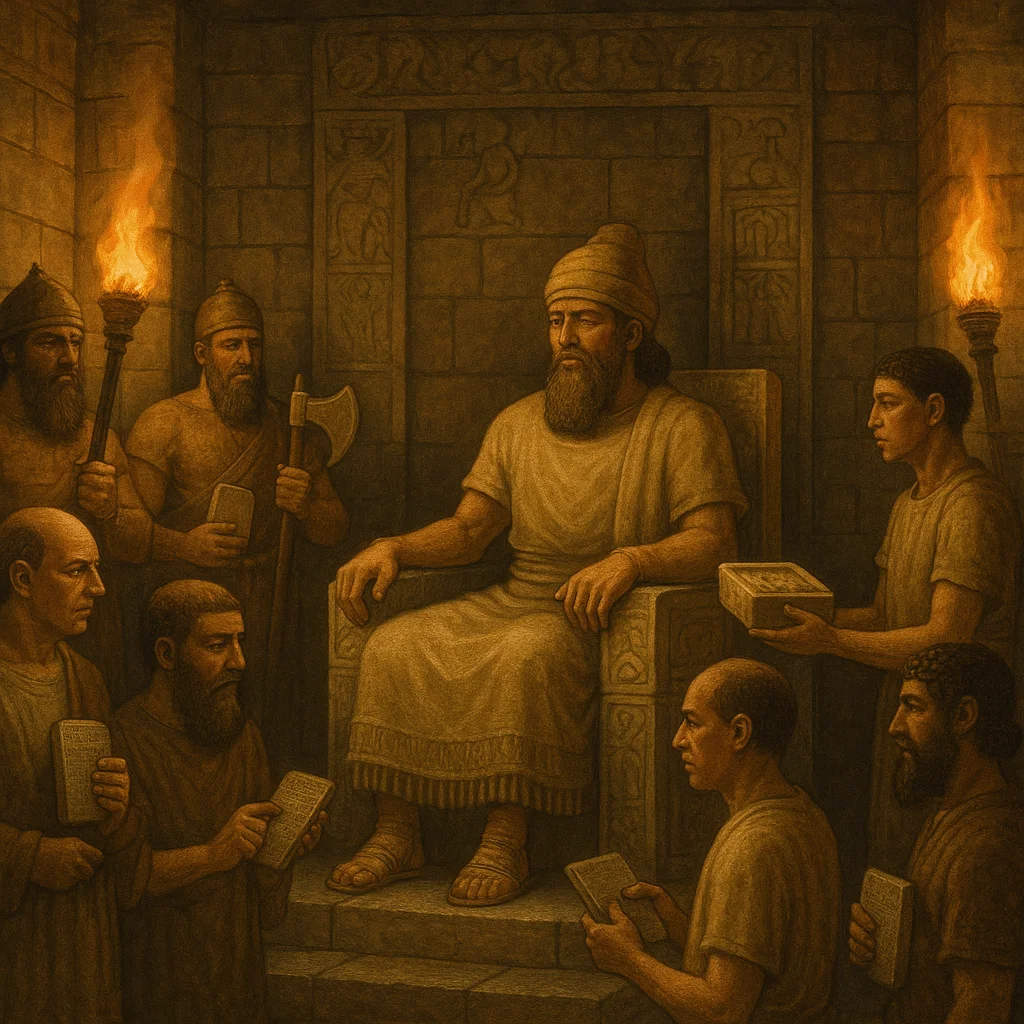
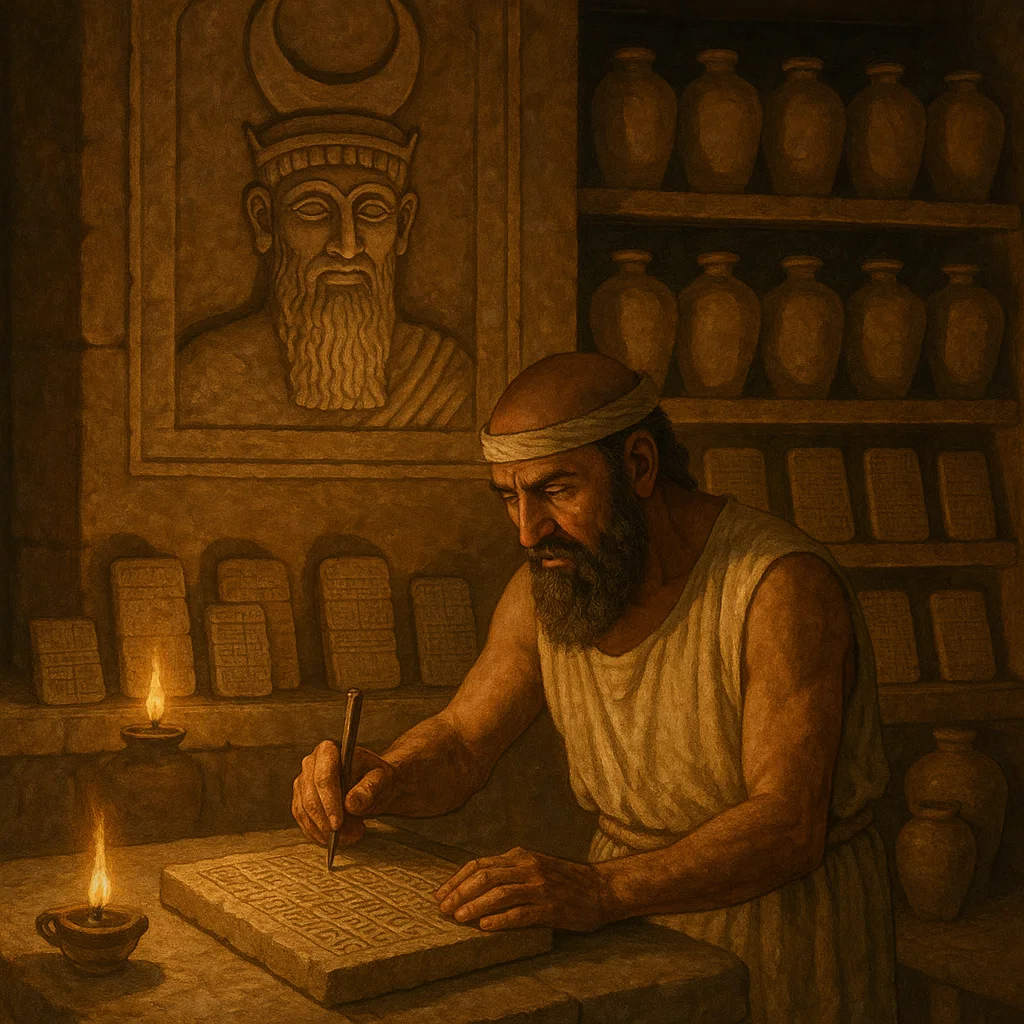
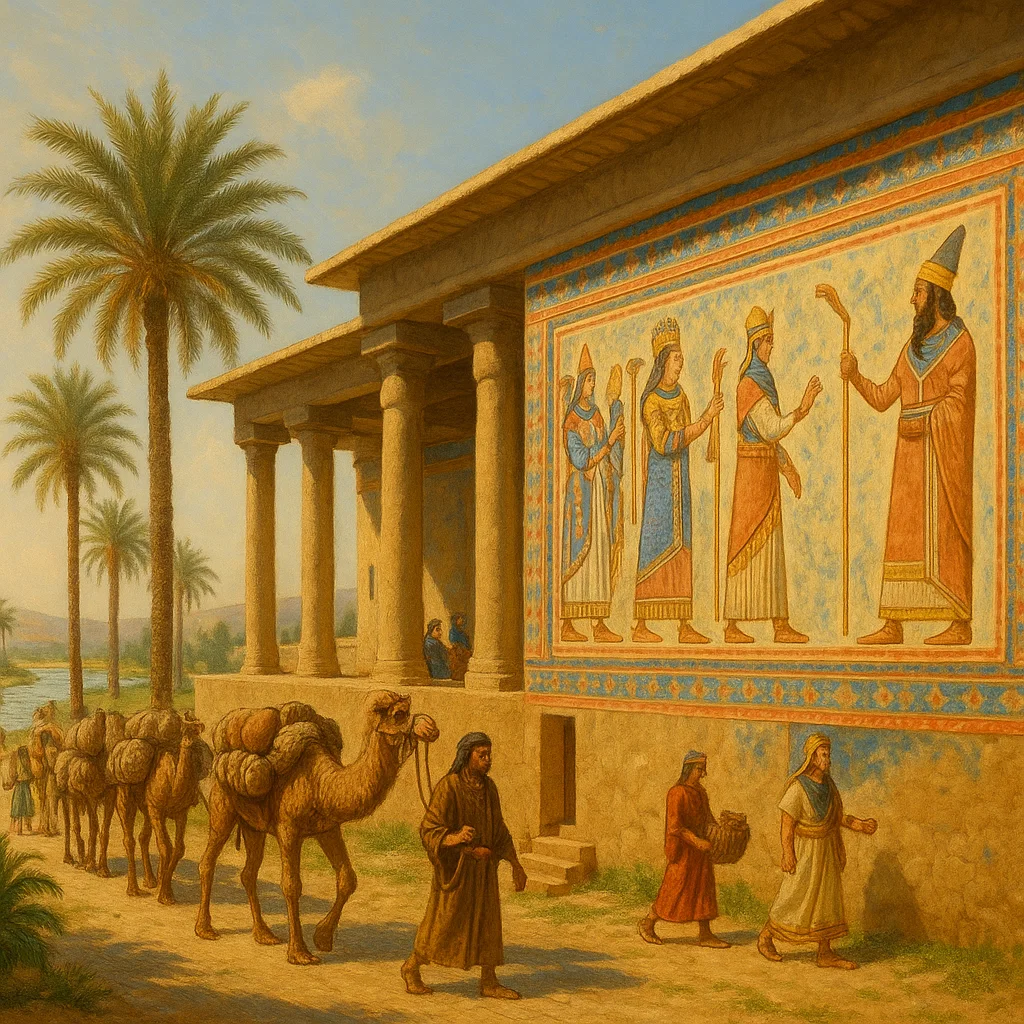
At 2000 BCE, the Near East stood in recovery but also integration. Administrative systems reached technical maturity, commerce stretched from the Aegean to the Indus, and Amorite rulers reshaped Mesopotamian identity. The model of the territorial kingdom, balancing divine authority with bureaucratic control, defined the Middle Bronze world—and prepared the stage for the great empires to follow at 1500 BCE.
The Near East in 1500 BC
By 1500 BCE the Near East had become a world of empires. The older city-kingdoms were absorbed into larger states—the Kassite dynasty in Babylon, the Mitanni across Upper Mesopotamia, the Hittite Empire in Anatolia, and the New Kingdom in Egypt. Written diplomacy, chariot warfare, and international trade defined the Late Bronze Age. Palaces replaced temples as administrative centers, and cuneiform became the lingua franca of power from the Tigris to the Nile.
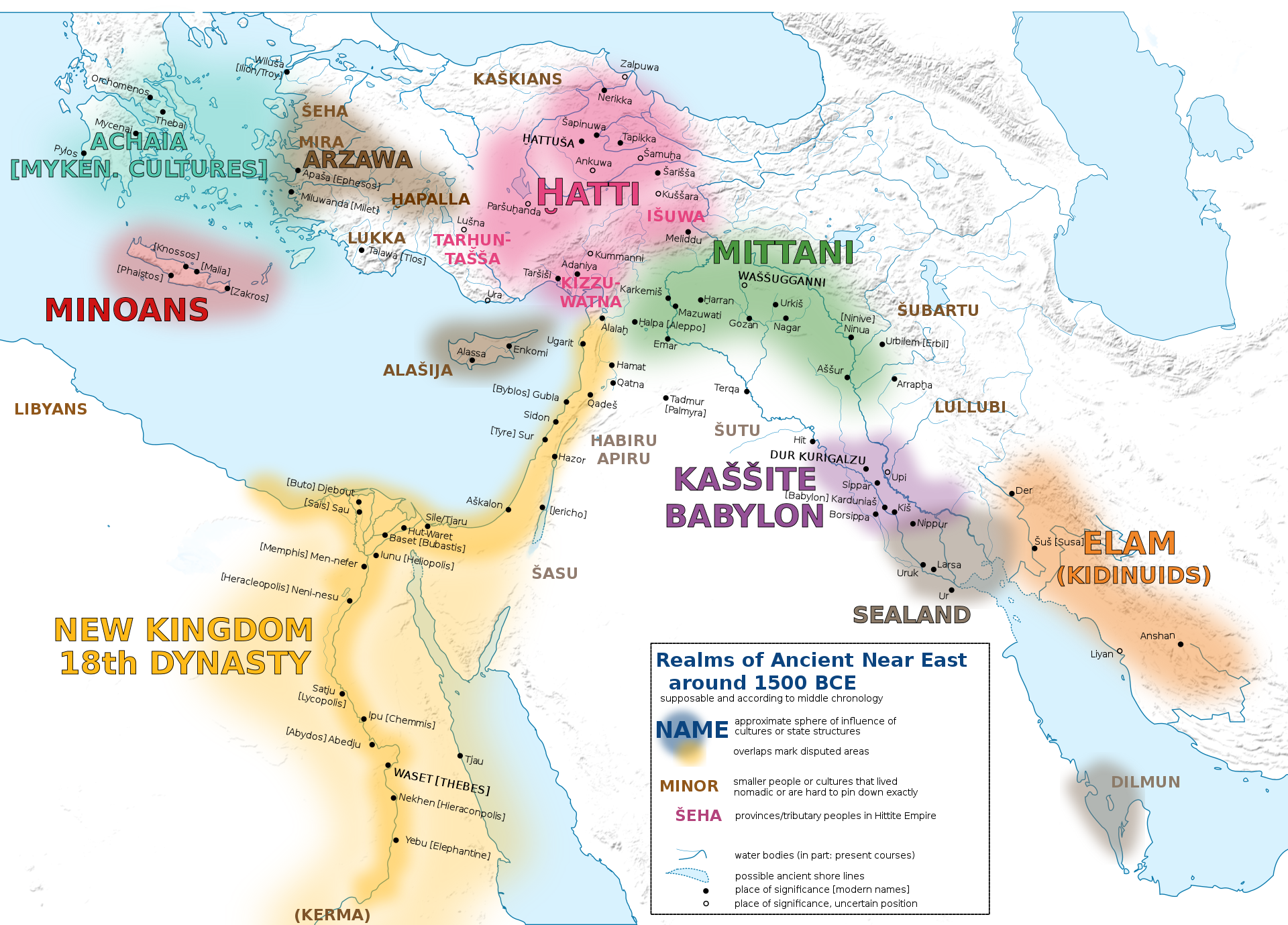
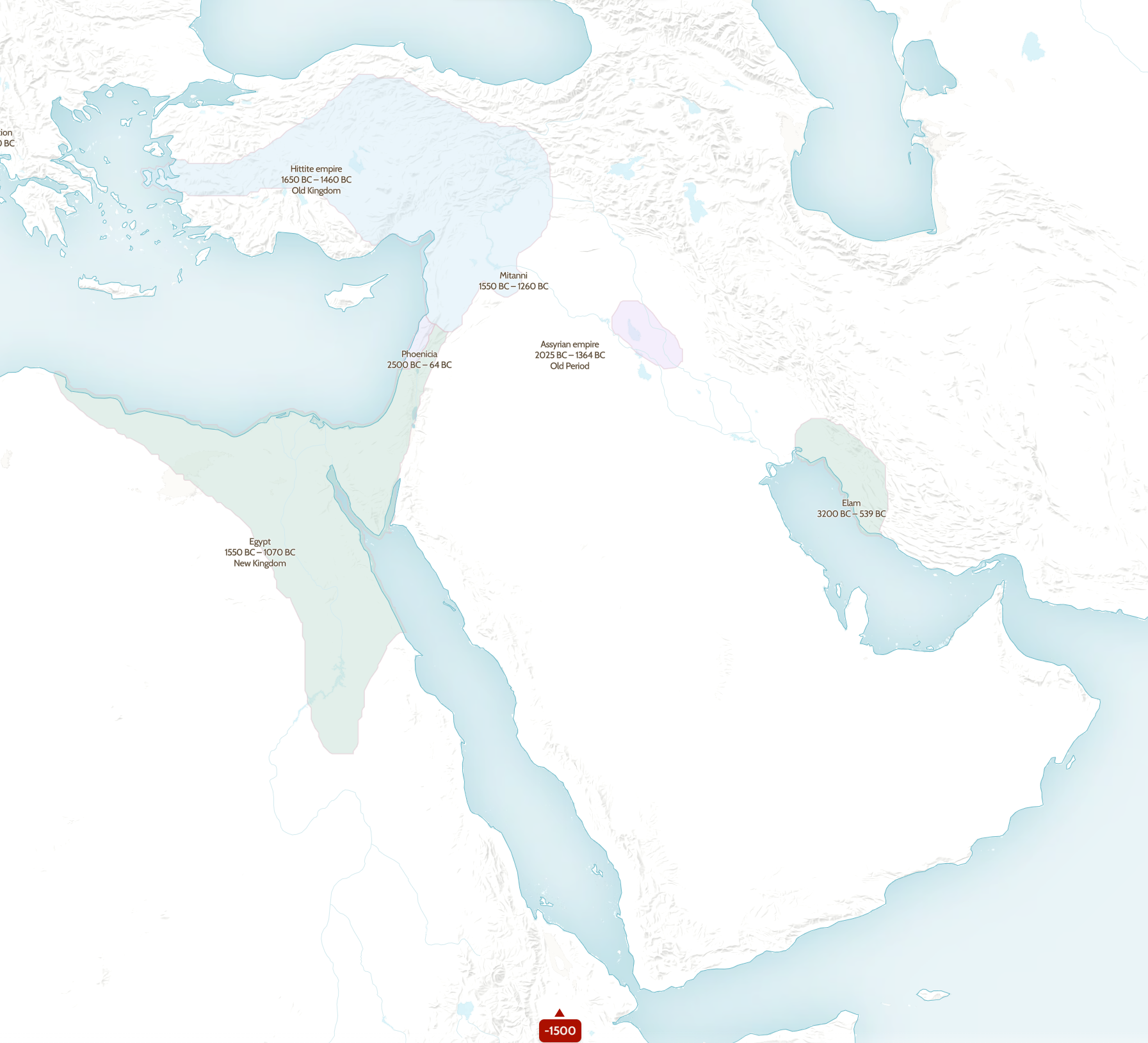
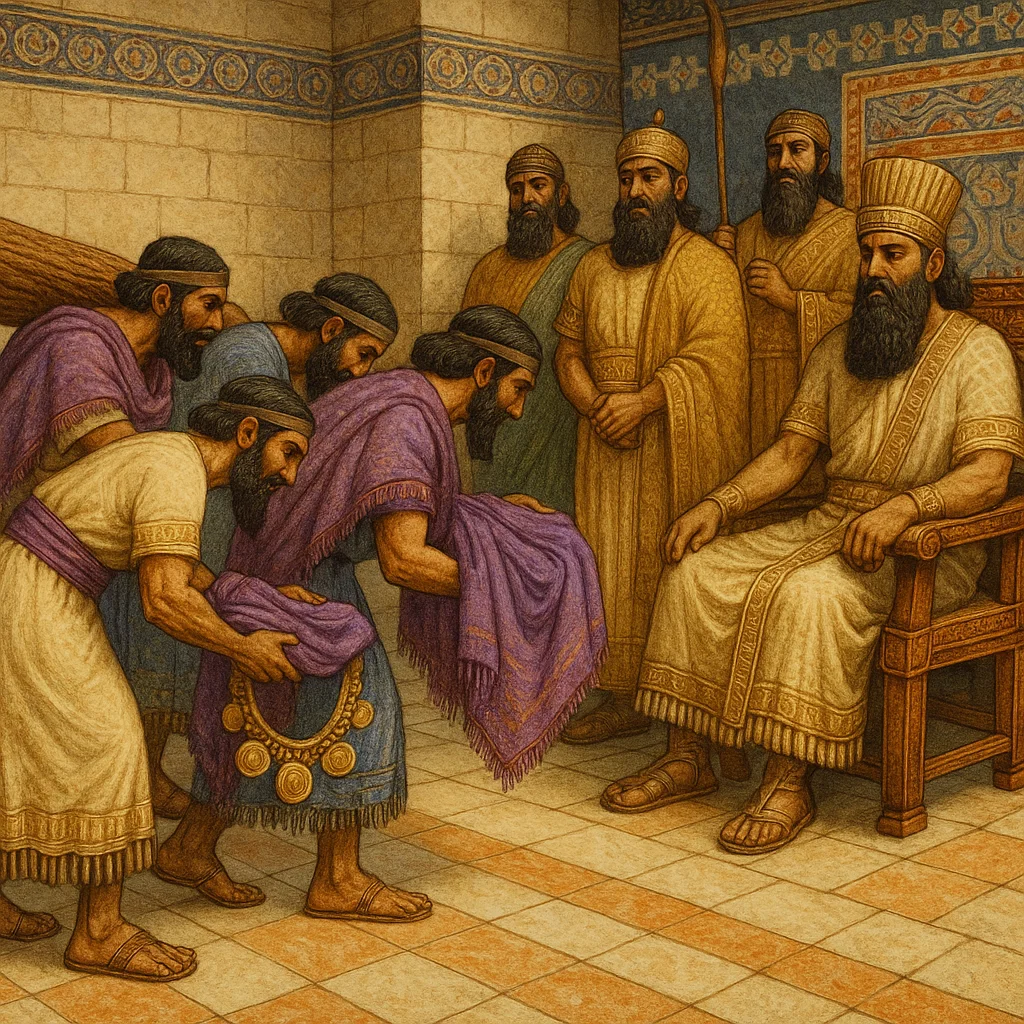
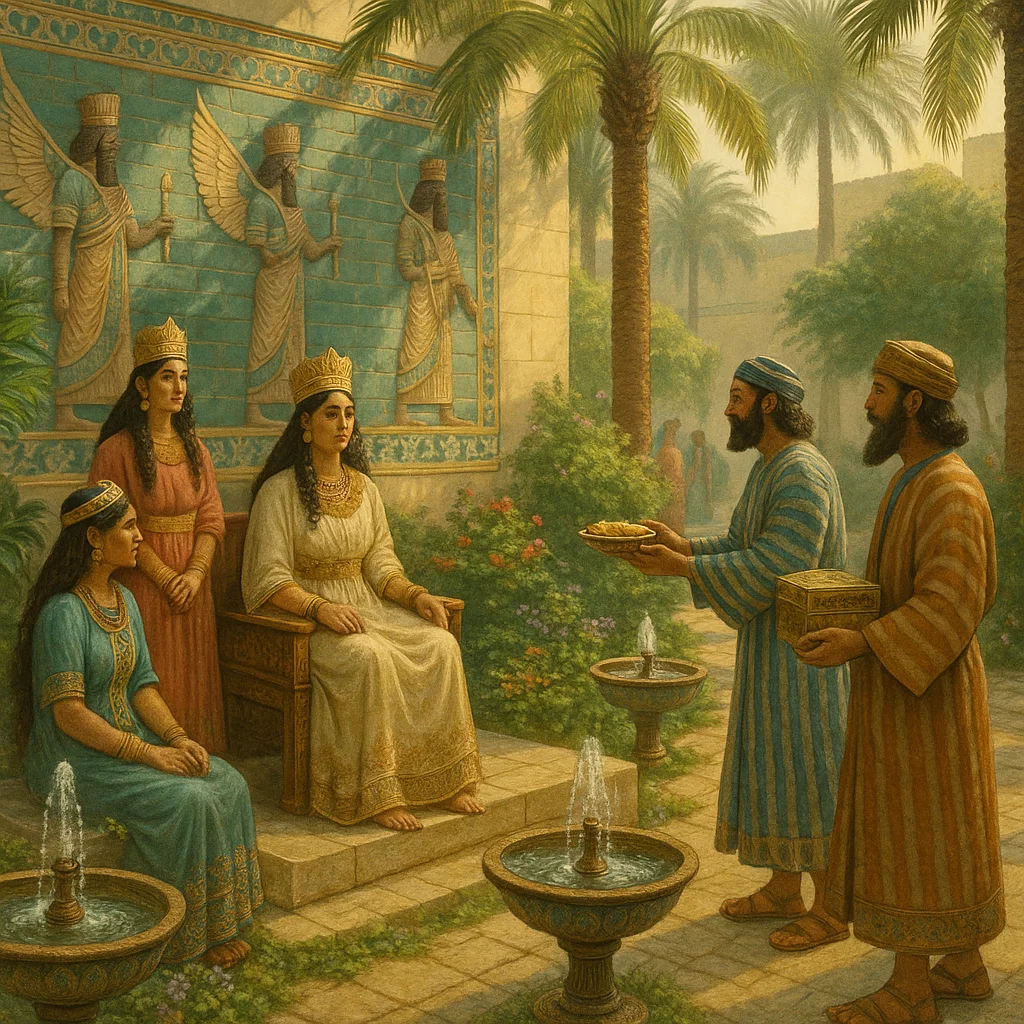
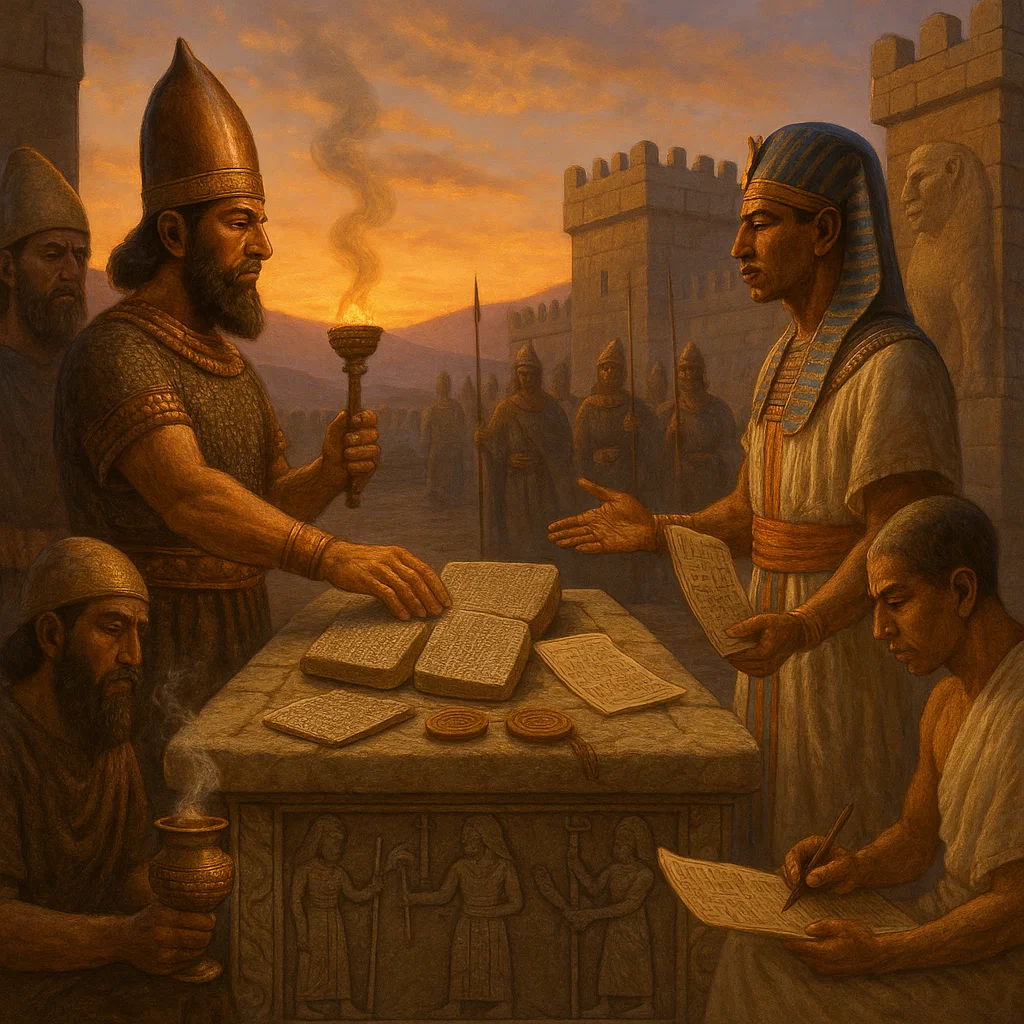
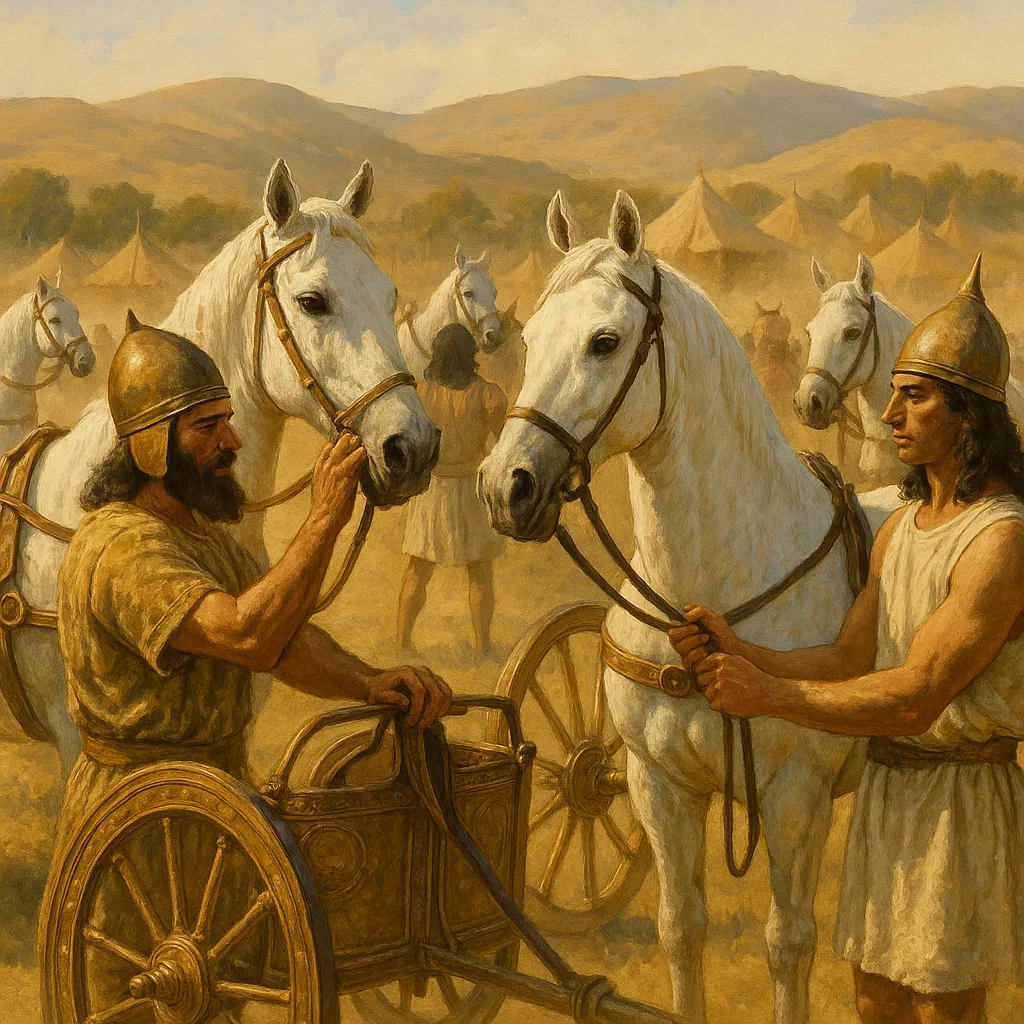
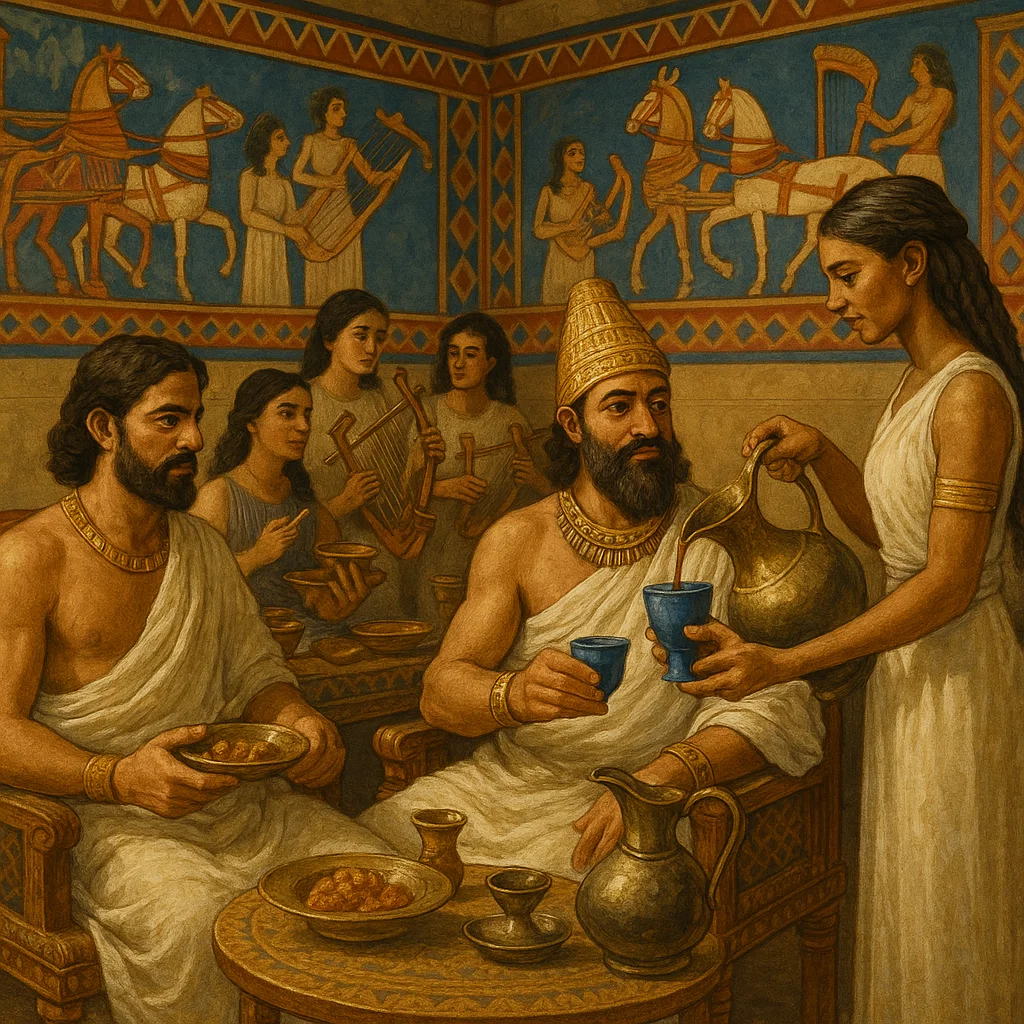
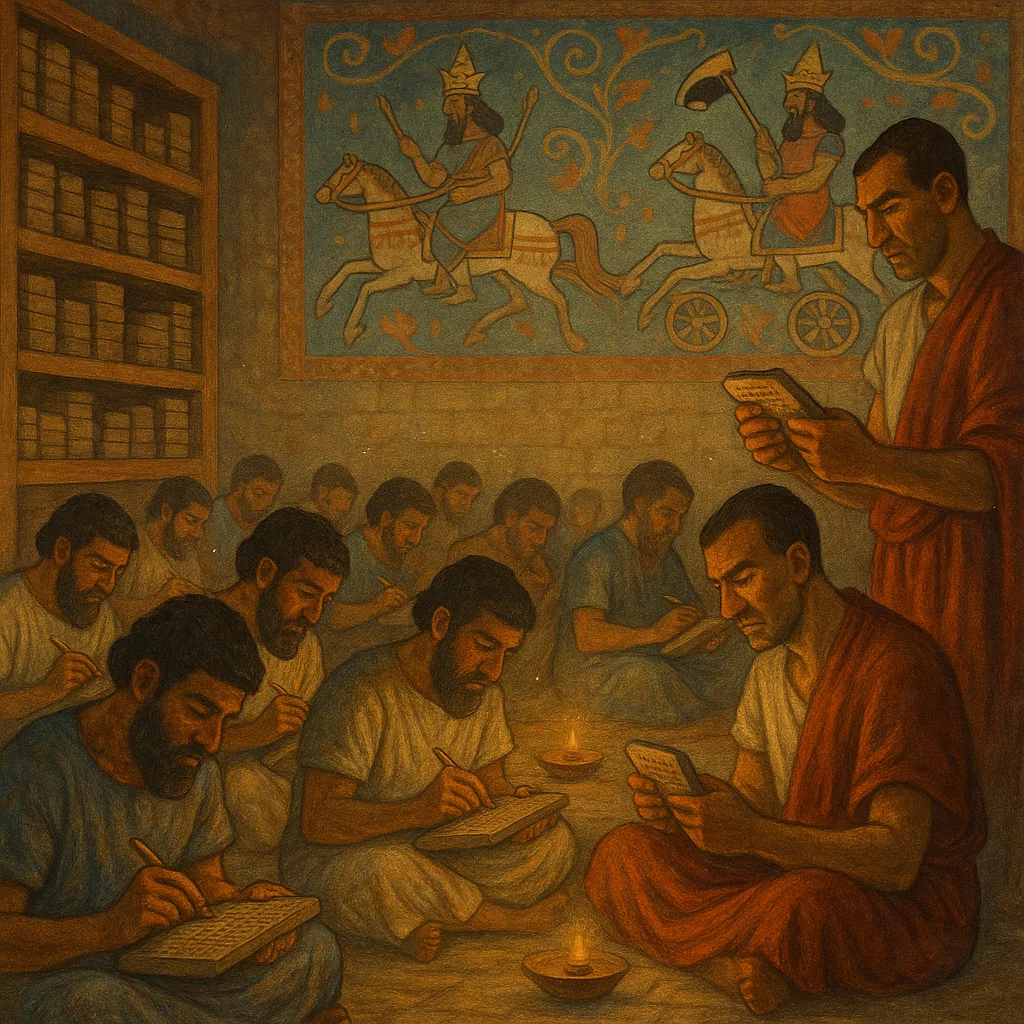
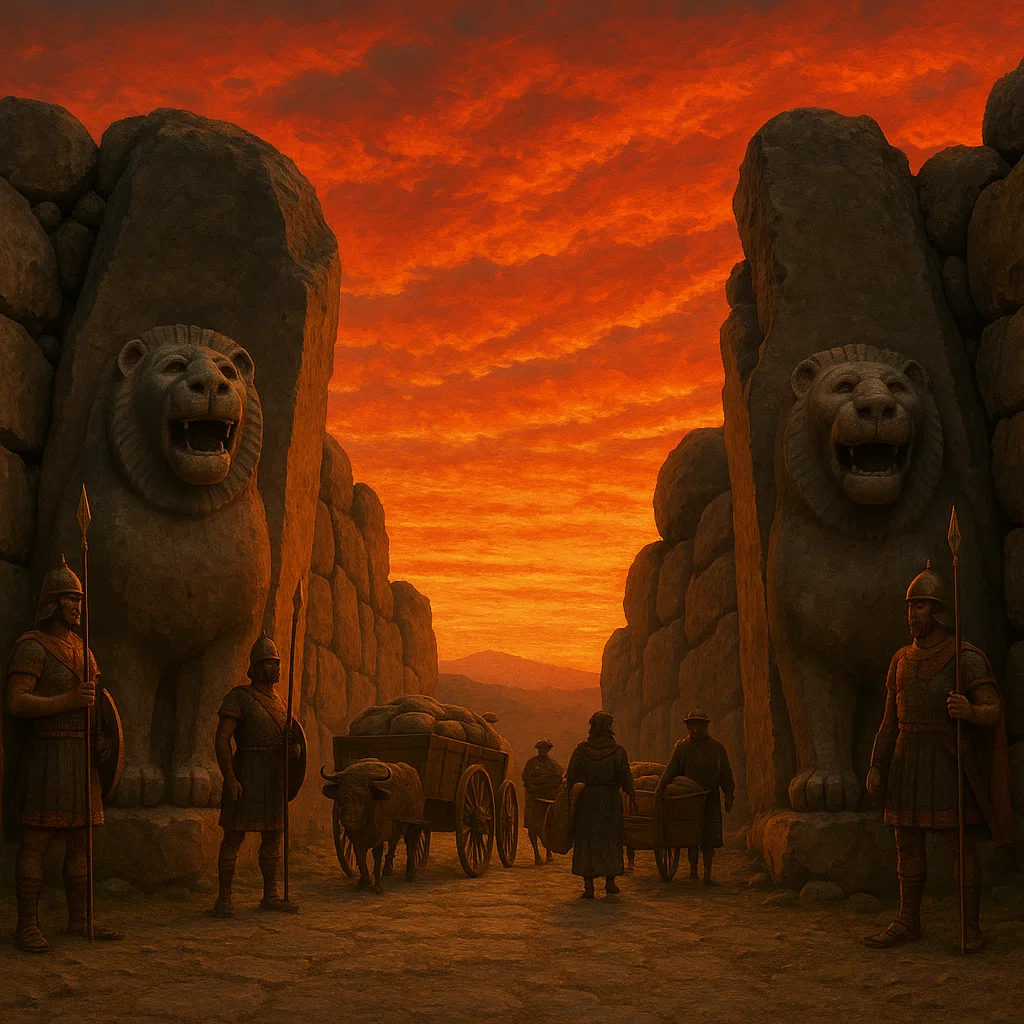
By 1500 BCE the Near East functioned as a single international system. Royal courts exchanged gifts, envoys, and daughters; treaties fixed frontiers between Hatti, Mitanni, Babylon, and Egypt. Metal trade, horse technology, and bureaucratic correspondence unified the region more completely than ever before. It was an age of balance—one soon to collapse under the weight of its own interdependence.
The Near East in 1200 BC
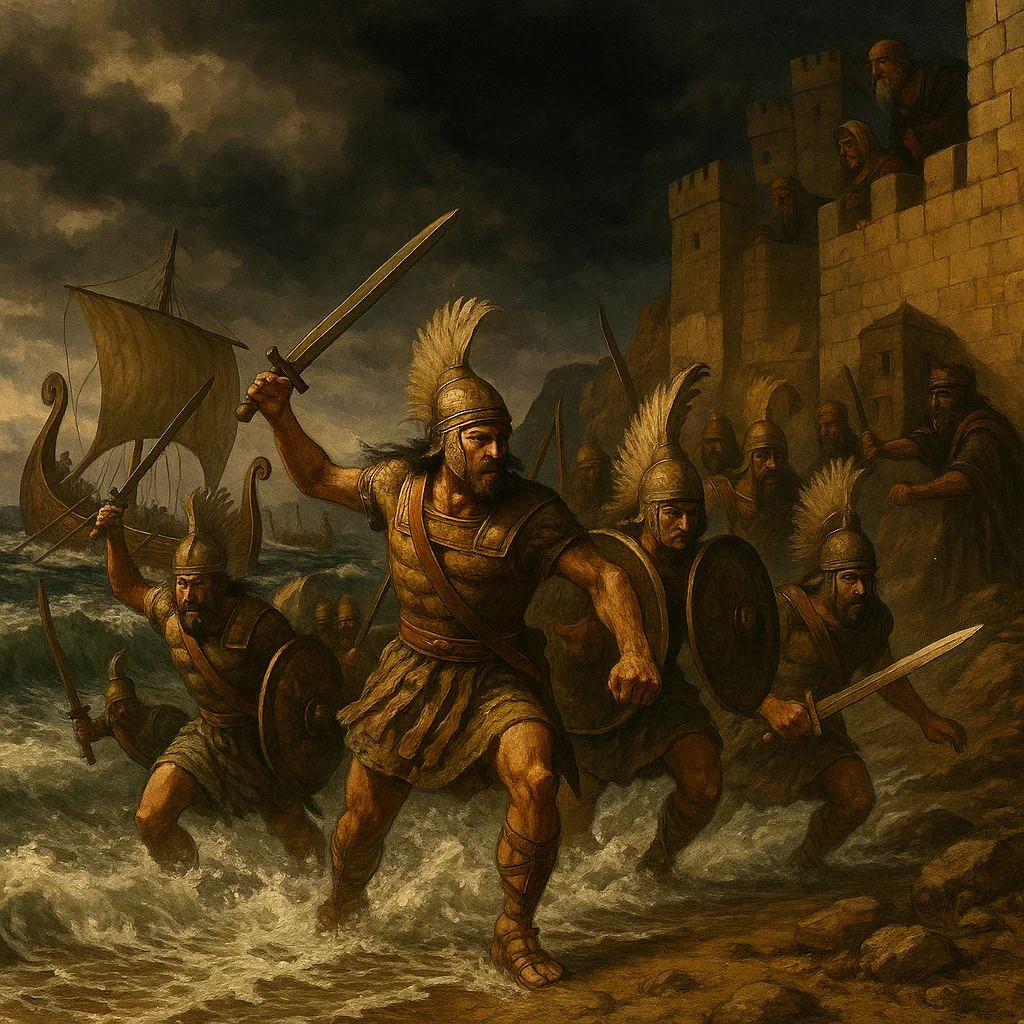
By 1200 BCE the interconnected world of the Late Bronze Age began to unravel. A cascade of migrations, wars, and internal revolts struck every major state in the Near East. Palaces burned from Anatolia to Syria, archives were sealed in ash, and royal correspondence ceased. Yet amid collapse, new powers emerged: Assyria consolidated, Babylon endured under Kassite rule for a time, Elam expanded, and small coastal kingdoms like Phoenicia and Philistia rose from the ruins. The transition to iron marked both the end of one world and the beginning of another.
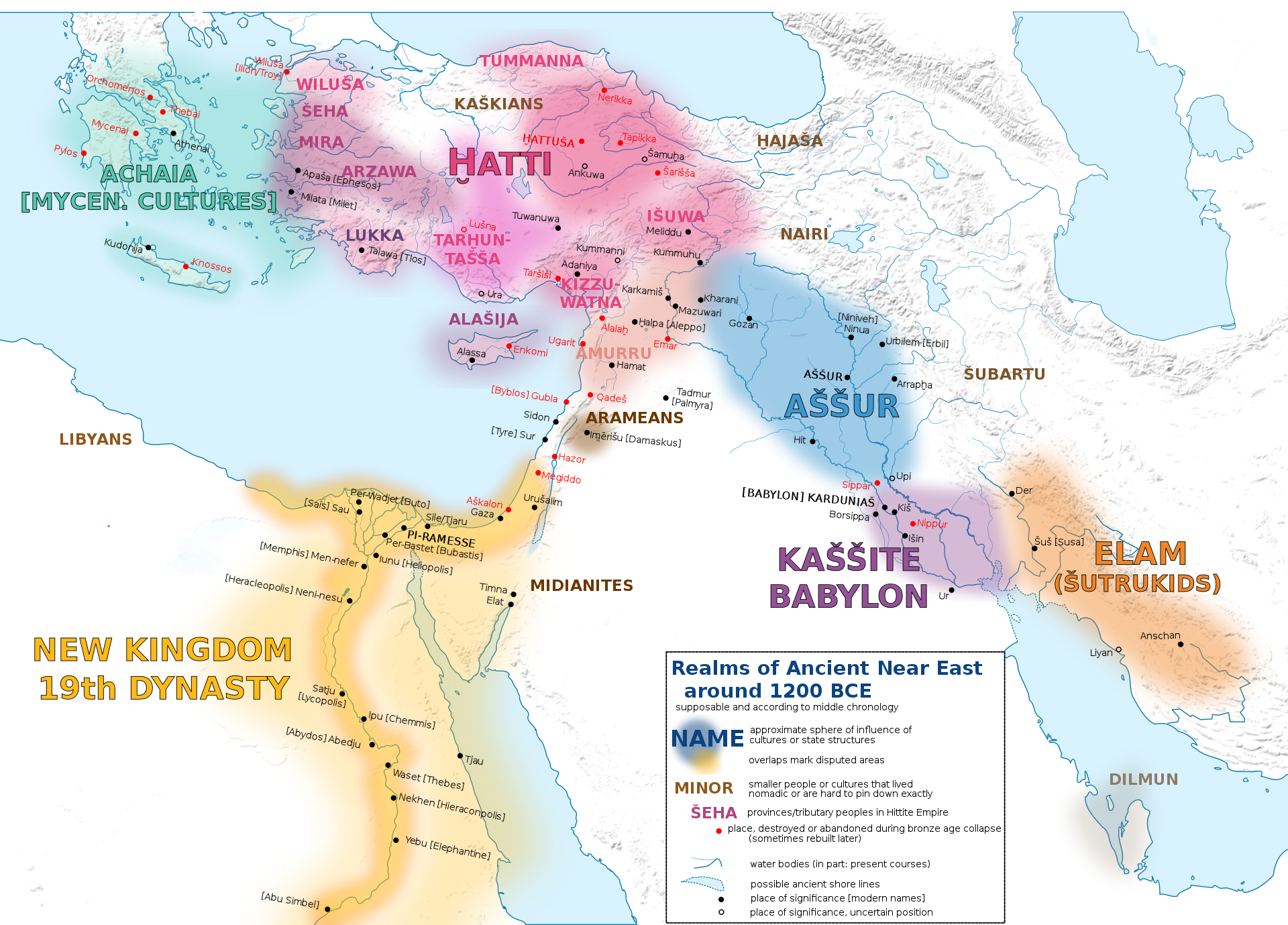
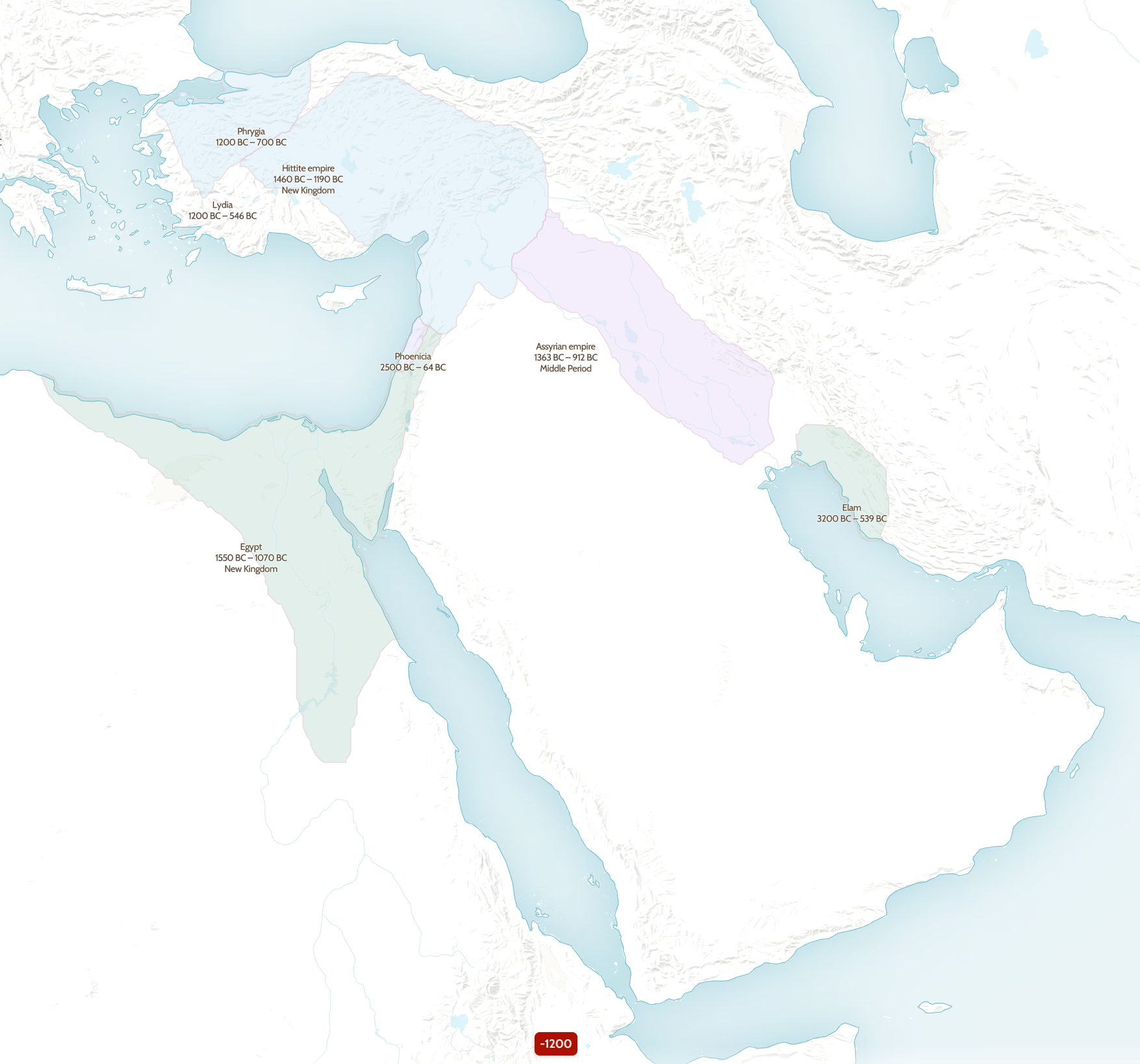
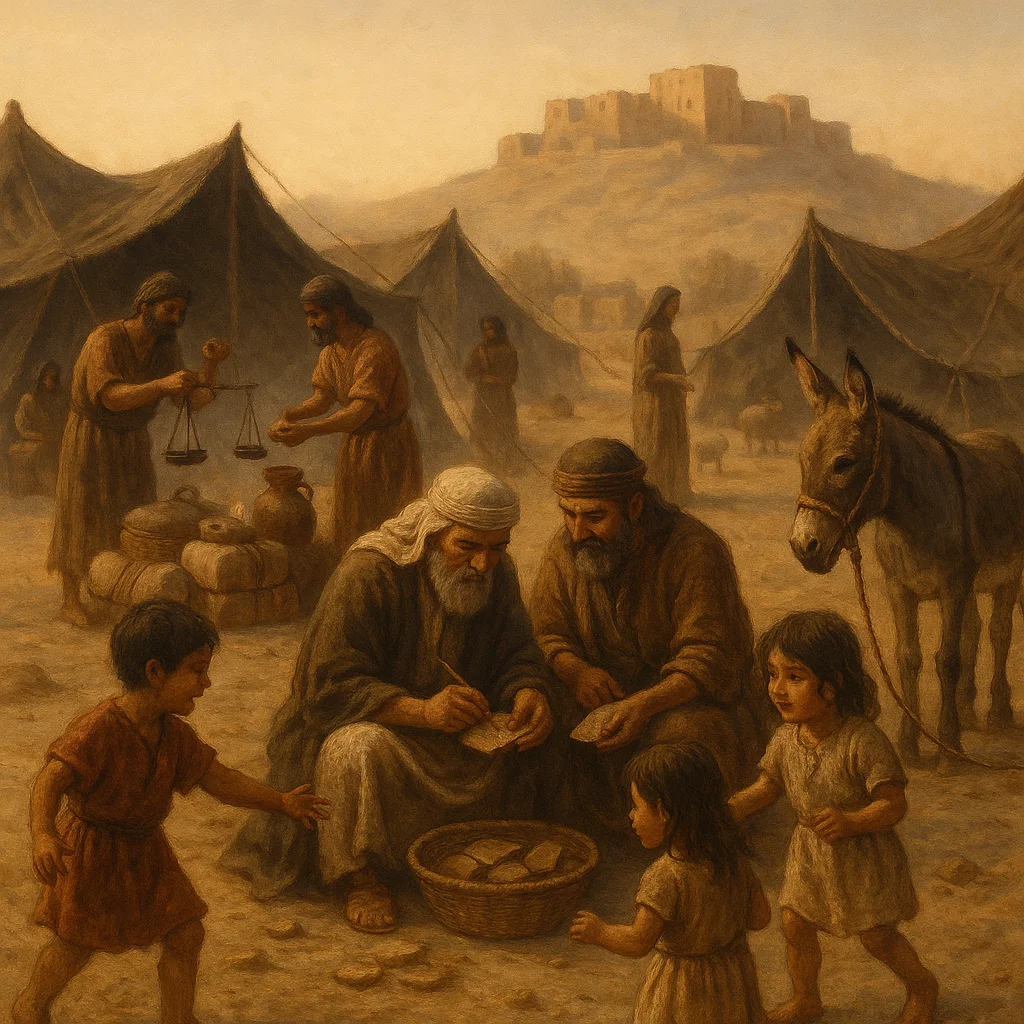
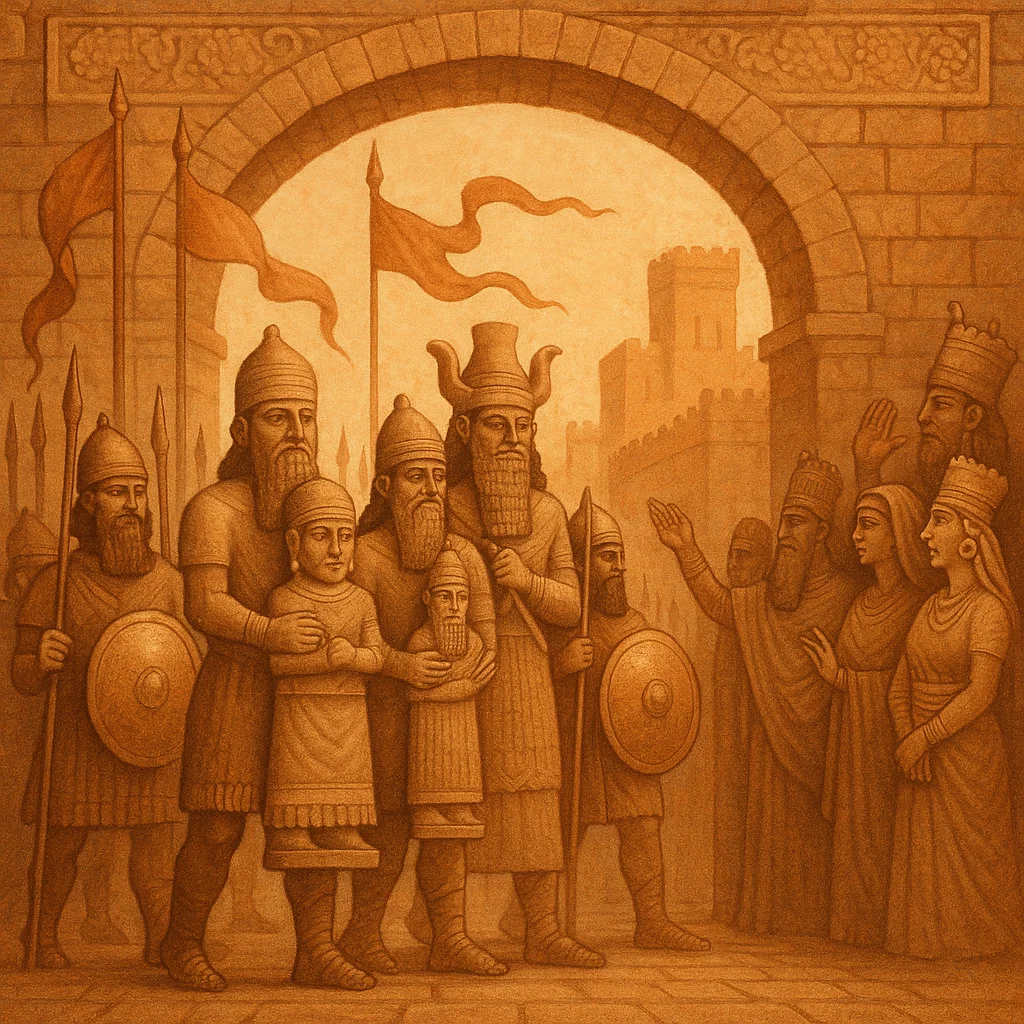
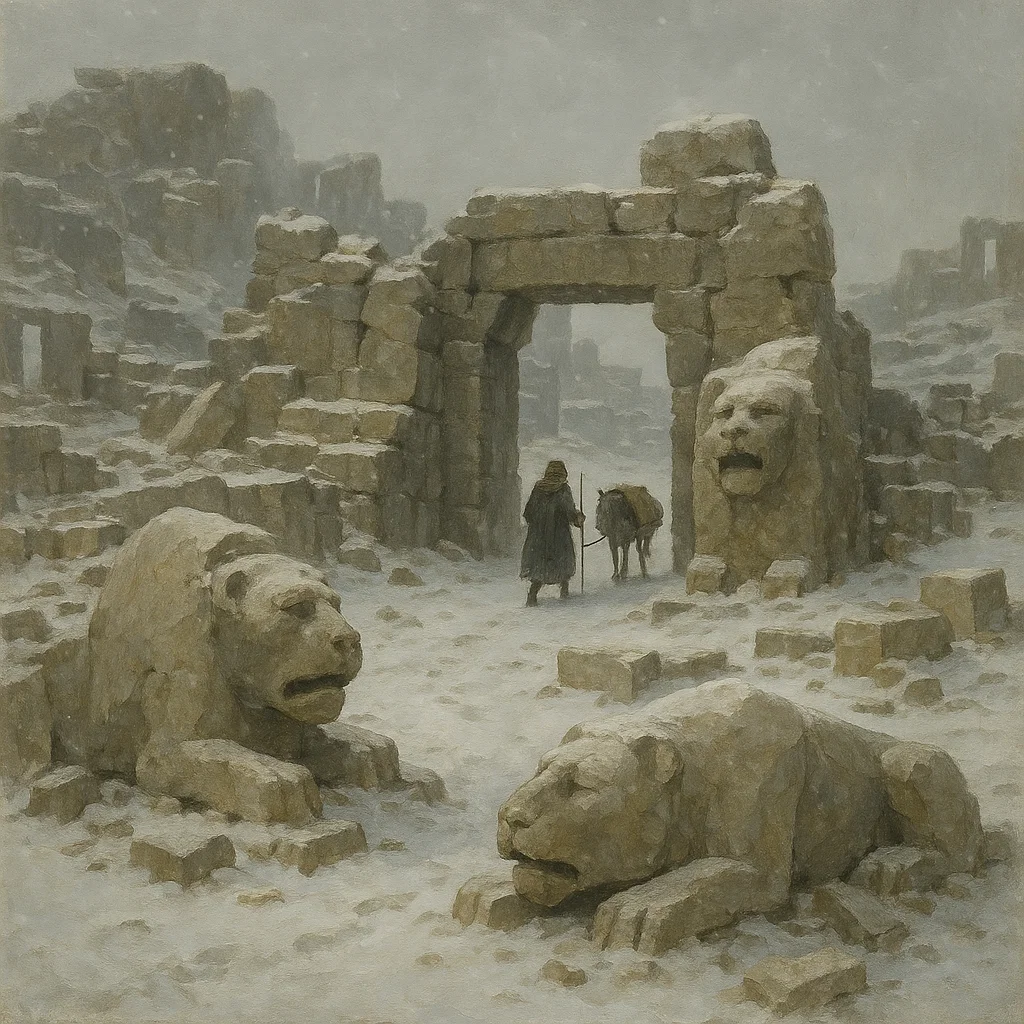
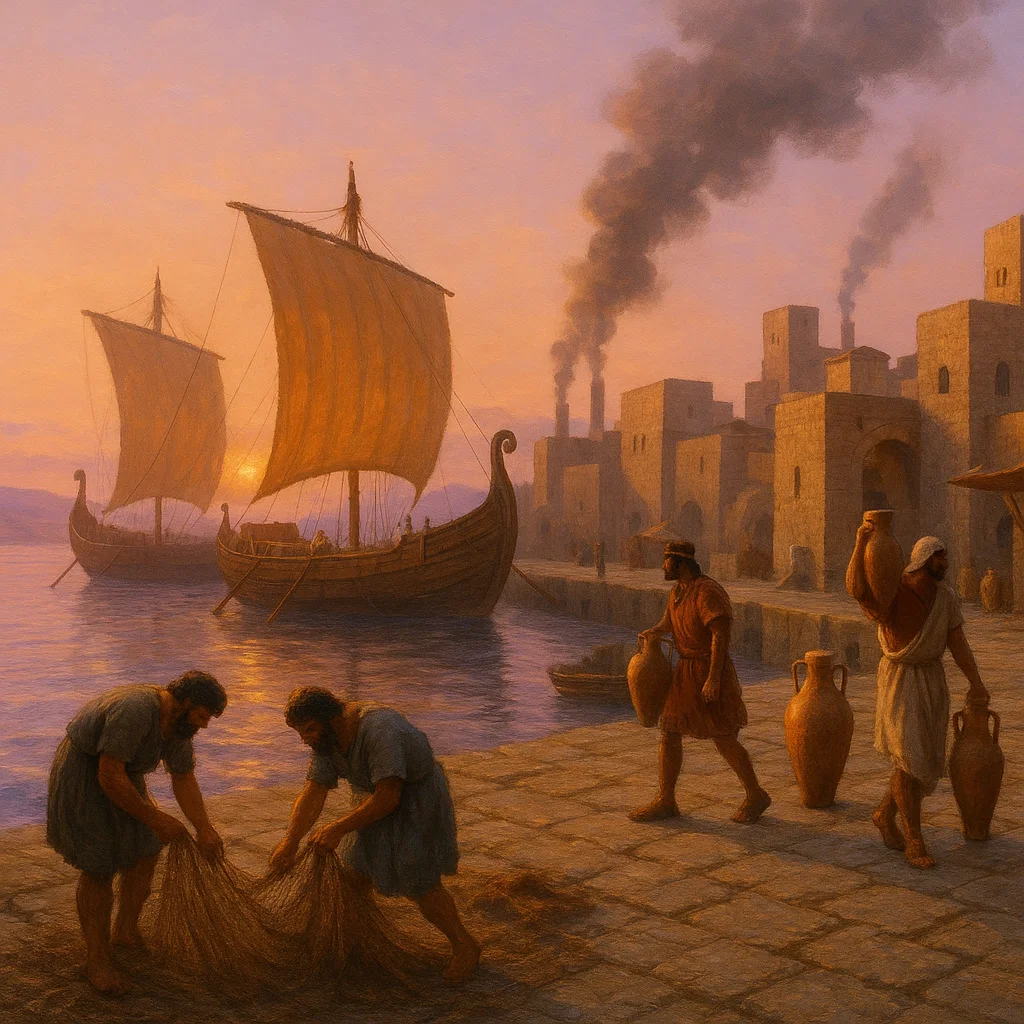
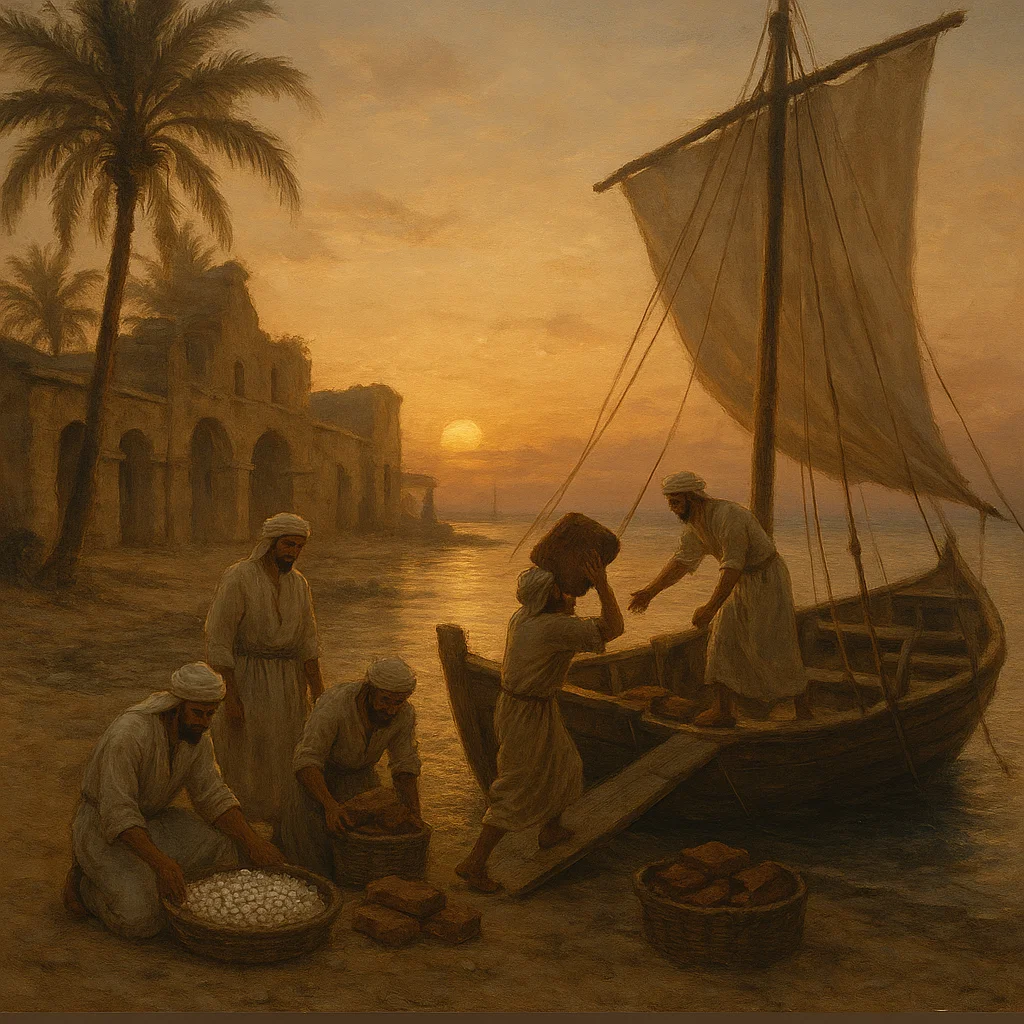
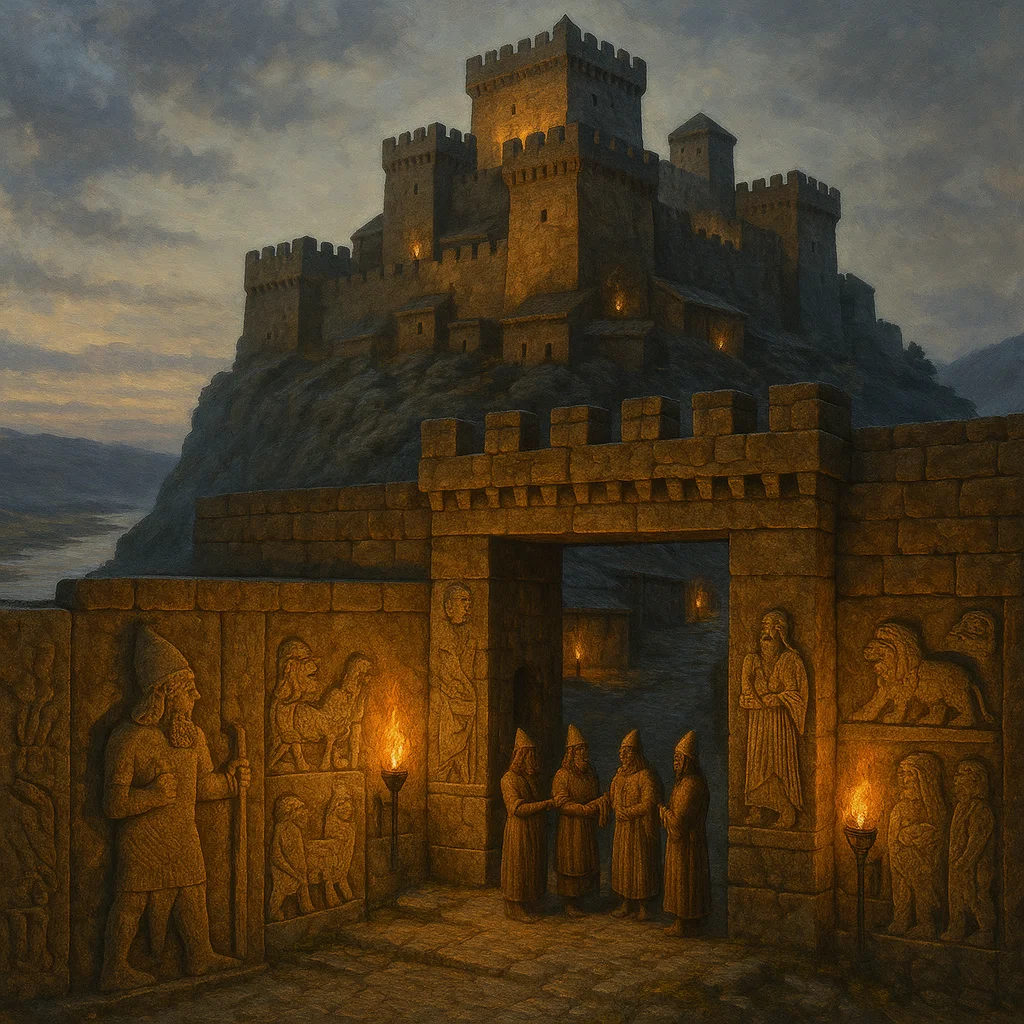
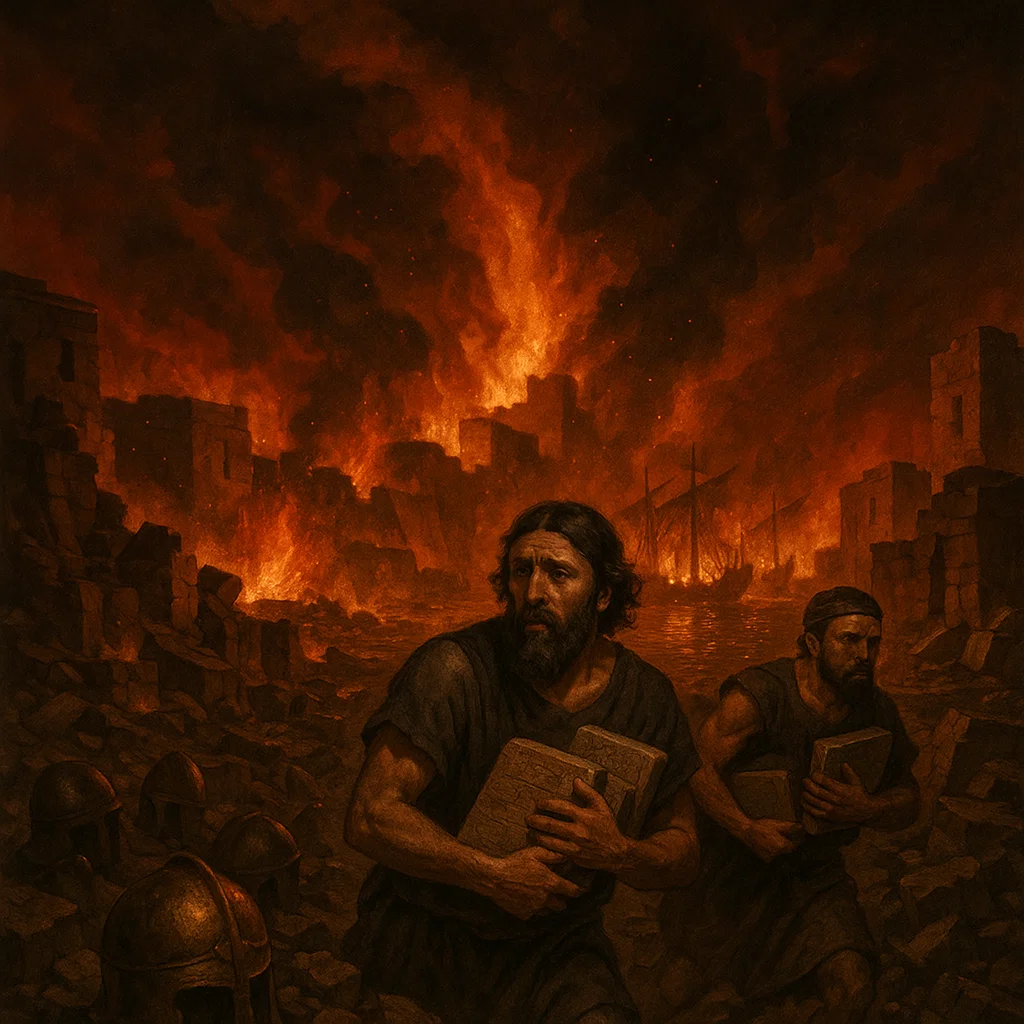
At 1200 BCE the old Bronze Age order ended. The networks that had bound Egypt, Hatti, Mitanni, Babylon, and Elam splintered into a mosaic of small kingdoms and migrating peoples. Yet the institutions forged in earlier millennia—writing, law, urbanism, and trade—did not vanish; they reorganized under new languages and gods. Out of this crucible rose the Iron Age world: Assyria’s empire, Phoenician seafaring, and the enduring memory of the Bronze Age that had first defined civilization.
Uniform Military Framework — Bronze Age – Near East (Mesopotamia & Iran Plateau)
| Category | Description |
|---|---|
| Period & Context | Early Bronze to Late Bronze Age (c. 3300 – 1200 BCE). Riverine kingdoms along the Tigris and Euphrates evolved from temple-city militias into centralized imperial armies. Constant regional competition—Sumerian city-states, Akkadian unification, Assyrian militarism, and Babylonian resurgence—drove continuous refinement in organization and warfare. Terrain divided between fertile plains and mountain corridors shaped mobility and defense. |
| Means (Arms, Defenses, and Mobility Systems) | Bronze spears, axes, and socketed blades; composite bows; four-wheeled and later two-wheeled chariots; large shields of wood and hide; scale armor for officers and charioteers. Fortified city walls with gates and bastions defined defense. Riverine transport along the Euphrates and Tigris enabled logistical support. Armies used draft animals for chariots and carts, establishing the first true combined mobility system in recorded war. |
| Organization & Hierarchy | Initial temple militias under priest-kings evolved into permanent royal armies. Sumerian city-states fielded infantry phalanxes; Akkad standardized ranks under a single monarch; later Assyria introduced a professional standing army with divisions of infantry, chariots, archers, and engineers. Command rested with the king, supported by scribes for logistics and record-keeping. Vassal levies supplemented core royal troops. |
| Tactics & Doctrine | Warfare emphasized sieges and field engagements near rivers and canals. Dense infantry formations with spear and shield advanced under archery support. Chariot units provided rapid flanking and pursuit. Campaigns followed seasonal cycles tied to agriculture. Strategic goals focused on controlling irrigation systems and trade routes rather than annihilation. Assyria later adopted sustained offensive campaigns projecting power across Mesopotamia and the Levant. |
| Major Conflicts & Campaigns | Early Sumerian city wars (Uruk – Lagash); Akkadian campaigns of Sargon and Naram-Sin establishing the first empire; Gutian invasions (22nd century BCE); Babylonian rise under Hammurabi; Elamite incursions from the Zagros; Assyrian conquests (14th–13th centuries BCE). Each phase introduced new methods of administration, record-keeping, and logistical coordination that set enduring precedents for organized war. |
Summary
The Near Eastern Bronze Age forged the first systemic model of warfare—permanent armies, recorded logistics, and state-directed campaigns.
Every later empire inherited this foundation: weapons of bronze and chariot power matched with administrative control, turning conflict into a function of governance itself.