(3000 BC – 1200 BC)
 Current Era Name
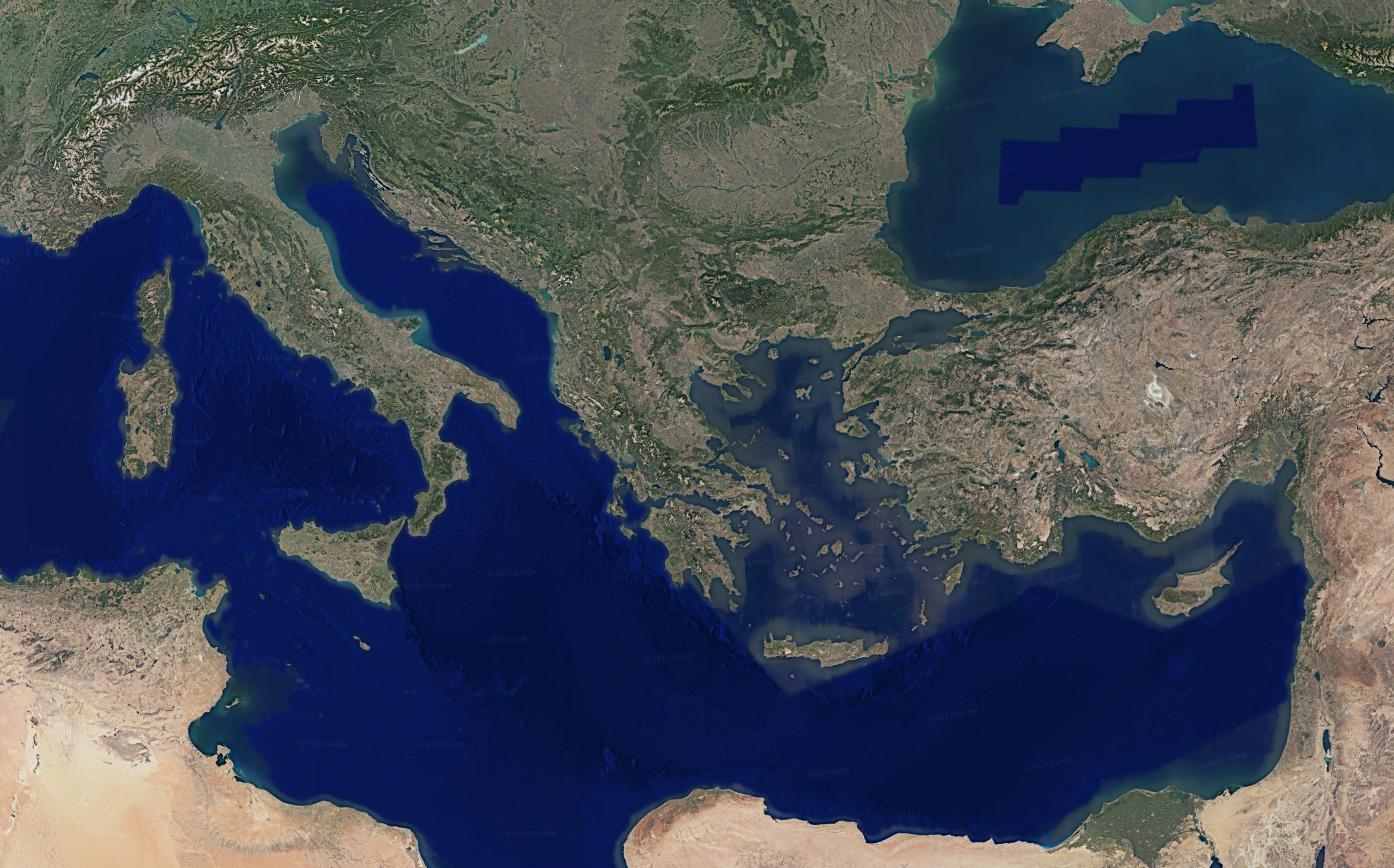
Geography of Eastern Mediterranean
Italian Peninsula & Central Med Islands
Adriatic & Western Balkan Coast
Hellenic–Aegean Sphere
Anatolian Rim & Turkish Straits
Levantine Coast
Current Era Name
Geography of Eastern Mediterranean
Italian Peninsula & Central Med Islands
Adriatic & Western Balkan Coast
Hellenic–Aegean Sphere
Anatolian Rim & Turkish Straits
Levantine Coast
| Period Link | Prehistory | Prehistory | Prehistory | Prehistory | Ancient History | Ancient History | Ancient History | Medieval History | Medieval History | Medieval History |
|---|---|---|---|---|---|---|---|---|---|---|
| Start Year | 2,500,000 BC | 10,000 BC | 8,000 BC | 4,500 BC | 3,000 BC | 1,200 BC | 500 BC | 500 AD | 1000 AD | 1300 AD |
| End Year | 10,000 BC | 8,000 BC | 4,500 BC | 3,000 BC | 1,200 BC | 500 BC | 500 AD | 1000 AD | 1300 AD | 1500 AD |
| Eastern Mediterranean | Paleolithic Eastern Mediterranean | Mesolithic Eastern Mediterranean | Neolithic Eastern Mediterranean | Chalcolithic Eastern Mediterranean | Aegean & Anatolia (Eastern Mediterranean) Bronze Age | Aegean & Anatolia (Eastern Mediterranean) Iron Age | Greco-Roman Antiquity | Early Medieval Eastern Mediterranean | High Medieval Eastern Mediterranean | Late Medieval Eastern Mediterranean |
| Period Link | Early Modern History | Early Modern History | Early Modern History | Modern History | Modern History | Modern History | Contemporary History | Contemporary History | Contemporary History |
|---|---|---|---|---|---|---|---|---|---|
| Start Year | 1500 AD | 1600 AD | 1700 AD | 1800 AD | 1870 AD | 1914 AD | 1945 AD | 1985 AD | 2026 AD |
| End Year | 1600 AD | 1700 AD | 1800 AD | 1870 AD | 1914 AD | 1945 AD | 1985 AD | 2025 AD | 2065 AD |
| Eastern Mediterranean | Renaissance and Reformation Eastern Mediterranean | Scientific Revolution and State Formation Eastern Mediterranean | Enlightenment and Proto-Industrial Eastern Mediterranean | Industrial Era Eastern Mediterranean | Long 19th Century Eastern Mediterranean | World War Era Eastern Mediterranean | Cold War Era Eastern Mediterranean | Allisonian Era Eastern Mediterranean | Deasy Era Eastern Mediterranean |
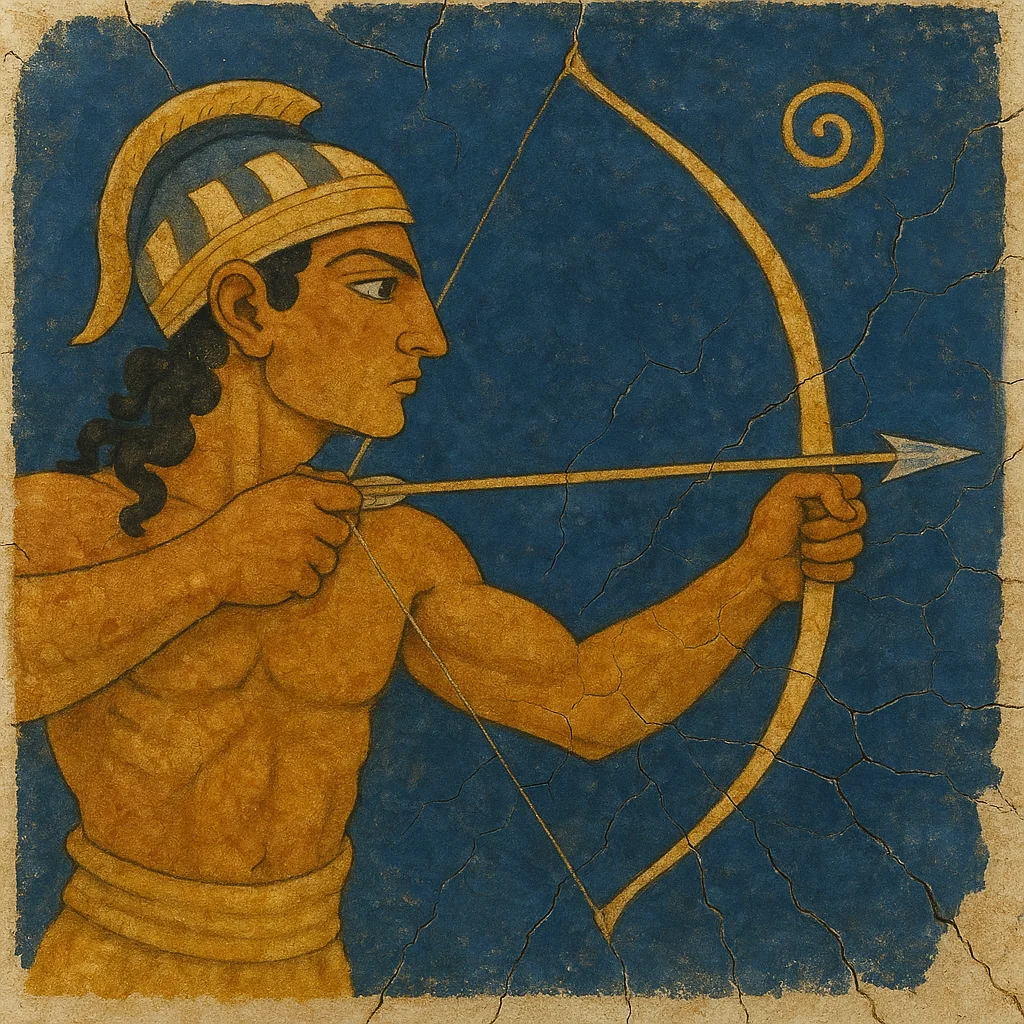
Cultural Lineages of the Bronze Age Near East
The Bronze Age civilizations of the Aegean and Anatolia represent a tapestry of maritime, agrarian, and highland societies that collectively shaped the eastern Mediterranean world. From the Cycladic island networks to the fortified centers of mainland Greece, Crete’s thalassocratic power, and Anatolia’s evolving highland empires, this region was defined by constant movement, exchange, and transformation. Between 3000 and 1200 BCE, independent cultural lineages emerged, interacted, and converged through trade, warfare, and diplomacy—culminating in the great palatial systems of Mycenae, Knossos, and Hattusa, and their eventual collapse in the Late Bronze Age.
[table “451” not found /]By 1200 BCE, the Aegean–Anatolian world stood at the brink of systemic upheaval. The destruction of palaces, disruption of trade routes, and rise of refugee and successor cultures marked the end of an era dominated by monumental kingdoms and complex bureaucracies. Yet, these lineages did not vanish—they evolved into the fragmented but enduring Iron Age cultures of Greece, Crete, and Anatolia. Out of this period of collapse and migration emerged the seeds of classical civilization, rooted in the memory and material legacy of the Bronze Age powers that once linked the Aegean, Anatolia, and Near East in a single interconnected world.
the Aegean & Anatolia in 3000 BC
By 3000 BCE, the Aegean and Anatolian worlds were developing into a network of early Bronze Age societies connected by trade, metallurgy, and seafaring. Island cultures in the Cyclades, fortified mainland settlements in Greece, and thriving coastal and inland centers across Crete and Anatolia established distinct but interlinked traditions. The region’s communities mastered metalwork, crafted symbolic art forms, and built fortified or ceremonial sites that reflected emerging hierarchies and long-distance exchange with Mesopotamia and the Levant. This early integration laid the groundwork for the complex civilizations that would later dominate the eastern Mediterranean.
[table “446” not found /]The societies of the Aegean and Anatolia at 3000 BCE exemplify the first stage of organized complexity in the Bronze Age. While still largely regional in scale, their technological innovation, monumental architecture, and trade connections marked a decisive step toward urbanization. Maritime exchange between islands and mainland settlements fostered cultural diffusion, while Anatolia’s highlands served as a conduit for metals and ideas from the east. Together, these early centers formed the foundations upon which the later Minoan, Mycenaean, and Hittite civilizations would rise, signaling the dawn of a truly interconnected Aegean-Anatolian world.
the Aegean & Anatolia in 2500 BC
By 2500 BCE, the Aegean and Anatolian regions experienced accelerating urbanization, maritime expansion, and technological innovation that bound together islands, coasts, and highlands into a dynamic Bronze Age world. The Cycladic islands flourished as centers of trade and art, producing distinctive marble figurines and advanced metalwork, while Crete’s early palatial cultures laid the foundation for Minoan ascendancy. Mainland Greece saw fortified settlements and administrative complexity emerge, and Anatolia developed powerful inland centers with elite burials and far-reaching commercial ties to Mesopotamia. Together, these cultures forged a dense network of interaction across the eastern Mediterranean.
[table “447” not found /]The societies of 2500 BCE in the Aegean and Anatolia embodied the transition from regional chiefdoms to integrated economic and political systems. Maritime and overland exchange intensified, linking the obsidian and metal sources of the Aegean with the advanced metallurgical zones of Anatolia and beyond. This period’s architectural, artistic, and technological innovations foreshadowed the palatial civilizations that would dominate the Middle Bronze Age, while the enduring trade corridors between Troy, Crete, and Anatolia ensured that cultural influence flowed freely across the Aegean seas and inland plateaus.
the Aegean & Anatolia in 2000 BC
By 2000 BCE, the Aegean and Anatolian world had entered a stage of structured palatial development, fortified trade, and expanding international exchange. Across the islands, mainland, and Anatolian plateaus, urban centers evolved into regional capitals supported by maritime and overland networks. Crete’s Old Palace period marked the height of early Minoan administration and sea trade, while mainland Greece began to consolidate under fortified hill settlements. In Anatolia, the rise of the Assyrian trading colonies (karum) introduced formal writing and far-reaching commerce that connected the Aegean, Mesopotamia, and the Black Sea.
[table “448” not found /]The cultures of 2000 BCE stood at the threshold of classical Bronze Age complexity. Palaces, fortified towns, and organized economies transformed local societies into proto-states capable of sustained trade and cultural diffusion. Minoan Crete dominated the seas, Central Anatolia became a hub of transregional exchange, and Western Anatolia bridged continents through the citadel of Troy. These developments forged a cohesive but diverse system of interlinked civilizations whose innovations in governance, writing, and architecture would shape the political and cultural landscape of the eastern Mediterranean for centuries.
the Aegean & Anatolia in 1500 BC
By 1500 BCE, the Aegean and Anatolian world had reached its political and cultural zenith, characterized by maritime empires, fortified kingdoms, and expansive networks of trade and diplomacy. The Minoans of Crete dominated the seas with advanced administration and art, while on the mainland, the Mycenaeans rose as powerful warrior elites who absorbed and adapted Minoan traditions. Across Anatolia, the Hittite Empire unified under centralized rule from Hattusa, and the Hurrian–Mitanni states emerged as a northern power bridging Indo-Aryan and Near Eastern traditions. This was a golden age of palatial economies, monumental architecture, and interregional connectivity spanning from Greece to Mesopotamia.
[table “449” not found /]The world of 1500 BCE reflects a delicate balance between flourishing cultural complexity and the seeds of future conflict. Palatial centers governed vast trade networks linking the Aegean, Anatolia, and Levant, while technological and linguistic innovations—such as Linear B writing, horse-based warfare, and metallurgical refinement—reshaped civilization’s reach. Yet beneath this prosperity, competition among rising powers foreshadowed the instability that would culminate in the Late Bronze Age collapse. Still, the artistic, administrative, and architectural achievements of this era defined the pinnacle of Bronze Age Mediterranean civilization and laid the intellectual groundwork for the classical world to come.
the Aegean & Anatolia in 1200 BC
By 1200 BCE, the Aegean and Anatolian world was engulfed in the widespread upheaval known as the Late Bronze Age collapse. The once-mighty palatial centers of Mycenae, Knossos, and Hattusa fell in rapid succession, marking the disintegration of centralized bureaucracies and long-distance trade networks that had defined the region for centuries. Warfare, migration, and environmental strain destabilized established kingdoms, giving rise to refugee settlements, local chiefdoms, and successor states. Yet, amid destruction, continuity persisted—in language, cult practice, and evolving regional traditions that would seed the early Iron Age civilizations to come.
[table “450” not found /]The post-1200 BCE landscape of the Aegean and Anatolia was one of fragmentation and renewal. The fall of Mycenaean citadels and Hittite capitals ended an age of palatial empires, but local powers such as the Neo-Hittite states, Phrygian highlands, and emerging Arzawan cities carried forward elements of Bronze Age culture into new political forms. Maritime exchange continued under the Sea Peoples and Aegean refugees, linking remnant communities across the Mediterranean. What emerged from this crucible was not a dark age of extinction, but a period of transformation—one that redefined the cultural and political order of the eastern Mediterranean and set the foundation for the classical world.
Introduction
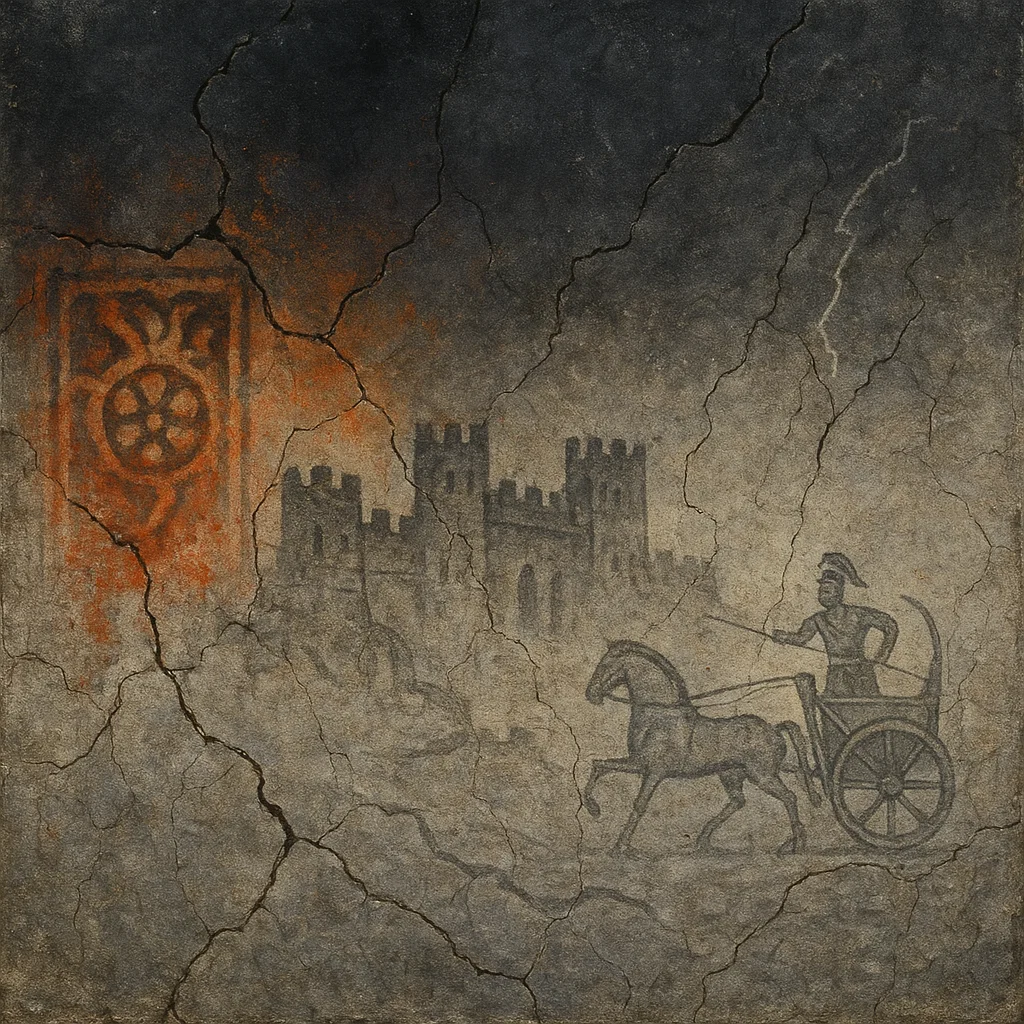
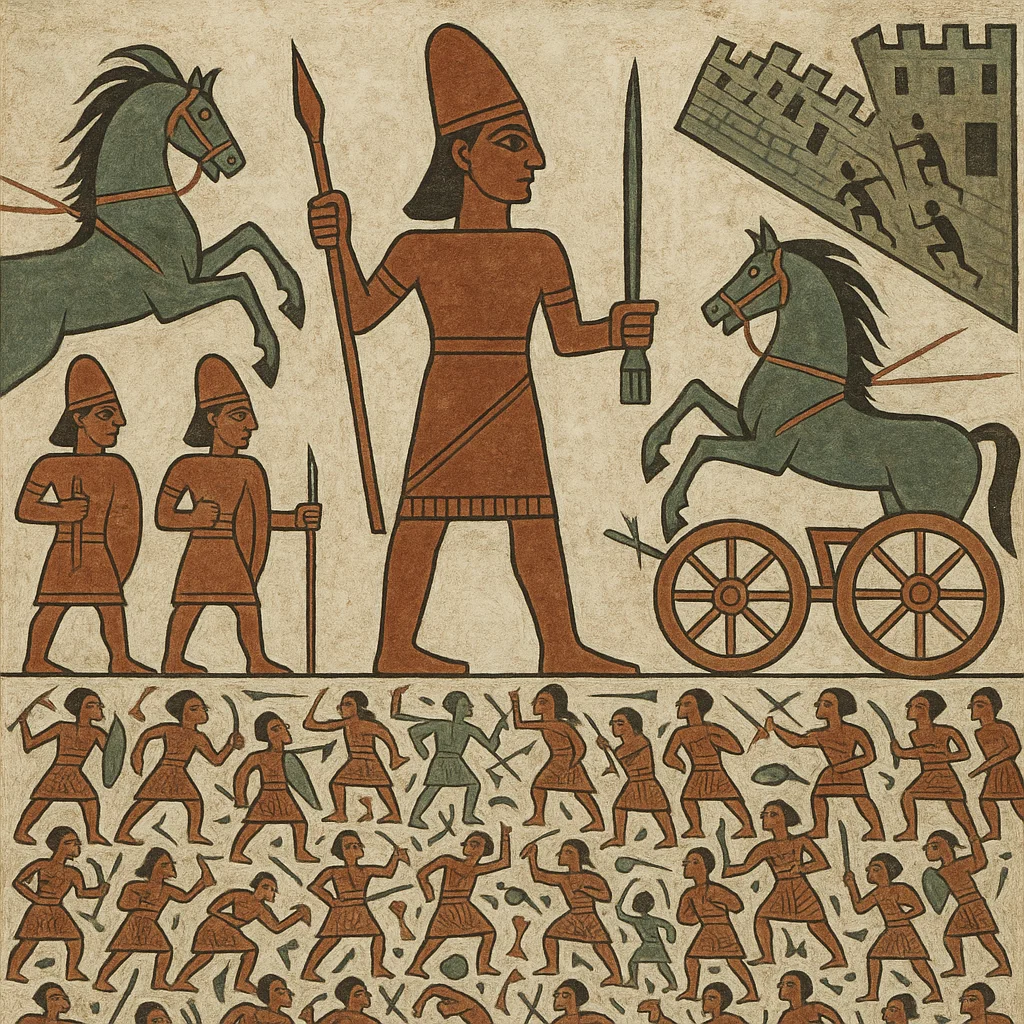
This summary applies the Uniform Military Framework to the major cultures of the Aegean and Anatolia during the Bronze Age (c. 3000–1200 BCE), including the Minoans, Mycenaeans, Hittites, Troy VI–VII, and Cycladic peoples. It distills key features of their military systems across five core dimensions: historical context, material means, organizational structure, tactical practice, and recorded conflicts.
Uniform Military Framework — Bronze Age – Aegean and Anatolia
| Category | Description |
|---|---|
| Period & Context | Region included Minoan Crete, Mycenaean mainland Greece, Hittite Anatolia, Troy, and Cycladic islands. Political systems ranged from palace-centered bureaucracies to federated empires. Warfare was predominantly imperial and dynastic in Anatolia, aristocratic-raiding in Greece, and ritualized or absent in Minoan Crete. |
| Means (Arms, Defenses, and Mobility Systems) | Minoans favored light weapons and naval mobility. Mycenaeans and Hittites deployed bronze swords, spears, and chariots; Hittites also used composite bows and heavy fortifications. Troy and Cycladic cultures used regional variants of spears, shields, and fortified hilltop settlements. |
| Organization & Hierarchy | Mycenaeans and Hittites maintained elite warrior classes, palace-army logistics, and chain-of-command structures. Minoans show no military hierarchy. Troy’s defense suggests civic or noble-led coordination. Cycladic forces were likely kin-based. |
| Tactics & Doctrine | Mycenaeans used chariot-led shock tactics. Hittites employed disciplined combined arms with chariots, infantry, and archers. Minoans show no evidence of formal doctrine. Troy and Cycladic defense relied on static fortified resistance and close combat. |
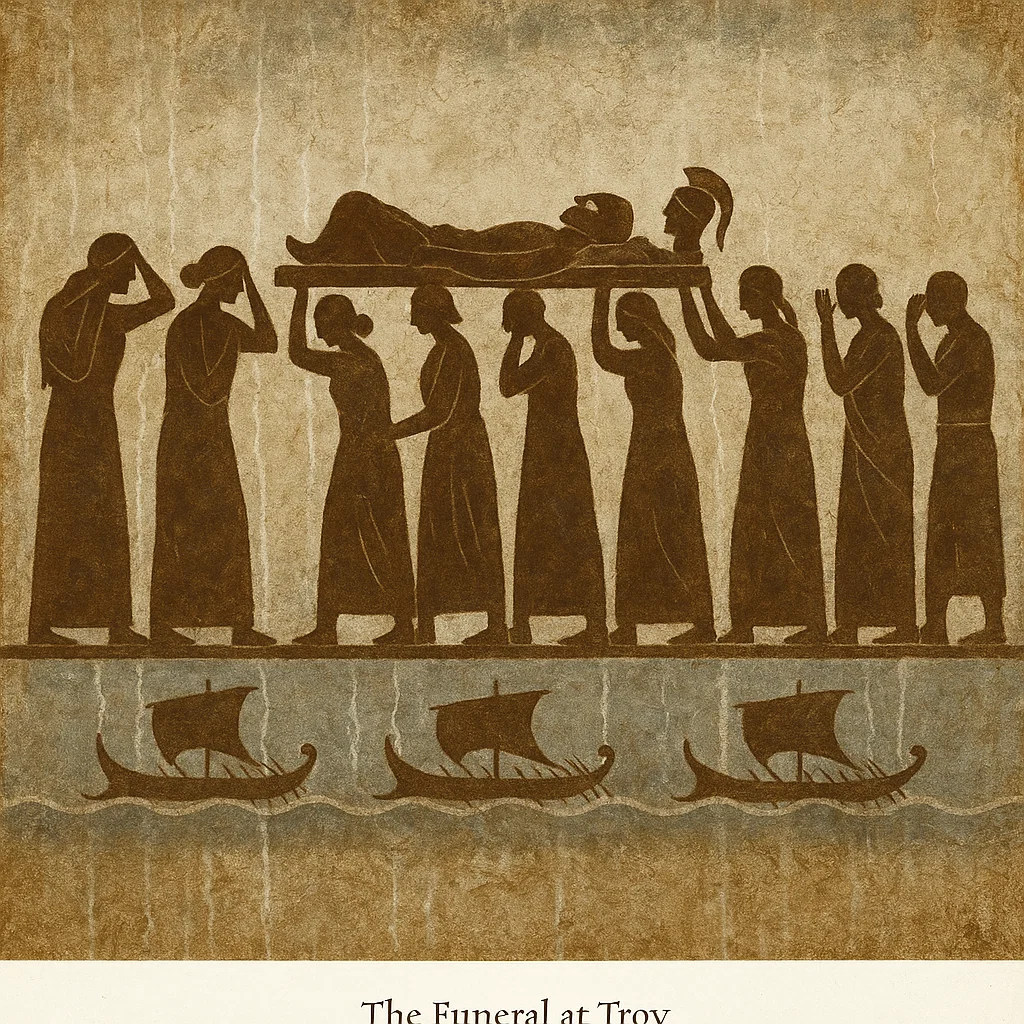
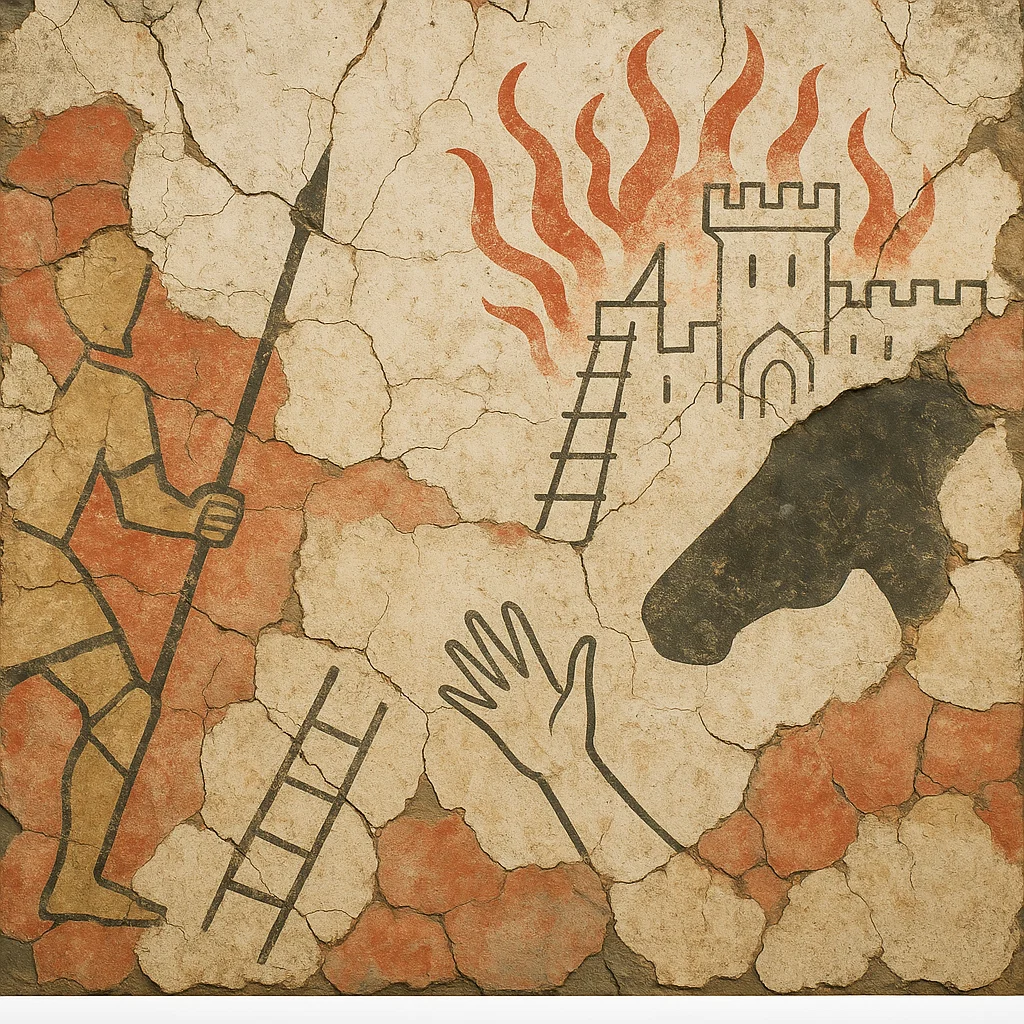
| Major Conflicts & Campaigns | Hittite campaigns spanned from Syria to the Aegean. Mycenaeans engaged in local warfare and likely participated in the fall of Troy. Troy VI–VII layers suggest prolonged siege. No known Minoan battles; collapse possibly non-military. |

Conclusion
Bronze Age warfare in the Aegean and Anatolia was shaped by geography, state structure, and technological diffusion. The Hittites exemplified centralized imperial warfare; the Mycenaeans relied on elite-led mobility and raiding; the Minoans and Cycladics displayed minimal militarization; Troy embodied fortified resistance. Together, these systems framed the transition toward Iron Age military complexity.