Ancient History
Philosophers of Ancient History
Showing 131 of 131 philosophers.
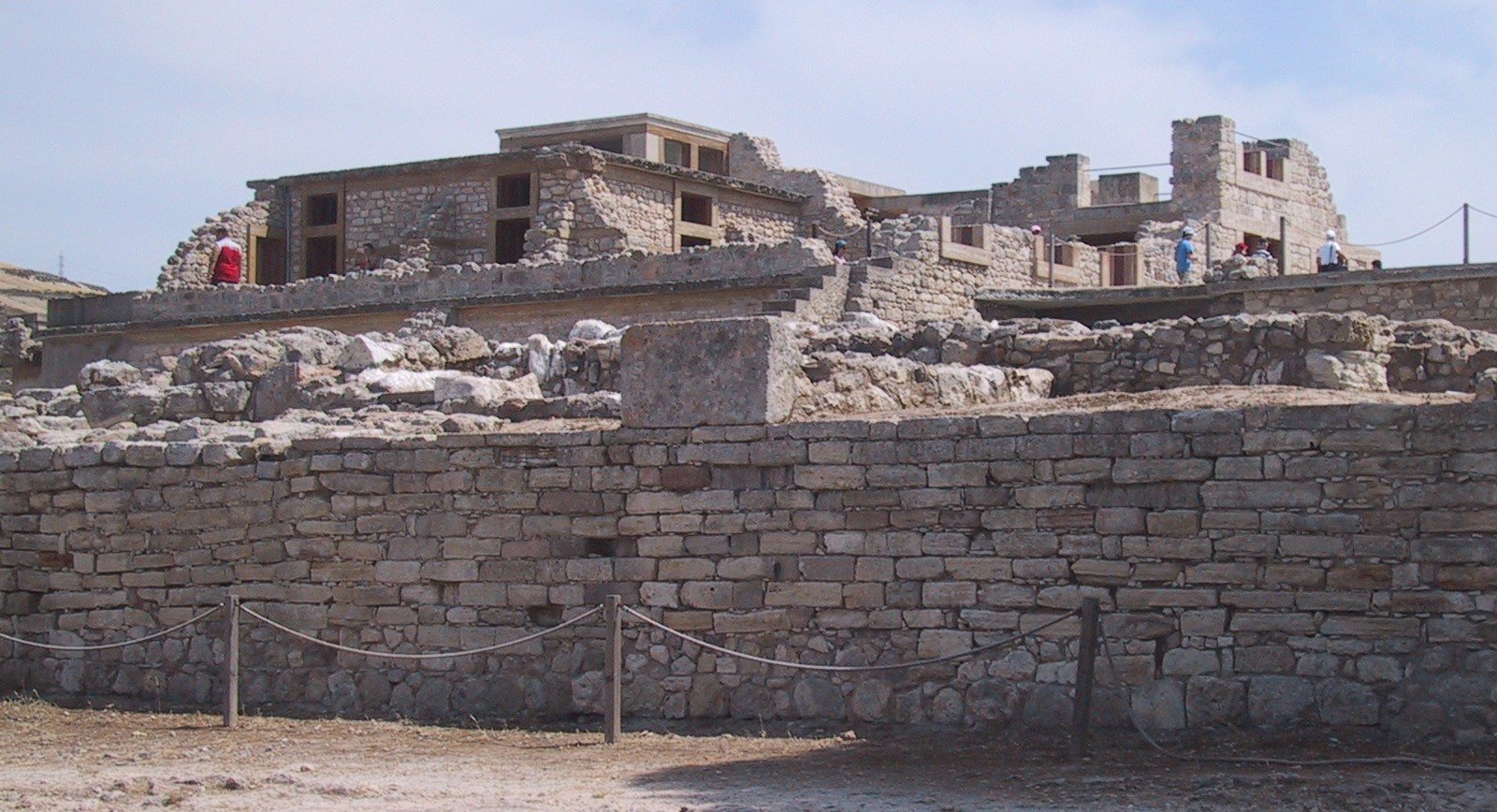
Aenesidemus of Knossos
100 BCE – 50 BCE
Knossos (Crete)
Greek (Crete) philosopher from Knossos (Crete) who revived Pyrrhonian skepticism through the Ten Modes, suspension of judgment, and anti-dogmatic critique.
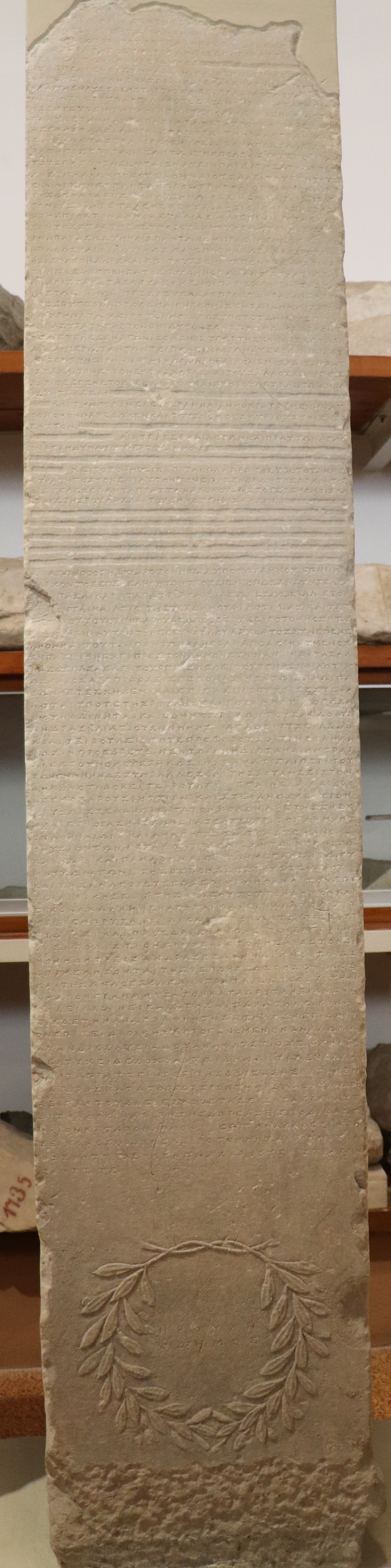
Aeschines of Sphettus
425 BCE – 350 BCE
Sphettus (Attica)
Athenian Socratic philosopher whose fragmentary dialogues preserve early non-Platonic Socratic arguments about self-knowledge, virtue, education, wealth, and civic excellence.
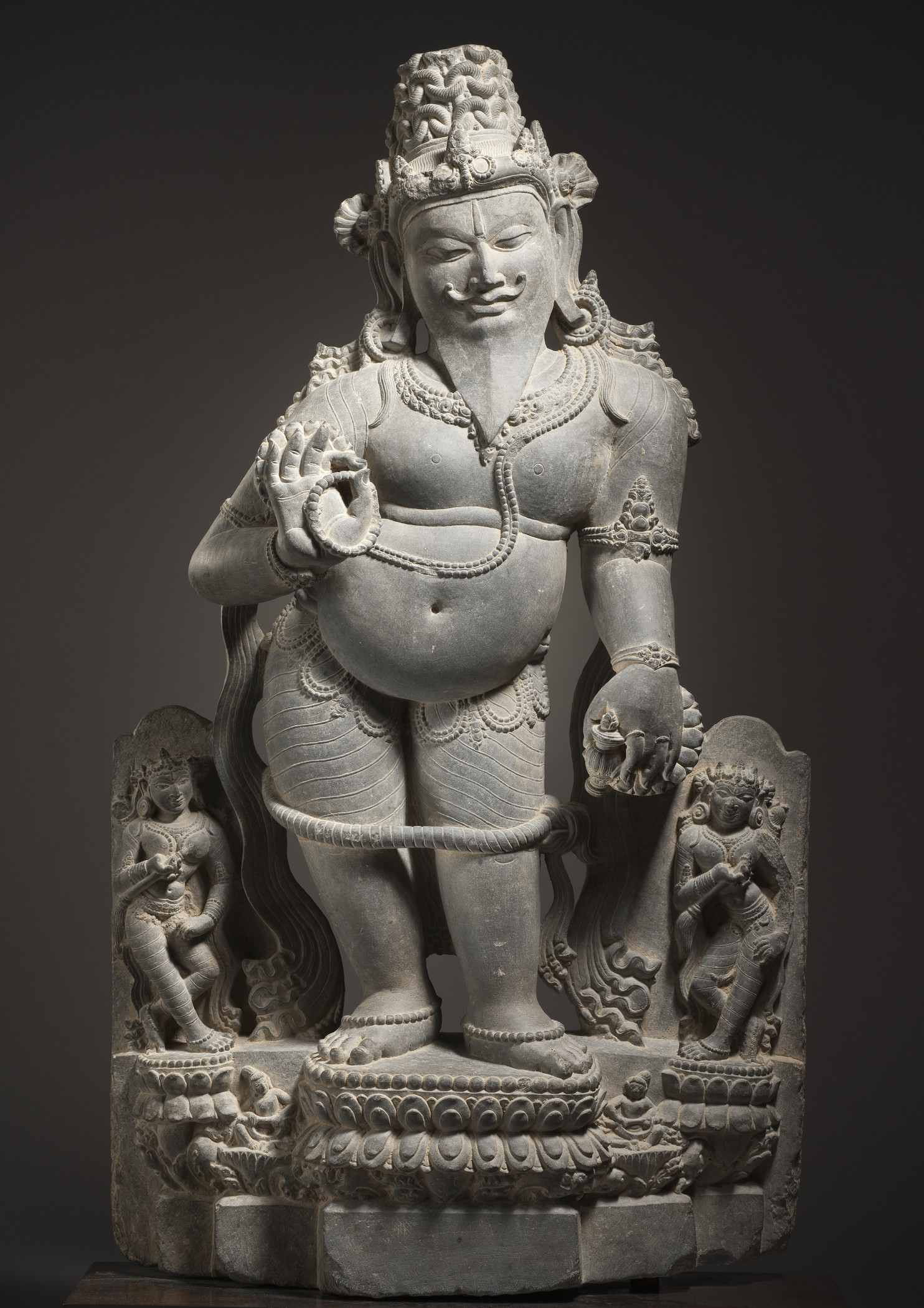
Agastya
1500 BCE – 1200 BCE
Southern peninsular India (traditional)
Vedic and pan-Indian sage whose broad tradition links hymnic authority, ascetic discipline, grammar, natural knowledge, and religious philosophy.
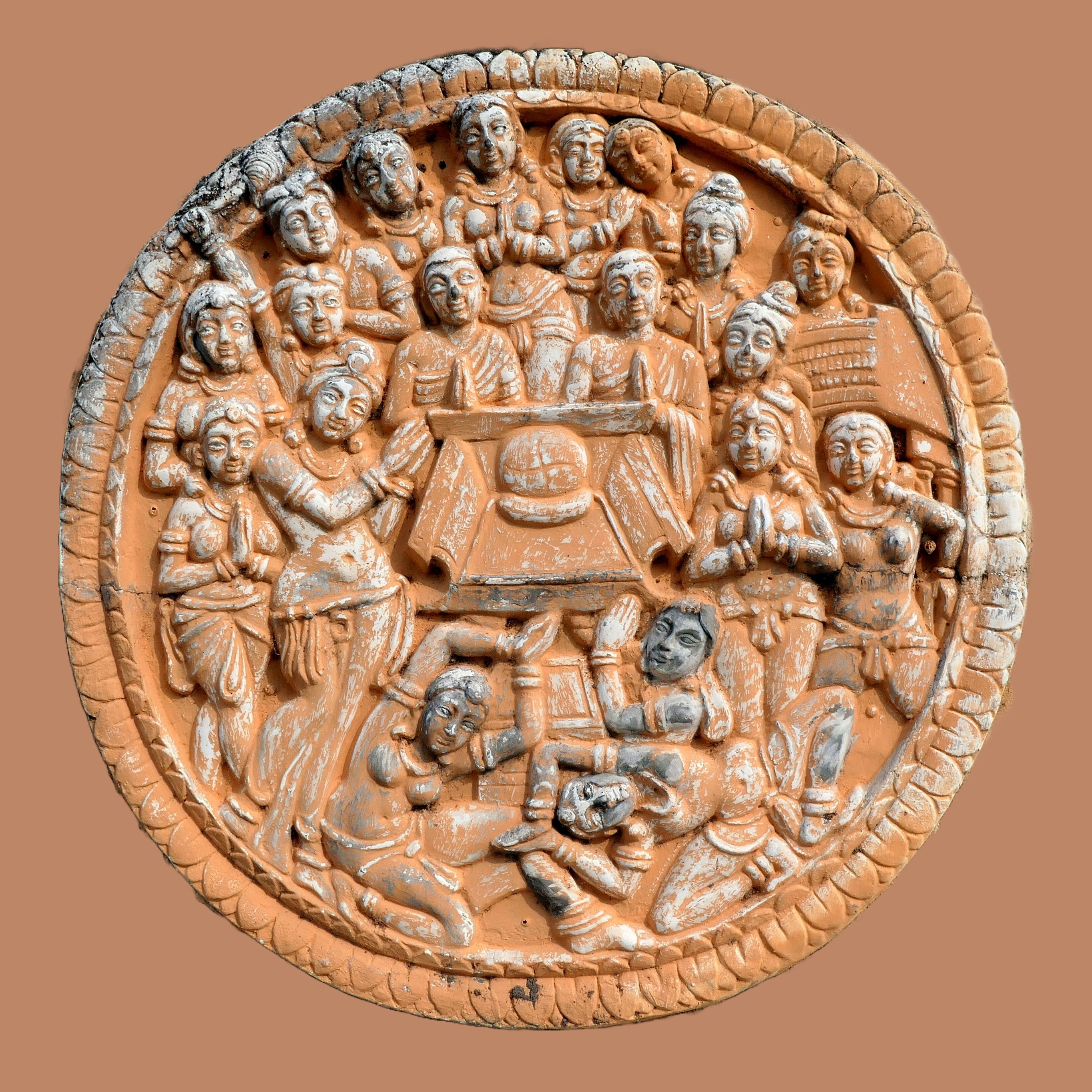
Ajita Keśakambalin
550 BCE – 450 BCE
Magadha region
Magadhan sramana materialist who denied afterlife, karmic fruit, ritual efficacy, and a soul separable from the body.
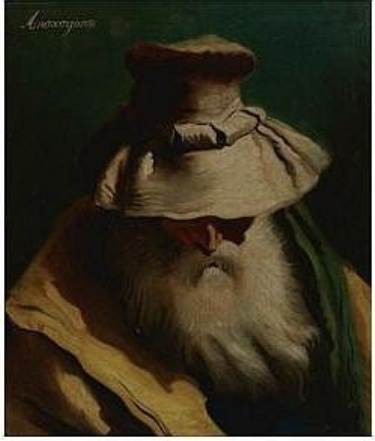
Anaxagoras of Clazomenae
500 BCE – 428 BCE
Clazomenae (Ionia)
Ionian Greek natural philosopher from Clazomenae whose Nous cosmology, mixture theory, infinite divisibility, material astronomy, and Athenian reception shaped classical natural philosophy.
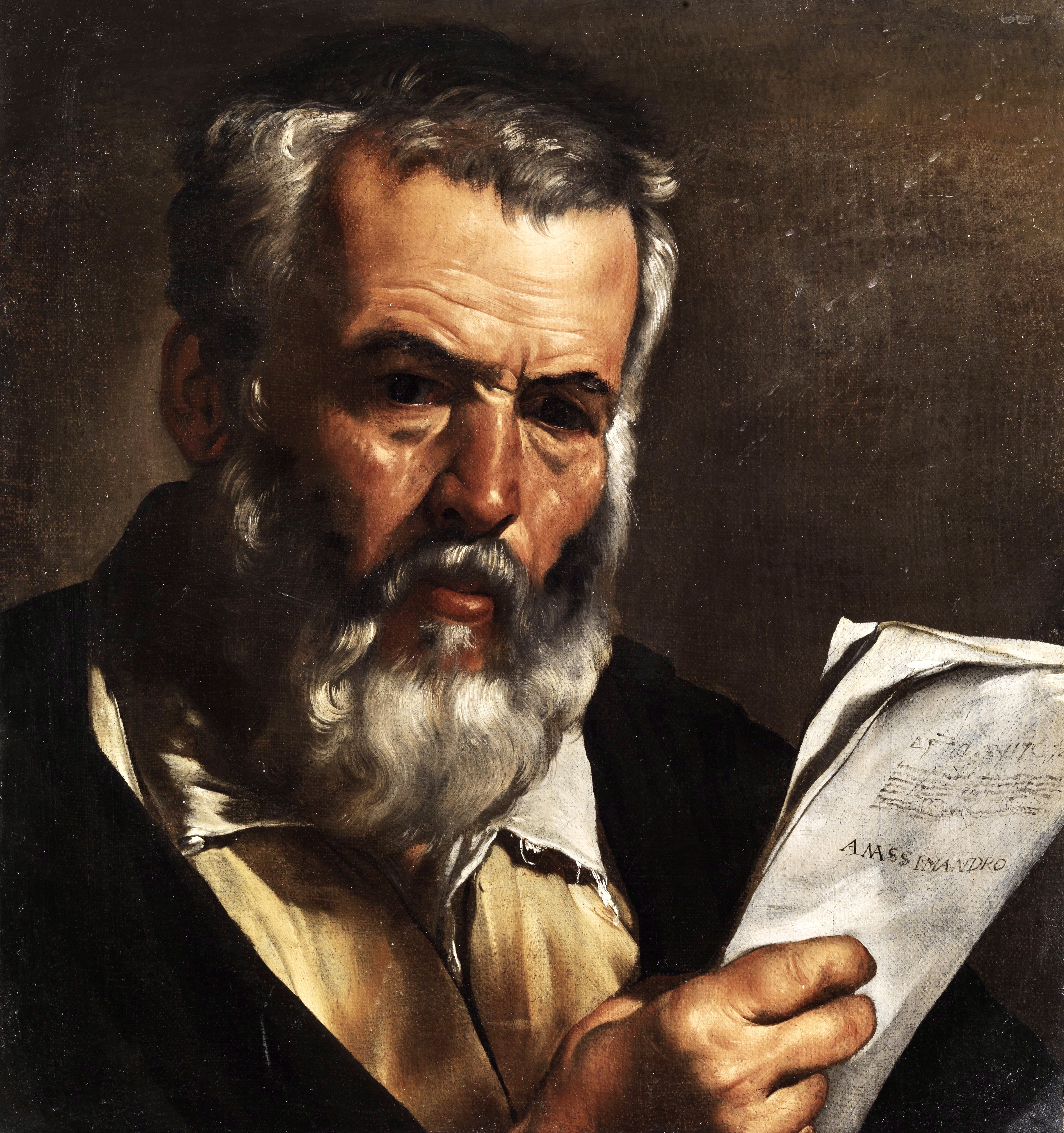
Anaximander of Miletus
610 BCE – 546 BCE
Miletus (Ionia)
Ionian Greek philosopher from Miletus whose apeiron, natural necessity, cosmology, map tradition, and early prose inquiry shaped Presocratic metaphysics and natural philosophy.
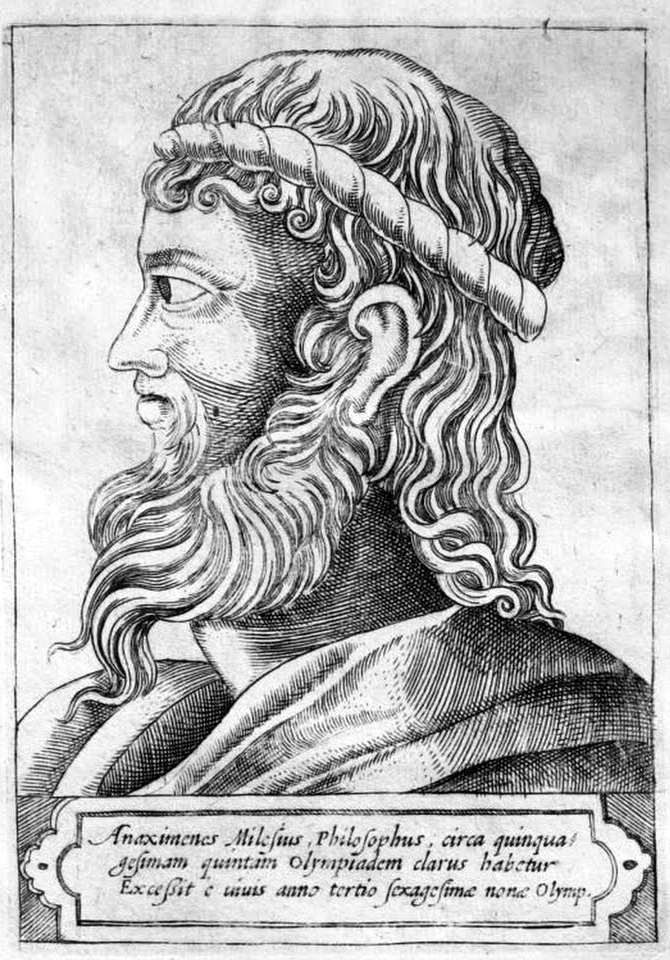
Anaximenes of Miletus
586 BCE – 526 BCE
Miletus (Ionia)
Ionian Greek philosopher from Miletus whose air-arche, rarefaction and condensation theory, soul-breath analogy, and natural explanations of change shaped Milesian and Presocratic philosophy.
Antiphon of Athens
480 BCE – 411 BCE
Rhamnus, Attica
Athenian logographer and sophistic thinker from Rhamnus whose homicide speeches, Tetralogies, and fragments on truth and concord explored law, nature, justice, rhetoric, equality, and political order.

Antisthenes of Athens
445 BCE – 365 BCE
Athens (Attica)
Athenian Socratic philosopher associated with Cynosarges whose ascetic ethics, virtue-sufficiency thesis, critique of luxury and convention, attacks on Platonic Forms, and paradoxes of definition and predication shaped Cynicism, Stoicism, ancient logic, and philosophy of language.
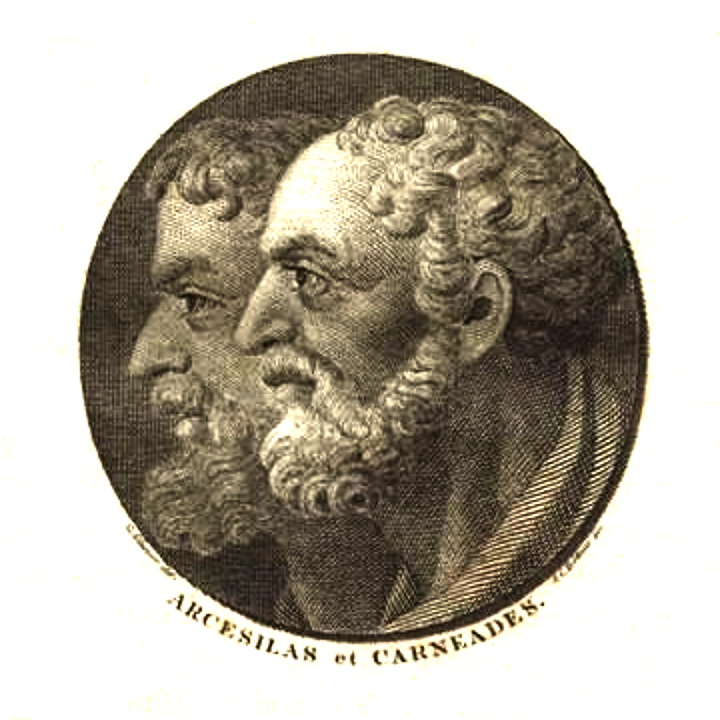
Arcesilaus of Pitane
315 BCE – 241 BCE
Pitane (Aeolis)
Greek Academic skeptic from Pitane who led Plato's Academy in Athens, attacked Stoic cognitive impressions, argued for suspension of assent, and framed practical action without dogmatic belief.
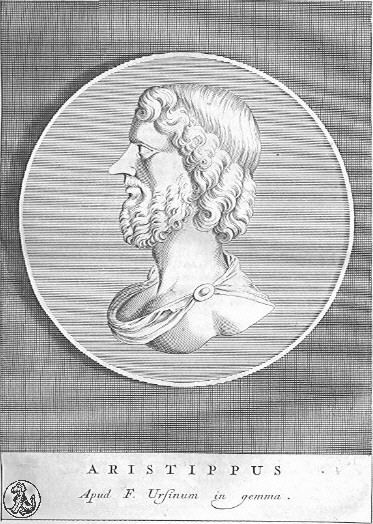
Aristippus of Cyrene
435 BCE – 356 BCE
Cyrene
Greek Socratic philosopher from Cyrene who founded the Cyrenaic school, made present pleasure central to ethics, emphasized immediate experience, and shaped ancient debates over hedonism and practical freedom.
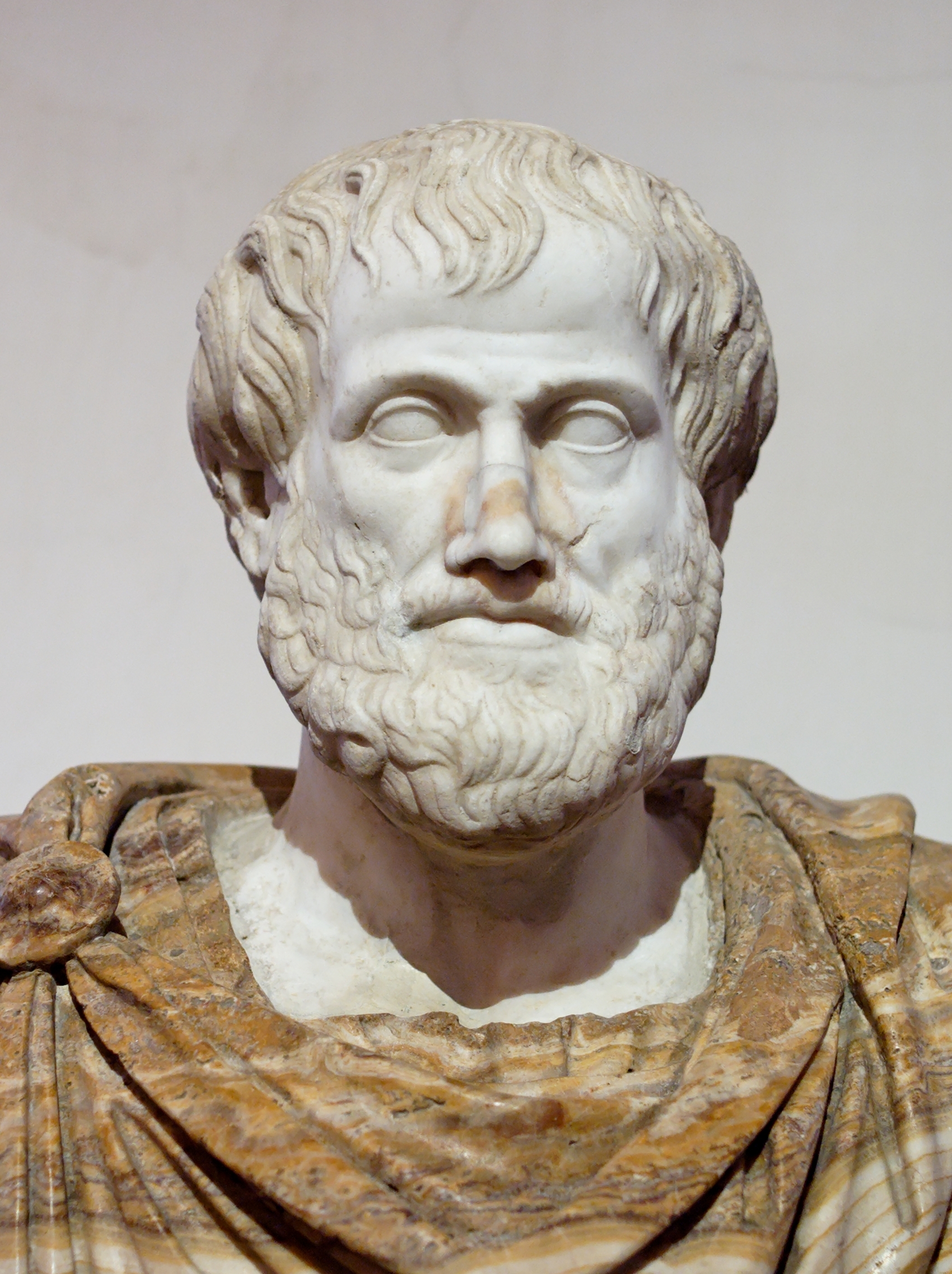
Aristotle
384 BCE – 322 BCE
Stagira, Chalcidice
Greek philosopher from Stagira, student of Plato, tutor of Alexander, and founder of the Lyceum whose logic, metaphysics, psychology, ethics, politics, rhetoric, poetics, biology, and philosophy of science shaped later philosophy.
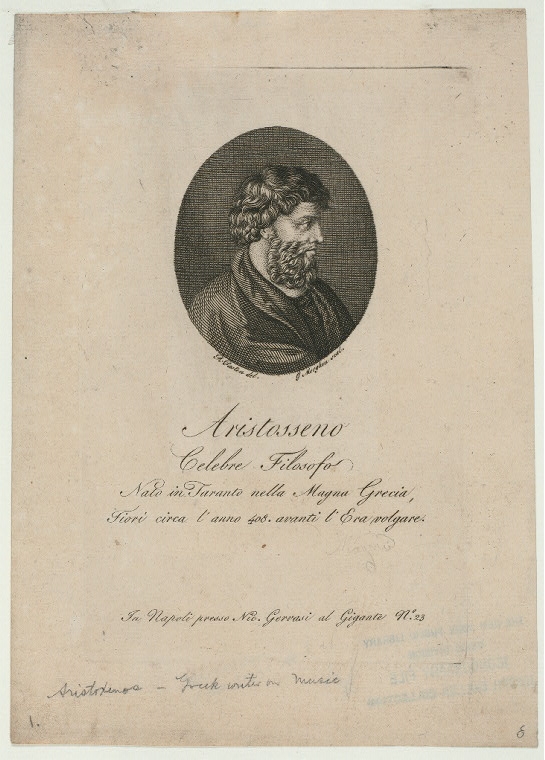
Aristoxenus of Tarentum
375 BCE – 300 BCE
Tarentum (Taras, Magna Graecia)
Greek Peripatetic philosopher and music theorist from Tarentum whose harmonics, rhythmics, perception theory, and Pythagorean ethical traditions shaped ancient aesthetics and philosophy of science.
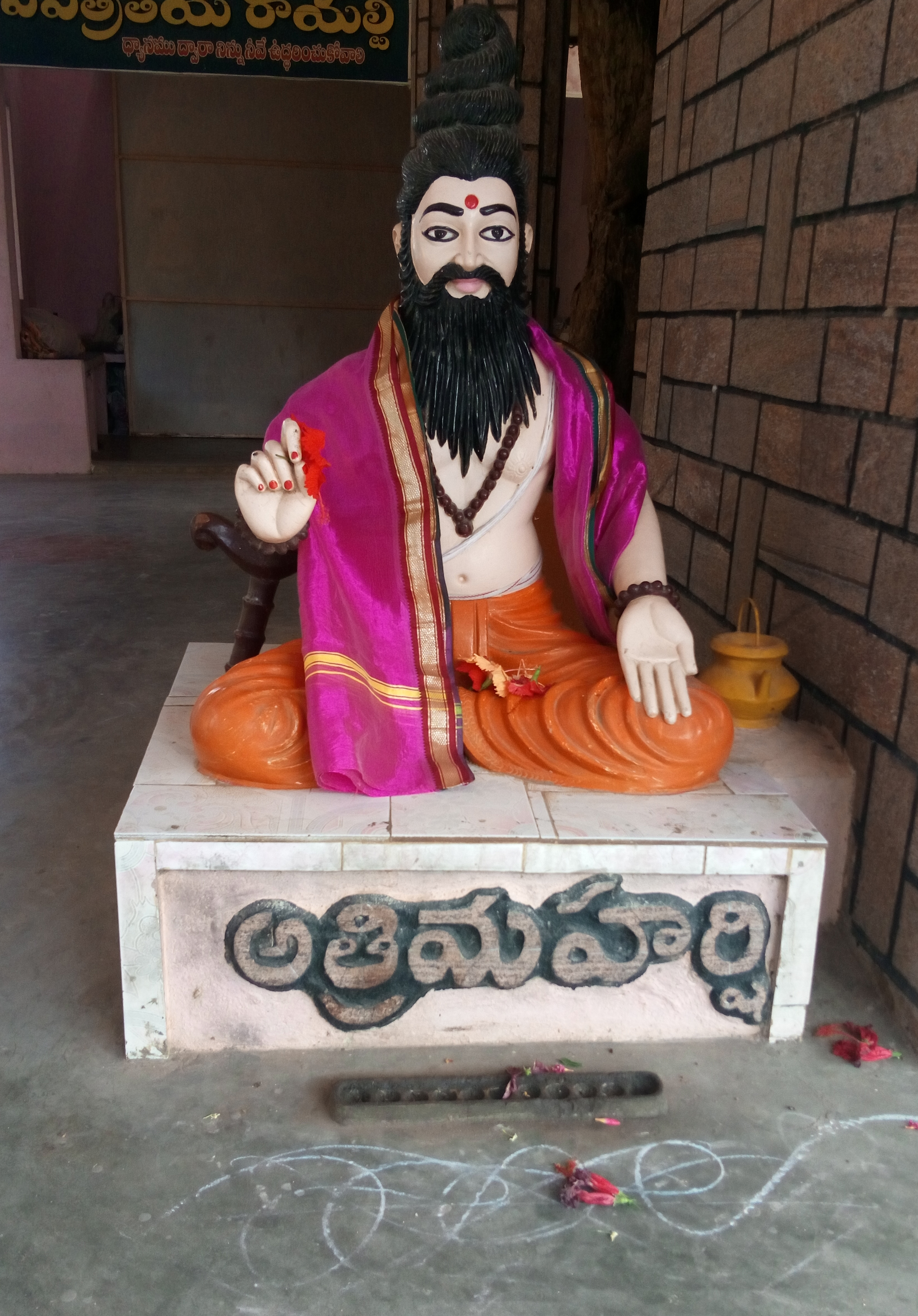
Atri
1500 BCE – 1200 BCE
Indo-Gangetic region (Vedic heartland)
Vedic rishi and Atreya-lineage seer associated with Rigveda Mandala 5 whose hymns join ritual praise, cosmic order, truth, healing, restraint, compassion, natural observation, and Vedic theology.
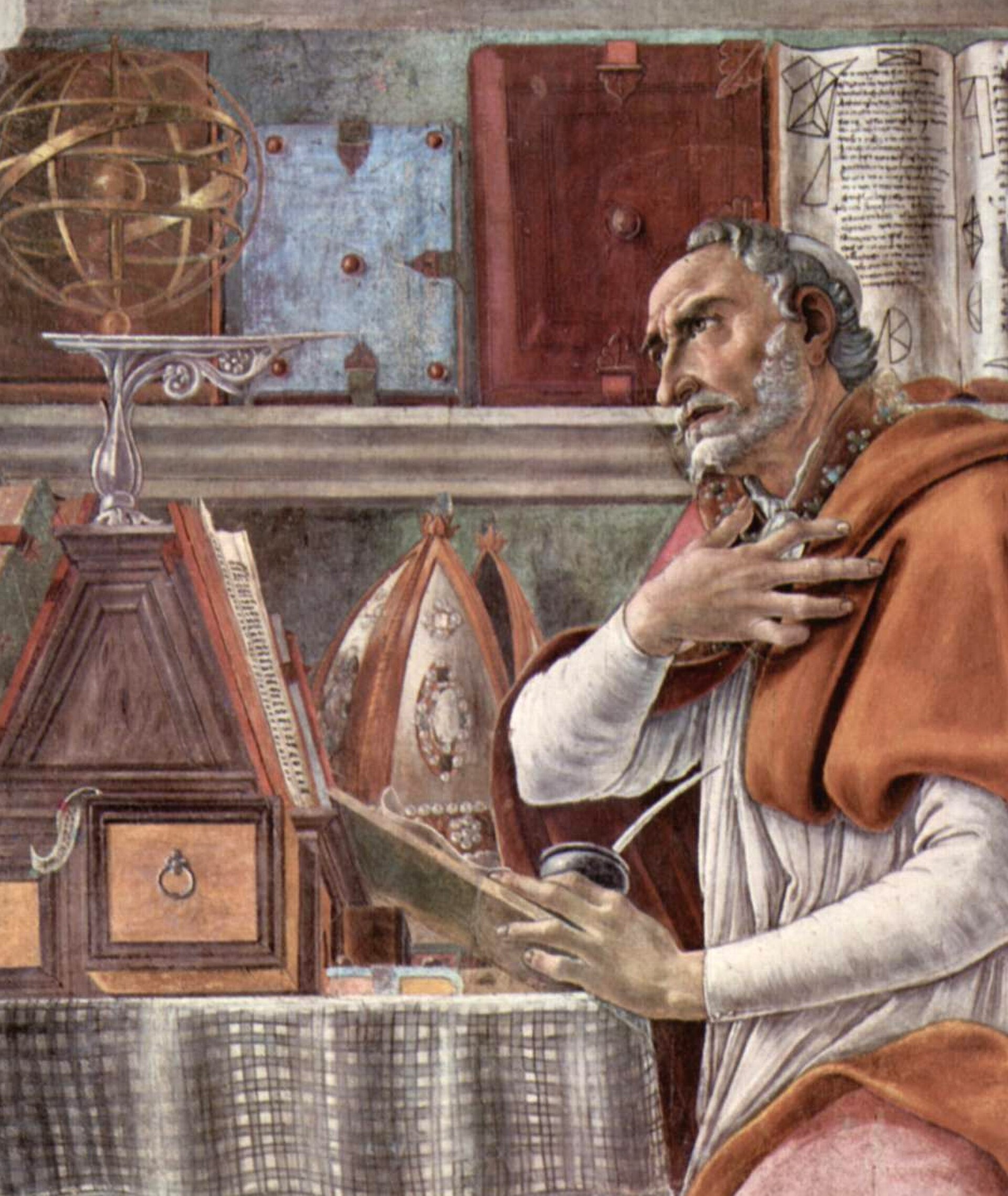
Augustine of Hippo
354 CE – 430 CE
Tagaste, Numidia
North African Latin Christian philosopher and bishop from Tagaste and Hippo whose accounts of memory, time, will, grace, evil, signs, love, political order, and the Trinity reshaped late antique, medieval, Christian, and modern philosophy.
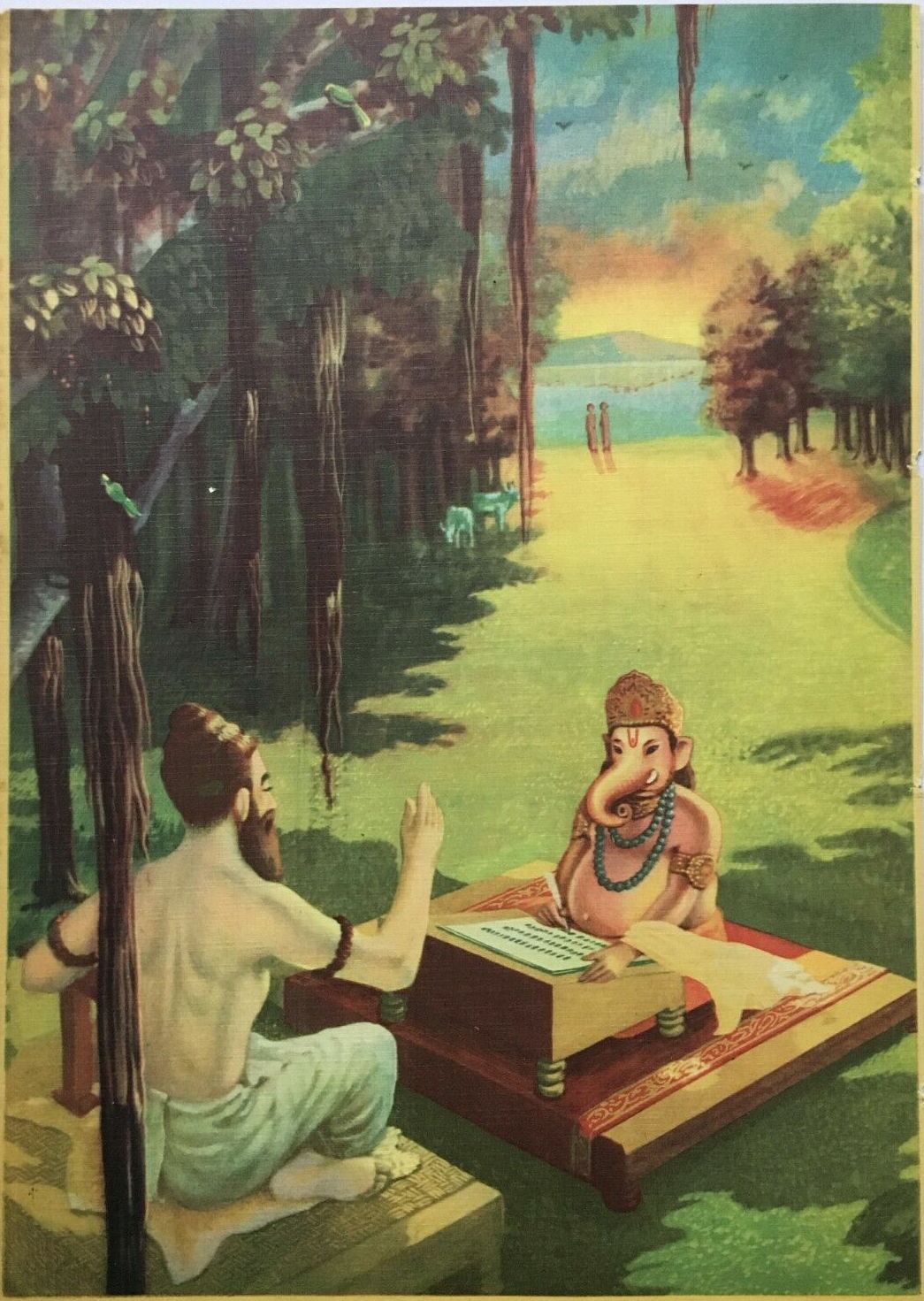
Bādarāyaṇa (Vyāsa)
500 BCE – 420 BCE
Indo-Gangetic region (traditional)
Indian sage-philosopher traditionally identified with Vyāsa and Bādarāyaṇa, linked to Vedānta, the Brahma Sūtras, epic philosophical teaching, Brahman, self, liberation, scripture, reason, and the metaphysical interpretation of Vedic revelation.
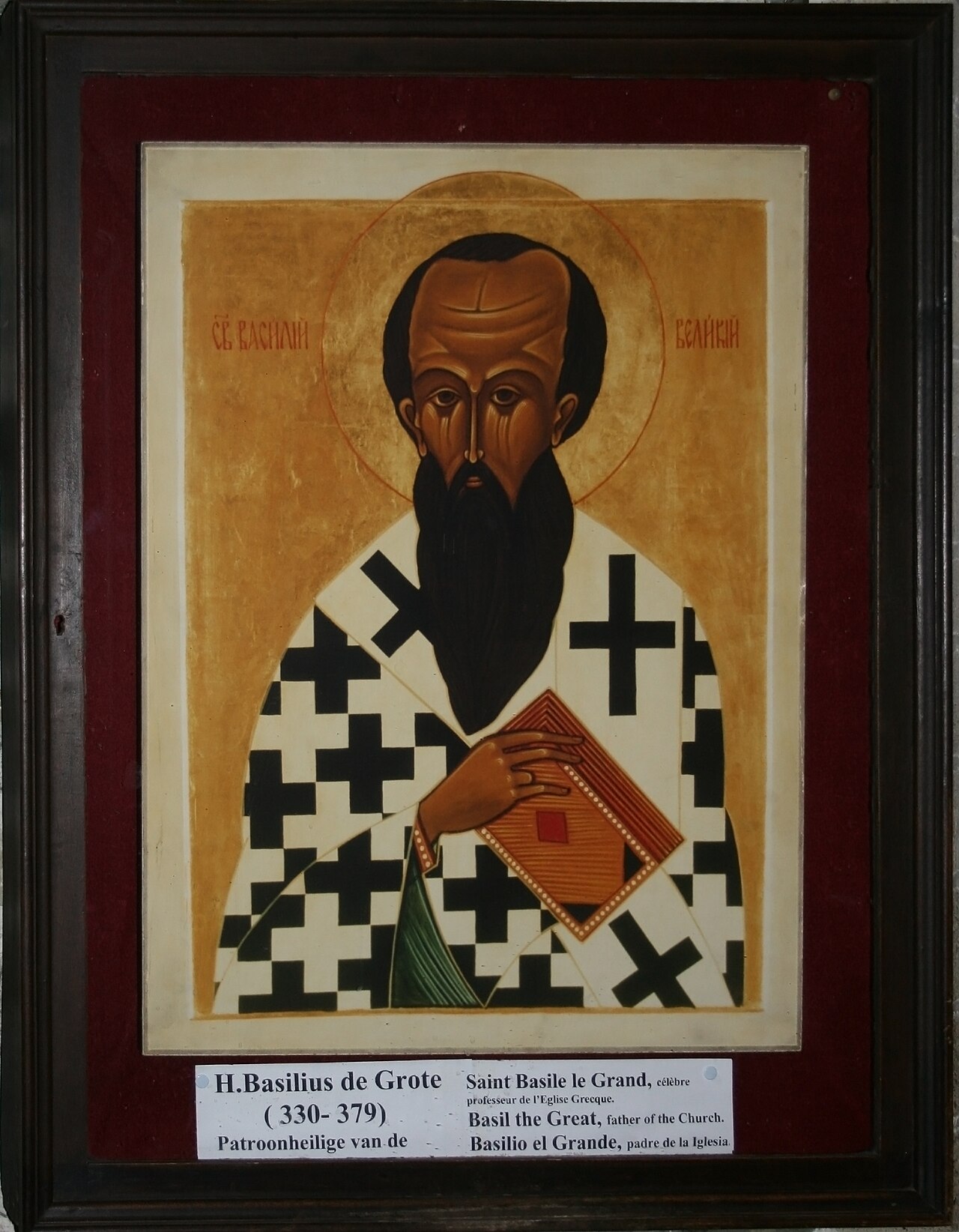
Basil the Great
330 CE – 379 CE
Caesarea, Cappadocia
Cappadocian Greek Christian bishop and theologian from Caesarea whose Trinitarian theology, account of the Holy Spirit, anti-Eunomian metaphysics, ascetic ethics, social teaching, biblical exegesis, and classical-learning pedagogy shaped Nicene Christianity, monastic practice, Byzantine thought, and philosophy of religion.
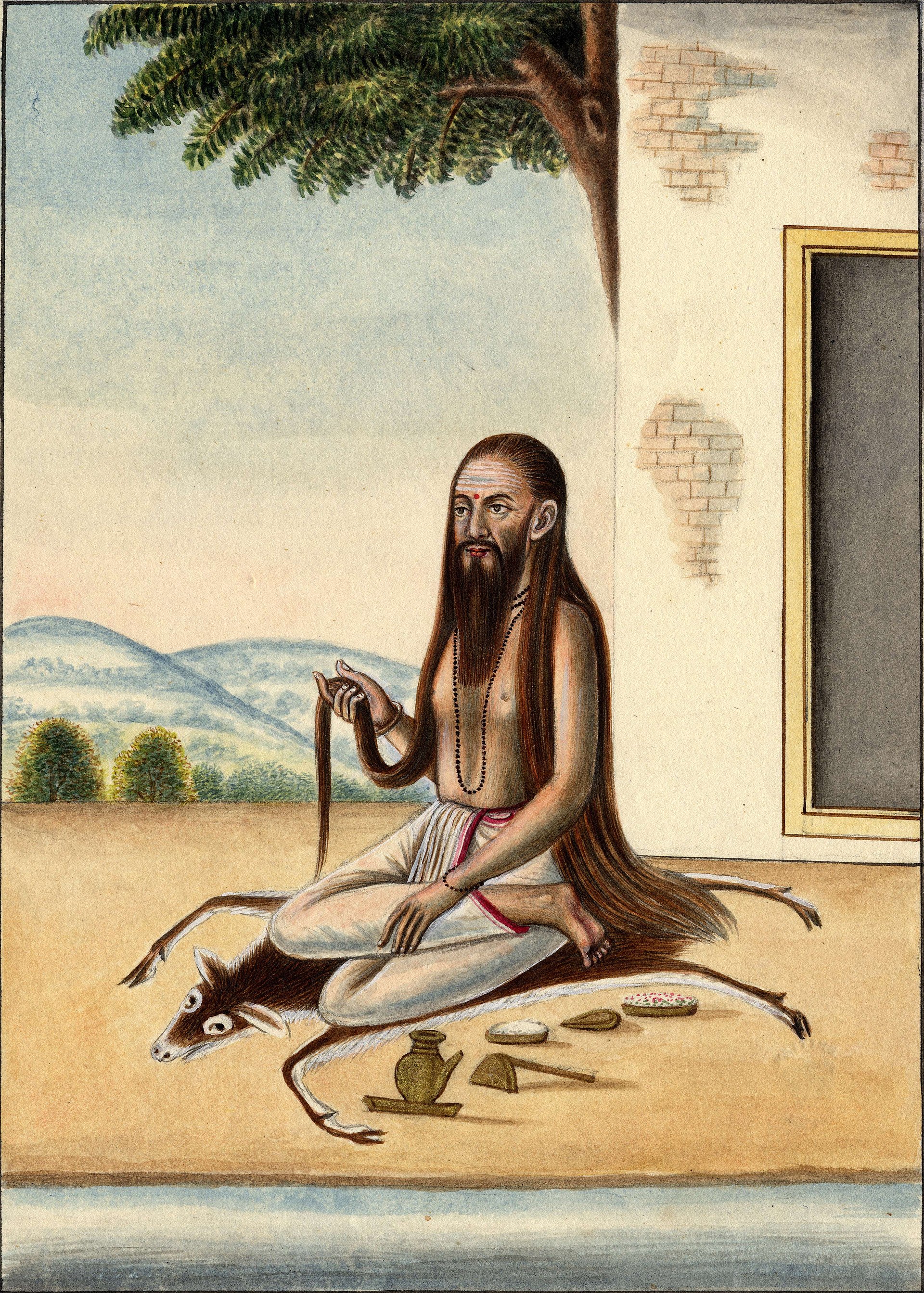
Bharadvāja
1280 BCE – 1200 BCE
Indo-Gangetic region (traditional)
Vedic rishi and Bharadvāja-family seer associated with Rigveda Mandala 6 whose hymns to Agni, Indra, Sarasvatī, Pūṣan, the Aśvins, dawn, cosmic order, and ritual power shaped Vedic theology, sacred speech, sacrificial ethics, poetic knowledge, and early Indian philosophy of religion.
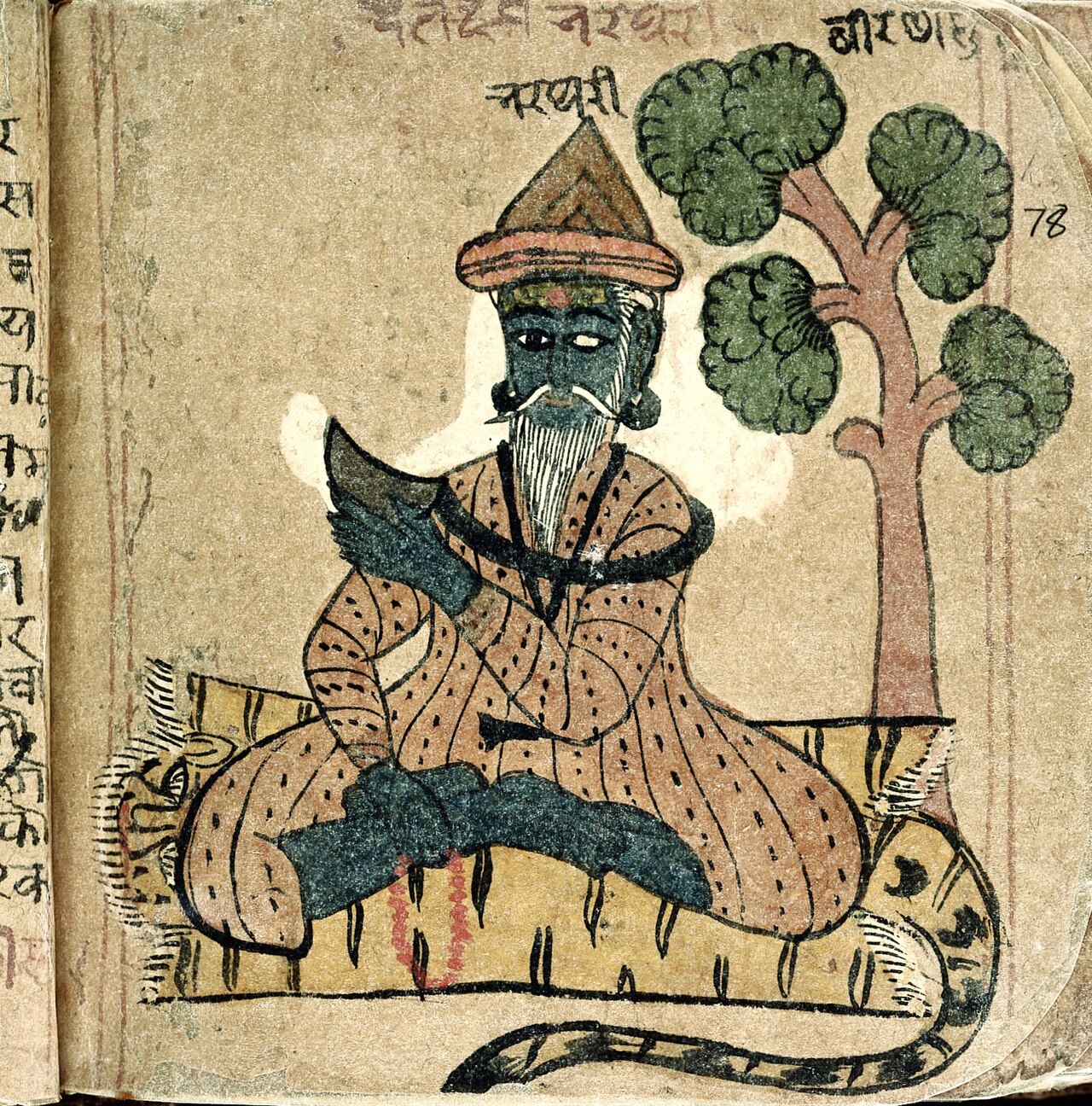
Bhartṛhari
450 CE – 510 CE
Ujjayinī region (Malwa)
Indian grammarian-philosopher from the Ujjayinī/Malwa tradition whose Vākyapadīya, sphoṭa theory, śabda-brahman metaphysics, sentence-meaning analysis, linguistic cognition, and discipline of speech shaped Sanskrit philosophy of language, ontology, epistemology, logic, and religious thought.
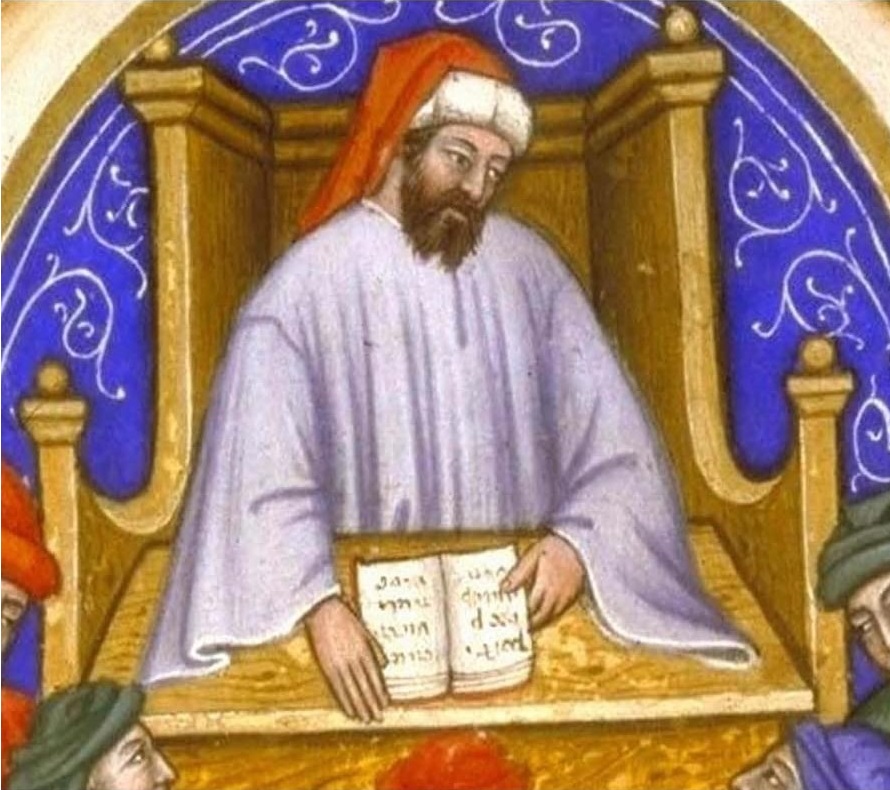
Boethius
480 CE – 524 CE
Rome
late antique Roman philosopher, statesman, translator, and Christian theologian from Rome whose logical translations and commentaries, theory of universals, account of providence, eternity, free will, participation, and philosophical consolation transmitted Greek philosophy to the medieval Latin West.
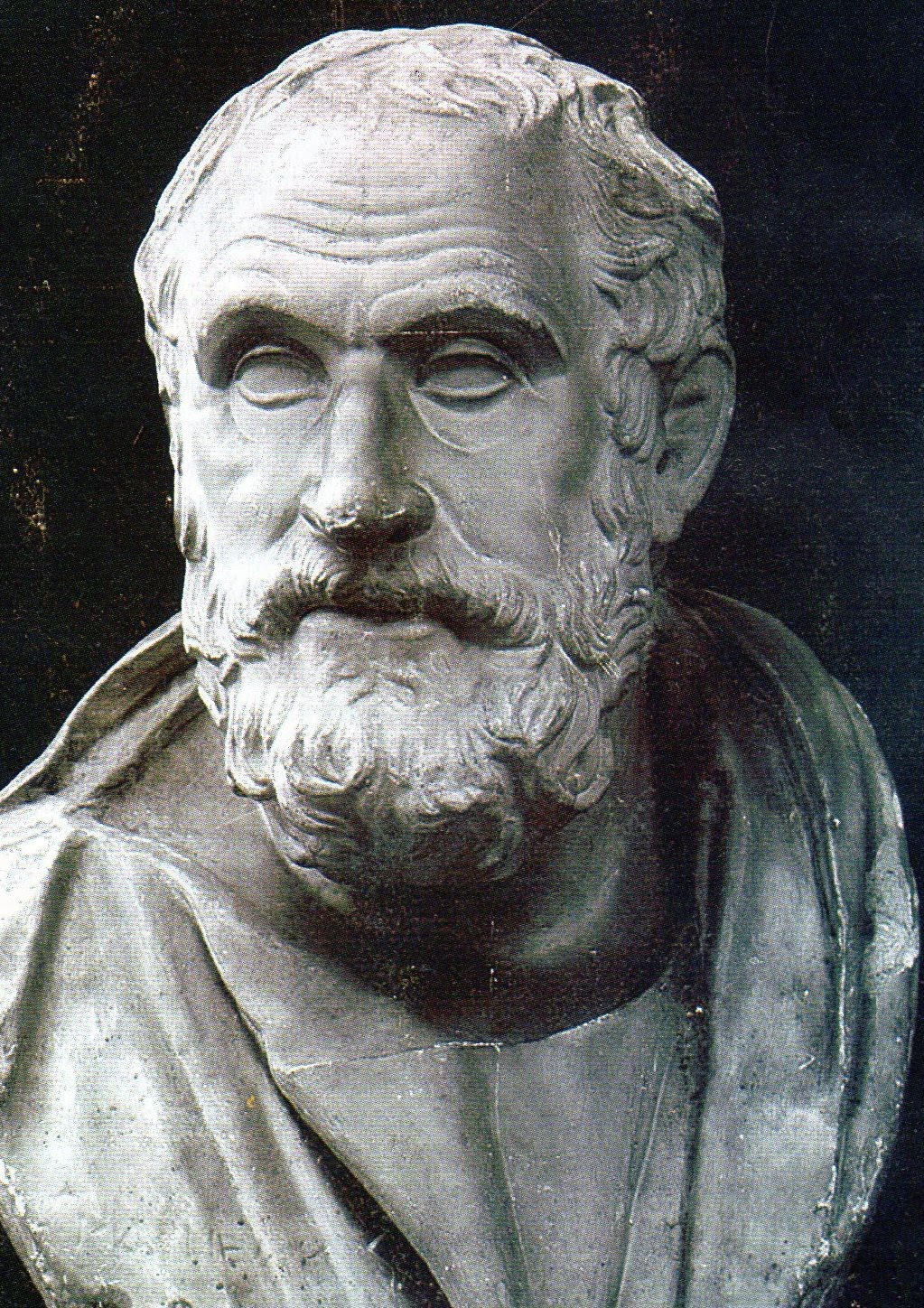
Carneades of Cyrene
214 BCE – 129 BCE
Cyrene (Cyrenaica)
Cyrenaic Greek Academic skeptic who led the New Academy, challenged Stoic certainty, developed the pithanon as practical guidance, argued on both sides of disputed questions, and made suspension of assent central to Hellenistic epistemology.
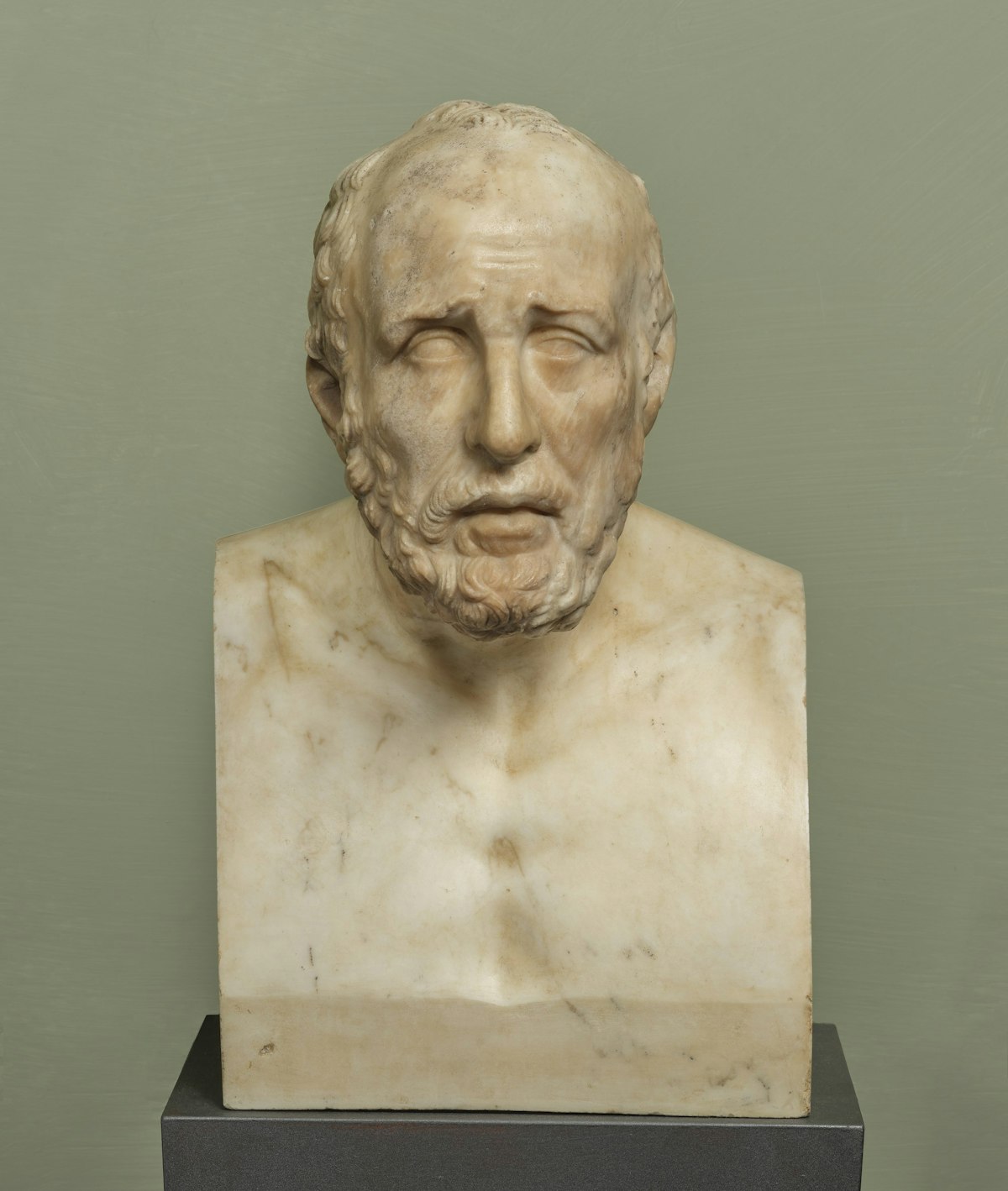
Chrysippus of Soli
279 BCE – 206 BCE
Soli, Cilicia
Stoic philosopher from Soli whose lost system of logic, physics, ethics, fate, providence, language, and knowledge made him the main architect of early Stoicism after Zeno and Cleanthes.
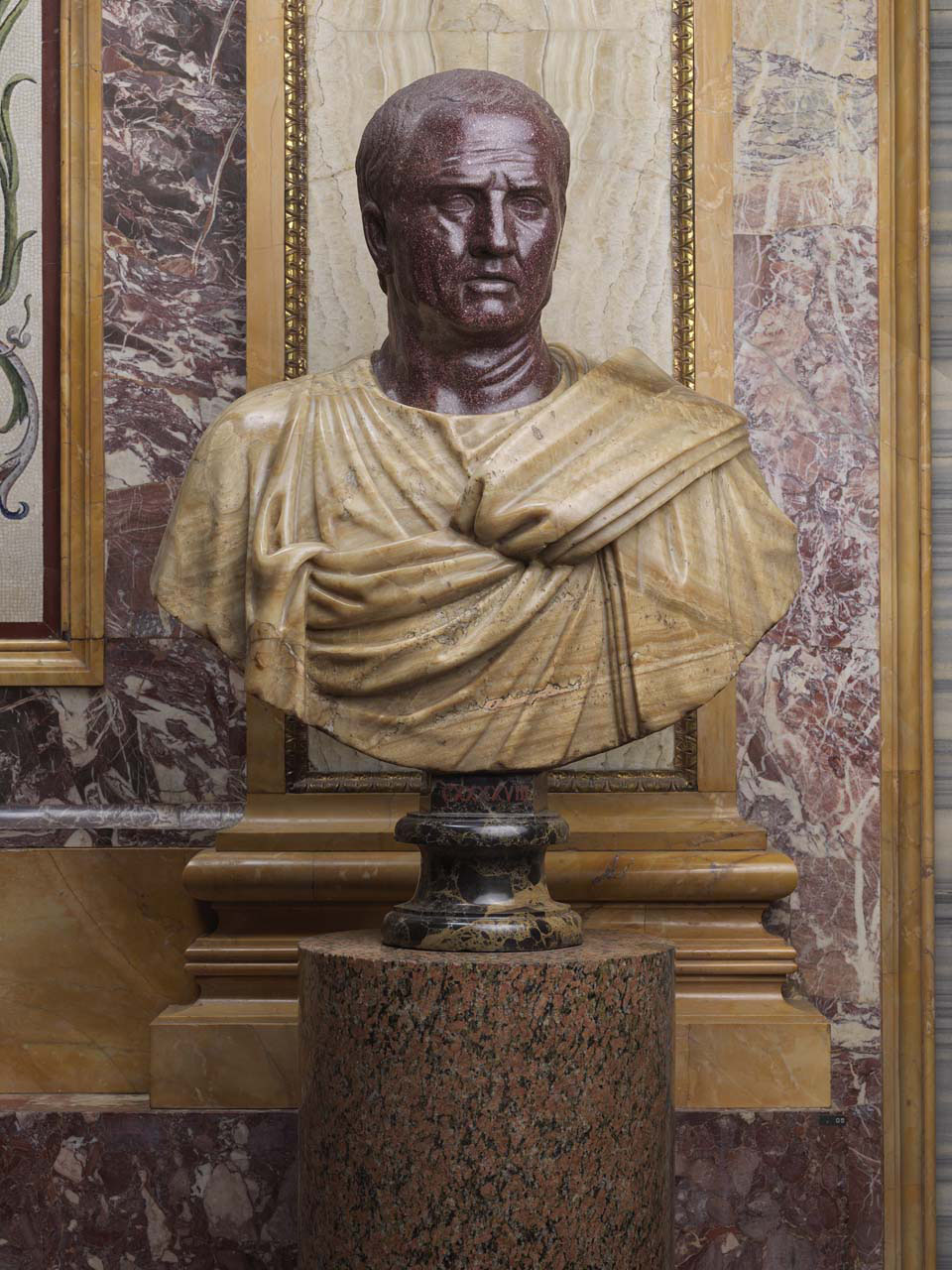
Cicero (Marcus Tullius Cicero)
106 BCE – 43 BCE
Arpinum, Roman Republic
Roman statesman, orator, lawyer, and philosopher who turned Greek ethics, skepticism, theology, rhetoric, and republican political thought into enduring Latin civic philosophy.
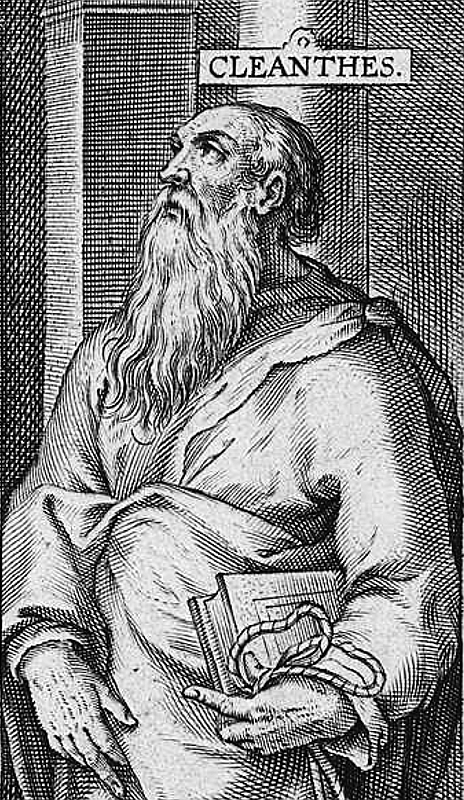
Cleanthes of Assos
331 BCE – 232 BCE
Assos in the Troad
Early Stoic head from Assos whose Hymn to Zeus, lost title catalogue, and teaching on providence, duty, impulse, logic, beauty, and living according to nature carried Zeno school into Chrysippus generation.
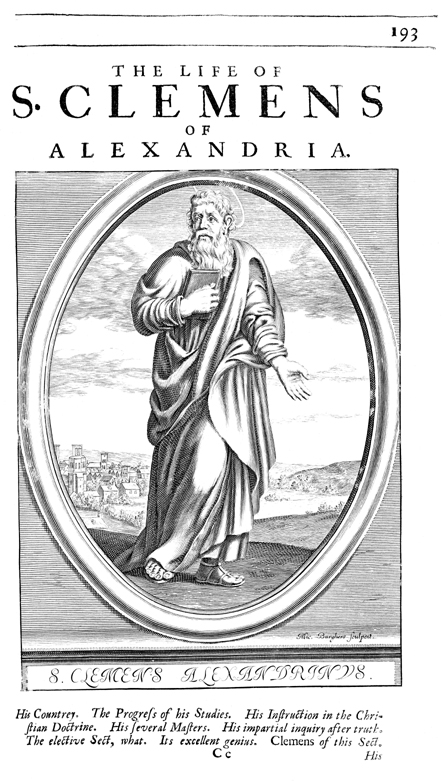
Clement of Alexandria
150 CE – 215 CE
probably Athens
Greek Christian philosopher and Alexandrian teacher who joined Platonist learning, biblical interpretation, moral formation, and Christian gnosis into an early account of faith perfected by reason.
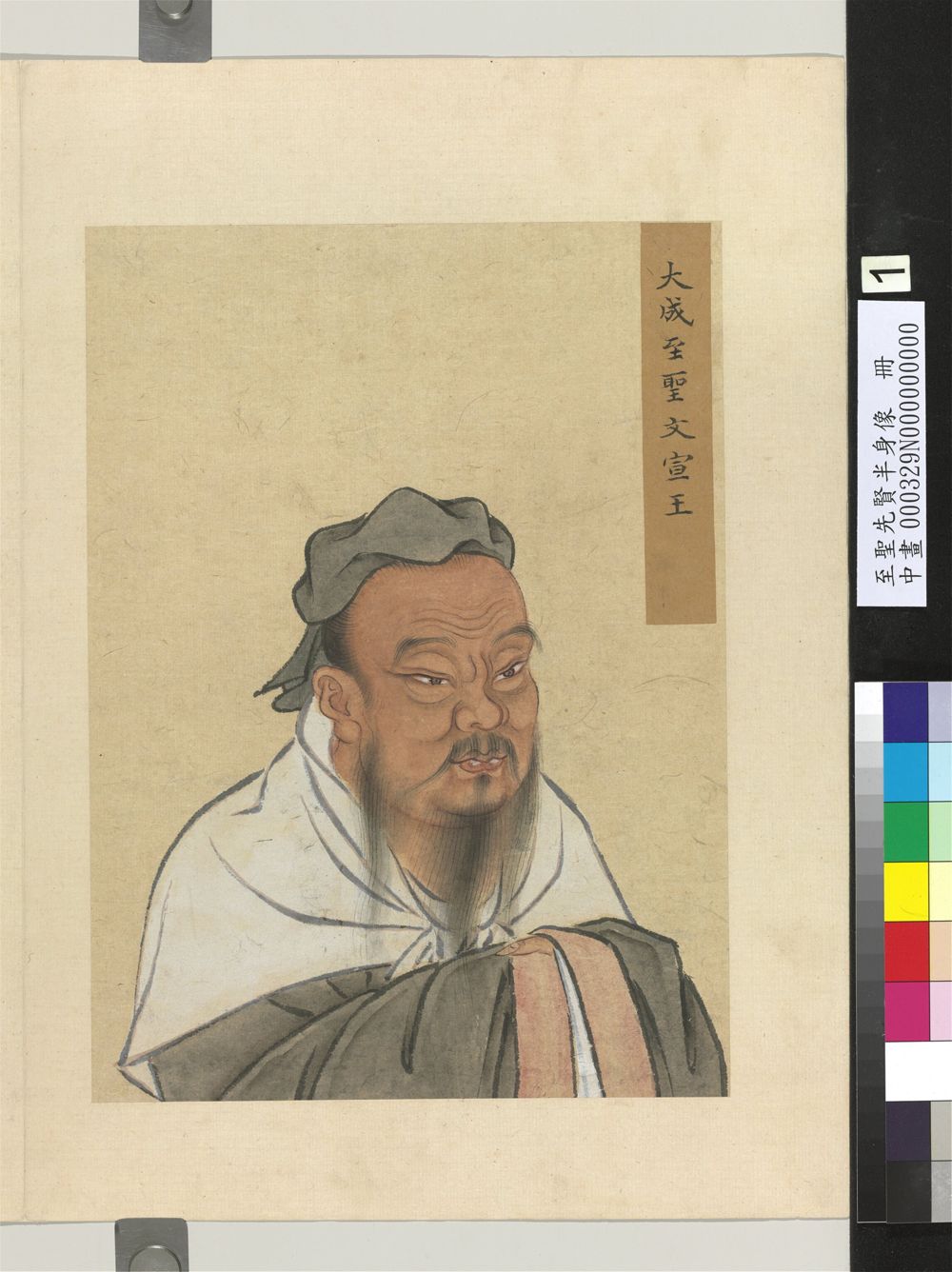
Confucius
551 BCE – 479 BCE
Zou, Lu (near Qufu, Shandong)
Ancient Chinese teacher from the state of Lu whose account of learning, ritual, humane conduct, music, names, family reverence, and virtuous government became the center of the Confucian tradition.
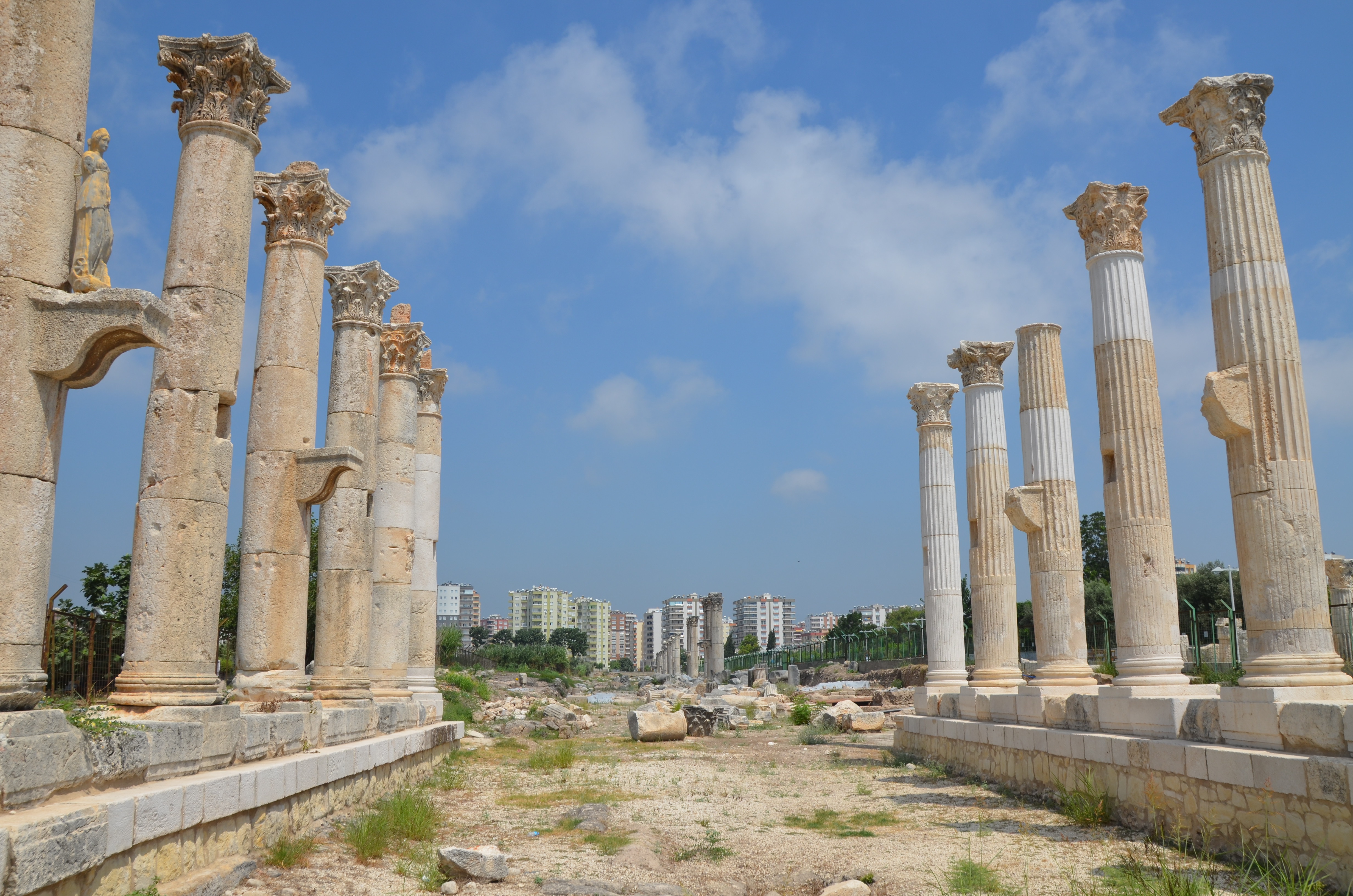
Crantor of Soli
335 BCE – 275 BCE
Soli, Cilicia
Old Academic philosopher from Soli in Cilicia whose lost On Grief and early commentary on Plato's Timaeus made consolation, soul theory, and Platonic interpretation central to later Academic reception.
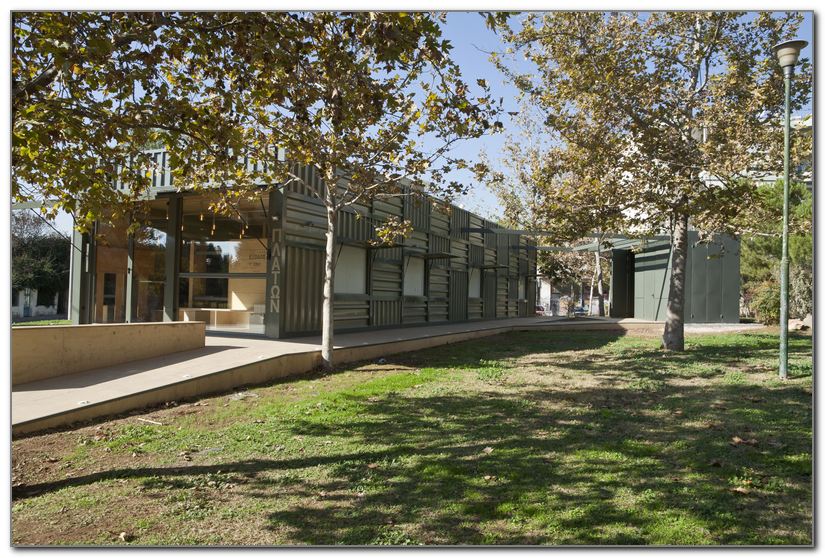
Crates of Athens
c. 335 BCE – 268/7 BCE
Thria, Attica
Old Academy scholarch from Thria in Attica, remembered as Polemo's close Academic associate and predecessor to Arcesilaus in the Athenian school.
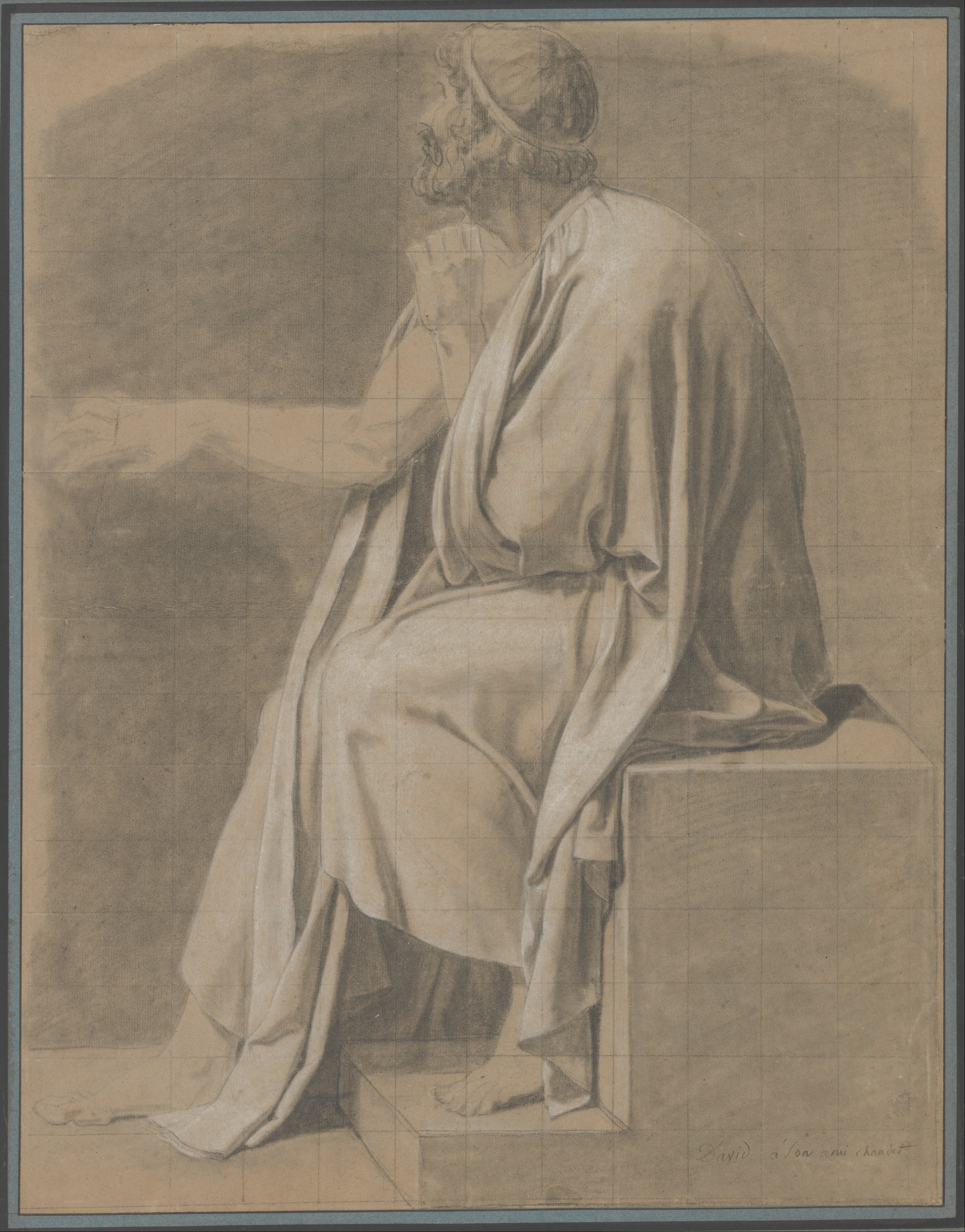
Crito of Alopece
469 BCE – 399 BCE
Alopece, Attica
Athenian friend of Socrates from Alopece, remembered as the prison interlocutor who urged escape and became a reception figure for justice, civic duty, and political obligation.
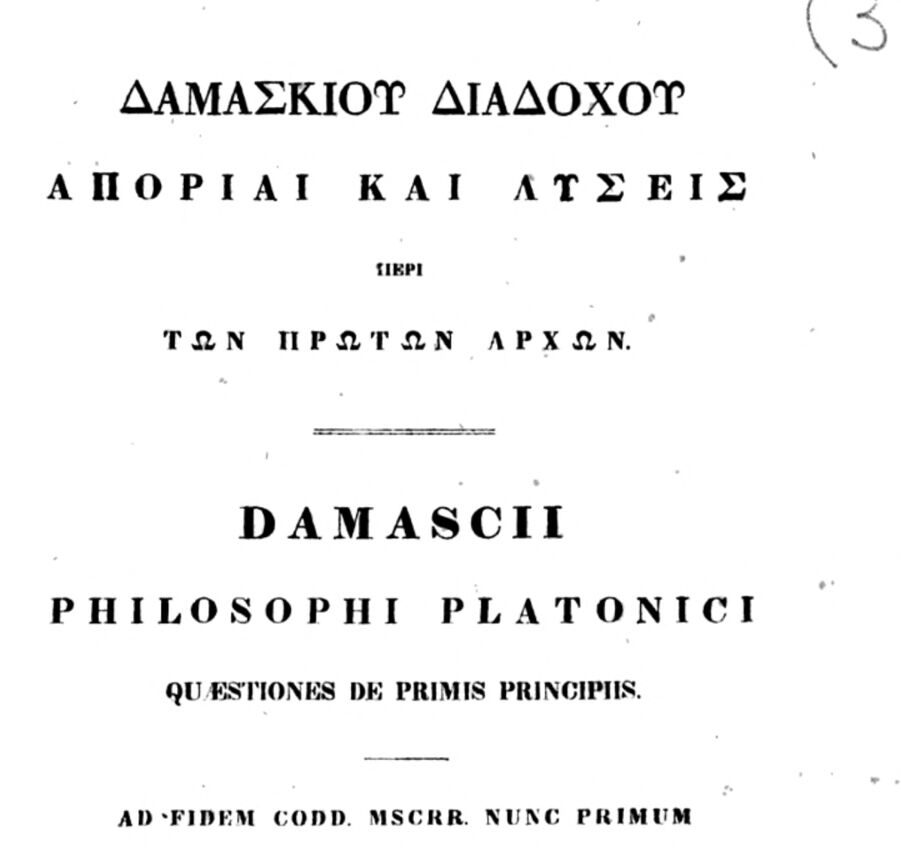
Damascius
462 CE – 538 CE
Damascus
Last head of the Athenian Neoplatonic school, born in Damascus, whose aporetic first-principles metaphysics tests what language, thought, and theology can say about the ineffable.
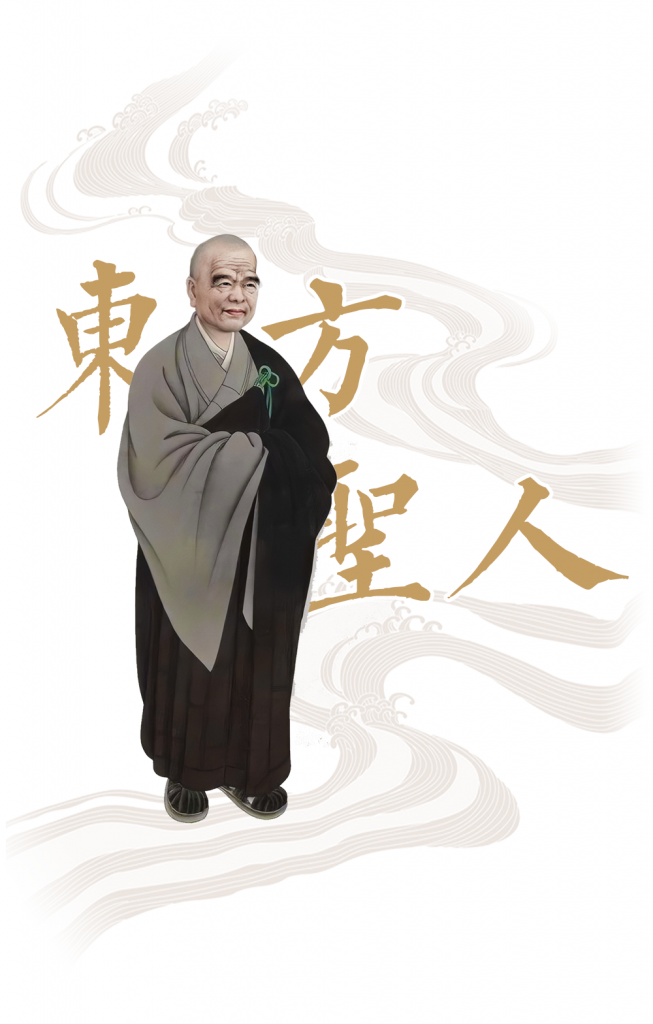
Dao'an
312 CE – 385 CE
Changshan Commandery / Fuliu, Hebei
Chinese Buddhist organizer, exegete, and translation leader who shaped Prajnaparamita interpretation, monastic discipline, scripture cataloging, and the language of early Chinese Buddhism.
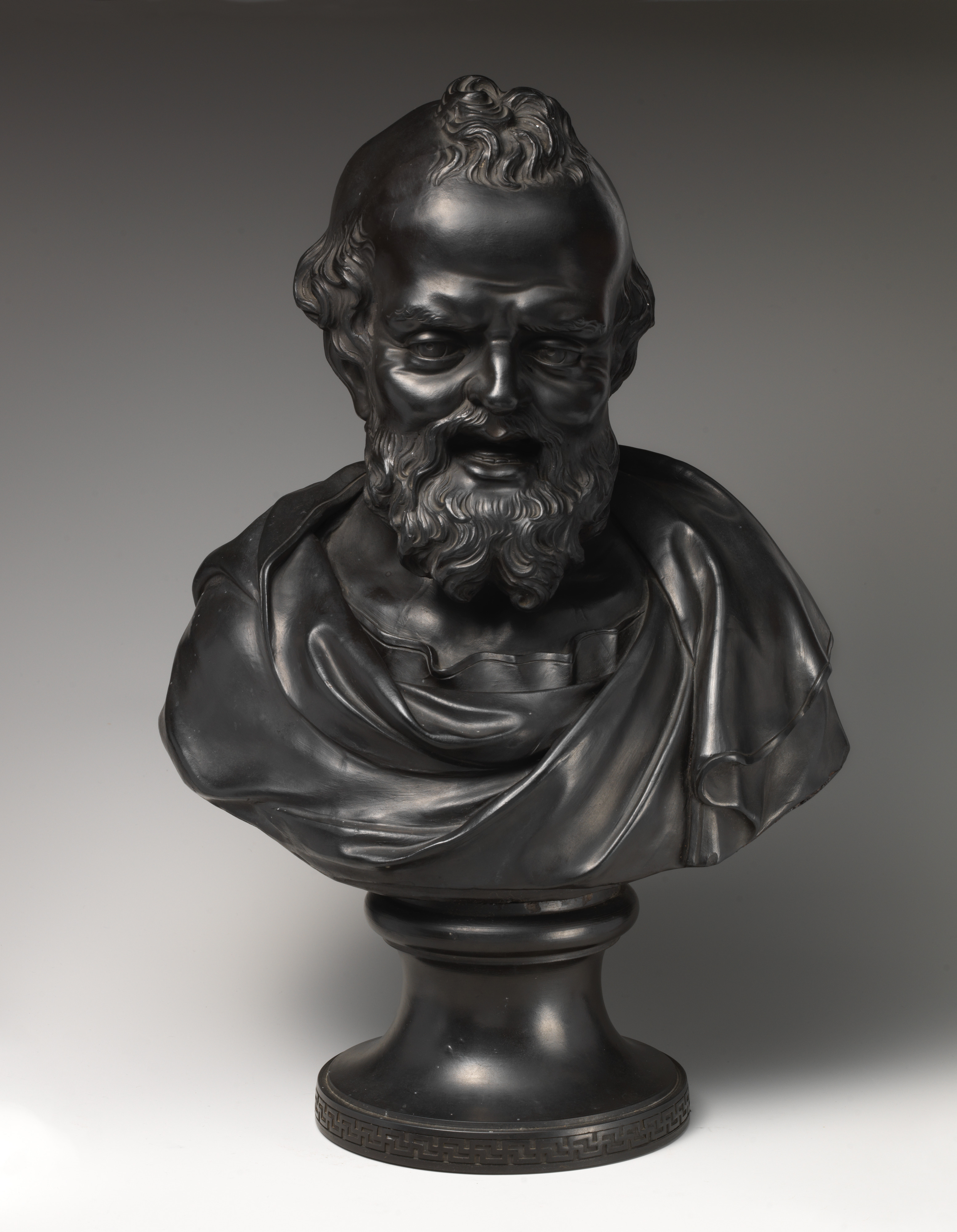
Democritus of Abdera
460 BCE – 370 BCE
Abdera, Thrace
Presocratic atomist from Abdera whose philosophy explained nature, mind, perception, ethics, language, mathematics, and religion through atoms, void, causal necessity, and measured cheerfulness.
Dharmaraksa
233 CE – 310 CE
Dunhuang
Yuezhi-descended Buddhist translator from Dunhuang whose Western Jin translation communities carried Lotus, Prajnaparamita, Pure Land, Manjusri, and Buddha-land traditions into Chinese Buddhist thought.
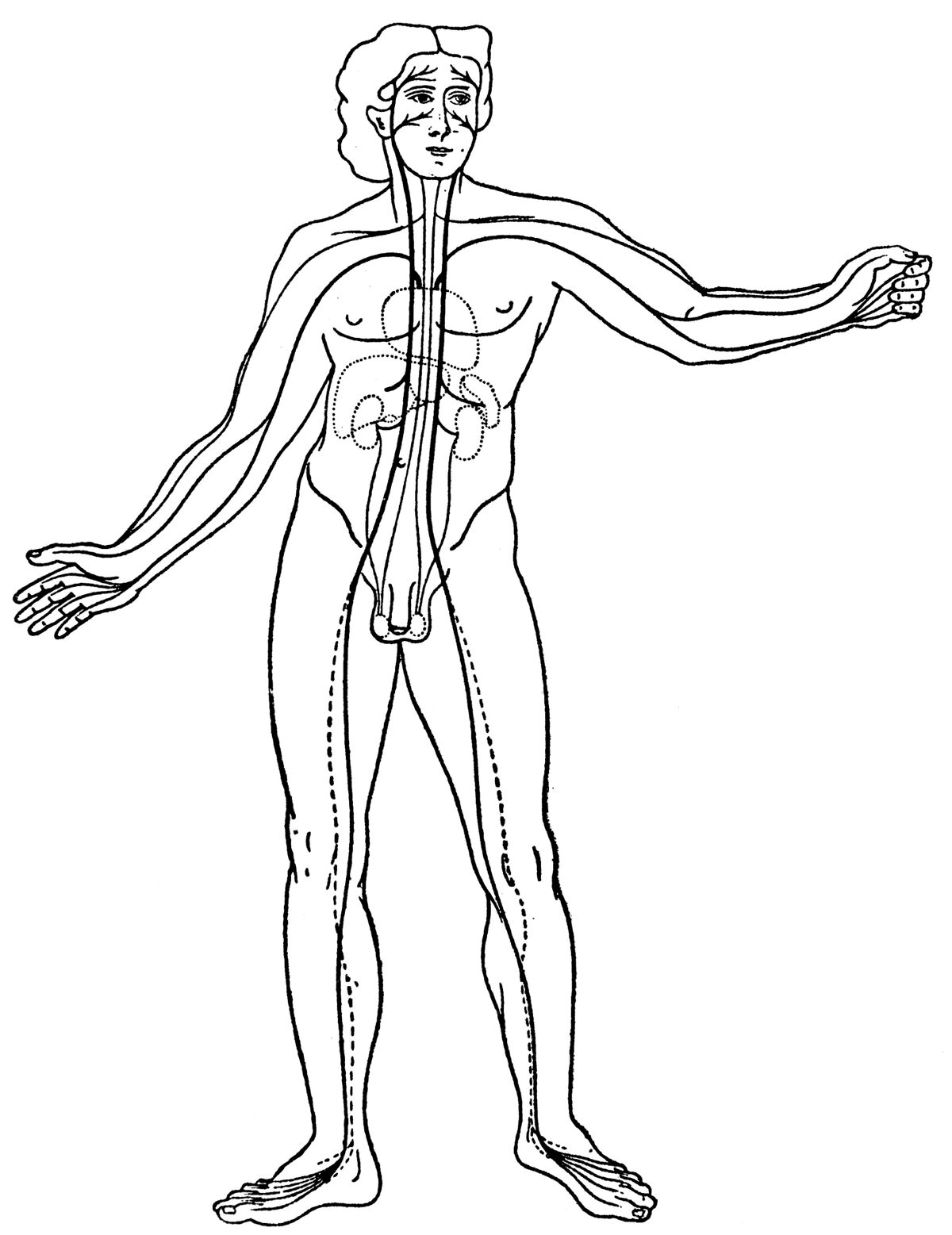
Diogenes of Apollonia
460 BCE – 400 BCE
Apollonia Pontica, Thrace
Presocratic natural philosopher from Apollonia Pontica whose surviving fragments explain cosmos, soul, perception, physiology, and divine intelligence through air.
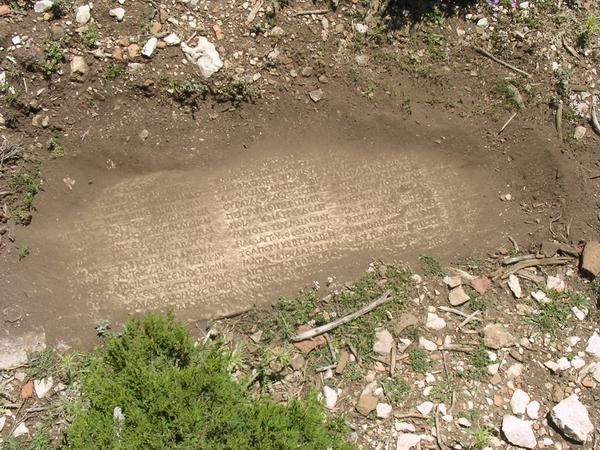
Diogenes of Oenoanda
70 CE – 140 CE
Oenoanda, Lycia
Second-century Epicurean from Oenoanda in Lycia whose monumental inscription turned philosophy into public therapy against fear, superstition, pain, death, and false beliefs about the gods.
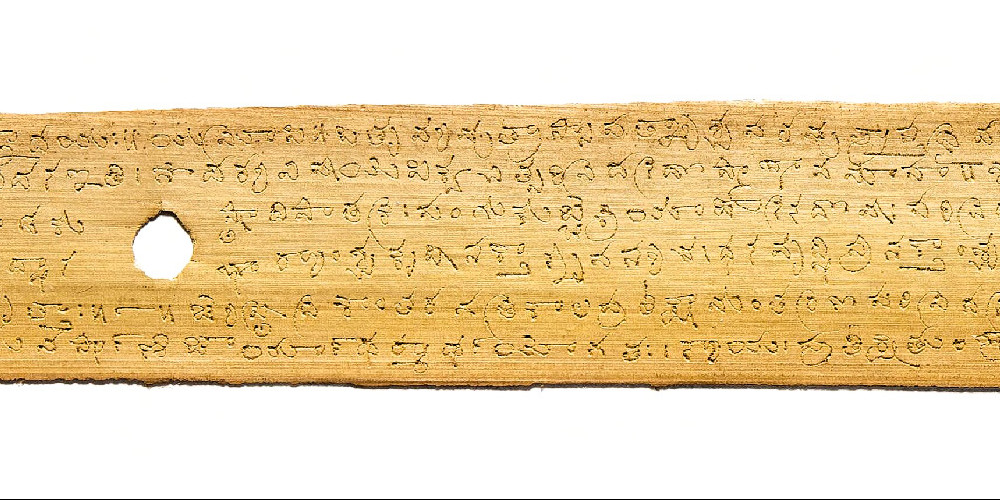
Dīrghatamas Āucathya
1135 BCE – 1065 BCE
Eastern Indo-Gangetic region (Anga tradition)
Rigvedic seer associated with hymns 1.140-1.164, especially the riddle-cosmology of 1.164, where speech, mind, number, divine multiplicity, and hidden order become philosophical poetry.
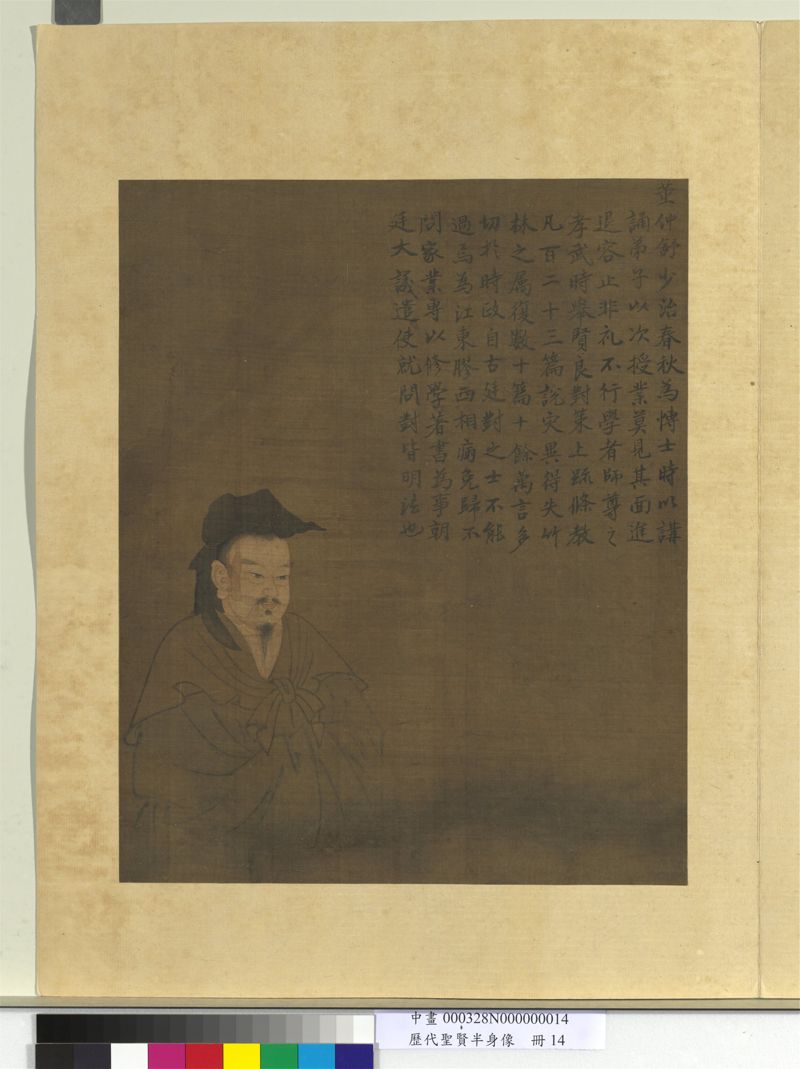
Dong Zhongshu
179 BCE – 104 BCE
Guangchuan / Wencheng, Hebei
Western Han Confucian thinker from Guangchuan, remembered for joining Gongyang classicism, Heaven-human resonance, yin-yang and Five Phases cosmology, moral rulership, and imperial Confucian policy.
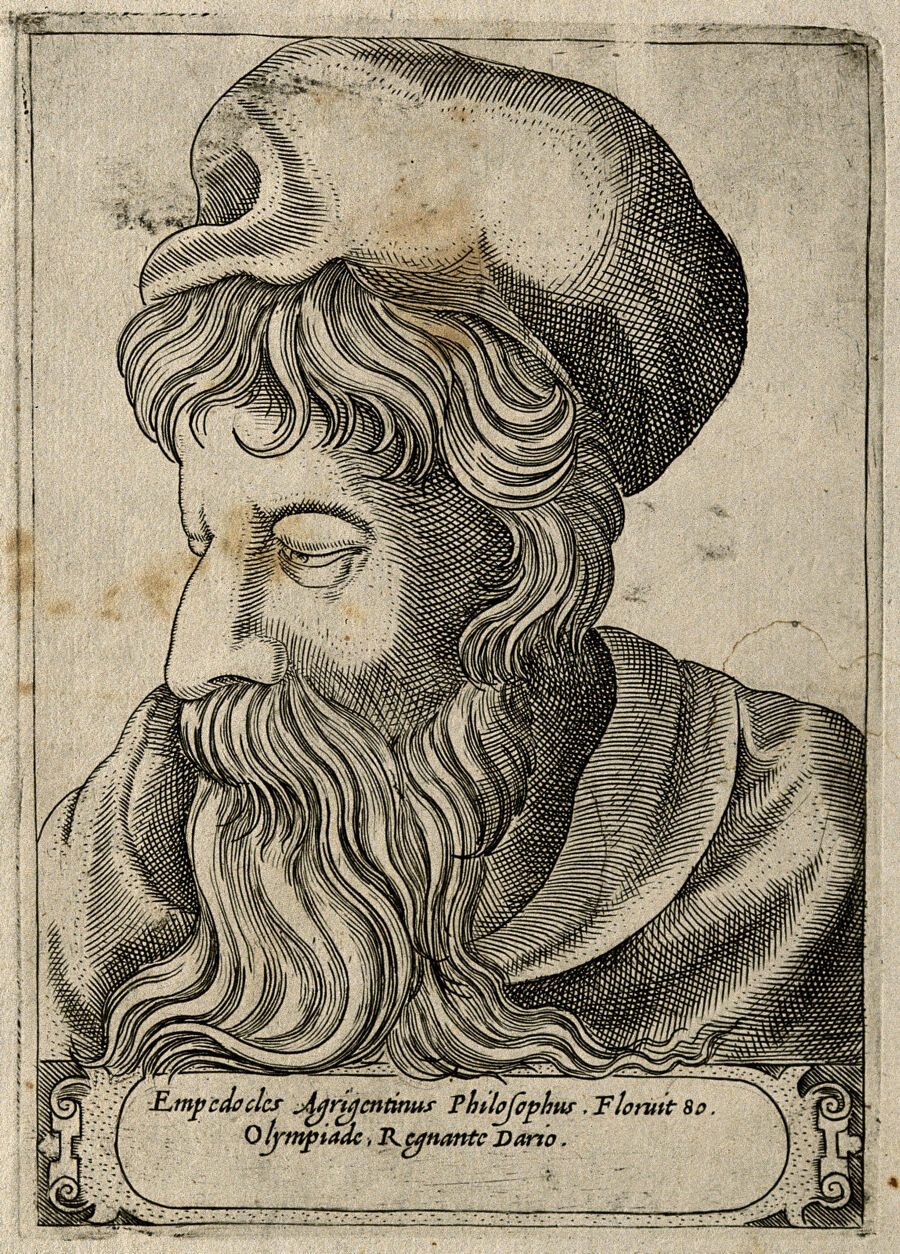
Empedocles of Acragas
494 BCE – 434 BCE
Acragas (Agrigentum, Sicily)
Siceliote Greek poet-philosopher from Acragas who explained nature through four roots and the cosmic powers of Love and Strife while joining cosmology, medicine, ethics, and purification religion.
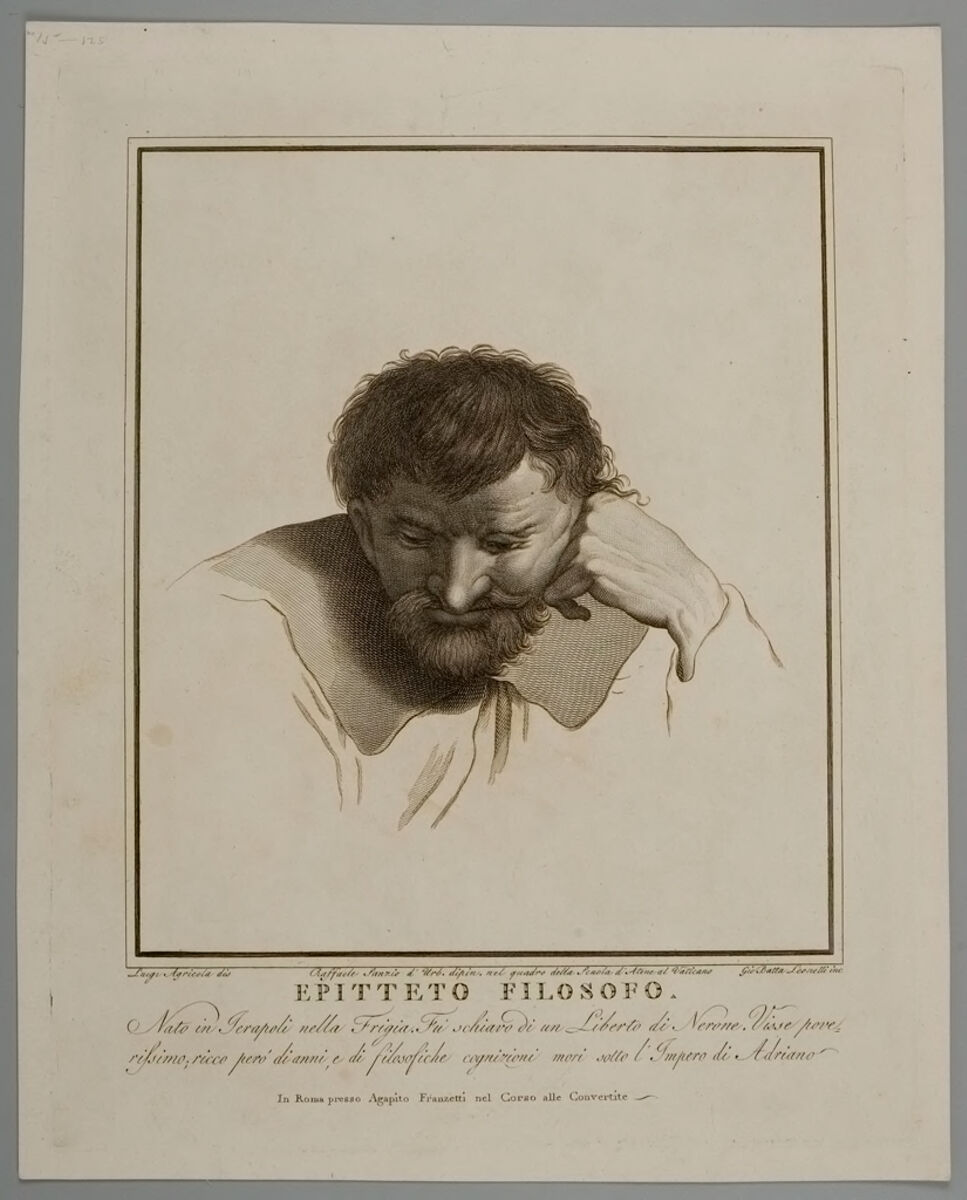
Epictetus
50 CE – 135 CE
Hierapolis, Phrygia
Formerly enslaved Stoic teacher from Hierapolis and Nicopolis whose recorded classroom teaching made prohairesis, disciplined assent, providence, and inner freedom central to Roman Stoicism.
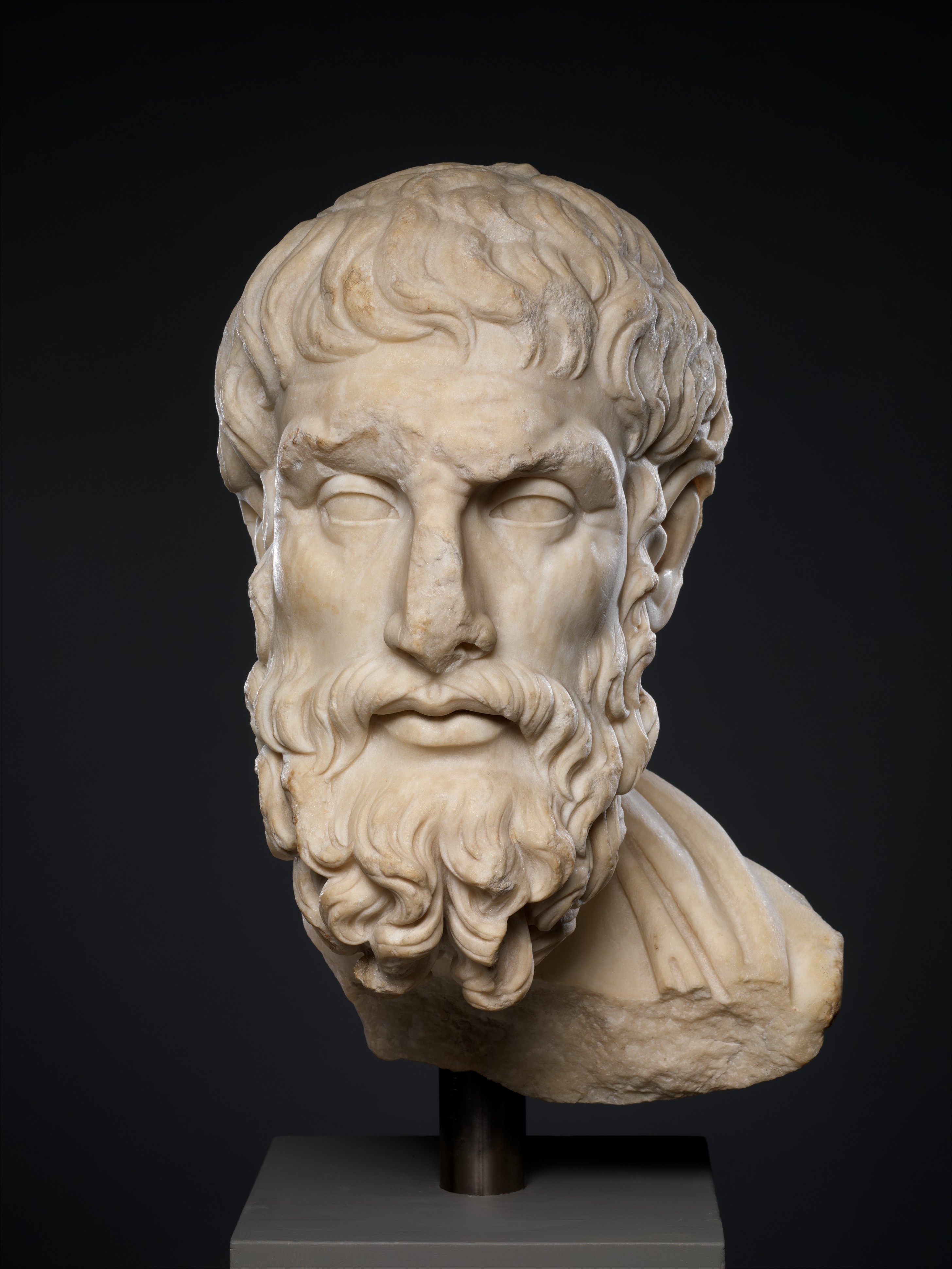
Epicurus of Samos
341 BCE – 270 BCE
Samos
Greek philosopher from Samos whose Garden school joined atomist physics, a canon of sensation and feeling, and an ethics of pleasure understood as freedom from bodily pain and mental disturbance.
Euclid of Megara
435 BCE – 365 BCE
Megara
Socratic philosopher from Megara who joined Socratic concern for the good to Eleatic unity and founded the Megarian school of dialectical argument.
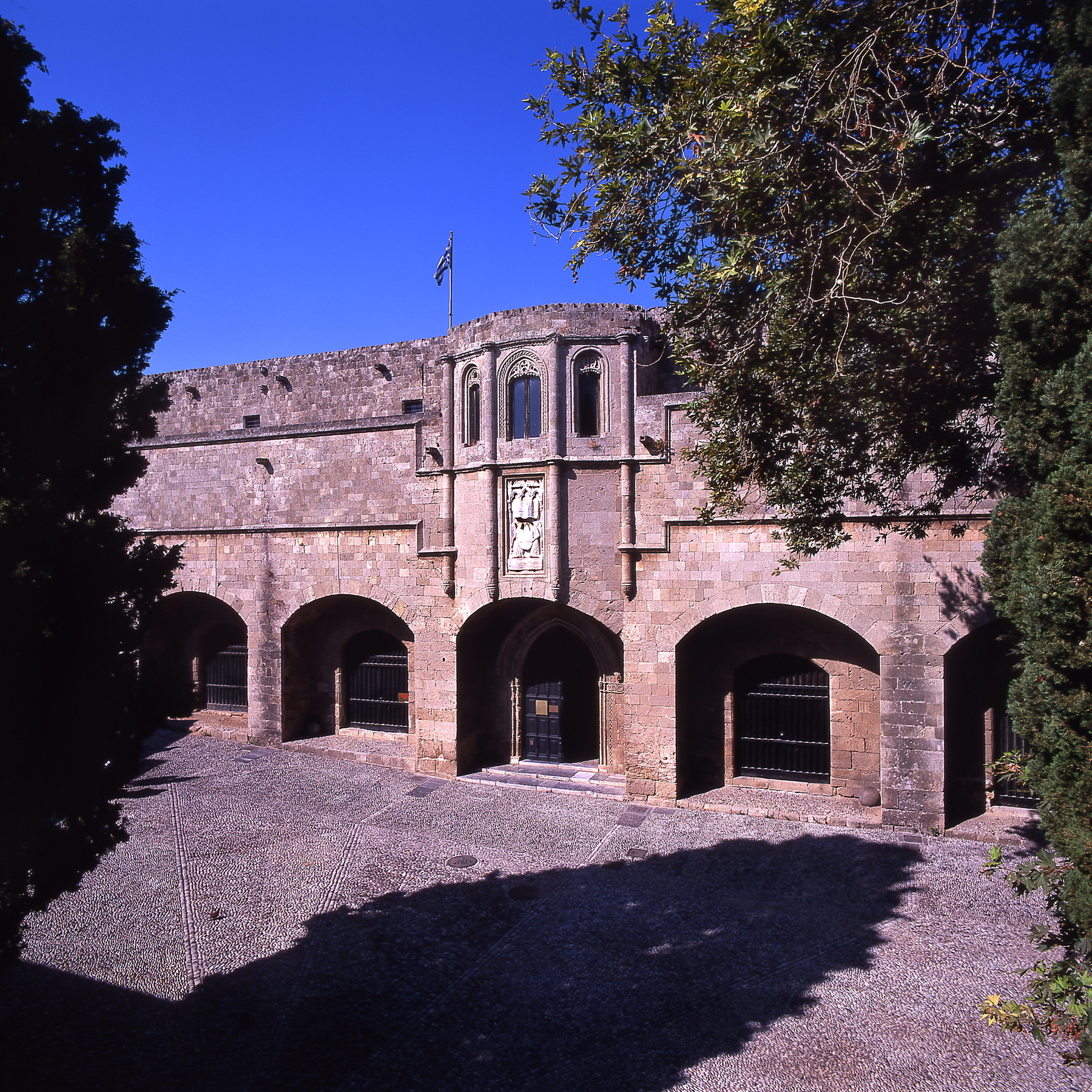
Eudemus of Rhodes
370 BCE – 300 BCE
Rhodes (island)
Peripatetic philosopher from Rhodes, pupil of Aristotle and companion of Theophrastus, remembered for systematizing Aristotelian logic and physics and for pioneering histories of Greek geometry, arithmetic, and astronomy.
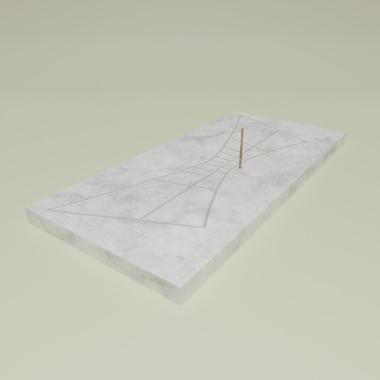
Eudoxus of Cnidus
390 BCE – 340 BCE
Cnidus, Caria
Mathematician, astronomer, geographer, and philosopher from Cnidus, remembered for proportion theory, homocentric-sphere astronomy, geography, calendrical work, and the ancient testimony about pleasure as the natural good.
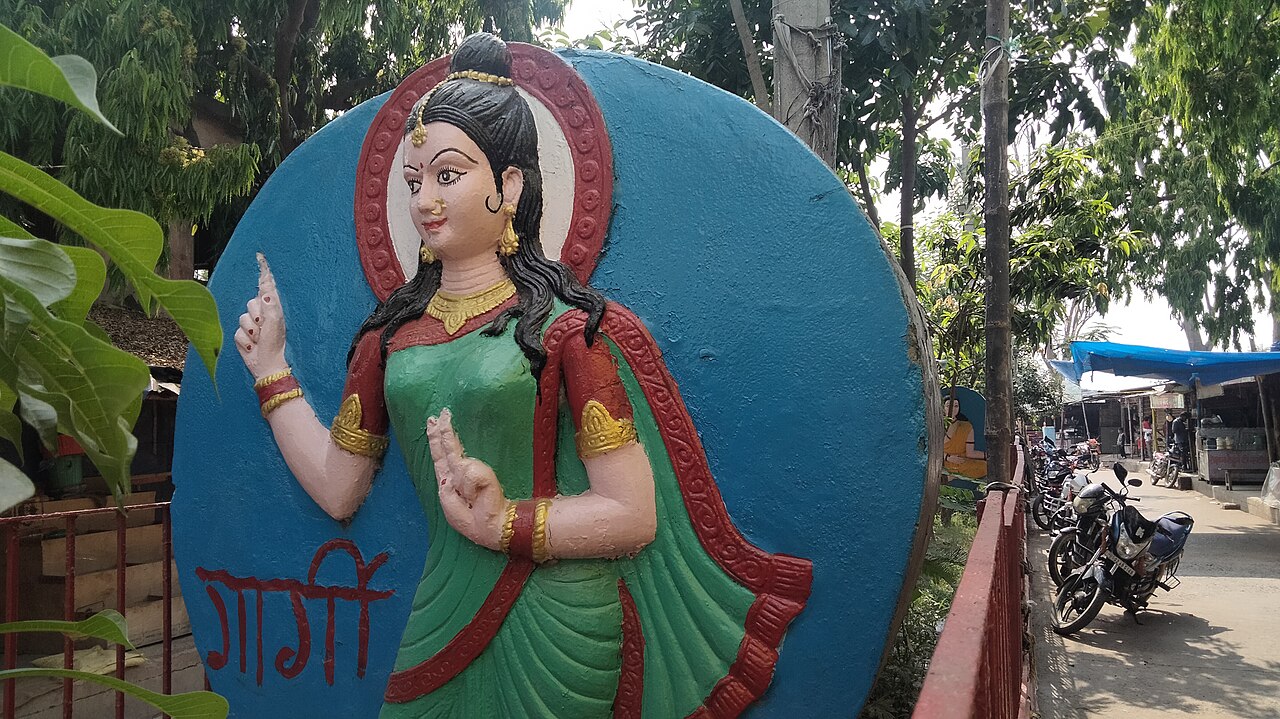
Gārgī Vācaknavī
700 BCE – 600 BCE
Videha / Mithilā region
Early Upanishadic woman philosopher from the Videha-Mithilā setting whose public questions to Yājñavalkya press inquiry toward the imperishable ground of world, speech, and knowledge.
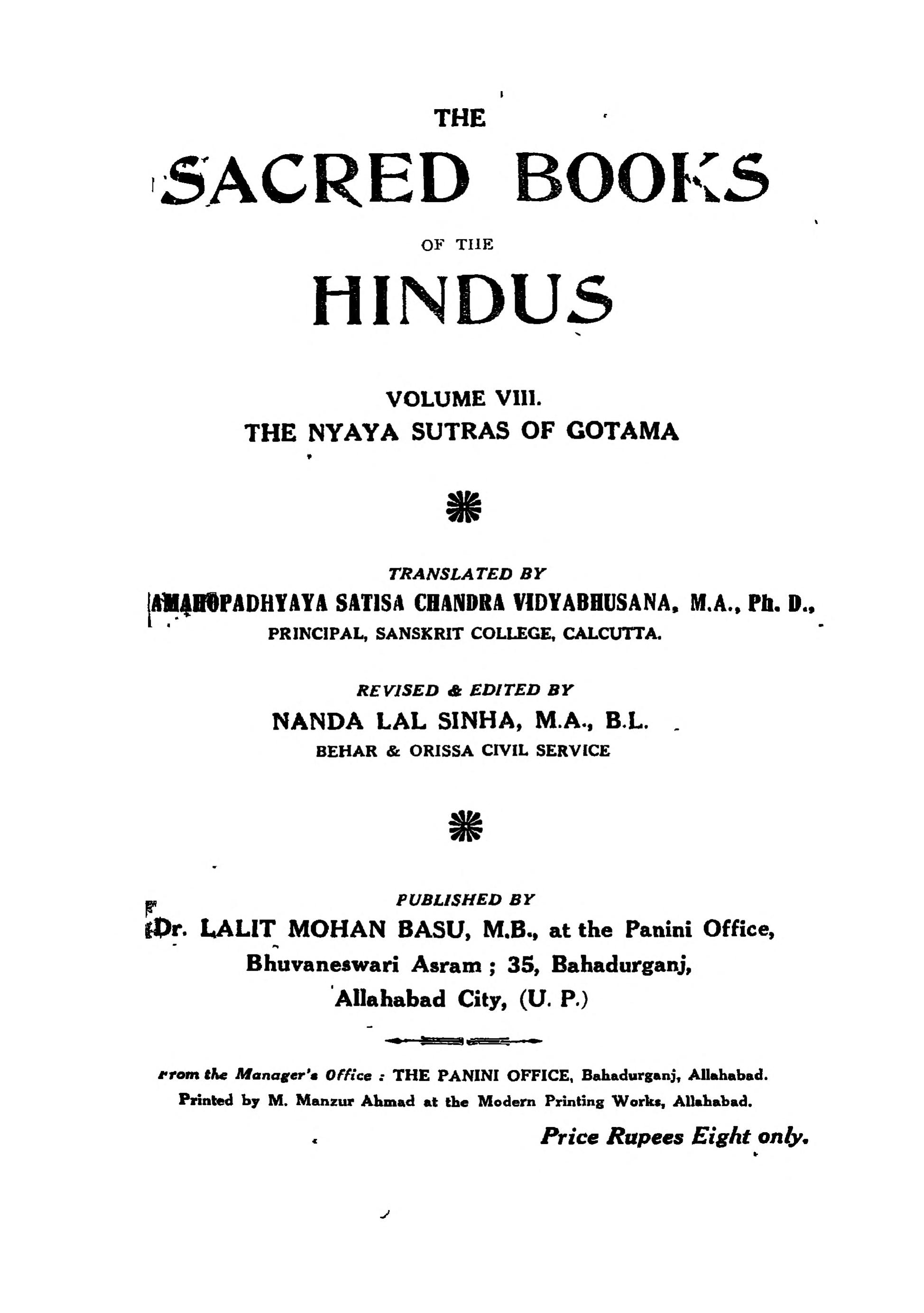
Gautama (Akṣapāda)
200 BCE – 100 BCE
Indo-Gangetic region / early Nyāya milieu
Early Nyāya philosopher traditionally credited with the Nyāya Sūtra, whose analytic program systematized inference, debate, valid knowledge, realist categories, self, error, and liberation.
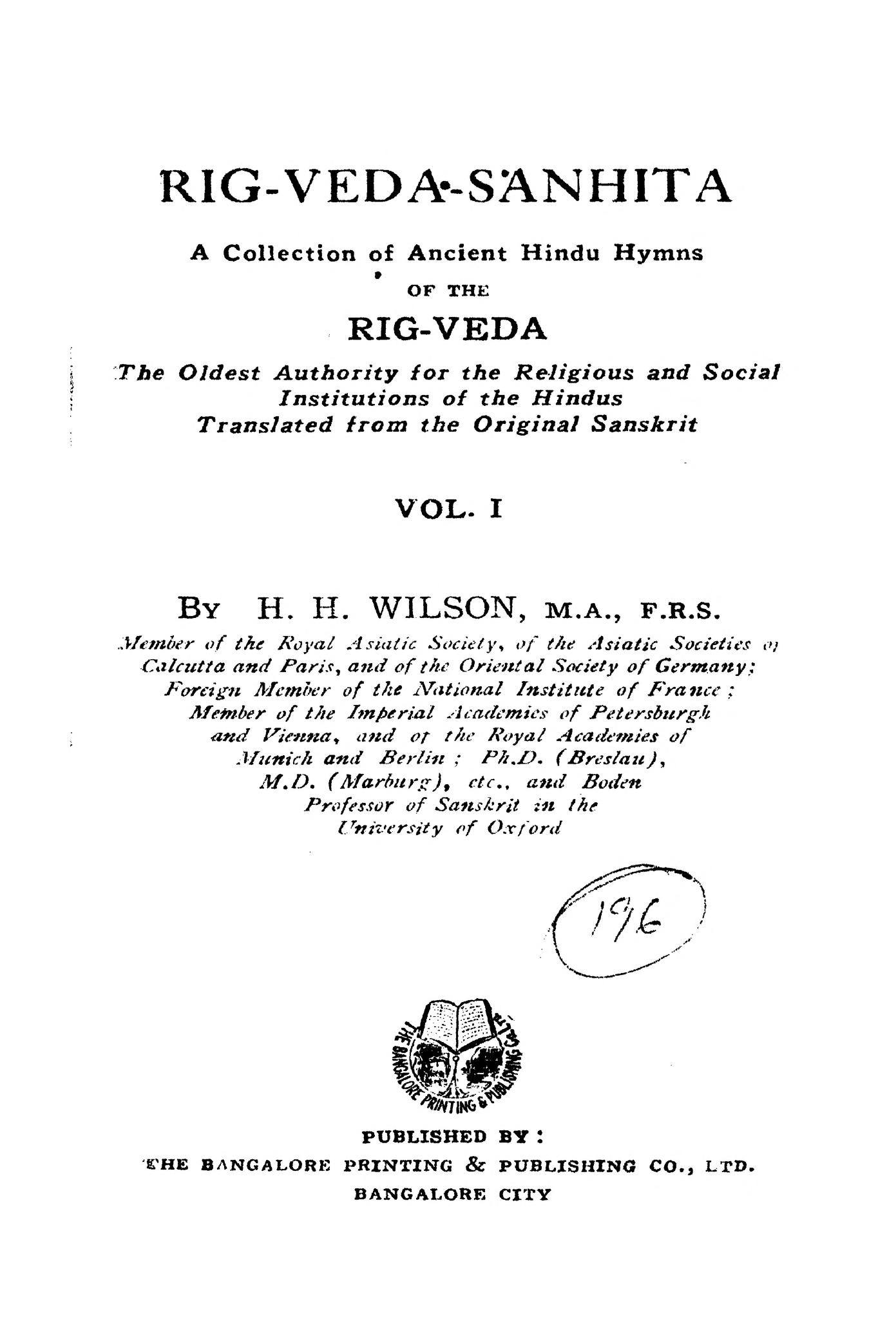
Gautama (Rāhūgaṇa)
1500 BCE – 1200 BCE
Indo-Gangetic / early Vedic region
Rigvedic seer associated with the Gotama Rāhūgaṇa hymn block, whose transmitted hymns join praise, sacrifice, speech, divine agency, kingship, auspicious life, and cosmic order.
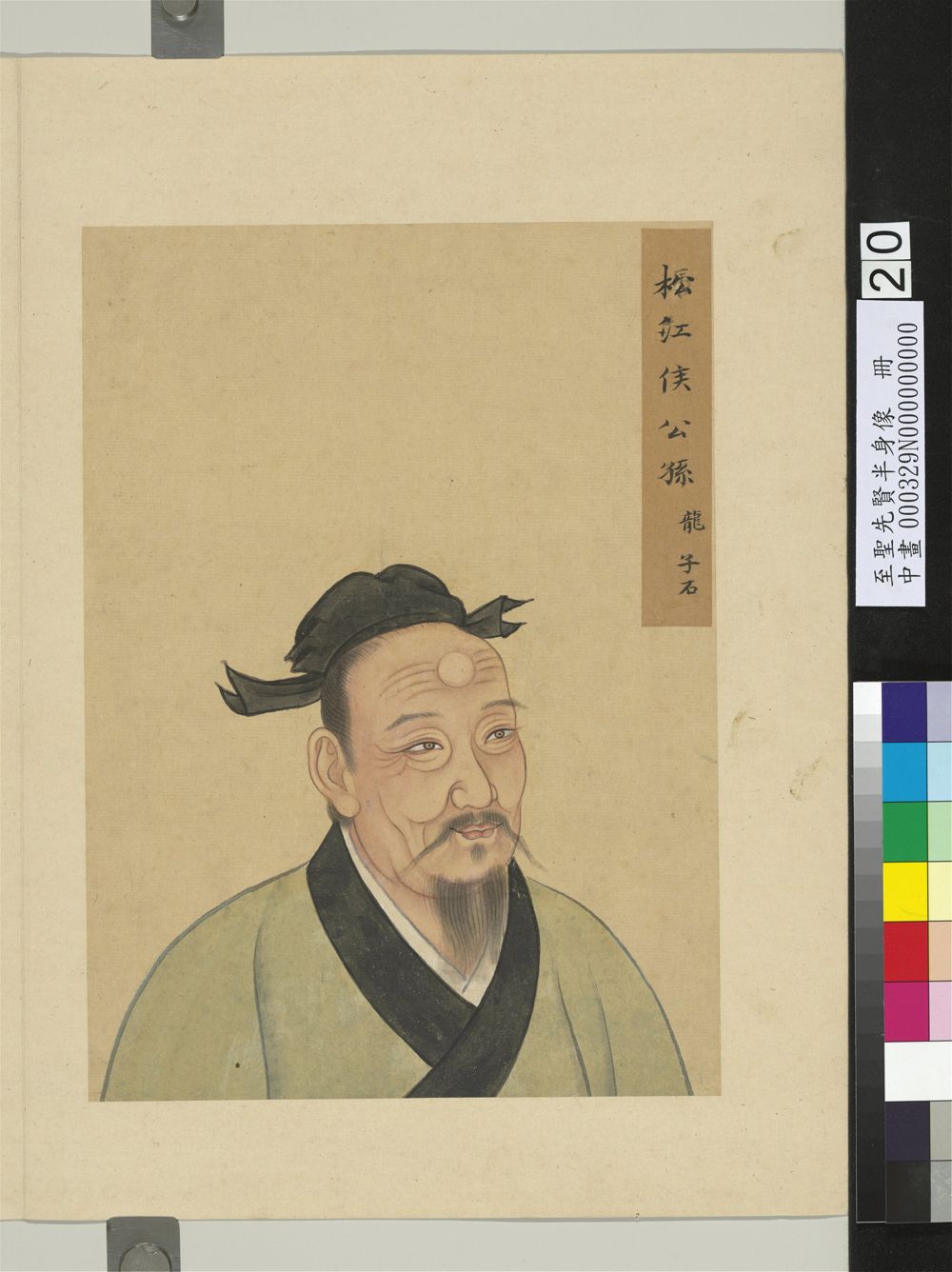
Gongsun Long
325 BCE – 250 BCE
Zhao state region
Warring States School of Names philosopher of language, logic, names and actualities, white-horse paradox, hard-white distinction, reference, designation, and disputation.
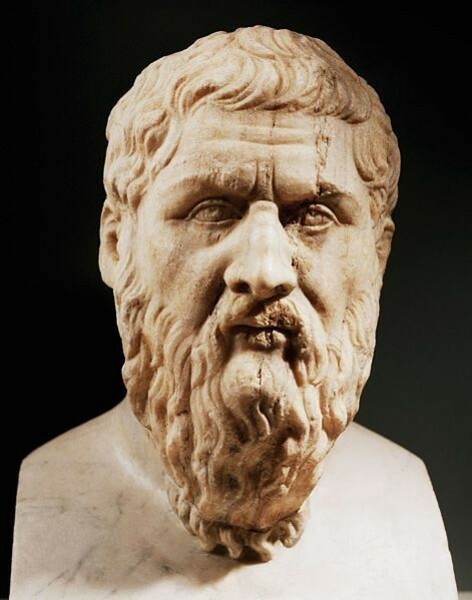
Gorgias of Leontini
483 BCE – 375 BCE
Leontini (Sicily)
Siceliote Greek sophist and rhetorician from Leontini whose paradoxes about being, knowledge, and communication, and whose display speeches on Helen and Palamedes, made logos, persuasion, belief, and civic speech central problems for philosophy.
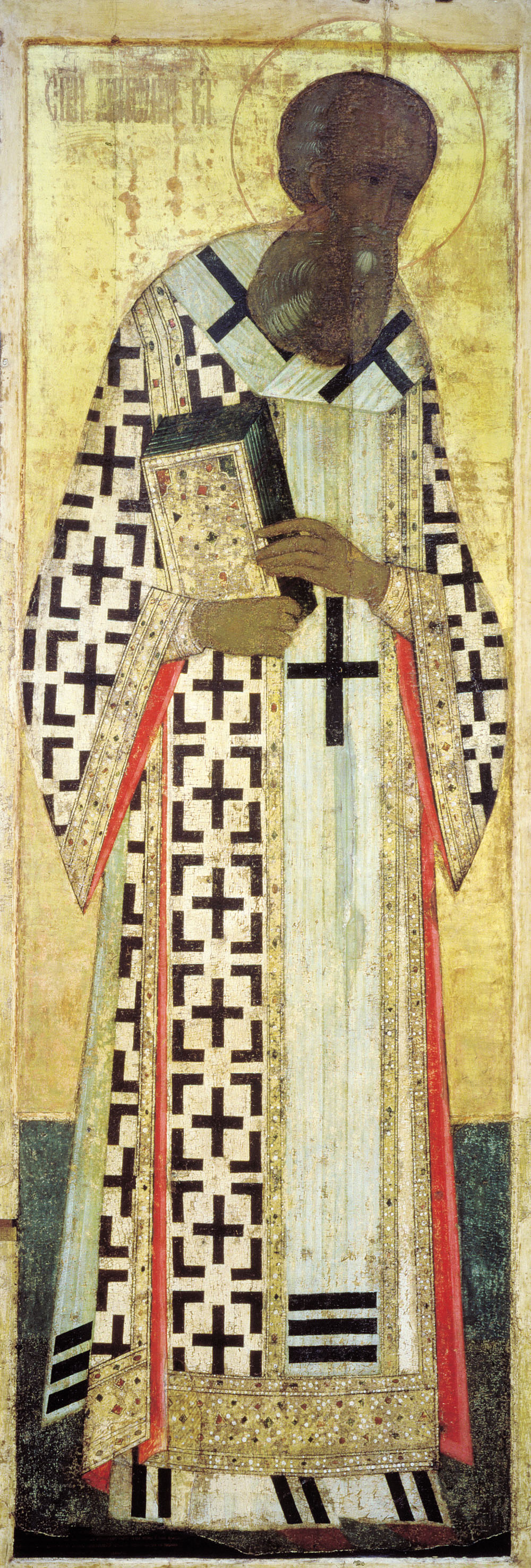
Gregory of Nazianzus
329 CE – 390 CE
Nazianzus (Cappadocia)
Cappadocian Greek theologian, orator, poet, and philosopher whose Theological Orations, Trinitarian distinctions, apophatic restraint, Christological letters, and rhetorical art shaped Nicene metaphysics, philosophy of religion, theological language, ethics, and aesthetics.
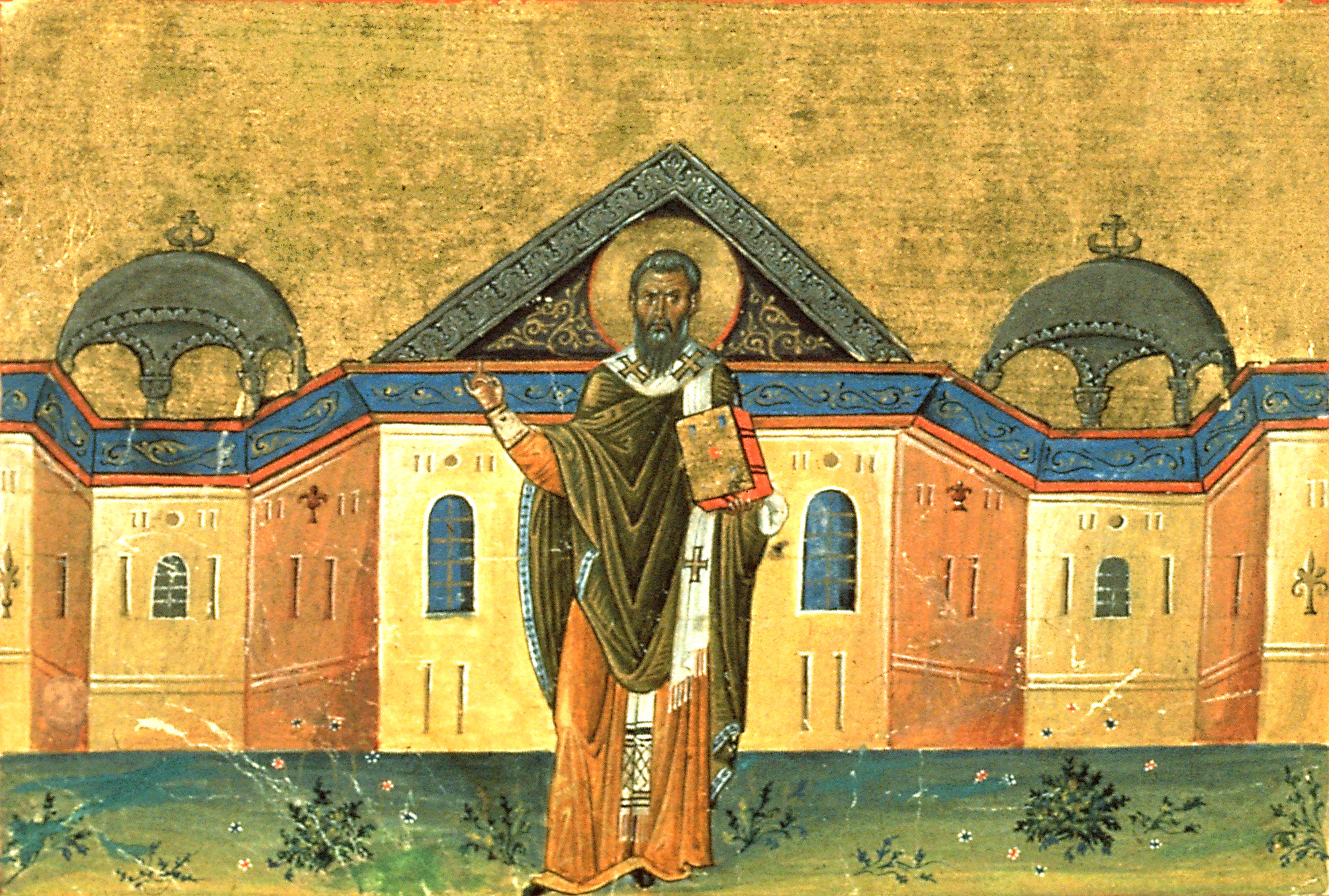
Gregory of Nyssa
335 CE – 395 CE
Nyssa (Cappadocia)
Cappadocian Greek bishop and philosopher-theologian whose accounts of divine infinity, epektasis, apophatic knowledge, soul-body anthropology, creation, and theological language shaped Christian Platonism, philosophy of religion, metaphysics, mind, science, and aesthetics.

Gṛtsamada
1280 BCE – 1200 BCE
Indo-Gangetic region (Vedic tradition)
Rigvedic seer associated chiefly with the Mandala 2 hymn family, where sacred speech, rta, ritual knowledge, poetic form, and Vedic cosmology meet inside early Indian religious-philosophical reflection.
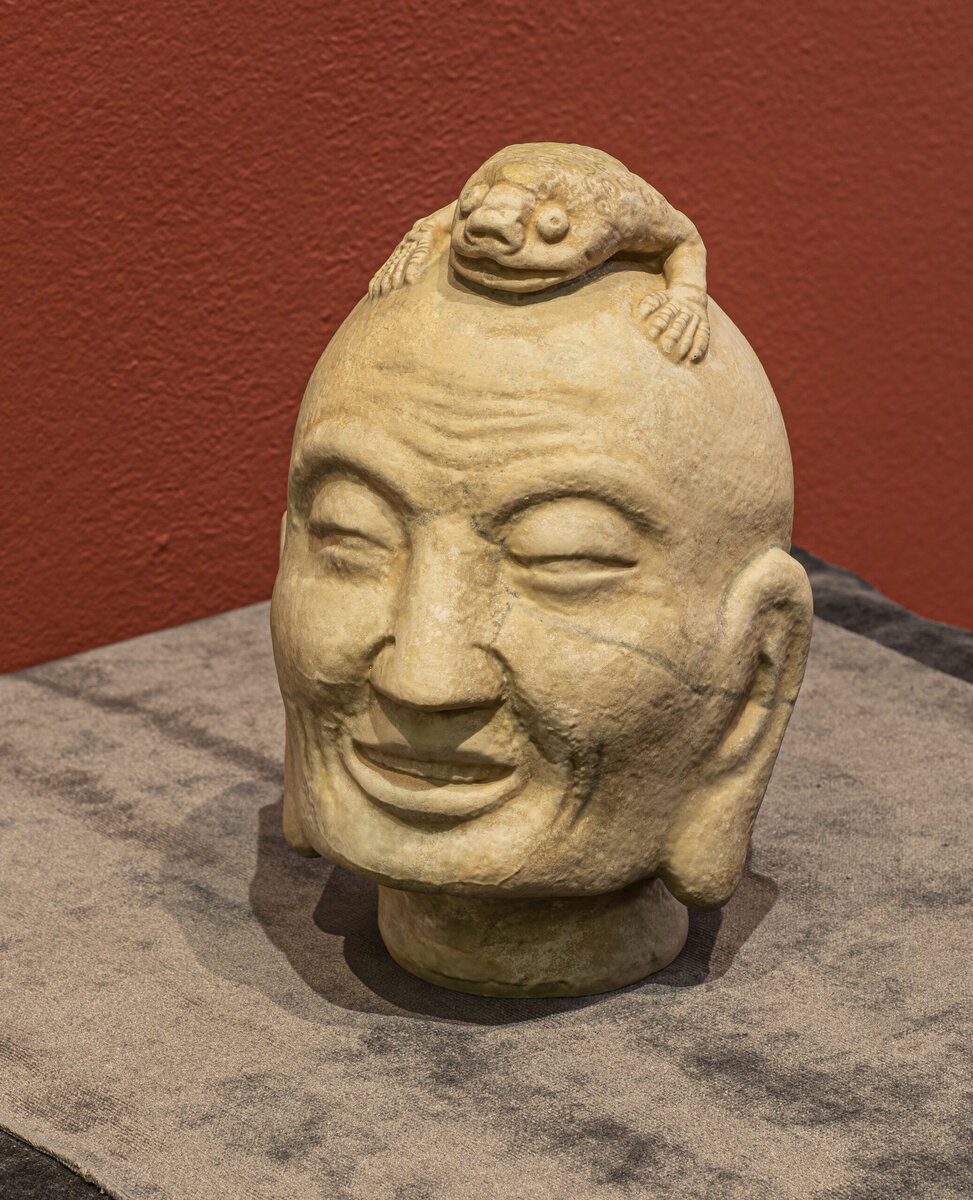
Guo Xiang
252 CE – 312 CE
Henan region (Western Jin)
Western Jin Daoist philosopher and Zhuangzi commentator whose reading of spontaneous self-transformation, natural social roles, non-interference, and immanent order shaped the received Zhuangzi tradition.
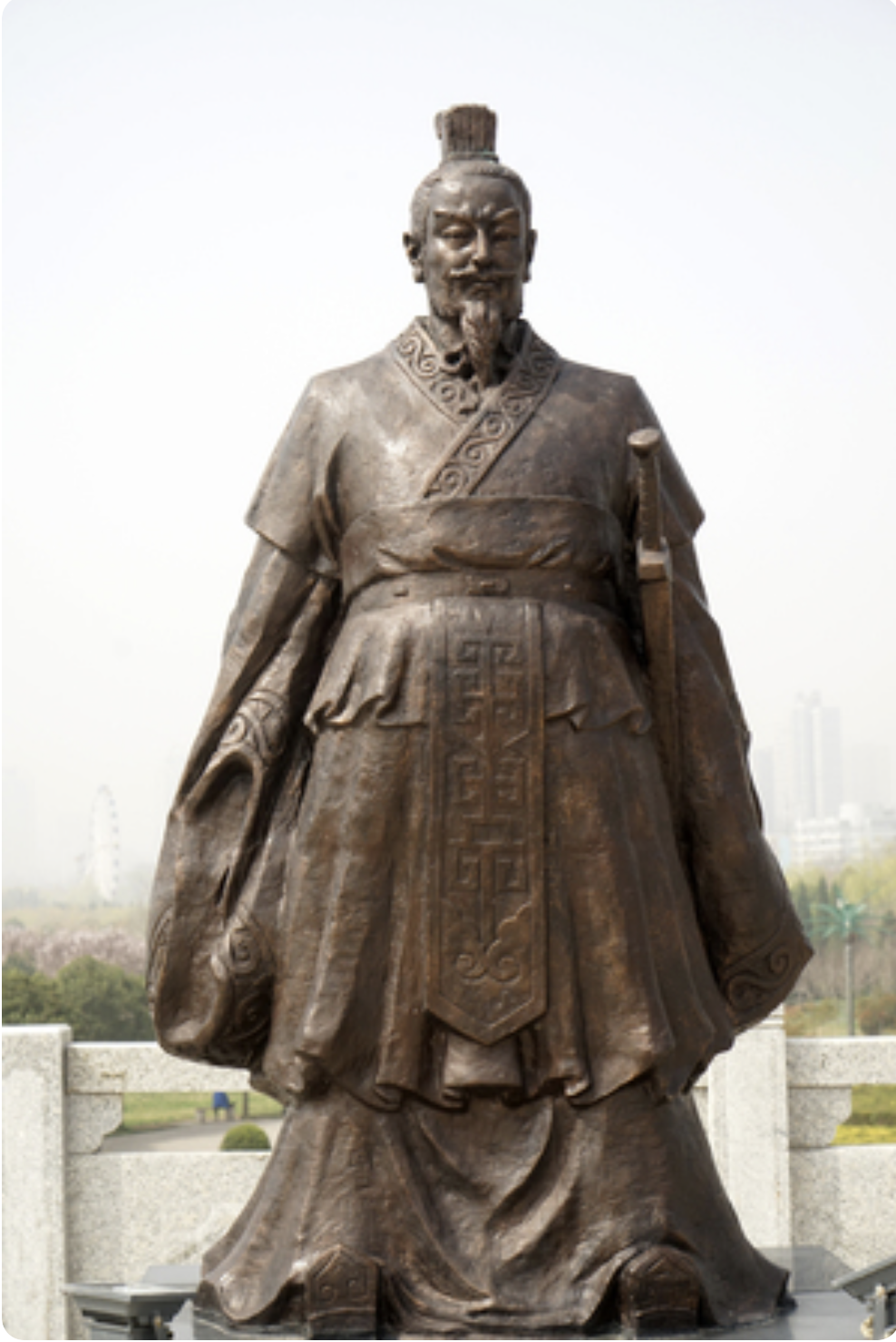
Han Fei
280 BCE – 233 BCE
Han state (Xinzheng region)
Warring States Chinese Legalist philosopher and statesman whose Han Feizi synthesizes fa, shu, shi, xingming, rewards and punishments, human motivation, and impersonal standards into a classic theory of state power.
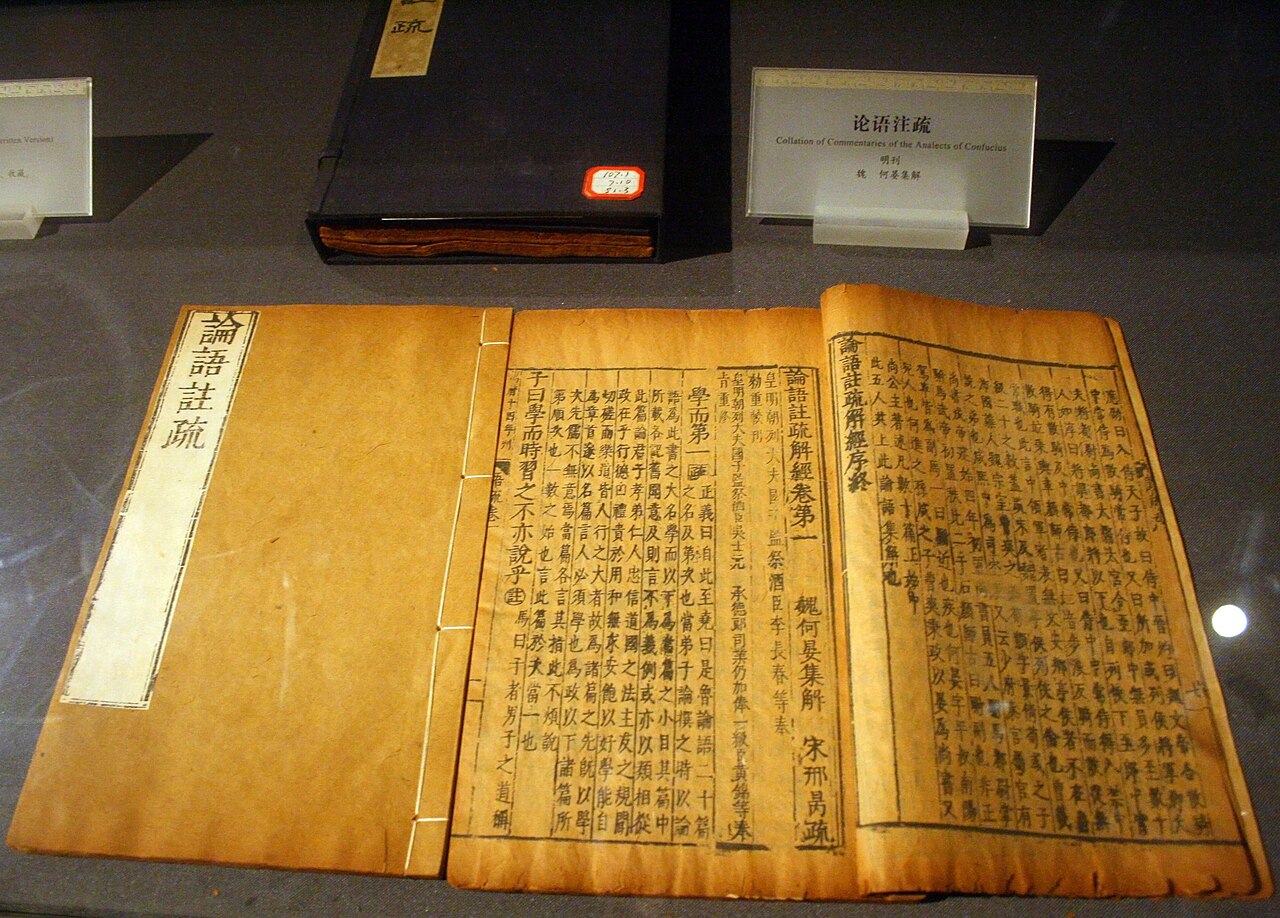
He Yan
190 CE – 249 CE
Nanyang Commandery, Henan region
Cao Wei scholar-official and xuanxue philosopher whose Lunyu jijie, Daolun, and Wuming lun connect Analects commentary, wu and namelessness, qingtan, governance by wuwei, and the emotionless-sage debate.
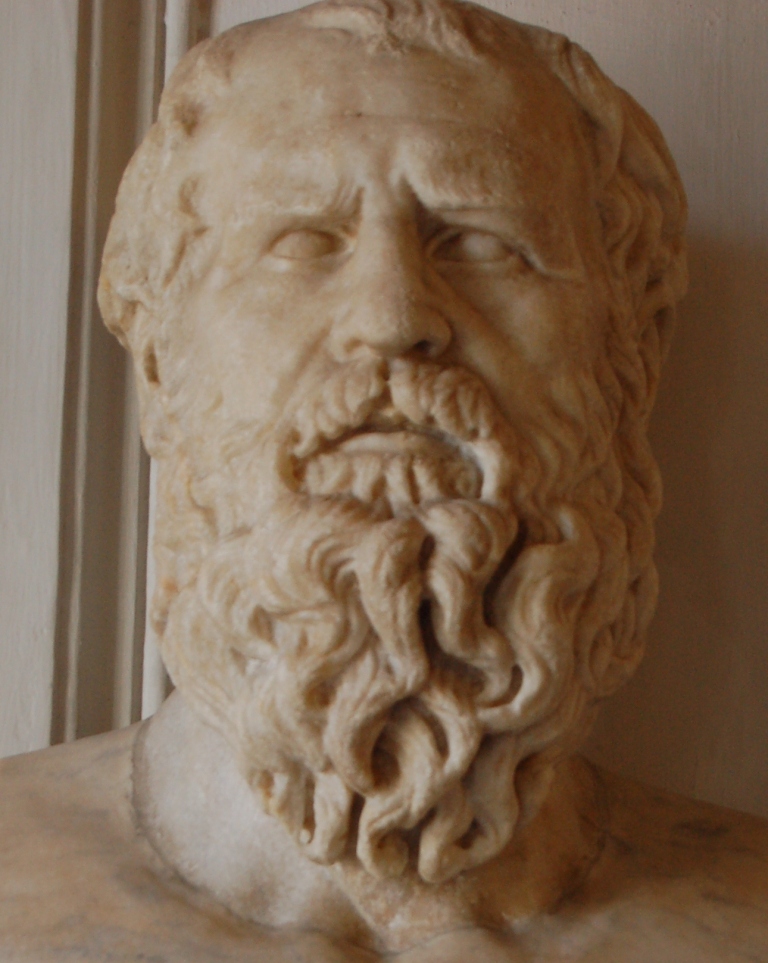
Heraclitus of Ephesus
535 BCE – 475 BCE
Ephesus, Ionia
Ionian Greek Presocratic philosopher from Ephesus whose fragments on logos, flux, fire, unity of opposites, measure, self-knowledge, law, soul, and hidden harmony helped shape metaphysics, epistemology, logic, language, natural philosophy, religion, and later process thought.
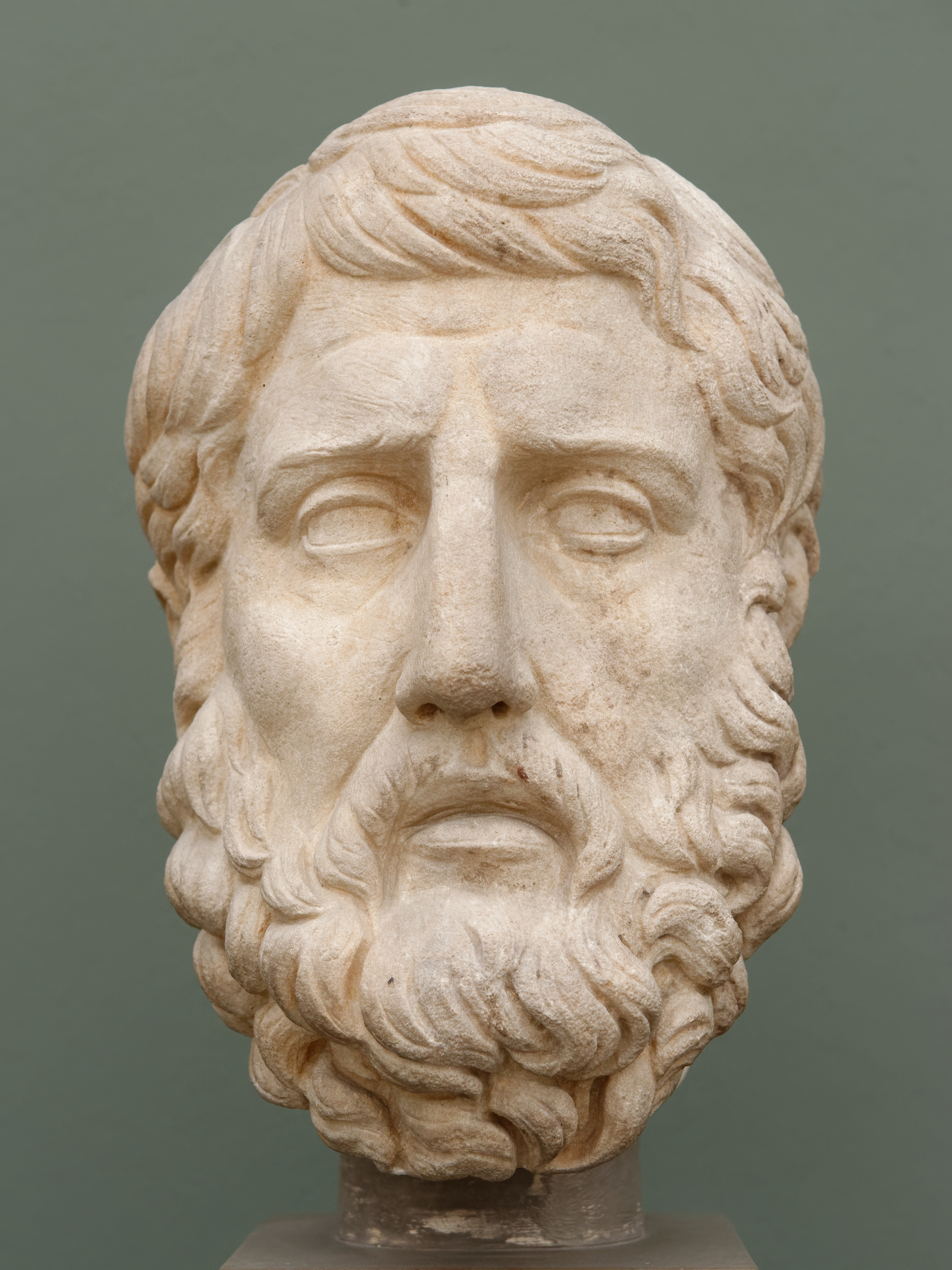
Hermarchus of Mytilene
325 BCE – 250 BCE
Mytilene, Lesbos
Epicurean scholarch from Mytilene, pupil and successor of Epicurus, whose lost works and fragments preserve early Garden arguments on nature, law, justice, mathematics, rival schools, and the critique of fear-based religion.
Hippias of Elis
460 BCE – 400 BCE
Elis, Peloponnese
Elean Greek sophist, polymath, diplomat, and mathematician associated with natural law, encyclopedic learning, memory, language, beauty, Olympic chronology, and the quadratrix.
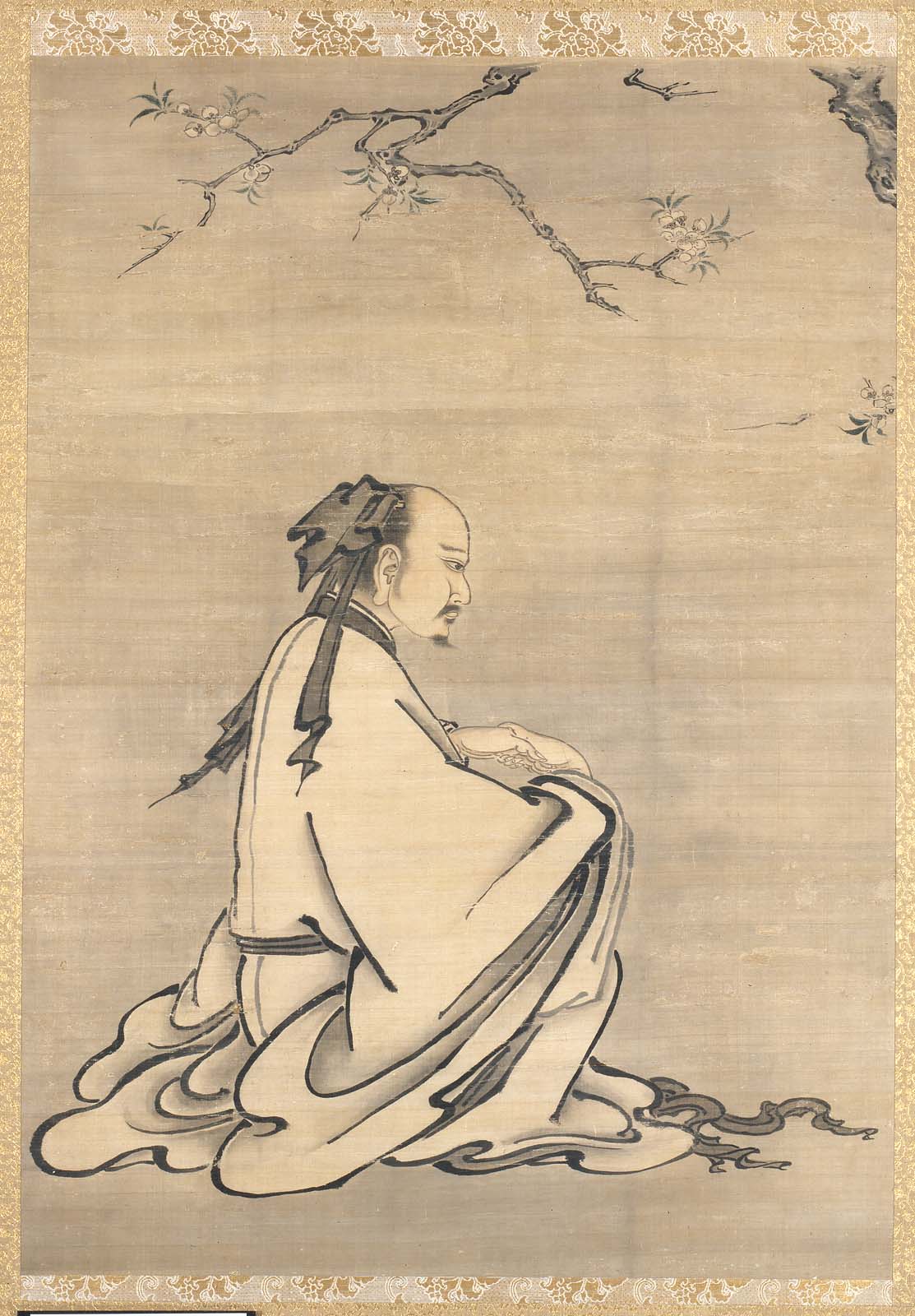
Hui Shi
380 BCE – 305 BCE
State of Song, probably the Shangqiu/Henan region
Warring States Chinese School of Names philosopher, disputer, and statesman whose lost Huizi tradition, Ten Theses, law-code story, and Zhuangzi dialogues shaped later debates about names, actualities, identity, difference, space, time, perspective, and public standards.
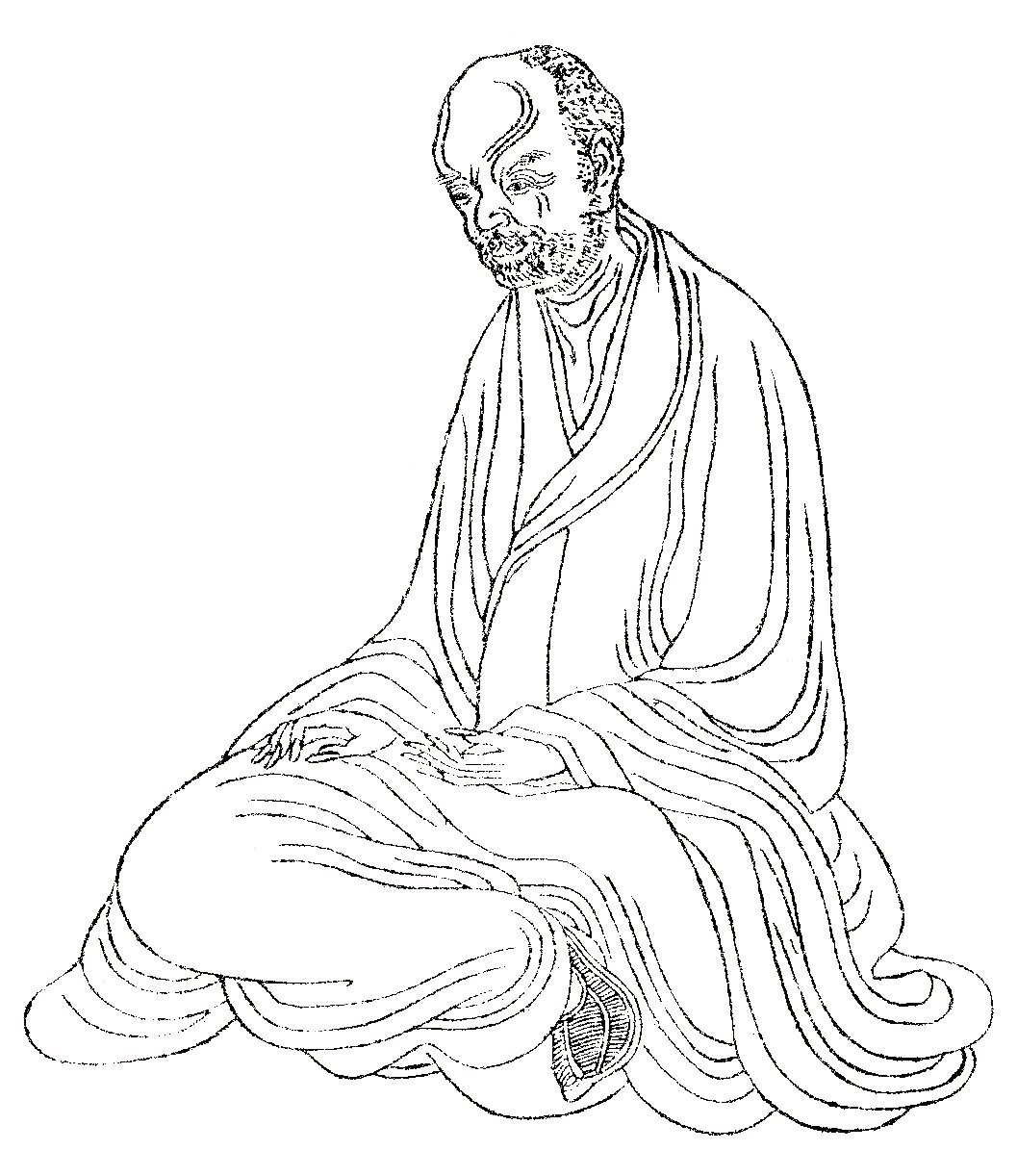
Huiyuan
334 CE – 416 CE
Loufan, Yanmen Commandery, Bingzhou, near modern Ningwu County, Shanxi
Eastern Jin Chinese Buddhist scholastic monk associated with Mount Lu, Donglin Temple, early Chinese Pure Land devotion, Prajnaparamita interpretation, karmic retribution, monastic autonomy from royal ritual, and the correspondence with Kumārajīva.
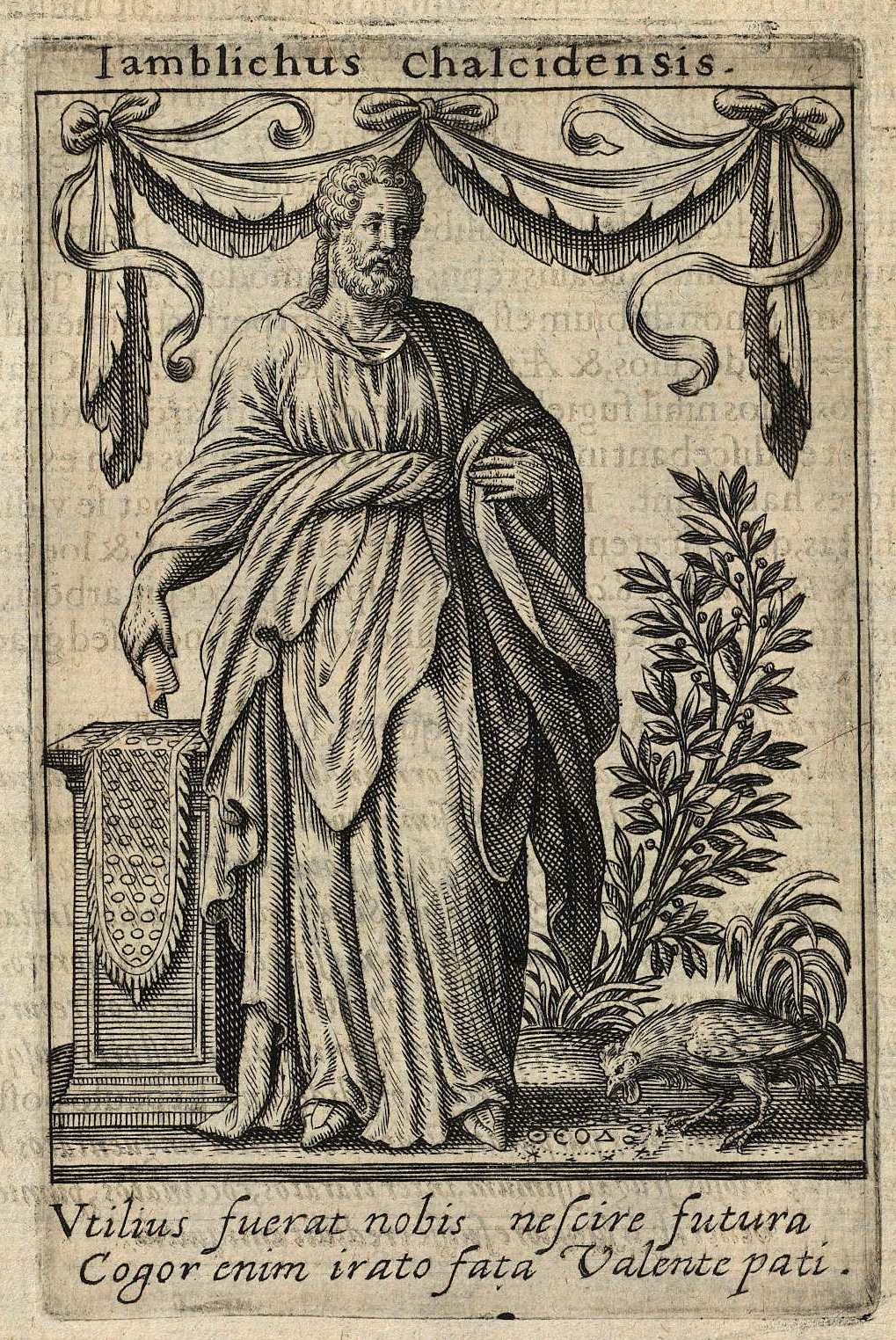
Iamblichus of Chalcis
245 CE – 325 CE
Chalcis ad Belum, Coele-Syria, probably near modern Qinnasrin
Syrian Greek Neoplatonist of Chalcis whose theurgy, Pythagorean curriculum, Platonic commentary, mathematics, soul theory, metaphysics, and philosophy of religion shaped later Syrian and Athenian Neoplatonism.
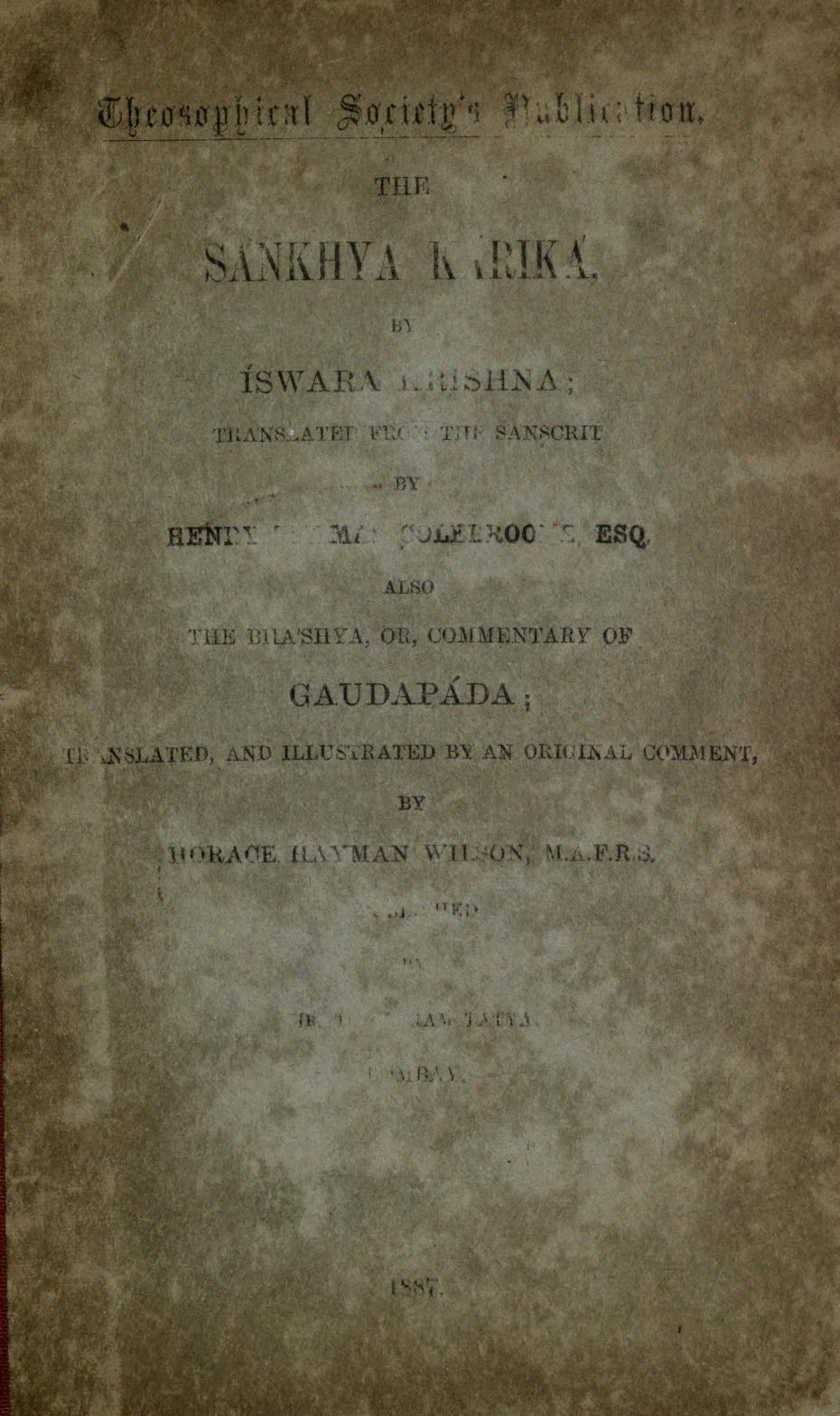
Īśvarakṛṣṇa
350 CE – 425 CE
probably northern India; exact birthplace unknown
Classical Indian Sāṃkhya philosopher credited with the Sāṃkhyakārikā, a compact verse synthesis of prakṛti, puruṣa, guṇas, pramāṇas, causation, mind, bondage, suffering, and liberation through discriminative knowledge.
Jaimini
350 BCE – 300 BCE
Indo-Gangetic region, exact birthplace unknown
Early Indian Mīmāṃsā philosopher credited with the Mīmāṃsā Sūtra, a foundational sūtra text on dharma, Vedic injunction, authorless scripture, ritual action, pramāṇa, śabda, and the interpretation of sacred language.
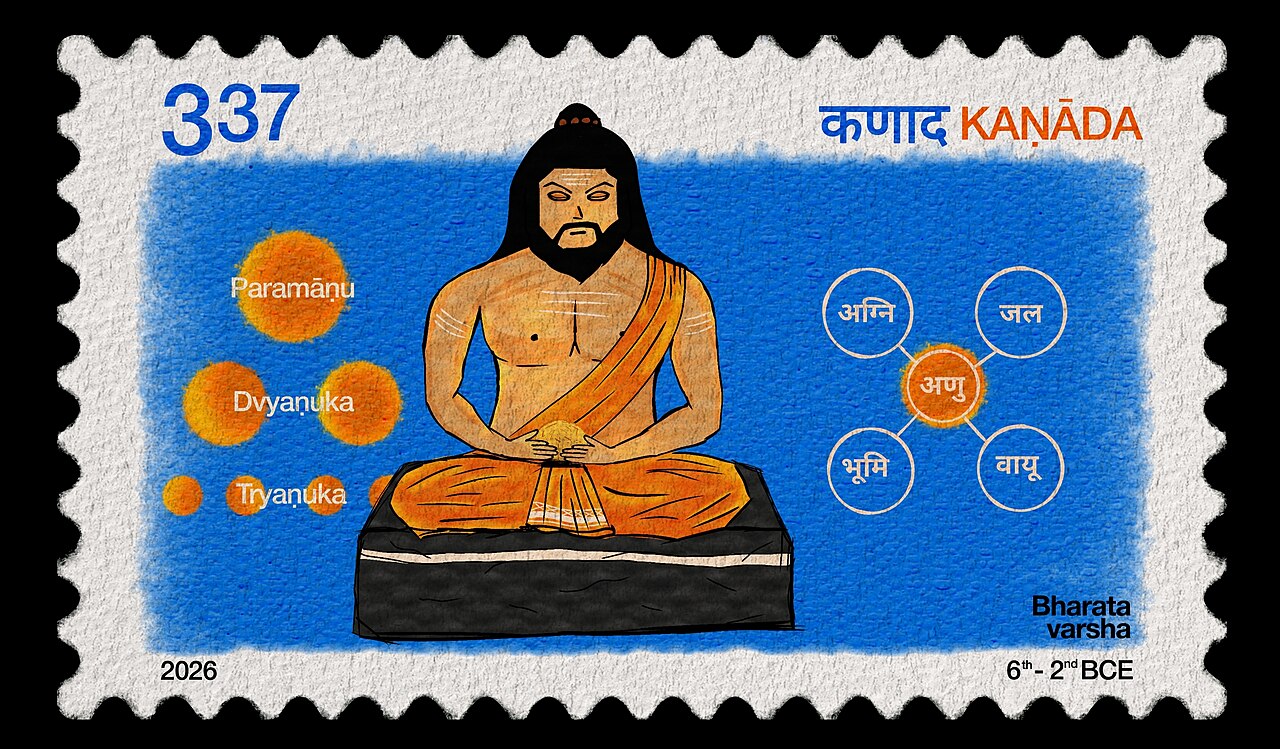
Kaṇāda (Ulūka)
100 CE – 200 CE
probably northern India or the Indo-Gangetic region; exact birthplace unknown
Early Vaiśeṣika philosopher traditionally credited with the Vaiśeṣika Sūtra, where atomism, substances, qualities, motion, universals, inherence, dharma, and liberation are organized into a realist category system.
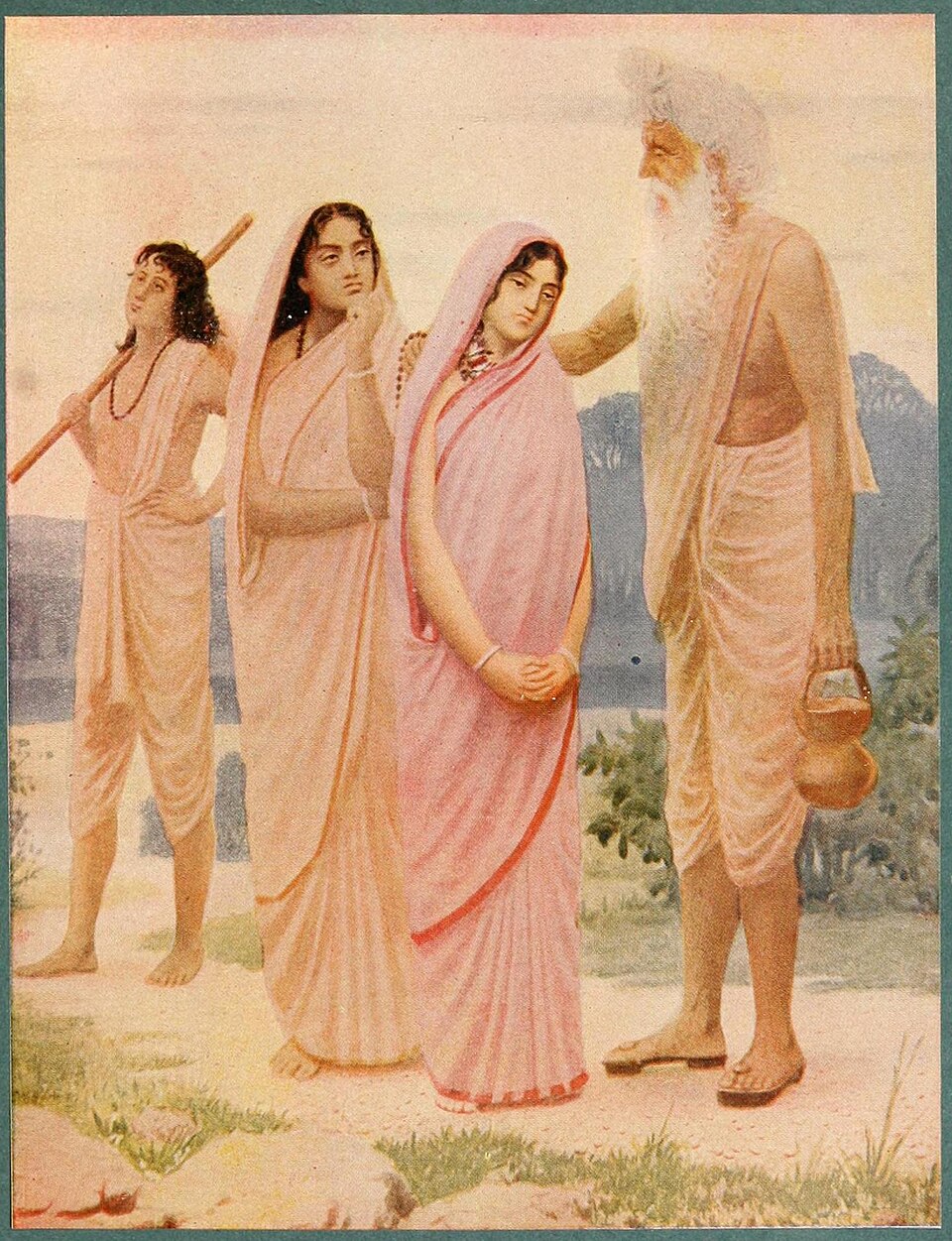
Kaṇva
1200 BCE – 1100 BCE
probably northern India or the Ganges-Yamuna/Mālinī river tradition; exact birthplace unknown
Vedic rishi and Kaṇva lineage figure associated with Rigvedic hymnody, sacred speech, ritual praise, Kāṇva transmission, and the Śakuntalā āśrama tradition.
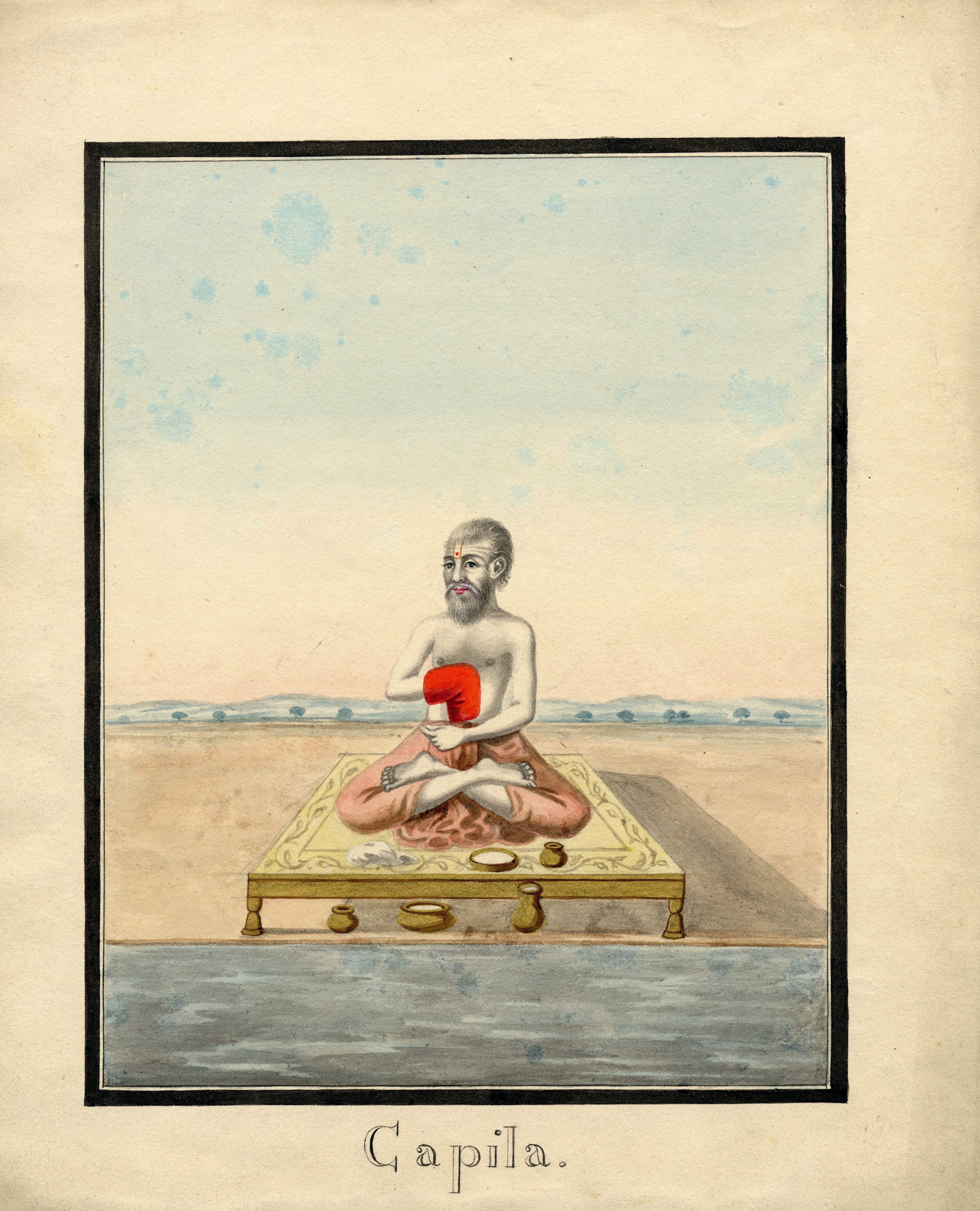
Kapila
700 BCE – 600 BCE
probably northern India or the Indo-Gangetic region; exact birthplace unknown
Legendary early Sāṃkhya founder associated with puruṣa, prakṛti, guṇas, discriminative knowledge, liberation, and later Sāṃkhya-pravacana transmission.
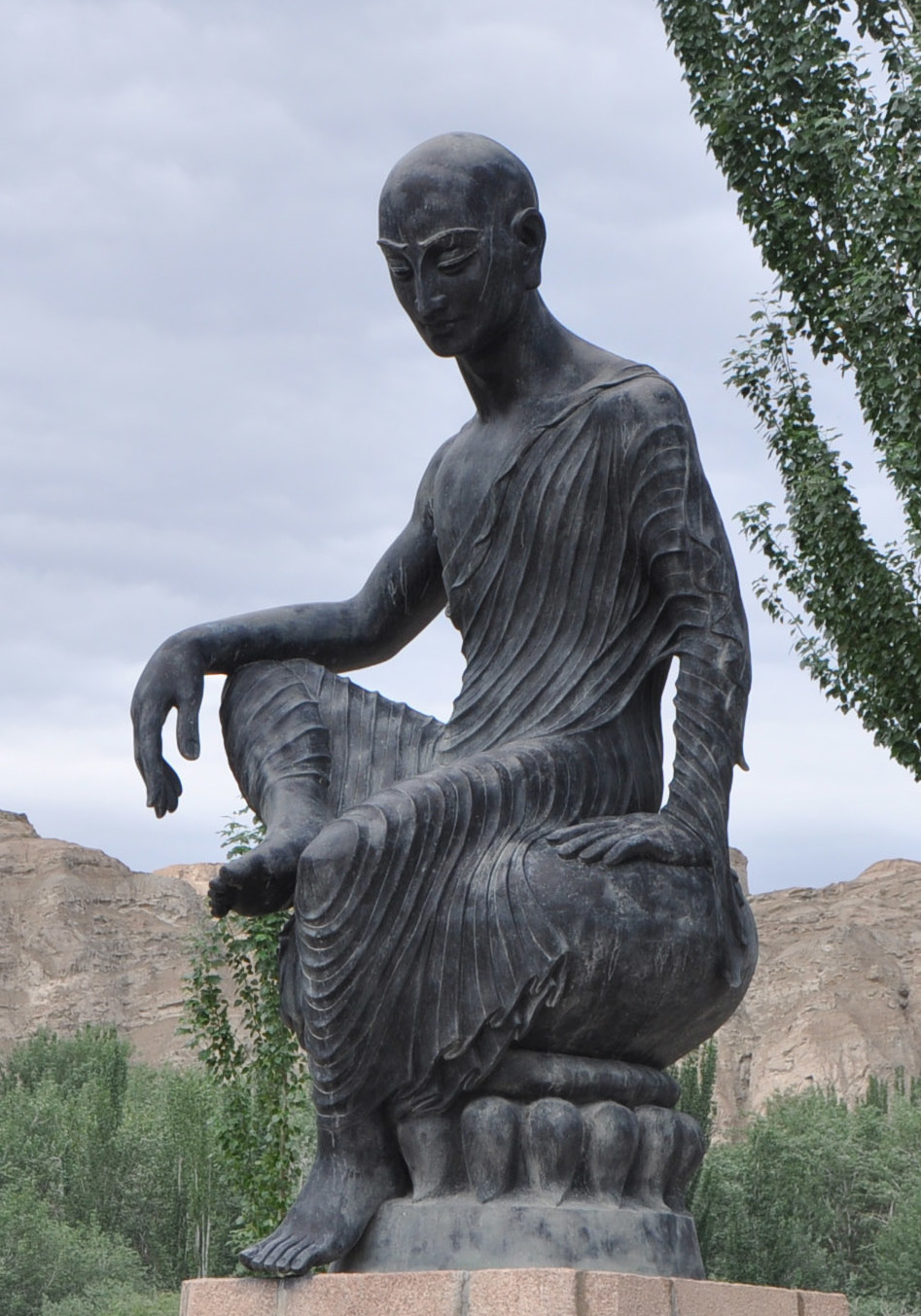
Kumārajīva
344 CE – 413 CE
Kucha (Kuqa), Tarim Basin
Kuchean Buddhist translator whose Chang'an translation bureau carried Prajñāpāramitā, Madhyamaka, Lotus, Vimalakīrti, Pure Land, and meditation texts into durable Chinese Buddhist philosophical language.
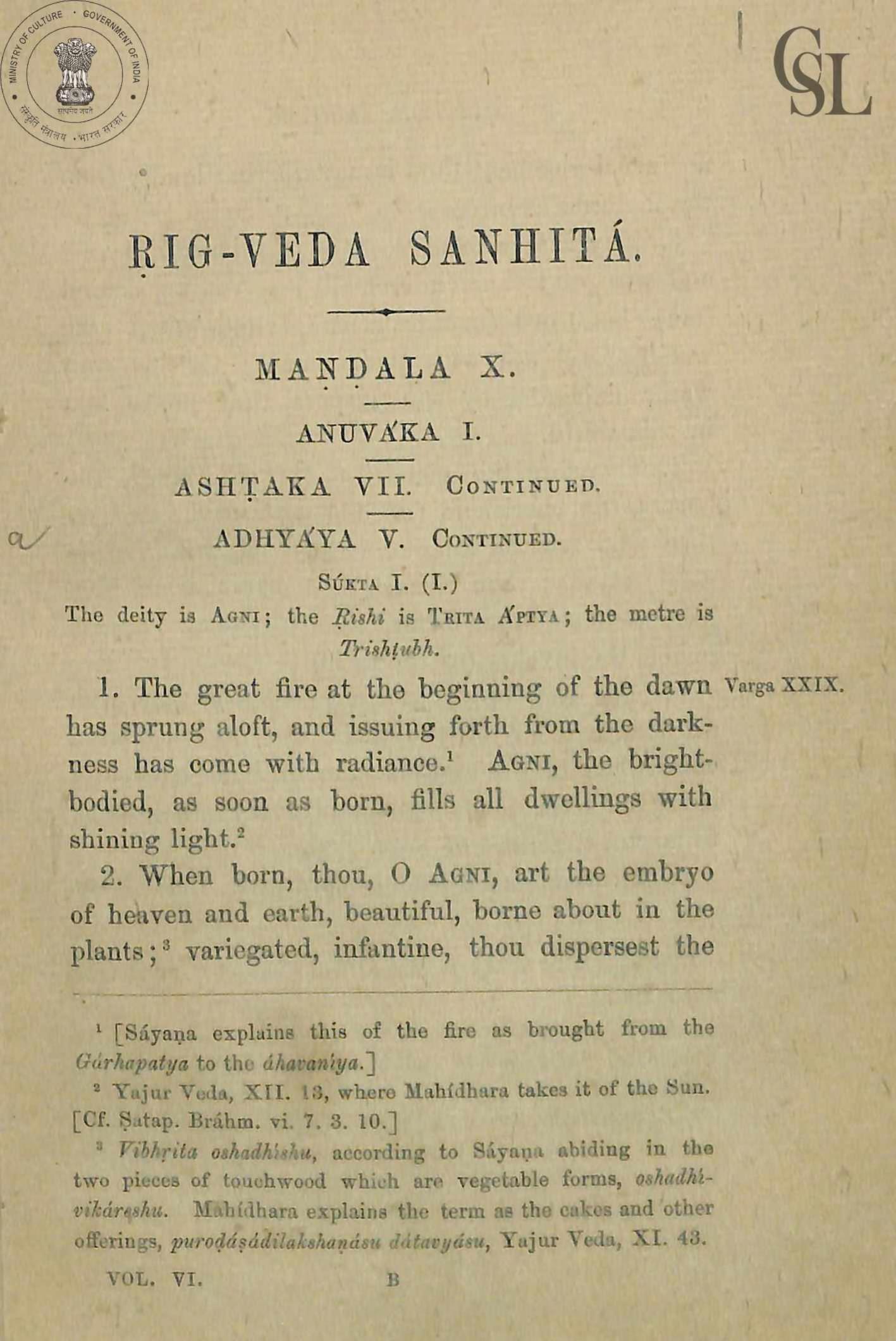
Kutsa Āṅgirasa
1200 BCE – 1100 BCE
Indo-Gangetic region, exact birthplace unknown
Vedic rishi and Āṅgirasa lineage figure associated with Rigvedic Indra hymnody, sacred speech, ritual praise, śruti transmission, and early Hindu religious philosophy.
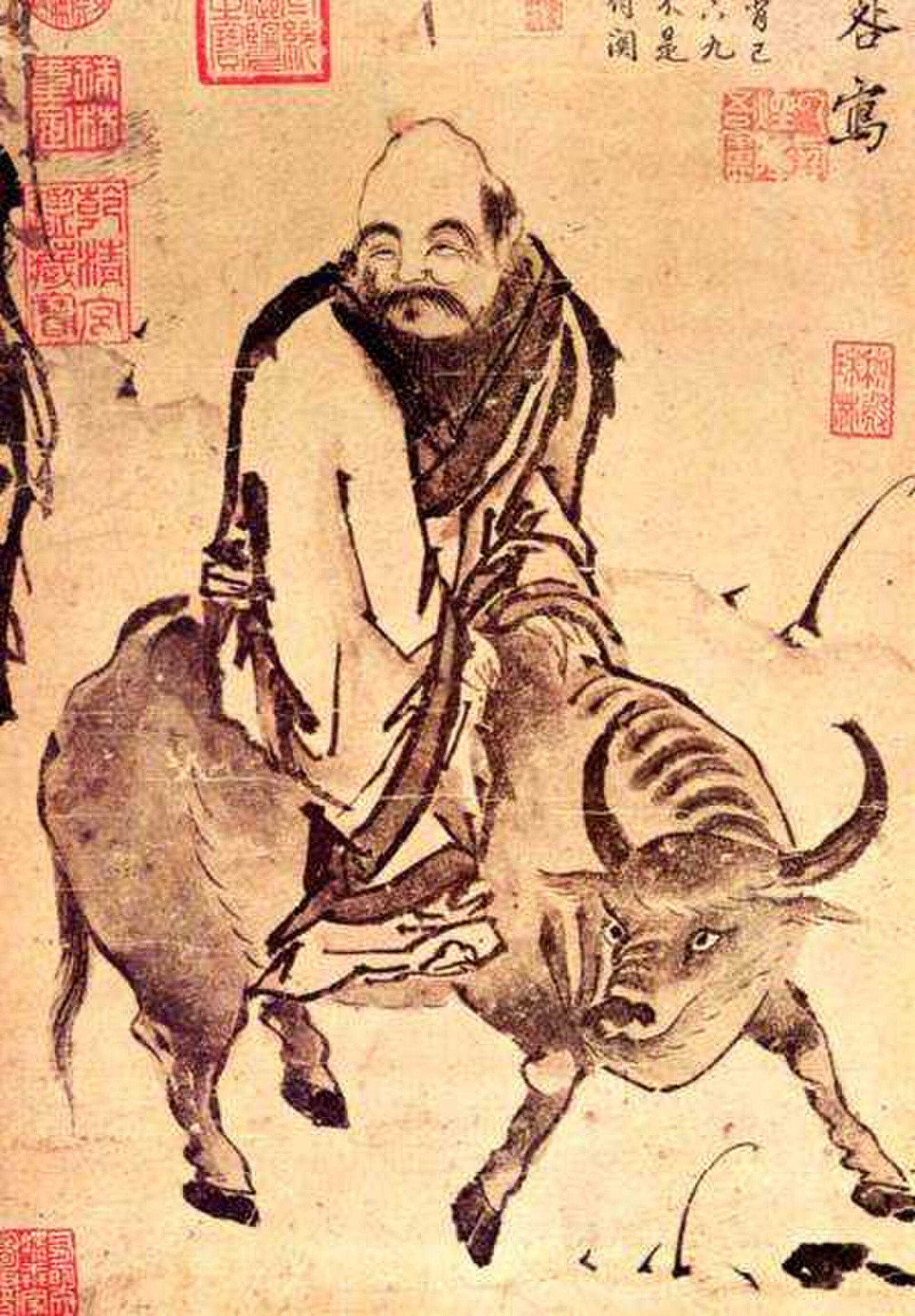
Laozi
600 BCE – 501 BCE
traditionally Ku County, state of Chu, near modern Luyi, Henan; historicity uncertain
Legendary early Daoist figure associated with the Daodejing, Dao, de, wuwei, ziran, simplicity, anti-coercive rule, and later religious Daoist veneration as Taishang Laojun.
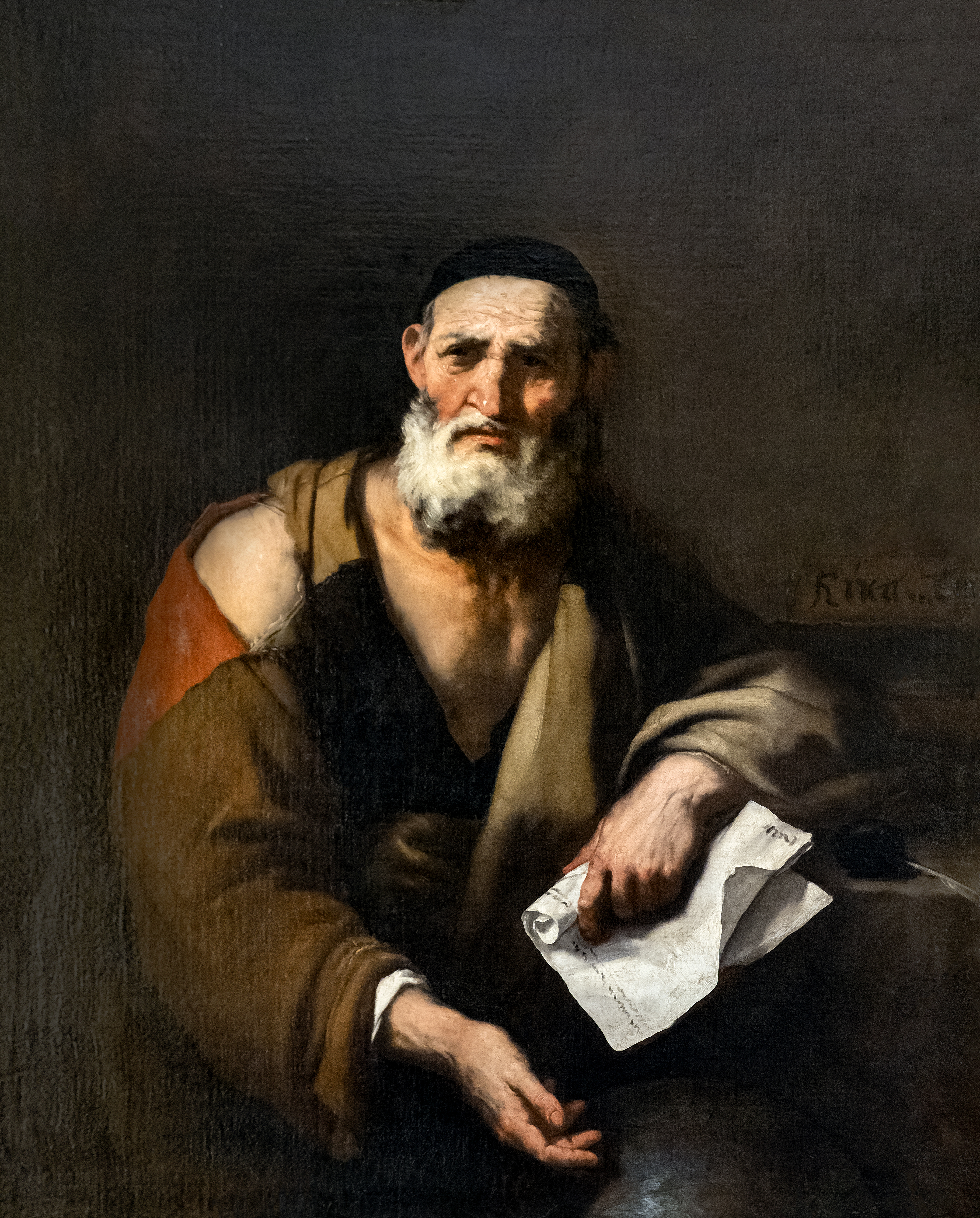
Leucippus of Abdera
500 BCE – 430 BCE
Abdera, Thrace; birthplace uncertain in ancient sources
Presocratic atomist associated with Abdera whose lost works and ancient testimonia explain nature through atoms, void, motion, and necessity.
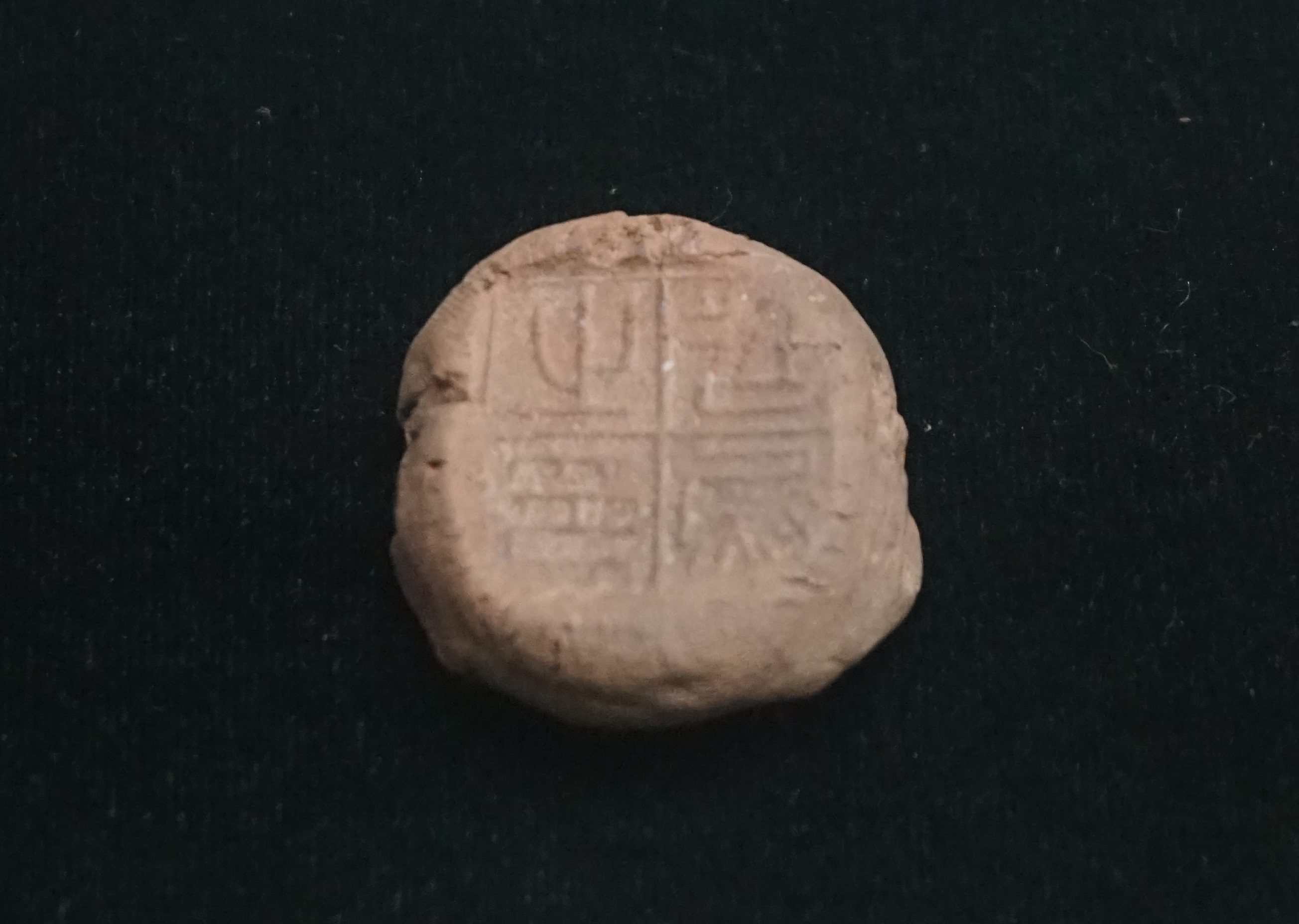
Li Si
280 BCE – 208 BCE
Shangcai, State of Chu, now Henan
Qin Legalist statesman whose memorials, centralized statecraft, and script-standardization work helped form the administrative language of the first Chinese empire.

Lucretius (Titus Lucretius Carus)
99 BCE – 55 BCE
Rome or Roman Italy, probably Rome; exact birthplace uncertain
Roman Epicurean poet-philosopher whose De rerum natura carries atomism, naturalistic explanation, mortal mind, and the critique of superstition into Latin didactic poetry.
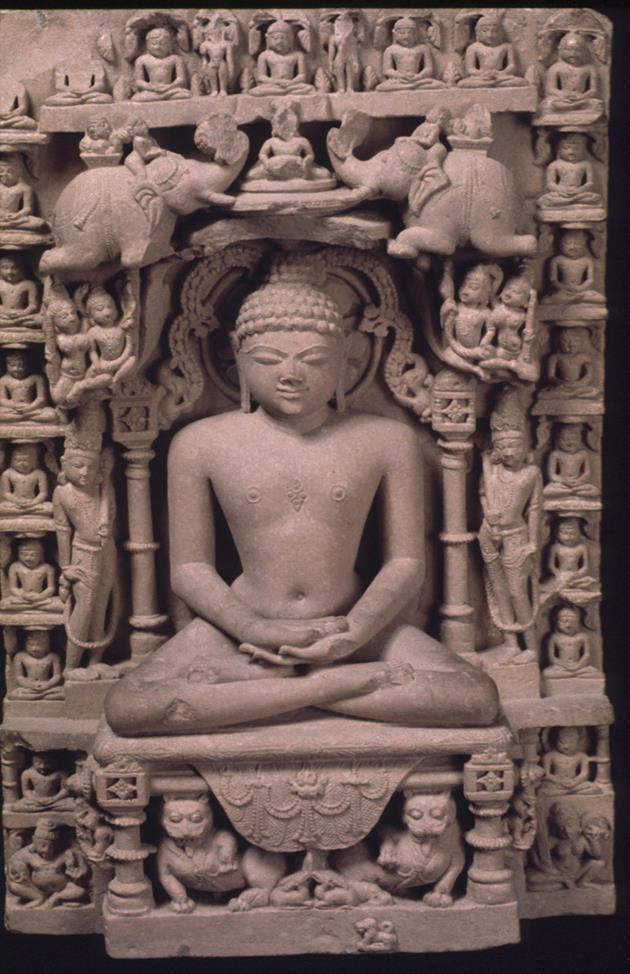
Mahāvīra (Vardhamāna)
599 BCE – 527 BCE
Kuṇḍagrāma near Vaiśālī, Vajji; traditional birthplace
Jain śramaṇa teacher and final tīrthaṅkara associated with ahiṃsā, anekāntavāda, aparigraha, ascetic liberation, kevala-jñāna, and the Jain Āgama teaching tradition.
Maitreyī
800 BCE – 700 BCE
Videha / Mithilā region; Upanishadic setting, exact birthplace unknown
Early Upanishadic woman philosopher whose dialogues with Yājñavalkya ask whether wealth can secure immortality and redirect inquiry toward ātman, self-knowledge, and renunciation.
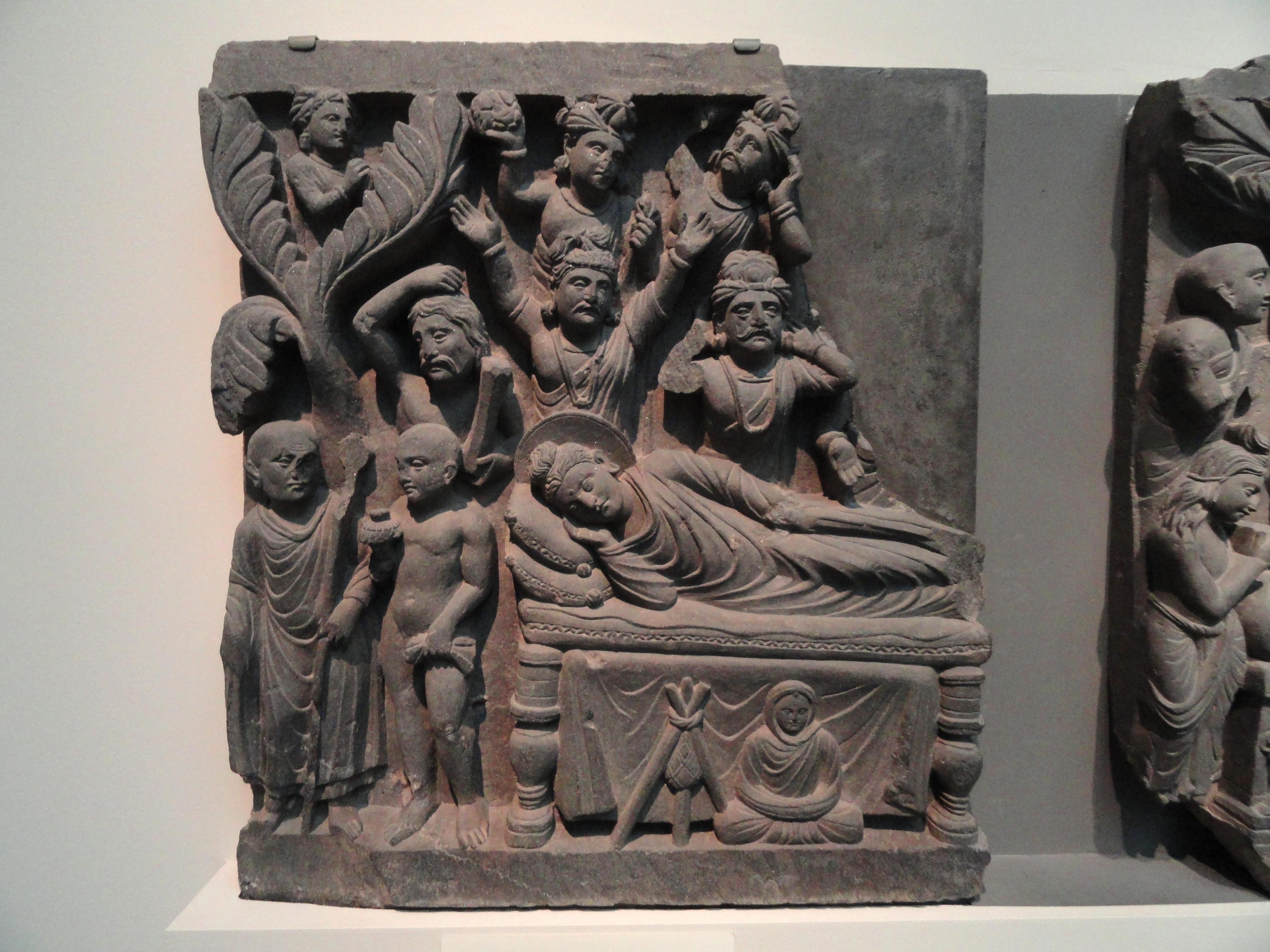
Makkhali Gośāla
520 BCE – 460 BCE
Śrāvastī region; traditional setting and exact birthplace uncertain
Ancient Indian Ājīvika teacher remembered for niyati, a radical doctrine of fate and fixed transmigration reconstructed from Buddhist and Jain hostile-source evidence.
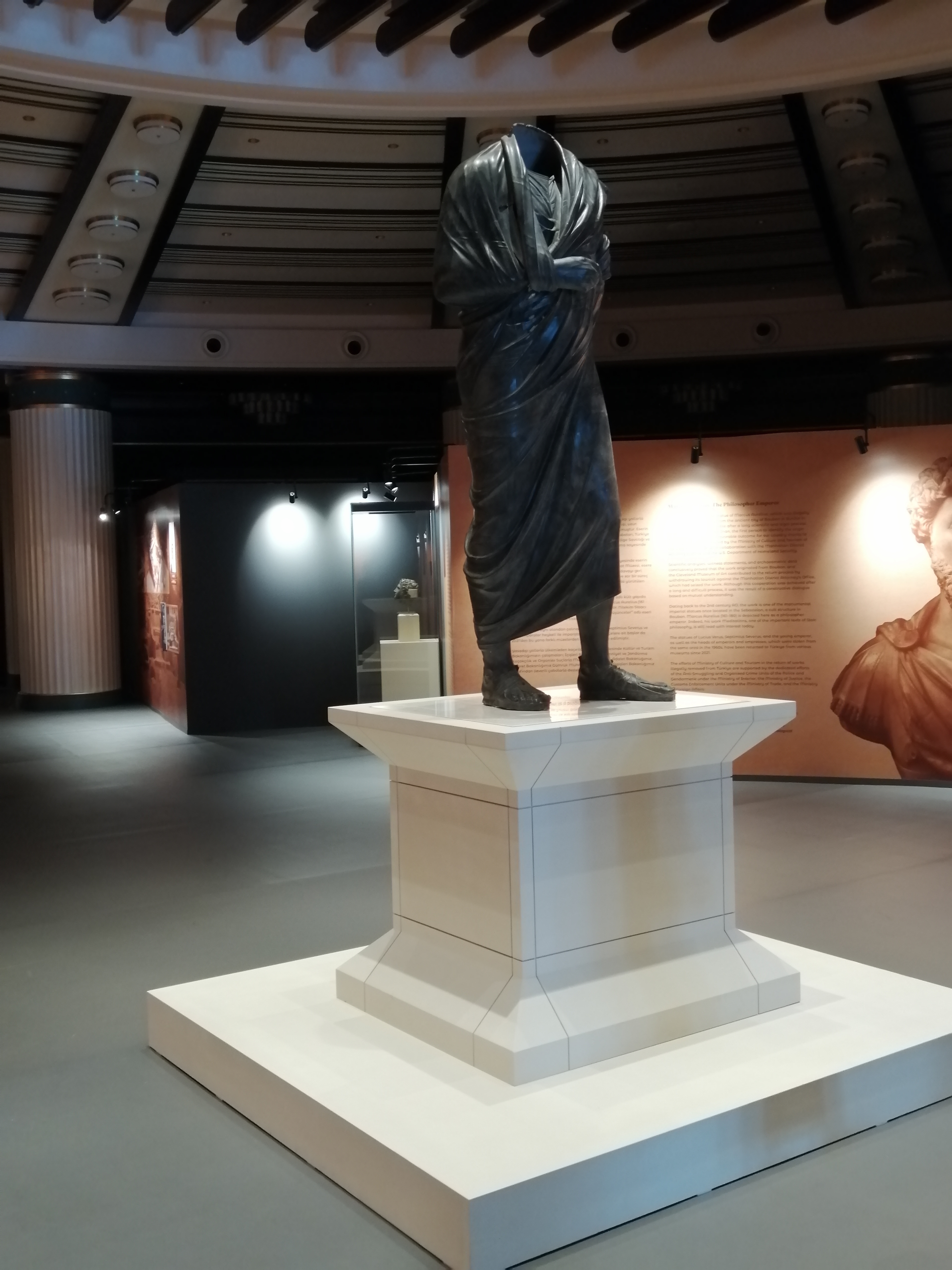
Marcus Aurelius
121 CE – 180 CE
Rome
Roman emperor and Stoic philosopher whose Meditations turns imperial duty, mortality, providence, reason, self-command, and social obligation into private exercises in ethical attention.
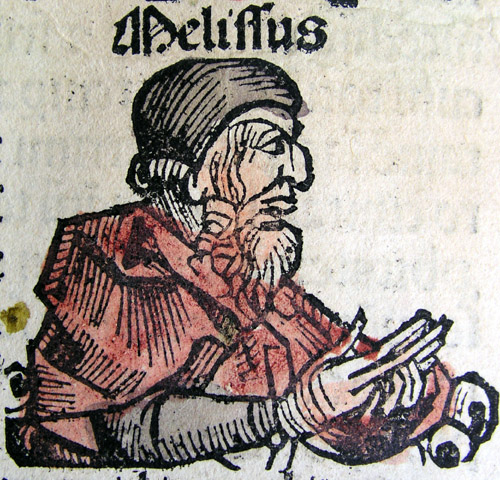
Melissus of Samos
500 BCE – 430 BCE
Samos
Samian Presocratic and Eleatic philosopher whose lost treatise argues for one unlimited, changeless being and denies void, motion, generation, and destruction.
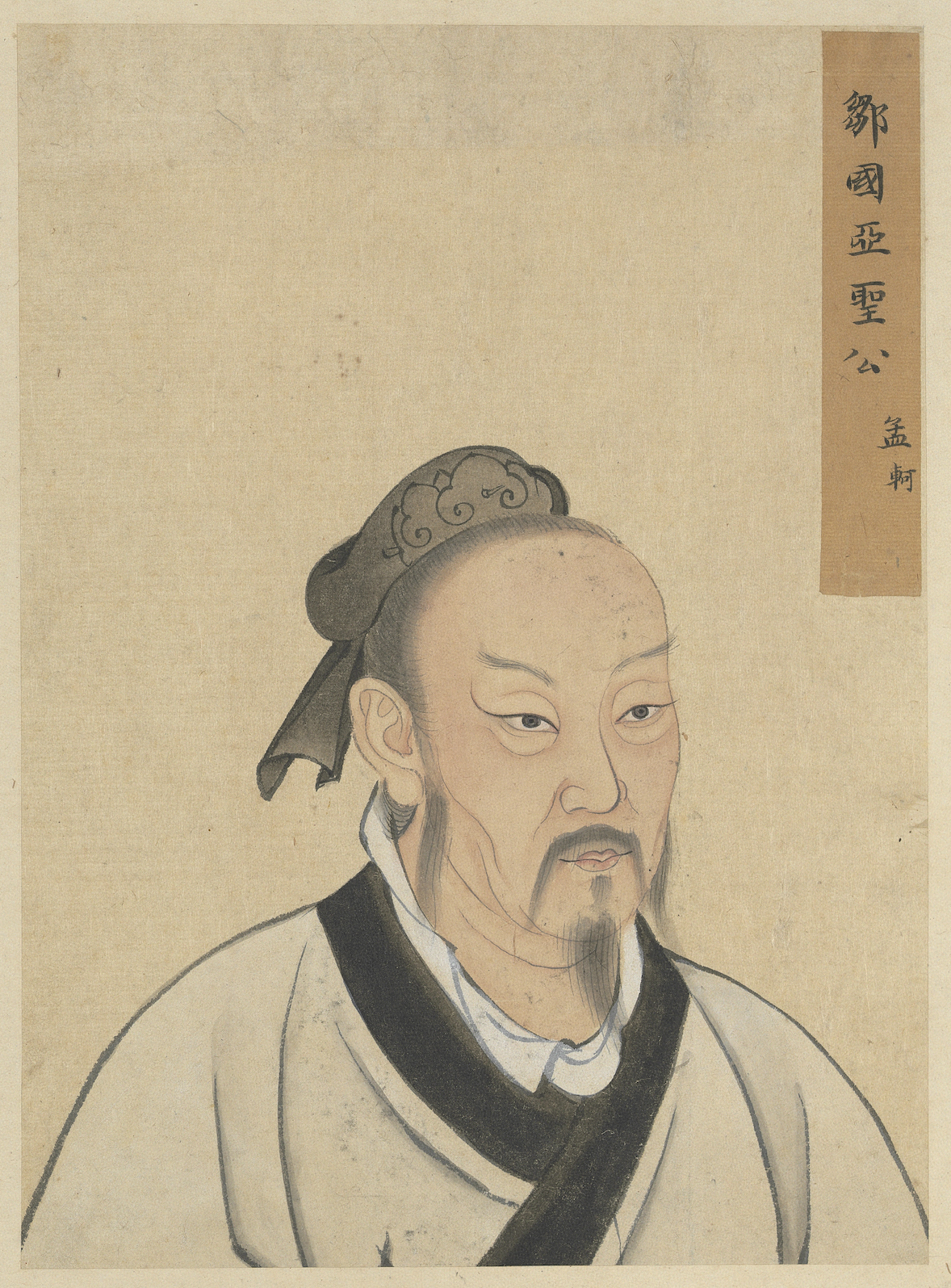
Mencius (Mengzi)
372 BCE – 289 BCE
Zou, State of Lu
Classical Confucian philosopher whose account of xingshan, the four sprouts, ren, yi, moral cultivation, benevolent government, and people-centered legitimacy shaped East Asian ethics and political thought.
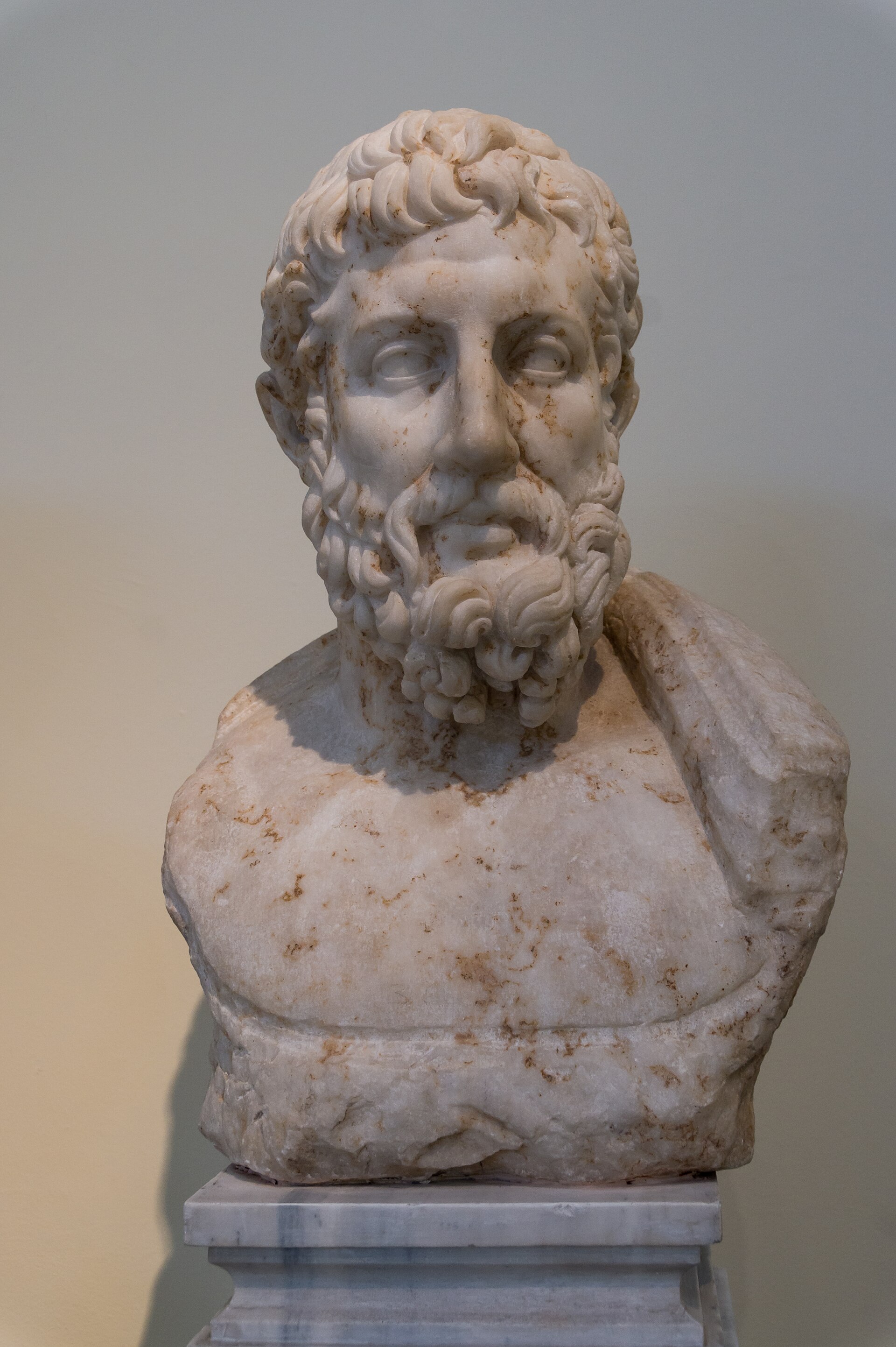
Metrodorus of Lampsacus
331 BCE – 278 BCE
Lampsacus, Hellespont
Epicurean philosopher of the Garden whose lost works joined ethics, sensation, atomism, anti-dialectic polemic, friendship, bodily goods, and loyalty to Epicurus.

Mozi (Mo Di)
470 BCE – 391 BCE
State of Lu or State of Song, Warring States China
Warring States philosopher of Mohism, jian ai, impartial care, anti-aggression, meritocracy, frugality, Heaven, ghosts, standards, logic, optics, and siege defense.
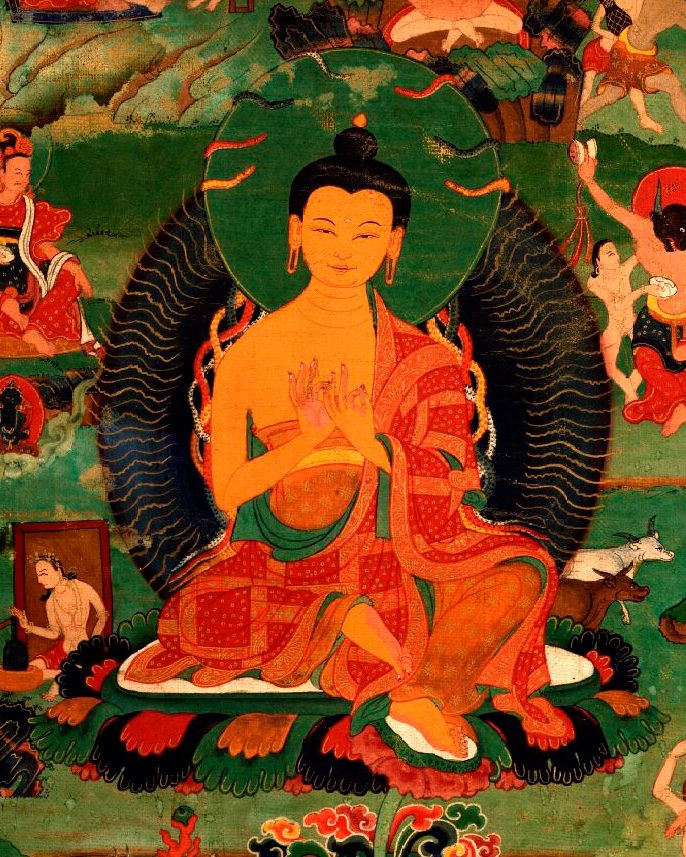
Nagarjuna
150 CE – 250 CE
South India, often associated with Andhra
Madhyamaka Buddhist philosopher of emptiness, dependent origination, two truths, svabhava critique, catuskoti, Middle Way reasoning, and Prajnaparamita reception.

Origen of Alexandria
185 CE – 254 CE
Alexandria, Egypt
Alexandrian Christian Platonist of allegorical exegesis, Logos theology, free will, apokatastasis controversy, Scripture scholarship, Hexapla, and Contra Celsum.
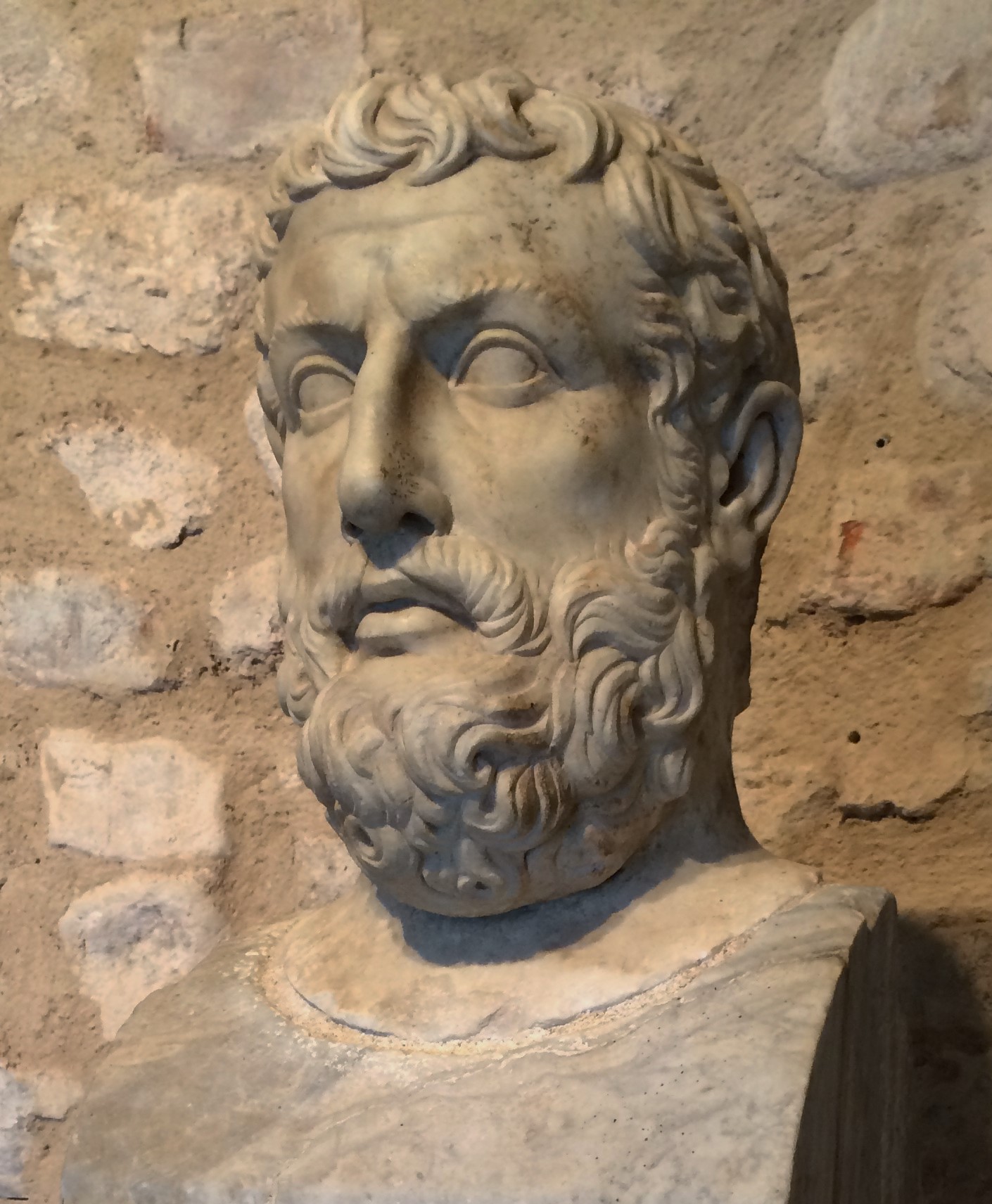
Parmenides of Elea
515 BCE – 450 BCE
Elea, Magna Graecia
Eleatic philosopher of Being, the Way of Truth, the Way of Opinion, denial of not-being, monism, necessity, cosmology, and fragmentary poetic transmission.
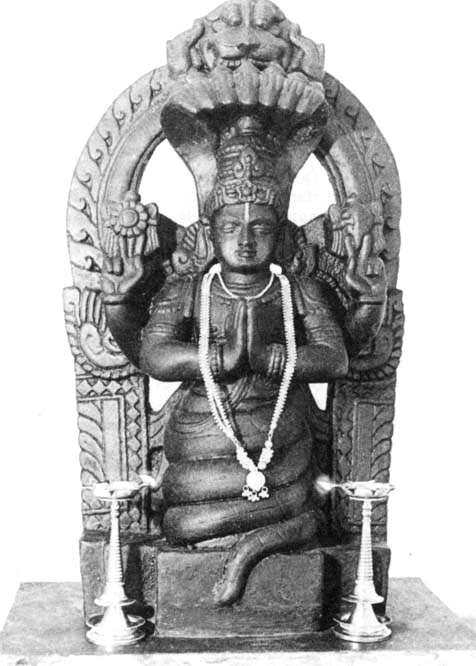
Patanjali
350 CE – 450 CE
India
Classical Yoga philosopher of the Yoga Sutras, citta-vritti-nirodha, purusha, prakriti, kleshas, karma, samadhi, kaivalya, Ishvara, and eight-limbed practice.
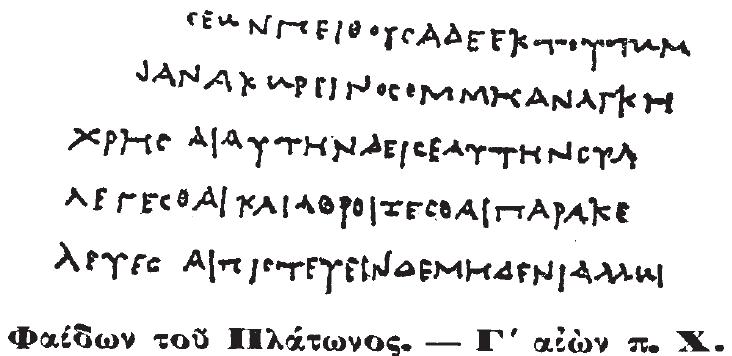
Phaedo of Elis
417 BCE – 345 BCE
Elis (Peloponnese)
Socratic philosopher from Elis, witness to Socrates' death, founder of the Elean school, and author of lost Socratic dialogues on dialectic, ethics, character, and philosophical conversation.
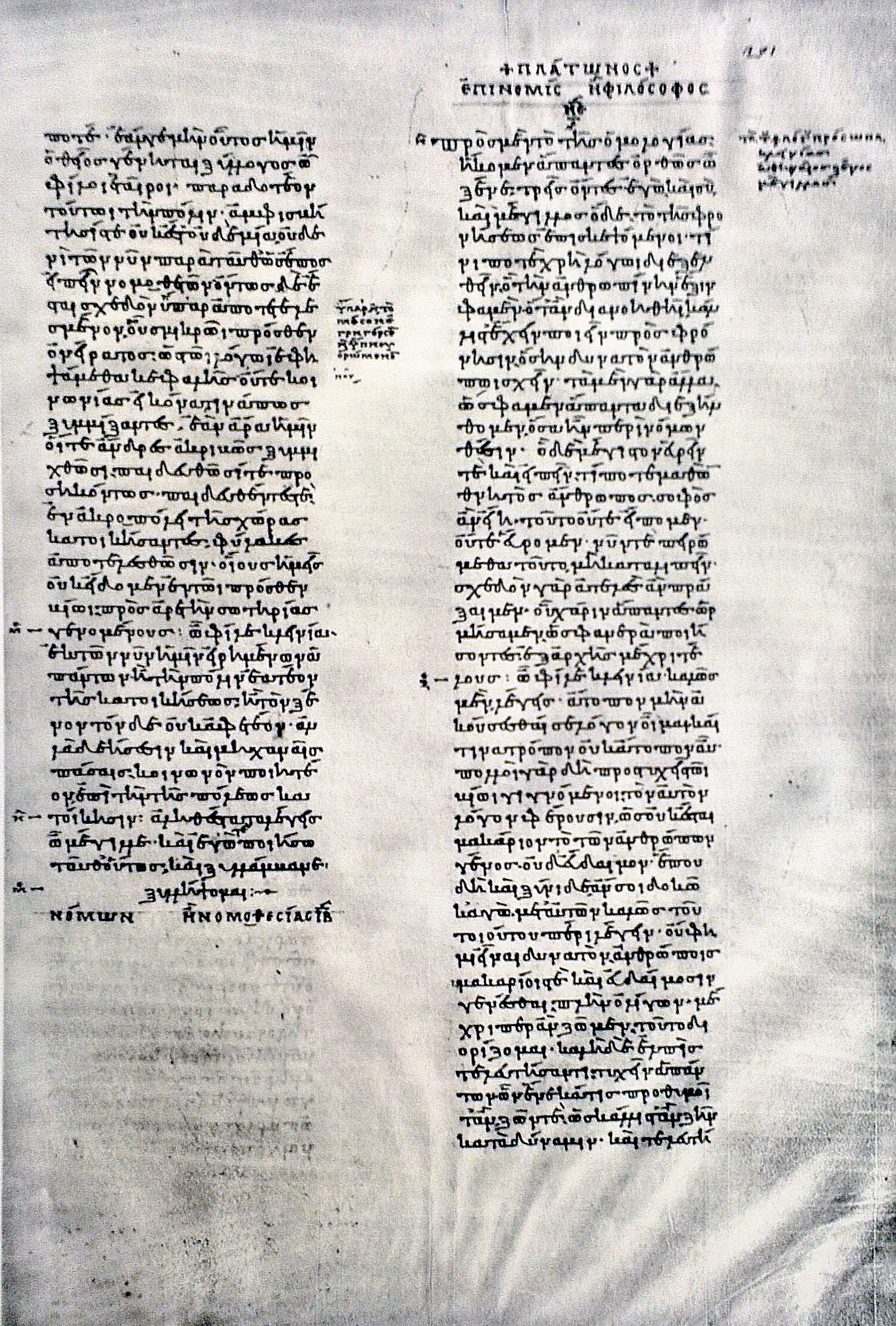
Philip of Opus
380 BCE – 330 BCE
Opus (Locris)
Early Academic philosopher of Opus, Plato's Academy, mathematical astronomy, Epinomis, astral theology, Opuntian Locris, and the reported arrangement of Plato's Laws.
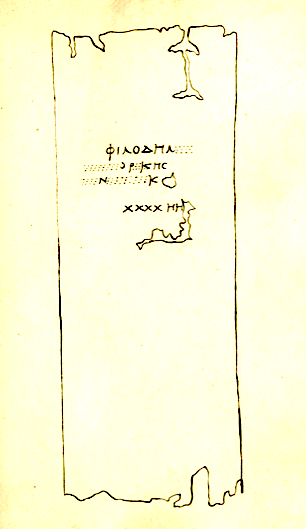
Philodemus of Gadara
110 BCE – 35 BCE
Gadara (Decapolis)
Epicurean philosopher and poet from Gadara whose Herculaneum papyri preserve work on rhetoric, poetry, music, sign inference, piety, death, frank criticism, passions, vices, and Epicurean book culture.
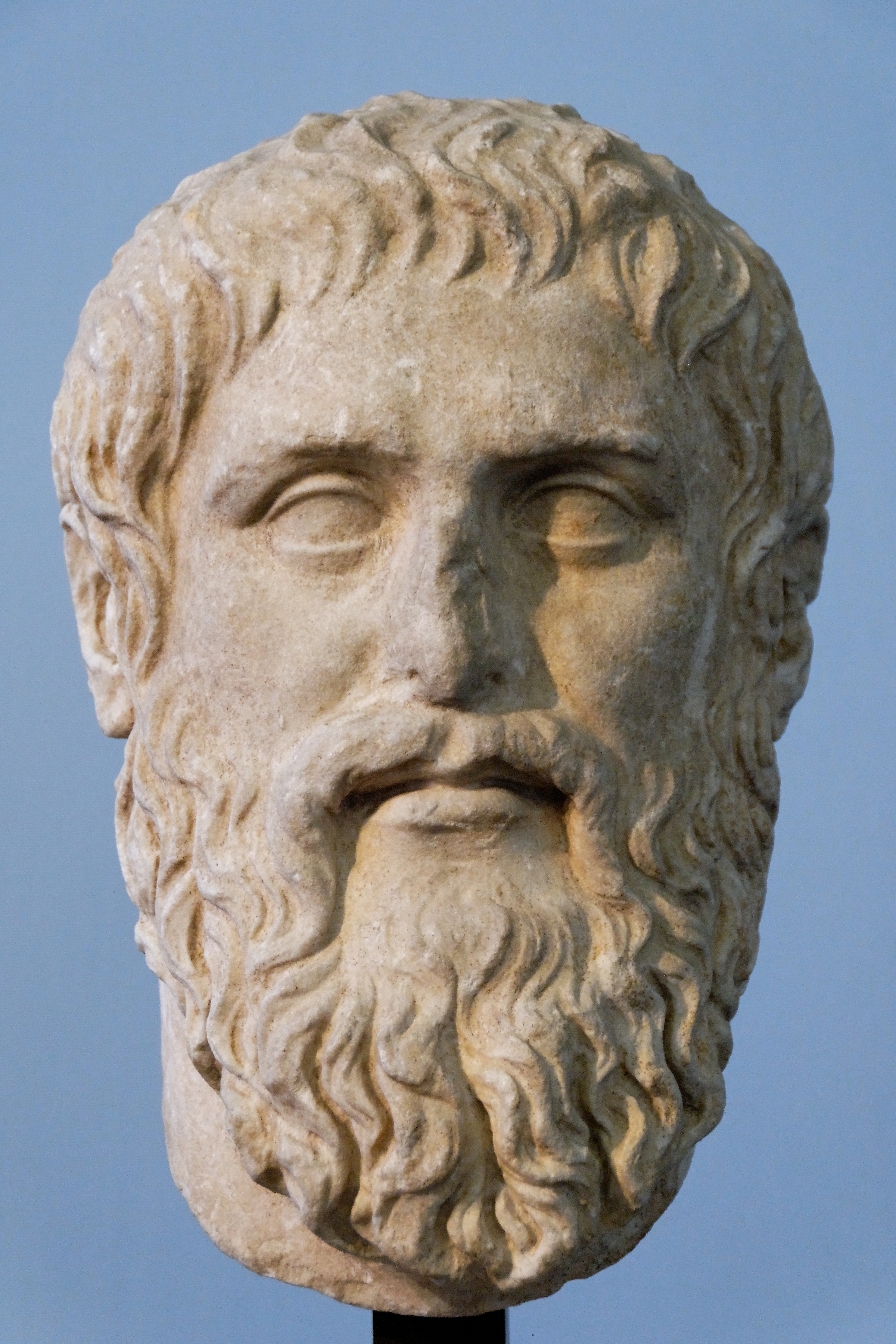
Plato
427 BCE – 347 BCE
Athens
Athenian philosopher of Forms, dialectic, recollection, the Good, tripartite soul, philosopher-rule, eros, rhetoric, language, cosmology, theology, the Academy, and the Platonic corpus.
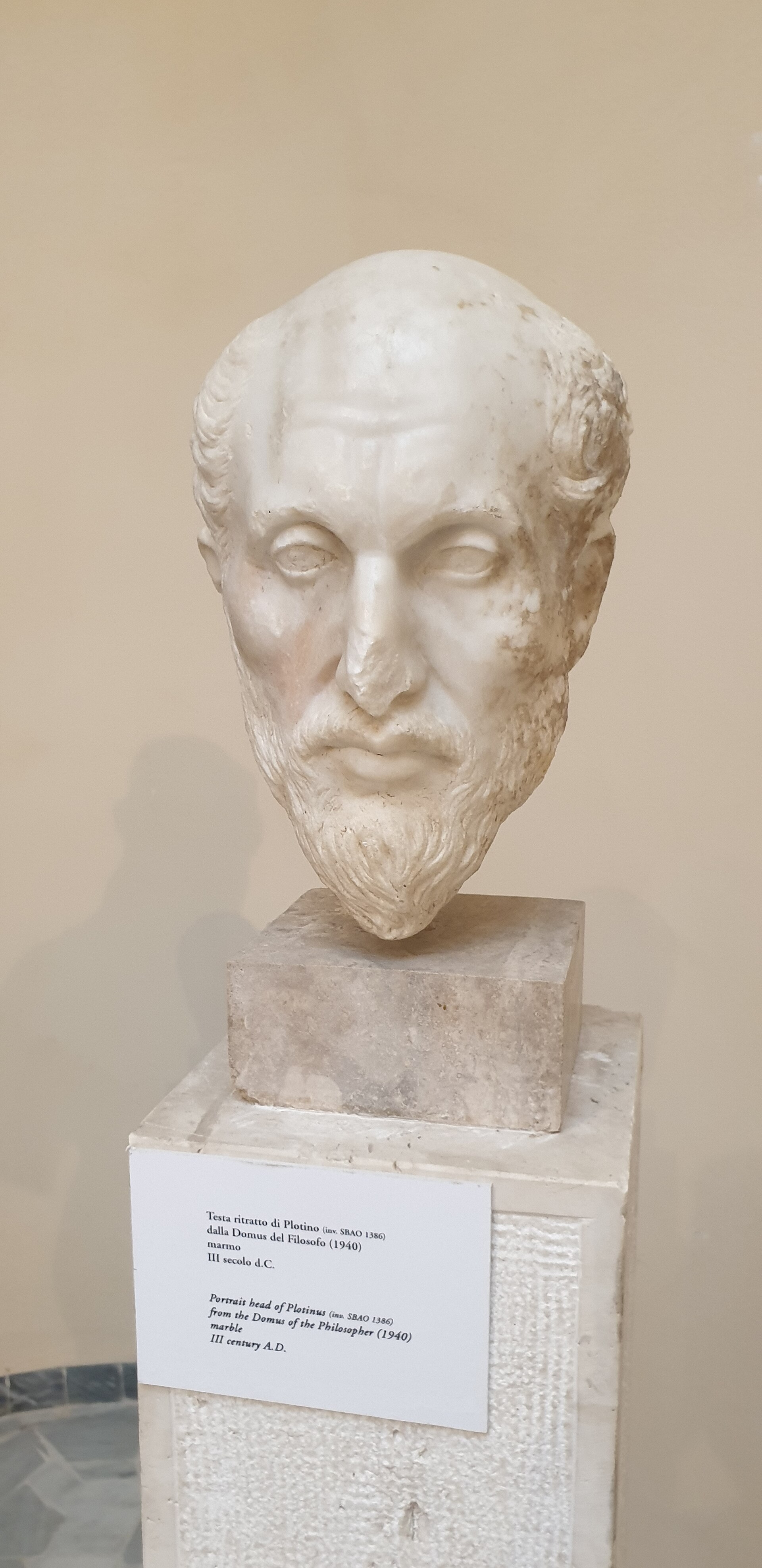
Plotinus
204 CE – 270 CE
Lycopolis (Upper Egypt)
Neoplatonic philosopher of the One, Intellect, Soul, emanation, return, henosis, beauty, evil as privation, contemplative ethics, anti-Gnostic polemic, and the Porphyrian Enneads.
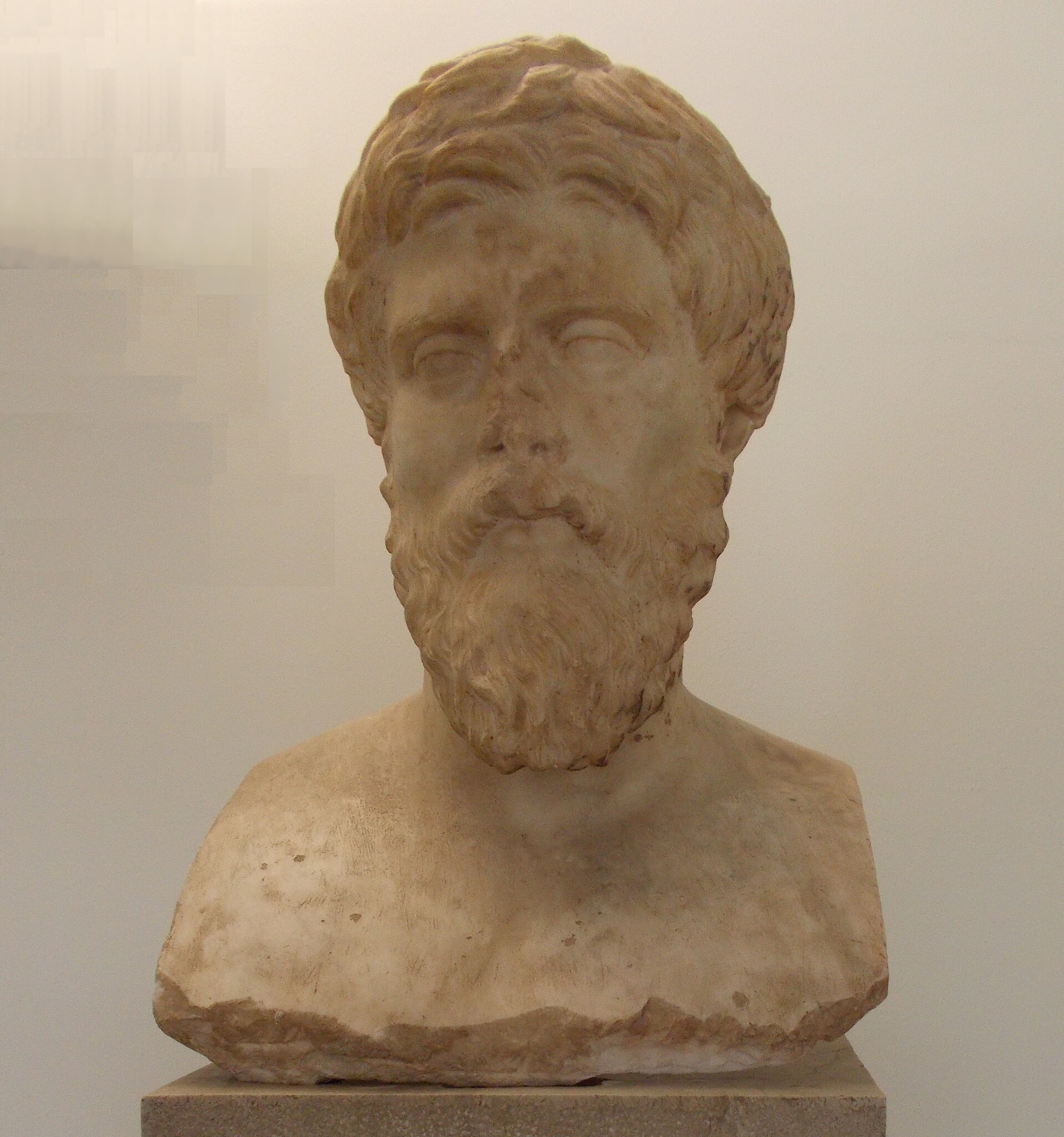
Plutarch of Chaeronea
46 CE – 120 CE
Chaeronea (Boeotia)
Middle Platonist moralist, biographer, and priest of Apollo at Delphi whose Parallel Lives and Moralia join virtue ethics, political counsel, religious Platonism, moral psychology, and literary biography.
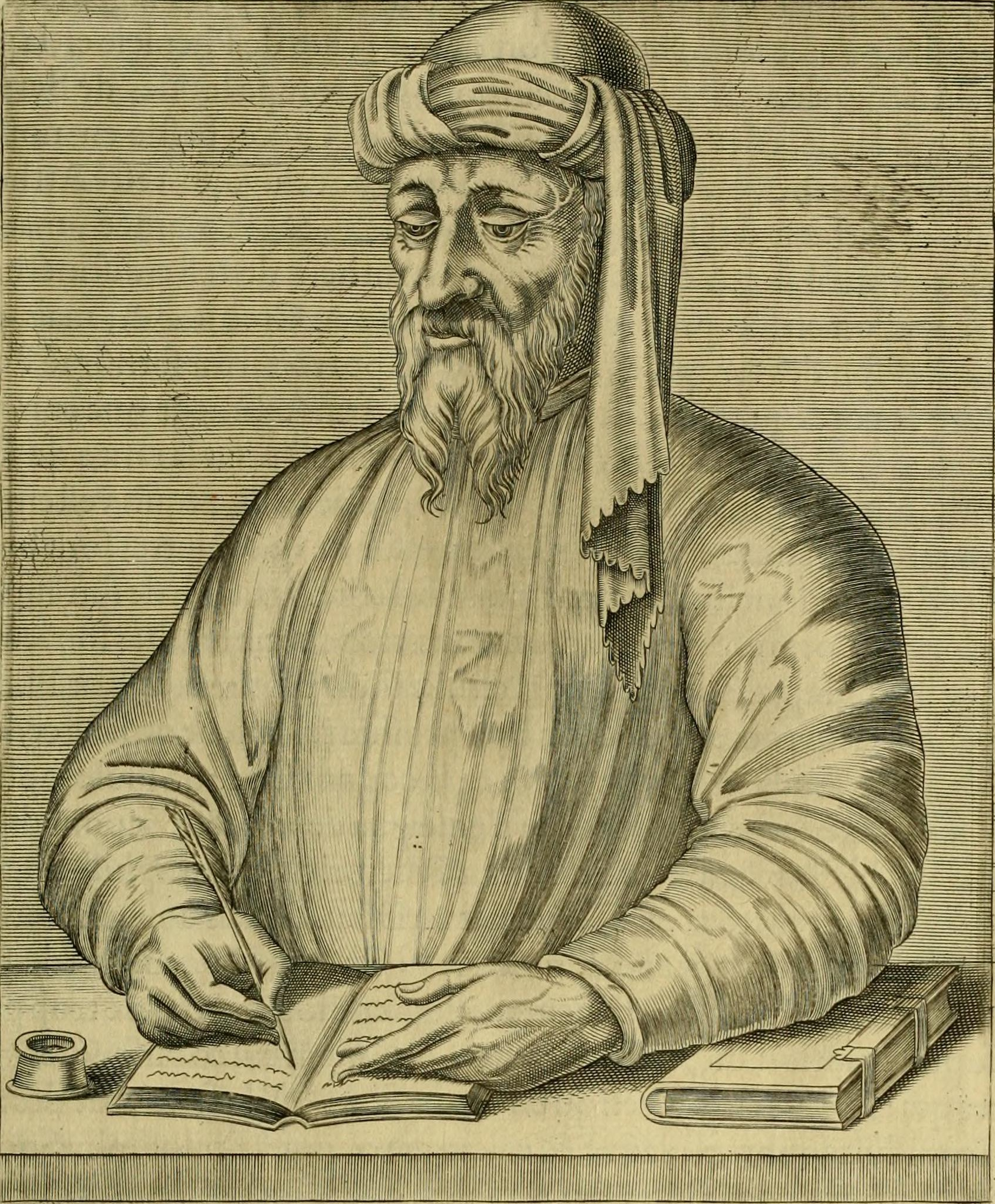
Porphyry
234 CE – 305 CE
Tyre (Phoenicia)
Neoplatonic philosopher of Tyre, logic, the Isagoge, predicables, universals, Porphyrian Tree, soul purification, vegetarian ethics, Homeric allegory, Aristotle commentary, and anti-Christian polemic.

Posidonius of Apamea
135 BCE – 51 BCE
Apamea (Orontes)
Middle Stoic philosopher of Apamea and Rhodes, cosmic sympathy, fate, divination, passions, Stoic physics, geography, tides, Canopus, earth measurement, meteorology, history, and Roman reception.
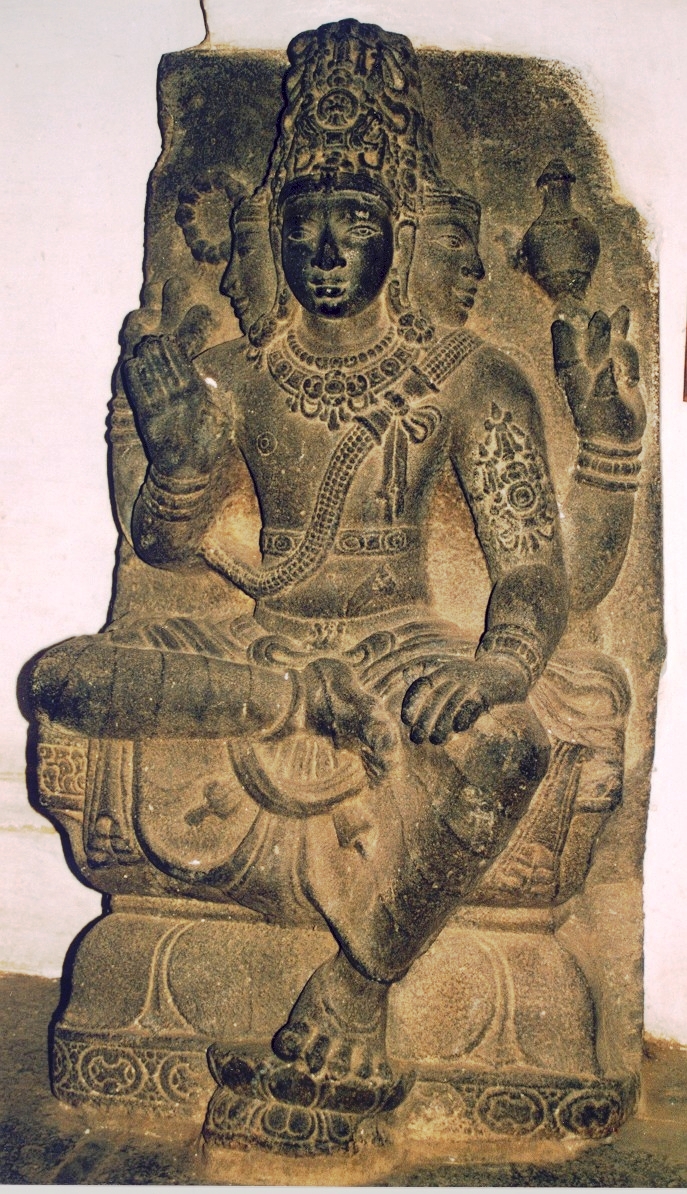
Prajapati
1200 BCE – 800 BCE
Indo-Gangetic Plain (Vedic tradition)
Vedic creator figure and lord of creatures whose profile joins Hiranyagarbha, Prajapati, tapas, Vac, yajna, sacrifice as creation, Brahmana ritual cosmology, Daksha, Brahma identification, and later Hindu reception.
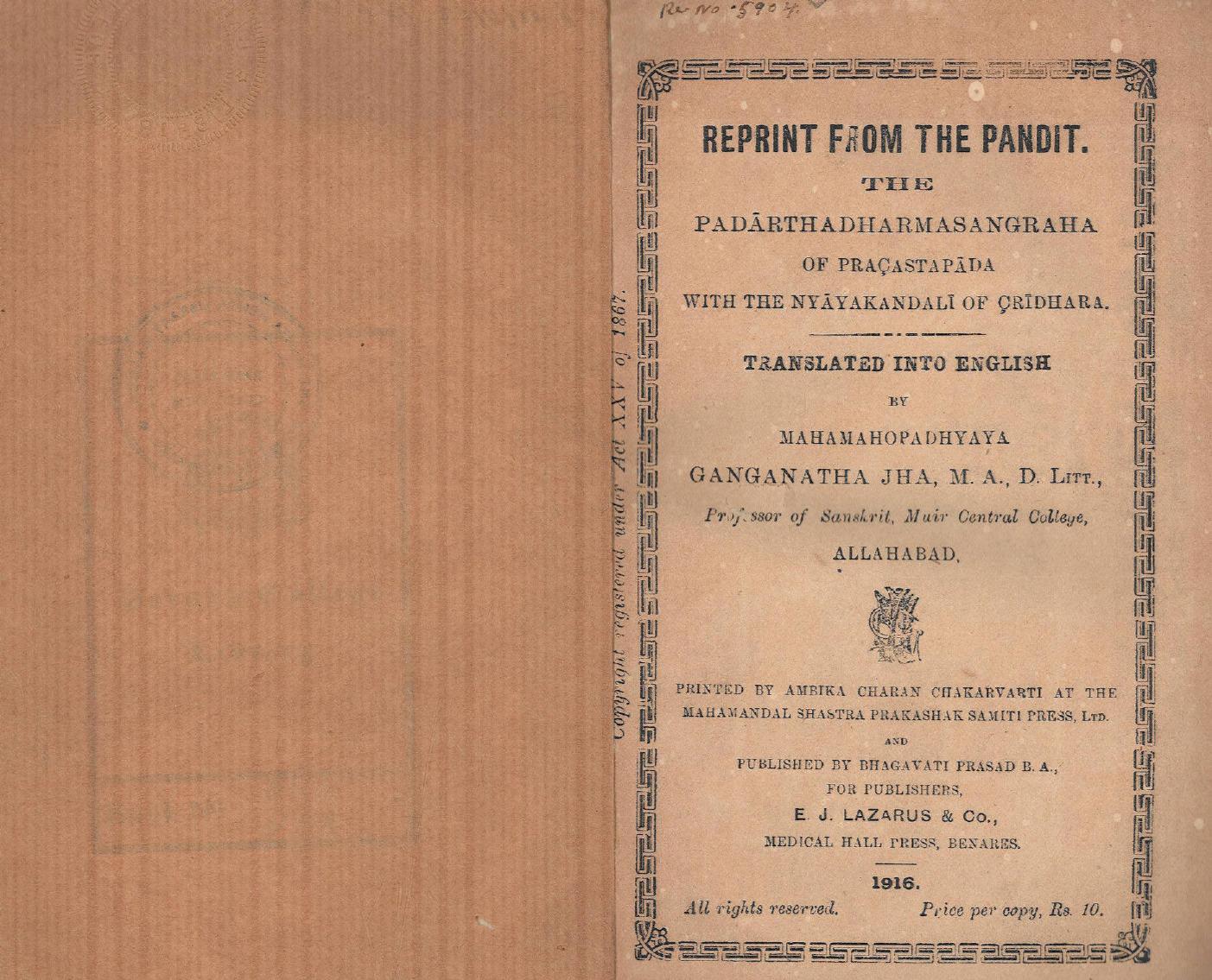
Prasastapada
530 CE – 560 CE
Indo-Gangetic region (Vaisheshika scholasticism)
Vaisheshika scholastic philosopher of Padartha Dharma Sangraha, Prasastapada Bhashya, padartha taxonomy, substance, quality, motion, universal, particularity, inherence, pramana, atomism, and Nyaya-Vaisheshika realism.
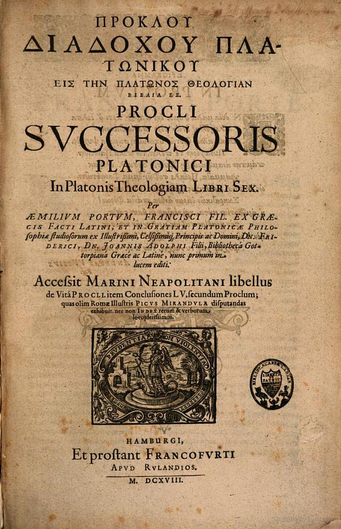
Proclus of Lycia
412 CE – 485 CE
Xanthus (Lycia)
Late antique Neoplatonic scholarch of Athens whose work systematized the One, henads, procession, reversion, intellect, soul, theurgy, mathematics, astronomy, Plato commentary, and later Pseudo-Dionysian and Liber de Causis reception.
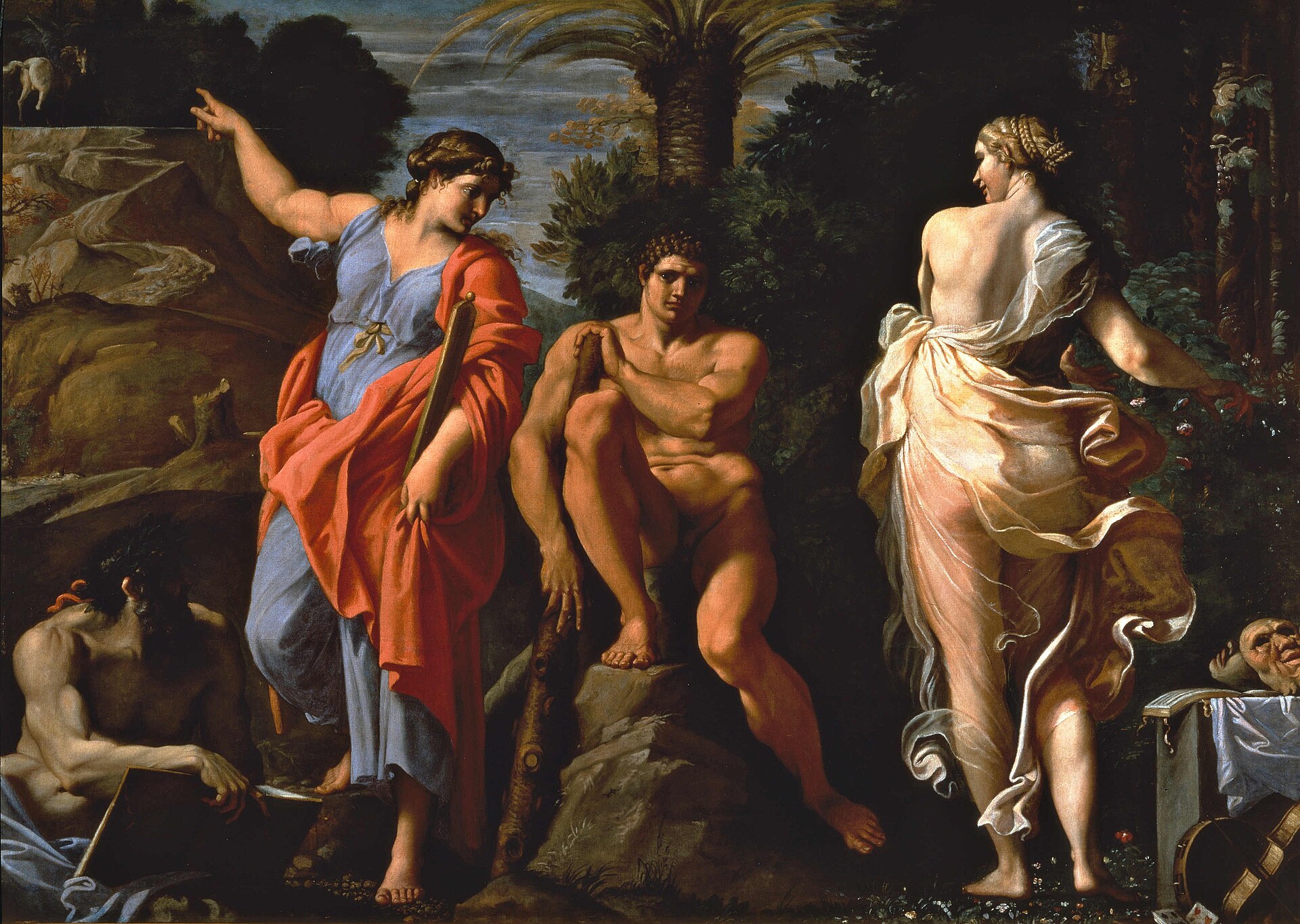
Prodicus of Ceos
465 BCE – 395 BCE
Ceos (Kea, island)
Cean sophist of language, semantic precision, synonym distinctions, moral choice, the Choice of Heracles, naturalistic theology, civic rhetoric, and Socrates' reported debt to Prodicus on names.
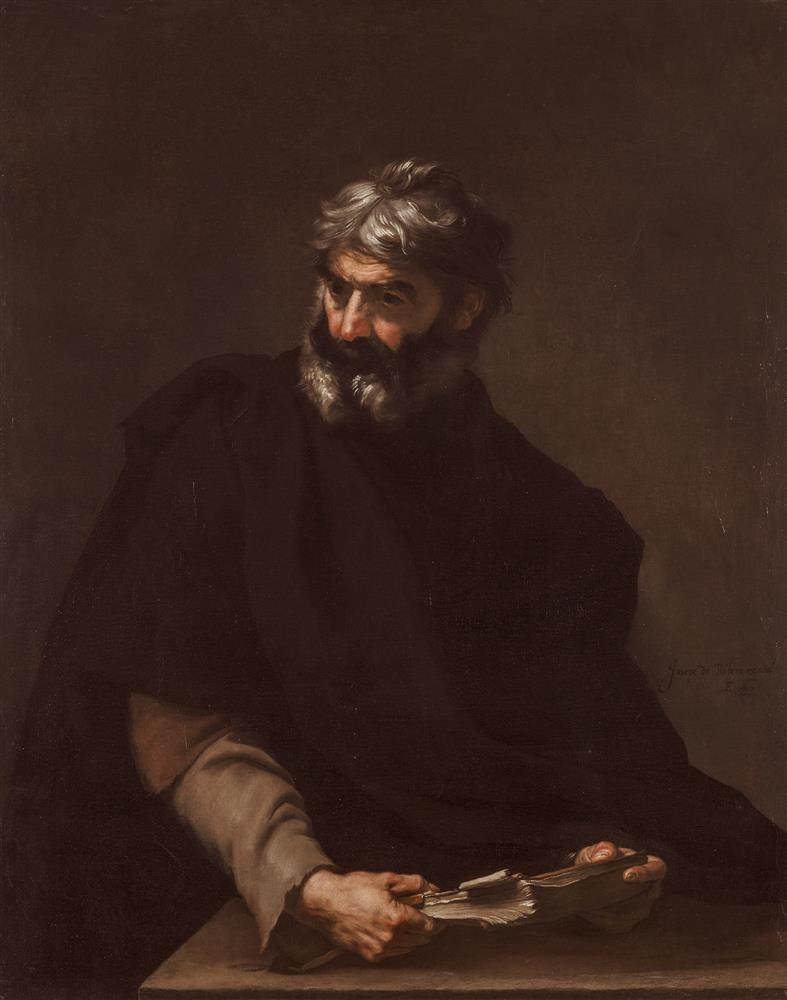
Protagoras of Abdera
490 BCE – 420 BCE
Abdera, Thrace
Abderite sophist of man-measure relativism, appearances, antilogy, weaker and stronger arguments, orthoepeia, civic virtue, democratic political teaching, On the Gods, and fragmentary testimonial transmission.
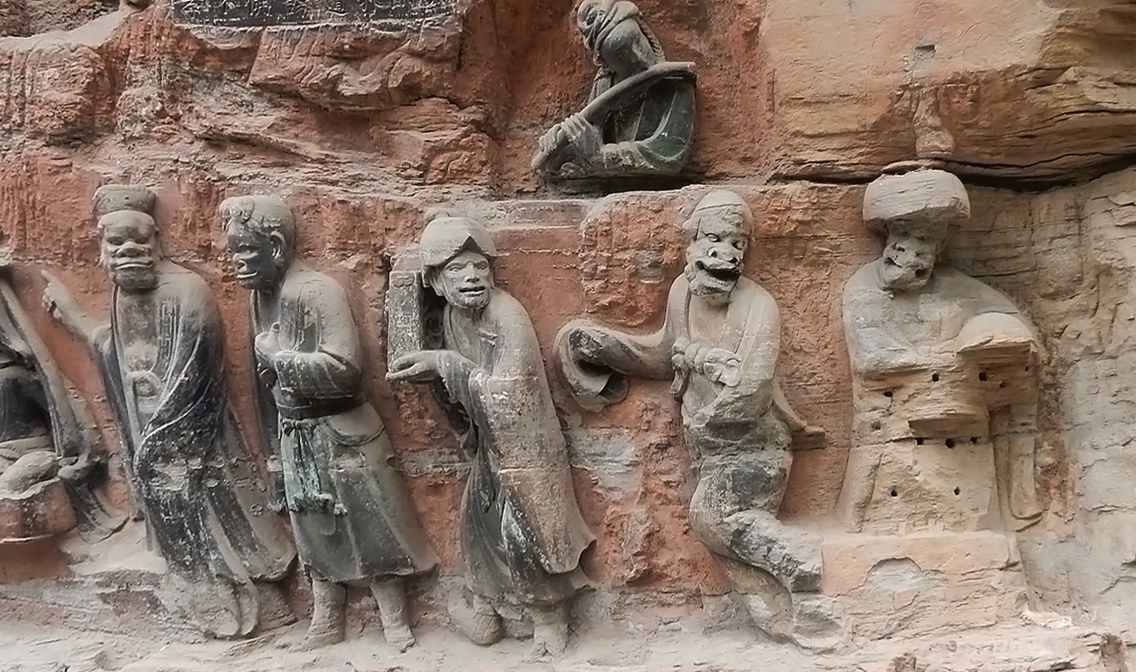
Purana Kassapa
560 BCE – 480 BCE
Magadha region
Early Indian sramana teacher remembered for akiriyavada, denial of the moral efficacy of action, Magadhan debate culture, the six teachers, and the Samannaphala Sutta report.
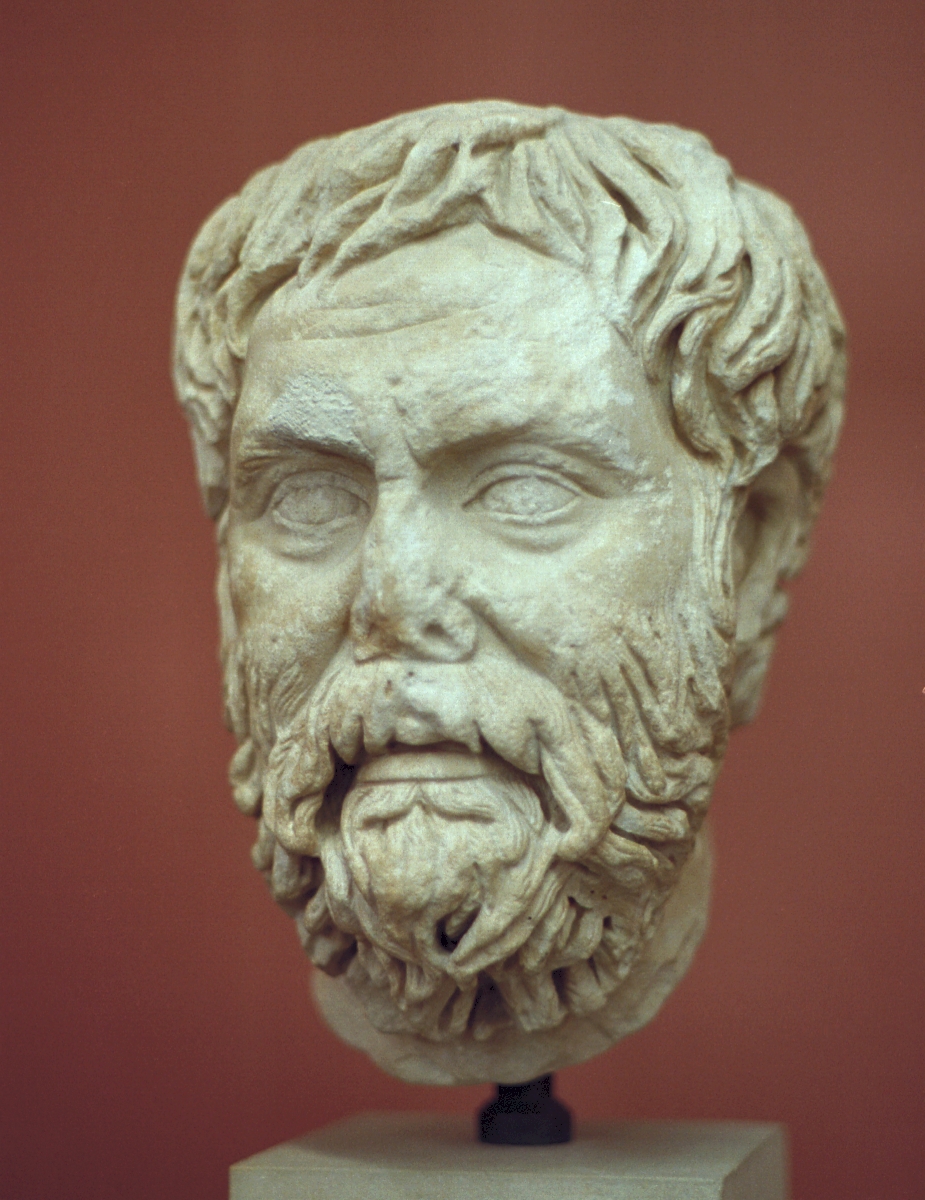
Pyrrho of Elis
360 BCE – 270 BCE
Elis, Peloponnese
Greek skeptic from Elis whose transmitted way of life joins epoche, aphasia, ataraxia, appearances, non-assertion, Anaxarchus, eastern travel traditions, Timon, Aenesidemus, Sextus Empiricus, and the Pyrrhonian challenge to dogmatic knowledge.
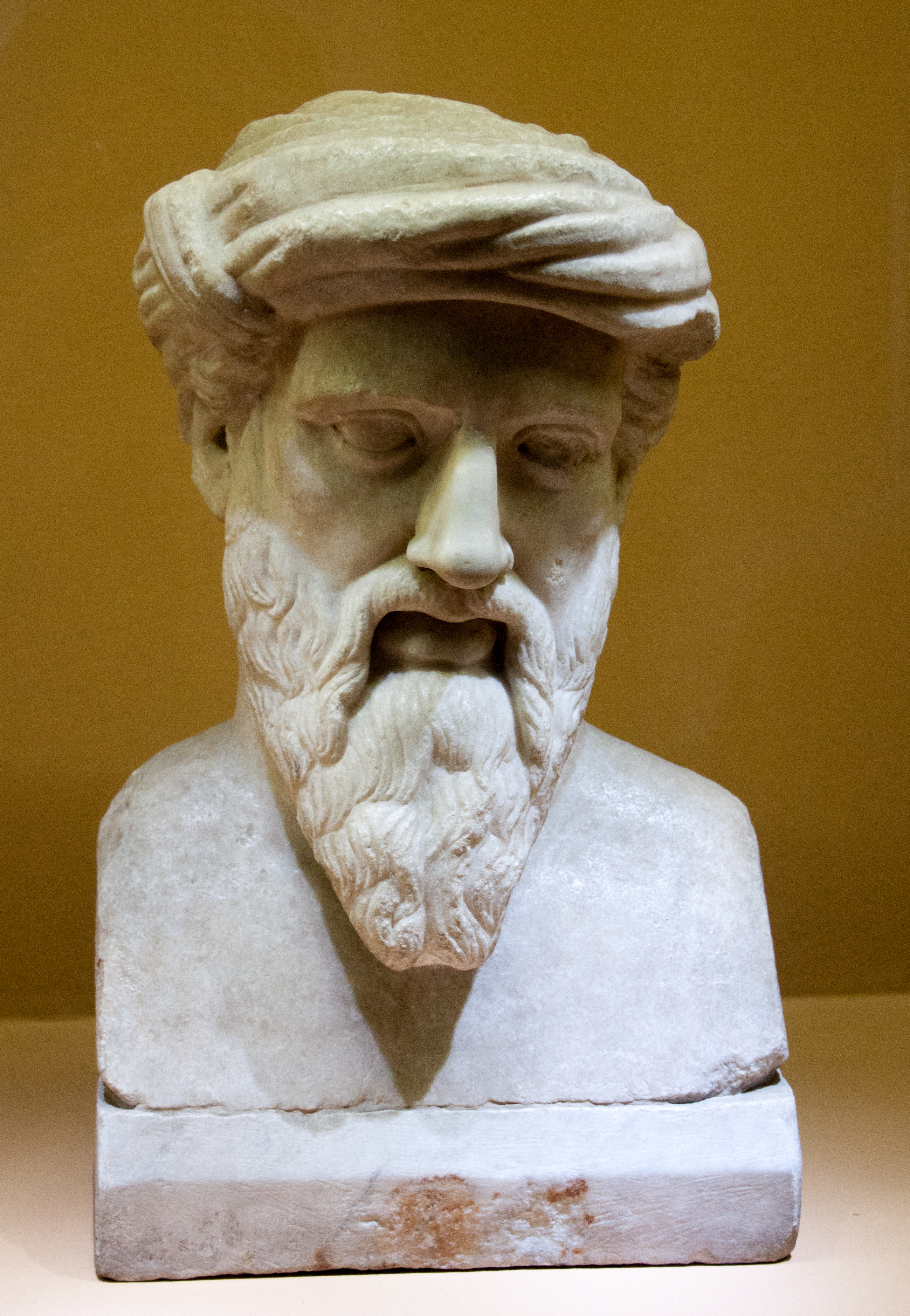
Pythagoras of Samos
570 BCE – 495 BCE
Samos
Samian founder of the Pythagorean way of life whose testimonial profile joins number metaphysics, harmony, tetractys, metempsychosis, purification, communal discipline, Croton, Samos, mathematics, harmonics, and later ancient reception.
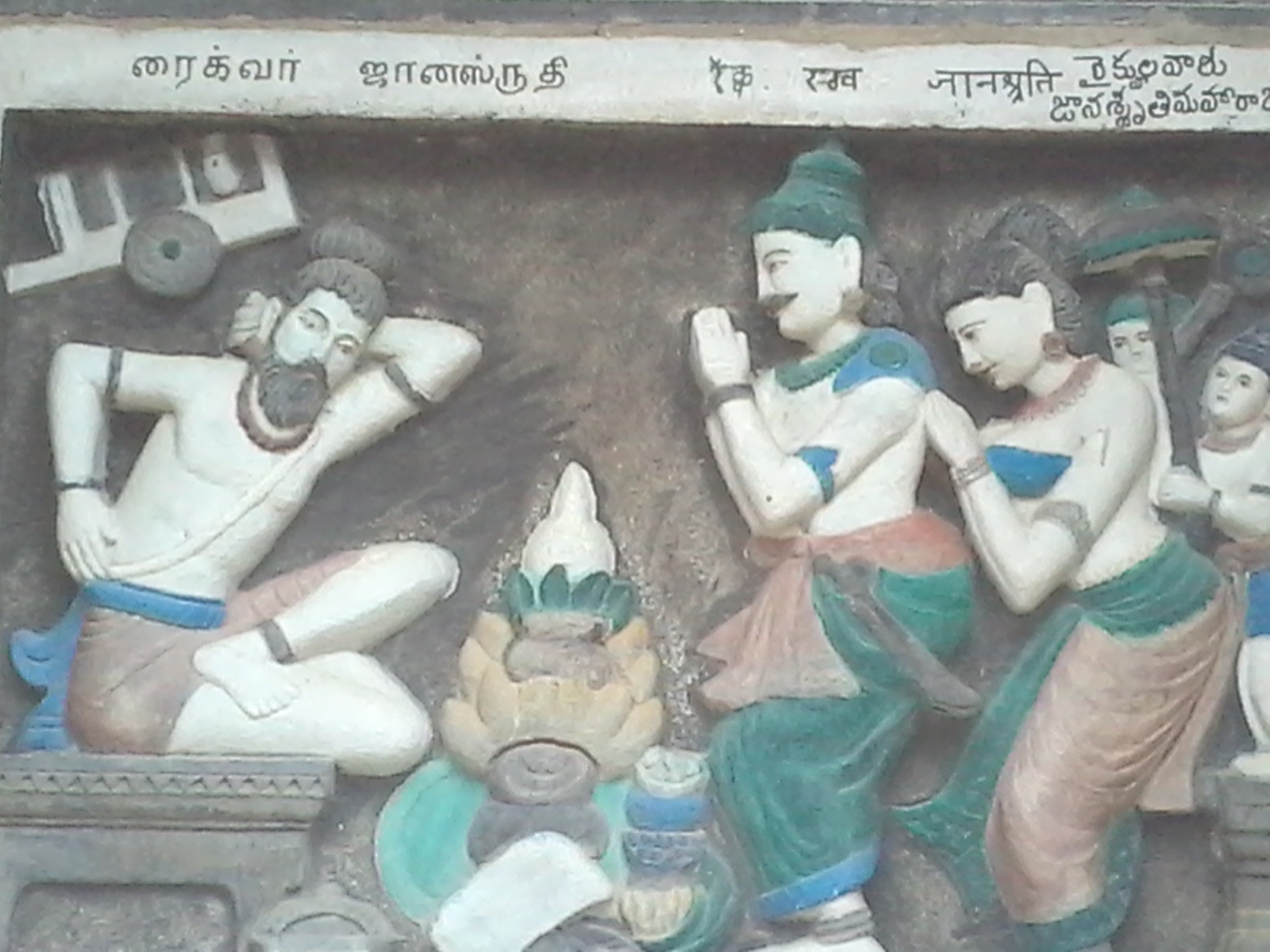
Raikva
750 BCE – 700 BCE
Indo-Gangetic region
Upanishadic sage of the Chandogya Upanishad whose Samvarga Vidya joins Janasruti, humility before knowledge, the cart-man motif, Vayu as cosmic absorber, Prana as bodily absorber, food and eater imagery, and Vedic transmission.

Śabara Svāmin
100 BCE – 1 BCE
Indian subcontinent, exact birthplace unknown
Early Mīmāṃsā commentator whose Śabara Bhāṣya shaped Indian philosophy of language and religion through its analysis of Vedic injunction, dharma, śabda, pramāṇa, ritual action, and scriptural authority.
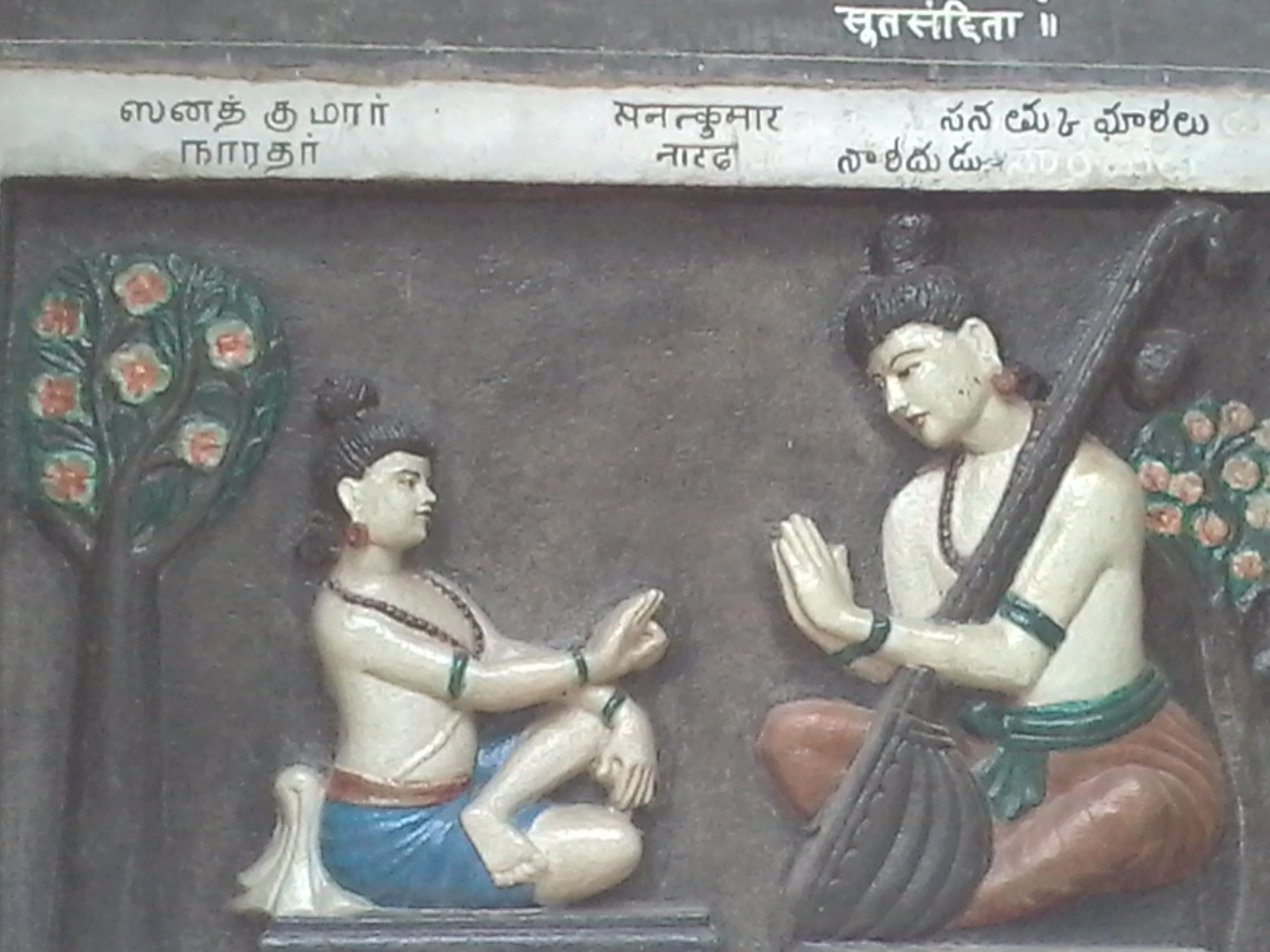
Sanatkumāra
700 BCE – 600 BCE
Indo-Gangetic region (symbolic / cosmic teacher)
Upanishadic teacher of Nārada whose Chāndogya dialogue links language, knowledge, sorrow, and bhūman, the infinite fullness beyond finite disciplines.
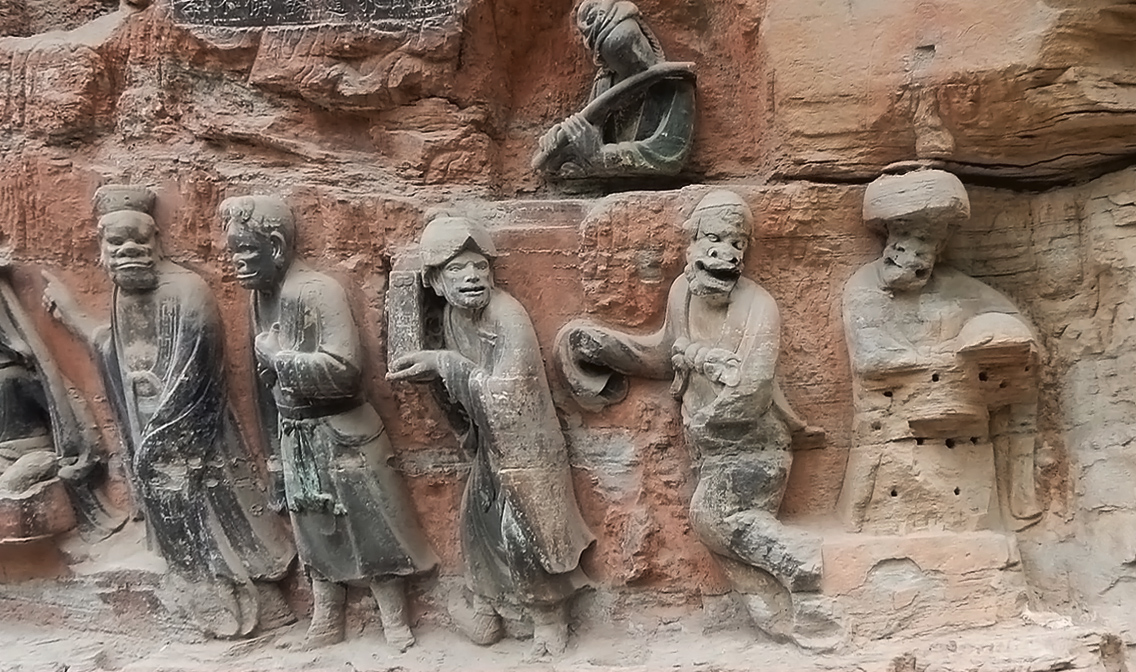
Sañjaya Belaṭṭhiputta
520 BCE – 450 BCE
Magadha region
Early Indian skeptic associated with Ajñāna and the Sāmaññaphala Sutta, where his remembered replies model suspension of judgment and metaphysical non-commitment.
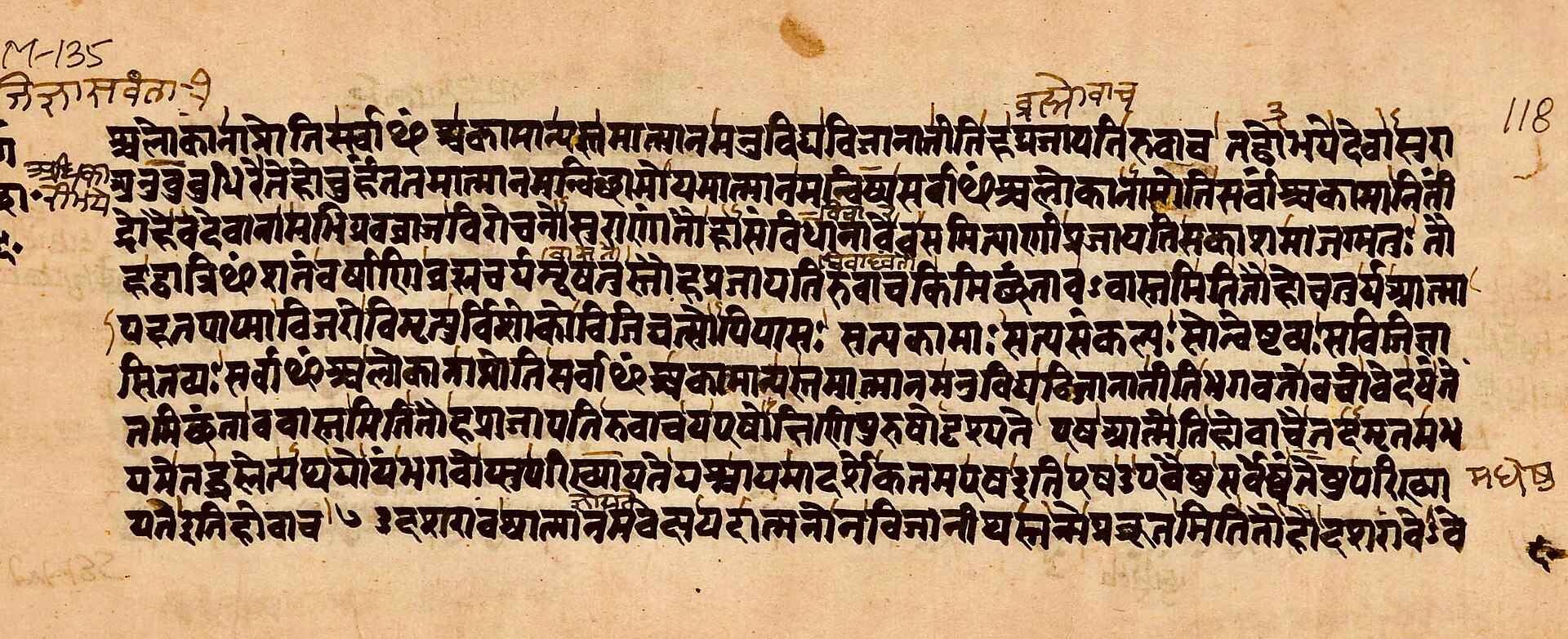
Satyakāma Jābāla
700 BCE – 600 BCE
Indo-Gangetic region (Pañcāla tradition)
Upanishadic figure whose Chandogya episode treats truthful self-disclosure as the sign of spiritual fitness and a gateway into instruction about Brahman.
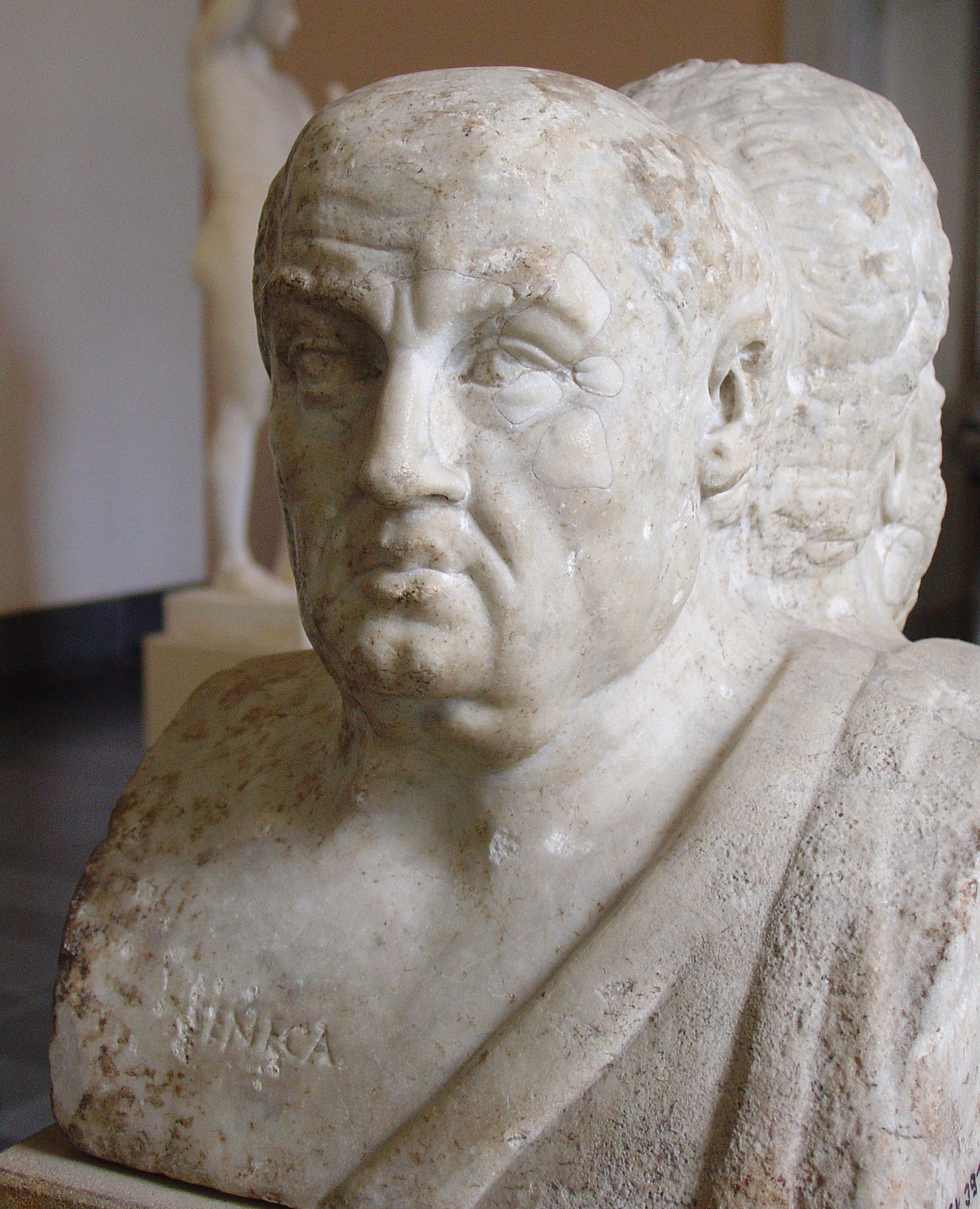
Seneca the Younger
4 CE – 65 CE
Corduba (Cordoba, Hispania)
Roman Stoic philosopher from Corduba whose letters, essays, and natural questions made virtue, anger, time, clemency, and self-command enduring topics in Latin philosophy.

Sengzhao
384 CE – 414 CE
Jingzhao (Chang'an region)
Chinese Buddhist philosopher from Jingzhao whose Zhaolun essays shaped early Chinese Madhyamaka through emptiness, nonduality, non-knowing wisdom, language, and nameless nirvana.
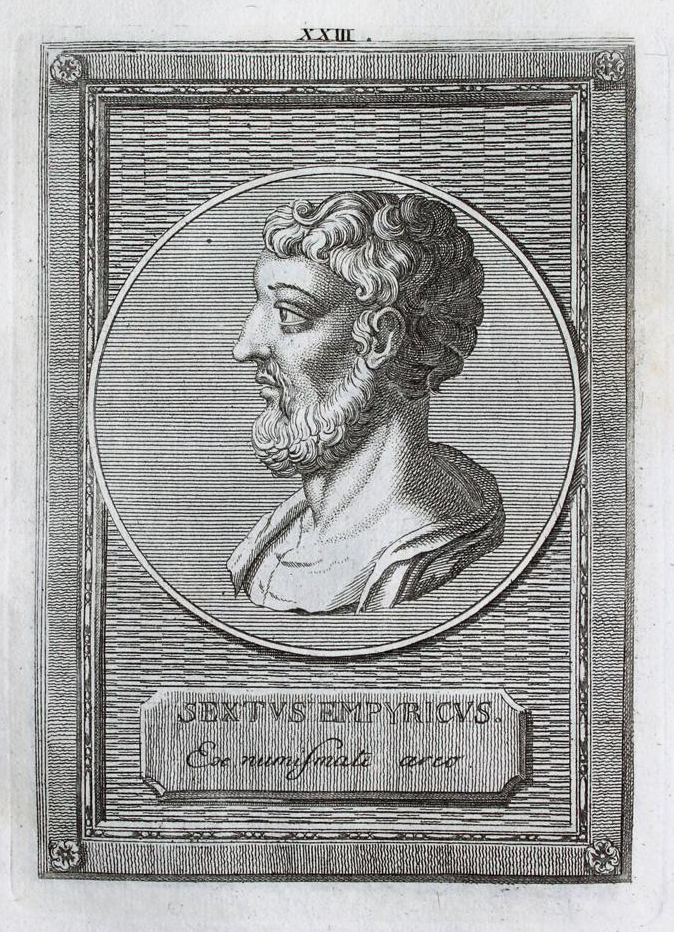
Sextus Empiricus
160 CE – 210 CE
Alexandria (probable)
Greek Pyrrhonian skeptic from Alexandria (probable) whose works preserve ancient arguments about suspension, signs, proof, criteria, and life without dogmatic certainty.
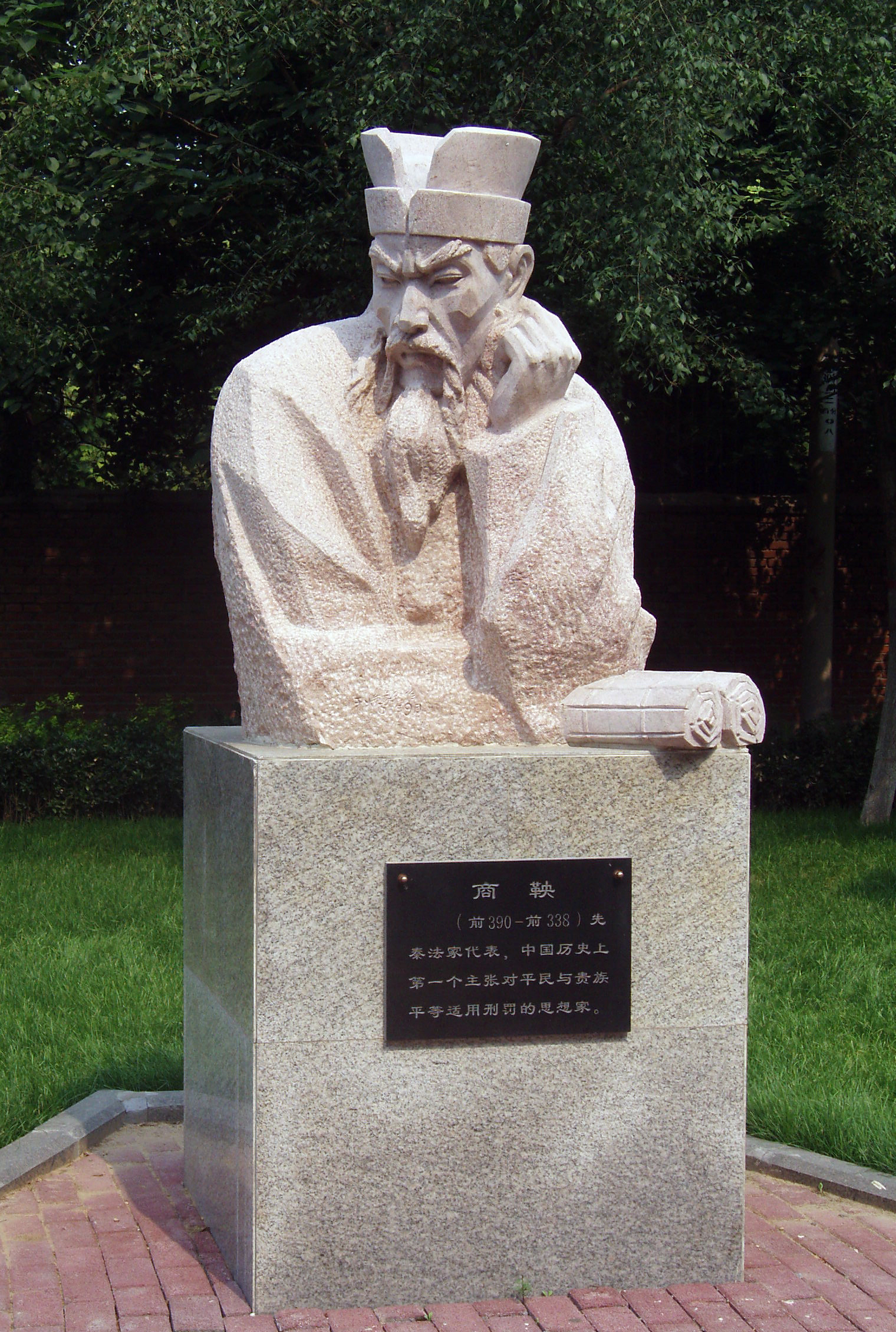
Shang Yang
390 BCE – 338 BCE
Wei state region
Chinese Legalist reformer whose Qin reforms and attributed Book of Lord Shang shaped early theories of law, state power, rewards, punishments, agriculture, and war.
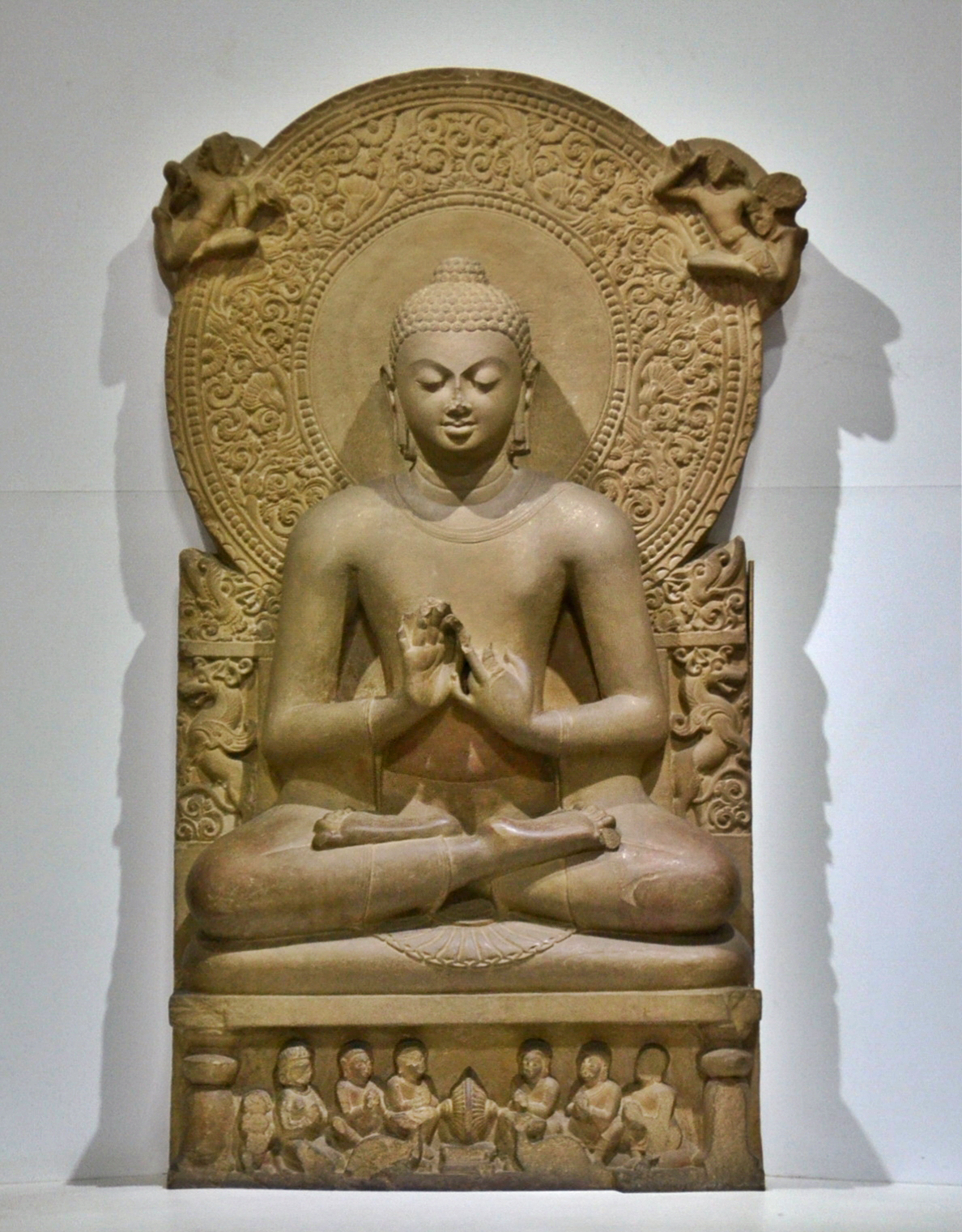
Siddhārtha Gautama
563 BCE – 483 BCE
Lumbinī
Founder of Buddhism whose transmitted early discourses frame suffering, liberation, dependent arising, not-self, mindfulness, ethics, and the Middle Way.
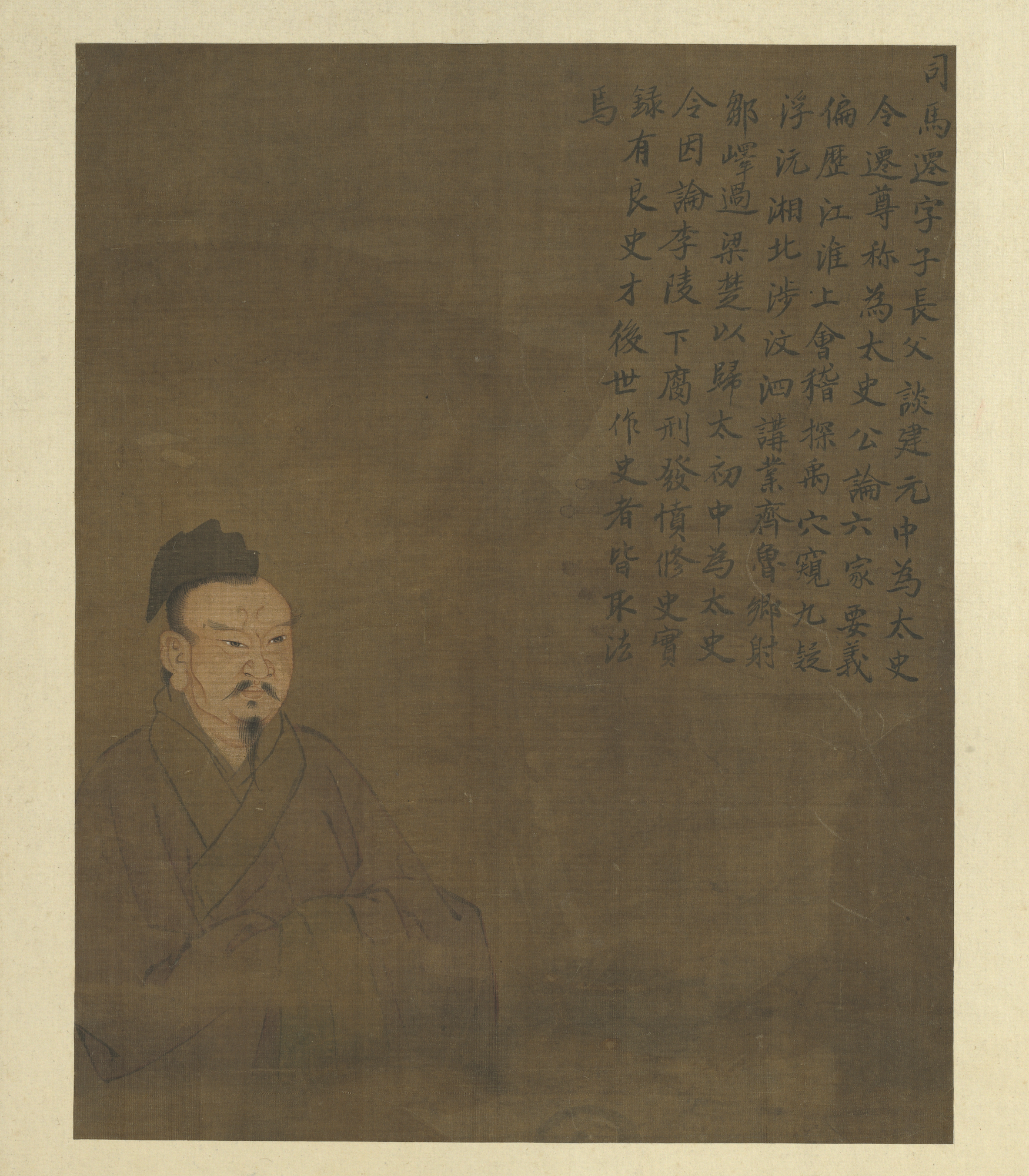
Sima Qian
145 BCE – 86 BCE
Longmen (near present-day Hancheng)
Western Han historian and thinker whose Shiji joined ethical judgment, political memory, narrative biography, source criticism, cosmology, and historical method.
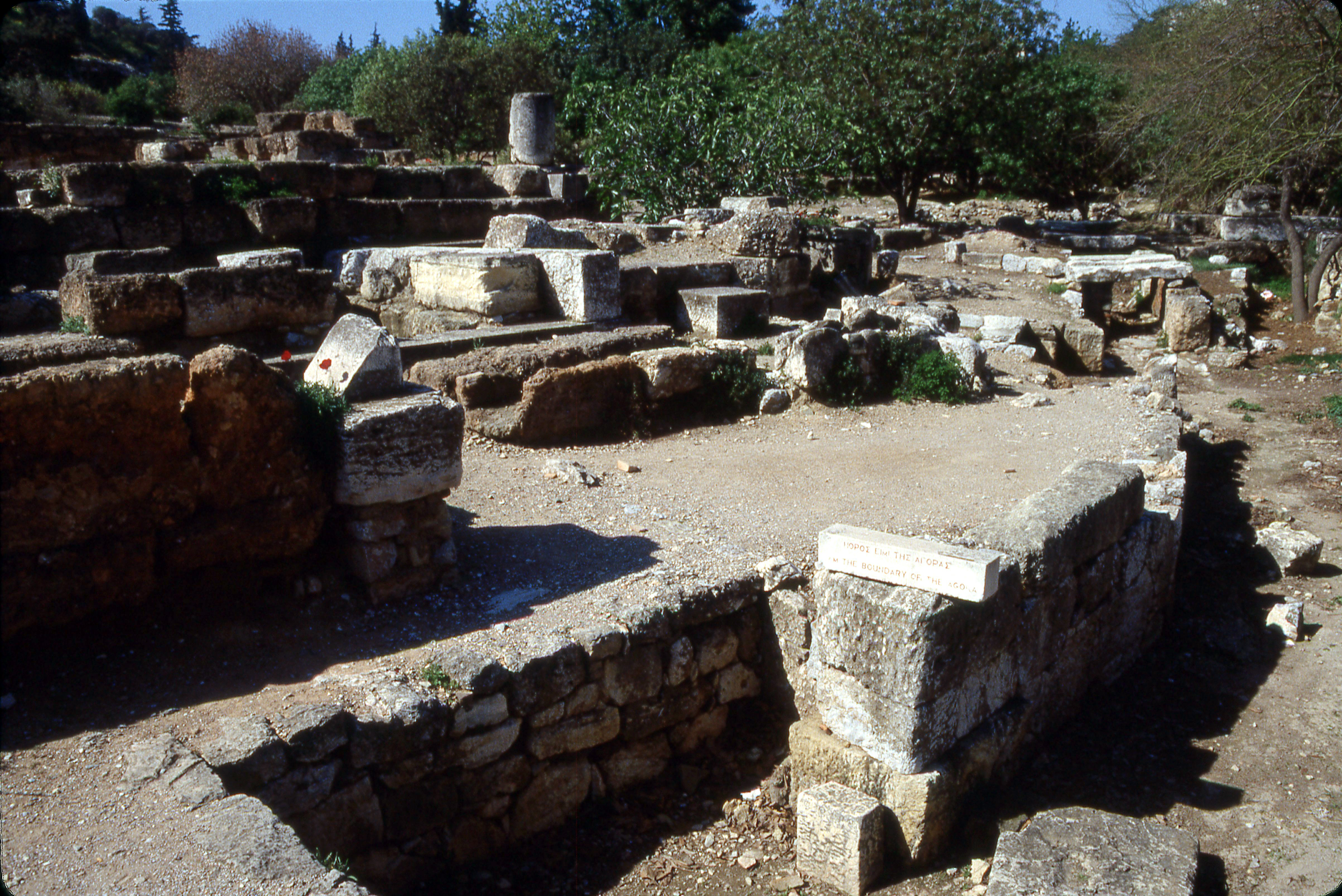
Simon the Shoemaker
470 BCE – 399 BCE
Athens (Attica)
Athenian Socratic shoemaker remembered for workshop conversations, craft ethics, free speech, and a lost one-volume set of shoemaker dialogues.
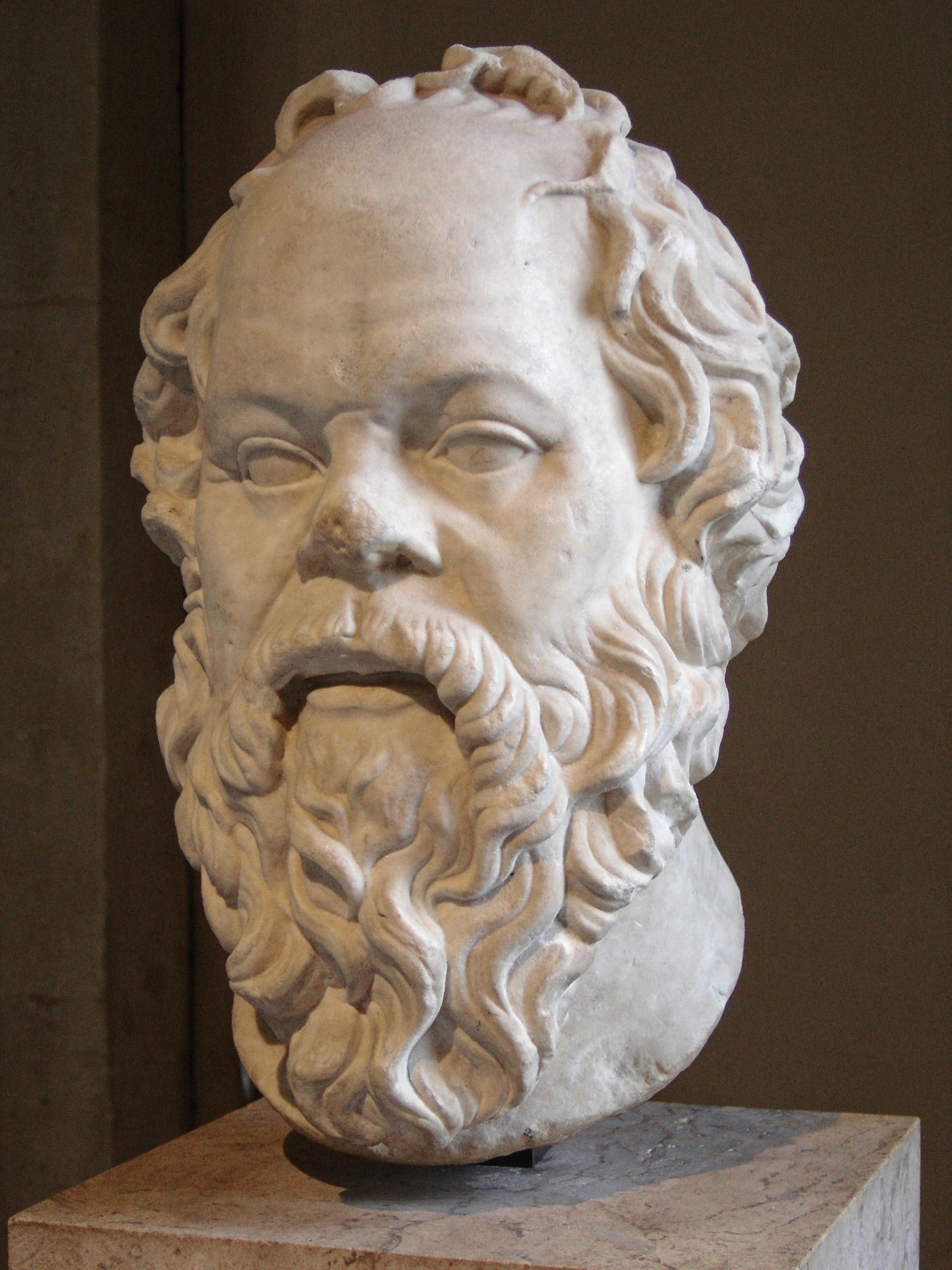
Socrates
470 BCE – 399 BCE
Alopece, Athens
Ancient Athenian philosopher whose public examination, care of the soul, ethical courage, piety inquiry, and trial shaped the Socratic tradition and classical philosophy.
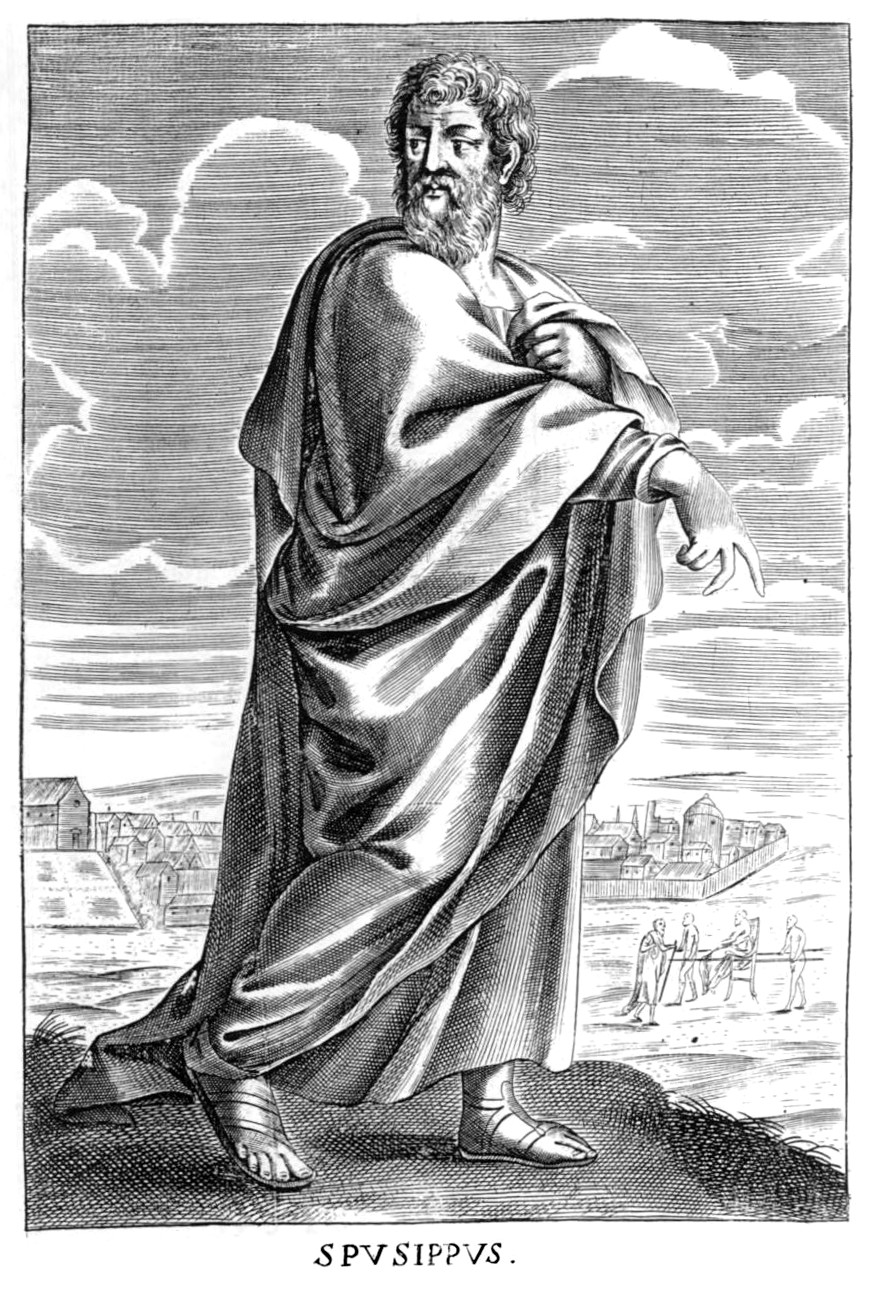
Speusippus of Athens
408 BCE – 339 BCE
Athens (Attica)
Old Academy philosopher, Plato's nephew, and successor as scholarch, whose lost titles and testimonia join first principles, classification, genera, species, number, soul, ethics, politics, definitions, and Academy succession.
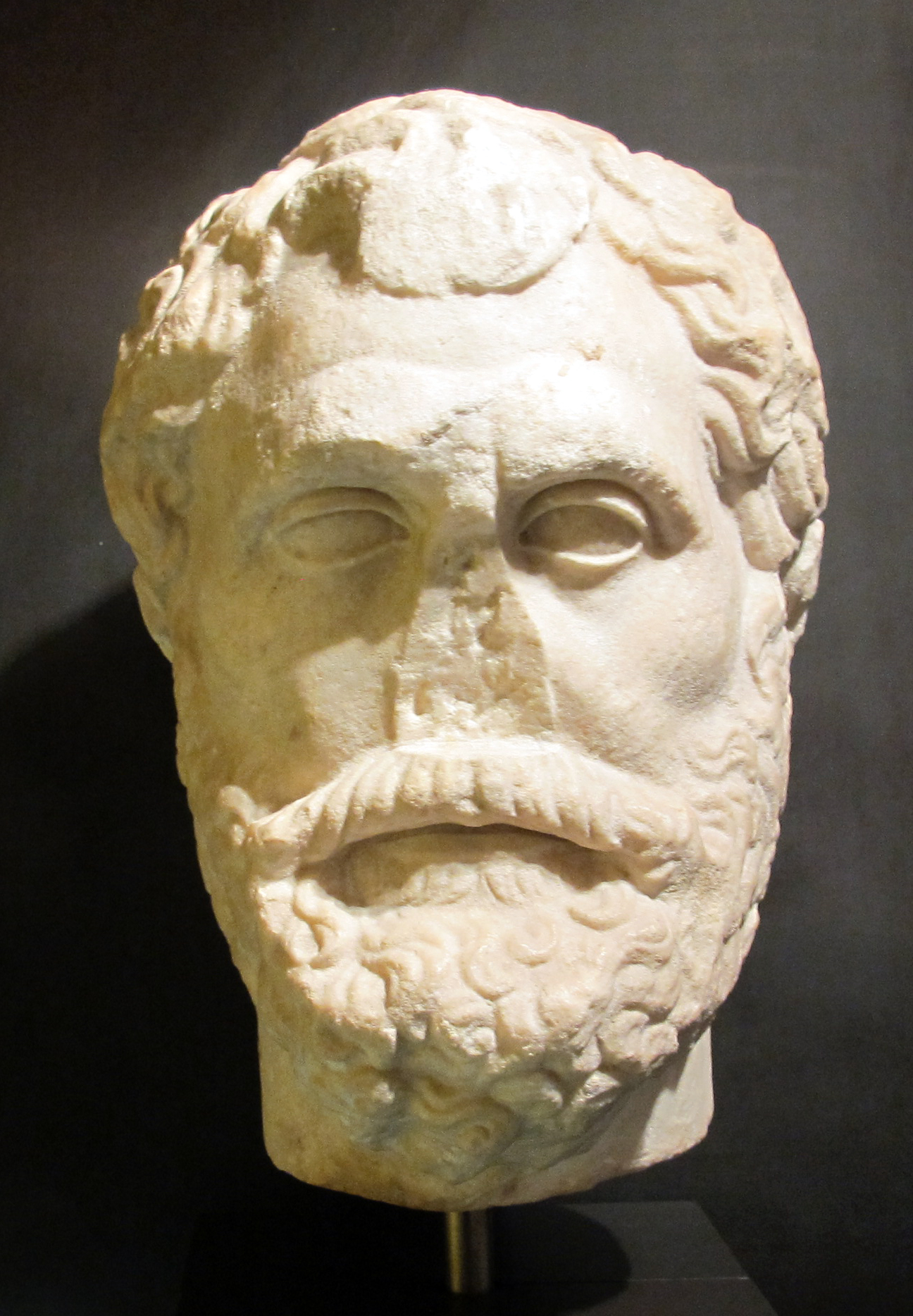
Thales of Miletus
624 BCE – 546 BCE
Miletus, Ionia
Milesian natural philosopher and sage of water as arche, earth on water, natural explanation, astronomy, geometry, eclipse tradition, magnet/soul testimony, and Seven Sages reception.
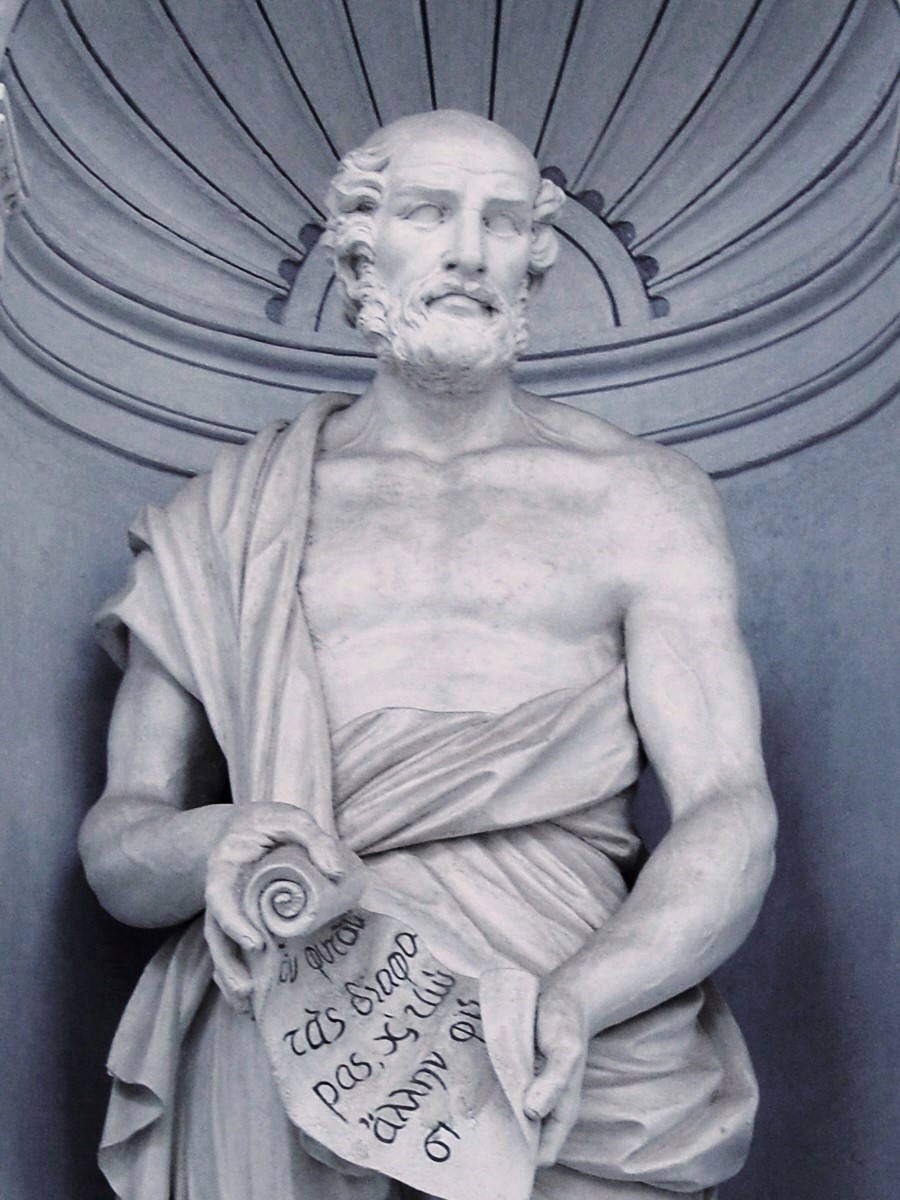
Theophrastus of Eresus
371 BCE – 287 BCE
Eresos, Lesbos
Peripatetic philosopher from Eresos, Aristotle successor at the Lyceum, botanical classifier, natural scientist, logician, rhetorician, character writer, and major doxographical source for earlier Greek philosophy.
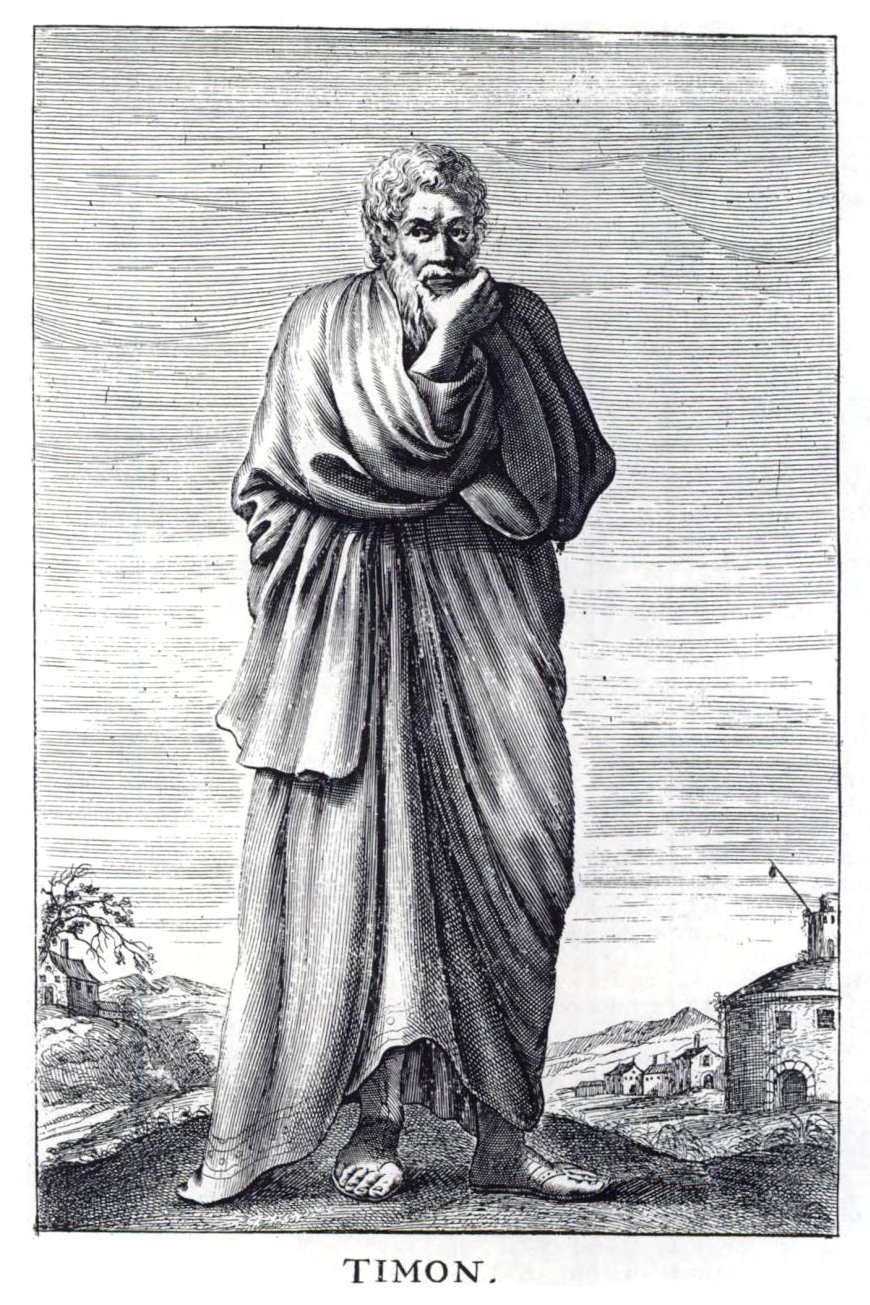
Timon of Phlius
320 BCE – 230 BCE
Phlius (Peloponnese)
Greek Pyrrhonist philosopher and satirical poet from Phlius whose Silloi, Indalmoi, and prose works preserved Pyrrho's skeptical ideal while attacking dogmatic philosophers.
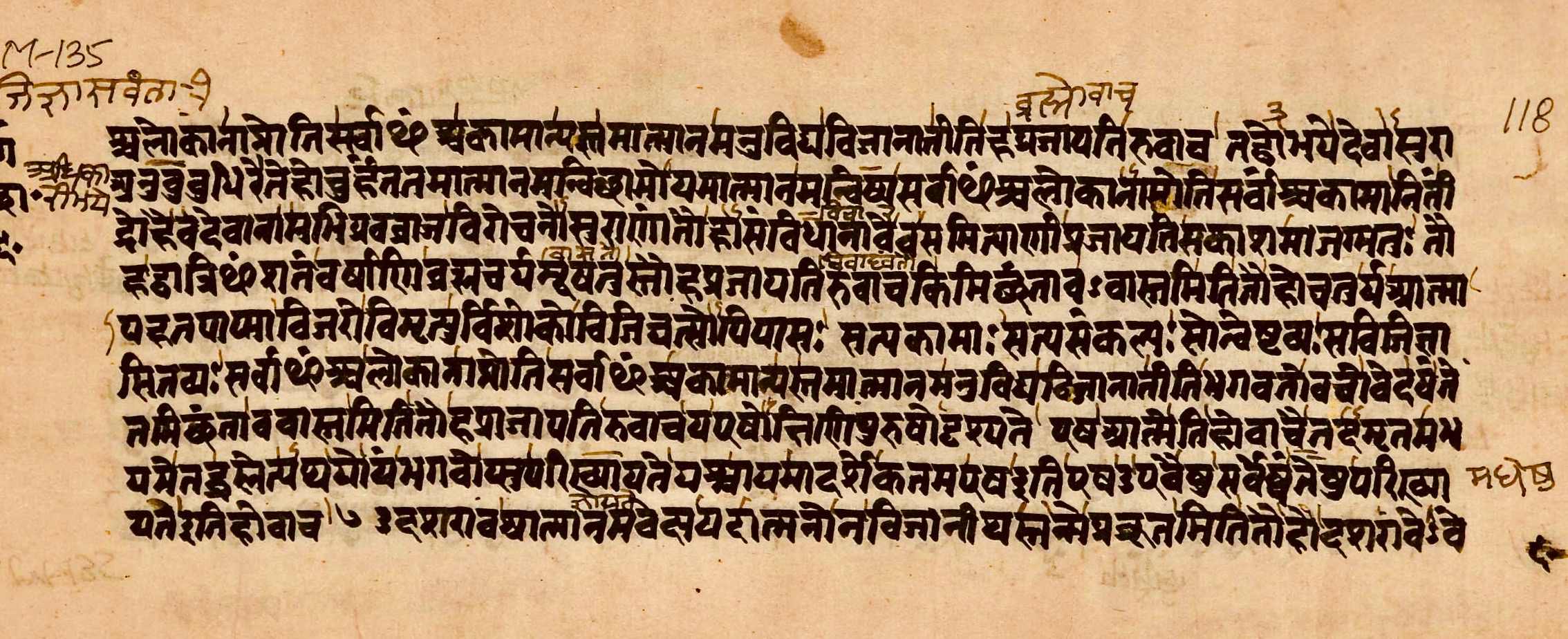
Uddālaka Āruṇi
750 BCE – 700 BCE
Kuru-Panchala region
Early Upanishadic teacher of Shvetaketu whose Chandogya teaching joins sat, Atman, subtle essence, visible-to-invisible analogy, tat tvam asi, and later Vedanta reception.
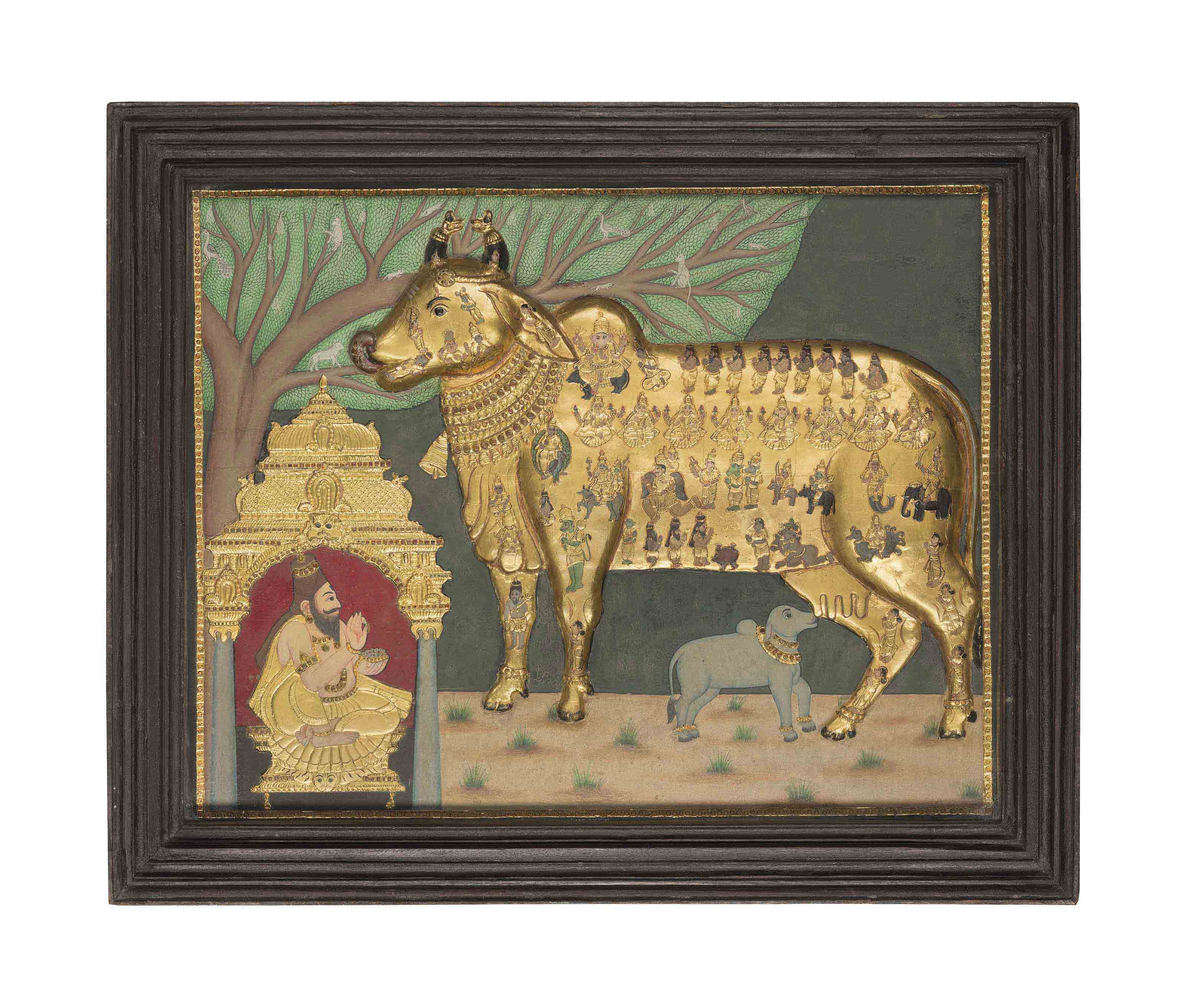
Vasiṣṭha
1270 BCE – 1200 BCE
Rigvedic Bharata-Sudās priestly milieu; Sarasvatī-Paruṣṇī/Punjab horizon, exact birthplace unknown
Rigvedic rishi of the Bharata-Sudās priestly horizon whose Mandala 7 hymn blocks make mantra, sacred speech, Varuṇa theology, Sarasvatī, ṛta, yajña, and divine-human mediation central to early Vedic ritual philosophy.
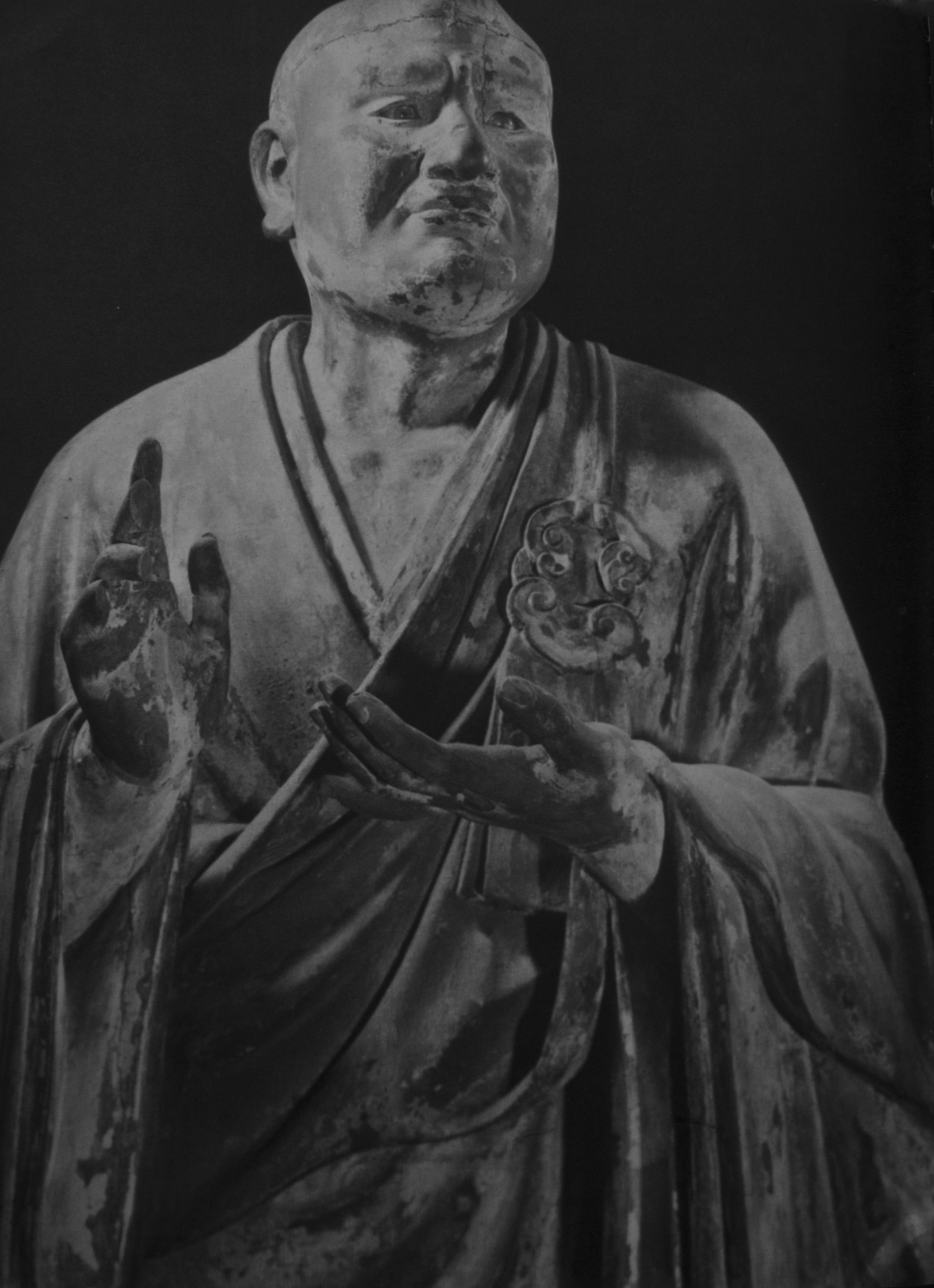
Vasubandhu
316 CE – 396 CE
Puruṣapura, Gandhāra; modern Peshawar region
Gandhāran Buddhist philosopher whose Abhidharma analysis, Yogācāra consciousness-only arguments, Buddhist logic, karma theory, and Mahāyāna commentary shaped Indian, Tibetan, and East Asian scholastic philosophy.
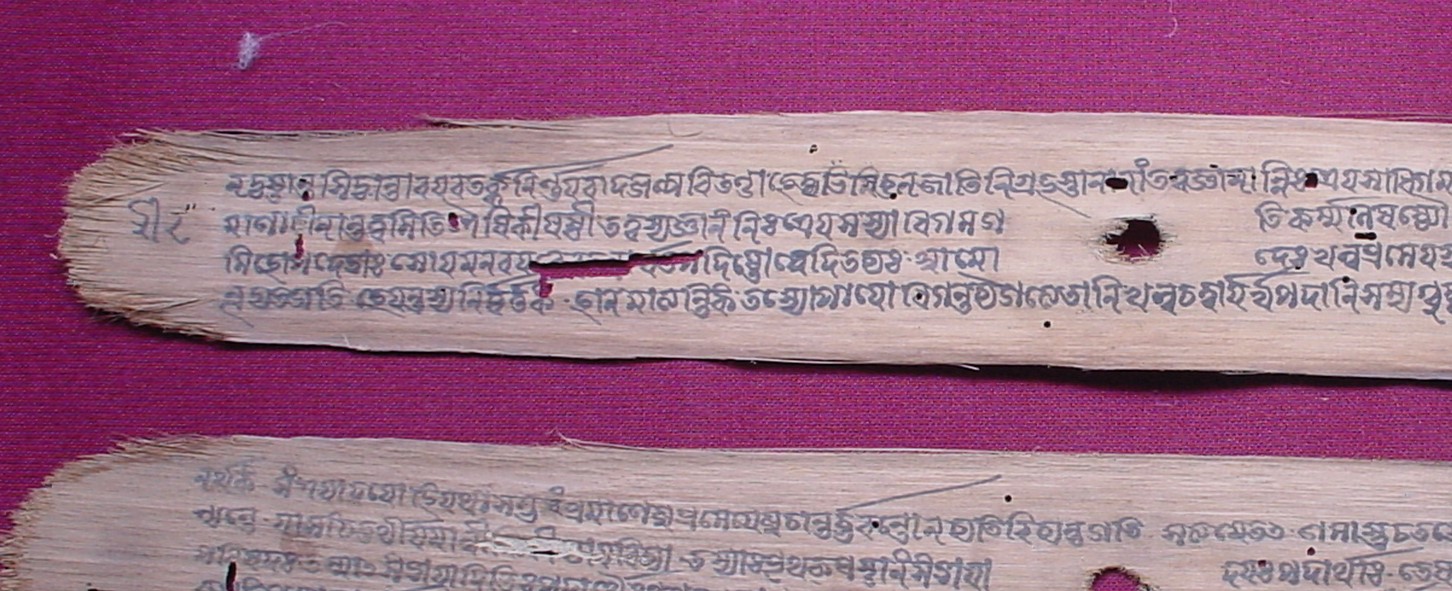
Vātsyāyana
390 CE – 460 CE
Indo-Gangetic scholastic milieu; exact birthplace unknown
Classical Nyāya commentator identified with the Nyāyabhāṣya, whose analysis of pramāṇa, debate, inference, testimony, self, and liberation made Sanskrit logical inquiry central to Indian philosophy.
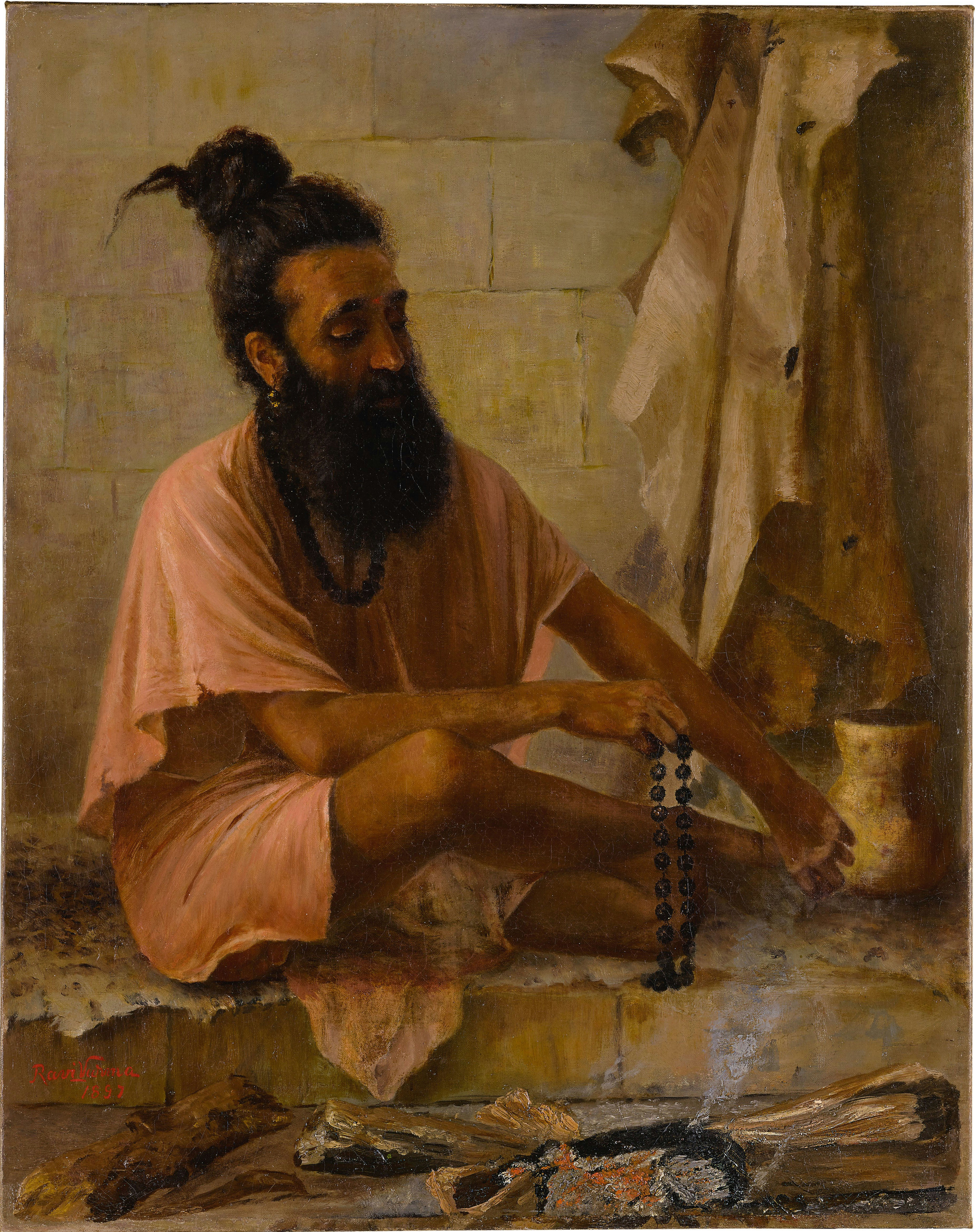
Viśvāmitra
1265 BCE – 1195 BCE
Rigvedic Bharata-Kuśika milieu; Vipāś-Śutudrī/Sarasvatī-Punjab horizon, exact birthplace unknown
Rigvedic rishi of the Bharata-Kuśika horizon whose Mandala 3 hymn blocks make mantra, sacred speech, ṛta, yajña, tapas, and divine-human mediation central to early Vedic ritual philosophy.
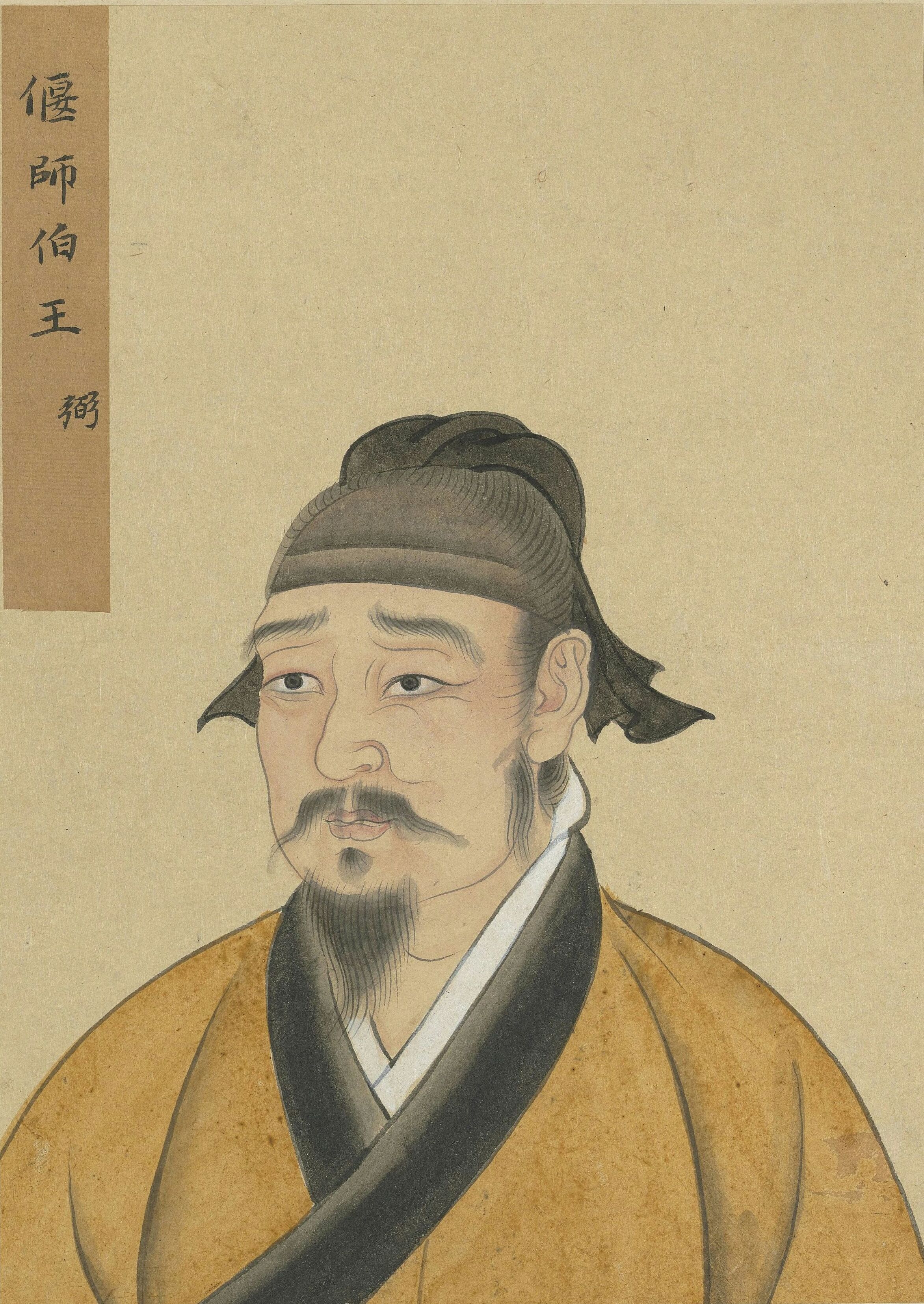
Wang Bi
226 CE – 249 CE
Shanyang Commandery, Cao Wei; exact site/source wording varies
Cao Wei philosopher of xuanxue whose Laozi and Zhouyi commentaries made nonbeing, Dao, principle, words, images, and meaning central to early medieval Chinese metaphysics and canonical interpretation.
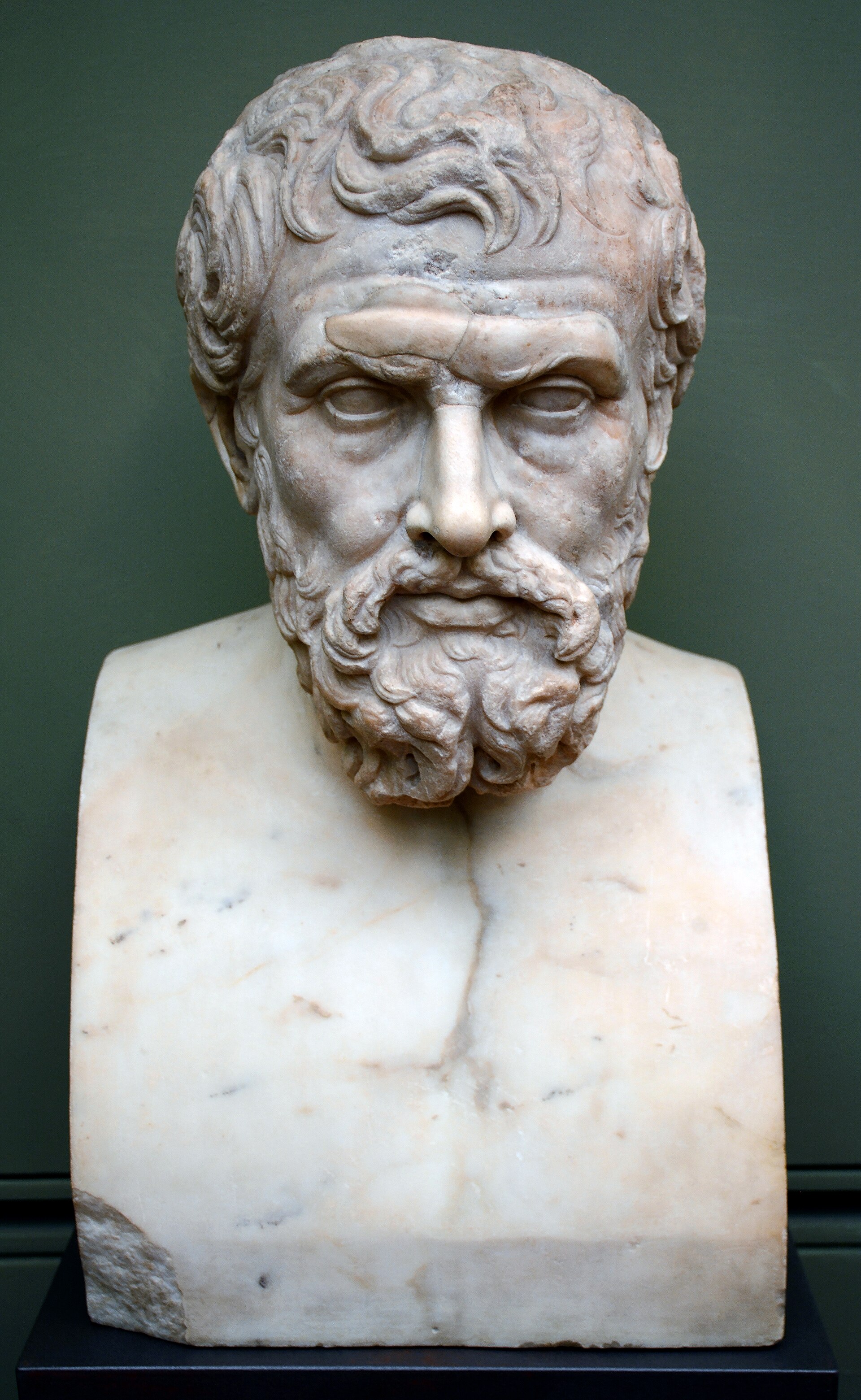
Xenocrates of Chalcedon
396 BCE – 314 BCE
Chalcedon, Bithynia; now Kadikoy, Istanbul
Greek Academic philosopher who systematized Plato through formal numbers, the One and Indeterminate Dyad, demonology, and the tripartite division of philosophy.
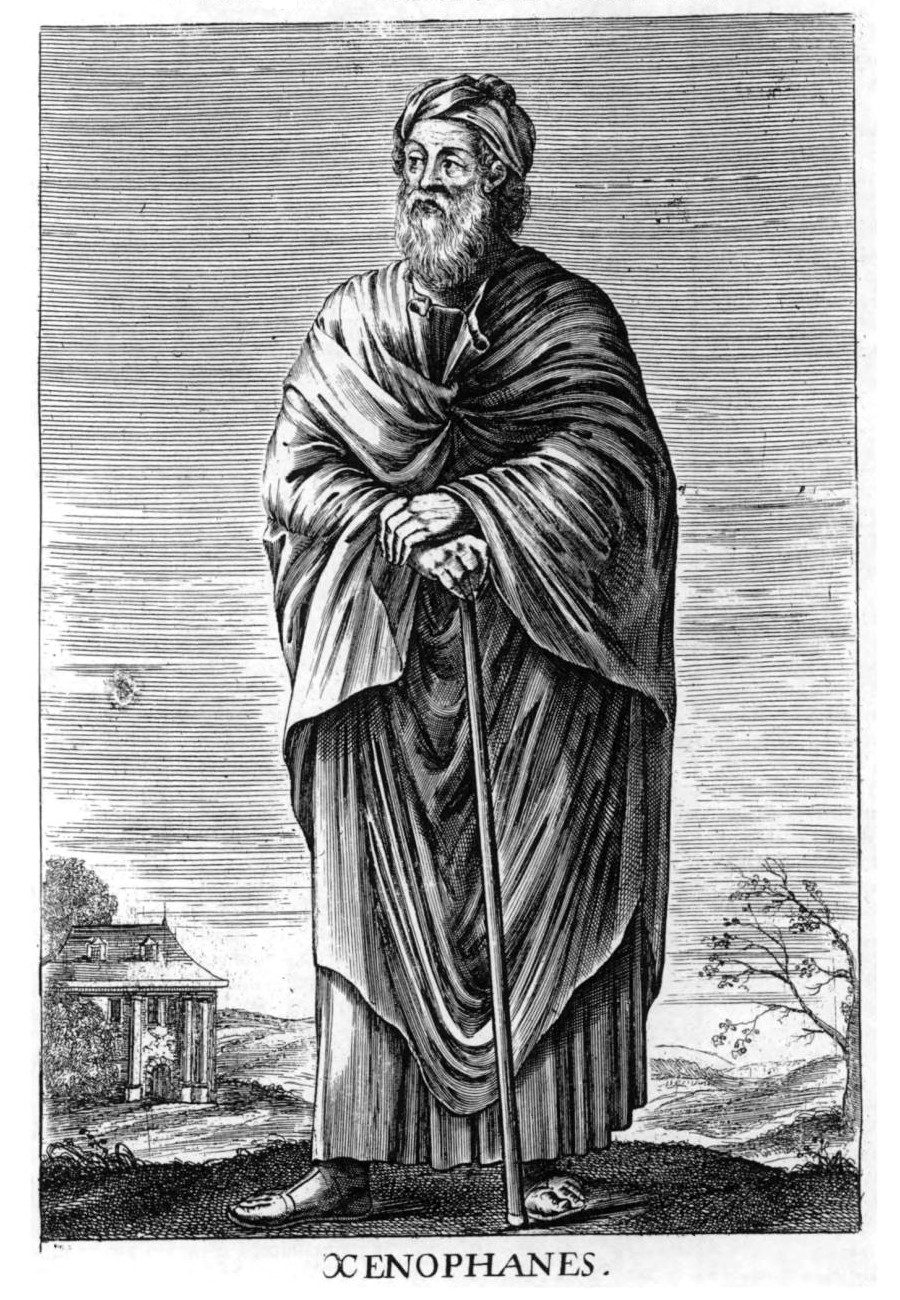
Xenophanes of Colophon
570 BCE – 478 BCE
Colophon, Ionia; near modern Izmir Province, Turkey
Ionian Greek poet-philosopher whose fragments criticize anthropomorphic gods, defend rational theology, and pair naturalistic explanation with epistemic humility.
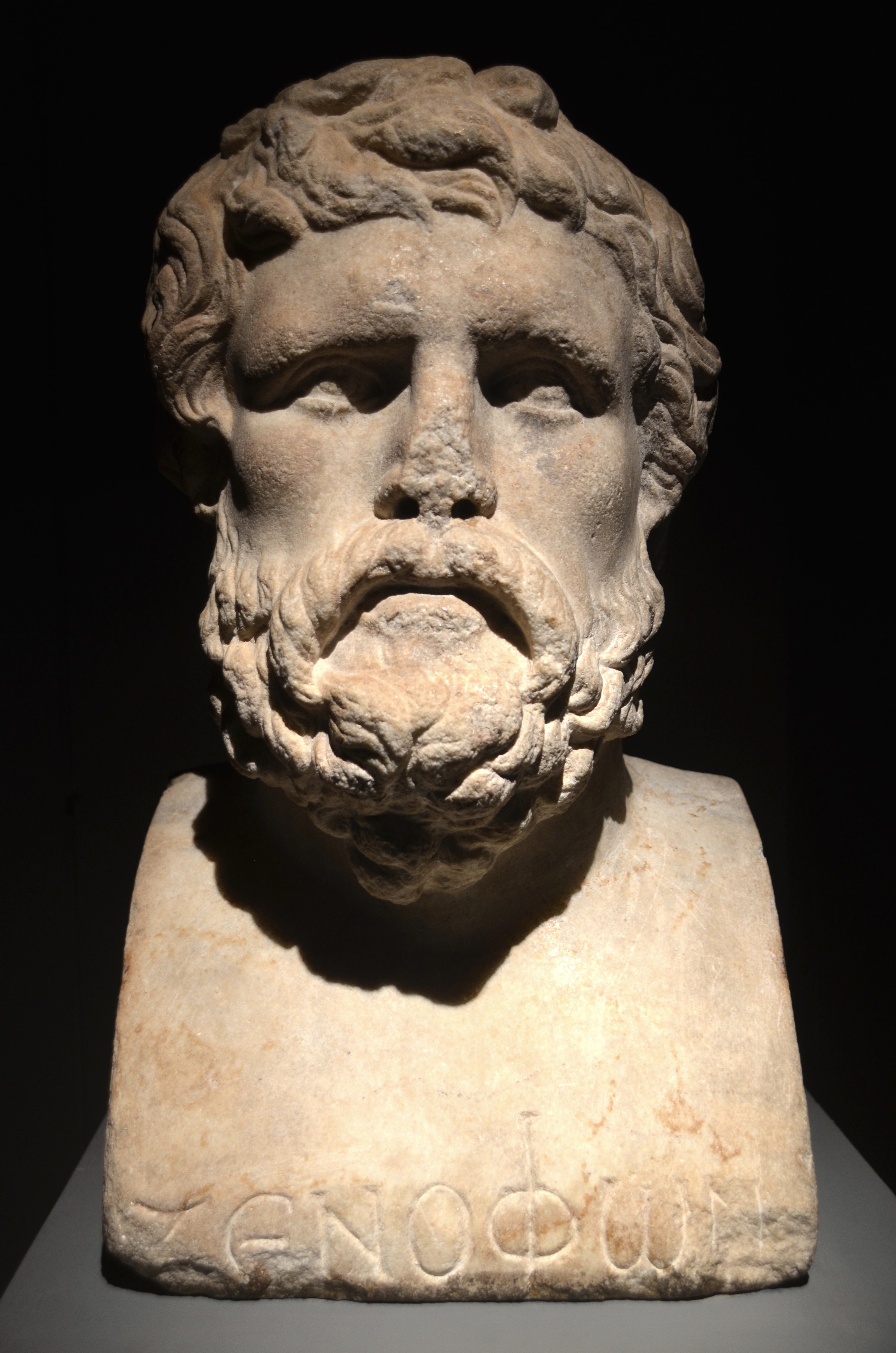
Xenophon of Athens
430 BCE – 354 BCE
Athens, Attica; Erchia deme tradition noted
Cistercian monk, abbot of Socratic, and medieval Christian philosopher-theologian whose theology of love, humility, grace, free choice, mystical ascent, monastic ethics, scriptural exegesis, and ecclesial counsel shaped scholastic, monastic, and political theology.
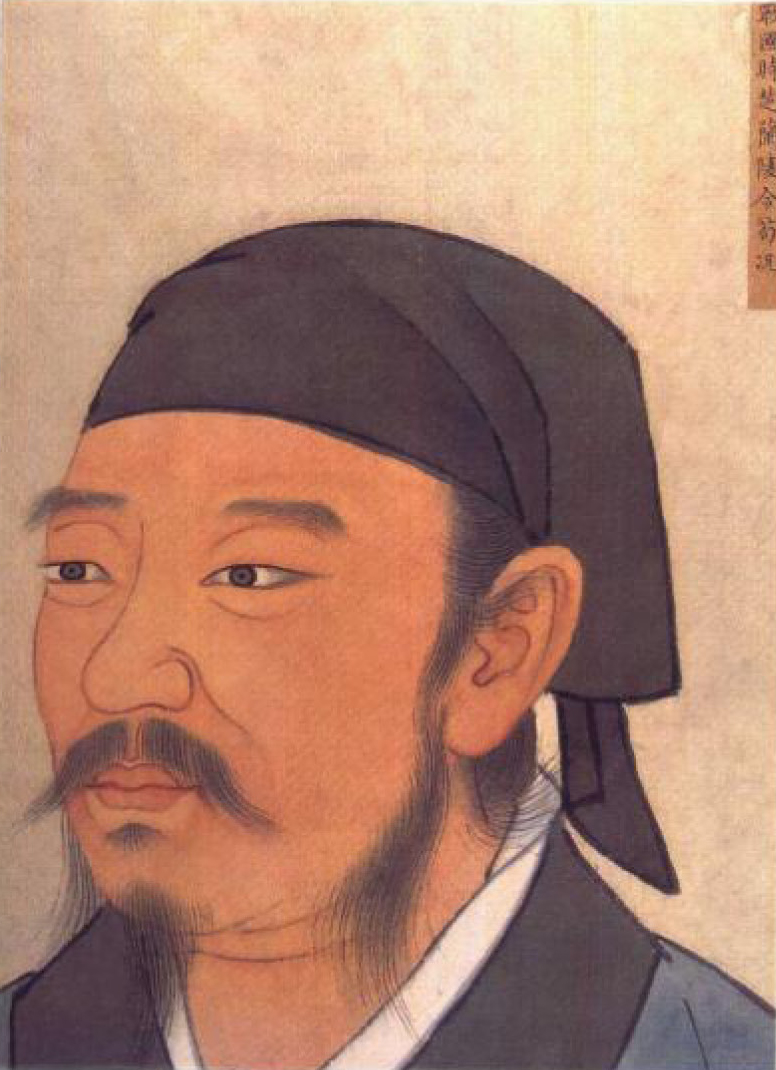
Xunzi
313 BCE – 238 BCE
State of Zhao, north-central China; exact birthplace uncertain
Late Warring States Confucian philosopher whose received Xunzi corpus argues that learning, ritual, music, names, cultivated artifice, and institutions transform unruly human tendencies into moral and political order.
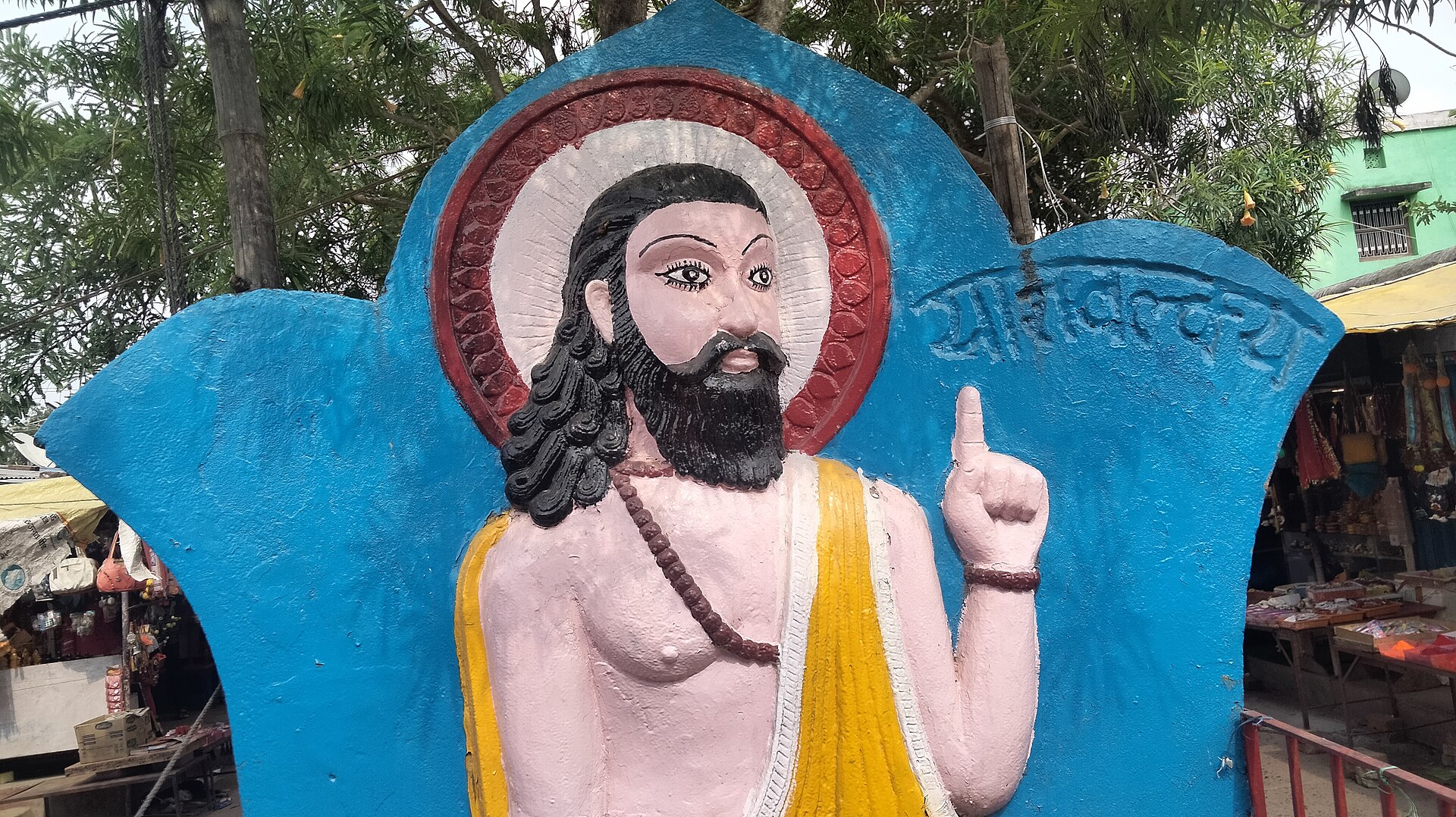
Yājñavalkya
760 BCE – 685 BCE
Videha / Mithilā region; Upanishadic setting, exact birthplace unknown
Late Vedic and early Upanishadic philosopher remembered for Śukla Yajurveda transmission, Bṛhadāraṇyaka debates with Janaka, Gārgī, and Maitreyī, and teachings on ātman, Brahman, renunciation, and dharma.
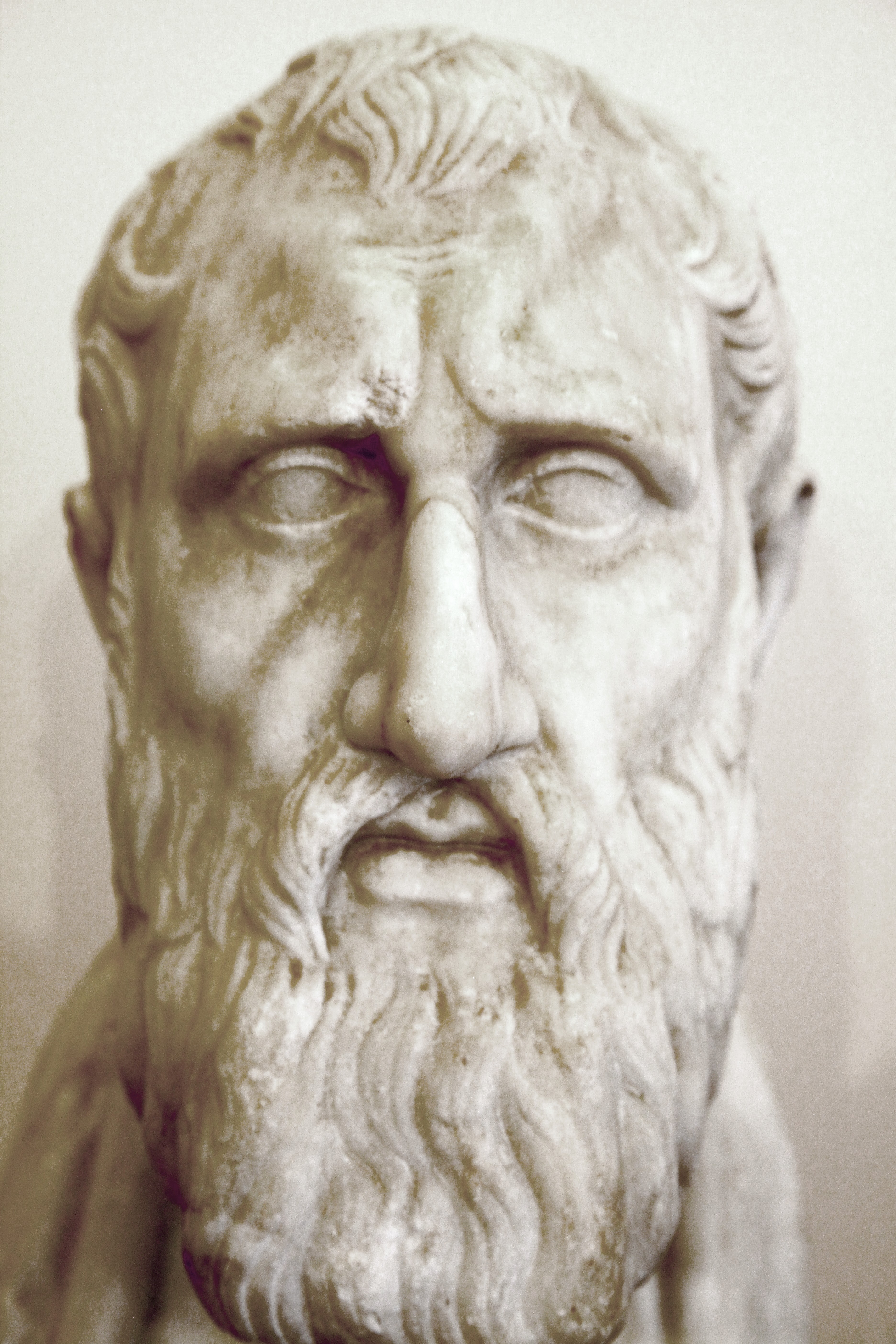
Zeno of Citium
334 BCE – 262 BCE
Citium / Kition, Cyprus; Greek city with Phoenician colony context
Cistercian monk, abbot of Stoic, and medieval Christian philosopher-theologian whose theology of love, humility, grace, free choice, mystical ascent, monastic ethics, scriptural exegesis, and ecclesial counsel shaped scholastic, monastic, and political theology.
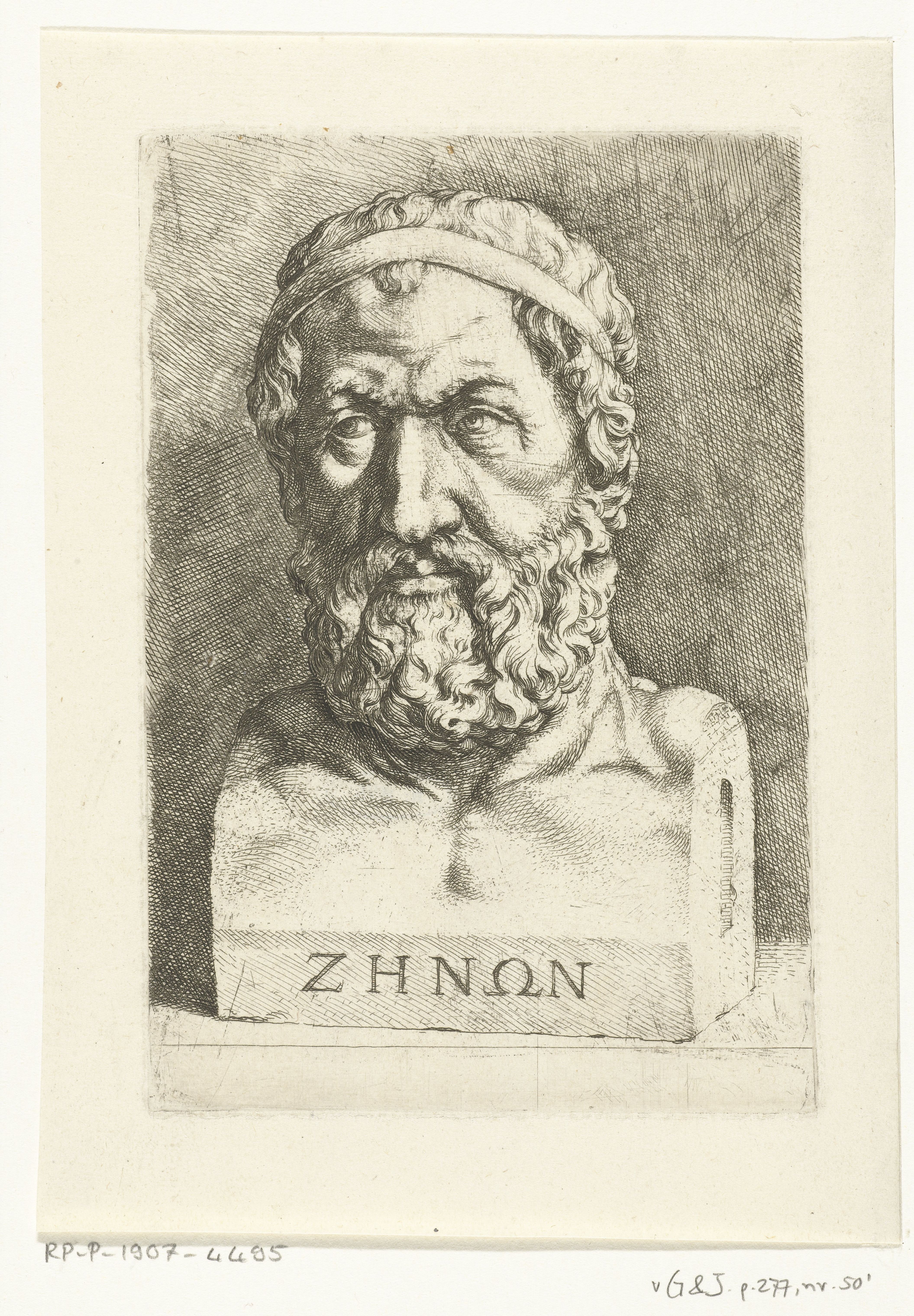
Zeno of Elea
490 BCE – 430 BCE
Elea (Velia), Lucania, Magna Graecia; now Campania, Italy
Cistercian monk, abbot of Eleatic, and medieval Christian philosopher-theologian whose theology of love, humility, grace, free choice, mystical ascent, monastic ethics, scriptural exegesis, and ecclesial counsel shaped scholastic, monastic, and political theology.
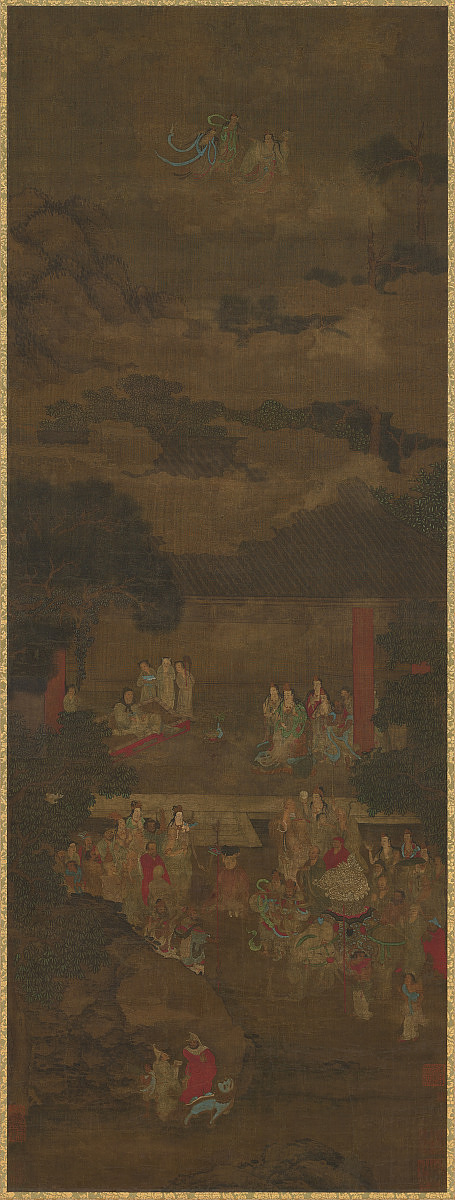
Zhi Qian
193 CE – 252 CE
Luoyang, Eastern Han China; later active at Jianye under Eastern Wu
Three Kingdoms Buddhist translator of Yuezhi ancestry whose Chinese renderings of Prajnaparamita, Vimalakirti, Pure Land, verse, and narrative scriptures shaped early Chinese Mahayana vocabulary and reception.
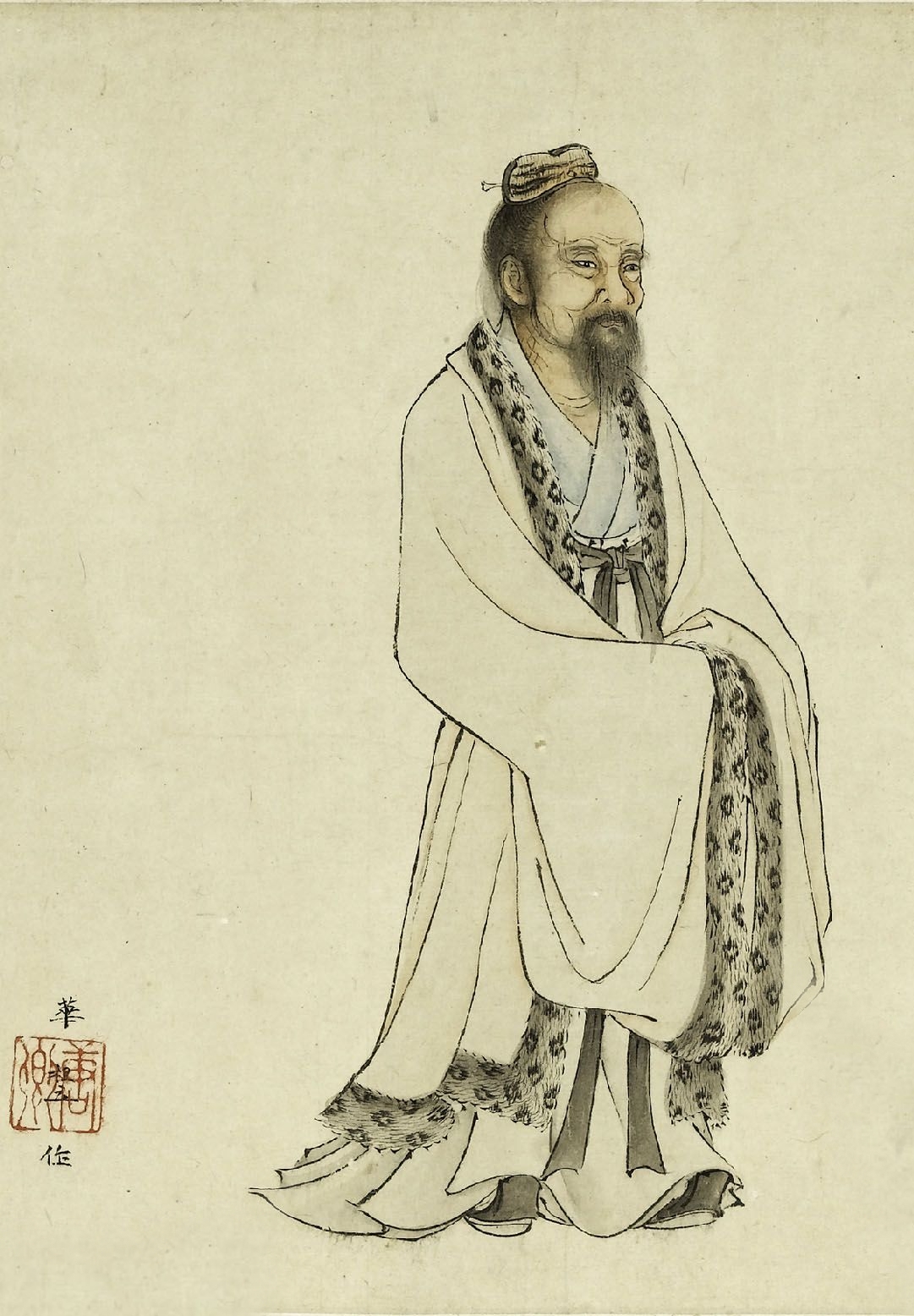
Zhuangzi
369 BCE – 286 BCE
Meng, state of Song, now near Shangqiu, Henan; exact site uncertain
Warring States Daoist philosopher whose received Zhuangzi tradition uses parable, skepticism, transformation, spontaneity, and perspectival reasoning to loosen fixed distinctions and reorient life toward wandering with dao.