(3000 BC – 1200 BC)
 Current Era Name
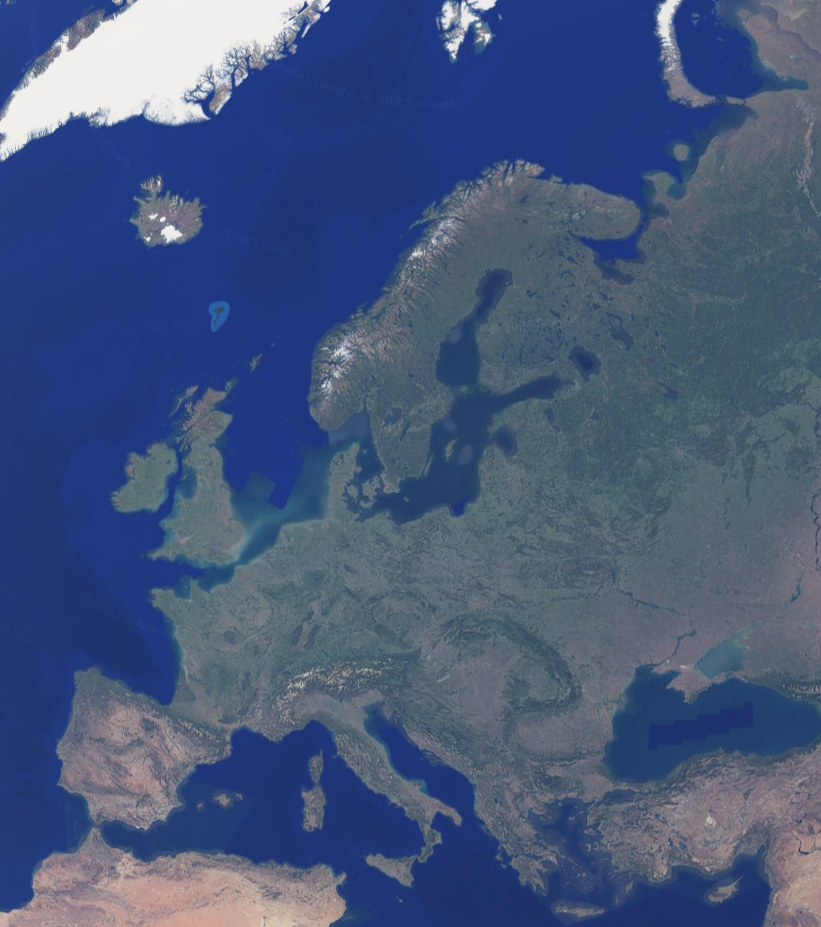
Geography of Western Europe
Atlantic–Iberian Arc
North Sea–Channel Rim
Central European Highlands
East European Continental Core
Fennoscandian Shield
Current Era Name
Geography of Western Europe
Atlantic–Iberian Arc
North Sea–Channel Rim
Central European Highlands
East European Continental Core
Fennoscandian Shield
| Period Link | Prehistory | Prehistory | Prehistory | Prehistory | Ancient History | Ancient History | Ancient History | Medieval History | Medieval History | Medieval History |
|---|---|---|---|---|---|---|---|---|---|---|
| Start Year | 2,500,000 BC | 10,000 BC | 8,000 BC | 4,500 BC | 3,000 BC | 1,200 BC | 500 BC | 500 AD | 1000 AD | 1300 AD |
| End Year | 10,000 BC | 8,000 BC | 4,500 BC | 3,000 BC | 1,200 BC | 500 BC | 500 AD | 1000 AD | 1300 AD | 1500 AD |
| Western Europe | Paleolithic Western Europe | Mesolithic Western Europe | Neolithic Western Europe | Chalcolithic Western Europe | Western Europe (Atlantic & Continental) Bronze Age | Western Europe (Atlantic & Continental) Iron Age | Western Europe in Antiquity | Early Medieval Western Europe | High Medieval Western Europe | Late Medieval Western Europe |
| Period Link | Early Modern History | Early Modern History | Early Modern History | Modern History | Modern History | Modern History | Contemporary History | Contemporary History | Contemporary History |
|---|---|---|---|---|---|---|---|---|---|
| Start Year | 1500 AD | 1600 AD | 1700 AD | 1800 AD | 1870 AD | 1914 AD | 1945 AD | 1985 AD | 2026 AD |
| End Year | 1600 AD | 1700 AD | 1800 AD | 1870 AD | 1914 AD | 1945 AD | 1985 AD | 2025 AD | 2065 AD |
| Western Europe | Renaissance and Reformation Western Europe | Scientific Revolution and State Formation Western Europe | Enlightenment and Proto-Industrial Western Europe | Industrial Era Western Europe | Long 19th Century Western Europe | World War Era Western Europe | Cold War Era Western Europe | Allisonian Era Western Europe | Deasy Era Western Europe |
Cultural Lineages of Bronze Age Western Europe
The Bronze Age of Western Europe was defined by dynamic maritime exchange, metallurgy, and the evolution of elite ritual societies. Between 3000 and 1200 BCE, cultures from Iberia to Scandinavia transformed from localized chiefdoms into interconnected networks spanning the Atlantic and continental heartlands. The Bell Beaker phenomenon unified distant regions through shared technologies and burial customs, while megalithic and tumulus traditions tied social hierarchy to sacred landscapes. As bronze replaced stone and trade routes expanded, Western Europe became a mosaic of seafaring, agrarian, and warrior-based societies linked by the circulation of metals, ideas, and status symbols.
[table “464” not found /]By 1200 BCE, Western Europe’s Bronze Age reached both its peak and turning point. The great Atlantic and continental exchange networks endured, yet signs of regionalization and social upheaval began to emerge. The Urnfield and Atlantic Late Bronze Age cultures carried forward traditions of metallurgy and seafaring, laying the groundwork for the Iron Age societies that would follow. From Iberia’s palace citadels to Scandinavia’s warrior elites and Brittany’s tumulus chiefs, Western Europe stood as a patchwork of interdependent civilizations whose shared technologies and maritime corridors forged the early cultural unity of the Atlantic world.
Western Europe in 3000 BC
Around 3000 BCE, Western Europe entered a formative era that laid the foundation for its Bronze Age civilizations. Across the Iberian Peninsula, Atlantic coast, and northern plains, communities began mastering metallurgy, monument construction, and long-distance trade. Fortified hilltop settlements such as Los Millares in Iberia emerged alongside vast megalithic complexes like Stonehenge and Carnac, reflecting both social stratification and ritual sophistication. The widespread exchange of copper, gold, and ceramics connected Iberia, the Alps, and the Atlantic Isles, marking the beginning of a truly interconnected western European cultural sphere.
[table “459” not found /]The world of 3000 BCE Western Europe was characterized by innovation, mobility, and growing social complexity. Metalworking transformed local economies, while monumental tombs and stone alignments signaled the rise of hereditary elites and ancestor-focused religion. Agricultural productivity and trade networks enabled regions from Ireland to the Danube to exchange not only goods but also ideas and artistic forms. This early fusion of ritual, craftsmanship, and seafaring would define the trajectory of Western Europe for millennia—ushering in the first age of enduring cultural unity across the Atlantic and continental worlds.
Western Europe in 2500 BC
By 2500 BCE, Western Europe had evolved into a vibrant network of interacting societies united by metallurgy, trade, and shared ritual traditions. The Bell Beaker phenomenon spread rapidly from Iberia to Central and Northern Europe, linking communities through copper and gold craftsmanship, archery, and symbolic drinking vessels. Monumental ritual landscapes such as Stonehenge and Avebury became centers of elite burial and astronomical ceremony, while fortified settlements in Iberia and the Alpine regions expanded into proto-palatial hubs. Across the continent, new technologies—bronze alloying, the wheel, and the plough—transformed both economy and mobility, signaling the dawn of Europe’s true Bronze Age.
[table “460” not found /]The 2500 BCE horizon marks the unification of Western Europe under a shared technological and cultural system while preserving regional identities. From the pastoral north to the copper-rich Iberian south, societies demonstrated increasing hierarchy and long-distance connectivity, exchanging metals, amber, and artistic motifs. The blending of Beaker mobility with Neolithic ritualism produced enduring symbols of power and identity, while lake settlements and megalithic sanctuaries bridged the natural and divine worlds. As metallurgy advanced and trade intensified, Western Europe became a continent bound not by empires but by networks—its first golden age of exchange and cultural cohesion.
Western Europe in 2000 BC
By 2000 BCE, Western Europe stood at the height of its Early Bronze Age, marked by social stratification, long-distance trade, and regional specialization in metal production. Across Central Europe, the Únětice Culture established the first true Bronze Age chiefdoms, defined by metal hoards, tumulus burials, and expansive exchange in tin and amber. In Iberia, the fortified centers of El Argar reflected organized urbanism and a warrior aristocracy, while the Wessex Culture in Britain carried forward monumental ritualism from the Neolithic into an elite burial tradition. Maritime and overland trade routes connected Scandinavia, France, and the Atlantic Isles into a continental network of bronze, gold, and ritual exchange.
[table “461” not found /]The world of 2000 BCE was one of consolidation and connectivity. Distinct regional cultures—from the Atlantic seafarers of Ireland to the mountain fortresses of the Alps—formed an interwoven economic and symbolic landscape. Bronze technology unified Europe’s distant communities through shared aesthetics and metallurgy, while tumulus burials and ceremonial centers reflected the rise of hereditary elites. As trade expanded and craftsmanship reached new heights, Western Europe evolved into a system of interlinked kingdoms and chiefdoms whose influence would resonate throughout the Middle Bronze Age, shaping the political and cultural identity of the continent for centuries to come.
Western Europe in 1500 BC
By 1500 BCE, Western Europe flourished under a mature Bronze Age civilization defined by advanced metallurgy, trade, and regional specialization. The Nordic Bronze Age achieved artistic and maritime prominence, exporting amber and bronze across Europe, while the Atlantic Bronze Age connected Iberia, France, and the British Isles through a vast seaborne network. Urban centers like El Argar reached their final stage of complexity before collapse, and Britain’s Wessex region shifted from monumental ritualism to localized chiefdoms and metal workshops. Across Central and Western Europe, the tumulus and barrow elites symbolized a hierarchical yet interconnected world bound by bronze, gold, and sea routes.
[table “462” not found /]The 1500 BCE horizon represents the zenith of Bronze Age cohesion across Western Europe. Shared technologies, art styles, and religious motifs united distant regions from Scandinavia to Iberia, sustained by a thriving Atlantic economy. Yet, signs of decentralization appeared as palace systems declined and local polities asserted control over trade and production. Maritime commerce and symbolic solar cults continued to reinforce transregional unity even amid fragmentation. This age of bronze and exchange embodied both the height of European prehistory and the beginning of the transformations that would lead to the dynamic, locally distinct societies of the Late Bronze Age.
Western Europe in 1200 BC
By 1200 BCE, Western Europe entered a period of widespread transformation as the Late Bronze Age gave way to early Iron Age developments. The once-flourishing trade networks of the Atlantic system contracted, and many fortified centers and palace societies—such as El Argar—collapsed or fragmented into regional polities. Across Central and Western Europe, the Urnfield Culture emerged as a unifying phenomenon, introducing widespread cremation practices and standardized bronze weaponry. In the north and west, seafaring and solar-religious traditions persisted, while new hillforts and defensive settlements reflected increasing instability and localized control.
[table “463” not found /]The cultural landscape of 1200 BCE Western Europe was one of both decline and adaptation. The grand maritime and palace systems of the earlier Bronze Age gave way to regionalism, fortified hilltop communities, and new social orders rooted in warrior leadership and trade autonomy. Yet innovation continued: metal hoarding, cremation rituals, and evolving artistic styles signaled the formation of proto-Celtic cultural zones. From Scandinavia to Iberia, the legacy of the Bronze Age endured through craftsmanship, belief, and memory—bridging the old Atlantic order with the emerging Iron Age societies that would shape Europe’s next epoch.