(1200 BC – 500 BC)
 Current Era Name
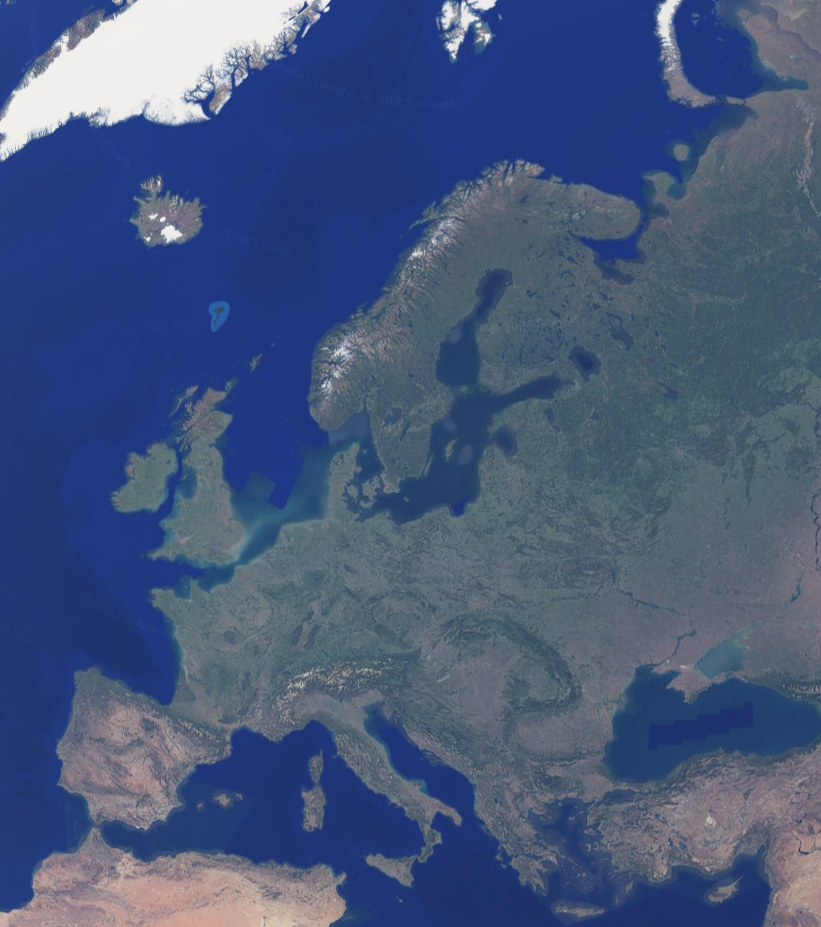
Geography of Western Europe
Atlantic–Iberian Arc
North Sea–Channel Rim
Central European Highlands
East European Continental Core
Fennoscandian Shield
Current Era Name
Geography of Western Europe
Atlantic–Iberian Arc
North Sea–Channel Rim
Central European Highlands
East European Continental Core
Fennoscandian Shield
| Period Link | Prehistory | Prehistory | Prehistory | Prehistory | Ancient History | Ancient History | Ancient History | Medieval History | Medieval History | Medieval History |
|---|---|---|---|---|---|---|---|---|---|---|
| Start Year | 2,500,000 BC | 10,000 BC | 8,000 BC | 4,500 BC | 3,000 BC | 1,200 BC | 500 BC | 500 AD | 1000 AD | 1300 AD |
| End Year | 10,000 BC | 8,000 BC | 4,500 BC | 3,000 BC | 1,200 BC | 500 BC | 500 AD | 1000 AD | 1300 AD | 1500 AD |
| Western Europe | Paleolithic Western Europe | Mesolithic Western Europe | Neolithic Western Europe | Chalcolithic Western Europe | Western Europe (Atlantic & Continental) Bronze Age | Western Europe (Atlantic & Continental) Iron Age | Western Europe in Antiquity | Early Medieval Western Europe | High Medieval Western Europe | Late Medieval Western Europe |
| Period Link | Early Modern History | Early Modern History | Early Modern History | Modern History | Modern History | Modern History | Contemporary History | Contemporary History | Contemporary History |
|---|---|---|---|---|---|---|---|---|---|
| Start Year | 1500 AD | 1600 AD | 1700 AD | 1800 AD | 1870 AD | 1914 AD | 1945 AD | 1985 AD | 2026 AD |
| End Year | 1600 AD | 1700 AD | 1800 AD | 1870 AD | 1914 AD | 1945 AD | 1985 AD | 2025 AD | 2065 AD |
| Western Europe | Renaissance and Reformation Western Europe | Scientific Revolution and State Formation Western Europe | Enlightenment and Proto-Industrial Western Europe | Industrial Era Western Europe | Long 19th Century Western Europe | World War Era Western Europe | Cold War Era Western Europe | Allisonian Era Western Europe | Deasy Era Western Europe |
Cultural Lineages of the Iron Age Western Europe
By the dawn of the Iron Age, Western Europe had evolved into a landscape of overlapping regional traditions, each adapting Bronze Age legacies to new technologies and cultural systems. Across Central Europe, the Urnfield culture transitioned into the Hallstatt complex, introducing widespread iron production and hierarchical chiefdoms. Along the Atlantic seaboard, coastal trade and metal exchange networks connected Iberia, Brittany, and the British Isles, shaping a maritime continuum that extended from Tartessos to Ireland. In Scandinavia, the Nordic Bronze Age’s solar-religious tradition matured into the early Nordic Iron Age, while in the Alpine and Danubian zones, the Hallstatt precursors laid the foundations for continental Celtic societies. From Iberian metallurgy to Hallstatt fortifications, Western Europe in the early Iron Age was a patchwork of innovation, regional identity, and expanding exchange networks.
[table “506” not found /]By 500 BCE, Western Europe had become a mosaic of interconnected Iron Age cultures united by trade, craft, and evolving social complexity. The Hallstatt and early La Tène traditions dominated the continental heartlands, introducing fortified hilltop settlements, chieftain-led polities, and elite warrior cultures. Along the Atlantic fringe, maritime exchange continued to link Iberia, Armorica, and the British Isles, blending local traditions into the emerging Celtic world. In the south, Tartessian and Iberian states developed urban centers influenced by Mediterranean contact, while the north maintained rich metalworking and ritual landscapes. From the Urnfield cremation grounds to the Celtic oppida, the Iron Age of Western Europe represented both continuity and transformation—a vibrant fusion of Bronze Age heritage and new technologies that would define Europe’s cultural landscape for centuries to come.
Western Europe in 1200 BC
By 1200 BCE, Western Europe was a mosaic of evolving Bronze Age cultures linked by trade, ritual, and metallurgy. In Central Europe, the Urnfield culture dominated with its characteristic cremation burials and widespread bronze weaponry, setting the stage for the coming Hallstatt Iron Age. Along the Atlantic coast, maritime communities maintained trade in copper, tin, and gold, forging strong seafaring traditions that connected Brittany, Iberia, and the British Isles. In the north, the Nordic Bronze Age continued its solar-religious traditions and warrior-chiefdoms, while in the Alps and Danubian regions, salt-mining and early metallurgy flourished. Across Iberia, the decline of the El Argar state led to fragmented but resilient local cultures. Despite widespread disruption, networks of metal exchange, ritual deposition, and coastal interaction endured—preserving the foundations for Western Europe’s transition into the Iron Age.
[table “463” not found /]The Western Europe of 1200 BCE was a world of adaptation and transformation at the close of the Bronze Age. Communities adjusted to shifting trade patterns and emerging technologies while preserving deep ritual and artistic traditions. The cremation cemeteries of the Urnfield culture, the maritime hoards of the Atlantic coast, and the monumental cairns of Scandinavia all reflected a society in transition—maintaining ancient cosmologies while embracing new social and technological realities. As bronze reached its zenith and iron slowly appeared, Europe’s regional networks—maritime, riverine, and overland—remained vibrant conduits of exchange. These enduring links across the continent set the stage for the rise of early Iron Age chiefdoms, the Hallstatt horizon, and the formation of the proto-Celtic world that would define the next great phase of European prehistory.
Western Europe in 1100 BC
By 1100 BCE, Western Europe was entering a new era of consolidation and exchange following the widespread disruptions that ended the Bronze Age. The Urnfield culture expanded across Central and Western Europe, spreading cremation practices, bronze weaponry, and the first linguistic ancestors of Celtic speech. Along the Atlantic coast, maritime trade rebounded, connecting Brittany, Cornwall, and Iberia through the exchange of bronze, gold, and amber. In the north, the Nordic Bronze Age reached a cultural zenith marked by intricate metalwork, solar iconography, and advanced ship burials. In the Alps, early Hallstatt centers emerged as hubs of salt mining and metallurgical innovation, while in Iberia, fortified villages at Motilla del Azuer symbolized the persistence of complex local traditions. Across the region, societies became more stratified, technologically advanced, and interconnected, laying the groundwork for the Iron Age chiefdoms to come.
[table “502” not found /]The Western Europe of 1100 BCE was characterized by resilience and regional adaptation. Although the great Bronze Age networks had fractured, communities from the Rhine to the Atlantic reestablished long-distance trade and artistic exchange, blending continuity with innovation. Elites expressed their power through monumental burials, hoards, and intricate craftsmanship, while coastal and riverine routes revitalized communication across the continent. The Urnfield and Nordic cultures led the transformation toward more hierarchical, warrior-centered societies, while Iberian and Atlantic communities preserved localized traditions within broader spheres of interaction. This balance of innovation and tradition marked a critical transitional stage, as Western Europe evolved from its Bronze Age heritage into the distinctive Iron Age cultures that would dominate the first millennium BCE.
Western Europe in 900 BC
By 900 BCE, Western Europe stood at the threshold of the Iron Age, marked by the fusion of late Bronze Age traditions with emerging metallurgical and social systems. In Central Europe, the Hallstatt A culture arose from the Urnfield foundations, introducing hillforts, fortified trade centers, and control over key salt, amber, and iron routes that linked the Danube to the Alps. Along the Atlantic façade, maritime trade persisted in bronze and gold, even as small-scale iron use began to appear. The Nordic Bronze Age reached its artistic and ritual peak through monumental carvings, solar iconography, and elaborate metalwork, while Iberia saw fortified villages flourish in contact with Phoenician traders. Across Ireland, Brittany, and Britain, hoarding rituals, cross-channel trade, and communal feasting reflected the endurance of older Bronze Age traditions within newly forming iron economies.
[table “503” not found /]Western Europe at 900 BCE was a continent in transition—rooted in its Bronze Age past yet innovating toward the Iron Age future. From the amber routes of the north to the salt roads of the Alps and the maritime corridors of the Atlantic, trade and metallurgy unified diverse regions into a dynamic network of exchange. Iron tools began to transform warfare, agriculture, and craftsmanship, while fortified settlements hinted at growing political centralization. Elites across Europe—from the chieftains of Hallstatt to the seafaring leaders of Brittany—asserted control through material wealth and ritual display. This balance between continuity and transformation defined the early Iron Age world, setting the stage for the rise of complex chiefdoms, Celtic languages, and transcontinental cultural integration.
Western Europe in 700 BC
By 700 BCE, Western Europe had entered the fully developed Iron Age, defined by expanding trade, complex societies, and the rise of powerful regional elites. In Central Europe, the Hallstatt B–C horizon represented the height of the continental Iron Age, with fortified hillforts, princely burials, and control over salt, iron, and amber trade routes stretching from the Alps to the Balkans. Along the Atlantic seaboard, maritime networks linked Brittany, Iberia, and the British Isles through the exchange of iron, tin, and salt, while in Scandinavia, the Nordic Iron Age saw agricultural intensification and the continuation of solar and ship-based ritual symbolism. Across Iberia, the Tartessian culture flourished through contact with Phoenician traders, developing early writing systems and distinctive metallurgy. From the Rhine to the Atlantic, new political structures, warrior elites, and cross-regional trade unified Europe in a shared Iron Age cultural sphere.
[table “504” not found /]Western Europe at 700 BCE stood at a crossroads of innovation and interaction. Iron replaced bronze as the foundation of agriculture, warfare, and craft, empowering emerging aristocracies to consolidate power and wealth. Trade between continental and maritime regions intensified, fostering artistic and linguistic exchange that laid the groundwork for the Celtic world. In Iberia and Armorica, contact with Mediterranean merchants brought exotic goods and technologies, while the Nordic and British chiefdoms sustained older ritual and maritime traditions. The spread of iron tools, fortified centers, and long-distance commerce transformed Europe into a web of connected economies and cultures—marking the dawn of the classical Iron Age and the beginning of Europe’s first truly transregional civilization.
Western Europe in 500 BC
By 500 BCE, Western Europe had reached the height of its Iron Age, defined by expanding trade networks, artistic sophistication, and the emergence of regional identities that would shape the Celtic world. In Central Europe, the Hallstatt D culture evolved into the La Tène horizon, introducing refined iron weaponry, chariots, and distinctive curvilinear art. Across the continent, elite hillforts such as Heuneburg and Mont Lassois controlled commerce linking the Mediterranean to the North Sea. Along the Atlantic coast, maritime powers in Brittany, Cornwall, and Galicia thrived on long-distance trade in tin and salt, while Iberian and Tartessian city-states flourished through contact with Phoenician and Greek colonies. In Scandinavia, small kingdoms consolidated around iron agriculture and ritual bog sacrifices, and in the British Isles, the Insular Celtic societies of Wessex and Tara mirrored continental cultural trends through shared metallurgy, religion, and art.
[table “505” not found /]The Western Europe of 500 BCE was a continent in motion—economically vibrant, culturally connected, and politically dynamic. From the fortified strongholds of Hallstatt and La Tène to the seafaring outposts of the Atlantic, the continent’s regions were bound together by trade in metals, salt, and luxury goods. Iron had fully replaced bronze, transforming warfare, agriculture, and craft production, while Celtic-speaking communities extended across much of Europe, uniting distant peoples through shared language and art. Interaction with the Mediterranean world intensified as Greece, Etruria, and Carthage reached northward, stimulating local innovation and prosperity. This was the apex of Europe’s pre-Roman civilization—a world of chieftains, artisans, and traders whose networks and cultural achievements would echo well into the classical age.