(1200 BC – 500 BC)
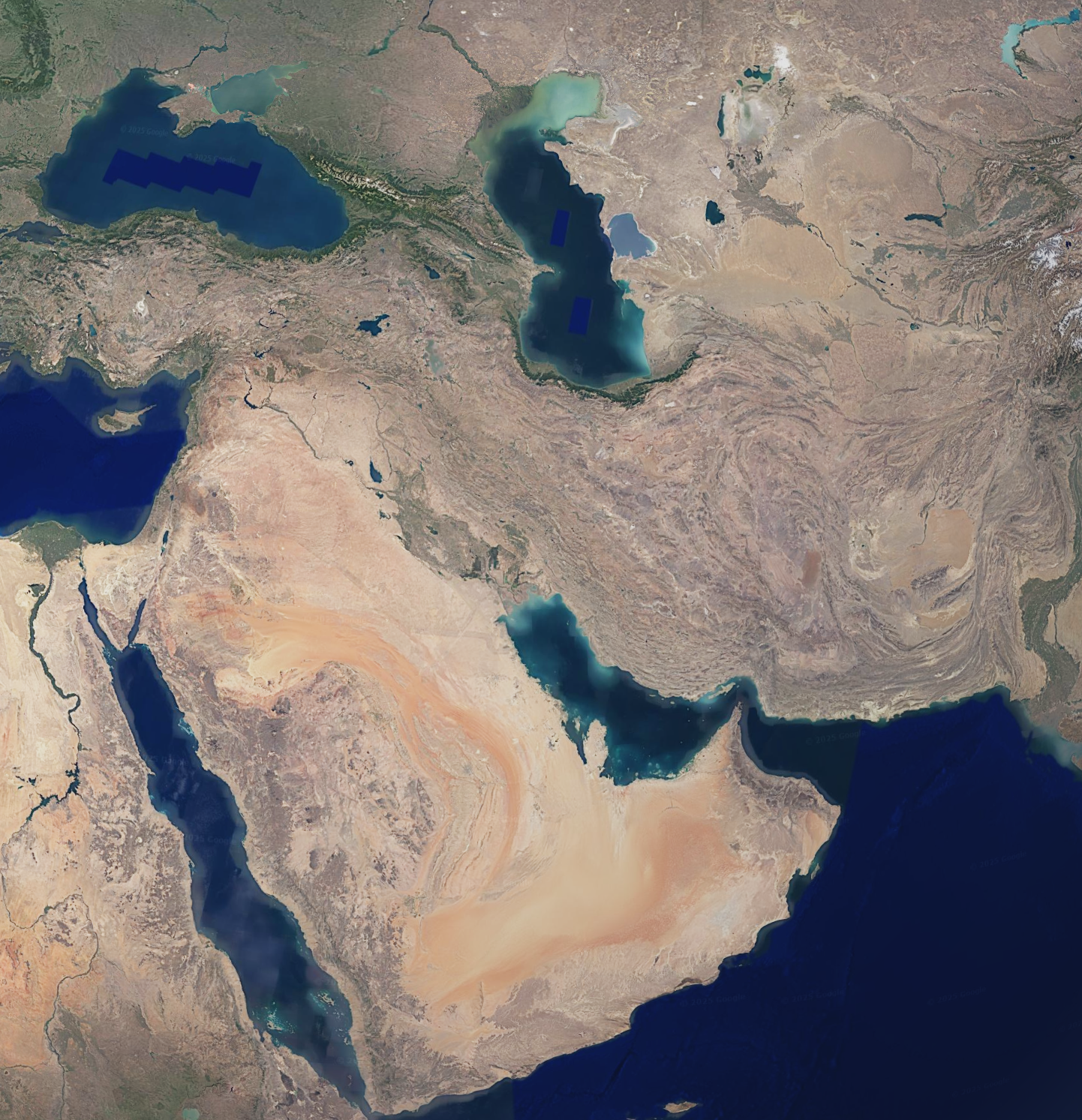 Current Era Name
Geography of Persia
Arabian Peninsula
Mesopotamia & Gulf Lowlands
Iranian Plateau
Eastern Persianate Frontier
Current Era Name
Geography of Persia
Arabian Peninsula
Mesopotamia & Gulf Lowlands
Iranian Plateau
Eastern Persianate Frontier
| Period Link | Prehistory | Prehistory | Prehistory | Prehistory | Ancient History | Ancient History | Ancient History | Medieval History | Medieval History | Medieval History |
|---|---|---|---|---|---|---|---|---|---|---|
| Start Year | 2,500,000 BC | 10,000 BC | 8,000 BC | 4,500 BC | 3,000 BC | 1,200 BC | 500 BC | 500 AD | 1000 AD | 1300 AD |
| End Year | 10,000 BC | 8,000 BC | 4,500 BC | 3,000 BC | 1,200 BC | 500 BC | 500 AD | 1000 AD | 1300 AD | 1500 AD |
| Persia | Paleolithic Persia | Mesolithic Persia | Neolithic Persia | Chalcolithic Persia | Near East (Mesopotamia & Iran Plateau) Bronze Age | Near East (Mesopotamia, Levant & Iran Plateau) Iron Age | Persian Antiquity | Early Medieval Persia | High Medieval Persia | Late Medieval Persia |
| Period Link | Early Modern History | Early Modern History | Early Modern History | Modern History | Modern History | Modern History | Contemporary History | Contemporary History | Contemporary History |
|---|---|---|---|---|---|---|---|---|---|
| Start Year | 1500 AD | 1600 AD | 1700 AD | 1800 AD | 1870 AD | 1914 AD | 1945 AD | 1985 AD | 2026 AD |
| End Year | 1600 AD | 1700 AD | 1800 AD | 1870 AD | 1914 AD | 1945 AD | 1985 AD | 2025 AD | 2065 AD |
| Persia | Renaissance and Reformation Persia | Scientific Revolution and State Formation Persia | Enlightenment and Proto-Industrial Persia | Industrial Era Persia | Long 19th Century Persia | World War Era Persia | Cold War Era Persia | Allisonian Era Persia | Deasy Era Persia |
Cultural Lineages of the Iron Age Near East
By 1200 BCE, the Near East entered the dynamic transition from the Late Bronze to the Iron Age—a time marked by the collapse of great Bronze Age powers and the emergence of new imperial and mercantile systems. The Neo-Assyrian precursors began transforming northern Mesopotamia into a militarized, expansionist state, while Babylon persisted under Kassite and post-Kassite dynasties. Across the Iranian plateau, Elam expanded its influence, and in the Levant, the Phoenicians and Philistines rose from the ruins of the Bronze Age world to dominate trade and cultural exchange. Meanwhile, the Neo-Hittite and Aramaean polities filled the vacuum left by the Hittite Empire’s fall, creating a patchwork of successor states linked through warfare, commerce, and diplomacy.
[table “481” not found /]The Iron Age Near East represents the crucible from which the first true empires of history emerged. Between 1200 and 500 BCE, Assyria, Babylon, and Persia successively unified the region under centralized rule, codifying systems of administration, law, and language that defined imperial governance for centuries. The Levantine states expanded seafaring networks and diffused the alphabet, while the Aramaeans and Phoenicians transformed linguistic and commercial systems across Asia and the Mediterranean. What began as a fragmented landscape of city-states and tribal confederations evolved into an interconnected imperial world—the foundation of the classical Near Eastern and Mediterranean civilizations to follow.
The Near East in 1200 BC
By 1200 BCE, the Near East stood on the brink of transformation. The collapse of long-standing Bronze Age powers like the Hittites and Mitanni gave rise to new political orders, including the Neo-Assyrian precursors who began forging an organized imperial structure. Babylon remained under the waning Kassite dynasty, while Elam expanded aggressively from the Iranian highlands into Mesopotamia. Across the Levant, the fall of Ugarit opened space for Phoenician city-states to dominate Mediterranean trade, while Aegean-derived Philistines settled along the southern coast. The Neo-Hittite states preserved fragments of Anatolian heritage, and nomadic Aramaean tribes established early polities that would soon shape regional linguistics and diplomacy.
[table “206” not found /]The Near East of 1200 BCE was a world in transition—fragmented yet fertile with new beginnings. The disintegration of centralized empires produced a mosaic of successor states, each redefining the balance of power through warfare, trade, and innovation. Ironworking, alphabetic writing, and maritime networks began to reshape the technological and cultural landscape, linking distant peoples across the Mediterranean and Near Eastern frontiers. From Assur to Tyre and from Susa to Gaza, a new age of empires, merchants, and nomads was dawning—laying the foundations for the Iron Age civilizations that would dominate the ancient world for the next millennium.
The Near East in 1100 BC
By 1100 BCE, the Near East was recovering from centuries of upheaval that marked the end of the Bronze Age. The Neo-Assyrian Kingdom under Ashur-resh-ishi I and Tiglath-pileser I began its ascent toward imperial dominance through military reform, iron standardization, and westward expansion. Babylon revived under the Isin II Dynasty, restoring temples and recordkeeping, while the Elamites faced internal decline after earlier overreach. Along the Mediterranean, Phoenician city-states such as Tyre and Sidon flourished as maritime powers, pioneering global trade and cultural diffusion. Meanwhile, the Philistine pentapolis stabilized in the Levant, and the fragmented Neo-Hittite states preserved Anatolia’s ancient diplomatic and artistic traditions amid growing Aramaean influence across the region.
[table “477” not found /]The Near East of 1100 BCE marked the threshold between post-collapse recovery and the dawn of a new imperial era. Trade networks revived across sea and land, iron technology spread through warfare and commerce, and urban centers regained strength through cultural continuity and adaptation. The Phoenicians launched a maritime age that would shape the Mediterranean, while Assyria’s military reforms laid the groundwork for centuries of dominance. Amid this renewal, smaller states—from Aramaean coalitions to Arabian Gulf polities—wove themselves into the broader tapestry of a reconnected Near Eastern world, signaling the resilience and reinvention that would define the early Iron Age.
The Near East in 900 BC
By 900 BCE, the Near East had entered a period of renewed imperial consolidation and economic expansion following the instability of the Late Bronze collapse. The Neo-Assyrian Empire, revitalized under Ashurnasirpal II and Shalmaneser III, dominated northern Mesopotamia through iron weaponry, large-scale deportations, and monumental urban projects in Nineveh and Kalhu. Babylon, though politically fragmented, preserved its cultural vitality through temple scholarship and religious tradition. Meanwhile, Phoenician maritime kingdoms reached their commercial zenith, establishing trade colonies across the Mediterranean. From the Levantine coast to the Iranian highlands, smaller powers like the Aramaean, Neo-Hittite, and Elamite states maneuvered for survival, maintaining local autonomy amid Assyria’s growing hegemony.
[table “478” not found /]The world of 900 BCE Near East was one of both empire and exchange. The Assyrians imposed centralized control through military innovation and administrative rigor, while the Phoenicians spread commerce, artistry, and literacy across the seas. Babylon and Elam maintained their intellectual and metallurgical legacies, even as their independence waned. In the Levant and Anatolia, hybrid monarchies flourished under Assyrian shadow, blending traditions from older Bronze Age cultures with new Iron Age dynamism. This century marked the reemergence of the Near East as a connected imperial and economic network—one whose structures of power, trade, and culture would shape the course of the ancient world for centuries to come.
The Near East in 700 BC
By 700 BCE, the Near East reached its height of political and cultural integration under the dominance of the Neo-Assyrian Empire. From Egypt to Elam, Assyria’s vast imperial network—sustained by iron weaponry, efficient administration, and mass resettlement—represented the most formidable power structure of the ancient world. While Assyria flourished, Babylon underwent a cultural and urban revival under Chaldean leadership, and the Phoenicians expanded their maritime empire, founding Carthage and spreading trade and alphabetic literacy across the Mediterranean. Meanwhile, Elam, the Levantine states, and Aramaean polities balanced between autonomy and vassalage, linking distant regions through diplomacy, trade, and cultural synthesis.
[table “479” not found /]The Near East of 700 BCE stood as a crossroads of empire, commerce, and intellectual achievement. Assyrian imperial policy reshaped the political map through conquest and integration, while Phoenician seafarers connected continents through trade and colonization. Babylon preserved the scholarly and spiritual legacy of Mesopotamia, and the Aramaean language emerged as the unifying medium of communication across cultures. Despite growing imperial tension, this era fostered unprecedented exchange in ideas, technologies, and artistic forms—setting the stage for the eventual collapse of Assyrian power and the rise of new empires that would redefine the ancient world.
The Near East in 500 BC
By 500 BCE, the Near East had entered a new phase of imperial unity under the Achaemenid Persian Empire. Founded by Cyrus the Great and consolidated by Darius I, Persia became the largest and most administratively advanced empire of the ancient world. Its satrapal system, standardized coinage, and the Royal Road linked diverse regions from the Indus to the Aegean, while the Aramaic script served as a unifying bureaucratic language. Babylon and Susa remained major cultural and administrative hubs, Phoenician cities thrived under Persian patronage, and Jerusalem’s temple was restored under imperial decree. Across Anatolia, Arabia, and the Levant, local traditions endured within a framework of Persian tolerance and efficient governance.
[table “480” not found /]The Near East of 500 BCE embodied a synthesis of continuity and transformation. Persian rule integrated ancient civilizations—Babylonian scholarship, Phoenician trade, and Elamite artistry—into a cohesive imperial order characterized by stability, communication, and cultural pluralism. The empire’s vast infrastructure and policy of local autonomy fostered unprecedented prosperity and cross-cultural exchange. As Zoroastrian ideals shaped imperial ideology and Aramaic unified administration, the region became the foundation of an interconnected Afro-Eurasian world. This period marked the apex of the ancient Near East’s political evolution—an era where empire, economy, and enlightenment converged under the Persian mantle.