(3000 BC – 1200 BC)
 Current Era Name
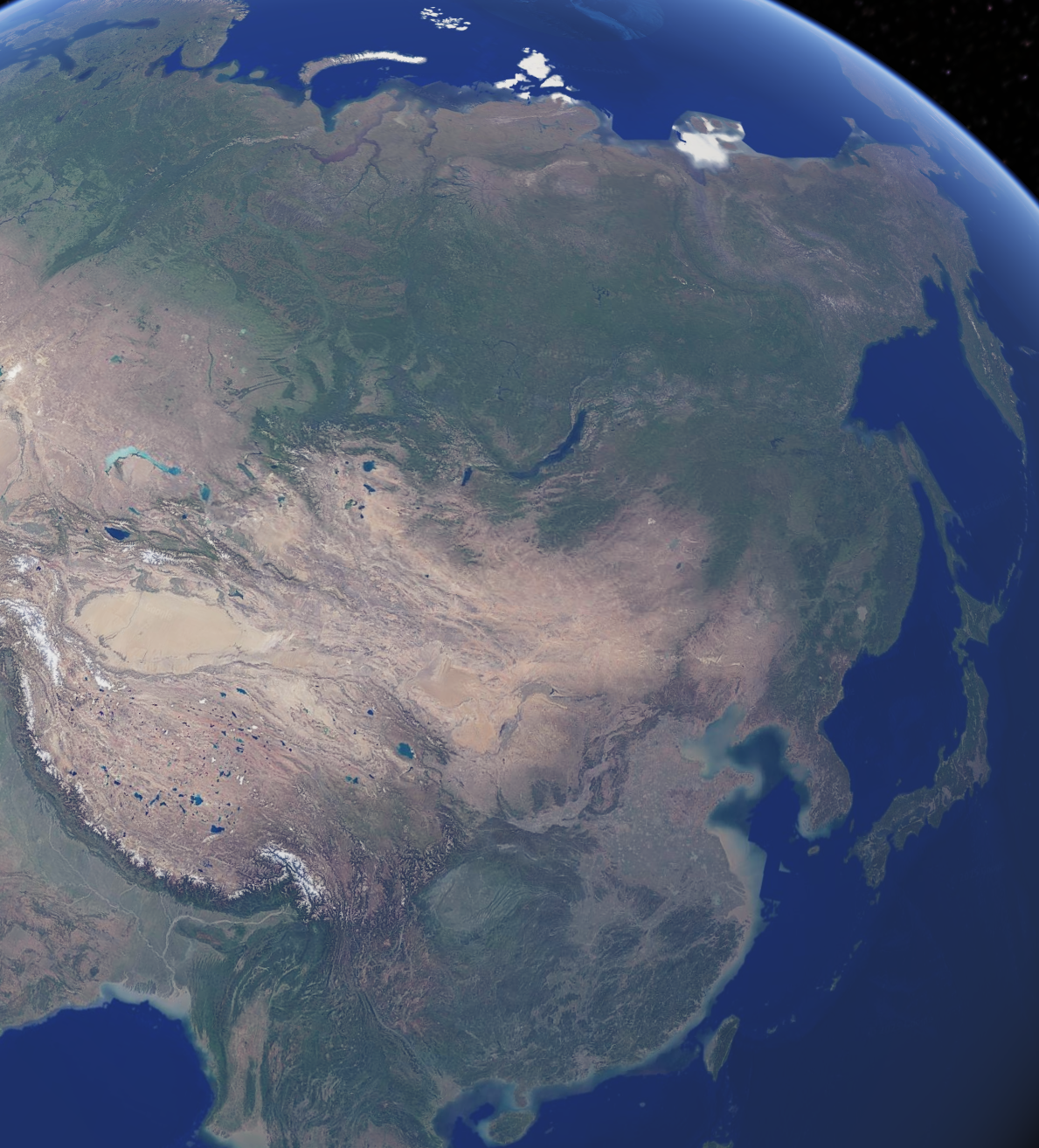
Geography of Serica (China & East Asia)
North China
Current Era Name
Geography of Serica (China & East Asia)
North ChinaPlain &
Loess Belt South China & Yangtze Basin Manchuria &
The Korean
Peninsula Japanese
Archipelago Mongolia–East Siberian Steppe–Taiga Tarim Basin & Western Desert Frontier
| Period Link | Prehistory | Prehistory | Prehistory | Prehistory | Ancient History | Ancient History | Ancient History | Medieval History | Medieval History | Medieval History |
|---|---|---|---|---|---|---|---|---|---|---|
| Start Year | 2,500,000 BC | 10,000 BC | 8,000 BC | 4,500 BC | 3,000 BC | 1,200 BC | 500 BC | 500 AD | 1000 AD | 1300 AD |
| End Year | 10,000 BC | 8,000 BC | 4,500 BC | 3,000 BC | 1,200 BC | 500 BC | 500 AD | 1000 AD | 1300 AD | 1500 AD |
| China (East Asia) | Paleolithic China (East Asia) | Mesolithic China (East Asia) | Neolithic China (East Asia) | Chalcolithic China (East Asia) | East Asia (Yellow River Basin) Bronze Age | East Asia (Yellow & Yangtze River Basins) Iron Age | Chinese Antiquity | Early Medieval China (East Asia) | High Medieval China (East Asia) | Late Medieval China (East Asia) |
| Period Link | Early Modern History | Early Modern History | Early Modern History | Modern History | Modern History | Modern History | Contemporary History | Contemporary History | Contemporary History |
|---|---|---|---|---|---|---|---|---|---|
| Start Year | 1500 AD | 1600 AD | 1700 AD | 1800 AD | 1870 AD | 1914 AD | 1945 AD | 1985 AD | 2026 AD |
| End Year | 1600 AD | 1700 AD | 1800 AD | 1870 AD | 1914 AD | 1945 AD | 1985 AD | 2025 AD | 2065 AD |
| China (East Asia) | Renaissance and Reformation China (East Asia) | Scientific Revolution and State Formation China (East Asia) | Enlightenment and Proto-Industrial China (East Asia) | Industrial Era China (East Asia) | Long 19th Century China (East Asia) | World War Era China (East Asia) | Cold War Era China (East Asia) | Allisonian Era China (East Asia) | Deasy Era China (East Asia) |
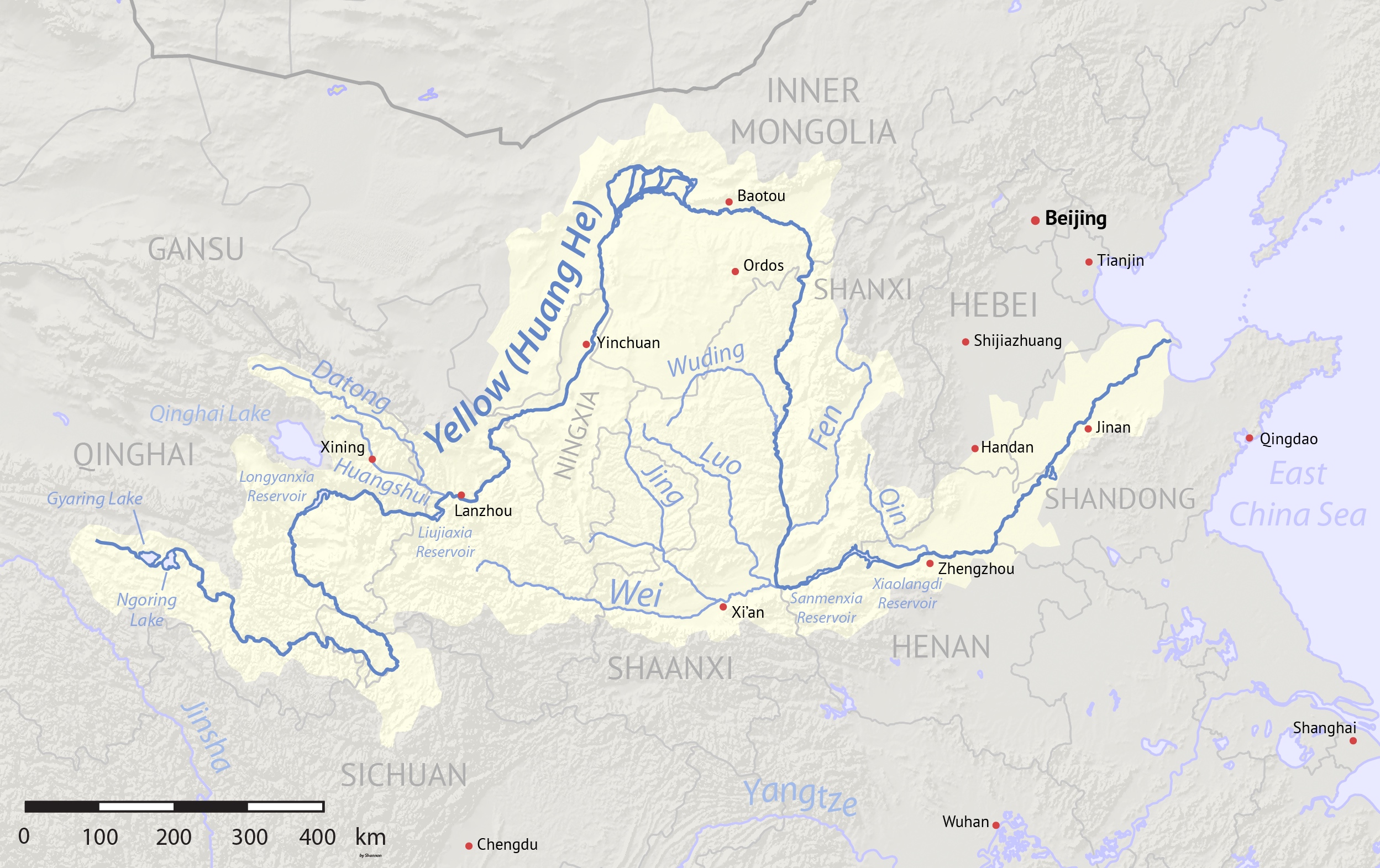

Cultural Lineages of the Bronze Age East Asia (Yellow River Basin)
The Bronze Age cultures of East Asia, centered in the Yellow River Basin, trace the origins of Chinese civilization through a sequence of regional traditions that converged into early statehood. Between 3000 and 1200 BCE, a web of distinct yet interconnected lineages—from the agrarian heartlands of the Yangshao and Longshan to the metallurgical frontiers of the Qijia and Xiajiadian cultures—transformed subsistence farming communities into complex societies marked by hierarchy, craft specialization, and ritual authority. These developments culminated in the rise of the Erlitou and Shang civilizations, establishing the foundation for dynastic China and its early conceptions of political and cosmic order.
[table “458” not found /]By 1200 BCE, East Asia’s Bronze Age landscape had matured into a sophisticated cultural system linking the Central Plains, highland frontiers, and coastal zones. The Shang dynasty consolidated political and ritual power through bronze technology and divination, while regional cultures—such as the Kayue, Yueshi, and Lower Xiajiadian—continued to evolve on their own trajectories, maintaining local traditions within a shared sphere of exchange. From jade ceremonialism to bronze metallurgy, the continuity across these lineages reveals a civilization in transition—from a constellation of regional societies to an enduring imperial structure that would define East Asia’s historical path for millennia.
East Asia (Yellow River Basin) in 3000 BC
By 3000 BCE, the Yellow River Basin and surrounding regions of East Asia had developed a diverse mosaic of Neolithic cultures that laid the foundations for early Chinese civilization. Agricultural innovation, jade craftsmanship, and emerging social hierarchies characterized this formative period. The Yangshao and Dawenkou cultures advanced millet-based farming and ceremonial traditions, while the Majiayao and Hongshan regions pioneered long-distance trade, metallurgy, and complex ritual architecture. These societies exhibited increasing stratification, regional specialization, and the first signs of proto-urban organization—foreshadowing the dynastic states that would later unify the Chinese heartland.
[table “452” not found /]The Neolithic societies of 3000 BCE East Asia represent the convergence of agrarian stability and early experimentation in political and ritual complexity. Across the Yellow, Yangtze, and Liao River systems, communities evolved from simple farming villages into stratified centers of production and exchange. Shared motifs—painted pottery, jade artifacts, and communal burial sites—suggested cultural connectivity long before political unification. As these cultures matured, they established the economic and spiritual frameworks that would evolve into the Bronze Age polities of Erlitou and Shang, marking the first great transformation of the East Asian world.
East Asia (Yellow River Basin) in 2500 BC
By 2500 BCE, East Asia’s Yellow River Basin and its surrounding regions entered a transformative era of proto-urbanization, technological innovation, and regional consolidation. The Longshan Culture emerged as the first large-scale complex society in China, characterized by social hierarchy, walled towns, and black pottery craftsmanship. Simultaneously, jade-working civilizations such as Liangzhu reached their cultural peak, while early bronze experimentation spread through the Majiayao–Qijia frontier zones. Across the Yangtze and northeast plains, hydraulic infrastructure, fortified centers, and emerging ritual systems signaled the shift from village-based societies to organized states with central authority.
[table “453” not found /]The societies of 2500 BCE reflect the foundations of China’s Bronze Age civilization. Stratified city-states, regional trade, and advances in metallurgy and irrigation defined the landscape, linking the Central Plains, Yangtze Delta, and frontier highlands in a shared developmental trajectory. While some cultures, like Liangzhu, began to decline, others—such as Longshan—expanded through technological sophistication and political centralization. The convergence of agrarian strength, ritual hierarchy, and craft specialization during this period established the structural blueprint for dynastic governance and cultural continuity across East Asia’s emerging civilization.
East Asia (Yellow River Basin) in 2000 BC
By 2000 BCE, the Yellow River Basin and its surrounding regions witnessed the emergence of the first urban and metallurgical centers of Chinese civilization. The Erlitou Cultural Horizon marked the beginning of dynastic state formation—complete with palatial compounds, bronze workshops, and organized urban planning that foreshadowed the Xia dynasty. Meanwhile, successor traditions of the Longshan, Qijia, and Shijiahe cultures continued to shape local economies, ritual systems, and regional networks. From the millet fields of the Central Plains to the bronze forges of the northwest, East Asia entered a new phase of technological and political sophistication that unified its once-fragmented cultural landscapes.
[table “454” not found /]The world of 2000 BCE represents a decisive bridge between Neolithic experimentation and dynastic civilization. The spread of metallurgy, urban governance, and ritual authority redefined the structure of power in the Yellow River Basin. While older cultures like Shijiahe and Longshan declined, their legacies endured through Erlitou’s centralized administration and the expansion of bronze craftsmanship. Across the steppe and frontier zones, hybrid economies sustained exchange between pastoral and agrarian societies, ensuring a steady flow of materials and ideas. Together, these forces established the foundation for China’s enduring model of cultural and political continuity.
East Asia (Yellow River Basin) in 1500 BC
By 1500 BCE, the Yellow River Basin entered the height of early Chinese Bronze Age civilization under the Erlitou and Erligang cultural spheres. The urban centers at Zhengzhou and Panlongcheng reflected unprecedented administrative complexity, large-scale bronze production, and sophisticated city planning. Successor states of the Xia and early Shang dynasties laid the foundations of dynastic governance, while regional cultures such as Qijia, Kayue, and Yueshi maintained local traditions and contributed to expanding trade and metallurgical networks. Across the steppe and frontier zones, fortified settlements and resource hubs connected the Chinese heartland with broader Eurasian systems of exchange.
[table “456” not found /]The world of 1500 BCE represents the full emergence of organized statecraft, monumental architecture, and ritualized kingship in East Asia. The Erligang culture consolidated control over the Central Plains, extending its influence across the Yangtze and into the highland frontiers, while satellite systems such as Panlongcheng ensured access to bronze and other critical resources. Peripheral societies continued to innovate in metallurgy, horse culture, and interregional trade, sustaining a balance between centralization and diversity. This era marked the defining transition from proto-dynastic experimentation to a cohesive Bronze Age civilization—one that would anchor China’s political and cultural identity for millennia.
East Asia (Yellow River Basin) in 1200 BC
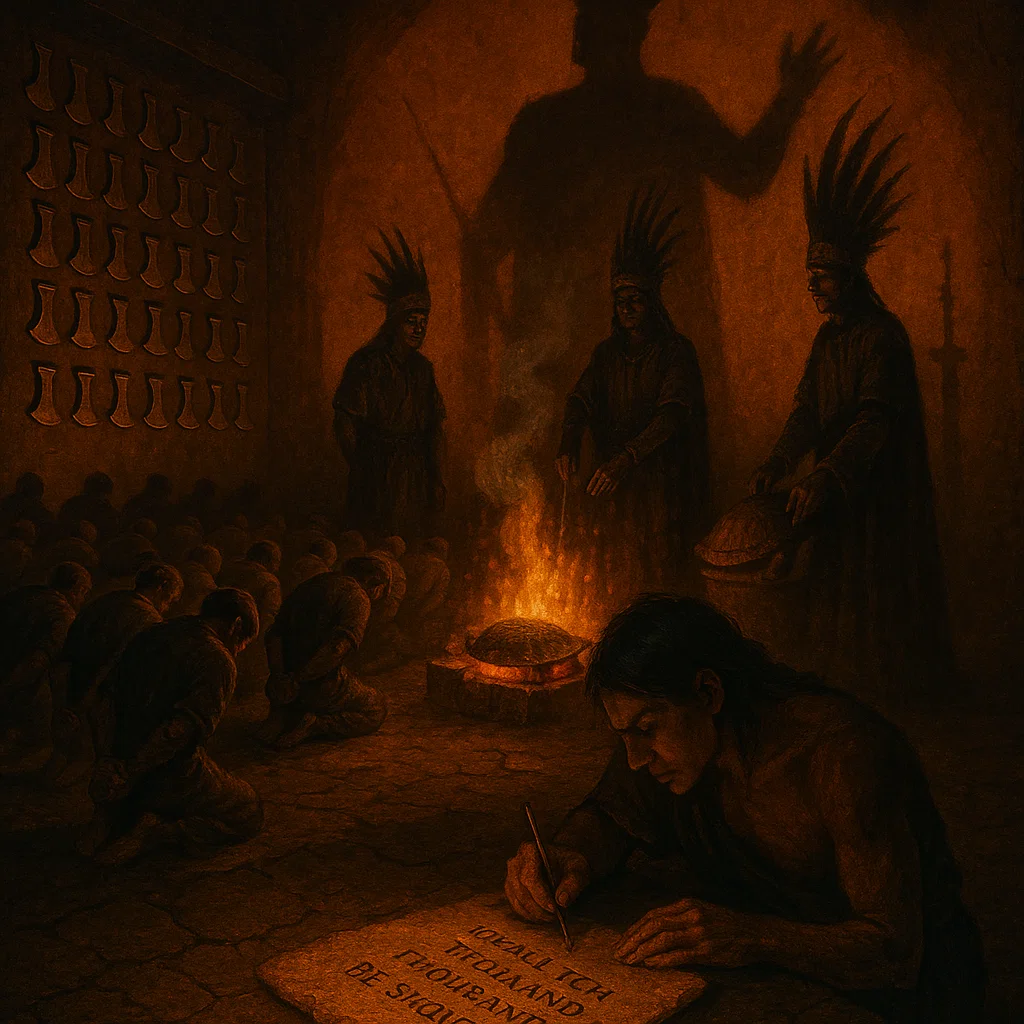
By 1200 BCE, the Yellow River Basin had entered the peak of the Late Shang Civilization—a fully developed Bronze Age state marked by royal tombs, oracle bone inscriptions, and highly sophisticated bronze ritual vessels. Centered at Anyang (Yinxu), the Shang dynasty extended its administrative and military reach across the Central Plains, while peripheral cultures maintained distinctive local traditions. The Lower Xiajiadian, Kayue, and Sanxingdui societies flourished beyond Shang control, each advancing unique metallurgical and ritual systems. This was a period of both consolidation and diversification, as early Chinese civilization matured into a multi-centered cultural sphere connected through trade, tribute, and warfare.
[table “457” not found /]The world of 1200 BCE stands as the culmination of East Asia’s Bronze Age development. The Shang court at Anyang embodied centralized authority and divine kingship, yet the broader region pulsed with dynamic regional identities—from the bronze artisans of Sanxingdui to the highland metallurgists of Kayue and the frontier fortresses of Xiajiadian. In the west, emerging Zhou polities began to challenge Shang dominance, laying the groundwork for a new dynastic transition. This complex web of interaction and competition defined the close of the Bronze Age, transforming regional cultures into an interconnected civilization poised to enter its first great imperial age.
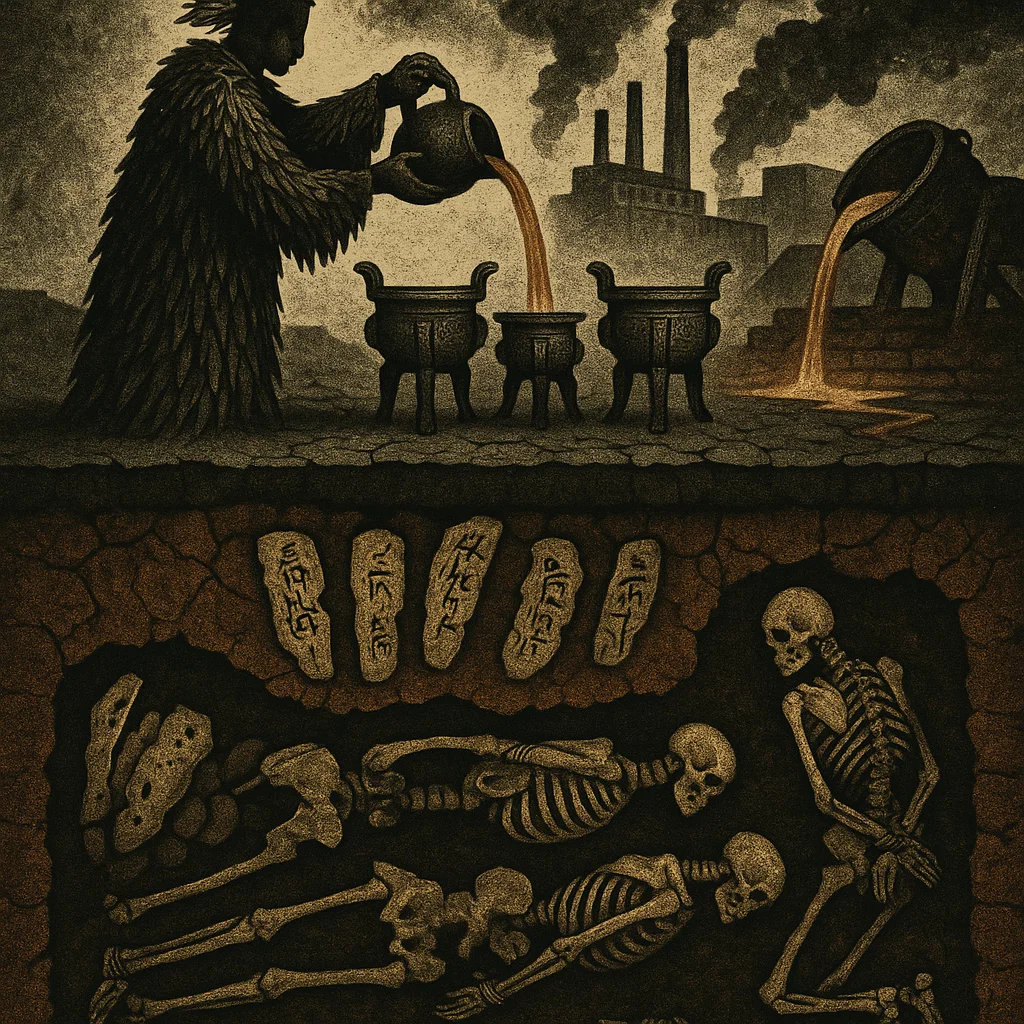
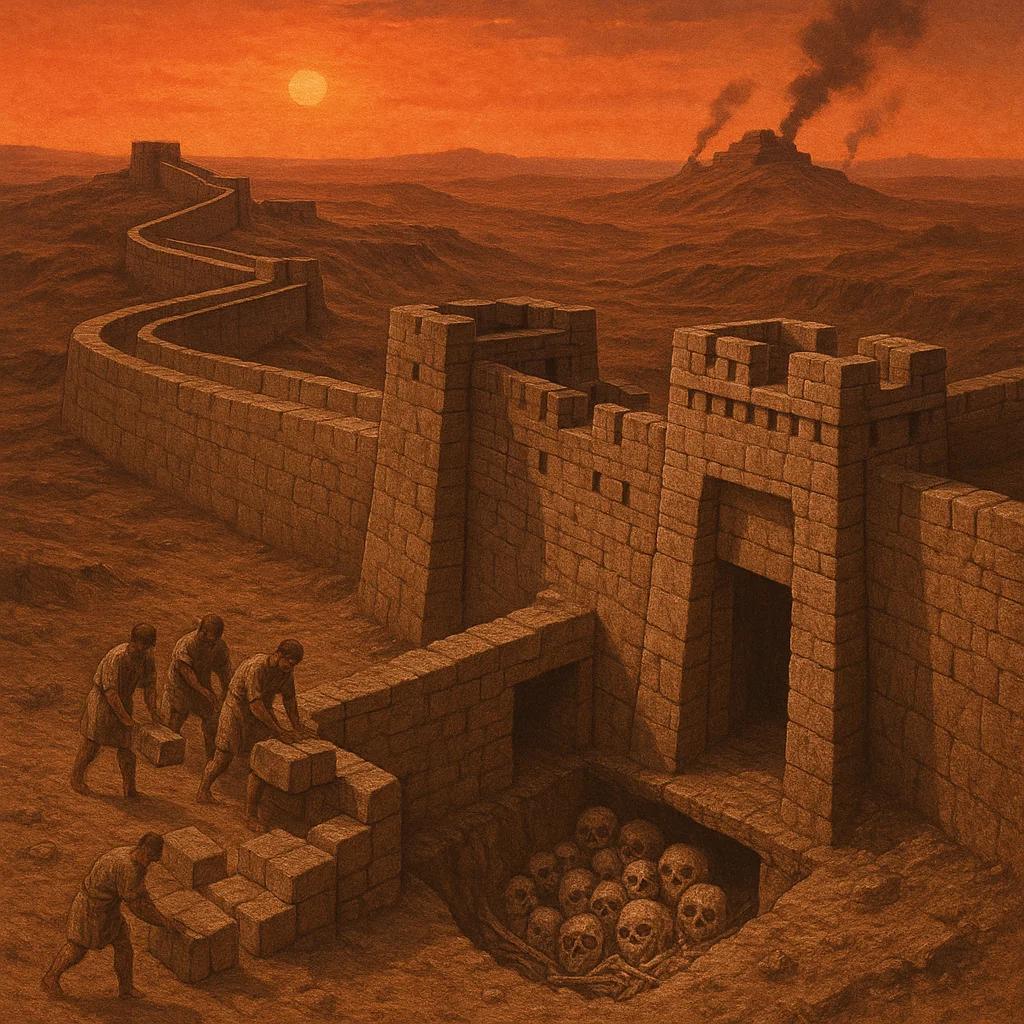
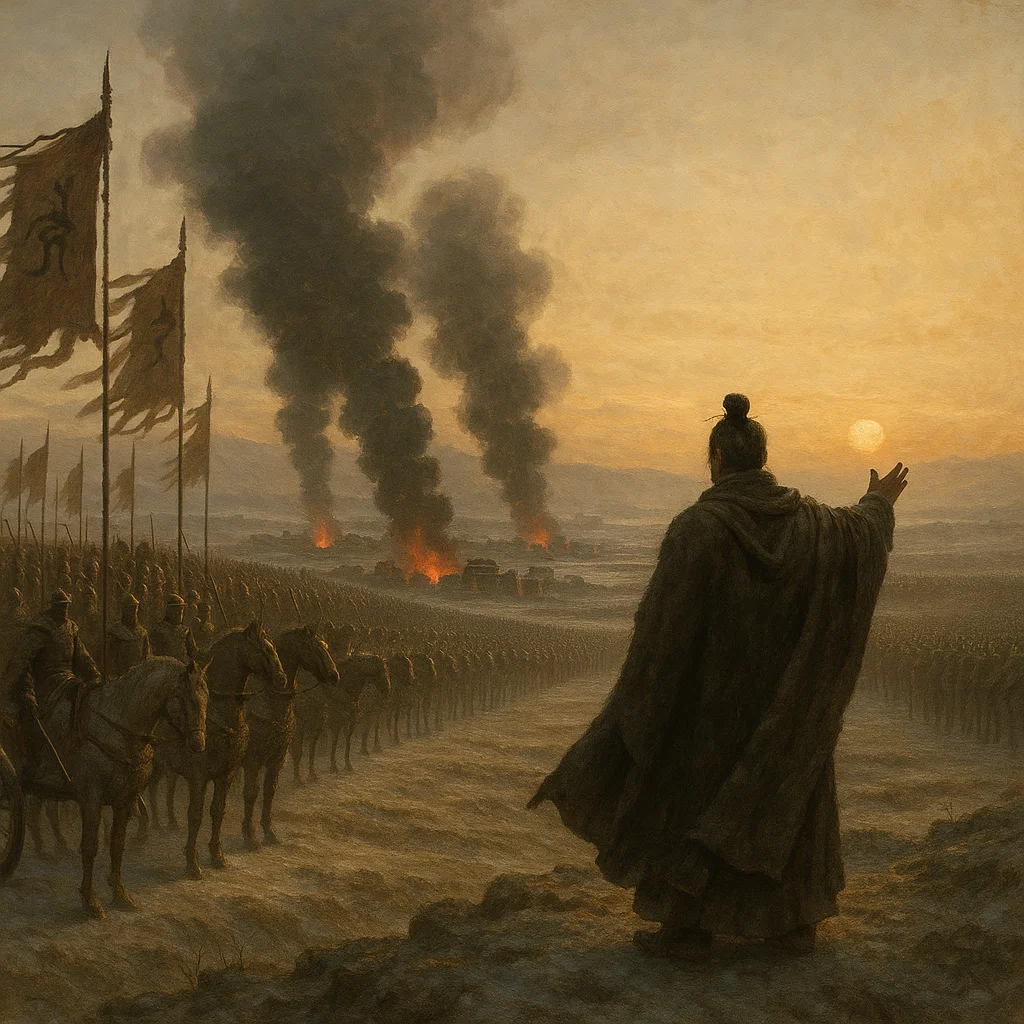
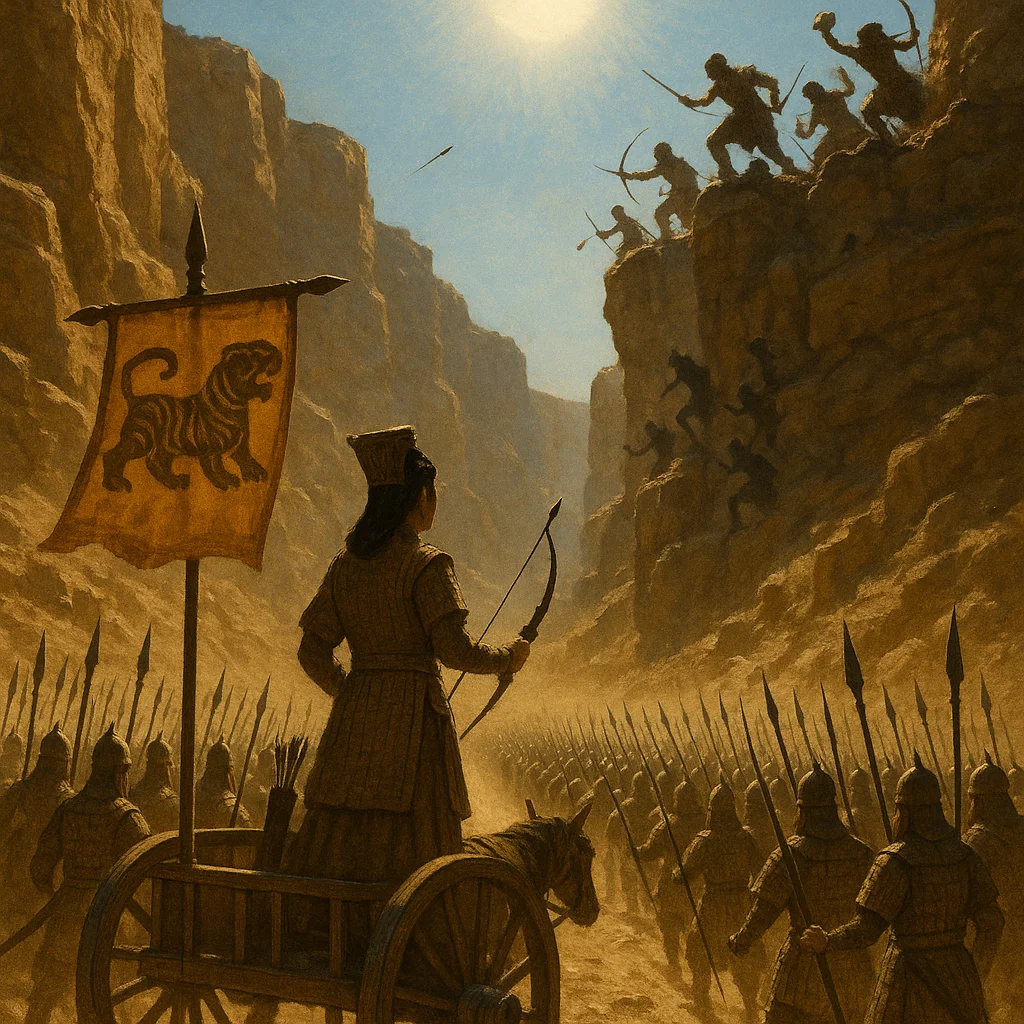
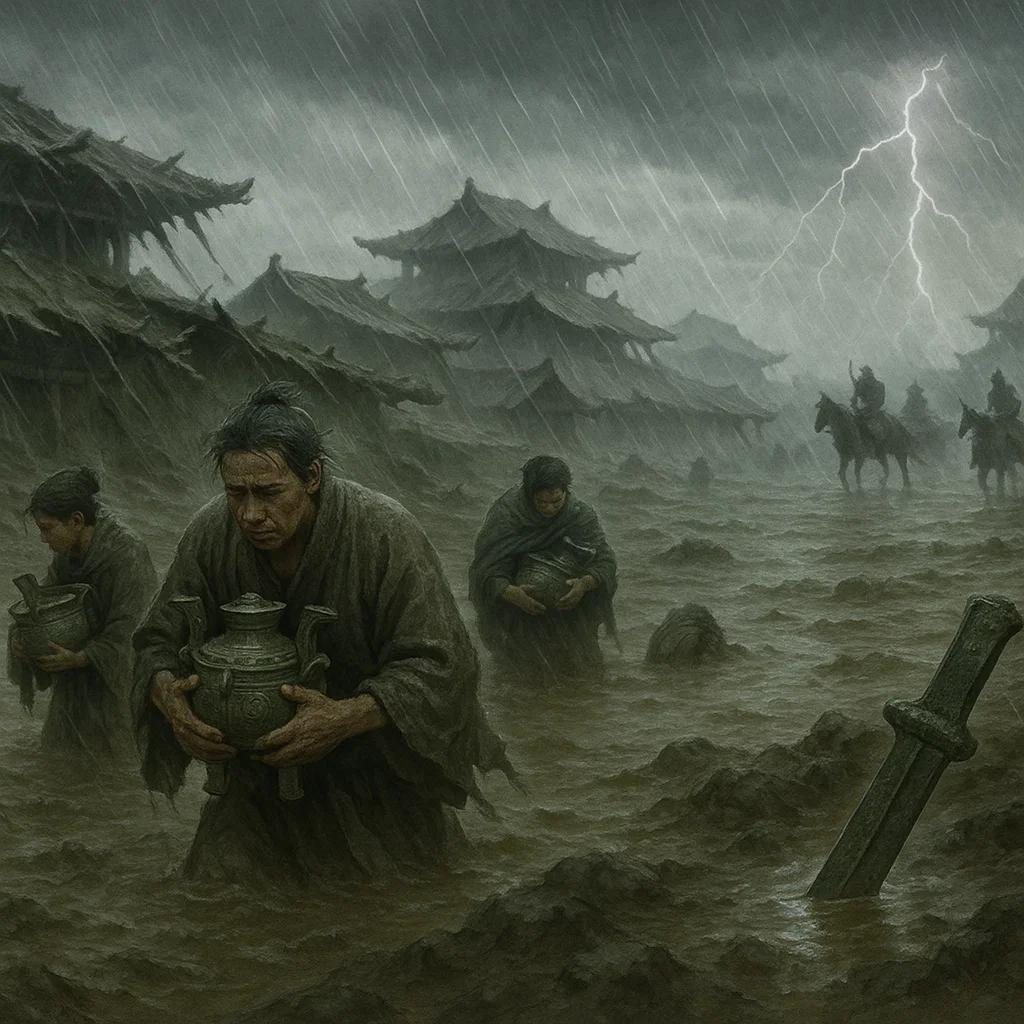
Uniform Military Framework — Bronze Age – Yellow River Basin
| Category | Description |
|---|---|
| Period & Context | Covers the Longshan, Erlitou (Xia), Shang, and early Zhou phases of early Chinese civilization. Political organization evolved from clan chiefdoms to centralized dynasties. Warfare expanded from inter-village raids to state-directed campaigns. The environment—fertile loess plains bordered by mountains—favored both agriculture and the rise of fortified cities. |
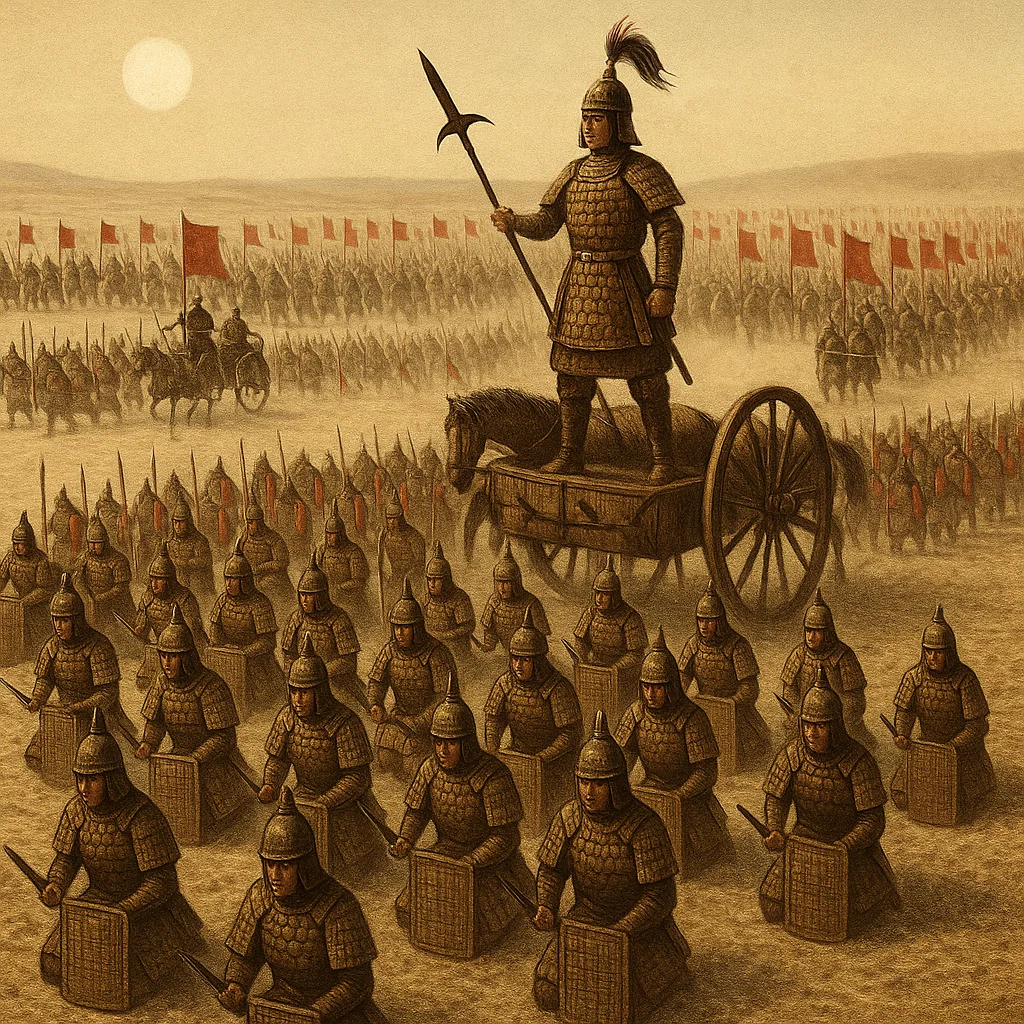
| Means (Arms, Defenses, and Mobility Systems) | Early Longshan used polished stone axes, spears, and arrows; copper experimentation begins. Erlitou introduced true bronze dagger-axes (ge) and axes (yue). Shang bronze-casting reached industrial scale, producing standardized spears, halberds, swords, arrowheads, and armor fittings. City walls were massive rammed-earth fortifications up to 20 m thick. Chariots with spoked wheels and paired horses appeared by the late Shang, granting mobility and elite shock capability. Early Zhou continued bronze weaponry and chariot deployment. |
| Organization & Hierarchy | Longshan warfare was kin-based under local chiefs. By Erlitou/Xia, leadership consolidated around palace centers commanding small standing forces. The Shang developed a hierarchical military under royal control, with specialized generals (e.g., Fu Hao) commanding armies of 10,000 +. Nobles manned chariots; infantry comprised levies and retainers. Early Zhou adopted the same structure but federated it: the king led a core royal army supported by vassal contingents in a feudal hierarchy. |
| Tactics & Doctrine | Longshan and Xia tactics centered on fortified defense and local skirmishes. Shang doctrine combined shock infantry, mass archery, and chariot maneuver, reinforced by divine sanction through oracle divination. Campaigns were rapid and punitive, aimed at crushing rival polities and capturing prisoners for ritual sacrifice. Early Zhou refined these methods with coordinated multi-state operations, disciplined formations, and ideological warfare under the Mandate of Heaven. |
| Major Conflicts & Campaigns | c. 2000 BCE – Collapse of Taosi after violent conflict among Longshan polities. c. 1600 BCE – Battle of Mingtiao, Shang defeat of Xia. c. 1200 BCE – Shang campaigns under Wu Ding and Fu Hao against Qiang, Tufang, and Ba peoples. c. 1046 BCE – Battle of Muye, Zhou coalition overthrow of the Shang dynasty. These wars mark China’s transition from regional chiefdoms to dynastic imperial rule. |