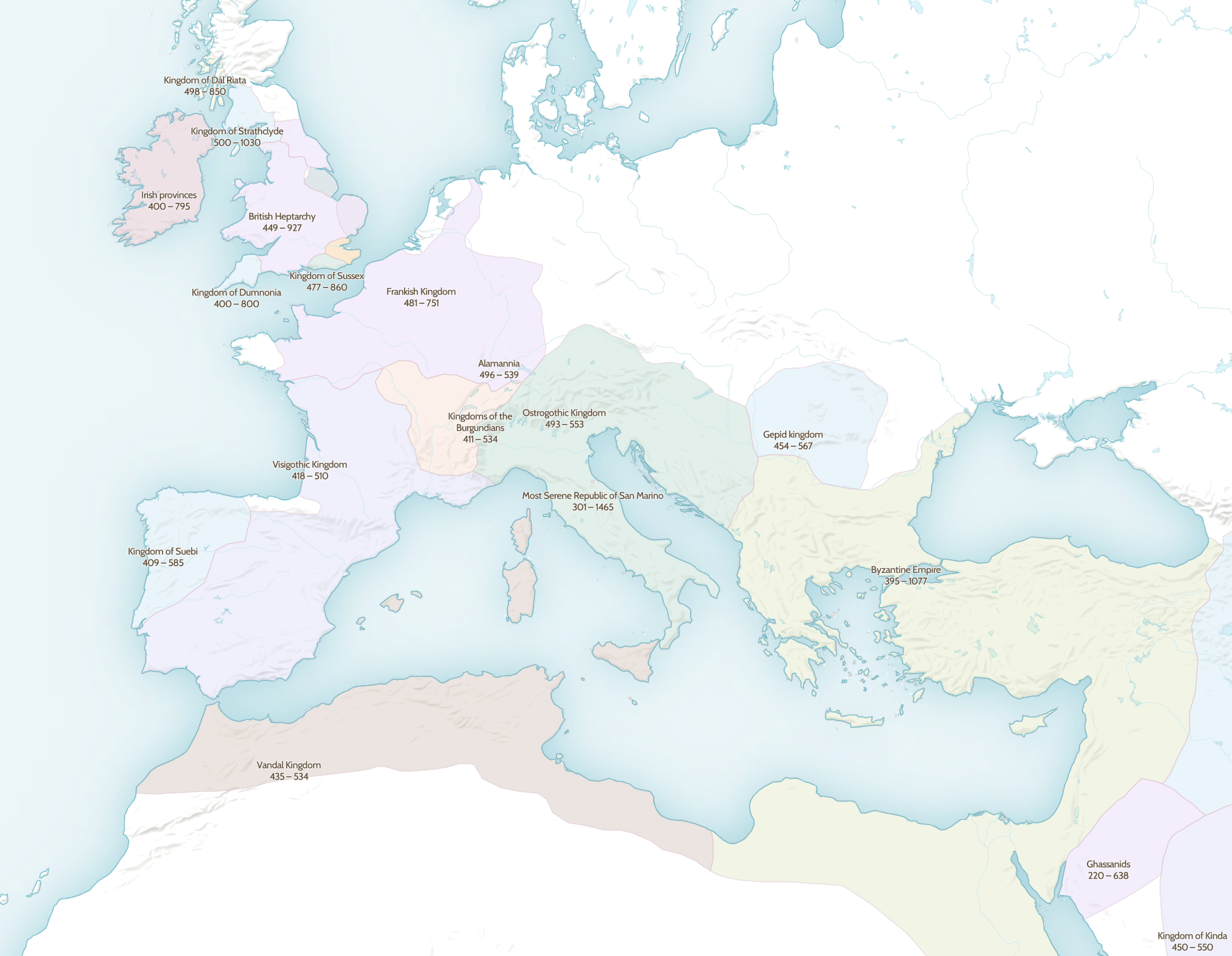
(500 BC – 500 AD)
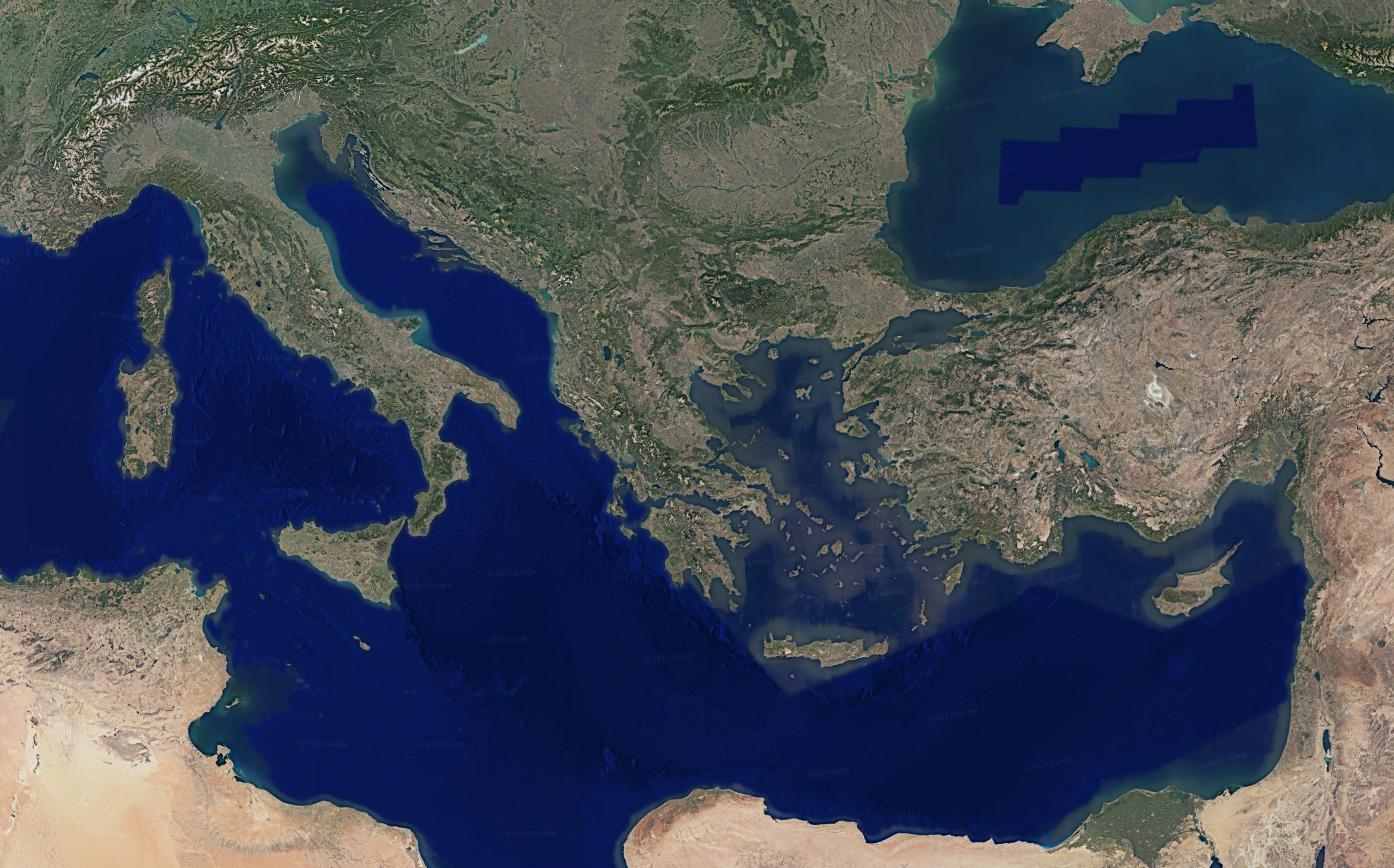 Current Era Name
Geography of Eastern Mediterranean
Italian Peninsula & Central Med Islands
Adriatic & Western Balkan Coast
Hellenic–Aegean Sphere
Anatolian Rim & Turkish Straits
Levantine Coast
Current Era Name
Geography of Eastern Mediterranean
Italian Peninsula & Central Med Islands
Adriatic & Western Balkan Coast
Hellenic–Aegean Sphere
Anatolian Rim & Turkish Straits
Levantine Coast
| Period Link | Prehistory | Prehistory | Prehistory | Prehistory | Ancient History | Ancient History | Ancient History | Medieval History | Medieval History | Medieval History |
|---|---|---|---|---|---|---|---|---|---|---|
| Start Year | 2,500,000 BC | 10,000 BC | 8,000 BC | 4,500 BC | 3,000 BC | 1,200 BC | 500 BC | 500 AD | 1000 AD | 1300 AD |
| End Year | 10,000 BC | 8,000 BC | 4,500 BC | 3,000 BC | 1,200 BC | 500 BC | 500 AD | 1000 AD | 1300 AD | 1500 AD |
| Eastern Mediterranean | Paleolithic Eastern Mediterranean | Mesolithic Eastern Mediterranean | Neolithic Eastern Mediterranean | Chalcolithic Eastern Mediterranean | Aegean & Anatolia (Eastern Mediterranean) Bronze Age | Aegean & Anatolia (Eastern Mediterranean) Iron Age | Greco-Roman Antiquity | Early Medieval Eastern Mediterranean | High Medieval Eastern Mediterranean | Late Medieval Eastern Mediterranean |
| Period Link | Early Modern History | Early Modern History | Early Modern History | Modern History | Modern History | Modern History | Contemporary History | Contemporary History | Contemporary History |
|---|---|---|---|---|---|---|---|---|---|
| Start Year | 1500 AD | 1600 AD | 1700 AD | 1800 AD | 1870 AD | 1914 AD | 1945 AD | 1985 AD | 2026 AD |
| End Year | 1600 AD | 1700 AD | 1800 AD | 1870 AD | 1914 AD | 1945 AD | 1985 AD | 2025 AD | 2065 AD |
| Eastern Mediterranean | Renaissance and Reformation Eastern Mediterranean | Scientific Revolution and State Formation Eastern Mediterranean | Enlightenment and Proto-Industrial Eastern Mediterranean | Industrial Era Eastern Mediterranean | Long 19th Century Eastern Mediterranean | World War Era Eastern Mediterranean | Cold War Era Eastern Mediterranean | Allisonian Era Eastern Mediterranean | Deasy Era Eastern Mediterranean |
The Greco-Roman World in 500 BC
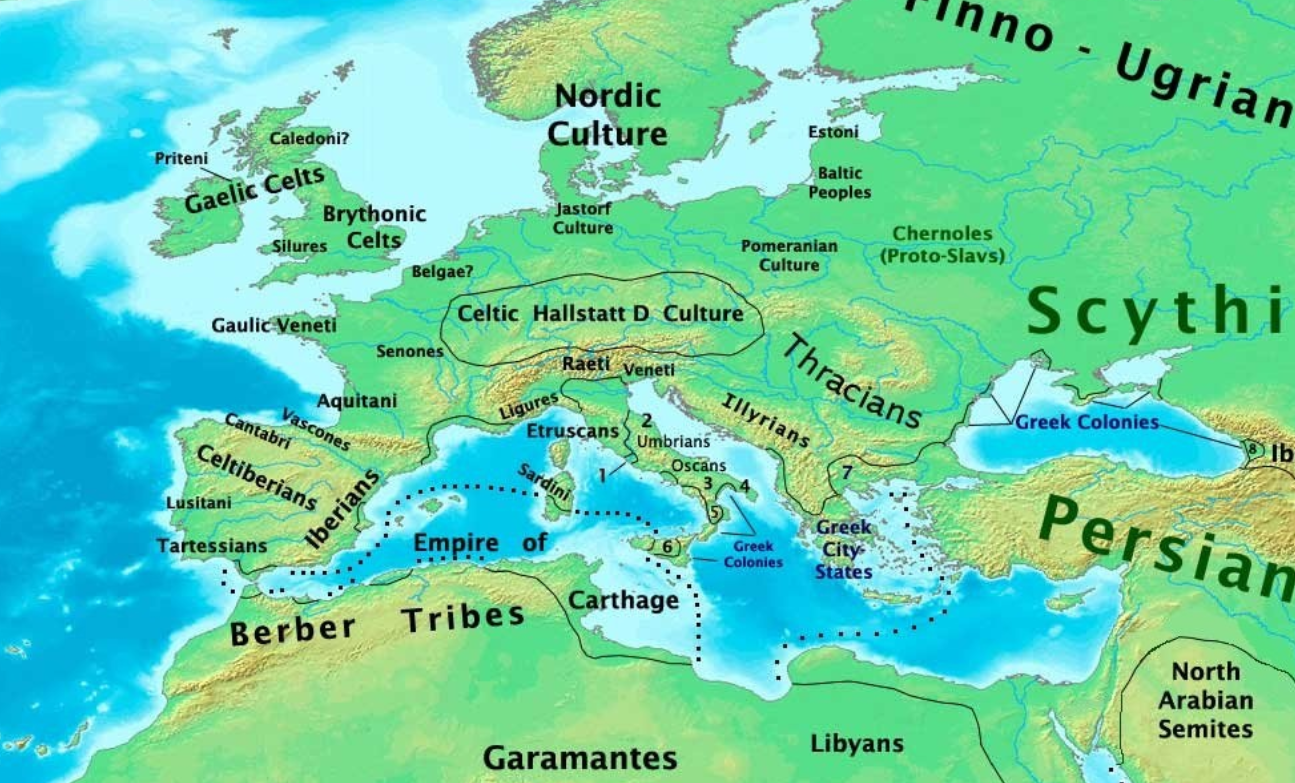
Peoples of the Greco-Roman Antiquity (500 BC – 500 AD)
| Lineage | 500 BC — Identity & Range | 500 AD — Outcome & Legacy |
|---|---|---|
| Greeks (Hellenes) | City-states across Greece, the Aegean, and western Anatolia. | Greek-speaking population of the Byzantine Empire; intellectual and administrative core of the East. |
| Romans (Italic lineage) | Latins of Latium forming the early Republic, absorbing Italic and Etruscan traditions. | Imperial super-identity of the Mediterranean; foundation of Latin Christendom and Romance cultures. |
| Iberians & Celtiberians | Indigenous peoples of the Iberian Peninsula; mixed Celtic and Mediterranean influences. | Romanized provincials (Hispano-Romans); evolve into the Visigothic-Latin societies of early Spain and Portugal. |
| Carthaginians (Western Phoenicians) | North-African maritime traders based at Carthage with colonies in Iberia and the western Mediterranean. | Destroyed and absorbed; region Latinized as Africa Proconsularis; Punic culture survives in Roman Africa. |
| Celts | Gauls, Britons, and Alpine tribes along Europe’s northern frontier. | Gallo-Romans and Romano-Britons; Celtic languages survive at the western fringes (Ireland, Wales, Brittany). |
| Illyrians & Thracians | Western and northern Balkans. | Latinized/Greekized provincials; major source of soldiers and administrators in late Rome and Byzantium. |
| Germanic Peoples | Rhine–Danube frontier confederations beyond Rome’s borders. | Settled federates turned rulers of post-Roman kingdoms (Visigoths, Ostrogoths, Vandals, Franks). |
| Northern & Eastern Frontier Peoples (Nordic, Baltic, Slavic, Steppe) | Scandinavia, Baltic coasts, and forest-steppe zones beyond Roman reach. | Distinct but emerging lineages—Scandinavians, Balts, early Slavs—poised to form the next wave of European and Eurasian powers. |
The Greco-Roman World by 500 AD