Western Thought
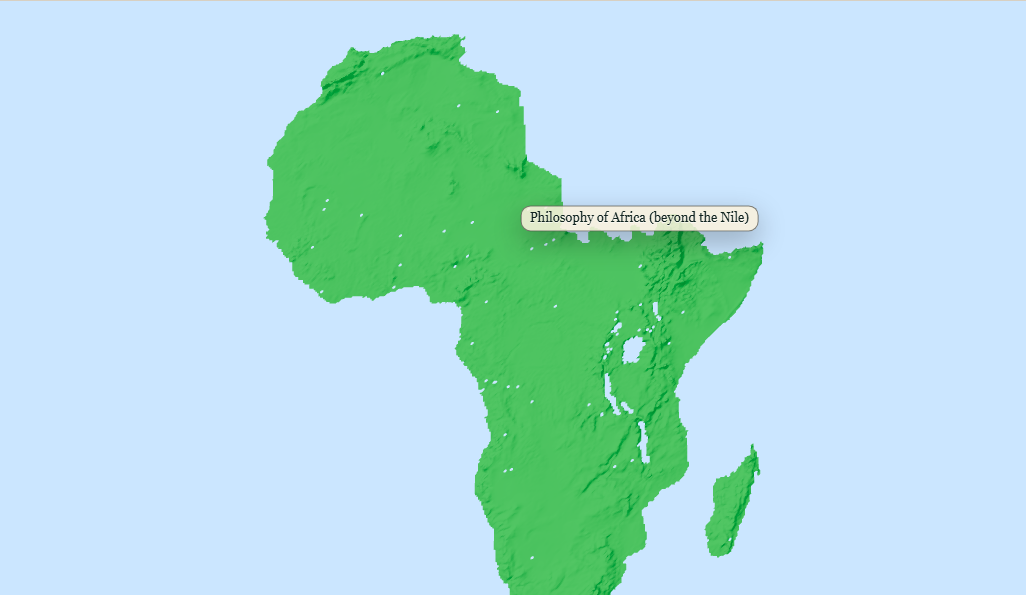
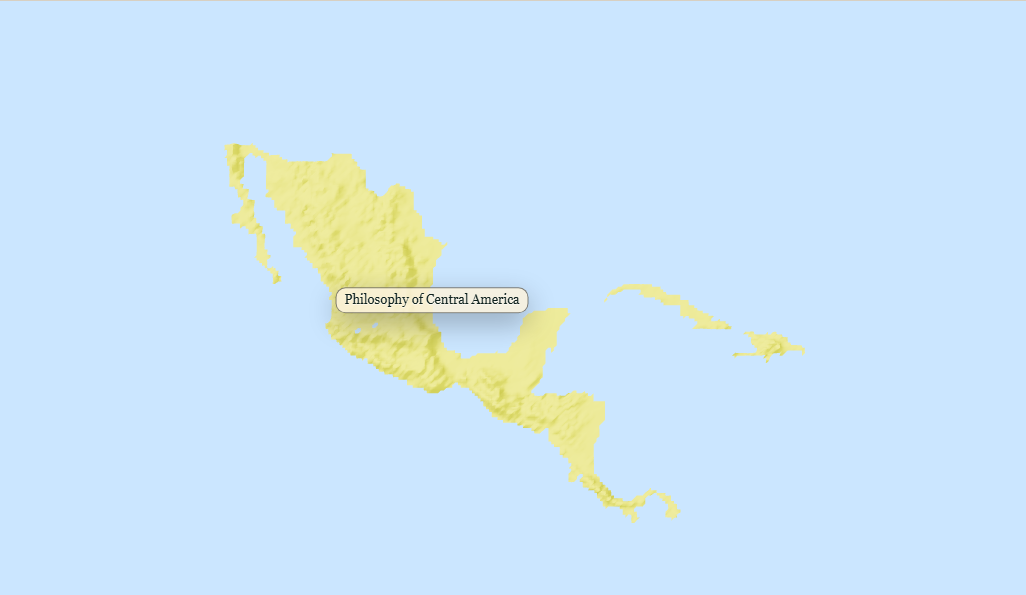
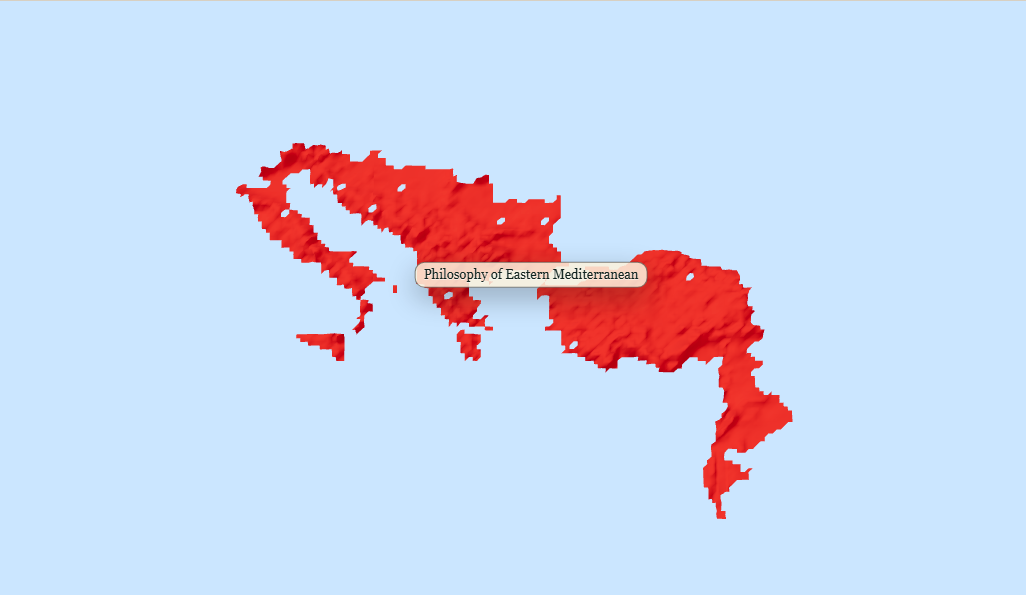
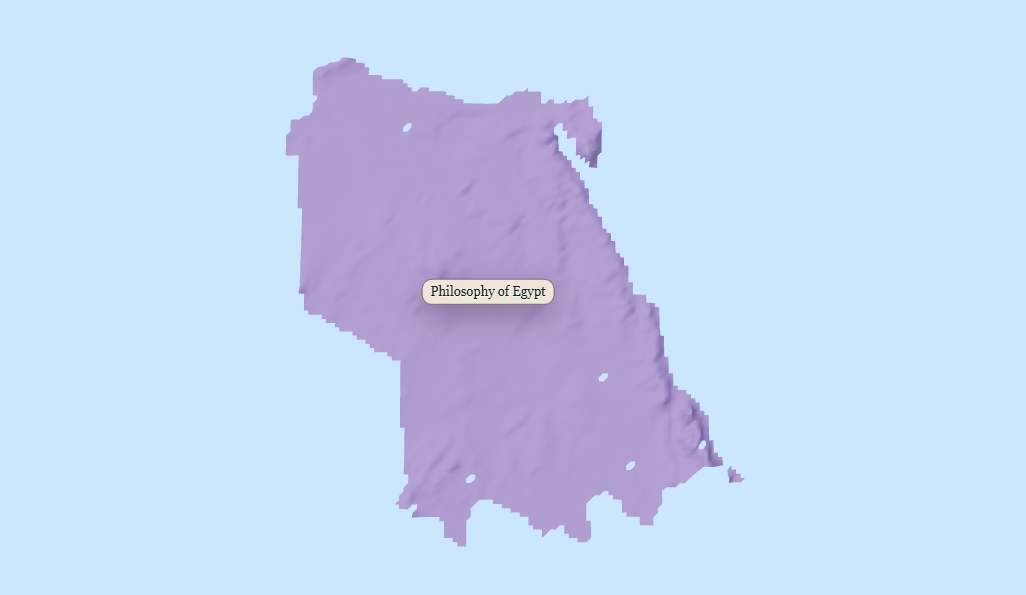
Philosophers of Western Thought
Showing 167 of 167 philosophers.
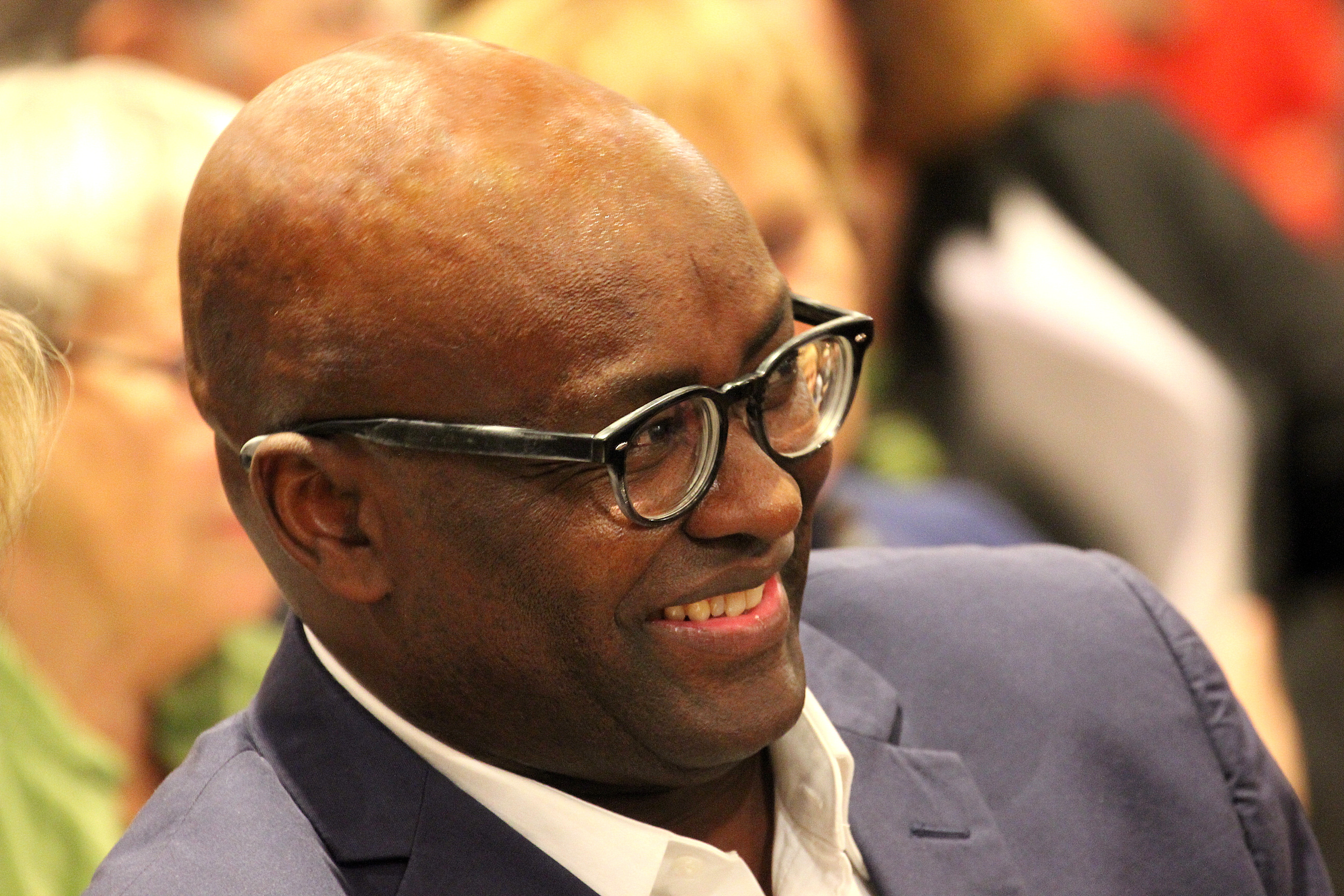
Achille Mbembe
1957 CE
Otele, near Yaounde
Cameroonian philosopher from Otélé (near Yaoundé) associated with metaphysics, epistemology, and ethics.
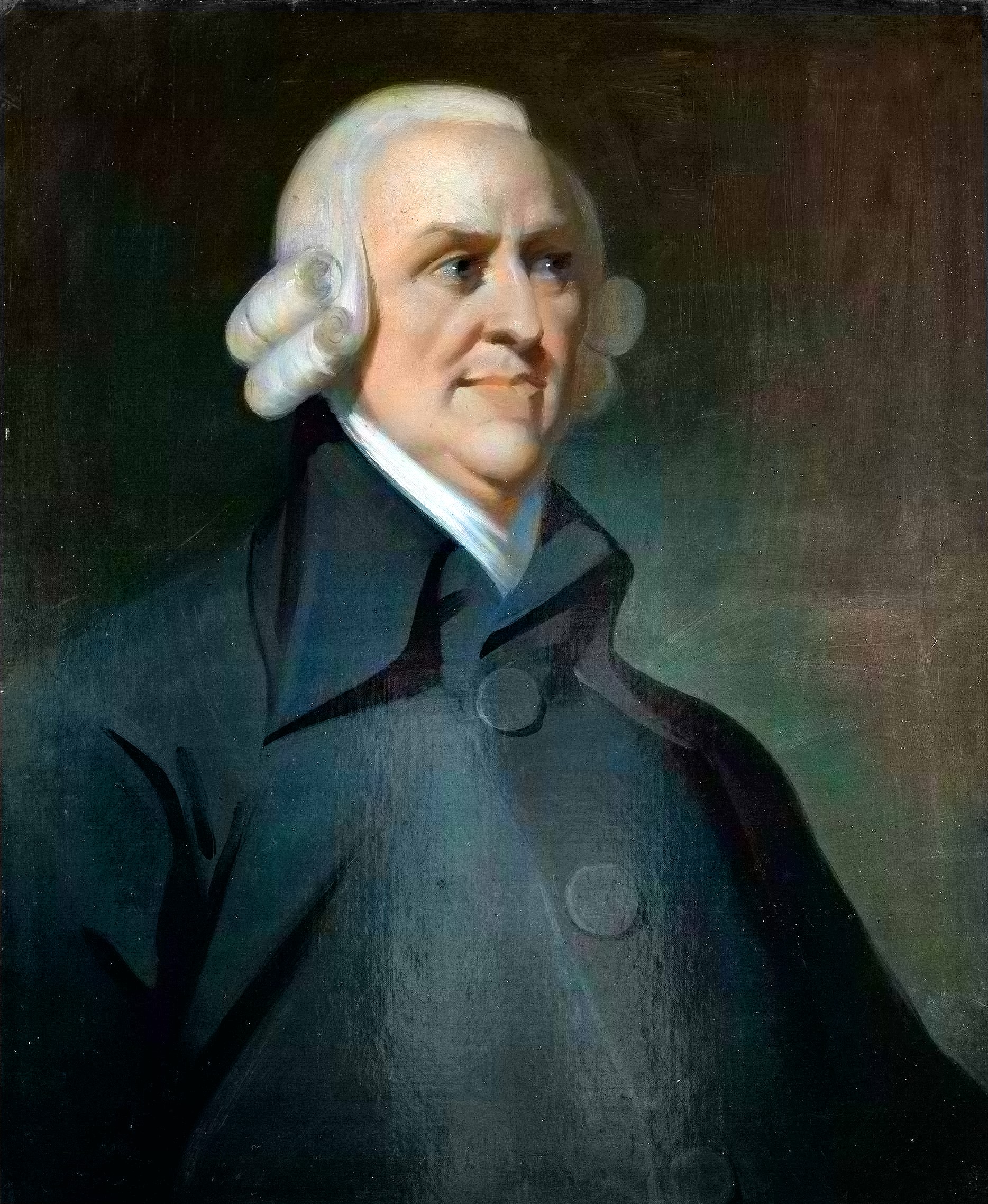
Adam Smith
1723 CE – 1790 CE
Kirkcaldy, Fife
Scottish philosopher from Kirkcaldy, Fife associated with epistemology, ethics, and political philosophy.
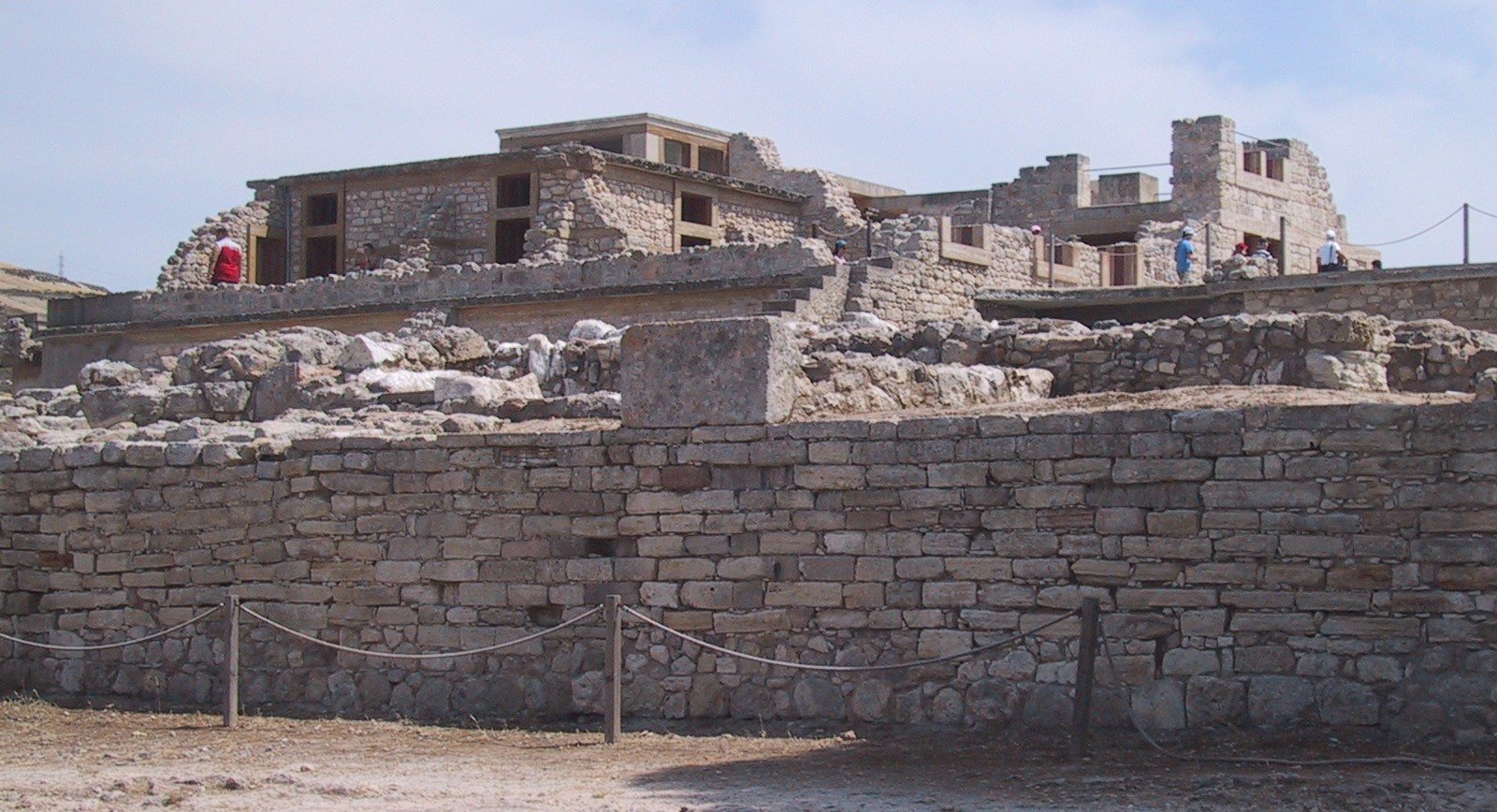
Aenesidemus of Knossos
100 BCE – 50 BCE
Knossos (Crete)
Greek (Crete) philosopher from Knossos (Crete) who revived Pyrrhonian skepticism through the Ten Modes, suspension of judgment, and anti-dogmatic critique.
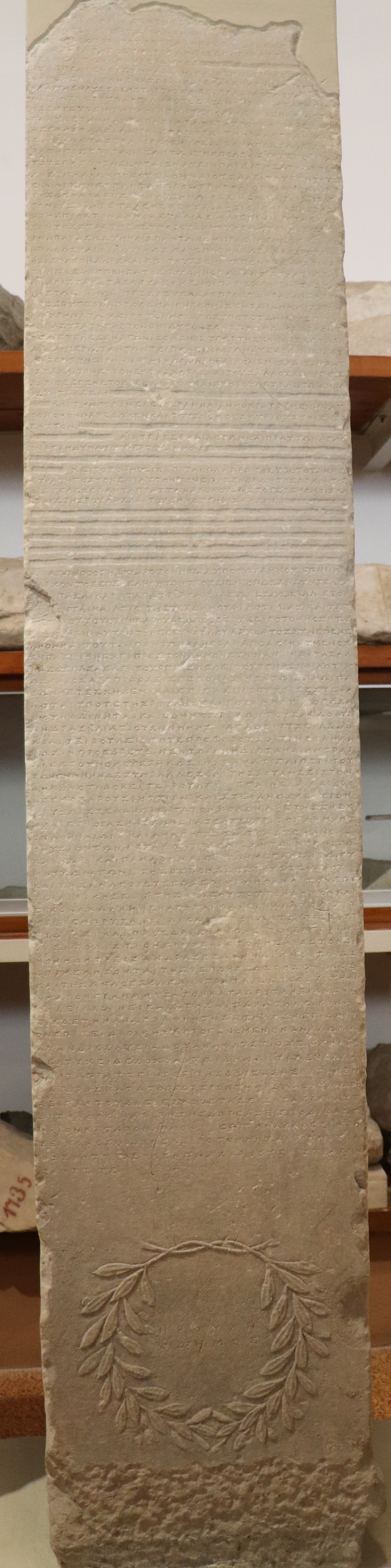
Aeschines of Sphettus
425 BCE – 350 BCE
Sphettus (Attica)
Athenian Socratic philosopher whose fragmentary dialogues preserve early non-Platonic Socratic arguments about self-knowledge, virtue, education, wealth, and civic excellence.
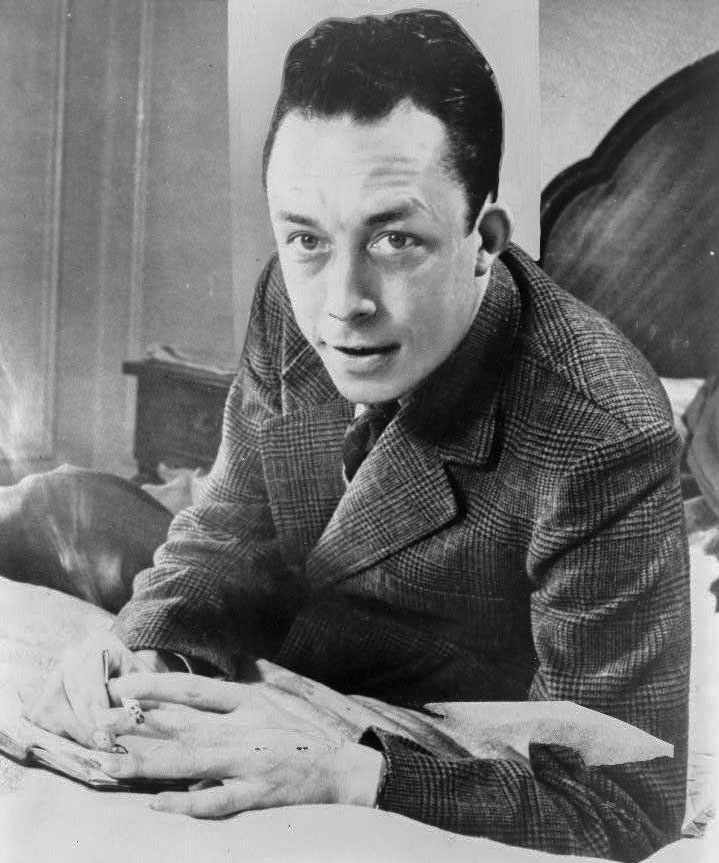
Albert Camus
1913 CE – 1960 CE
Mondovi (Dréan), Algeria
French-Algerian writer and philosopher of the absurd whose novels, essays, plays, and public interventions explored meaning, revolt, justice, solidarity, and life without transcendental consolation.
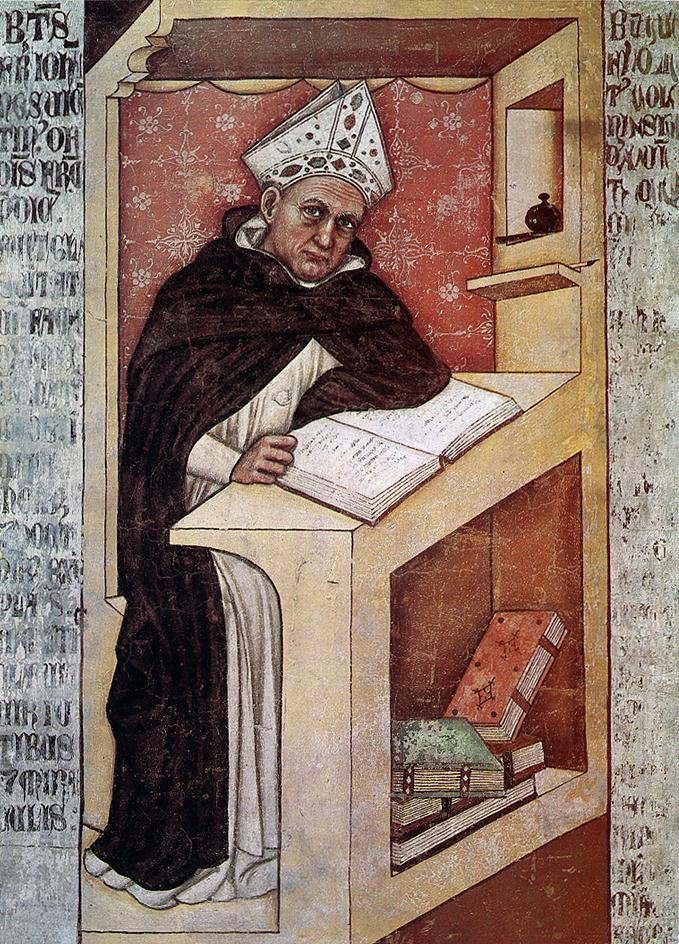
Albertus Magnus
1200 CE – 1280 CE
Lauingen (Swabia)
German Dominican philosopher and natural scientist whose Aristotelian commentaries, theology, logic, ethics, psychology, and natural philosophy shaped medieval scholastic thought.
Anaxagoras of Clazomenae
500 BCE – 428 BCE
Clazomenae (Ionia)
Ionian Greek natural philosopher from Clazomenae whose Nous cosmology, mixture theory, infinite divisibility, material astronomy, and Athenian reception shaped classical natural philosophy.
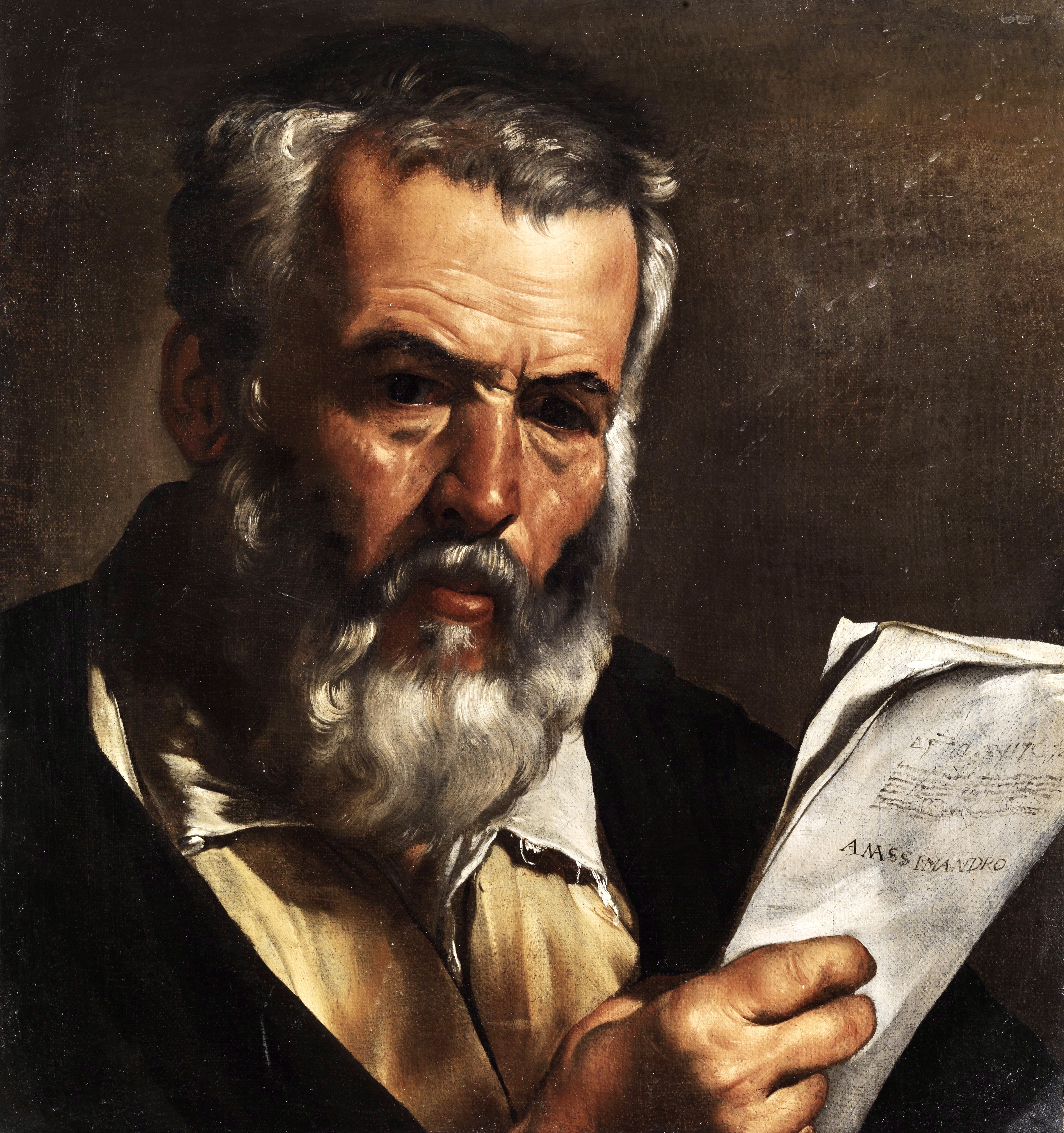
Anaximander of Miletus
610 BCE – 546 BCE
Miletus (Ionia)
Ionian Greek philosopher from Miletus whose apeiron, natural necessity, cosmology, map tradition, and early prose inquiry shaped Presocratic metaphysics and natural philosophy.
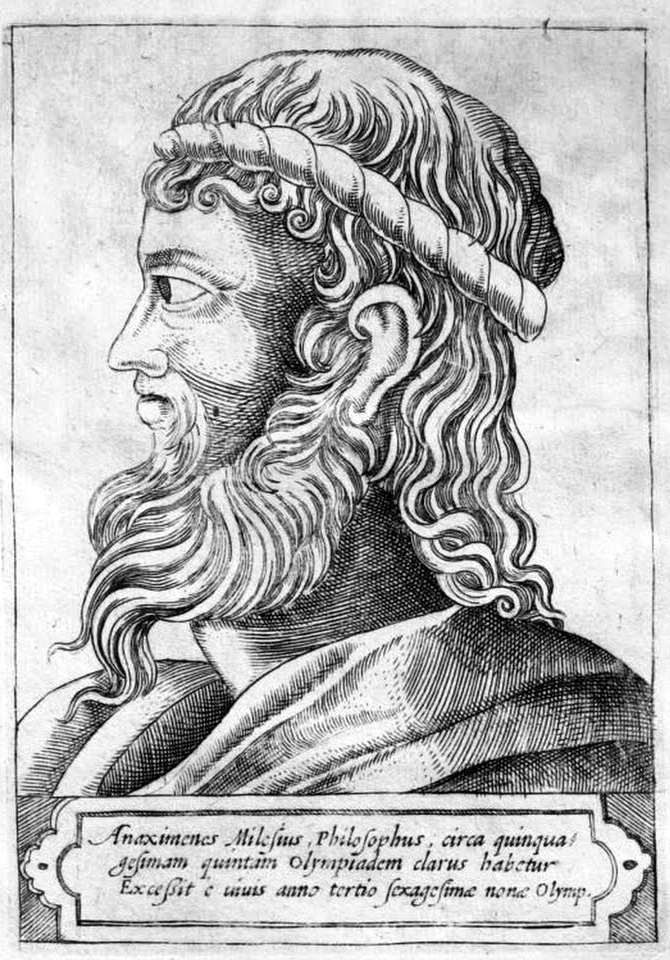
Anaximenes of Miletus
586 BCE – 526 BCE
Miletus (Ionia)
Ionian Greek philosopher from Miletus whose air-arche, rarefaction and condensation theory, soul-breath analogy, and natural explanations of change shaped Milesian and Presocratic philosophy.
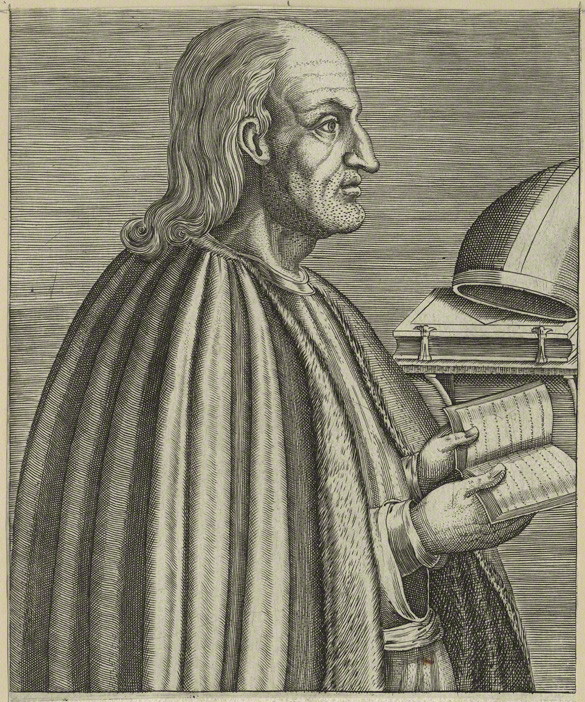
Anselm of Canterbury
1033 CE – 1109 CE
Aosta
Benedictine philosopher-theologian from Aosta whose faith-seeking-understanding method, ontological argument, account of truth, freedom, sin, atonement, and semantic analysis shaped medieval scholastic philosophy.
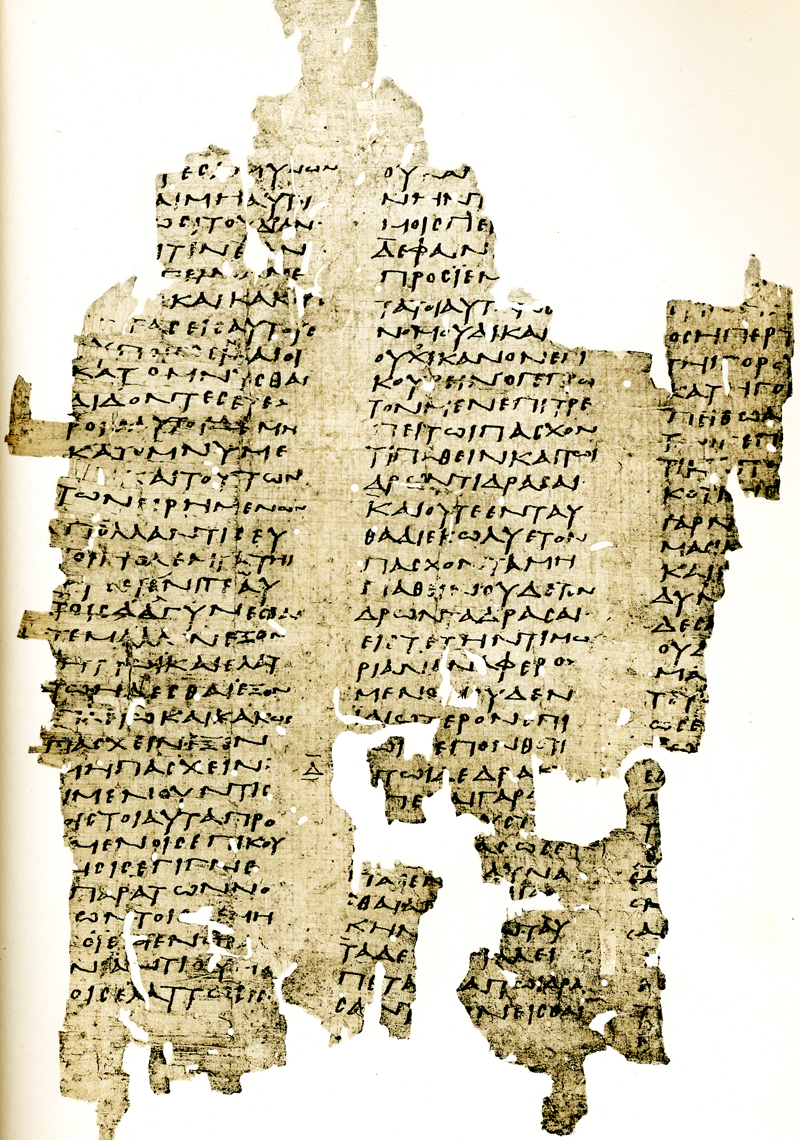
Antiphon of Athens
480 BCE – 411 BCE
Rhamnus, Attica
Athenian logographer and sophistic thinker from Rhamnus whose homicide speeches, Tetralogies, and fragments on truth and concord explored law, nature, justice, rhetoric, equality, and political order.

Antisthenes of Athens
445 BCE – 365 BCE
Athens (Attica)
Athenian Socratic philosopher associated with Cynosarges whose ascetic ethics, virtue-sufficiency thesis, critique of luxury and convention, attacks on Platonic Forms, and paradoxes of definition and predication shaped Cynicism, Stoicism, ancient logic, and philosophy of language.
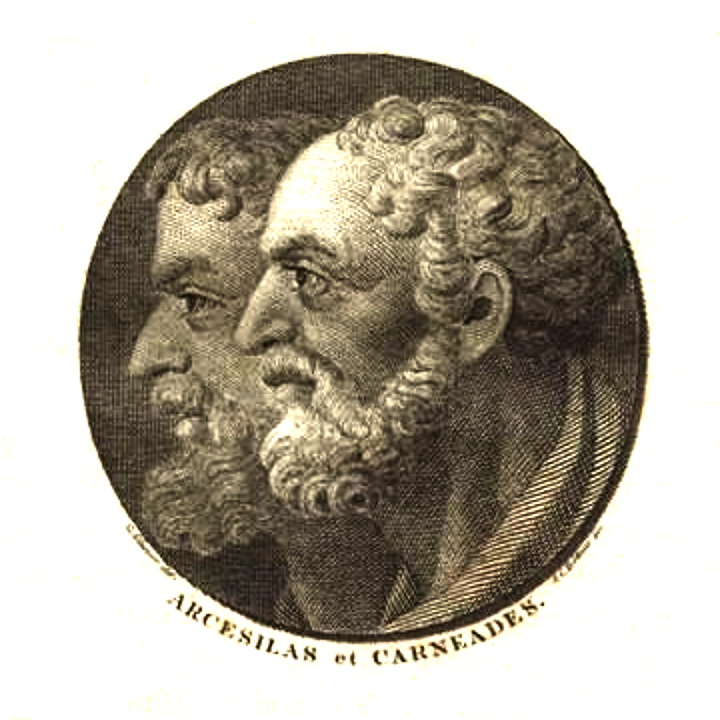
Arcesilaus of Pitane
315 BCE – 241 BCE
Pitane (Aeolis)
Greek Academic skeptic from Pitane who led Plato's Academy in Athens, attacked Stoic cognitive impressions, argued for suspension of assent, and framed practical action without dogmatic belief.
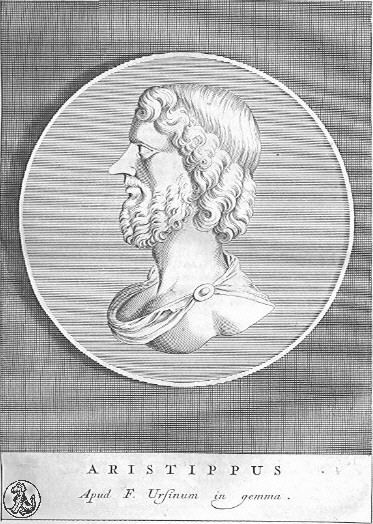
Aristippus of Cyrene
435 BCE – 356 BCE
Cyrene
Greek Socratic philosopher from Cyrene who founded the Cyrenaic school, made present pleasure central to ethics, emphasized immediate experience, and shaped ancient debates over hedonism and practical freedom.
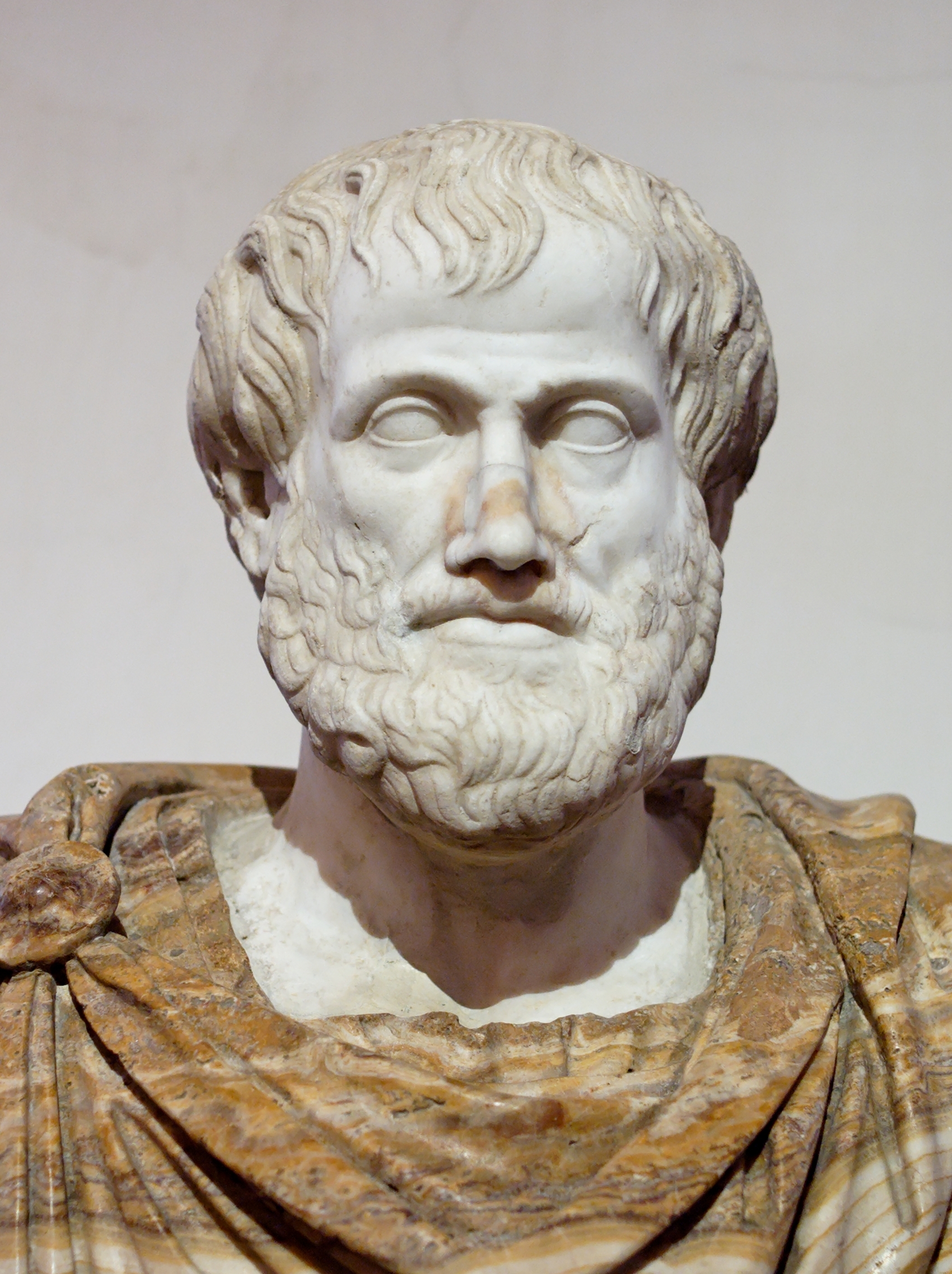
Aristotle
384 BCE – 322 BCE
Stagira, Chalcidice
Greek philosopher from Stagira, student of Plato, tutor of Alexander, and founder of the Lyceum whose logic, metaphysics, psychology, ethics, politics, rhetoric, poetics, biology, and philosophy of science shaped later philosophy.
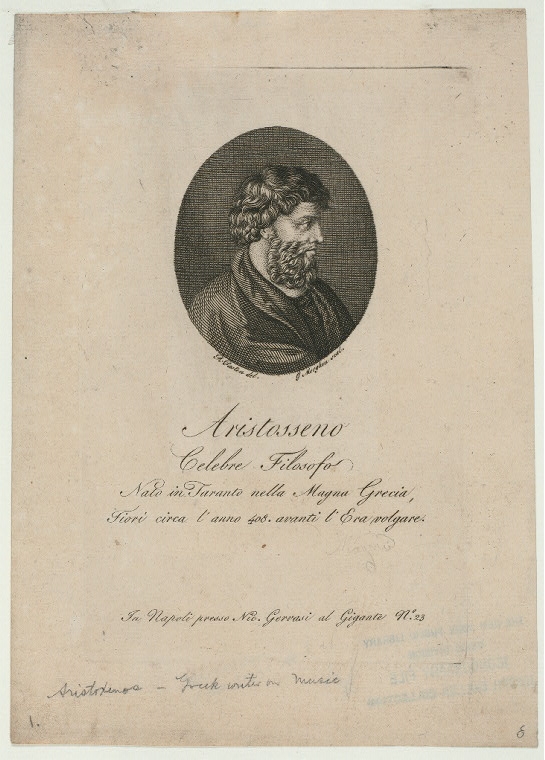
Aristoxenus of Tarentum
375 BCE – 300 BCE
Tarentum (Taras, Magna Graecia)
Greek Peripatetic philosopher and music theorist from Tarentum whose harmonics, rhythmics, perception theory, and Pythagorean ethical traditions shaped ancient aesthetics and philosophy of science.
Arne Næss
1912 CE – 2009 CE
Slemdal (Oslo)
Norwegian philosopher, mountaineer, and founder of deep ecology whose empirical semantics, argumentation theory, Ecosophy T, and ecological self-realization reshaped environmental ethics and political ecology.
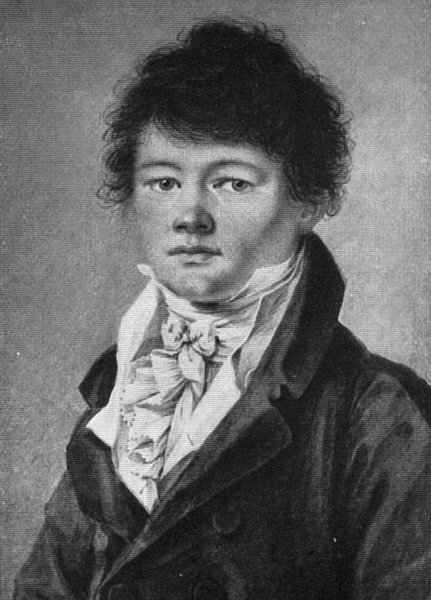
Arthur Schopenhauer
1788 CE – 1860 CE
Danzig (now Gdansk)
German philosopher from Danzig whose account of representation, blind will, pessimistic metaphysics, compassion ethics, aesthetics, and music reshaped nineteenth-century and modern philosophy.
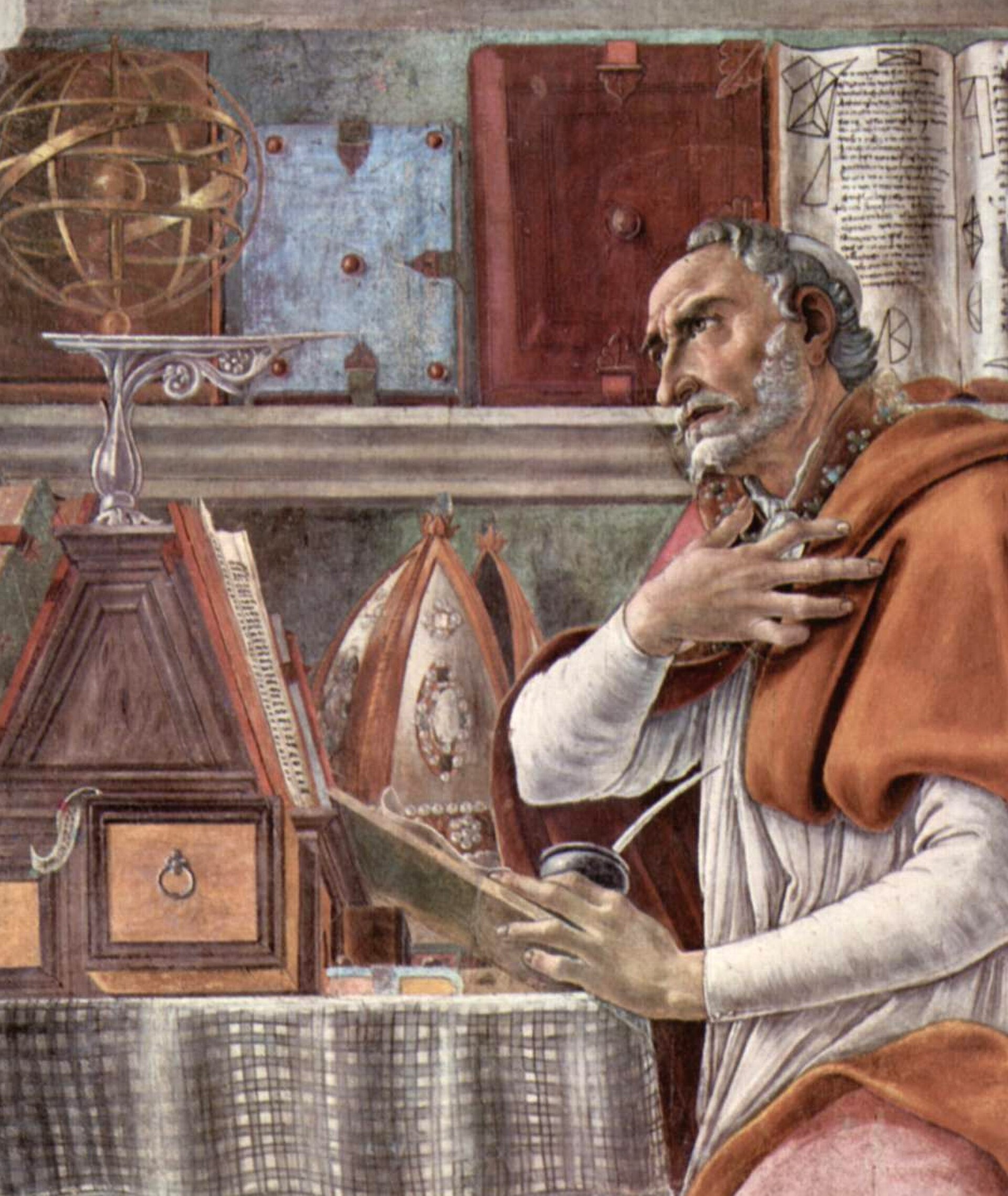
Augustine of Hippo
354 CE – 430 CE
Tagaste, Numidia
North African Latin Christian philosopher and bishop from Tagaste and Hippo whose accounts of memory, time, will, grace, evil, signs, love, political order, and the Trinity reshaped late antique, medieval, Christian, and modern philosophy.
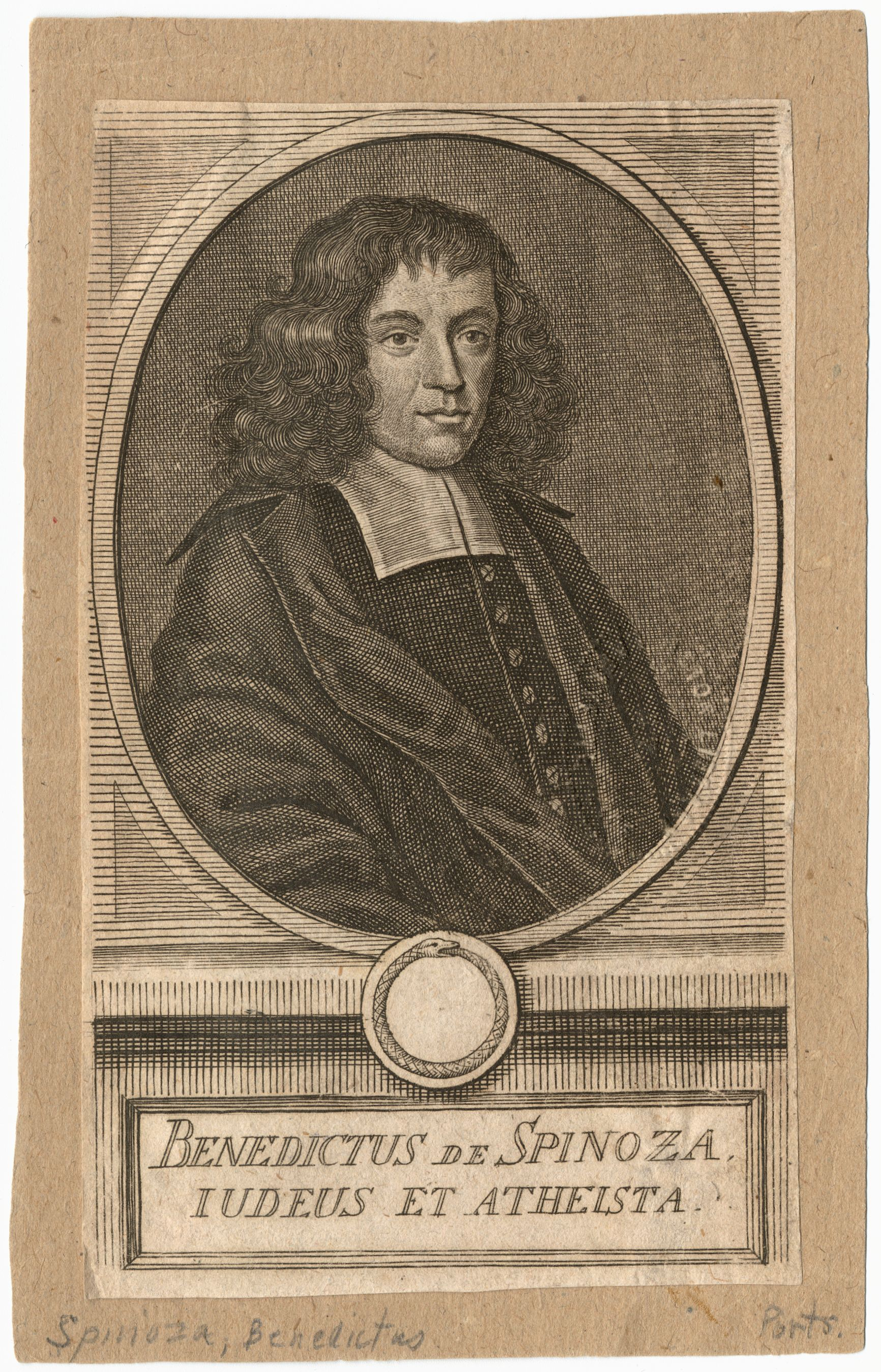
Baruch Spinoza
1632 CE – 1677 CE
Amsterdam
Dutch-Jewish rationalist philosopher from Amsterdam whose substance monism, God-or-Nature metaphysics, geometric method, theory of adequate ideas, mind-body parallelism, ethics of freedom through understanding, biblical criticism, and democratic political thought reshaped early modern philosophy.
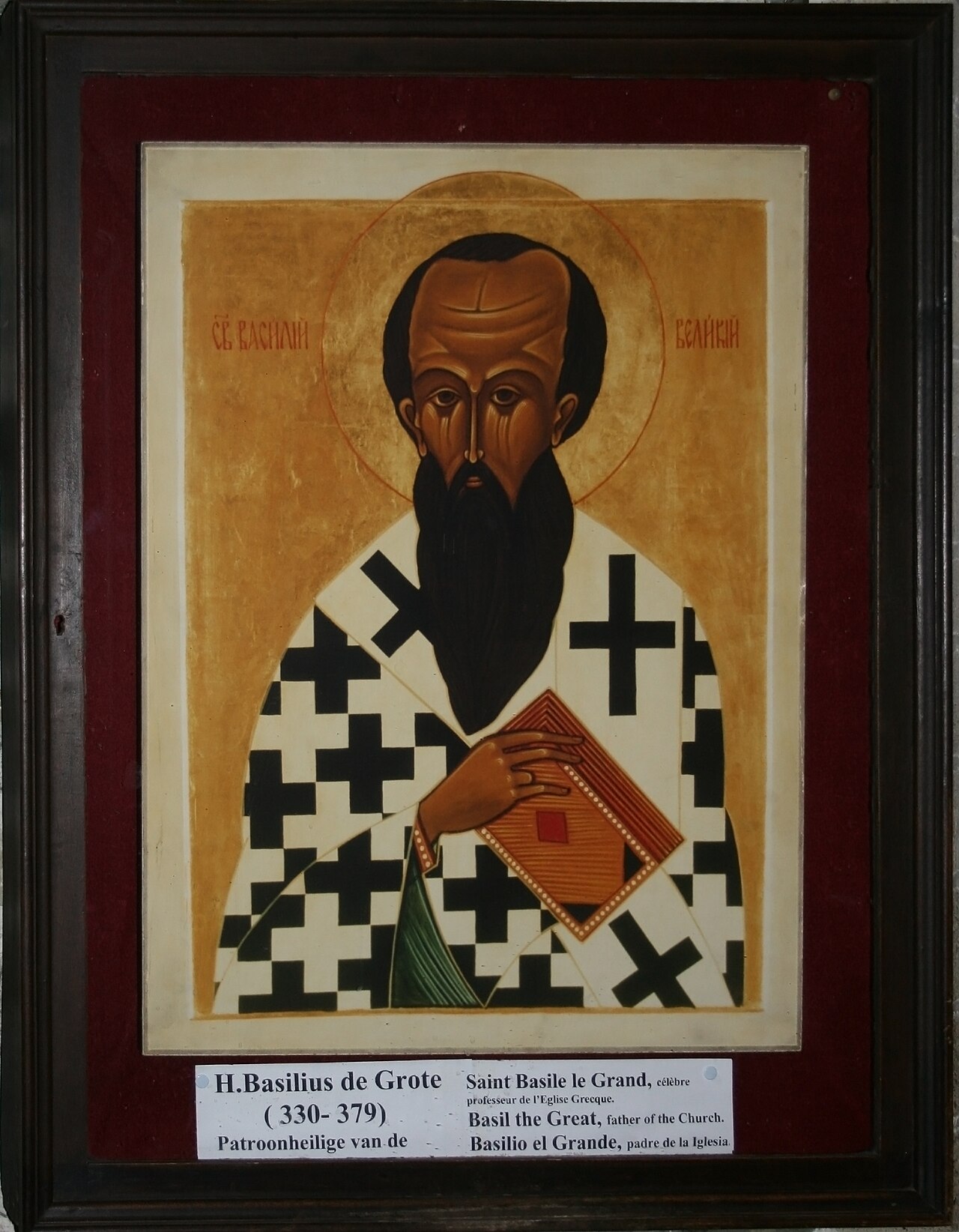
Basil the Great
330 CE – 379 CE
Caesarea, Cappadocia
Cappadocian Greek Christian bishop and theologian from Caesarea whose Trinitarian theology, account of the Holy Spirit, anti-Eunomian metaphysics, ascetic ethics, social teaching, biblical exegesis, and classical-learning pedagogy shaped Nicene Christianity, monastic practice, Byzantine thought, and philosophy of religion.
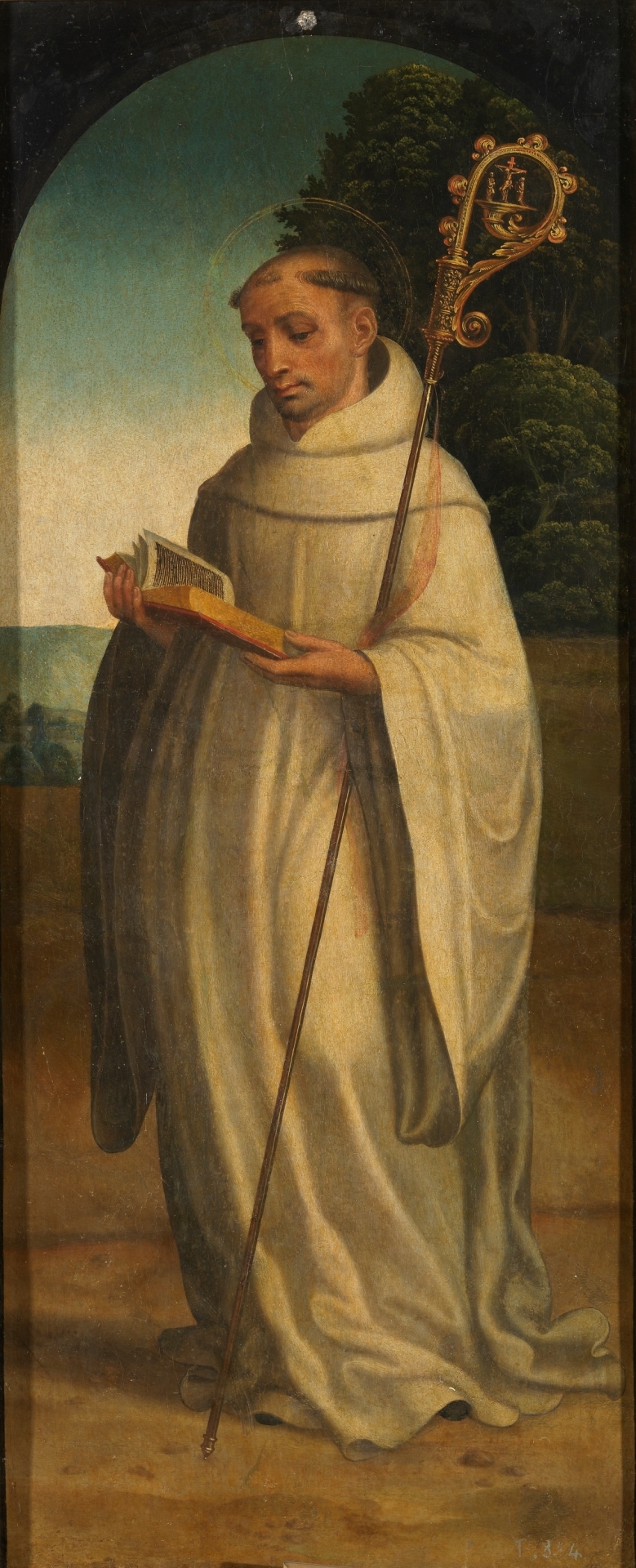
Bernard of Clairvaux
1090 CE – 1153 CE
Fontaine-lès-Dijon
Cistercian monk, abbot of Clairvaux, and medieval Christian philosopher-theologian whose theology of love, humility, grace, free choice, mystical ascent, monastic ethics, scriptural exegesis, and ecclesial counsel shaped scholastic, monastic, and political theology.
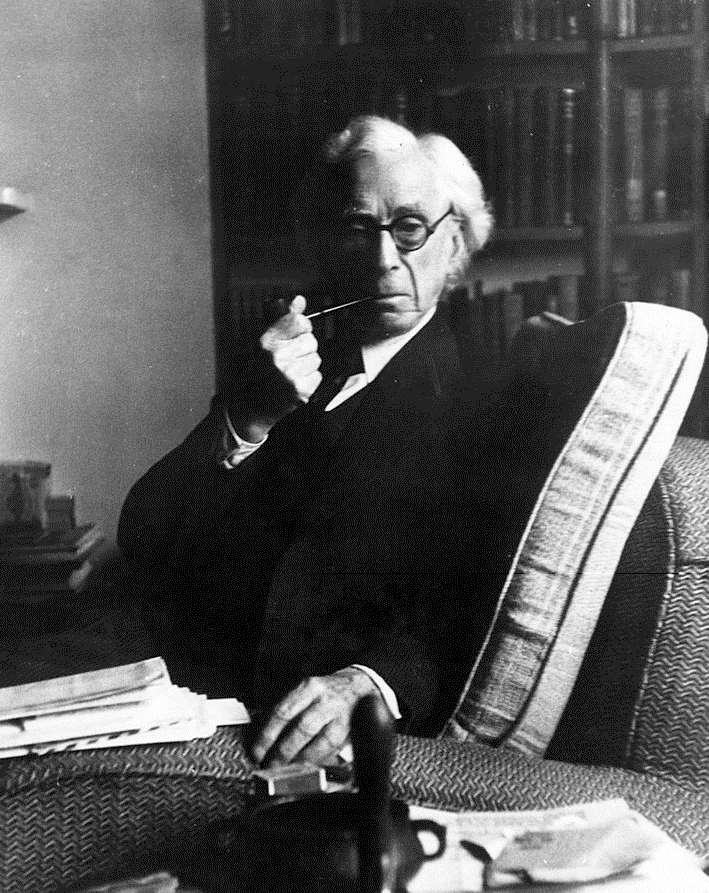
Bertrand Russell
1872 CE – 1970 CE
Trellech, Monmouthshire
British analytic philosopher, logician, mathematician, social critic, and Nobel laureate from Trellech whose logicism, theory of descriptions, logical atomism, epistemology, philosophy of language, ethics, pacifism, secular critique, and political writing shaped analytic philosophy and twentieth-century public reason.
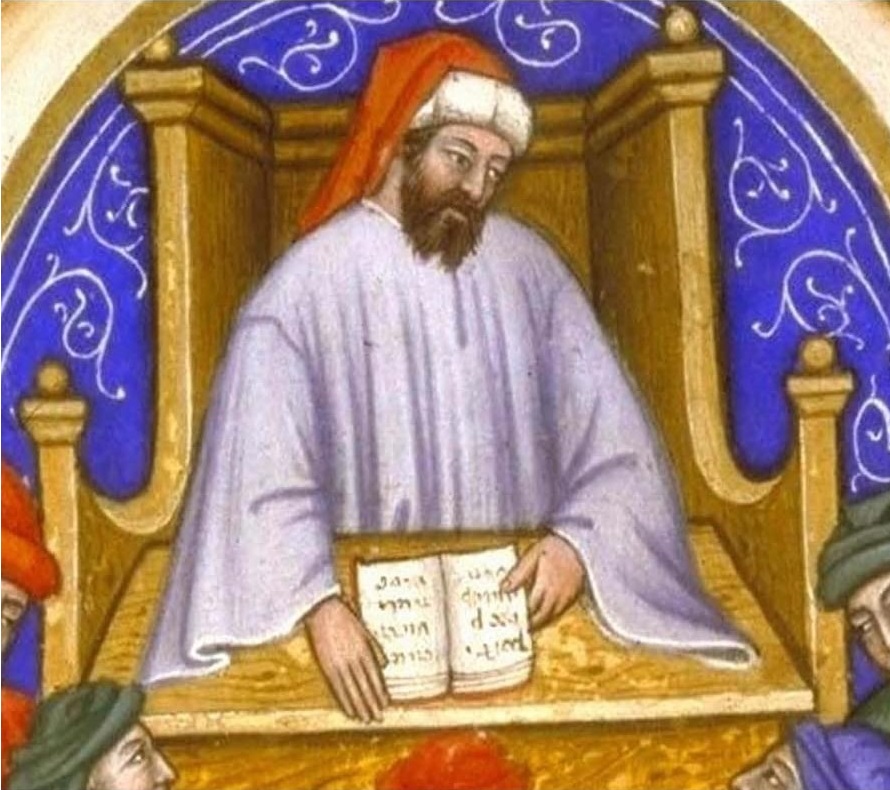
Boethius
480 CE – 524 CE
Rome
late antique Roman philosopher, statesman, translator, and Christian theologian from Rome whose logical translations and commentaries, theory of universals, account of providence, eternity, free will, participation, and philosophical consolation transmitted Greek philosophy to the medieval Latin West.
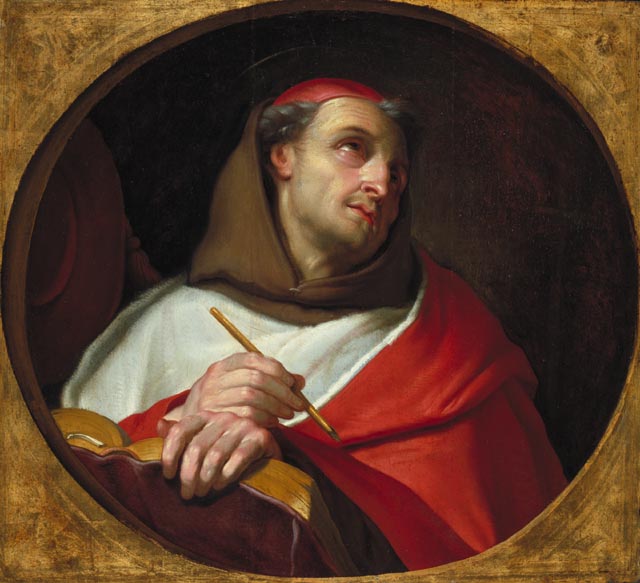
Bonaventure
1217 CE – 1274 CE
Bagnoregio
Franciscan philosopher-theologian from Bagnoregio, minister general and cardinal bishop, whose exemplarist metaphysics, divine illumination epistemology, theology of creation, soul's ascent to God, account of the arts, Franciscan poverty, Trinitarian thought, and mystical theology shaped medieval scholastic and Franciscan philosophy.
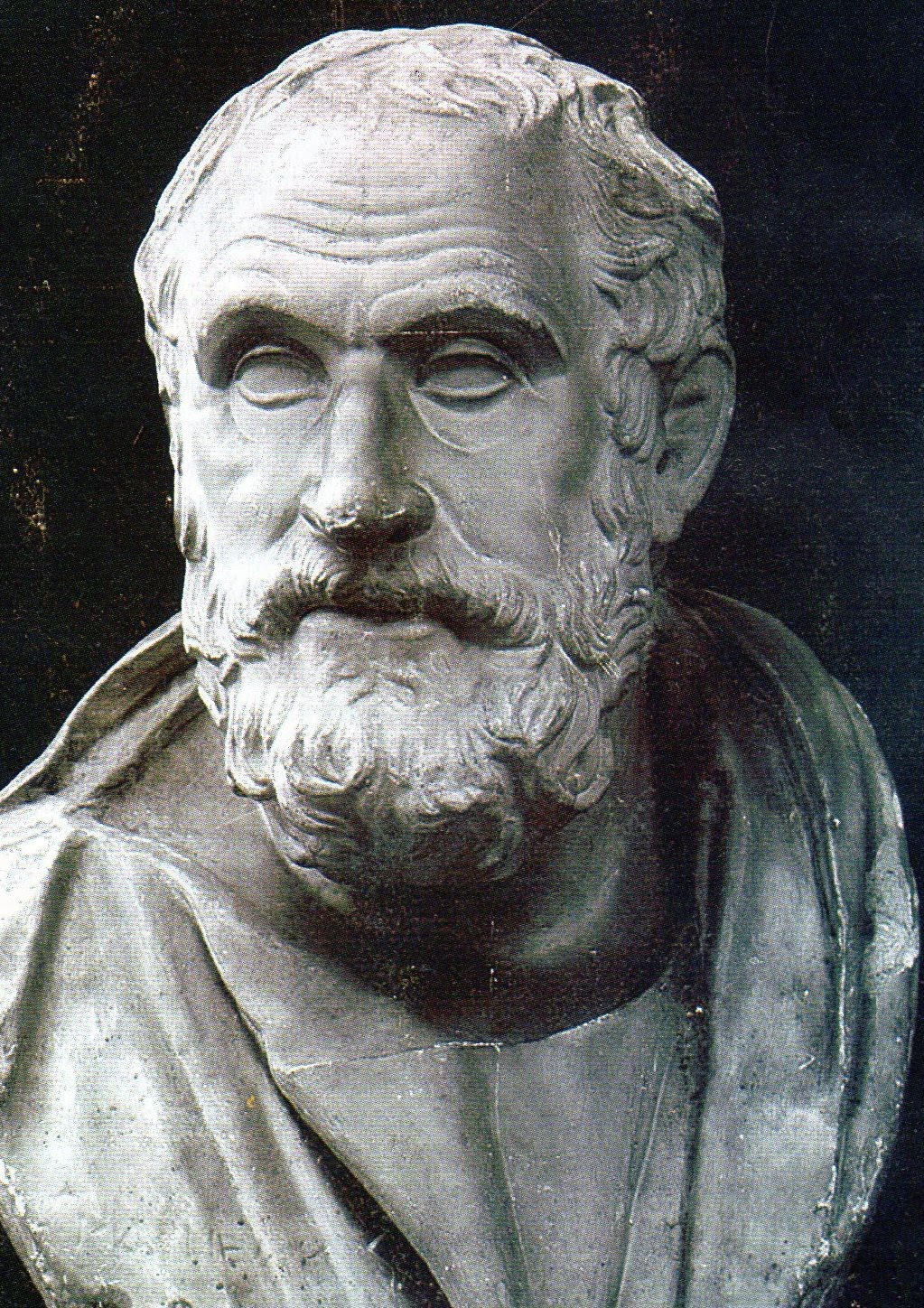
Carneades of Cyrene
214 BCE – 129 BCE
Cyrene (Cyrenaica)
Cyrenaic Greek Academic skeptic who led the New Academy, challenged Stoic certainty, developed the pithanon as practical guidance, argued on both sides of disputed questions, and made suspension of assent central to Hellenistic epistemology.
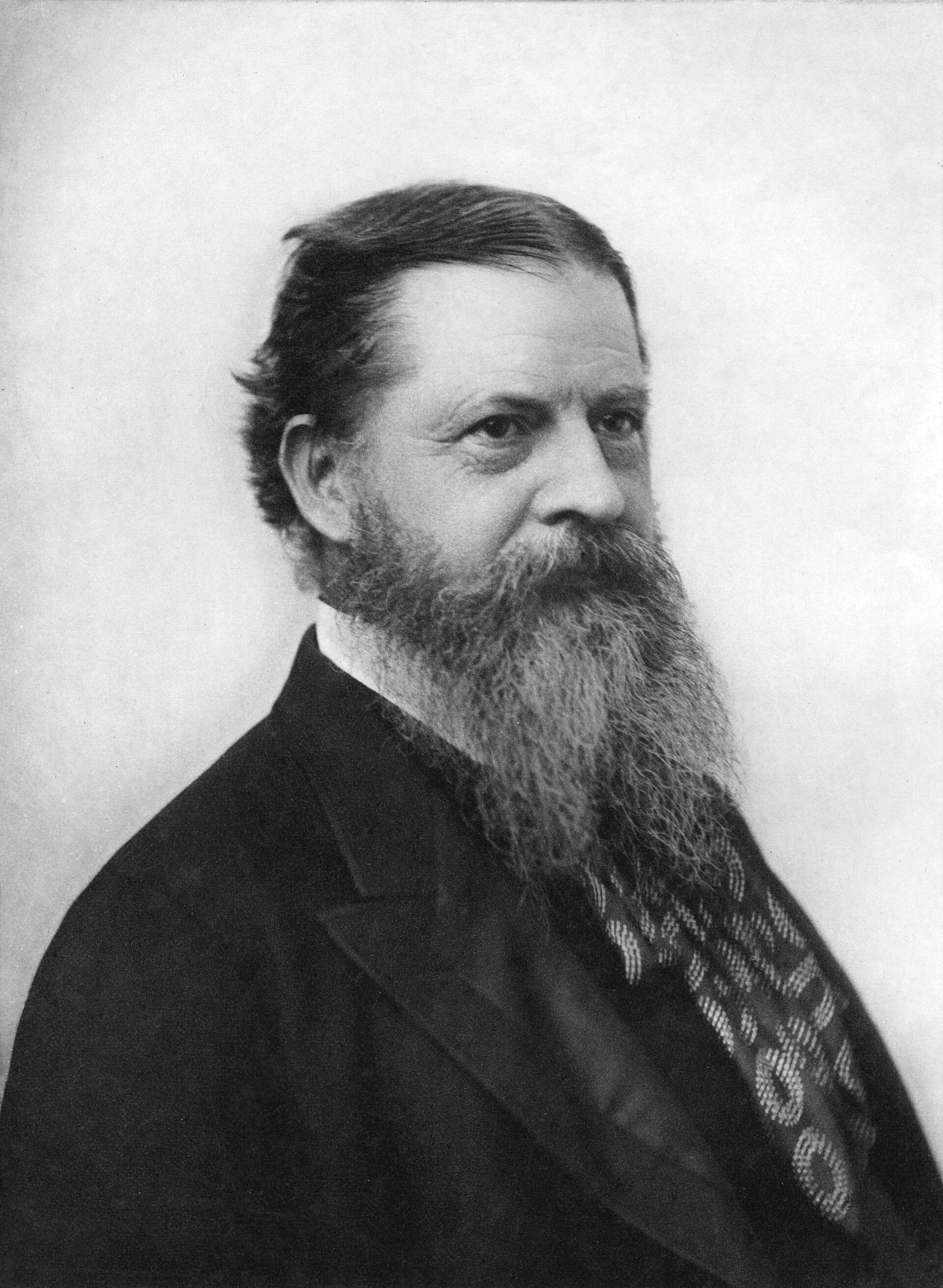
Charles Sanders Peirce
1839 CE – 1914 CE
Cambridge, Massachusetts
American logician, scientist, and founder of pragmaticism whose work joined the pragmatic maxim, semiotic theory, fallibilism, abduction, probability, categories, scientific method, and evolutionary metaphysics.
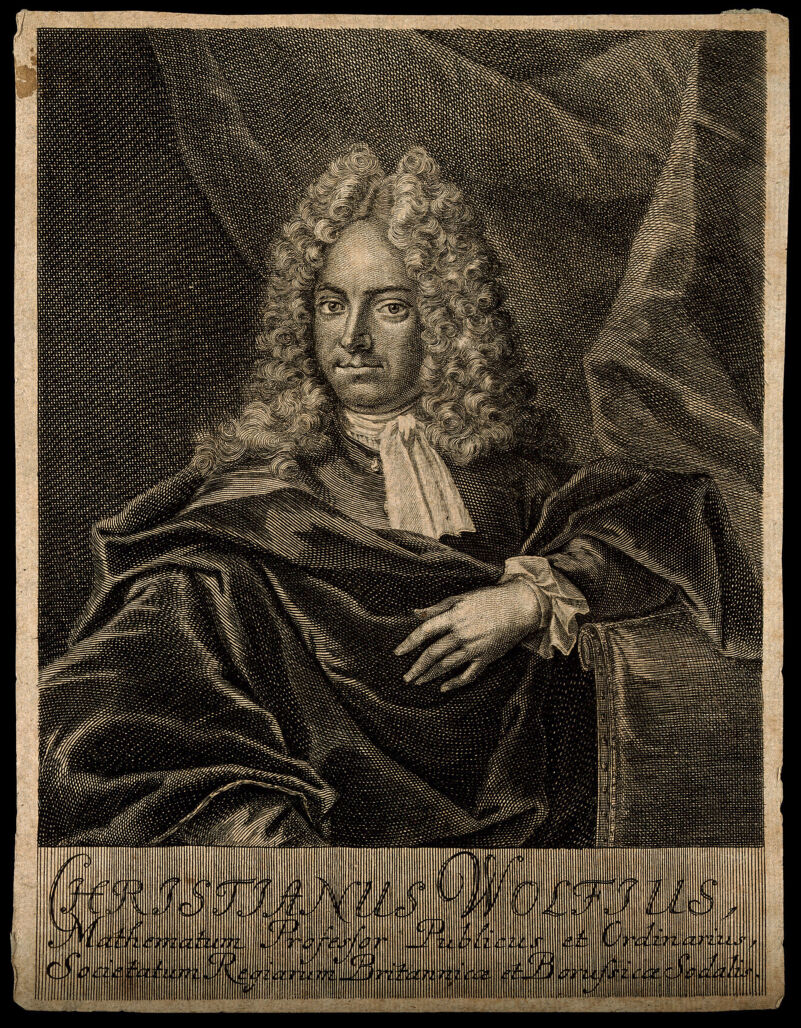
Christian Wolff
1679 CE – 1754 CE
Breslau, Silesia (now Wrocław, Poland)
German Enlightenment rationalist whose systematic textbooks in logic, ontology, psychology, natural theology, ethics, natural law, aesthetics, and philosophy of science made Wolffian method the main bridge between Leibniz and Kant.
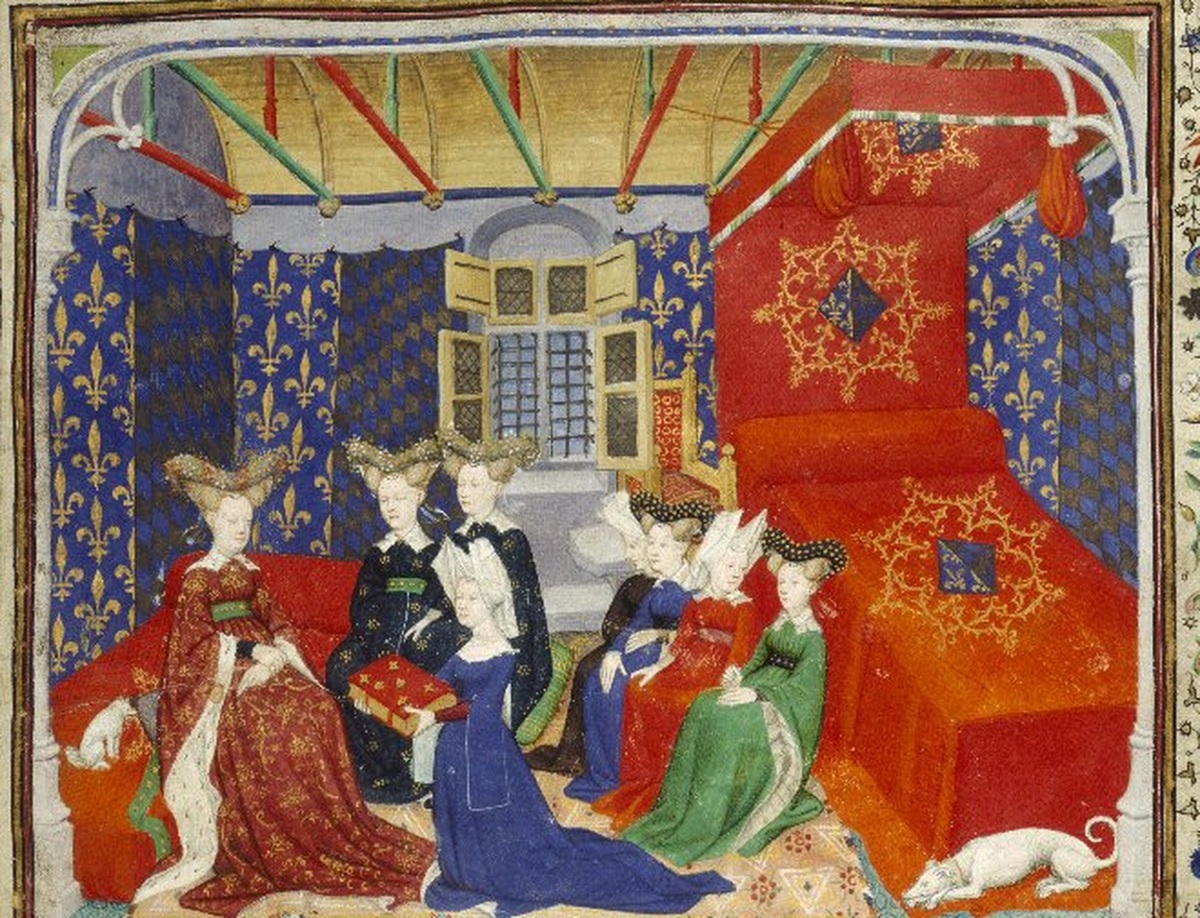
Christine de Pizan
1364 CE – 1430 CE
Venice, Republic of Venice
Late medieval writer and political thinker whose defenses of women, education, virtue, wise rule, and responsible speech made manuscript authorship, courtly debate, and civic ethics central to early Renaissance philosophy.
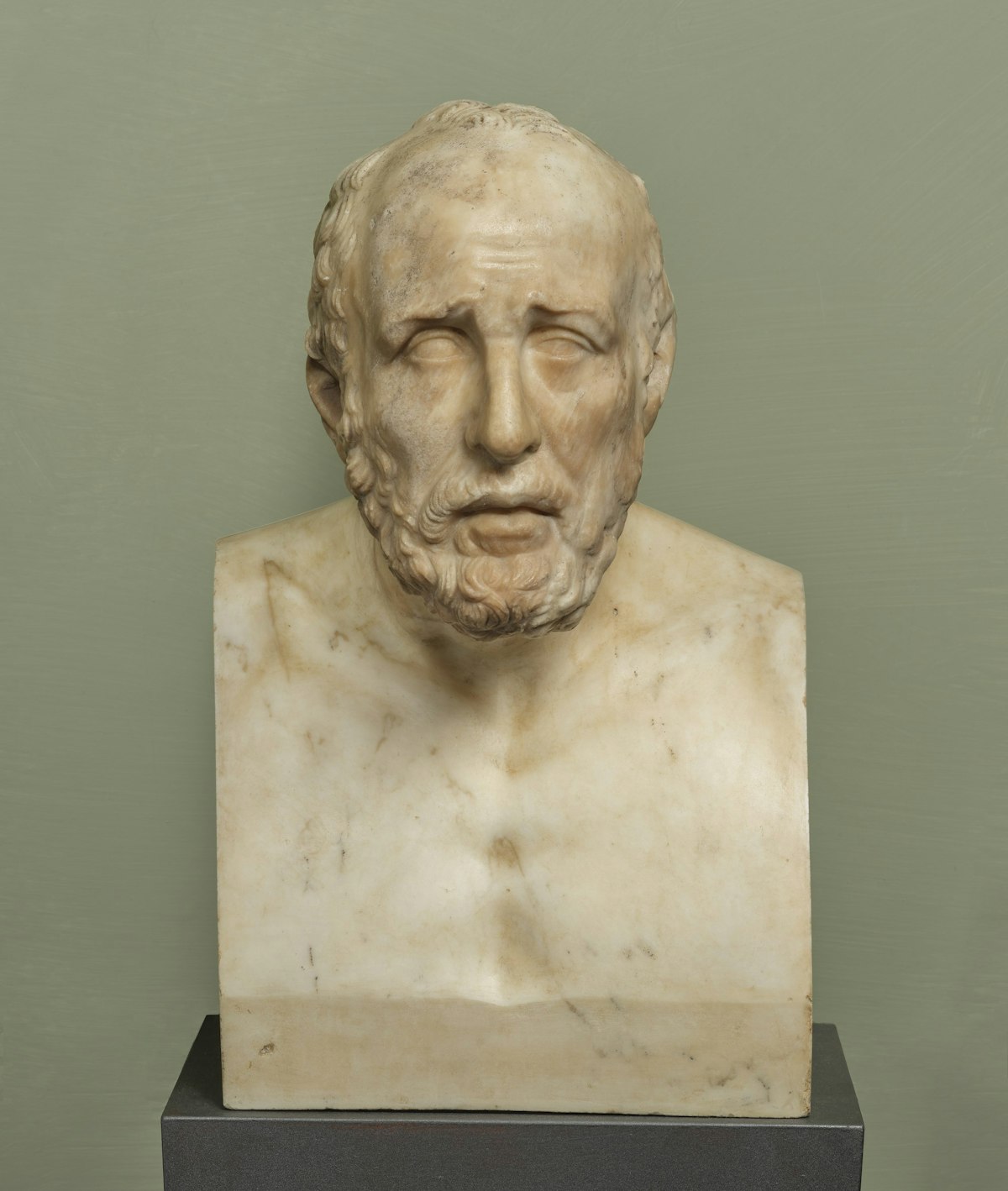
Chrysippus of Soli
279 BCE – 206 BCE
Soli, Cilicia
Stoic philosopher from Soli whose lost system of logic, physics, ethics, fate, providence, language, and knowledge made him the main architect of early Stoicism after Zeno and Cleanthes.
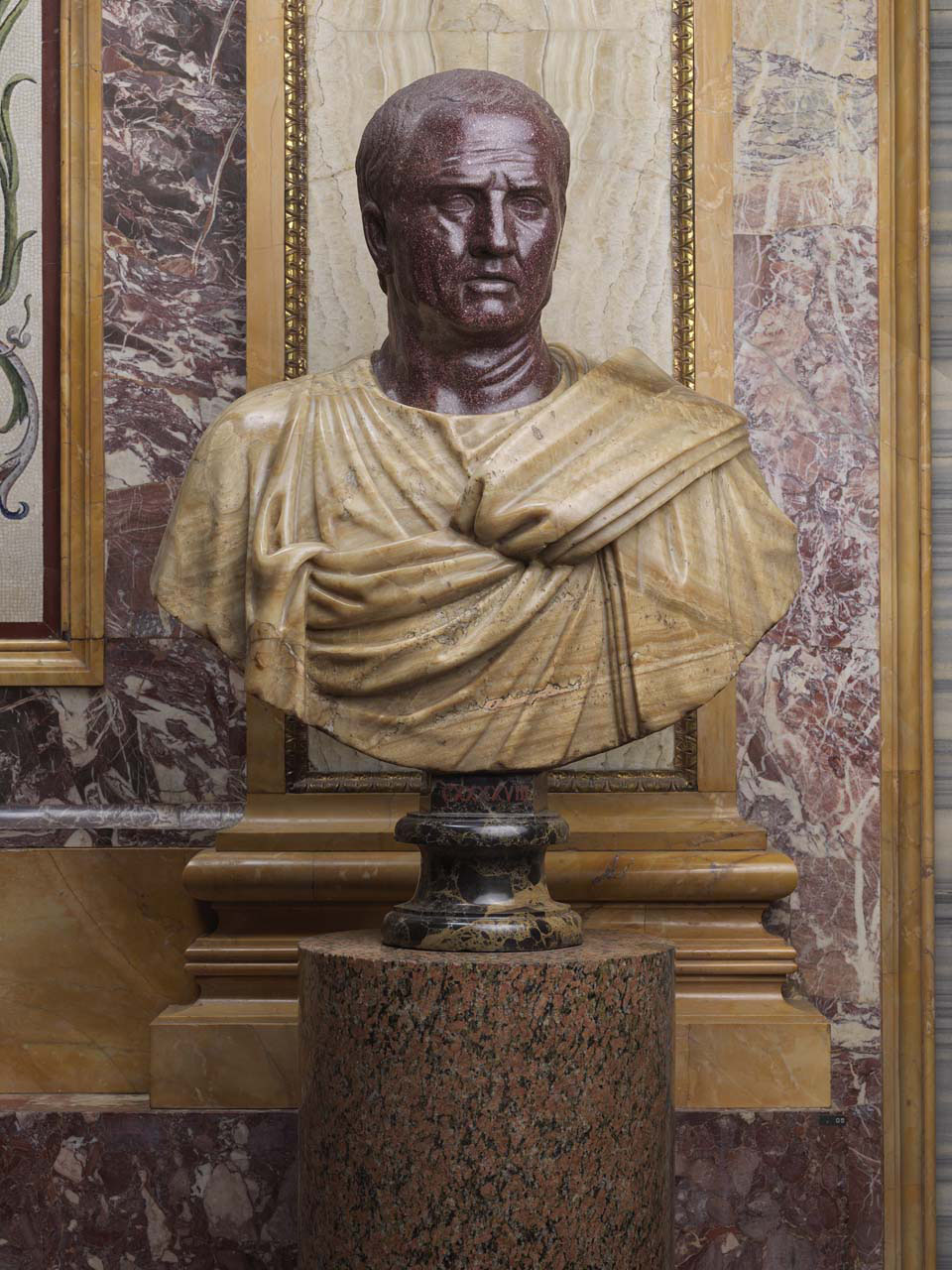
Cicero (Marcus Tullius Cicero)
106 BCE – 43 BCE
Arpinum, Roman Republic
Roman statesman, orator, lawyer, and philosopher who turned Greek ethics, skepticism, theology, rhetoric, and republican political thought into enduring Latin civic philosophy.
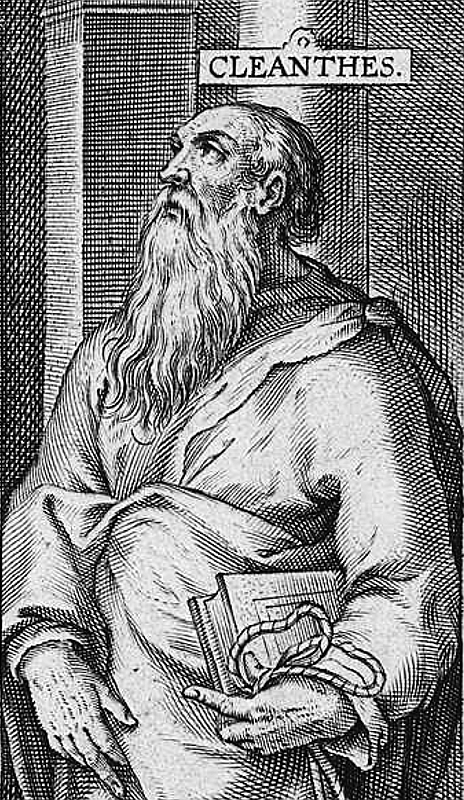
Cleanthes of Assos
331 BCE – 232 BCE
Assos in the Troad
Early Stoic head from Assos whose Hymn to Zeus, lost title catalogue, and teaching on providence, duty, impulse, logic, beauty, and living according to nature carried Zeno school into Chrysippus generation.
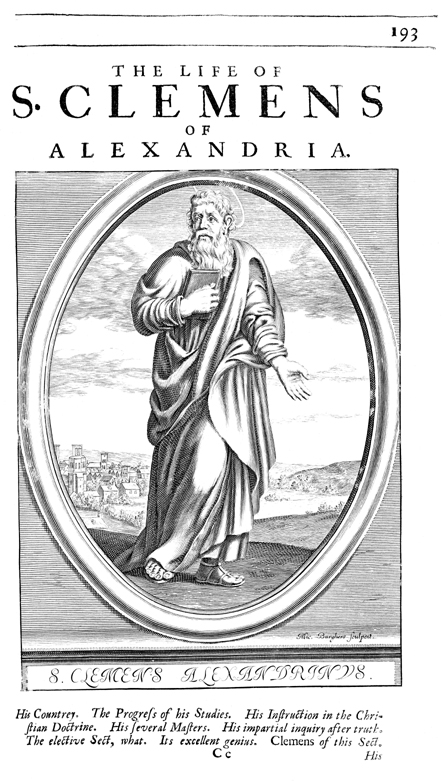
Clement of Alexandria
150 CE – 215 CE
probably Athens
Greek Christian philosopher and Alexandrian teacher who joined Platonist learning, biblical interpretation, moral formation, and Christian gnosis into an early account of faith perfected by reason.
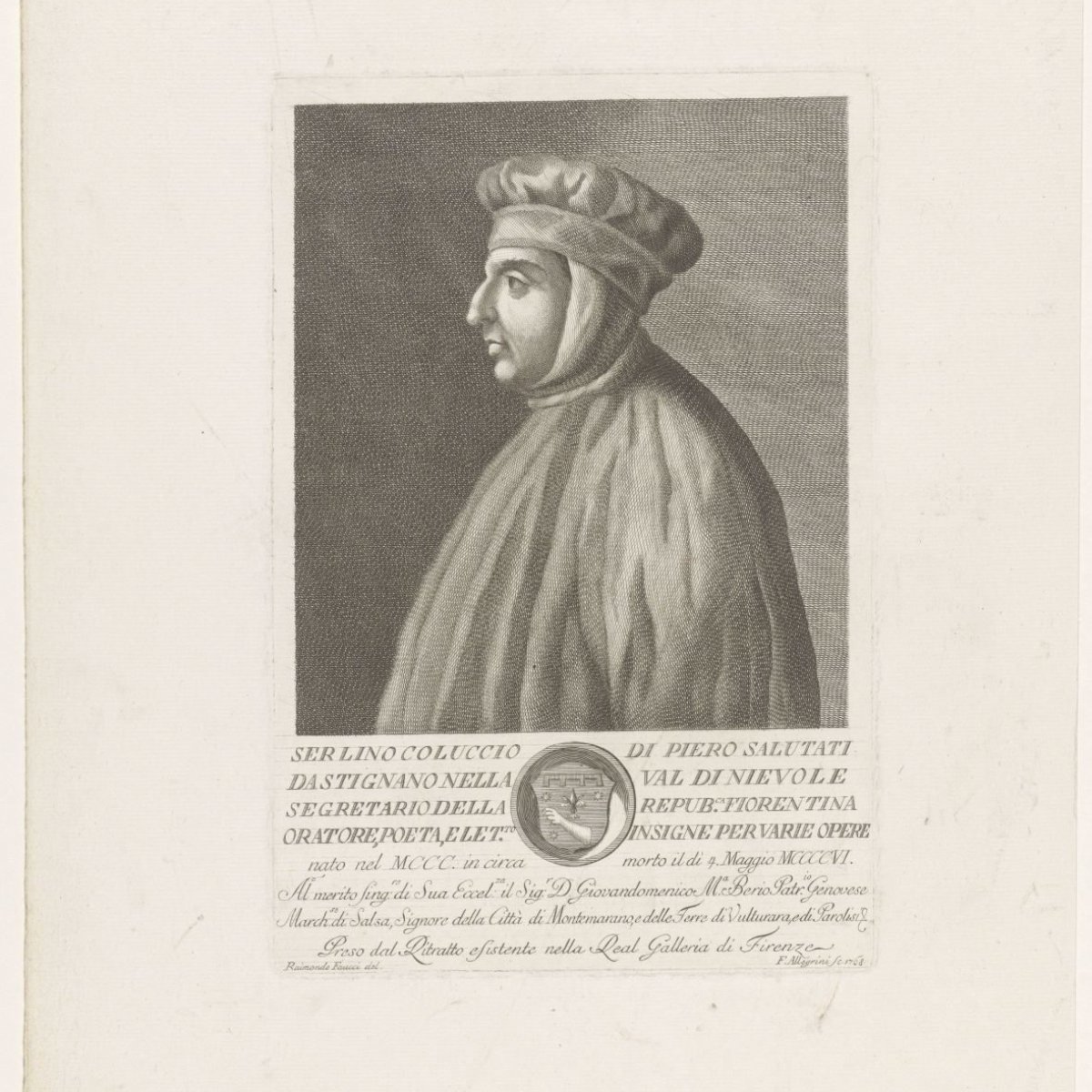
Coluccio Salutati
1331 CE – 1406 CE
Stignano, Buggiano, Tuscany
Italian Renaissance humanist and Florentine chancellor from Stignano whose classical Latin rhetoric, civic ethics, anti-tyranny politics, law-centered humanism, and Christian account of active public life helped shape Florentine civic humanism before Bruni and Poggio.
Crantor of Soli
335 BCE – 275 BCE
Soli, Cilicia
Old Academic philosopher from Soli in Cilicia whose lost On Grief and early commentary on Plato's Timaeus made consolation, soul theory, and Platonic interpretation central to later Academic reception.
Crates of Athens
c. 335 BCE – 268/7 BCE
Thria, Attica
Old Academy scholarch from Thria in Attica, remembered as Polemo's close Academic associate and predecessor to Arcesilaus in the Athenian school.
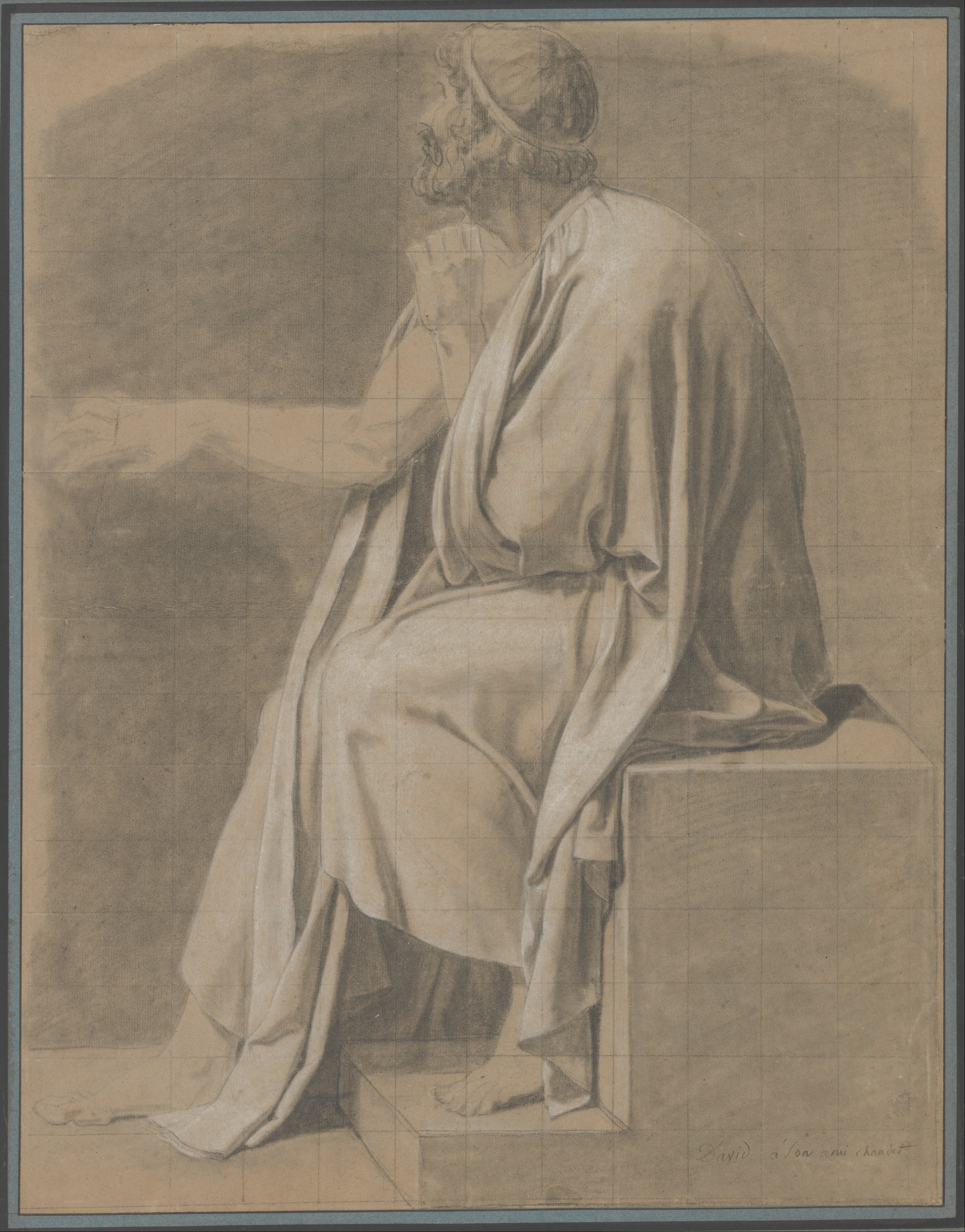
Crito of Alopece
469 BCE – 399 BCE
Alopece, Attica
Athenian friend of Socrates from Alopece, remembered as the prison interlocutor who urged escape and became a reception figure for justice, civic duty, and political obligation.
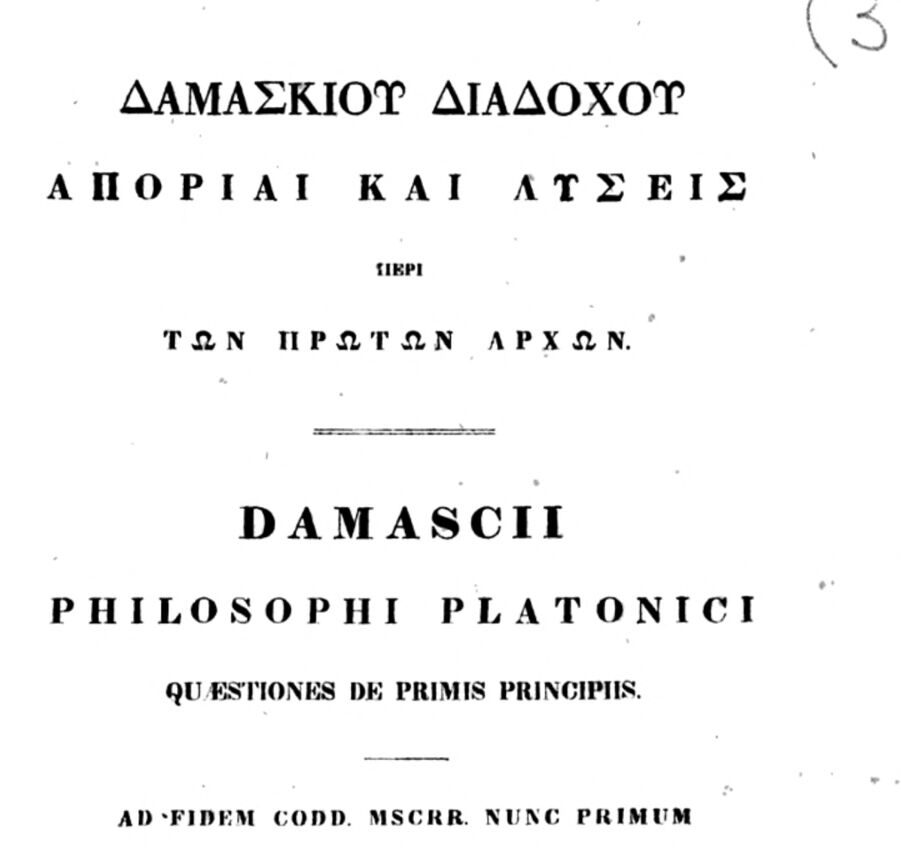
Damascius
462 CE – 538 CE
Damascus
Last head of the Athenian Neoplatonic school, born in Damascus, whose aporetic first-principles metaphysics tests what language, thought, and theology can say about the ineffable.
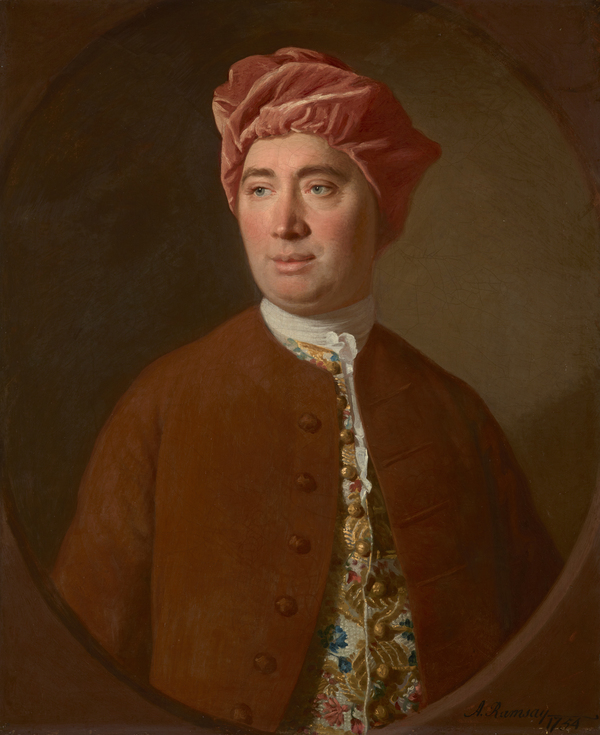
David Hume
1711 CE – 1776 CE
Edinburgh
Scottish Enlightenment philosopher who transformed empiricism, skepticism, moral psychology, aesthetics, political economy, natural religion, and the philosophy of science through a systematic science of human nature.
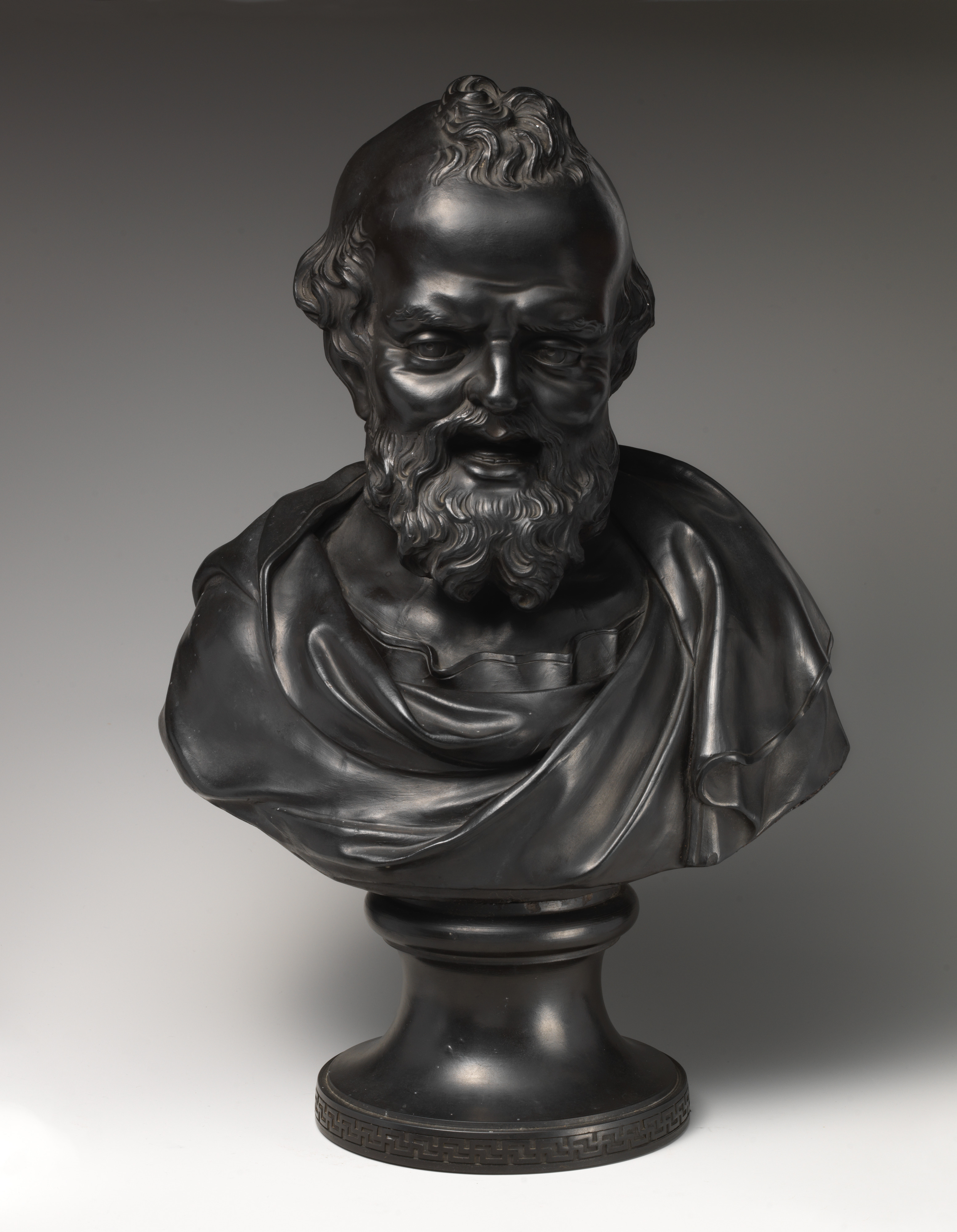
Democritus of Abdera
460 BCE – 370 BCE
Abdera, Thrace
Presocratic atomist from Abdera whose philosophy explained nature, mind, perception, ethics, language, mathematics, and religion through atoms, void, causal necessity, and measured cheerfulness.
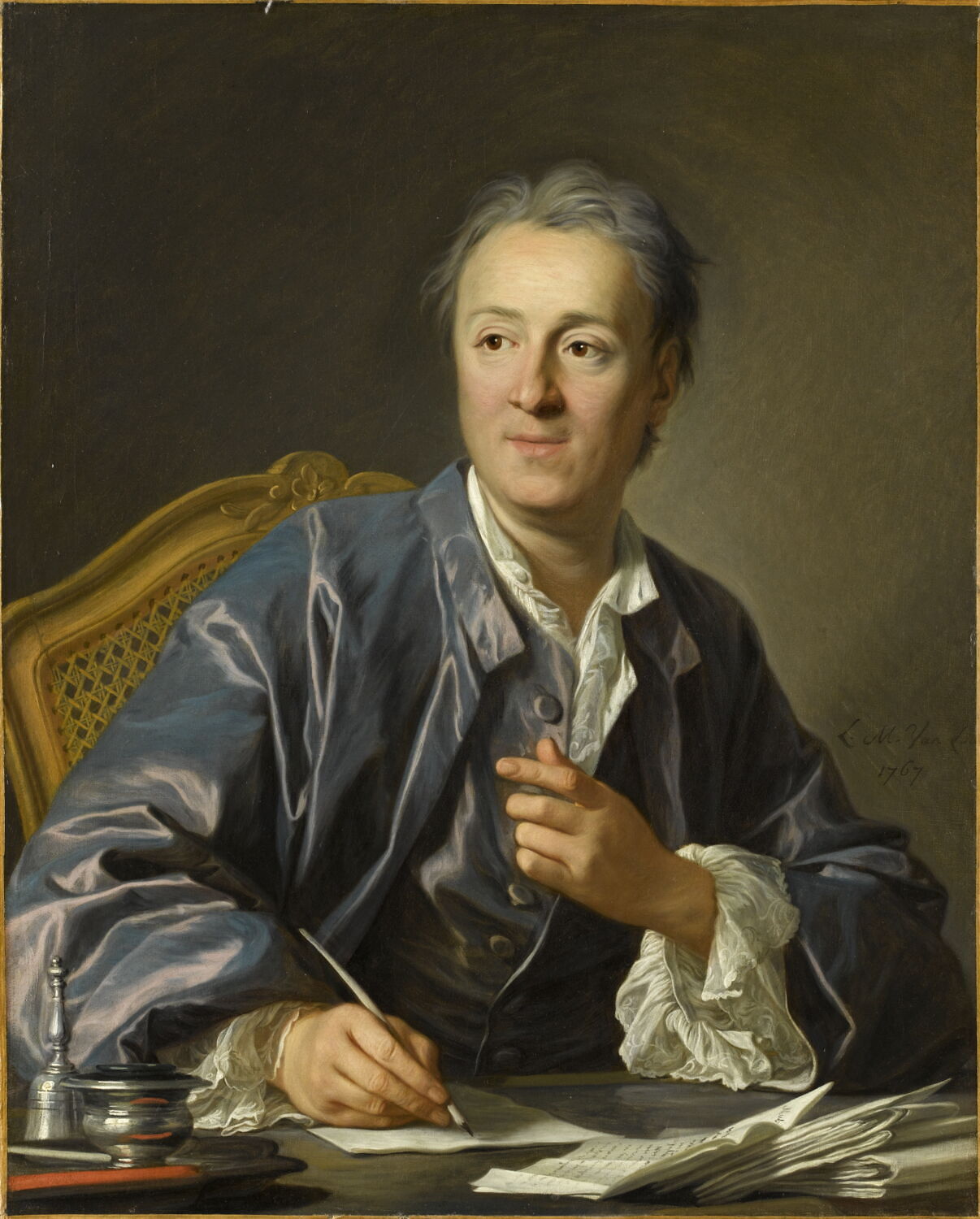
Denis Diderot
1713 CE – 1784 CE
Langres, Champagne
French Enlightenment philosopher, critic, editor, and writer whose materialist, empiricist, aesthetic, political, and scientific thought helped make the Encyclopédie a program of public reason.
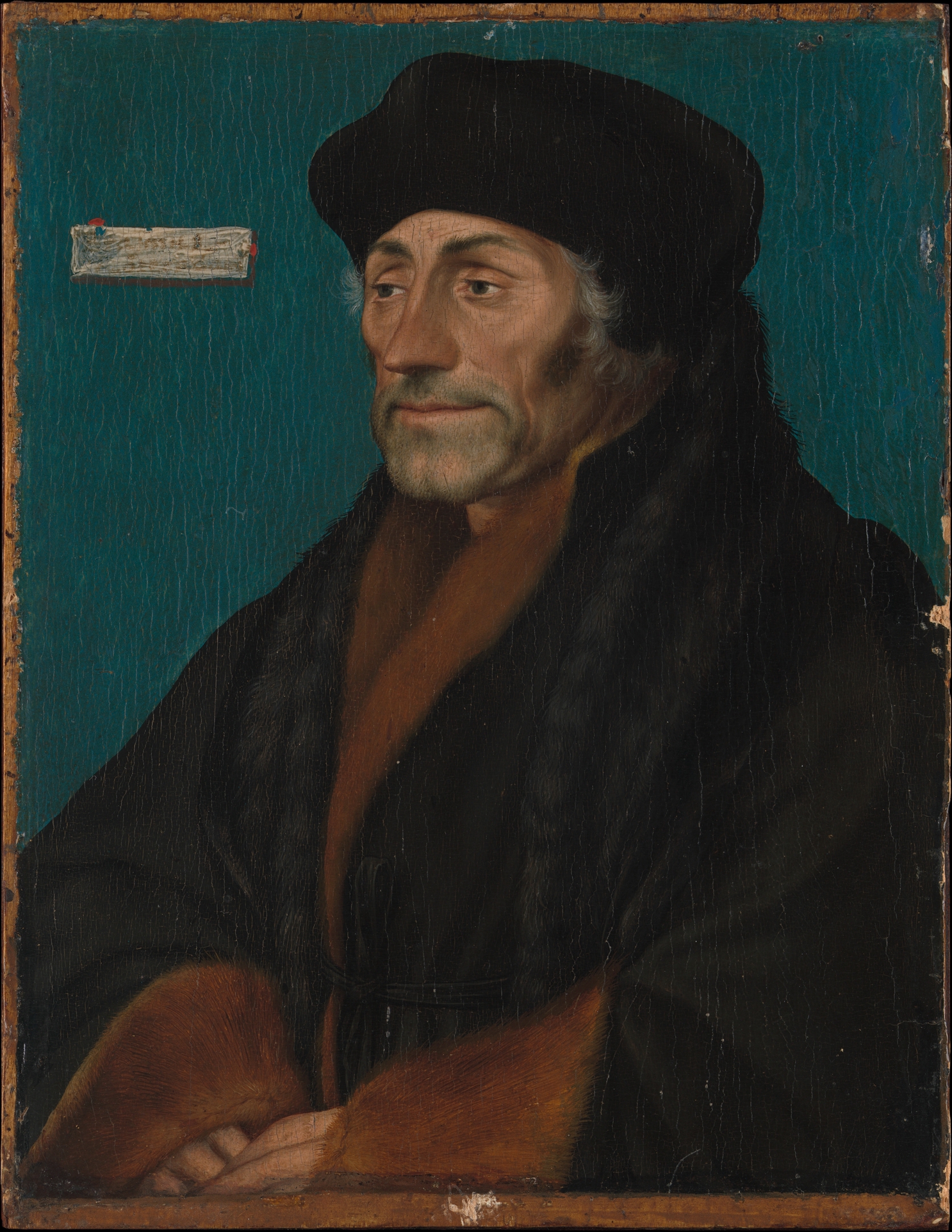
Desiderius Erasmus of Rotterdam
1466 CE – 1536 CE
Rotterdam
Dutch Renaissance humanist, Catholic reformer, philologist, satirist, and educator whose Christian humanism joined classical learning, biblical scholarship, moral reform, peace politics, and disciplined eloquence.
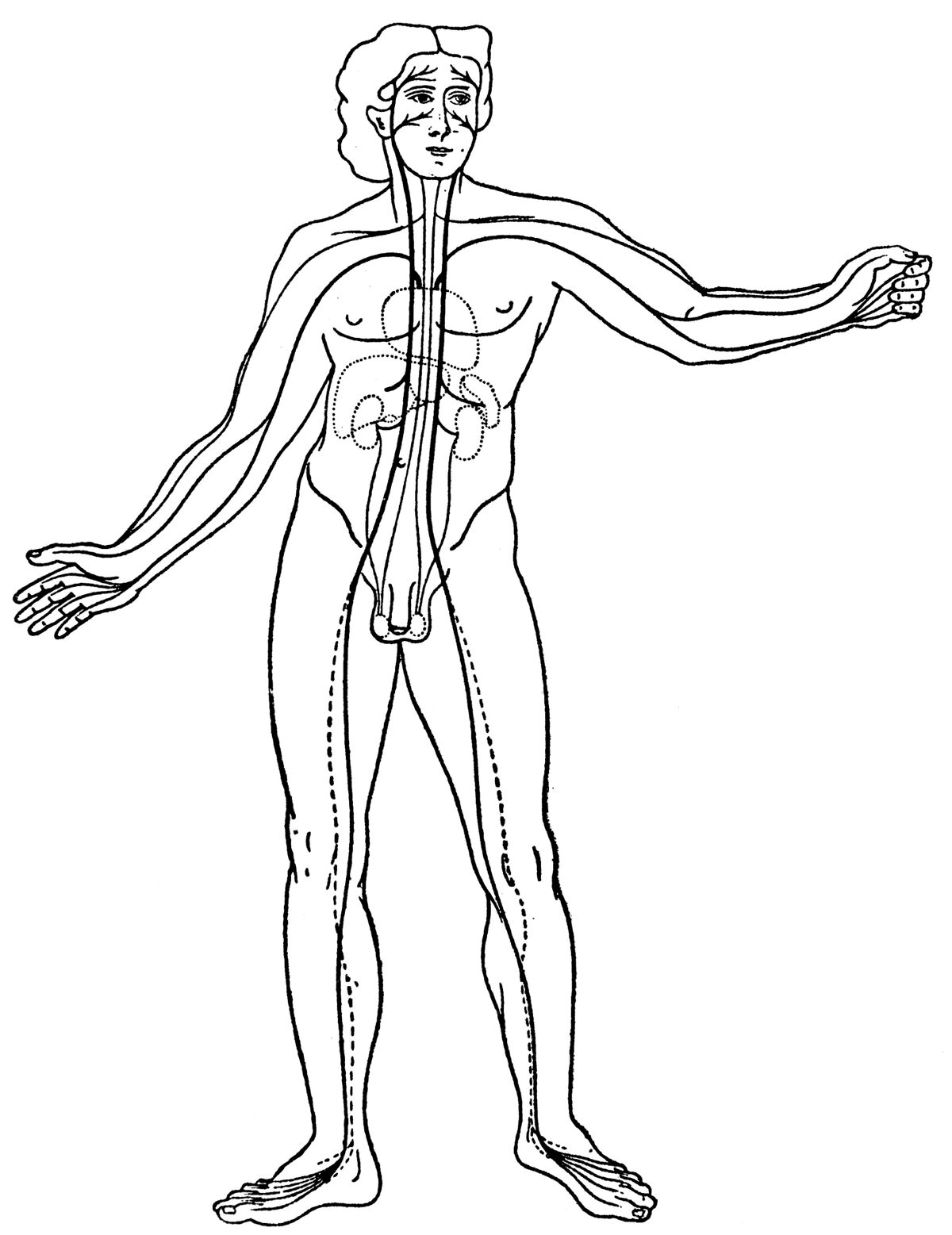
Diogenes of Apollonia
460 BCE – 400 BCE
Apollonia Pontica, Thrace
Presocratic natural philosopher from Apollonia Pontica whose surviving fragments explain cosmos, soul, perception, physiology, and divine intelligence through air.
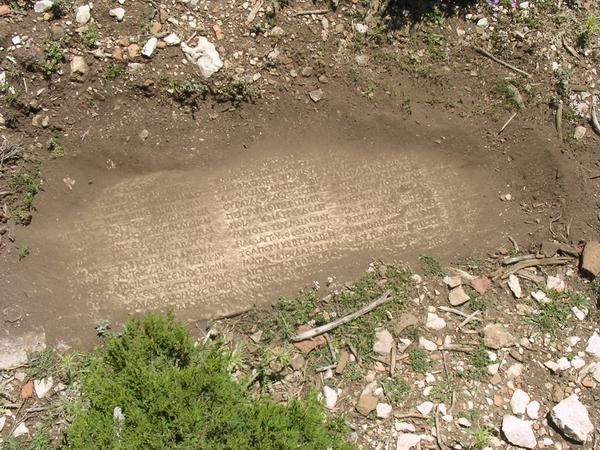
Diogenes of Oenoanda
70 CE – 140 CE
Oenoanda, Lycia
Second-century Epicurean from Oenoanda in Lycia whose monumental inscription turned philosophy into public therapy against fear, superstition, pain, death, and false beliefs about the gods.
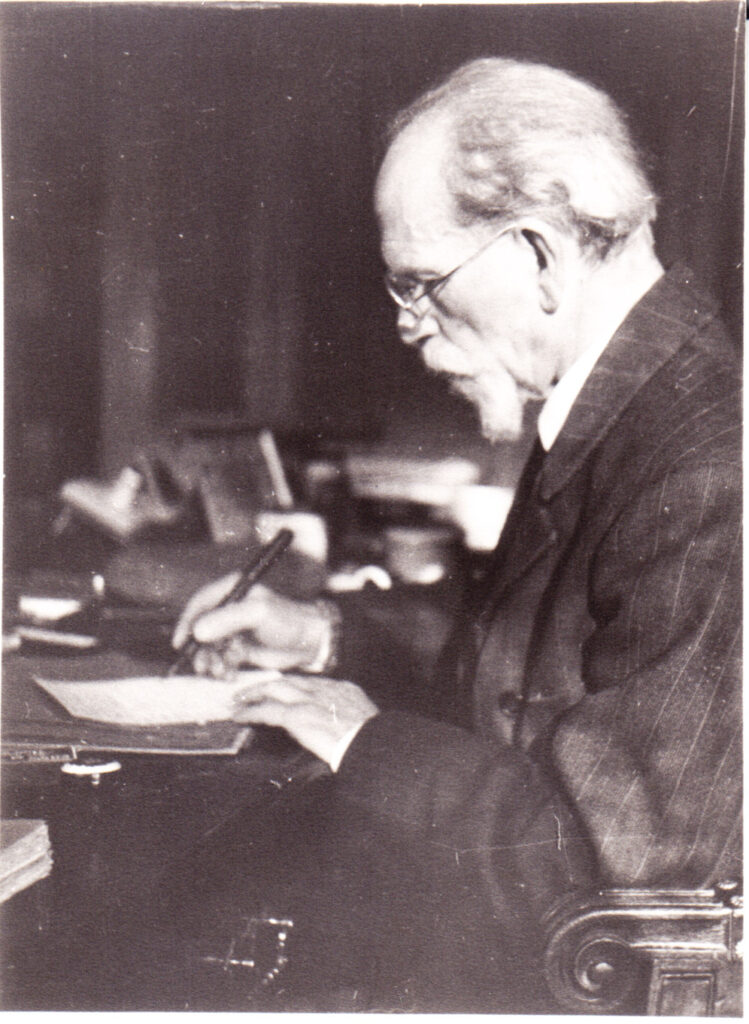
Edmund Husserl
1859 CE – 1938 CE
Prostějov (Prossnitz), Moravia
Founder of phenomenology, trained in mathematics and logic, whose work on intentionality, epoché, consciousness, meaning, evidence, and the lifeworld reshaped twentieth-century philosophy.
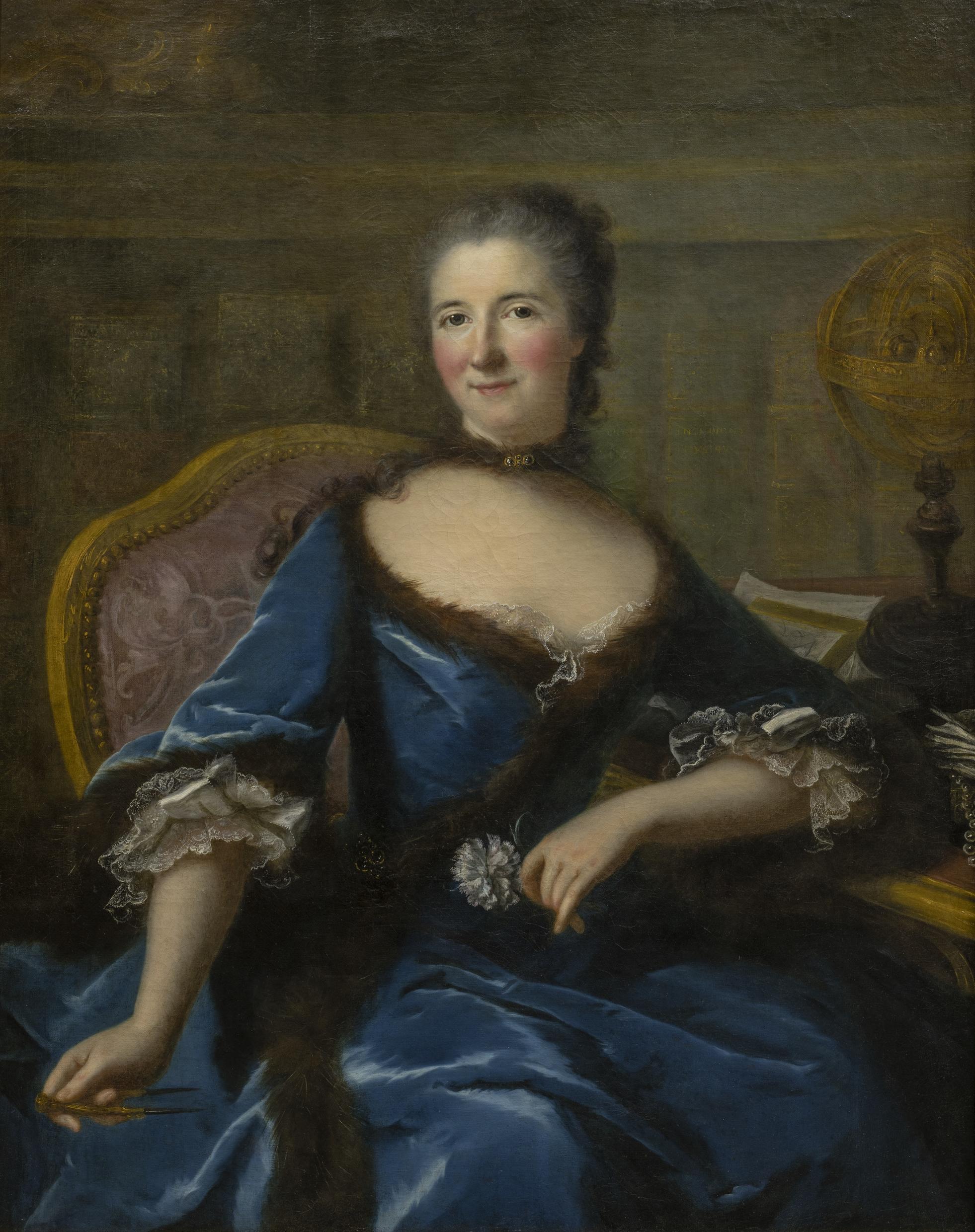
Émilie du Châtelet
1706 CE – 1749 CE
Paris
Enlightenment philosopher, mathematician, translator of Newton, and critic of dogma whose work on force, physics, happiness, freedom, and natural religion reshaped French Newtonianism.
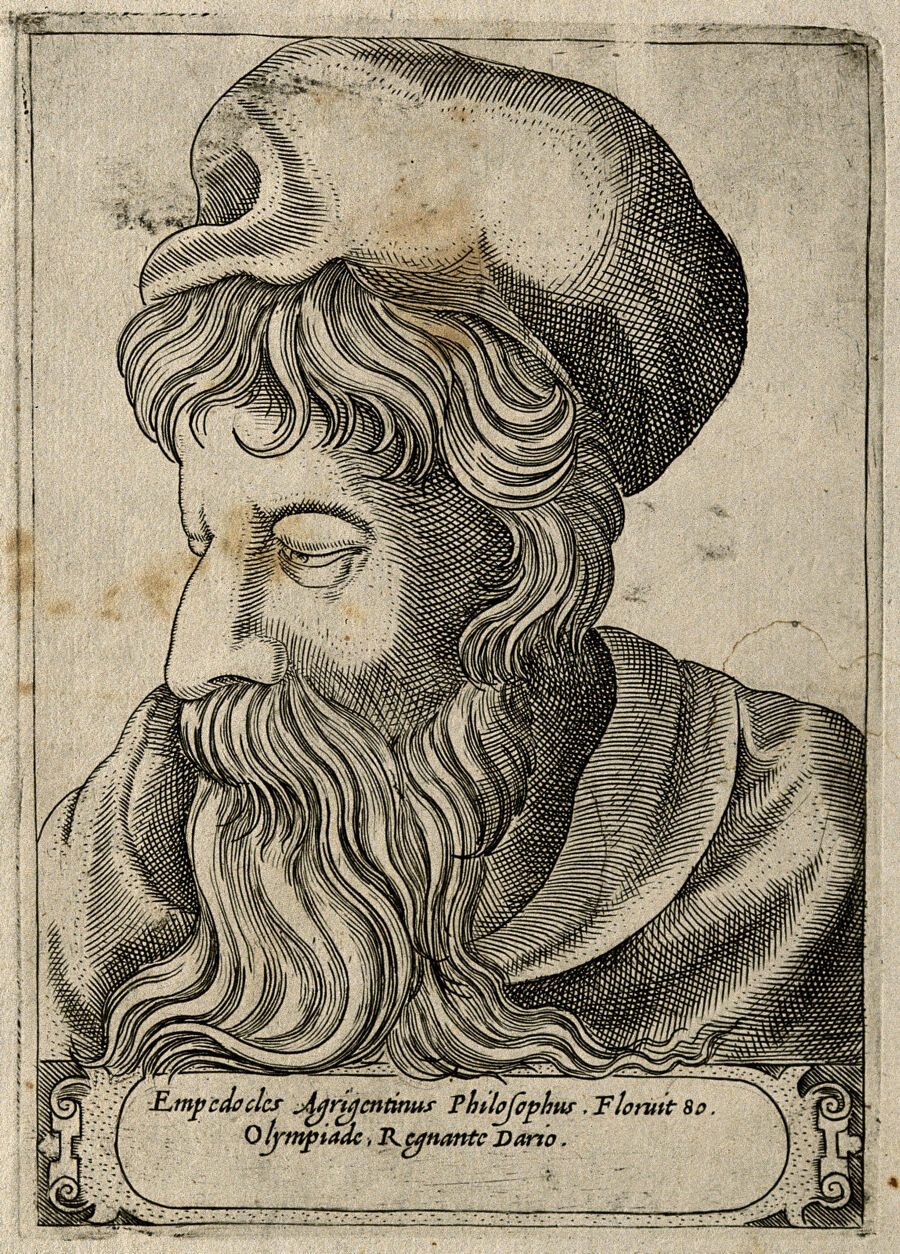
Empedocles of Acragas
494 BCE – 434 BCE
Acragas (Agrigentum, Sicily)
Siceliote Greek poet-philosopher from Acragas who explained nature through four roots and the cosmic powers of Love and Strife while joining cosmology, medicine, ethics, and purification religion.
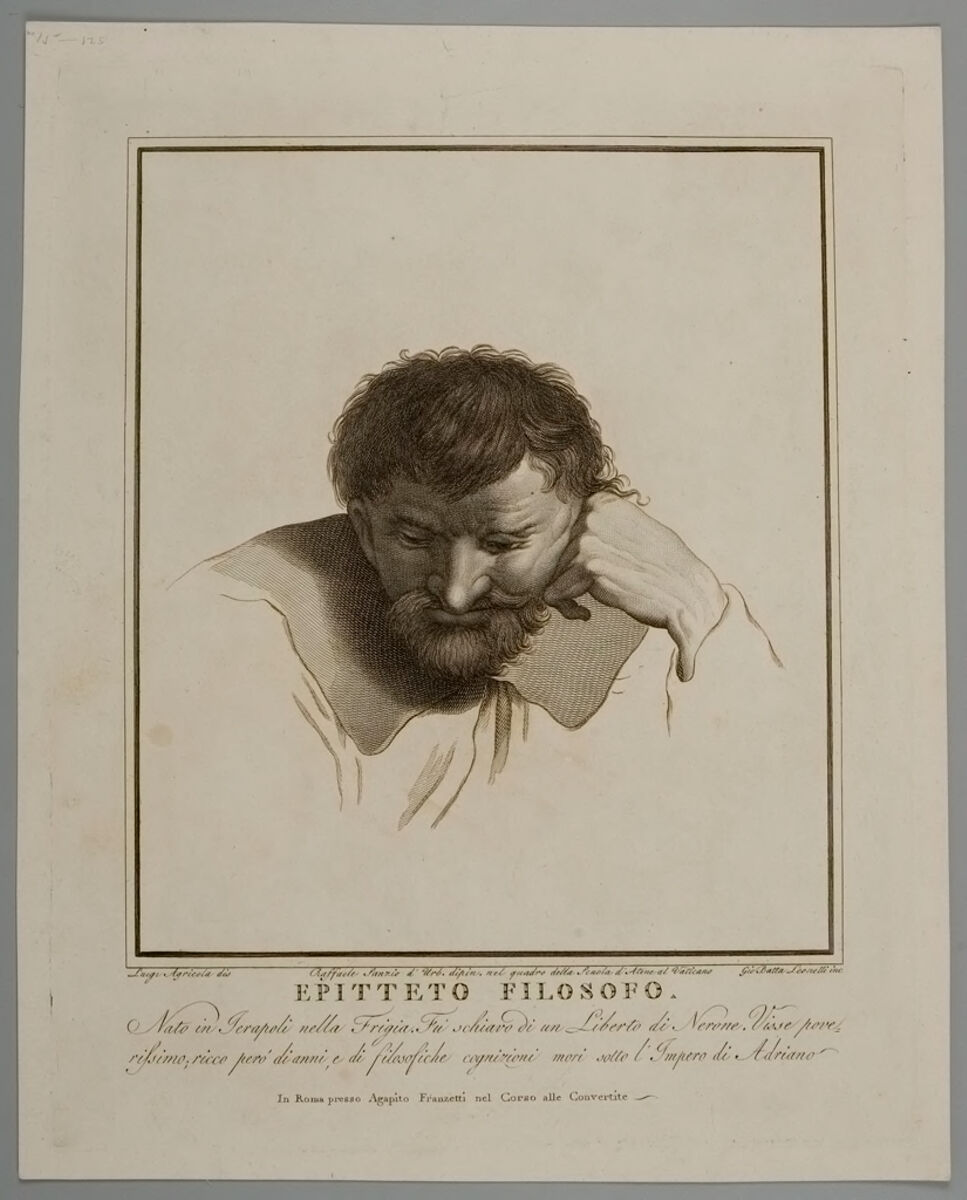
Epictetus
50 CE – 135 CE
Hierapolis, Phrygia
Formerly enslaved Stoic teacher from Hierapolis and Nicopolis whose recorded classroom teaching made prohairesis, disciplined assent, providence, and inner freedom central to Roman Stoicism.
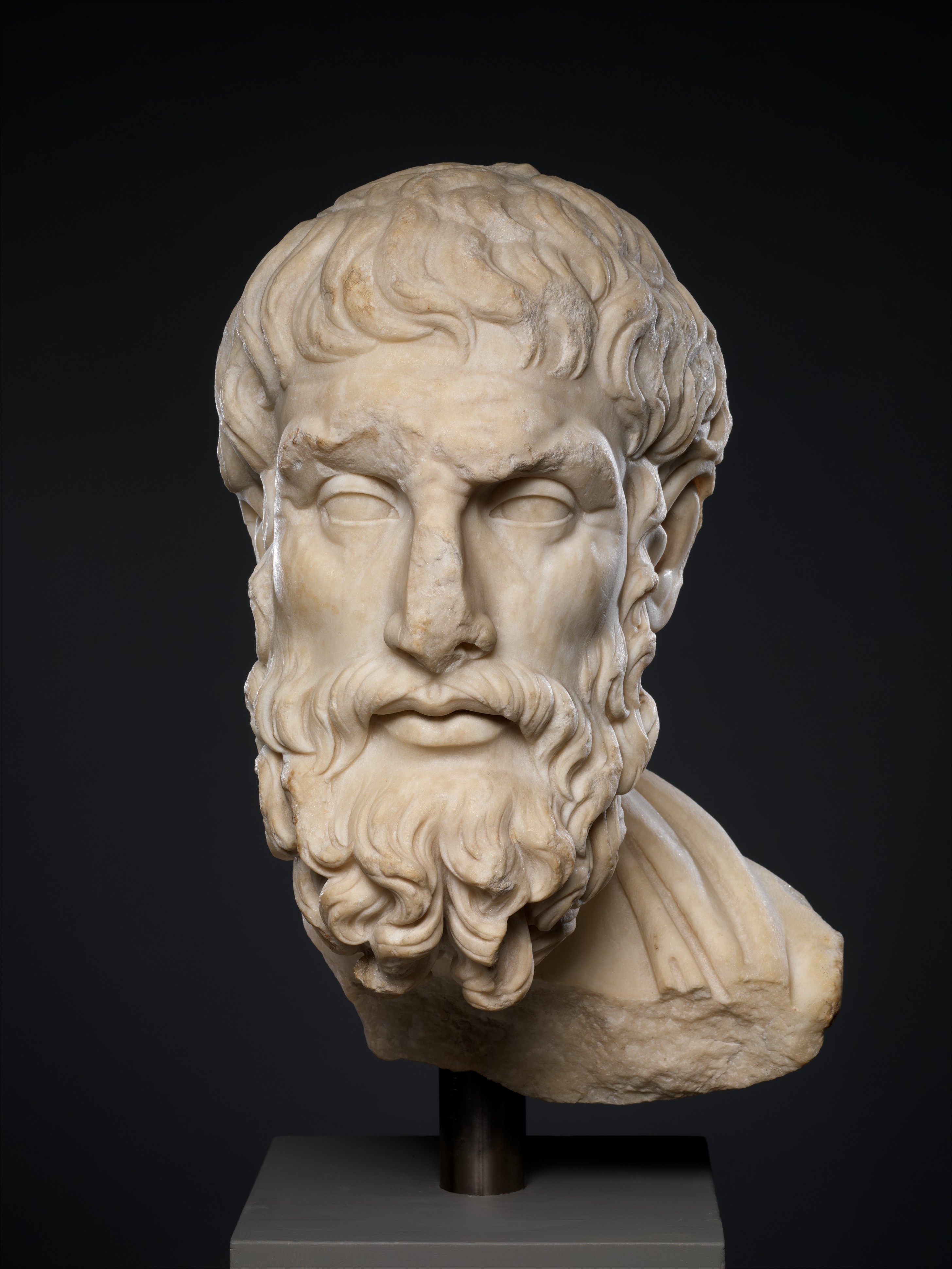
Epicurus of Samos
341 BCE – 270 BCE
Samos
Greek philosopher from Samos whose Garden school joined atomist physics, a canon of sensation and feeling, and an ethics of pleasure understood as freedom from bodily pain and mental disturbance.
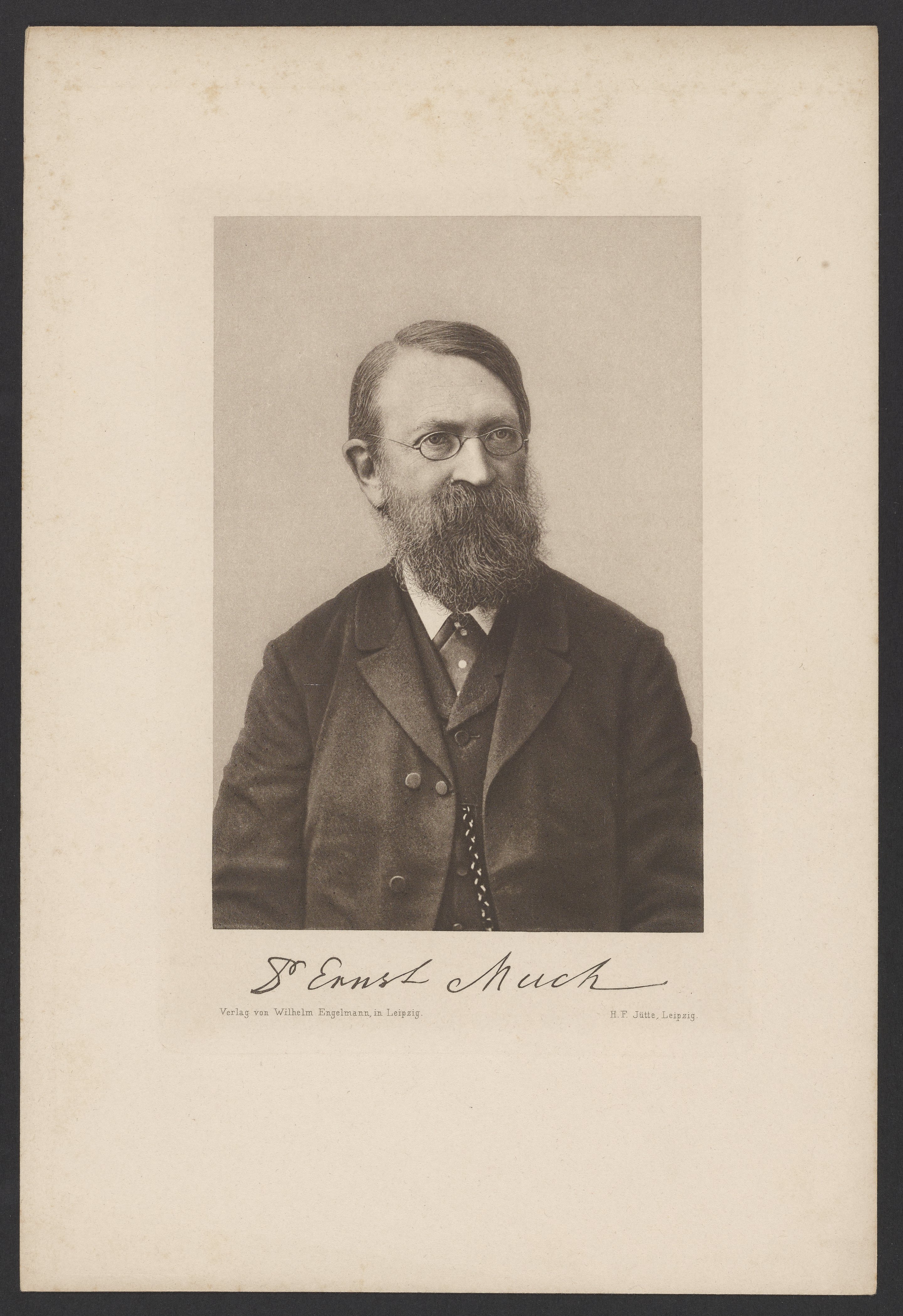
Ernst Mach
1838 CE – 1916 CE
Chrlice / Chirlitz, near Brno
Austrian physicist and philosopher from Moravia whose anti-metaphysical empiricism, analysis of sensations, historical criticism of mechanics, and economy of thought shaped modern philosophy of science.
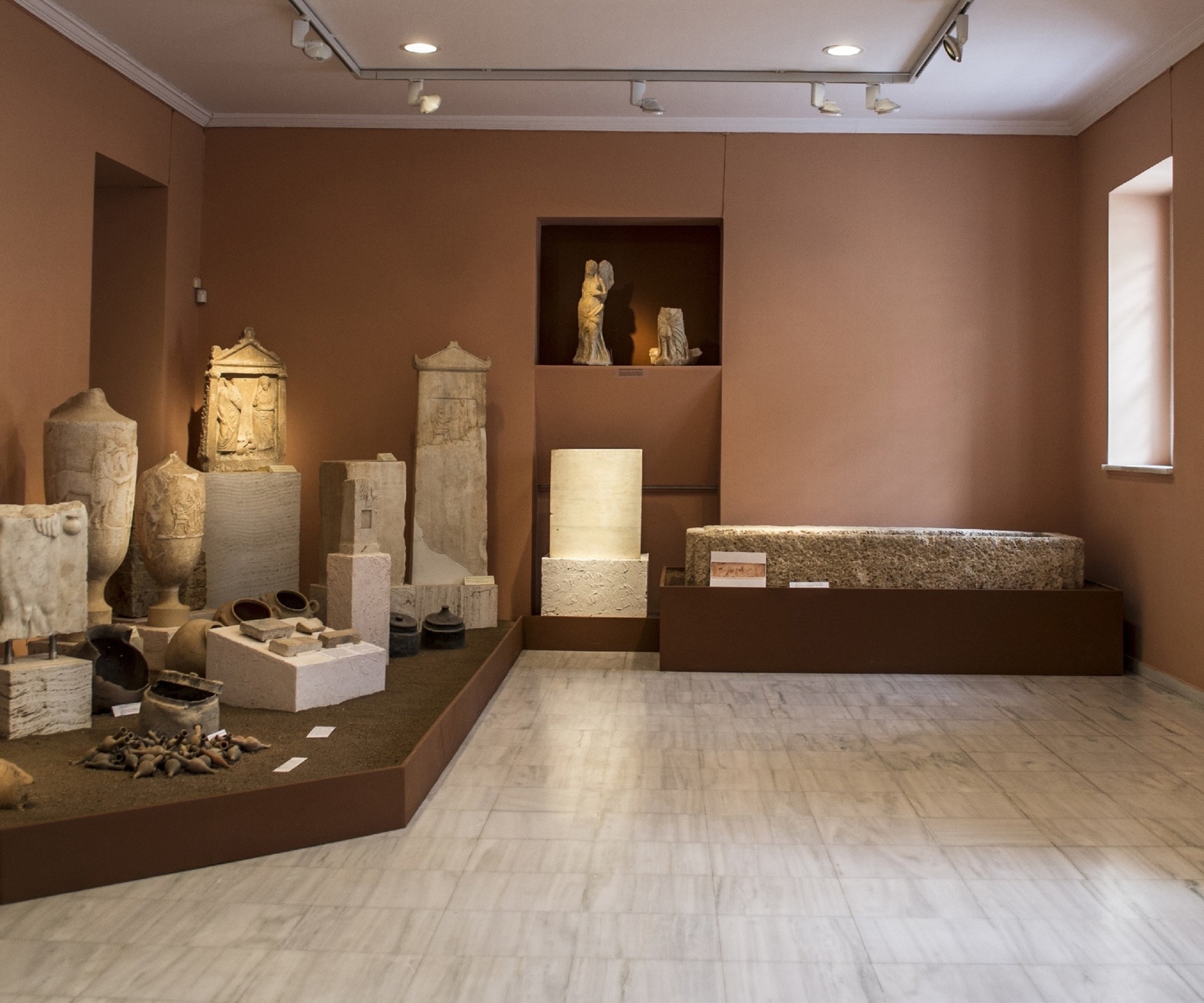
Euclid of Megara
435 BCE – 365 BCE
Megara
Socratic philosopher from Megara who joined Socratic concern for the good to Eleatic unity and founded the Megarian school of dialectical argument.
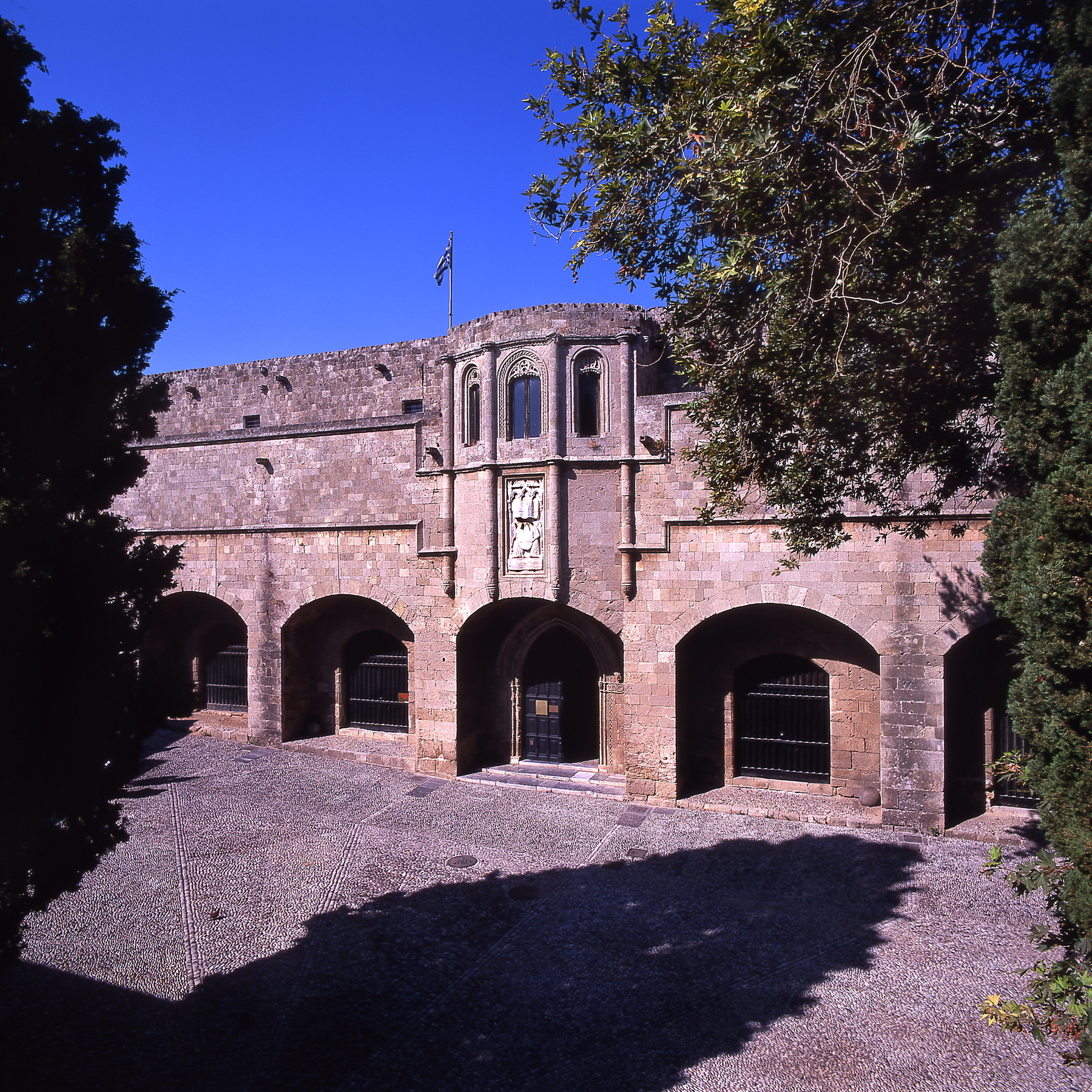
Eudemus of Rhodes
370 BCE – 300 BCE
Rhodes (island)
Peripatetic philosopher from Rhodes, pupil of Aristotle and companion of Theophrastus, remembered for systematizing Aristotelian logic and physics and for pioneering histories of Greek geometry, arithmetic, and astronomy.
Eudoxus of Cnidus
390 BCE – 340 BCE
Cnidus, Caria
Mathematician, astronomer, geographer, and philosopher from Cnidus, remembered for proportion theory, homocentric-sphere astronomy, geography, calendrical work, and the ancient testimony about pleasure as the natural good.
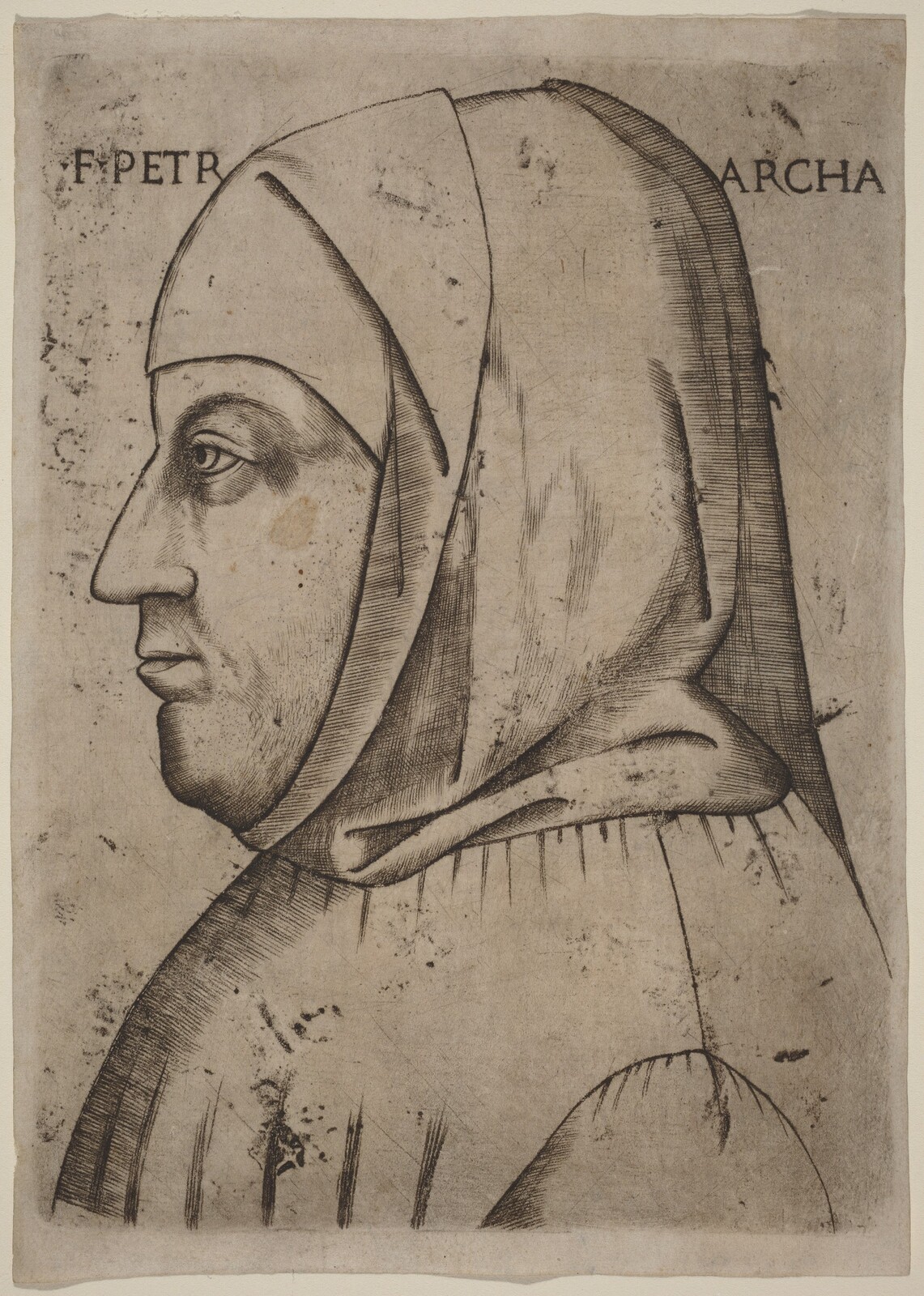
Francesco Petrarca
1304 CE – 1374 CE
Arezzo
Italian poet-scholar and Christian humanist whose classical recovery, introspective moral writing, and vernacular lyric helped define Renaissance humanism and later Petrarchism.
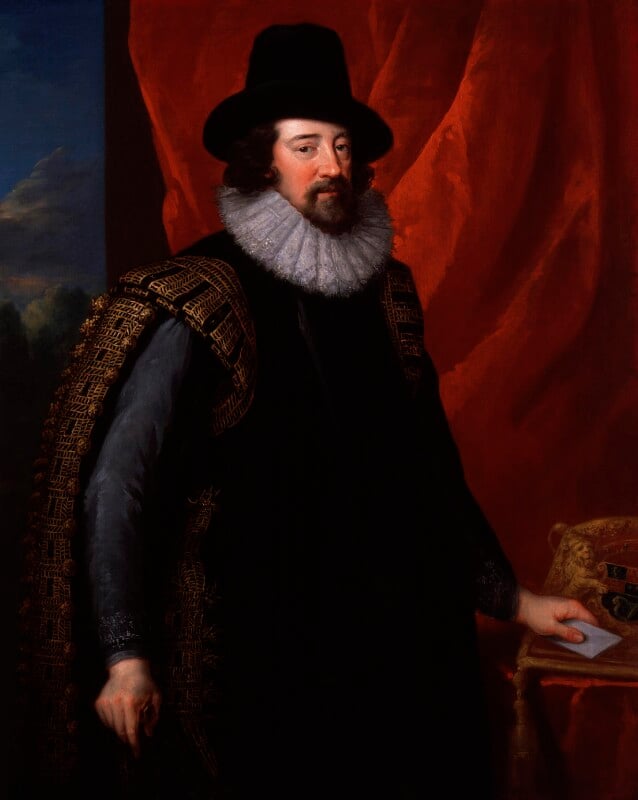
Francis Bacon
1561 CE – 1626 CE
York House, Strand, London
English philosopher-statesman whose reform of learning, critique of idols, and experimental natural history helped shape early modern empiricism and the philosophy of science.
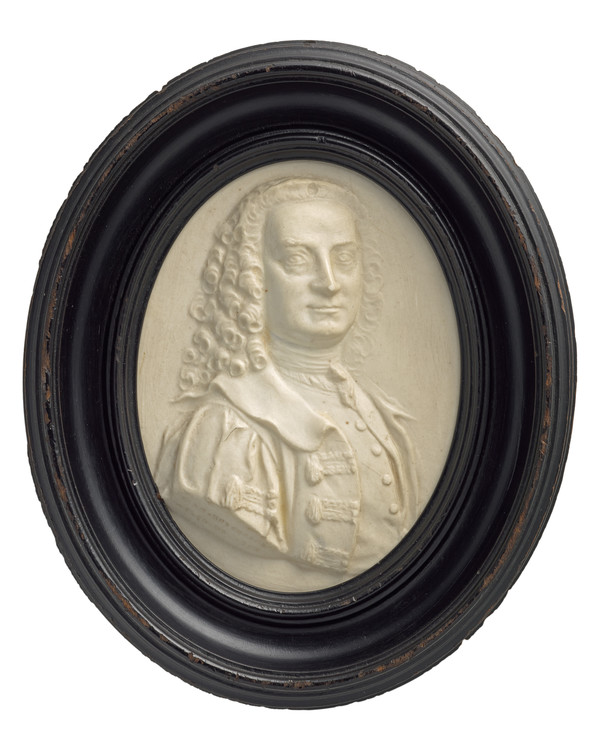
Francis Hutcheson
1694 CE – 1746 CE
Drumalig / near Saintfield, County Down, Ulster
Irish and Scots-Irish moral philosopher whose moral sense theory, aesthetics, benevolence ethics, and Glasgow teaching helped launch the Scottish Enlightenment.
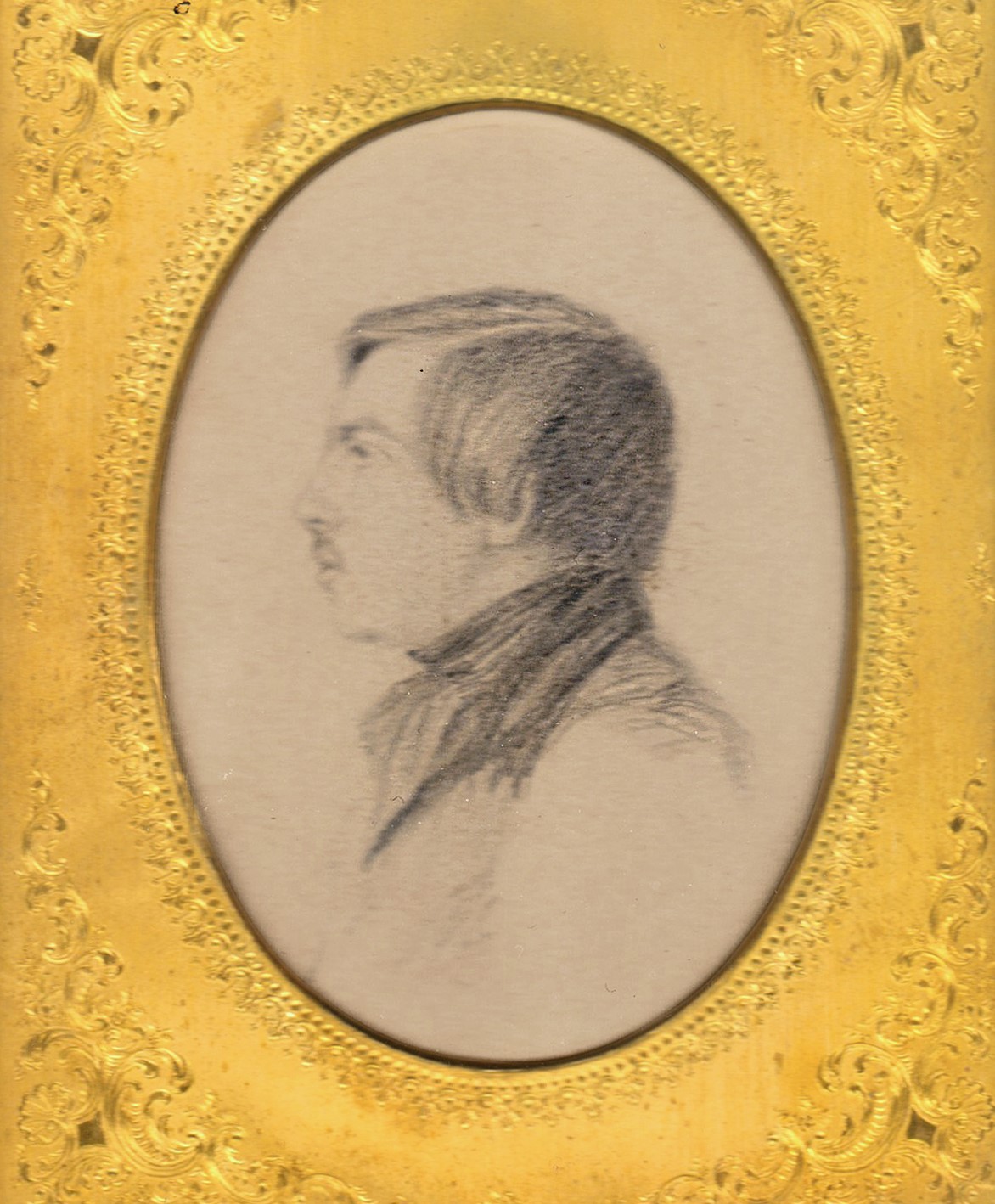
Friedrich Engels
1820 CE – 1895 CE
Barmen, Rhine Province, Prussia
German socialist philosopher, political economist, and cofounder of Marxism whose historical materialism, capitalism critique, dialectics, class analysis, and later editorial work shaped modern socialist theory.
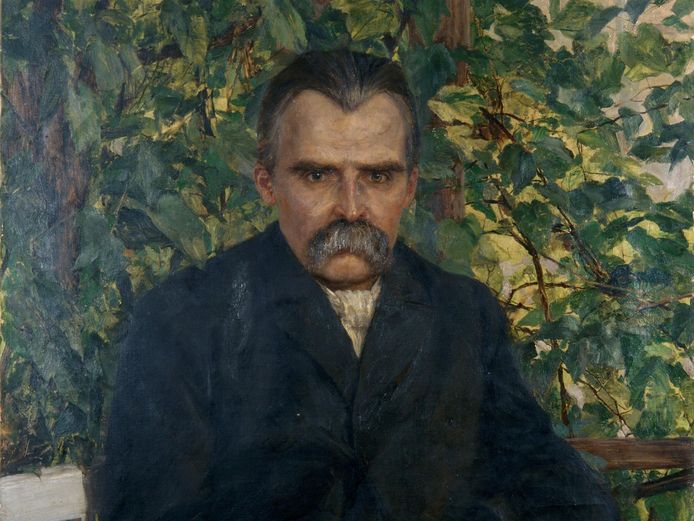
Friedrich Nietzsche
1844 CE – 1900 CE
Röcken, Saxony, Prussia
German philosopher of genealogy, perspectivism, tragedy, value creation, nihilism, and the critique of Christianity whose work reshaped modern ethics, aesthetics, psychology, and continental philosophy.
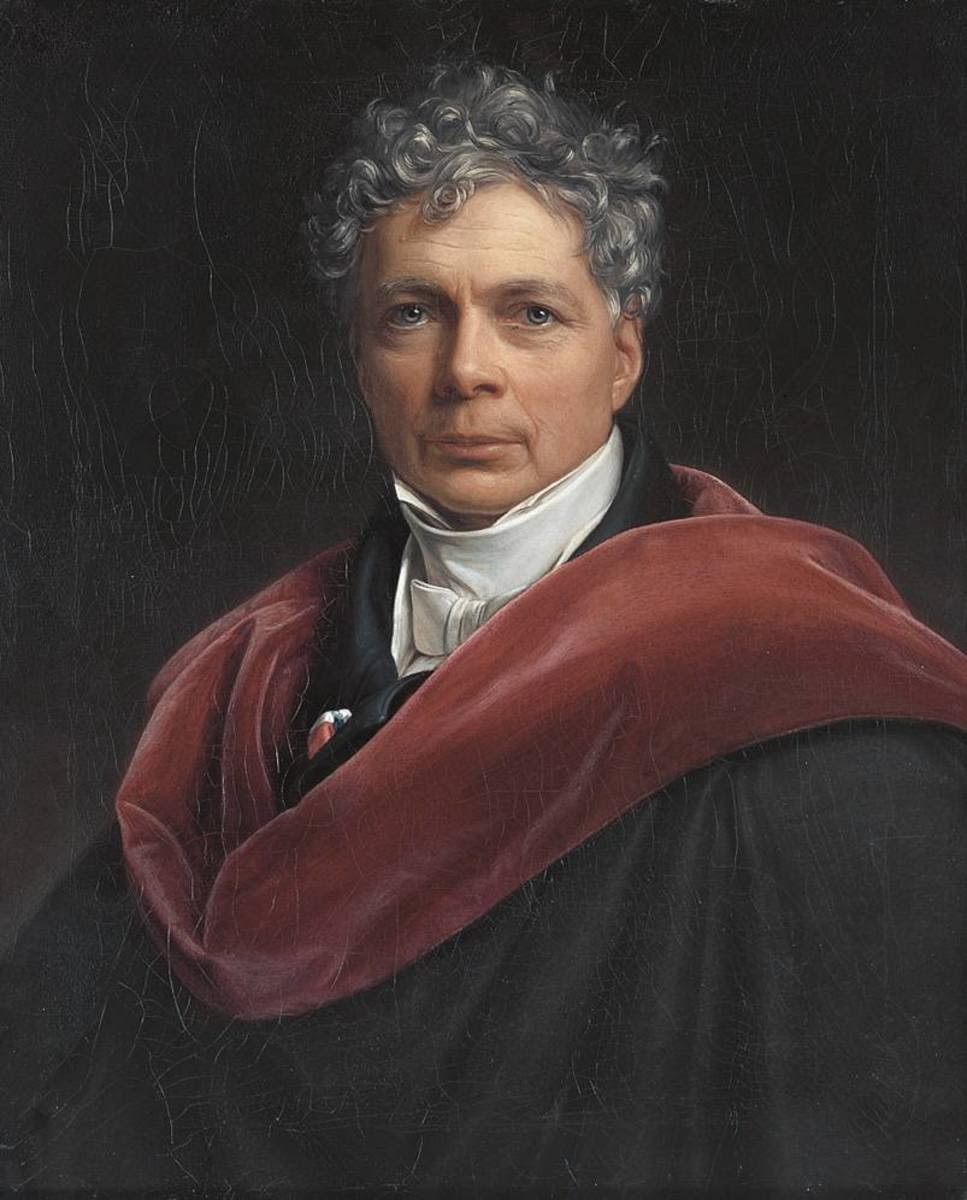
Friedrich Wilhelm Joseph Schelling
1775 CE – 1854 CE
Leonberg, Wuerttemberg
German Idealist philosopher of nature, freedom, identity, art, mythology, and revelation whose work links post-Kantian idealism with Romantic science, philosophical theology, and later existential and continental reception.
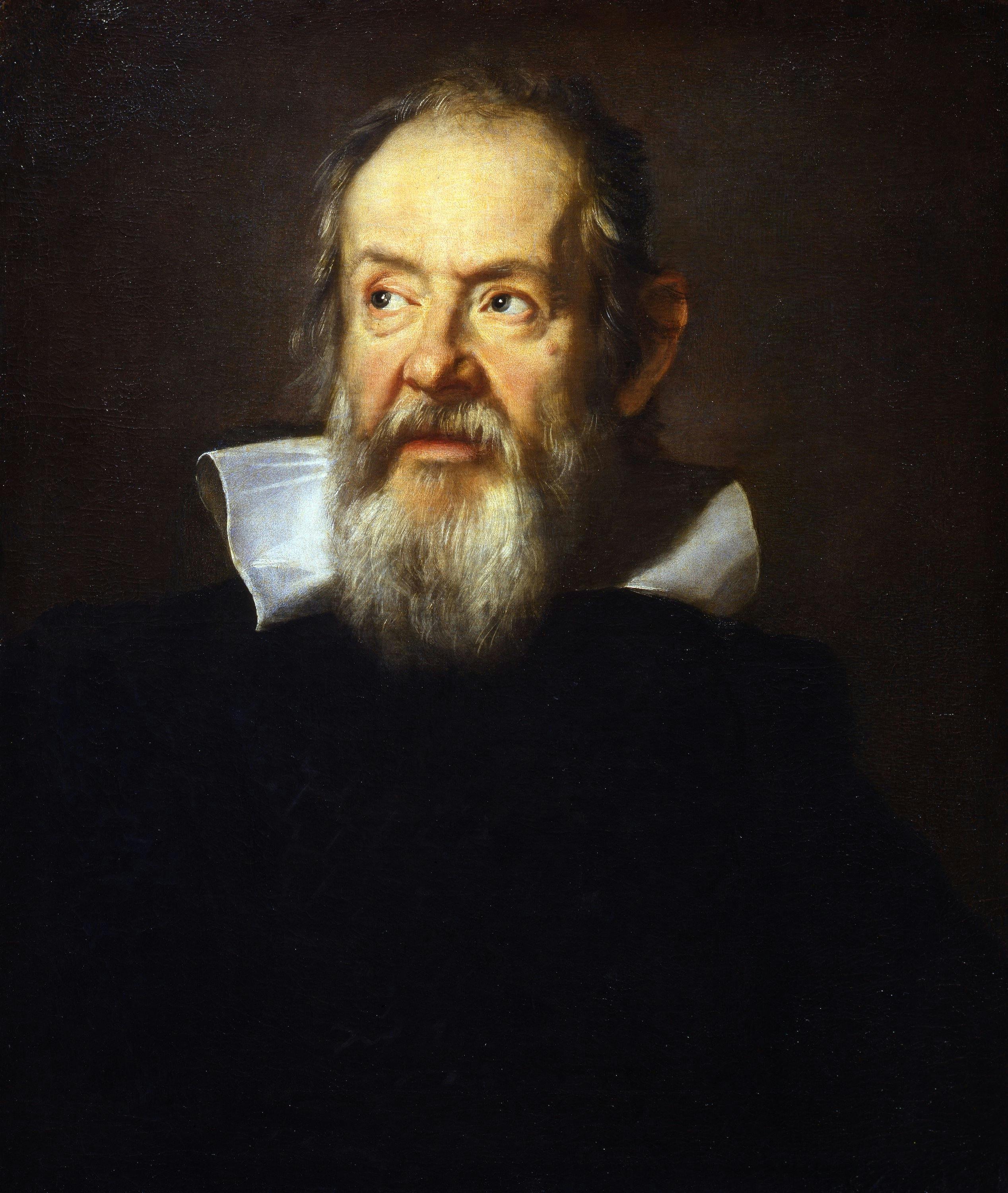
Galileo Galilei
1564 CE – 1642 CE
Pisa, Duchy of Florence
Italian mathematical natural philosopher whose telescopic astronomy, mechanics, instrument work, and scriptural hermeneutics helped reshape early modern philosophy of science and the Scientific Revolution.
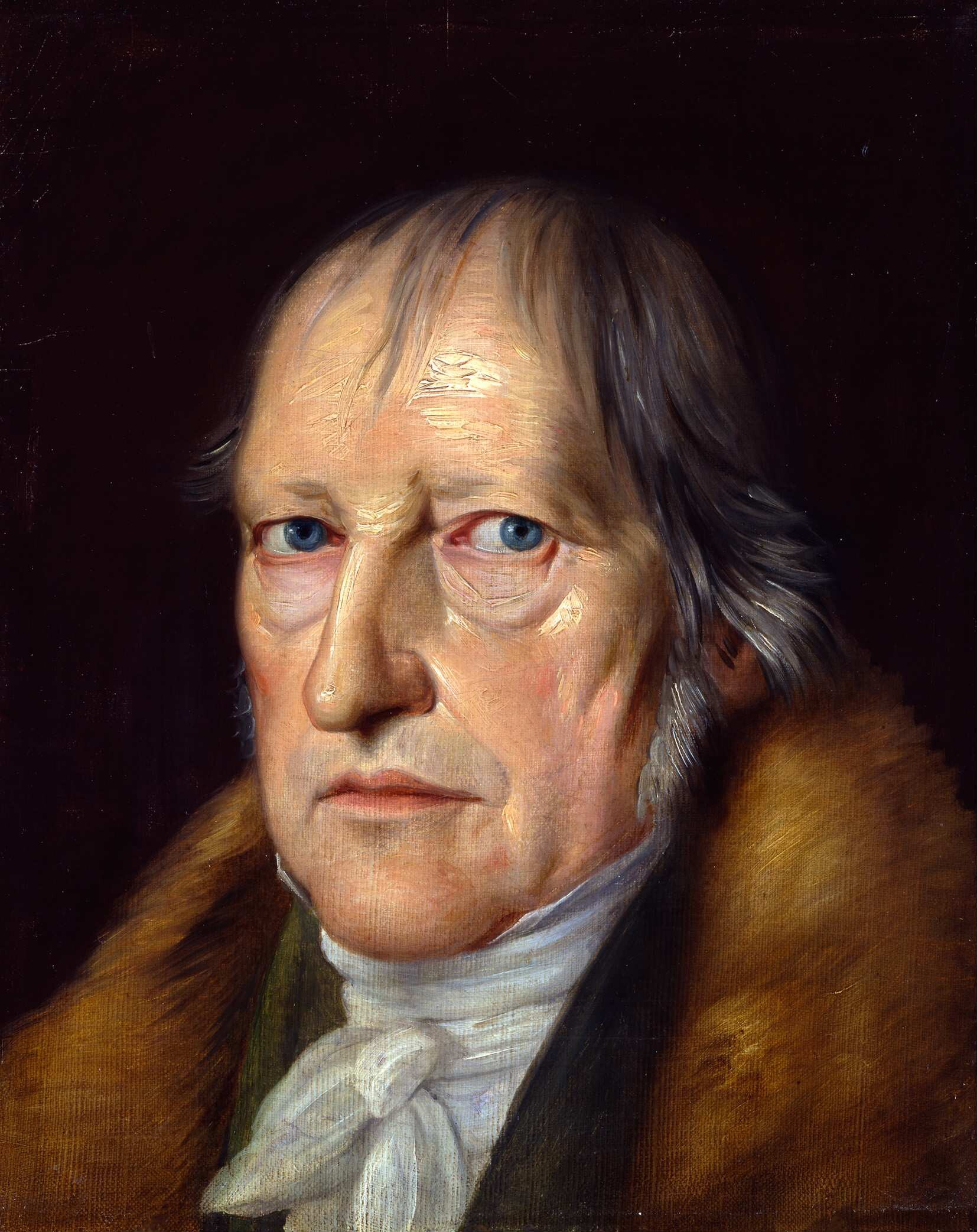
Georg Wilhelm Friedrich Hegel
1770 CE – 1831 CE
Stuttgart, Duchy of Württemberg
German Idealist philosopher of dialectic, absolute idealism, recognition, freedom, ethical life, history, art, nature, religion, and systematic philosophy.
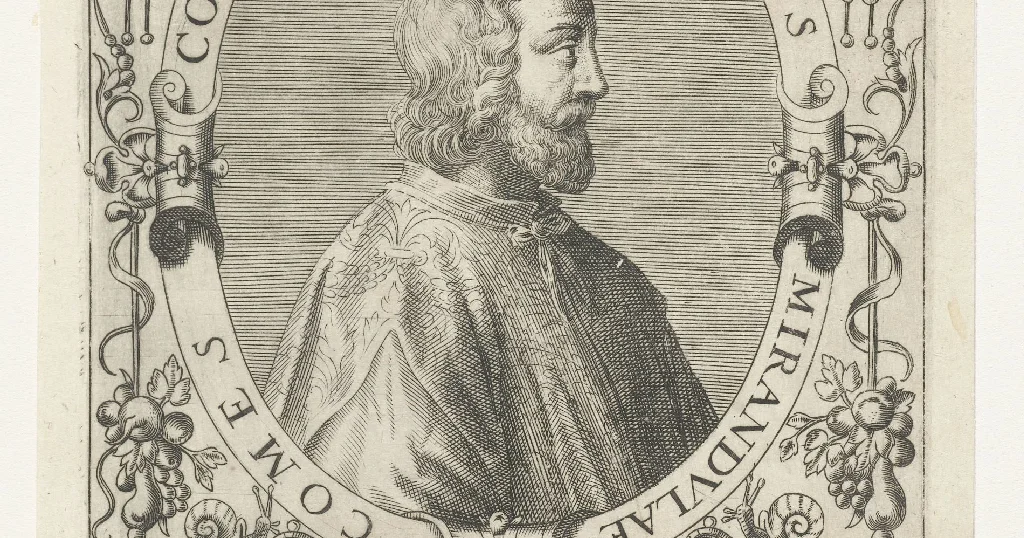
Giovanni Pico della Mirandola
1463 CE – 1494 CE
Mirandola, Duchy of Ferrara
Italian Renaissance humanist philosopher of human dignity, free self-fashioning, syncretic metaphysics, Platonist-Aristotelian concord, Christian Kabbalah, love and beauty, and critique of predictive astrology.
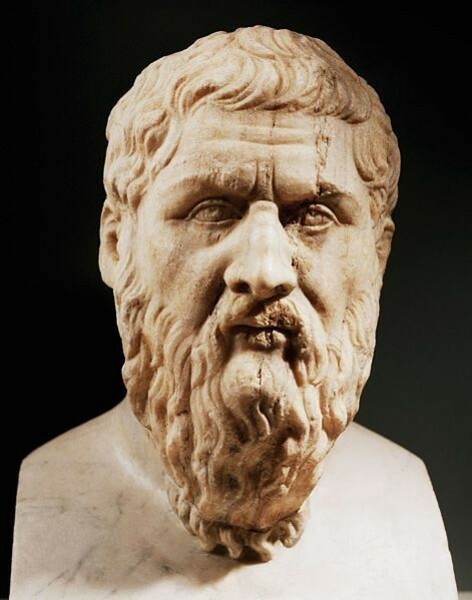
Gorgias of Leontini
483 BCE – 375 BCE
Leontini (Sicily)
Siceliote Greek sophist and rhetorician from Leontini whose paradoxes about being, knowledge, and communication, and whose display speeches on Helen and Palamedes, made logos, persuasion, belief, and civic speech central problems for philosophy.
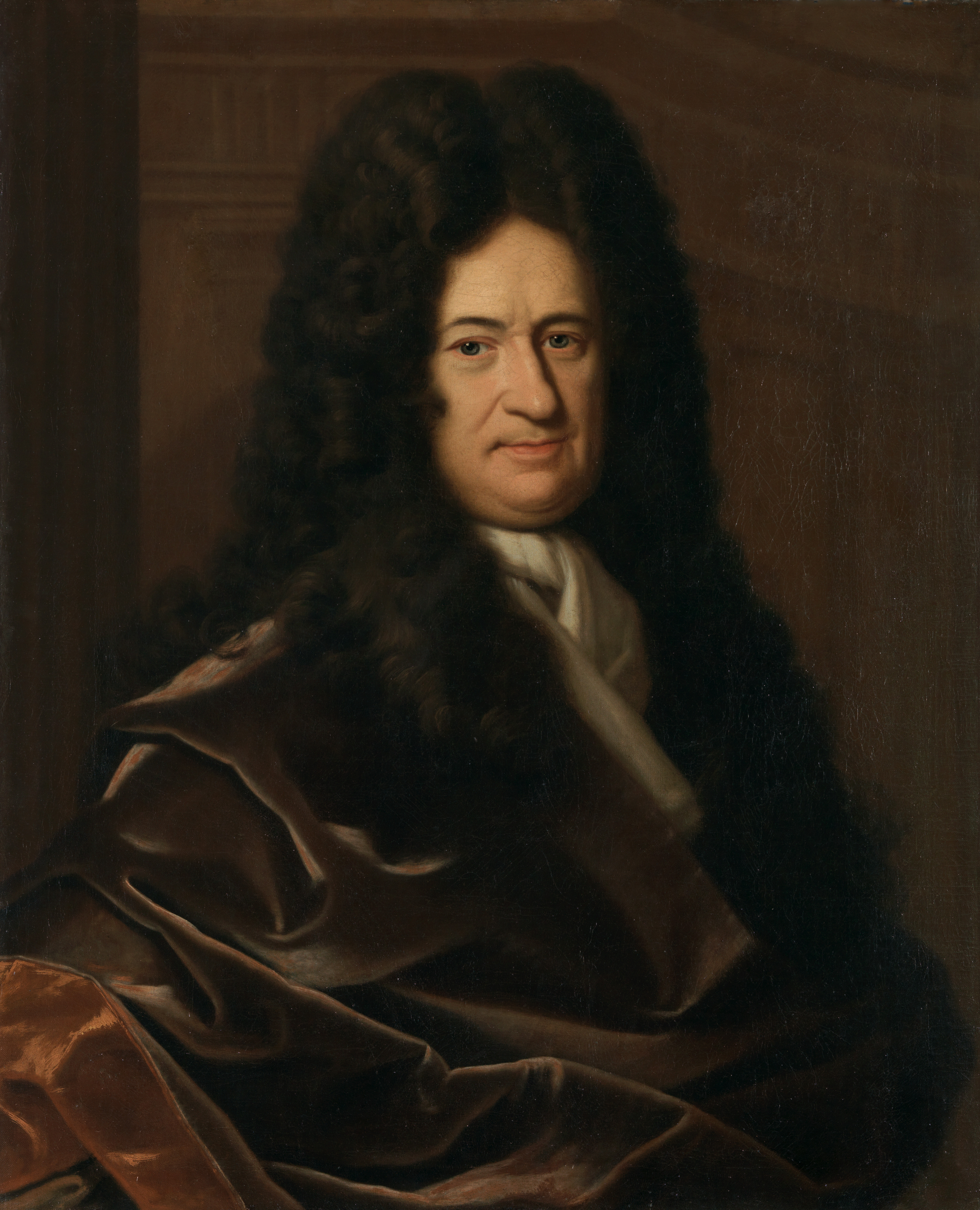
Gottfried Wilhelm Leibniz
1646 CE – 1716 CE
Leipzig
German polymath and early modern rationalist whose monadology, pre-established harmony, sufficient reason, theodicy, calculus work, and plans for a universal symbolic language helped define metaphysics, logic, epistemology, philosophy of mind, philosophy of religion, and philosophy of science.
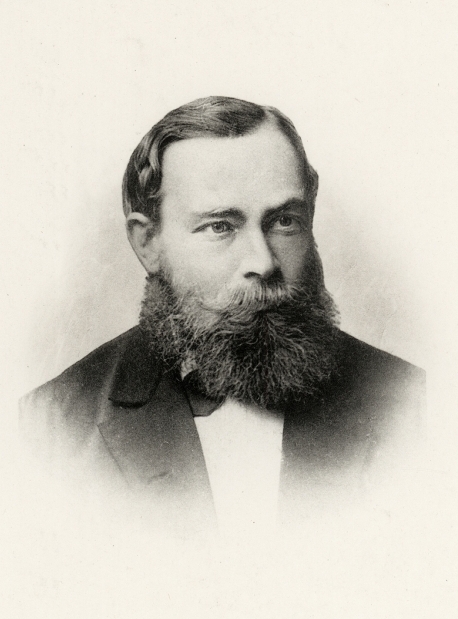
Gottlob Frege
1848 CE – 1925 CE
Wismar
German logician, mathematician, and philosopher whose concept-script, modern quantificational logic, logicism, sense-reference distinction, concept-object analysis, and anti-psychologism helped launch analytic philosophy and reshape logic, language, mathematics, and truth.
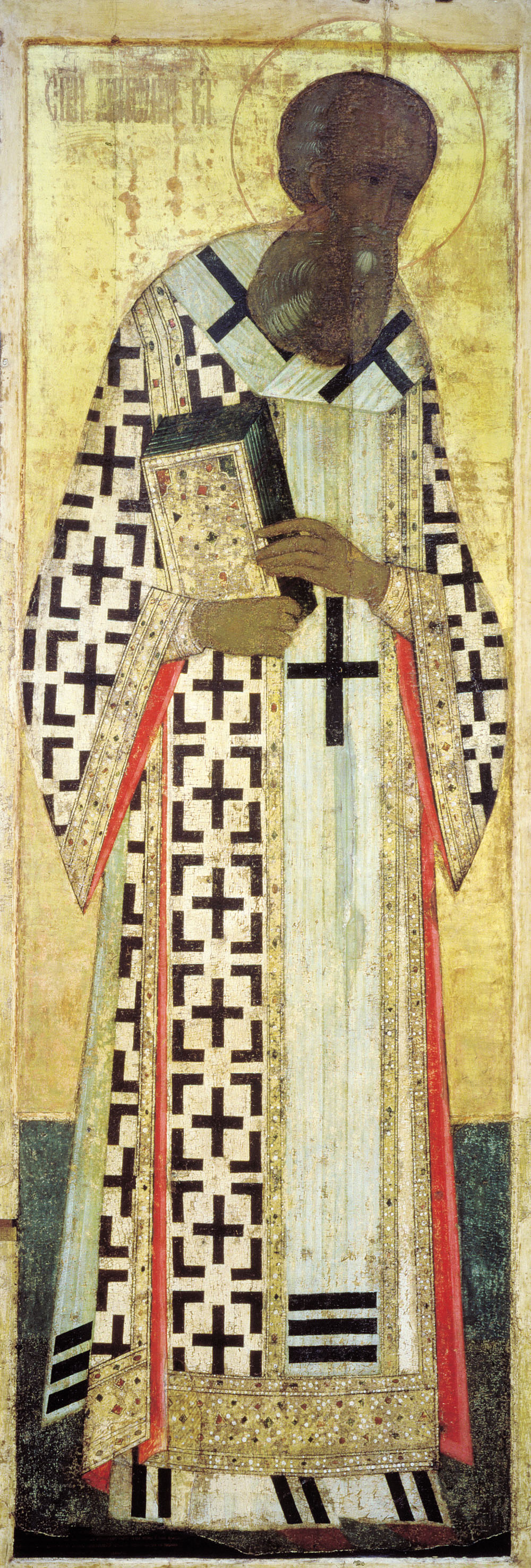
Gregory of Nazianzus
329 CE – 390 CE
Nazianzus (Cappadocia)
Cappadocian Greek theologian, orator, poet, and philosopher whose Theological Orations, Trinitarian distinctions, apophatic restraint, Christological letters, and rhetorical art shaped Nicene metaphysics, philosophy of religion, theological language, ethics, and aesthetics.
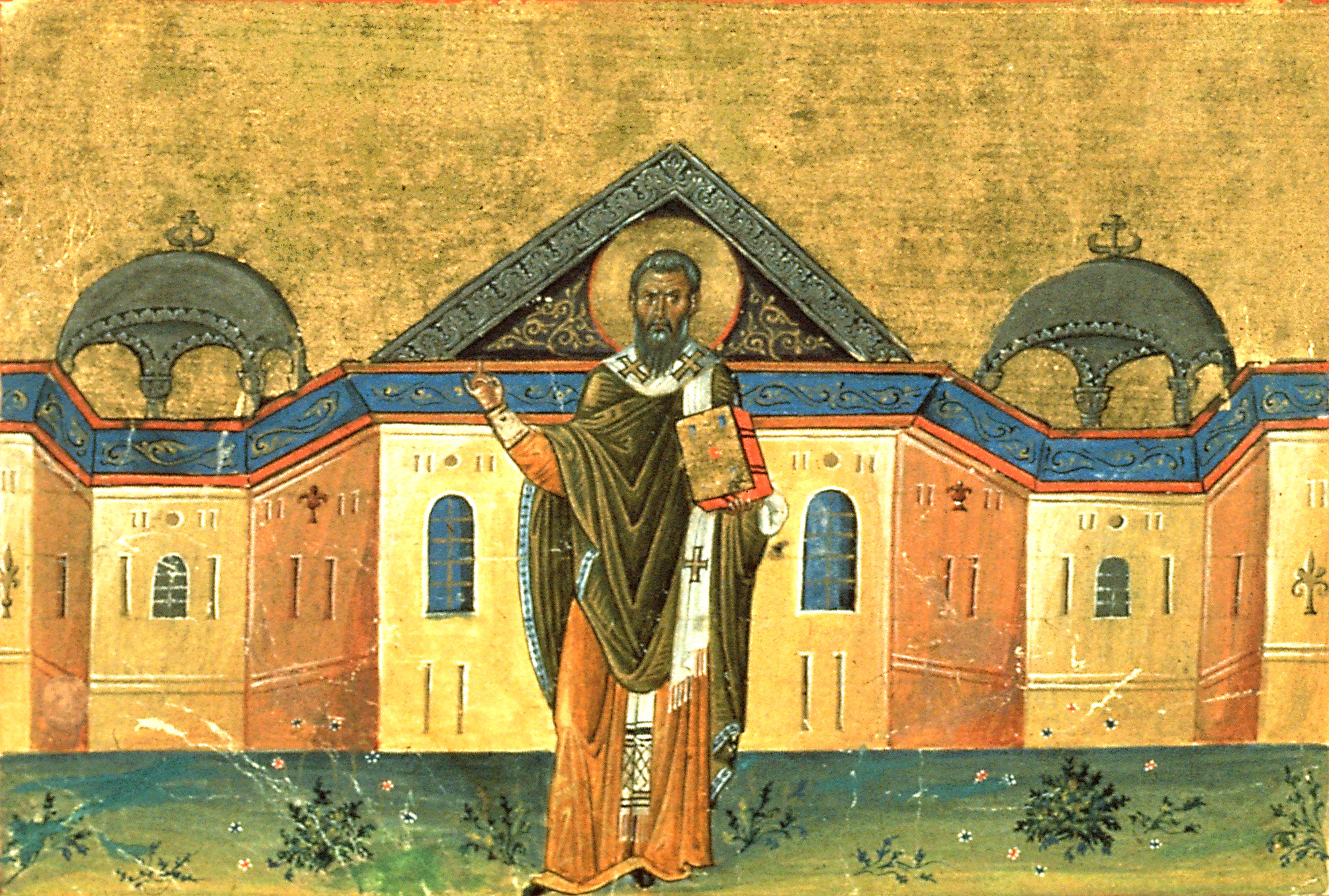
Gregory of Nyssa
335 CE – 395 CE
Nyssa (Cappadocia)
Cappadocian Greek bishop and philosopher-theologian whose accounts of divine infinity, epektasis, apophatic knowledge, soul-body anthropology, creation, and theological language shaped Christian Platonism, philosophy of religion, metaphysics, mind, science, and aesthetics.
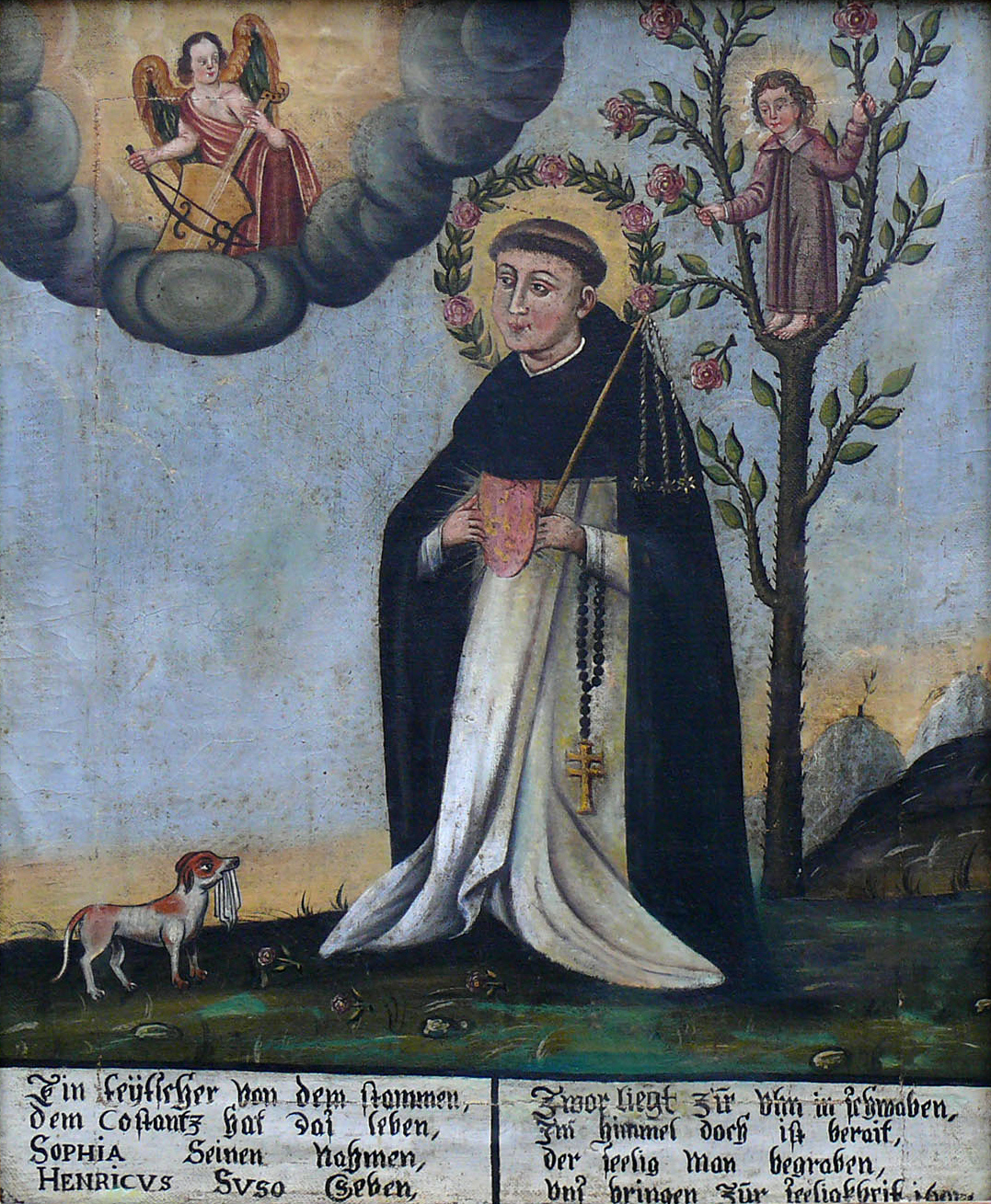
Heinrich Suso
1295 CE – 1366 CE
Constance or Überlingen, Swabia
German Dominican mystic and philosopher of Eternal Wisdom whose Exemplar, Life of the Servant, Little Book of Truth, Little Book of Eternal Wisdom, and Horologium Sapientiae join mystical metaphysics, interior transformation, affective ethics, suffering, counsel, and the limits of religious language.
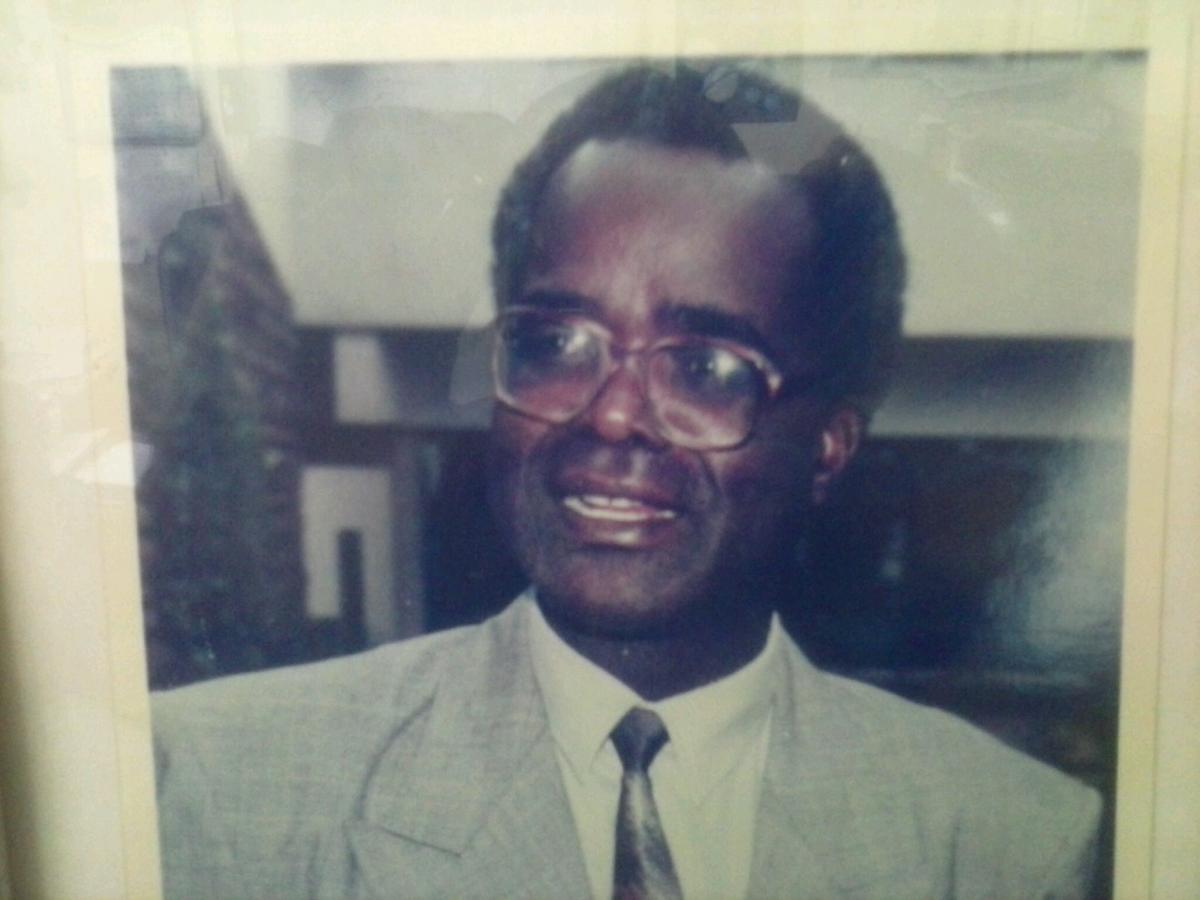
Henry Odera Oruka
1944 CE – 1995 CE
Masiro-Nyang'ungu, Ugenya, Siaya County
Kenyan philosopher of sage philosophy whose work on philosophic sagacity, oral reason, liberty, punishment, human minimum ethics, ecology, law, religion, and public African philosophy helped define contemporary debates about African philosophical method.
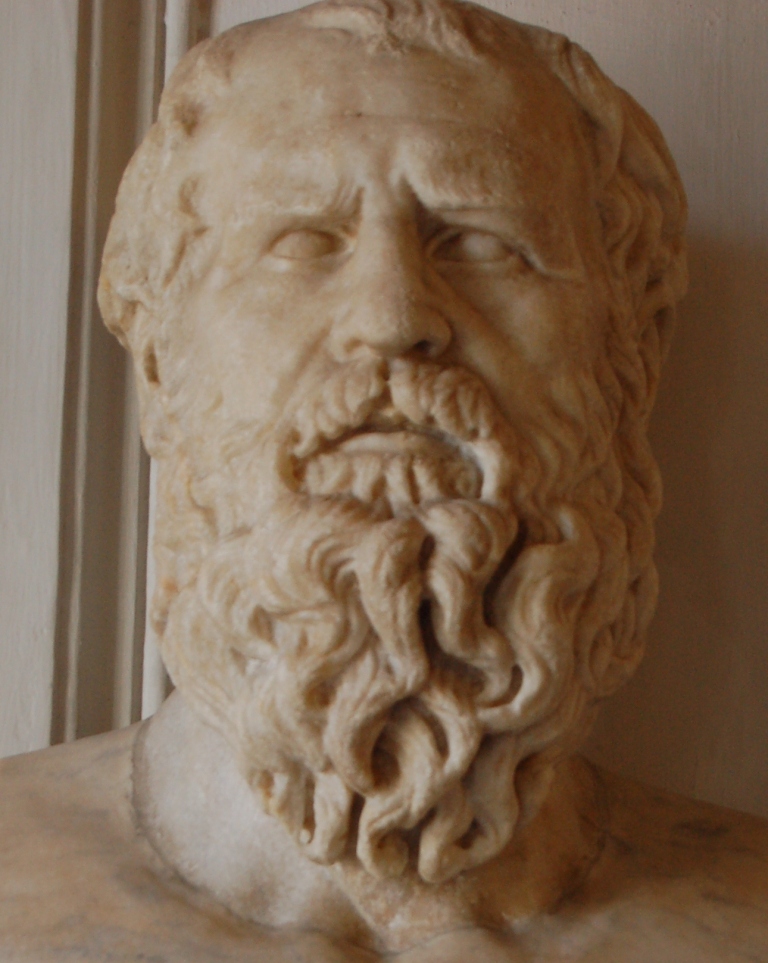
Heraclitus of Ephesus
535 BCE – 475 BCE
Ephesus, Ionia
Ionian Greek Presocratic philosopher from Ephesus whose fragments on logos, flux, fire, unity of opposites, measure, self-knowledge, law, soul, and hidden harmony helped shape metaphysics, epistemology, logic, language, natural philosophy, religion, and later process thought.
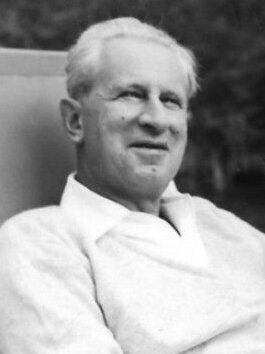
Herbert Marcuse
1898 CE – 1979 CE
Berlin
German-American Frankfurt School philosopher and critical theorist whose work on Hegel, Marx, Freud, advanced industrial society, technological rationality, liberation, art, tolerance, repression, ecology, and the New Left shaped twentieth-century social philosophy.
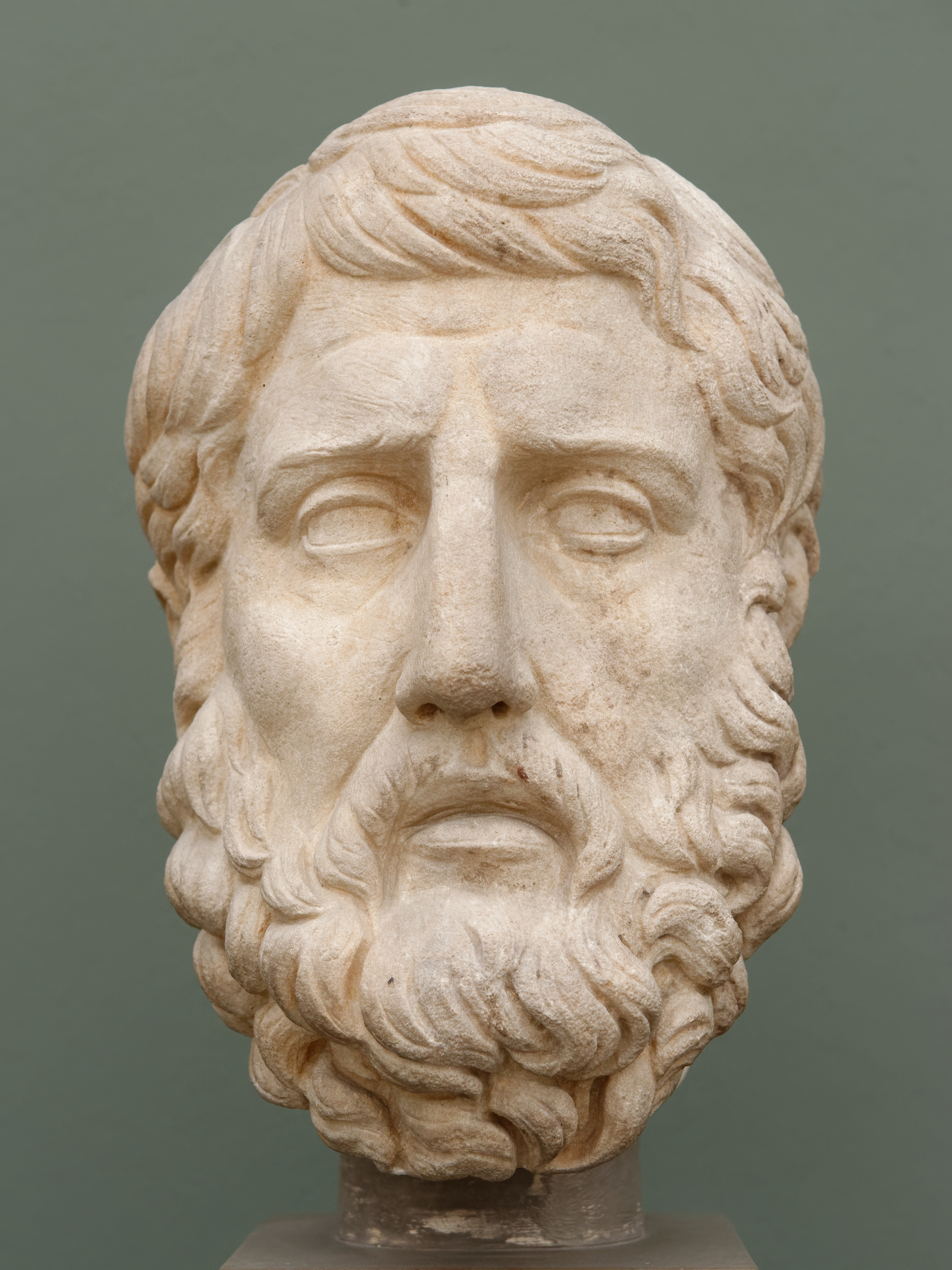
Hermarchus of Mytilene
325 BCE – 250 BCE
Mytilene, Lesbos
Epicurean scholarch from Mytilene, pupil and successor of Epicurus, whose lost works and fragments preserve early Garden arguments on nature, law, justice, mathematics, rival schools, and the critique of fear-based religion.
Hippias of Elis
460 BCE – 400 BCE
Elis, Peloponnese
Elean Greek sophist, polymath, diplomat, and mathematician associated with natural law, encyclopedic learning, memory, language, beauty, Olympic chronology, and the quadratrix.
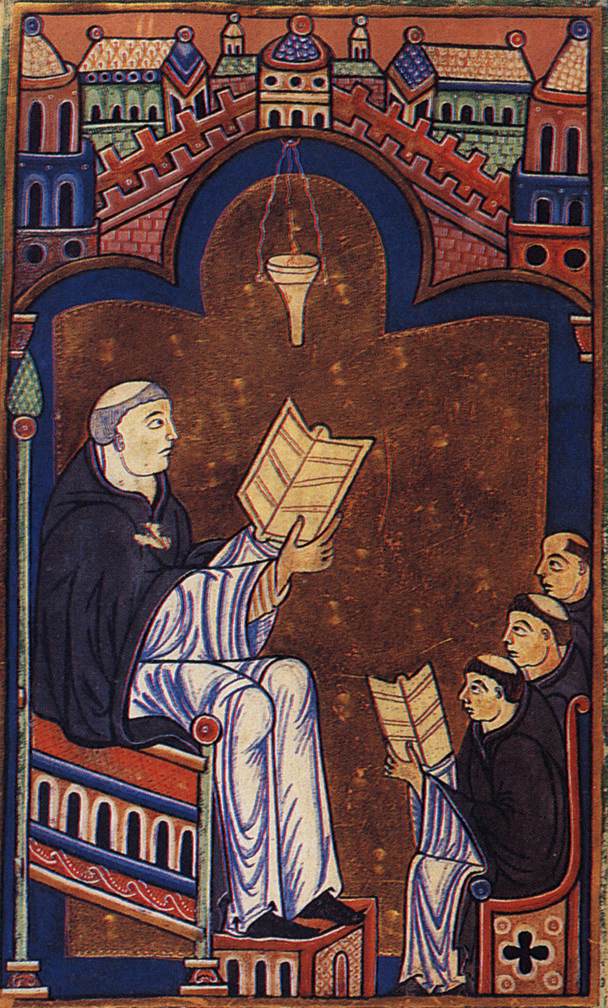
Hugh of St. Victor
1096 CE – 1141 CE
Saxony, probably the Harz/Hamersleben region
Saxon-born Victorine philosopher and theologian whose Didascalicon, De sacramentis, ark imagery, arts curriculum, symbolic exegesis, and contemplative psychology joined learning to spiritual restoration.
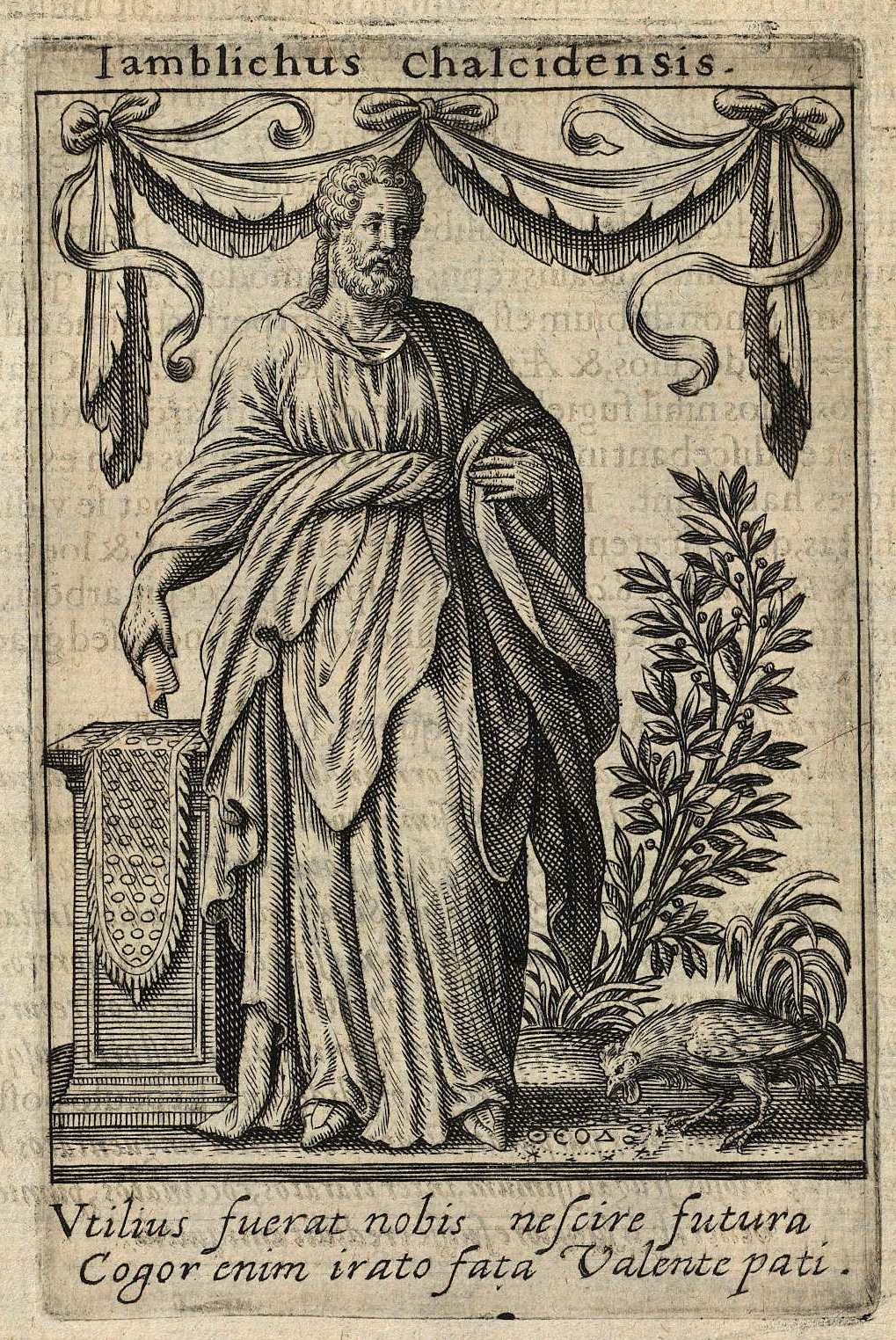
Iamblichus of Chalcis
245 CE – 325 CE
Chalcis ad Belum, Coele-Syria, probably near modern Qinnasrin
Syrian Greek Neoplatonist of Chalcis whose theurgy, Pythagorean curriculum, Platonic commentary, mathematics, soul theory, metaphysics, and philosophy of religion shaped later Syrian and Athenian Neoplatonism.
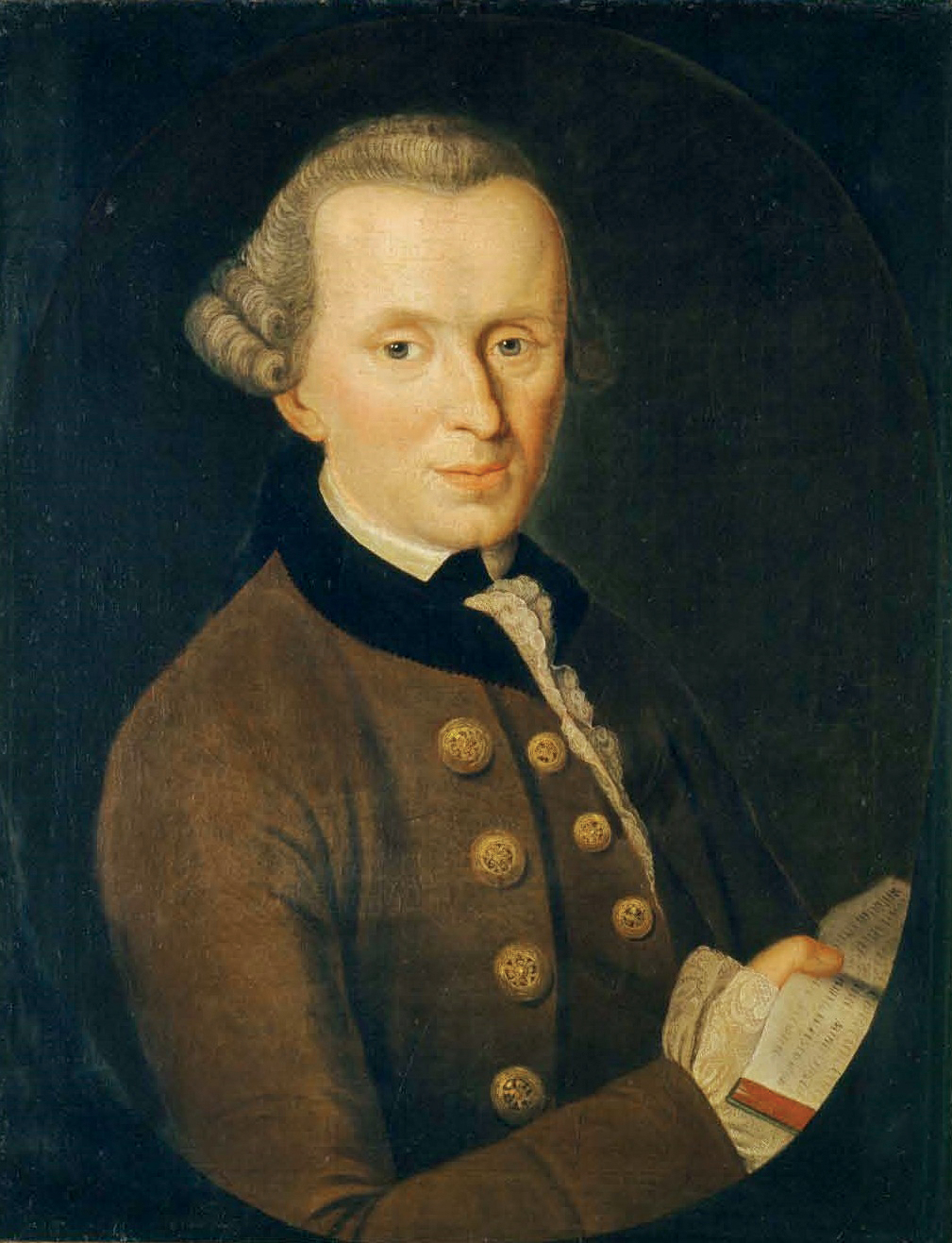
Immanuel Kant
1724 CE – 1804 CE
Königsberg, Prussia
Prussian Enlightenment philosopher whose critical philosophy of transcendental idealism, autonomy, public reason, aesthetic judgment, natural science, religion, and right reshaped modern metaphysics, epistemology, ethics, politics, and aesthetics.

Iris Marion Young
1949 CE – 2006 CE
New York City, New York
American socialist-feminist political theorist whose work on justice, oppression, democracy, body experience, structural injustice, political responsibility, and global labor justice reshaped contemporary feminist and critical social theory.
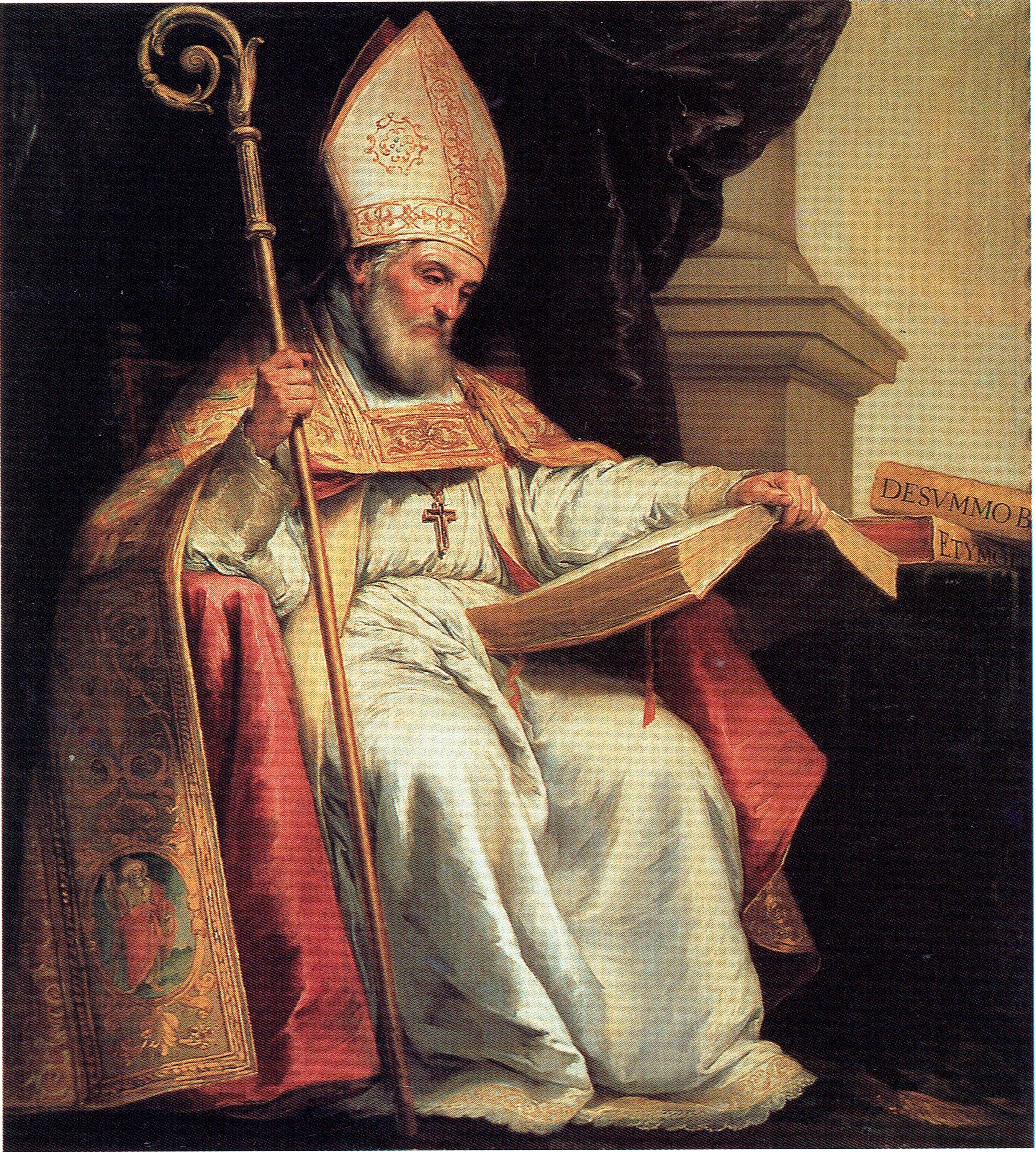
Isidore of Seville
560 CE – 636 CE
Cartagena or Seville, Visigothic Hispania
Hispano-Roman and Visigothic Iberian bishop and encyclopedist whose Etymologiae, Sententiae, histories, ecclesiastical works, and natural-philosophy compilations transmitted Latin Christian learning, grammar, classification, and the liberal arts into the early medieval West.
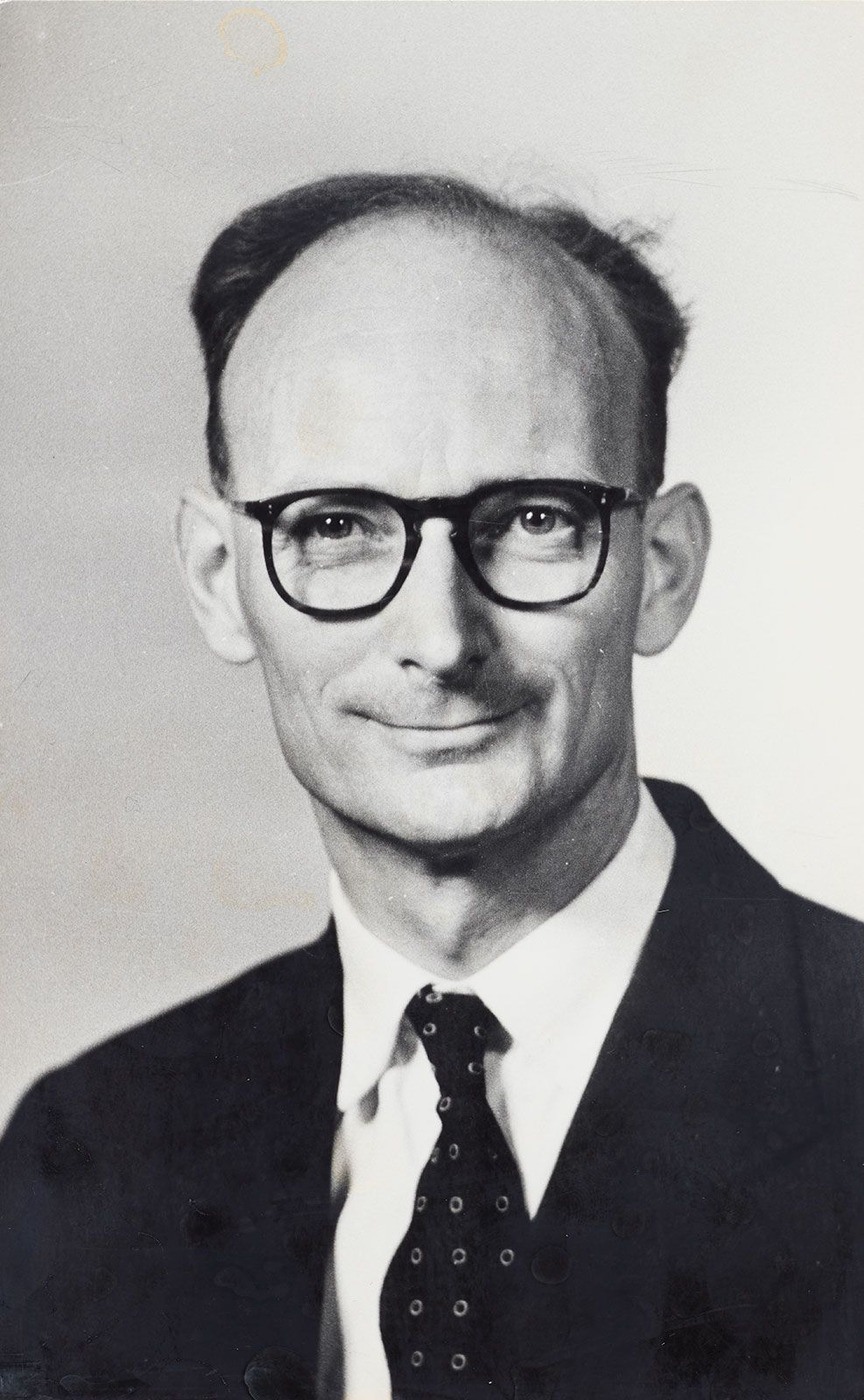
J. L. Austin
1911 CE – 1960 CE
Lancaster, Lancashire
British Oxford ordinary-language philosopher whose analyses of performatives, speech acts, excuses, other minds, truth, perception, and action reshaped twentieth-century analytic philosophy.
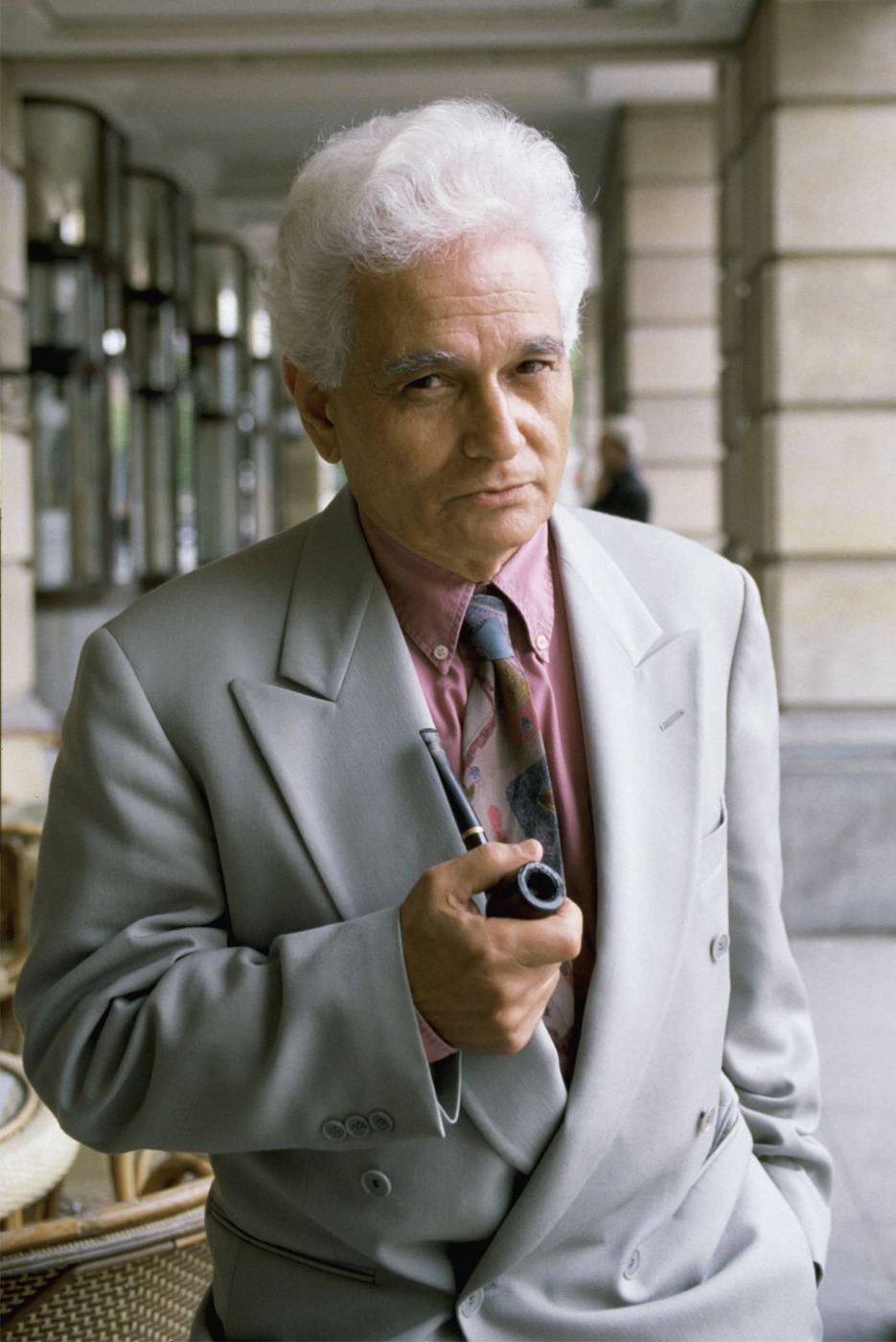
Jacques Derrida
1930 CE – 2004 CE
El Biar, Algiers, French Algeria
French Algerian philosopher of deconstruction whose analyses of writing, differance, trace, hospitality, law, archives, ethics, politics, and metaphysics reshaped twentieth-century continental philosophy and critical theory.
Jean Baudrillard
1929 CE – 2007 CE
Reims, Marne, France
French philosopher and social theorist of simulation, simulacra, hyperreality, symbolic exchange, consumer society, media, signs, and postmodern culture.
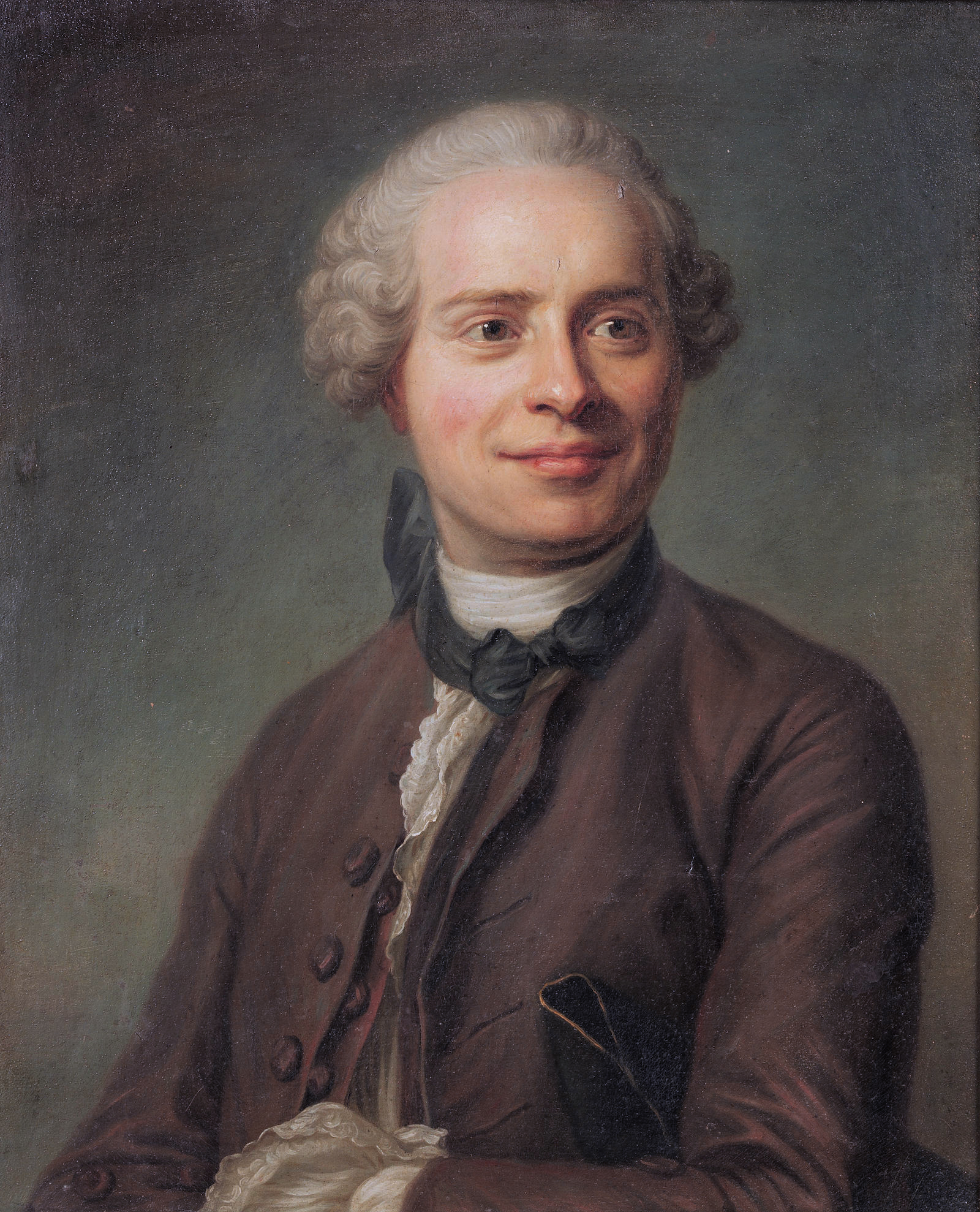
Jean le Rond d'Alembert
1717 CE – 1783 CE
Paris
French Enlightenment philosopher, mathematician, physicist, music theorist, and encyclopedist from Paris, associated with mathematical physics, the Encyclopedie, the Preliminary Discourse, and philosophy of science.
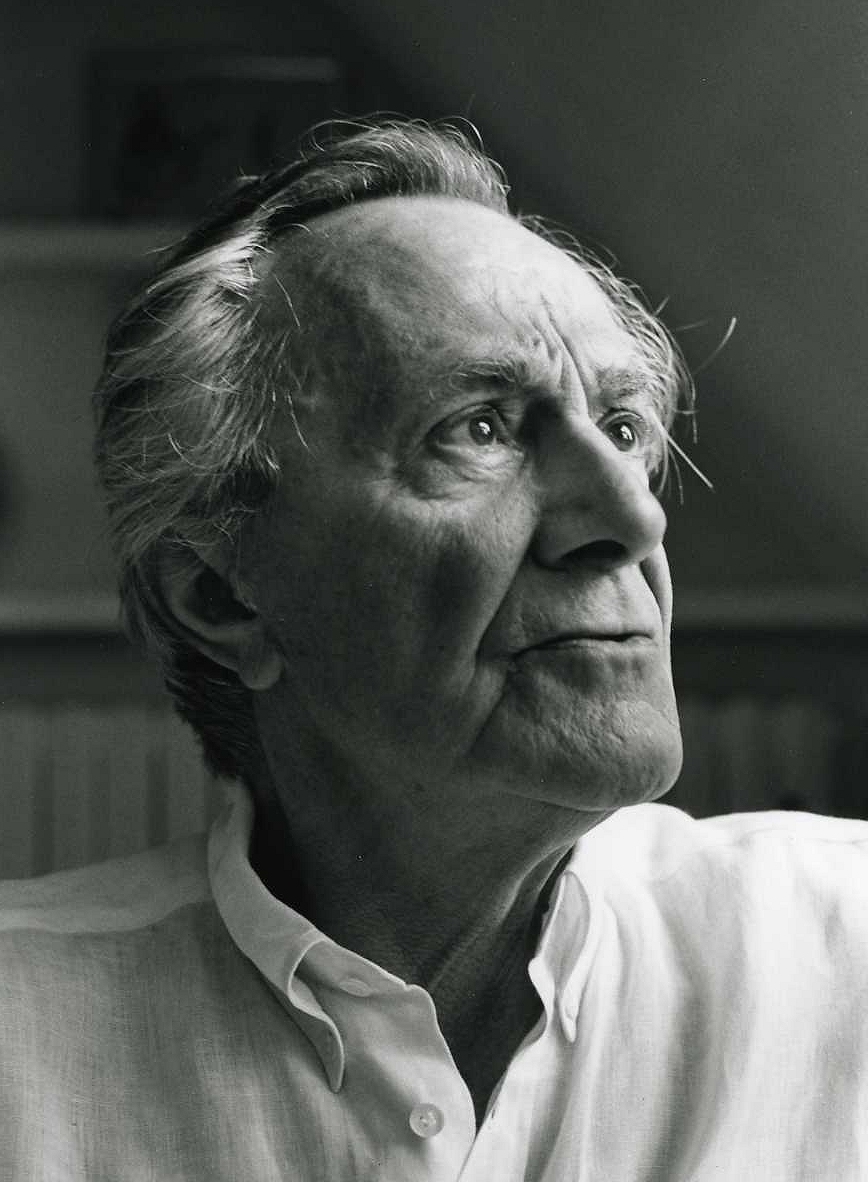
Jean-François Lyotard
1924 CE – 1998 CE
Versailles
French postmodern philosopher of knowledge, language games, phrase regimens, the differend, libidinal economy, the sublime, technoscience, art, and the critique of grand narratives.
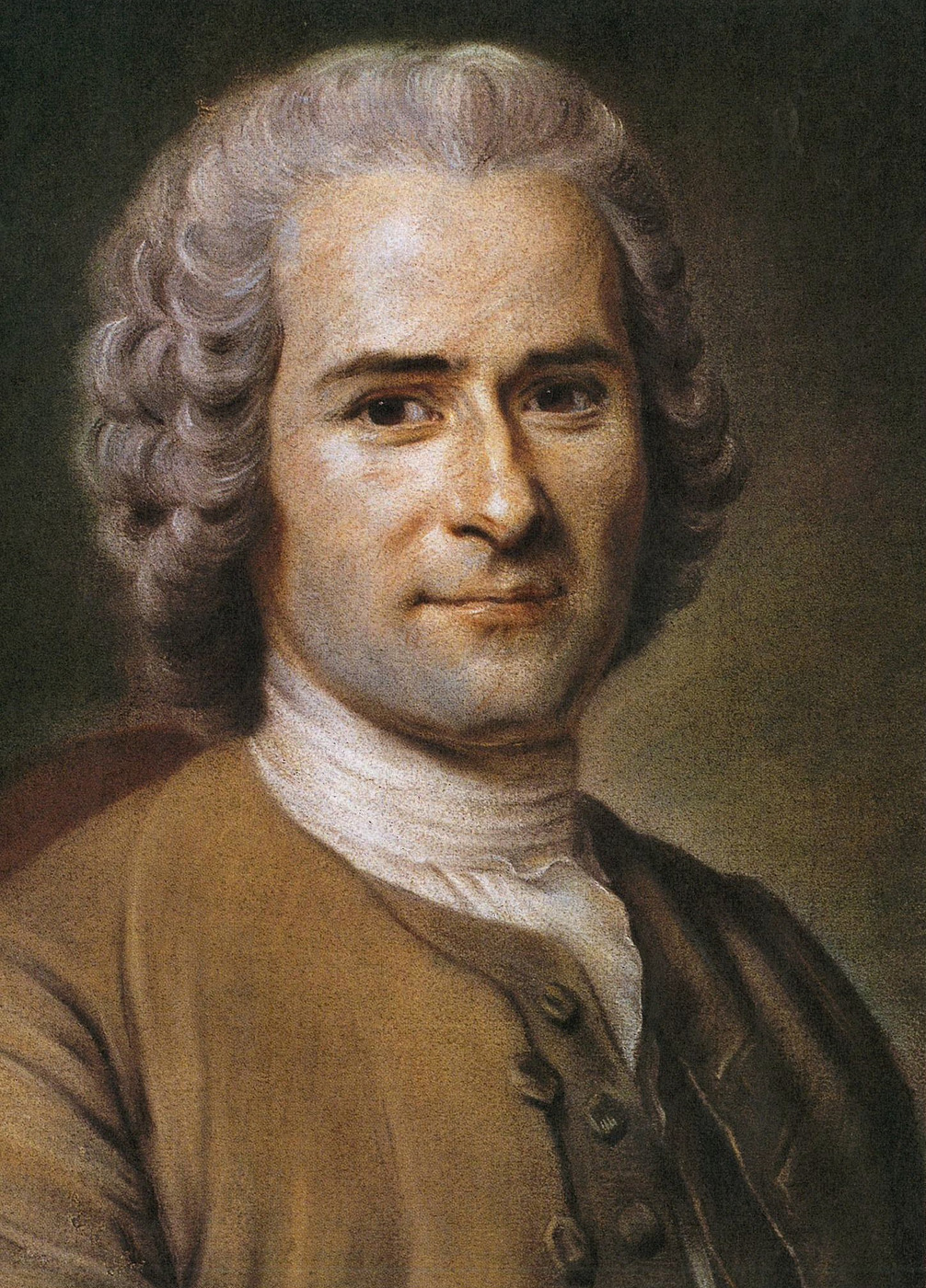
Jean-Jacques Rousseau
1712 CE – 1778 CE
Geneva
Genevan French-language Enlightenment philosopher of popular sovereignty, the general will, social contract theory, natural education, civil religion, moral psychology, language, music, autobiography, and the critique of corrupting civilization.
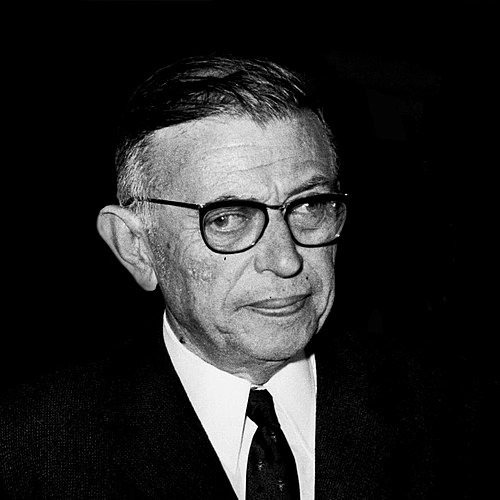
Jean-Paul Sartre
1905 CE – 1980 CE
Paris
French existentialist and phenomenological philosopher of freedom, bad faith, nothingness, political commitment, literature, existential psychoanalysis, anti-colonialism, and existential Marxism.
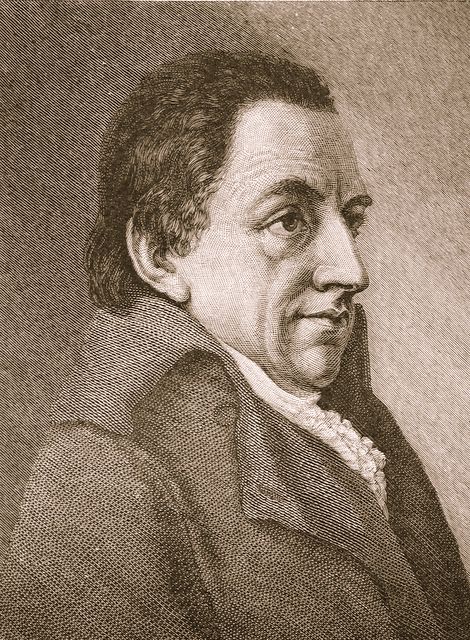
Johann Gottlieb Fichte
1762 CE – 1814 CE
Rammenau, Upper Lusatia, Saxony
German post-Kantian idealist philosopher of the Wissenschaftslehre, self-positing subjectivity, moral freedom, natural right, language, vocation, political economy, religion, and national education.
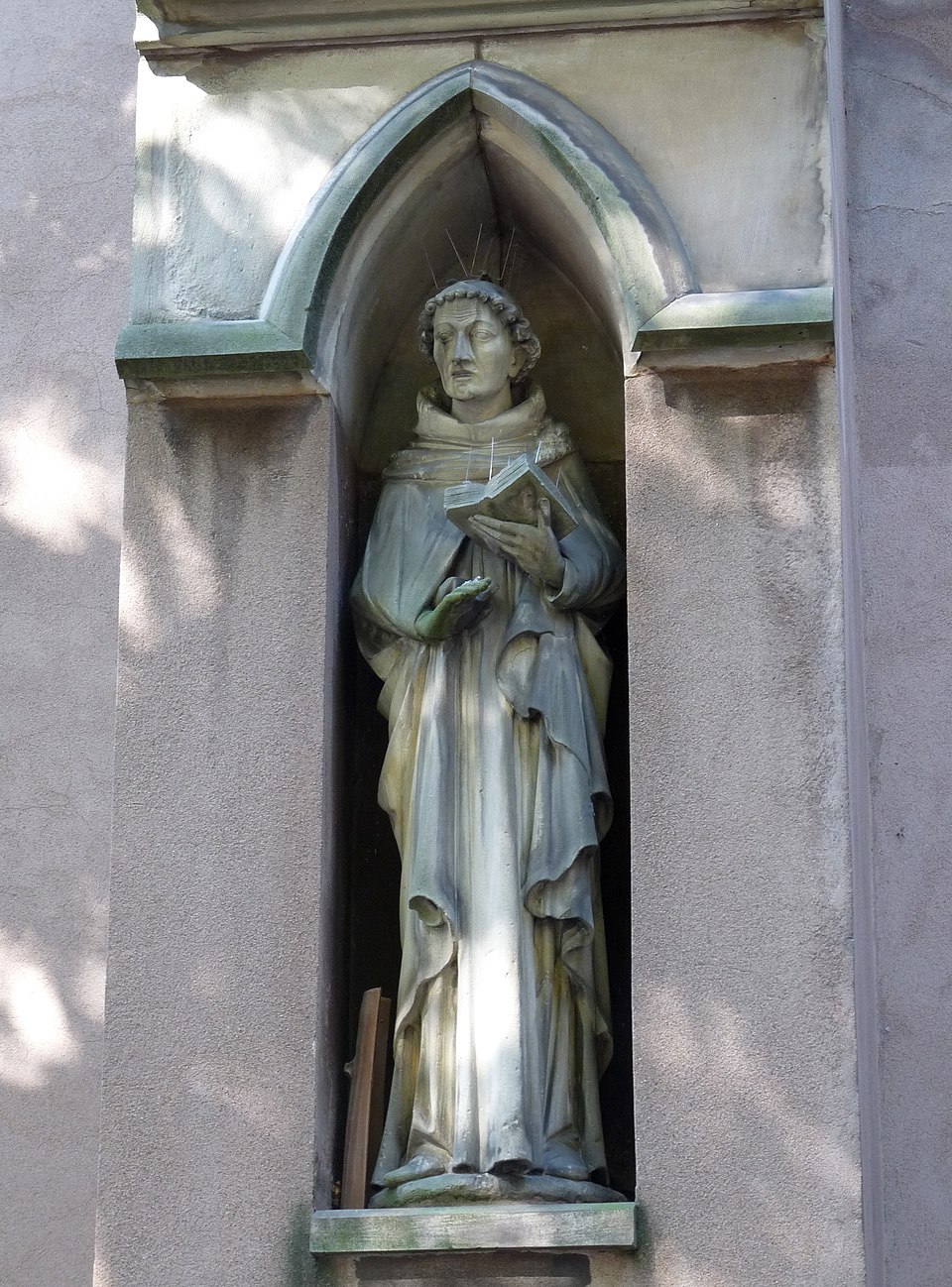
Johannes Tauler
1300 CE – 1361 CE
Strasbourg, Alsace
Alsatian German Dominican mystic of Strasbourg whose sermons and spiritual letters shaped Rhenish mystical theology through divine birth, detachment, the ground of the soul, contemplative discipline, and practical spiritual counsel.
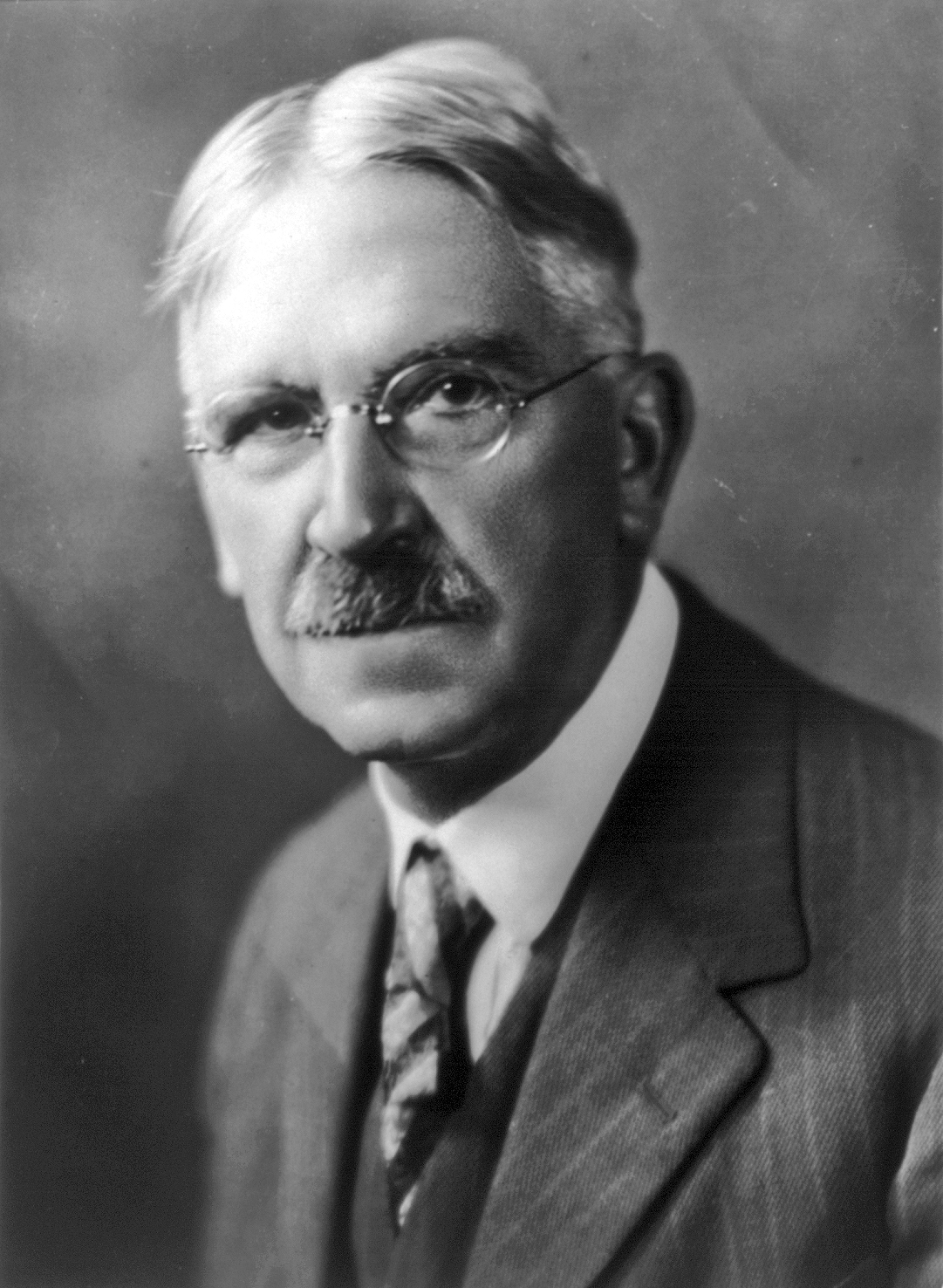
John Dewey
1859 CE – 1952 CE
Burlington, Vermont
American pragmatist philosopher of instrumentalism, democratic experimentalism, progressive education, inquiry, experience, logic, ethics, aesthetics, public life, science, and naturalistic religion.
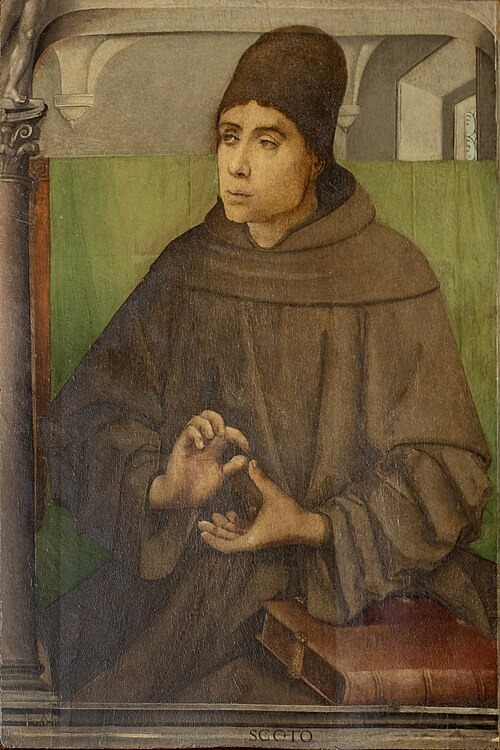
John Duns Scotus
1266 CE – 1308 CE
Duns, Berwickshire, now Scottish Borders
Scottish Franciscan scholastic philosopher of Scotism, univocity of being, haecceity, formal distinction, divine infinity, will, natural law, logic, and the Ordinatio.
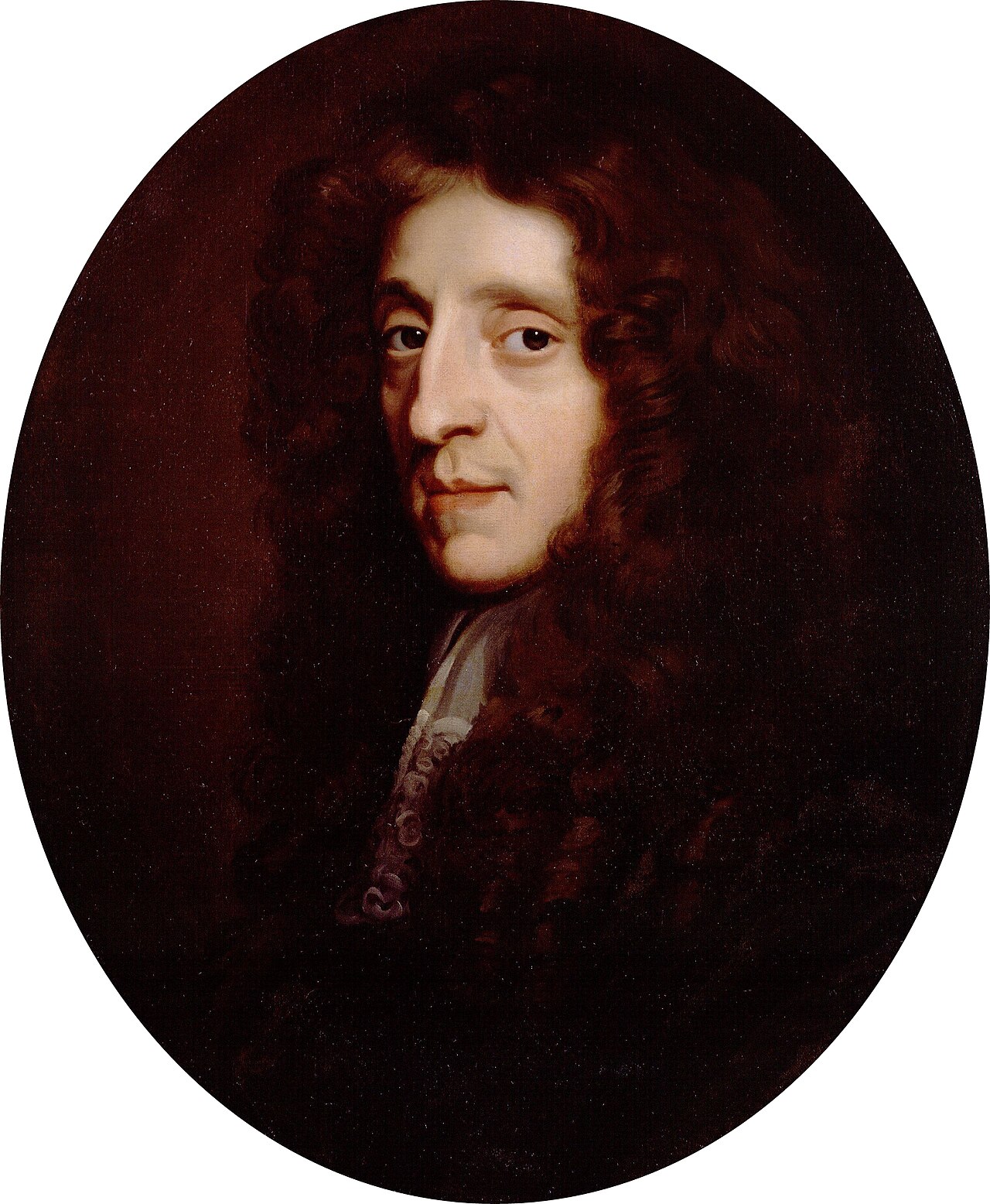
John Locke
1632 CE – 1704 CE
Wrington, Somerset
English early modern empiricist and liberal political philosopher of human understanding, toleration, natural law, personal identity, education, monetary thought, rational Christianity, and the limits of knowledge.
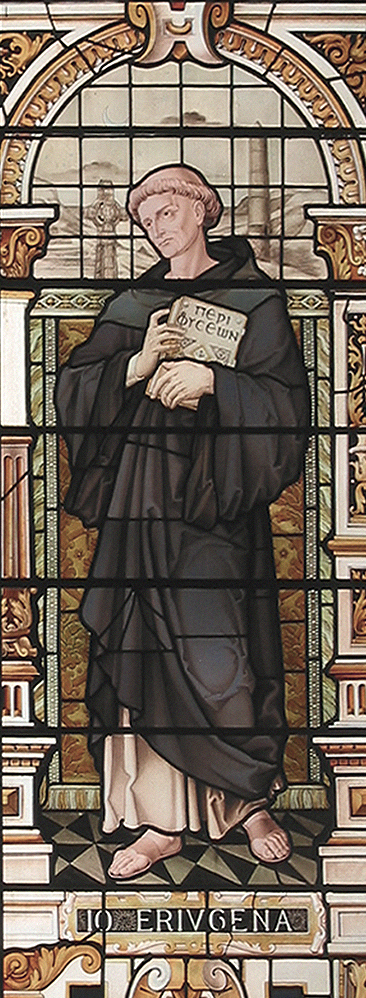
John Scotus Eriugena
815 CE – 877 CE
Ireland, probably Leinster
Irish Carolingian Neoplatonic philosopher and translator of apophatic theology, Periphyseon, Dionysian Greek patristic sources, predestination, dialectic, and Johannine exegesis.
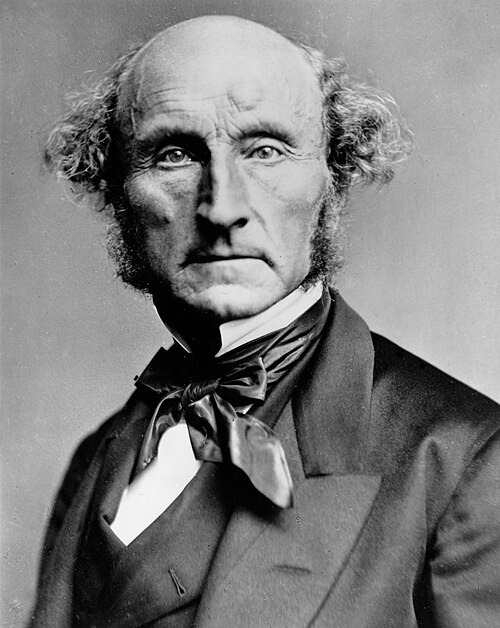
John Stuart Mill
1806 CE – 1873 CE
Pentonville, London
English liberal utilitarian philosopher of liberty, individuality, higher pleasures, inductive logic, political economy, representative government, women's equality, religious skepticism, and empiricist method.
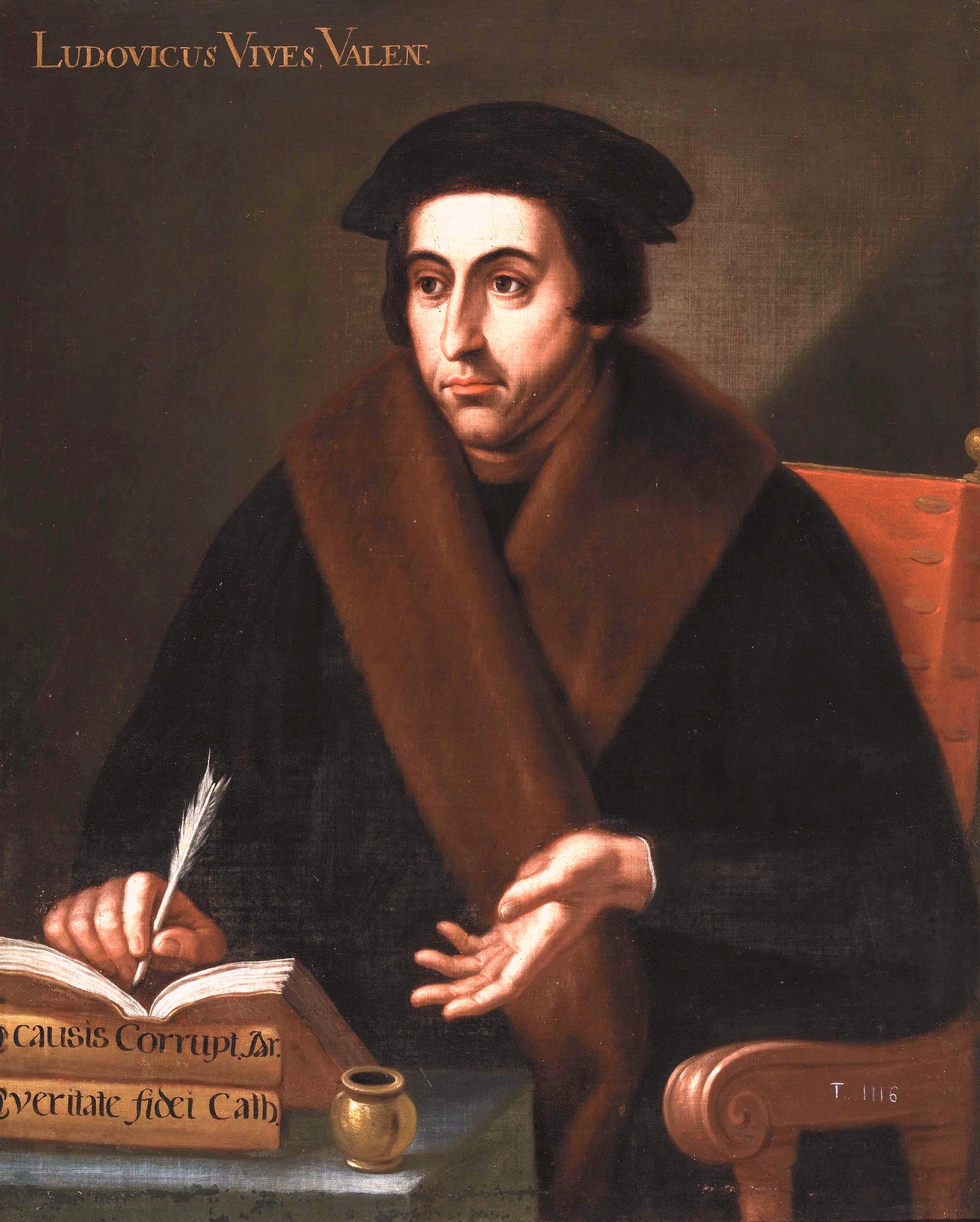
Juan Luis Vives
1493 CE – 1540 CE
Valencia
Valencian Spanish Renaissance humanist philosopher of education, psychology, language, rhetoric, poor relief, peace, Christian reform, women's education, and the renewal of the disciplines.
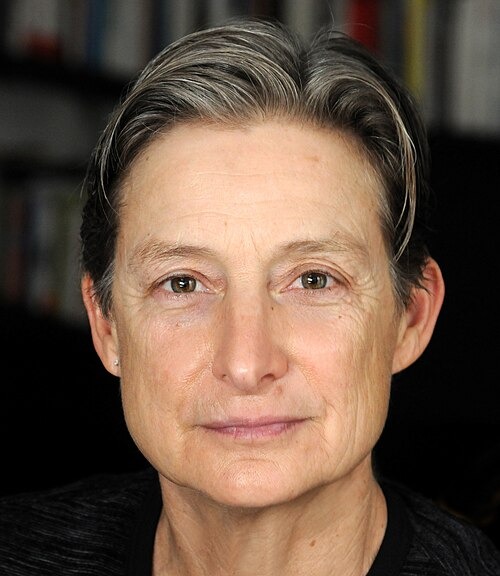
Judith Butler
1956 CE
Cleveland, Ohio
American poststructuralist feminist philosopher and queer theorist of gender performativity, subject formation, vulnerability, precarity, speech, ethics, assembly, nonviolence, and critical theory.
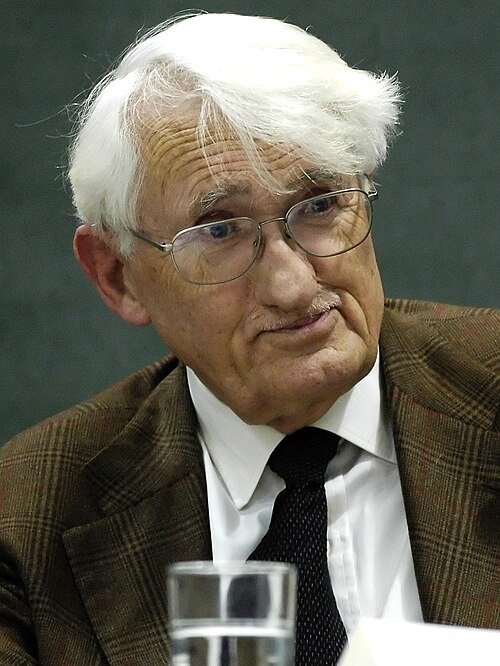
Jürgen Habermas
1929 CE – 2026 CE
Düsseldorf
German Frankfurt School philosopher of communicative rationality, discourse ethics, public sphere theory, deliberative democracy, law, postmetaphysical philosophy, religion in public reason, and European constitutional politics.
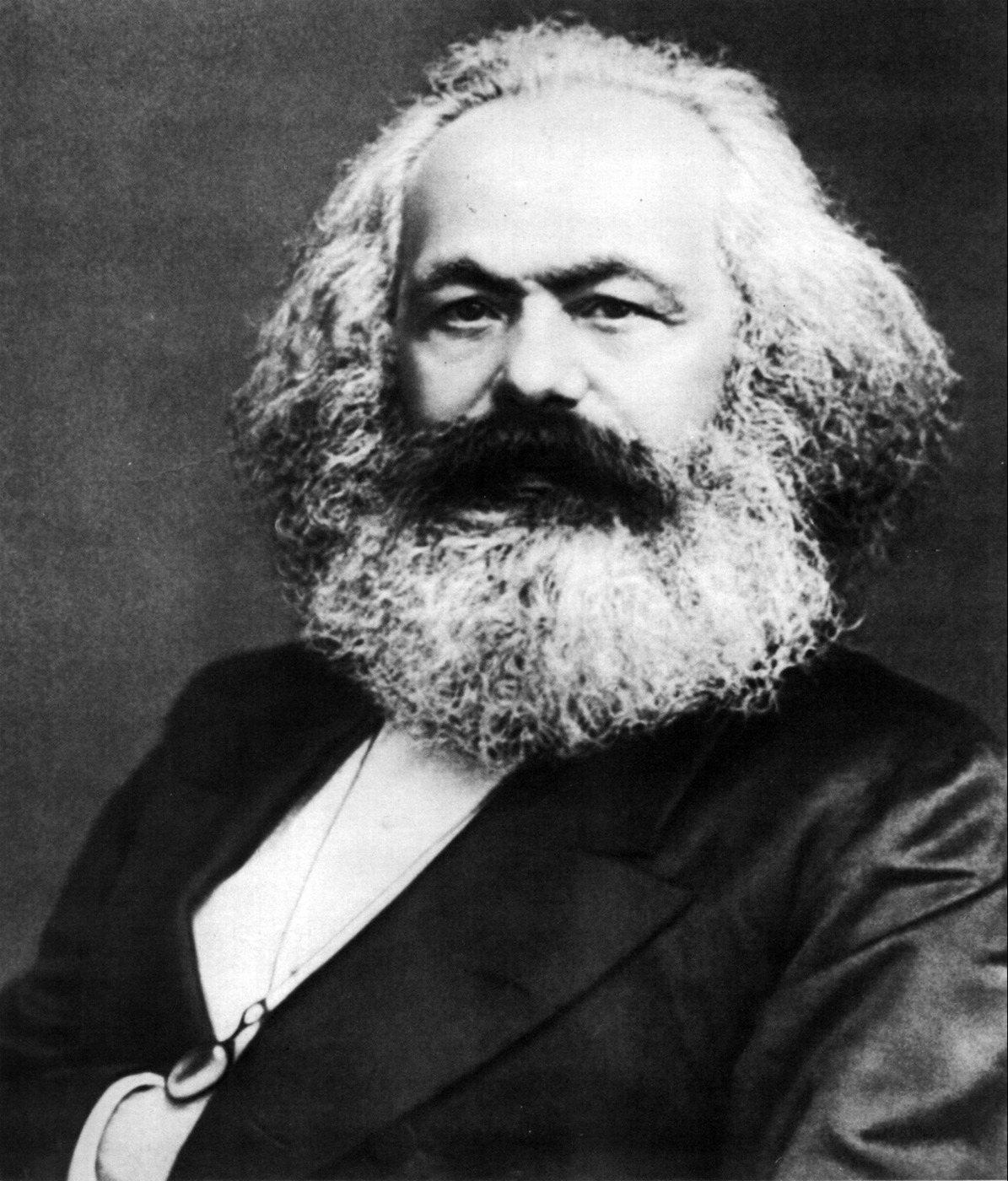
Karl Marx
1818 CE – 1883 CE
Trier, Rhine Province, Kingdom of Prussia
German philosopher of historical materialism, alienation, class struggle, ideology critique, political economy, capitalism, communism, religion critique, and social transformation.
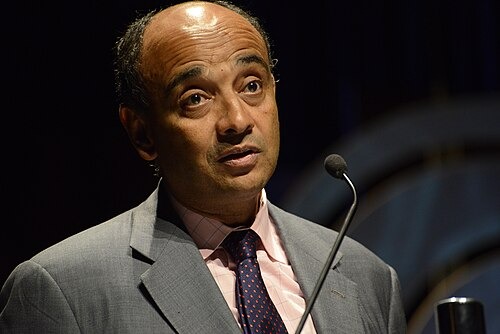
Kwame Anthony Appiah
1954 CE
London
Ghanaian-British-American analytic philosopher of cosmopolitanism, identity, race, culture, semantics, ethics, honor, religion, public philosophy, and global moral responsibility.
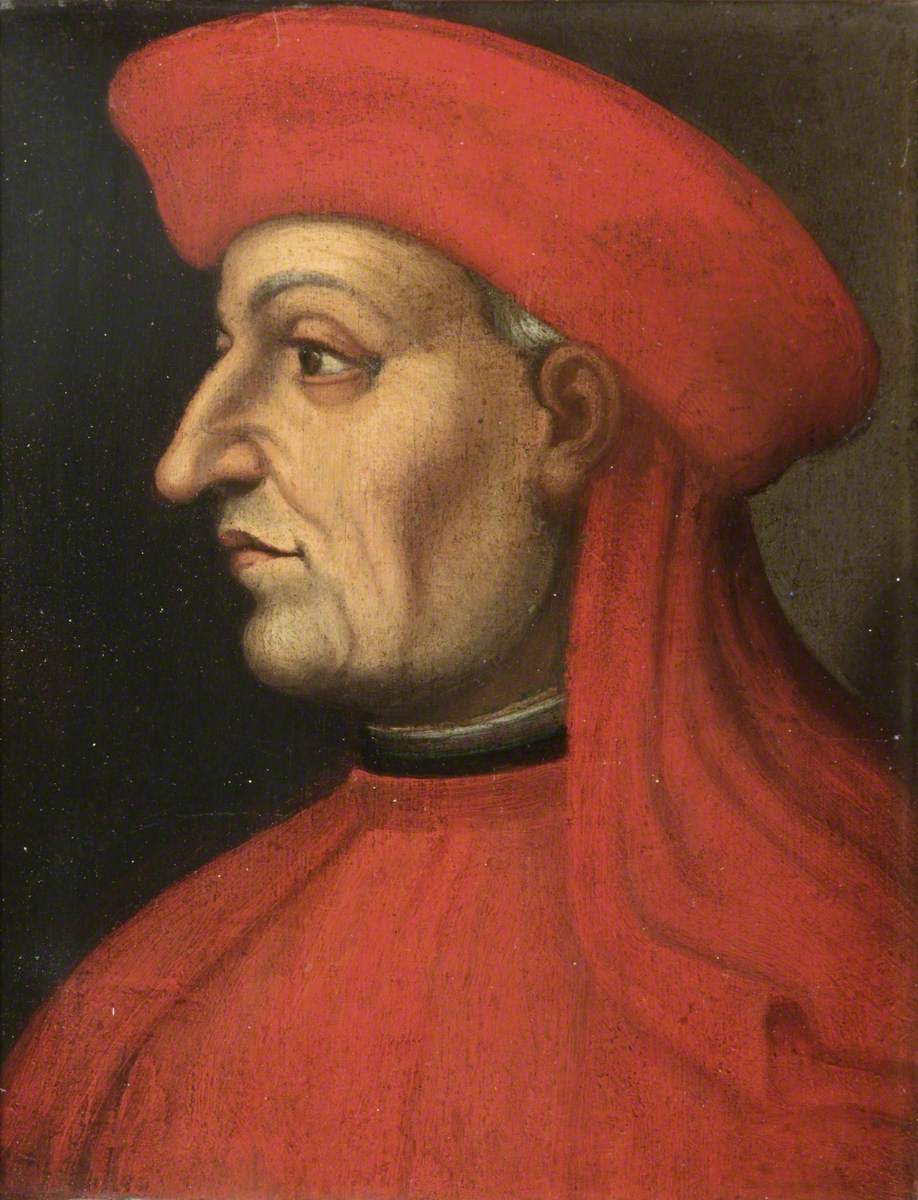
Leonardo Bruni
1370 CE – 1444 CE
Arezzo
Italian Renaissance humanist, Florentine chancellor, translator, and historian whose civic rhetoric, republican historiography, classical translations, and De interpretatione recta shaped civic humanism and humanist translation theory.
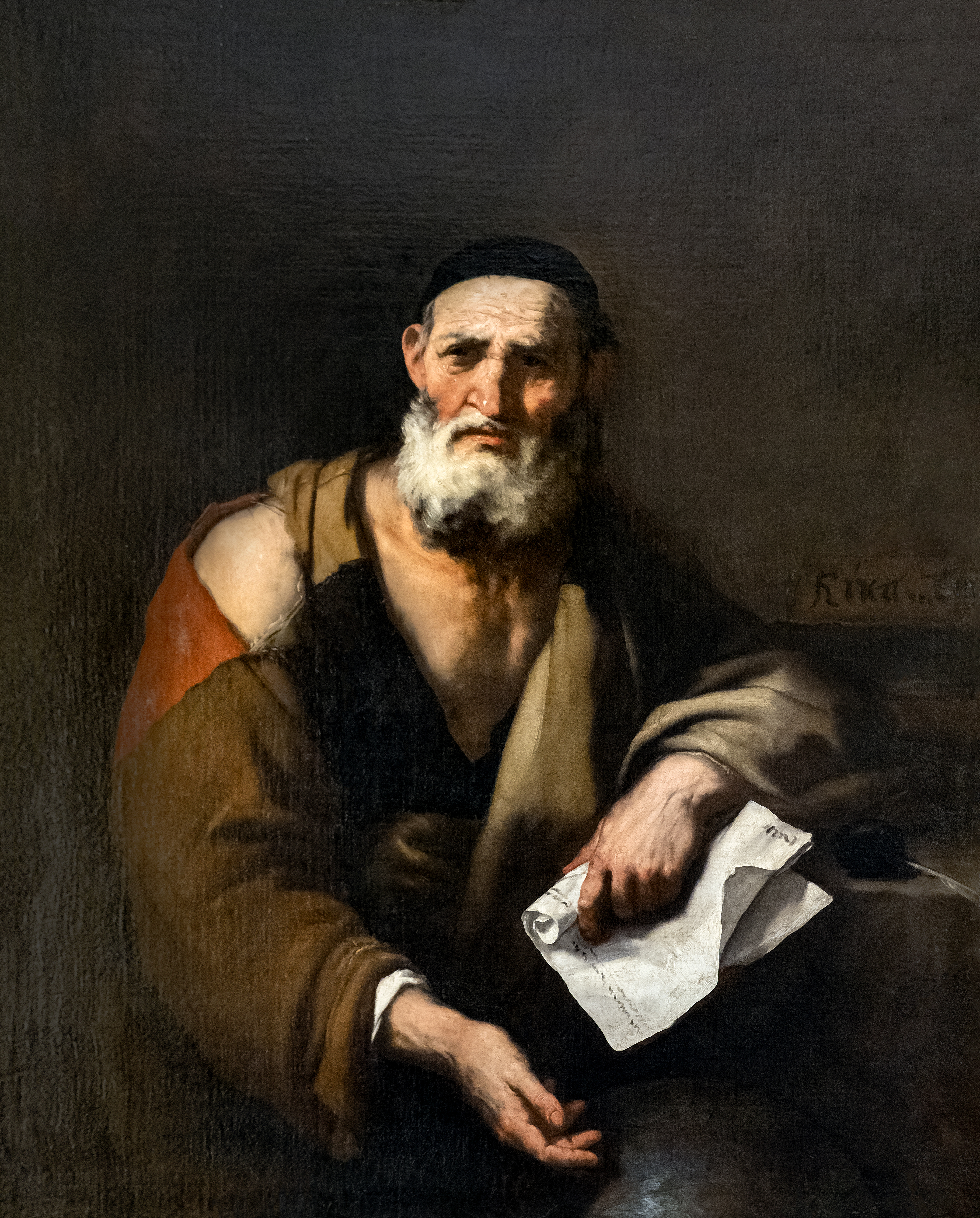
Leucippus of Abdera
500 BCE – 430 BCE
Abdera, Thrace; birthplace uncertain in ancient sources
Presocratic atomist associated with Abdera whose lost works and ancient testimonia explain nature through atoms, void, motion, and necessity.
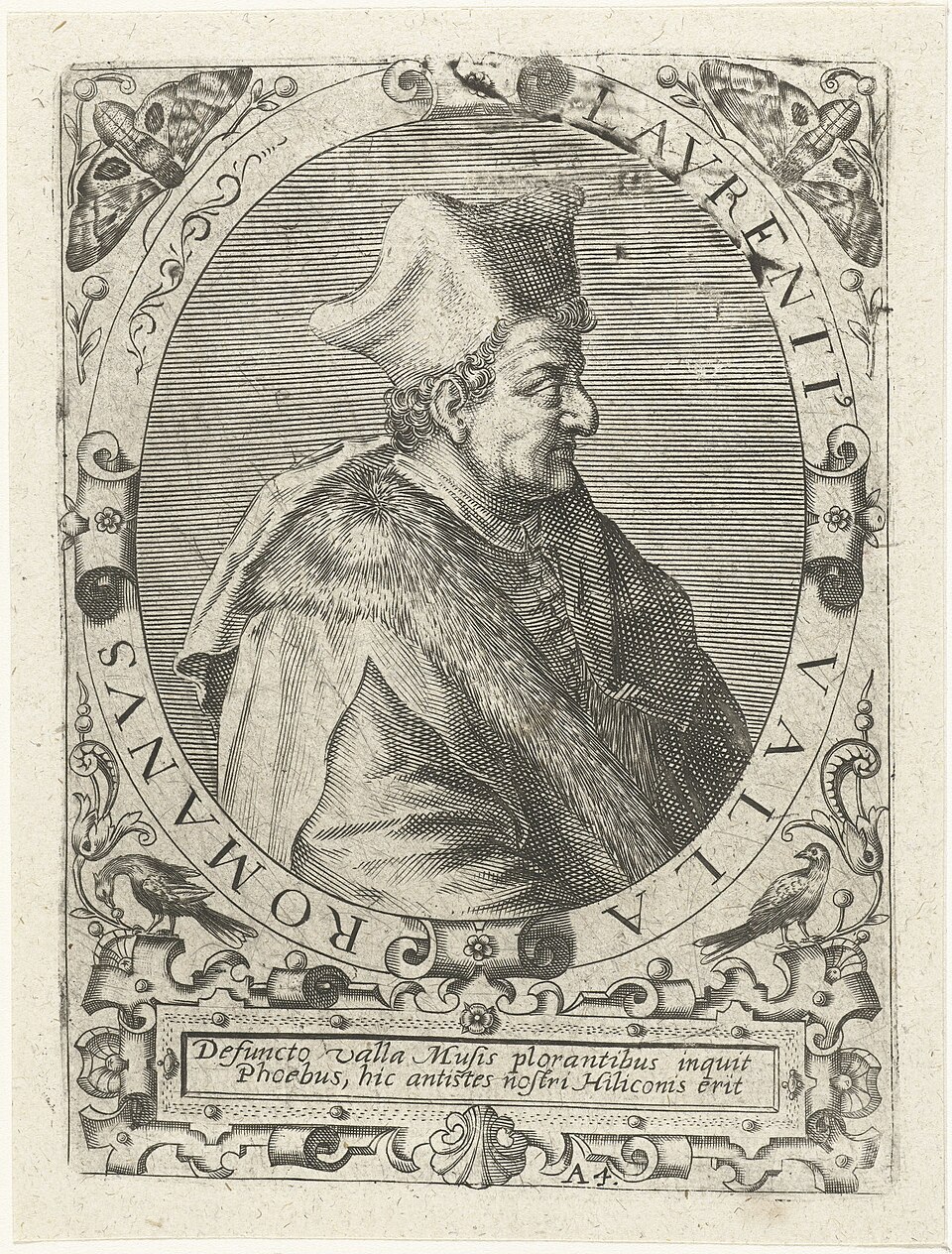
Lorenzo Valla
1407 CE – 1457 CE
Rome
Italian Renaissance humanist, philologist, philosopher, textual critic, translator, and Catholic priest whose critique of scholasticism, Latin style, biblical scholarship, and exposure of the Donation of Constantine reshaped humanist method.

Lucretius (Titus Lucretius Carus)
99 BCE – 55 BCE
Rome or Roman Italy, probably Rome; exact birthplace uncertain
Roman Epicurean poet-philosopher whose De rerum natura carries atomism, naturalistic explanation, mortal mind, and the critique of superstition into Latin didactic poetry.
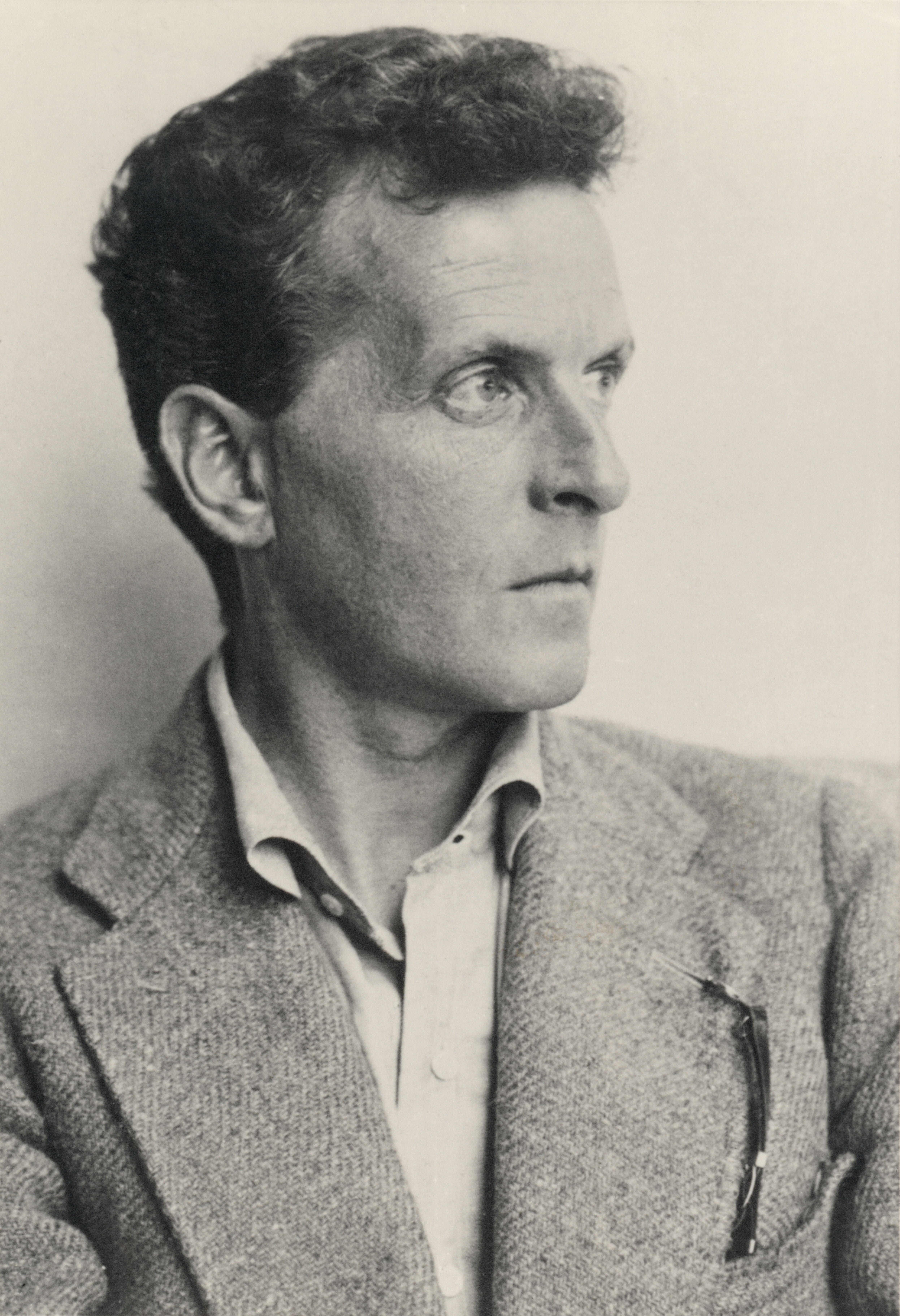
Ludwig Wittgenstein
1889 CE – 1951 CE
Vienna, Austria-Hungary
Austrian-British analytic philosopher whose Tractatus, later ordinary-language method, language-games, private-language arguments, and remarks on mathematics, certainty, mind, aesthetics, ethics, and religious language reshaped twentieth-century philosophy.
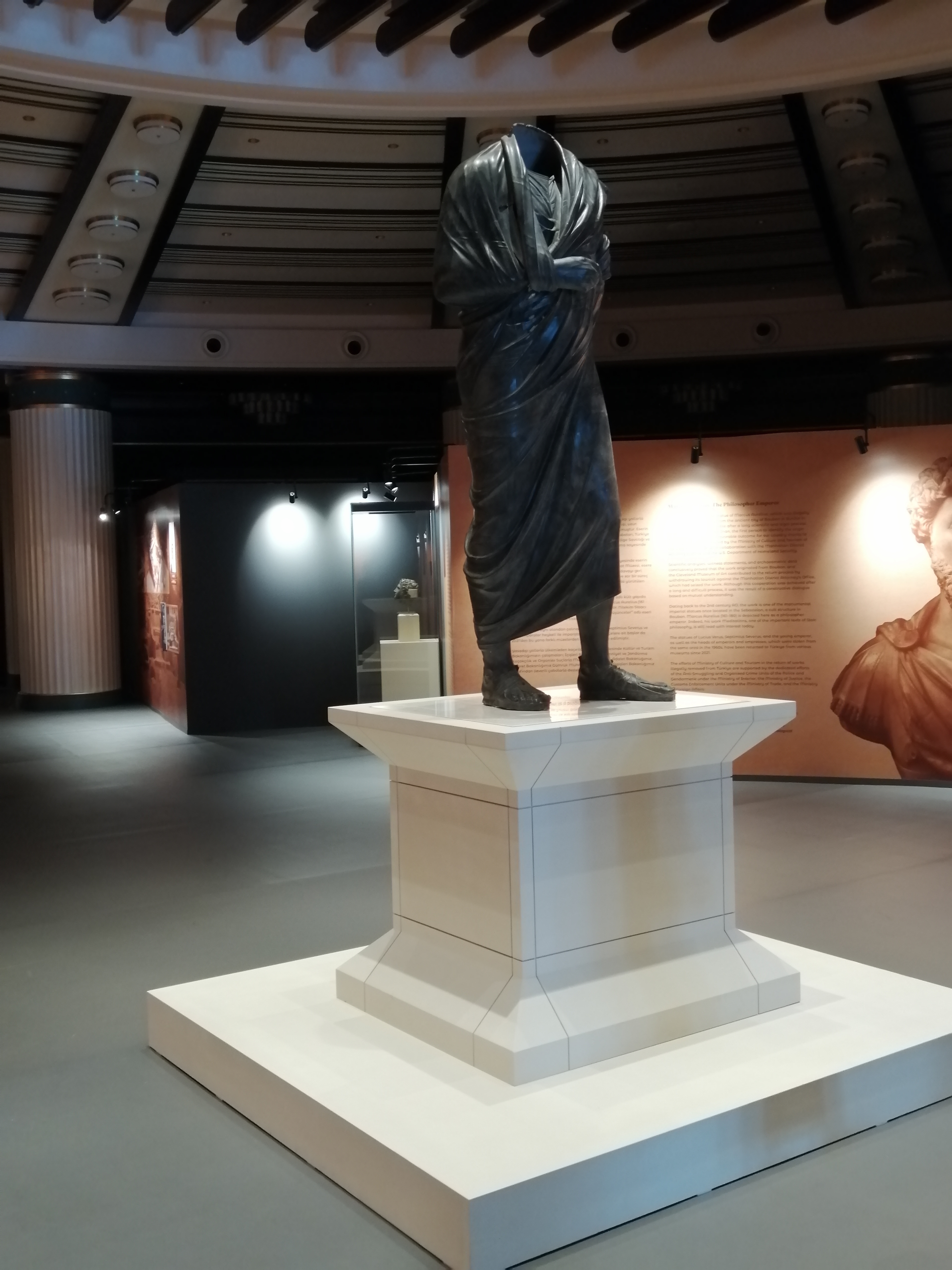
Marcus Aurelius
121 CE – 180 CE
Rome
Roman emperor and Stoic philosopher whose Meditations turns imperial duty, mortality, providence, reason, self-command, and social obligation into private exercises in ethical attention.
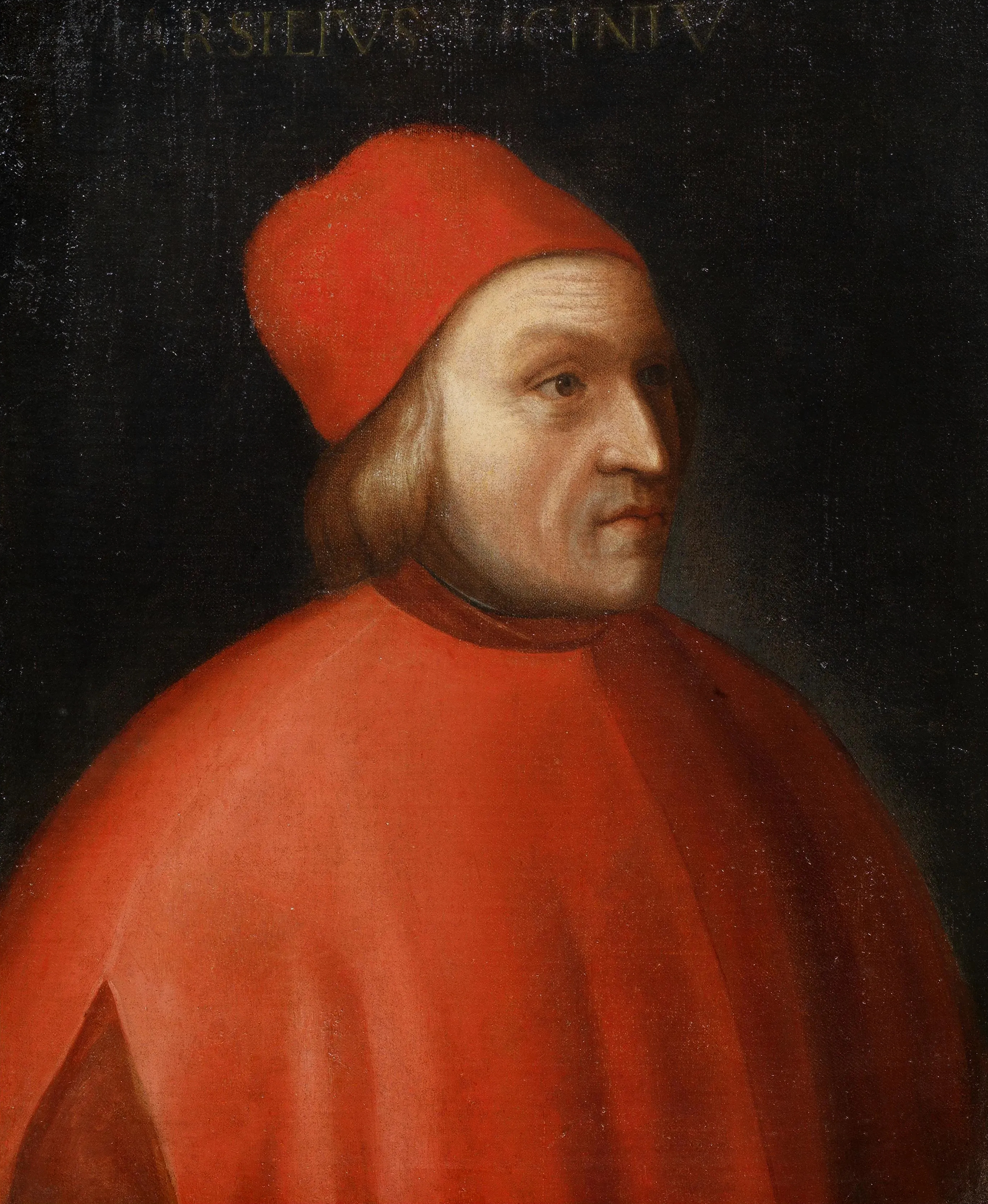
Marsilio Ficino
1433 CE – 1499 CE
Figline Valdarno, Republic of Florence
Italian Renaissance Platonist, humanist, translator, priest, and Christian Neoplatonist whose Plato, Plotinus, Hermetic, soul, love, natural-philosophy, and prisca-theologia writings shaped Florentine Platonism.
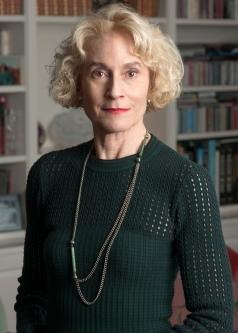
Martha Nussbaum
1947 CE
New York City
American philosopher of Aristotelian liberalism, capabilities justice, feminist ethics, political philosophy, moral psychology, animal justice, aesthetics, literature, law, religion, and public philosophy.
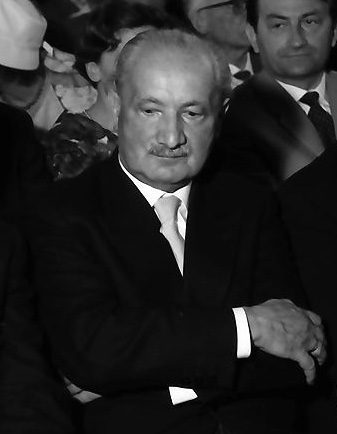
Martin Heidegger
1889 CE – 1976 CE
Meßkirch, Baden, German Empire
German phenomenologist and hermeneutic ontologist whose Being and Time, Dasein analysis, critique of metaphysics, art, technology, language, and late Ereignis thinking reshaped twentieth-century philosophy.
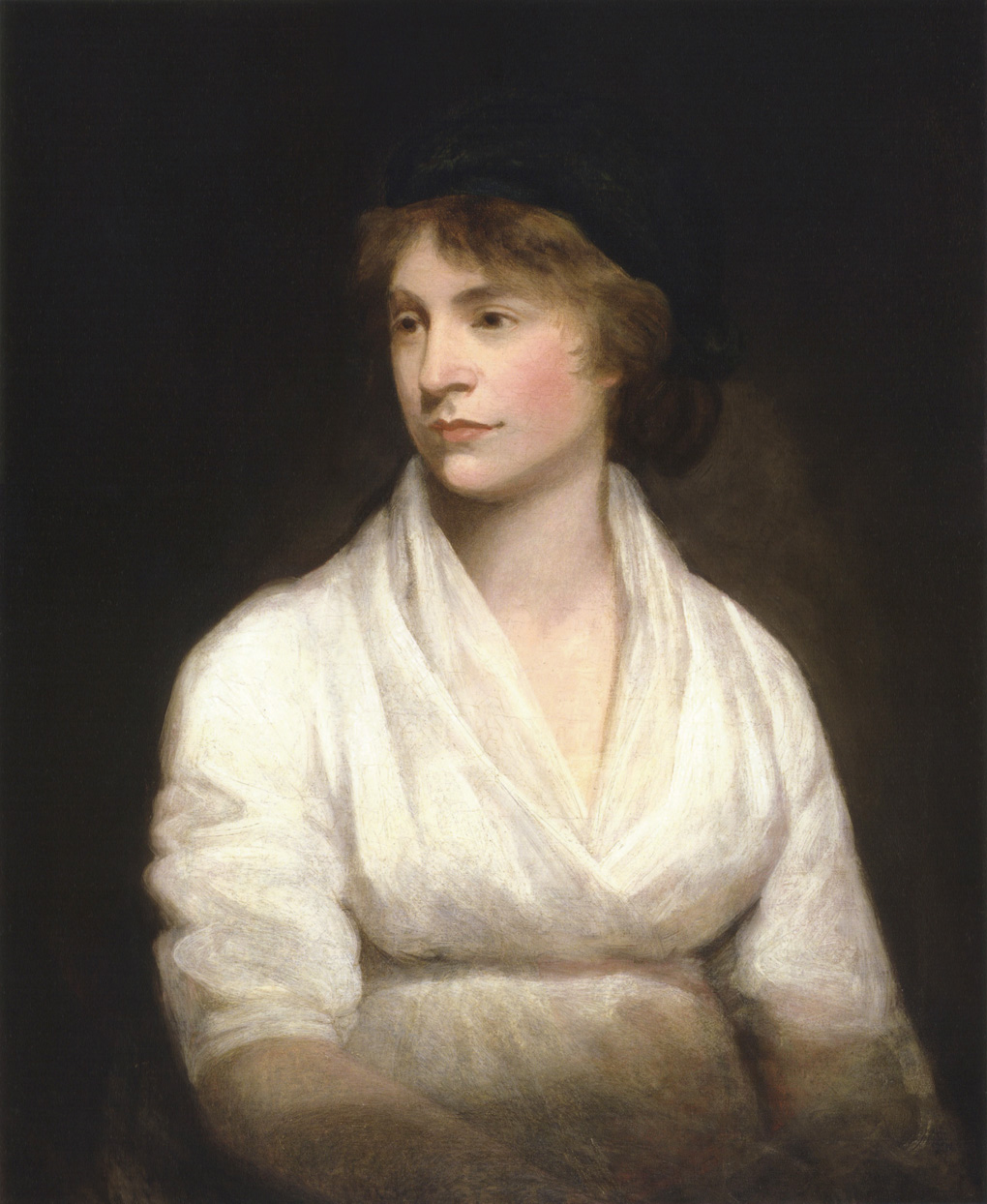
Mary Wollstonecraft
1759 CE – 1797 CE
Spitalfields, London
English Enlightenment feminist philosopher, republican political writer, educator, novelist, translator, historian, and advocate of women's rational education, civic dignity, and moral independence.
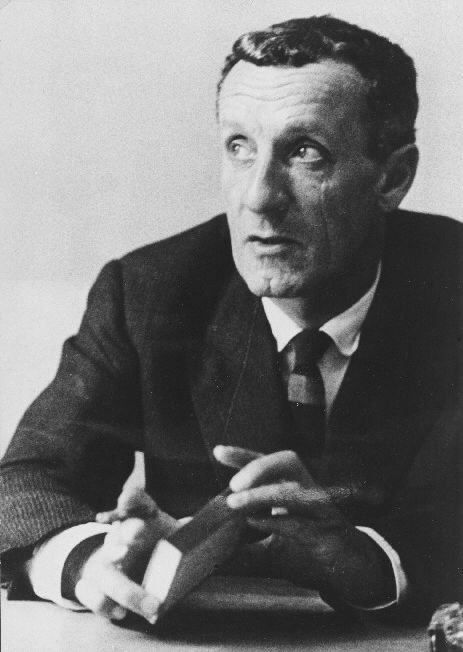
Maurice Merleau-Ponty
1908 CE – 1961 CE
Rochefort-sur-Mer
French philosopher of existential phenomenology, embodied perception, lived body, intersubjectivity, language, aesthetics, politics, nature, and the late ontology of flesh.
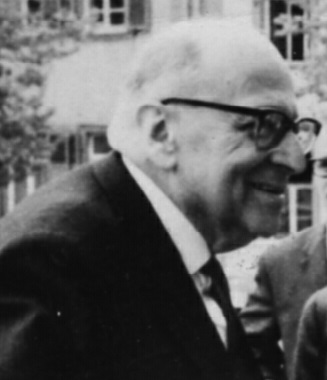
Max Horkheimer
1895 CE – 1973 CE
Stuttgart
German philosopher of Frankfurt School critical theory, Western Marxism, interdisciplinary social philosophy, instrumental reason, authoritarianism, culture industry, and late negative-theological reflection.
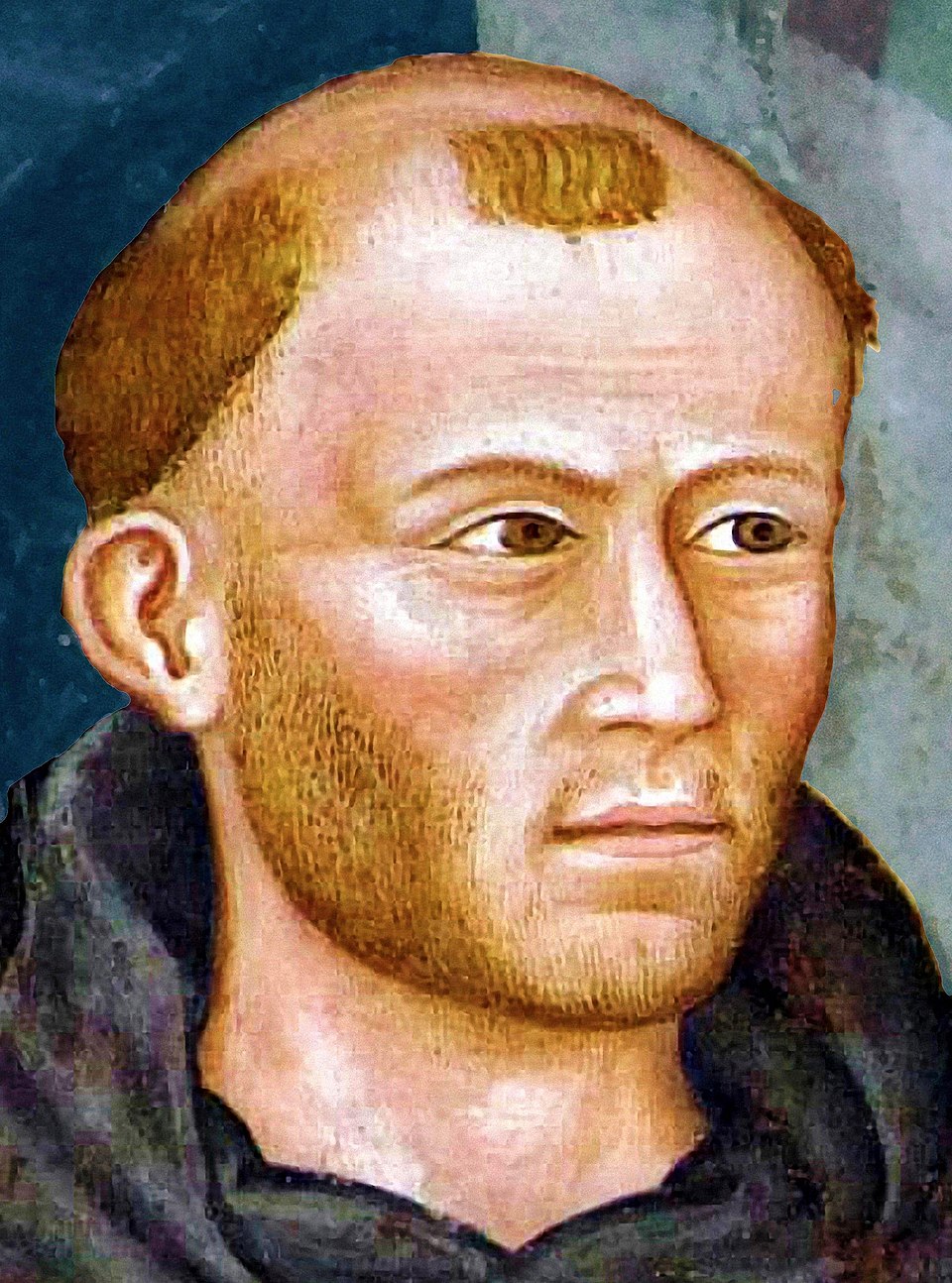
Meister Eckhart
1260 CE – 1328 CE
Hochheim or Tambach near Gotha, Thuringia; exact birthplace uncertain
German Dominican philosopher-theologian of Rhineland mysticism, speculative Christian Neoplatonism, apophatic theology, detachment, ground of the soul, divine birth, and vernacular mystical language.
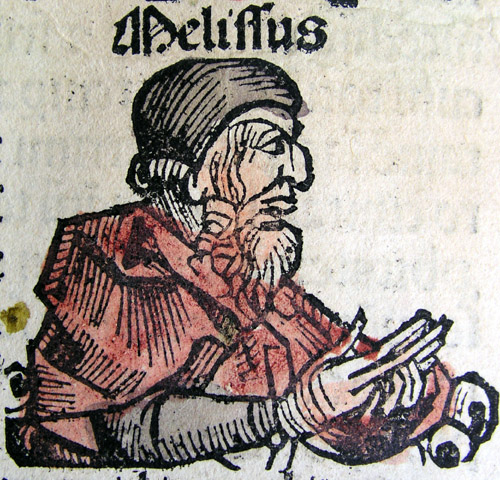
Melissus of Samos
500 BCE – 430 BCE
Samos
Samian Presocratic and Eleatic philosopher whose lost treatise argues for one unlimited, changeless being and denies void, motion, generation, and destruction.
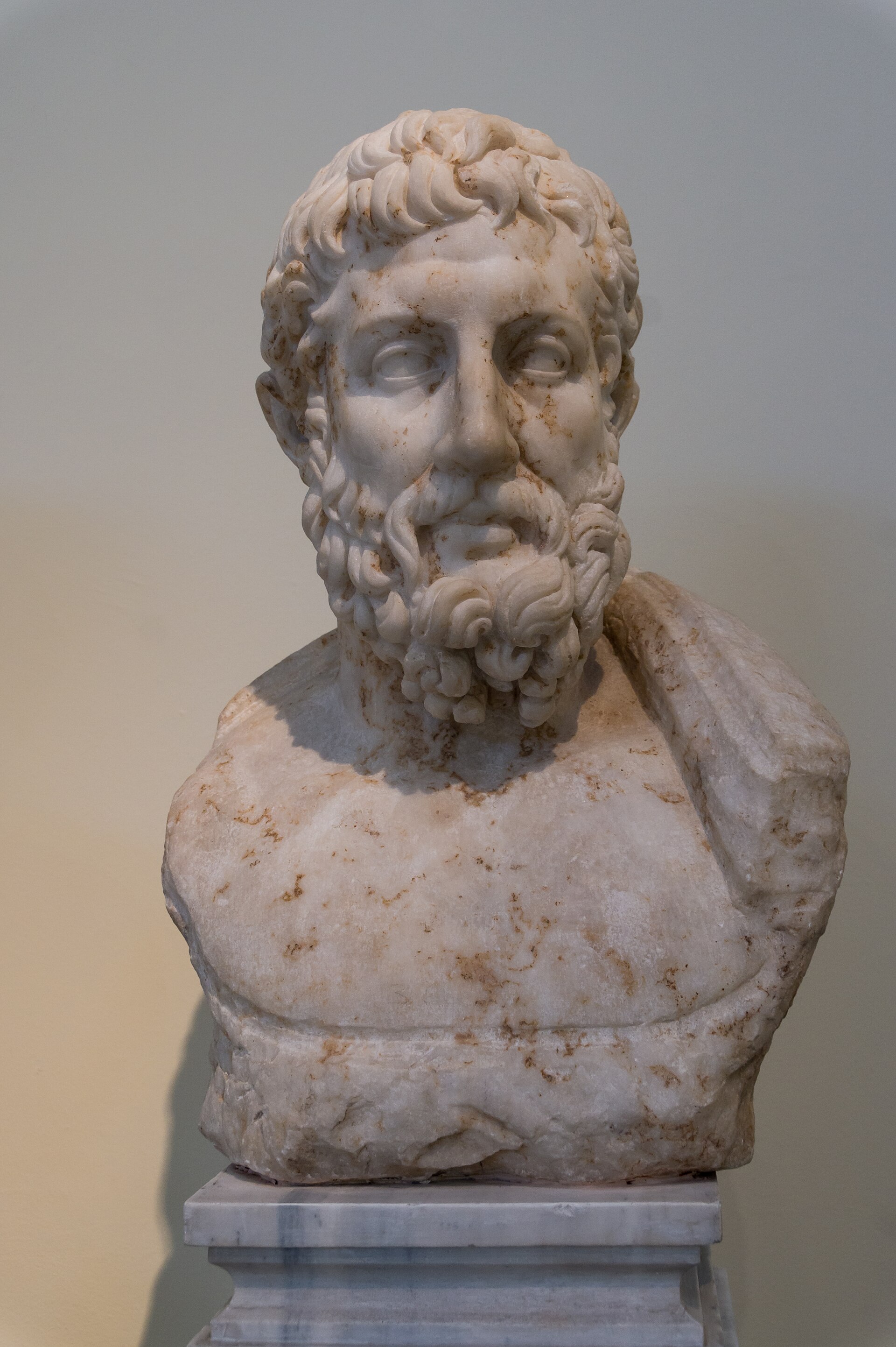
Metrodorus of Lampsacus
331 BCE – 278 BCE
Lampsacus, Hellespont
Epicurean philosopher of the Garden whose lost works joined ethics, sensation, atomism, anti-dialectic polemic, friendship, bodily goods, and loyalty to Epicurus.
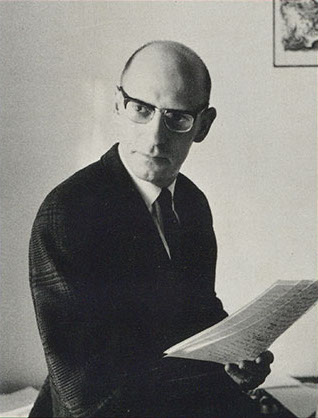
Michel Foucault
1926 CE – 1984 CE
Poitiers
French philosopher of archaeology, genealogy, power-knowledge, discipline, biopolitics, subjectivation, sexuality, governmentality, and care of the self.
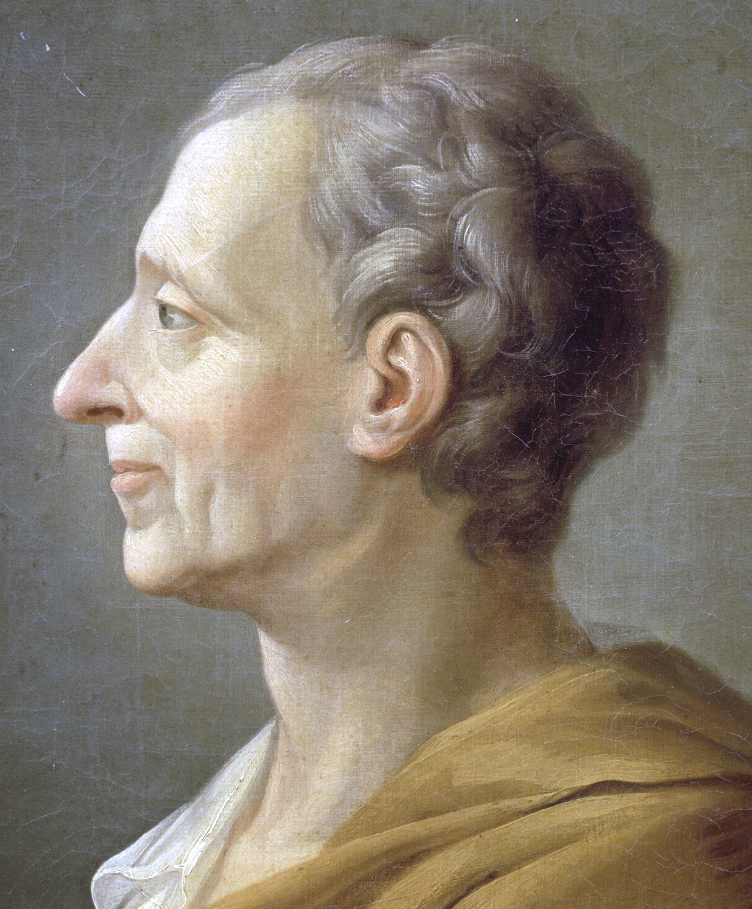
Montesquieu (Charles-Louis de Secondat)
1689 CE – 1755 CE
Chateau de la Brede, near Bordeaux
Enlightenment political philosopher of separation of powers, comparative law, rule of law, political liberty, commerce, climate, moderation, and despotism.
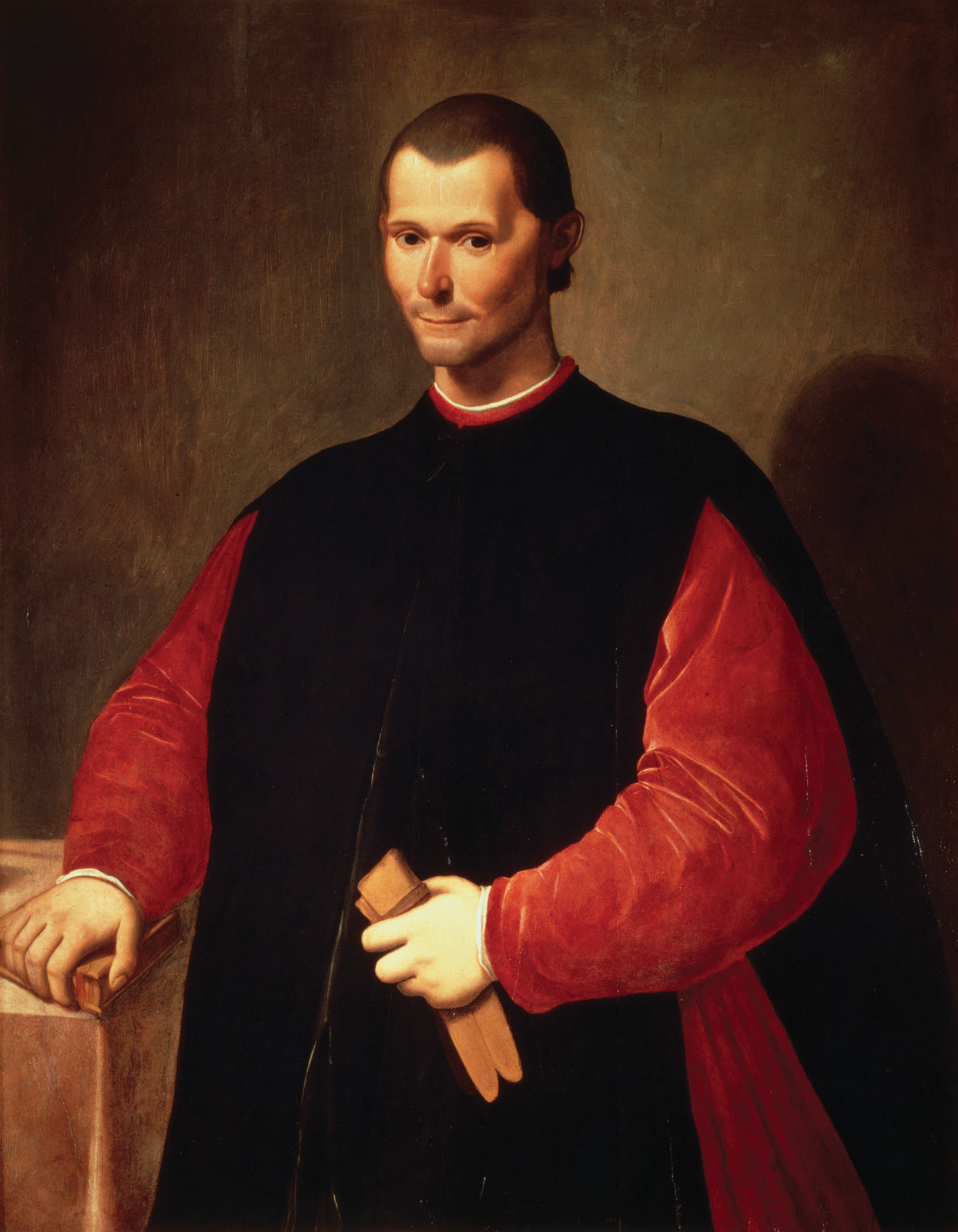
Niccolo Machiavelli
1469 CE – 1527 CE
Florence, Republic of Florence
Renaissance political philosopher of Florence, the chancery, Italian Wars, virtu, fortuna, necessity, republican liberty, civic militia, corruption, and political realism.
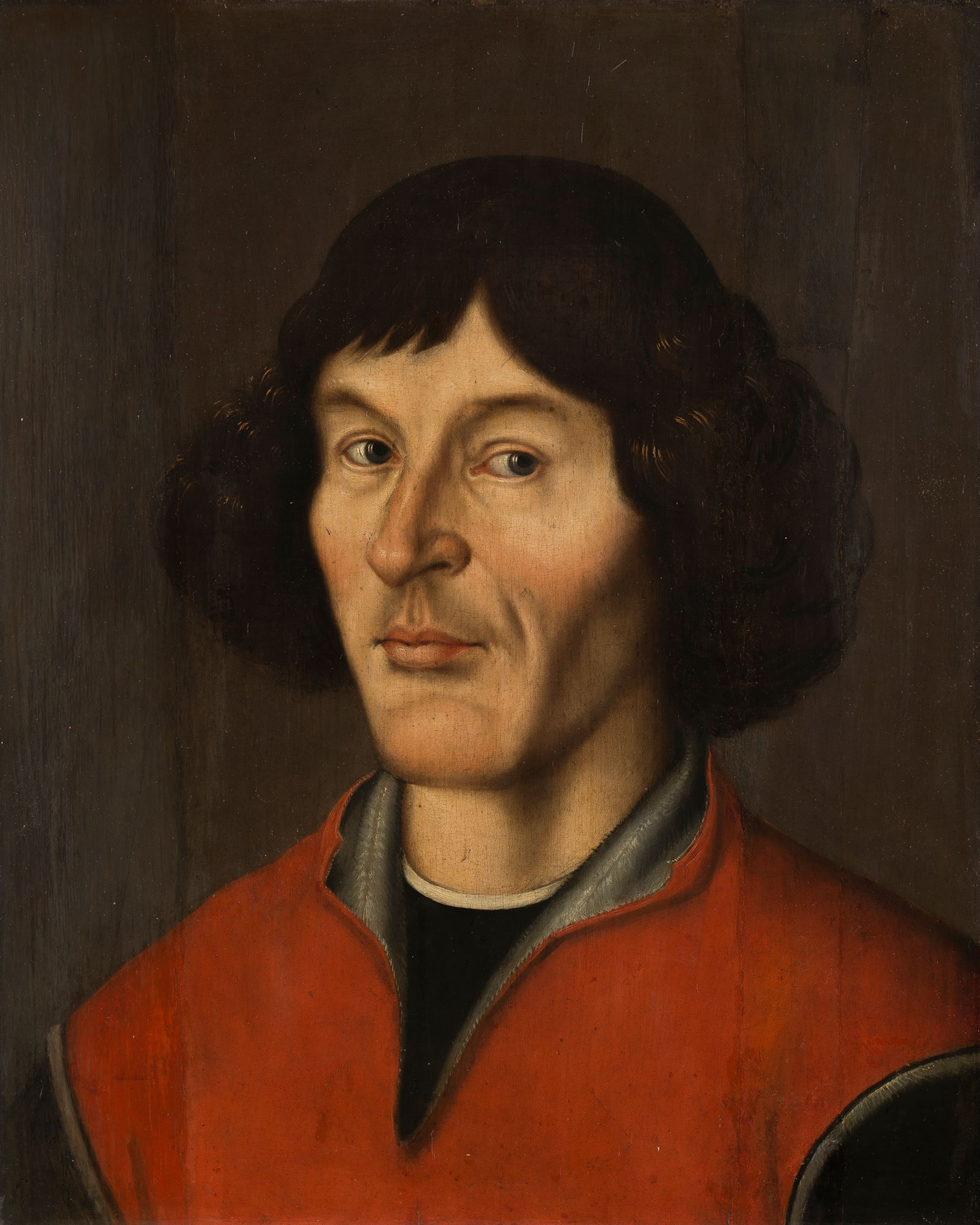
Nicolaus Copernicus
1473 CE – 1543 CE
Torun, Royal Prussia
Renaissance natural philosopher and mathematical astronomer of heliocentrism, De revolutionibus, Commentariolus, Warmian administration, and monetary reform.
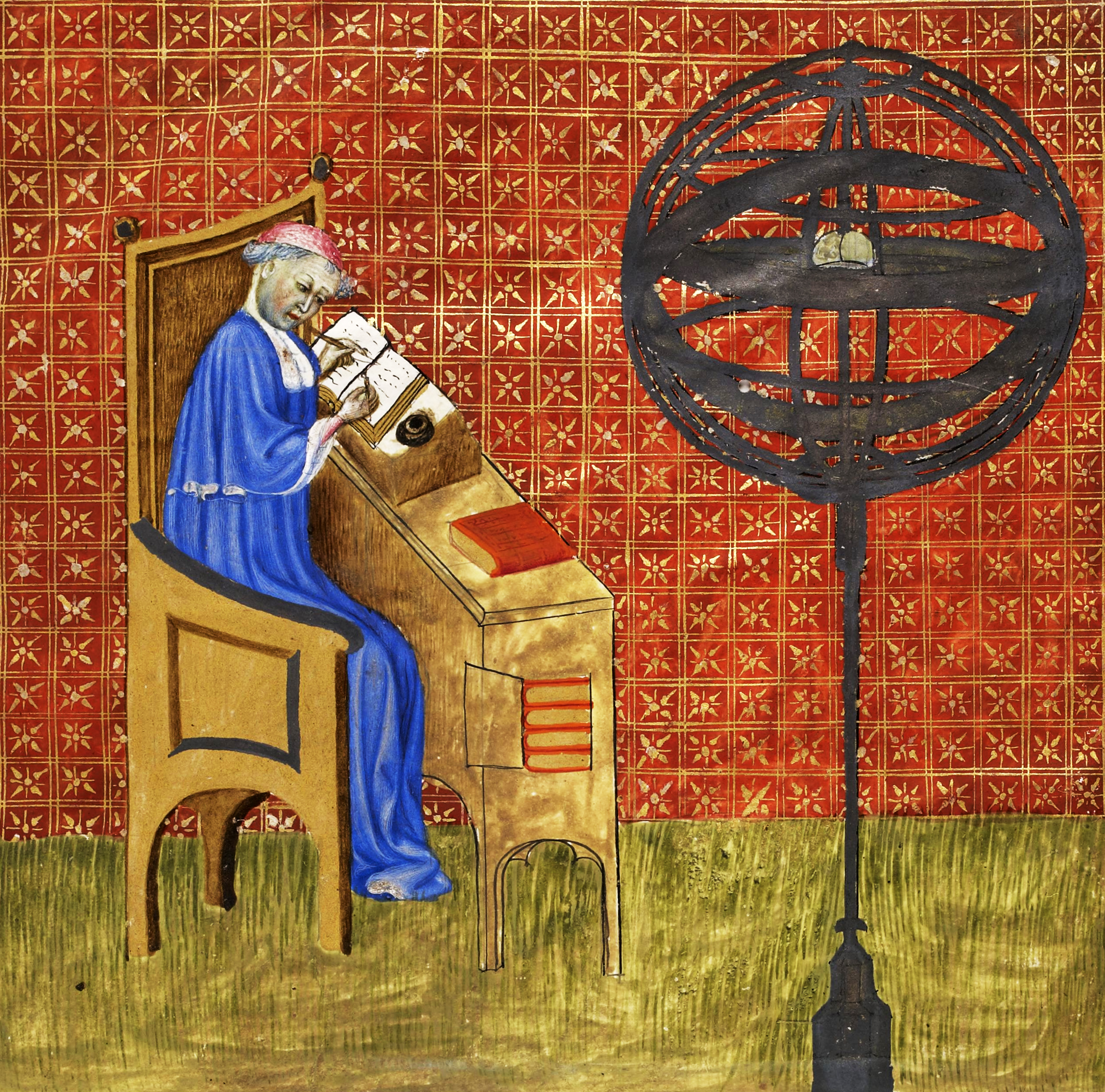
Nicole Oresme
1323 CE – 1382 CE
Normandy, France
Late medieval scholastic philosopher of mathematical physics, latitudes of forms, Aristotle translation, money theory, probability, anti-astrology, and royal administration.

Origen of Alexandria
185 CE – 254 CE
Alexandria, Egypt
Alexandrian Christian Platonist of allegorical exegesis, Logos theology, free will, apokatastasis controversy, Scripture scholarship, Hexapla, and Contra Celsum.
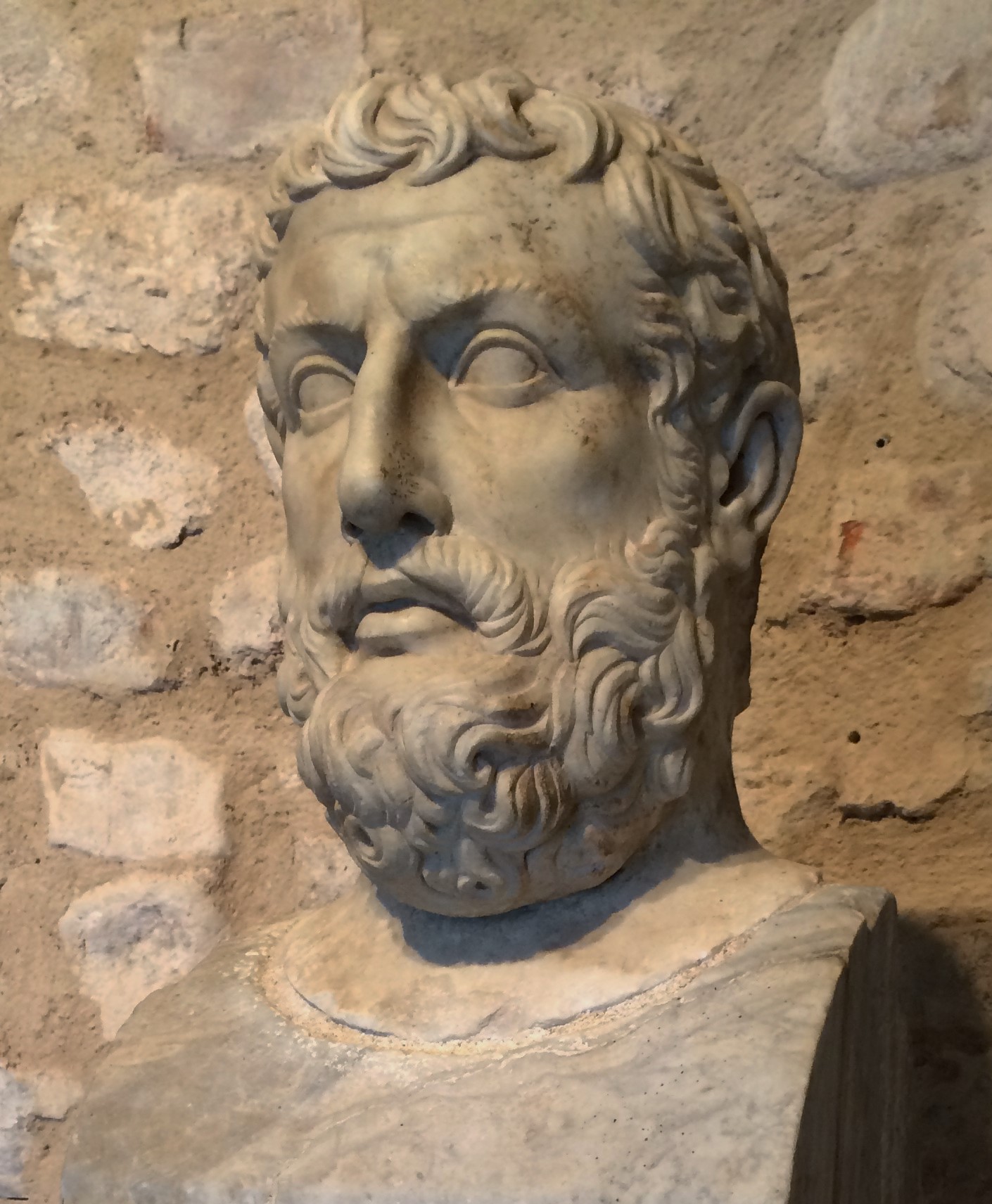
Parmenides of Elea
515 BCE – 450 BCE
Elea, Magna Graecia
Eleatic philosopher of Being, the Way of Truth, the Way of Opinion, denial of not-being, monism, necessity, cosmology, and fragmentary poetic transmission.
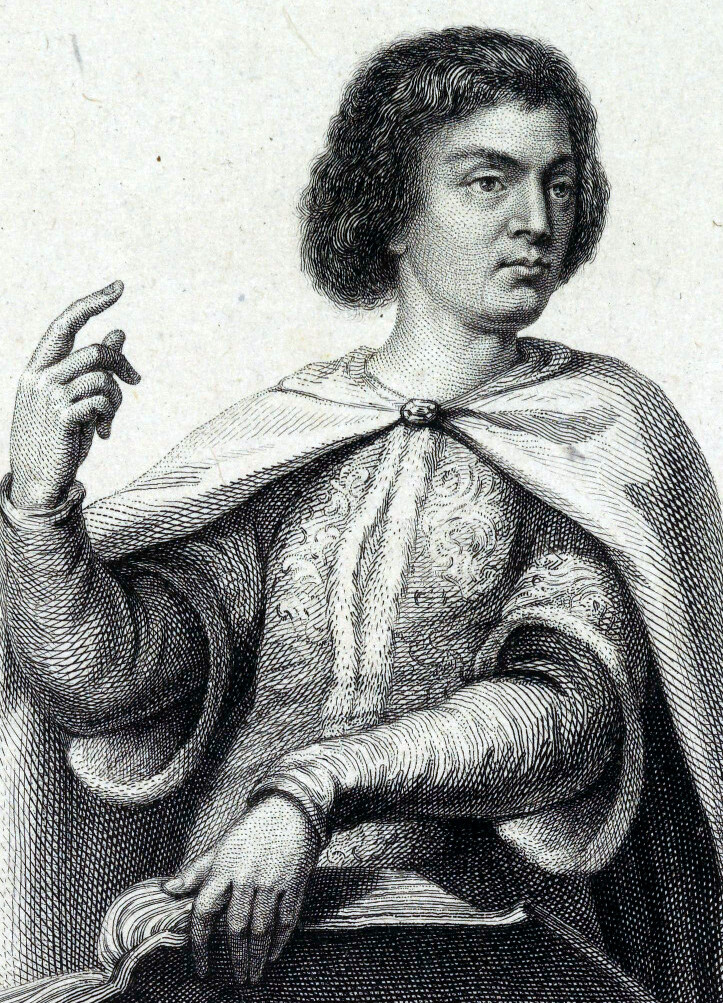
Peter Abelard
1079 CE – 1142 CE
Le Pallet, Brittany
Medieval scholastic philosopher of logic, universals, dialectic, intention, moral responsibility, Trinitarian theology, Sic et Non, Heloise, and the schools of Paris.
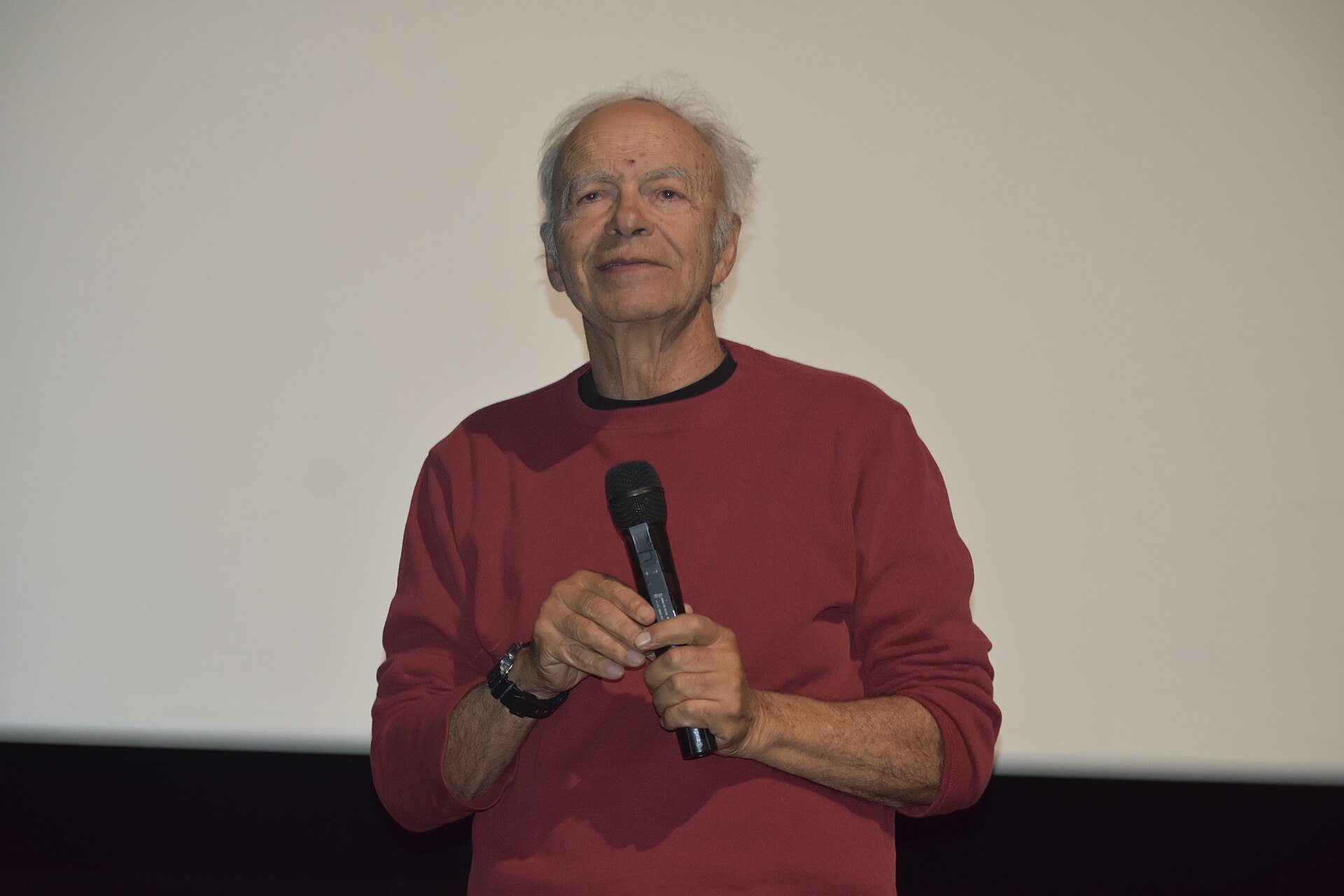
Peter Singer
1946 CE
Melbourne
Australian applied ethicist of preference utilitarianism, animal liberation, speciesism, equal consideration of interests, practical ethics, global poverty, effective altruism, bioethics, and public moral argument.
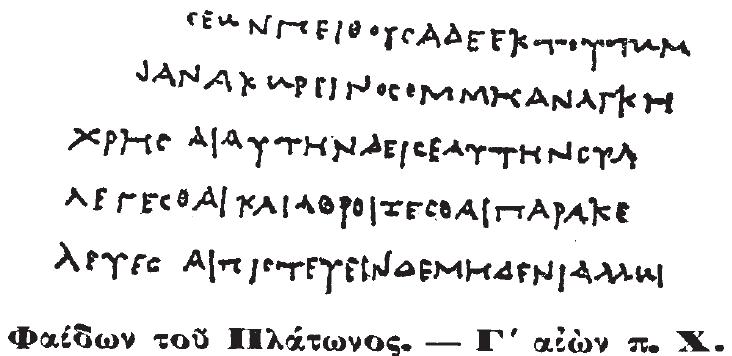
Phaedo of Elis
417 BCE – 345 BCE
Elis (Peloponnese)
Socratic philosopher from Elis, witness to Socrates' death, founder of the Elean school, and author of lost Socratic dialogues on dialectic, ethics, character, and philosophical conversation.
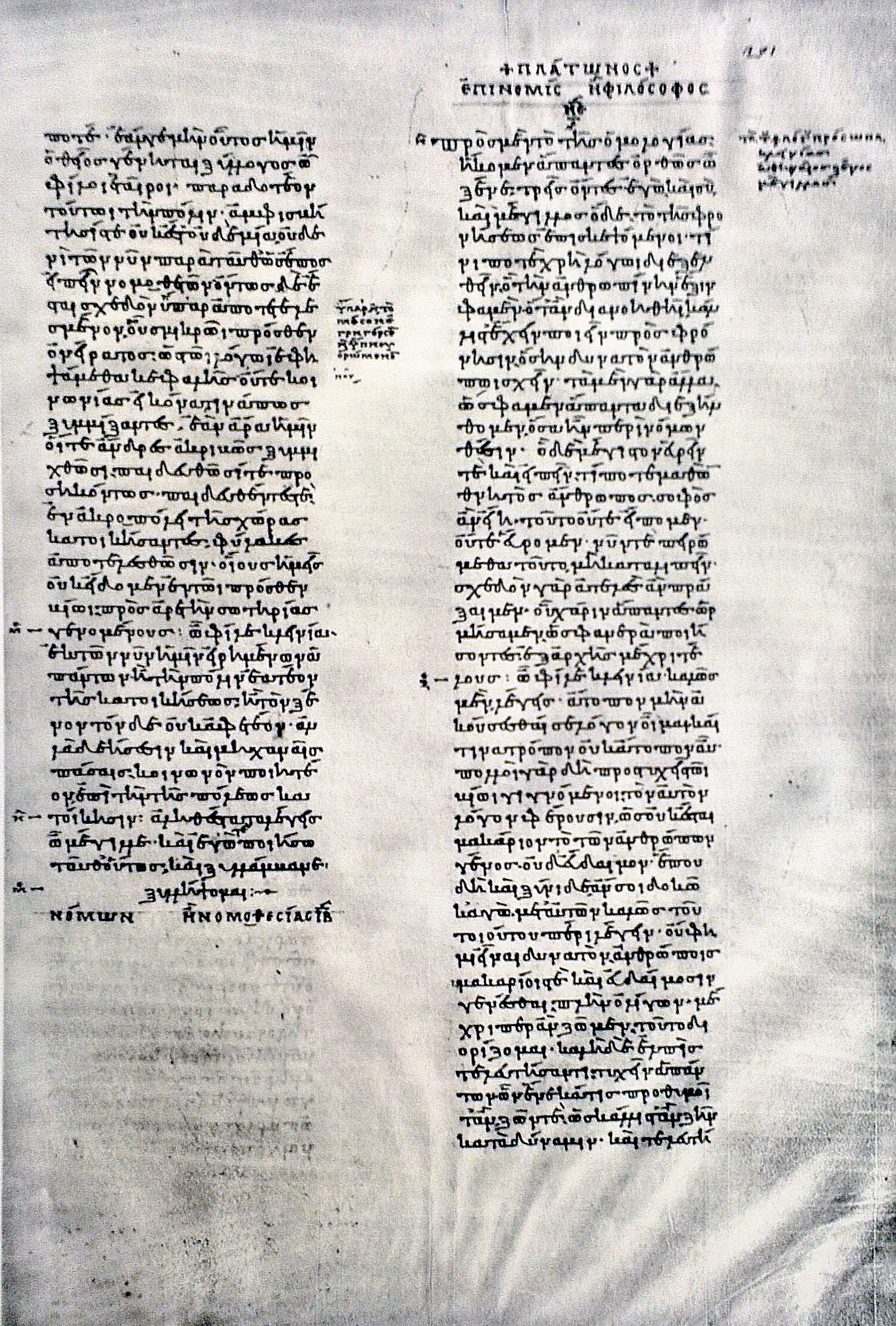
Philip of Opus
380 BCE – 330 BCE
Opus (Locris)
Early Academic philosopher of Opus, Plato's Academy, mathematical astronomy, Epinomis, astral theology, Opuntian Locris, and the reported arrangement of Plato's Laws.
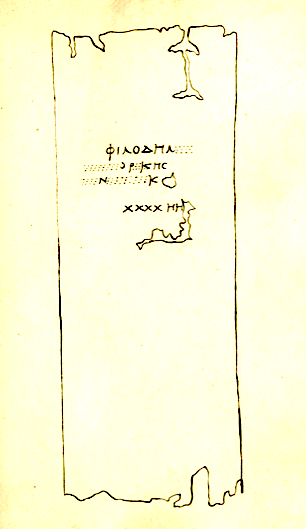
Philodemus of Gadara
110 BCE – 35 BCE
Gadara (Decapolis)
Epicurean philosopher and poet from Gadara whose Herculaneum papyri preserve work on rhetoric, poetry, music, sign inference, piety, death, frank criticism, passions, vices, and Epicurean book culture.
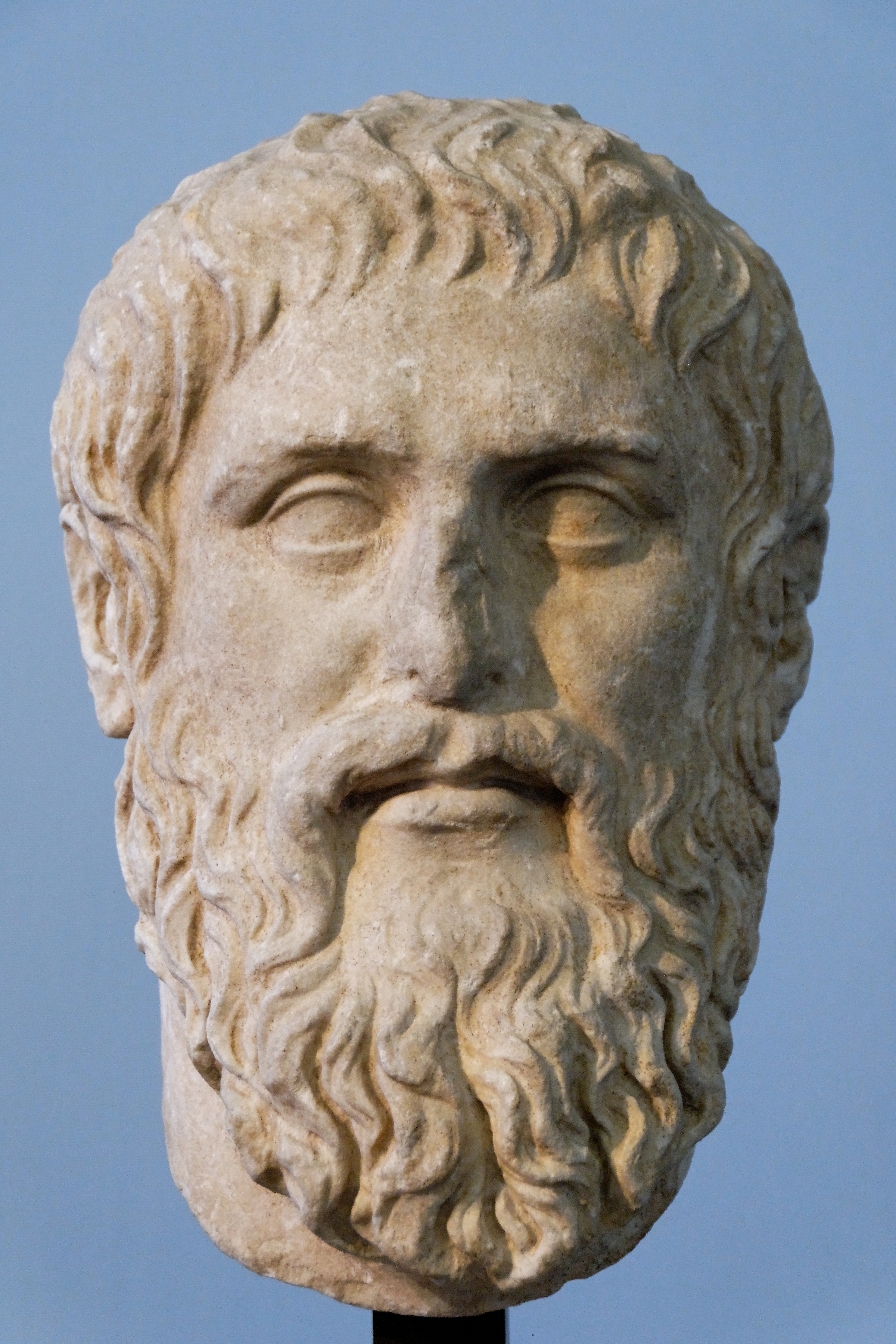
Plato
427 BCE – 347 BCE
Athens
Athenian philosopher of Forms, dialectic, recollection, the Good, tripartite soul, philosopher-rule, eros, rhetoric, language, cosmology, theology, the Academy, and the Platonic corpus.
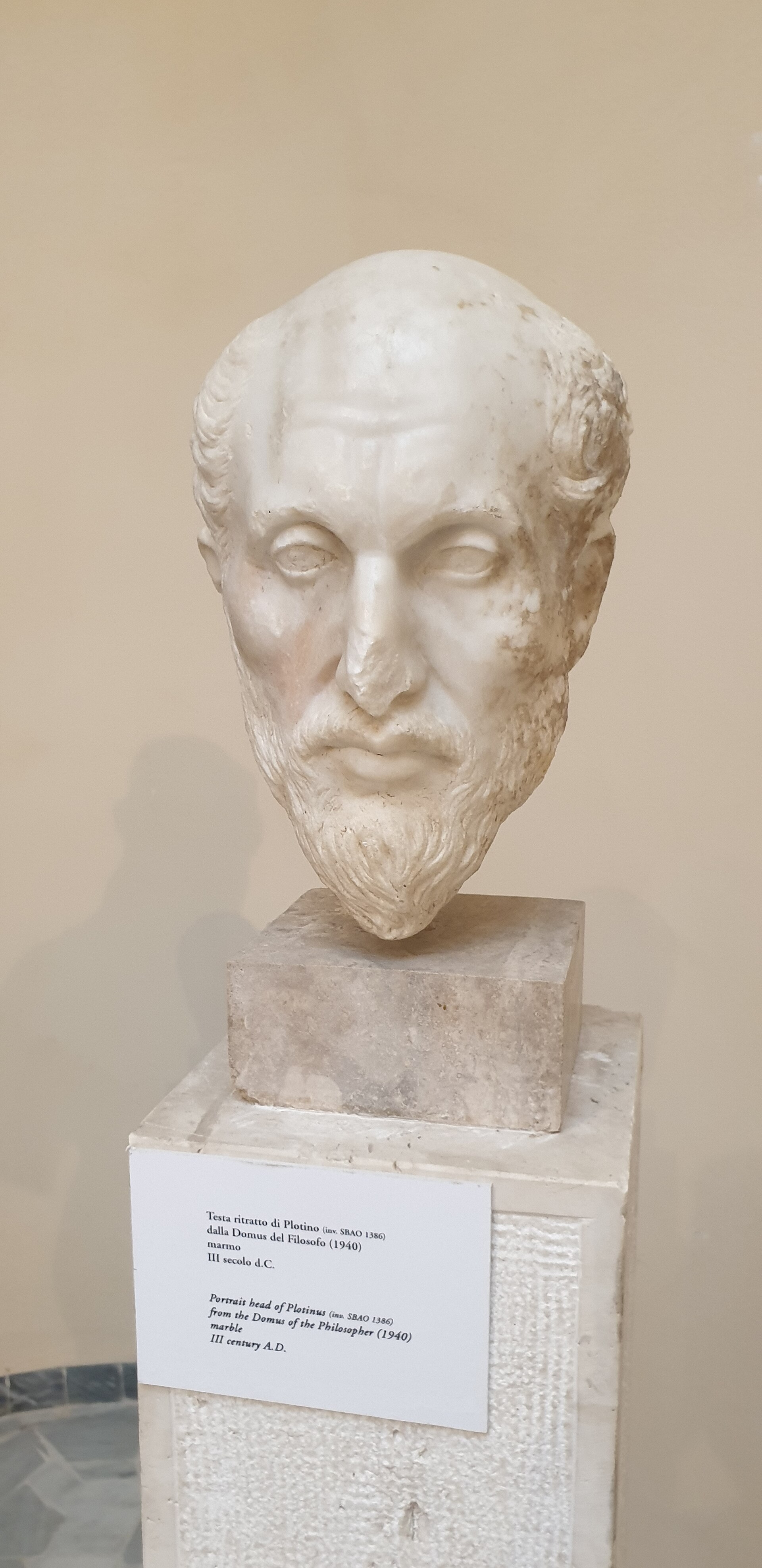
Plotinus
204 CE – 270 CE
Lycopolis (Upper Egypt)
Neoplatonic philosopher of the One, Intellect, Soul, emanation, return, henosis, beauty, evil as privation, contemplative ethics, anti-Gnostic polemic, and the Porphyrian Enneads.
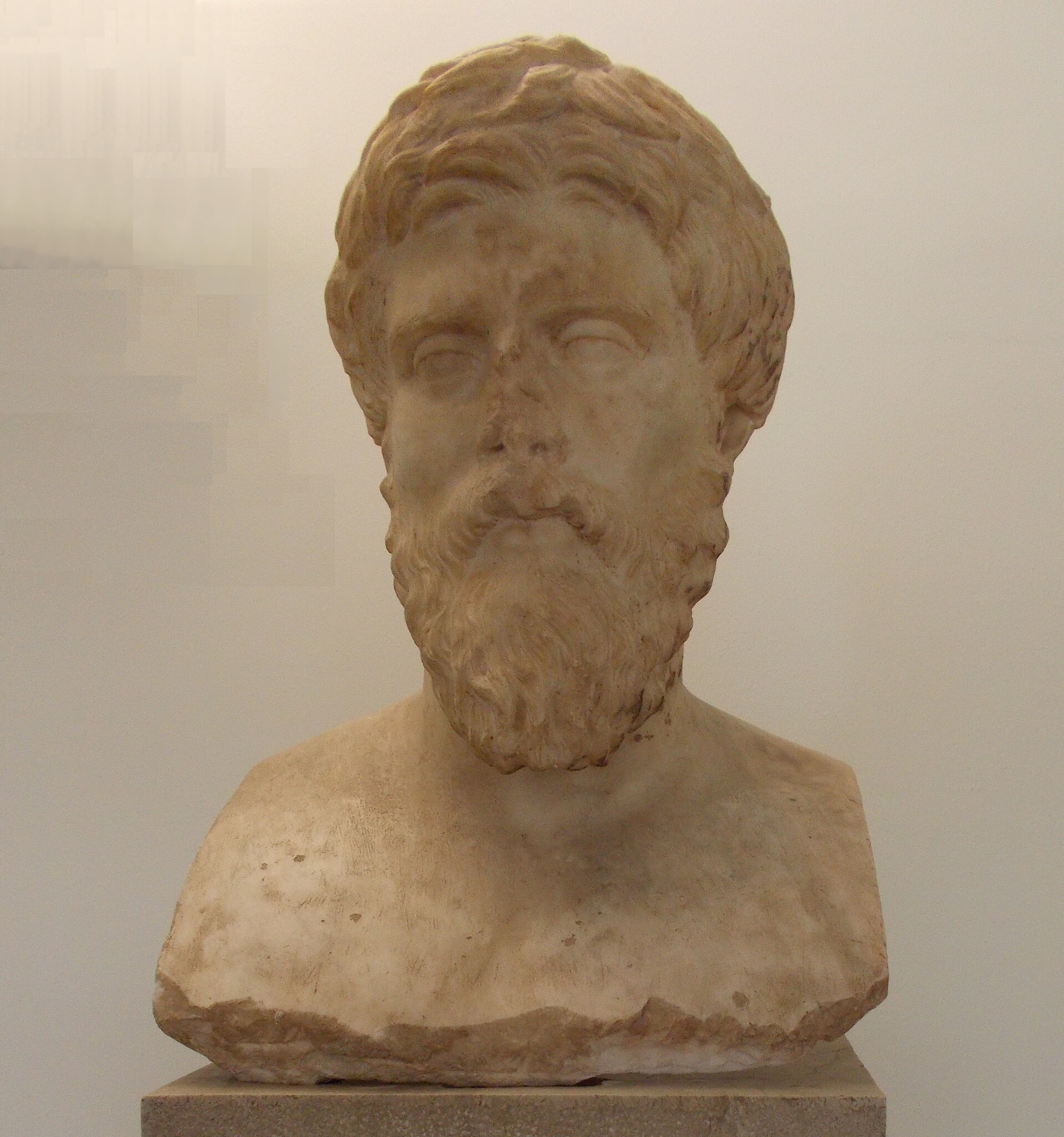
Plutarch of Chaeronea
46 CE – 120 CE
Chaeronea (Boeotia)
Middle Platonist moralist, biographer, and priest of Apollo at Delphi whose Parallel Lives and Moralia join virtue ethics, political counsel, religious Platonism, moral psychology, and literary biography.
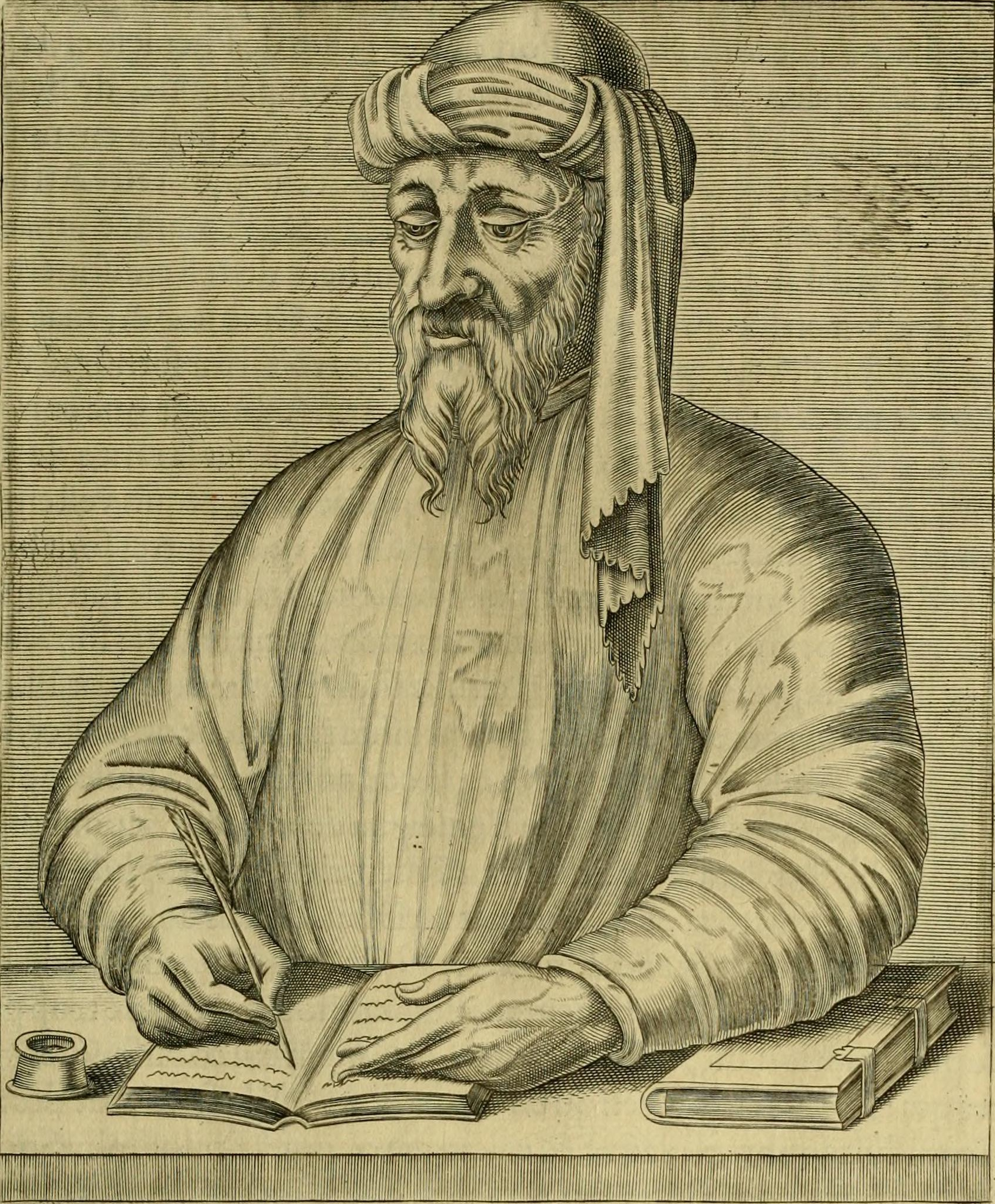
Porphyry
234 CE – 305 CE
Tyre (Phoenicia)
Neoplatonic philosopher of Tyre, logic, the Isagoge, predicables, universals, Porphyrian Tree, soul purification, vegetarian ethics, Homeric allegory, Aristotle commentary, and anti-Christian polemic.

Posidonius of Apamea
135 BCE – 51 BCE
Apamea (Orontes)
Middle Stoic philosopher of Apamea and Rhodes, cosmic sympathy, fate, divination, passions, Stoic physics, geography, tides, Canopus, earth measurement, meteorology, history, and Roman reception.
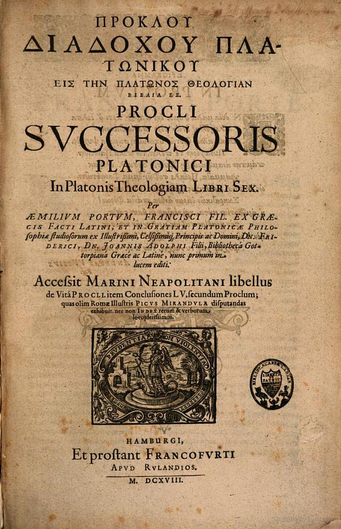
Proclus of Lycia
412 CE – 485 CE
Xanthus (Lycia)
Late antique Neoplatonic scholarch of Athens whose work systematized the One, henads, procession, reversion, intellect, soul, theurgy, mathematics, astronomy, Plato commentary, and later Pseudo-Dionysian and Liber de Causis reception.
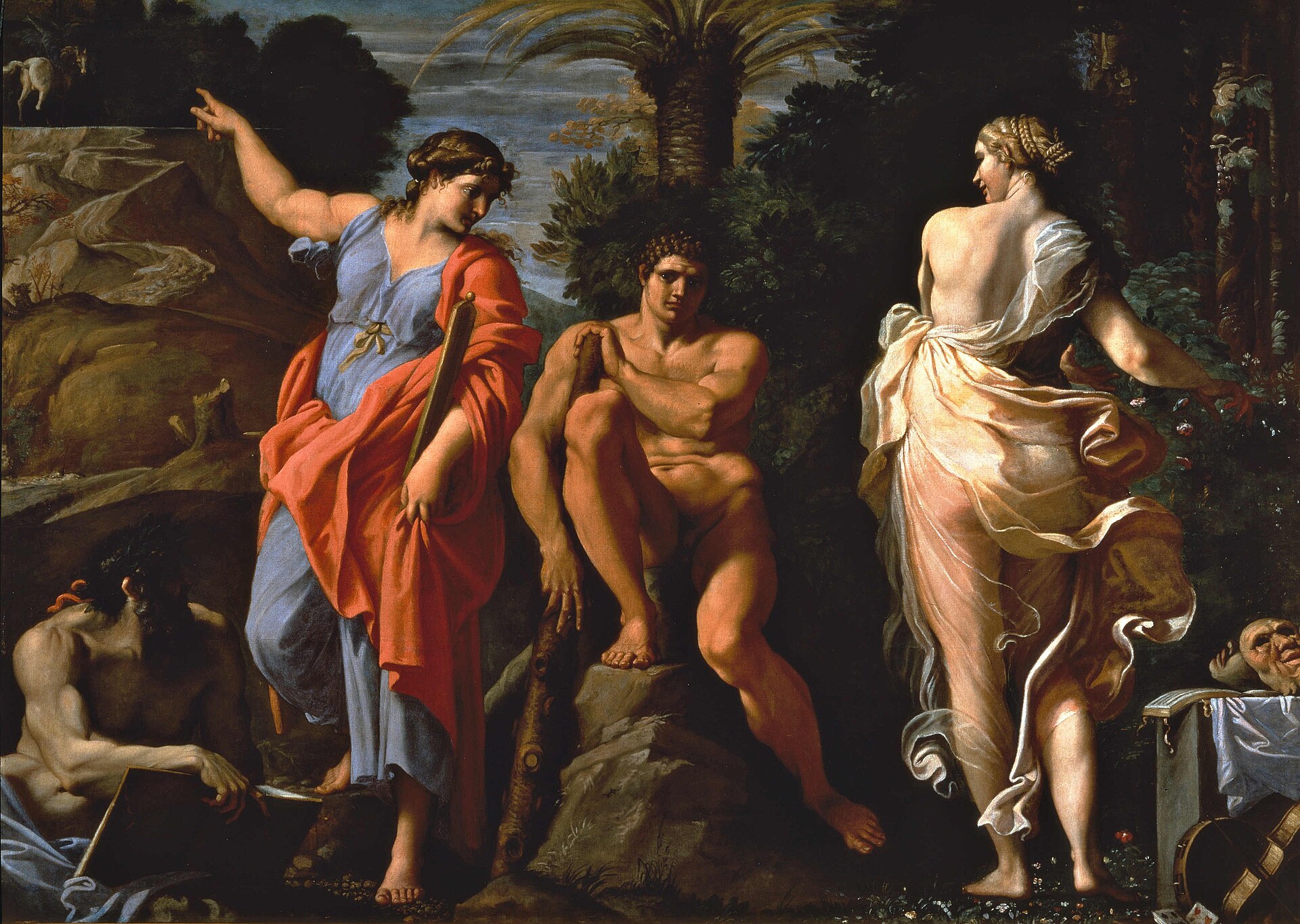
Prodicus of Ceos
465 BCE – 395 BCE
Ceos (Kea, island)
Cean sophist of language, semantic precision, synonym distinctions, moral choice, the Choice of Heracles, naturalistic theology, civic rhetoric, and Socrates' reported debt to Prodicus on names.
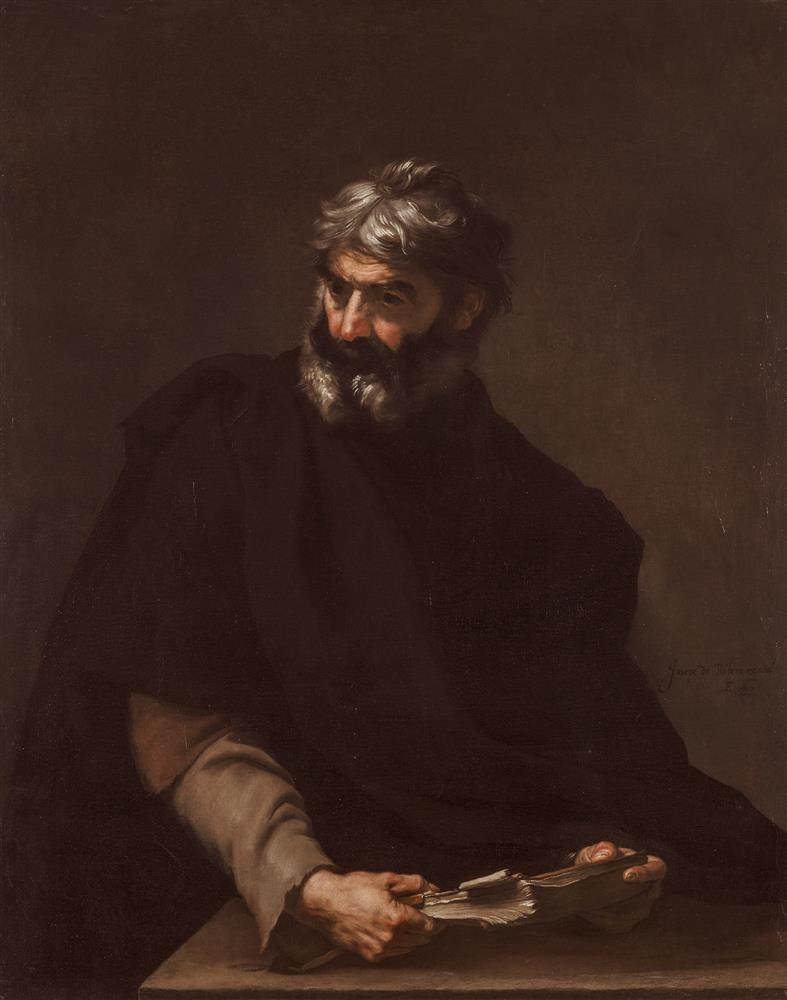
Protagoras of Abdera
490 BCE – 420 BCE
Abdera, Thrace
Abderite sophist of man-measure relativism, appearances, antilogy, weaker and stronger arguments, orthoepeia, civic virtue, democratic political teaching, On the Gods, and fragmentary testimonial transmission.
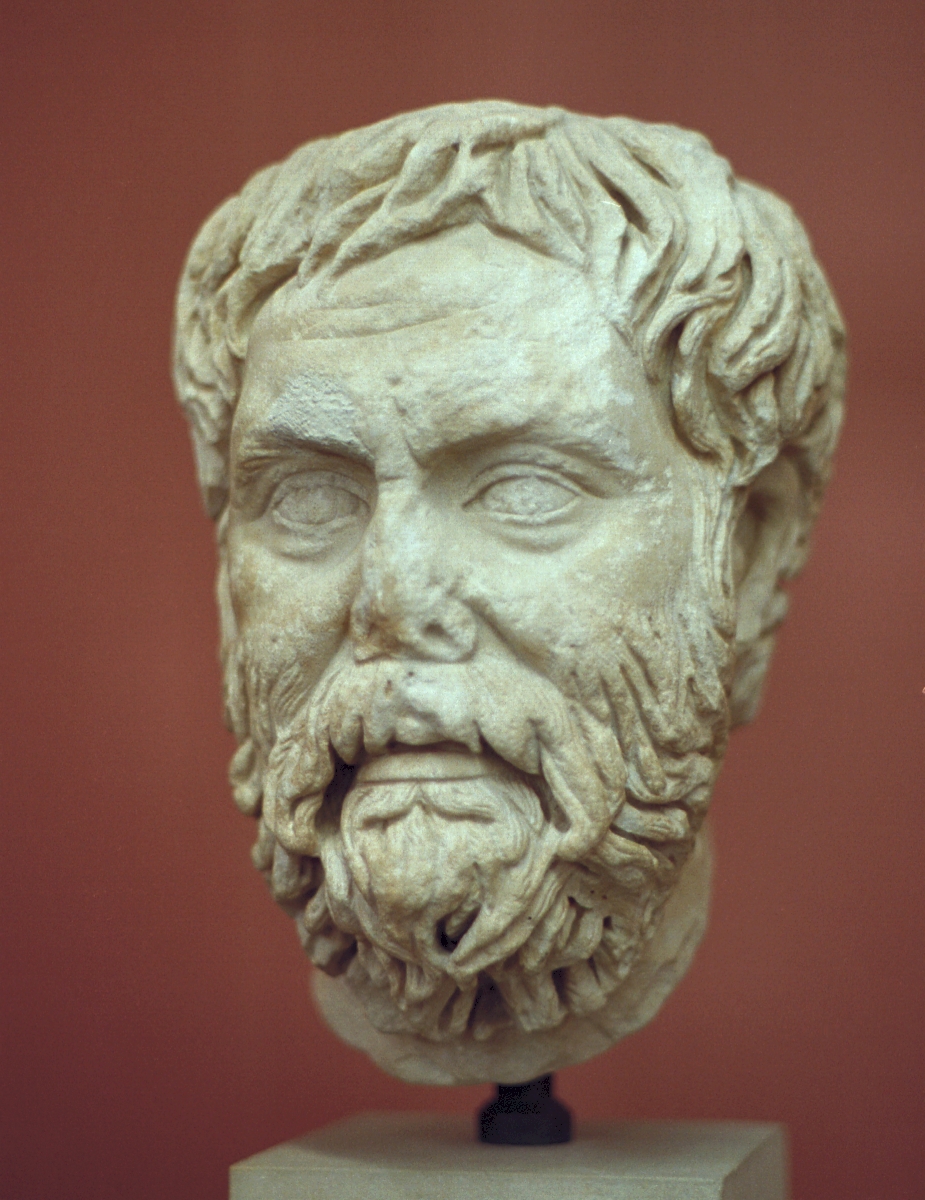
Pyrrho of Elis
360 BCE – 270 BCE
Elis, Peloponnese
Greek skeptic from Elis whose transmitted way of life joins epoche, aphasia, ataraxia, appearances, non-assertion, Anaxarchus, eastern travel traditions, Timon, Aenesidemus, Sextus Empiricus, and the Pyrrhonian challenge to dogmatic knowledge.
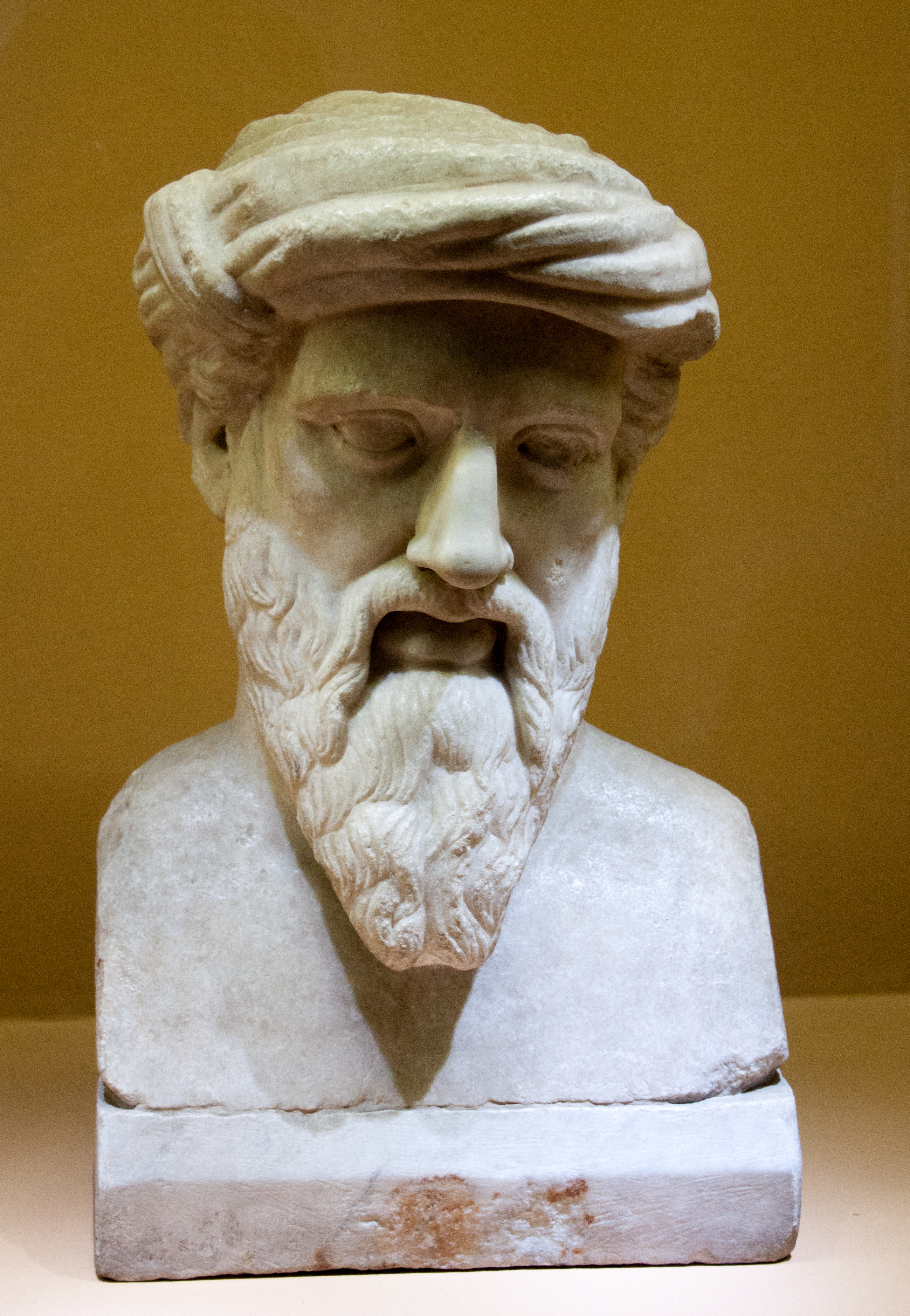
Pythagoras of Samos
570 BCE – 495 BCE
Samos
Samian founder of the Pythagorean way of life whose testimonial profile joins number metaphysics, harmony, tetractys, metempsychosis, purification, communal discipline, Croton, Samos, mathematics, harmonics, and later ancient reception.
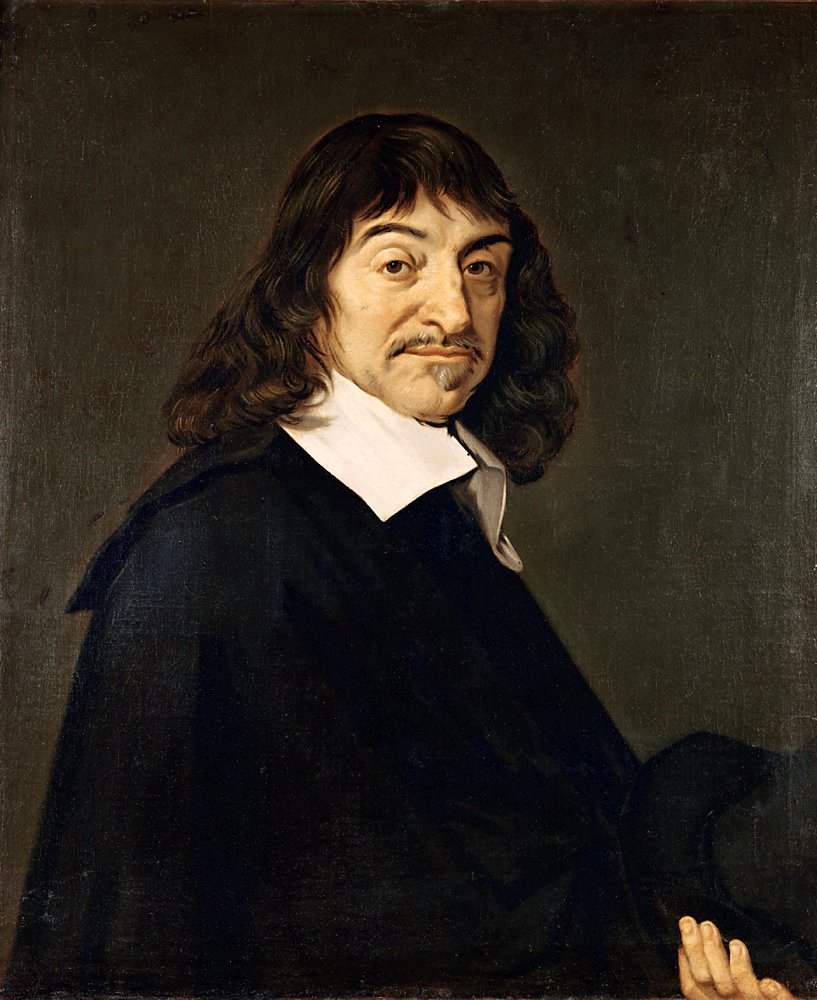
René Descartes
1596 CE – 1650 CE
La Haye en Touraine
Early modern rationalist and mathematician of methodic doubt, the cogito, clear and distinct perception, mind-body dualism, innate ideas, analytic geometry, mechanical philosophy, optics, passions, free will, God, and Cartesian science.
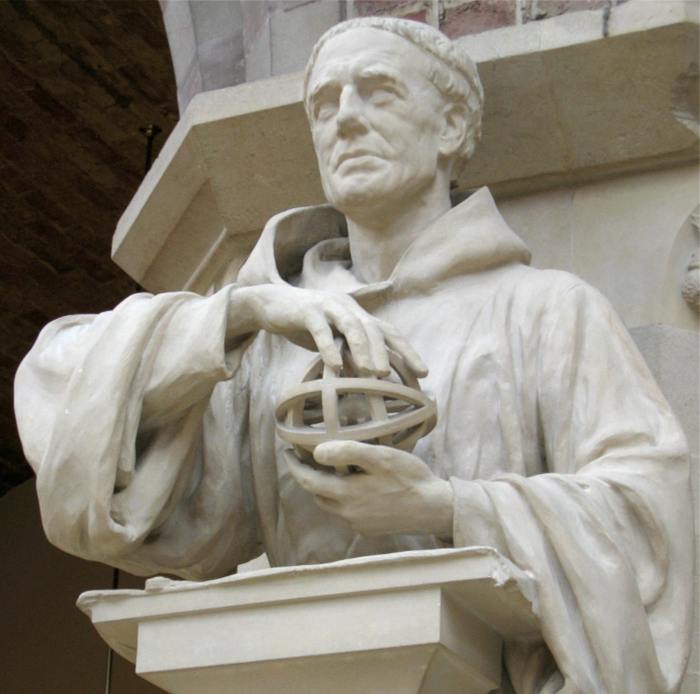
Roger Bacon
1219 CE – 1292 CE
Ilchester (Somerset)
Medieval Franciscan philosopher of languages, signs, mathematics, optics, experimental science, natural philosophy, moral philosophy, theology, and the reform of learning.
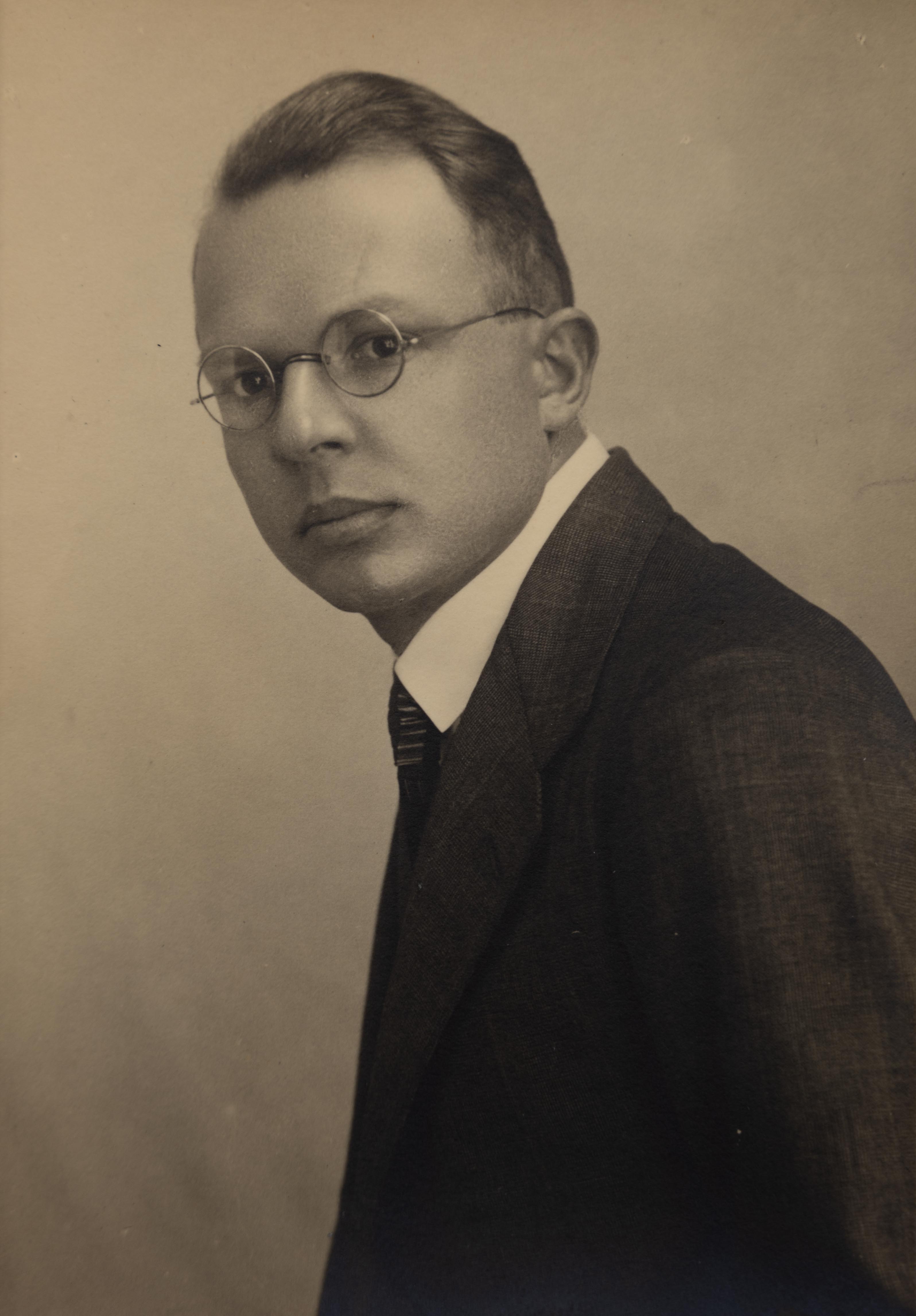
Rudolf Carnap
1891 CE – 1970 CE
Ronsdorf, Wuppertal
German-American logical empiricist of the Vienna Circle, Aufbau construction theory, anti-metaphysics, physicalist language, logical syntax, semantics, linguistic frameworks, confirmation theory, inductive logic, probability, theoretical terms, and scientific philosophy.
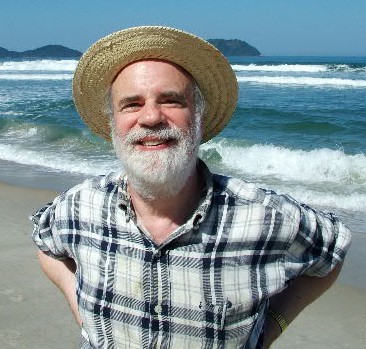
Saul Kripke
1940 CE – 2022 CE
Bay Shore, New York
American analytic philosopher and logician known for Kripke semantics, rigid designation, necessary a posteriori truth, truth theory, and rule-following skepticism.
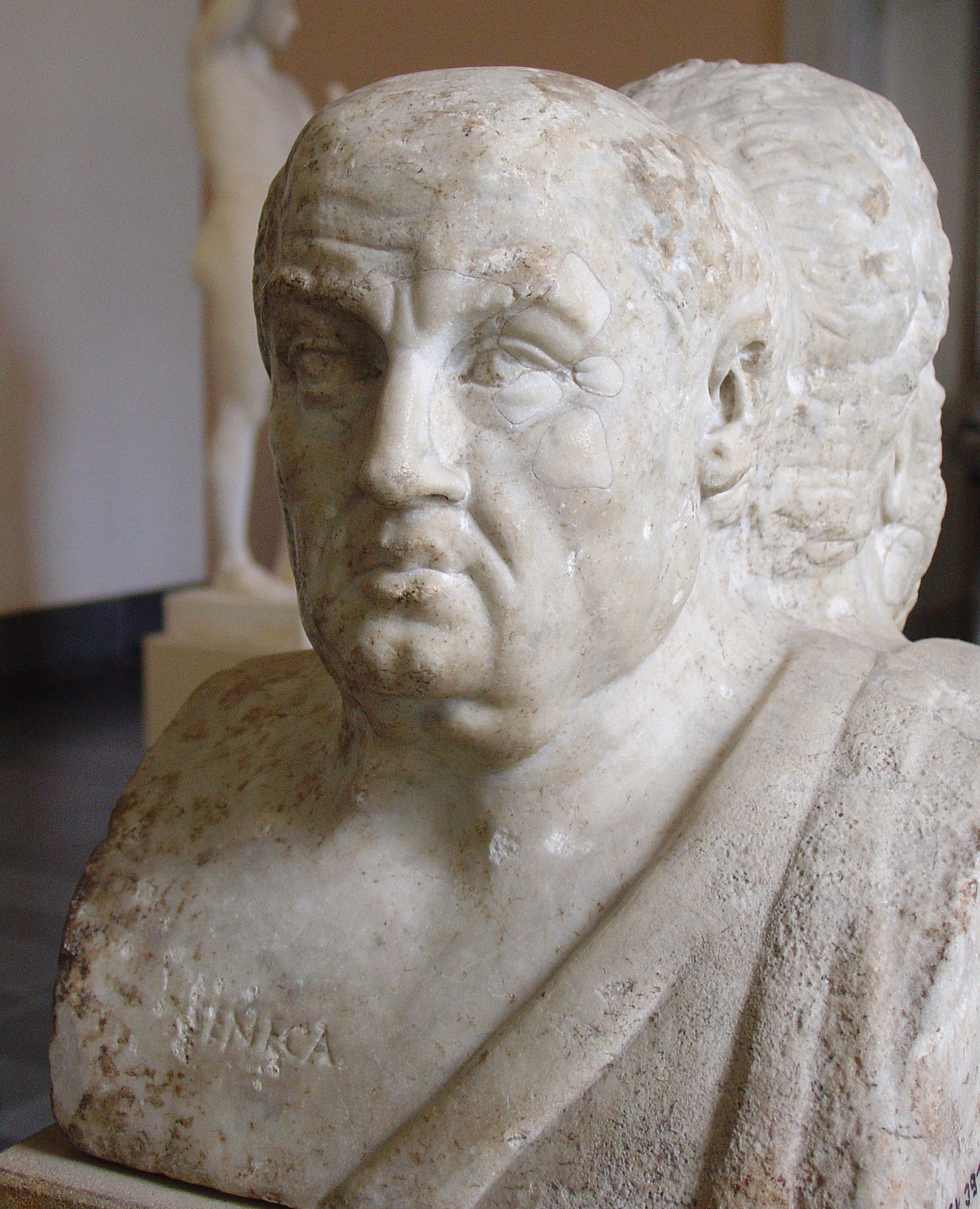
Seneca the Younger
4 CE – 65 CE
Corduba (Cordoba, Hispania)
Roman Stoic philosopher from Corduba whose letters, essays, and natural questions made virtue, anger, time, clemency, and self-command enduring topics in Latin philosophy.
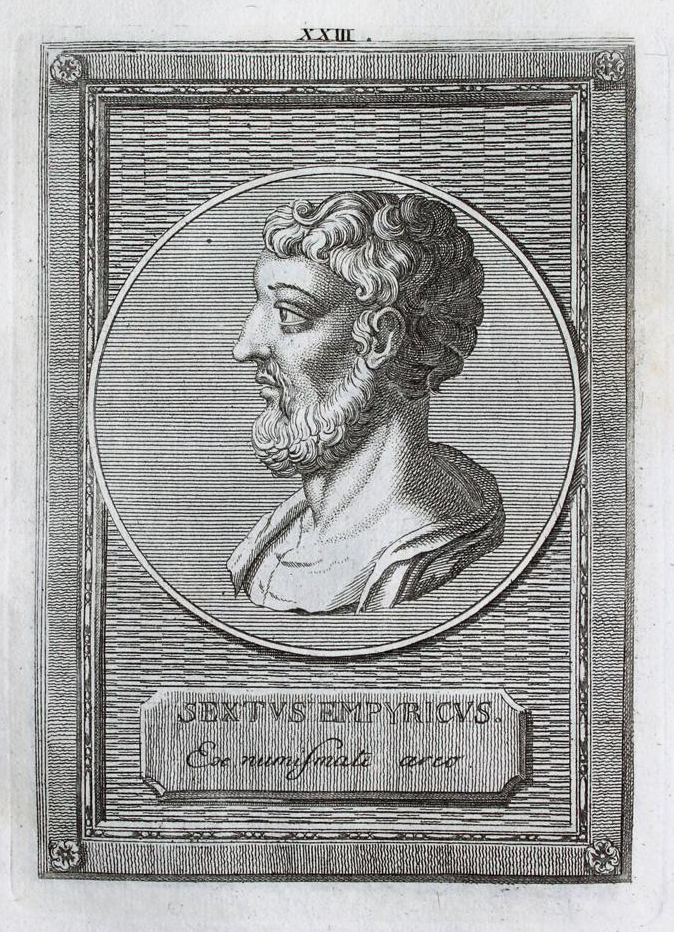
Sextus Empiricus
160 CE – 210 CE
Alexandria (probable)
Greek Pyrrhonian skeptic from Alexandria (probable) whose works preserve ancient arguments about suspension, signs, proof, criteria, and life without dogmatic certainty.
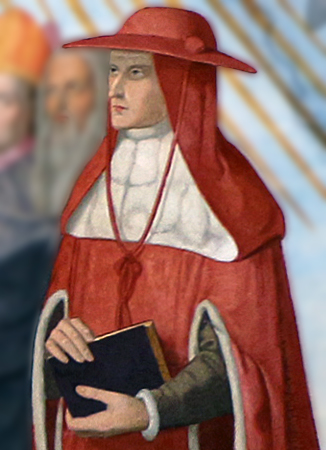
Siger of Brabant
1240 CE – 1284 CE
Brabant (Low Countries)
Paris arts master and radical Aristotelian associated with Latin Averroism, the unity of intellect controversy, metaphysics, logic, natural philosophy, and the autonomy of philosophical teaching.
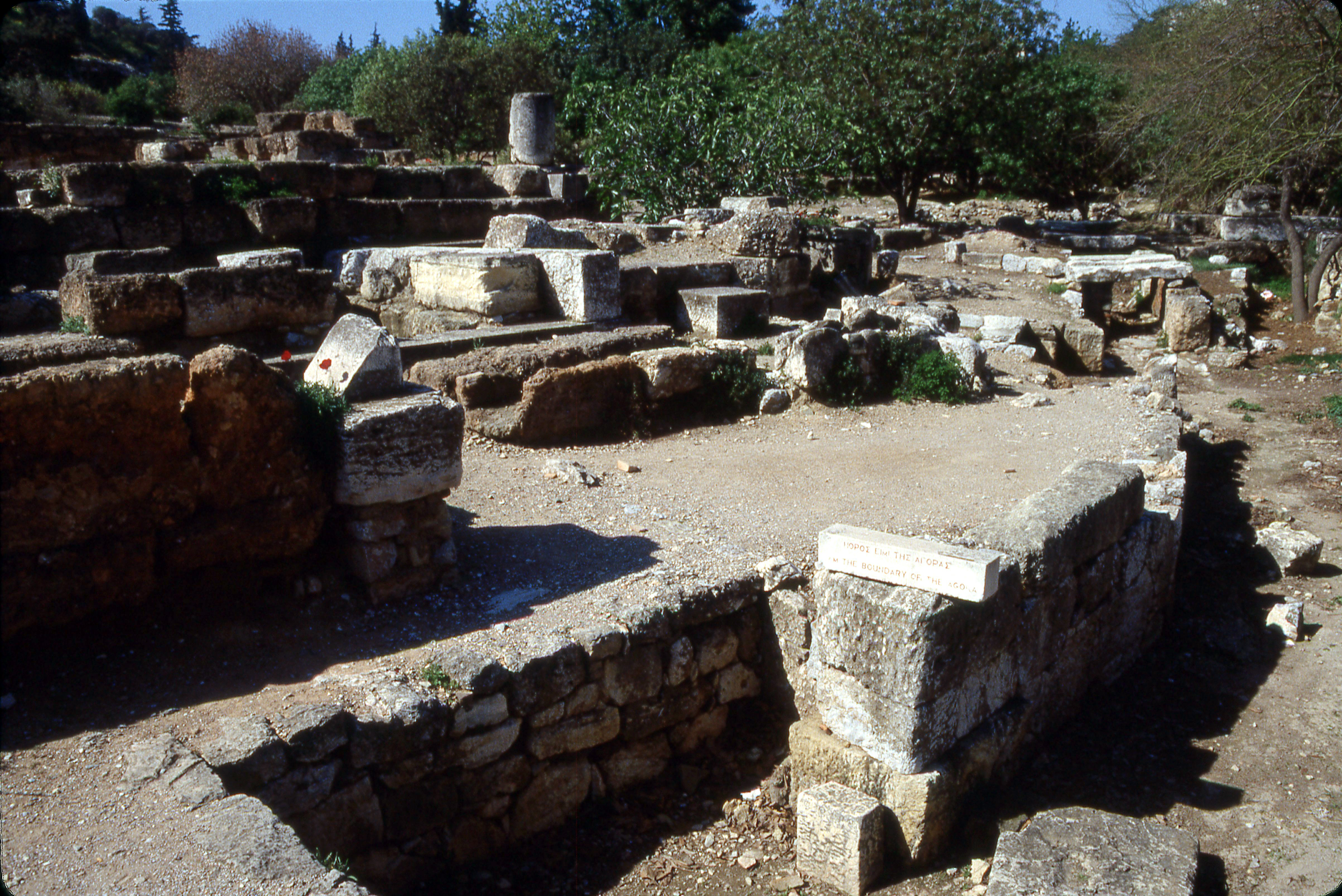
Simon the Shoemaker
470 BCE – 399 BCE
Athens (Attica)
Athenian Socratic shoemaker remembered for workshop conversations, craft ethics, free speech, and a lost one-volume set of shoemaker dialogues.
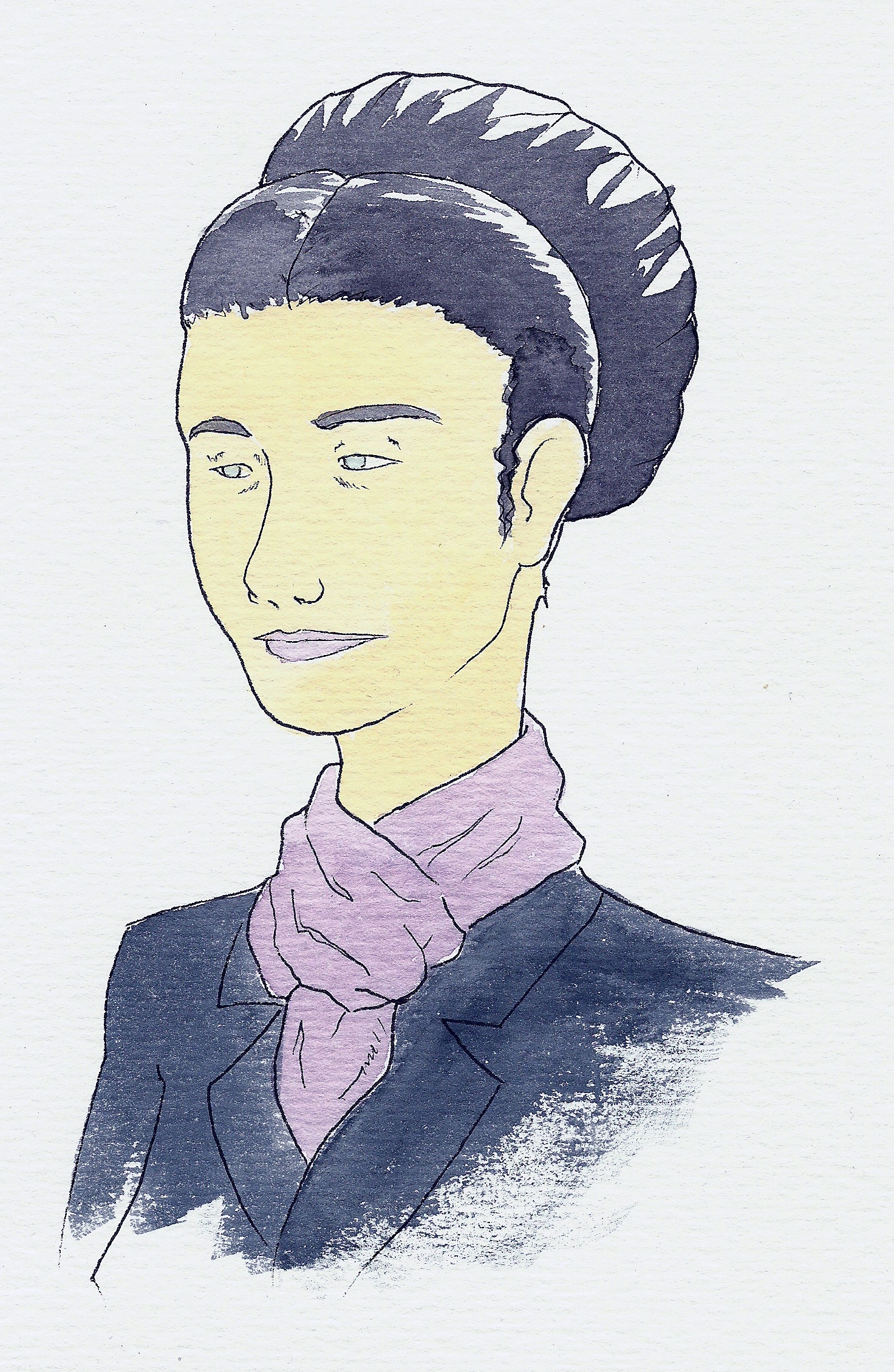
Simone de Beauvoir
1908 CE – 1986 CE
Paris
French existentialist and feminist philosopher of ambiguity, situated freedom, otherness, embodiment, oppression, aging, literature, and ethical responsibility.
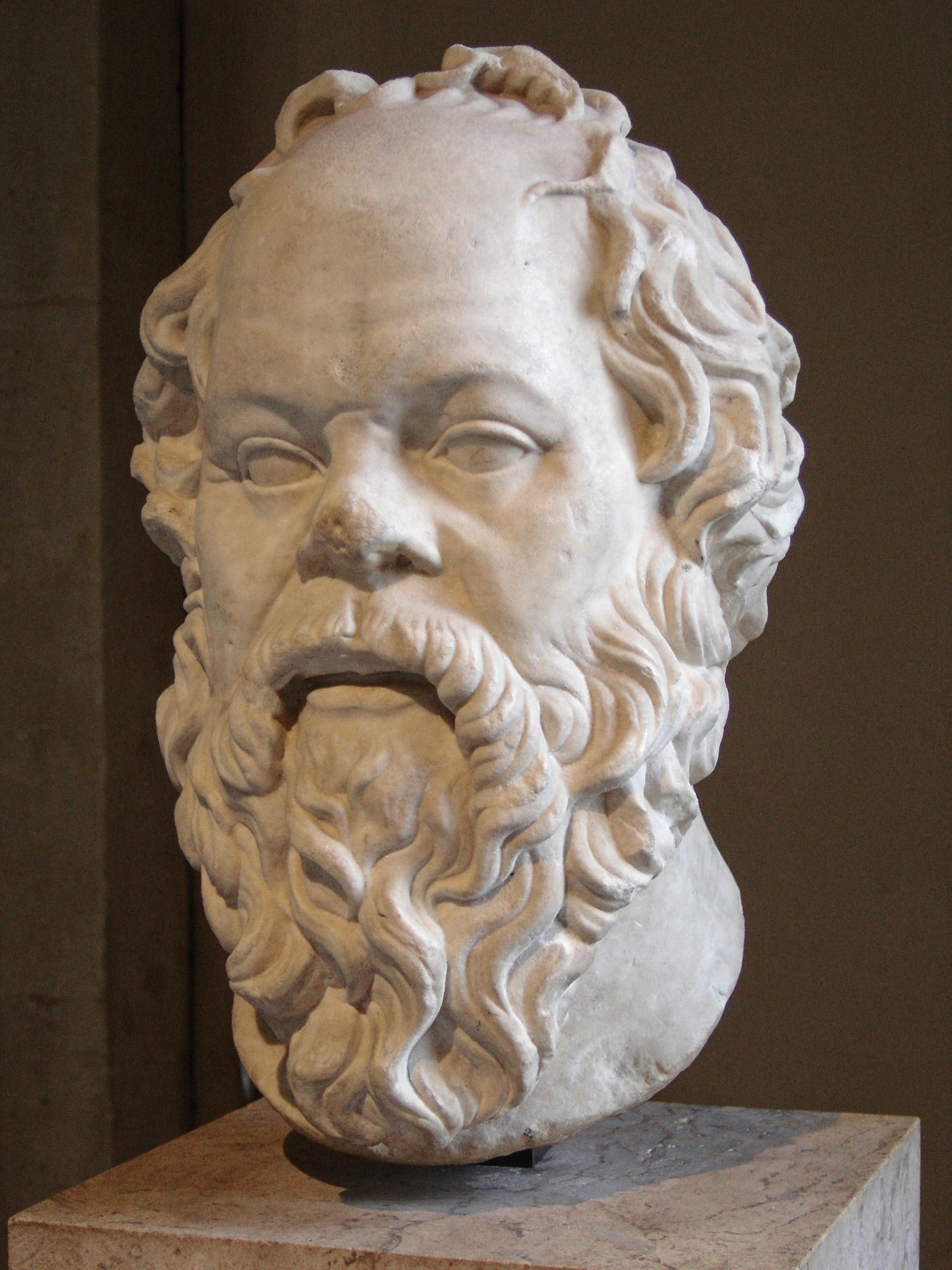
Socrates
470 BCE – 399 BCE
Alopece, Athens
Ancient Athenian philosopher whose public examination, care of the soul, ethical courage, piety inquiry, and trial shaped the Socratic tradition and classical philosophy.
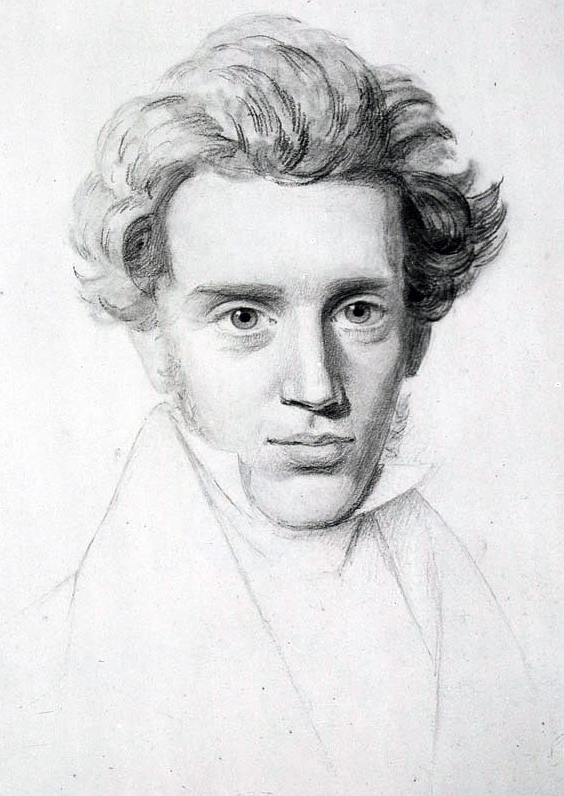
Søren Kierkegaard
1813 CE – 1855 CE
Copenhagen
Danish philosopher of subjectivity, indirect communication, pseudonymous authorship, anxiety, despair, faith, love, the single individual, and critique of Christendom.
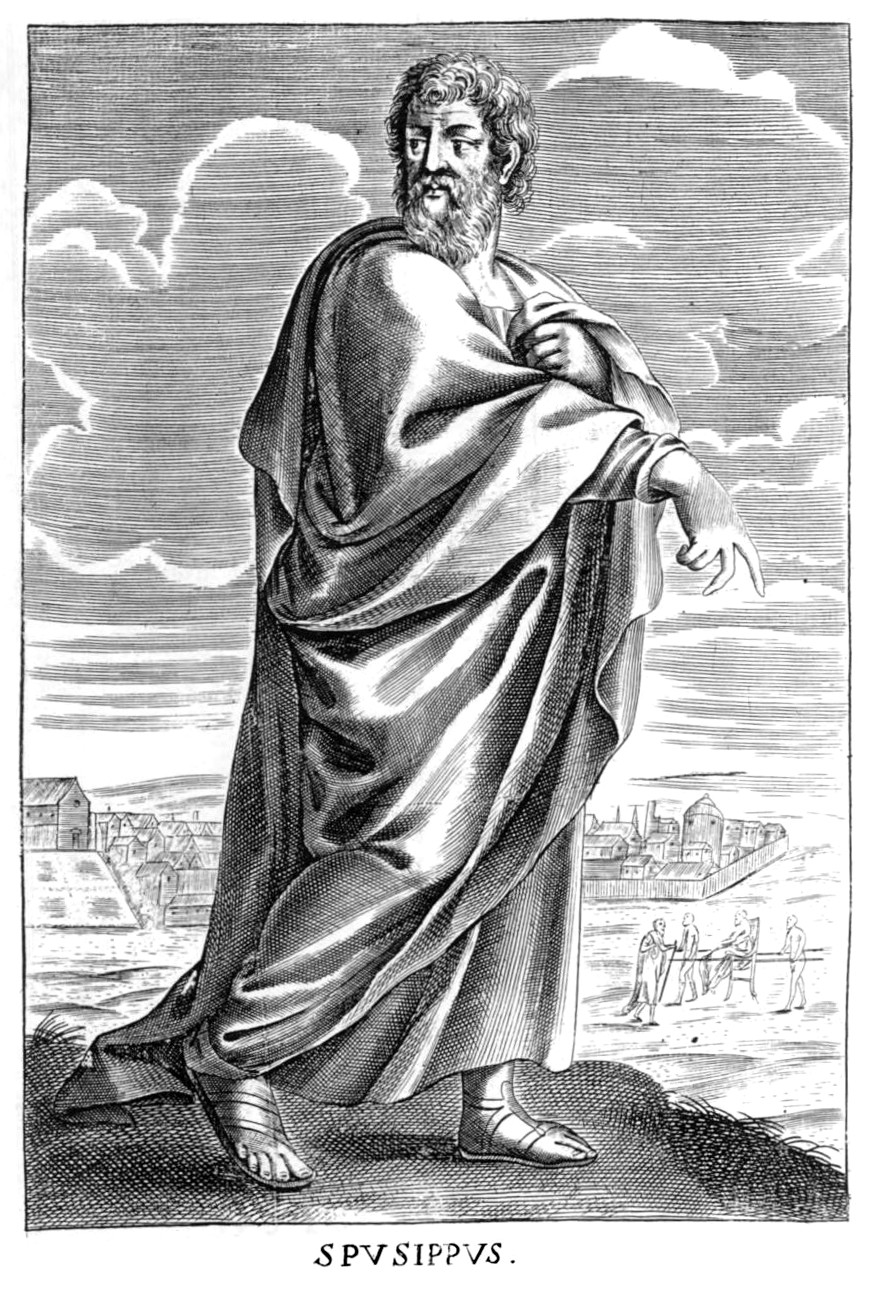
Speusippus of Athens
408 BCE – 339 BCE
Athens (Attica)
Old Academy philosopher, Plato's nephew, and successor as scholarch, whose lost titles and testimonia join first principles, classification, genera, species, number, soul, ethics, politics, definitions, and Academy succession.
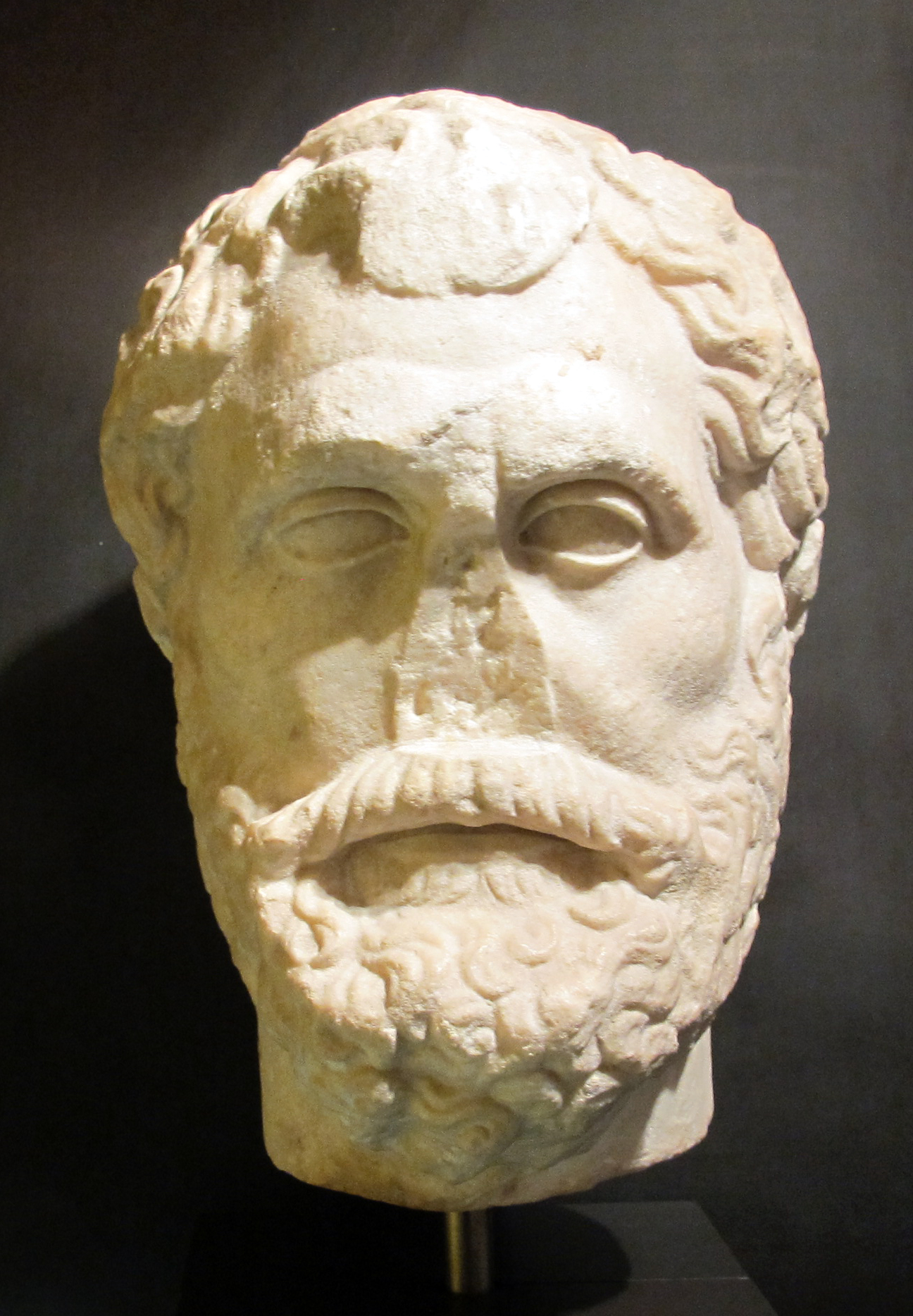
Thales of Miletus
624 BCE – 546 BCE
Miletus, Ionia
Milesian natural philosopher and sage of water as arche, earth on water, natural explanation, astronomy, geometry, eclipse tradition, magnet/soul testimony, and Seven Sages reception.
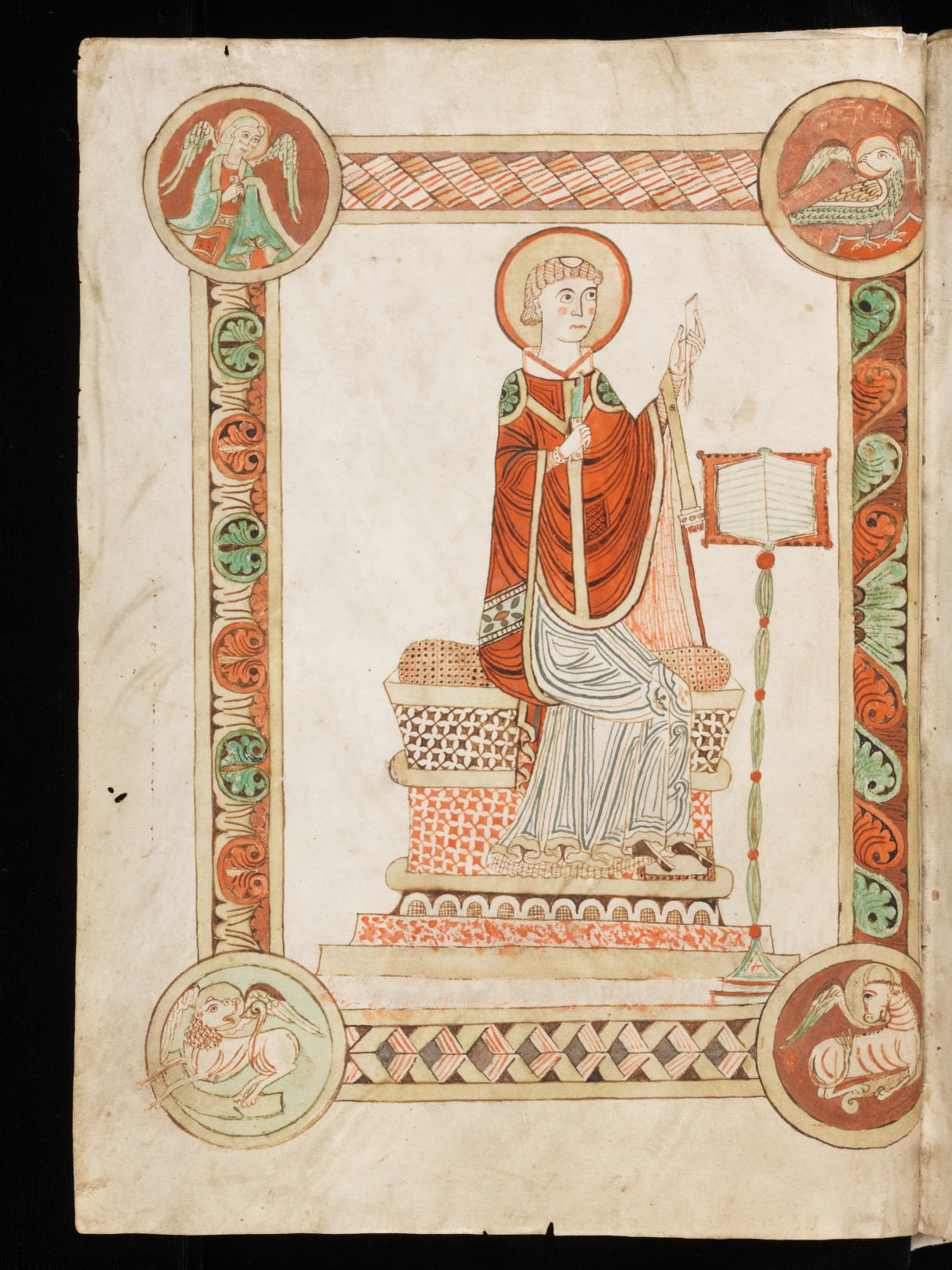
The Venerable Bede
672 CE – 735 CE
Wearmouth-Jarrow region, Northumbria
Northumbrian monk and scholar of Wearmouth-Jarrow, computus, chronology, AD dating, natural philosophy, grammar, rhetoric, biblical exegesis, ecclesiastical history, hagiography, and pastoral reform.
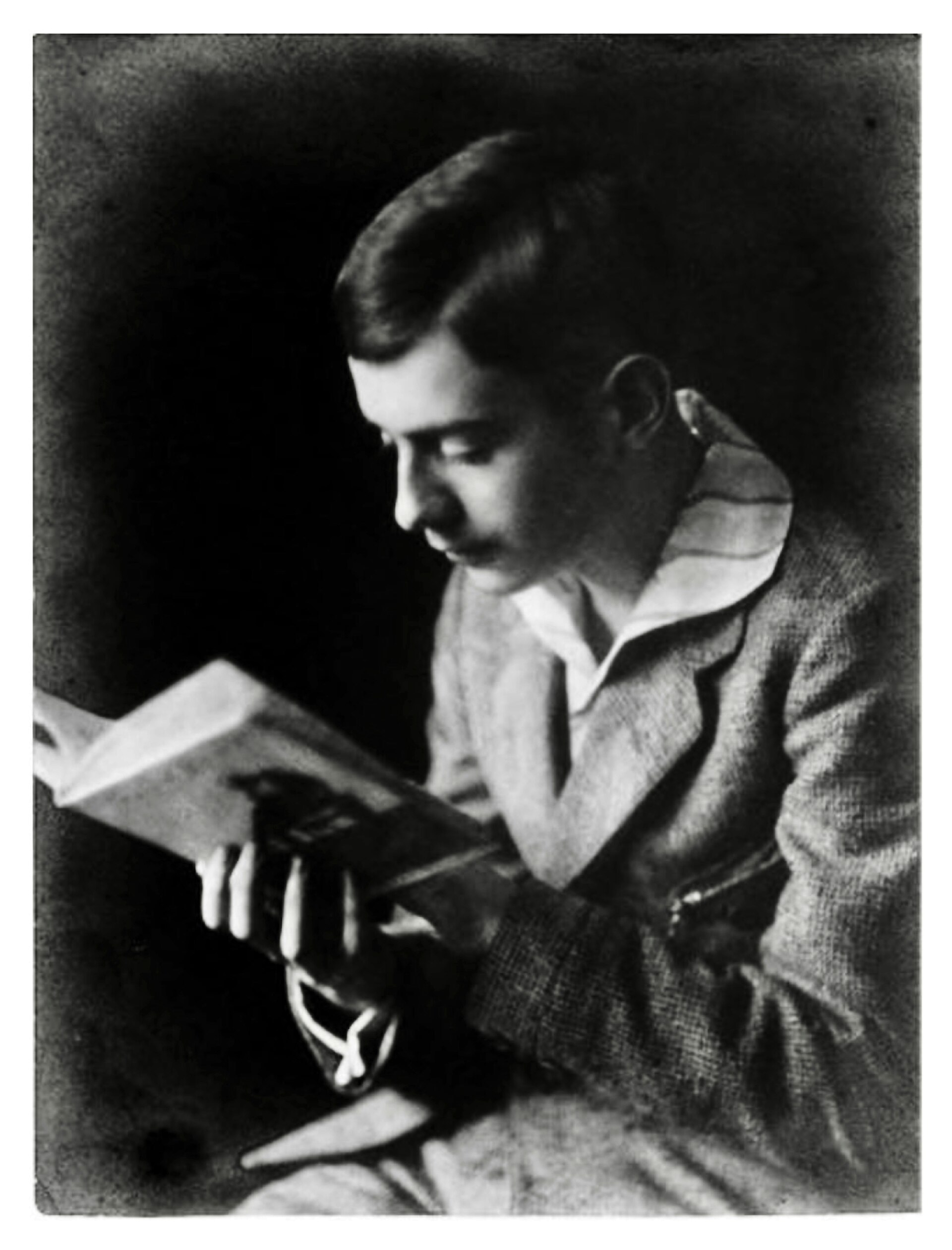
Theodor W. Adorno
1903 CE – 1969 CE
Frankfurt am Main
German critical theorist, philosopher, sociologist, and music theorist of the Frankfurt School whose negative dialectics, nonidentity, culture industry critique, aesthetics, music sociology, authoritarianism analysis, and postwar social philosophy shaped contemporary critical theory.
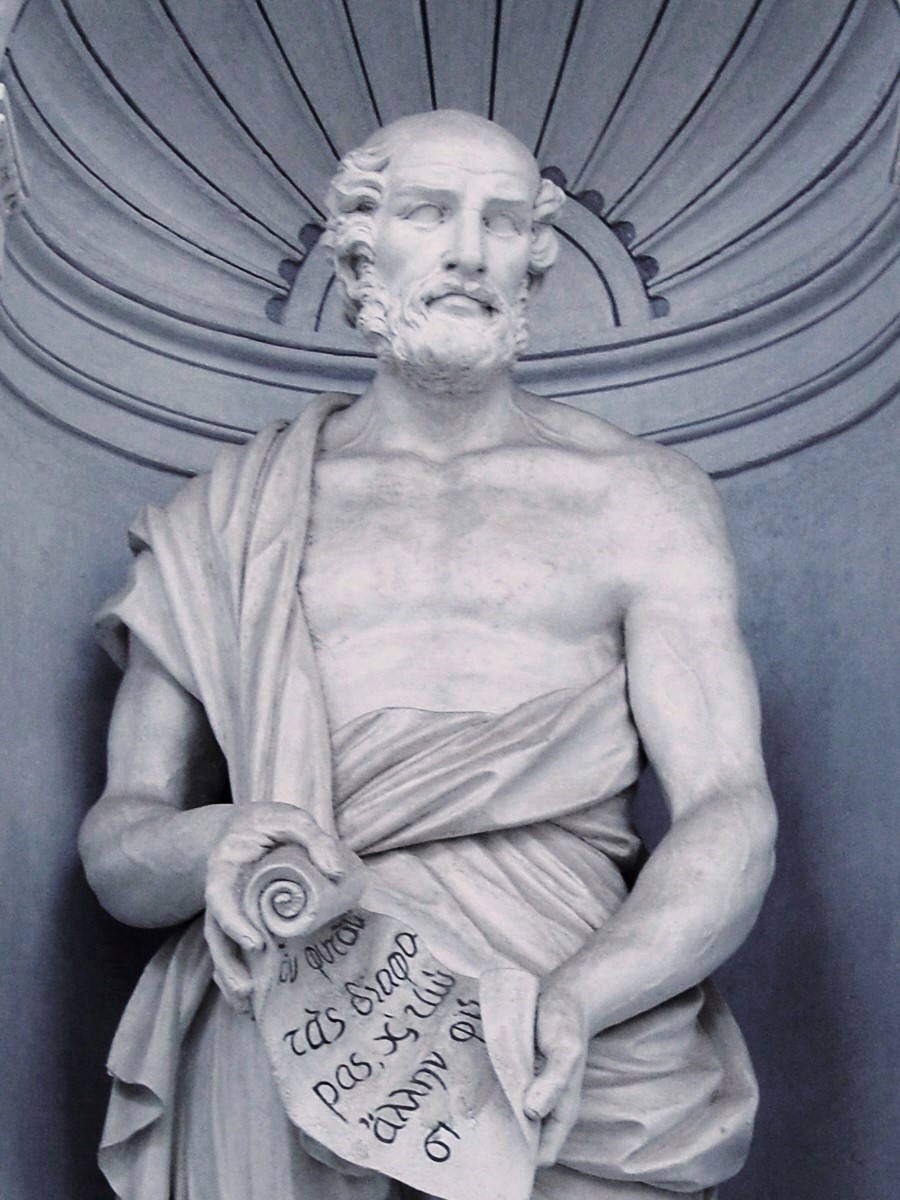
Theophrastus of Eresus
371 BCE – 287 BCE
Eresos, Lesbos
Peripatetic philosopher from Eresos, Aristotle successor at the Lyceum, botanical classifier, natural scientist, logician, rhetorician, character writer, and major doxographical source for earlier Greek philosophy.
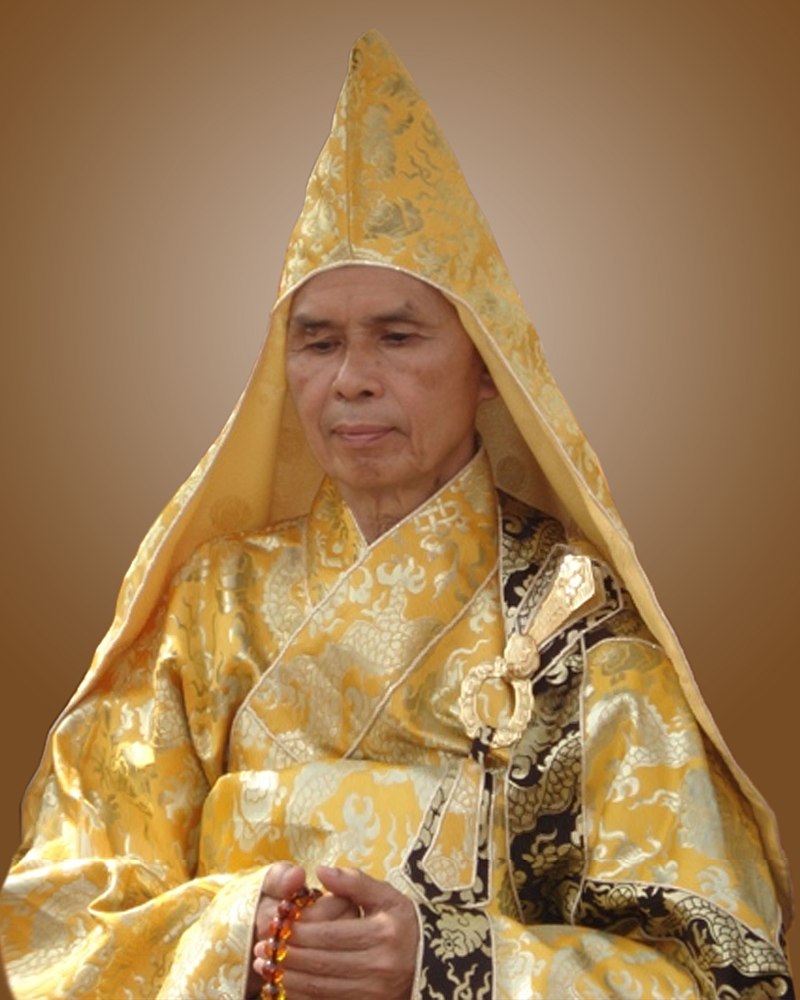
Thich Nhat Hanh
1926 CE – 2022 CE
Hue, central Vietnam
Vietnamese Zen and engaged Buddhist philosopher of mindfulness, interbeing, deep listening, loving speech, nonviolence, Plum Village practice, antiwar witness, and global lay-monastic transmission.
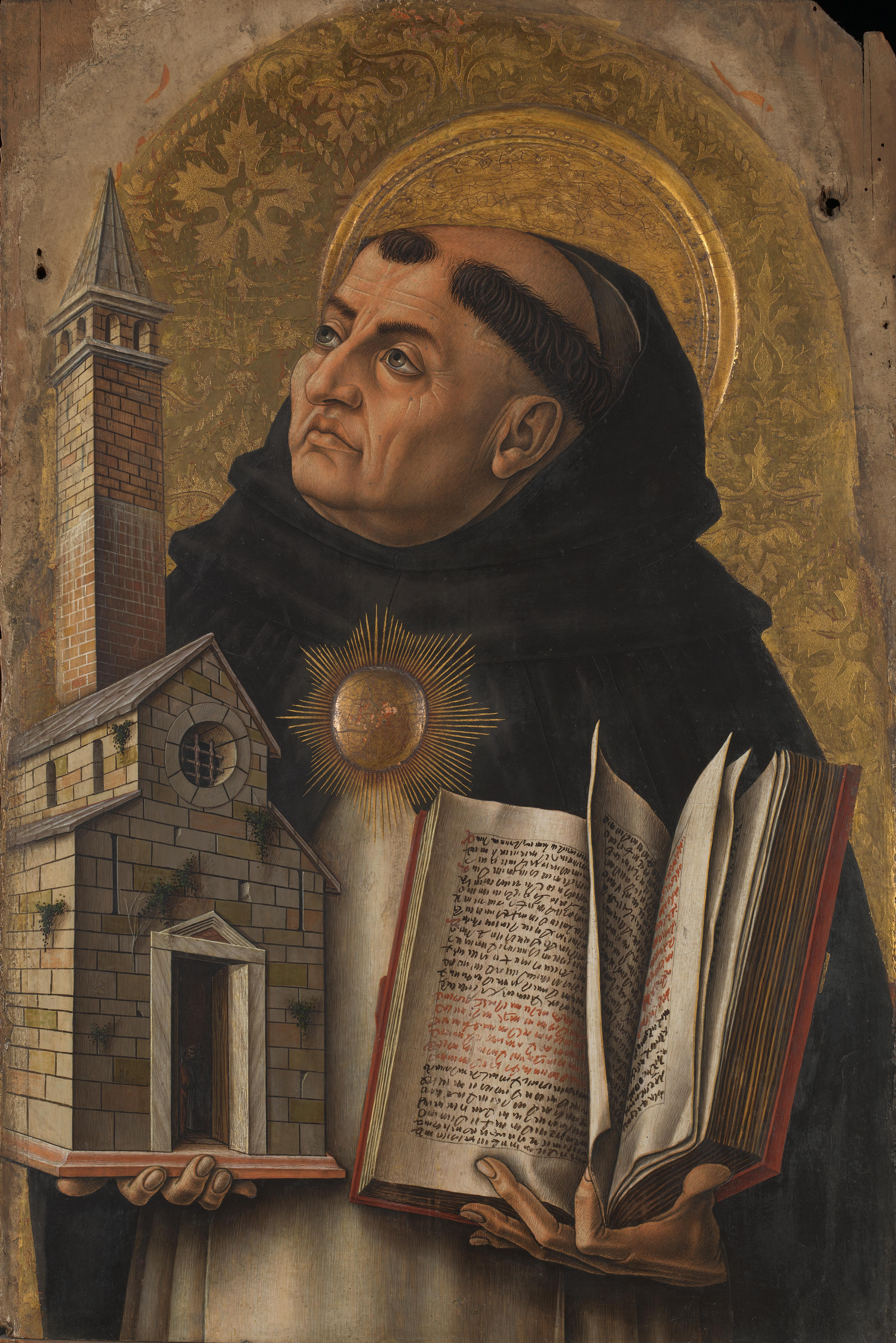
Thomas Aquinas
1225 CE – 1274 CE
Roccasecca, County of Aquino
Medieval Dominican scholastic philosopher of faith and reason, act and potency, essence and existence, divine simplicity, analogy, the Five Ways, natural law, virtue, beatitude, soul, Aristotle commentary, and Thomism.
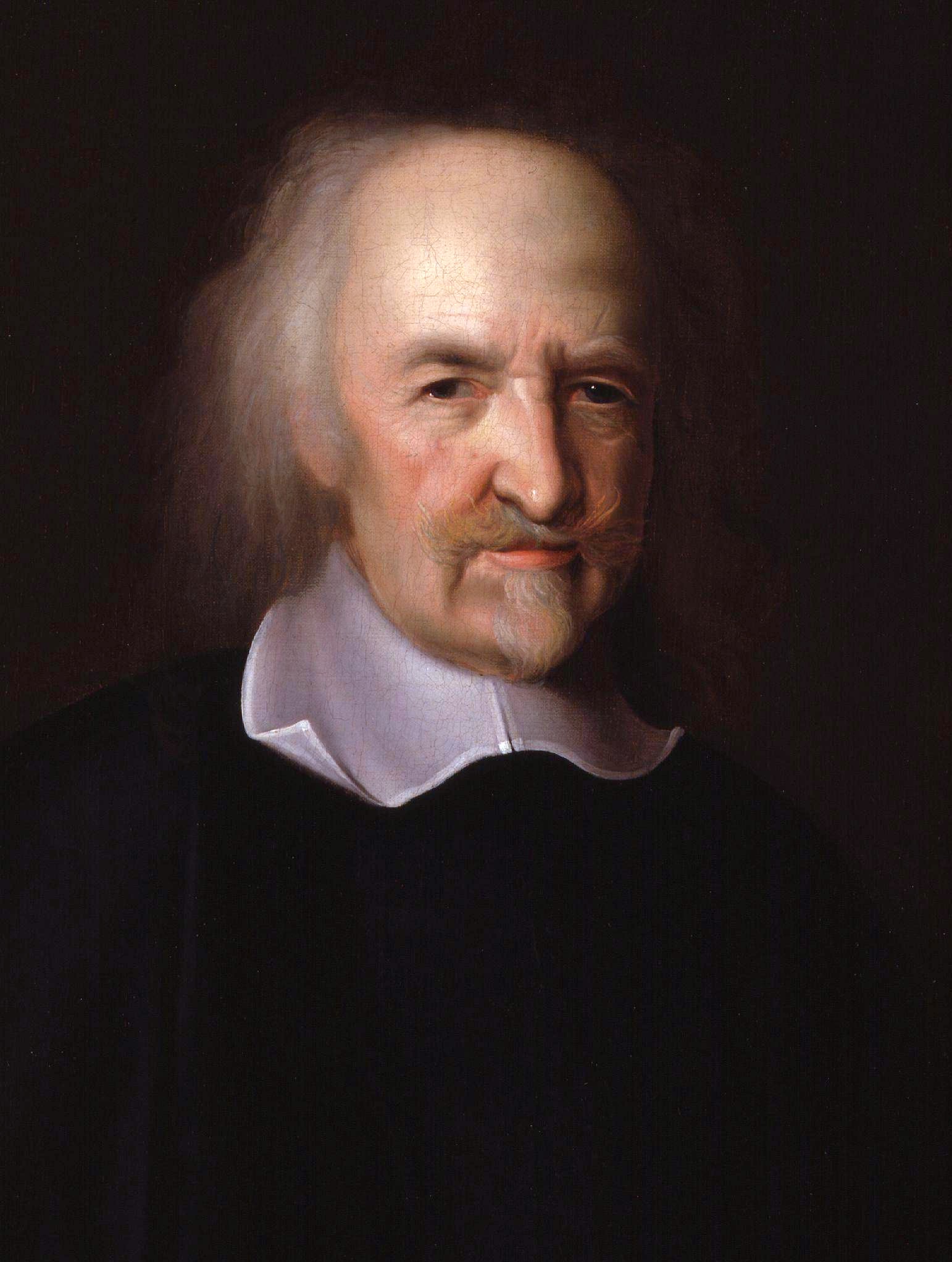
Thomas Hobbes
1588 CE – 1679 CE
Westport, near Malmesbury, Wiltshire
Early modern English philosopher of civil science, mechanistic materialism, state of nature, laws of nature, covenant, authorization, sovereignty, civil law as command, church authority, liberty and necessity, rhetoric, history, and translation.
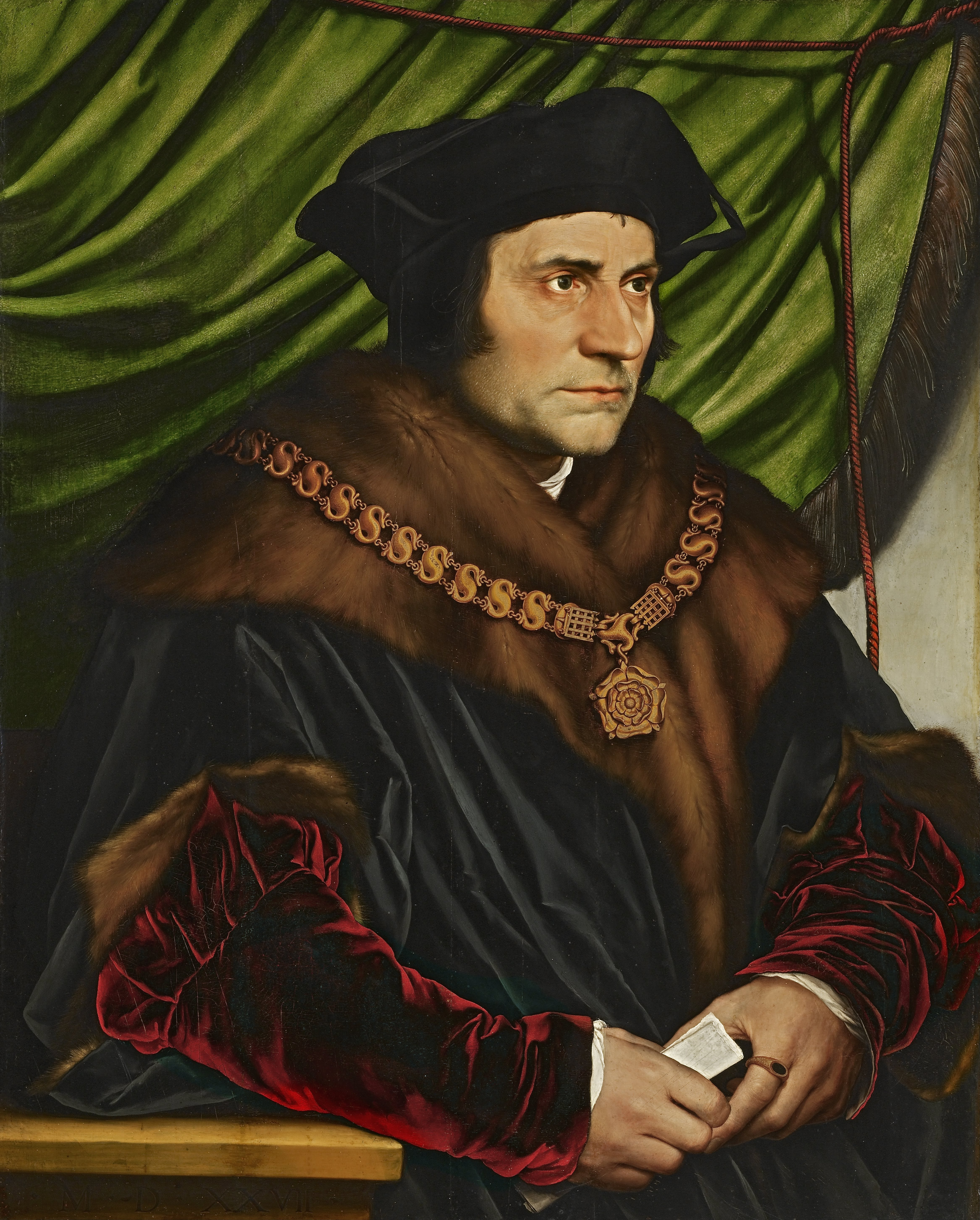
Thomas More
1478 CE – 1535 CE
London
English Renaissance humanist, lawyer, royal councillor, author of Utopia, and Catholic moral thinker whose works join civic counsel, conscience, political imagination, religious controversy, and prison consolation.
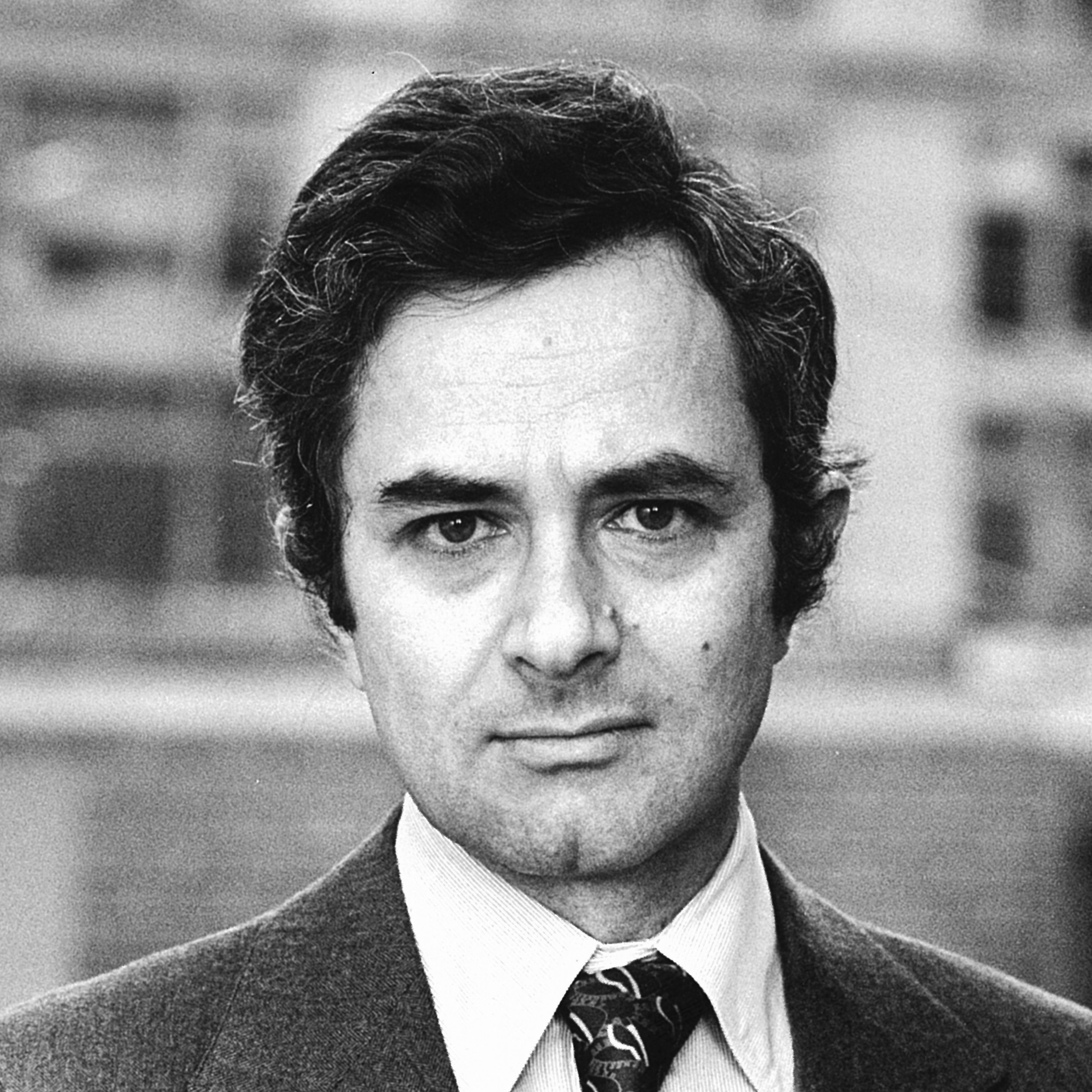
Thomas Nagel
1937 CE
Belgrade
American analytic philosopher of consciousness, objectivity, altruism, moral luck, equality, political morality, religious temperament, and limits of reductive materialism.
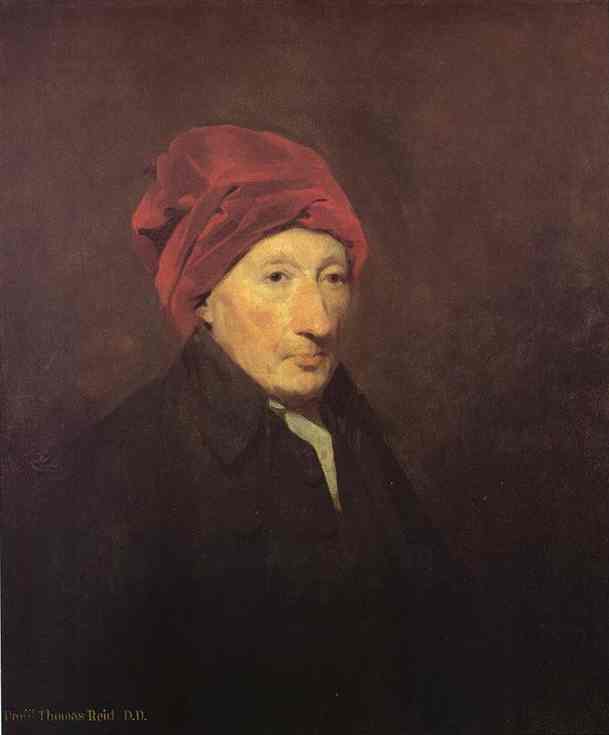
Thomas Reid
1710 CE – 1796 CE
Strachan, Kincardineshire
Scottish Enlightenment philosopher of common sense, direct realism, perception, first principles, active powers, moral liberty, natural signs, and criticism of the theory of ideas.
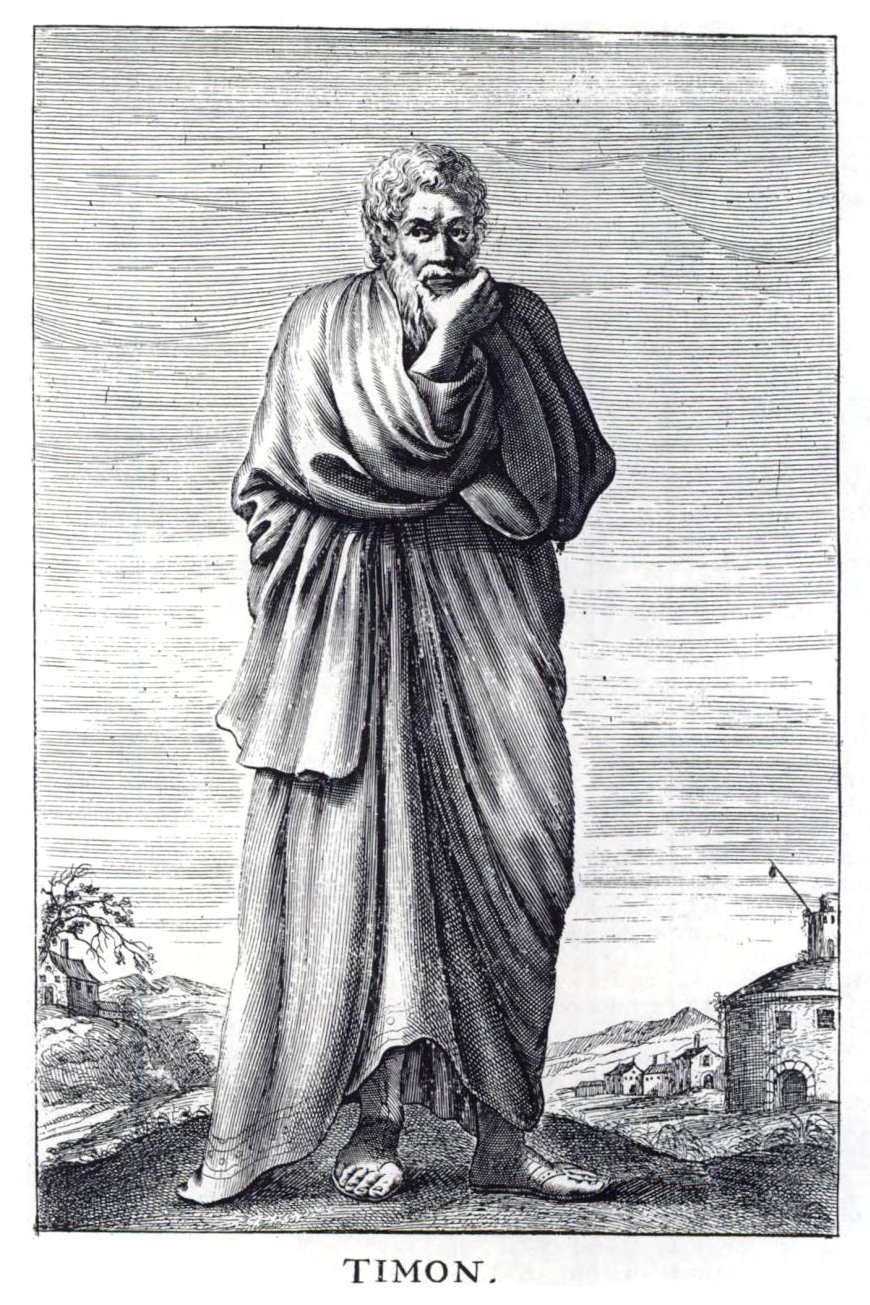
Timon of Phlius
320 BCE – 230 BCE
Phlius (Peloponnese)
Greek Pyrrhonist philosopher and satirical poet from Phlius whose Silloi, Indalmoi, and prose works preserved Pyrrho's skeptical ideal while attacking dogmatic philosophers.
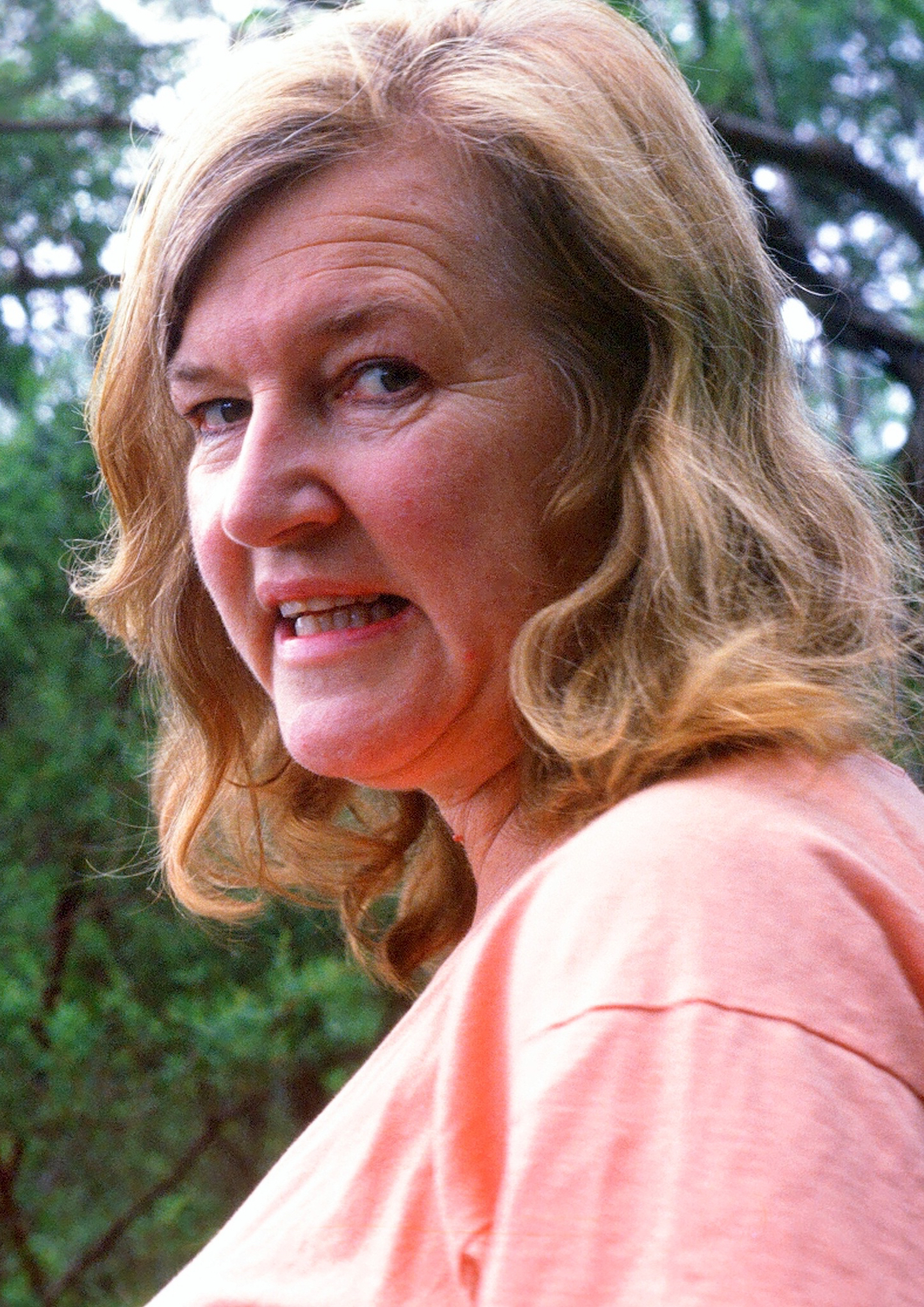
Val Plumwood
1939 CE – 2008 CE
Terrey Hills, near Sydney
Australian ecofeminist philosopher, logician, environmental ethicist, activist, and ecological-humanities figure whose work critiques mastery, human/nature dualism, anthropocentric reason, and ecological disconnection.
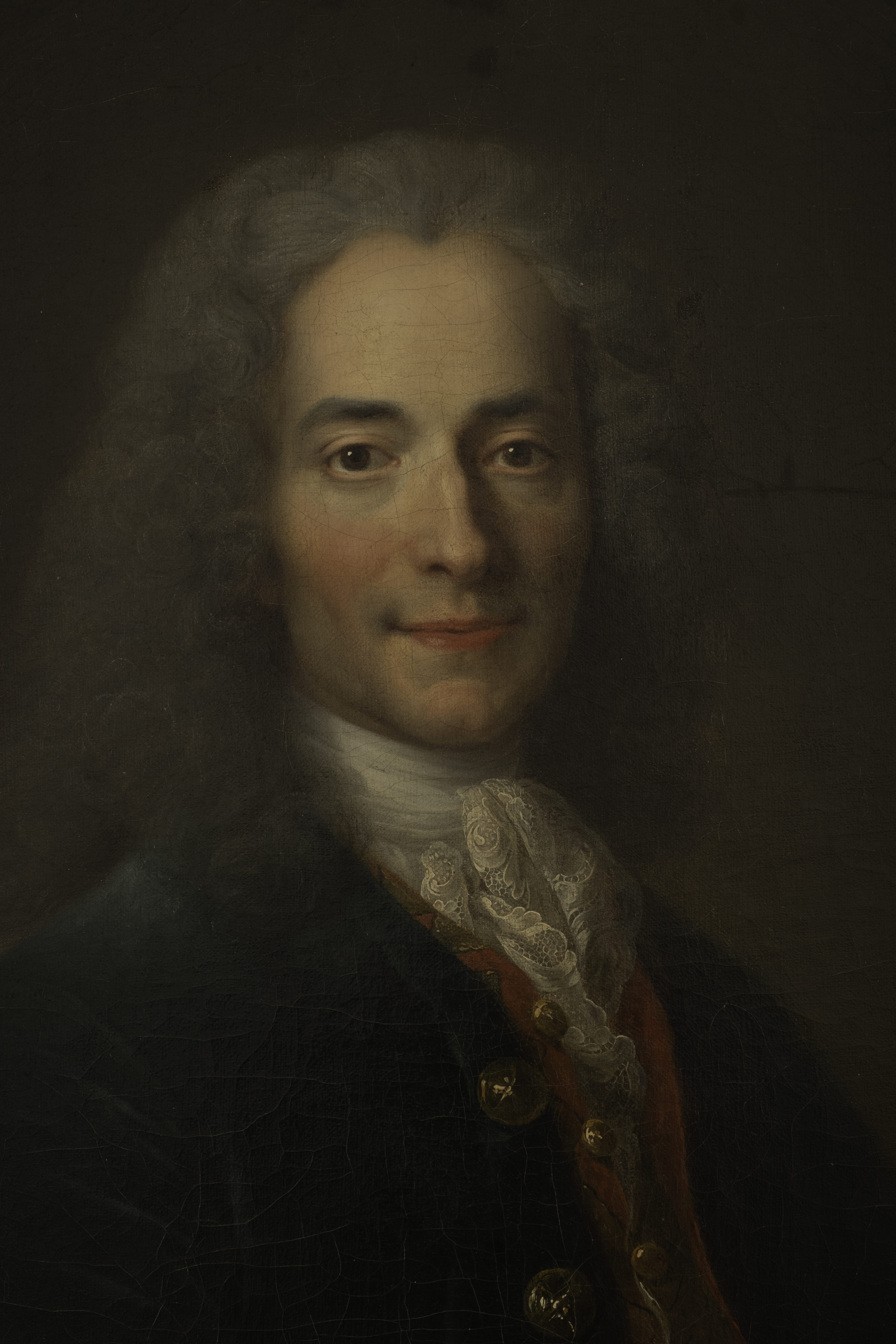
Voltaire (François-Marie Arouet)
1694 CE – 1778 CE
Paris
French Enlightenment writer and philosopher whose deism, satire, toleration campaigns, Newtonian public science, civil-liberties advocacy, and anti-clerical critique made him a defining public intellectual of eighteenth-century Europe.
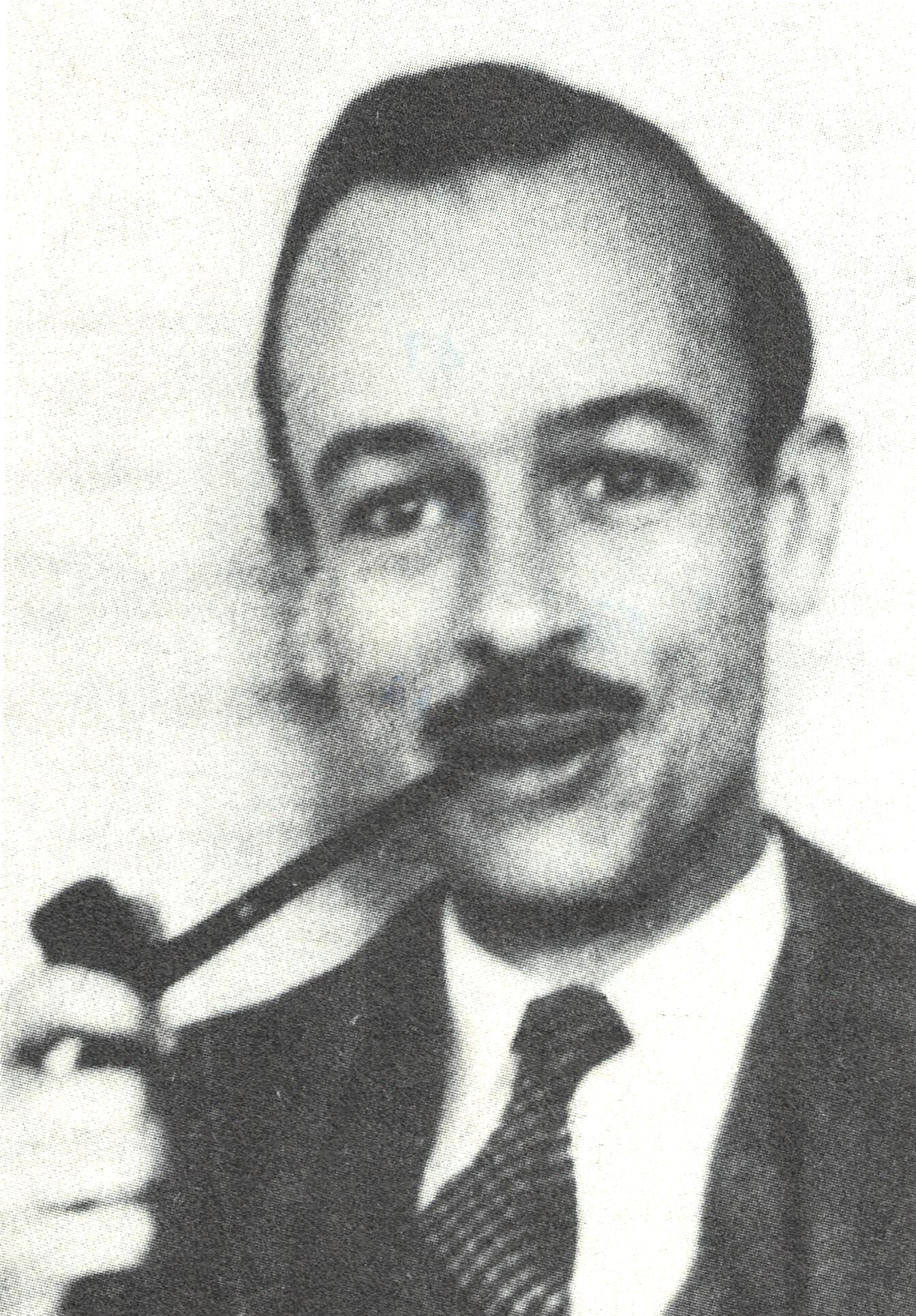
W. V. O. Quine
1908 CE – 2000 CE
Akron, Ohio
American analytic philosopher and logician whose naturalized epistemology, ontological relativity, indeterminacy of translation, extensionalism, and mathematical logic reshaped twentieth-century philosophy.
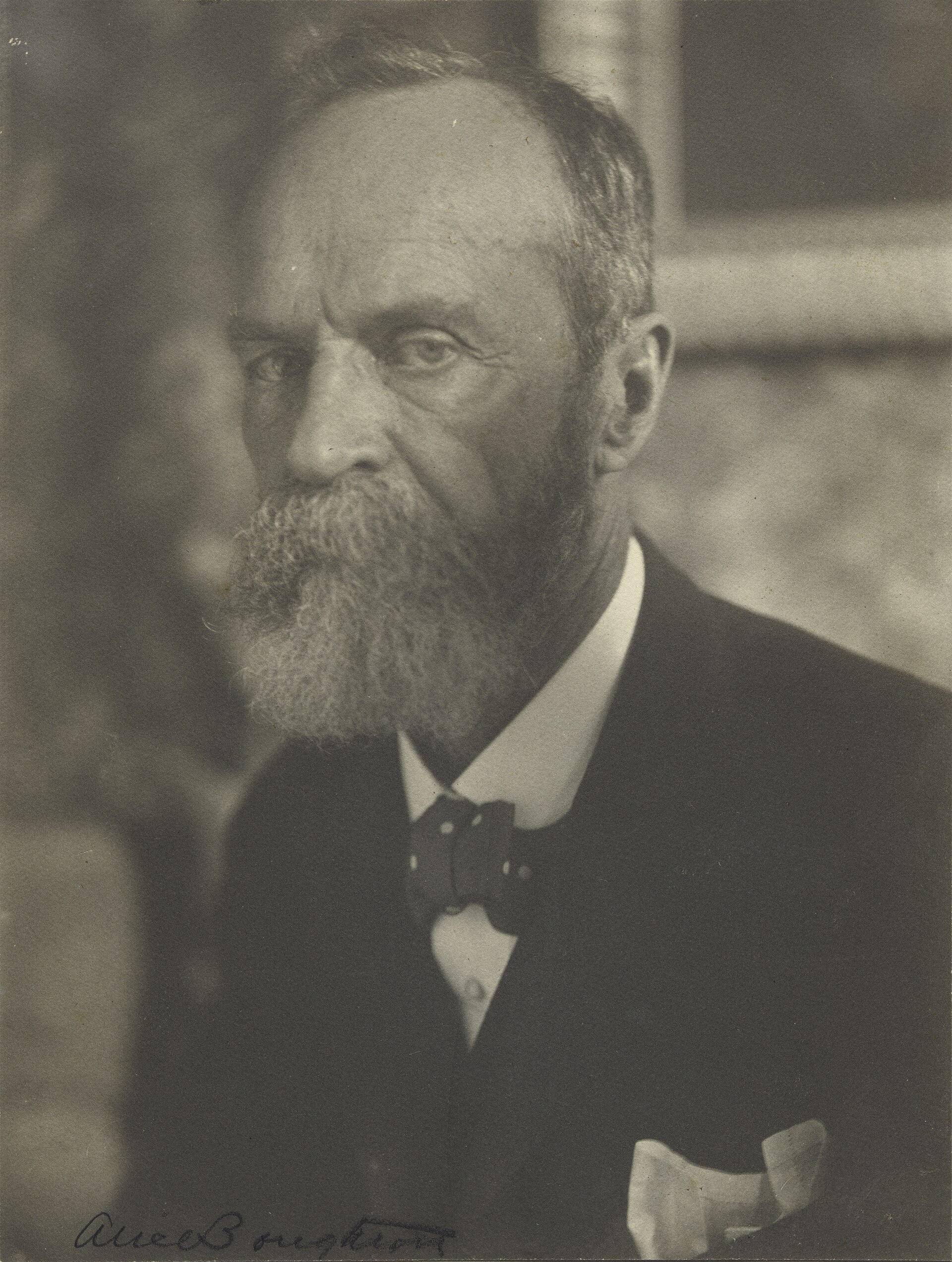
William James
1842 CE – 1910 CE
New York City, New York
American philosopher and psychologist whose pragmatism, radical empiricism, stream-of-consciousness psychology, pluralism, and philosophy of religion reshaped modern philosophy.
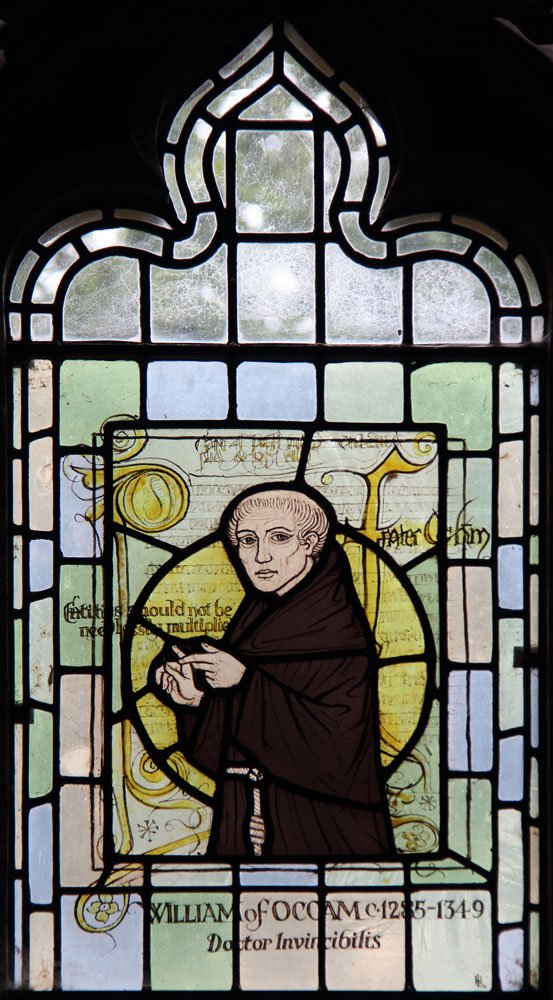
William of Ockham
1287 CE – 1347 CE
Ockham, Surrey
English Franciscan scholastic whose nominalism, terminist logic, mental-language theory, political theology, and parsimony arguments reshaped late medieval philosophy.
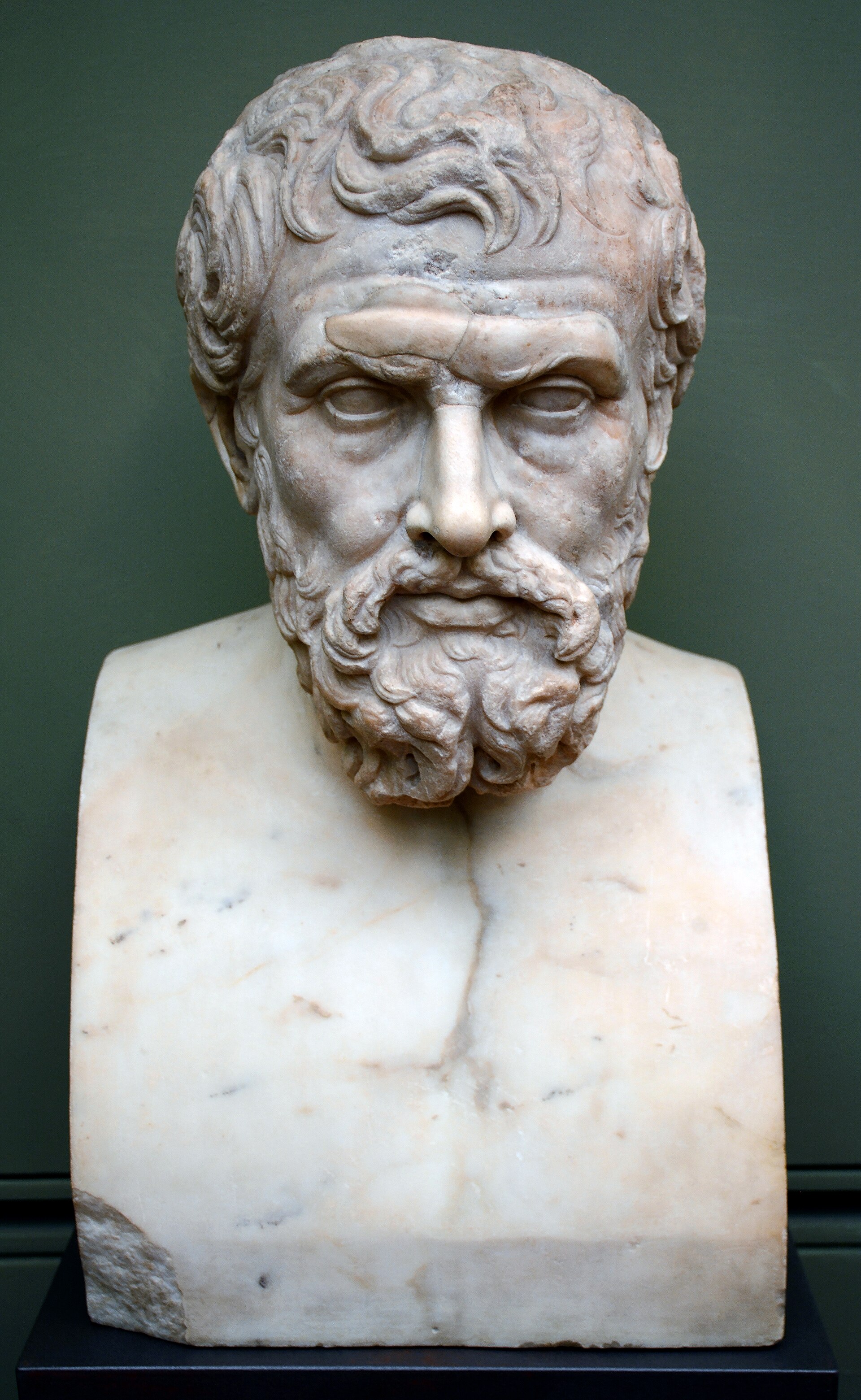
Xenocrates of Chalcedon
396 BCE – 314 BCE
Chalcedon, Bithynia; now Kadikoy, Istanbul
Greek Academic philosopher who systematized Plato through formal numbers, the One and Indeterminate Dyad, demonology, and the tripartite division of philosophy.
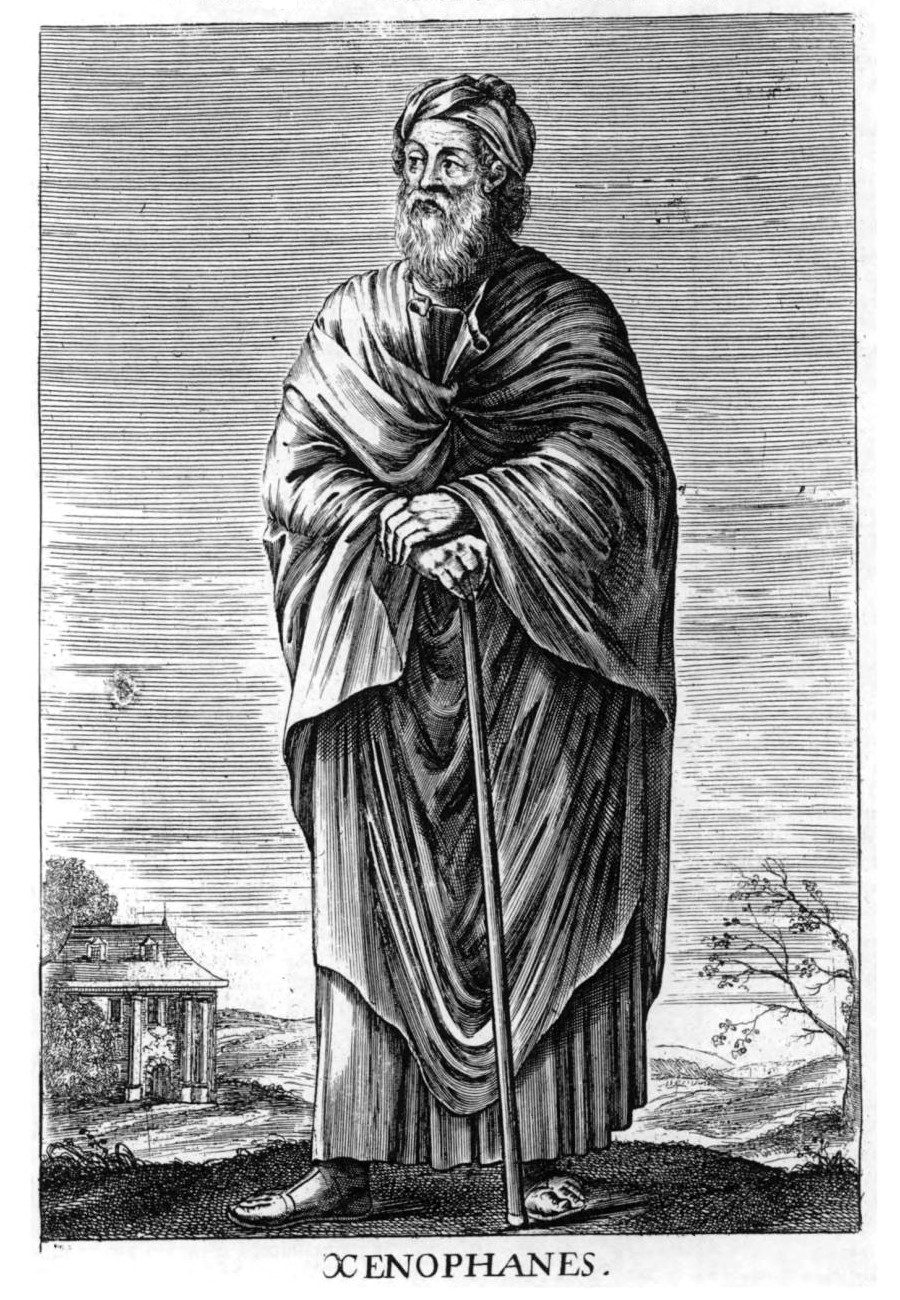
Xenophanes of Colophon
570 BCE – 478 BCE
Colophon, Ionia; near modern Izmir Province, Turkey
Ionian Greek poet-philosopher whose fragments criticize anthropomorphic gods, defend rational theology, and pair naturalistic explanation with epistemic humility.
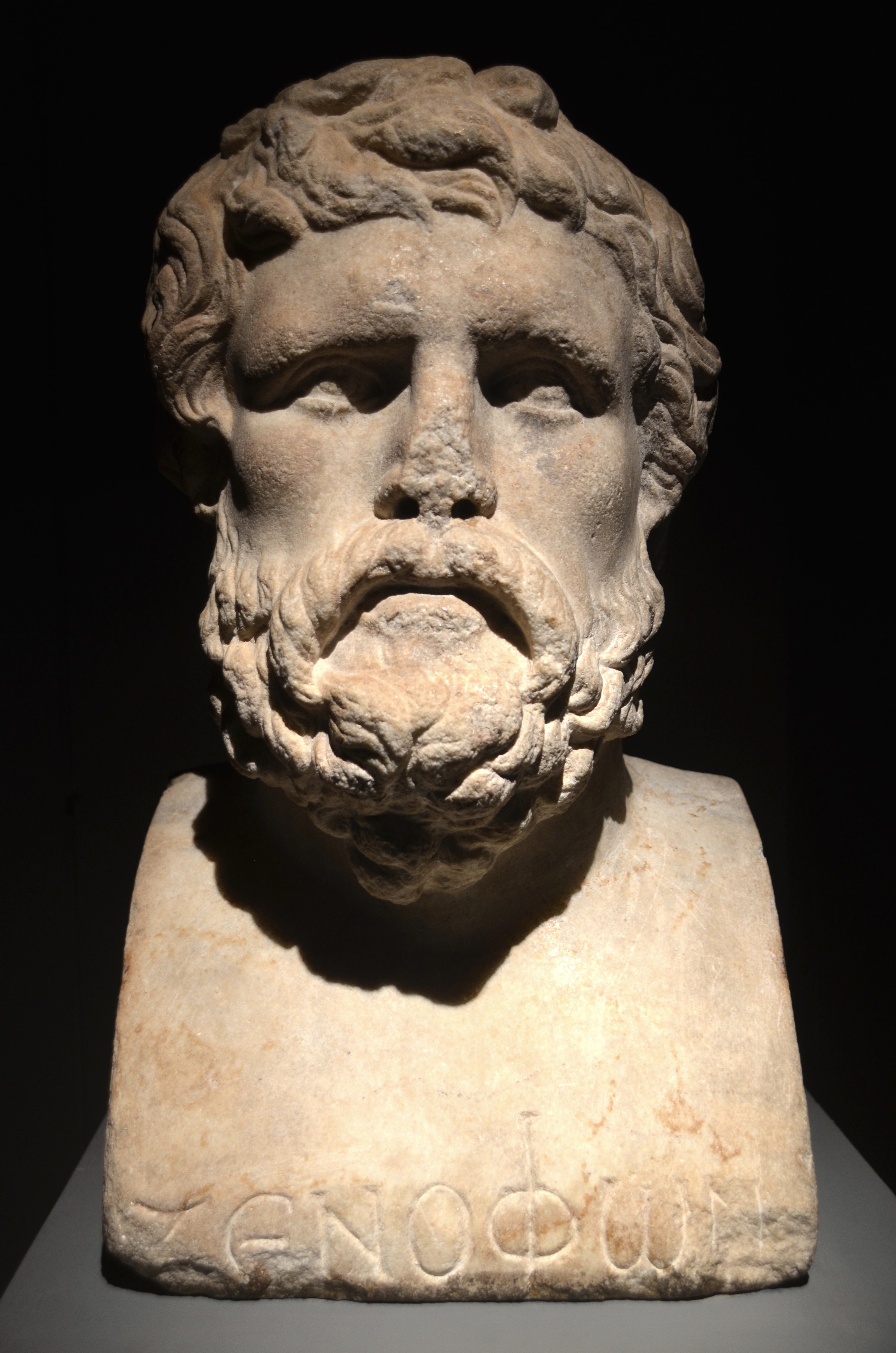
Xenophon of Athens
430 BCE – 354 BCE
Athens, Attica; Erchia deme tradition noted
Cistercian monk, abbot of Socratic, and medieval Christian philosopher-theologian whose theology of love, humility, grace, free choice, mystical ascent, monastic ethics, scriptural exegesis, and ecclesial counsel shaped scholastic, monastic, and political theology.
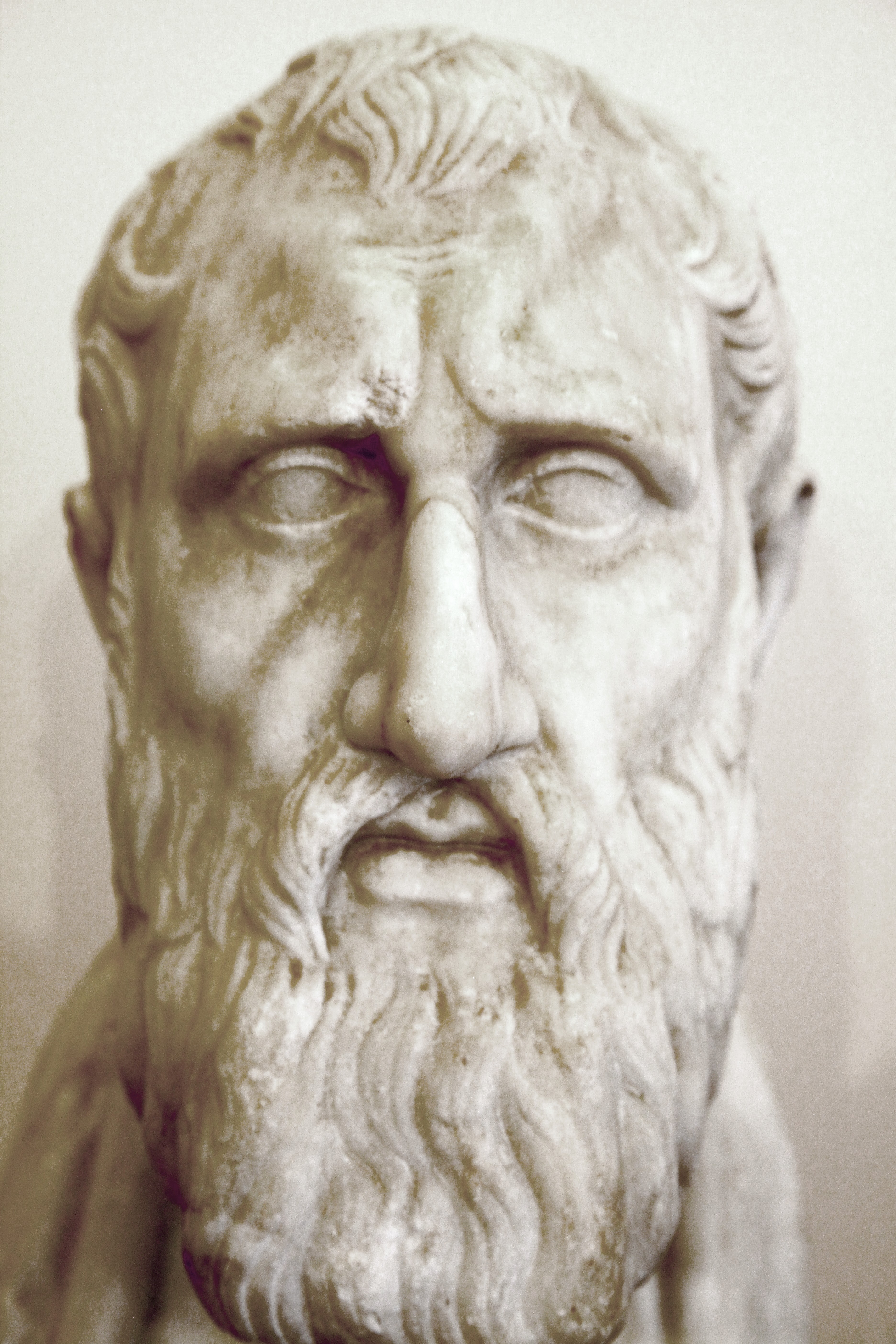
Zeno of Citium
334 BCE – 262 BCE
Citium / Kition, Cyprus; Greek city with Phoenician colony context
Cistercian monk, abbot of Stoic, and medieval Christian philosopher-theologian whose theology of love, humility, grace, free choice, mystical ascent, monastic ethics, scriptural exegesis, and ecclesial counsel shaped scholastic, monastic, and political theology.
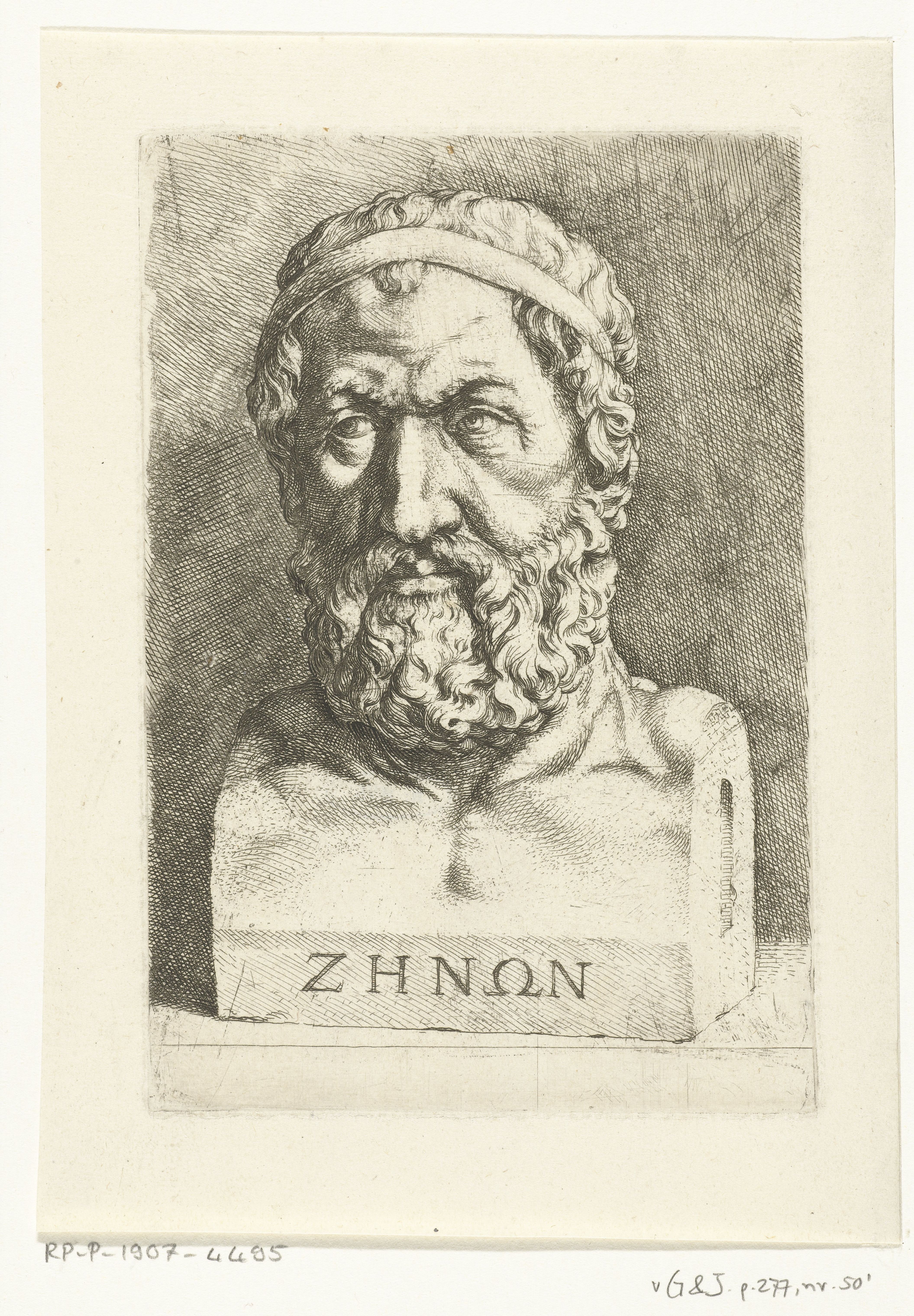
Zeno of Elea
490 BCE – 430 BCE
Elea (Velia), Lucania, Magna Graecia; now Campania, Italy
Cistercian monk, abbot of Eleatic, and medieval Christian philosopher-theologian whose theology of love, humility, grace, free choice, mystical ascent, monastic ethics, scriptural exegesis, and ecclesial counsel shaped scholastic, monastic, and political theology.