(1200 BC – 500 BC)
 Current Era Name
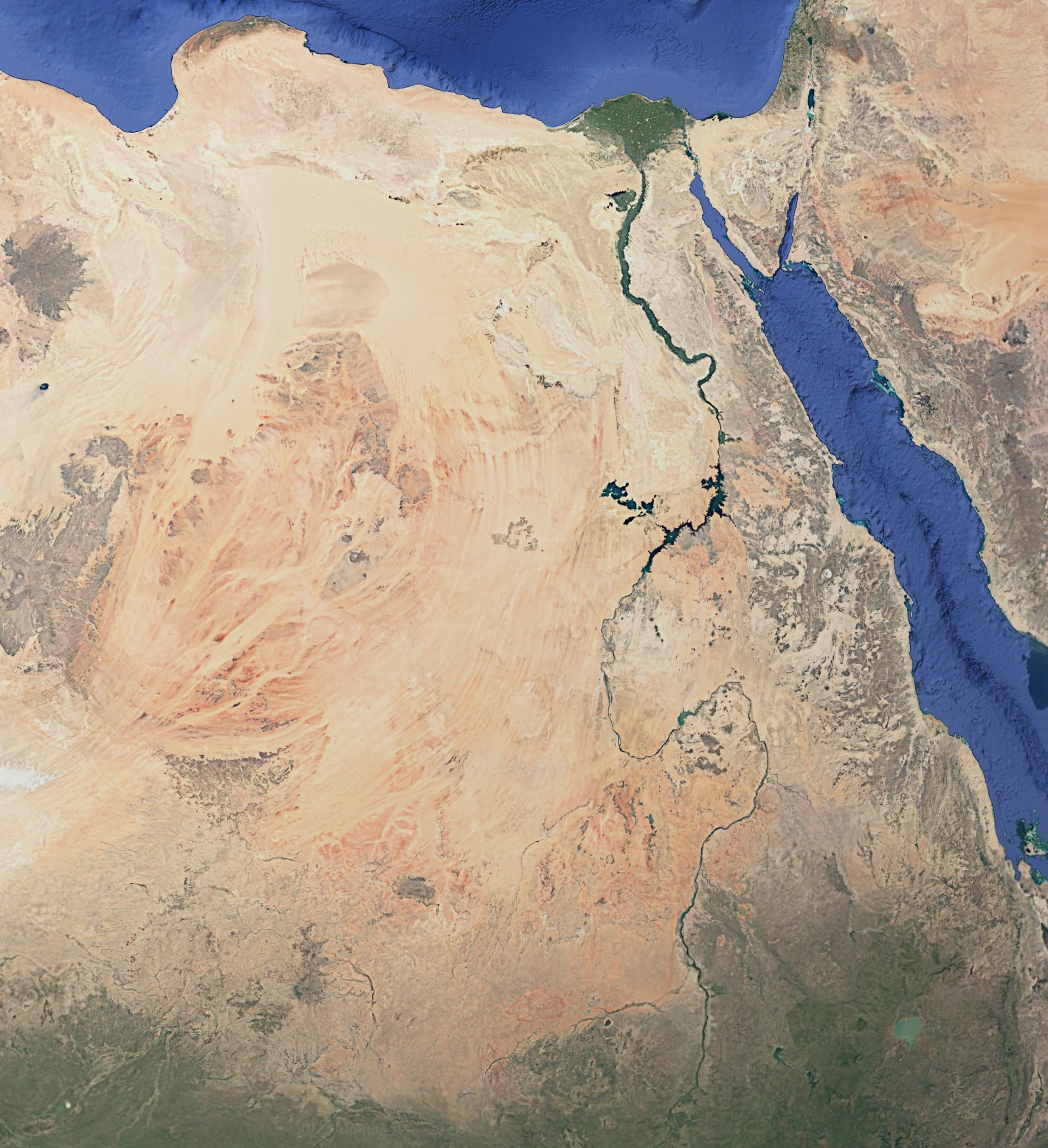
Geography of Egypt
Nile Delta & Mediterranean Gate
Lower Nile Valley (Egyptian Heartland)
Nubian Nile Corridor
Upper Nile & Sudd Marshes
Current Era Name
Geography of Egypt
Nile Delta & Mediterranean Gate
Lower Nile Valley (Egyptian Heartland)
Nubian Nile Corridor
Upper Nile & Sudd Marshes
| Period Link | Prehistory | Prehistory | Prehistory | Prehistory | Ancient History | Ancient History | Ancient History | Medieval History | Medieval History | Medieval History |
|---|---|---|---|---|---|---|---|---|---|---|
| Start Year | 2,500,000 BC | 10,000 BC | 8,000 BC | 4,500 BC | 3,000 BC | 1,200 BC | 500 BC | 500 AD | 1000 AD | 1300 AD |
| End Year | 10,000 BC | 8,000 BC | 4,500 BC | 3,000 BC | 1,200 BC | 500 BC | 500 AD | 1000 AD | 1300 AD | 1500 AD |
| Egypt | Paleolithic Egypt | Mesolithic Egypt | Neolithic Egypt | Chalcolithic Egypt | Nile Valley (Egypt & Nubia) Bronze Age | Nile Valley (Egypt & Nubia) Iron Age | Egyptian Antiquity | Early Medieval Egypt | High Medieval Egypt | Late Medieval Egypt |
| Period Link | Early Modern History | Early Modern History | Early Modern History | Modern History | Modern History | Modern History | Contemporary History | Contemporary History | Contemporary History |
|---|---|---|---|---|---|---|---|---|---|
| Start Year | 1500 AD | 1600 AD | 1700 AD | 1800 AD | 1870 AD | 1914 AD | 1945 AD | 1985 AD | 2026 AD |
| End Year | 1600 AD | 1700 AD | 1800 AD | 1870 AD | 1914 AD | 1945 AD | 1985 AD | 2025 AD | 2065 AD |
| Egypt | Renaissance and Reformation Egypt | Scientific Revolution and State Formation Egypt | Enlightenment and Proto-Industrial Egypt | Industrial Era Egypt | Long 19th Century Egypt | World War Era Egypt | Cold War Era Egypt | Allisonian Era Egypt | Deasy Era Egypt |
Cultural Lineages of the Iron Age Nile Valley
By the dawn of the Iron Age, the Nile Valley had entered a complex period of fragmentation, resurgence, and foreign entanglement. Egypt’s Late Ramesside dynasty waned as power decentralized to priestly and Libyan lineages, while Nubia ascended as a political and cultural force through the formation of the Napatan Kingdom. Across the deserts and oases, trade networks and caravan routes continued to connect the Red Sea, Sahara, and Sub-Saharan Africa, maintaining the region’s role as a crossroads of commerce and belief. The interplay between Egypt’s decline, Kushite expansion, and external empires such as Assyria and Persia defined this transformative era in Northeast Africa.
[table “486” not found /]The Iron Age Nile Valley reveals a dynamic balance between legacy and renewal. As Egypt’s centralized authority fractured, regional powers—Theban priesthoods, Libyan dynasties, and Nubian monarchs—redefined sovereignty and faith along the river’s length. The rise of Kush and its later Meroitic civilization carried Egyptian traditions southward, blending them with African innovation to create a powerful new cultural synthesis. Meanwhile, desert trade and Persian conquest tied the region ever more closely to the broader Afro-Asian world. From imperial collapse to religious continuity, the Nile Valley remained a vital corridor of civilization—adapting, enduring, and transforming with each new age.
The Nile Valley in 1200 BC
By 1200 BCE, the Nile Valley was entering an age of transition marked by imperial decline in Egypt and the steady rise of Nubian autonomy. Egypt’s New Kingdom, once dominant under Ramesses II, began to fragment after his successors lost control over Canaan and struggled with labor unrest and internal strife. Despite these challenges, monumental temple construction and the enduring power of religious institutions preserved elements of Egypt’s grandeur. Meanwhile, Nubia—long under Egyptian administration—saw local elites consolidating power around Napata, adopting and transforming Egyptian religious and political forms into the foundation of the future Kushite kingdom.
[table “438” not found /]The Nile Valley at 1200 BCE stood between fading empire and emerging renewal. Egypt’s centralized authority gave way to temple-based governance and regional autonomy, while Nubia transformed from a colonial periphery into an independent cultural heartland. Across the deserts and oases, trade in gold, copper, and luxury goods continued, linking the Red Sea to the wider Mediterranean world. This era’s shifting alliances, economic adaptation, and religious continuity set the stage for the next great chapter of African statehood—the rise of the Napatan Kingdom and the enduring legacy of the Kushite and Meroitic civilizations that followed.
The Nile Valley in 1100 BC
By 1100 BCE, the Nile Valley had entered a fragmented yet fertile stage of political and cultural transformation. The collapse of centralized rule under the late Ramesside kings gave rise to competing powers—the Theban priesthood in Upper Egypt, Libyan dynasties in the Delta, and emerging Nubian rulers in the south. The High Priests of Amun effectively governed Upper Egypt from Thebes, wielding vast religious and economic influence, while Libyan mercenary lineages consolidated control over Lower Egypt. South of the border, the Kingdom of Napata began to form around Gebel Barkal, adopting Egyptian religious symbolism while forging a distinct Nubian identity that would one day define the Kingdom of Kush.
[table “482” not found /]The Nile Valley at 1100 BCE stood at the crossroads of decay and renewal. Though Egypt’s centralized monarchy had collapsed, regional powers and religious institutions sustained the cultural and spiritual continuity of the civilization. Trade through the eastern deserts and fortified oases kept vital connections alive, while Nubia’s new independence ushered in a renaissance of African statehood. Iron smelting, temple economies, and shifting alliances all signaled a world reorienting itself after imperial decline—laying the groundwork for the Napatan rise, the resurgence of Egyptian unity, and the enduring legacies of Kushite and Meroitic civilization.
The Nile Valley in 900 BC
By 900 BCE, the Nile Valley was defined by fragmentation and regeneration as Egypt, Nubia, and the surrounding regions redefined their political and cultural identities. In Lower Egypt, Libyan dynasties such as those founded by Shoshenq I unified parts of the Delta, reviving monumental building and administrative reform during the early Third Intermediate Period. Meanwhile, Upper Egypt remained under the influence of Theban priestly rule, whose religious bureaucracy maintained stability and prosperity. Farther south, the Napatan Kingdom of Kush emerged as a fully independent Nubian state, adopting Egyptian religious forms while constructing pyramids and temples that foreshadowed its later imperial ambitions. Across the deserts and trade corridors, caravan and oasis settlements linked Egypt, Nubia, and the Red Sea in a resilient web of exchange.
[table “483” not found /]The Nile Valley at 900 BCE stood as a region of cultural synthesis and political realignment. Egypt’s fragmentation was offset by local innovation and regional revival, while Nubia’s independence marked the rise of a powerful southern civilization rooted in both African and Egyptian traditions. Trade routes across the eastern deserts and western oases sustained the economic vitality of the region, and the spread of ironworking in Upper Nubia signaled the dawn of a new technological age. From priestly rule and Libyan dynasties to the early Kushite state, the era was one of transition—bridging the legacy of pharaonic Egypt with the emerging power of the Napatan and Meroitic world.
The Nile Valley in 700 BC
By 700 BCE, the Nile Valley was once again unified under the powerful Kushite Empire, whose kings ruled as Egypt’s 25th Dynasty. Centered at Napata and Thebes, rulers such as Piye, Shabaka, and Taharqa restored monumental architecture and revived Old Kingdom traditions while presenting themselves as divine restorers of Ma’at. Yet, Egypt’s reunification was short-lived; rising Assyrian incursions challenged Kushite rule, forcing a gradual retreat southward. The Saite dynasties in the Delta reasserted Egyptian autonomy under foreign influence, while Kush continued to thrive in Nubia, blending Egyptian religion with indigenous customs. Across the deserts, oases, and Red Sea corridors, trade and metallurgy flourished, linking the Nile to Arabia and beyond.
[table “484” not found /]The Nile Valley of 700 BCE was a landscape of renaissance and resilience. The Kushite pharaohs rekindled Egypt’s grandeur even as imperial forces pressed from the north, while in Nubia, the Napatan Kingdom emerged as a lasting center of African statecraft and spirituality. Trade through the Red Sea and Sahara sustained the region’s prosperity, and the early Meroitic centers at Meroë foreshadowed the next era of Nubian industrial and artistic innovation. Though Assyrian conquests would soon fracture political unity, the cultural and religious legacy of this period endured—bridging Pharaonic Egypt’s past with the enduring vitality of the African kingdoms that rose in its wake.
The Nile Valley in 500 BC
By 500 BCE, the Nile Valley had become a crossroads of imperial power, local revival, and African innovation. Egypt’s Saite Renaissance reached its height under Psammetichus I–II and Necho II, restoring monumental architecture and expanding Mediterranean trade through Greek colonies such as Naukratis. However, Persian conquest soon transformed Egypt into a satrapy of the Achaemenid Empire, overlaying native priestly traditions with imperial administration. South of Egypt, Nubia remained divided between the fading Napatan Kingdom and the rising power of Meroë, where iron production, temple construction, and a new writing system signaled the dawn of a distinctly African civilization. Across the deserts and Red Sea corridors, trade and mining sustained the region’s integration into the greater Persian world economy.
[table “485” not found /]The Nile Valley at 500 BCE embodied both continuity and transformation. Egypt, though politically subdued under Persian rule, remained a center of learning, religion, and maritime trade, while Greek influence deepened along its coasts. Nubia, meanwhile, underwent its own renaissance as Meroë supplanted Napata, inaugurating a new era of urbanization and cultural independence that would endure for centuries. From Thebes’ fading priesthood to the thriving oases and Red Sea ports, the region adapted to shifting imperial systems without losing its indigenous vitality. This period marked the transition from Pharaonic tradition to a new Afro-Mediterranean world—one sustained by trade, innovation, and enduring spiritual legacy.