Philosophy of Language
Philosophers of Philosophy of Language
Showing 219 of 219 philosophers.
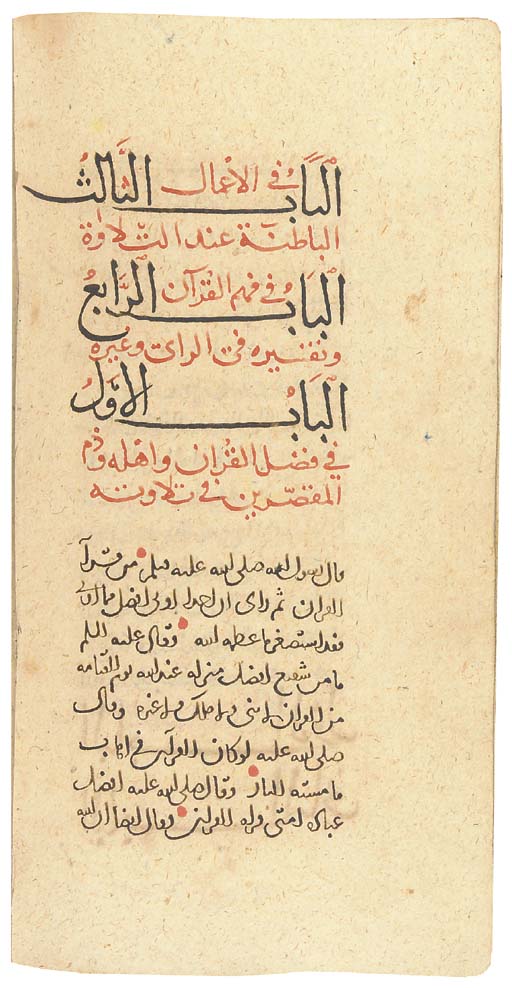
Abu Hamid al-Ghazali
1058 CE – 1111 CE
Tus, Khorasan
Persian Sunni theologian, jurist, mystic, and philosopher whose work transformed kalam, ethics, logic, Sufism, and the reception of Avicennian philosophy.
Philosophy of Language
Clarified the boundaries of literal and figurative interpretation, especially where theological language, prophecy, and accusations of unbelief are at stake.
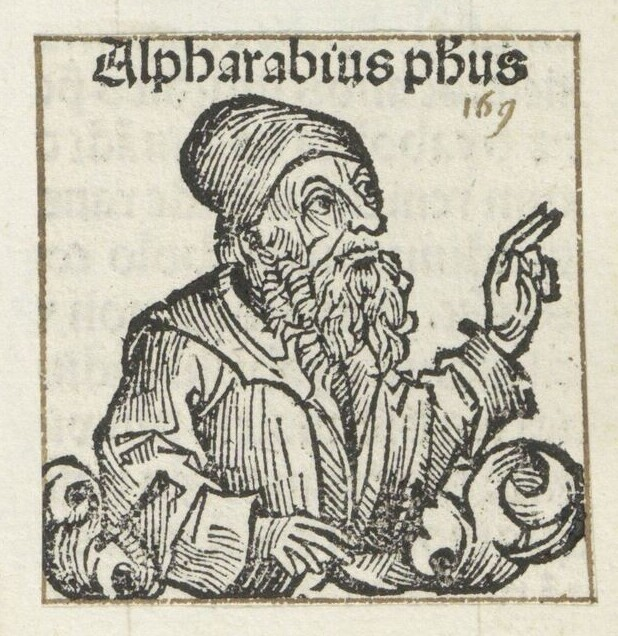
Abu Nasr al-Farabi
872 CE – 950 CE
Farab (Otrar), Transoxiana
Persian (Farab) philosopher from Farab (Otrar) associated with metaphysics, epistemology, and logic.
Philosophy of Language
Analyzed names, particles, grammar, logical expression, and conventional language as instruments for making thought communicable and demonstrable.
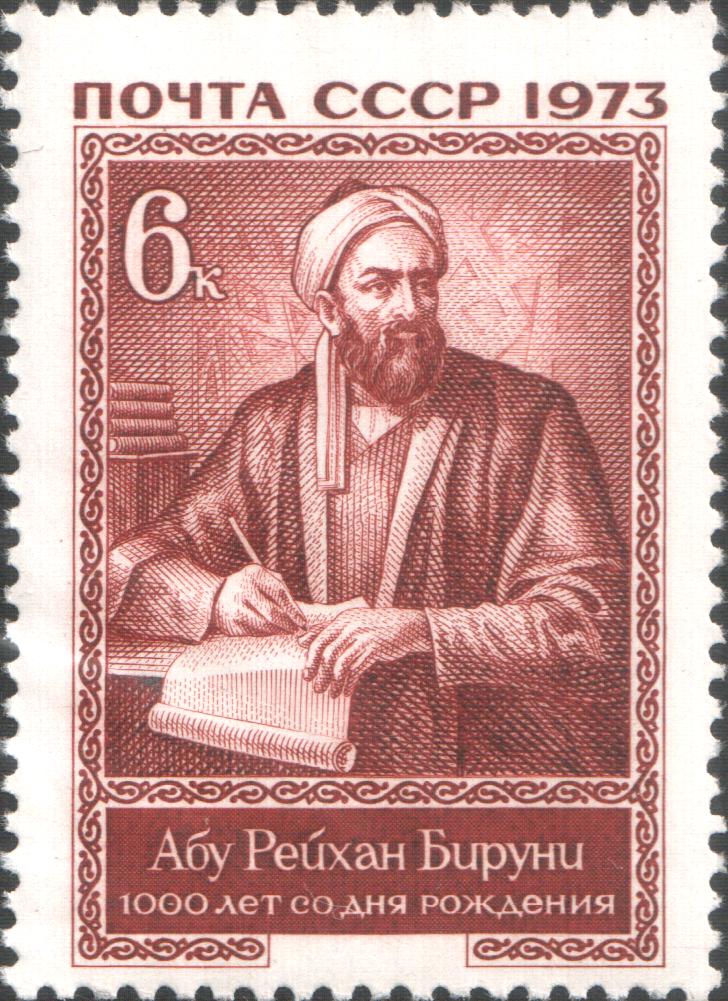
Abu Rayhan al-Biruni
973 CE – 1048 CE
Kath (Khwarezm)
Khwarezmian Persian polymath whose mathematical astronomy, geodesy, chronology, comparative study of India, mineralogy, pharmacology, and scientific method shaped medieval Islamic and cross-cultural philosophy of science.
Philosophy of Language
Used Arabic, Persian, Sanskrit, and technical vocabulary as philosophical instruments for translation, classification, and cross-cultural understanding.
Abu Sulayman al-Sijistani
932 CE – 1000 CE
Sijistan (Sistan)
Persian Islamic humanist and logician from Sijistan whose Baghdad circle distinguished philosophy from revealed religion and worked on logic, metaphysics, soul, celestial nature, and human perfection.
Philosophy of Language
Worked in the dialogue and report culture preserved by al-Tawhidi, where philosophical terms, definitions, and distinctions were tested in Arabic prose.
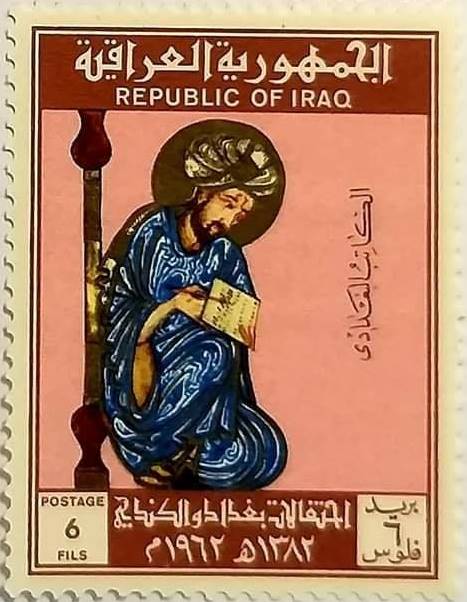
Abu Yusuf al-Kindi
801 CE – 873 CE
Kufa
Kufa-born Abbasid philosopher who turned Greek metaphysics, logic, medicine, optics, mathematics, music, and theology into an Arabic philosophical program, arguing for divine unity, finite creation, intellect, soul, and disciplined ethical life.
Philosophy of Language
Shaped Arabic philosophical terminology and wrote on definitions, descriptions, cryptographic signs, and the technical language of philosophy.
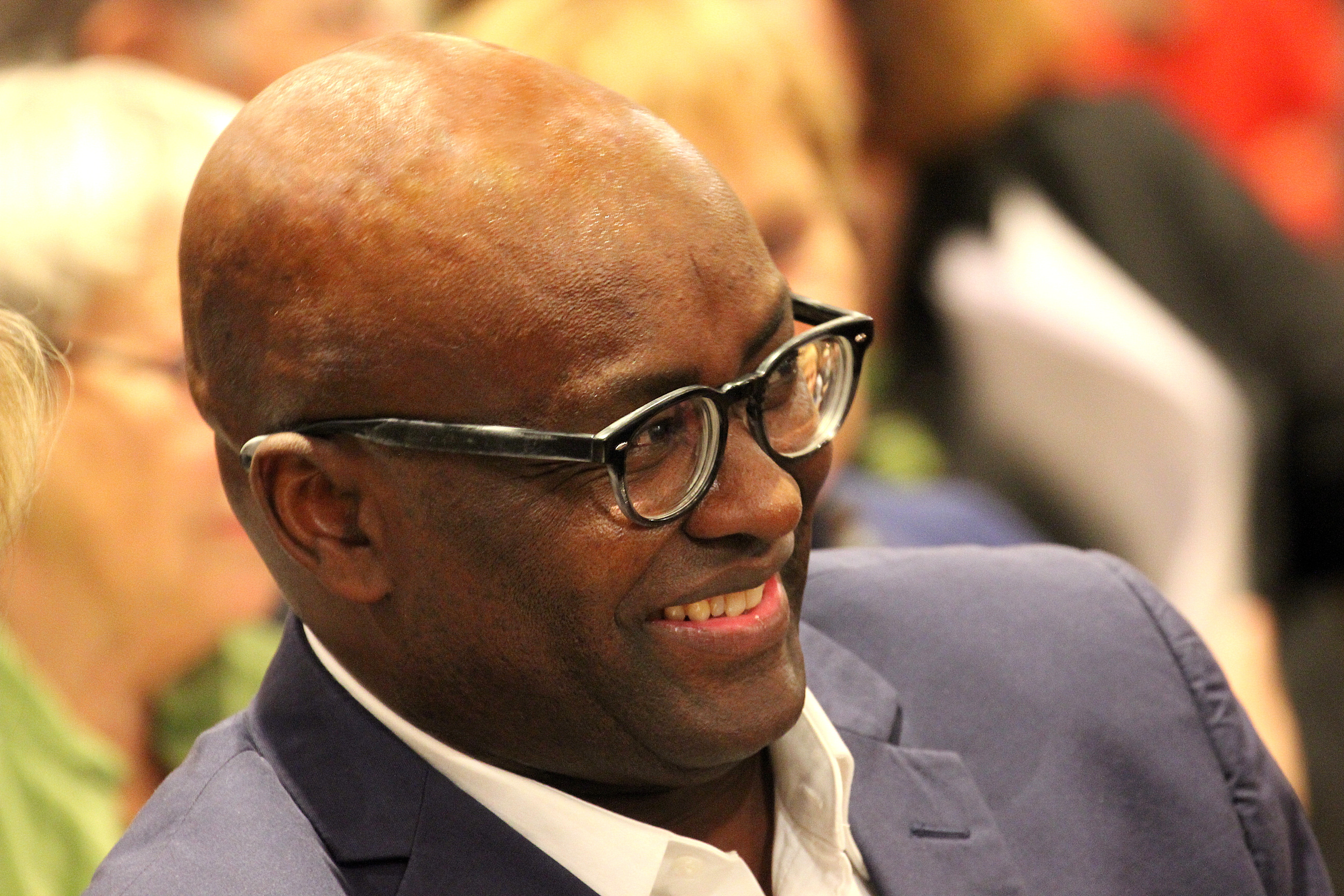
Achille Mbembe
1957 CE
Otele, near Yaounde
Cameroonian philosopher from Otélé (near Yaoundé) associated with metaphysics, epistemology, and ethics.
Philosophy of Language
Tracks the vocabulary of race, blackness, postcolony, enmity, Afropolitanism, and universality as names that organize political imagination and exclusion.
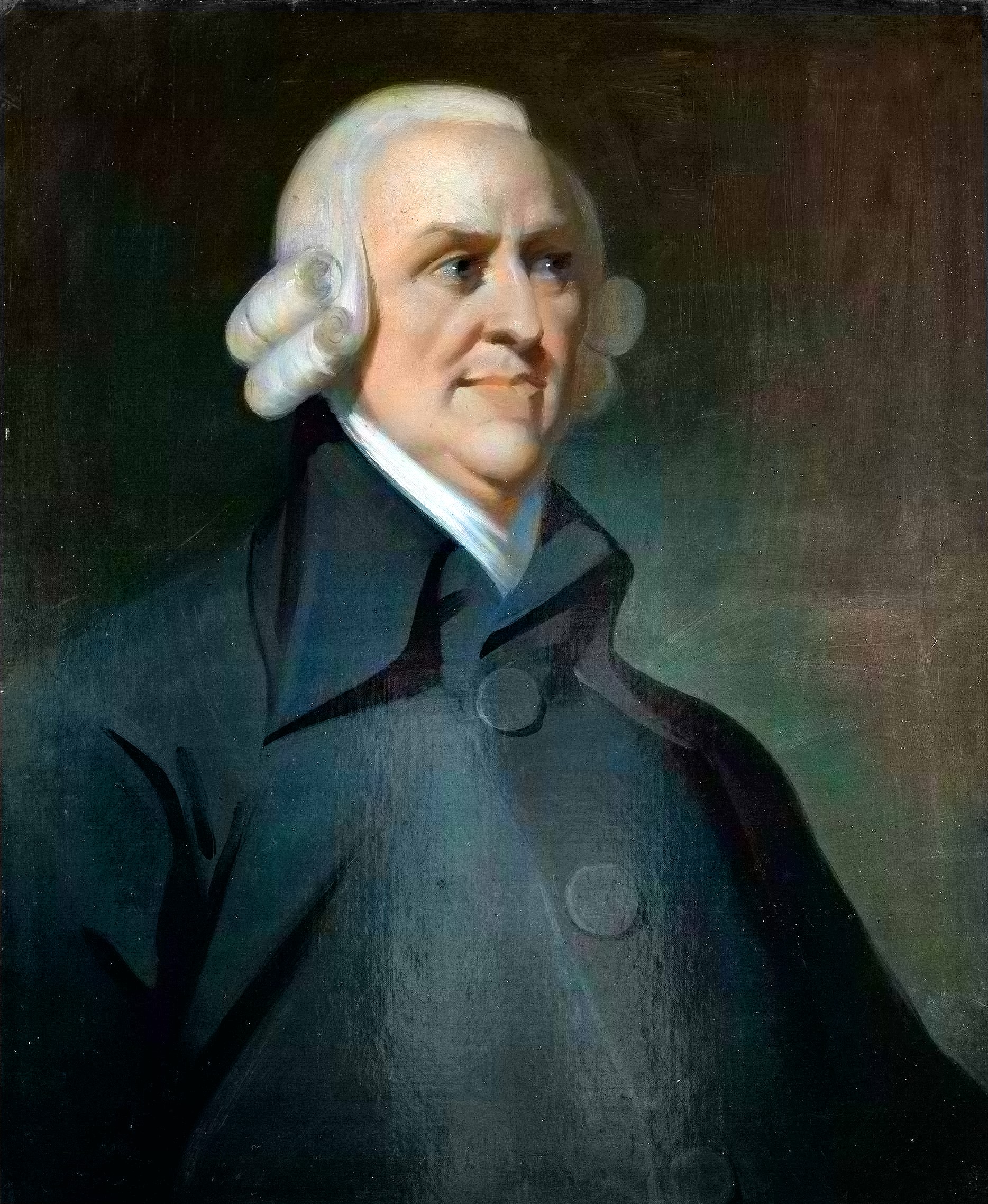
Adam Smith
1723 CE – 1790 CE
Kirkcaldy, Fife
Scottish philosopher from Kirkcaldy, Fife associated with epistemology, ethics, and political philosophy.
Philosophy of Language
Treated language as a historical and social invention in the essay on the first formation of languages.
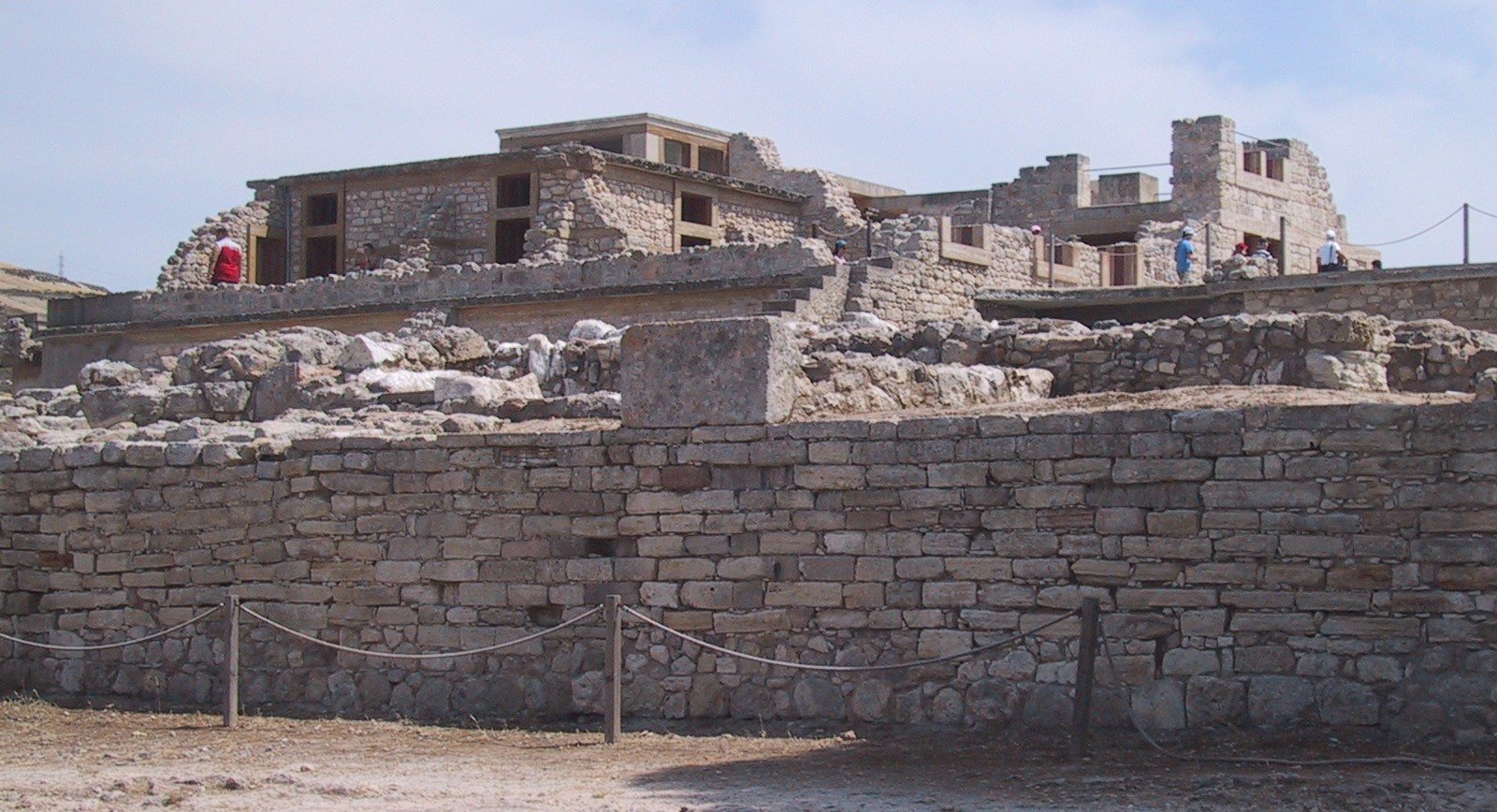
Aenesidemus of Knossos
100 BCE – 50 BCE
Knossos (Crete)
Greek (Crete) philosopher from Knossos (Crete) who revived Pyrrhonian skepticism through the Ten Modes, suspension of judgment, and anti-dogmatic critique.
Philosophy of Language
Pressed philosophical assertions back onto the status of reports, signs, and appearances rather than allowing them to harden into unsupported dogma.
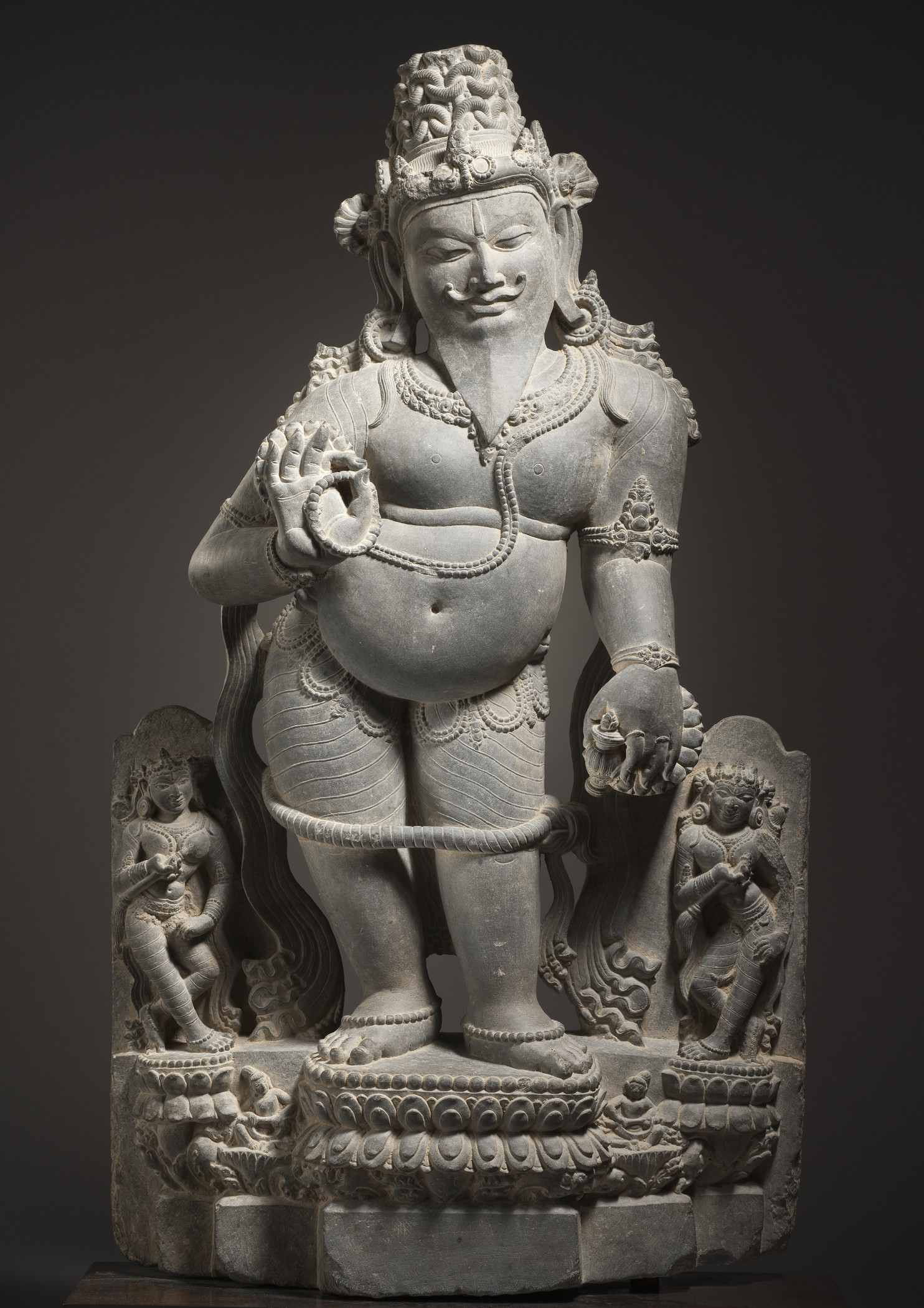
Agastya
1500 BCE – 1200 BCE
Southern peninsular India (traditional)
Vedic and pan-Indian sage whose broad tradition links hymnic authority, ascetic discipline, grammar, natural knowledge, and religious philosophy.
Philosophy of Language
Anchored Tamil grammatical memory through the lost Agattiyam tradition and the figure of Agastya/Akattiyar as a founder of linguistic order.
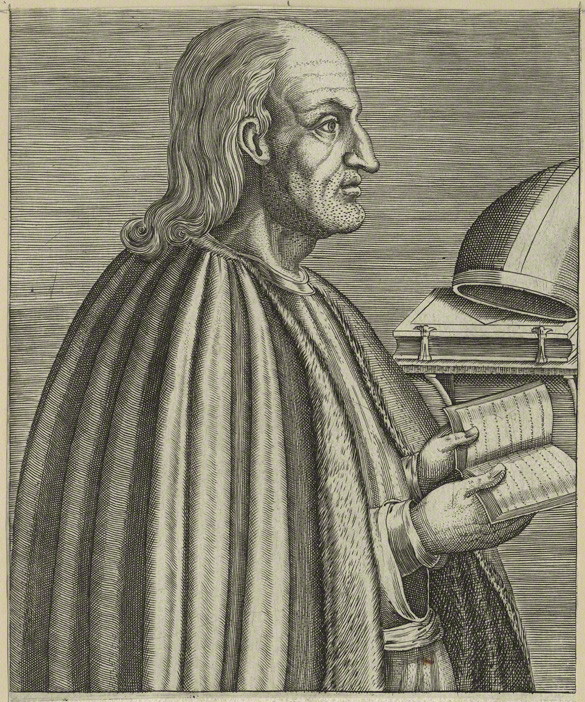
Anselm of Canterbury
1033 CE – 1109 CE
Aosta
Benedictine philosopher-theologian from Aosta whose faith-seeking-understanding method, ontological argument, account of truth, freedom, sin, atonement, and semantic analysis shaped medieval scholastic philosophy.
Philosophy of Language
Analyzed how terms signify and name, warning that grammatical form can mislead philosophical and theological inquiry.
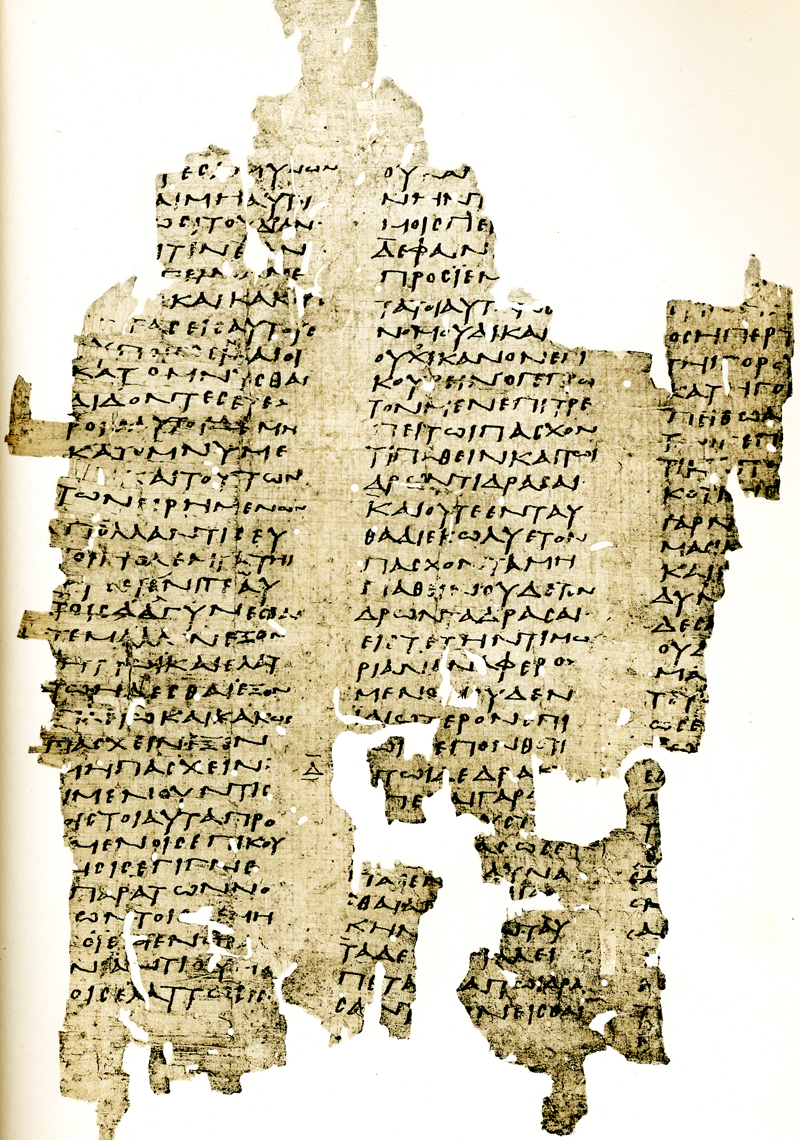
Antiphon of Athens
480 BCE – 411 BCE
Rhamnus, Attica
Athenian logographer and sophistic thinker from Rhamnus whose homicide speeches, Tetralogies, and fragments on truth and concord explored law, nature, justice, rhetoric, equality, and political order.
Philosophy of Language
Used rhetoric, logography, proems, semantic contrast, and persuasive speech to expose how public language shapes evidence, law, and civic judgment.

Antisthenes of Athens
445 BCE – 365 BCE
Athens (Attica)
Athenian Socratic philosopher associated with Cynosarges whose ascetic ethics, virtue-sufficiency thesis, critique of luxury and convention, attacks on Platonic Forms, and paradoxes of definition and predication shaped Cynicism, Stoicism, ancient logic, and philosophy of language.
Philosophy of Language
Challenged ordinary predication and definition, linking names, accounts, contradiction, and anti-Platonic semantics to Socratic argument.
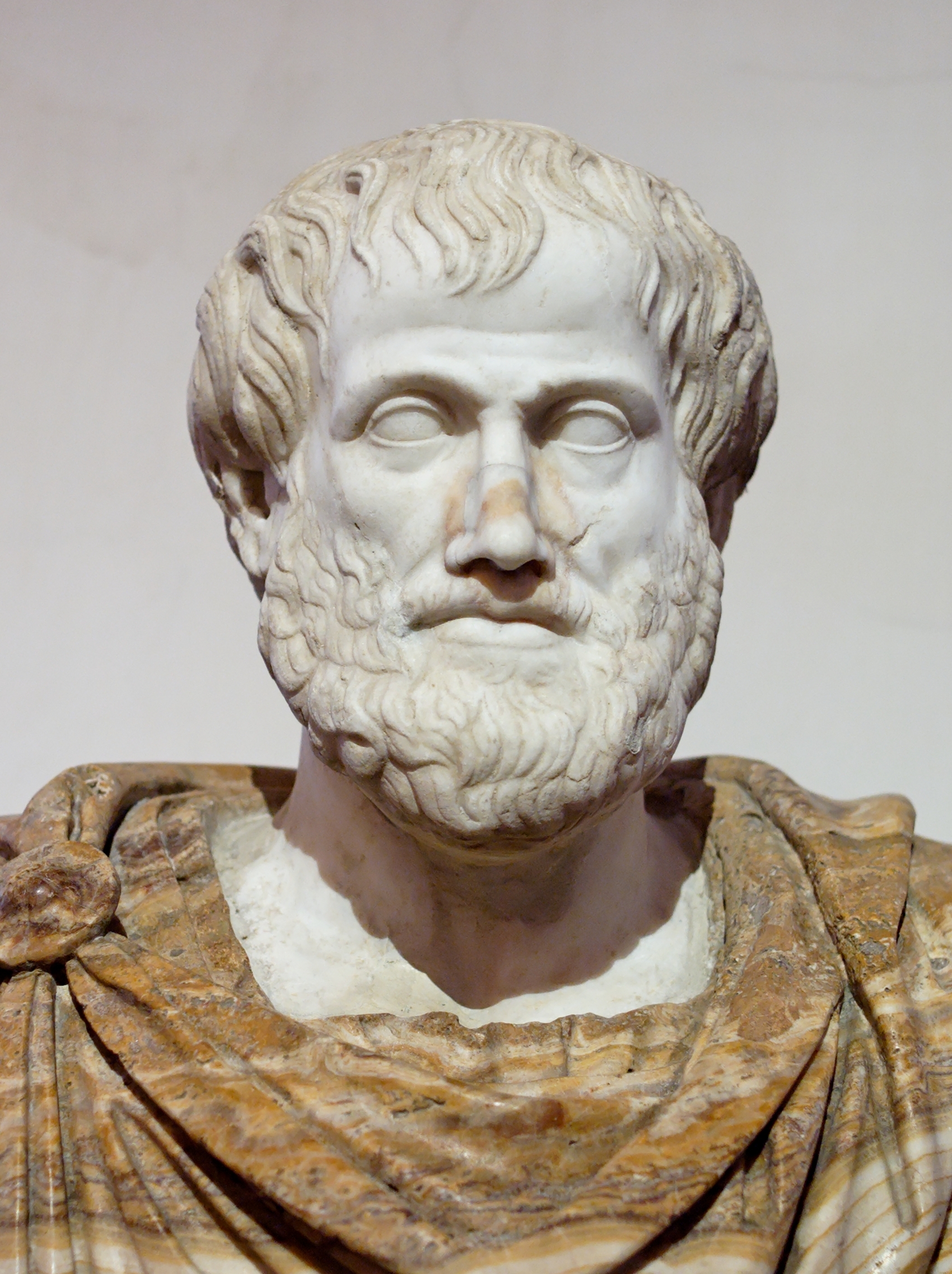
Aristotle
384 BCE – 322 BCE
Stagira, Chalcidice
Greek philosopher from Stagira, student of Plato, tutor of Alexander, and founder of the Lyceum whose logic, metaphysics, psychology, ethics, politics, rhetoric, poetics, biology, and philosophy of science shaped later philosophy.
Philosophy of Language
Analyzed predication, categories, signification, and proposition structure; linked spoken language, thought, and truth-bearing statements.
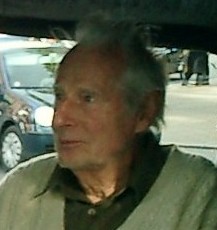
Arne Næss
1912 CE – 2009 CE
Slemdal (Oslo)
Norwegian philosopher, mountaineer, and founder of deep ecology whose empirical semantics, argumentation theory, Ecosophy T, and ecological self-realization reshaped environmental ethics and political ecology.
Philosophy of Language
Made interpretation, preciseness, ordinary language, and empirical study of expressions central to philosophical method.
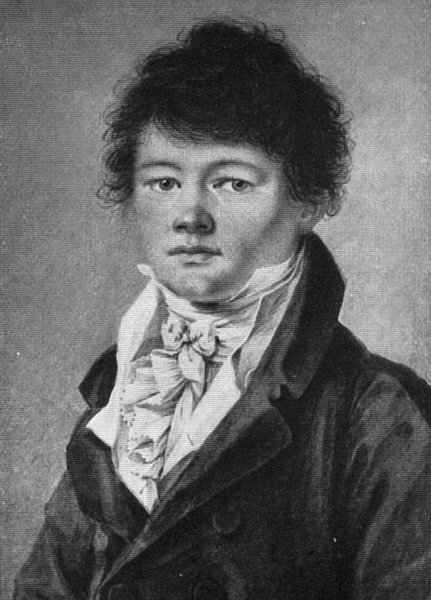
Arthur Schopenhauer
1788 CE – 1860 CE
Danzig (now Gdansk)
German philosopher from Danzig whose account of representation, blind will, pessimistic metaphysics, compassion ethics, aesthetics, and music reshaped nineteenth-century and modern philosophy.
Philosophy of Language
Wrote on style, words, reading, authorship, dialectic, and the way clear language reveals or conceals philosophical thought.
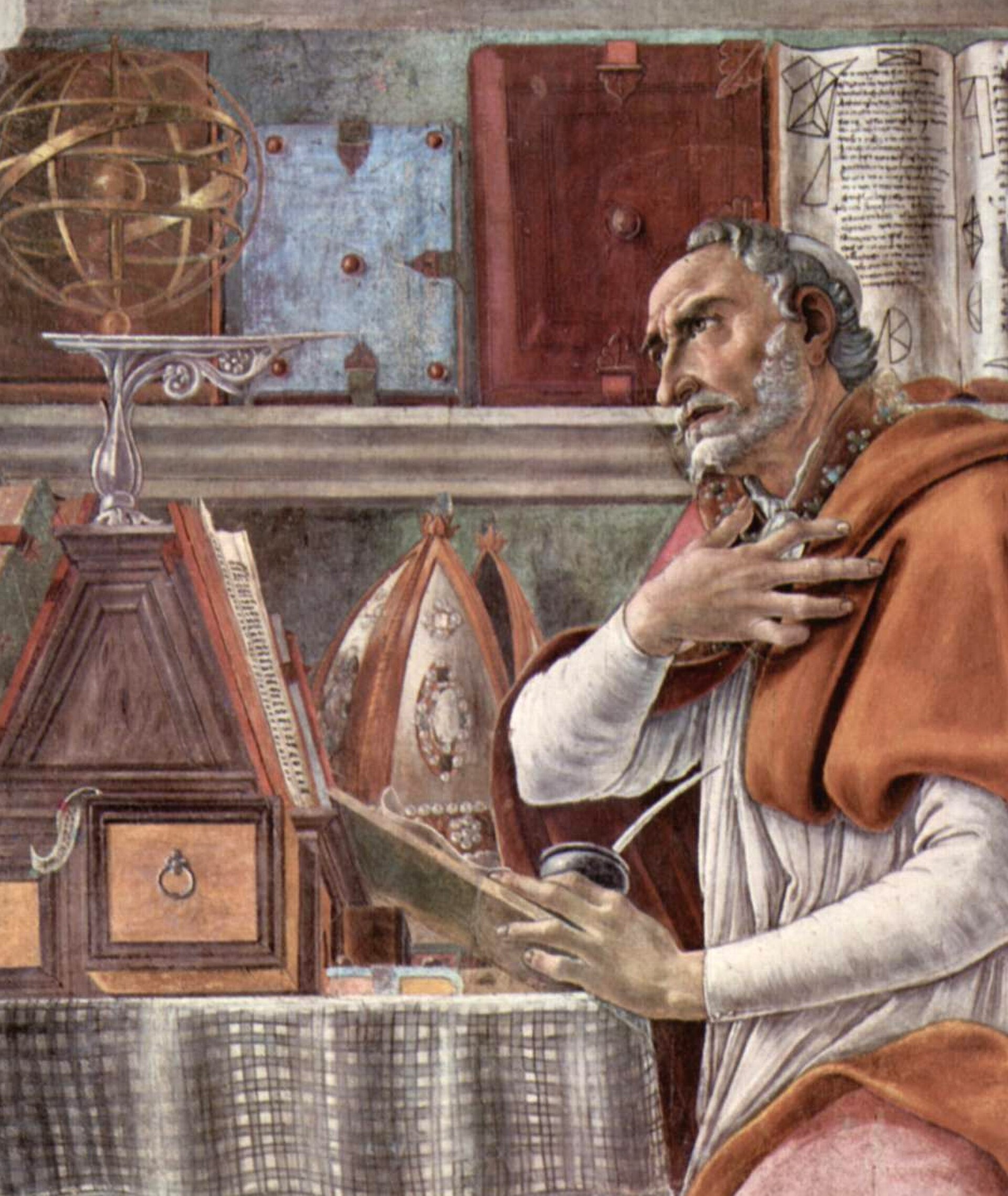
Augustine of Hippo
354 CE – 430 CE
Tagaste, Numidia
North African Latin Christian philosopher and bishop from Tagaste and Hippo whose accounts of memory, time, will, grace, evil, signs, love, political order, and the Trinity reshaped late antique, medieval, Christian, and modern philosophy.
Philosophy of Language
Developed an influential theory of signs, teaching, interpretation, and rhetoric in which words guide understanding without replacing inward illumination.
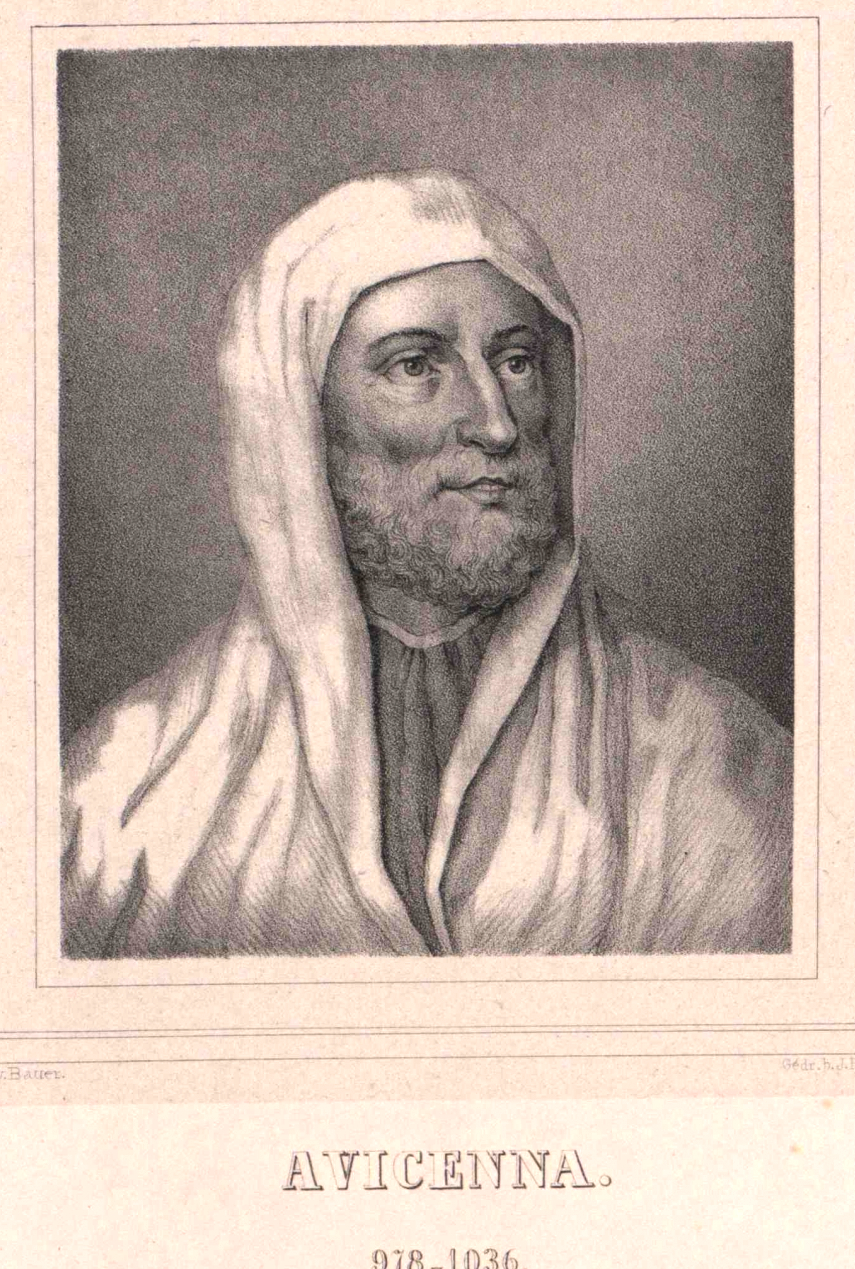
Avicenna
980 CE – 1037 CE
Afshana, near Bukhara
Persian philosopher-physician from Afshana near Bukhara whose system of metaphysics, essence/existence distinction, psychology, logic, medicine, natural philosophy, prophecy theory, and proof of the Necessary Existent shaped Islamic, Jewish, Latin scholastic, and early modern thought.
Philosophy of Language
Used logical analysis of terms, definitions, signification, predication, and propositions to ground scientific demonstration.
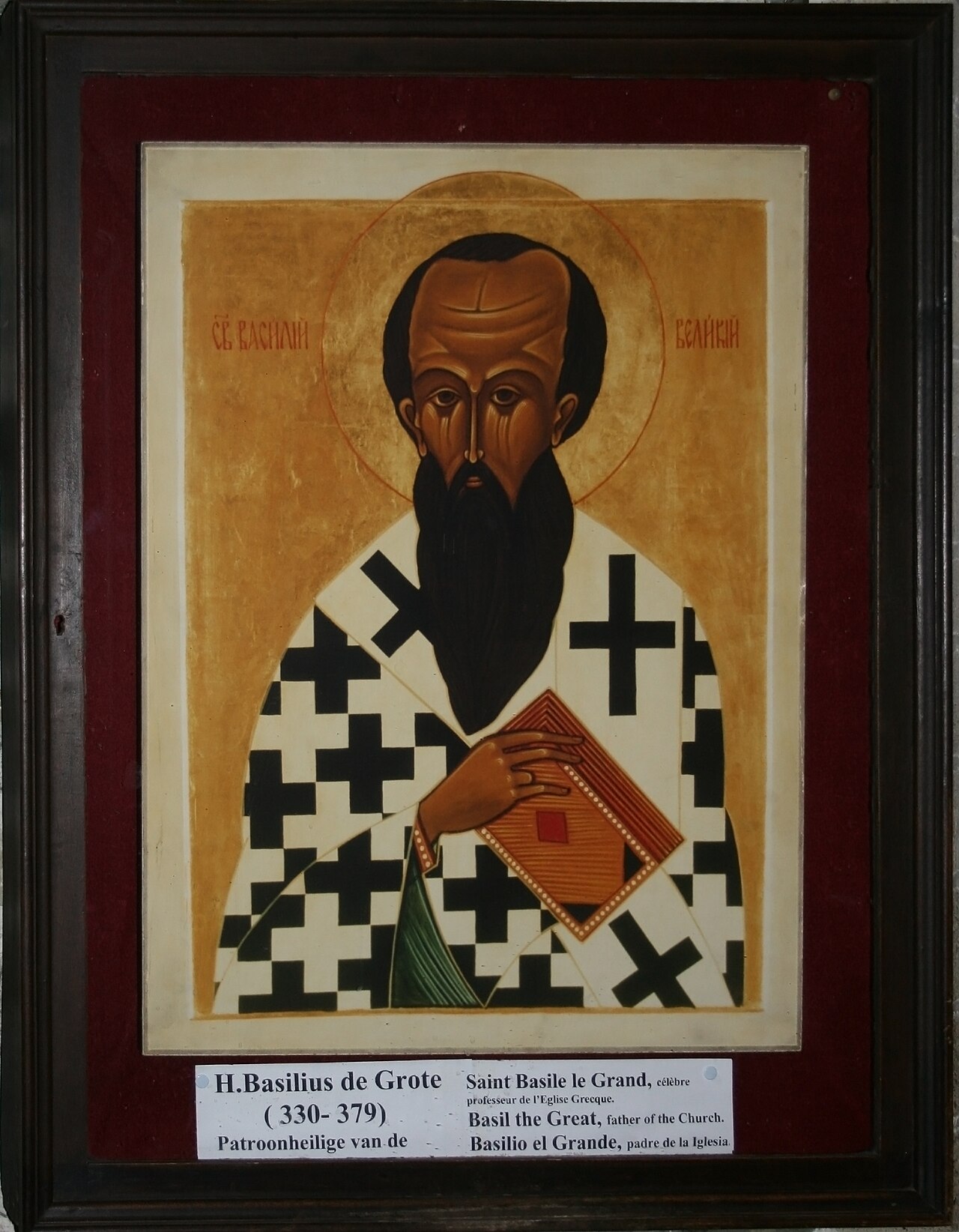
Basil the Great
330 CE – 379 CE
Caesarea, Cappadocia
Cappadocian Greek Christian bishop and theologian from Caesarea whose Trinitarian theology, account of the Holy Spirit, anti-Eunomian metaphysics, ascetic ethics, social teaching, biblical exegesis, and classical-learning pedagogy shaped Nicene Christianity, monastic practice, Byzantine thought, and philosophy of religion.
Philosophy of Language
Analyzes theological language in disputes over divine names, scriptural usage, and the limits of speech about the Father, Son, and Holy Spirit.
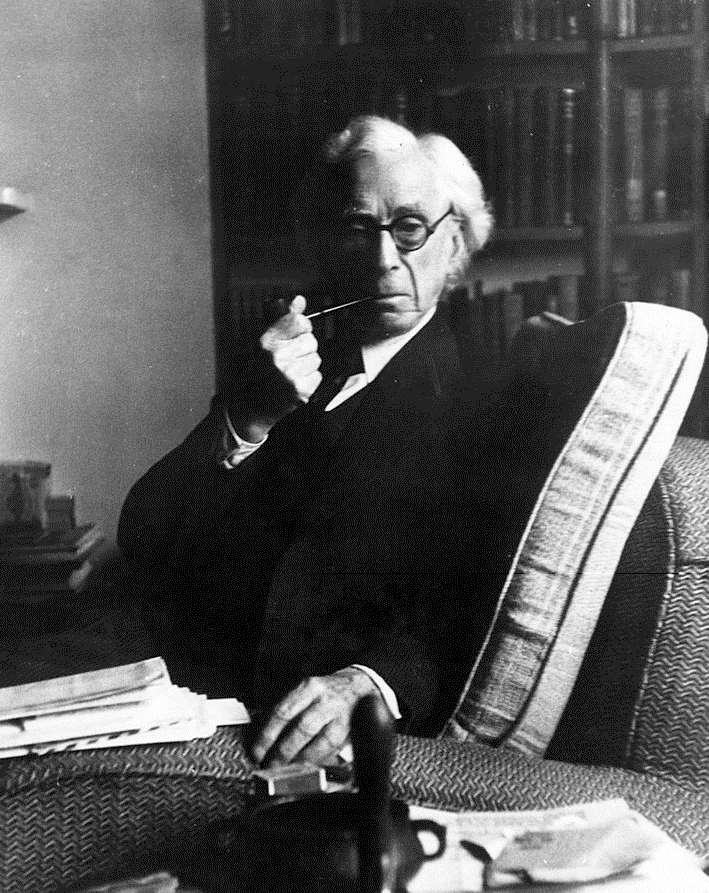
Bertrand Russell
1872 CE – 1970 CE
Trellech, Monmouthshire
British analytic philosopher, logician, mathematician, social critic, and Nobel laureate from Trellech whose logicism, theory of descriptions, logical atomism, epistemology, philosophy of language, ethics, pacifism, secular critique, and political writing shaped analytic philosophy and twentieth-century public reason.
Philosophy of Language
Formulated the theory of descriptions, analyzed denoting phrases, meaning, truth, propositions, and the relation between language and fact.
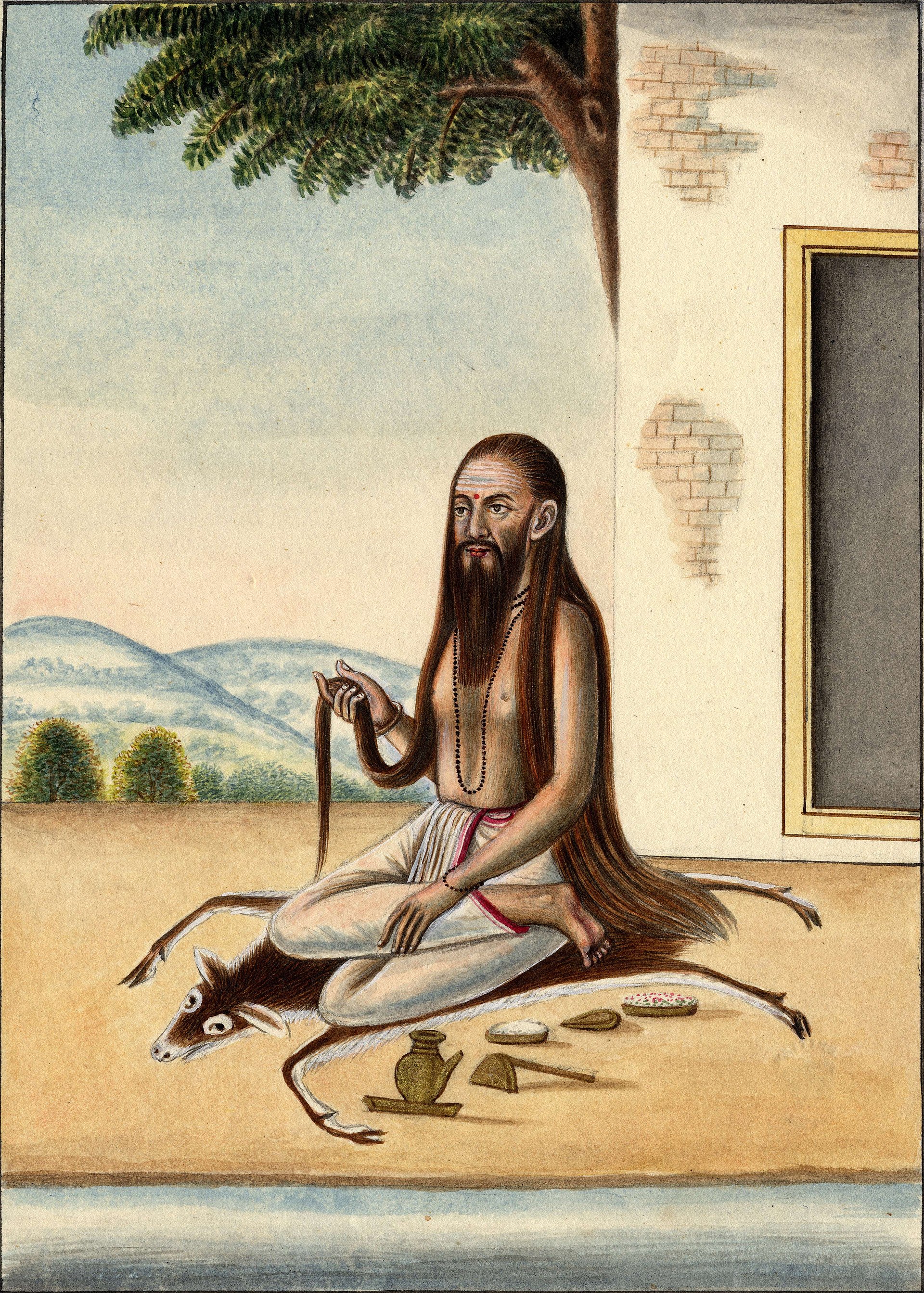
Bharadvāja
1280 BCE – 1200 BCE
Indo-Gangetic region (traditional)
Vedic rishi and Bharadvāja-family seer associated with Rigveda Mandala 6 whose hymns to Agni, Indra, Sarasvatī, Pūṣan, the Aśvins, dawn, cosmic order, and ritual power shaped Vedic theology, sacred speech, sacrificial ethics, poetic knowledge, and early Indian philosophy of religion.
Philosophy of Language
Associated sacred speech, Sarasvatī, praise, mantra, and transmitted Vedic utterance with religious knowledge and ritual force.
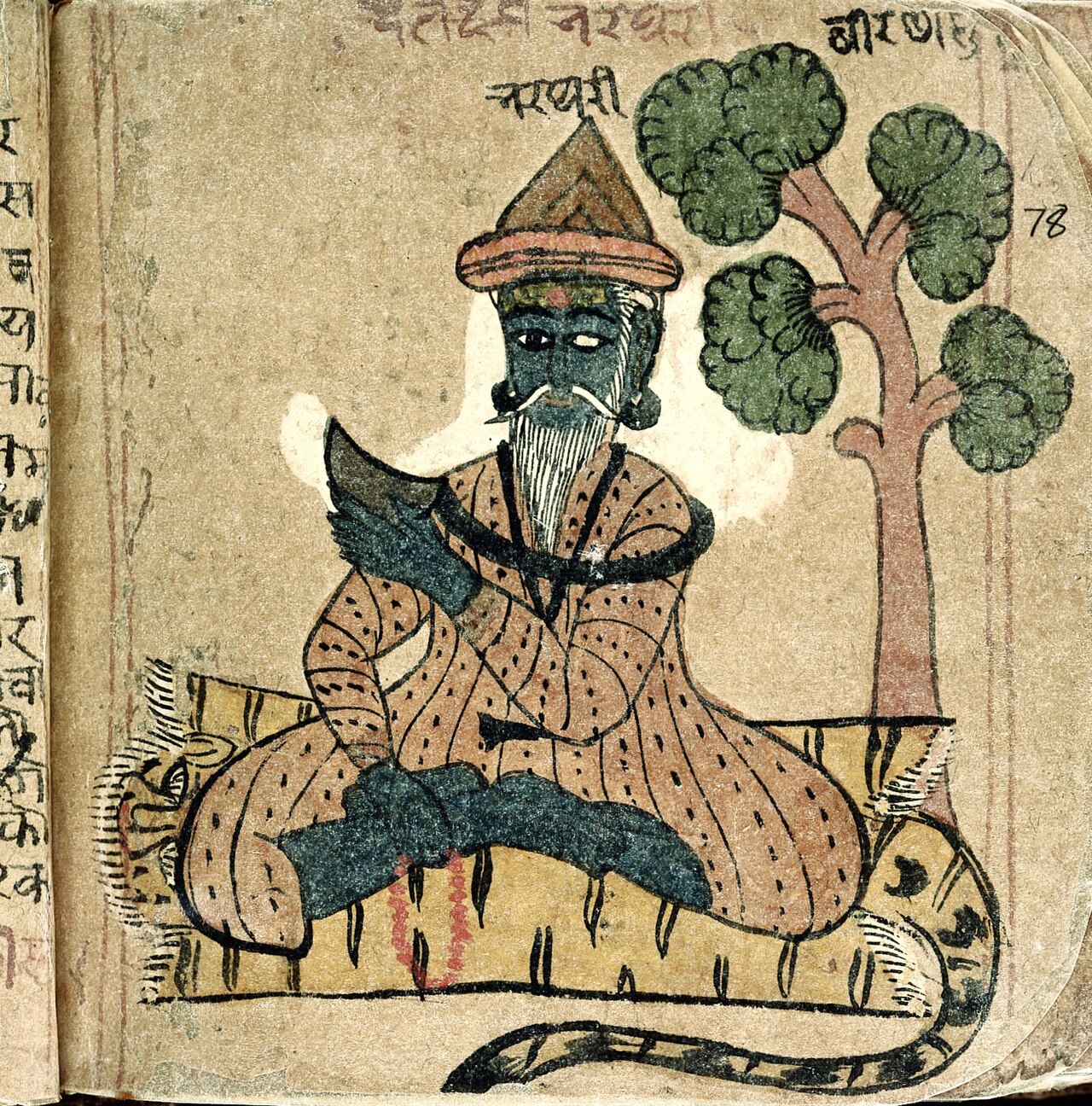
Bhartṛhari
450 CE – 510 CE
Ujjayinī region (Malwa)
Indian grammarian-philosopher from the Ujjayinī/Malwa tradition whose Vākyapadīya, sphoṭa theory, śabda-brahman metaphysics, sentence-meaning analysis, linguistic cognition, and discipline of speech shaped Sanskrit philosophy of language, ontology, epistemology, logic, and religious thought.
Philosophy of Language
Formulated one of the classical Sanskrit accounts of sphoṭa, sentence meaning, word-unity, and the philosophical power of grammar.
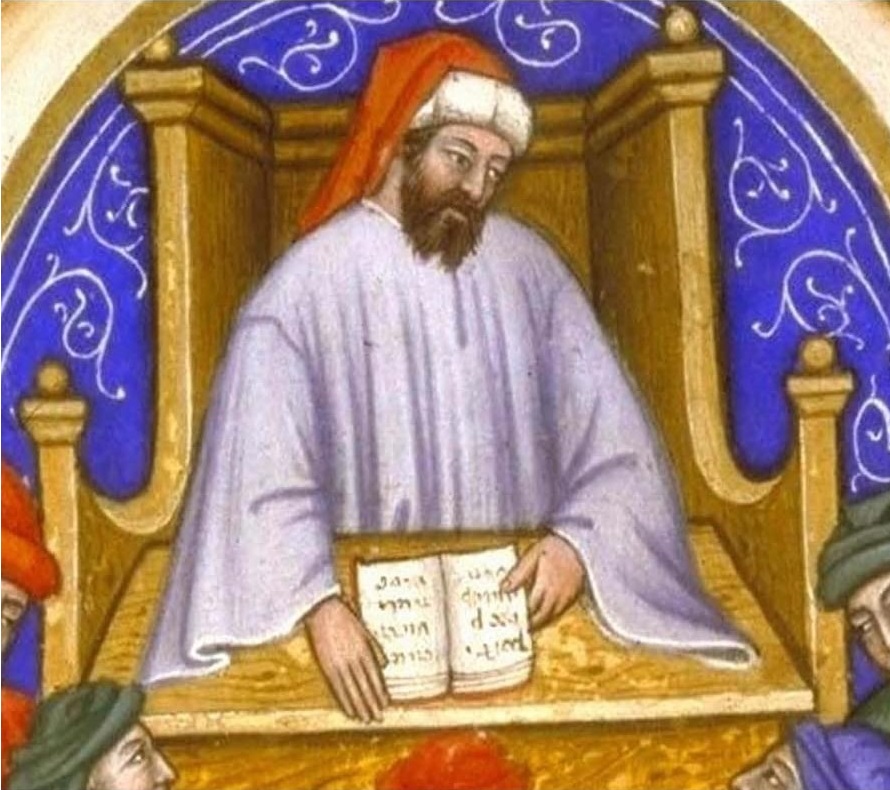
Boethius
480 CE – 524 CE
Rome
late antique Roman philosopher, statesman, translator, and Christian theologian from Rome whose logical translations and commentaries, theory of universals, account of providence, eternity, free will, participation, and philosophical consolation transmitted Greek philosophy to the medieval Latin West.
Philosophy of Language
Analyzes predication, categories, signification, universals, names, propositions, and theological language in logical and Trinitarian contexts.
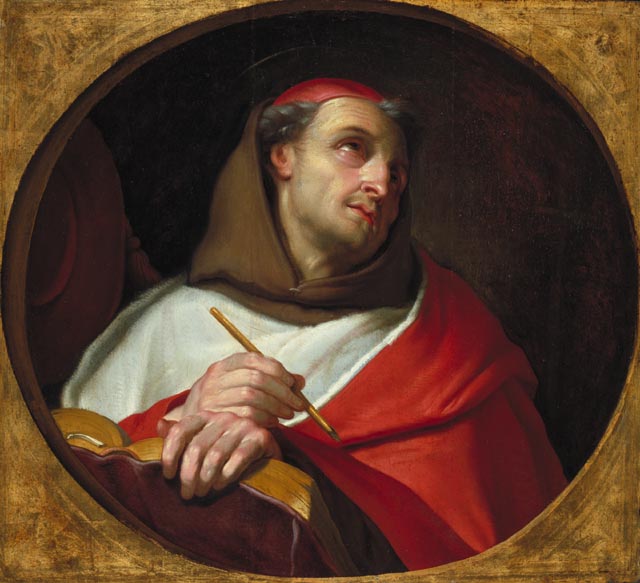
Bonaventure
1217 CE – 1274 CE
Bagnoregio
Franciscan philosopher-theologian from Bagnoregio, minister general and cardinal bishop, whose exemplarist metaphysics, divine illumination epistemology, theology of creation, soul's ascent to God, account of the arts, Franciscan poverty, Trinitarian thought, and mystical theology shaped medieval scholastic and Franciscan philosophy.
Philosophy of Language
Develops theology of the Word, scriptural signification, Christ as teacher, and disciplined interpretation of sacred language.
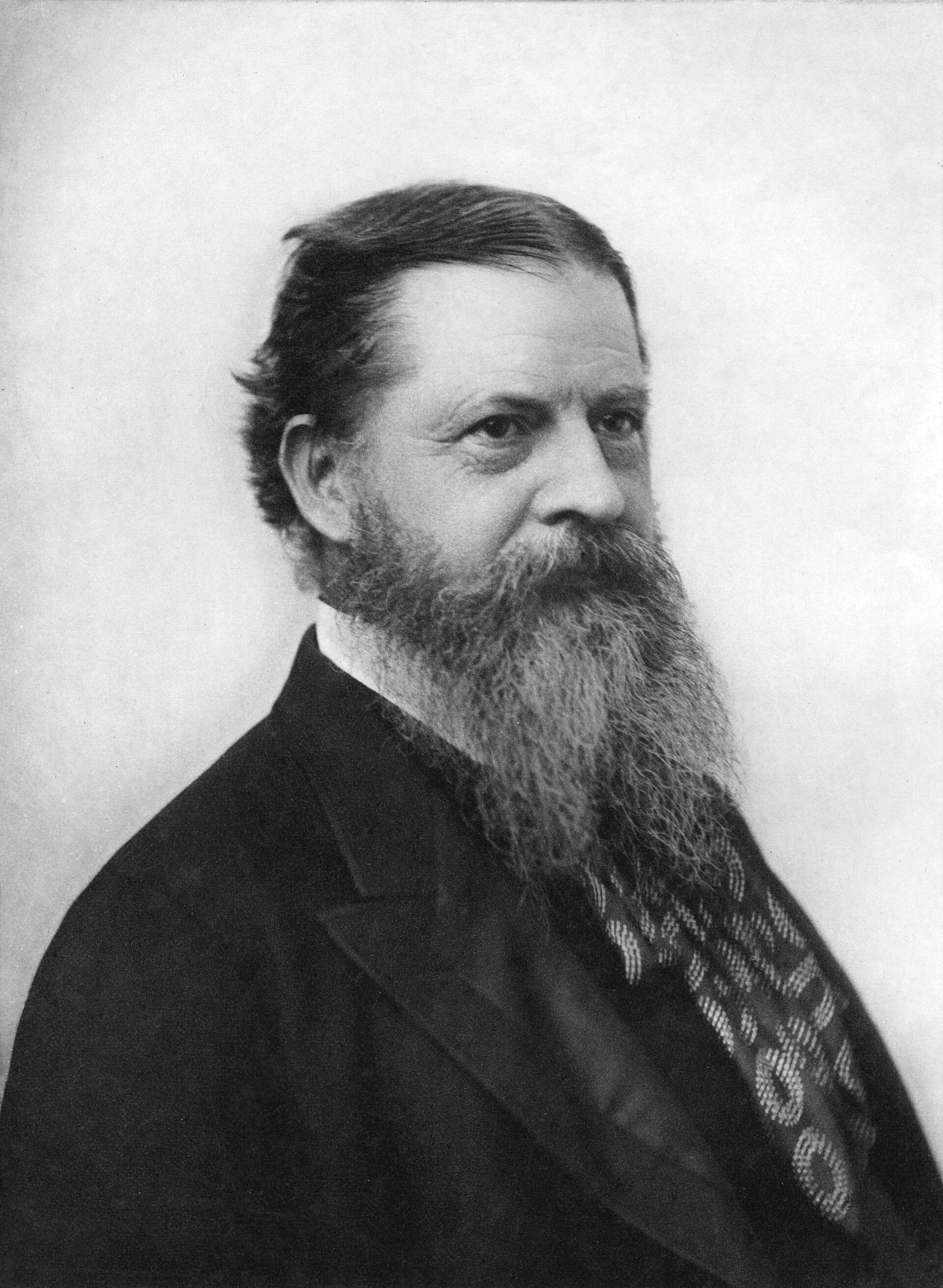
Charles Sanders Peirce
1839 CE – 1914 CE
Cambridge, Massachusetts
American logician, scientist, and founder of pragmaticism whose work joined the pragmatic maxim, semiotic theory, fallibilism, abduction, probability, categories, scientific method, and evolutionary metaphysics.
Philosophy of Language
Founded a general semiotic of sign, object, and interpretant, including icons, indices, symbols, propositions, diagrams, and the pragmatic meaning of concepts.
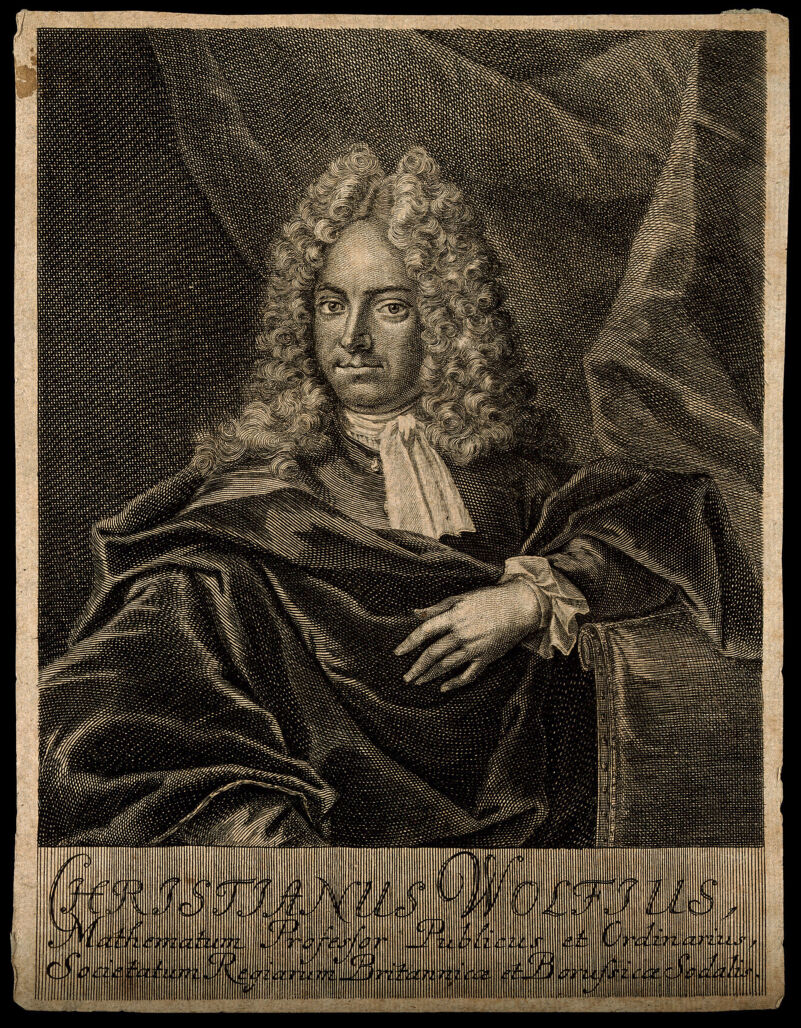
Christian Wolff
1679 CE – 1754 CE
Breslau, Silesia (now Wrocław, Poland)
German Enlightenment rationalist whose systematic textbooks in logic, ontology, psychology, natural theology, ethics, natural law, aesthetics, and philosophy of science made Wolffian method the main bridge between Leibniz and Kant.
Philosophy of Language
Treated speech and German philosophical vocabulary as instruments of rational communication, helping establish German as a technical philosophical language.
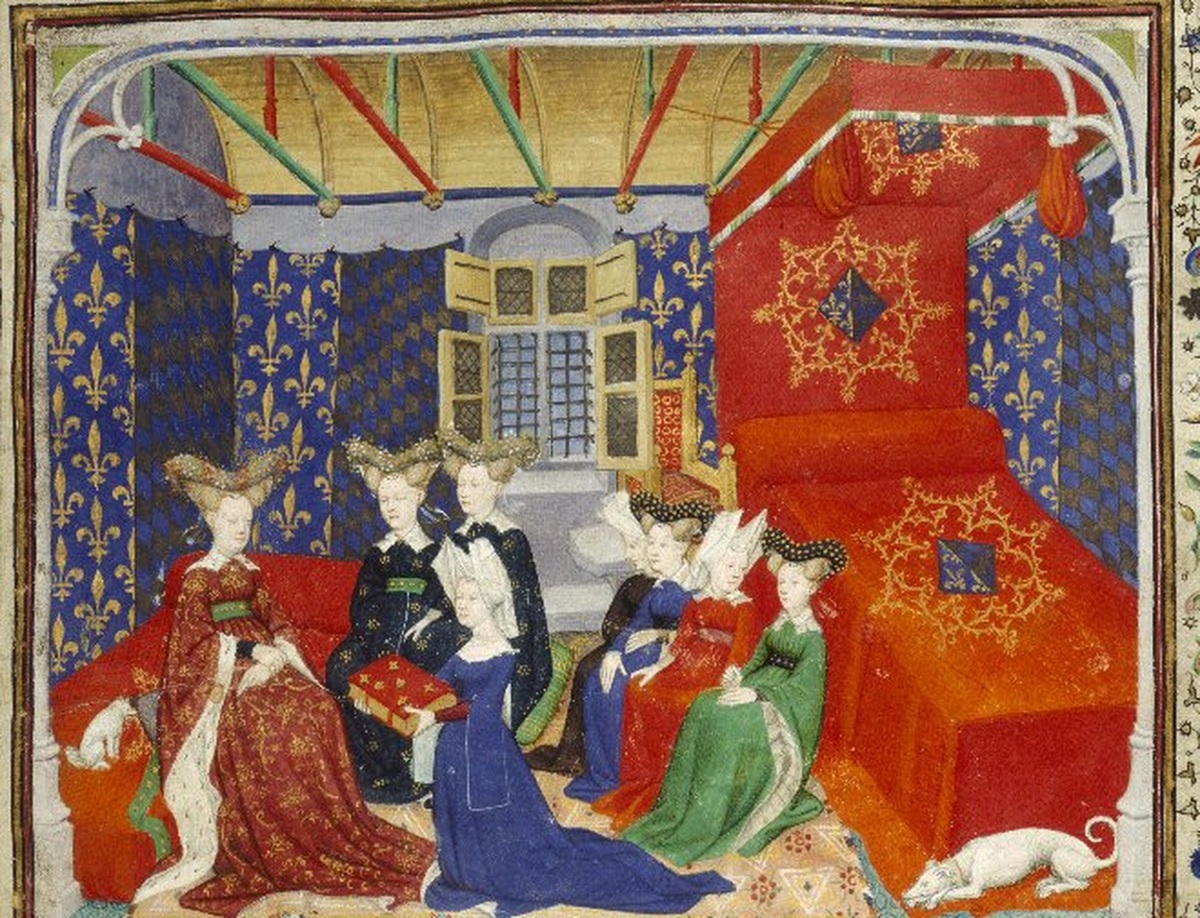
Christine de Pizan
1364 CE – 1430 CE
Venice, Republic of Venice
Late medieval writer and political thinker whose defenses of women, education, virtue, wise rule, and responsible speech made manuscript authorship, courtly debate, and civic ethics central to early Renaissance philosophy.
Philosophy of Language
Challenged misogynist inherited speech, reworked literary authorities, and treated public writing as a moral instrument capable of defending women and correcting corrupt discourse.
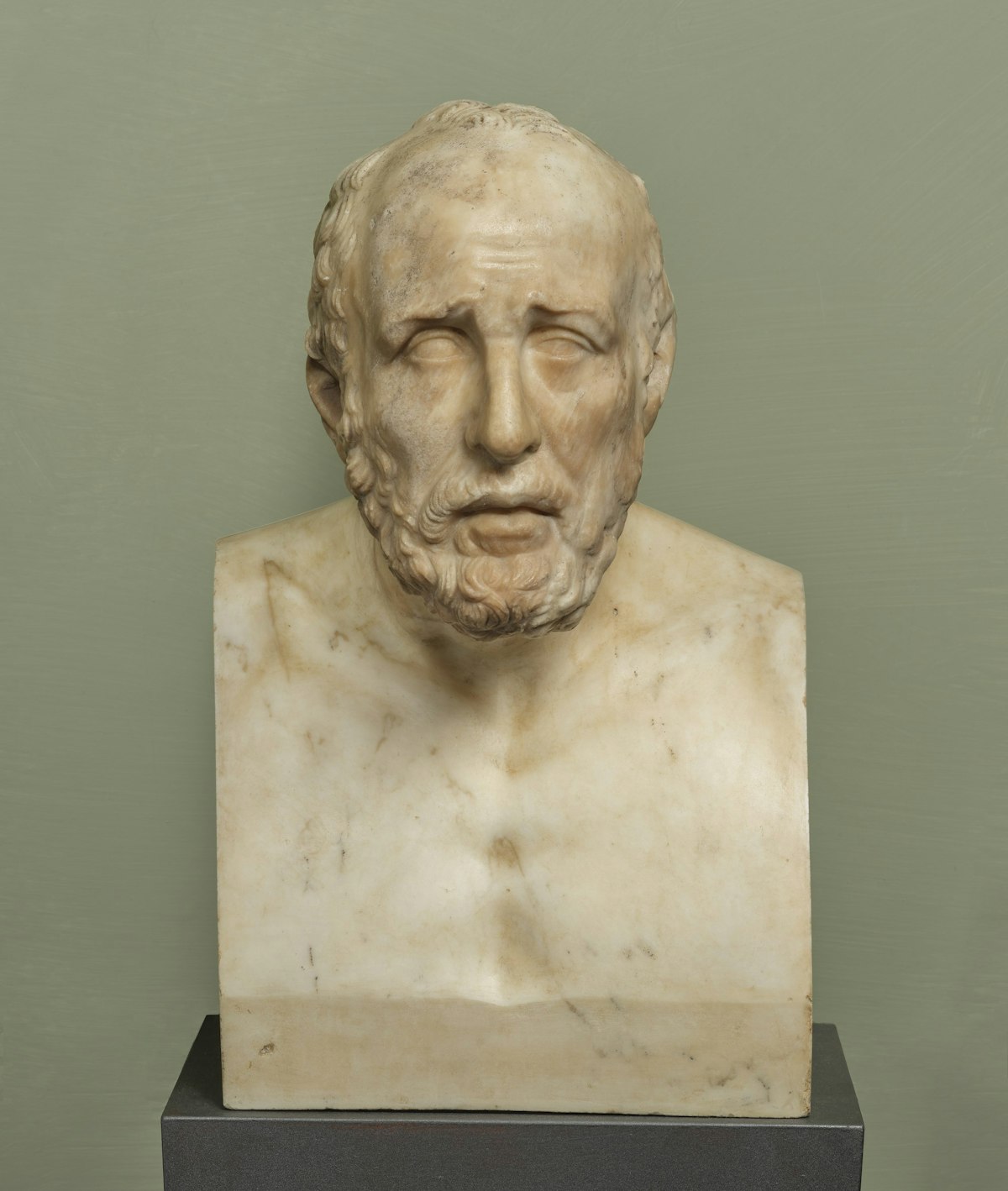
Chrysippus of Soli
279 BCE – 206 BCE
Soli, Cilicia
Stoic philosopher from Soli whose lost system of logic, physics, ethics, fate, providence, language, and knowledge made him the main architect of early Stoicism after Zeno and Cleanthes.
Philosophy of Language
Analyzed lekta, propositions, predicates, ambiguity, names, and meaningful expression as the semantic machinery behind Stoic logic and dialectic.
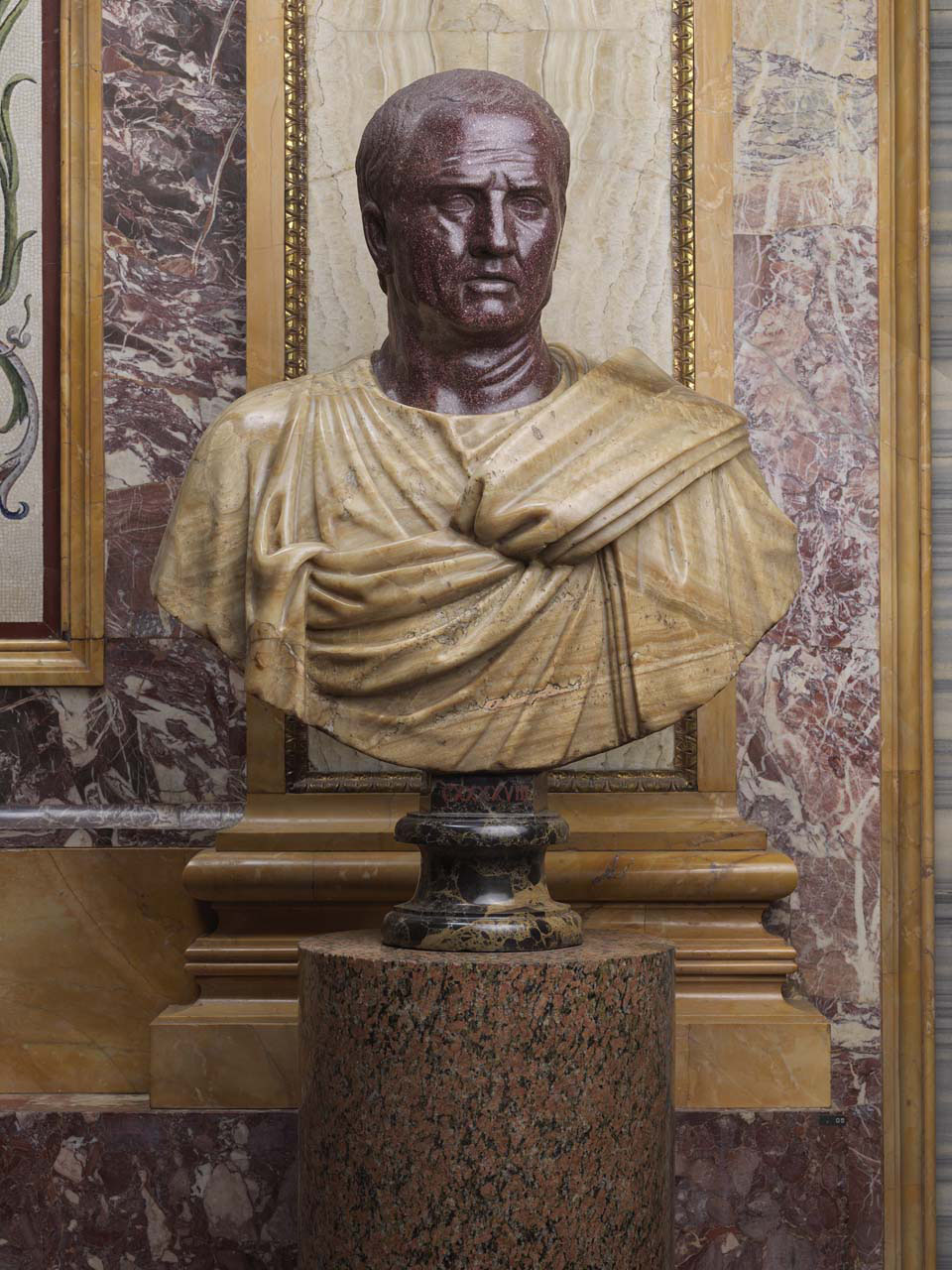
Cicero (Marcus Tullius Cicero)
106 BCE – 43 BCE
Arpinum, Roman Republic
Roman statesman, orator, lawyer, and philosopher who turned Greek ethics, skepticism, theology, rhetoric, and republican political thought into enduring Latin civic philosophy.
Philosophy of Language
Built Latin philosophical vocabulary and a theory of eloquence that joins style, argument, translation, audience, character, and public reason.
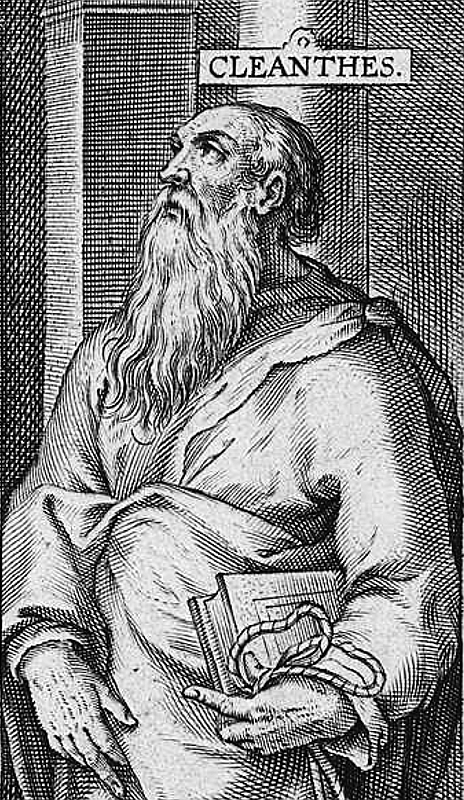
Cleanthes of Assos
331 BCE – 232 BCE
Assos in the Troad
Early Stoic head from Assos whose Hymn to Zeus, lost title catalogue, and teaching on providence, duty, impulse, logic, beauty, and living according to nature carried Zeno school into Chrysippus generation.
Philosophy of Language
Handled predicates, dialectic, interpretation, Homer, Heraclitus, and the relation between wording and meaning, making language part of Cleanthes logical and exegetical work.
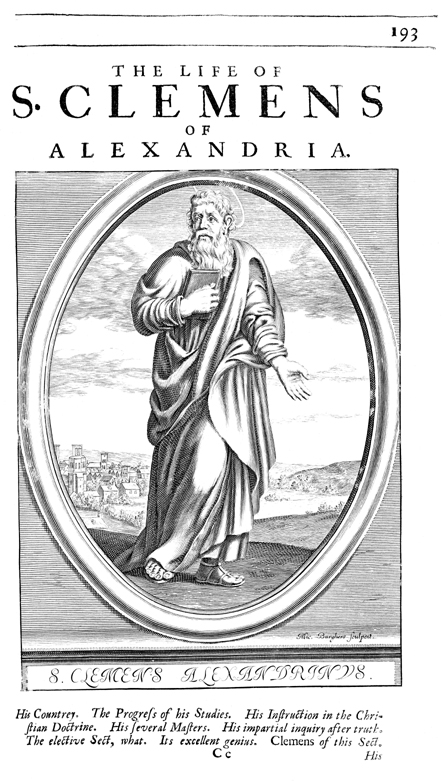
Clement of Alexandria
150 CE – 215 CE
probably Athens
Greek Christian philosopher and Alexandrian teacher who joined Platonist learning, biblical interpretation, moral formation, and Christian gnosis into an early account of faith perfected by reason.
Philosophy of Language
Turned Greek philosophical vocabulary, allegorical reading, etymology, quotation, scriptural exegesis, and protreptic address into tools for Christian teaching.
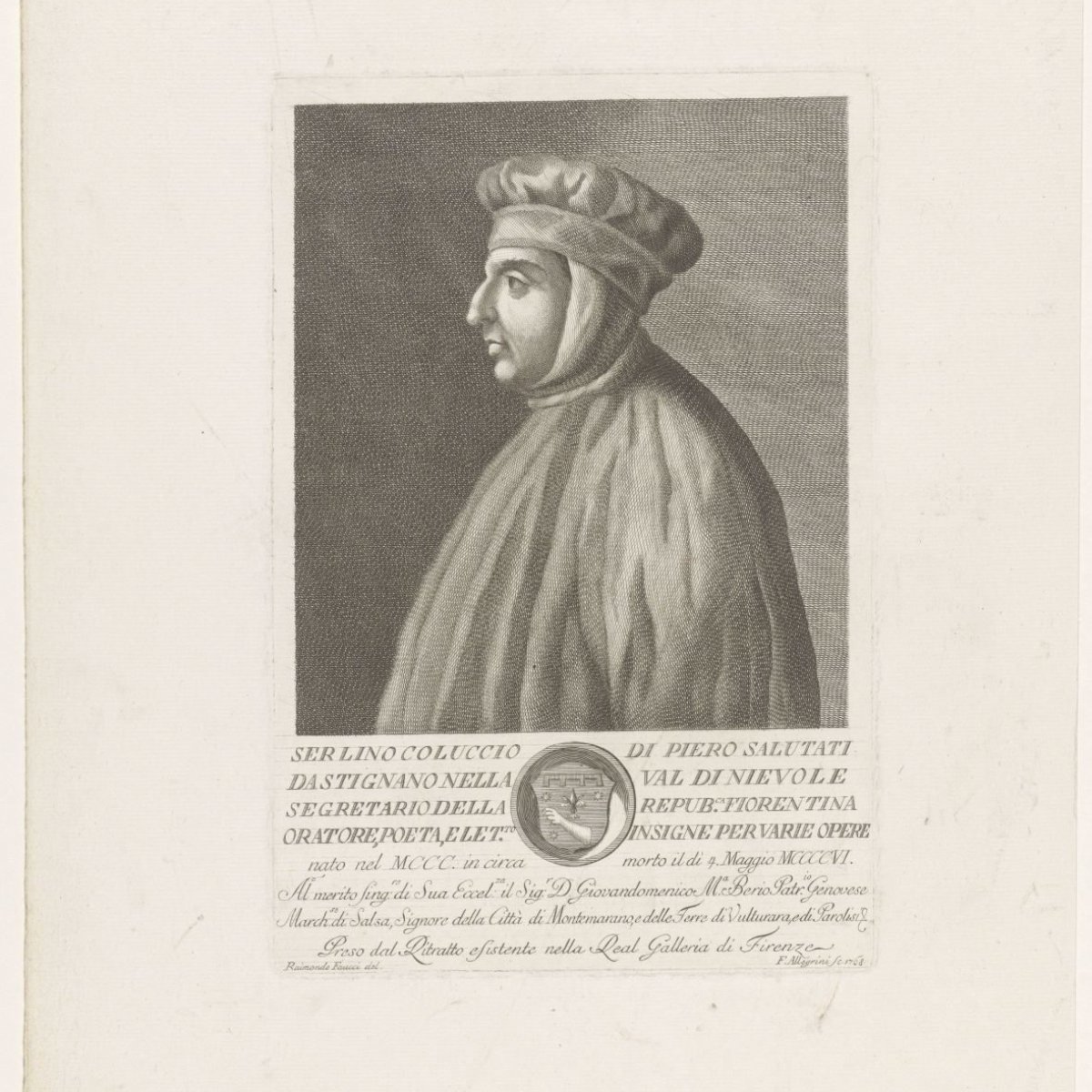
Coluccio Salutati
1331 CE – 1406 CE
Stignano, Buggiano, Tuscany
Italian Renaissance humanist and Florentine chancellor from Stignano whose classical Latin rhetoric, civic ethics, anti-tyranny politics, law-centered humanism, and Christian account of active public life helped shape Florentine civic humanism before Bruni and Poggio.
Philosophy of Language
Made classical Latin style, Ciceronian imitation, invective, epistolary form, and chancery rhetoric into instruments of persuasion, civic identity, and moral instruction.
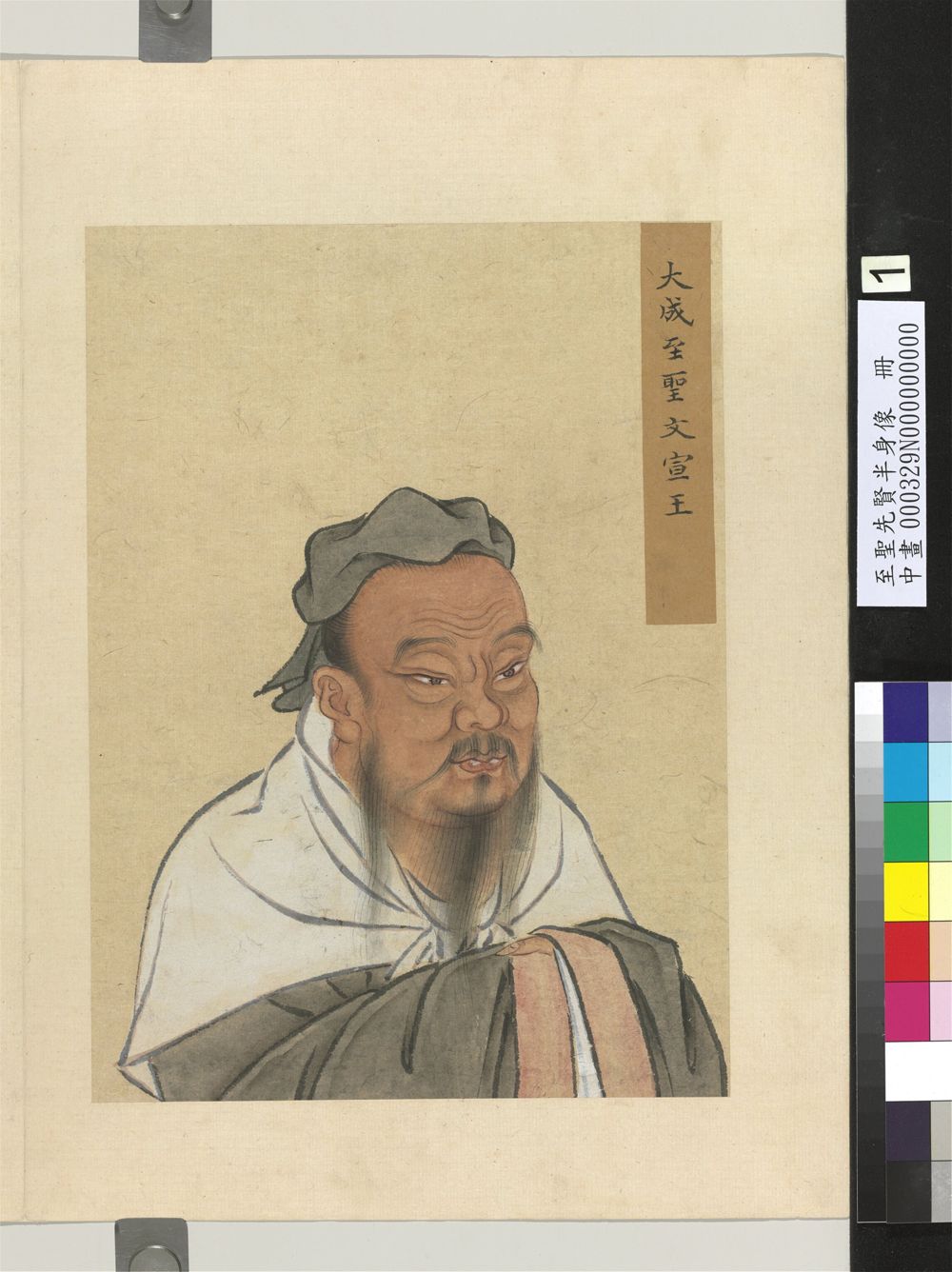
Confucius
551 BCE – 479 BCE
Zou, Lu (near Qufu, Shandong)
Ancient Chinese teacher from the state of Lu whose account of learning, ritual, humane conduct, music, names, family reverence, and virtuous government became the center of the Confucian tradition.
Philosophy of Language
Made the rectification of names a central political and ethical problem, tying social order to the truthful fit between words, roles, duties, and action.
Dai Zhen
1724 CE – 1777 CE
Xiuning, Anhui
Qing Confucian evidential scholar from Xiuning whose work joined philology, moral psychology, language, desire, principle, and precise inquiry against empty abstraction.
Philosophy of Language
Used semantic and philological analysis of classical words to expose how confused language about principle, nature, and desire can produce bad moral philosophy.
Damascius
462 CE – 538 CE
Damascus
Last head of the Athenian Neoplatonic school, born in Damascus, whose aporetic first-principles metaphysics tests what language, thought, and theology can say about the ineffable.
Philosophy of Language
Pressed names, negations, and propositions to their breaking point, showing how language both guides inquiry and fails before the ineffable.
Dao'an
312 CE – 385 CE
Changshan Commandery / Fuliu, Hebei
Chinese Buddhist organizer, exegete, and translation leader who shaped Prajnaparamita interpretation, monastic discipline, scripture cataloging, and the language of early Chinese Buddhism.
Philosophy of Language
Formulated influential translation principles by identifying how Buddhist meaning can be lost or distorted when Indic texts are forced into Chinese syntax, style, and inherited categories.
David Hume
1711 CE – 1776 CE
Edinburgh
Scottish Enlightenment philosopher who transformed empiricism, skepticism, moral psychology, aesthetics, political economy, natural religion, and the philosophy of science through a systematic science of human nature.
Philosophy of Language
Showed how philosophical confusion often grows from abstract terms, loose verbal habits, and the mistaken belief that words must name hidden metaphysical entities.
Democritus of Abdera
460 BCE – 370 BCE
Abdera, Thrace
Presocratic atomist from Abdera whose philosophy explained nature, mind, perception, ethics, language, mathematics, and religion through atoms, void, causal necessity, and measured cheerfulness.
Philosophy of Language
Investigated names, convention, and the gap between words and reality, making language part of the problem of how inquiry moves from appearance to explanation.
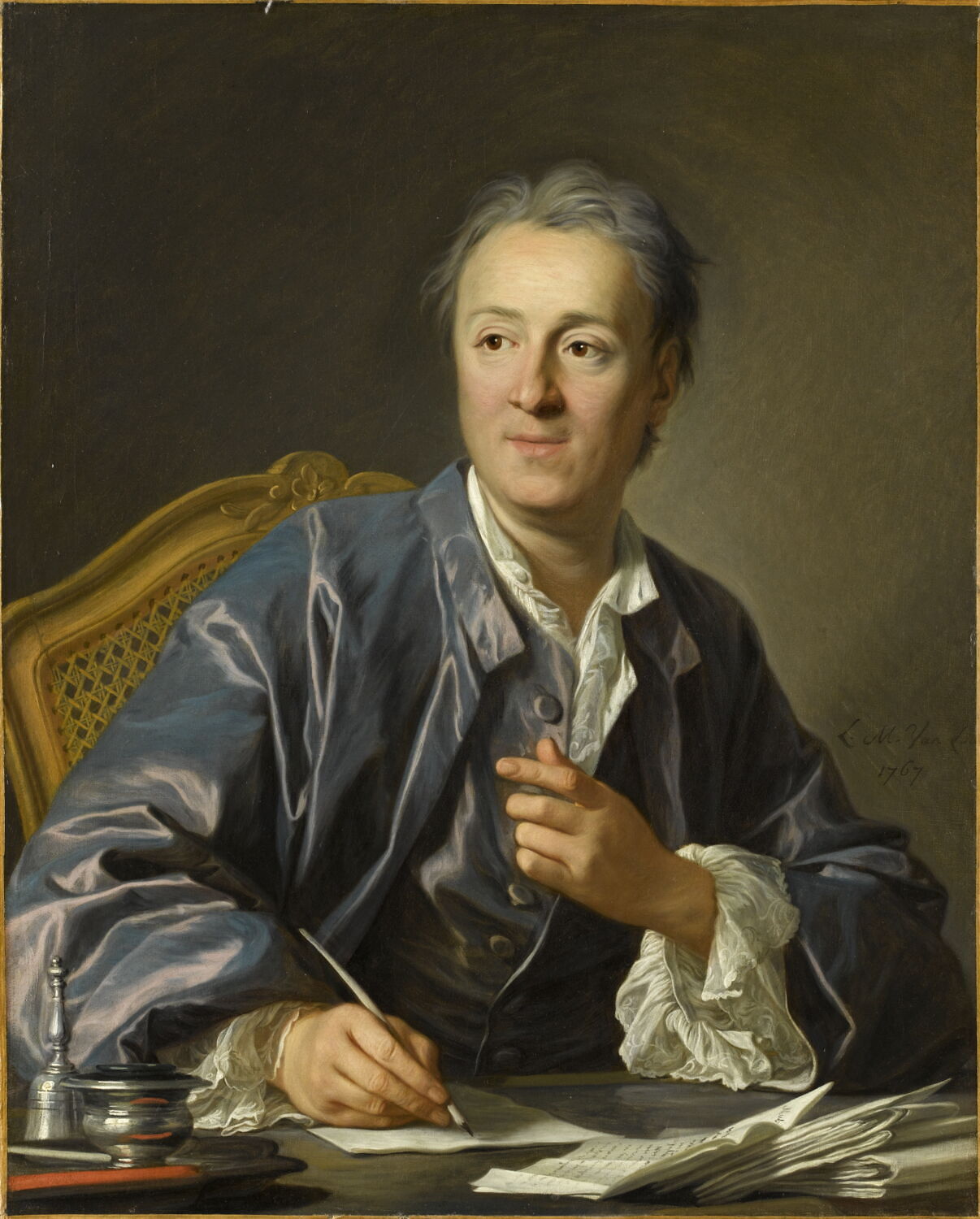
Denis Diderot
1713 CE – 1784 CE
Langres, Champagne
French Enlightenment philosopher, critic, editor, and writer whose materialist, empiricist, aesthetic, political, and scientific thought helped make the Encyclopédie a program of public reason.
Philosophy of Language
Investigated gesture, sign, syntax, translation, deafness, dialogue, and literary form as embodied ways human beings make meaning together.
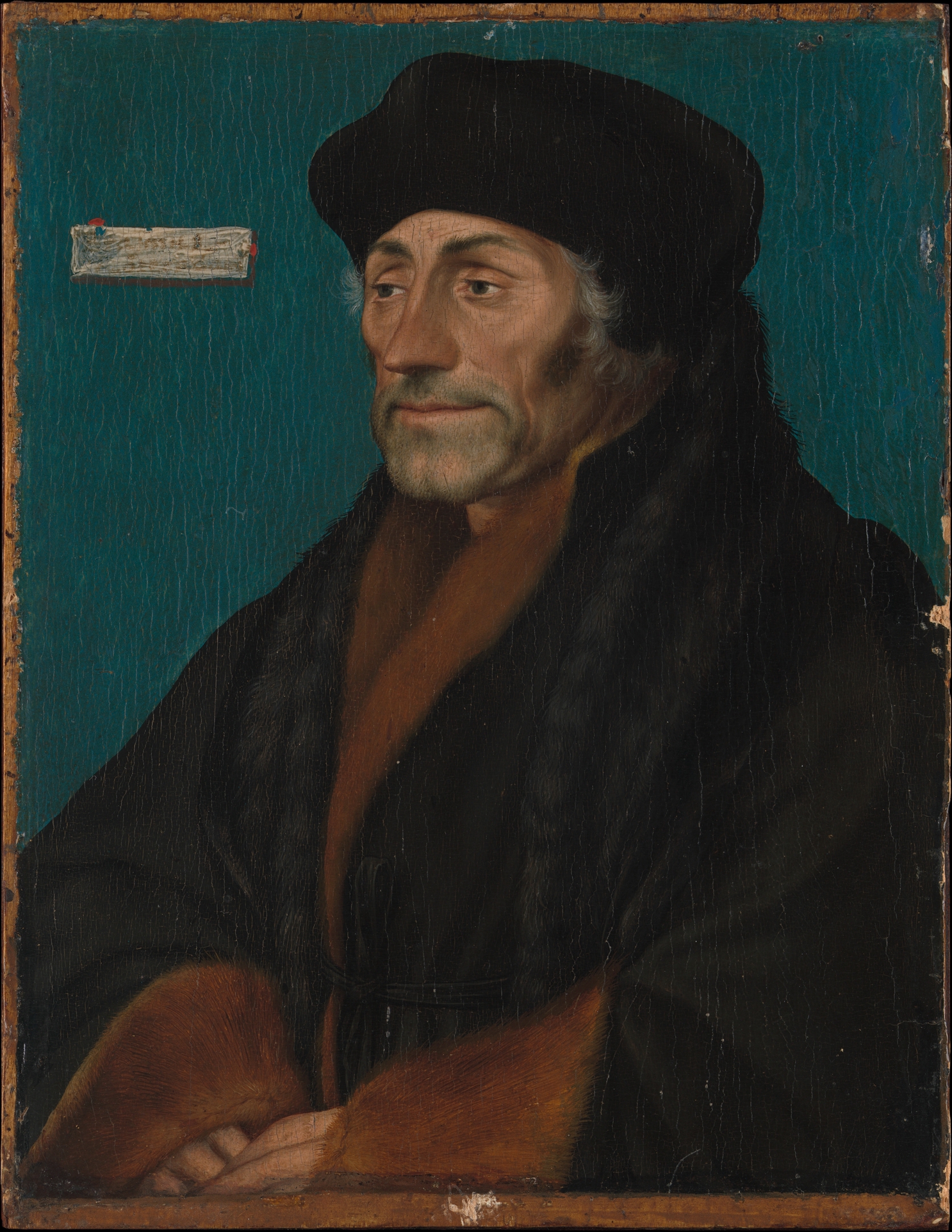
Desiderius Erasmus of Rotterdam
1466 CE – 1536 CE
Rotterdam
Dutch Renaissance humanist, Catholic reformer, philologist, satirist, and educator whose Christian humanism joined classical learning, biblical scholarship, moral reform, peace politics, and disciplined eloquence.
Philosophy of Language
Made language a philosophical medium through textual criticism, translation, copia, preaching, dialogue, and the moral discipline of speech.

Dharmaraksa
233 CE – 310 CE
Dunhuang
Yuezhi-descended Buddhist translator from Dunhuang whose Western Jin translation communities carried Lotus, Prajnaparamita, Pure Land, Manjusri, and Buddha-land traditions into Chinese Buddhist thought.
Philosophy of Language
His work became an early test case for Buddhist translation philosophy: multilingual source gathering, oral rendering, Chinese recording, terminology formation, and later retransmission.
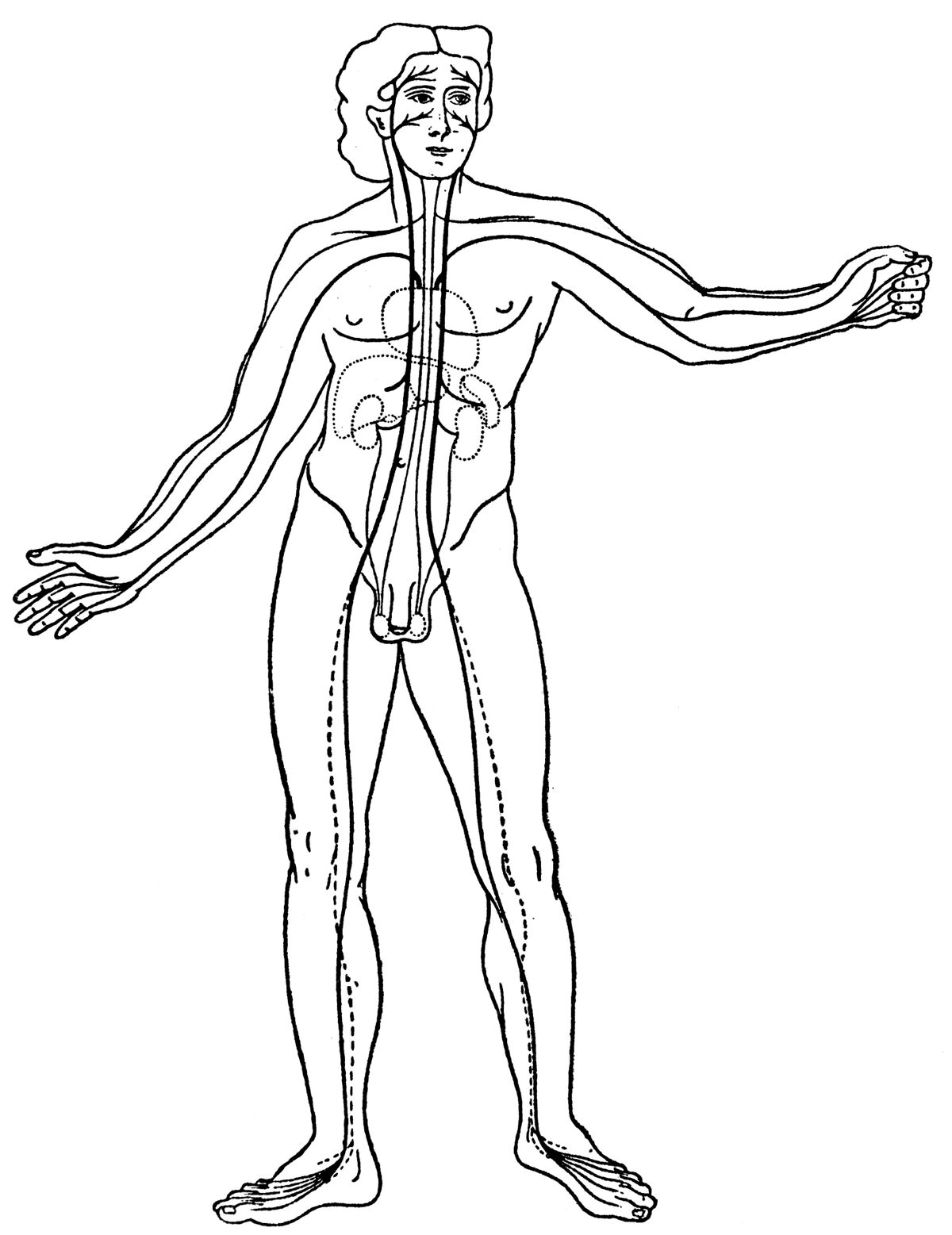
Diogenes of Apollonia
460 BCE – 400 BCE
Apollonia Pontica, Thrace
Presocratic natural philosopher from Apollonia Pontica whose surviving fragments explain cosmos, soul, perception, physiology, and divine intelligence through air.
Philosophy of Language
His surviving fragments became a test case for how Presocratic natural philosophy uses inherited terms such as air, soul, god, and intelligence across physics and theology.
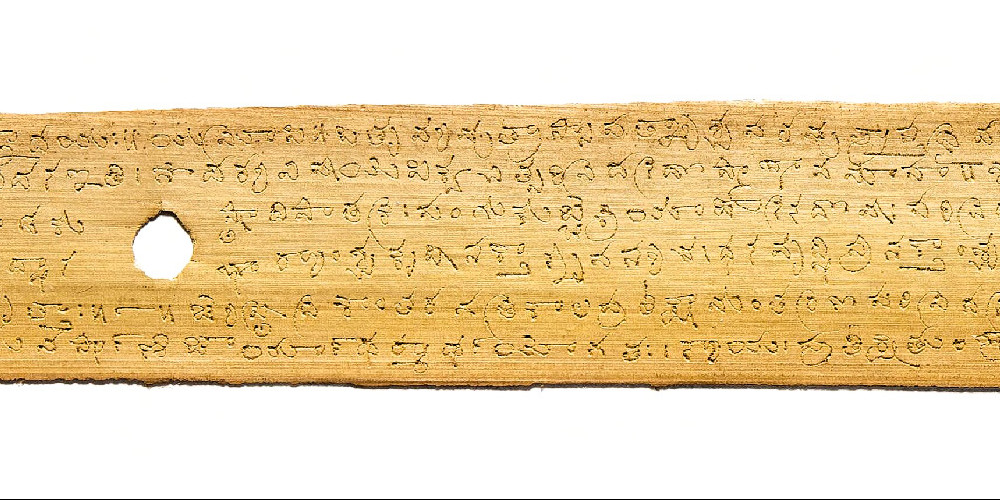
Dīrghatamas Āucathya
1135 BCE – 1065 BCE
Eastern Indo-Gangetic region (Anga tradition)
Rigvedic seer associated with hymns 1.140-1.164, especially the riddle-cosmology of 1.164, where speech, mind, number, divine multiplicity, and hidden order become philosophical poetry.
Philosophy of Language
Rigveda 1.164 makes sacred speech philosophically central, asking how one reality can be named in many ways and how poetic utterance can reveal hidden order.
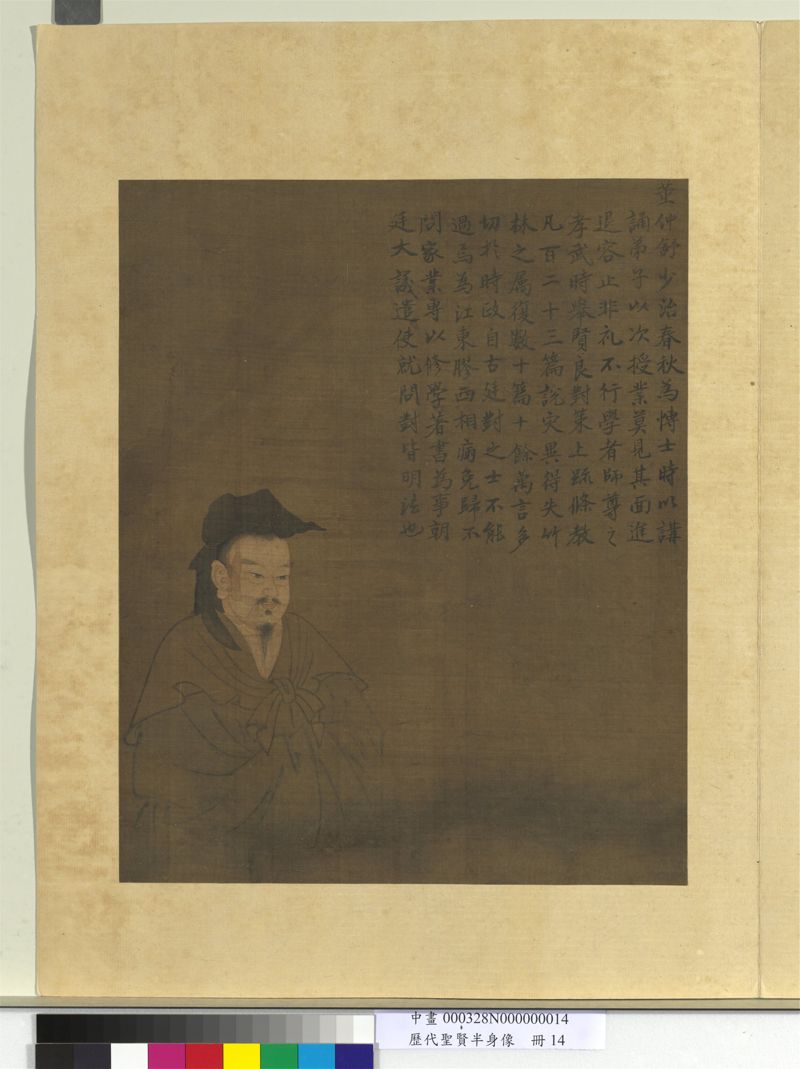
Dong Zhongshu
179 BCE – 104 BCE
Guangchuan / Wencheng, Hebei
Western Han Confucian thinker from Guangchuan, remembered for joining Gongyang classicism, Heaven-human resonance, yin-yang and Five Phases cosmology, moral rulership, and imperial Confucian policy.
Philosophy of Language
He makes classical wording philosophically active: names, judgments, and subtle textual cues in the Spring and Autumn Annals reveal norms for rule and responsibility.
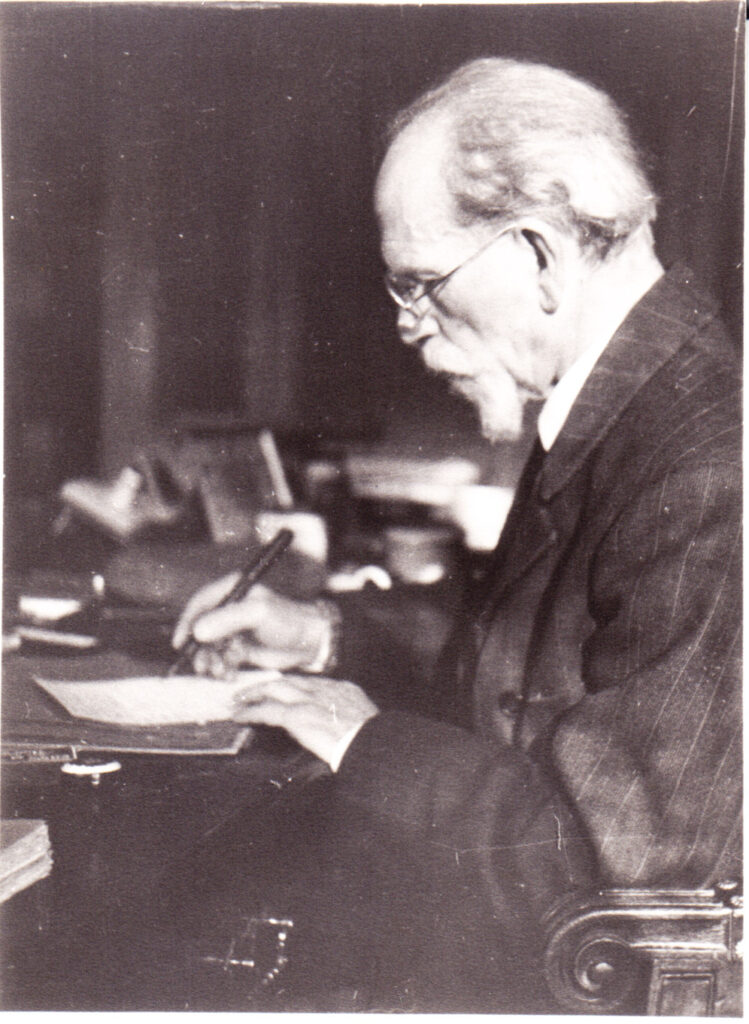
Edmund Husserl
1859 CE – 1938 CE
Prostějov (Prossnitz), Moravia
Founder of phenomenology, trained in mathematics and logic, whose work on intentionality, epoché, consciousness, meaning, evidence, and the lifeworld reshaped twentieth-century philosophy.
Philosophy of Language
He analyzed expression, indication, meaning, reference, fulfillment, and ideal sense, showing how language participates in intentional acts and logical objectivity.
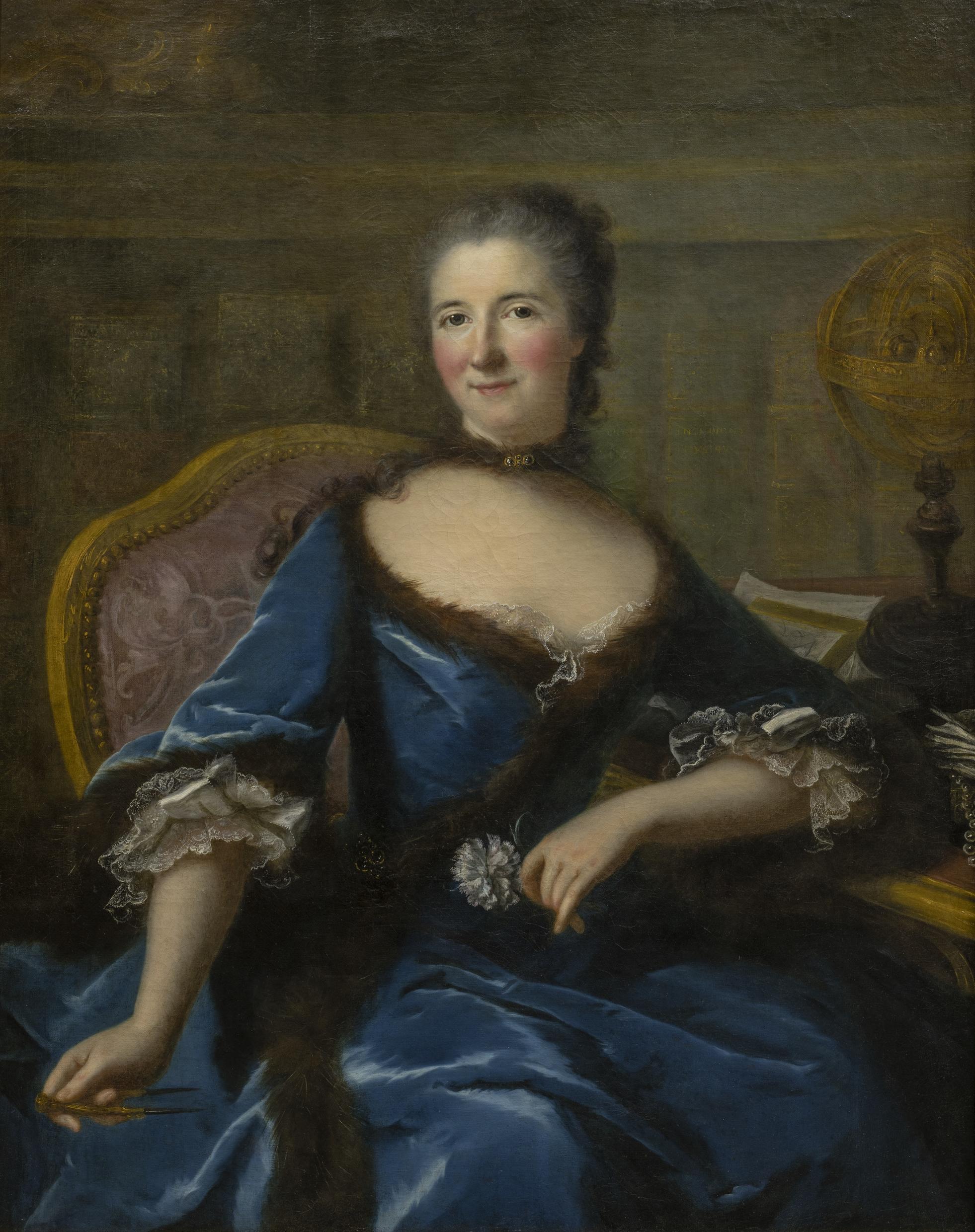
Émilie du Châtelet
1706 CE – 1749 CE
Paris
Enlightenment philosopher, mathematician, translator of Newton, and critic of dogma whose work on force, physics, happiness, freedom, and natural religion reshaped French Newtonianism.
Philosophy of Language
Her translation, commentary, and grammar work make language philosophically active, turning scientific and religious questions on how terms, explanations, and texts are rendered.
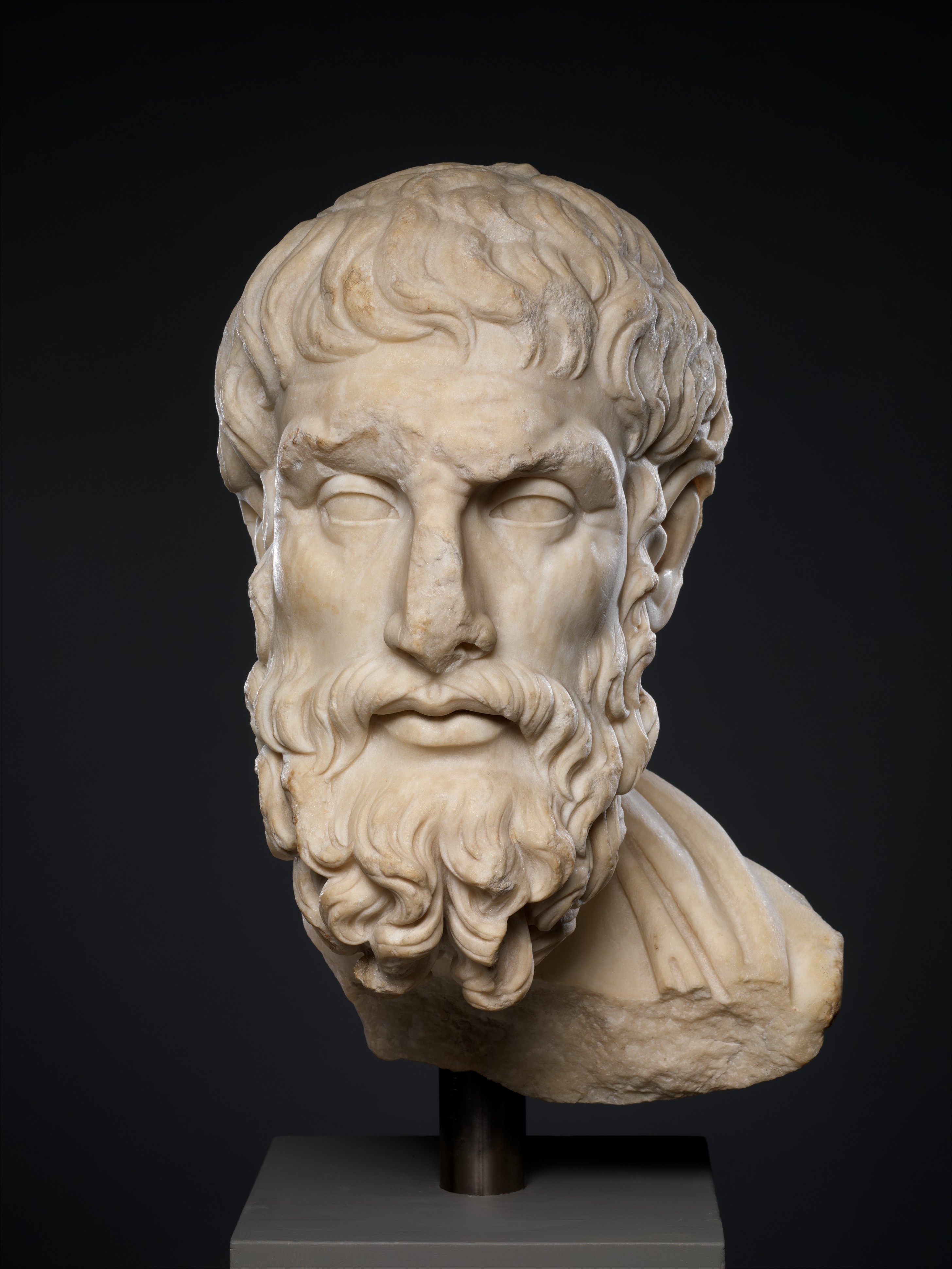
Epicurus of Samos
341 BCE – 270 BCE
Samos
Greek philosopher from Samos whose Garden school joined atomist physics, a canon of sensation and feeling, and an ethics of pleasure understood as freedom from bodily pain and mental disturbance.
Philosophy of Language
He explains language through natural vocal responses that become stabilized by communal use, so names and meanings emerge from human practice rather than divine imposition.
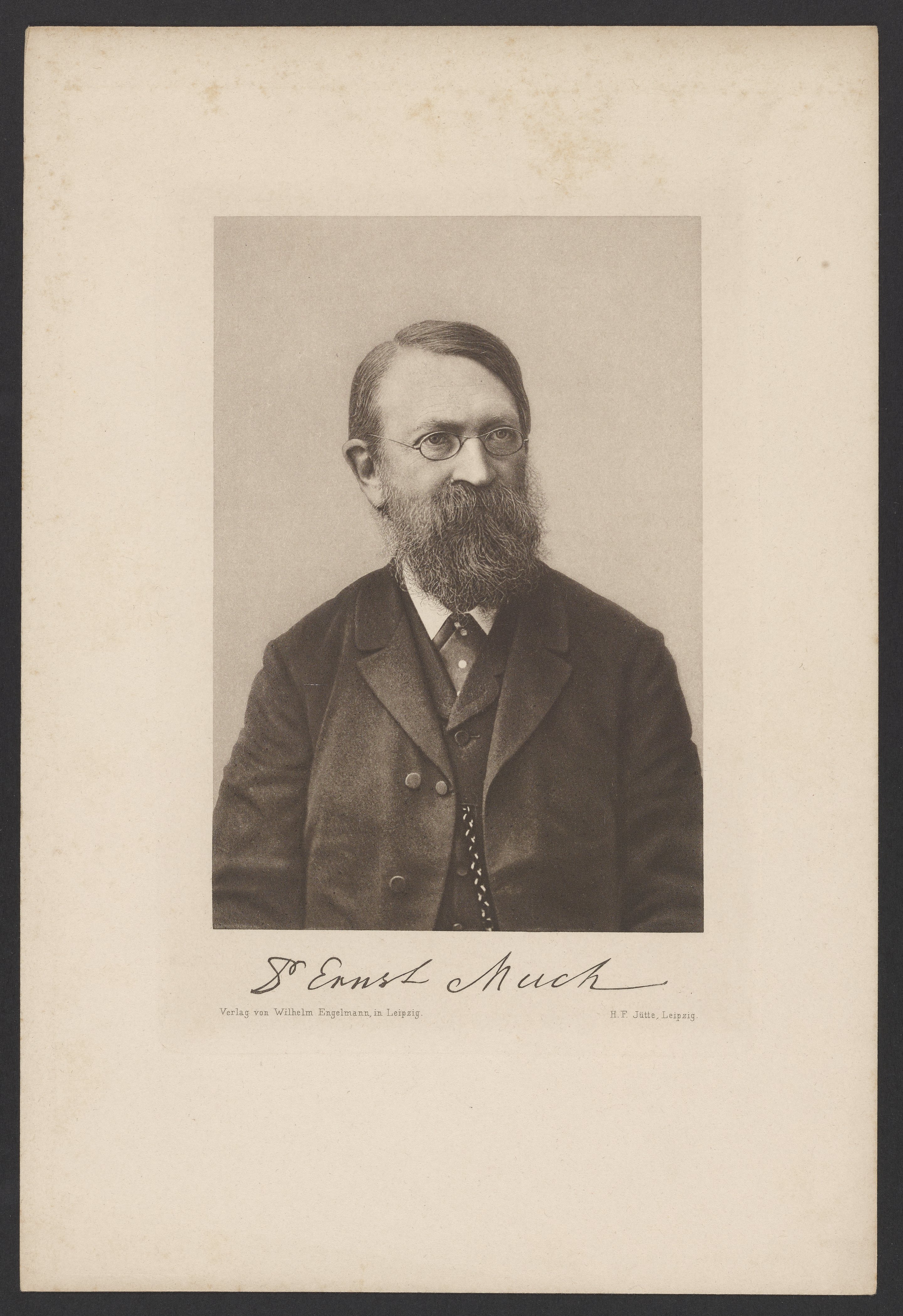
Ernst Mach
1838 CE – 1916 CE
Chrlice / Chirlitz, near Brno
Austrian physicist and philosopher from Moravia whose anti-metaphysical empiricism, analysis of sensations, historical criticism of mechanics, and economy of thought shaped modern philosophy of science.
Philosophy of Language
Mach treats scientific language and concepts as abbreviated instruments for organizing experience, communicating regularities, and reducing intellectual labor rather than mirroring metaphysical essences.
Euclid of Megara
435 BCE – 365 BCE
Megara
Socratic philosopher from Megara who joined Socratic concern for the good to Eleatic unity and founded the Megarian school of dialectical argument.
Philosophy of Language
The Megarian method made philosophical language itself a testing ground: question-and-answer argument exposed equivocation, analogy, contradiction, and the gap between names and the one good.
Eudemus of Rhodes
370 BCE – 300 BCE
Rhodes (island)
Peripatetic philosopher from Rhodes, pupil of Aristotle and companion of Theophrastus, remembered for systematizing Aristotelian logic and physics and for pioneering histories of Greek geometry, arithmetic, and astronomy.
Philosophy of Language
On Discourse / On Expression points to Eudemus' interest in how wording, expression, and logical presentation shape philosophical explanation and the teaching of Aristotle's arguments.
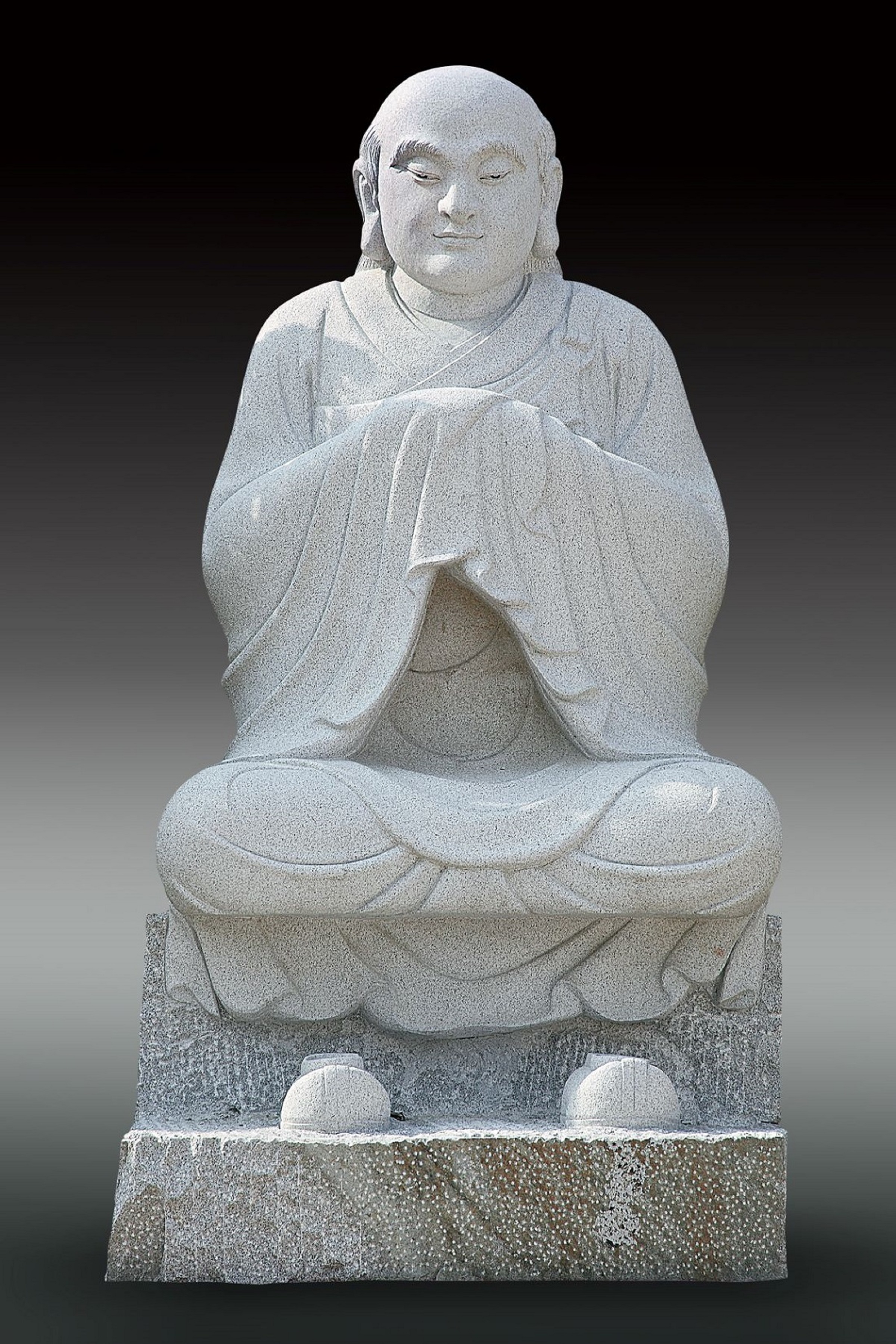
Fazang
643 CE – 712 CE
Chang'an
Tang Huayan master who systematized Fazang's interpenetration metaphysics, teaching classifications, Golden Lion analogy, and Avatamsaka Buddhist philosophy.
Philosophy of Language
Fazang uses analogy, classification, and scriptural exegesis, especially the Golden Lion, to make difficult relations of emptiness, form, identity, and difference intelligible.
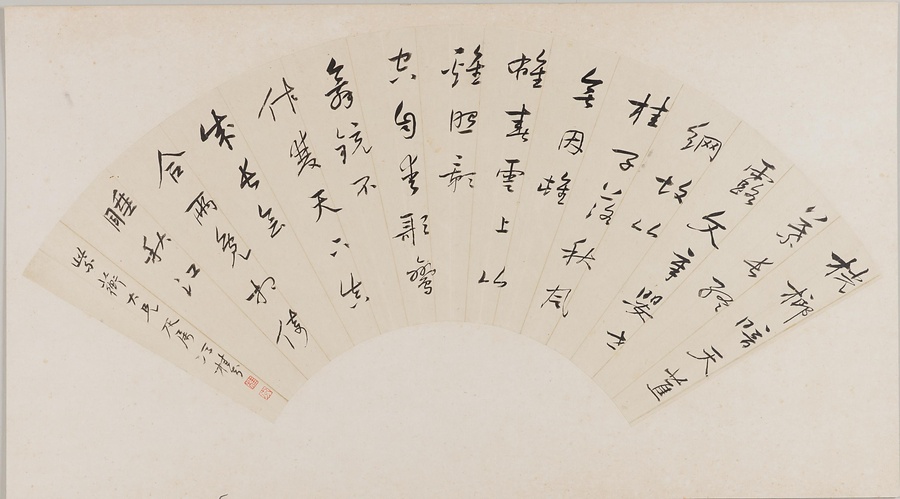
Feng Guifen
1809 CE – 1874 CE
Wuxian / Mudu, Suzhou, Jiangsu
Late Qing scholar-official from Suzhou whose statecraft reform program joined Confucian moral order with selective adoption of Western learning, manufacturing, military technology, public institutions, and practical science.
Philosophy of Language
His policy prose refashions classical memorial language into reform argument, using terms such as substance and application to mediate Chinese learning and Western techniques.
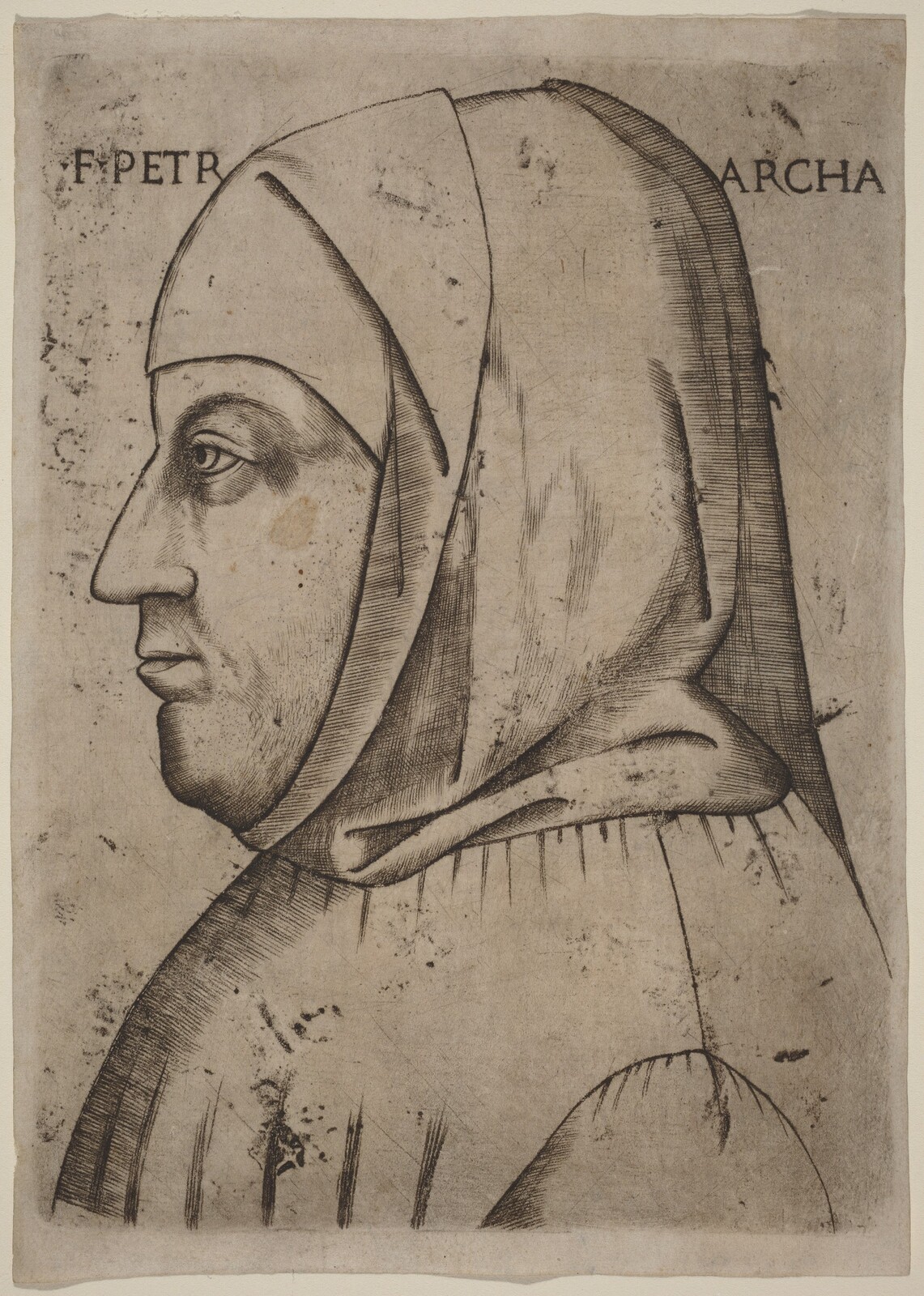
Francesco Petrarca
1304 CE – 1374 CE
Arezzo
Italian poet-scholar and Christian humanist whose classical recovery, introspective moral writing, and vernacular lyric helped define Renaissance humanism and later Petrarchism.
Philosophy of Language
His recovery of Ciceronian Latin and cultivation of Italian lyric helped establish philology, eloquence, and authorial self-presentation as philosophical-cultural practices.
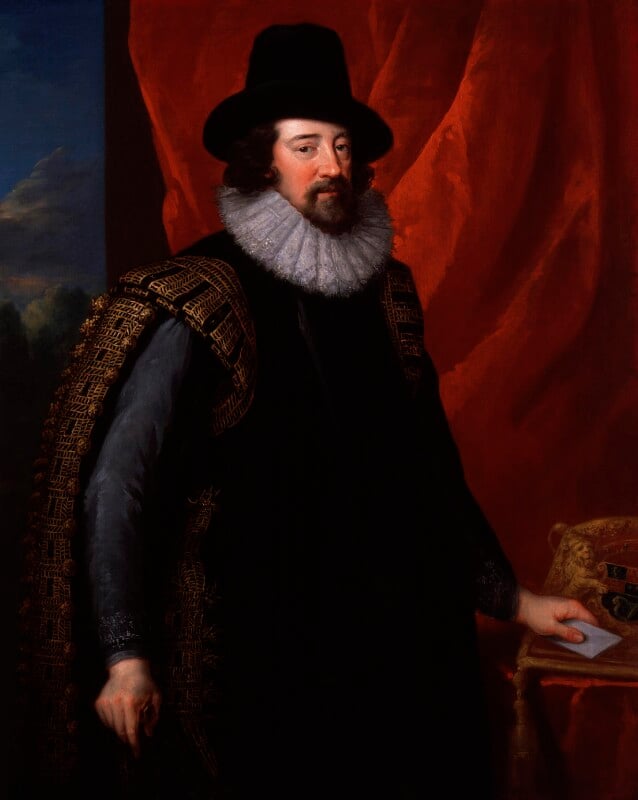
Francis Bacon
1561 CE – 1626 CE
York House, Strand, London
English philosopher-statesman whose reform of learning, critique of idols, and experimental natural history helped shape early modern empiricism and the philosophy of science.
Philosophy of Language
Bacon treats words as instruments that can mislead inquiry, especially through idols of the marketplace, and demands clarified terms anchored in things and experiments.
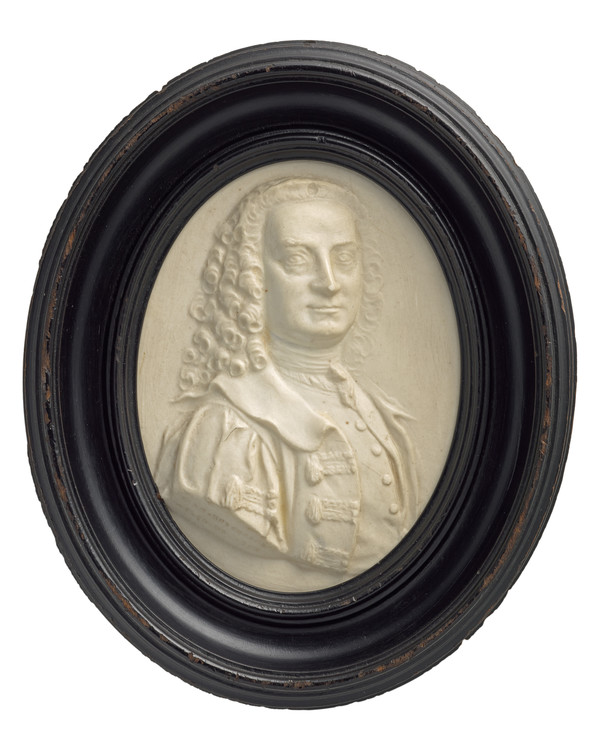
Francis Hutcheson
1694 CE – 1746 CE
Drumalig / near Saintfield, County Down, Ulster
Irish and Scots-Irish moral philosopher whose moral sense theory, aesthetics, benevolence ethics, and Glasgow teaching helped launch the Scottish Enlightenment.
Philosophy of Language
Hutcheson's compendia and debates clarify how terms for virtue, interest, beauty, law, and happiness can mislead moral reasoning when reduced to selfish calculation.
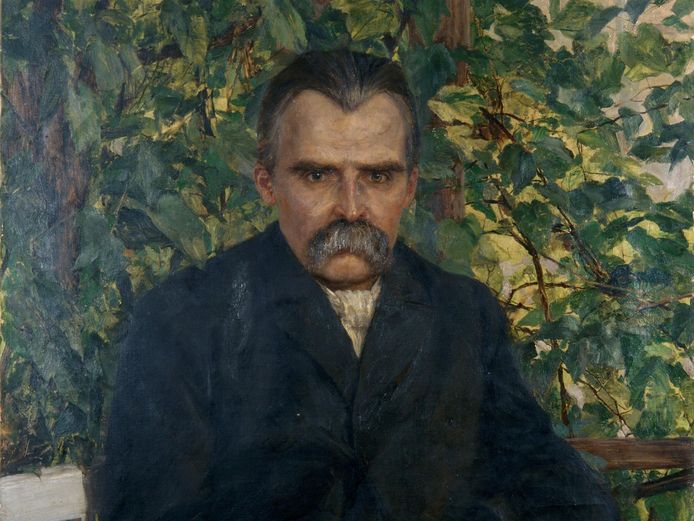
Friedrich Nietzsche
1844 CE – 1900 CE
Röcken, Saxony, Prussia
German philosopher of genealogy, perspectivism, tragedy, value creation, nihilism, and the critique of Christianity whose work reshaped modern ethics, aesthetics, psychology, and continental philosophy.
Philosophy of Language
Nietzsche argues that concepts, grammar, metaphors, and naming practices stabilize becoming and can smuggle metaphysical assumptions into thought.
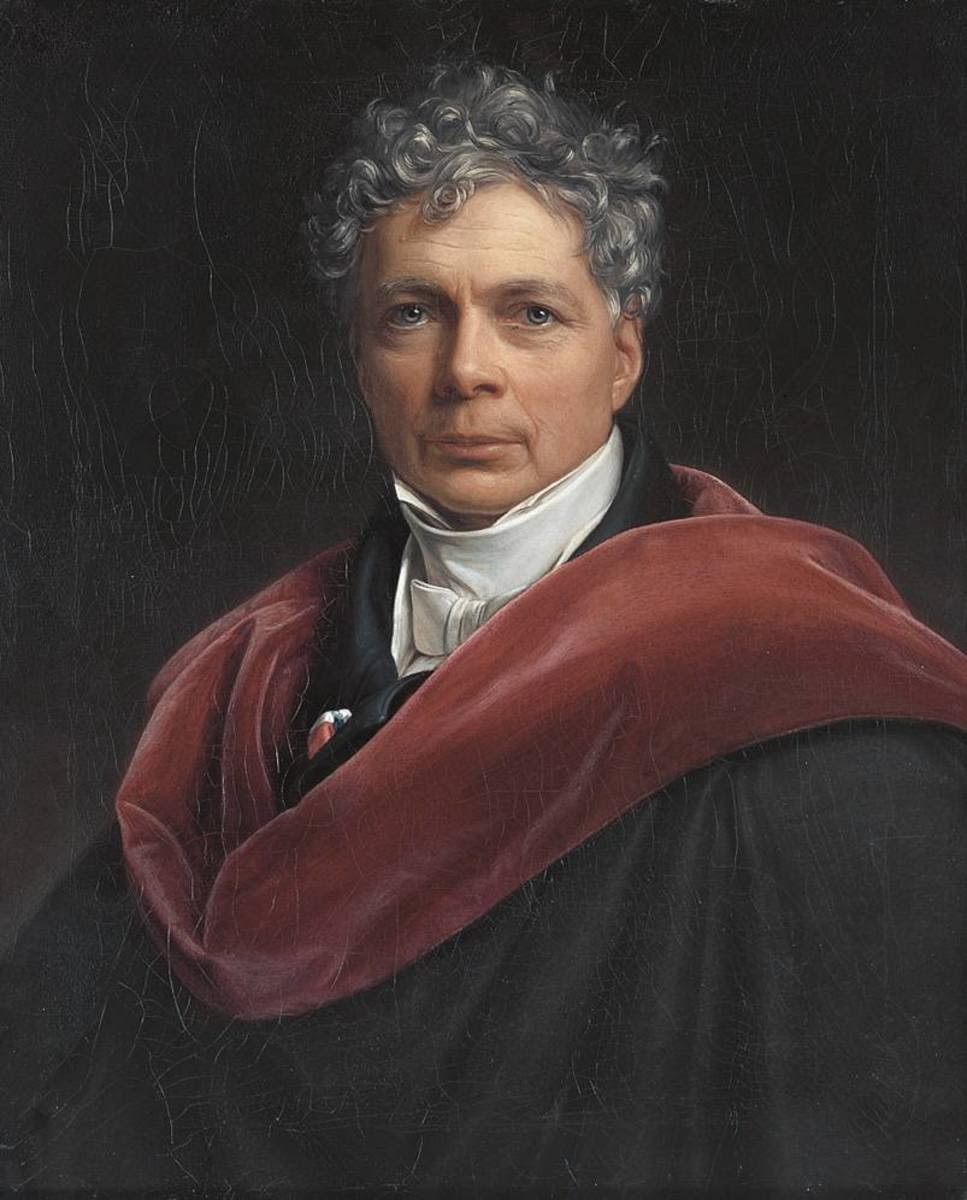
Friedrich Wilhelm Joseph Schelling
1775 CE – 1854 CE
Leonberg, Wuerttemberg
German Idealist philosopher of nature, freedom, identity, art, mythology, and revelation whose work links post-Kantian idealism with Romantic science, philosophical theology, and later existential and continental reception.
Philosophy of Language
His work on mythology and revelation treats names, symbols, mythic speech, and religious language as historical disclosures of philosophical meaning.
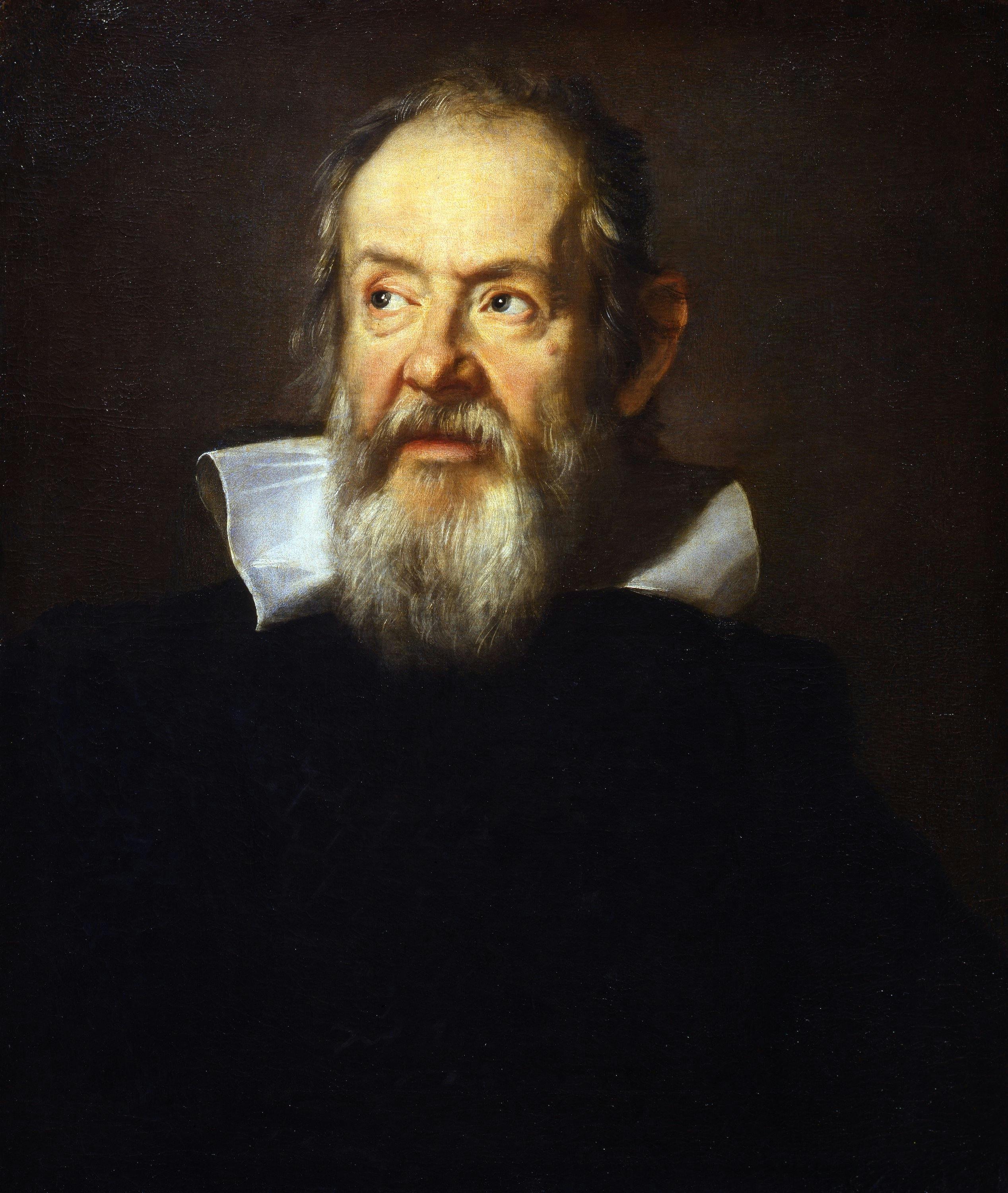
Galileo Galilei
1564 CE – 1642 CE
Pisa, Duchy of Florence
Italian mathematical natural philosopher whose telescopic astronomy, mechanics, instrument work, and scriptural hermeneutics helped reshape early modern philosophy of science and the Scientific Revolution.
Philosophy of Language
Galileo frames nature as written in mathematical language and develops rhetorical dialogues and letters to negotiate scientific proof, scriptural interpretation, and public persuasion.

Gārgī Vācaknavī
700 BCE – 600 BCE
Videha / Mithilā region
Early Upanishadic woman philosopher from the Videha-Mithilā setting whose public questions to Yājñavalkya press inquiry toward the imperishable ground of world, speech, and knowledge.
Philosophy of Language
Gārgī's repeated questioning, woven-world imagery, and naming of the imperishable show how early Upanishadic philosophy works through dialogic speech and metaphor.
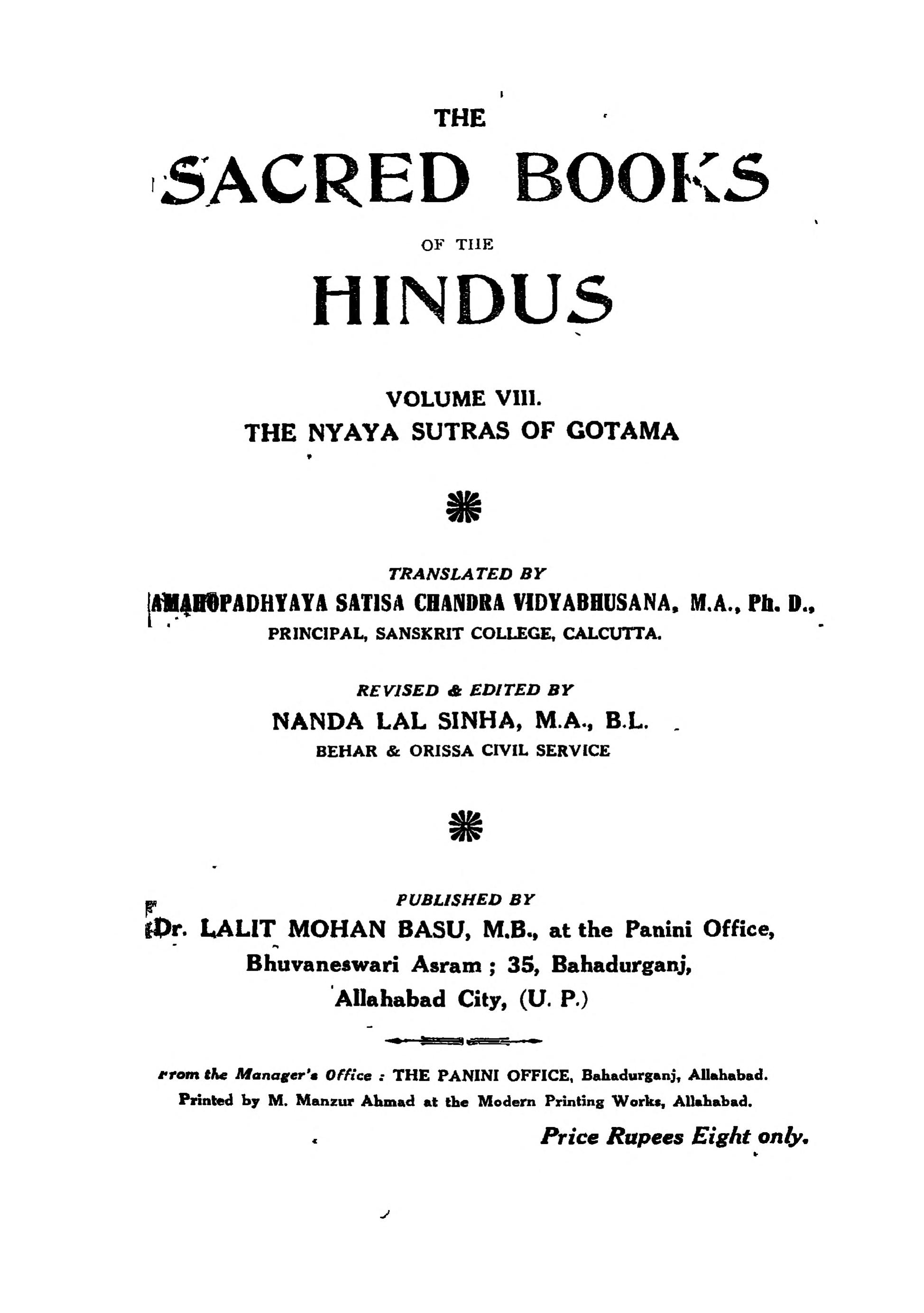
Gautama (Akṣapāda)
200 BCE – 100 BCE
Indo-Gangetic region / early Nyāya milieu
Early Nyāya philosopher traditionally credited with the Nyāya Sūtra, whose analytic program systematized inference, debate, valid knowledge, realist categories, self, error, and liberation.
Philosophy of Language
Its analysis of words, testimony, reference, and verbal cognition makes language a legitimate source of knowledge when conditions of reliability are met.
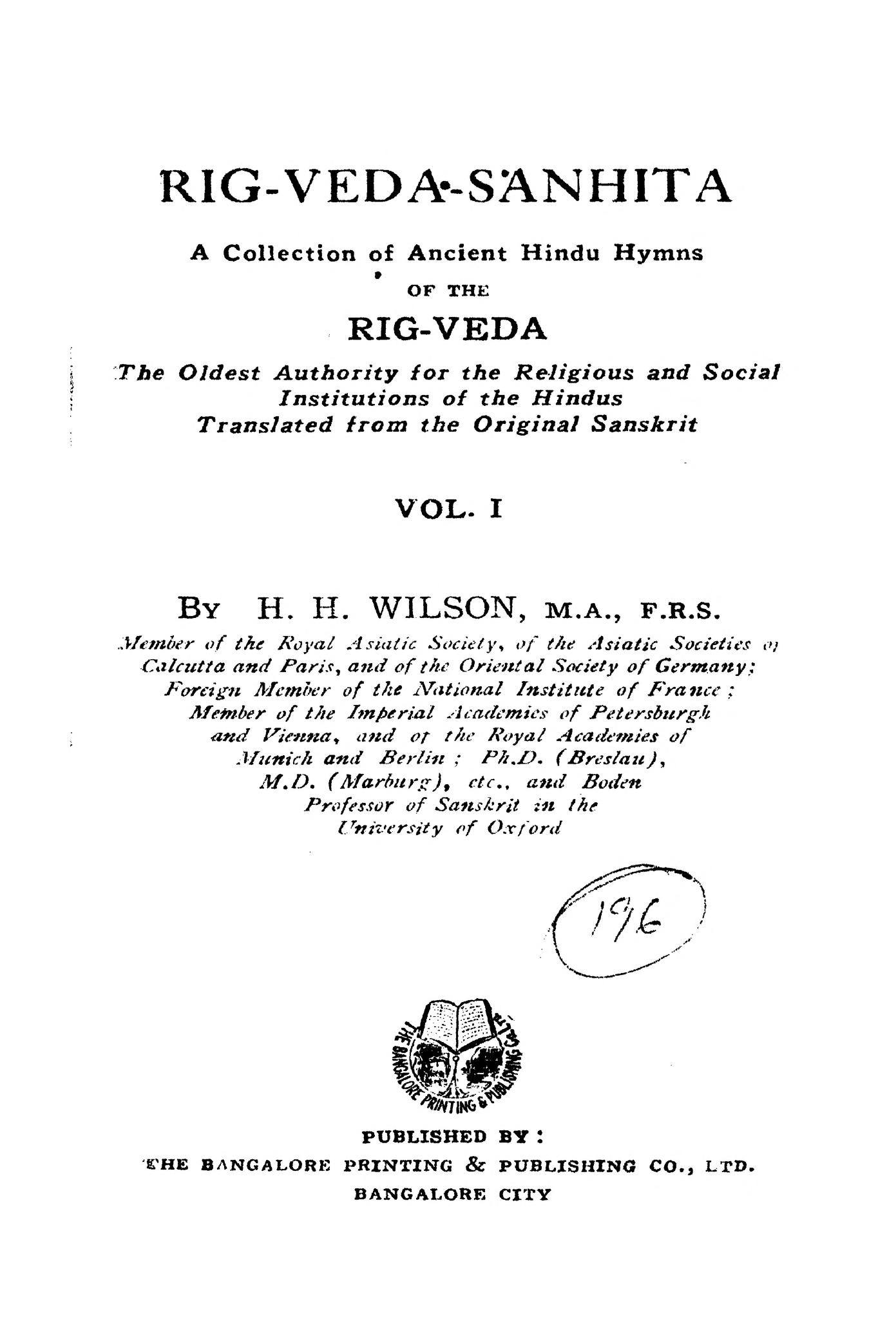
Gautama (Rāhūgaṇa)
1500 BCE – 1200 BCE
Indo-Gangetic / early Vedic region
Rigvedic seer associated with the Gotama Rāhūgaṇa hymn block, whose transmitted hymns join praise, sacrifice, speech, divine agency, kingship, auspicious life, and cosmic order.
Philosophy of Language
Gotama Rāhūgaṇa's attributed hymns make speech itself a ritual act: praise, invocation, naming, and meter establish relation between human communities and divine powers.
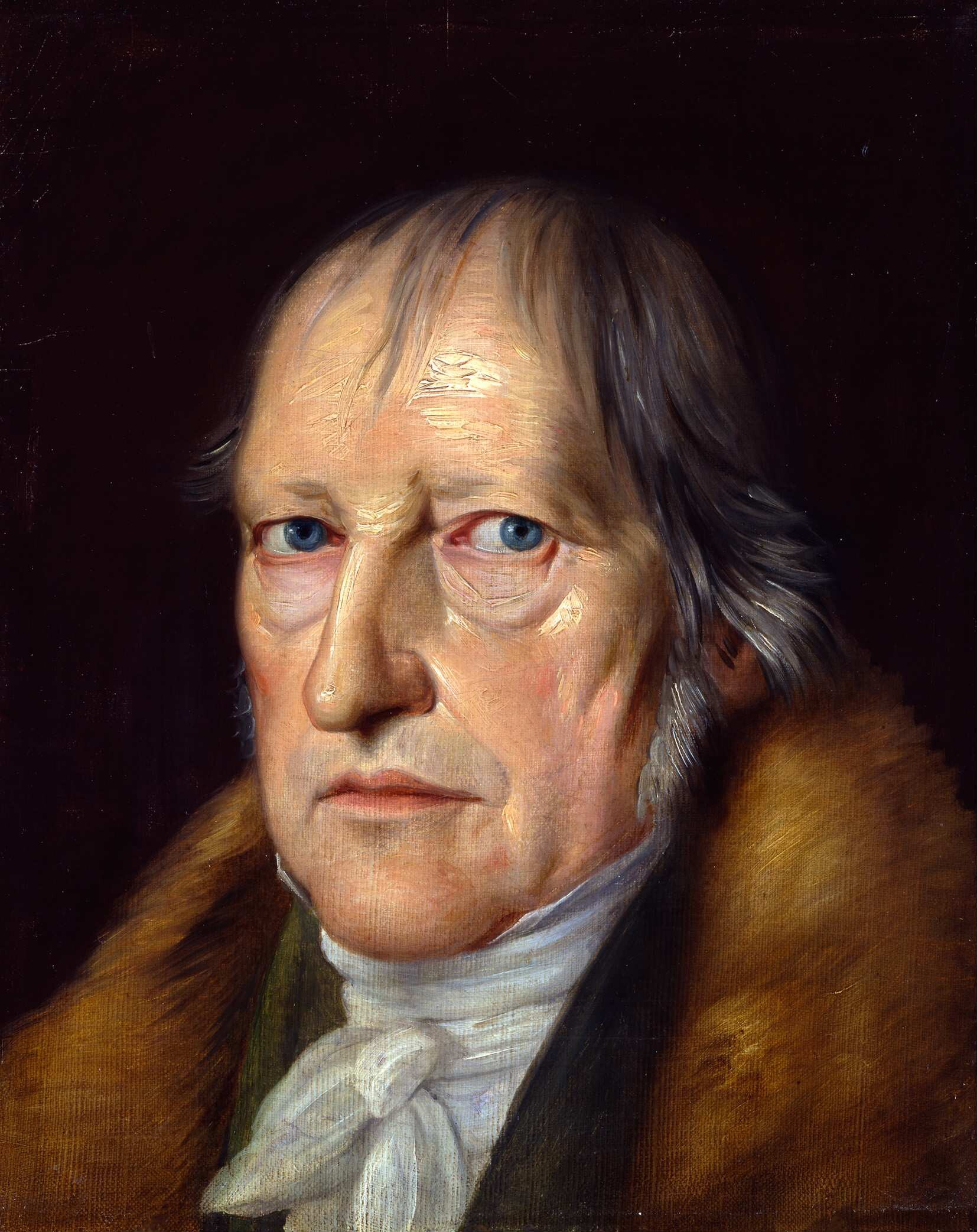
Georg Wilhelm Friedrich Hegel
1770 CE – 1831 CE
Stuttgart, Duchy of Württemberg
German Idealist philosopher of dialectic, absolute idealism, recognition, freedom, ethical life, history, art, nature, religion, and systematic philosophy.
Philosophy of Language
His philosophy links language to conceptual universality, recognition, culture, expression, representation, and the public life of thought.
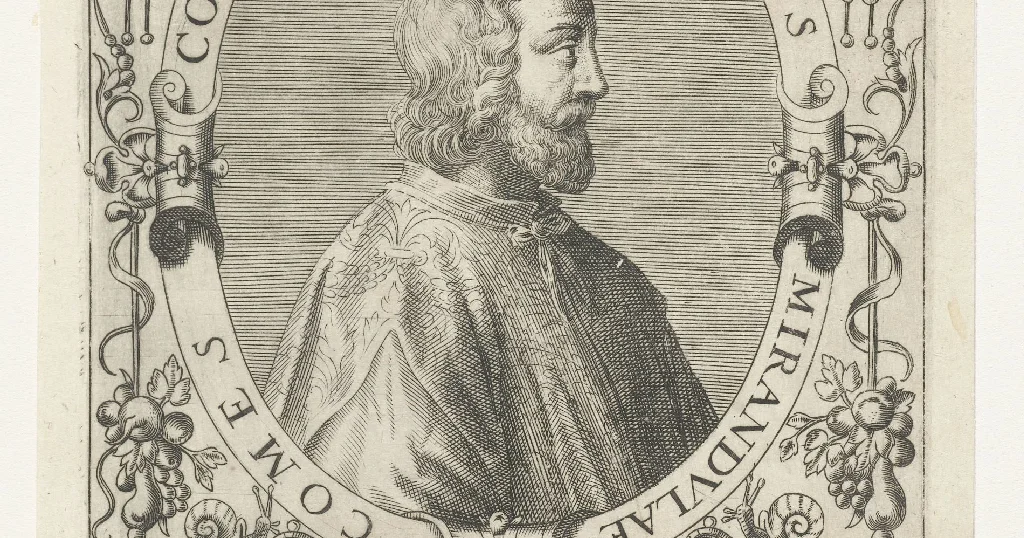
Giovanni Pico della Mirandola
1463 CE – 1494 CE
Mirandola, Duchy of Ferrara
Italian Renaissance humanist philosopher of human dignity, free self-fashioning, syncretic metaphysics, Platonist-Aristotelian concord, Christian Kabbalah, love and beauty, and critique of predictive astrology.
Philosophy of Language
His work gives philosophical weight to Hebrew, Kabbalistic names, symbolic exegesis, translation, and the philological comparison of authoritative traditions.
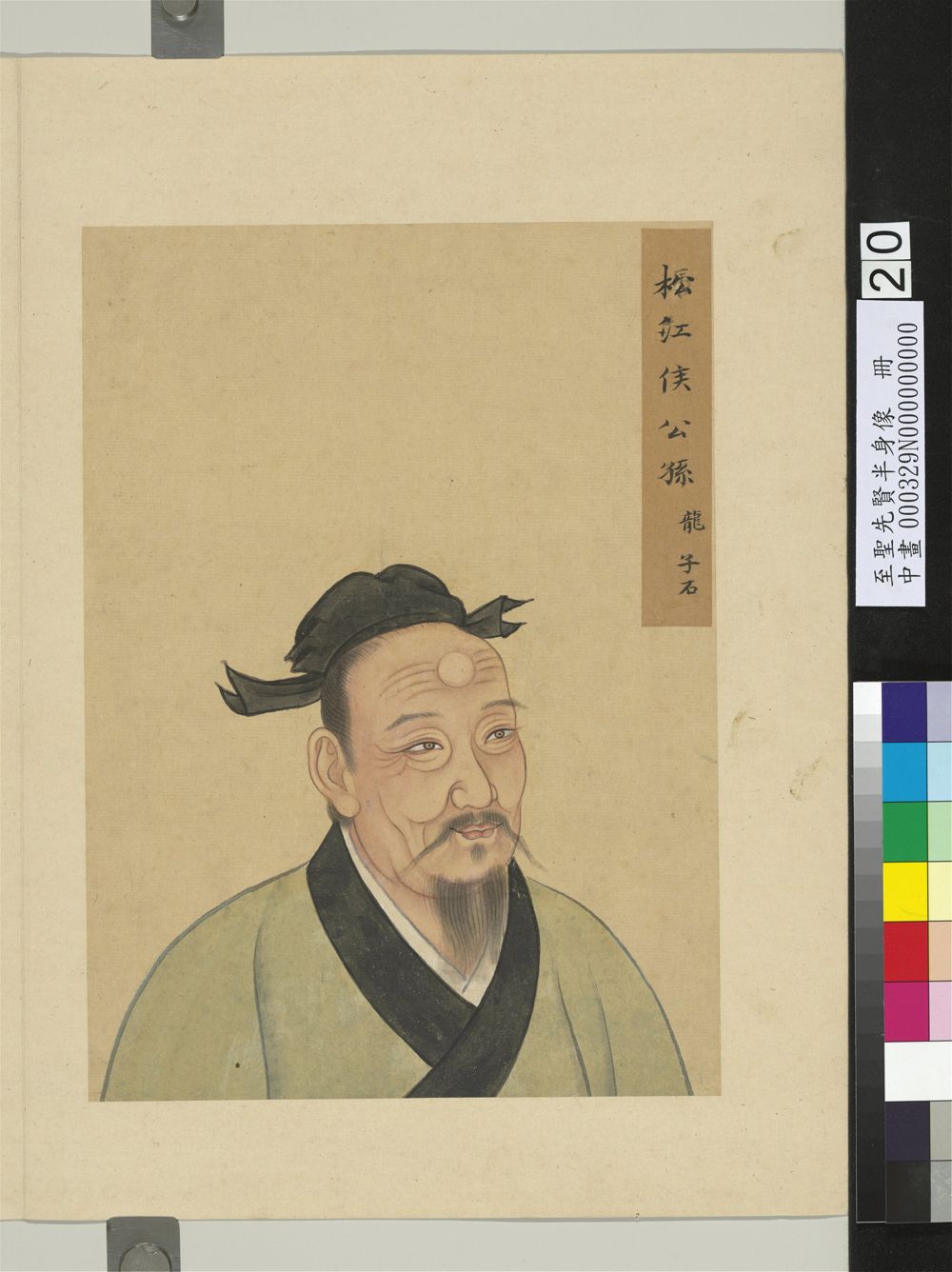
Gongsun Long
325 BCE – 250 BCE
Zhao state region
Warring States School of Names philosopher of language, logic, names and actualities, white-horse paradox, hard-white distinction, reference, designation, and disputation.
Philosophy of Language
His philosophy of language analyzes names, actualities, designation, reference, and the gap between qualified expressions such as white horse and broader terms such as horse.
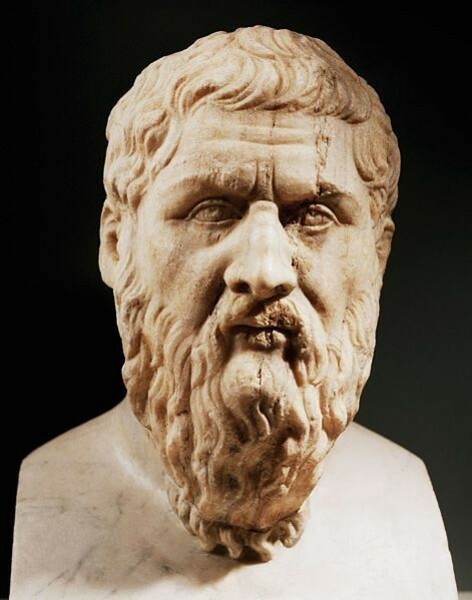
Gorgias of Leontini
483 BCE – 375 BCE
Leontini (Sicily)
Siceliote Greek sophist and rhetorician from Leontini whose paradoxes about being, knowledge, and communication, and whose display speeches on Helen and Palamedes, made logos, persuasion, belief, and civic speech central problems for philosophy.
Philosophy of Language
He makes language central to philosophy by asking how speech relates to being, thought, communication, persuasion, and the production of doxa.
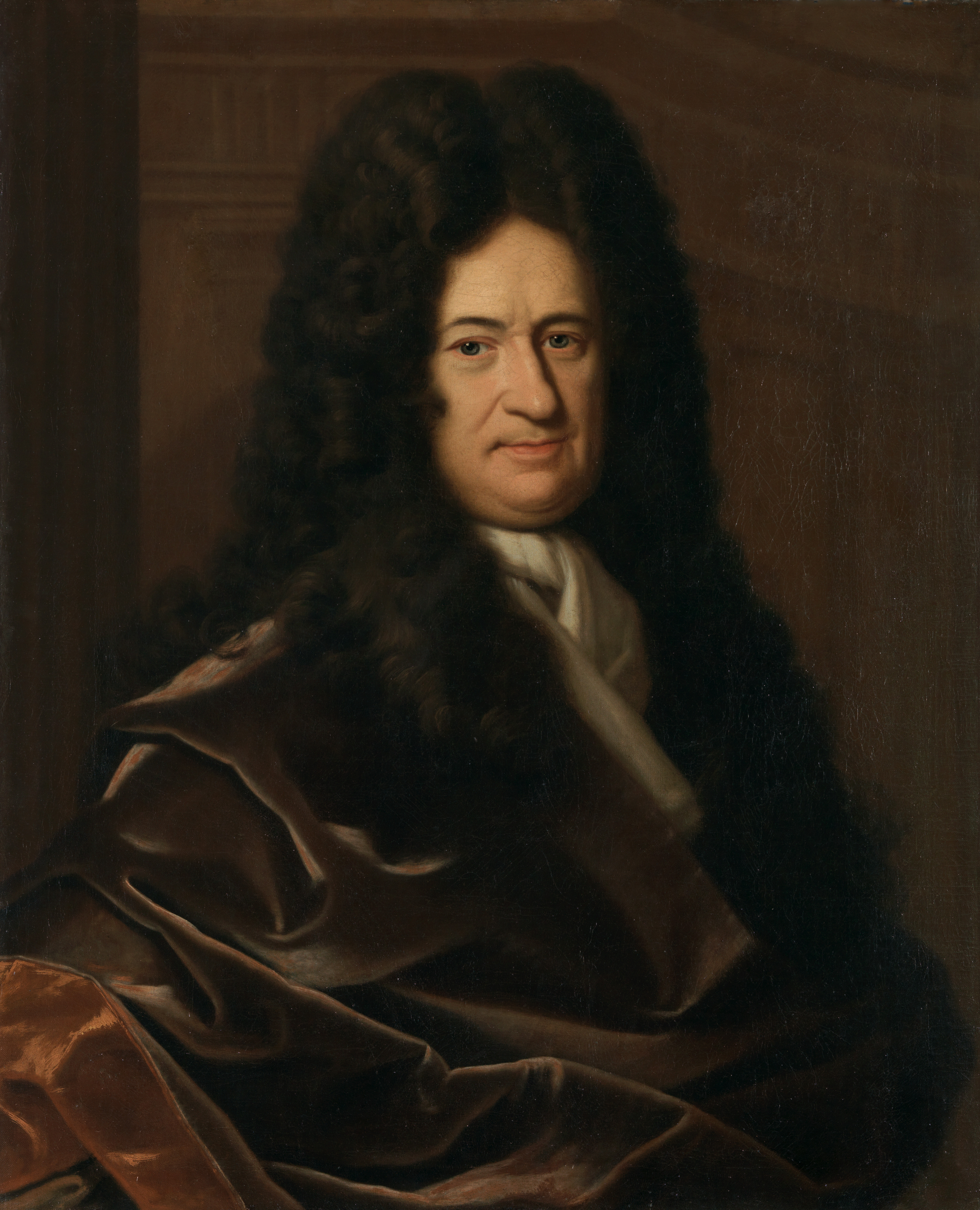
Gottfried Wilhelm Leibniz
1646 CE – 1716 CE
Leipzig
German polymath and early modern rationalist whose monadology, pre-established harmony, sufficient reason, theodicy, calculus work, and plans for a universal symbolic language helped define metaphysics, logic, epistemology, philosophy of mind, philosophy of religion, and philosophy of science.
Philosophy of Language
Characteristica universalis, symbolic language, signs, conceptual analysis, and the dream of a universal calculus for reasoning.
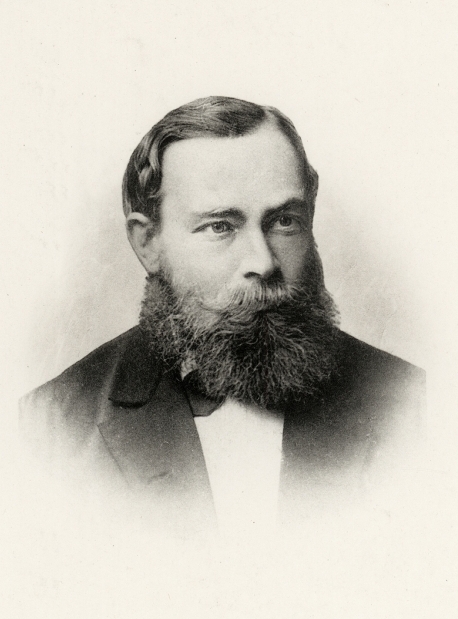
Gottlob Frege
1848 CE – 1925 CE
Wismar
German logician, mathematician, and philosopher whose concept-script, modern quantificational logic, logicism, sense-reference distinction, concept-object analysis, and anti-psychologism helped launch analytic philosophy and reshape logic, language, mathematics, and truth.
Philosophy of Language
Sense and reference, compositional semantics, indirect reference, names, sentences, concepts, objects, and the linguistic turn in analytic philosophy.
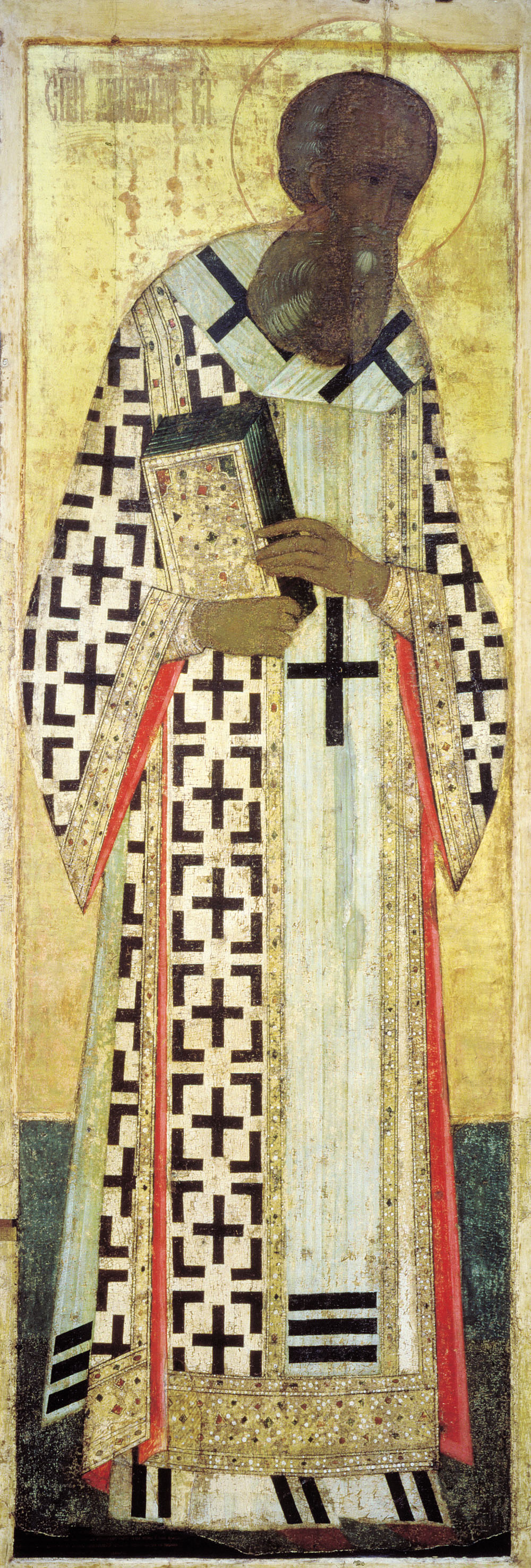
Gregory of Nazianzus
329 CE – 390 CE
Nazianzus (Cappadocia)
Cappadocian Greek theologian, orator, poet, and philosopher whose Theological Orations, Trinitarian distinctions, apophatic restraint, Christological letters, and rhetorical art shaped Nicene metaphysics, philosophy of religion, theological language, ethics, and aesthetics.
Philosophy of Language
Disciplined theological speech, names for God, limits of language, rhetorical precision, and doctrinal grammar in Trinitarian and Christological argument.
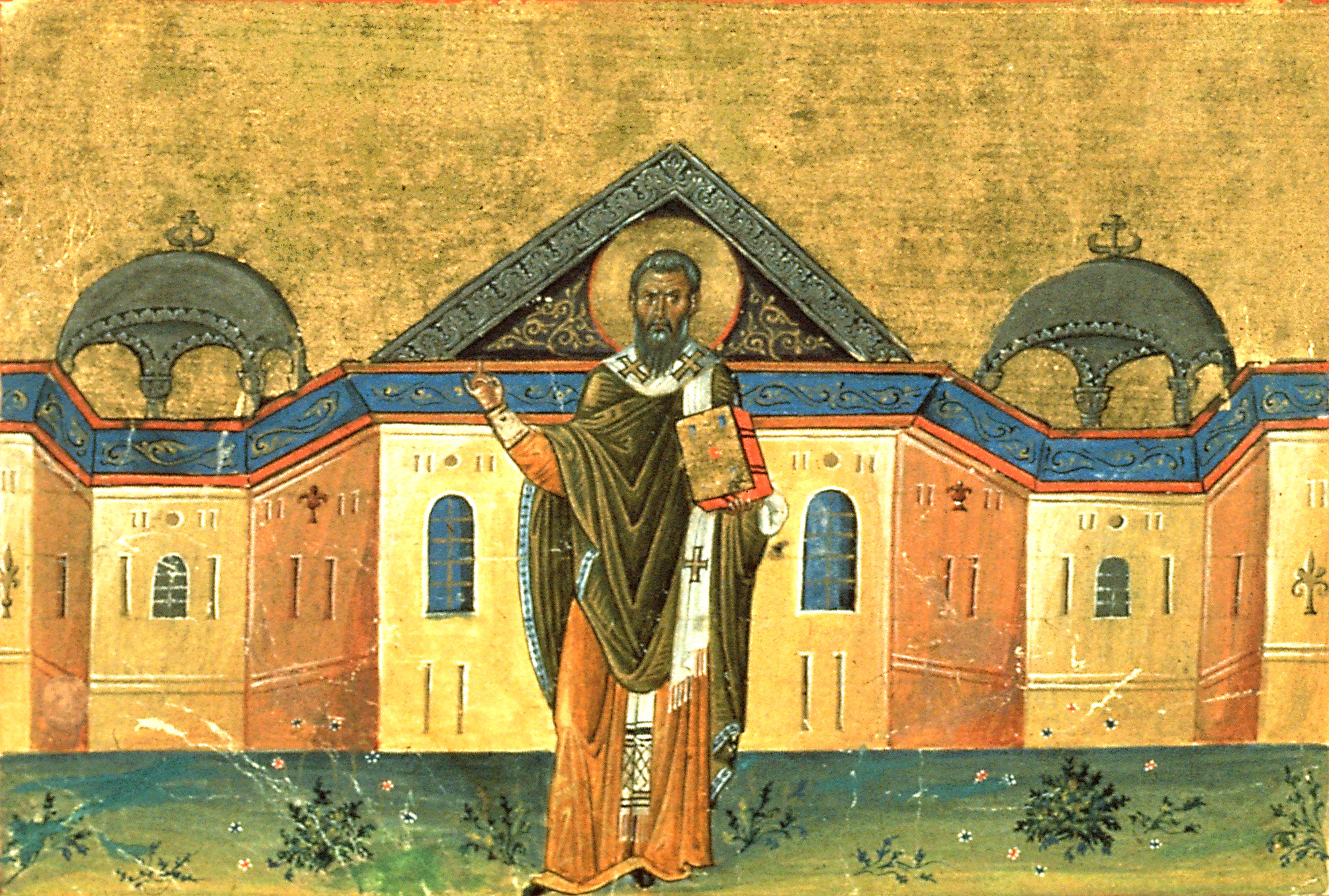
Gregory of Nyssa
335 CE – 395 CE
Nyssa (Cappadocia)
Cappadocian Greek bishop and philosopher-theologian whose accounts of divine infinity, epektasis, apophatic knowledge, soul-body anthropology, creation, and theological language shaped Christian Platonism, philosophy of religion, metaphysics, mind, science, and aesthetics.
Philosophy of Language
Theological naming, anti-Eunomian critique of divine names, semantic limits, doctrinal grammar, and language about essence and person.

Gṛtsamada
1280 BCE – 1200 BCE
Indo-Gangetic region (Vedic tradition)
Rigvedic seer associated chiefly with the Mandala 2 hymn family, where sacred speech, rta, ritual knowledge, poetic form, and Vedic cosmology meet inside early Indian religious-philosophical reflection.
Philosophy of Language
Mandala 2 foregrounds mantra, vāc, Brahmaṇaspati, Bṛhaspati, naming, and inspired utterance as ways language shapes knowledge and religious action.
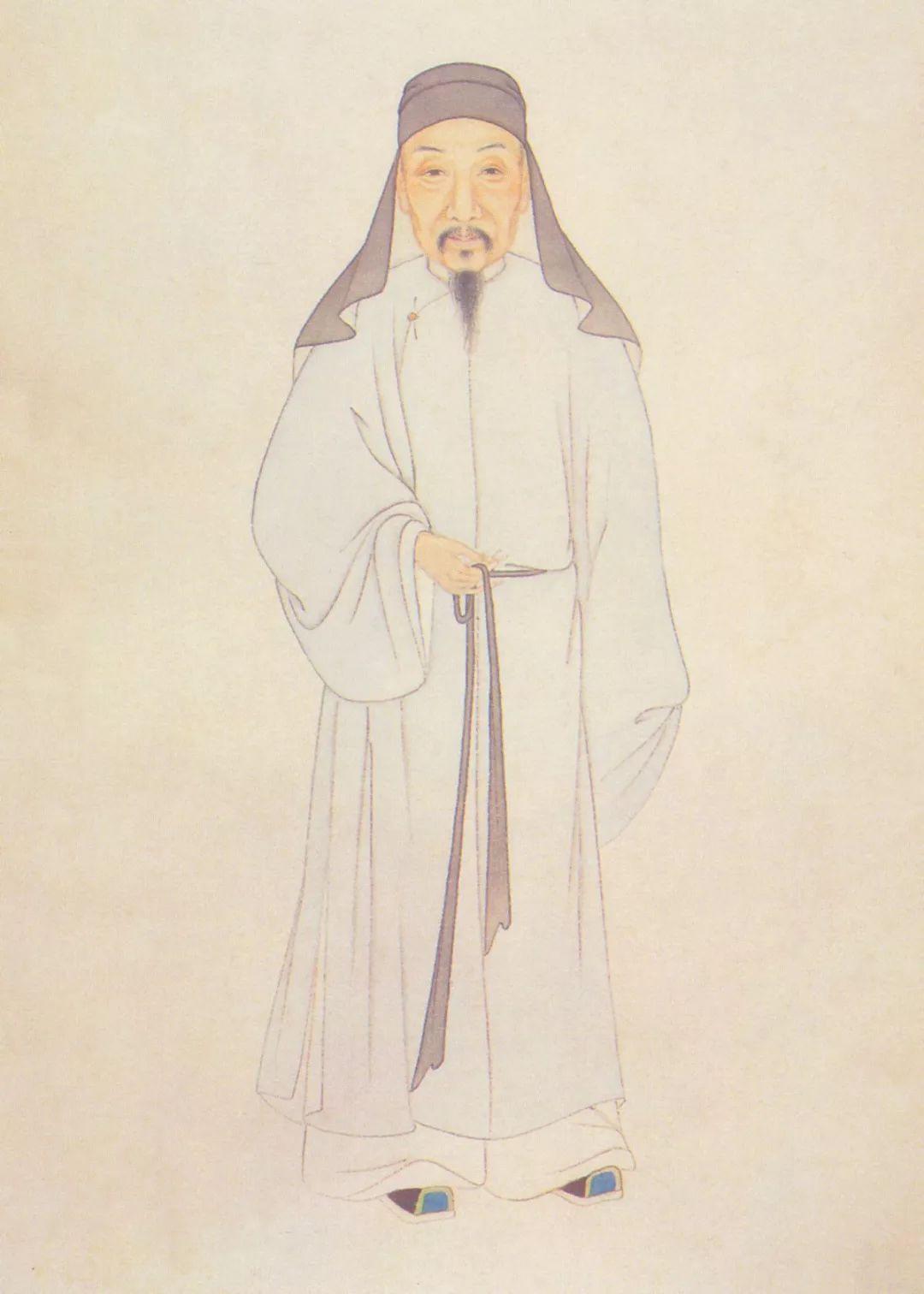
Gu Yanwu
1613 CE – 1682 CE
Kunshan, Jiangsu
Late Ming and early Qing Confucian scholar from Kunshan whose practical learning joined philology, historical geography, epigraphy, ethics, political responsibility, and evidence against empty speculation.
Philosophy of Language
Developed historical phonology, ancient rhyme study, philological precision, and classical language analysis as central tools of Qing evidential scholarship.
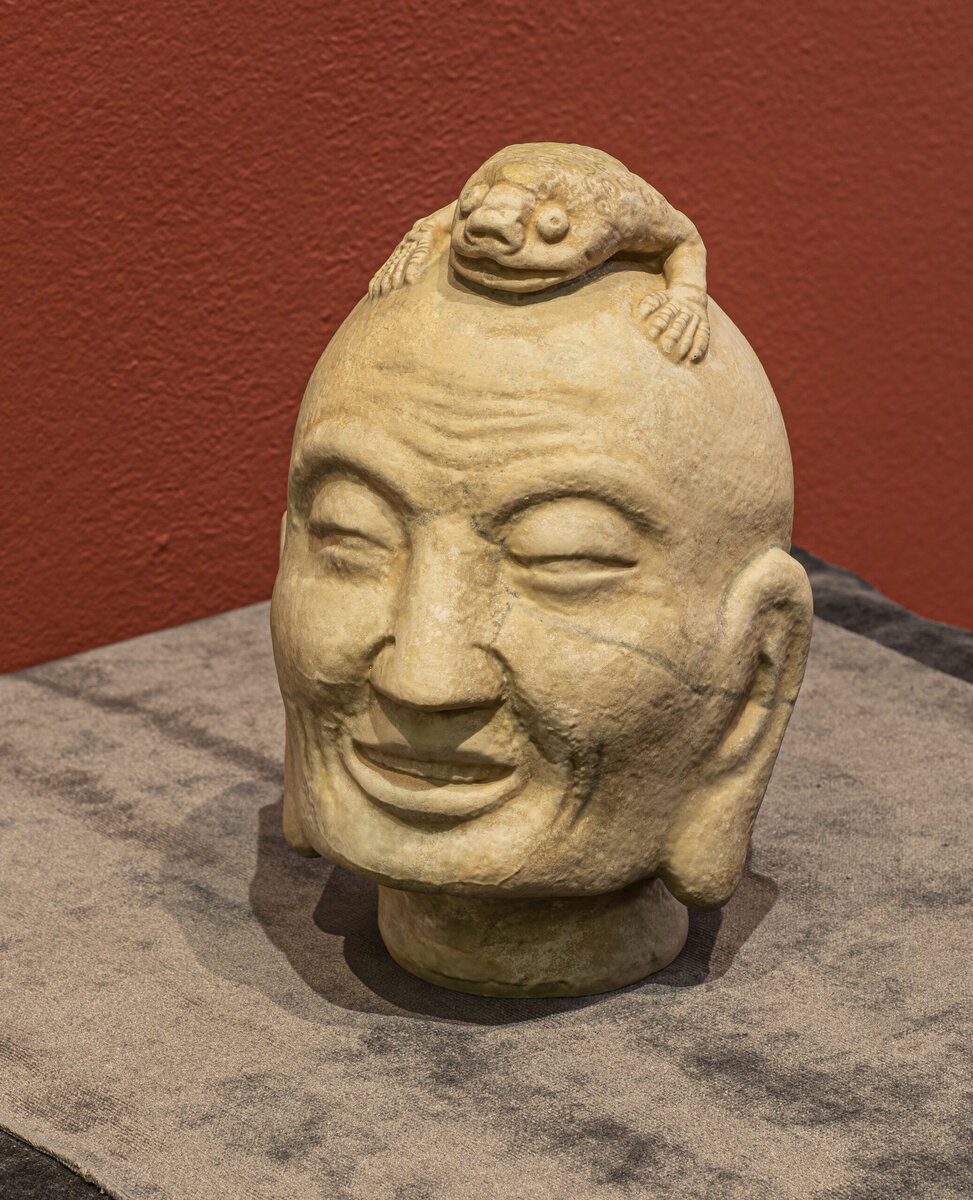
Guo Xiang
252 CE – 312 CE
Henan region (Western Jin)
Western Jin Daoist philosopher and Zhuangzi commentator whose reading of spontaneous self-transformation, natural social roles, non-interference, and immanent order shaped the received Zhuangzi tradition.
Philosophy of Language
Transformed the Zhuangzi through philosophical commentary, redaction, conceptual glossing, and interpretive control of classical language.
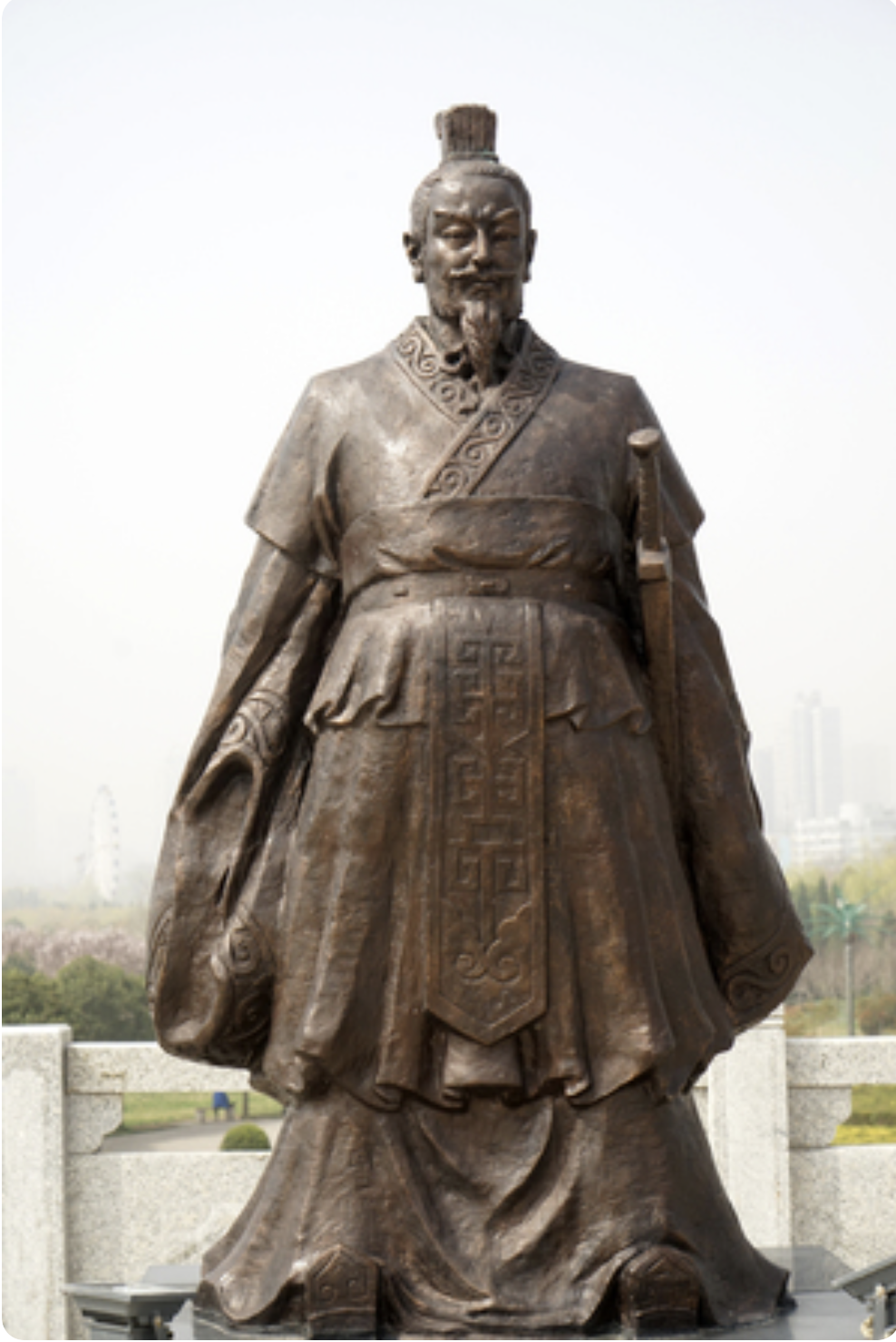
Han Fei
280 BCE – 233 BCE
Han state (Xinzheng region)
Warring States Chinese Legalist philosopher and statesman whose Han Feizi synthesizes fa, shu, shi, xingming, rewards and punishments, human motivation, and impersonal standards into a classic theory of state power.
Philosophy of Language
Made names, claims, offices, commands, persuasion, and xingming central to governance by testing whether speech, title, and actual performance correspond.
He Yan
190 CE – 249 CE
Nanyang Commandery, Henan region
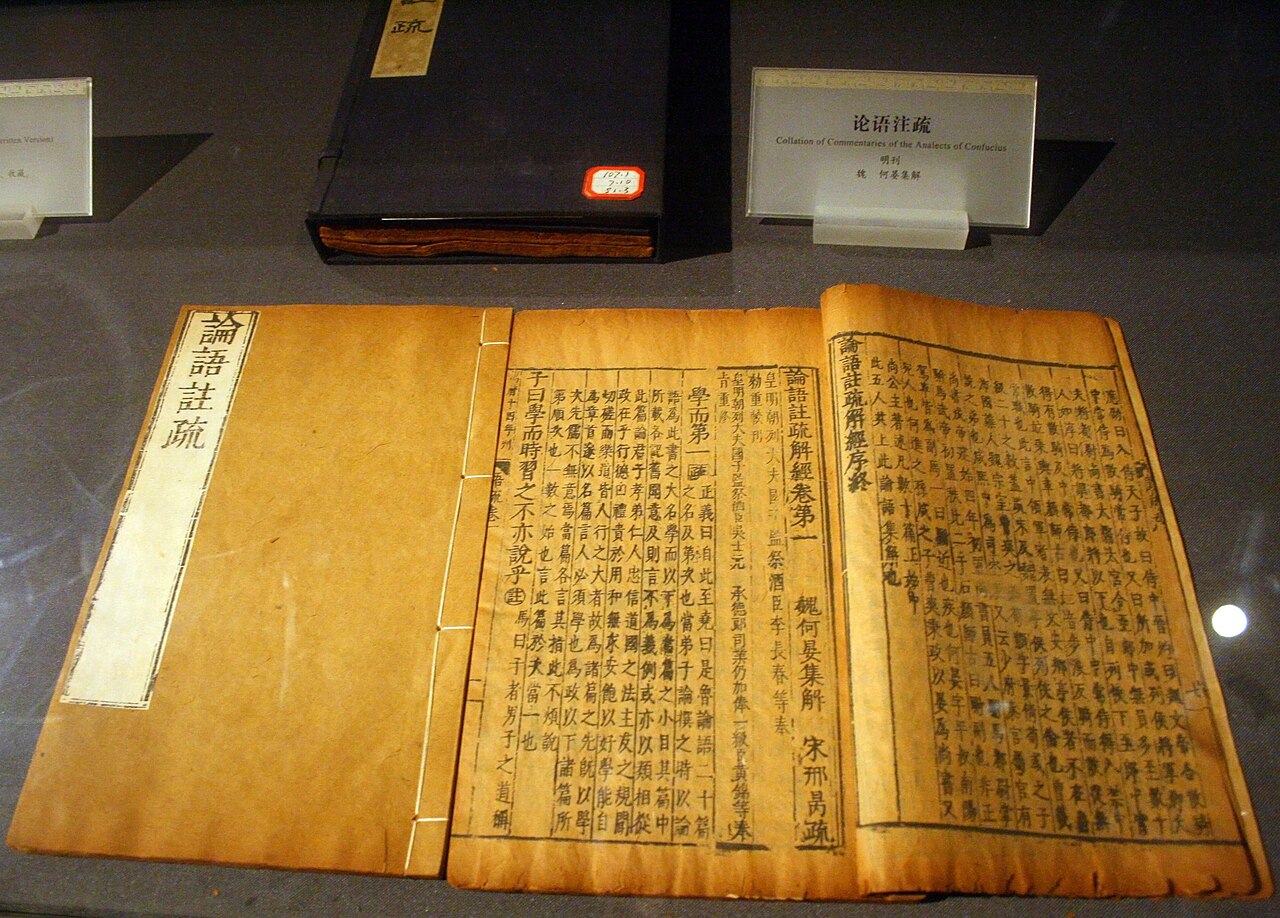
Cao Wei scholar-official and xuanxue philosopher whose Lunyu jijie, Daolun, and Wuming lun connect Analects commentary, wu and namelessness, qingtan, governance by wuwei, and the emotionless-sage debate.
Philosophy of Language
Made naming, namelessness, commentary, and the interpretation of classical terms central to philosophical practice in Lunyu jijie and related xuanxue writings.
Heinrich Suso
1295 CE – 1366 CE
Constance or Überlingen, Swabia
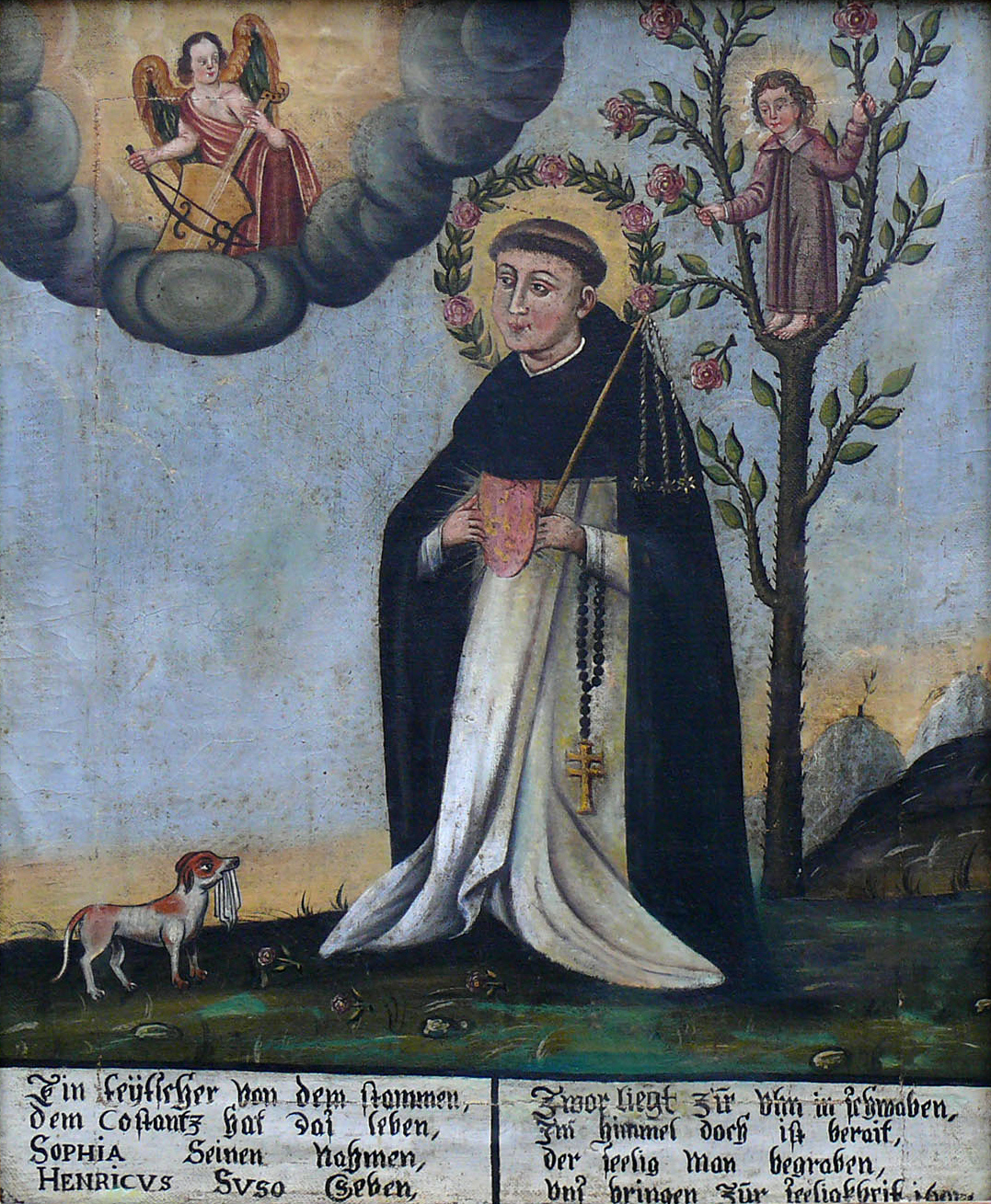
German Dominican mystic and philosopher of Eternal Wisdom whose Exemplar, Life of the Servant, Little Book of Truth, Little Book of Eternal Wisdom, and Horologium Sapientiae join mystical metaphysics, interior transformation, affective ethics, suffering, counsel, and the limits of religious language.
Philosophy of Language
Reflected on the limits and power of vernacular and Latin mystical speech through dialogue, letters, paradox, apophasis, and spiritual instruction after Eckhartian controversy.
Henry Odera Oruka
1944 CE – 1995 CE
Masiro-Nyang'ungu, Ugenya, Siaya County
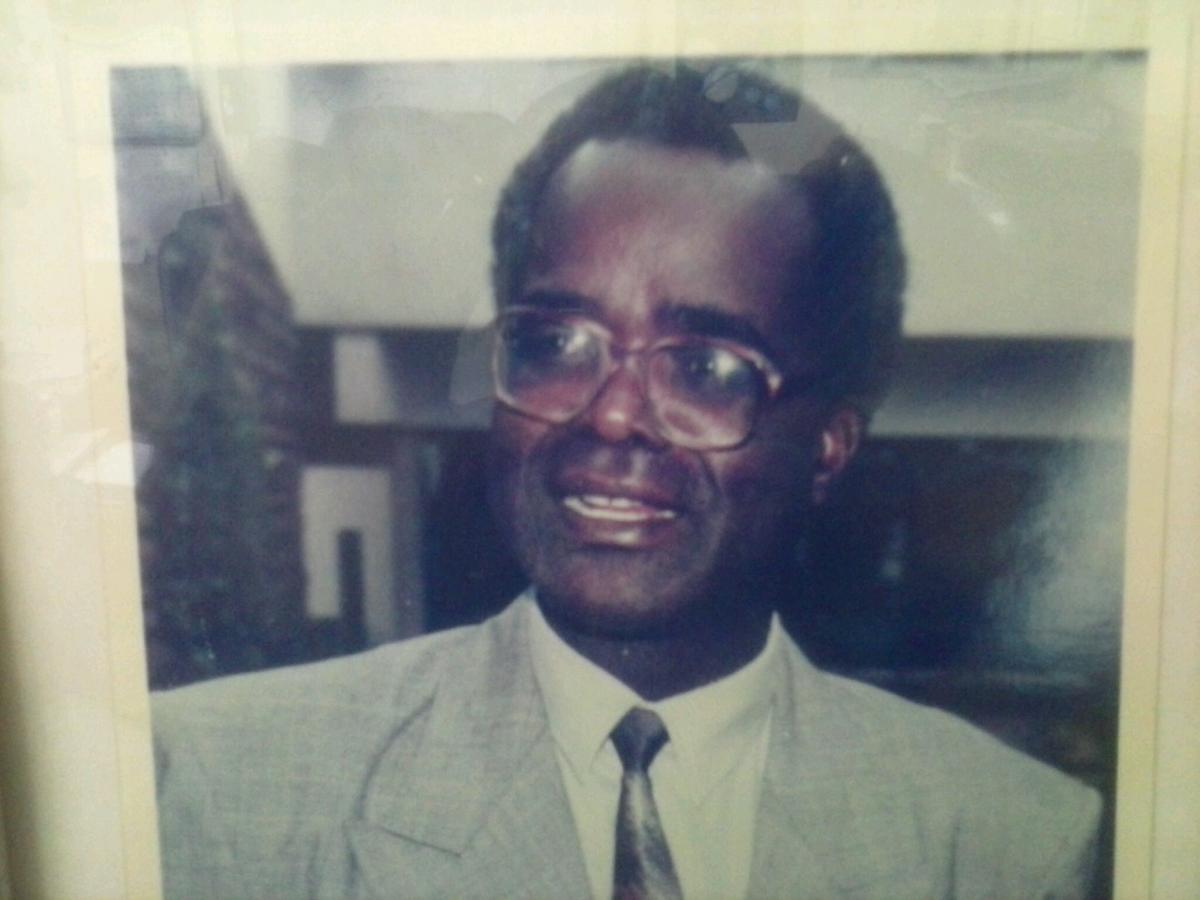
Kenyan philosopher of sage philosophy whose work on philosophic sagacity, oral reason, liberty, punishment, human minimum ethics, ecology, law, religion, and public African philosophy helped define contemporary debates about African philosophical method.
Philosophy of Language
Defended oral philosophy as legitimate philosophical discourse and used interviews, dialogue, translation, and analytic clarification to preserve reasoned speech.
Heraclitus of Ephesus
535 BCE – 475 BCE
Ephesus, Ionia
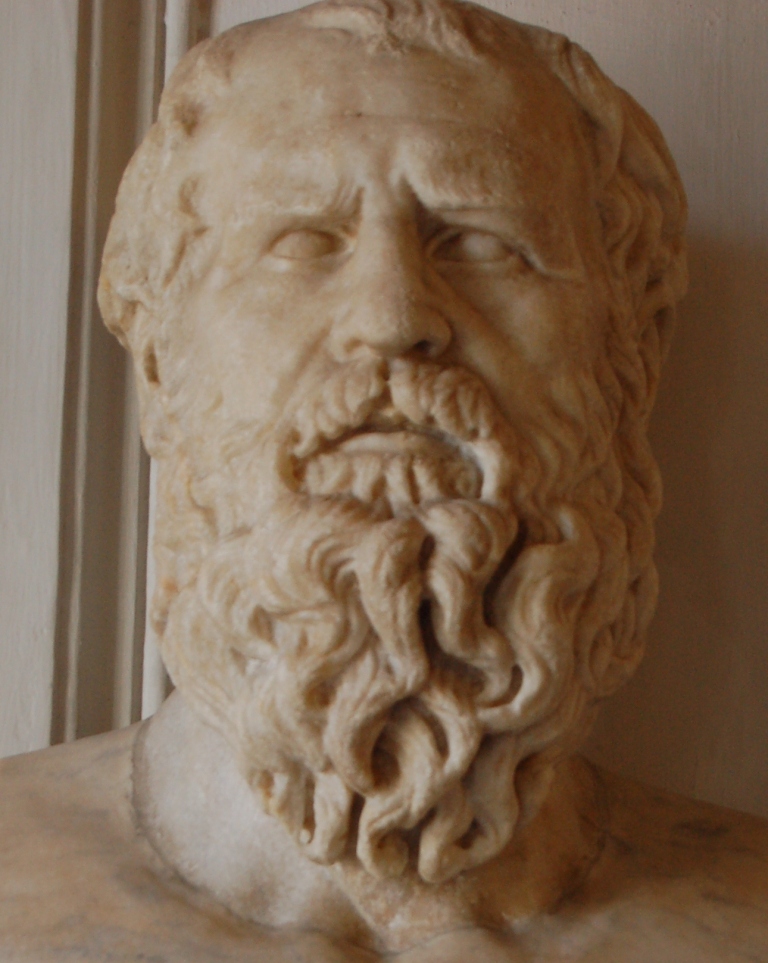
Ionian Greek Presocratic philosopher from Ephesus whose fragments on logos, flux, fire, unity of opposites, measure, self-knowledge, law, soul, and hidden harmony helped shape metaphysics, epistemology, logic, language, natural philosophy, religion, and later process thought.
Philosophy of Language
Made logos both discourse and rational order, using condensed aphoristic language to connect speech, thought, and the structure of reality.
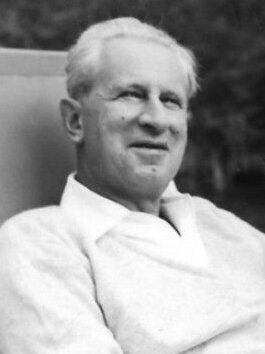
Herbert Marcuse
1898 CE – 1979 CE
Berlin
German-American Frankfurt School philosopher and critical theorist whose work on Hegel, Marx, Freud, advanced industrial society, technological rationality, liberation, art, tolerance, repression, ecology, and the New Left shaped twentieth-century social philosophy.
Philosophy of Language
Critiqued operational language, ideological closure, mass communication, public discourse, and the reduction of concepts under one-dimensional society.
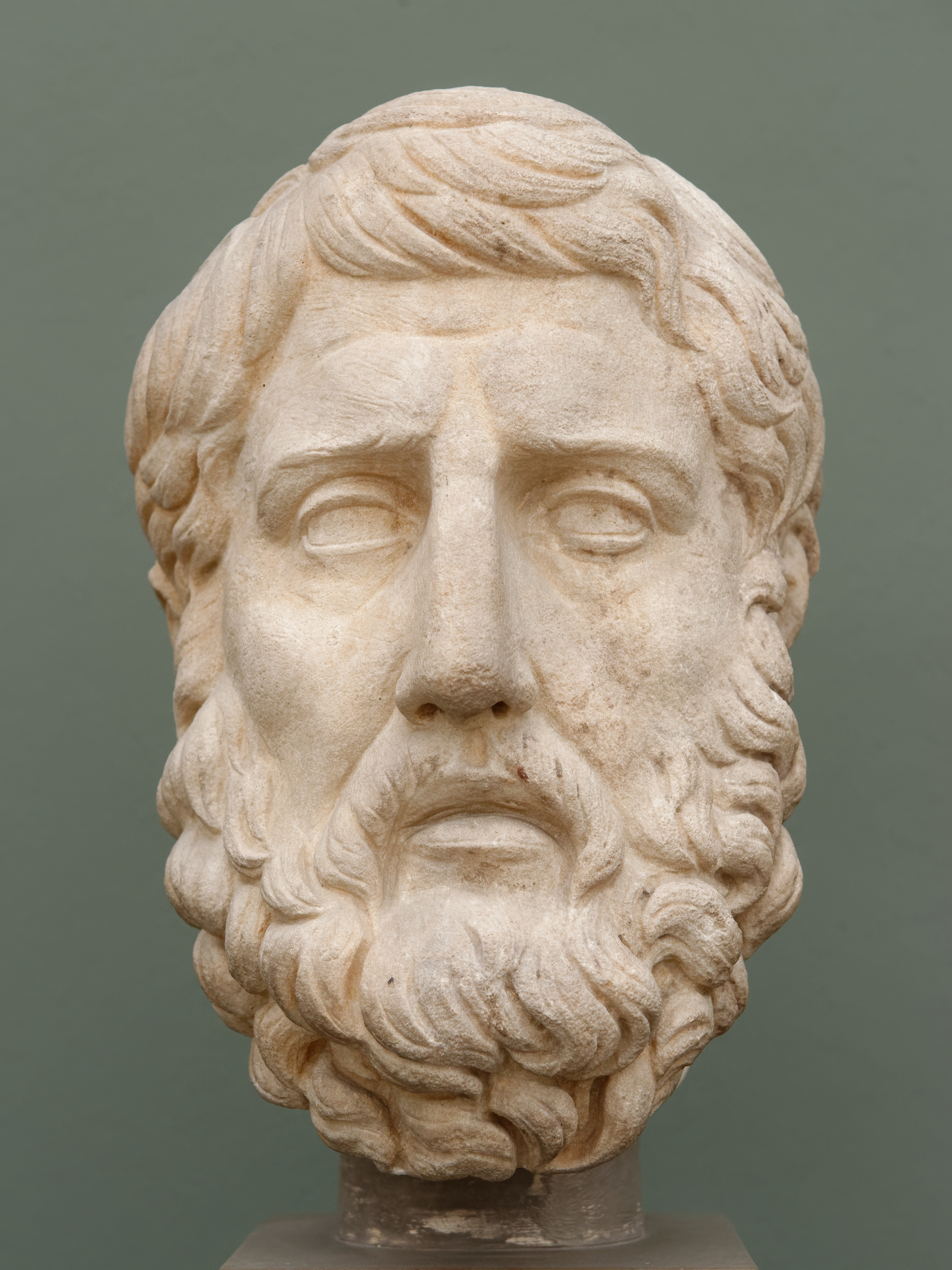
Hermarchus of Mytilene
325 BCE – 250 BCE
Mytilene, Lesbos
Epicurean scholarch from Mytilene, pupil and successor of Epicurus, whose lost works and fragments preserve early Garden arguments on nature, law, justice, mathematics, rival schools, and the critique of fear-based religion.
Philosophy of Language
Inherited Epicurean concern for clear speech and polemical naming, and his works against rival philosophers show language as a tool for correcting false doctrines and preserving school teaching.
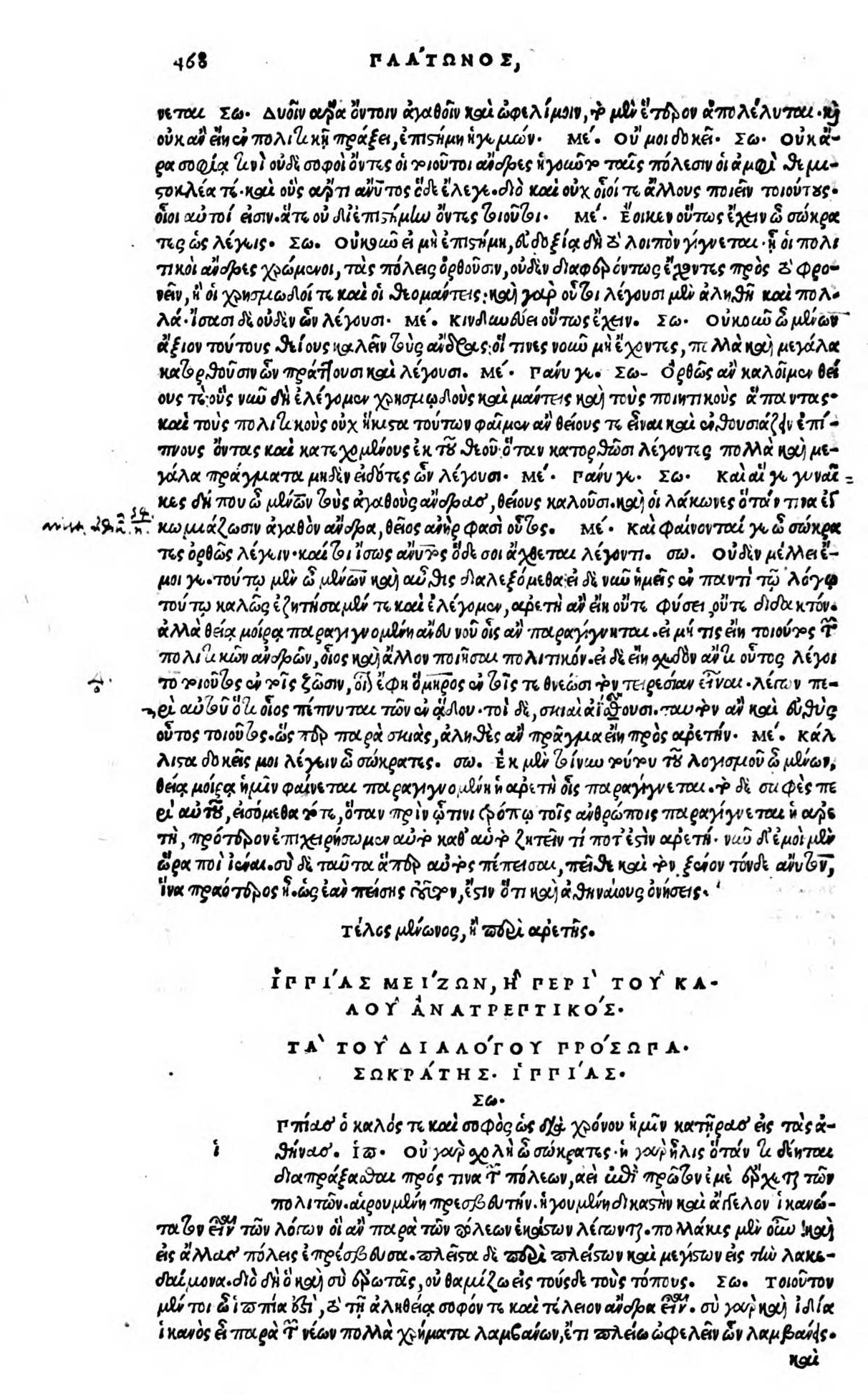
Hippias of Elis
460 BCE – 400 BCE
Elis, Peloponnese
Elean Greek sophist, polymath, diplomat, and mathematician associated with natural law, encyclopedic learning, memory, language, beauty, Olympic chronology, and the quadratrix.
Philosophy of Language
Worked on grammar, names, ethnonyms, correctness, poetic interpretation, and antiquarian classifications, especially through Nomenclature of Tribes and broader sophistic language study.
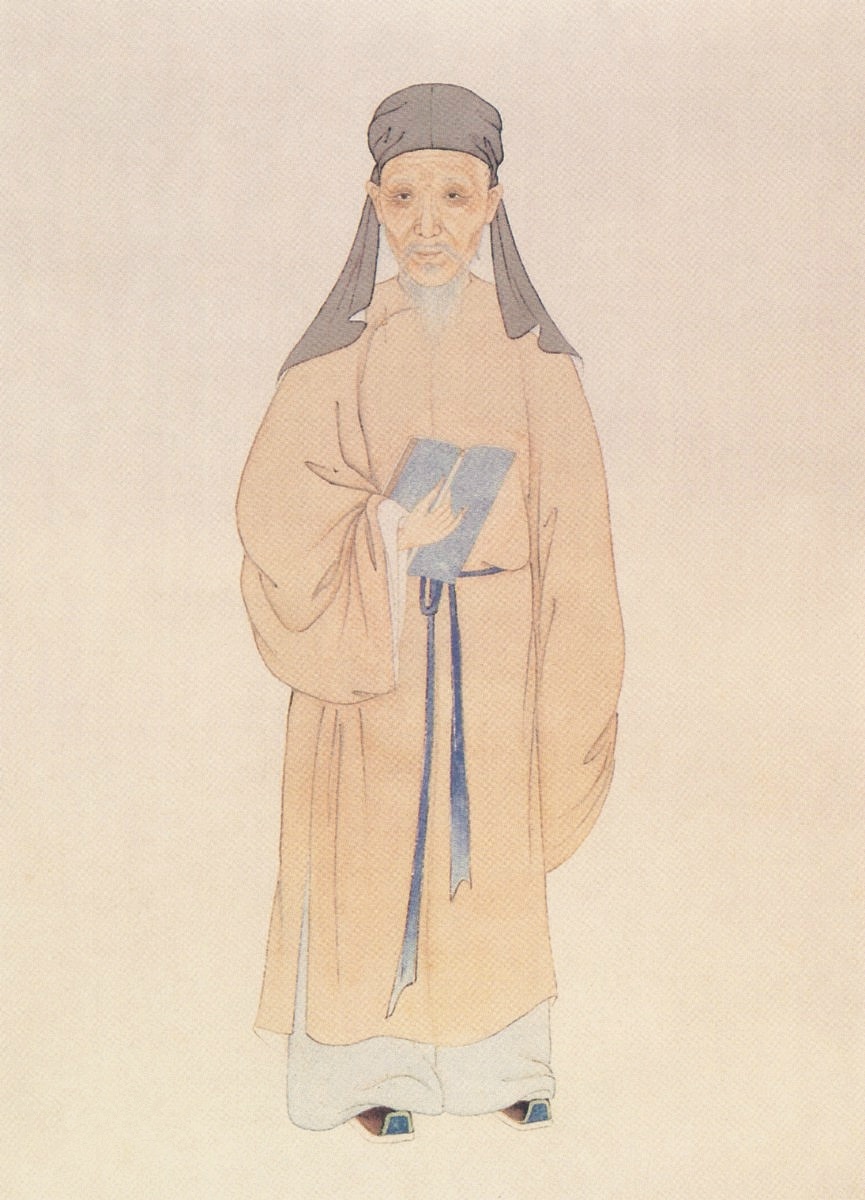
Huang Zongxi
1610 CE – 1695 CE
Yuyao, Zhejiang
Ming-Qing Confucian philosopher from Yuyao whose political critique, historical method, Yijing scholarship, philology, music theory, geography, and loyalist ethics joined evidence to public responsibility.
Philosophy of Language
Used textual scholarship, philology, commentary, intellectual history, and classical terminology to test inherited claims and recover precise meaning.
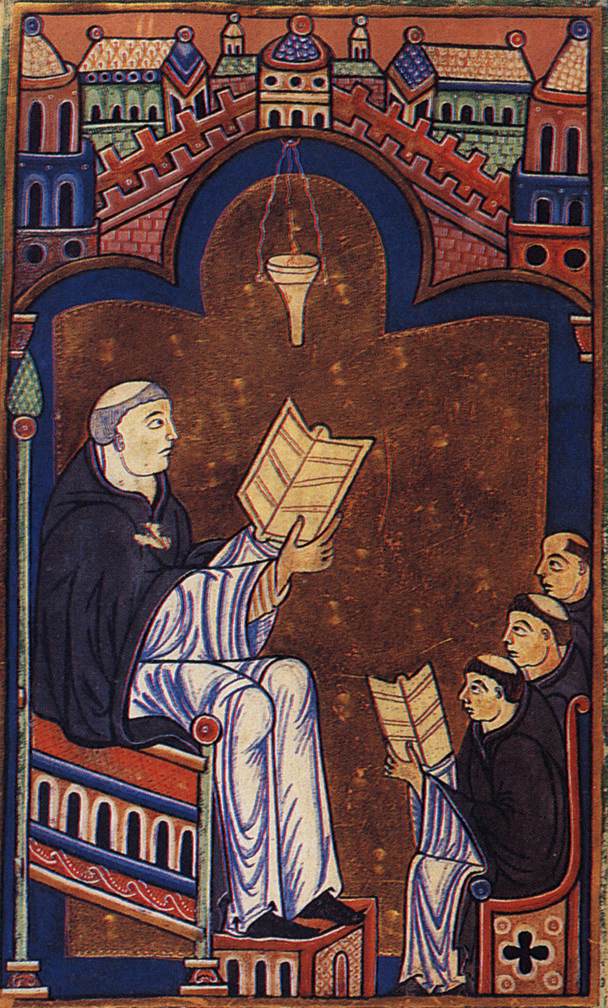
Hugh of St. Victor
1096 CE – 1141 CE
Saxony, probably the Harz/Hamersleben region
Saxon-born Victorine philosopher and theologian whose Didascalicon, De sacramentis, ark imagery, arts curriculum, symbolic exegesis, and contemplative psychology joined learning to spiritual restoration.
Philosophy of Language
Treated grammar, Scripture, signs, literal sense, sacred names, analogy, and symbolic interpretation as disciplined uses of language.
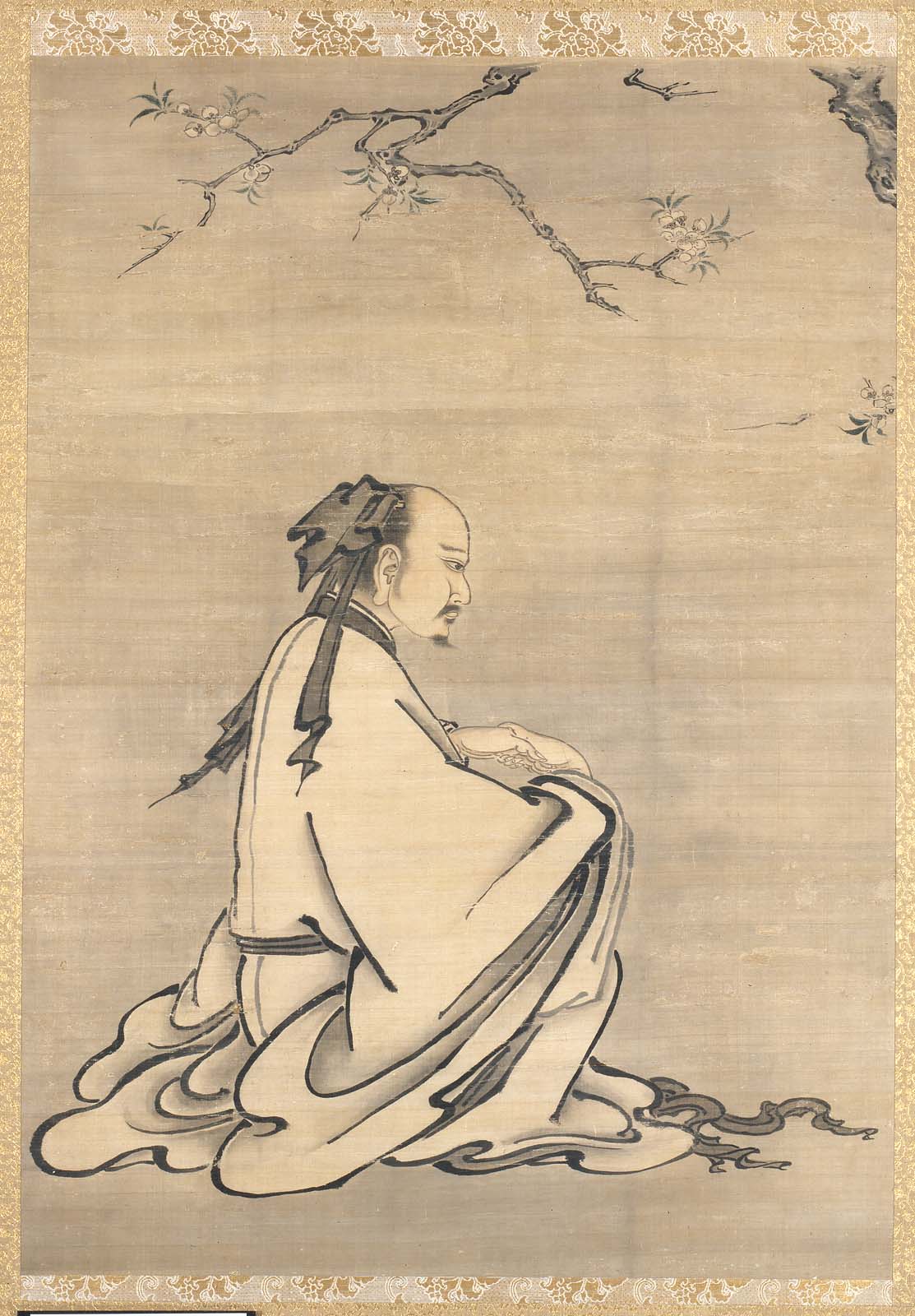
Hui Shi
380 BCE – 305 BCE
State of Song, probably the Shangqiu/Henan region
Warring States Chinese School of Names philosopher, disputer, and statesman whose lost Huizi tradition, Ten Theses, law-code story, and Zhuangzi dialogues shaped later debates about names, actualities, identity, difference, space, time, perspective, and public standards.
Philosophy of Language
His School of Names identity centers on names, actualities, analogy, distinction drawing, paradox, and the semantic relation between words and things.
Huineng
638 CE – 713 CE
Xinzhou, Lingnan, probably modern Xinxing County, Guangdong
Tang Chinese Chan Buddhist patriarch associated with the Platform Sutra, sudden enlightenment, Buddha-nature, no-thought, nondual meditation and wisdom, and the Southern school narrative that shaped later Chan, Seon, and Zen traditions.
Philosophy of Language
Huineng is central to Chan's paradoxical use of language: words and texts are criticized as final authorities while being used performatively to disclose realization.
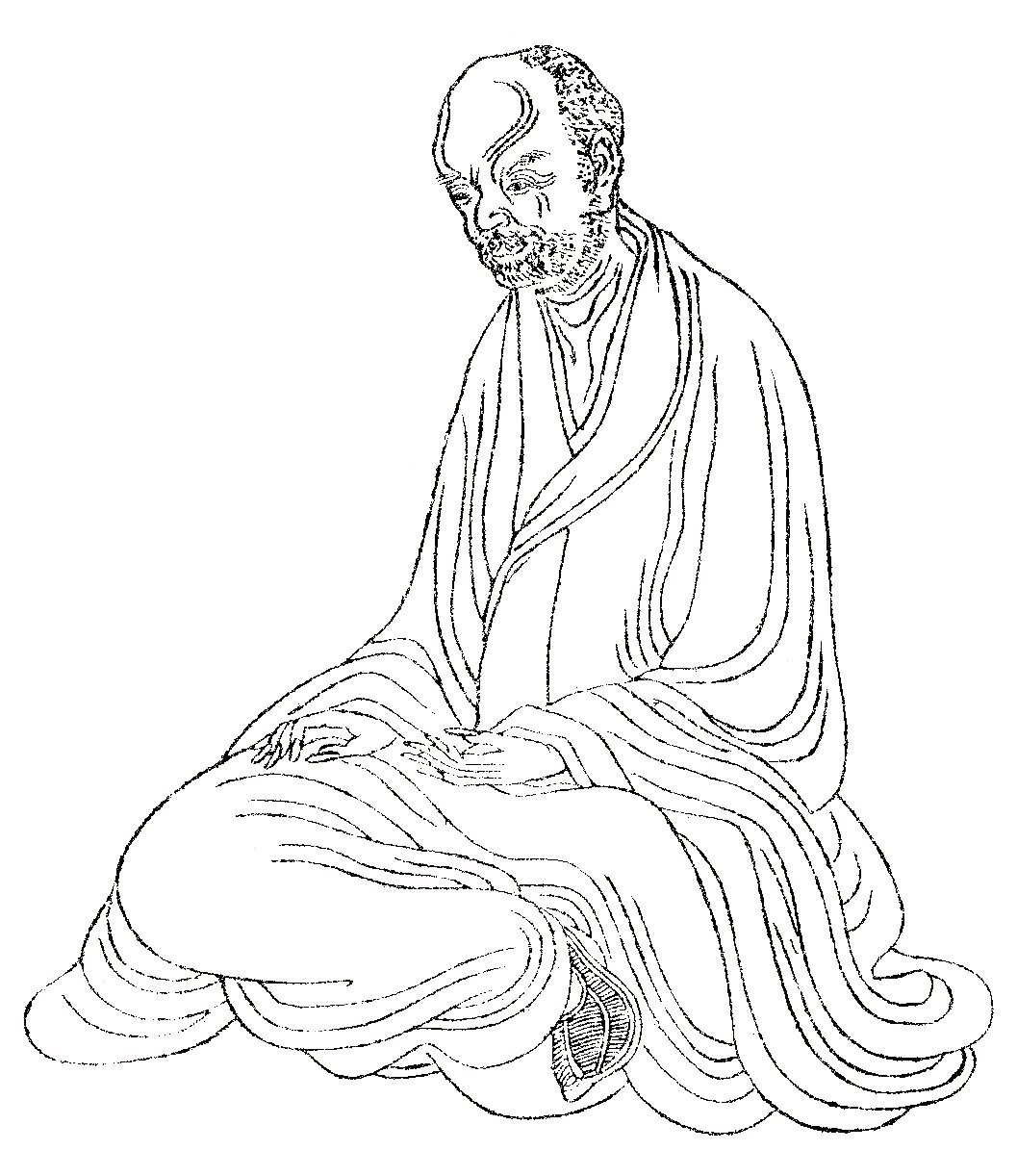
Huiyuan
334 CE – 416 CE
Loufan, Yanmen Commandery, Bingzhou, near modern Ningwu County, Shanxi
Eastern Jin Chinese Buddhist scholastic monk associated with Mount Lu, Donglin Temple, early Chinese Pure Land devotion, Prajnaparamita interpretation, karmic retribution, monastic autonomy from royal ritual, and the correspondence with Kumārajīva.
Philosophy of Language
Huiyuan's work with Kumārajīva, his use of Chinese categories for Buddhist ideas, and his polemical essays show sustained concern with translation, naming, argument, and the limits of inherited discourse.
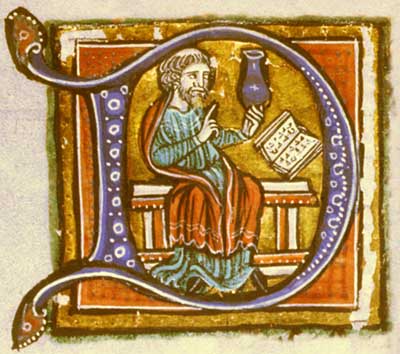
Hunayn ibn Ishaq
808 CE – 873 CE
al-Hira, near Baghdad
Arab Christian physician, translator, theologian, and scientific writer of Abbasid Baghdad whose Greek-Arabic and Greek-Syriac translation method, Galenic medicine, ophthalmology, logic transmission, and Christian Arabic apologetic work shaped medieval Islamic and Latin philosophy of science.
Philosophy of Language
Hunayn is central to philosophy of language through his translation theory, semantic preference for meaningful Arabic terminology over transliteration, Syriac-Arabic-Greek comparison, and the creation of technical scientific vocabulary.
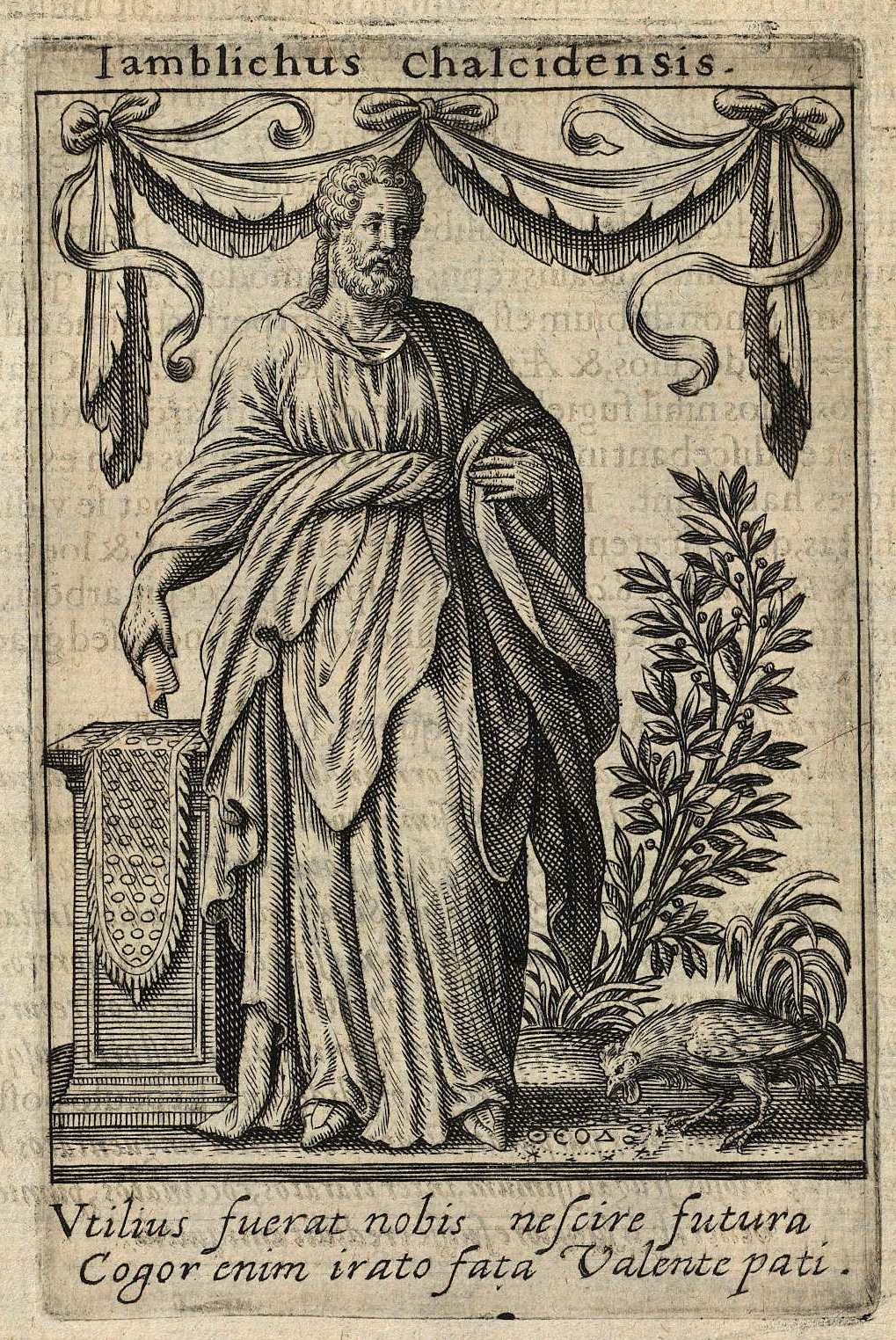
Iamblichus of Chalcis
245 CE – 325 CE
Chalcis ad Belum, Coele-Syria, probably near modern Qinnasrin
Syrian Greek Neoplatonist of Chalcis whose theurgy, Pythagorean curriculum, Platonic commentary, mathematics, soul theory, metaphysics, and philosophy of religion shaped later Syrian and Athenian Neoplatonism.
Philosophy of Language
Iamblichus treats names, symbols, divine signs, commentary, predication, and ritual utterance as philosophically significant forms of mediated access to intelligible and divine realities.
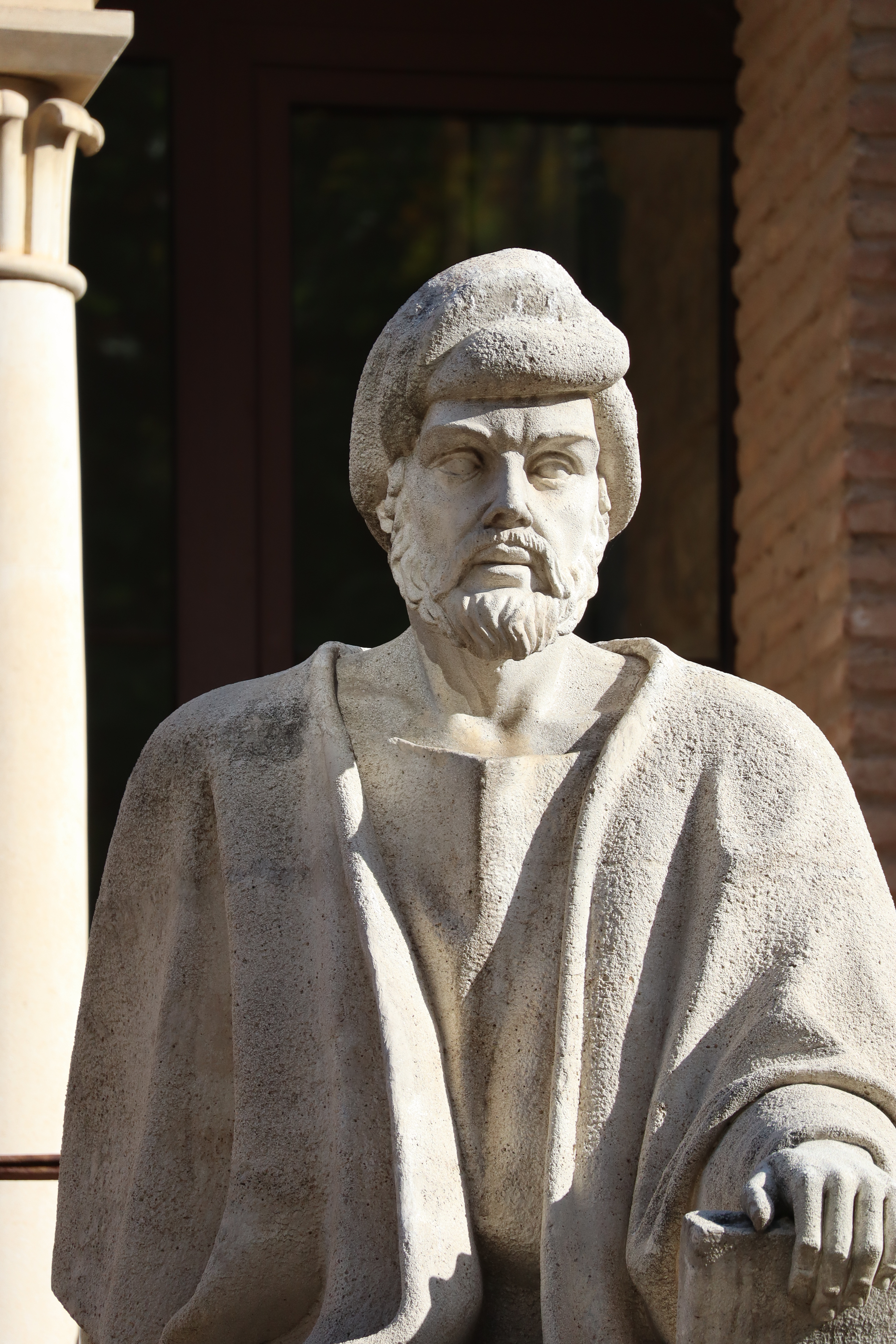
Ibn Rushd (Averroes)
1126 CE – 1198 CE
Córdoba, al-Andalus
Andalusian Arab philosopher, jurist, physician, judge, and Aristotelian commentator whose work in logic, metaphysics, natural philosophy, medicine, law, rhetoric, poetics, and philosophy of religion shaped Islamic, Hebrew, and Latin philosophical traditions.
Philosophy of Language
His rhetoric, poetics, logic, and legal hermeneutics analyze demonstration, persuasion, metaphor, interpretation, equivocation, and the disciplined use of speech in law and philosophy.

Iris Marion Young
1949 CE – 2006 CE
New York City, New York
American socialist-feminist political theorist whose work on justice, oppression, democracy, body experience, structural injustice, political responsibility, and global labor justice reshaped contemporary feminist and critical social theory.
Philosophy of Language
She emphasized political voice, greeting, rhetoric, storytelling, public uptake, communication, and social perspective as democratic resources rather than deviations from rational political discourse.
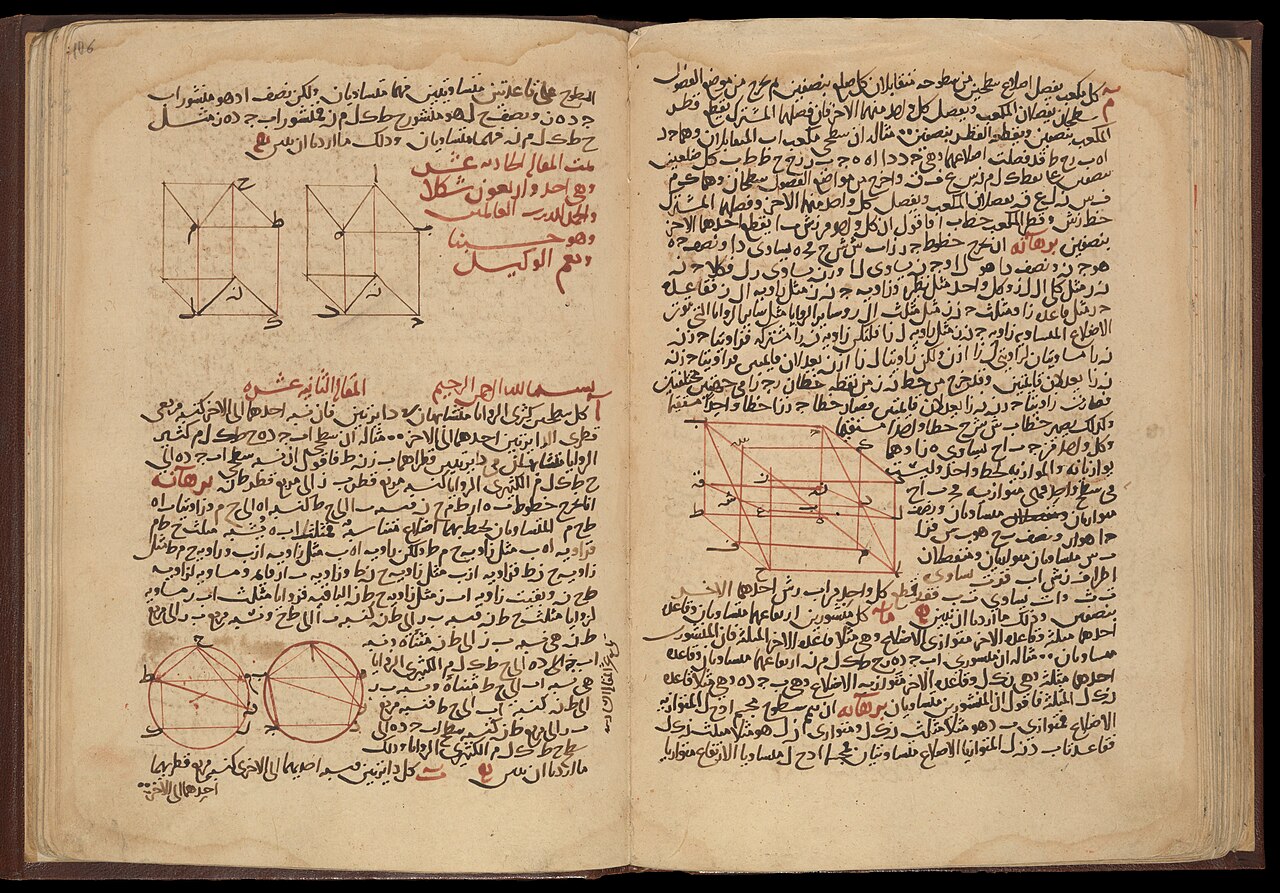
Ishaq ibn Hunayn
830 CE – 910 CE
Baghdad
Arab Christian translator, physician, mathematician, astronomer, and philosophical transmitter of Abbasid Baghdad whose Arabic versions of Aristotle, Euclid, Ptolemy, Menelaus, Autolycus, and medical-biographical sources helped form the technical language of medieval Arabic philosophy and science.
Philosophy of Language
His work is central to philosophical translation as language-making: Greek and Syriac technical terms became Arabic terms for logic, psychology, metaphysics, mathematics, astronomy, and theology.
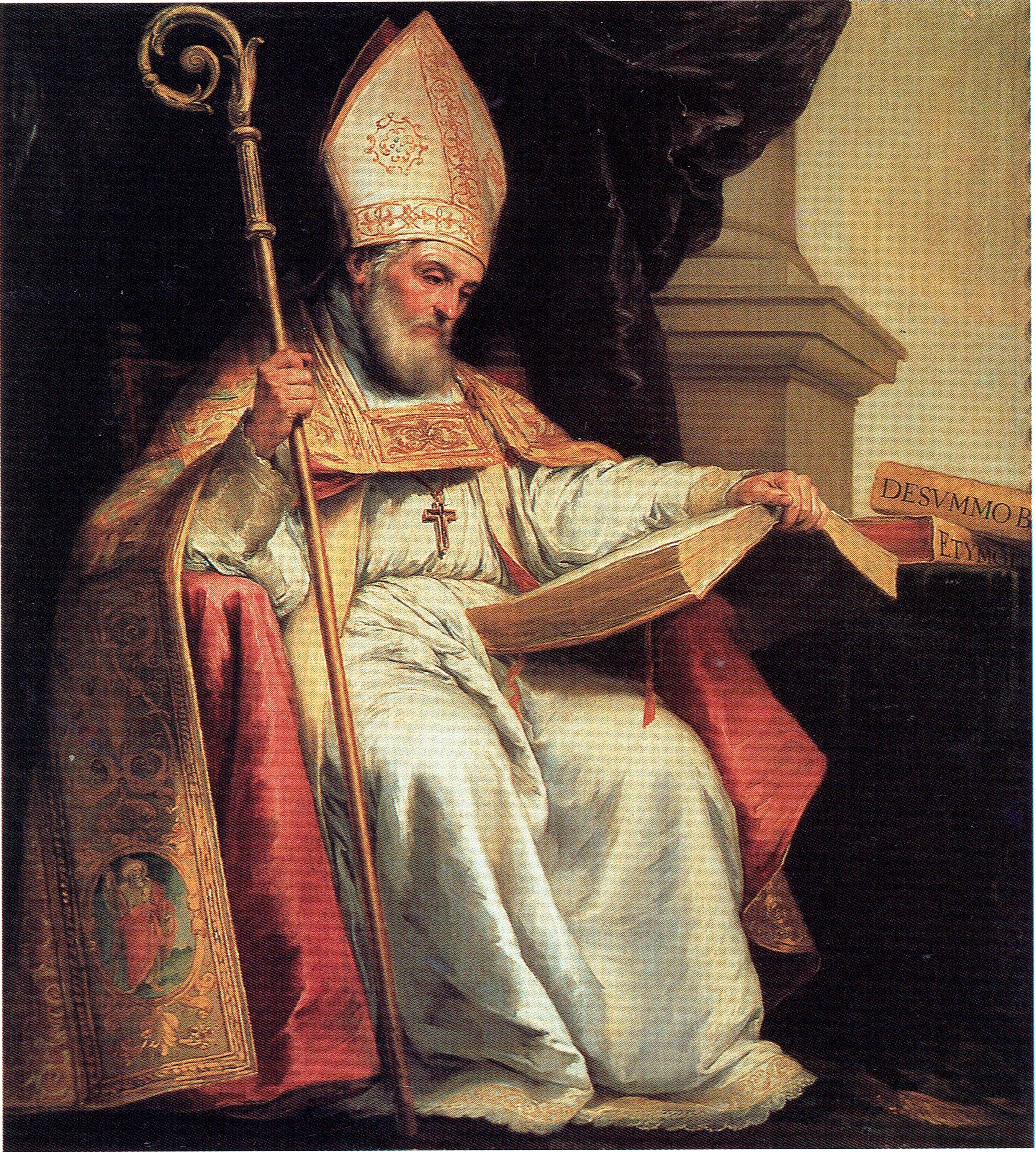
Isidore of Seville
560 CE – 636 CE
Cartagena or Seville, Visigothic Hispania
Hispano-Roman and Visigothic Iberian bishop and encyclopedist whose Etymologiae, Sententiae, histories, ecclesiastical works, and natural-philosophy compilations transmitted Latin Christian learning, grammar, classification, and the liberal arts into the early medieval West.
Philosophy of Language
The Etymologiae makes language central to knowledge by deriving meanings from origins, organizing disciplines through words, and linking grammar, naming, definition, and reality.
Īśvarakṛṣṇa
350 CE – 425 CE
probably northern India; exact birthplace unknown
Classical Indian Sāṃkhya philosopher credited with the Sāṃkhyakārikā, a compact verse synthesis of prakṛti, puruṣa, guṇas, pramāṇas, causation, mind, bondage, suffering, and liberation through discriminative knowledge.
Philosophy of Language
The work transmits Sāṃkhya through terse technical verse, disciplined categories, names, enumerations, and conceptual distinctions that stabilize the school's vocabulary.
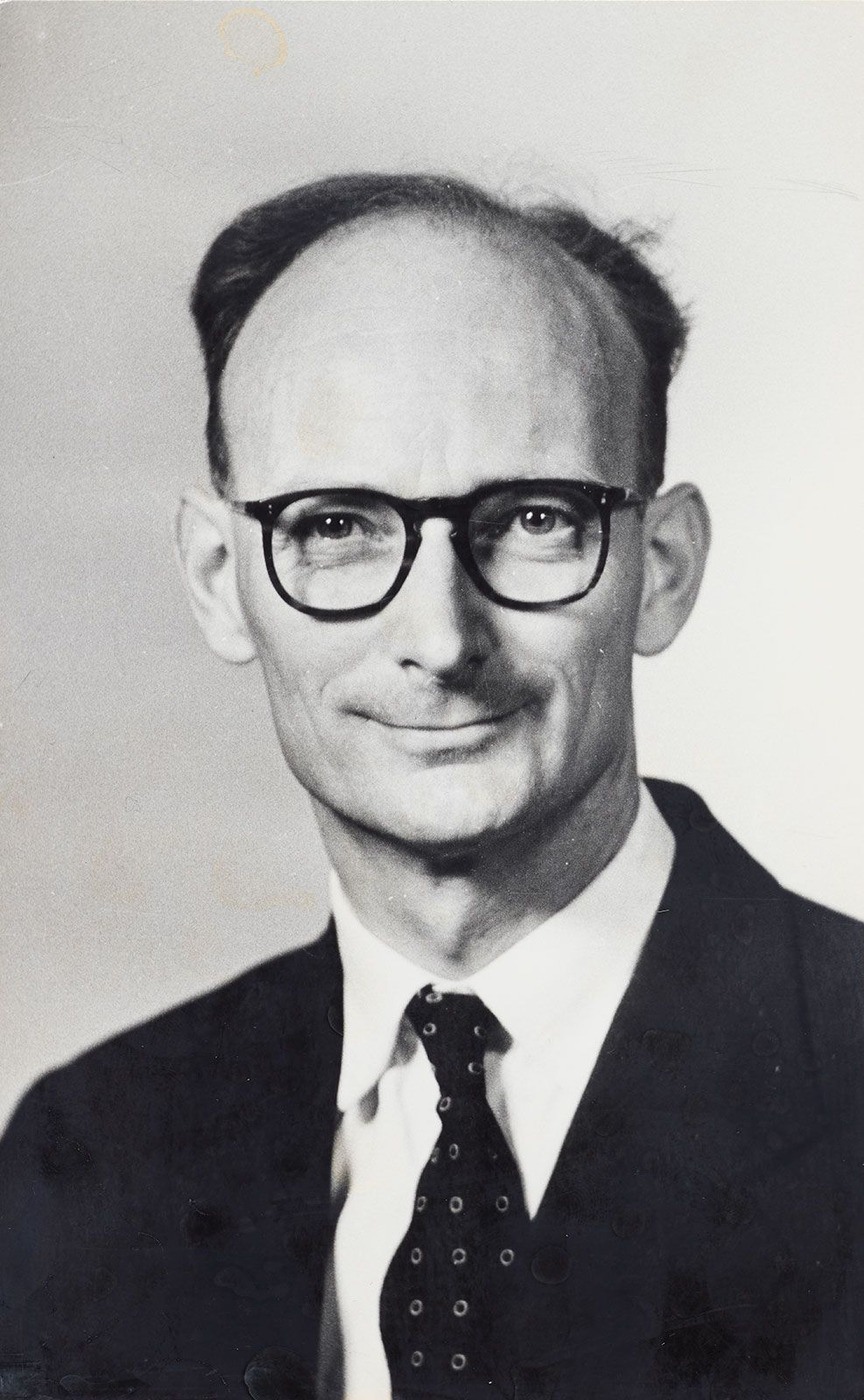
J. L. Austin
1911 CE – 1960 CE
Lancaster, Lancashire
British Oxford ordinary-language philosopher whose analyses of performatives, speech acts, excuses, other minds, truth, perception, and action reshaped twentieth-century analytic philosophy.
Philosophy of Language
Austin is central to philosophy of language for performatives, speech acts, felicity conditions, illocutionary force, ordinary-language method, and the rejection of oversimplified theories of meaning.
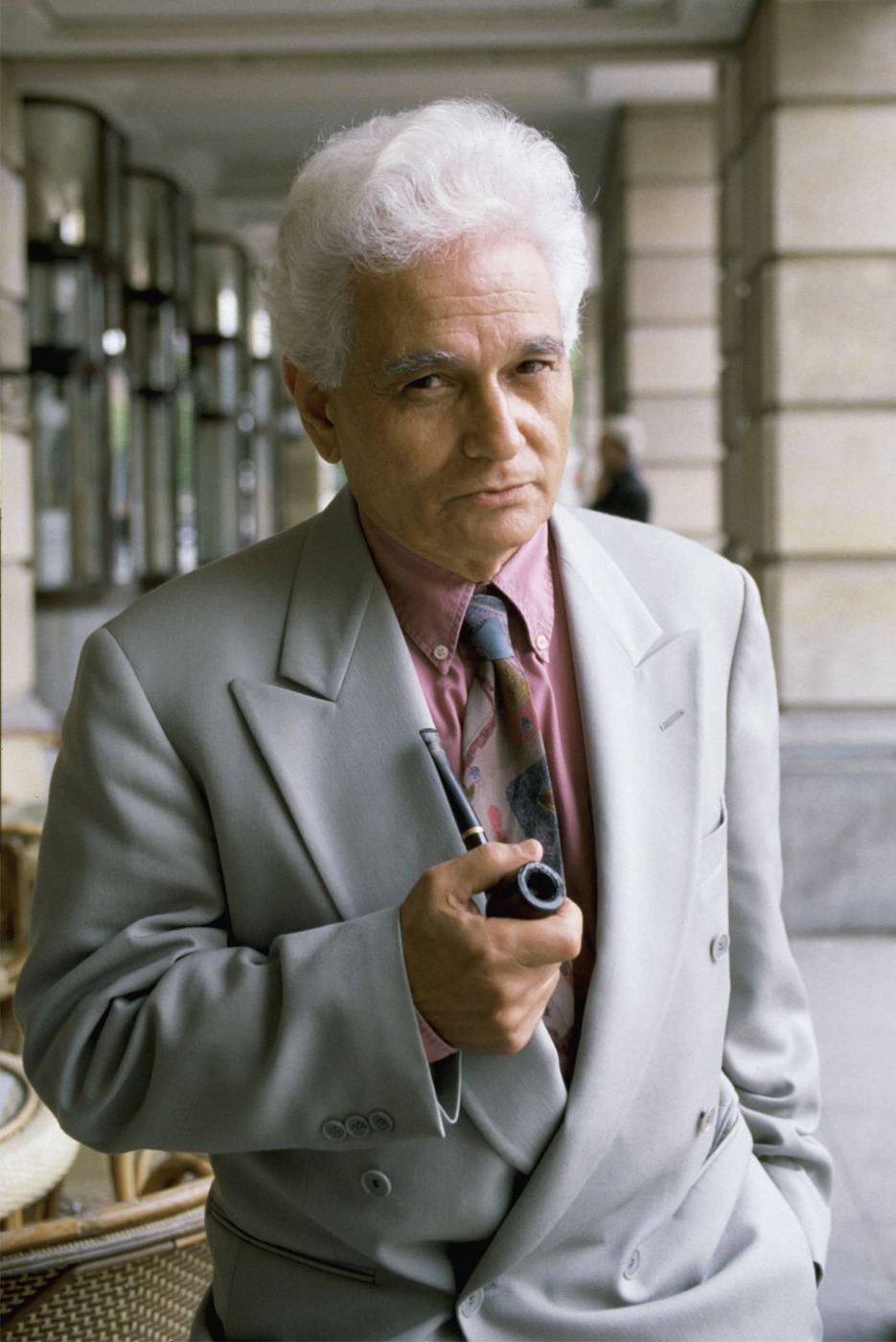
Jacques Derrida
1930 CE – 2004 CE
El Biar, Algiers, French Algeria
French Algerian philosopher of deconstruction whose analyses of writing, differance, trace, hospitality, law, archives, ethics, politics, and metaphysics reshaped twentieth-century continental philosophy and critical theory.
Philosophy of Language
Derrida is central to philosophy of language for grammatology, differance, trace, writing, speech, context, signature, iterability, dissemination, and critiques of logocentrism.
Jaimini
350 BCE – 300 BCE
Indo-Gangetic region, exact birthplace unknown
Early Indian Mīmāṃsā philosopher credited with the Mīmāṃsā Sūtra, a foundational sūtra text on dharma, Vedic injunction, authorless scripture, ritual action, pramāṇa, śabda, and the interpretation of sacred language.
Philosophy of Language
Jaimini is central to Indian philosophy of language through theories of śabda, Vedic sentence meaning, injunction, the relation between words and meanings, and the authority of authorless scripture.
Jalal al-Din al-Dawwani
1427 CE – 1502 CE
Dawan (near Kazerun, Fars)
Persian philosopher and theologian from Dawan whose post-Avicennian metaphysics, Illuminationist commentary, logic, ethics, and philosophical theology shaped late medieval Islamic philosophy.
Philosophy of Language
Contributed to late madrasa logic and language through Tahdhib commentary, predication, concept-assent analysis, and later liar-paradox reception.
Jean Baudrillard
1929 CE – 2007 CE
Reims, Marne, France
French philosopher and social theorist of simulation, simulacra, hyperreality, symbolic exchange, consumer society, media, signs, and postmodern culture.
Philosophy of Language
Baudrillard is central to sign theory for sign value, code, simulation, passwords, symbolic exchange, media communication, and the relation between signs and reality.
Jean le Rond d'Alembert
1717 CE – 1783 CE
Paris
French Enlightenment philosopher, mathematician, physicist, music theorist, and encyclopedist from Paris, associated with mathematical physics, the Encyclopedie, the Preliminary Discourse, and philosophy of science.
Philosophy of Language
The Encyclopedie and Preliminary Discourse organize arts and sciences through definitions, discourse, classification, article structure, and public language of knowledge.
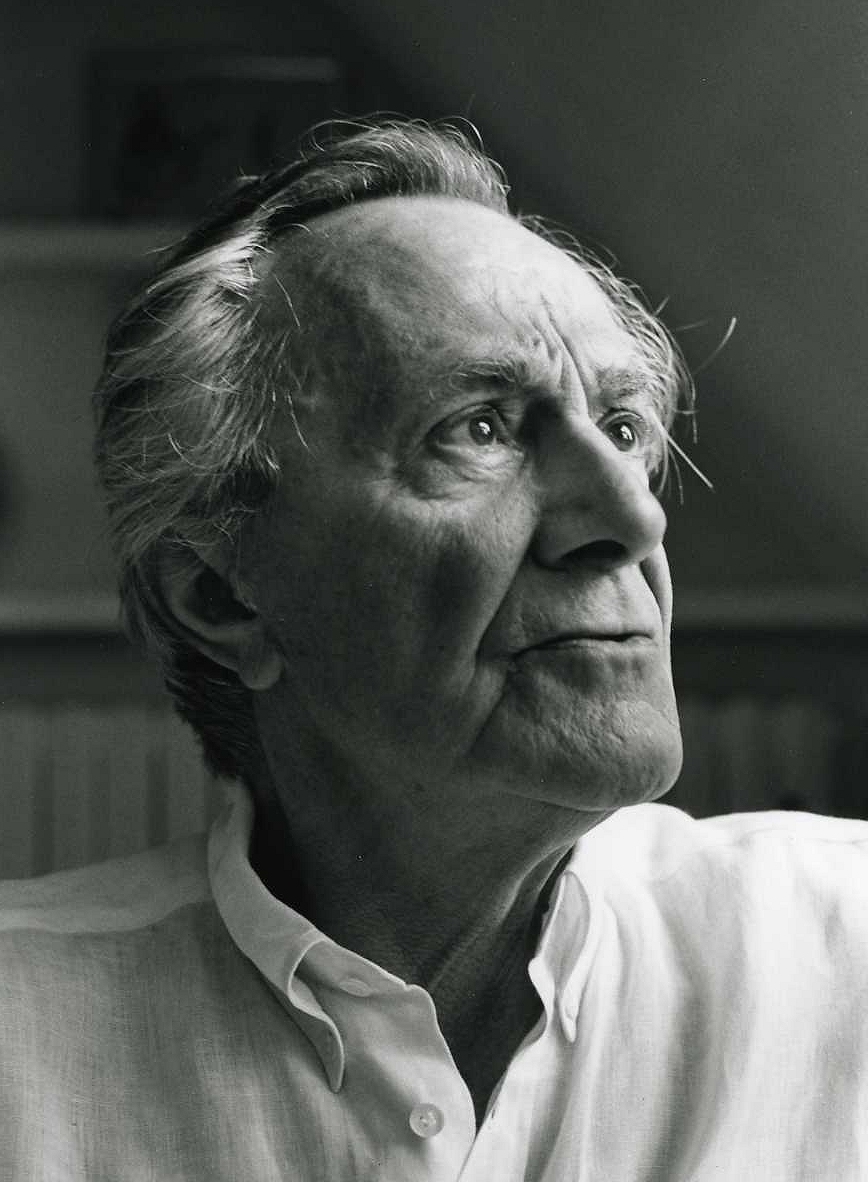
Jean-François Lyotard
1924 CE – 1998 CE
Versailles
French postmodern philosopher of knowledge, language games, phrase regimens, the differend, libidinal economy, the sublime, technoscience, art, and the critique of grand narratives.
Philosophy of Language
Lyotard is central to philosophy of language through language games, phrase regimens, differends, idioms, testimony, discourse, figurality, and disputes over expressibility.
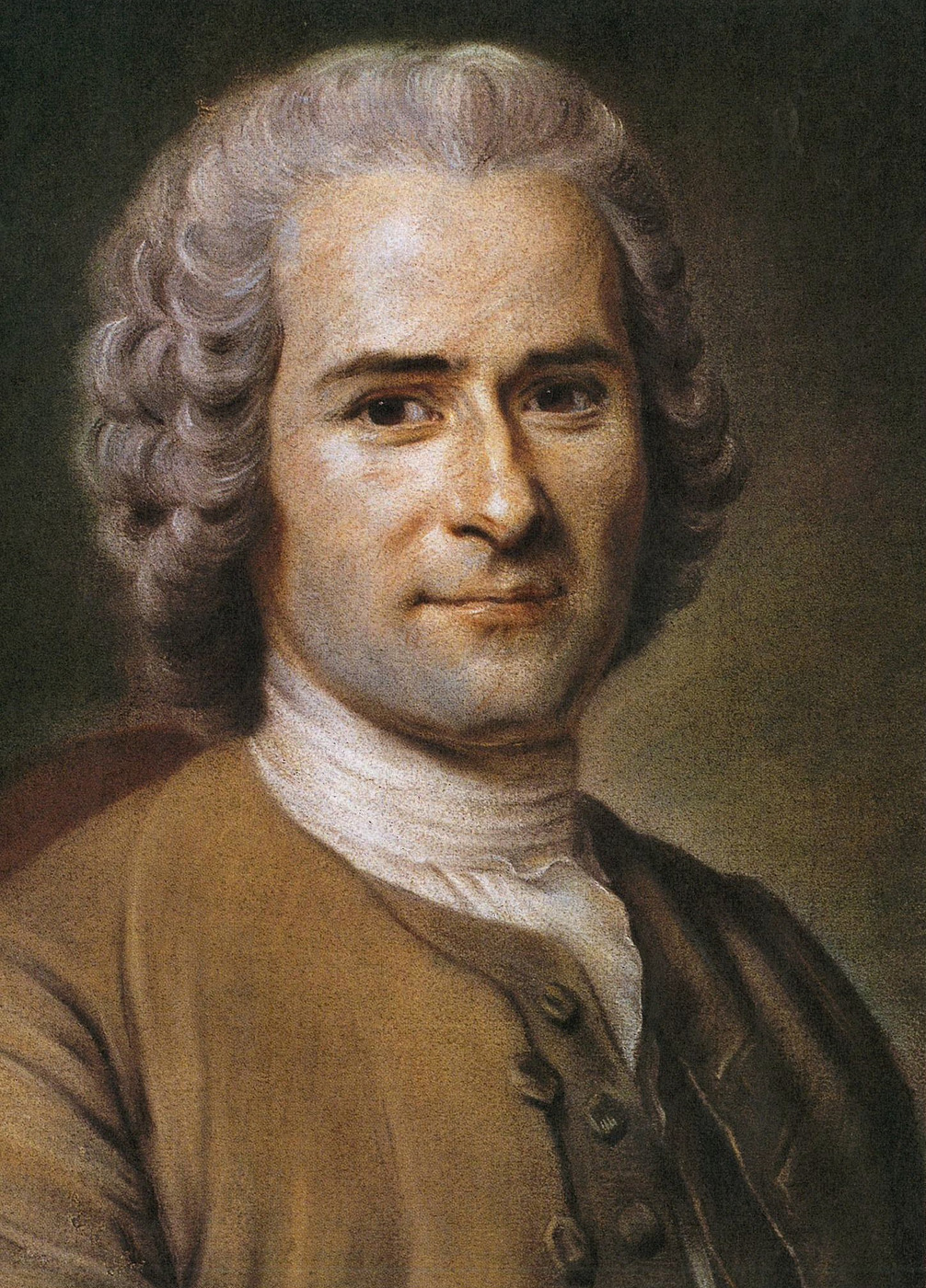
Jean-Jacques Rousseau
1712 CE – 1778 CE
Geneva
Genevan French-language Enlightenment philosopher of popular sovereignty, the general will, social contract theory, natural education, civil religion, moral psychology, language, music, autobiography, and the critique of corrupting civilization.
Philosophy of Language
Rousseau links language, music, passion, climate, writing, metaphor, speech, social formation, and the expressive conditions of human communication.
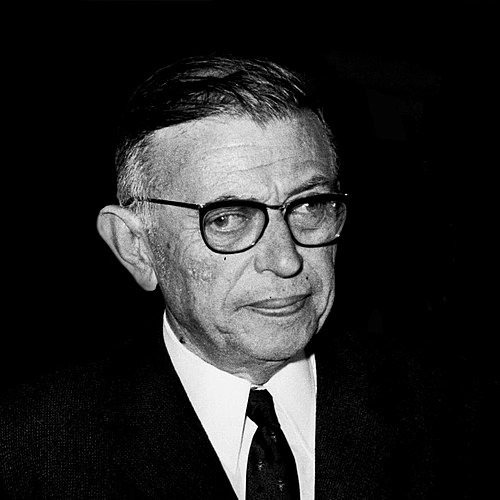
Jean-Paul Sartre
1905 CE – 1980 CE
Paris
French existentialist and phenomenological philosopher of freedom, bad faith, nothingness, political commitment, literature, existential psychoanalysis, anti-colonialism, and existential Marxism.
Philosophy of Language
Sartre connects language, prose, literature, expression, naming, political address, committed writing, dialogue, and the public situation of meaning.
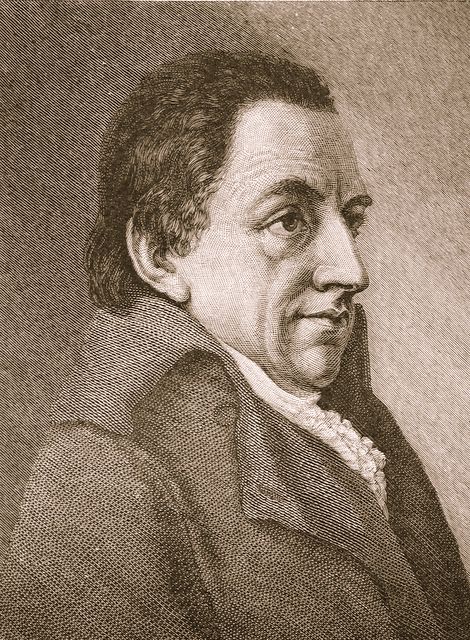
Johann Gottlieb Fichte
1762 CE – 1814 CE
Rammenau, Upper Lusatia, Saxony
German post-Kantian idealist philosopher of the Wissenschaftslehre, self-positing subjectivity, moral freedom, natural right, language, vocation, political economy, religion, and national education.
Philosophy of Language
Fichte connects language with rational communication, education, nationhood, social consciousness, and the expressive conditions of human community.
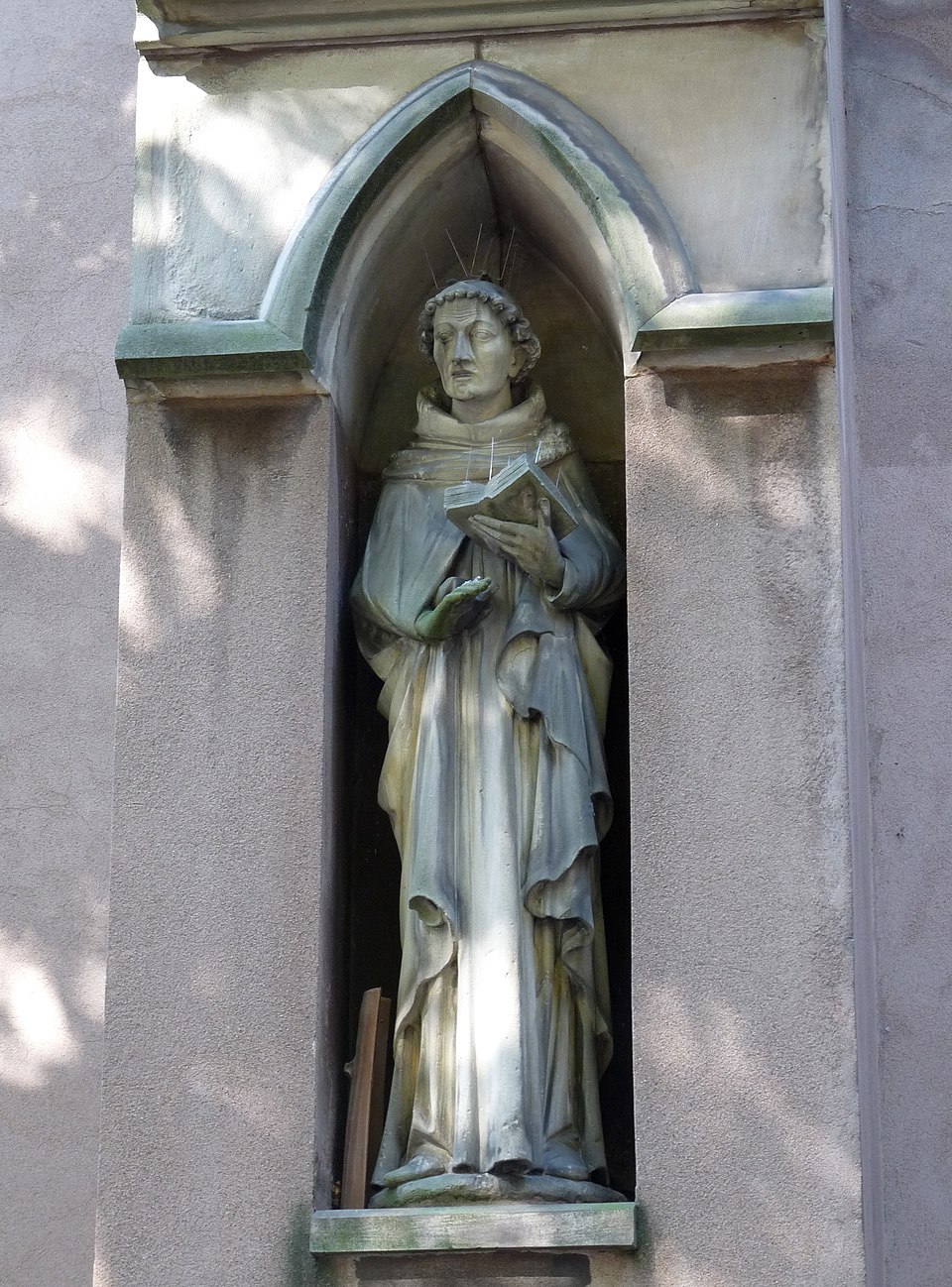
Johannes Tauler
1300 CE – 1361 CE
Strasbourg, Alsace
Alsatian German Dominican mystic of Strasbourg whose sermons and spiritual letters shaped Rhenish mystical theology through divine birth, detachment, the ground of the soul, contemplative discipline, and practical spiritual counsel.
Philosophy of Language
Tauler uses vernacular preaching, paradox, analogy, negation, scriptural exegesis, and pastoral counsel to speak about mystical realities while marking the limits of ordinary language.
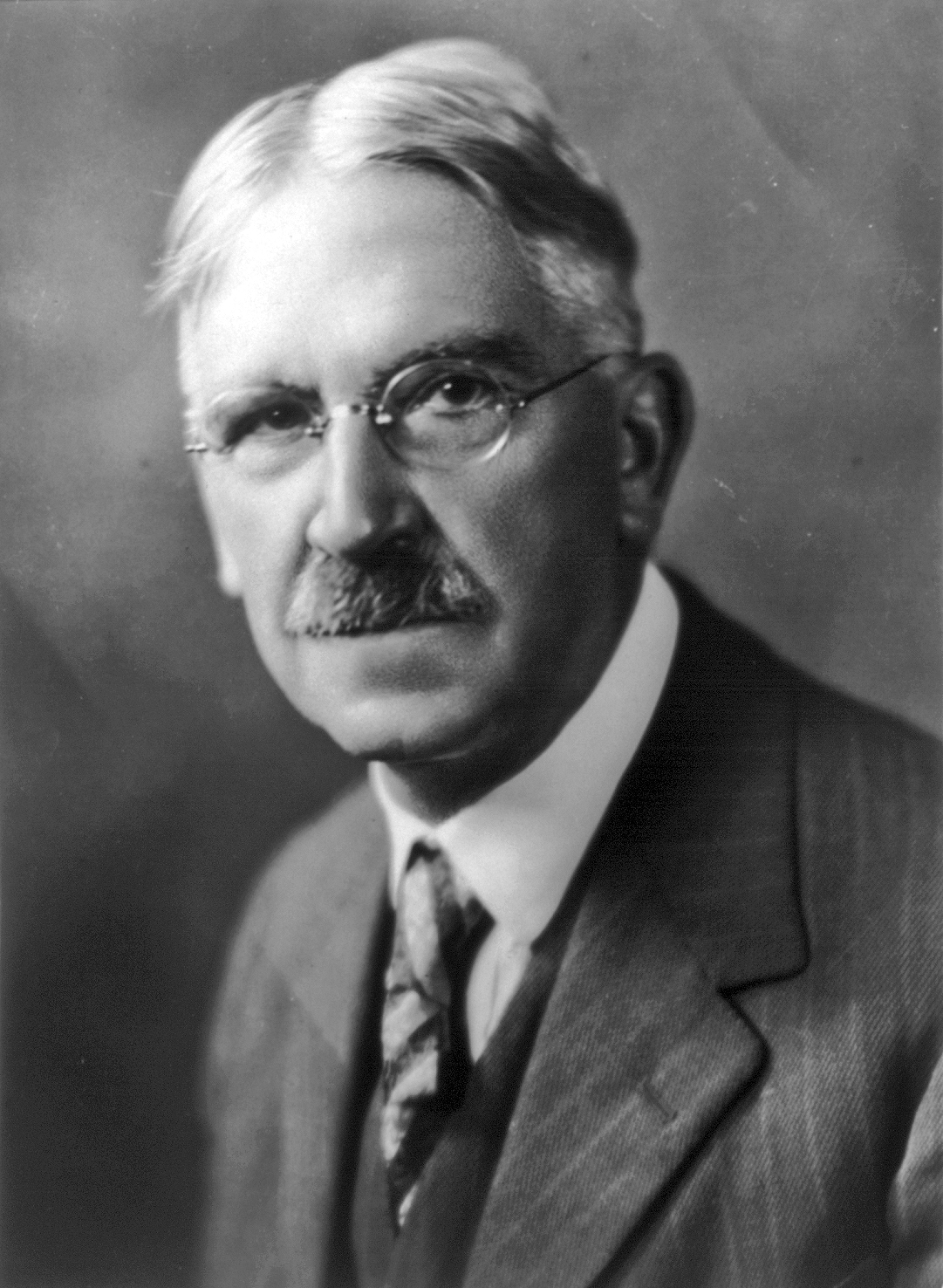
John Dewey
1859 CE – 1952 CE
Burlington, Vermont
American pragmatist philosopher of instrumentalism, democratic experimentalism, progressive education, inquiry, experience, logic, ethics, aesthetics, public life, science, and naturalistic religion.
Philosophy of Language
Connected meaning, communication, signs, education, public inquiry, and transaction within social practice and shared experience.
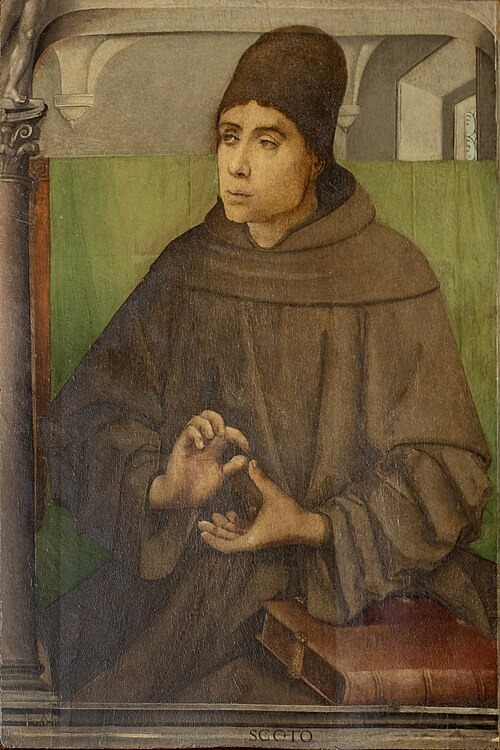
John Duns Scotus
1266 CE – 1308 CE
Duns, Berwickshire, now Scottish Borders
Scottish Franciscan scholastic philosopher of Scotism, univocity of being, haecceity, formal distinction, divine infinity, will, natural law, logic, and the Ordinatio.
Philosophy of Language
His philosophy of language treats signification, predication, univocal naming, analogy, semantic precision, Peri Hermeneias questions, and theological language.
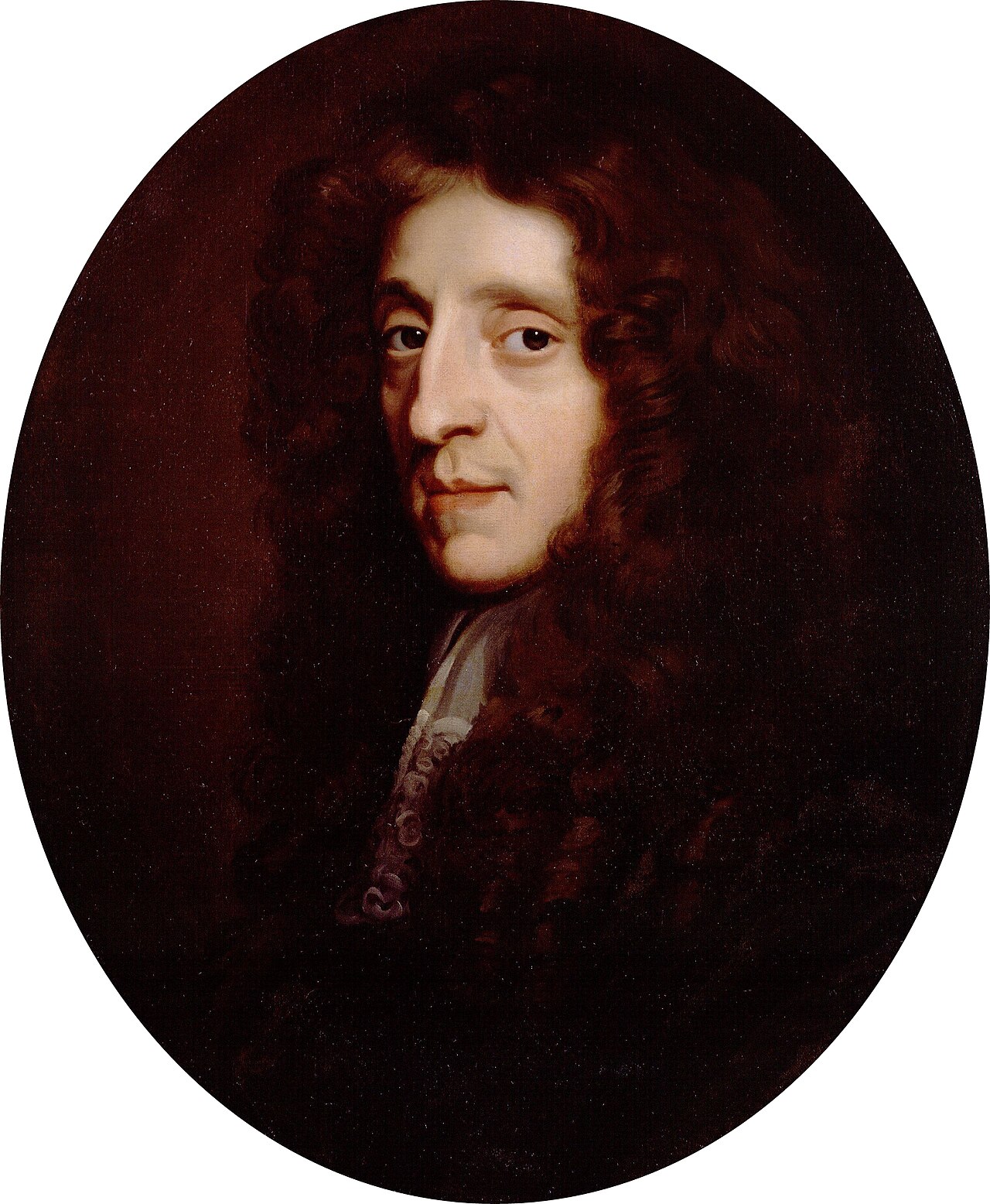
John Locke
1632 CE – 1704 CE
Wrington, Somerset
English early modern empiricist and liberal political philosopher of human understanding, toleration, natural law, personal identity, education, monetary thought, rational Christianity, and the limits of knowledge.
Philosophy of Language
Locke treats words as signs of ideas and analyzes abstraction, general terms, definition, meaning, abuse of words, and communication.
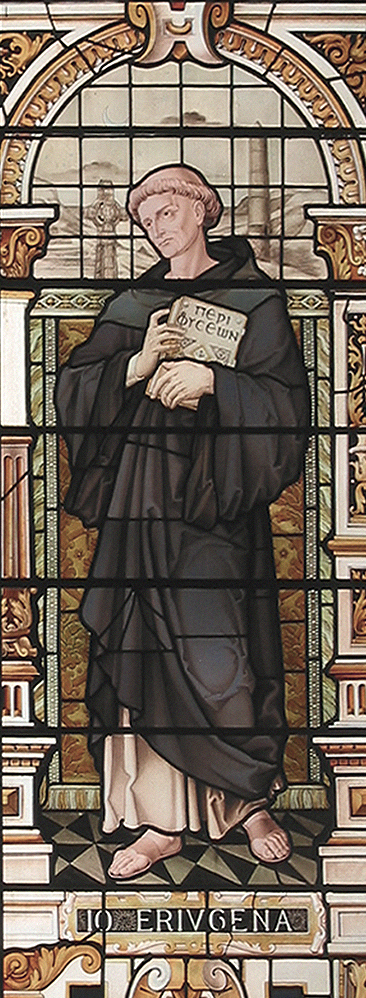
John Scotus Eriugena
815 CE – 877 CE
Ireland, probably Leinster
Irish Carolingian Neoplatonic philosopher and translator of apophatic theology, Periphyseon, Dionysian Greek patristic sources, predestination, dialectic, and Johannine exegesis.
Philosophy of Language
His philosophy of language examines names of God, symbolic theology, negation, scriptural signs, the Logos, liberal-arts grammar, and the limits of affirmative discourse.
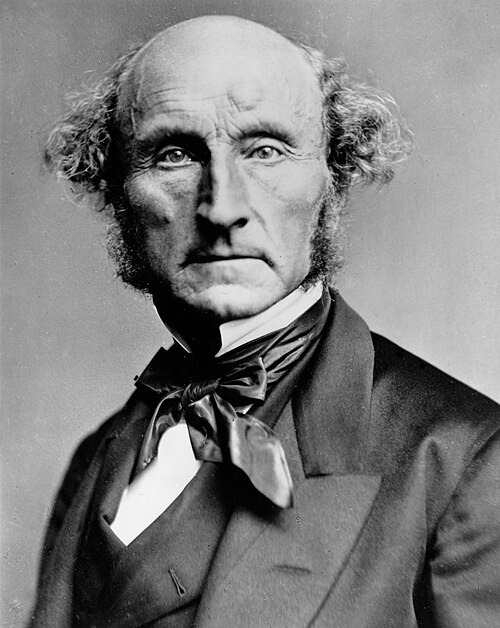
John Stuart Mill
1806 CE – 1873 CE
Pentonville, London
English liberal utilitarian philosopher of liberty, individuality, higher pleasures, inductive logic, political economy, representative government, women's equality, religious skepticism, and empiricist method.
Philosophy of Language
His philosophy of language examines names, connotation and denotation, propositions, meaning, general terms, definition, and the semantic foundations of logic.
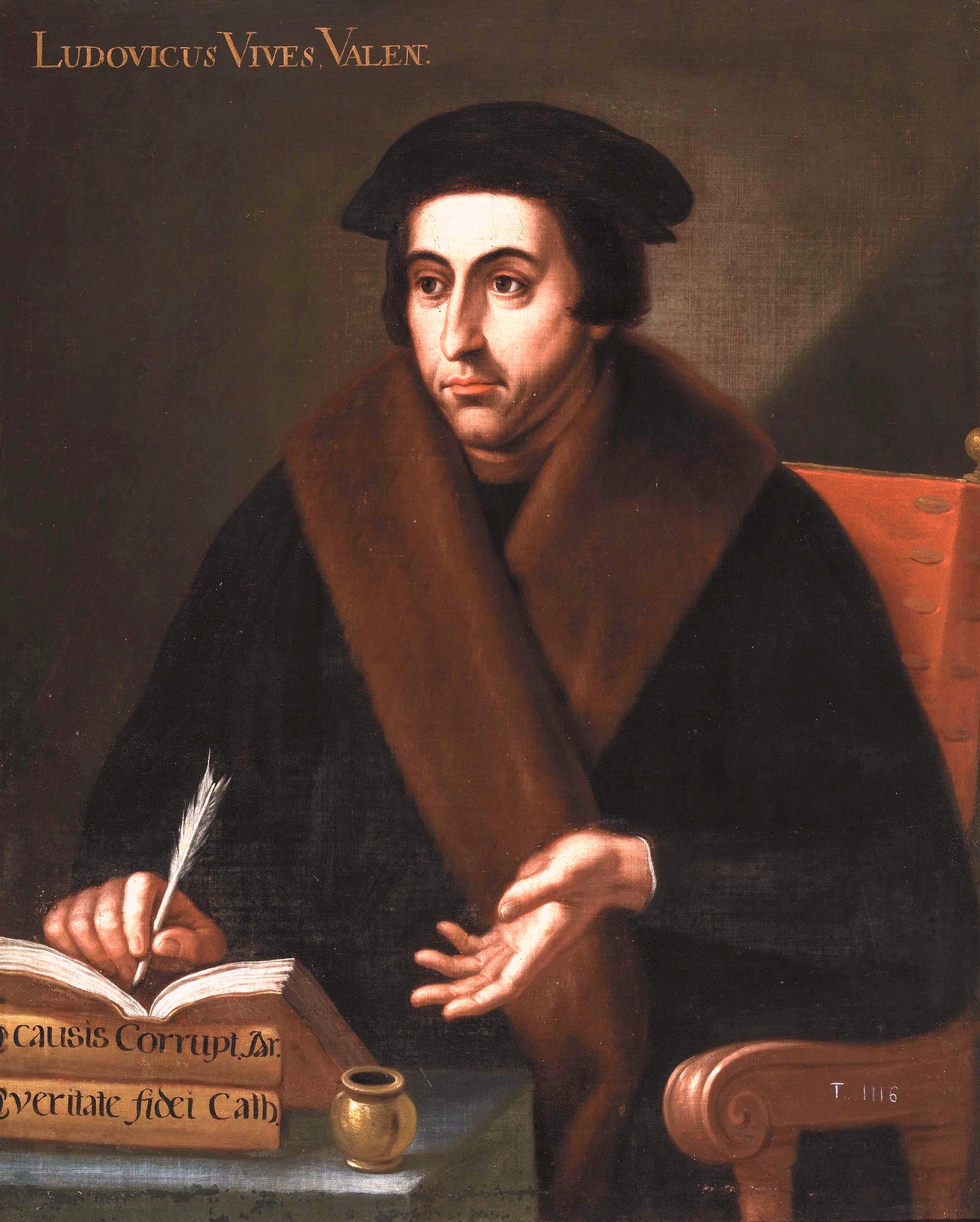
Juan Luis Vives
1493 CE – 1540 CE
Valencia
Valencian Spanish Renaissance humanist philosopher of education, psychology, language, rhetoric, poor relief, peace, Christian reform, women's education, and the renewal of the disciplines.
Philosophy of Language
His philosophy of language appears in anti-pseudodialectic, rhetoric, Latin dialogue pedagogy, meaning, eloquence, and the reform of speech for judgment and civic life.
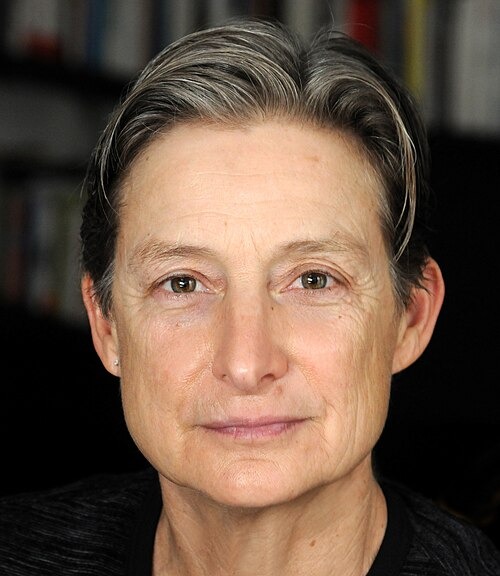
Judith Butler
1956 CE
Cleveland, Ohio
American poststructuralist feminist philosopher and queer theorist of gender performativity, subject formation, vulnerability, precarity, speech, ethics, assembly, nonviolence, and critical theory.
Philosophy of Language
Their philosophy of language develops performativity, injurious speech, citation, hate speech, address, and the political force of speech acts.
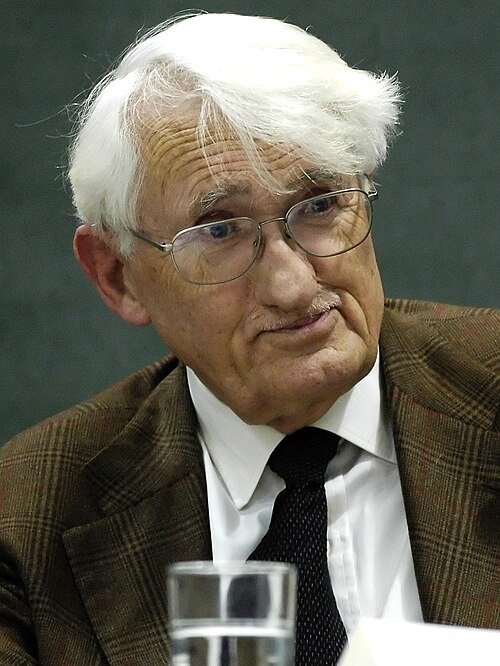
Jürgen Habermas
1929 CE – 2026 CE
Düsseldorf
German Frankfurt School philosopher of communicative rationality, discourse ethics, public sphere theory, deliberative democracy, law, postmetaphysical philosophy, religion in public reason, and European constitutional politics.
Philosophy of Language
Made language central through communicative action, universal pragmatics, speech acts, validity claims, mutual understanding, and intersubjective rationality.
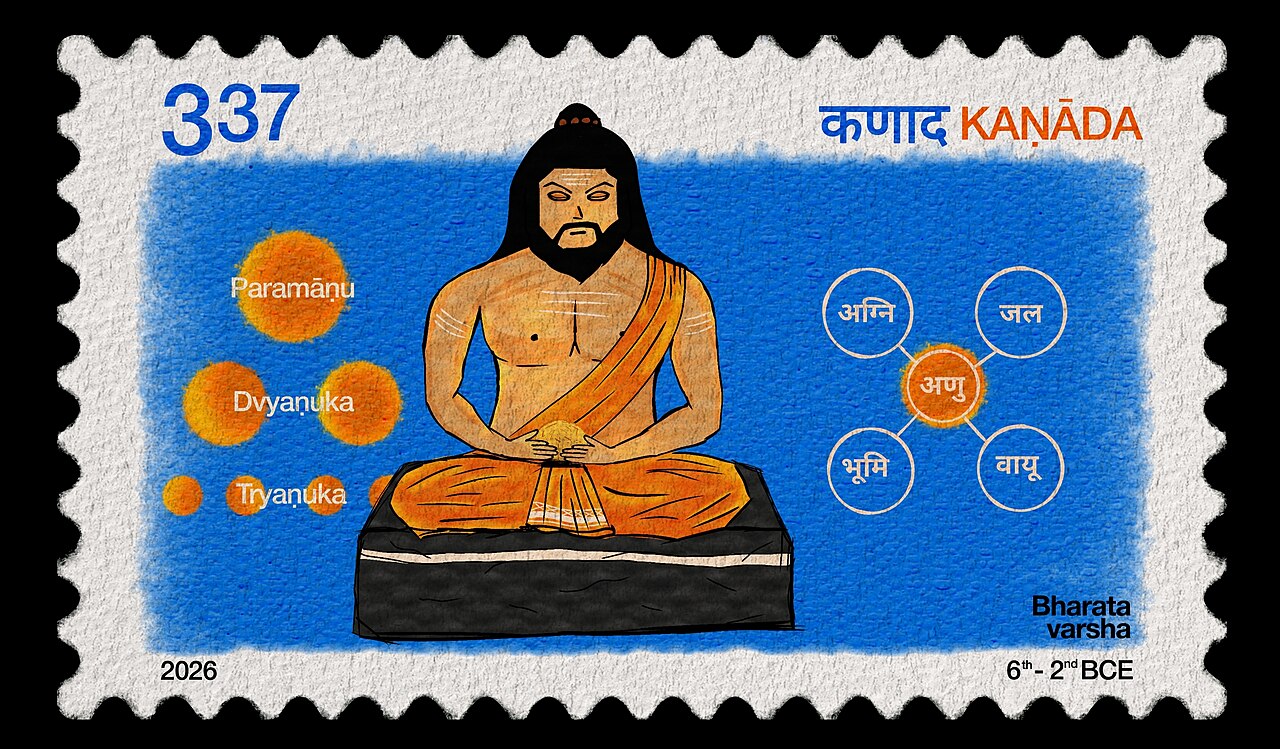
Kaṇāda (Ulūka)
100 CE – 200 CE
probably northern India or the Indo-Gangetic region; exact birthplace unknown
Early Vaiśeṣika philosopher traditionally credited with the Vaiśeṣika Sūtra, where atomism, substances, qualities, motion, universals, inherence, dharma, and liberation are organized into a realist category system.
Philosophy of Language
The work stabilizes technical philosophical language for categories, substances, qualities, motion, universals, inherence, atoms, dharma, and liberation.
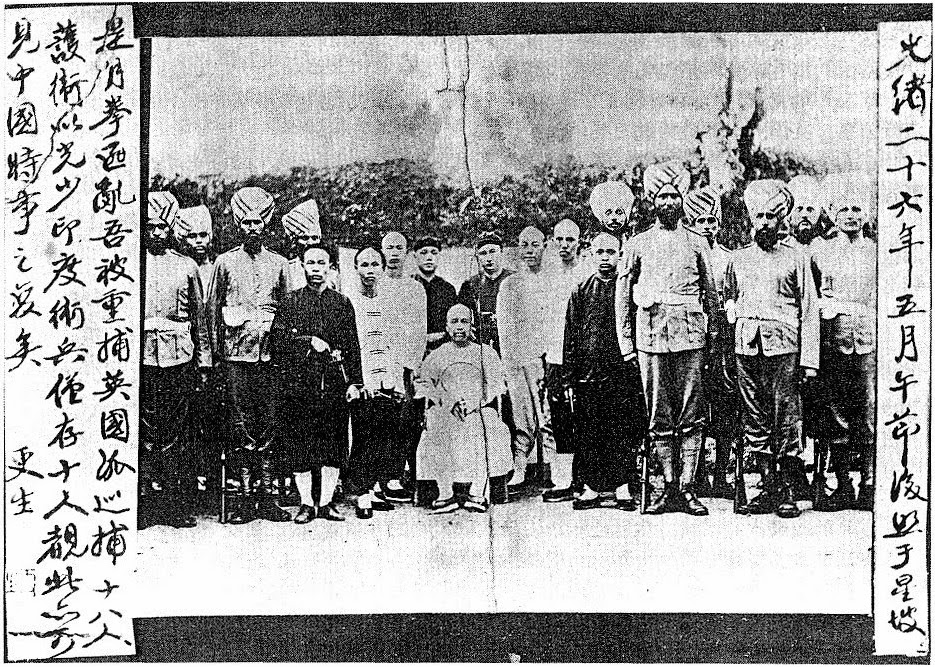
Kang Youwei
1858 CE – 1927 CE
Su Village, Danzao, Nanhai County, Guangdong, now Nanhai District, Foshan
Late Qing Confucian reformer whose New Text Confucianism, constitutional monarchism, Confucian religious reform, Datong utopianism, and calligraphy theory reshaped modern Chinese political and philosophical debate.
Philosophy of Language
His philological work on classics, ru, script, and textual transmission treats language as central to Confucian authority and reform.
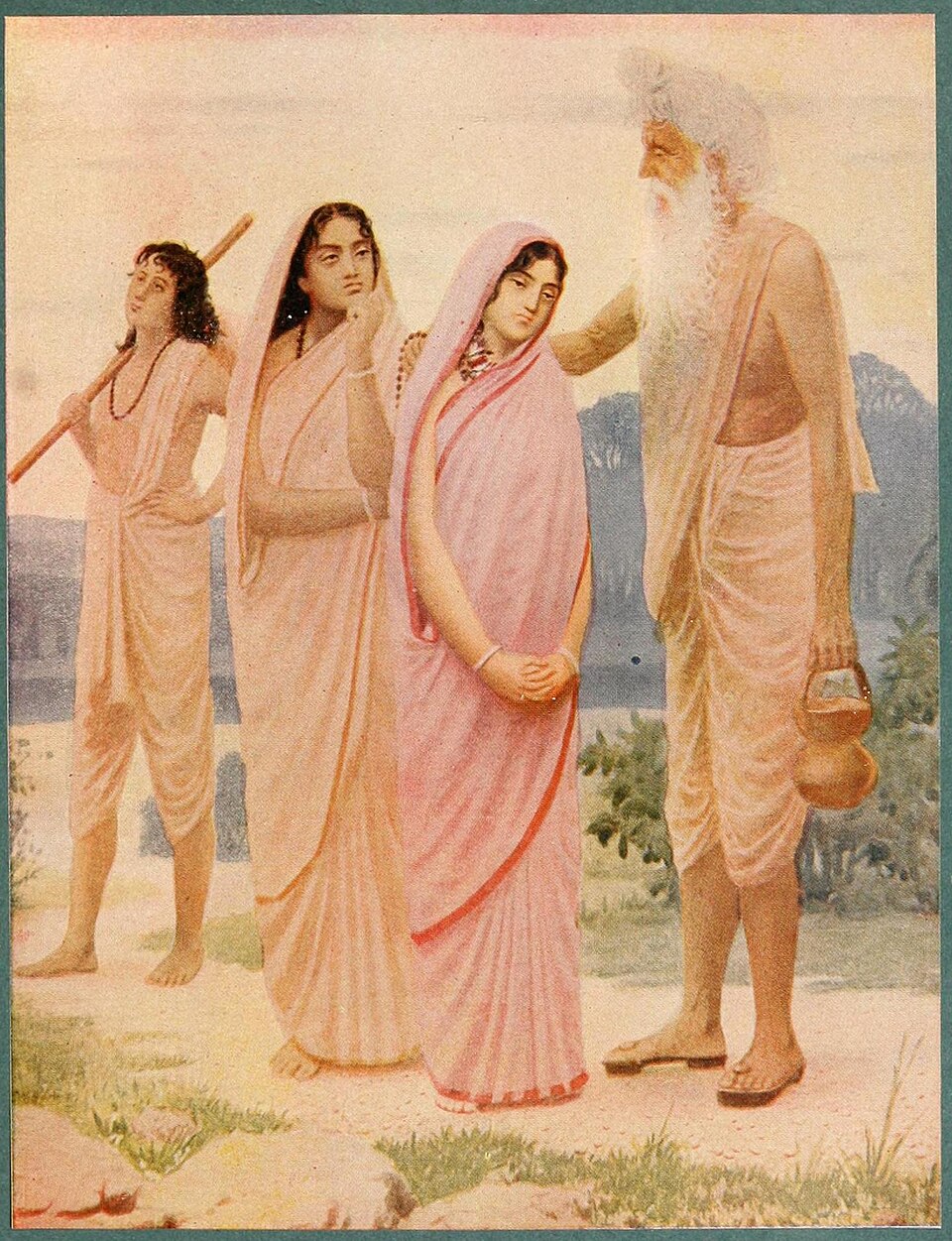
Kaṇva
1200 BCE – 1100 BCE
probably northern India or the Ganges-Yamuna/Mālinī river tradition; exact birthplace unknown
Vedic rishi and Kaṇva lineage figure associated with Rigvedic hymnody, sacred speech, ritual praise, Kāṇva transmission, and the Śakuntalā āśrama tradition.
Philosophy of Language
Kaṇva is philosophically relevant through mantra, Vedic speech, hymnic utterance, and the later Kāṇva-recension memory that treats sacred words as vehicles of ritual and religious meaning.
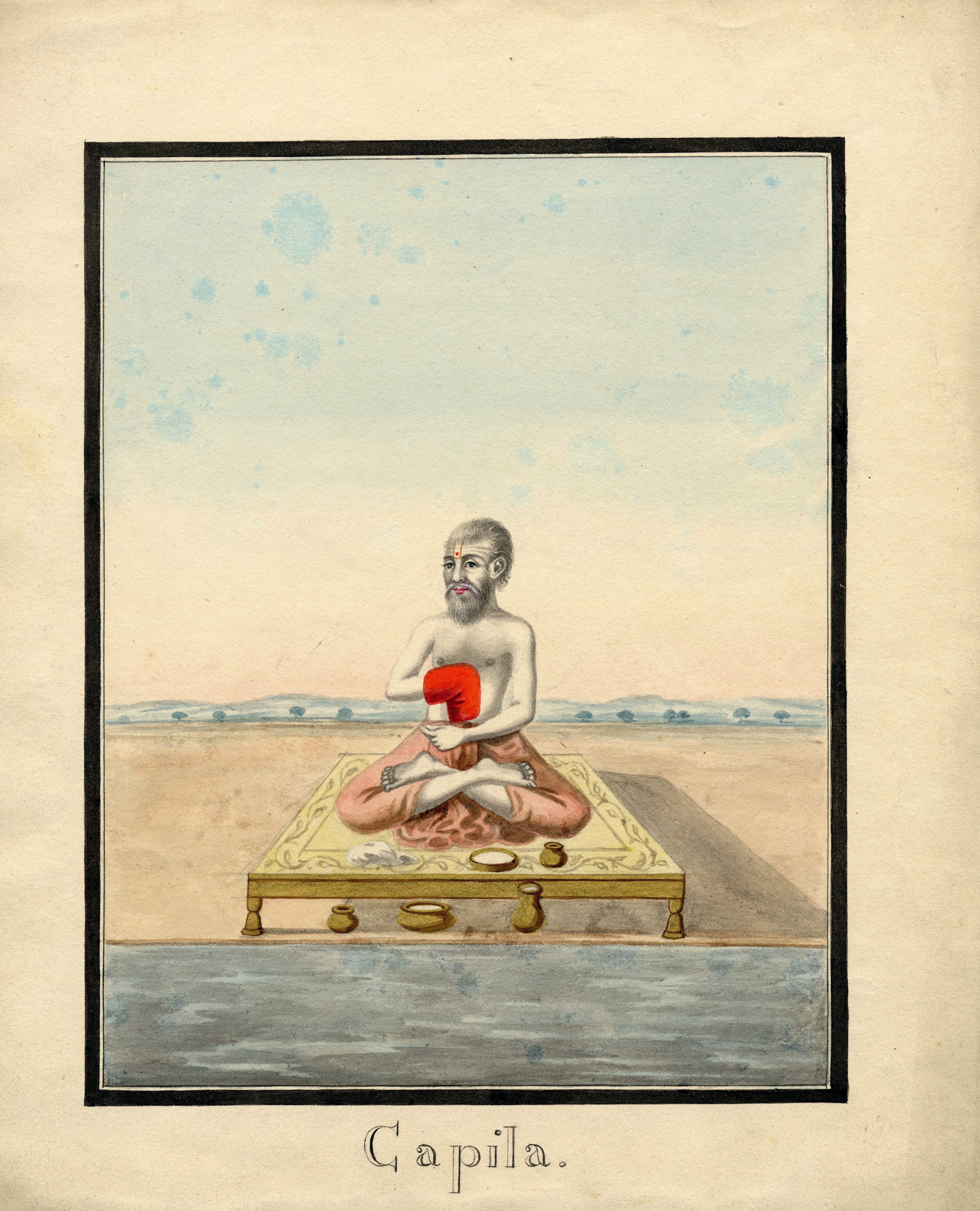
Kapila
700 BCE – 600 BCE
probably northern India or the Indo-Gangetic region; exact birthplace unknown
Legendary early Sāṃkhya founder associated with puruṣa, prakṛti, guṇas, discriminative knowledge, liberation, and later Sāṃkhya-pravacana transmission.
Philosophy of Language
The Sāṃkhya tradition stabilizes technical philosophical language for puruṣa, prakṛti, guṇa, tattva, buddhi, ahaṃkāra, manas, duḥkha, viveka, and kaivalya.
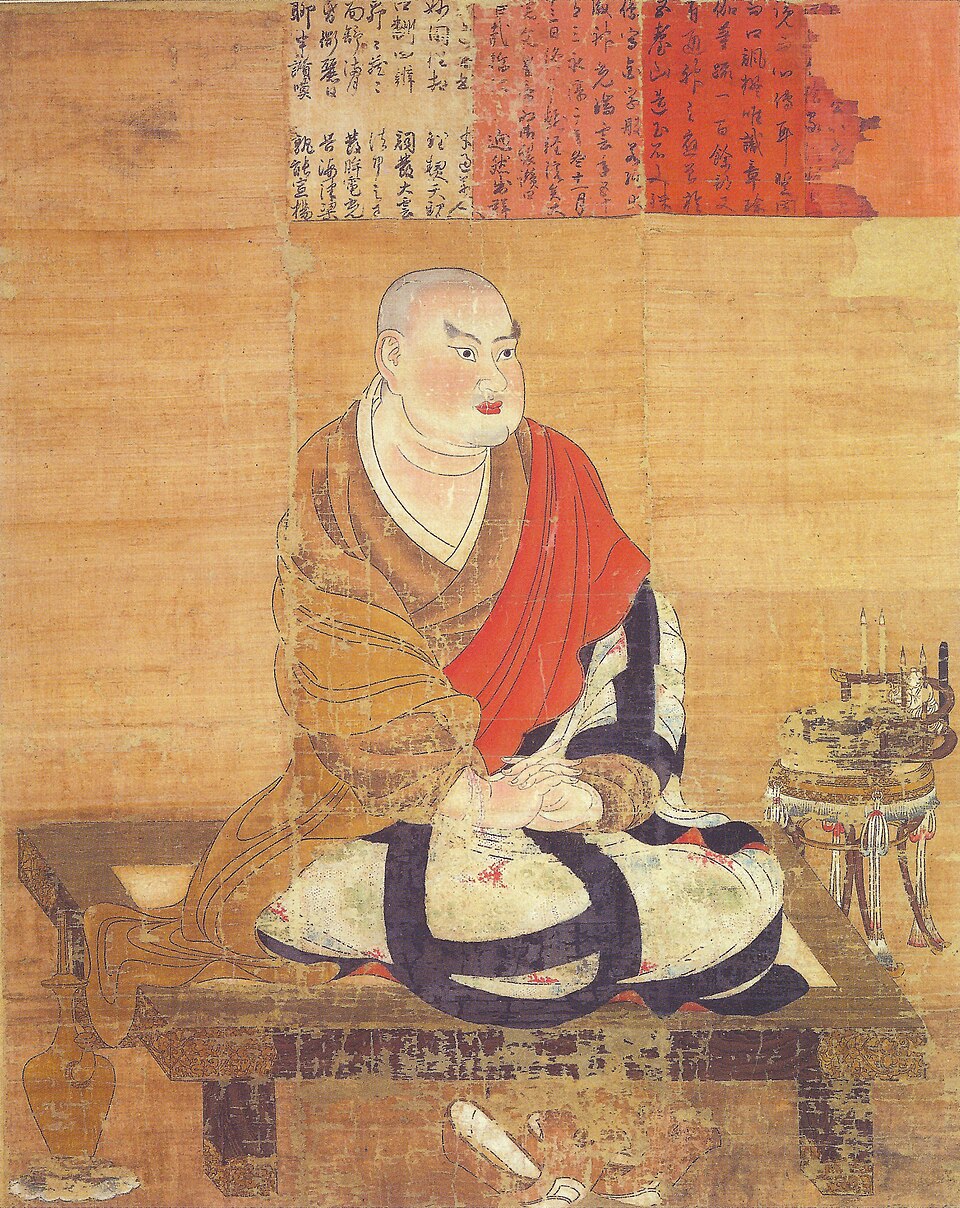
Kuiji
632 CE – 682 CE
Chang'an, Tang China
Tang Faxiang Yogācāra scholastic whose Consciousness-Only commentaries, Buddhist logic, scripture exegesis, and Cheng Weishi Lun Shuji shaped East Asian philosophy of mind, epistemology, language, and religion.
Philosophy of Language
His scholastic method clarifies Buddhist technical language, translation choices, scriptural commentary, negation, inference vocabulary, and the relation between names, concepts, and cognition.
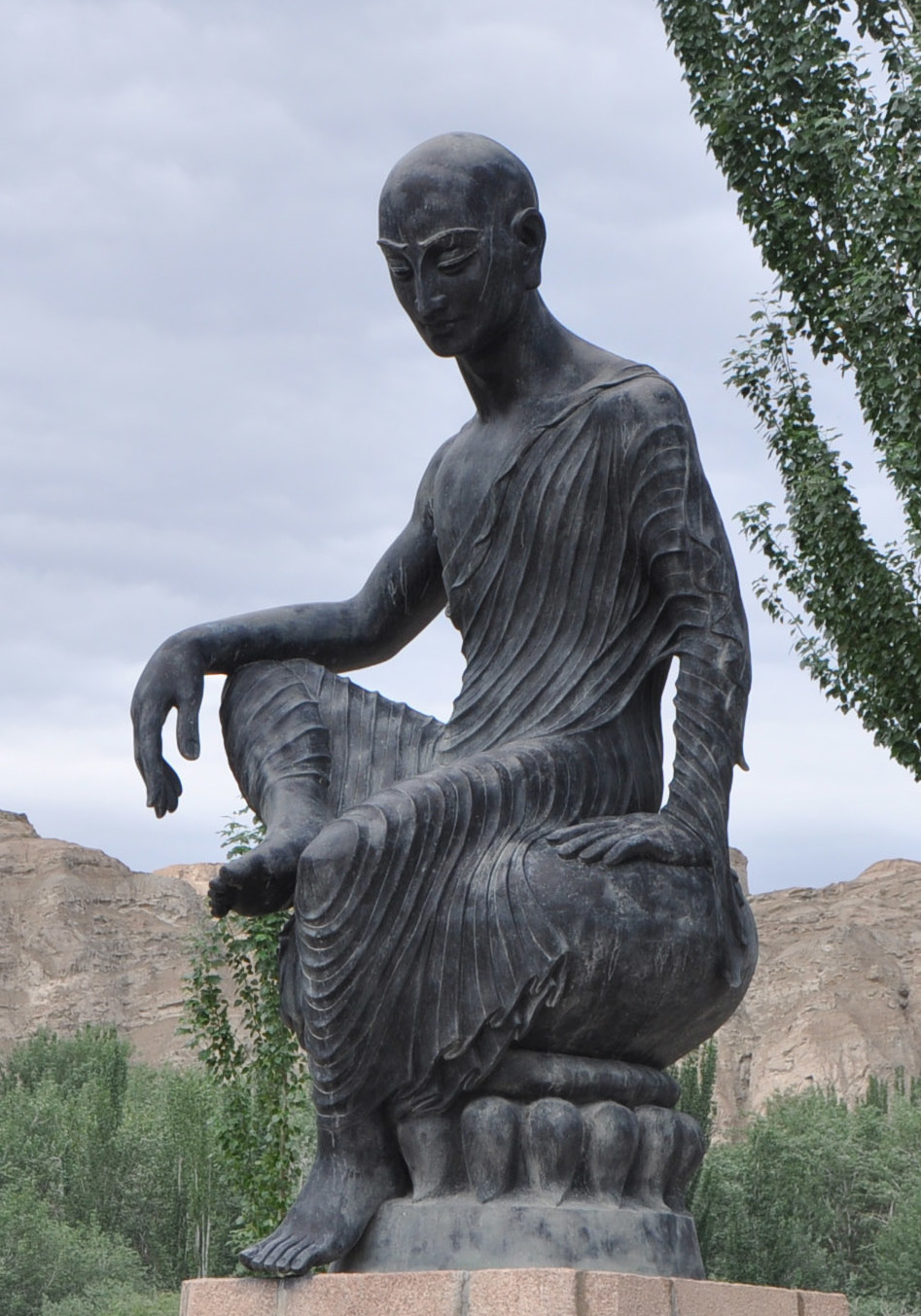
Kumārajīva
344 CE – 413 CE
Kucha (Kuqa), Tarim Basin
Kuchean Buddhist translator whose Chang'an translation bureau carried Prajñāpāramitā, Madhyamaka, Lotus, Vimalakīrti, Pure Land, and meditation texts into durable Chinese Buddhist philosophical language.
Philosophy of Language
Kumārajīva is central to philosophy of language because his translations stabilized Chinese Buddhist terminology for emptiness, wisdom, samādhi, nonduality, names, negation, and scripture.
Kutsa Āṅgirasa
1200 BCE – 1100 BCE
Indo-Gangetic region, exact birthplace unknown
Vedic rishi and Āṅgirasa lineage figure associated with Rigvedic Indra hymnody, sacred speech, ritual praise, śruti transmission, and early Hindu religious philosophy.
Philosophy of Language
Kutsa is centrally relevant to philosophy of language through mantra, Vedic speech, hymnic utterance, and the treatment of sacred words as vehicles of ritual and religious meaning.
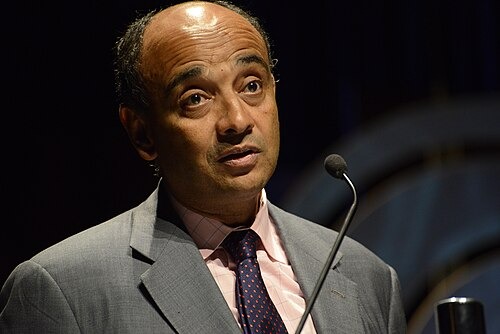
Kwame Anthony Appiah
1954 CE
London
Ghanaian-British-American analytic philosopher of cosmopolitanism, identity, race, culture, semantics, ethics, honor, religion, public philosophy, and global moral responsibility.
Philosophy of Language
Works on truth, semantics, assertion, conditionals, proverbs, cultural language, identity labels, and the public force of naming.
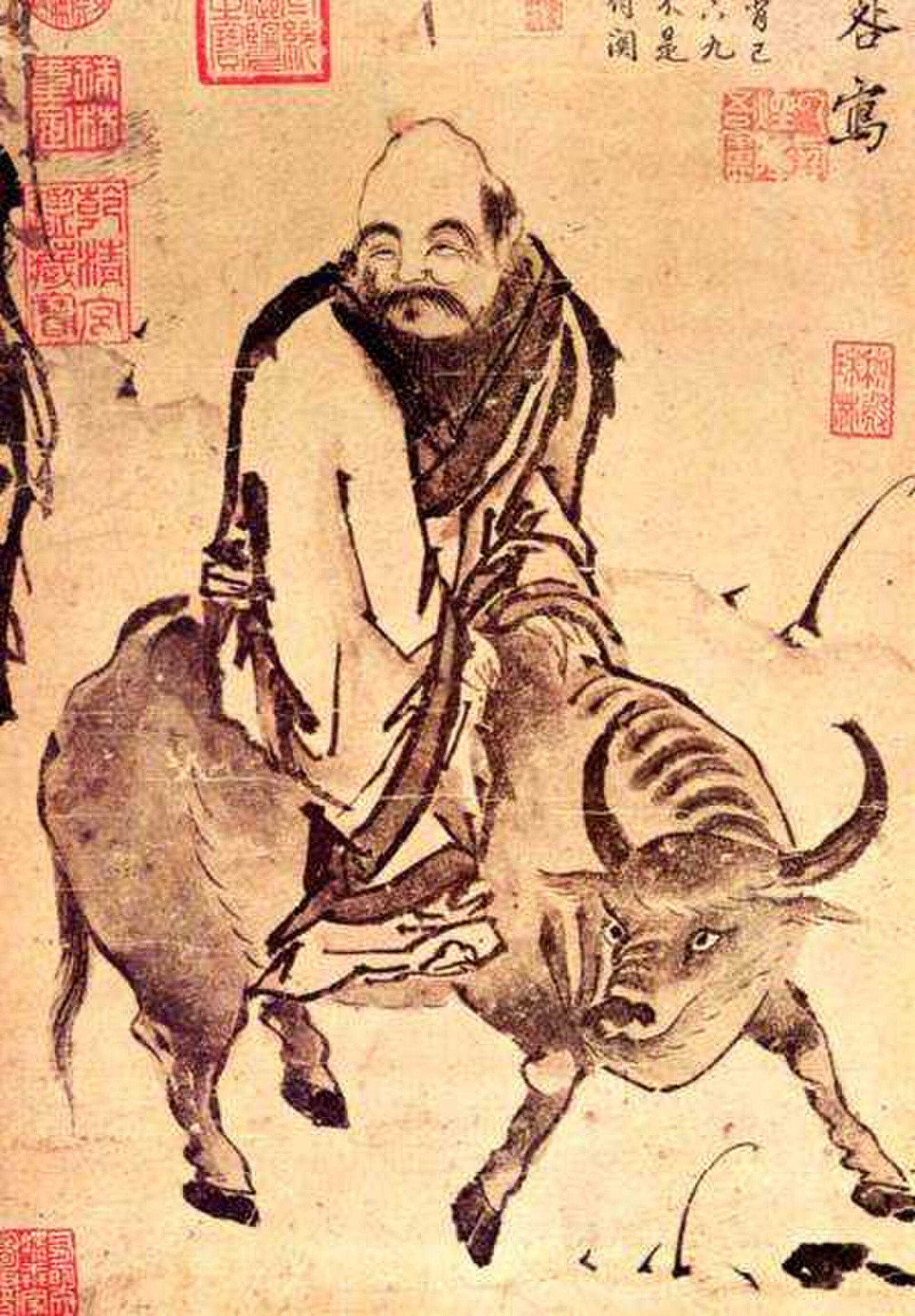
Laozi
600 BCE – 501 BCE
traditionally Ku County, state of Chu, near modern Luyi, Henan; historicity uncertain
Legendary early Daoist figure associated with the Daodejing, Dao, de, wuwei, ziran, simplicity, anti-coercive rule, and later religious Daoist veneration as Taishang Laojun.
Philosophy of Language
Opened with the limits of naming and made paradox, negation, silence, and the tension between nameable and nameless Dao central to philosophical expression.
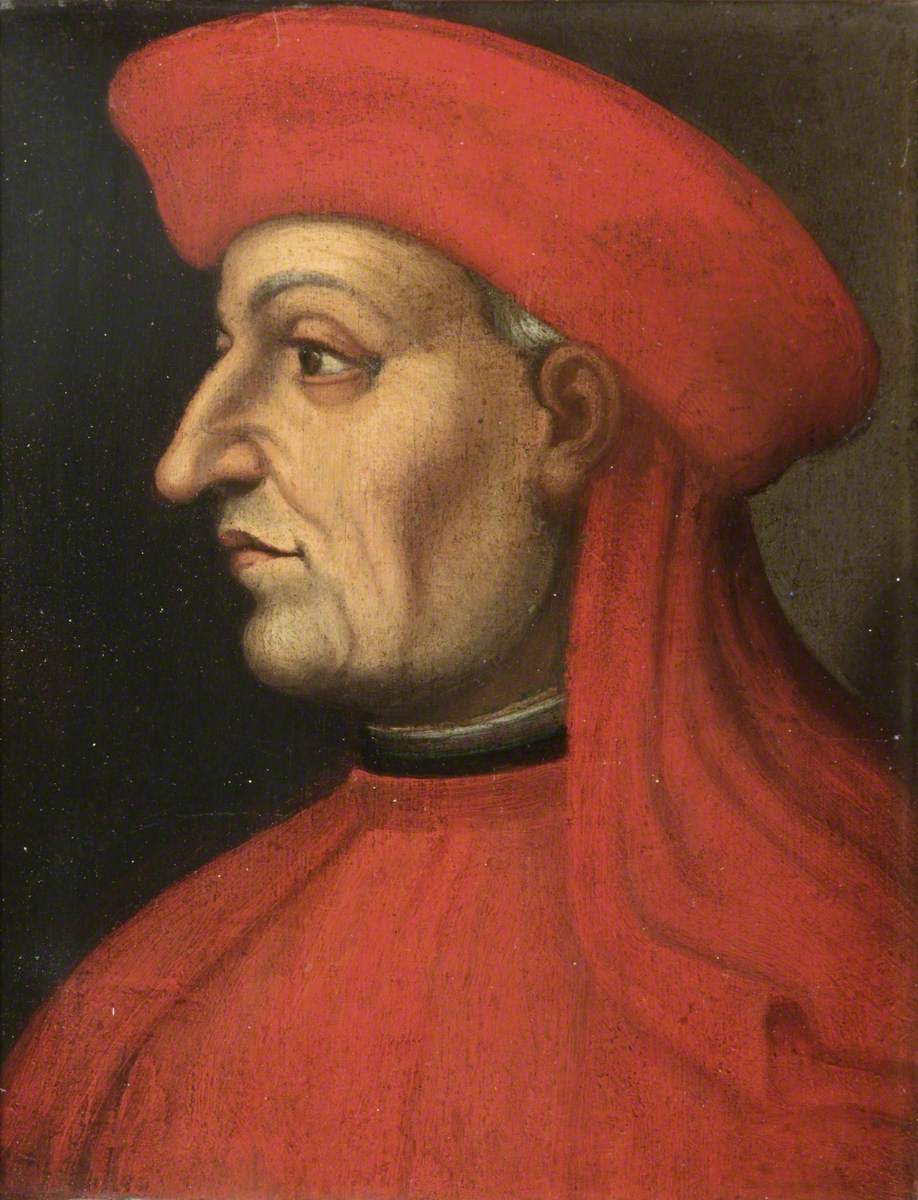
Leonardo Bruni
1370 CE – 1444 CE
Arezzo
Italian Renaissance humanist, Florentine chancellor, translator, and historian whose civic rhetoric, republican historiography, classical translations, and De interpretatione recta shaped civic humanism and humanist translation theory.
Philosophy of Language
His translations and De interpretatione recta make idiom, style, context, Greek learning, and humanist Latin central to philosophical communication.
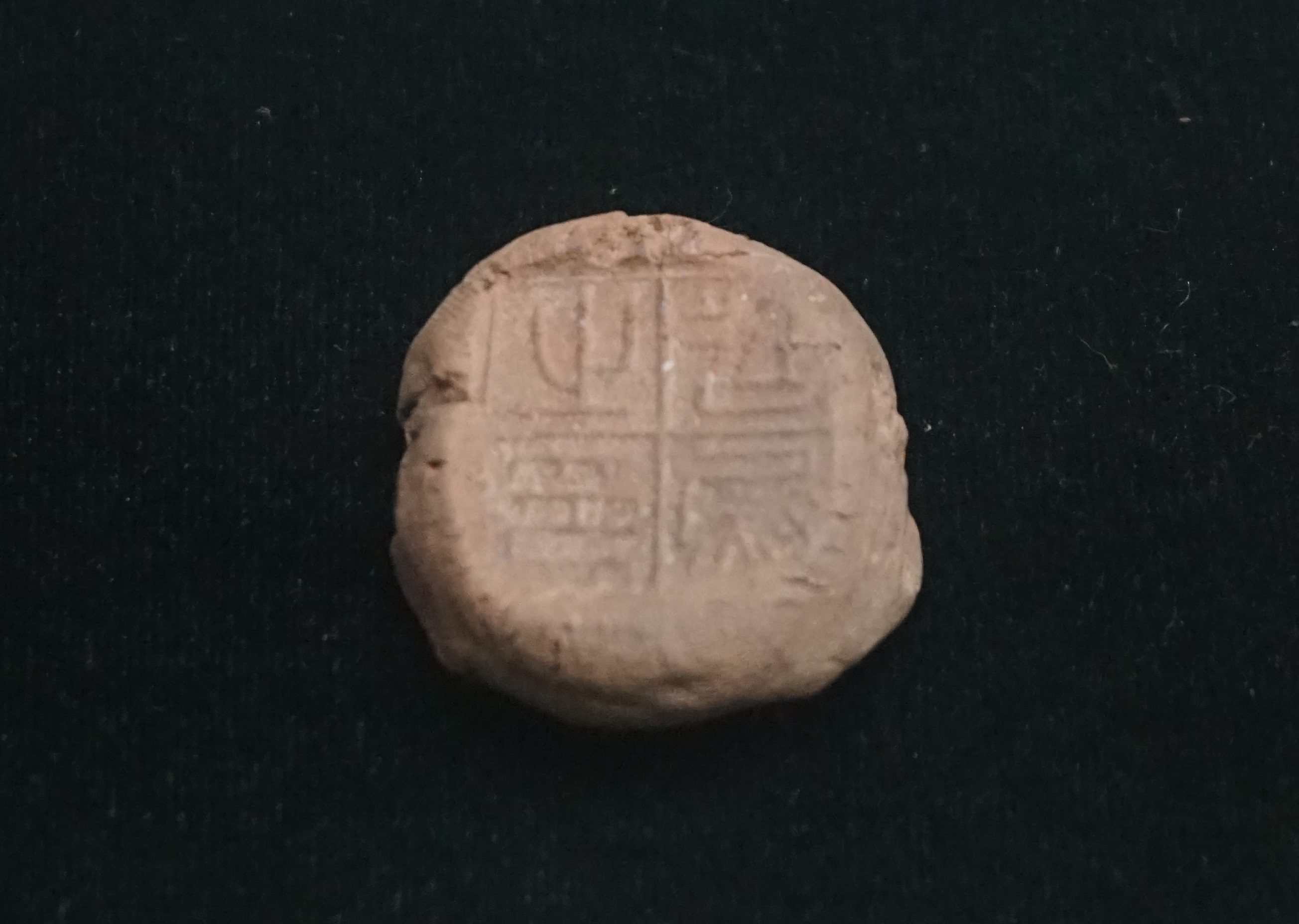
Li Si
280 BCE – 208 BCE
Shangcai, State of Chu, now Henan
Qin Legalist statesman whose memorials, centralized statecraft, and script-standardization work helped form the administrative language of the first Chinese empire.
Philosophy of Language
Made script standardization, small seal script, Cangjiepian, inscriptional proclamation, and the public form of commands central to Qin political order.
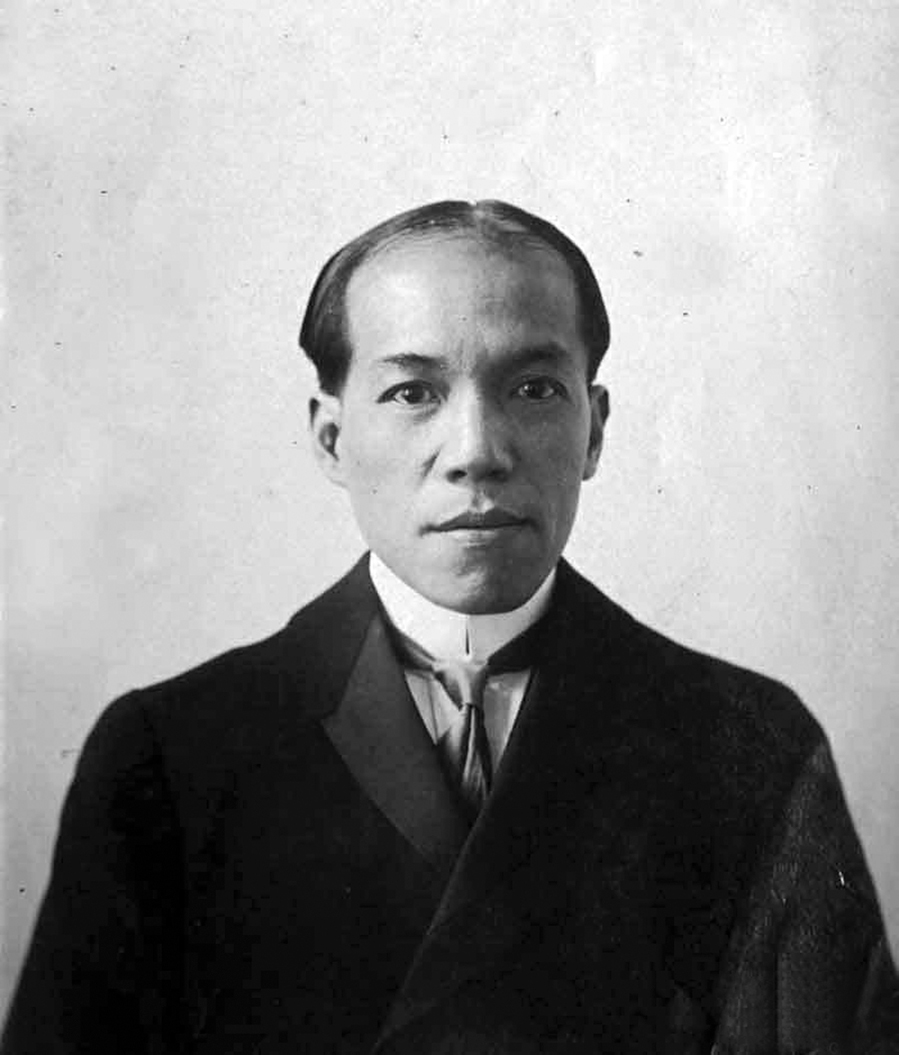
Liang Qichao
1873 CE – 1929 CE
Xinhui, Guangdong
Cistercian monk, abbot of late Qing and early Republican reformism, and medieval Christian philosopher-theologian whose theology of love, humility, grace, free choice, mystical ascent, monastic ethics, scriptural exegesis, and ecclesial counsel shaped scholastic, monastic, and political theology.
Philosophy of Language
Made translation, journalism, new vocabulary, historiographical categories, and public writing central to modern Chinese political and intellectual transformation.
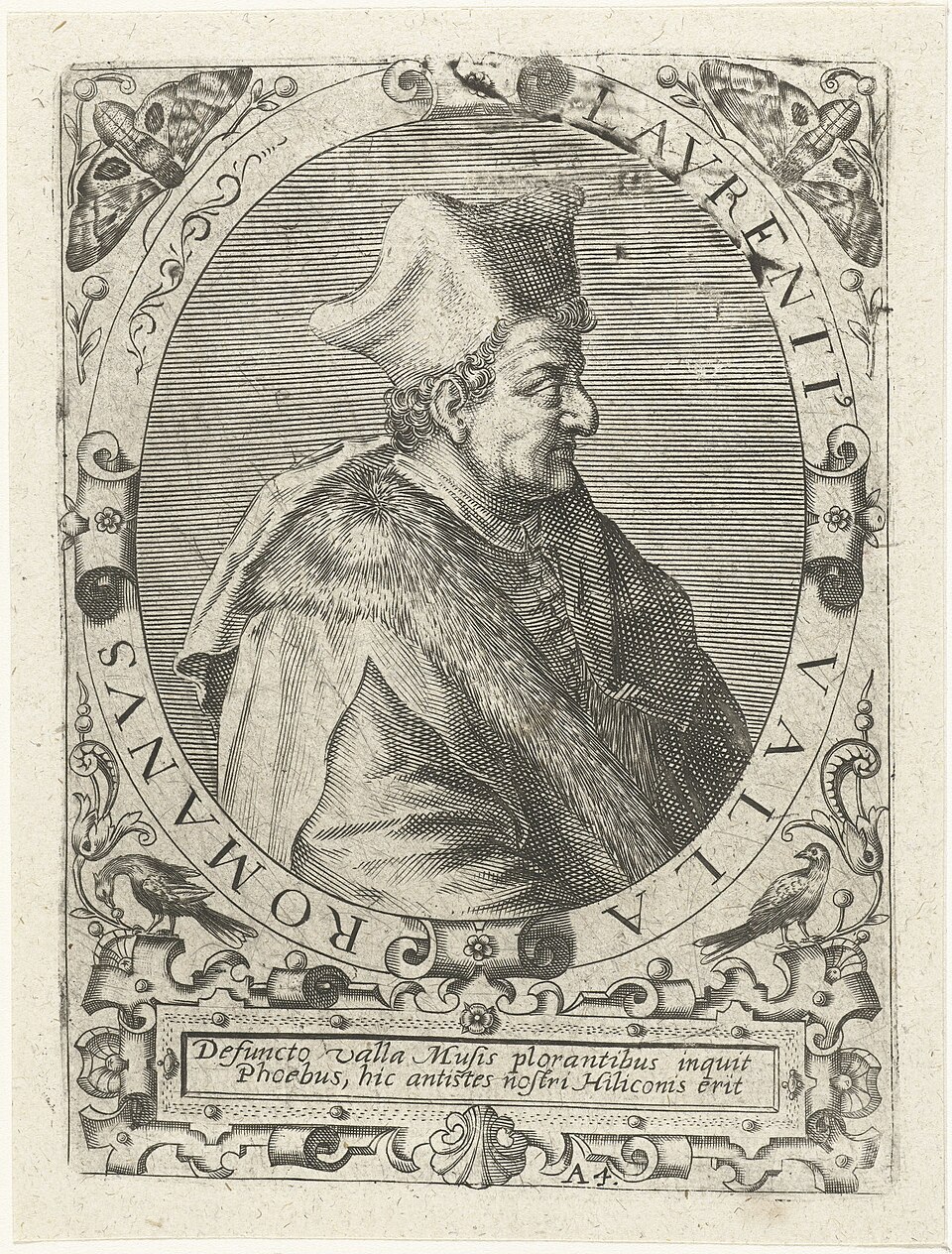
Lorenzo Valla
1407 CE – 1457 CE
Rome
Italian Renaissance humanist, philologist, philosopher, textual critic, translator, and Catholic priest whose critique of scholasticism, Latin style, biblical scholarship, and exposure of the Donation of Constantine reshaped humanist method.
Philosophy of Language
Elegantiae, De reciprocatione, and the Dialectical Disputations make correct Latin usage, semantics, grammar, rhetoric, and translation central to philosophical method.

Lucretius (Titus Lucretius Carus)
99 BCE – 55 BCE
Rome or Roman Italy, probably Rome; exact birthplace uncertain
Roman Epicurean poet-philosopher whose De rerum natura carries atomism, naturalistic explanation, mortal mind, and the critique of superstition into Latin didactic poetry.
Philosophy of Language
Transforms Greek Epicurean vocabulary into Latin philosophical poetry and repeatedly reflects on the difficulty of rendering Greek doctrine in Roman language.
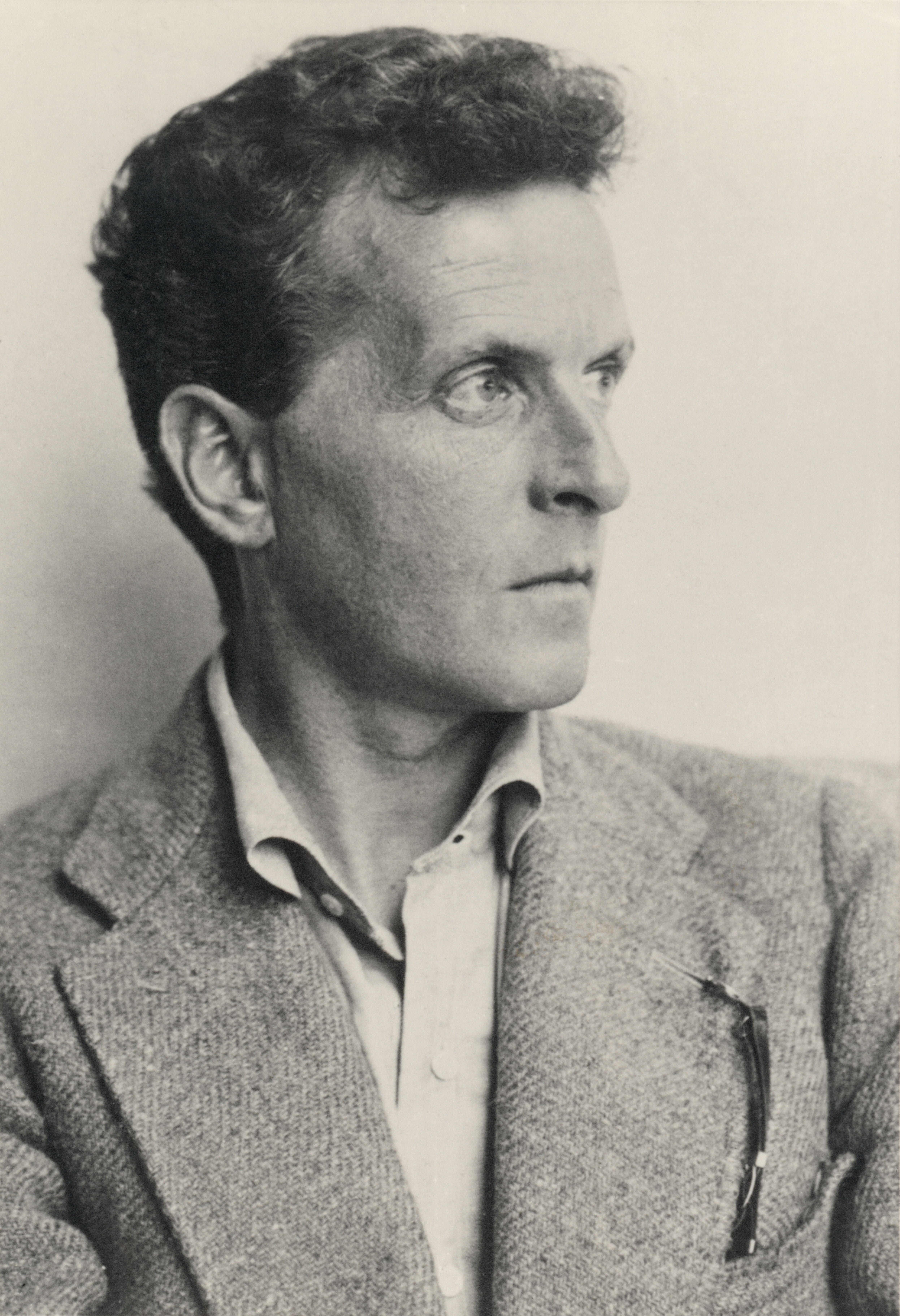
Ludwig Wittgenstein
1889 CE – 1951 CE
Vienna, Austria-Hungary
Austrian-British analytic philosopher whose Tractatus, later ordinary-language method, language-games, private-language arguments, and remarks on mathematics, certainty, mind, aesthetics, ethics, and religious language reshaped twentieth-century philosophy.
Philosophy of Language
Transforms philosophy of language from logical representation to meaning as use, language-games, grammar, family resemblance, and forms of life.
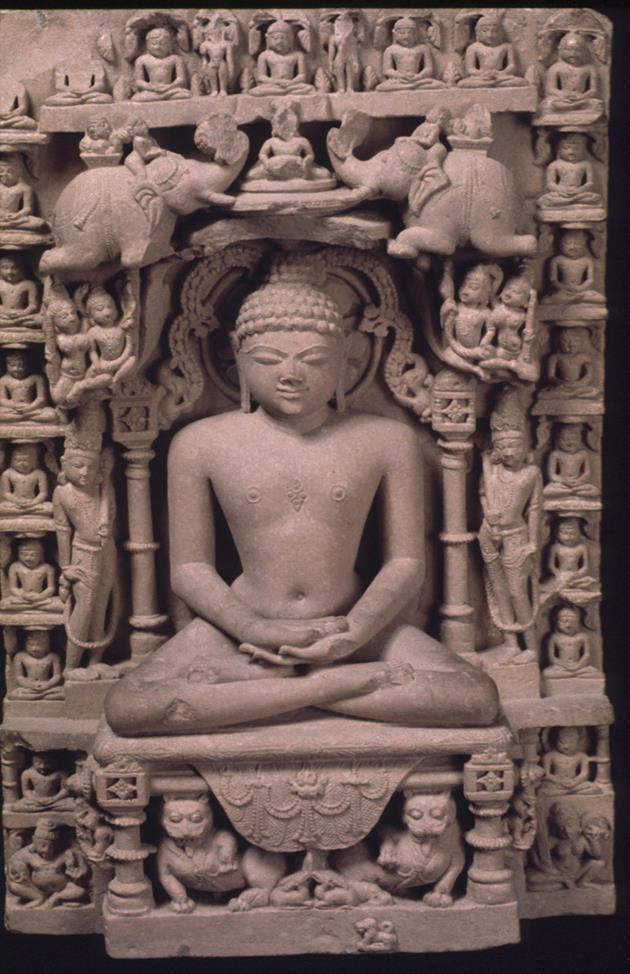
Mahāvīra (Vardhamāna)
599 BCE – 527 BCE
Kuṇḍagrāma near Vaiśālī, Vajji; traditional birthplace
Jain śramaṇa teacher and final tīrthaṅkara associated with ahiṃsā, anekāntavāda, aparigraha, ascetic liberation, kevala-jñāna, and the Jain Āgama teaching tradition.
Philosophy of Language
Mahāvīra's oral teaching transmission and later Jain Āgamas stabilize technical language for jīva, ajīva, karma, ahiṃsā, anekāntavāda, syādvāda, kevala-jñāna, mokṣa, and mahāvrata.
Maitreyī
800 BCE – 700 BCE
Videha / Mithilā region; Upanishadic setting, exact birthplace unknown
Early Upanishadic woman philosopher whose dialogues with Yājñavalkya ask whether wealth can secure immortality and redirect inquiry toward ātman, self-knowledge, and renunciation.
Philosophy of Language
Maitreyī's concise questions about wealth, immortality, and self-knowledge show how early Upanishadic philosophy unfolds through dialogic teaching and carefully staged speech.
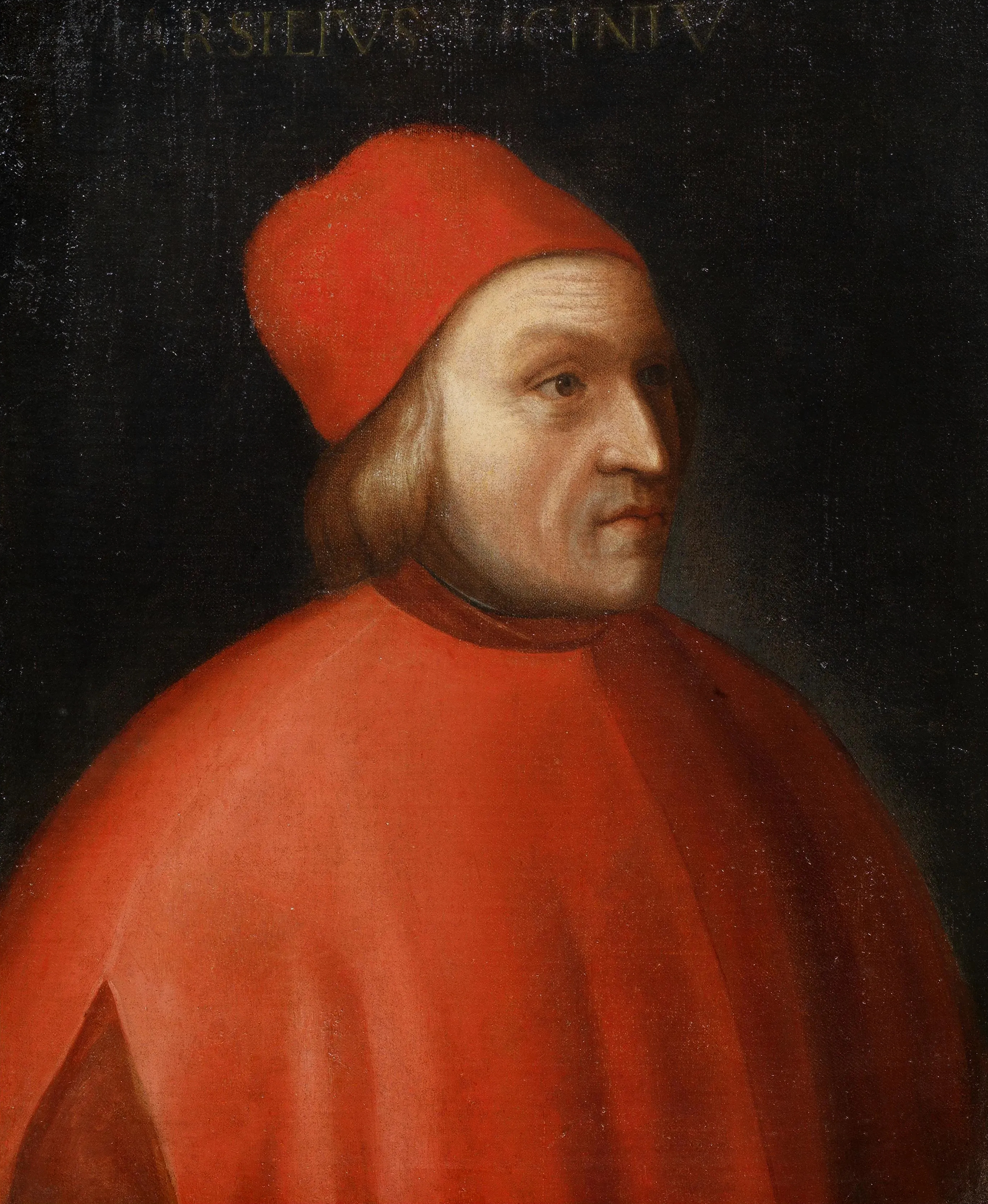
Marsilio Ficino
1433 CE – 1499 CE
Figline Valdarno, Republic of Florence
Italian Renaissance Platonist, humanist, translator, priest, and Christian Neoplatonist whose Plato, Plotinus, Hermetic, soul, love, natural-philosophy, and prisca-theologia writings shaped Florentine Platonism.
Philosophy of Language
His translations, commentaries, letters, and humanist Latin style reshape philosophical language by transmitting Plato, Plotinus, Hermes, and Dionysius into Renaissance Latin interpretive culture.
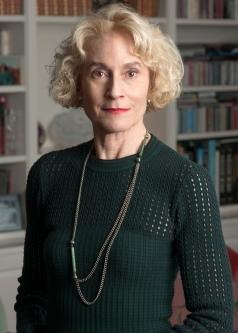
Martha Nussbaum
1947 CE
New York City
American philosopher of Aristotelian liberalism, capabilities justice, feminist ethics, political philosophy, moral psychology, animal justice, aesthetics, literature, law, religion, and public philosophy.
Philosophy of Language
Uses narrative, rhetoric, public reason, legal language, and literary expression to show how moral and political meanings are formed and contested.
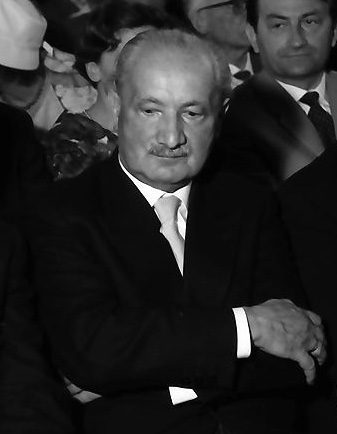
Martin Heidegger
1889 CE – 1976 CE
Meßkirch, Baden, German Empire
German phenomenologist and hermeneutic ontologist whose Being and Time, Dasein analysis, critique of metaphysics, art, technology, language, and late Ereignis thinking reshaped twentieth-century philosophy.
Philosophy of Language
He makes language central as discourse, saying, poetry, house of Being, etymological retrieval, translation, and the site where thought responds to Being.
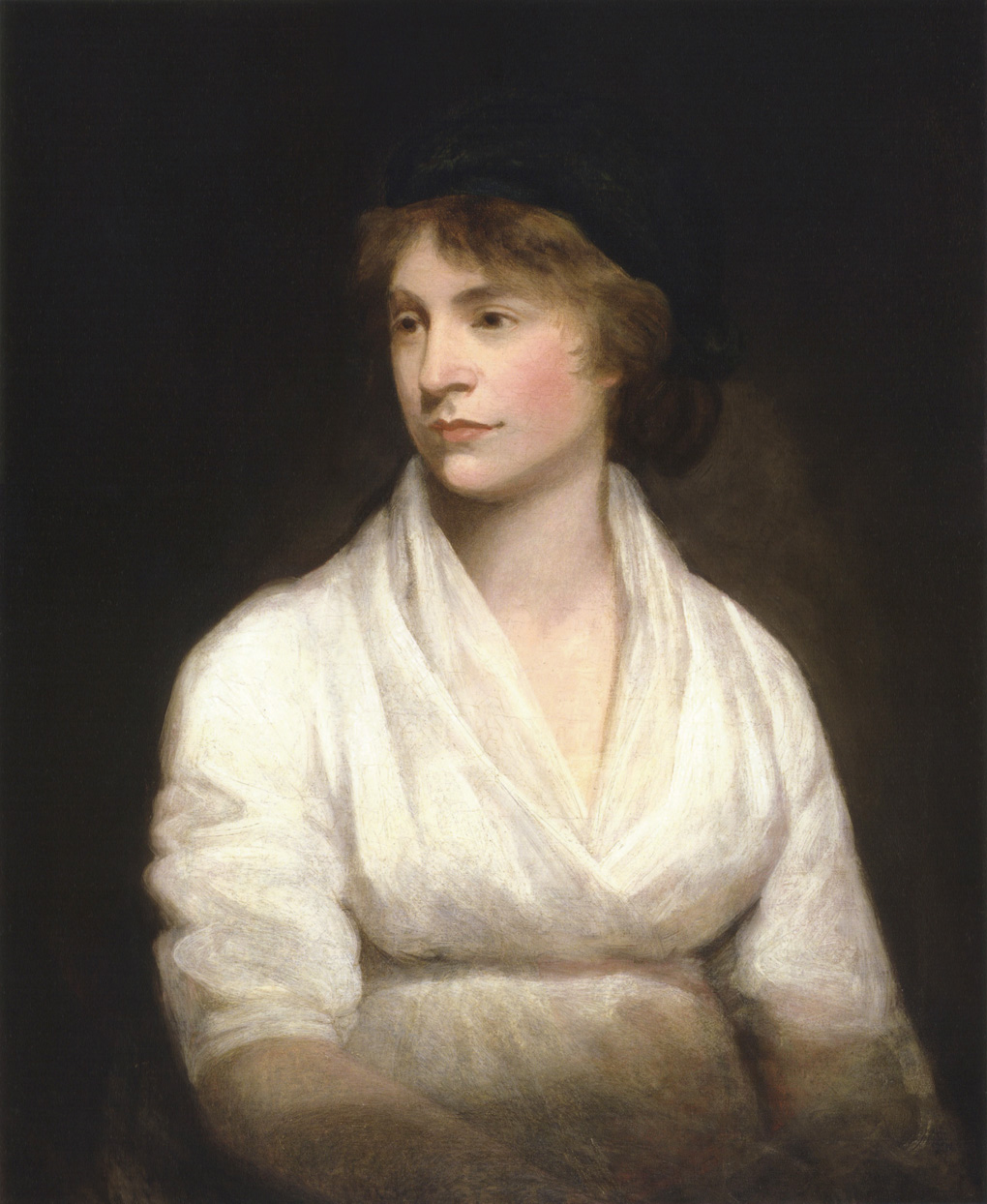
Mary Wollstonecraft
1759 CE – 1797 CE
Spitalfields, London
English Enlightenment feminist philosopher, republican political writer, educator, novelist, translator, historian, and advocate of women's rational education, civic dignity, and moral independence.
Philosophy of Language
Her works use plain political argument, review culture, translation, fiction, travel letters, and pedagogical dialogue to make philosophical claims available across genres and audiences.
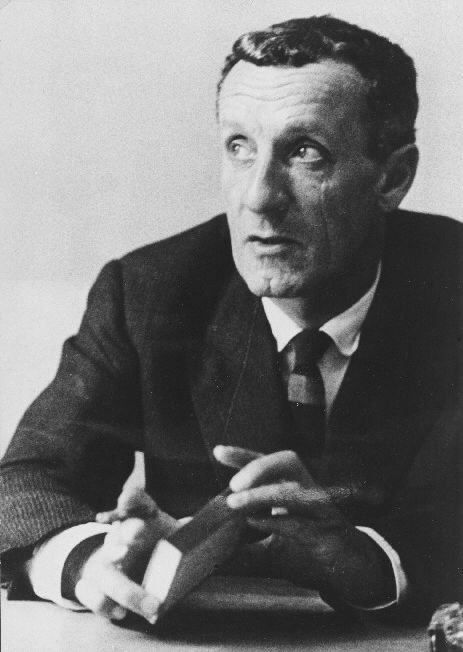
Maurice Merleau-Ponty
1908 CE – 1961 CE
Rochefort-sur-Mer
French philosopher of existential phenomenology, embodied perception, lived body, intersubjectivity, language, aesthetics, politics, nature, and the late ontology of flesh.
Philosophy of Language
He treats speech, expression, gesture, sedimented meaning, creative language, and prose as embodied acts that disclose and transform a shared world.
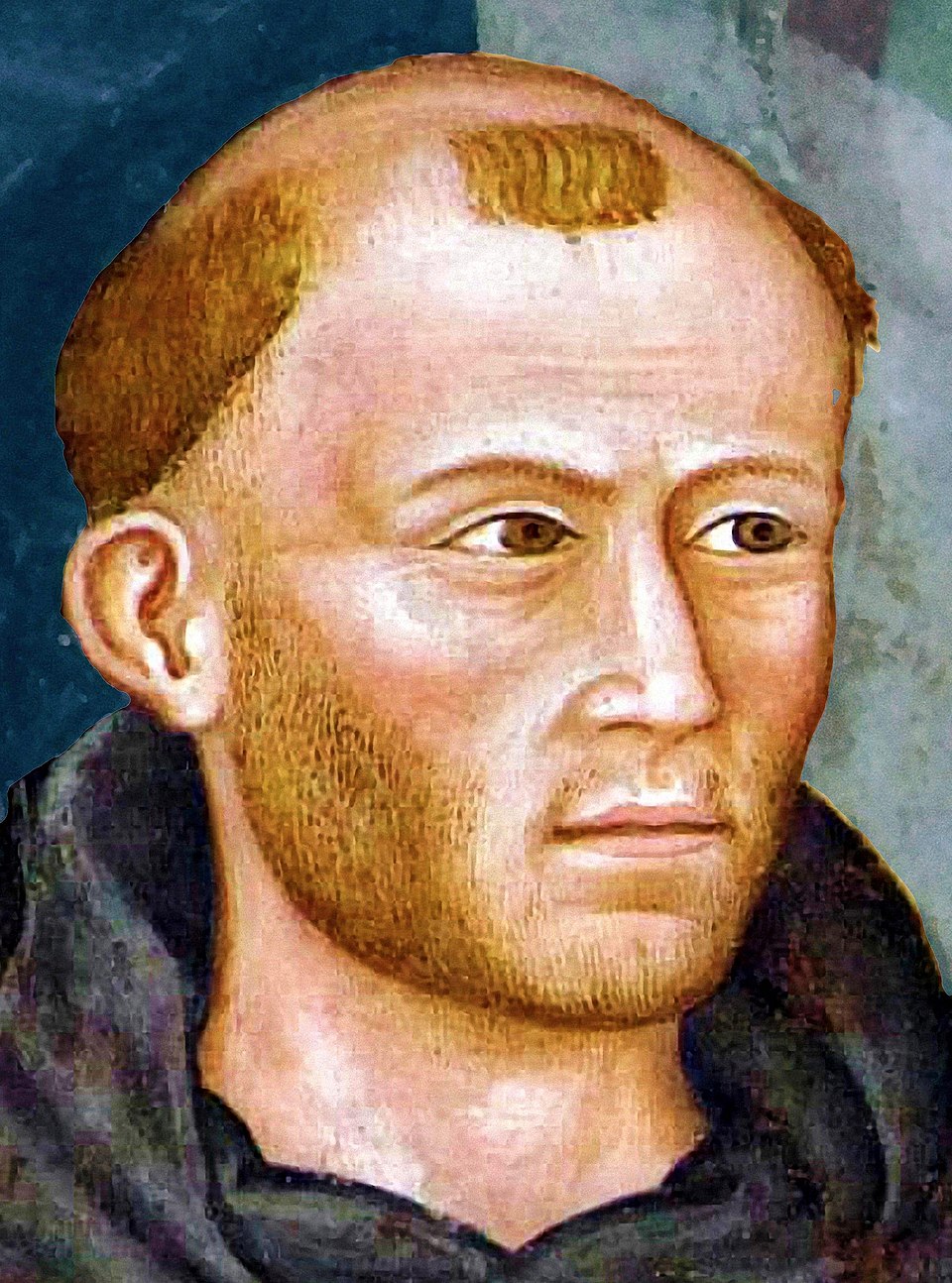
Meister Eckhart
1260 CE – 1328 CE
Hochheim or Tambach near Gotha, Thuringia; exact birthplace uncertain
German Dominican philosopher-theologian of Rhineland mysticism, speculative Christian Neoplatonism, apophatic theology, detachment, ground of the soul, divine birth, and vernacular mystical language.
Philosophy of Language
He reshapes Latin scholastic and Middle High German religious language through analogy, negation, paradox, proposition, sermon, and scriptural interpretation.
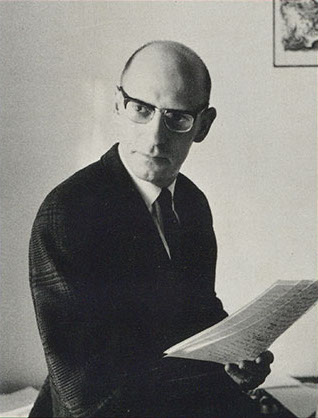
Michel Foucault
1926 CE – 1984 CE
Poitiers
French philosopher of archaeology, genealogy, power-knowledge, discipline, biopolitics, subjectivation, sexuality, governmentality, and care of the self.
Philosophy of Language
Analyzes discourse, statements, archives, authorship, truth-telling, and the rules by which language becomes knowledge and social practice.
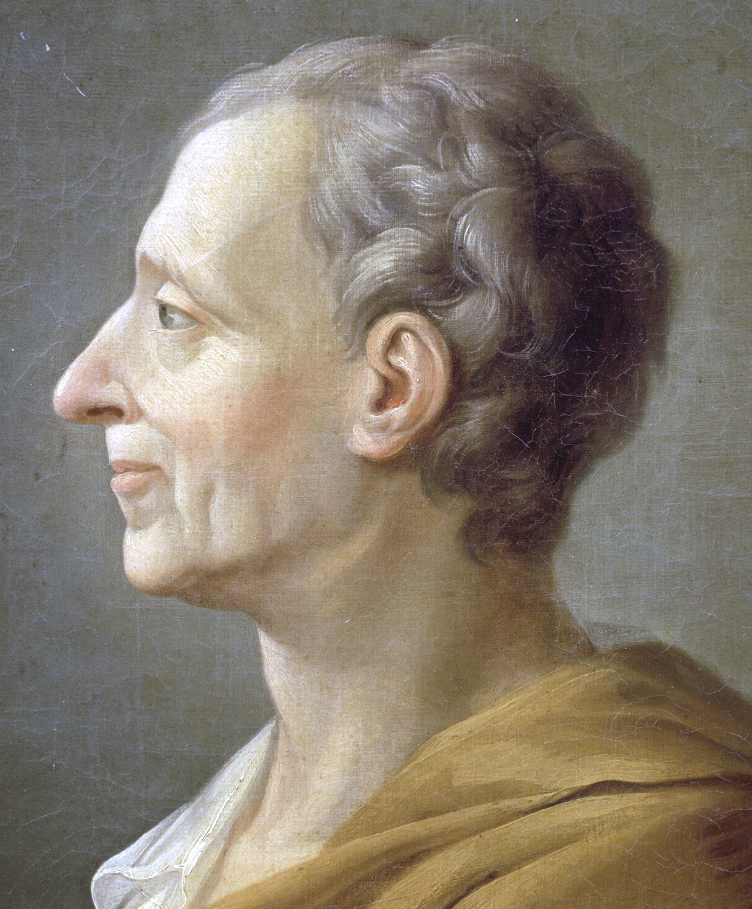
Montesquieu (Charles-Louis de Secondat)
1689 CE – 1755 CE
Chateau de la Brede, near Bordeaux
Enlightenment political philosopher of separation of powers, comparative law, rule of law, political liberty, commerce, climate, moderation, and despotism.
Philosophy of Language
Uses epistolary satire, historical explanation, legal typology, dialogue, and comparative rhetoric to shift perspective between societies and expose arbitrary custom.

Mozi (Mo Di)
470 BCE – 391 BCE
State of Lu or State of Song, Warring States China
Warring States philosopher of Mohism, jian ai, impartial care, anti-aggression, meritocracy, frugality, Heaven, ghosts, standards, logic, optics, and siege defense.
Philosophy of Language
Connects names, distinctions, standards, disputation, and classification to practical reasoning and later Mohist logic.
Muhyi al-Din Ibn Arabi
1165 CE – 1240 CE
Murcia, al-Andalus
Sufi philosopher of Akbarian metaphysics, imagination, prophecy, sainthood, divine names, unveiling, cosmology, the Perfect Human, and Islamic mystical reception.
Philosophy of Language
Transforms Quranic, hadith, poetic, philosophical, and Sufi vocabulary into a dense symbolic language of signs, names, levels, and disclosures.
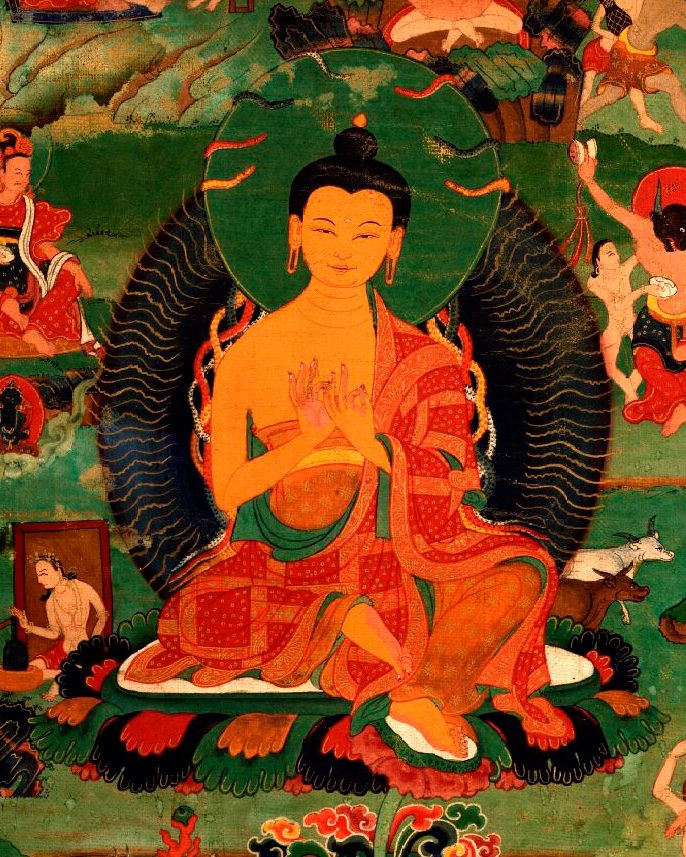
Nagarjuna
150 CE – 250 CE
South India, often associated with Andhra
Madhyamaka Buddhist philosopher of emptiness, dependent origination, two truths, svabhava critique, catuskoti, Middle Way reasoning, and Prajnaparamita reception.
Philosophy of Language
Shows how words, concepts, negation, and arguments operate conventionally without mirroring fixed essences in the world.
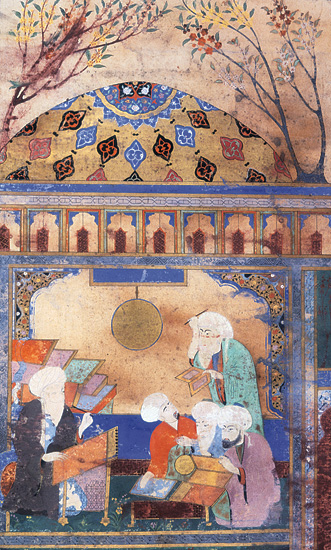
Nasir al-Din al-Tusi
1201 CE – 1274 CE
Tus, Khorasan
Persian polymath of Avicennism, Shi i theology, ethics, logic, mathematics, astronomy, Maragha Observatory, the Tusi couple, and Ilkhanid scholarship.
Philosophy of Language
Uses Arabic and Persian scholarly prose to transmit logic, theology, ethics, astronomy, mathematics, and post-Avicennan philosophical vocabulary.
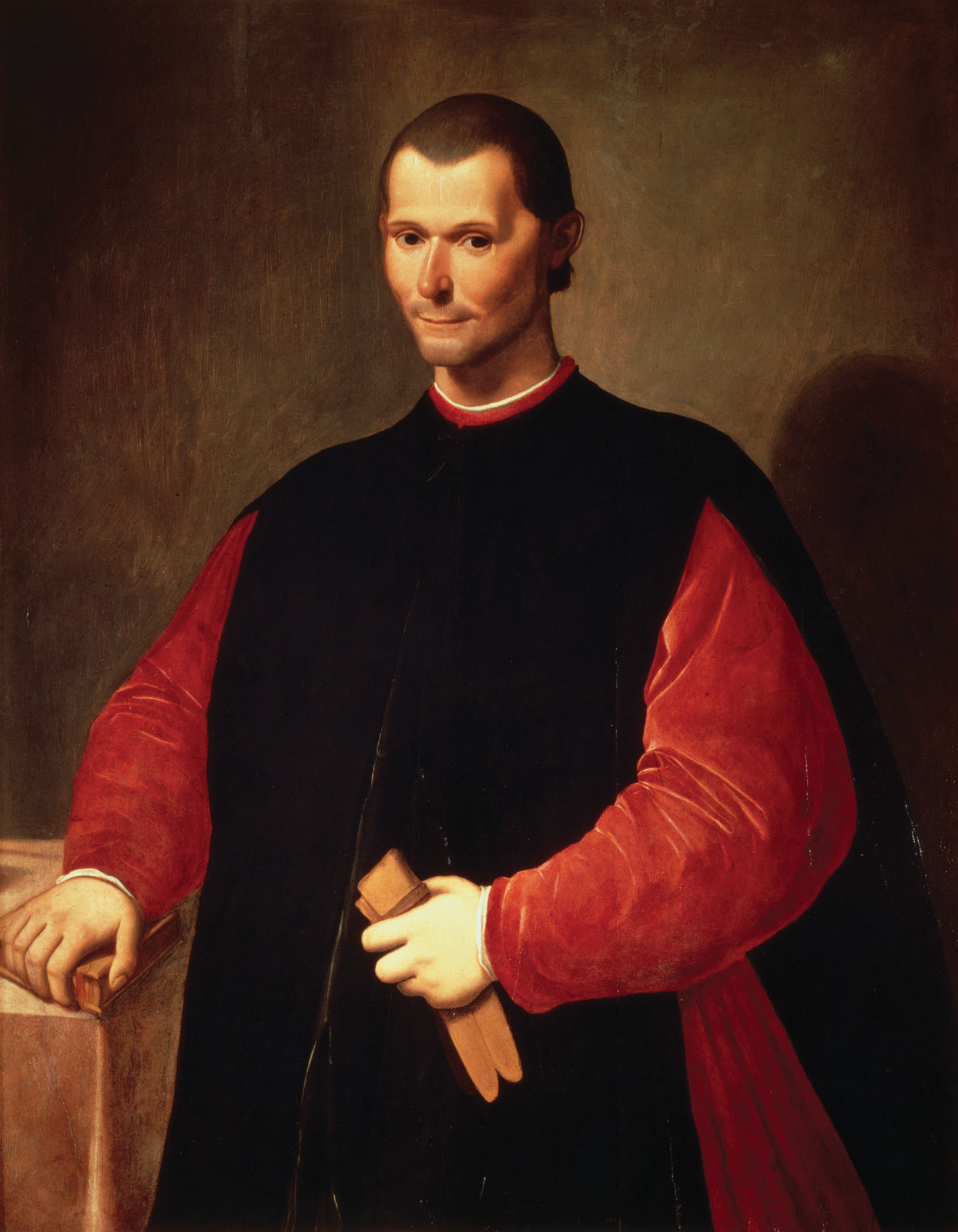
Niccolo Machiavelli
1469 CE – 1527 CE
Florence, Republic of Florence
Renaissance political philosopher of Florence, the chancery, Italian Wars, virtu, fortuna, necessity, republican liberty, civic militia, corruption, and political realism.
Philosophy of Language
Treats language as political instrument, literary identity, persuasive rhetoric, historical narration, and Florentine vernacular authority.
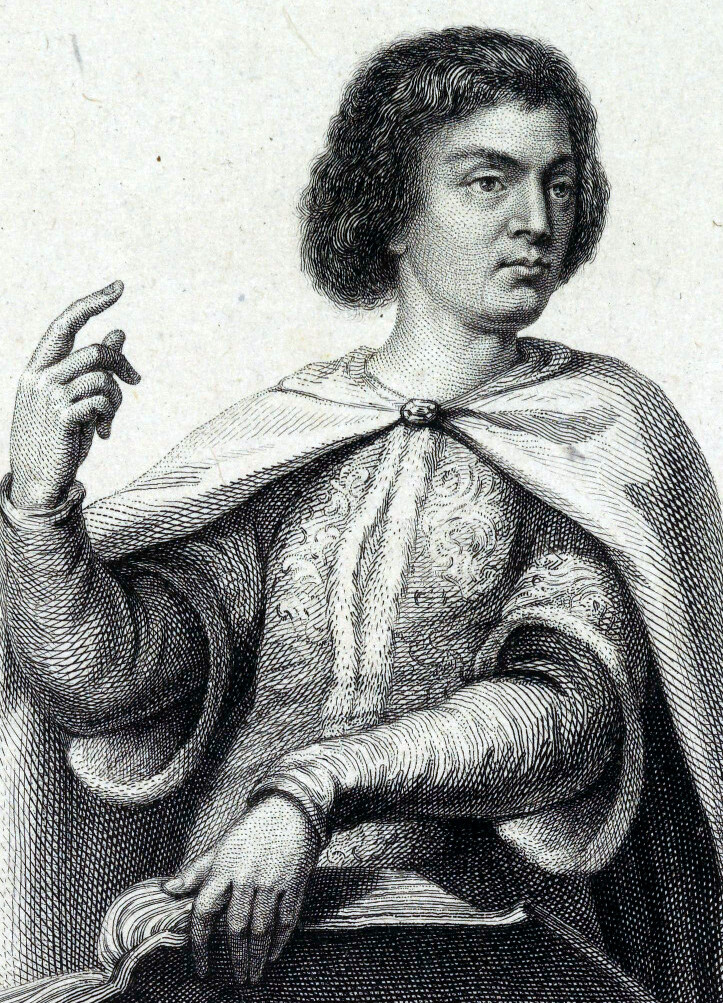
Peter Abelard
1079 CE – 1142 CE
Le Pallet, Brittany
Medieval scholastic philosopher of logic, universals, dialectic, intention, moral responsibility, Trinitarian theology, Sic et Non, Heloise, and the schools of Paris.
Philosophy of Language
Heloise; scholastic logic; universals; nominalism; conceptualism; dialectic; intention; moral responsibility; Sic et Non; Trinitarian theology; Council of Soissons; Bernard of Clairvaux; Paraclete; Cluny; Pere-Lachaise; complex transmission
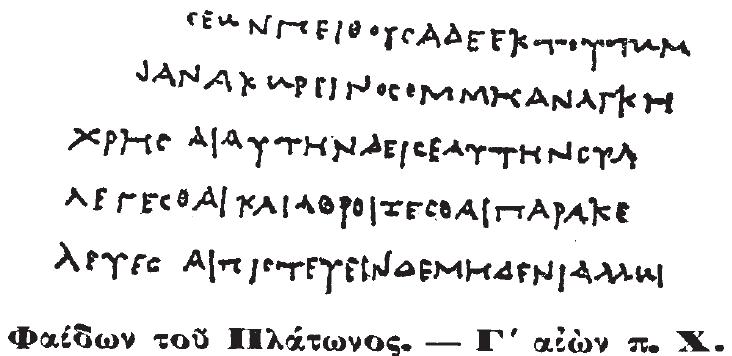
Phaedo of Elis
417 BCE – 345 BCE
Elis (Peloponnese)
Socratic philosopher from Elis, witness to Socrates' death, founder of the Elean school, and author of lost Socratic dialogues on dialectic, ethics, character, and philosophical conversation.
Philosophy of Language
Phaedo''s known authorship survives as reported dialogue titles and testimonia, so the profile treats title transmission, authenticity, and lost-dialogue evidence carefully.
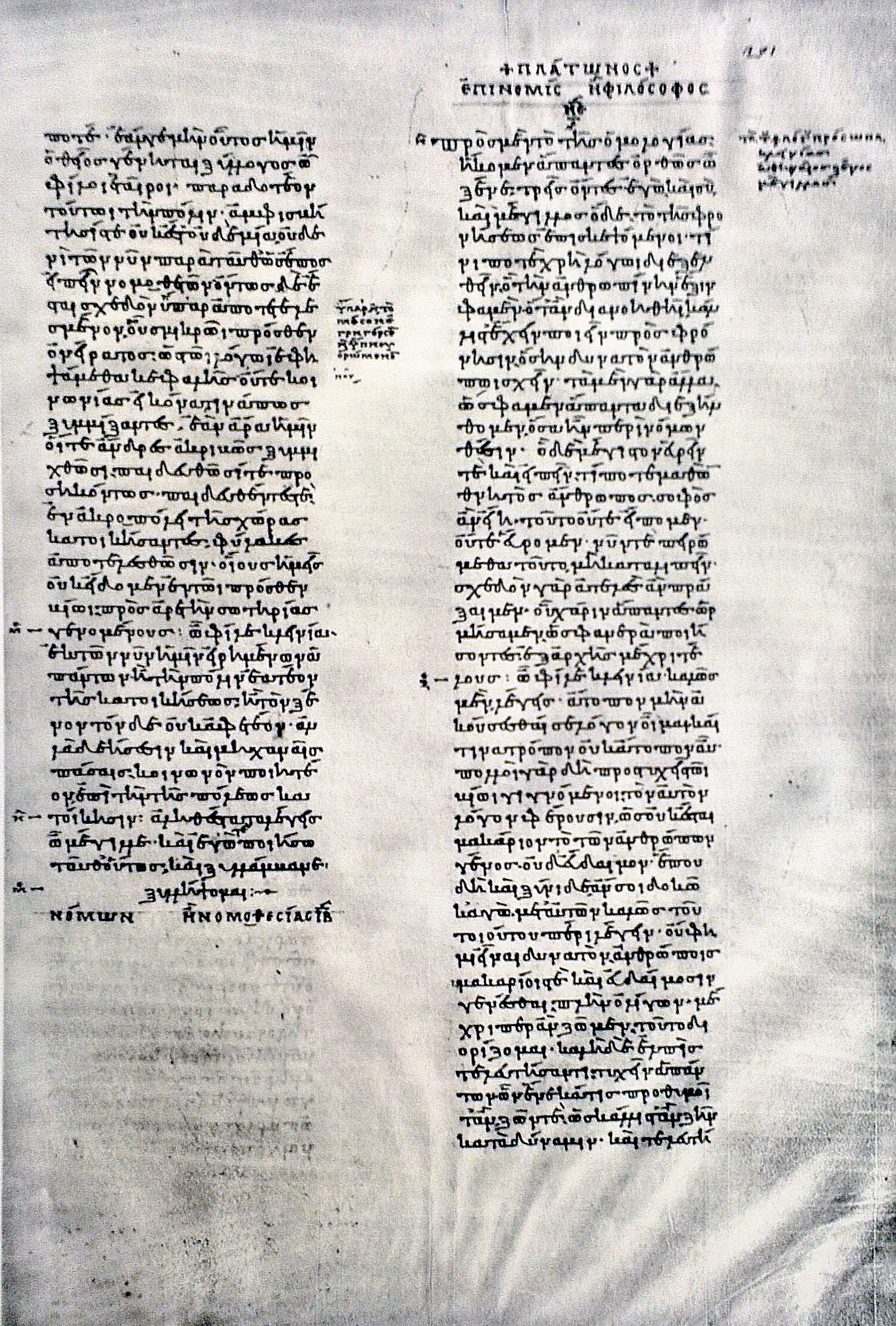
Philip of Opus
380 BCE – 330 BCE
Opus (Locris)
Early Academic philosopher of Opus, Plato's Academy, mathematical astronomy, Epinomis, astral theology, Opuntian Locris, and the reported arrangement of Plato's Laws.
Philosophy of Language
Philip's reported work On Writing and his association with arranging Plato's Laws make textual transmission, editing, and philosophical authorship central evidence problems.
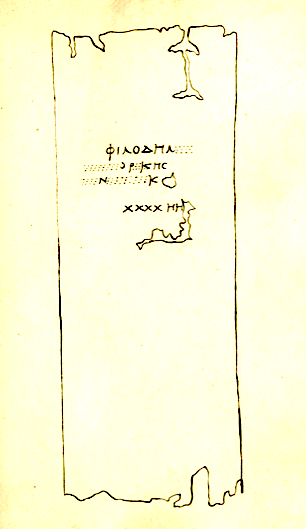
Philodemus of Gadara
110 BCE – 35 BCE
Gadara (Decapolis)
Epicurean philosopher and poet from Gadara whose Herculaneum papyri preserve work on rhetoric, poetry, music, sign inference, piety, death, frank criticism, passions, vices, and Epicurean book culture.
Philosophy of Language
Rhetoric, poetry, slander, conversation, frank criticism, and book culture make speech, interpretation, and textual authority major profile themes.
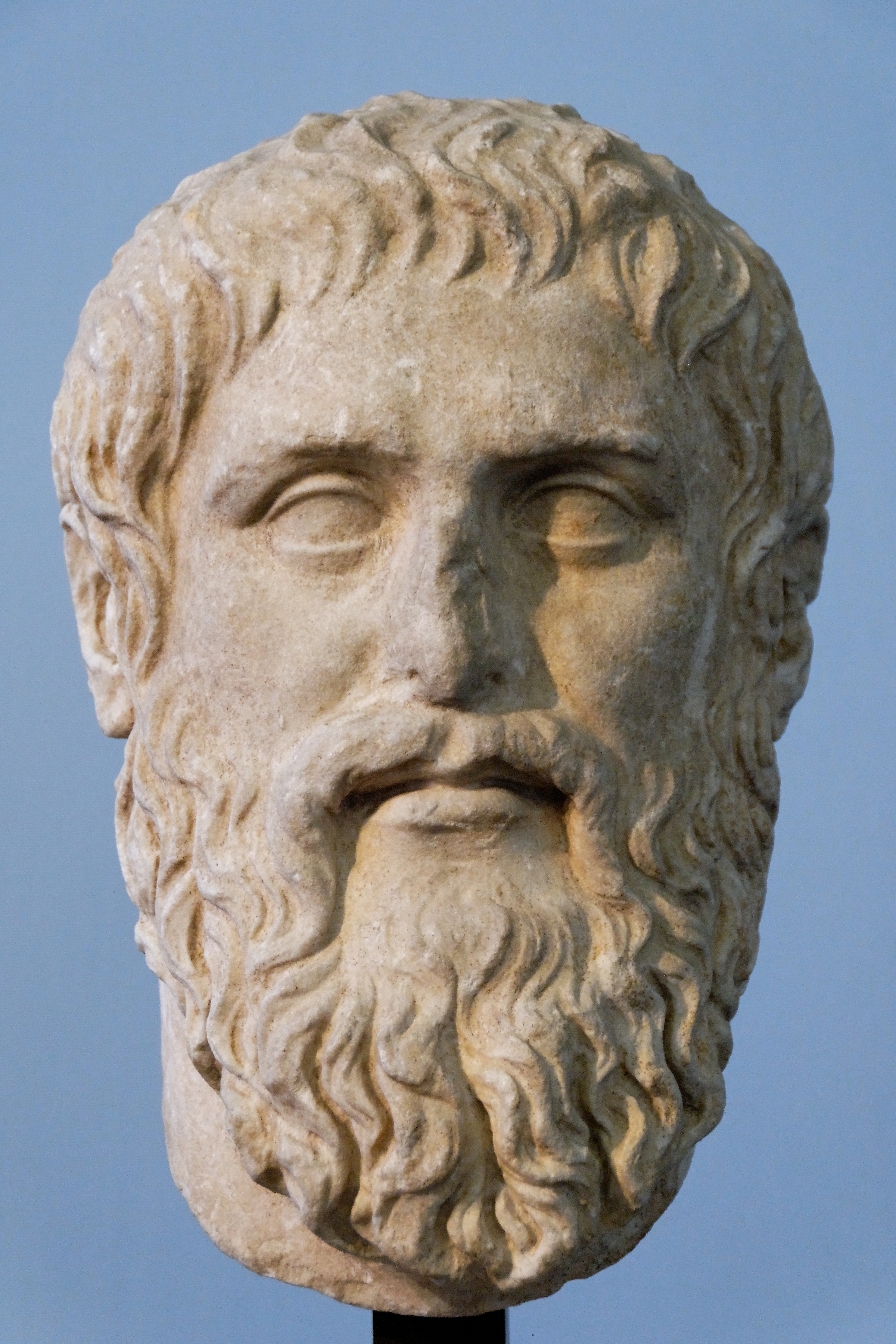
Plato
427 BCE – 347 BCE
Athens
Athenian philosopher of Forms, dialectic, recollection, the Good, tripartite soul, philosopher-rule, eros, rhetoric, language, cosmology, theology, the Academy, and the Platonic corpus.
Philosophy of Language
Cratylus, Phaedrus, Gorgias, Sophist, and related dialogues examine naming, rhetoric, writing, false statement, and speech ordered by truth.
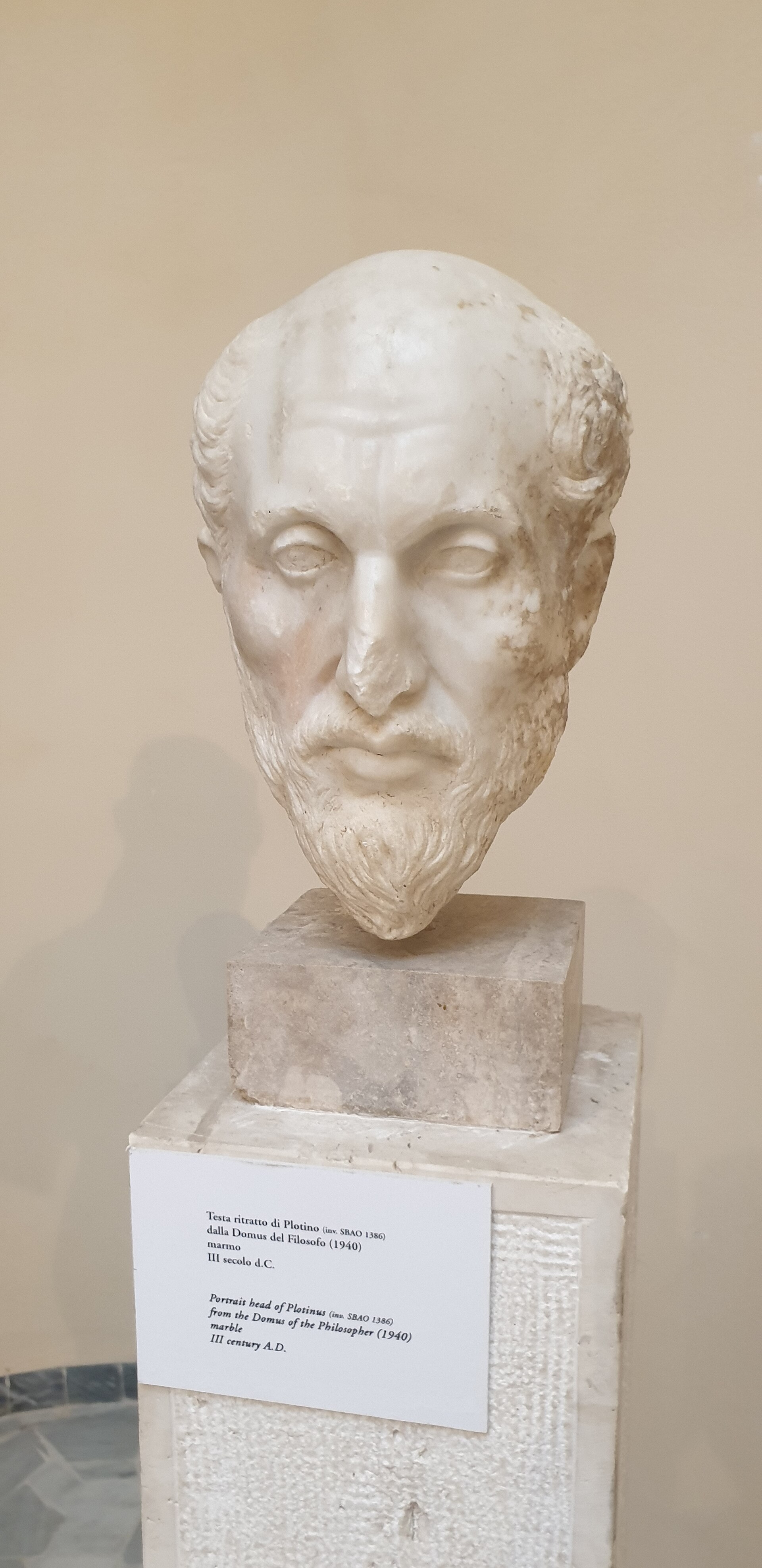
Plotinus
204 CE – 270 CE
Lycopolis (Upper Egypt)
Neoplatonic philosopher of the One, Intellect, Soul, emanation, return, henosis, beauty, evil as privation, contemplative ethics, anti-Gnostic polemic, and the Porphyrian Enneads.
Philosophy of Language
His treatises use compressed dialectical prose to stretch philosophical language toward what lies beyond being, predication, and ordinary conceptual grasp.
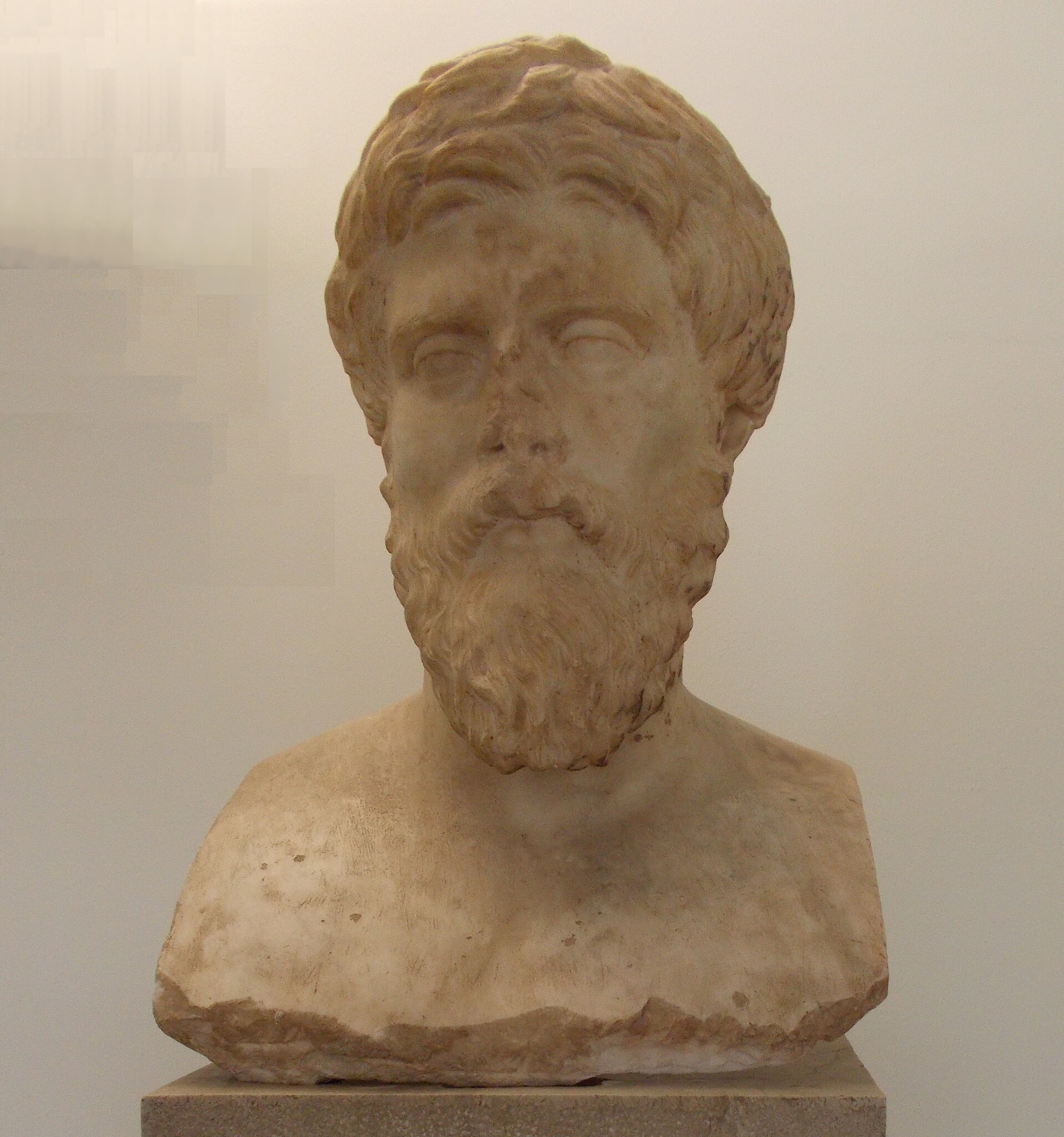
Plutarch of Chaeronea
46 CE – 120 CE
Chaeronea (Boeotia)
Middle Platonist moralist, biographer, and priest of Apollo at Delphi whose Parallel Lives and Moralia join virtue ethics, political counsel, religious Platonism, moral psychology, and literary biography.
Philosophy of Language
His philosophical prose uses dialogue, anecdote, quotation, biography, table conversation, and comparative narrative as instruments of ethical instruction.
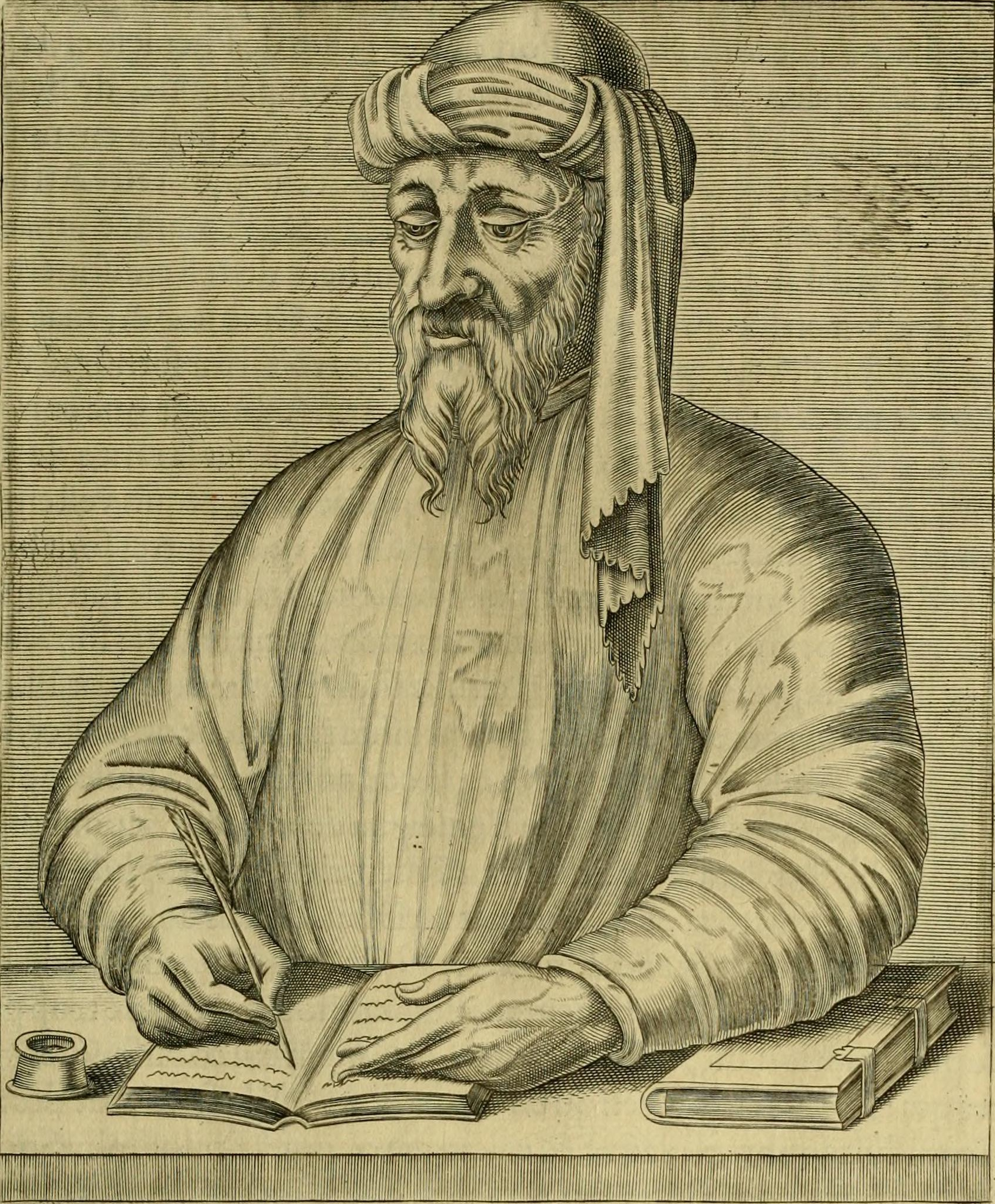
Porphyry
234 CE – 305 CE
Tyre (Phoenicia)
Neoplatonic philosopher of Tyre, logic, the Isagoge, predicables, universals, Porphyrian Tree, soul purification, vegetarian ethics, Homeric allegory, Aristotle commentary, and anti-Christian polemic.
Philosophy of Language
Porphyry's logical and grammatical works made language, predication, prosody, commentary, and interpretive precision central tools of philosophical pedagogy.

Posidonius of Apamea
135 BCE – 51 BCE
Apamea (Orontes)
Middle Stoic philosopher of Apamea and Rhodes, cosmic sympathy, fate, divination, passions, Stoic physics, geography, tides, Canopus, earth measurement, meteorology, history, and Roman reception.
Philosophy of Language
His work on diction and his fragmentary prose tradition make language, style, testimony, and translation central to how Posidonius reached later Greek and Roman readers.
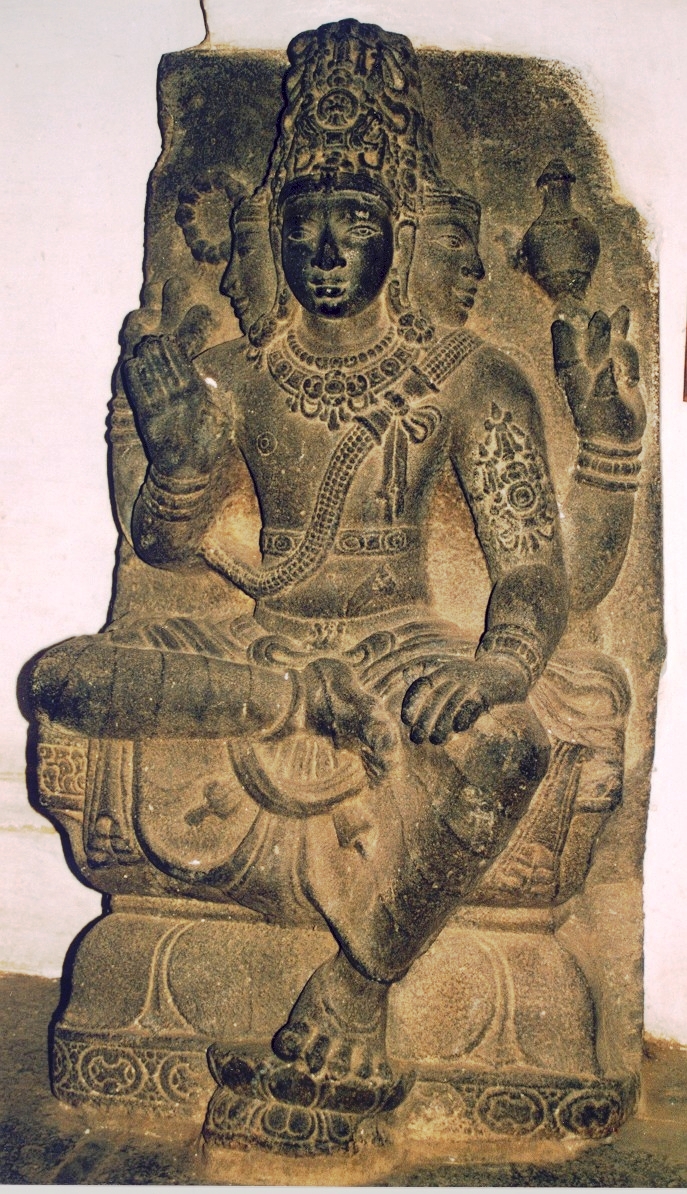
Prajapati
1200 BCE – 800 BCE
Indo-Gangetic Plain (Vedic tradition)
Vedic creator figure and lord of creatures whose profile joins Hiranyagarbha, Prajapati, tapas, Vac, yajna, sacrifice as creation, Brahmana ritual cosmology, Daksha, Brahma identification, and later Hindu reception.
Philosophy of Language
Vac, sacred speech, names, and hymn-refrain structure are central to Prajapati's profile, because creation is approached through ritual utterance, verbal power, and the naming of the creator.
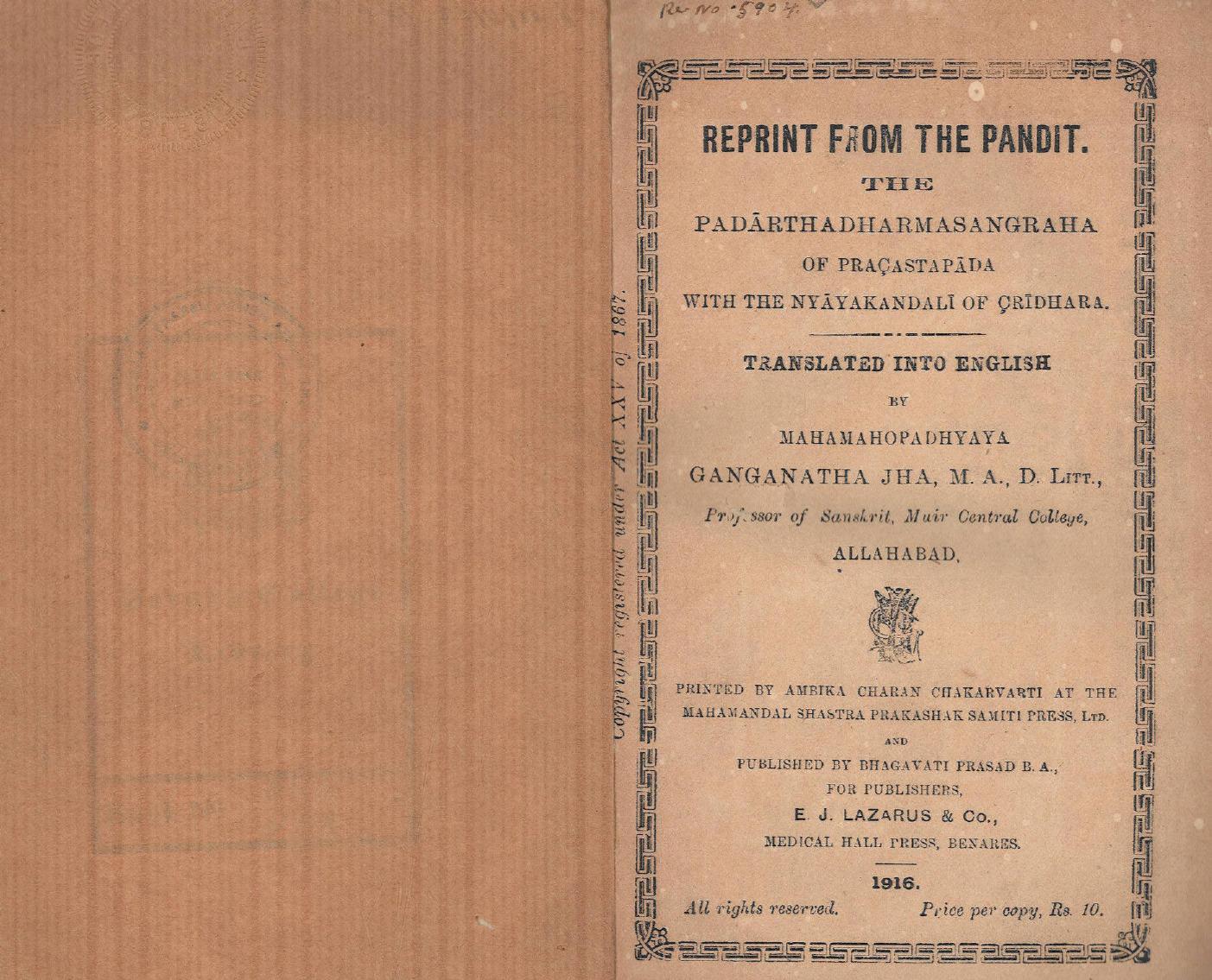
Prasastapada
530 CE – 560 CE
Indo-Gangetic region (Vaisheshika scholasticism)
Vaisheshika scholastic philosopher of Padartha Dharma Sangraha, Prasastapada Bhashya, padartha taxonomy, substance, quality, motion, universal, particularity, inherence, pramana, atomism, and Nyaya-Vaisheshika realism.
Philosophy of Language
The profile centers Sanskrit scholastic language for categories, naming, classification, padartha analysis, and the later commentary tradition around Prasastapada Bhashya.
Proclus of Lycia
412 CE – 485 CE
Xanthus (Lycia)
Late antique Neoplatonic scholarch of Athens whose work systematized the One, henads, procession, reversion, intellect, soul, theurgy, mathematics, astronomy, Plato commentary, and later Pseudo-Dionysian and Liber de Causis reception.
Philosophy of Language
Proclus treats names, etymology, symbolic speech, commentary, and theological language as disciplined ways to interpret divine and philosophical realities.
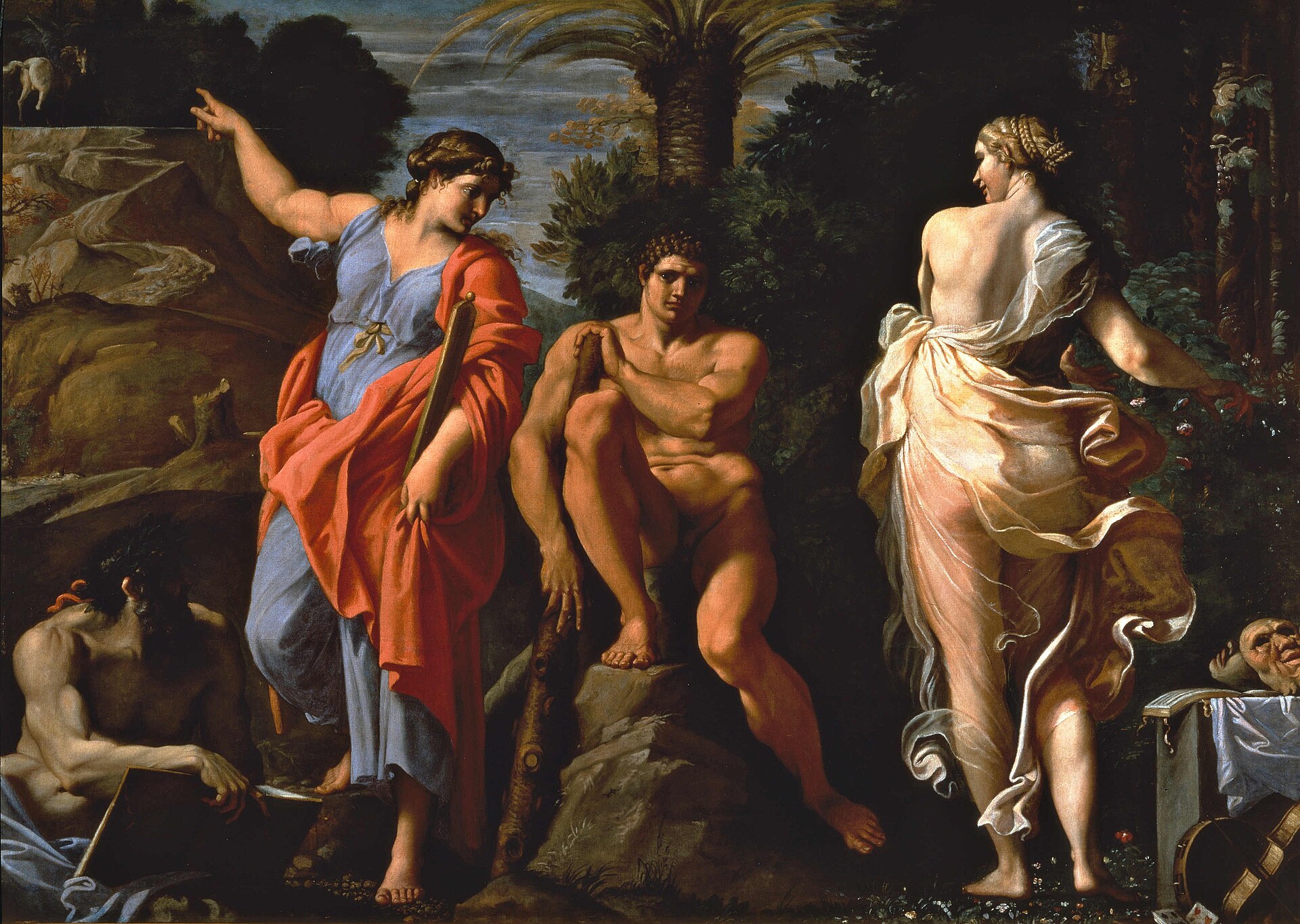
Prodicus of Ceos
465 BCE – 395 BCE
Ceos (Kea, island)
Cean sophist of language, semantic precision, synonym distinctions, moral choice, the Choice of Heracles, naturalistic theology, civic rhetoric, and Socrates' reported debt to Prodicus on names.
Philosophy of Language
Prodicus is remembered above all for correctness and propriety of names, fine synonym distinctions, and Socrates'' reported debt to his verbal method.
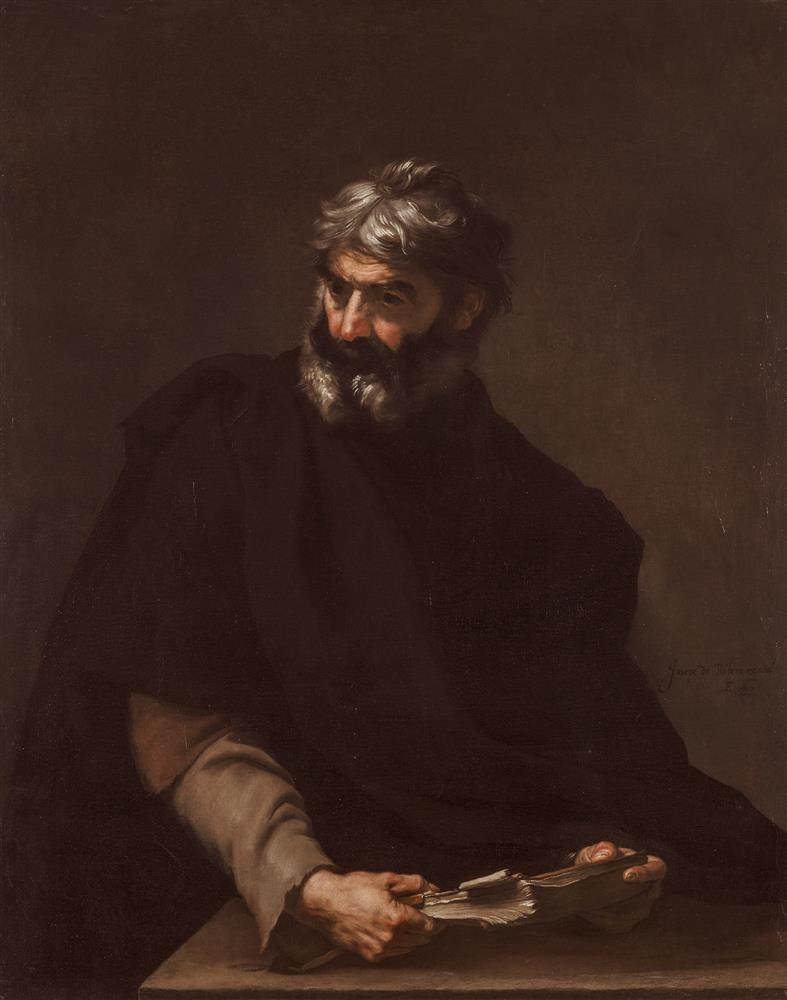
Protagoras of Abdera
490 BCE – 420 BCE
Abdera, Thrace
Abderite sophist of man-measure relativism, appearances, antilogy, weaker and stronger arguments, orthoepeia, civic virtue, democratic political teaching, On the Gods, and fragmentary testimonial transmission.
Philosophy of Language
Protagoras contributed to orthoepeia, grammar, speech forms, correctness of expression, and the analysis of discourse.
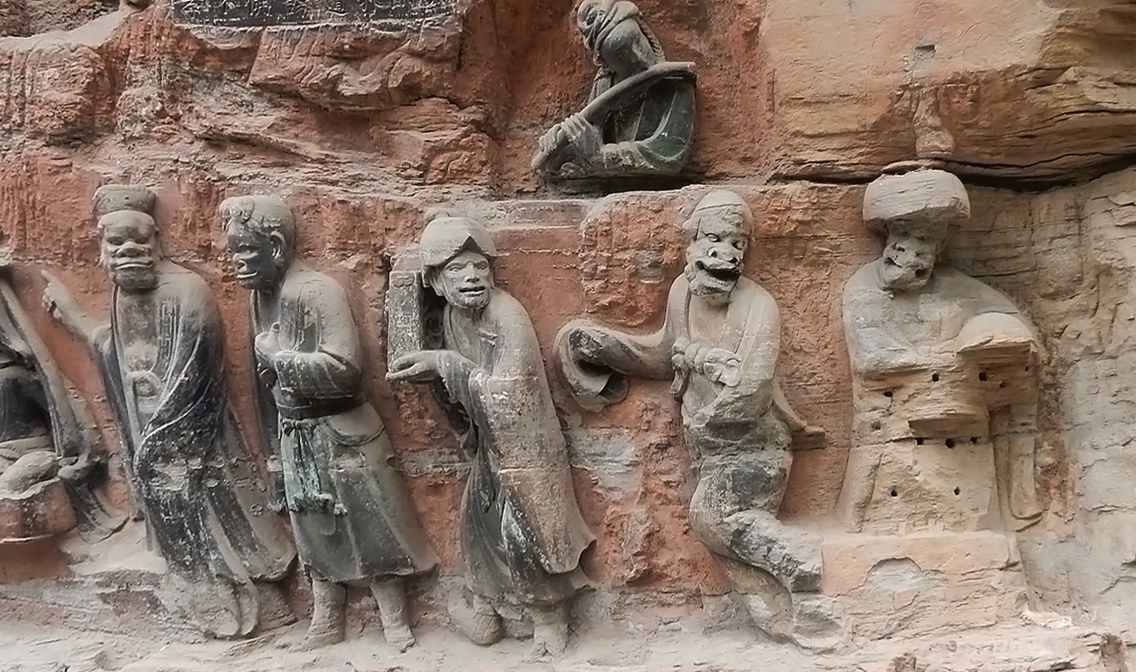
Purana Kassapa
560 BCE – 480 BCE
Magadha region
Early Indian sramana teacher remembered for akiriyavada, denial of the moral efficacy of action, Magadhan debate culture, the six teachers, and the Samannaphala Sutta report.
Philosophy of Language
The transmitted doctrine survives through formulaic Pali doxography and the named category akiriyavada, not through Purana's own preserved prose.
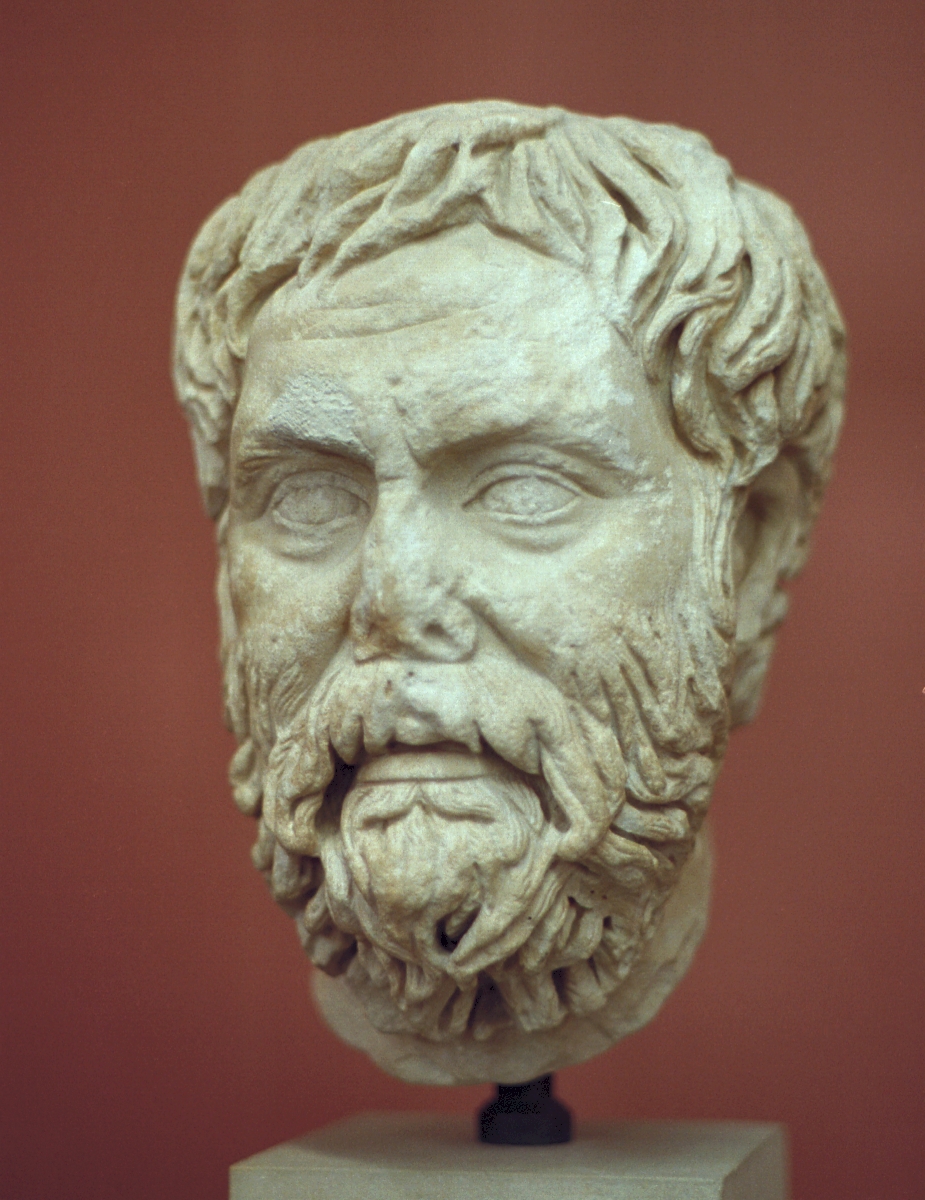
Pyrrho of Elis
360 BCE – 270 BCE
Elis, Peloponnese
Greek skeptic from Elis whose transmitted way of life joins epoche, aphasia, ataraxia, appearances, non-assertion, Anaxarchus, eastern travel traditions, Timon, Aenesidemus, Sextus Empiricus, and the Pyrrhonian challenge to dogmatic knowledge.
Philosophy of Language
The Pyrrhonian vocabulary of aphasia, non-assertion, appearances, and suspension gives later skepticism a careful language for withholding dogmatic commitment.
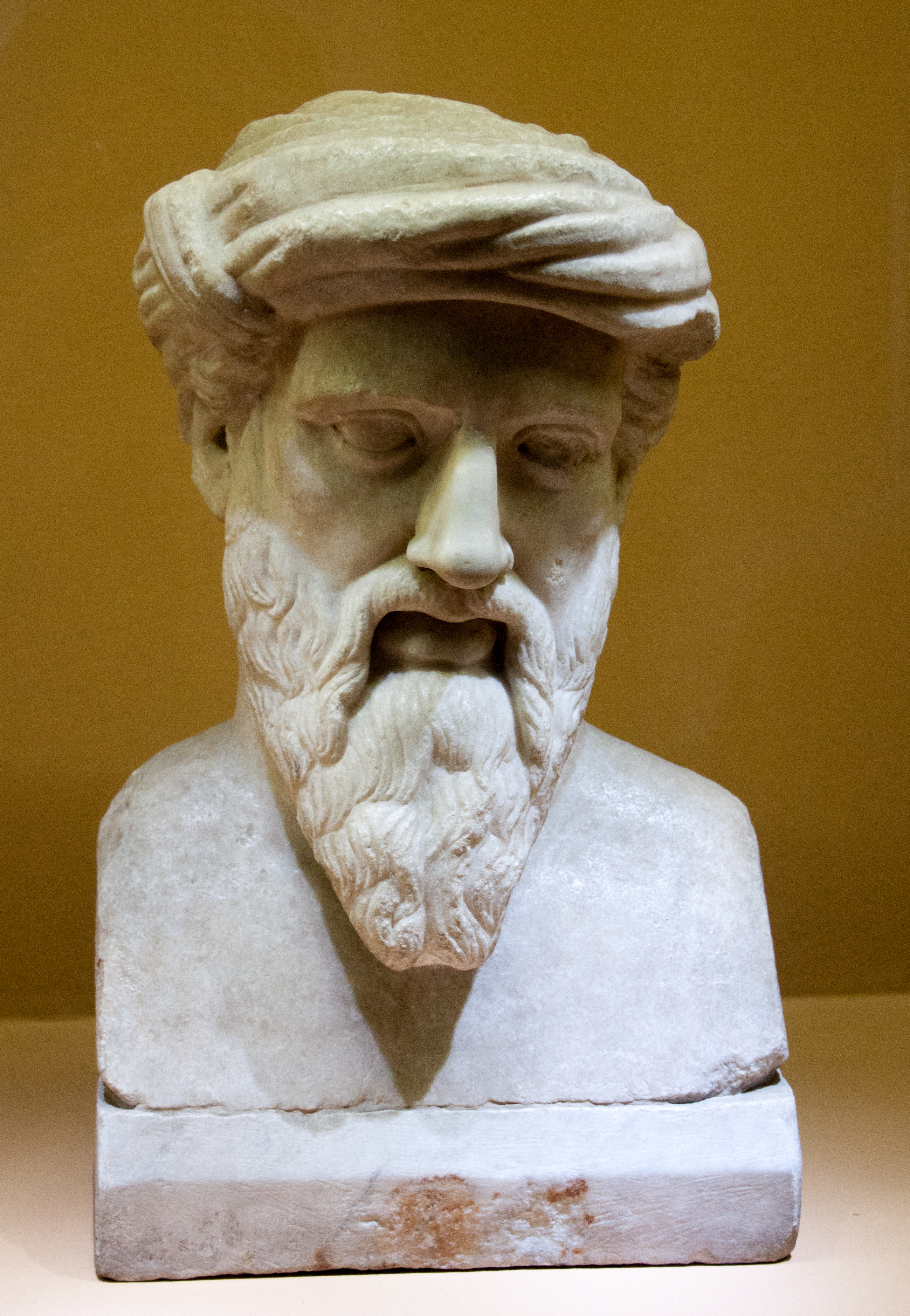
Pythagoras of Samos
570 BCE – 495 BCE
Samos
Samian founder of the Pythagorean way of life whose testimonial profile joins number metaphysics, harmony, tetractys, metempsychosis, purification, communal discipline, Croton, Samos, mathematics, harmonics, and later ancient reception.
Philosophy of Language
Pythagorean language is transmitted through symbola, akousmata, oral sayings, secrecy, maxims, and later testimony rather than secure authorial treatises.
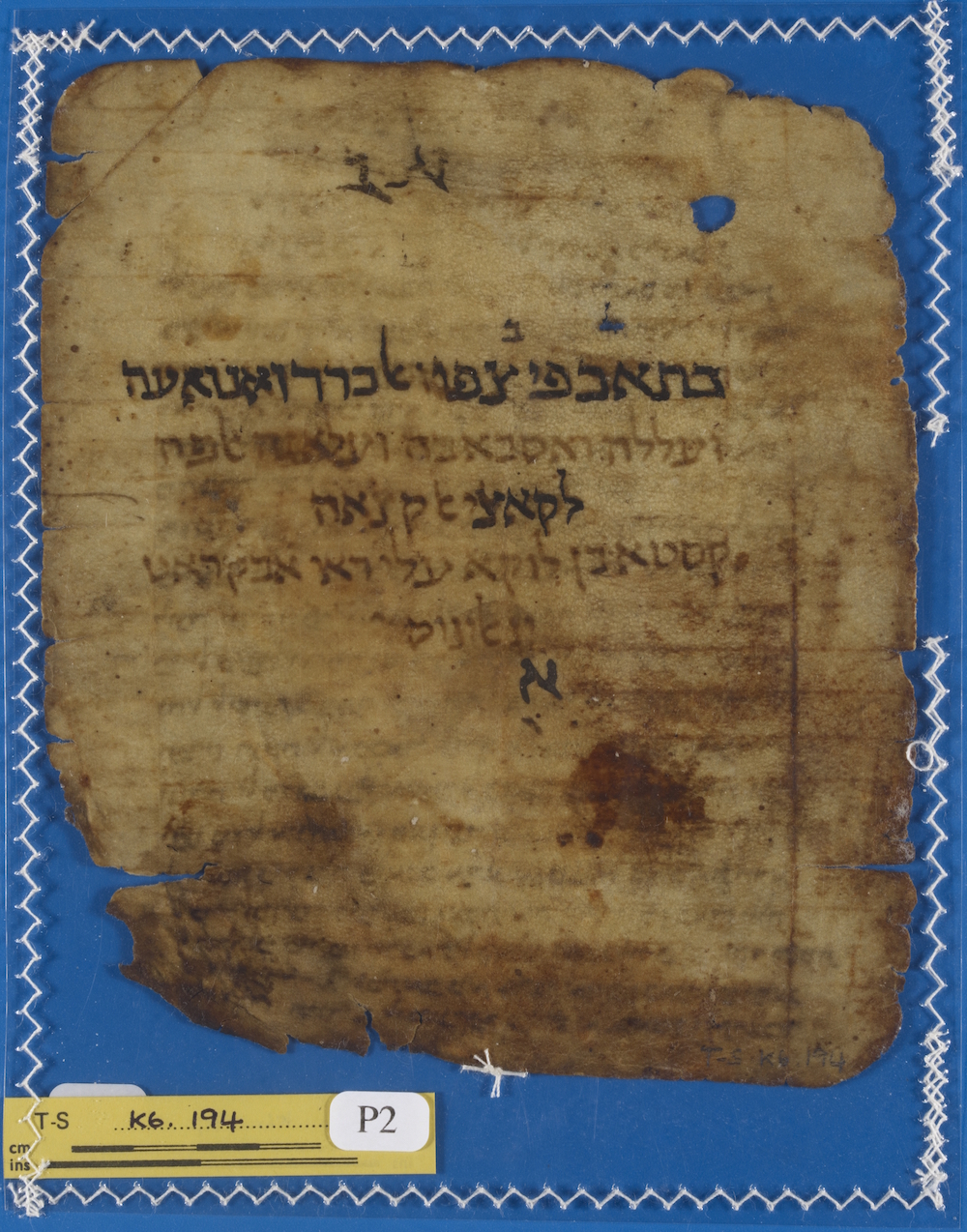
Qusta ibn Luqa
820 CE – 912 CE
Baalbek (Heliopolis)
Christian Arabic polymath and translator from Baalbek whose work joins medicine, mathematics, astronomy, mechanics, spirit-soul psychology, classification of sciences, and Latin scholastic reception.
Philosophy of Language
Qusta's command of Greek, Syriac, and Arabic made translation itself a philosophical practice, carrying scientific vocabulary and conceptual distinctions across languages.
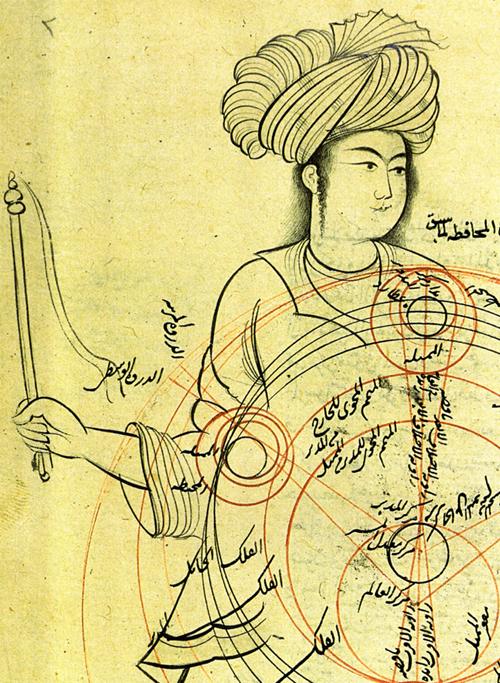
Qutb al-Din al-Shirazi
1236 CE – 1311 CE
Shiraz
Persian Islamic polymath of Shiraz, Maragha astronomy, Avicennan medicine, Illuminationist commentary, planetary models, optics, rhetoric, Quran commentary, and Durrat al-Taj.
Philosophy of Language
Qutb wrote and taught in Persian and Arabic, moving between philosophical encyclopedia, commentary, rhetoric, Qur'an interpretation, grammar, and technical scientific vocabulary.
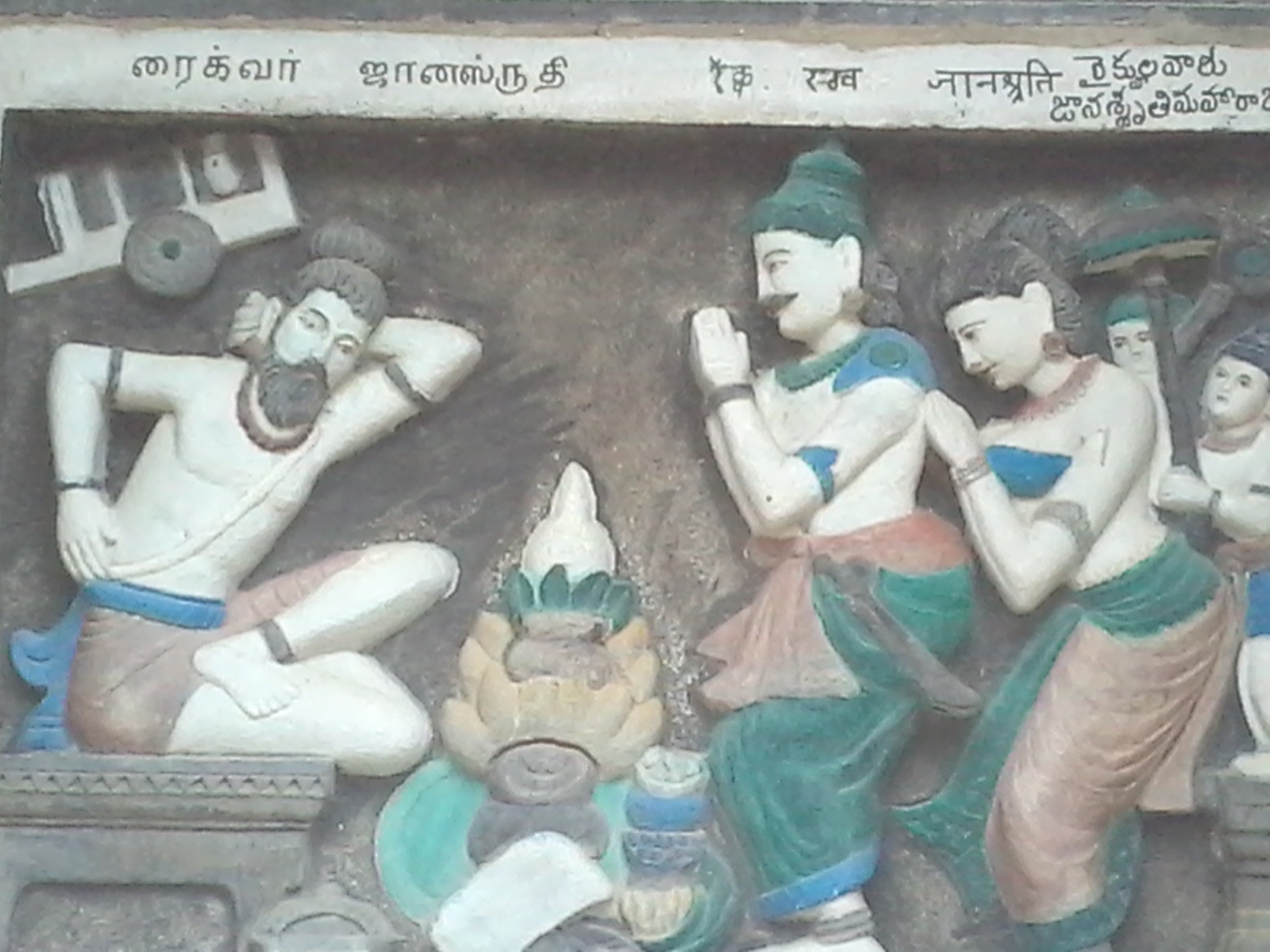
Raikva
750 BCE – 700 BCE
Indo-Gangetic region
Upanishadic sage of the Chandogya Upanishad whose Samvarga Vidya joins Janasruti, humility before knowledge, the cart-man motif, Vayu as cosmic absorber, Prana as bodily absorber, food and eater imagery, and Vedic transmission.
Philosophy of Language
The profile keeps Raikva's teaching in Vedic Sanskrit transmission, where names such as Samvarga, Vayu, Prana, and Krita carry technical force through analogy and ritual-philosophical vocabulary.
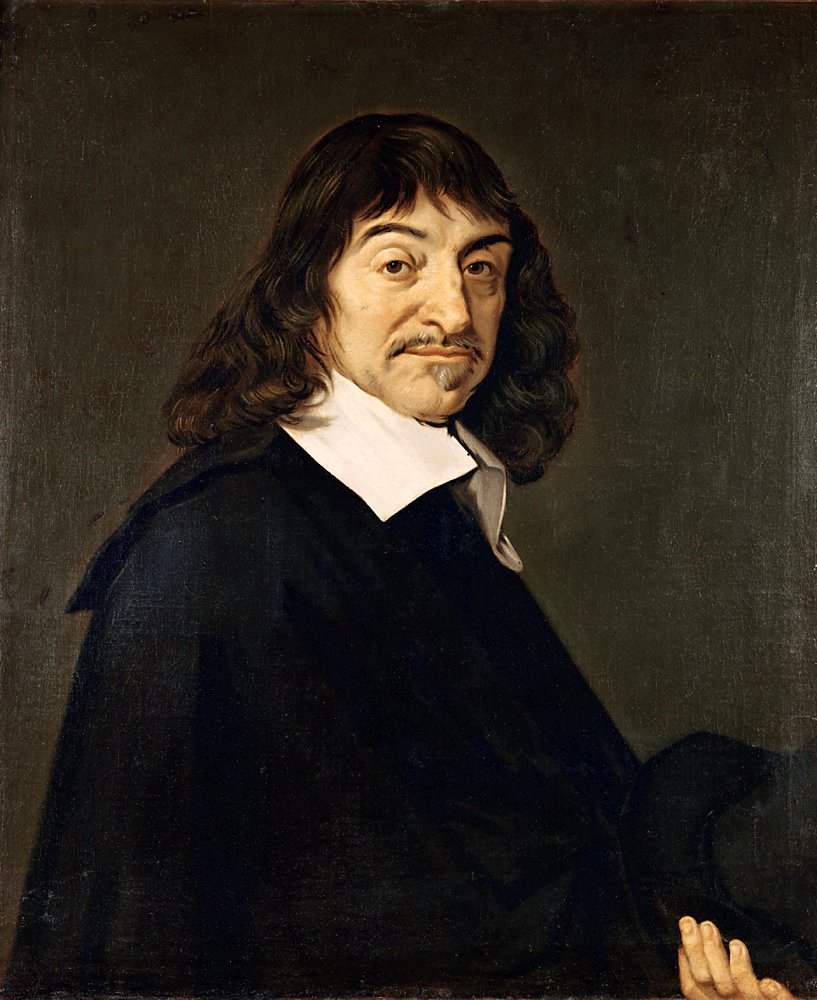
René Descartes
1596 CE – 1650 CE
La Haye en Touraine
Early modern rationalist and mathematician of methodic doubt, the cogito, clear and distinct perception, mind-body dualism, innate ideas, analytic geometry, mechanical philosophy, optics, passions, free will, God, and Cartesian science.
Philosophy of Language
He writes across Latin and French, turning philosophical method into public vernacular prose while also using scholastic vocabulary, mathematical symbolism, and correspondence as philosophical media.
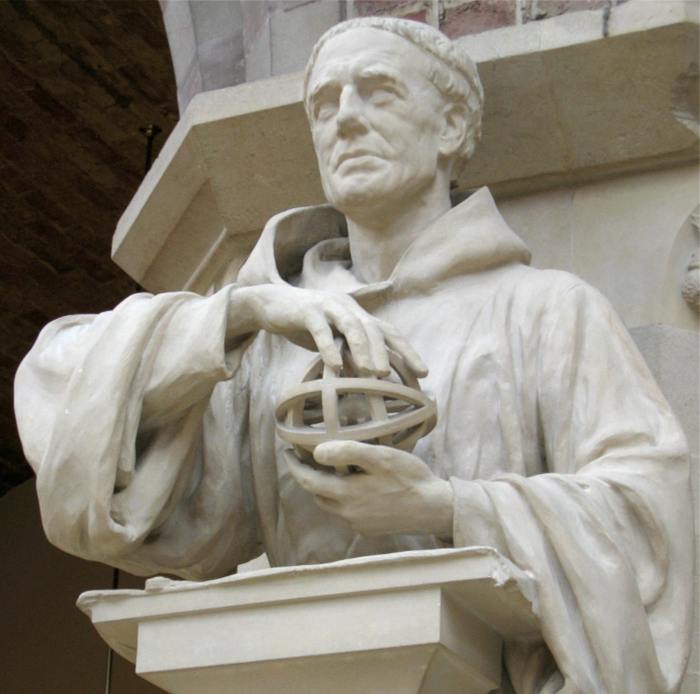
Roger Bacon
1219 CE – 1292 CE
Ilchester (Somerset)
Medieval Franciscan philosopher of languages, signs, mathematics, optics, experimental science, natural philosophy, moral philosophy, theology, and the reform of learning.
Philosophy of Language
Languages, grammar, Greek, Hebrew, Arabic, signs, translation, and Scriptural precision are central to Bacon's program of intellectual and theological reform.
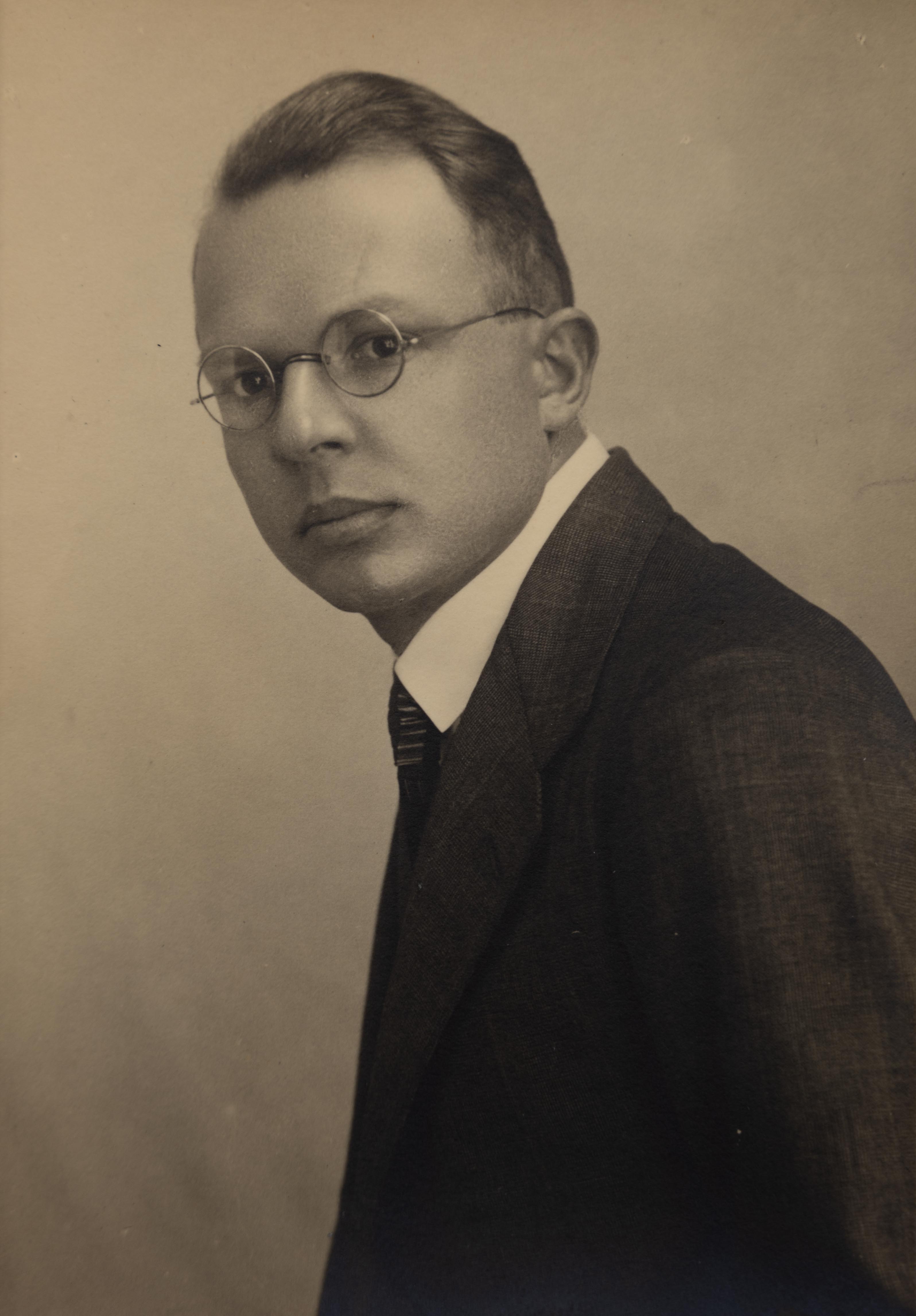
Rudolf Carnap
1891 CE – 1970 CE
Ronsdorf, Wuppertal
German-American logical empiricist of the Vienna Circle, Aufbau construction theory, anti-metaphysics, physicalist language, logical syntax, semantics, linguistic frameworks, confirmation theory, inductive logic, probability, theoretical terms, and scientific philosophy.
Philosophy of Language
Language is central: syntax, semantics, tolerance, intension and extension, linguistic frameworks, meaning, testability, and explication organize his philosophy.

Śabara Svāmin
100 BCE – 1 BCE
Indian subcontinent, exact birthplace unknown
Early Mīmāṃsā commentator whose Śabara Bhāṣya shaped Indian philosophy of language and religion through its analysis of Vedic injunction, dharma, śabda, pramāṇa, ritual action, and scriptural authority.
Philosophy of Language
Makes sentence meaning, word relation, injunction, command, and scriptural speech central philosophical problems in the analysis of Vedic authority.
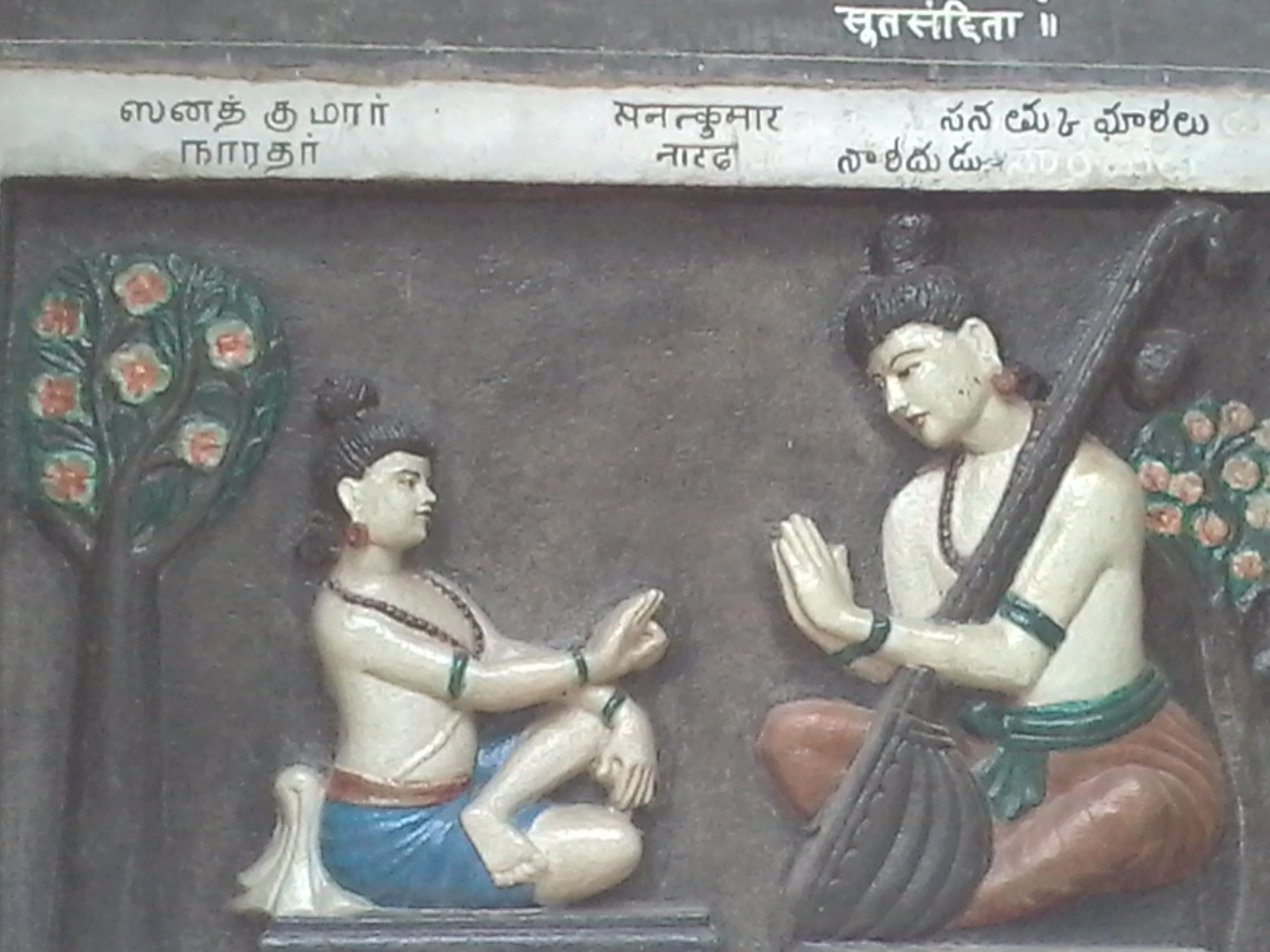
Sanatkumāra
700 BCE – 600 BCE
Indo-Gangetic region (symbolic / cosmic teacher)
Upanishadic teacher of Nārada whose Chāndogya dialogue links language, knowledge, sorrow, and bhūman, the infinite fullness beyond finite disciplines.
Philosophy of Language
Begins from name and speech, making language the first rung in a hierarchy that both honors verbal knowledge and shows why words alone cannot complete wisdom.
Sañjaya Belaṭṭhiputta
520 BCE – 450 BCE
Magadha region
Early Indian skeptic associated with Ajñāna and the Sāmaññaphala Sutta, where his remembered replies model suspension of judgment and metaphysical non-commitment.
Philosophy of Language
His remembered teaching turns on formulaic refusal, showing how repeated verbal non-commitment can become a philosophical position in its own right.
Satyakāma Jābāla
700 BCE – 600 BCE
Indo-Gangetic region (Pañcāla tradition)
Upanishadic figure whose Chandogya episode treats truthful self-disclosure as the sign of spiritual fitness and a gateway into instruction about Brahman.
Philosophy of Language
The episode depends on the power of naming and truthful speech: Satyakāma names himself and his mother honestly, and that speech reshapes his path to knowledge.
Saul Kripke
1940 CE – 2022 CE
Bay Shore, New York
American analytic philosopher and logician known for Kripke semantics, rigid designation, necessary a posteriori truth, truth theory, and rule-following skepticism.
Philosophy of Language
Transformed philosophy of language with rigid designation, anti-descriptivism about names, causal-historical reference, speaker/semantic reference distinctions, and puzzles about belief.
Seneca the Younger
4 CE – 65 CE
Corduba (Cordoba, Hispania)
Roman Stoic philosopher from Corduba whose letters, essays, and natural questions made virtue, anger, time, clemency, and self-command enduring topics in Latin philosophy.
Philosophy of Language
Transforms philosophical prose through letters, consolations, dialogues, aphorism, and pointed Latin rhetoric that makes Stoic correction feel direct and personal.

Sengzhao
384 CE – 414 CE
Jingzhao (Chang'an region)
Chinese Buddhist philosopher from Jingzhao whose Zhaolun essays shaped early Chinese Madhyamaka through emptiness, nonduality, non-knowing wisdom, language, and nameless nirvana.
Philosophy of Language
Makes the limits and provisional uses of language central: words can guide, but names and concepts become delusive when treated as ultimate.
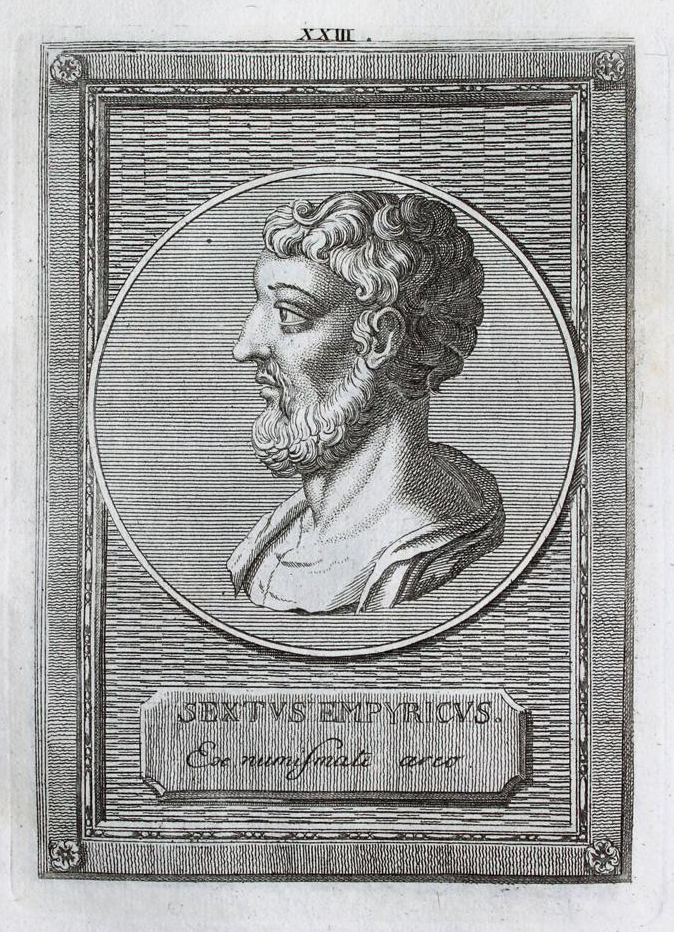
Sextus Empiricus
160 CE – 210 CE
Alexandria (probable)
Greek Pyrrhonian skeptic from Alexandria (probable) whose works preserve ancient arguments about suspension, signs, proof, criteria, and life without dogmatic certainty.
Philosophy of Language
Shows how terms such as true, evident, sign, cause, good, and knowledge become unstable when philosophers try to make them bear dogmatic certainty.
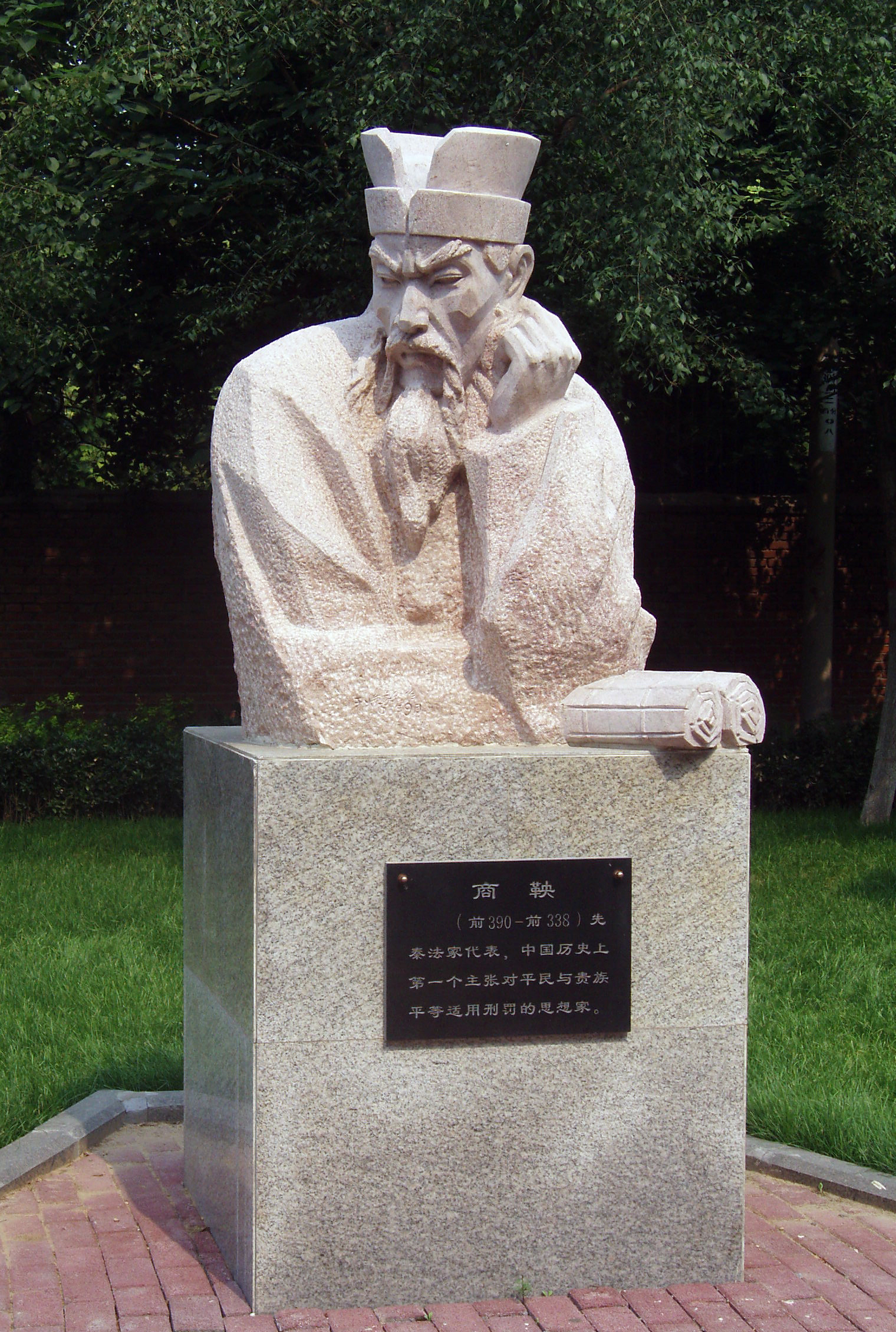
Shang Yang
390 BCE – 338 BCE
Wei state region
Chinese Legalist reformer whose Qin reforms and attributed Book of Lord Shang shaped early theories of law, state power, rewards, punishments, agriculture, and war.
Philosophy of Language
Shows how terms such as law, standards, merit, rank, reward, and punishment become instruments for governing behavior when attached to public rules and measurable outcomes.
Shihāb al-Dīn Suhrawardī
1154 CE – 1191 CE
Suhraward (Zanjan region)
Persian Illuminationist philosopher of presential knowledge, ontology of lights, Avicennan critique, imagination, symbolic narrative, and later ishraqi reception.
Philosophy of Language
Works between Arabic systematic prose and Persian symbolic narrative, showing how philosophical language, image, and allegory can point toward knowledge that exceeds ordinary definition.
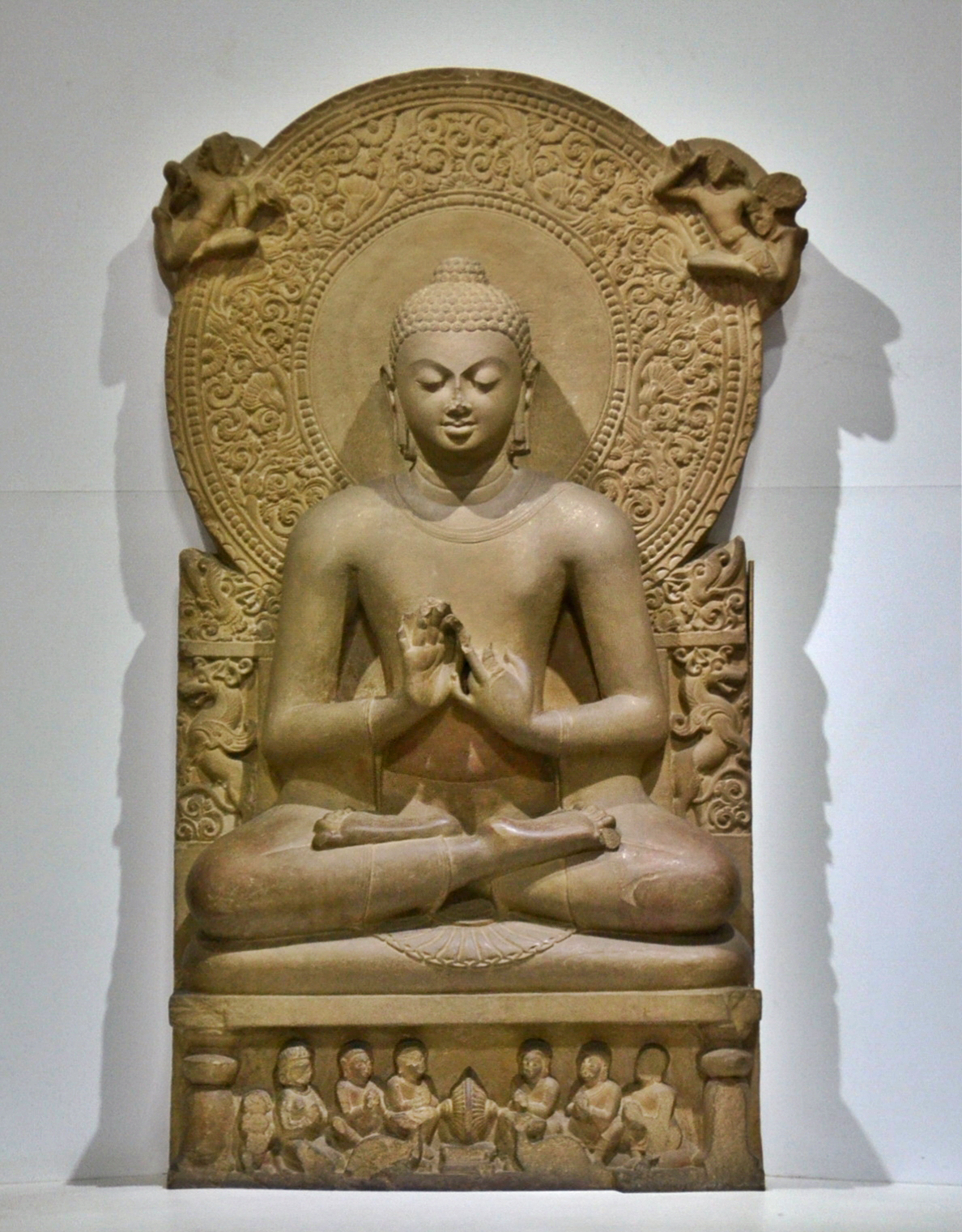
Siddhārtha Gautama
563 BCE – 483 BCE
Lumbinī
Founder of Buddhism whose transmitted early discourses frame suffering, liberation, dependent arising, not-self, mindfulness, ethics, and the Middle Way.
Philosophy of Language
Uses teaching formulas, dialogues, similes, pragmatic silences, and diagnostic classifications to make liberation-oriented analysis portable across oral transmission.
Siger of Brabant
1240 CE – 1284 CE
Brabant (Low Countries)
Paris arts master and radical Aristotelian associated with Latin Averroism, the unity of intellect controversy, metaphysics, logic, natural philosophy, and the autonomy of philosophical teaching.
Philosophy of Language
Treats terms such as human, animal, being, necessary, true, and exists as technical philosophical instruments whose grammar changes the force of metaphysical claims.
Simon the Shoemaker
470 BCE – 399 BCE
Athens (Attica)
Athenian Socratic shoemaker remembered for workshop conversations, craft ethics, free speech, and a lost one-volume set of shoemaker dialogues.
Philosophy of Language
The reported shoemaker dialogues frame philosophy as remembered conversation, title transmission, and ordinary speech shaped into Socratic inquiry.
Simone de Beauvoir
1908 CE – 1986 CE
Paris
French existentialist and feminist philosopher of ambiguity, situated freedom, otherness, embodiment, oppression, aging, literature, and ethical responsibility.
Philosophy of Language
Treats narrative, testimony, public speech, memoir, myth, and literary voice as ways philosophical experience becomes communicable and politically forceful.
Socrates
470 BCE – 399 BCE
Alopece, Athens
Ancient Athenian philosopher whose public examination, care of the soul, ethical courage, piety inquiry, and trial shaped the Socratic tradition and classical philosophy.
Philosophy of Language
Makes spoken dialogue, definition, irony, questioning, and public defense the medium of philosophy, while leaving no authored written corpus.
Søren Kierkegaard
1813 CE – 1855 CE
Copenhagen
Danish philosopher of subjectivity, indirect communication, pseudonymous authorship, anxiety, despair, faith, love, the single individual, and critique of Christendom.
Philosophy of Language
Develops indirect communication through pseudonyms, masks, irony, fragments, reviews, discourses, and direct religious address to reach different existential readers.
Thābit ibn Qurra
826 CE – 901 CE
Harran, Upper Mesopotamia
Harranian Sabian polymath of Baghdad, Greek-Syriac-Arabic translation, geometry, number theory, ratios, astronomy, statics, medicine, Galenic summaries, De imaginibus, and Latin/Hebrew reception.
Philosophy of Language
Thabit's Syriac, Greek, and Arabic learning made translation a philosophical practice, carrying mathematical, astronomical, medical, and metaphysical vocabulary across languages.
Thales of Miletus
624 BCE – 546 BCE
Miletus, Ionia
Milesian natural philosopher and sage of water as arche, earth on water, natural explanation, astronomy, geometry, eclipse tradition, magnet/soul testimony, and Seven Sages reception.
Philosophy of Language
The Thales tradition depends on doxographic language, Greek astronomical titles, sayings, later paraphrase, and careful separation of attributed works from reception concepts.
The Venerable Bede
672 CE – 735 CE
Wearmouth-Jarrow region, Northumbria
Northumbrian monk and scholar of Wearmouth-Jarrow, computus, chronology, AD dating, natural philosophy, grammar, rhetoric, biblical exegesis, ecclesiastical history, hagiography, and pastoral reform.
Philosophy of Language
His language work covers orthography, meter, figures, tropes, Latin pedagogy, biblical terminology, and the transmission of learned vocabulary.
Theodor W. Adorno
1903 CE – 1969 CE
Frankfurt am Main
German critical theorist, philosopher, sociologist, and music theorist of the Frankfurt School whose negative dialectics, nonidentity, culture industry critique, aesthetics, music sociology, authoritarianism analysis, and postwar social philosophy shaped contemporary critical theory.
Philosophy of Language
His language philosophy criticizes jargon, authenticity rhetoric, positivist reduction, conceptual domination, and the violence of identity imposed through words.
Theophrastus of Eresus
371 BCE – 287 BCE
Eresos, Lesbos
Peripatetic philosopher from Eresos, Aristotle successor at the Lyceum, botanical classifier, natural scientist, logician, rhetorician, character writer, and major doxographical source for earlier Greek philosophy.
Philosophy of Language
Theophrastus studies style, correct Greek, rhetoric, delivery, definition, dialectic, and the relation between audience-oriented and truth-oriented speech.
Thich Nhat Hanh
1926 CE – 2022 CE
Hue, central Vietnam
Vietnamese Zen and engaged Buddhist philosopher of mindfulness, interbeing, deep listening, loving speech, nonviolence, Plum Village practice, antiwar witness, and global lay-monastic transmission.
Philosophy of Language
His language work emphasizes loving speech, deep listening, plain-language dharma translation, practice phrases, and accessible teaching across cultures.
Thomas Aquinas
1225 CE – 1274 CE
Roccasecca, County of Aquino
Medieval Dominican scholastic philosopher of faith and reason, act and potency, essence and existence, divine simplicity, analogy, the Five Ways, natural law, virtue, beatitude, soul, Aristotle commentary, and Thomism.
Philosophy of Language
His philosophy of language is especially influential in analogy, divine naming, equivocation, univocation, propositions, and theological speech.
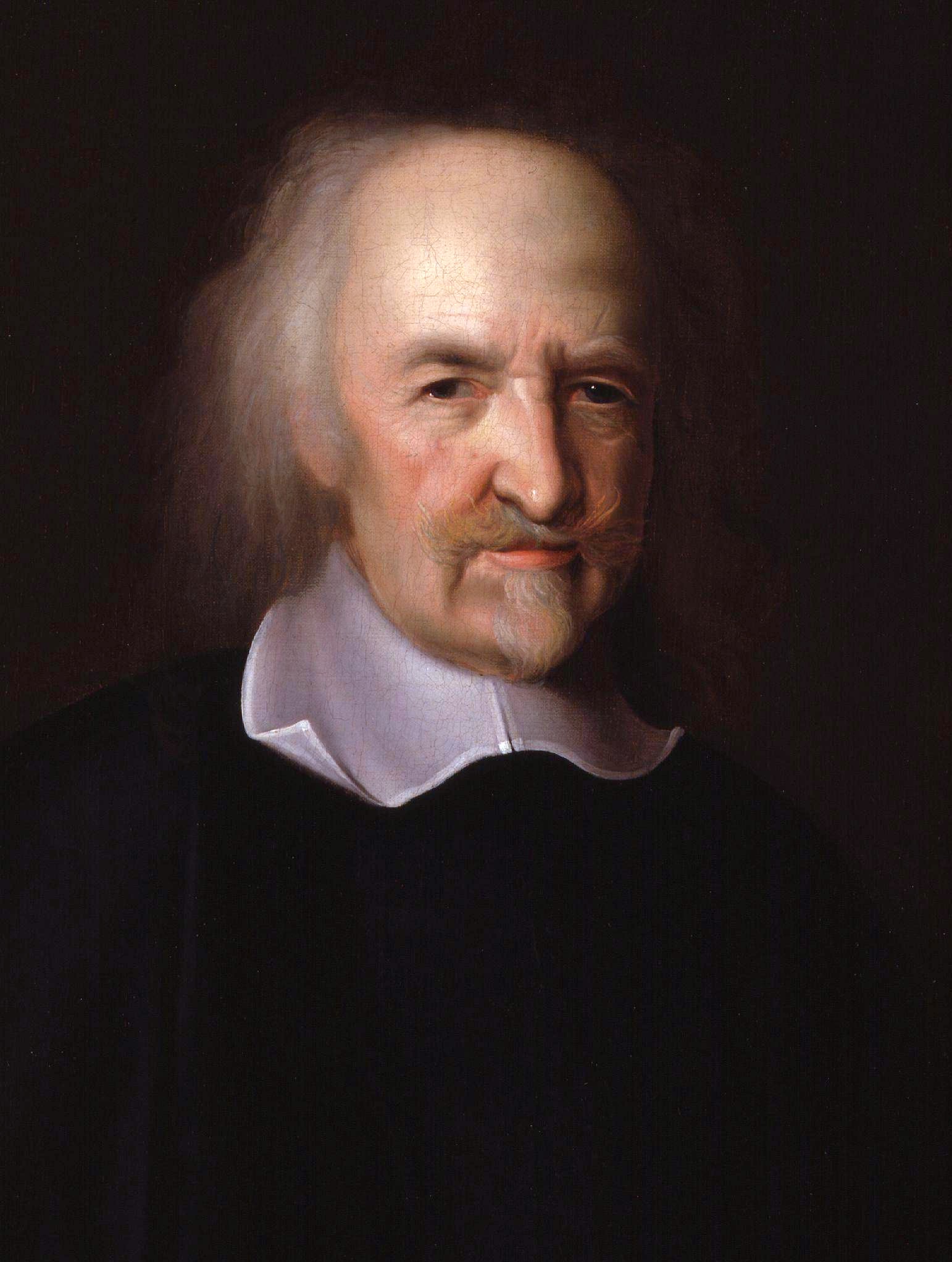
Thomas Hobbes
1588 CE – 1679 CE
Westport, near Malmesbury, Wiltshire
Early modern English philosopher of civil science, mechanistic materialism, state of nature, laws of nature, covenant, authorization, sovereignty, civil law as command, church authority, liberty and necessity, rhetoric, history, and translation.
Philosophy of Language
His philosophy of language treats names, speech, definition, rhetoric, equivocation, absurdity, counsel, command, civil law, and theological controversy.
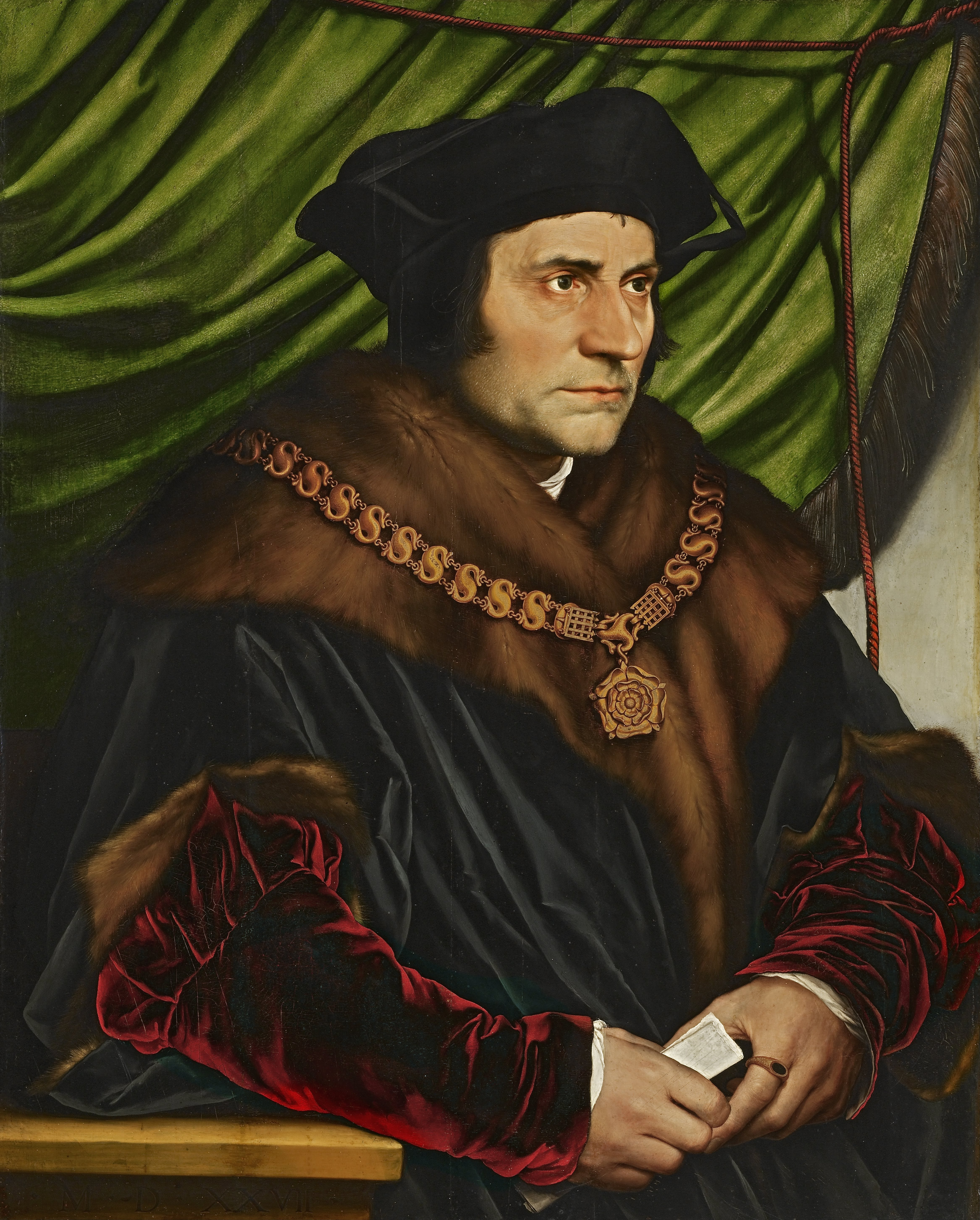
Thomas More
1478 CE – 1535 CE
London
English Renaissance humanist, lawyer, royal councillor, author of Utopia, and Catholic moral thinker whose works join civic counsel, conscience, political imagination, religious controversy, and prison consolation.
Philosophy of Language
Moves between Latin humanist style and English controversy, using translation, irony, dialogue, and public argument to shape moral and political reasoning.
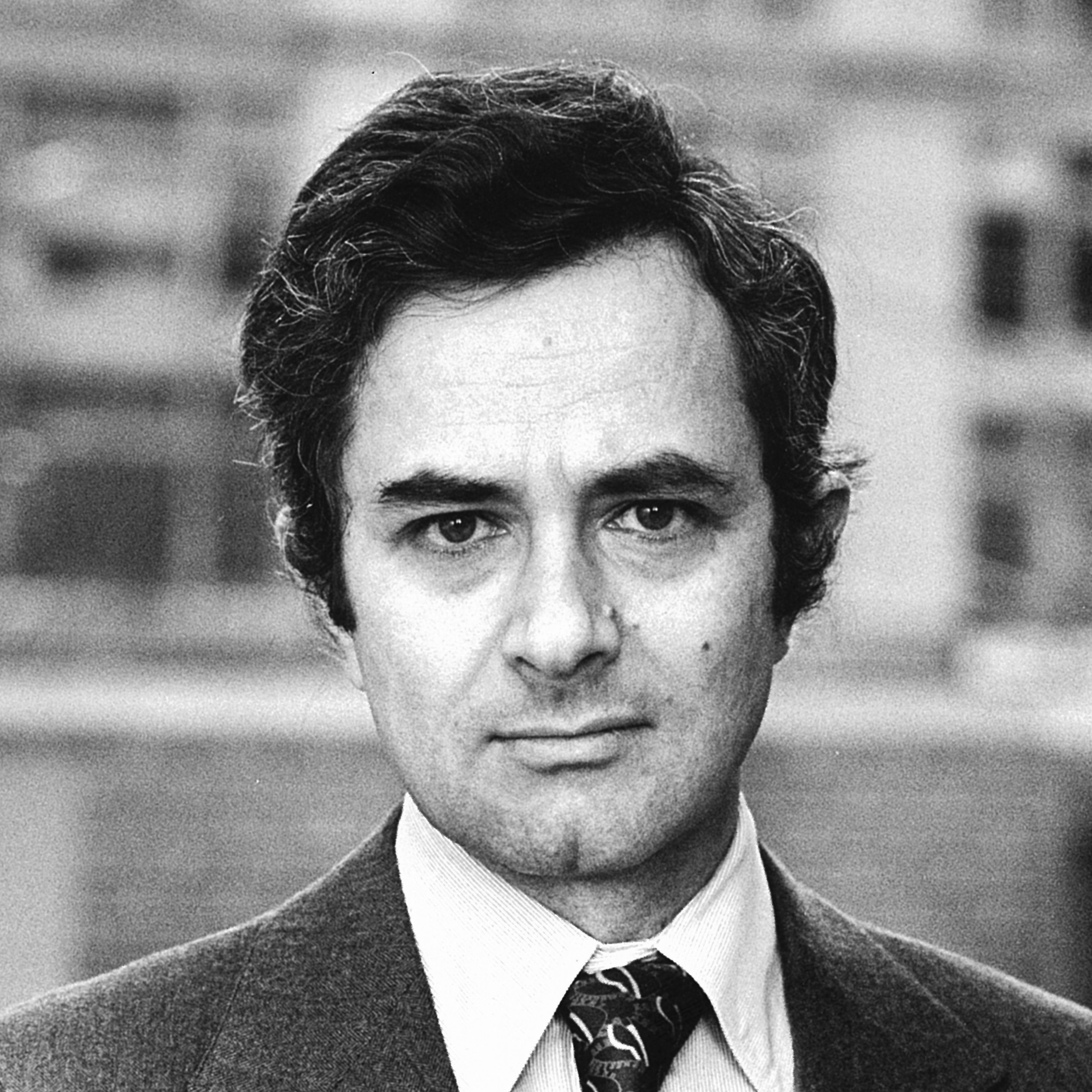
Thomas Nagel
1937 CE
Belgrade
American analytic philosopher of consciousness, objectivity, altruism, moral luck, equality, political morality, religious temperament, and limits of reductive materialism.
Philosophy of Language
Uses analytic attention to reference, standpoint, expression, and objectivity to test what language can and cannot capture about consciousness, value, and reason.
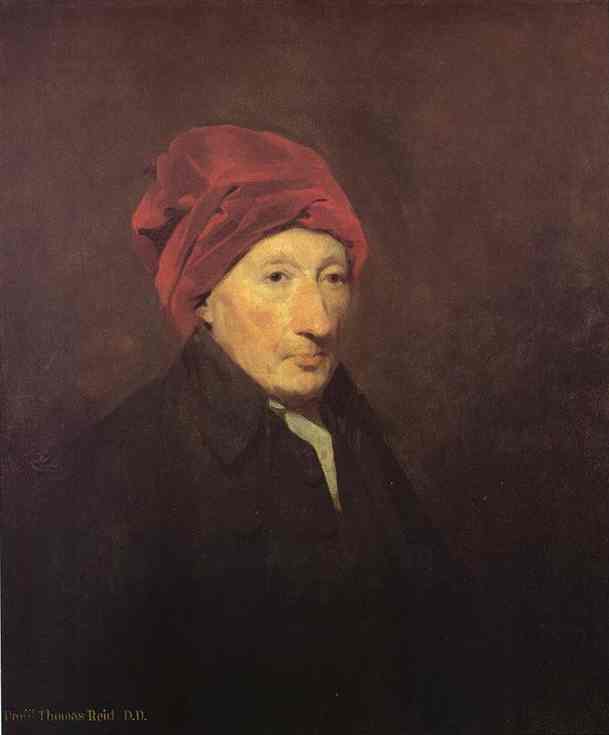
Thomas Reid
1710 CE – 1796 CE
Strachan, Kincardineshire
Scottish Enlightenment philosopher of common sense, direct realism, perception, first principles, active powers, moral liberty, natural signs, and criticism of the theory of ideas.
Philosophy of Language
Uses ordinary-language distinctions, natural signs, artificial signs, testimony, and the grammar of mental acts to expose confusions in the theory of ideas.
Uddālaka Āruṇi
750 BCE – 700 BCE
Kuru-Panchala region
Early Upanishadic teacher of Shvetaketu whose Chandogya teaching joins sat, Atman, subtle essence, visible-to-invisible analogy, tat tvam asi, and later Vedanta reception.
Philosophy of Language
Upanishadic Sanskrit formulae, sat, Atman, tat tvam asi, and later mahavakya reception in Vedanta commentary.
Val Plumwood
1939 CE – 2008 CE
Terrey Hills, near Sydney
Australian ecofeminist philosopher, logician, environmental ethicist, activist, and ecological-humanities figure whose work critiques mastery, human/nature dualism, anthropocentric reason, and ecological disconnection.
Philosophy of Language
Analysis of dualistic vocabularies, backgrounding, instrumental reason, ecological naming, and the active voice of nature.
Vasiṣṭha
1270 BCE – 1200 BCE
Rigvedic Bharata-Sudās priestly milieu; Sarasvatī-Paruṣṇī/Punjab horizon, exact birthplace unknown
Rigvedic rishi of the Bharata-Sudās priestly horizon whose Mandala 7 hymn blocks make mantra, sacred speech, Varuṇa theology, Sarasvatī, ṛta, yajña, and divine-human mediation central to early Vedic ritual philosophy.
Philosophy of Language
The Mandala 7 hymns make brahman as sacred utterance, mantra, poetic address, inspired intelligence, and oral transmission central to his philosophical profile.
Vasubandhu
316 CE – 396 CE
Puruṣapura, Gandhāra; modern Peshawar region
Gandhāran Buddhist philosopher whose Abhidharma analysis, Yogācāra consciousness-only arguments, Buddhist logic, karma theory, and Mahāyāna commentary shaped Indian, Tibetan, and East Asian scholastic philosophy.
Philosophy of Language
Vyākhyāyukti and his commentarial corpus make scriptural exposition, doctrinal vocabulary, debate language, and translation reception philosophically central.
Vātsyāyana
390 CE – 460 CE
Indo-Gangetic scholastic milieu; exact birthplace unknown
Classical Nyāya commentator identified with the Nyāyabhāṣya, whose analysis of pramāṇa, debate, inference, testimony, self, and liberation made Sanskrit logical inquiry central to Indian philosophy.
Philosophy of Language
The Nyāyabhāṣya makes testimony, words, meaning, definitions, and debate language central to philosophical method.
Viśvāmitra
1265 BCE – 1195 BCE
Rigvedic Bharata-Kuśika milieu; Vipāś-Śutudrī/Sarasvatī-Punjab horizon, exact birthplace unknown
Rigvedic rishi of the Bharata-Kuśika horizon whose Mandala 3 hymn blocks make mantra, sacred speech, ṛta, yajña, tapas, and divine-human mediation central to early Vedic ritual philosophy.
Philosophy of Language
The Gāyatrī mantra, river dialogue, and Mandala 3 hymns make sacred speech, mantra, poetic address, and oral transmission central to his philosophical profile.
Voltaire (François-Marie Arouet)
1694 CE – 1778 CE
Paris
French Enlightenment writer and philosopher whose deism, satire, toleration campaigns, Newtonian public science, civil-liberties advocacy, and anti-clerical critique made him a defining public intellectual of eighteenth-century Europe.
Philosophy of Language
The Philosophical Dictionary and his polemical style make alphabetized definition, irony, wit, dialogue, and public rhetoric instruments of philosophical criticism.
W. V. O. Quine
1908 CE – 2000 CE
Akron, Ohio
American analytic philosopher and logician whose naturalized epistemology, ontological relativity, indeterminacy of translation, extensionalism, and mathematical logic reshaped twentieth-century philosophy.
Philosophy of Language
Quine transformed philosophy of language through indeterminacy of translation, inscrutability of reference, stimulus meaning, and holophrastic learning.
Wang Bi
226 CE – 249 CE
Shanyang Commandery, Cao Wei; exact site/source wording varies
Cao Wei philosopher of xuanxue whose Laozi and Zhouyi commentaries made nonbeing, Dao, principle, words, images, and meaning central to early medieval Chinese metaphysics and canonical interpretation.
Philosophy of Language
His hermeneutics of words, images, and meaning in the Laozi and Zhouyi makes language philosophy central to his work.
Wang Yangming
1472 CE – 1529 CE
Yuyao, Zhejiang, Ming China
Ming Chinese Neo-Confucian philosopher of the School of Mind whose teaching joins innate knowing, mind as principle, unity of knowledge and action, sagehood, and moral-political practice.
Philosophy of Language
Reinterpreted the Great Learning, Zhu Xi, and classical terms through a practical language of mind, knowing, and action.
Wei Yuan
1794 CE – 1857 CE
Shaoyang, Hunan, Qing China
Late Qing Chinese statecraft thinker, historian, and geographer whose works joined Confucian practical learning, maritime defense, foreign geography, and reform-minded strategies for learning from foreign powers.
Philosophy of Language
His classical commentaries, bibliography, and translation-mediated foreign knowledge shaped late Qing interpretive and conceptual language.
William James
1842 CE – 1910 CE
New York City, New York
American philosopher and psychologist whose pragmatism, radical empiricism, stream-of-consciousness psychology, pluralism, and philosophy of religion reshaped modern philosophy.
Philosophy of Language
His pragmatism connects meaning with practical bearings, truth-claims, conceptual function, verification, and the consequences of ideas.
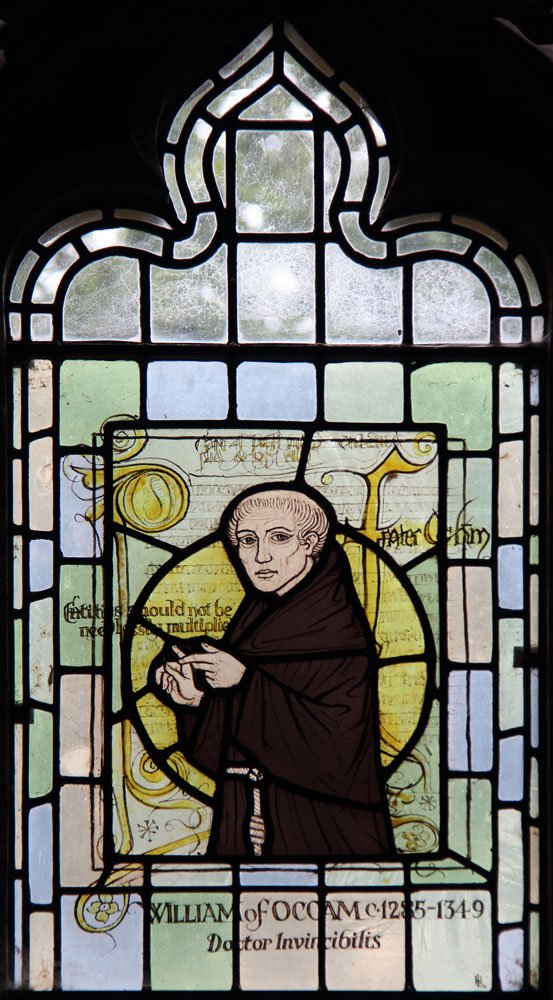
William of Ockham
1287 CE – 1347 CE
Ockham, Surrey
English Franciscan scholastic whose nominalism, terminist logic, mental-language theory, political theology, and parsimony arguments reshaped late medieval philosophy.
Philosophy of Language
His semantic theory explains signification, supposition, connotation, mental terms, spoken and written signs, and reference without realist universals.
Xenocrates of Chalcedon
396 BCE – 314 BCE
Chalcedon, Bithynia; now Kadikoy, Istanbul
Greek Academic philosopher who systematized Plato through formal numbers, the One and Indeterminate Dyad, demonology, and the tripartite division of philosophy.
Philosophy of Language
His logical works on dialectic, genera and species, definitions, and writing helped stabilize Academic vocabulary for forms, ideas, categories, and philosophical division.
Xenophanes of Colophon
570 BCE – 478 BCE
Colophon, Ionia; near modern Izmir Province, Turkey
Ionian Greek poet-philosopher whose fragments criticize anthropomorphic gods, defend rational theology, and pair naturalistic explanation with epistemic humility.
Philosophy of Language
He exposes how human language and cultural projection shape descriptions of the gods, especially through ethnic and bodily imagery.
Xenophon of Athens
430 BCE – 354 BCE
Athens, Attica; Erchia deme tradition noted
Cistercian monk, abbot of Socratic, and medieval Christian philosopher-theologian whose theology of love, humility, grace, free choice, mystical ascent, monastic ethics, scriptural exegesis, and ecclesial counsel shaped scholastic, monastic, and political theology.
Philosophy of Language
Xenophon preserves Socratic questioning and practical counsel in plain dramatic prose, making speech central to teaching, persuasion, and command.
Xuanzang
602 CE – 664 CE
Goushi or Chenliu near Luoyang, Henan, Tang China; source variants noted
Cistercian monk, abbot of Yogacara, and medieval Christian philosopher-theologian whose theology of love, humility, grace, free choice, mystical ascent, monastic ethics, scriptural exegesis, and ecclesial counsel shaped scholastic, monastic, and political theology.
Philosophy of Language
His translation practice and Vimalakirti/Prajnaparamita corpus make scriptural language, silence, translation vocabulary, and semantic precision philosophically central.
Xunzi
313 BCE – 238 BCE
State of Zhao, north-central China; exact birthplace uncertain
Late Warring States Confucian philosopher whose received Xunzi corpus argues that learning, ritual, music, names, cultivated artifice, and institutions transform unruly human tendencies into moral and political order.
Philosophy of Language
Correct Naming makes linguistic order, public standards, and stable distinctions central to governance, knowledge, and social coordination.
Yājñavalkya
760 BCE – 685 BCE
Videha / Mithilā region; Upanishadic setting, exact birthplace unknown
Late Vedic and early Upanishadic philosopher remembered for Śukla Yajurveda transmission, Bṛhadāraṇyaka debates with Janaka, Gārgī, and Maitreyī, and teachings on ātman, Brahman, renunciation, and dharma.
Philosophy of Language
Yājñavalkya's teaching relies on dialogue, negation, analogy, sacred speech, and tightly staged verbal exchanges with Janaka, Gārgī, and Maitreyī.
Zakariyya al-Qazwini
1203 CE – 1283 CE
Qazvin
Persian Islamic cosmographer and geographer whose Wonders of Creation and Monuments of the Lands joined natural history, geography, astronomy, marvel literature, manuscript illustration, and theological reflection on created order.
Philosophy of Language
Used Arabic encyclopedic prose, naming, description, comparison, and catalog order to make cosmographical and geographical knowledge legible.
Zeno of Citium
334 BCE – 262 BCE
Citium / Kition, Cyprus; Greek city with Phoenician colony context
Cistercian monk, abbot of Stoic, and medieval Christian philosopher-theologian whose theology of love, humility, grace, free choice, mystical ascent, monastic ethics, scriptural exegesis, and ecclesial counsel shaped scholastic, monastic, and political theology.
Philosophy of Language
Linked style, signs, Homeric interpretation, and dialectical expression to the Stoic project of clarifying reasoned speech.
Zeno of Elea
490 BCE – 430 BCE
Elea (Velia), Lucania, Magna Graecia; now Campania, Italy
Cistercian monk, abbot of Eleatic, and medieval Christian philosopher-theologian whose theology of love, humility, grace, free choice, mystical ascent, monastic ethics, scriptural exegesis, and ecclesial counsel shaped scholastic, monastic, and political theology.
Philosophy of Language
Forced attention to how claims about many things, motion, before and after, and finite or infinite division are expressed and reasoned through.
Zhang Zhidong
1837 CE – 1909 CE
Xingyi, Guizhou, Qing China; ancestral home Nanpi, Zhili/Hebei
Late Qing Confucian statesman and reform thinker whose Zhongti Xiyong formula joined classical moral-political substance to Western practical learning, technology, schooling, and institutional modernization.
Philosophy of Language
His work shaped translation policy, bibliographical classification, and conceptual mediation between Chinese learning and Western learning.
Zhi Qian
193 CE – 252 CE
Luoyang, Eastern Han China; later active at Jianye under Eastern Wu
Three Kingdoms Buddhist translator of Yuezhi ancestry whose Chinese renderings of Prajnaparamita, Vimalakirti, Pure Land, verse, and narrative scriptures shaped early Chinese Mahayana vocabulary and reception.
Philosophy of Language
Zhi Qian is central to early Chinese Buddhist philosophy of translation, naming, scriptural diction, doctrinal vocabulary, and the limits of speech in the Vimalakirti tradition.
Zhiyi
538 CE – 597 CE
Huarong, Jingzhou; source surfaces vary Hunan/Hubei, exact site uncertain
Sui Tiantai Buddhist philosopher whose Lotus Sutra hermeneutics, three-truths metaphysics, panjiao classification, and calming-insight meditation system shaped East Asian Buddhist thought.
Philosophy of Language
His Lotus, Vimalakirti, and Golden Light commentaries analyze words, phrases, skillful means, and scriptural levels as instruments of Buddhist insight.
Zhou Dunyi
1017 CE – 1073 CE
Yingdao, Daozhou, now Dao County, Yongzhou, Hunan
Northern Song Neo-Confucian philosopher whose taiji-wuji cosmology, theory of sincerity, moral self-cultivation, and lotus symbolism helped form the metaphysical and ethical vocabulary later systematized by Zhu Xi.
Philosophy of Language
His terse diagrams, aphoristic prose, and lotus essay show how classical terms such as taiji, wuji, cheng, and junzi carry moral-metaphysical force.
Zhu Xi
1130 CE – 1200 CE
Youxi, Nanjian Prefecture, Fujian, Southern Song; ancestral Wuyuan/Huizhou noted in sources
Southern Song Neo-Confucian philosopher whose Cheng-Zhu synthesis made li-qi metaphysics, investigation of things, ritual self-cultivation, and the Four Books commentary tradition central to later East Asian Confucian learning.
Philosophy of Language
Stabilized classical terms through commentary, chapter-and-phrase exegesis, and the interpretive canon of the Four Books.
Zhuangzi
369 BCE – 286 BCE
Meng, state of Song, now near Shangqiu, Henan; exact site uncertain
Warring States Daoist philosopher whose received Zhuangzi tradition uses parable, skepticism, transformation, spontaneity, and perspectival reasoning to loosen fixed distinctions and reorient life toward wandering with dao.
Philosophy of Language
He repeatedly exposes limits of names, distinctions, assertions, and disputation, using language to loosen confidence in language.
Zongmi
780 CE – 841 CE
Xichong, Guozhou, Sichuan, Tang China
Tang Buddhist philosopher whose Huayan-Chan synthesis joined tathāgatagarbha, Perfect Enlightenment exegesis, sudden awakening with gradual cultivation, and doctrinal classification.
Philosophy of Language
His commentaries and prolegomena analyze scriptural wording, Chan sayings, doctrinal names, and interpretive classification as vehicles for Buddhist insight.