The Continents of the World
Loading World Terra Firma…
See the fullscreen Terra Firma here
North America — South America — Africa — Asia — Europe — Australia — Antarctica
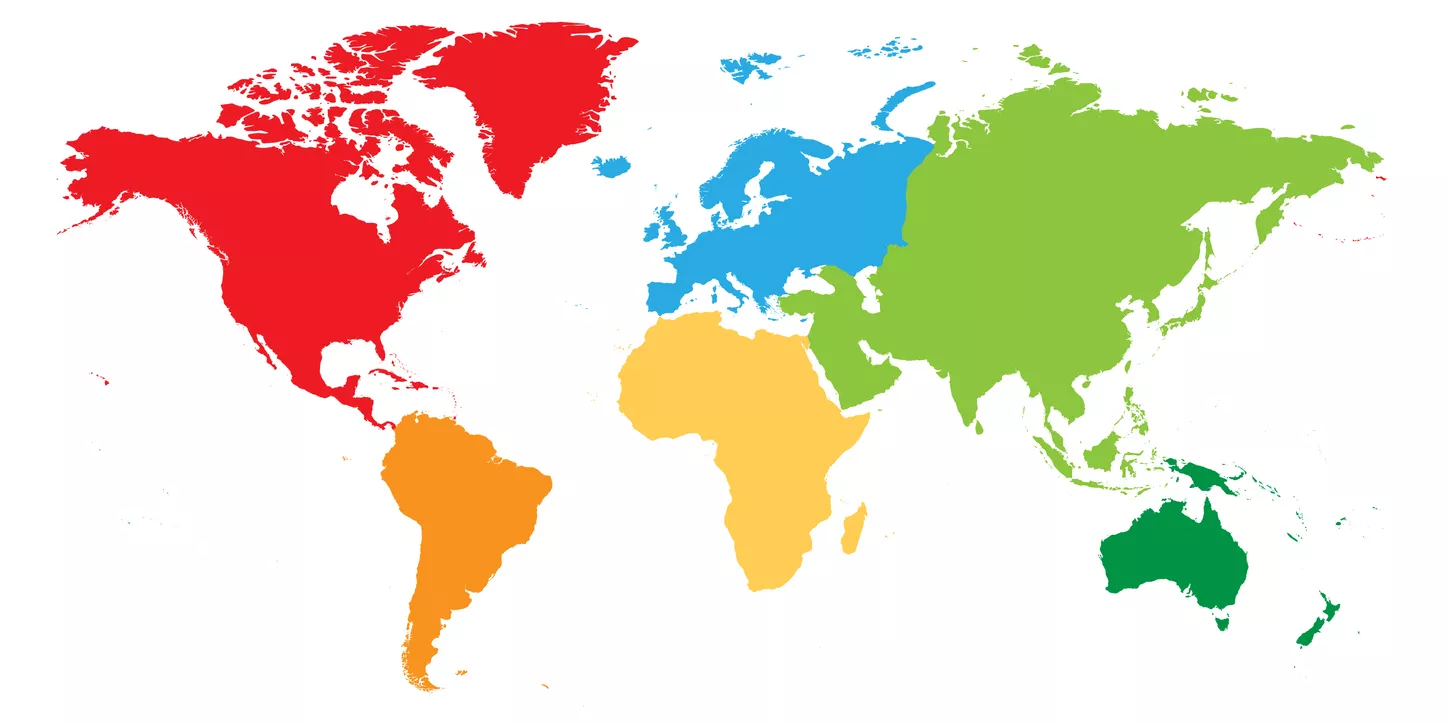
Geographic Continents
| Continent | Geographic Definition | Key Boundaries |
|---|---|---|
| Africa | Massive landmass bridging the Mediterranean world and the tropics, extending deep into the Indian and Atlantic Oceans. | North: Mediterranean Sea. West: Atlantic. East: Red Sea & Indian Ocean. South: Southern Ocean. |
| Asia | Largest continent; stretches from the Middle East through Central, South, East, and Northeast Asia up to the Arctic. | West: Ural Mountains & Caspian/Black Seas. South: Indian Ocean. East: Pacific Ocean. North: Arctic Ocean. |
| Europe | Northwestern peninsula of Eurasia; compact, heavily indented, culturally distinct from surrounding zones. | East: Ural Mountains. South: Mediterranean & Black Seas. West: Atlantic. North: Arctic. |
| North America | Landmass from the Arctic down to the Caribbean and Central American corridor. | North: Arctic. East: Atlantic. West: Pacific. South: Isthmus of Panama. |
| South America | Southern continental extension of the Americas dominated by the Andes and Amazon basin. | North: Caribbean. East: Atlantic. West: Pacific. South: Southern Ocean. |
| Australia | Smallest continent; core landmass of Australia plus proximate islands tied to the Australian plate. | Entirely surrounded by Indian & Pacific Oceans. |
| Antarctica | Polar continent centered on the South Pole, ice-covered and isolated. | Fully encircled by the Southern Ocean. |
A
V
I
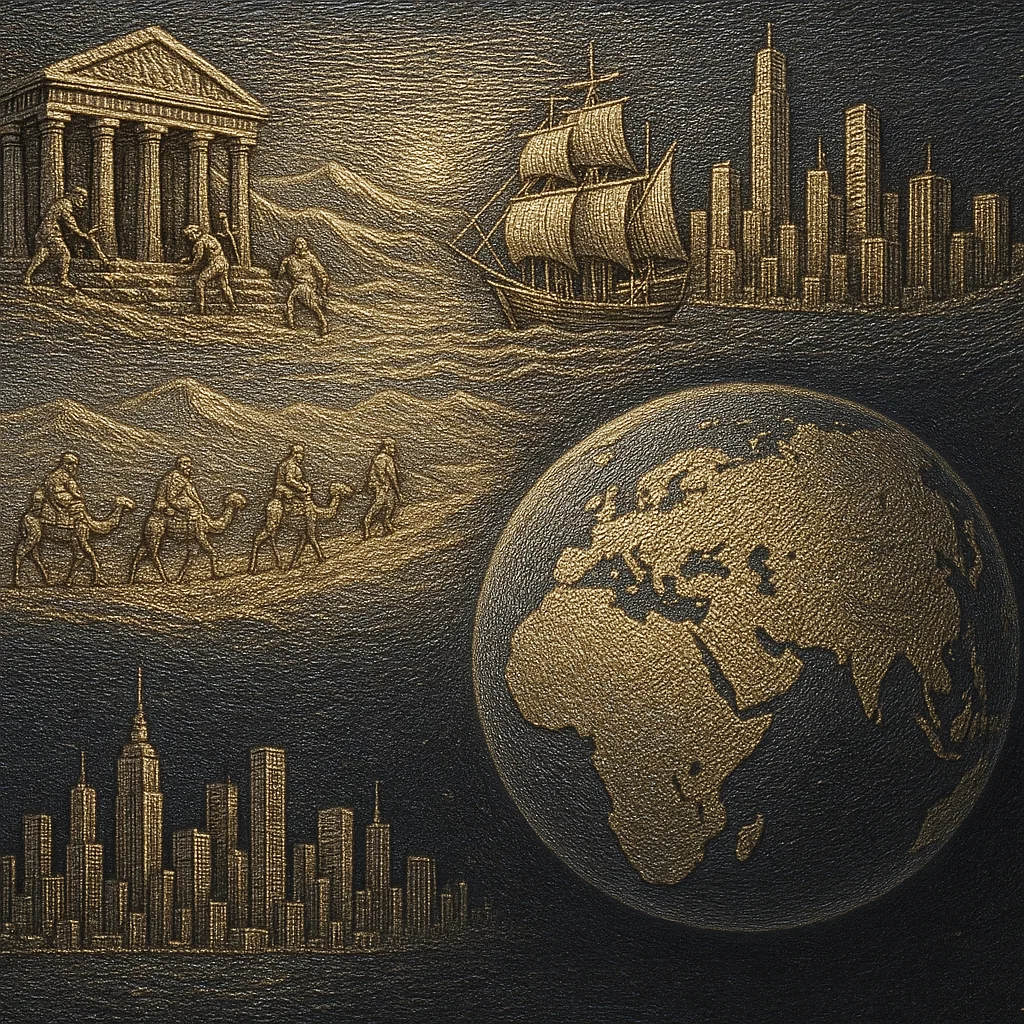
T
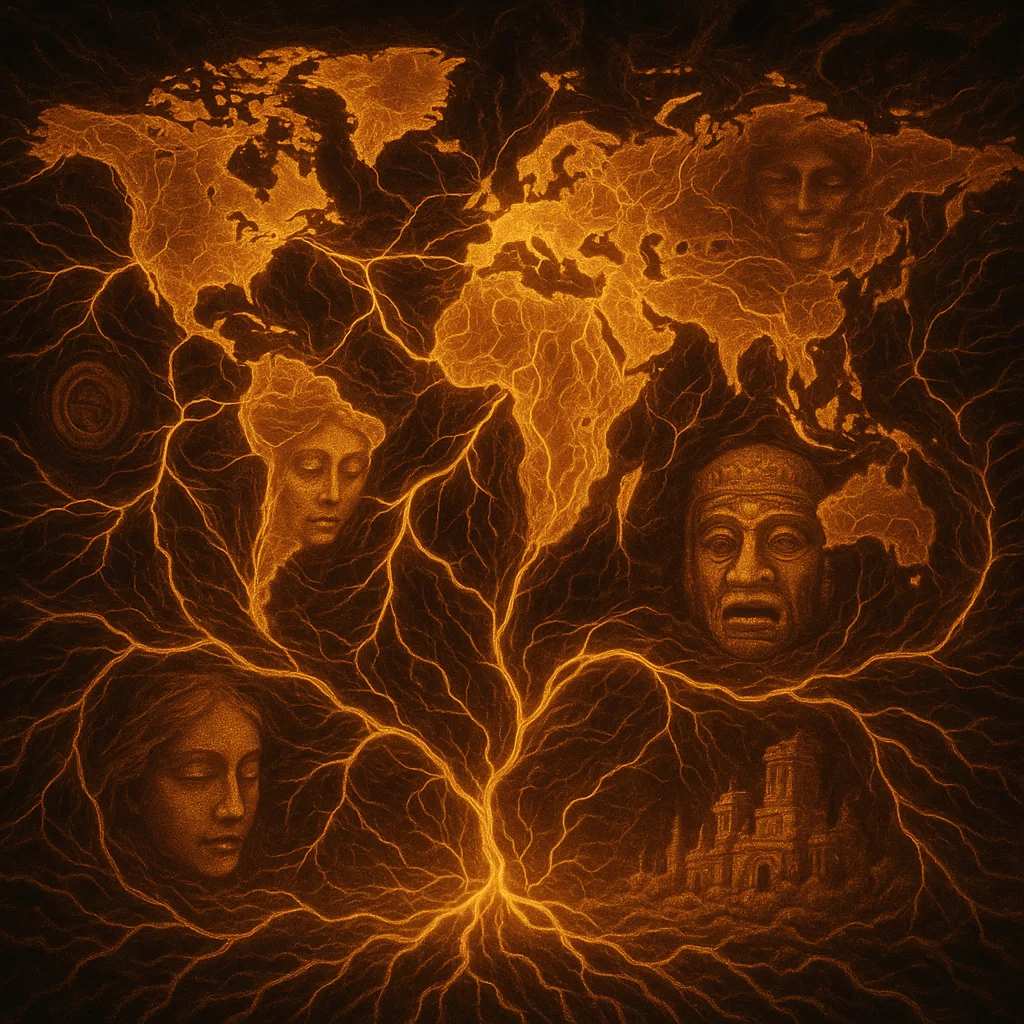
A
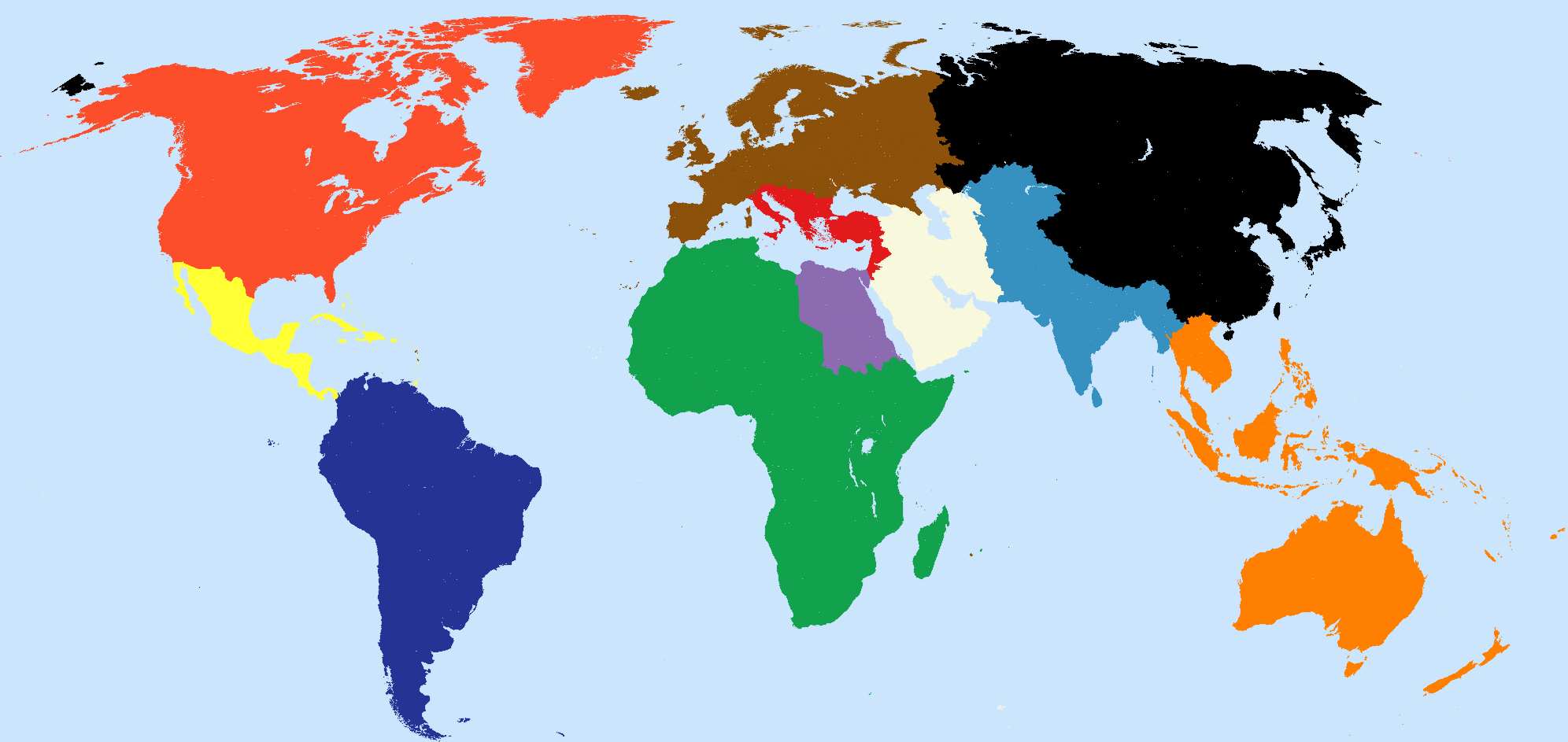
Terra Avita
Terra Avita is a full re-mapping of the world by its real boundaries—geology, climate, terrain, ancestry, and civilizational development. It shows how landforms shape peoples, how regions evolve over time, and how ancient and modern populations relate to the environments that formed them. Terra Avita connects physical geography with human lineage, migration, and identity, giving a clear, unified picture of how the world’s regions actually function and why they matter.